Finding a cut that works with your face, your body, and your hair texture can feel like a lot of trial and error. Straight hair tends to lie flat without help, and the wrong layers can make things look thin or shapeless instead of adding the lift you want. The good news is that layered straight hair hairstyles for plus size women are some of the most flattering options out there, because layers create movement around the face and shoulders without adding bulk anywhere it isn’t wanted. A well-placed layer can soften a round face, balance broader shoulders, or draw the eye upward toward your best features. Below are nineteen ways to work layers into straight hair, from subtle face-framing pieces to bold choppy ends. Each one handles length, texture, and placement a little differently, so you can find the version that matches your hair type and the shape you want to highlight.
Long Layers with Face-Framing Pieces
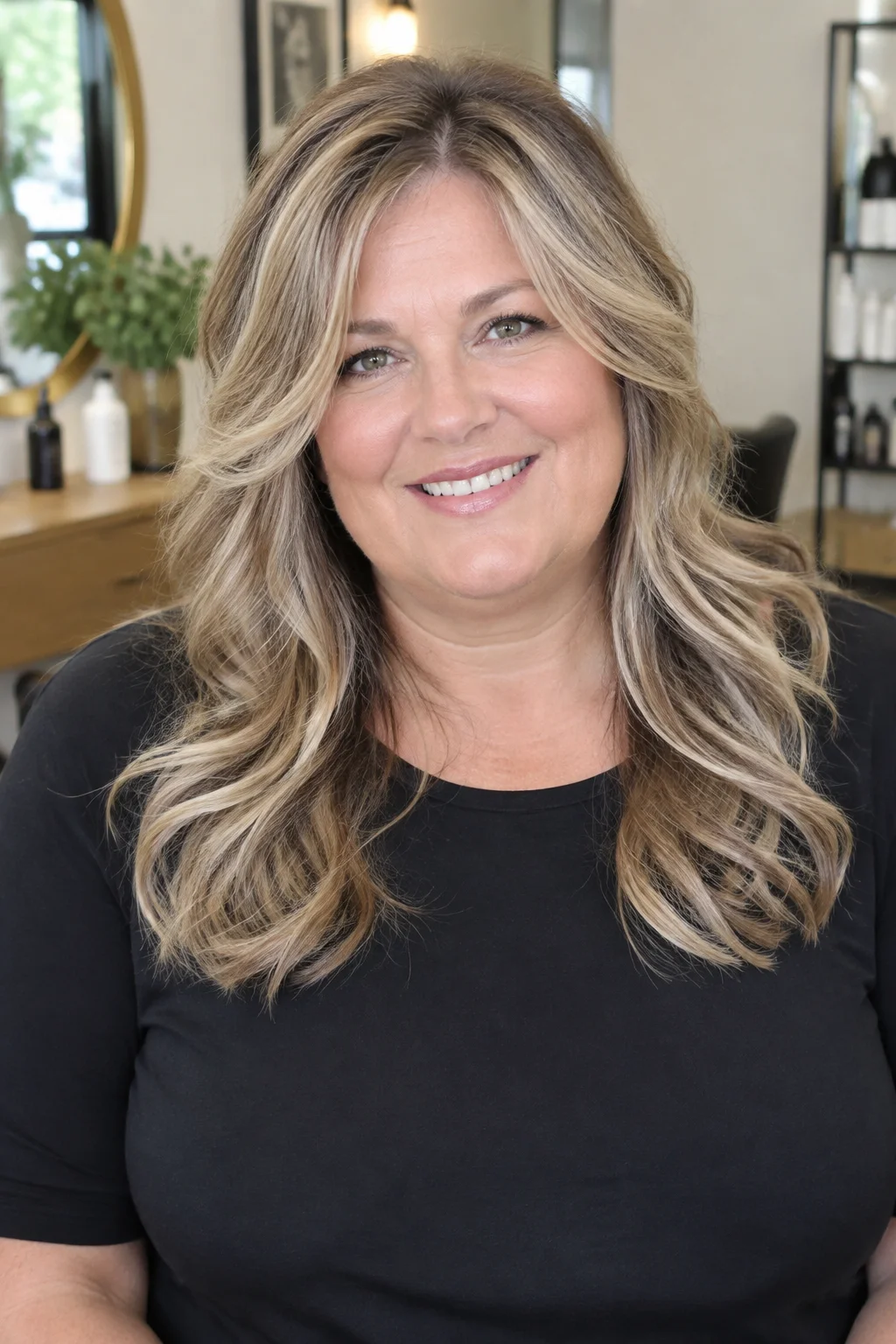
This style keeps most of the length intact while adding softer pieces around the face that taper down toward the chin and cheekbones. It works well for rounder or fuller faces because the shorter framing pieces pull attention upward and create an angle where there wasn’t one before. The rest of the hair stays long and straight, giving you a strong base with just enough movement near the face to keep it from looking heavy. Ask your stylist to cut the framing layers a little longer than you think you want, since straight hair often looks shorter once it dries and settles. A light mist of heat protectant before styling helps the finish last. A light mist of heat protectant before styling helps the finish last.
Shoulder-Length Layered Bob with Textured Ends
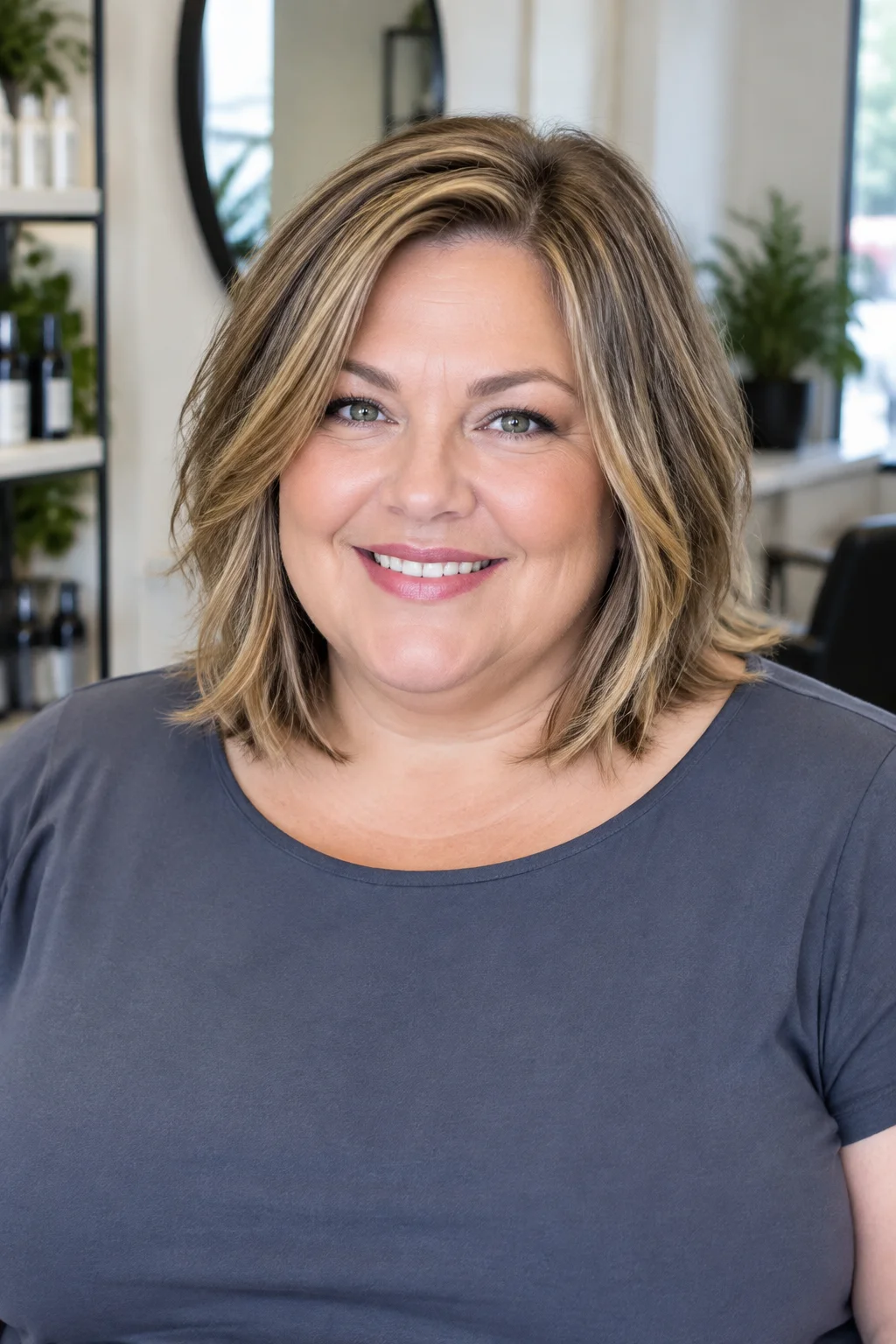
A shoulder-length bob with layered, textured ends gives you a cut that grazes the collarbone and moves when you turn your head. The textured tips keep the ends from looking blunt and heavy, which matters if your hair is thick or has a tendency to flip out at the bottom. This length also tends to sit nicely at a width that flatters a fuller neckline. Tip: ask for point cutting at the ends rather than a straight-across trim, since that technique is what actually creates the texture. A light mist of heat protectant before styling helps the finish last. A light mist of heat protectant before styling helps the finish last.
Long Straight Hair with Wispy Layers Throughout
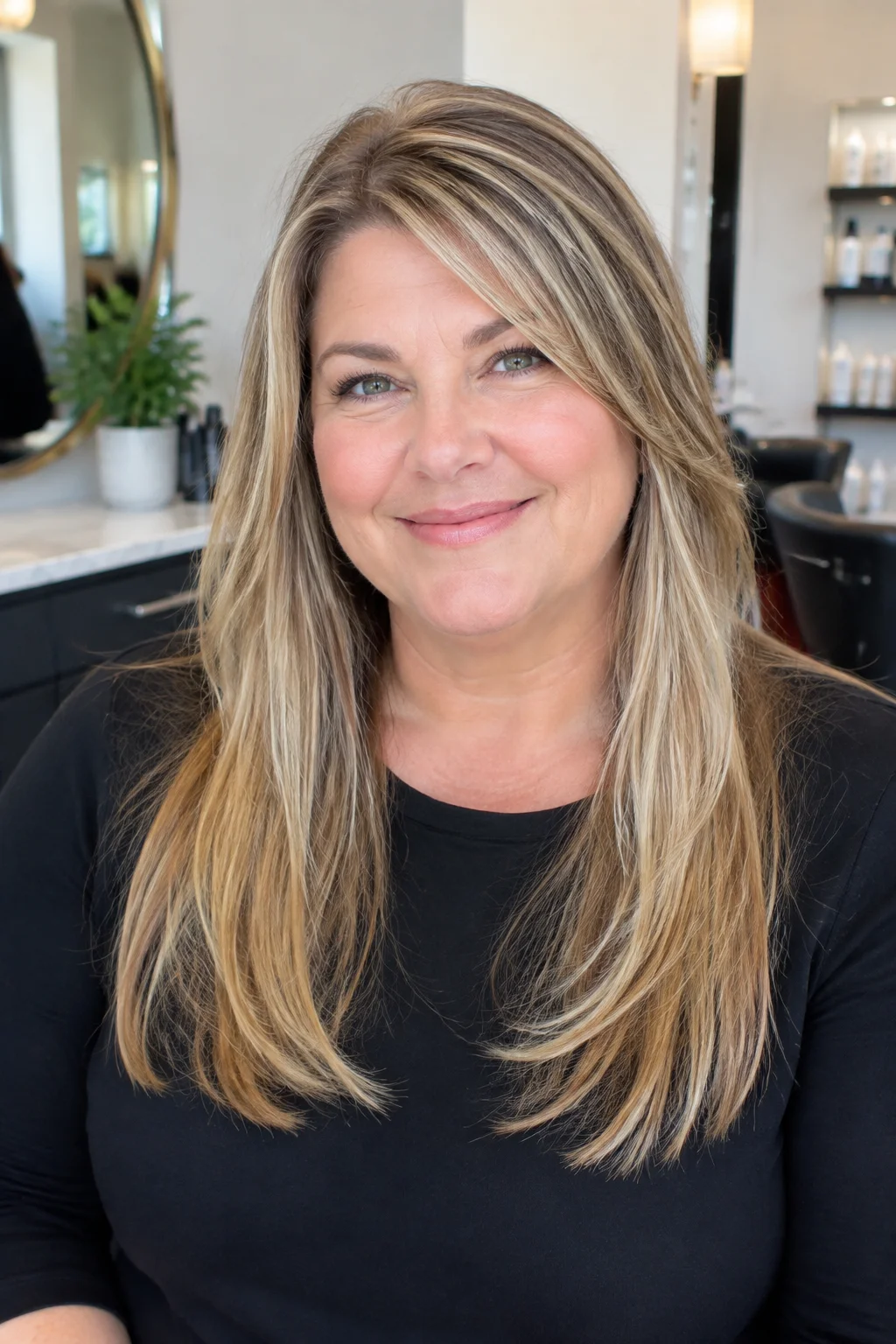
Wispy layers scattered through long straight hair keep the overall length while breaking up any flat, one-note look. The layers are cut thin and feathered rather than heavy, so the hair still reads as long and sleek but with soft movement at the ends and through the mid-lengths. This is a good option if you love long hair but feel like it weighs down your whole silhouette. It suits most face shapes since the layers are spread evenly rather than concentrated in one spot.
Blunt Lob with Side-Swept Layers
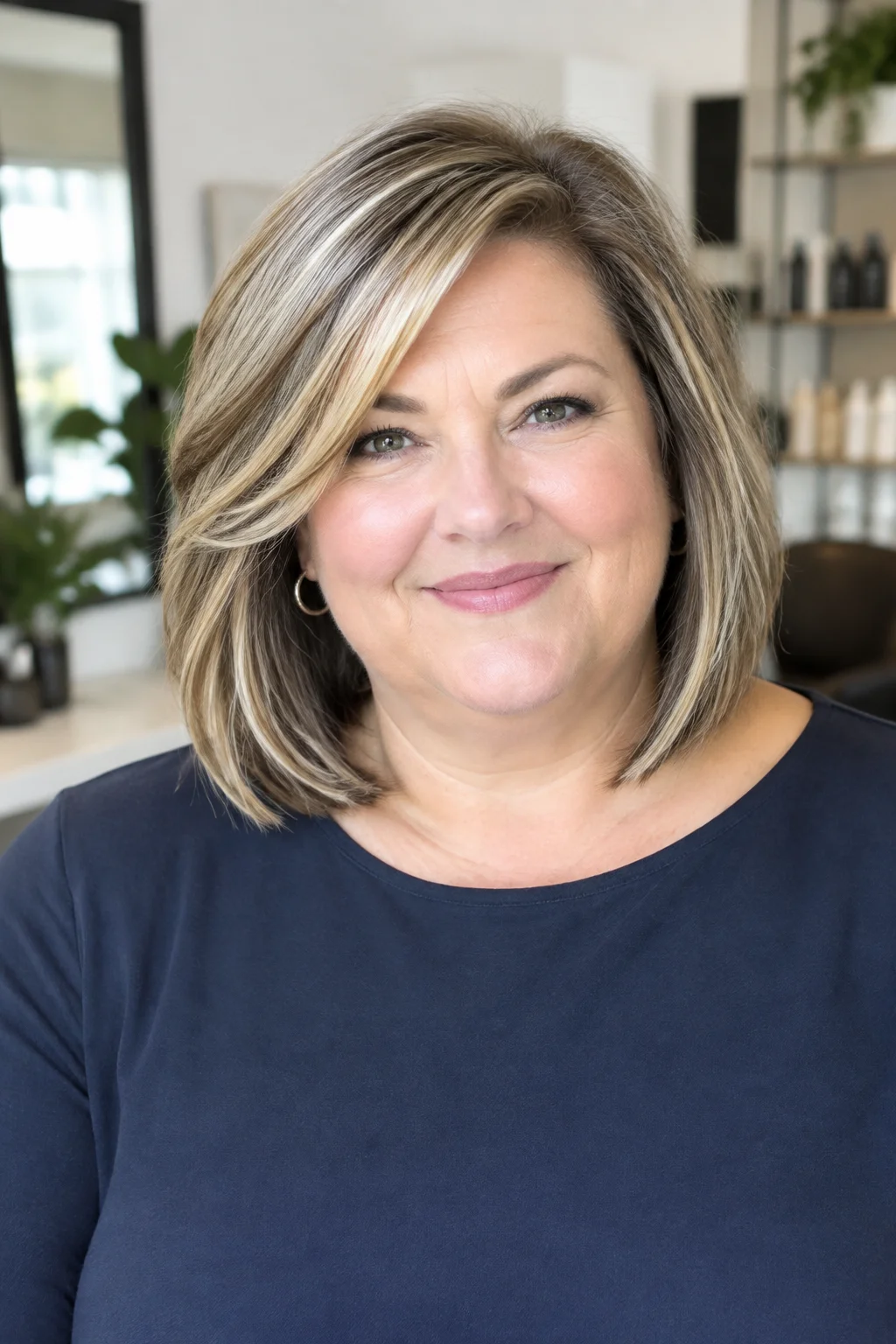
The blunt lob keeps a strong, straight line at the bottom while side-swept layers near the front add asymmetry and softness. This combination gives you the best of both worlds: a clean, modern shape with just enough movement to keep it from looking severe. It works especially well for square or angular faces, since the sweeping layers soften hard lines around the jaw.
Stacked Layers at Crown with Straight Length
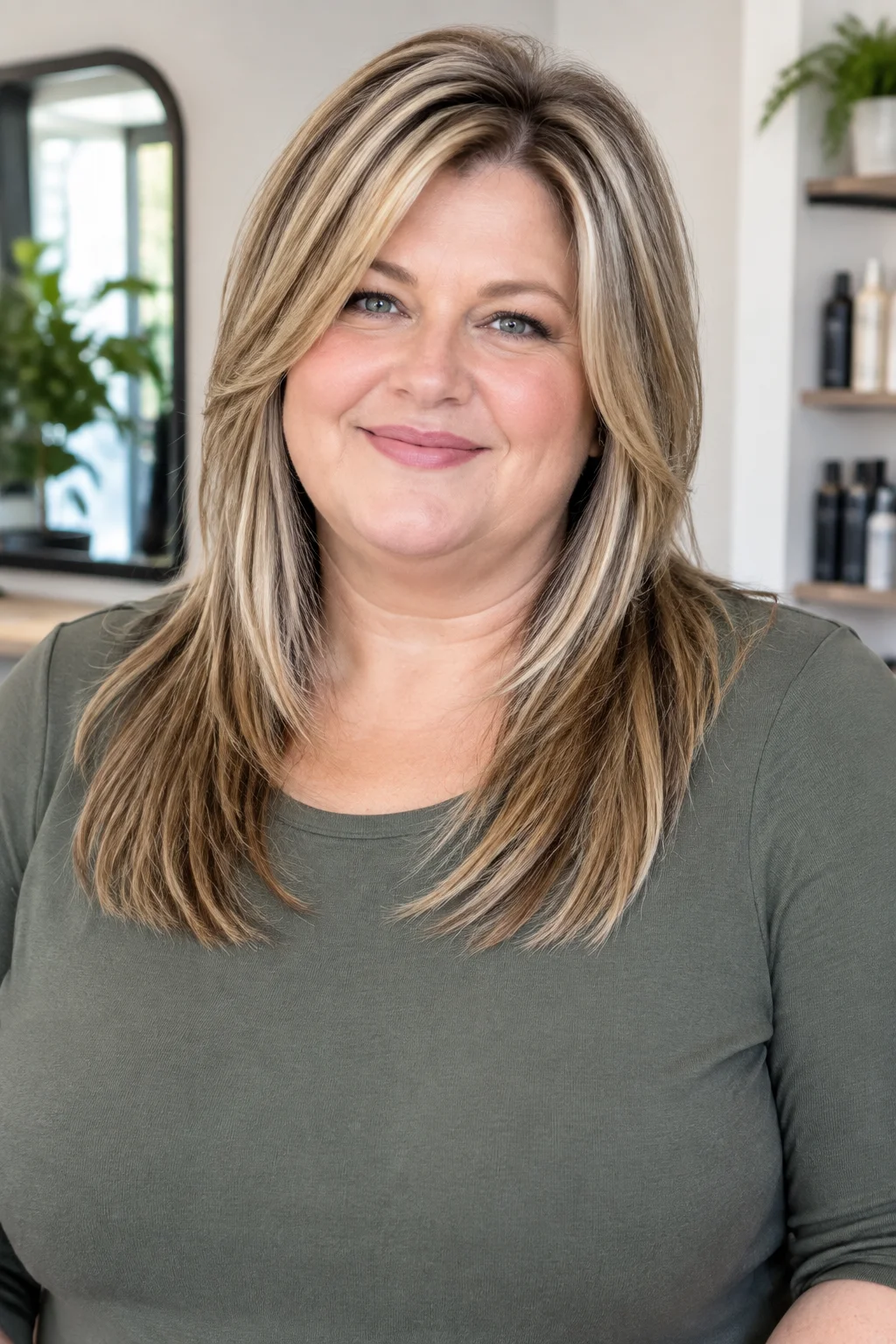
Stacking layers at the crown builds height right at the root, which lifts the whole style and keeps long or straight hair from looking flat on top. The length below stays straight and full, so you get volume where you need it most without cutting off any length. This cut is a smart pick if your hair tends to go limp by midday, since the stacked layers give it somewhere to go besides down.
Mid-Back Straight Hair with Side Layers
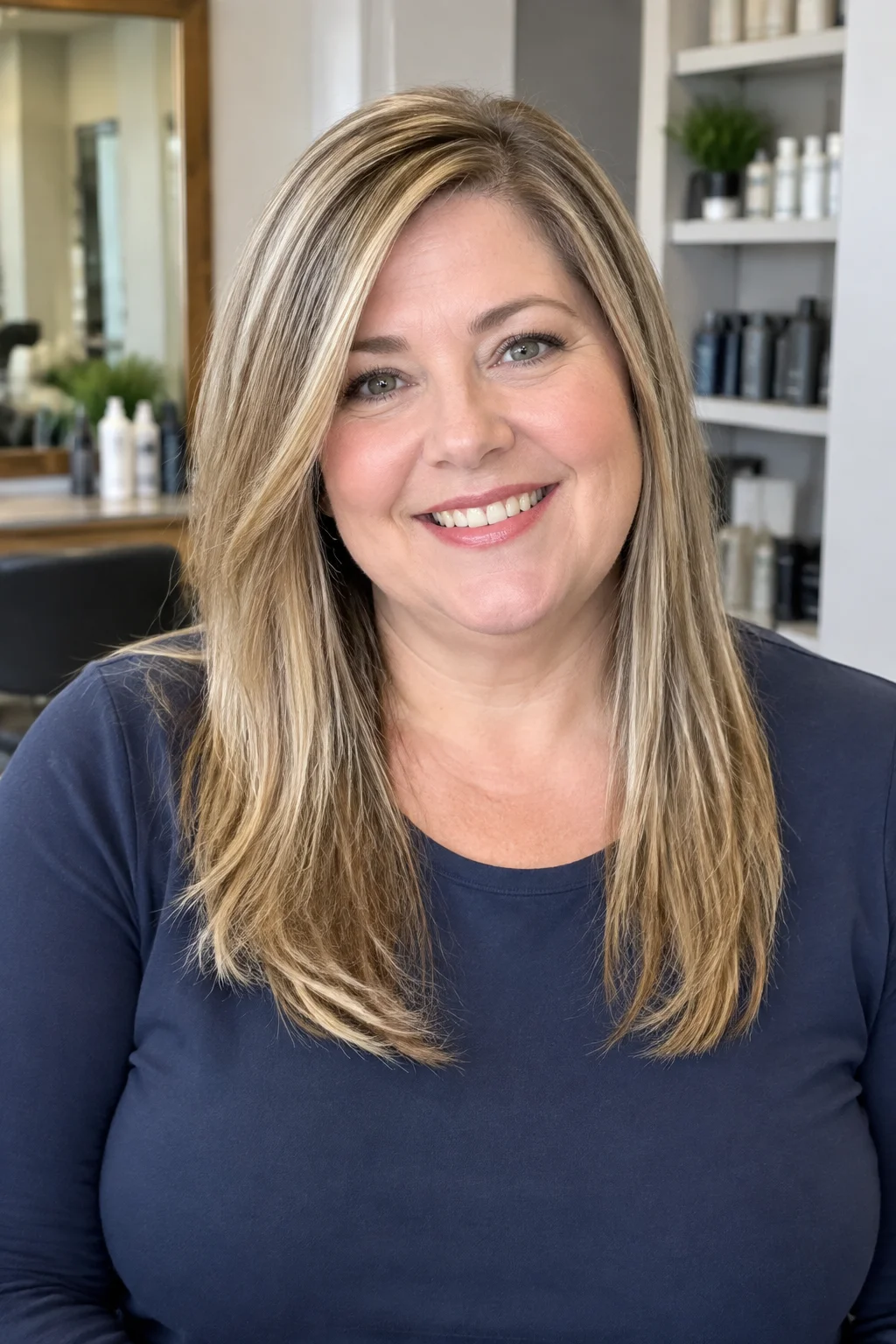
Side layers cut into mid-back length hair break up the density along one side of the face, which helps balance a fuller jaw or rounder cheeks. The rest of the hair stays uncut and straight, so you keep all your length while gaining a bit of asymmetry that feels more interesting than a flat, even cut. It’s a low-maintenance way to add shape without committing to layers throughout the whole head.
Collarbone-Length Layered Cut with Angled Front
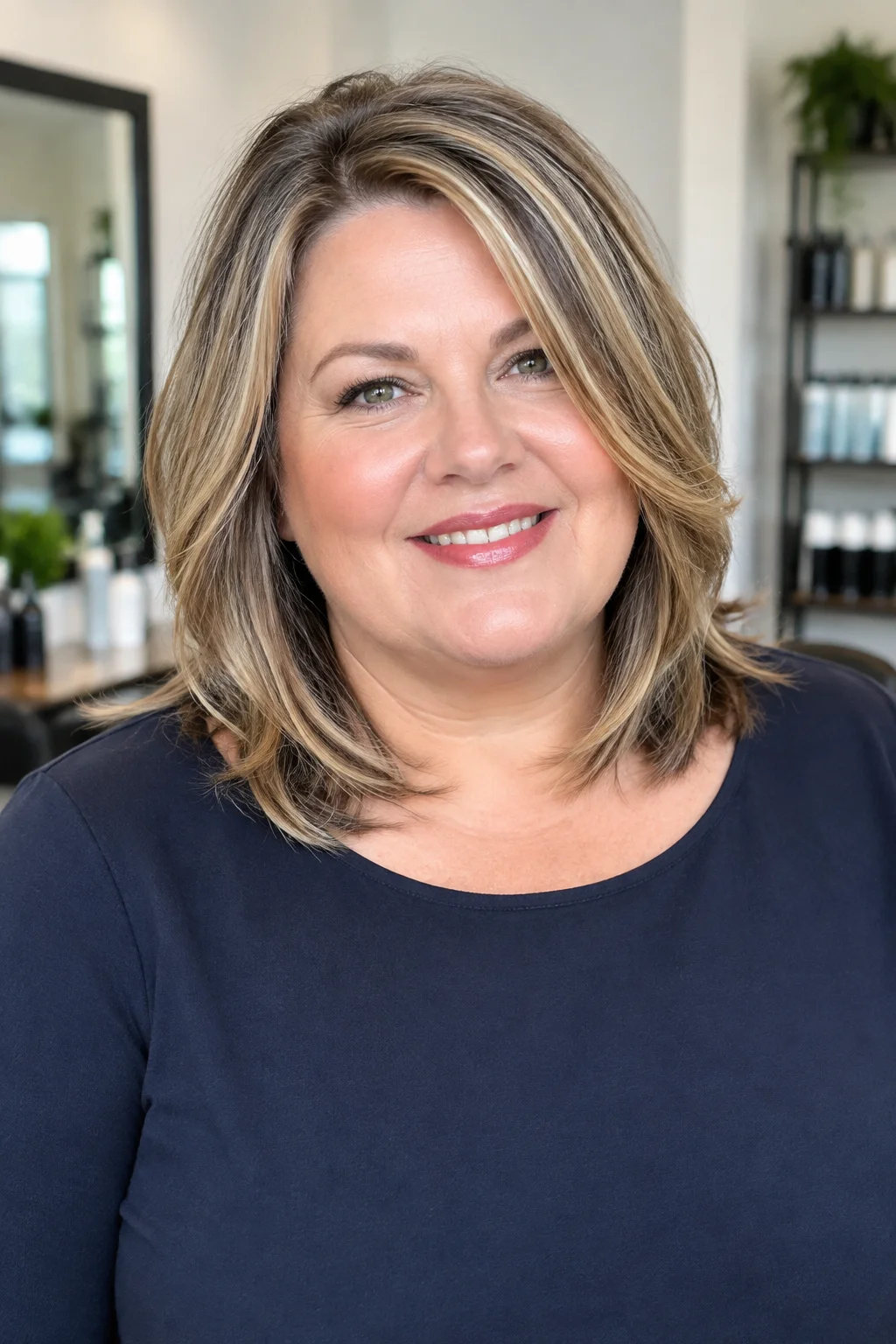
This cut sits right at the collarbone with layers that angle longer toward the front and shorter in the back. The angle draws the eye down and forward, which elongates the neck and creates a nice line along the jaw. It’s a flattering length for most body types because it hits at a spot that doesn’t add width at the shoulders.
Long Layers with Micro-Layers for Texture
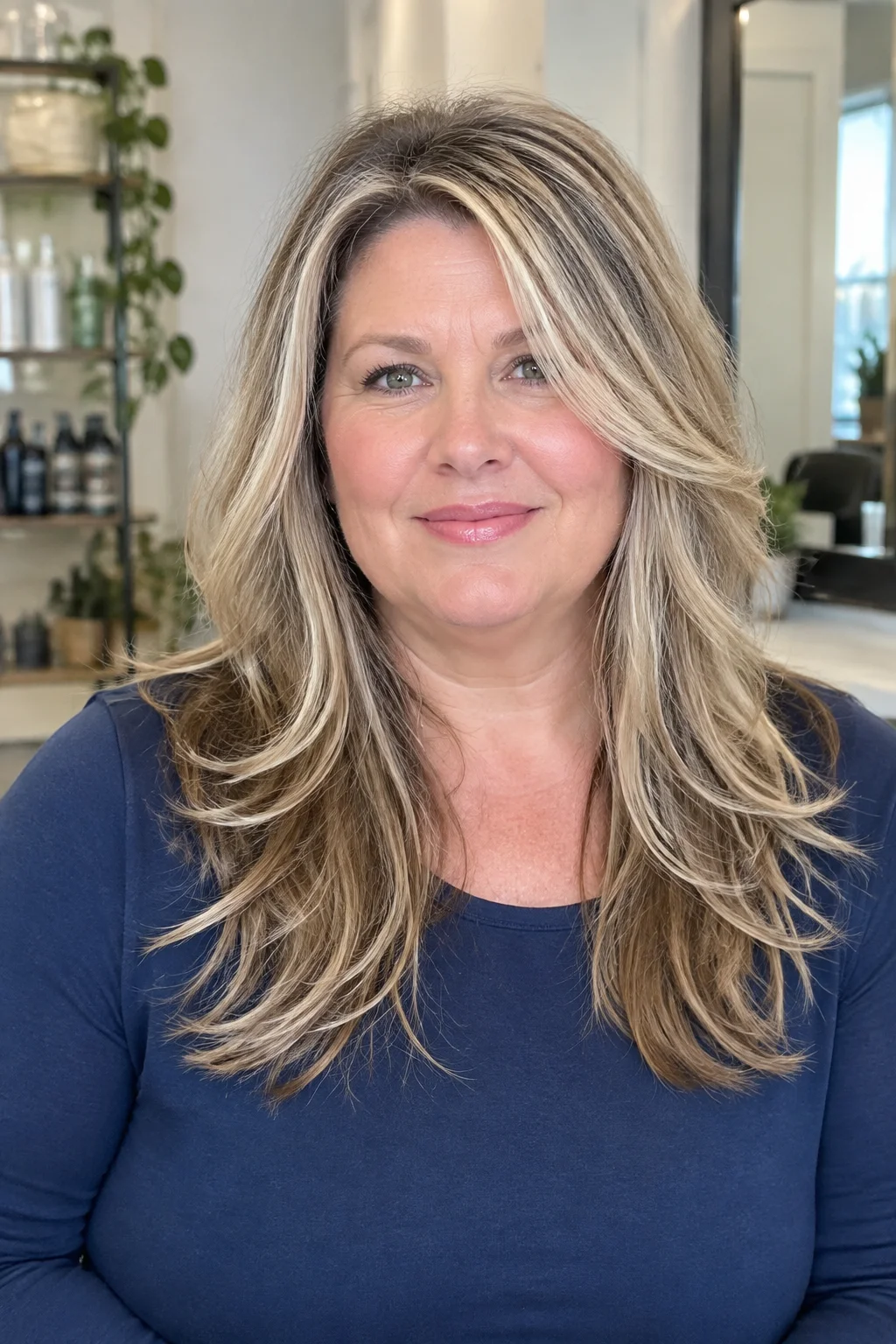
Micro-layers are cut close together in small sections, giving long hair a soft, feathered texture without removing much visible length. The effect is subtle but it changes how the hair moves and catches light. This works particularly well on fine to medium straight hair that needs texture but can’t handle heavy, chunky layers without looking thin.
Straight Bob with Deeper Layers at Ends
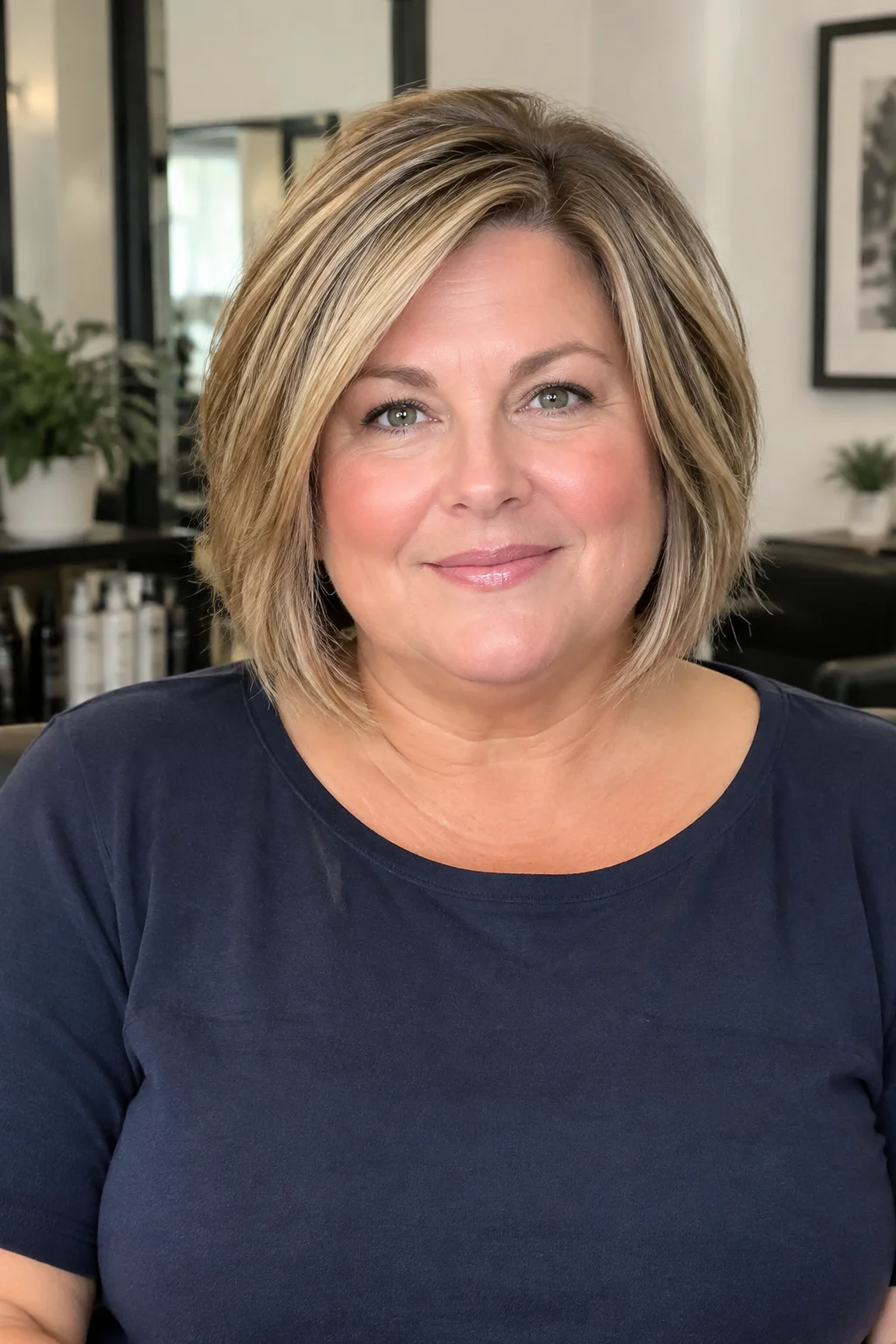
A straight bob with deeper layers cut into the ends gives you a rounder, fuller shape up top with a lighter, more textured finish at the bottom. The deeper layering removes bulk exactly where straight hair tends to look boxy, so the ends flip and move instead of sitting stiff. Tip: this cut looks best with a round brush blowout that curves the ends slightly inward or outward for extra shape.
Long Straight Hair with V-Shaped Layers
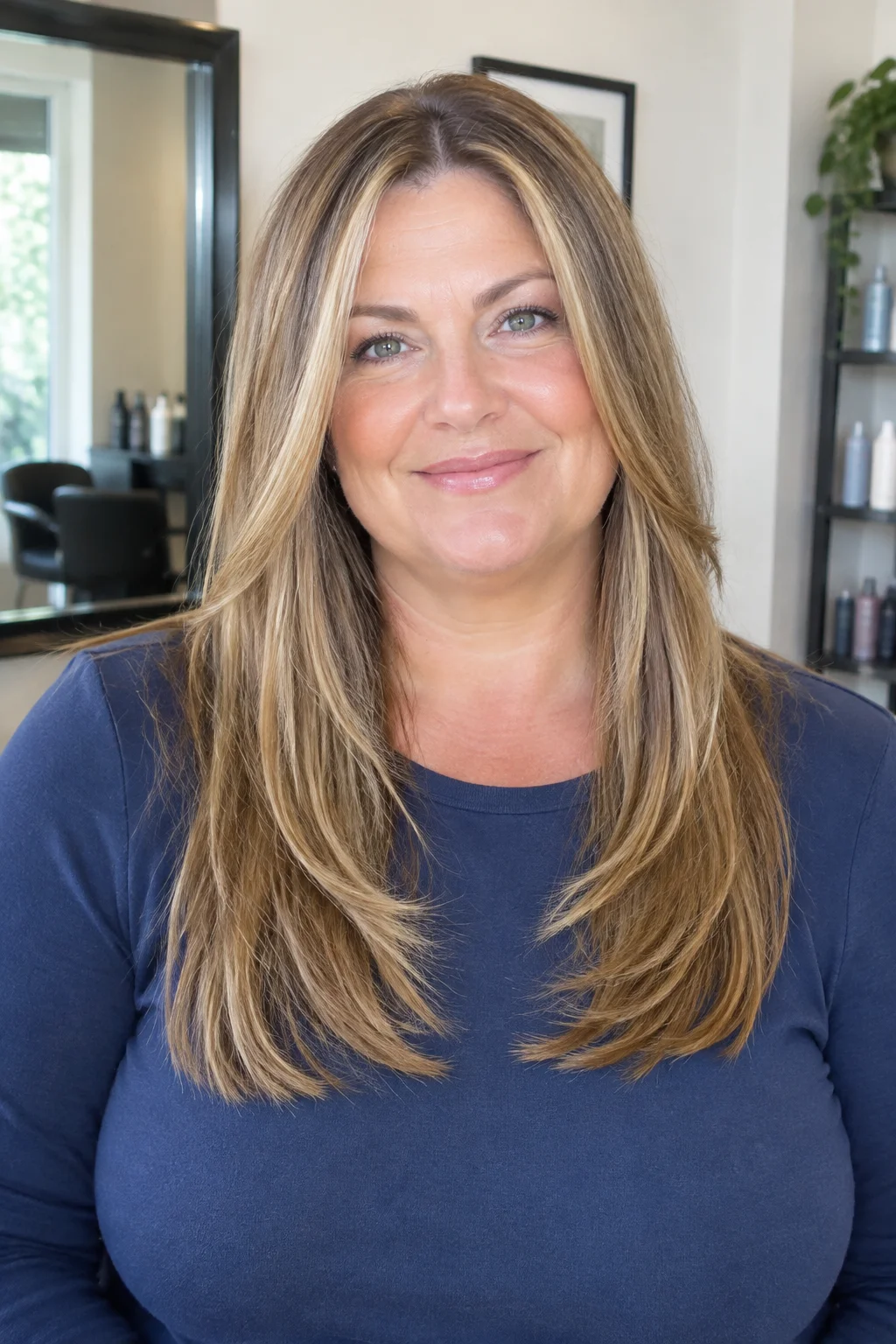
The V-shaped layer cut is exactly what it sounds like: the back is cut into a deep V that creates a longer point down the spine while shorter layers frame the sides. This shape adds a strong vertical line that makes the whole head of hair look longer and slimmer. It’s one of the more dramatic layering choices on this list, and it suits women who want their length to feel purposeful rather than just left to grow.
Bra-Strap Length with Face-Framing and Sparse Layers
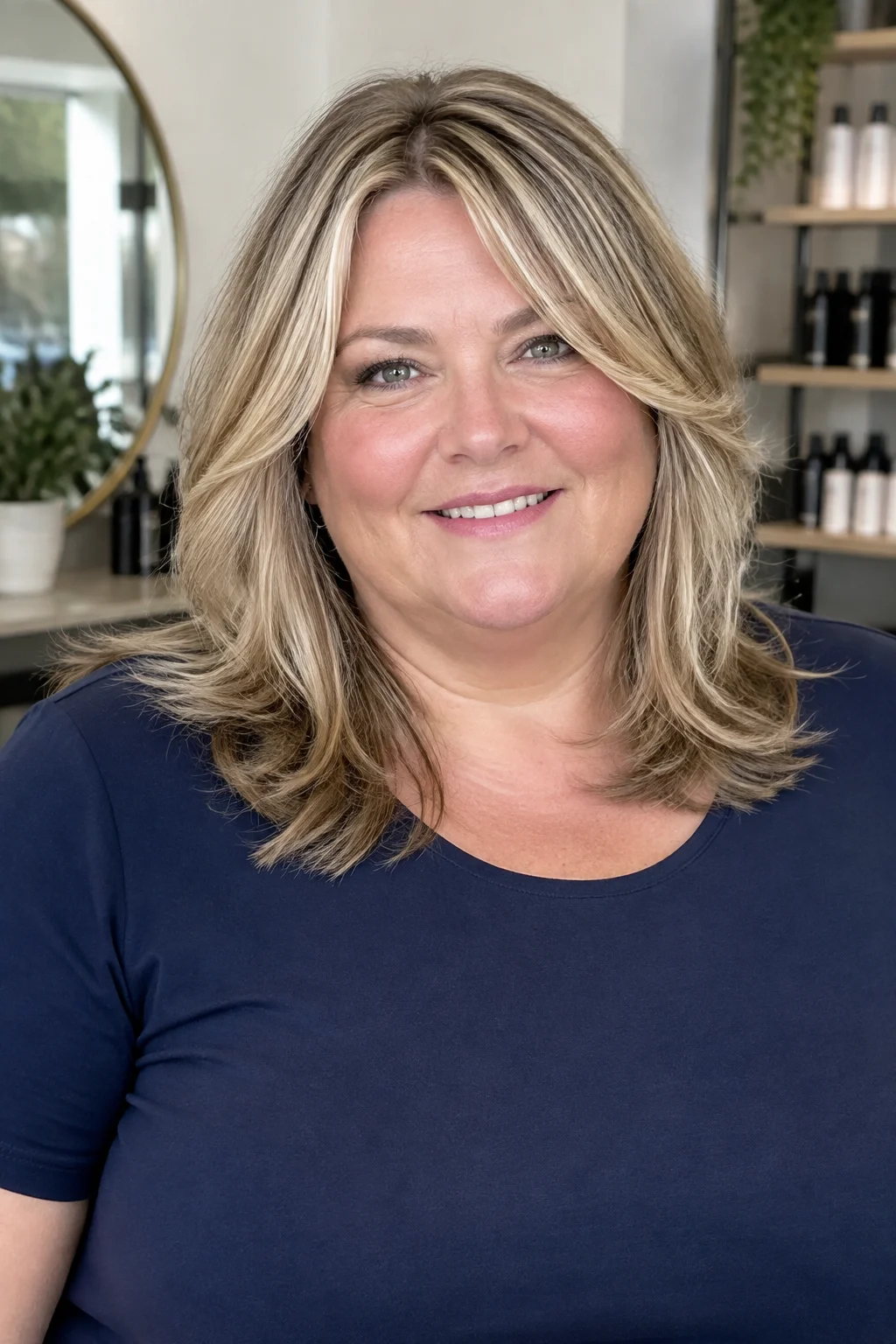
This style keeps the length long, around bra-strap level, while adding sparse layers only around the face and a few through the ends. The layers are kept minimal on purpose so the hair still looks thick and full from a distance, but up close there’s enough movement to keep it from looking like one solid block. It’s a good middle-ground choice for anyone nervous about losing volume.
Textured Layers Starting at Jawline
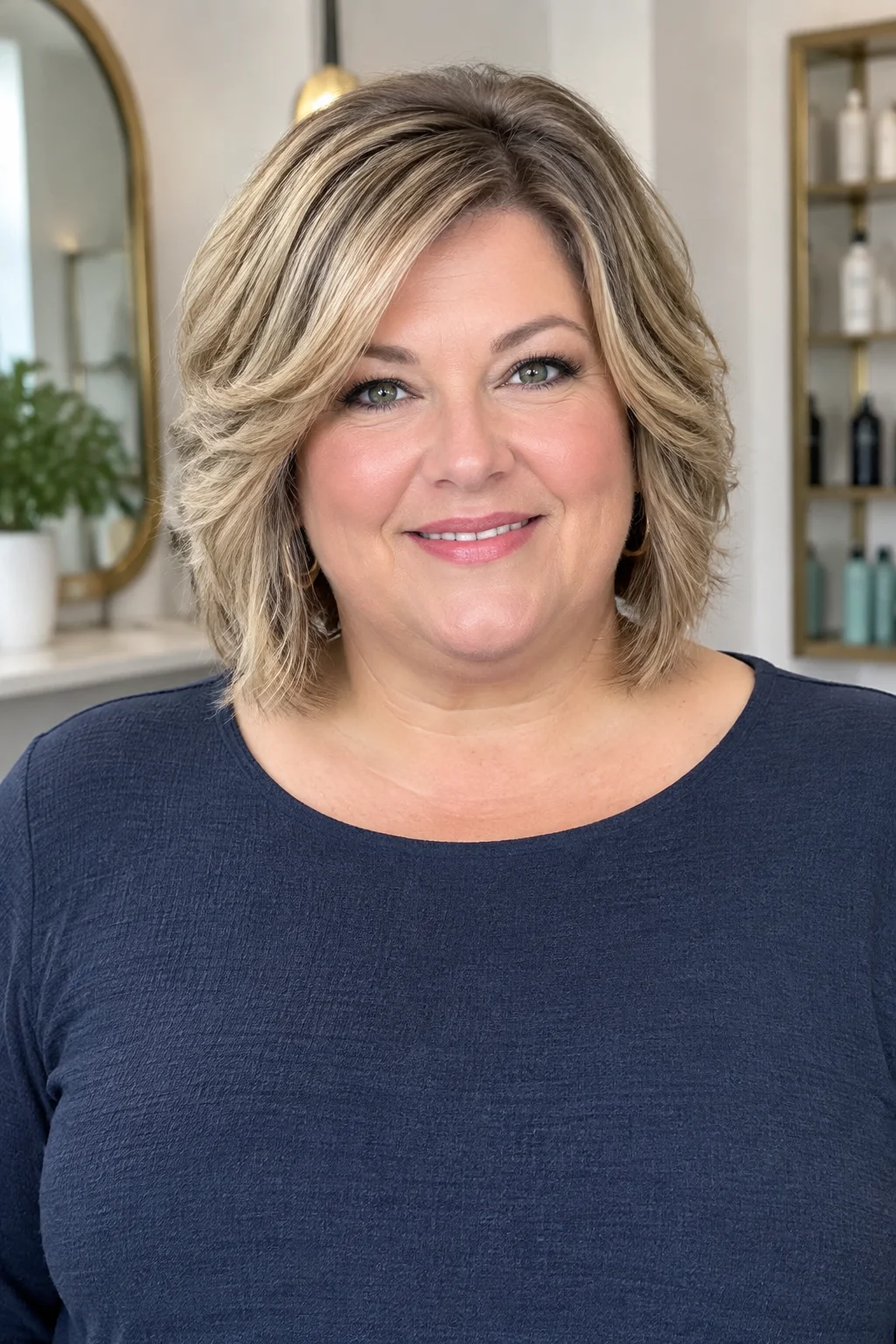
Layers that begin right at the jawline and continue down the length add texture starting from a very flattering point on most faces. The jawline is a natural spot to introduce movement because it echoes the shape of the face itself. Below that point, the layers can be as light or heavy as you want depending on how much texture you’re after.
Long Straight Cut with Peek-a-Boo Undercut Layers
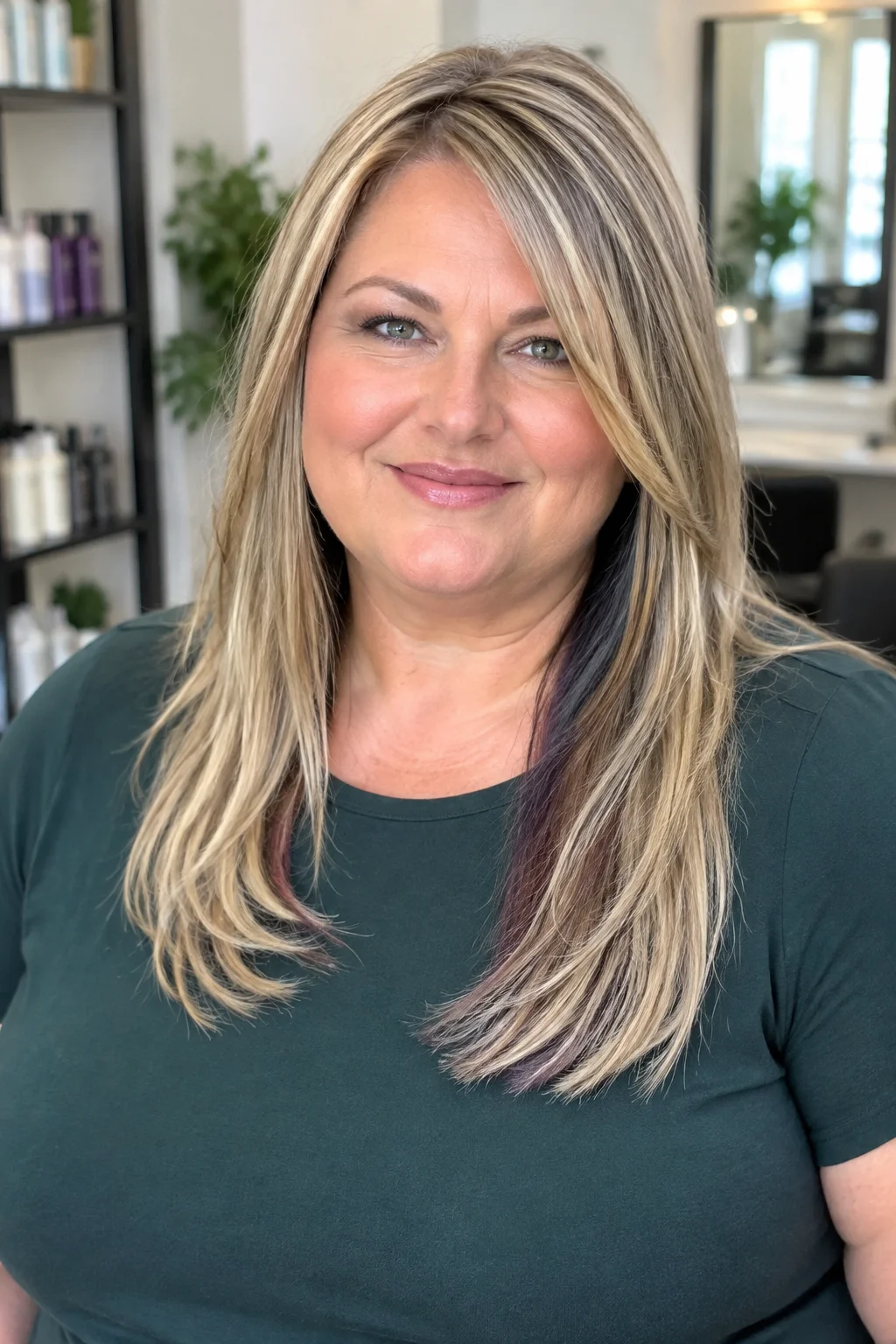
An undercut layer hidden beneath the top section of hair removes bulk from underneath without changing the visible length or shape at all. From the outside, the hair looks long and straight as usual, but it feels noticeably lighter and moves more freely. This is a smart option for anyone with thick, heavy hair who wants the visual fullness of long straight hair without the actual weight of it.
Shoulder-Length Straight with Feathered Layers
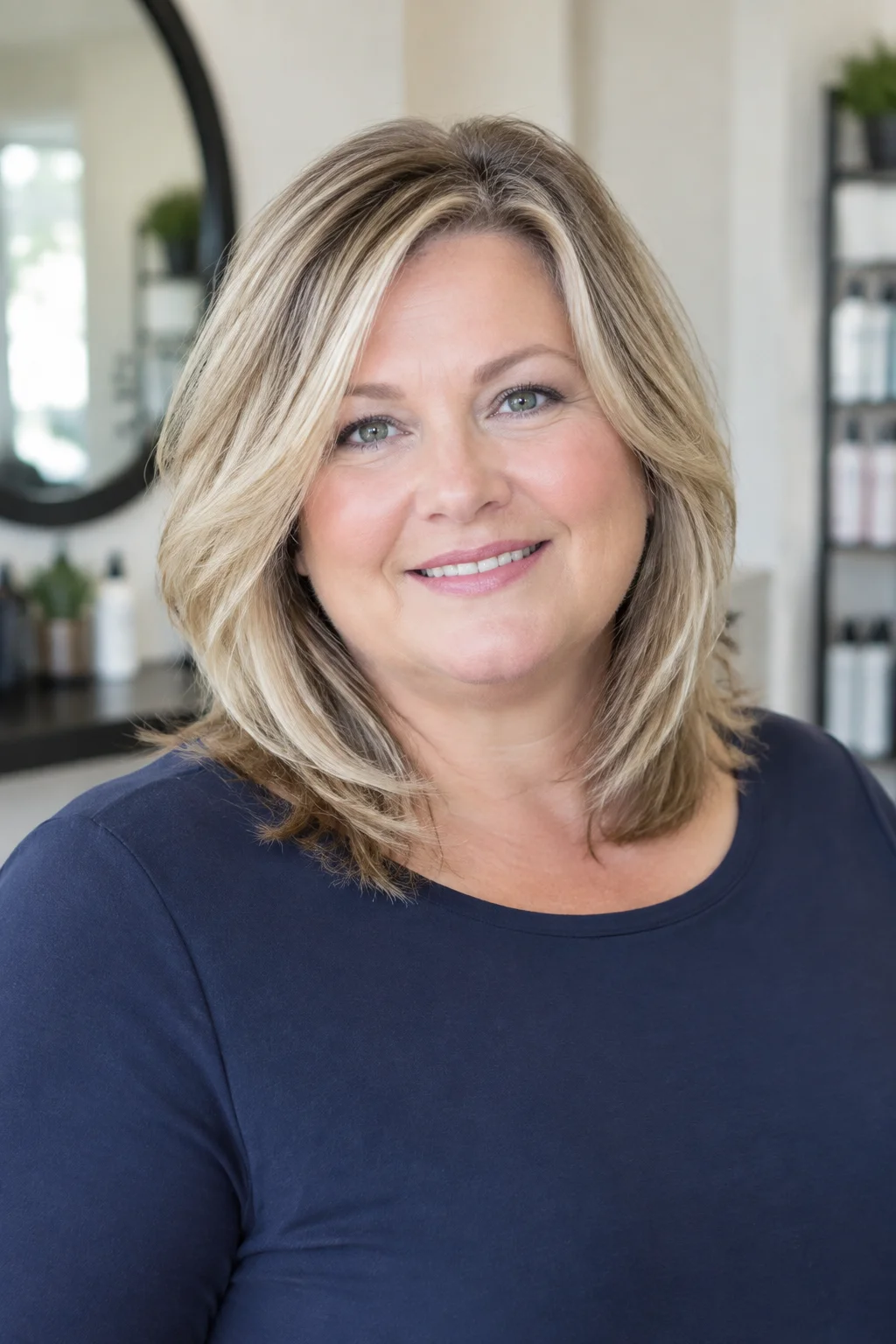
Feathered layers cut into a shoulder-length style keep the ends soft and slightly flipped rather than sharp and blunt. The feathering is done with a razor or sliced with shears at an angle, which thins out the very ends just enough to let them move. This cut suits most face shapes and hair textures, and it grows out gracefully since there’s no hard line to maintain.
Knee-Length Straight Hair with Subtle Progressive Layers
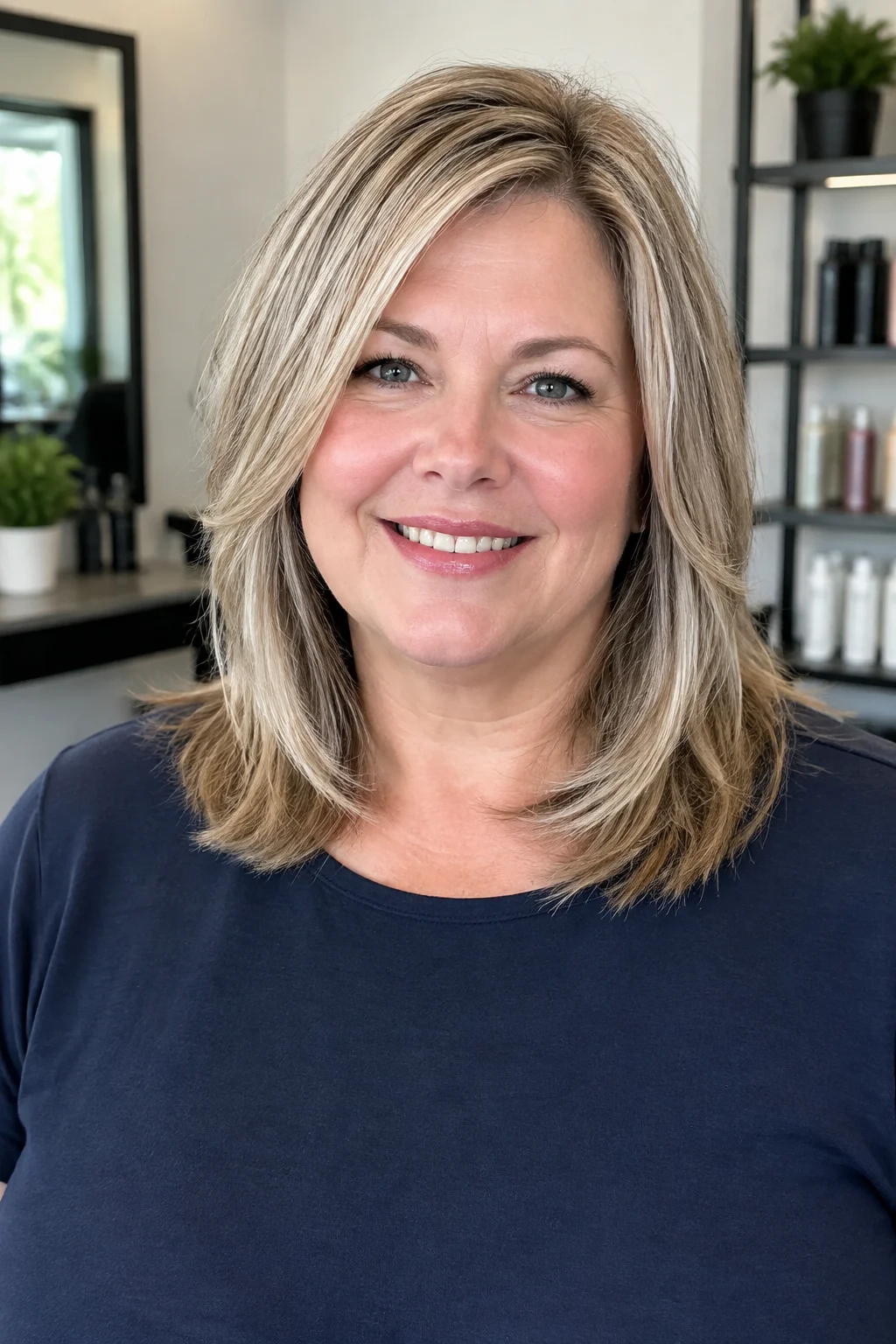
For those with very long, knee-length hair, subtle progressive layers add just enough shape to keep such extreme length from looking like a single heavy sheet. The layering is gradual, starting barely noticeable near the top and becoming a bit more visible by the ends. This keeps the drama of the length intact while giving the hair some life and movement as you walk.
Layered Straight Cut with Bangs and Side Movement
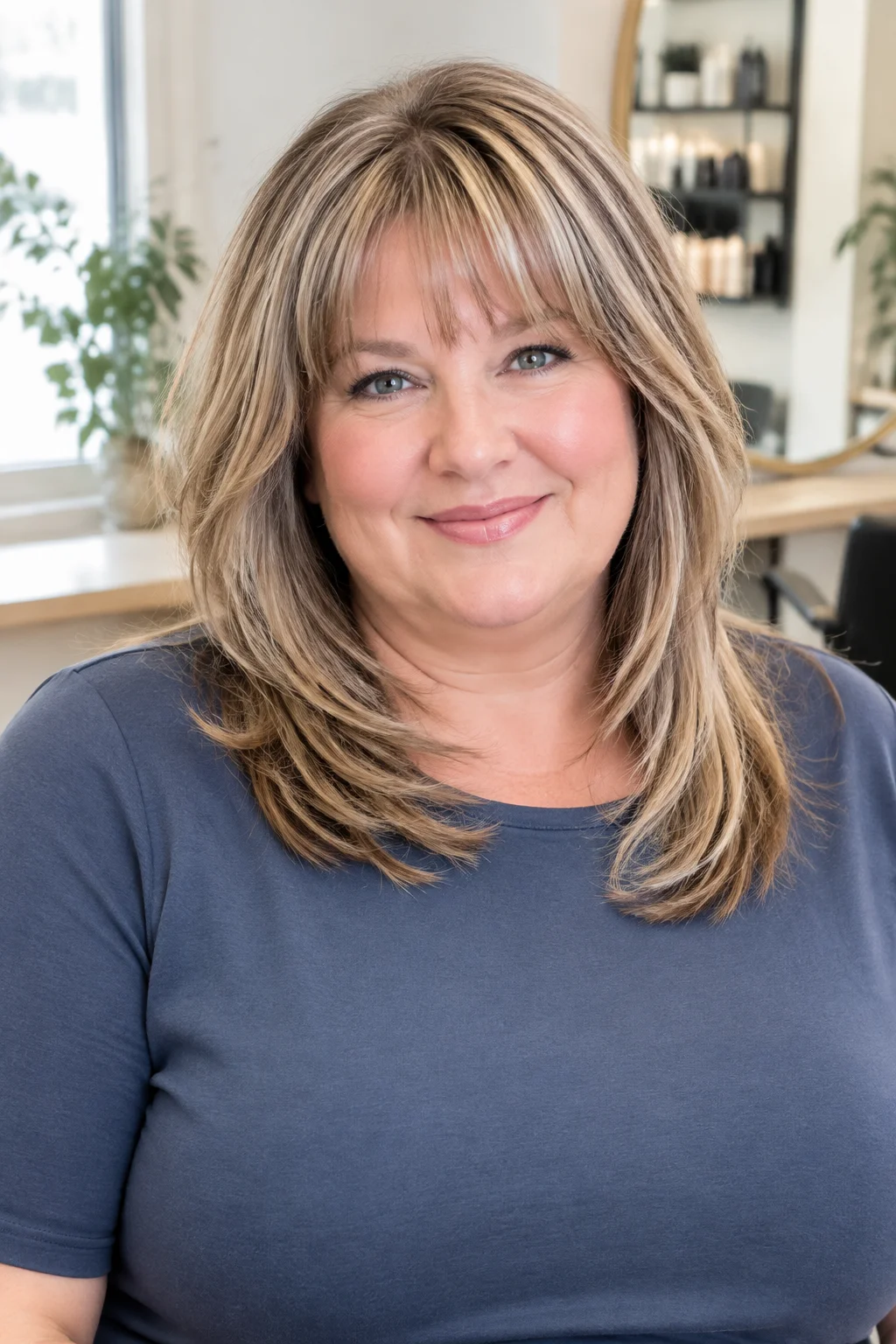
Adding bangs to a layered straight cut changes the whole front of the style, framing the eyes and forehead while the layers behind continue the movement down the length. Side-swept bangs in particular soften the forehead and blend nicely into face-framing layers. This combination works well if you want a noticeable change without cutting significant length off the back.
Straight Bob with Graduated Internal Layers
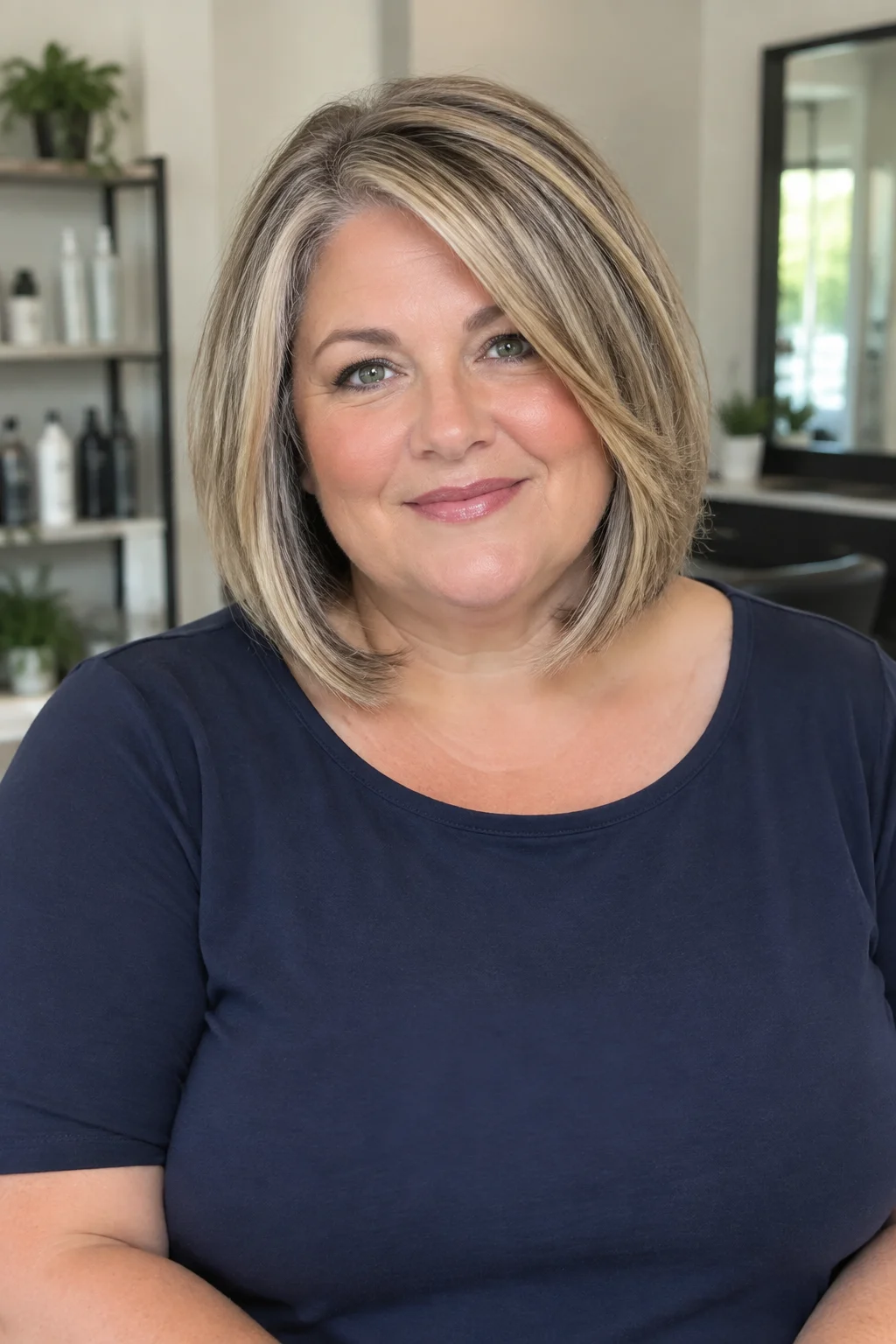
Graduated internal layers are cut so they’re invisible from the outside but they thin the hair from within, which helps a straight bob keep its shape without looking like a solid triangle. This technique is especially useful for thick straight hair that tends to push outward into a pyramid shape as it grows. Tip: ask specifically for internal graduation rather than external layering if you want the outline of the bob to stay smooth and rounded.
Waist-Length Straight Hair with Choppy Layers from Mid-Point
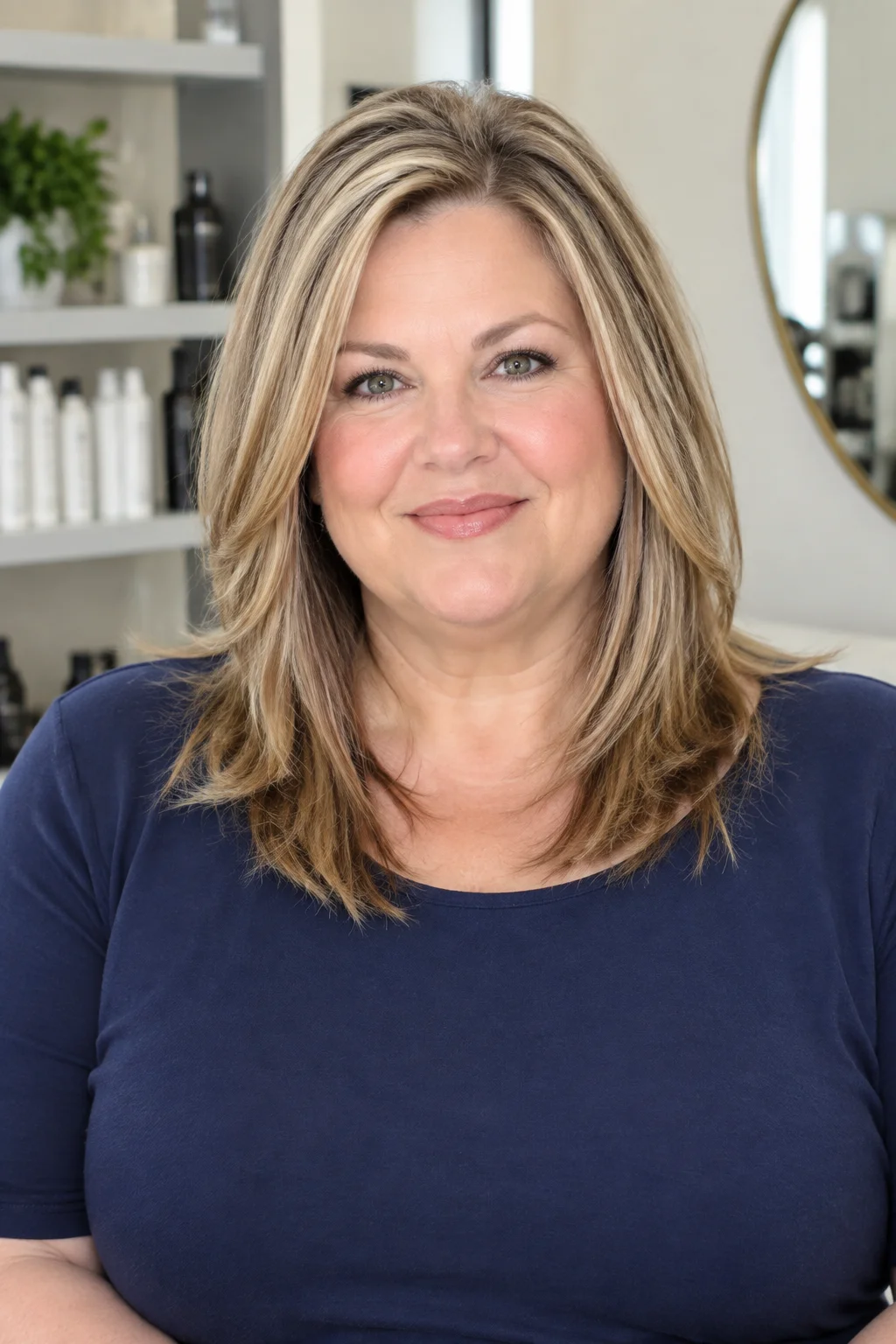
Choppy layers starting at the midpoint of waist-length hair break up the lower half while leaving the top section smooth and full. The choppiness adds a slightly edgy, undone quality that keeps very long hair from looking too polished or stiff. It’s a solid choice if you want long length but also want the ends to feel a little more casual and lived-in.
Collarbone Straight Cut with Razored Textured Layers
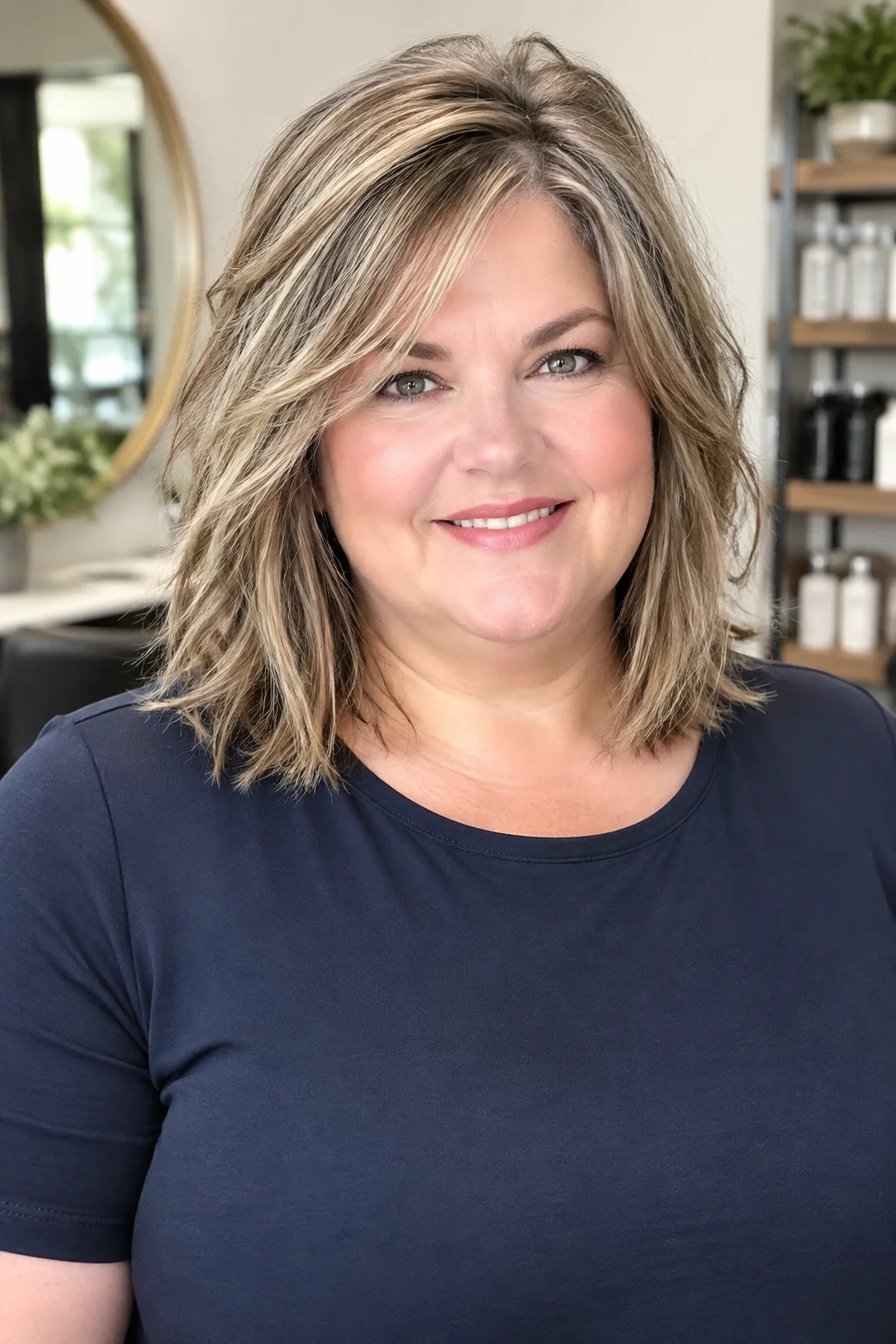
A razor is used here instead of shears to cut layers into a collarbone-length style, which creates a softer, more broken-up edge along the ends. Razored layers tend to look more textured and less uniform, almost like the ends were naturally worn down rather than cut. This finish pairs nicely with straight hair because it interrupts the sleekness just enough to add interest without sacrificing the smooth overall look.
Choosing the Right Layered Cut for Your Shape
With this many options, picking one comes down to what you want your layers to do. If your main goal is softening a rounder face, the long layers with face-framing pieces or the textured layers starting at jawline will do more work than a cut like the blunt lob with side-swept layers, which is better suited to angular or square faces that need softening at the jaw rather than the cheeks.
If volume at the crown is your priority, go with stacked layers at crown with straight length rather than something like the bra-strap length with face-framing and sparse layers, which is built to preserve thickness rather than add lift. Women with very thick or heavy hair should lean toward options that remove bulk from underneath, such as the long straight cut with peek-a-boo undercut layers or the straight bob with graduated internal layers, since both thin the hair without shortening it or changing its outward shape.
A common mistake is choosing a heavily layered style without accounting for hair density first. Fine hair with too many layers can end up looking sparse, while thick hair with too few can look boxy no matter how it’s styled. Talk through your hair’s actual thickness with your stylist before settling on how deep the layers should go.
Final Thoughts
Layers give straight hair the kind of movement it doesn’t naturally have on its own, and the right placement can flatter almost any face shape or body type. Whether you go long or short, subtle or dramatic, there’s a version among these nineteen cuts that will add shape exactly where you want it. Bring a few of these names to your next appointment and talk through which one fits your hair’s texture and length best.