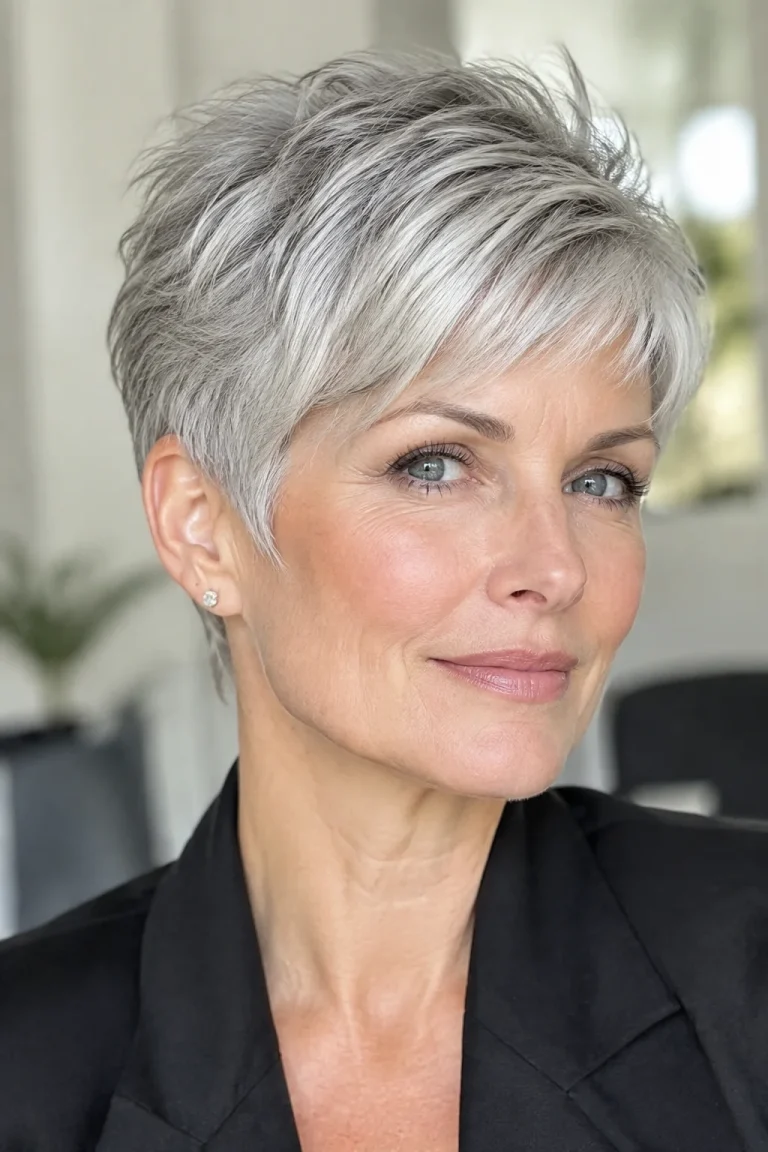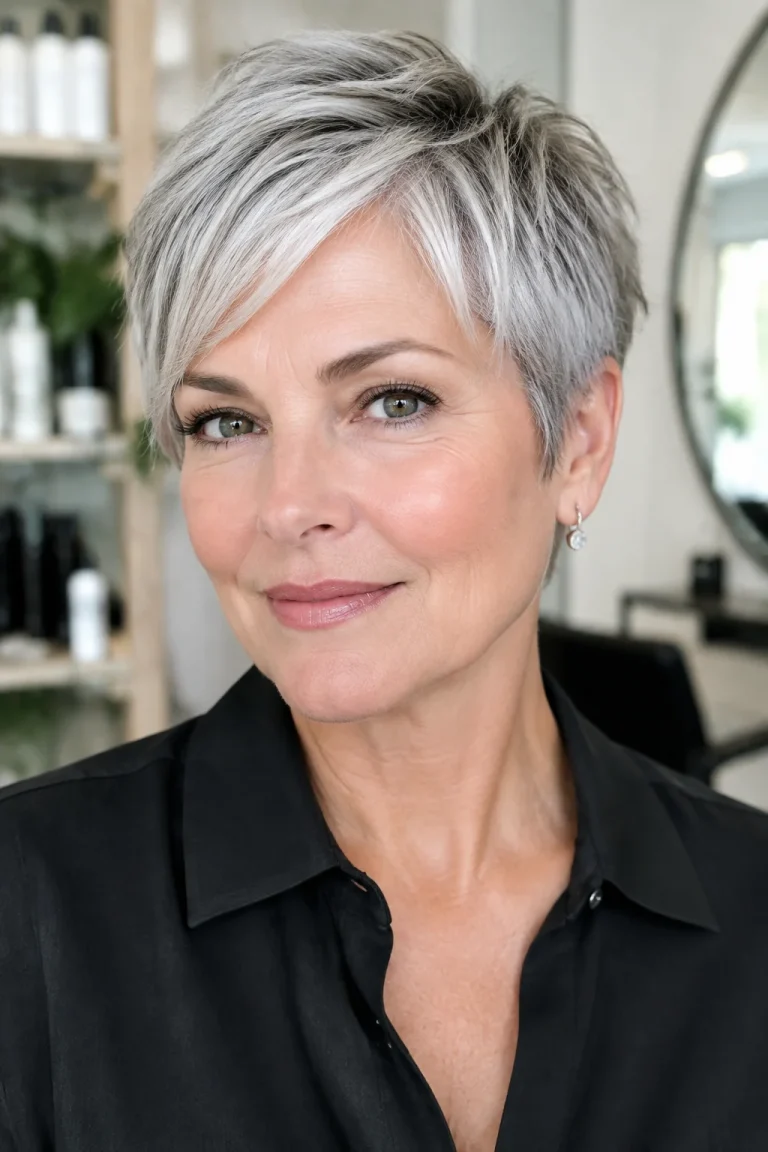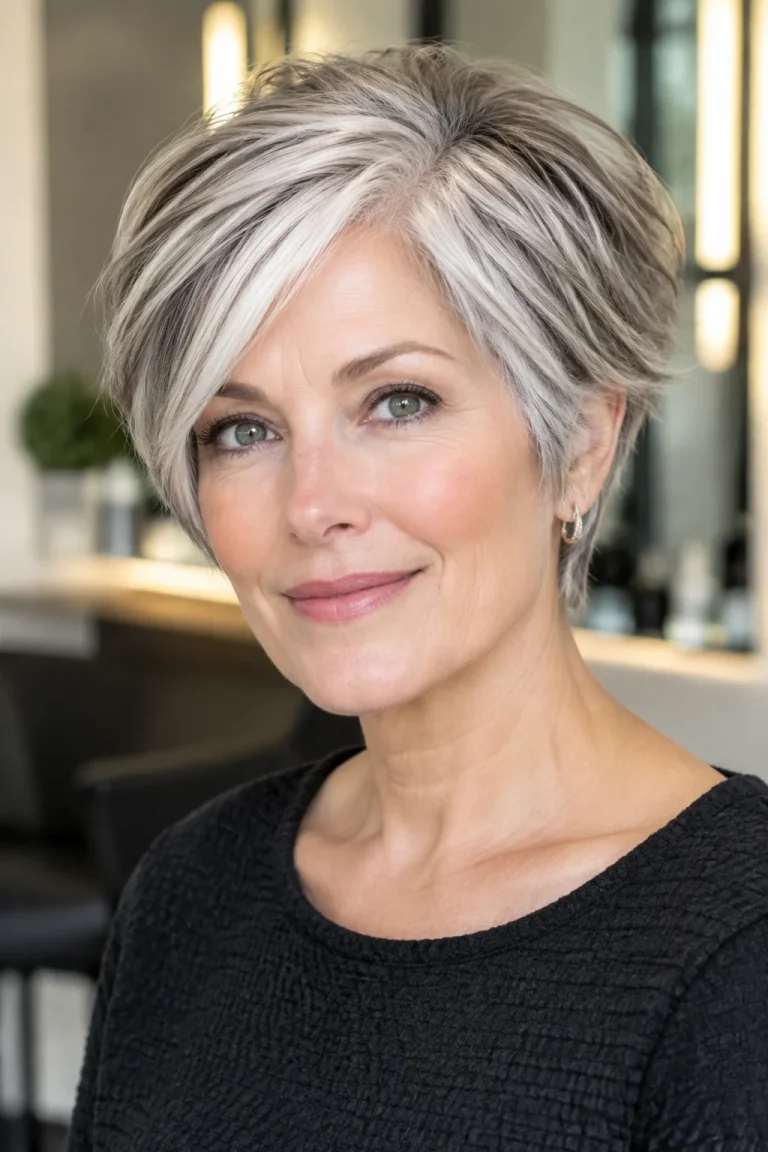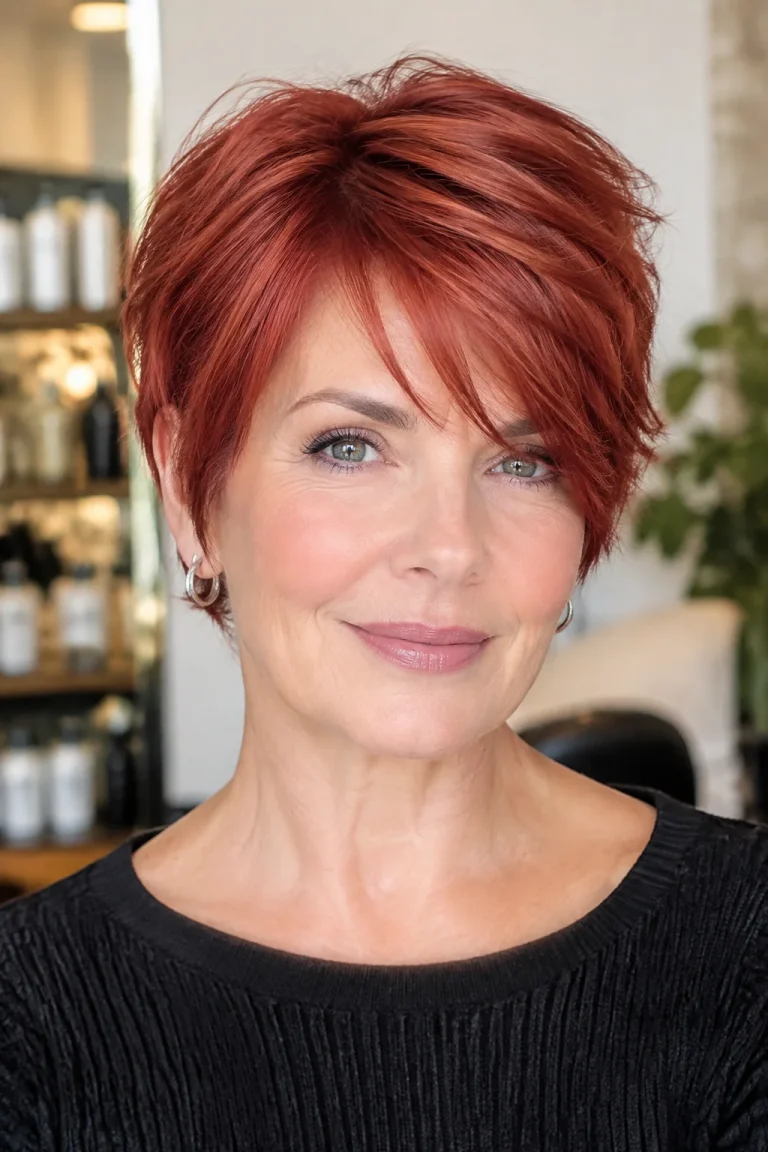
Gray strands and thinning texture change how color sits on your head, and a lot of the golden or platinum shades you loved at 40 can look harsh or flat now. The good news is that blonde highlights for women over 60 do something regular all-over color can’t. They add light near your face, soften the contrast between skin and hair, and give fine strands the illusion of more body. The right placement also blends gray instead of fighting it, so regrowth looks intentional rather than in need of an immediate touch-up. Below are twenty ways to bring warmth or brightness into your hair without overwhelming your features or your maintenance schedule. Some options need a salon visit every few months, others barely need upkeep at all. Read through them and pick the one that matches your hair texture, your gray coverage, and how much time you actually want to spend in a stylist’s chair.
Soft Face-Framing Blonde Highlights
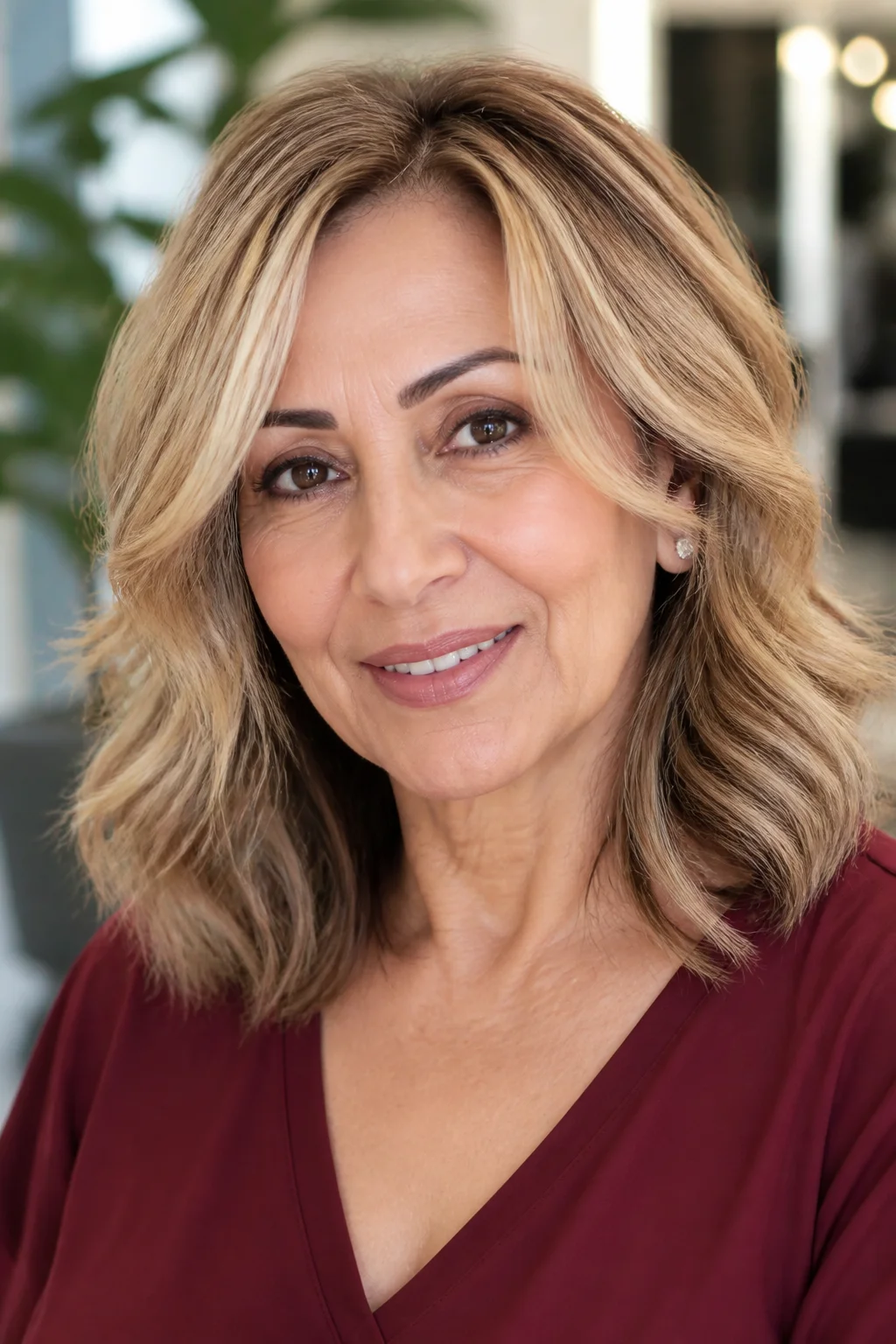
These go right where they matter most, around your hairline and along the pieces that fall near your cheeks. A colorist paints lighter strands close to the face while leaving the rest of the hair closer to its natural depth. The result draws attention up toward your eyes and brightens skin that may have lost some warmth over the years. It’s a gentle option for anyone who wants a lift without redoing the whole head. Tip: ask your stylist to keep the lightest pieces at least two inches back from your part so the color grows out gradually instead of showing a stark line.
Classic Crown Highlights
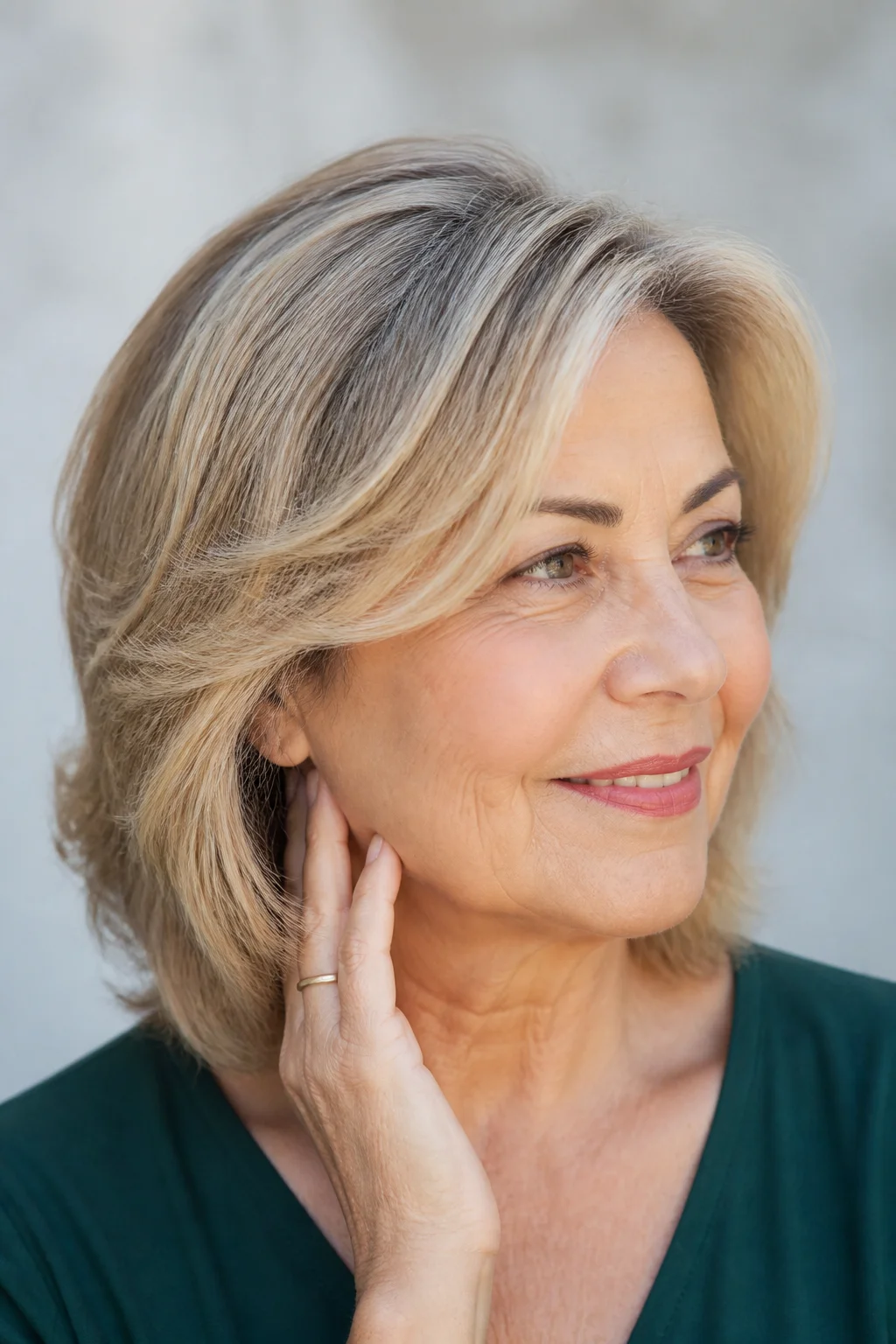
This placement concentrates lighter pieces at the top of the head, right where natural sun would hit if you spent your days outdoors. It works well for women who wear their hair pulled back or tucked behind the ears, since that’s the area people see first. The highlights catch light when you move and give the crown a lifted, healthy look instead of a flat one. It’s a straightforward choice that pairs easily with most color bases.
Partial Foil Highlights
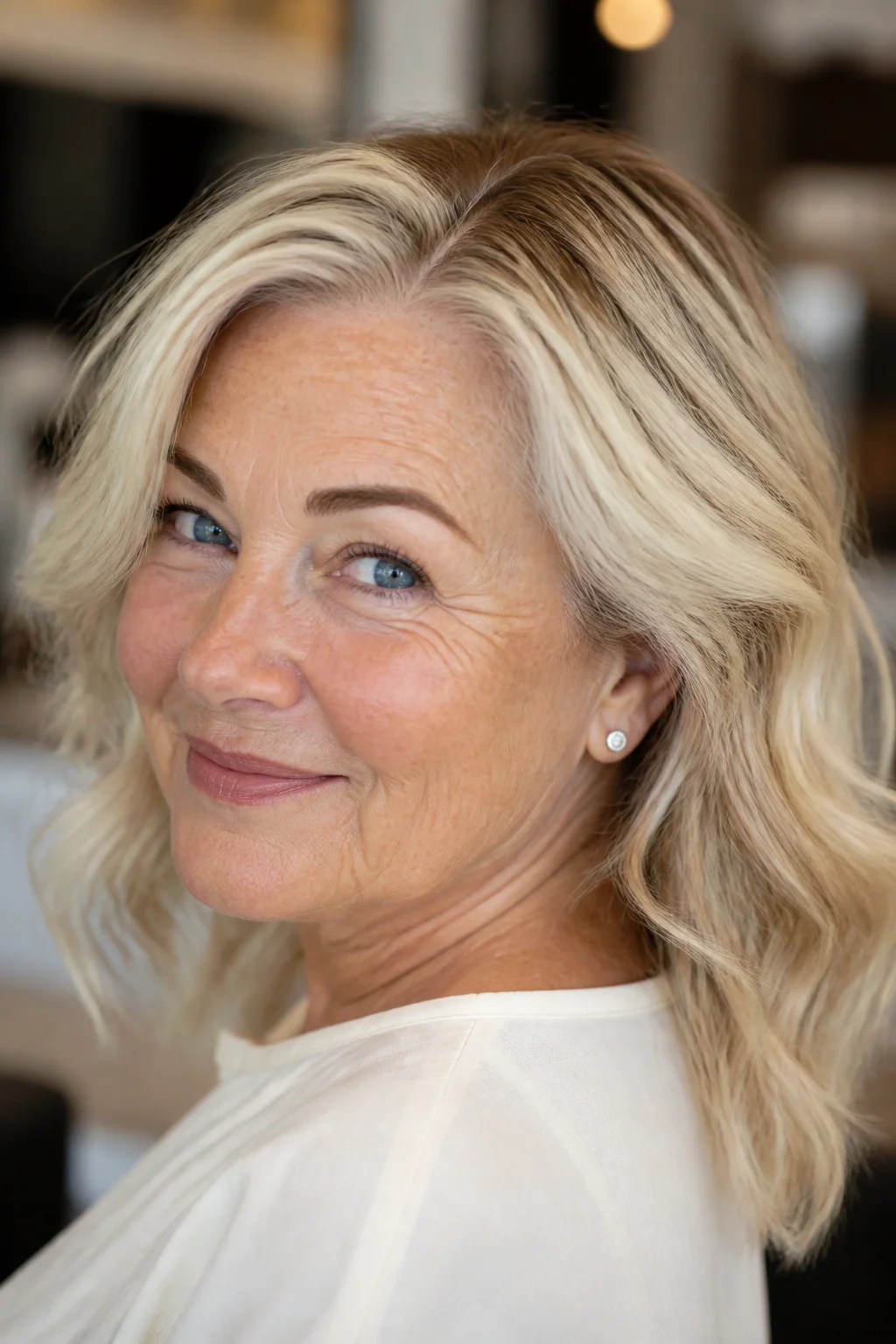
Partial foils cover the top and sides of the head while skipping the underneath layers, which cuts down on both time in the chair and cost. This makes it a smart pick if you’re new to highlighting or you’re not ready to commit to a full head of color. The visible layers still catch light when your hair moves, so the effect reads full even though less color was actually applied. Many stylists suggest this as a stepping stone before moving into heavier highlighting patterns.
Full Foil Blonde Highlights
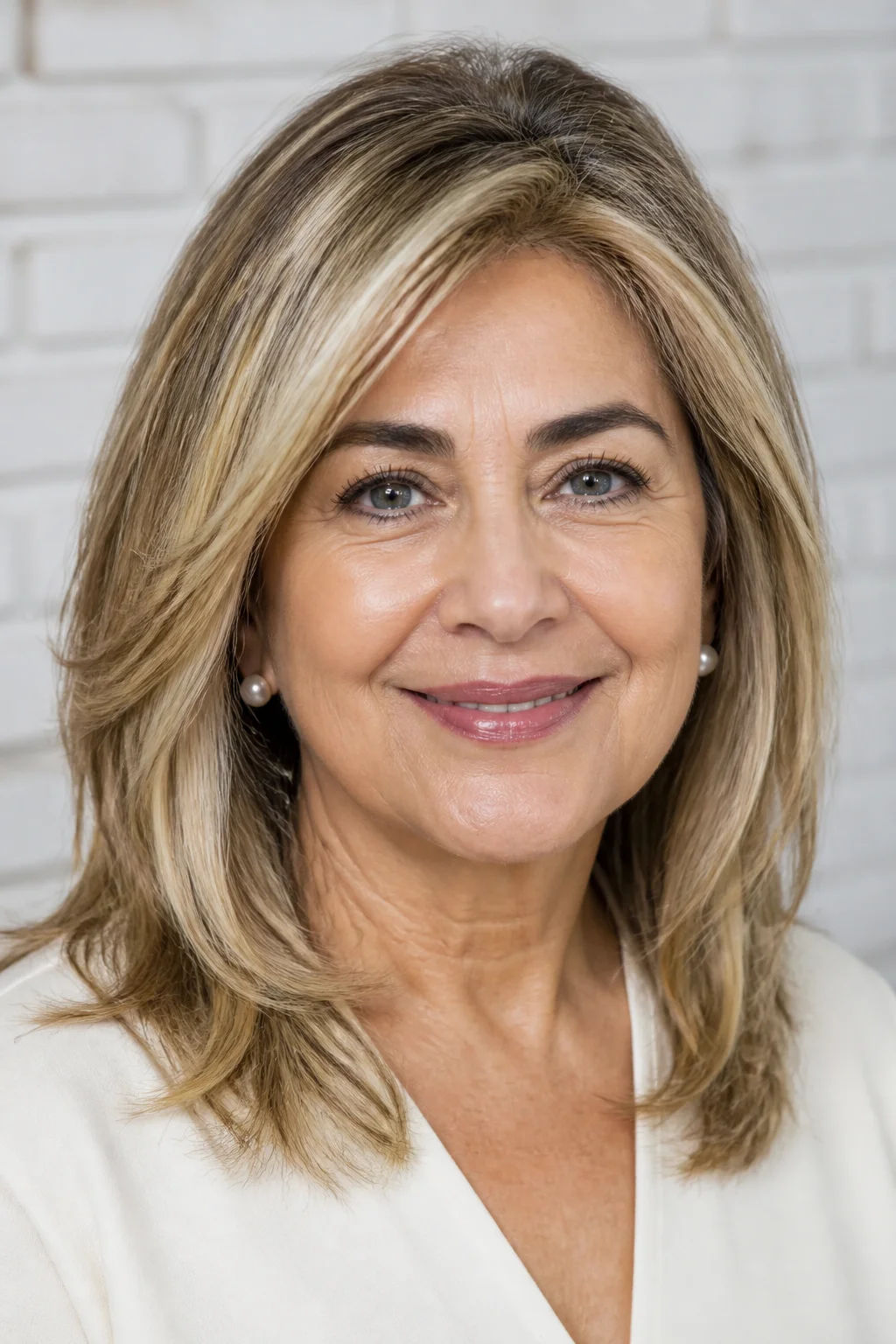
A full foil job places color from root to end across the entire head, top and underneath layers included. It gives the most complete transformation of any foiling technique and works best on hair that can handle a longer processing session. Women with thicker or coarser hair often choose this route because partial placement can get lost in denser strands. The blonde spreads evenly through every layer, so the color still looks bright when you tie your hair up or catch it in the wind. It does ask more of your schedule, since a full head takes longer to foil and process than partial placement. Expect a session that runs a couple of hours depending on your hair’s length and thickness. Once it’s done, though, the color holds a consistent look through wash after wash. Tip: bring a picture of the exact tone you want, since full foil is harder to adjust once it’s processed than lighter partial techniques.
Delicate Blonde Babylights
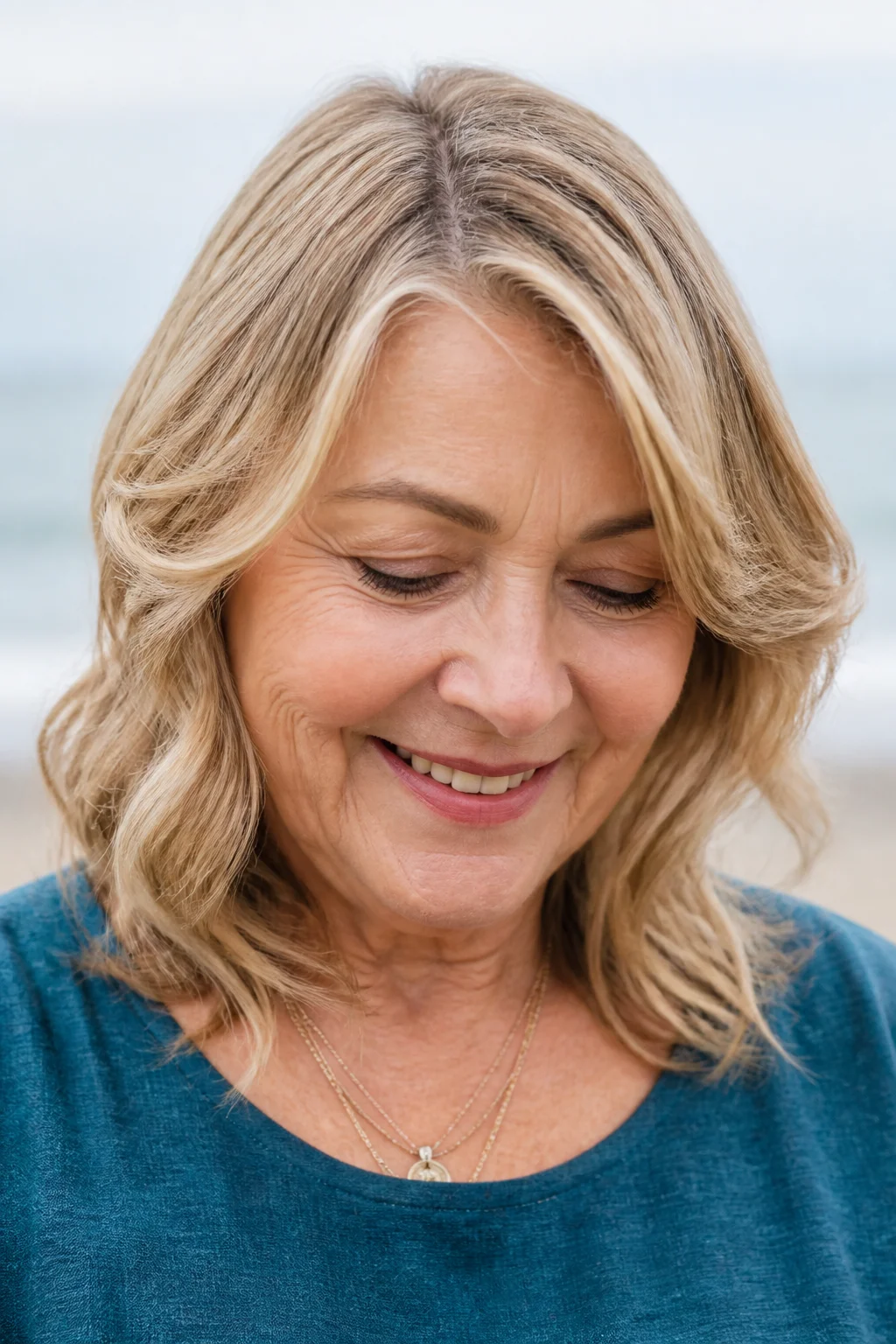
Babylights use much finer sections of foil than standard highlights, mimicking the delicate, sun-kissed streaks kids naturally get in the summer. Because the sections are so thin, the color shift is subtle and blends into gray or silver strands with almost no visible line. This technique suits women who want dimension but feel nervous about anything too dramatic. It also tends to look natural even as it grows out, since the pieces were never bold enough to leave an obvious gap. Stylists often recommend babylights for fine or thinning hair because the fine foils don’t weigh strands down the way chunkier sections can.
Low-Maintenance Blonde Balayage
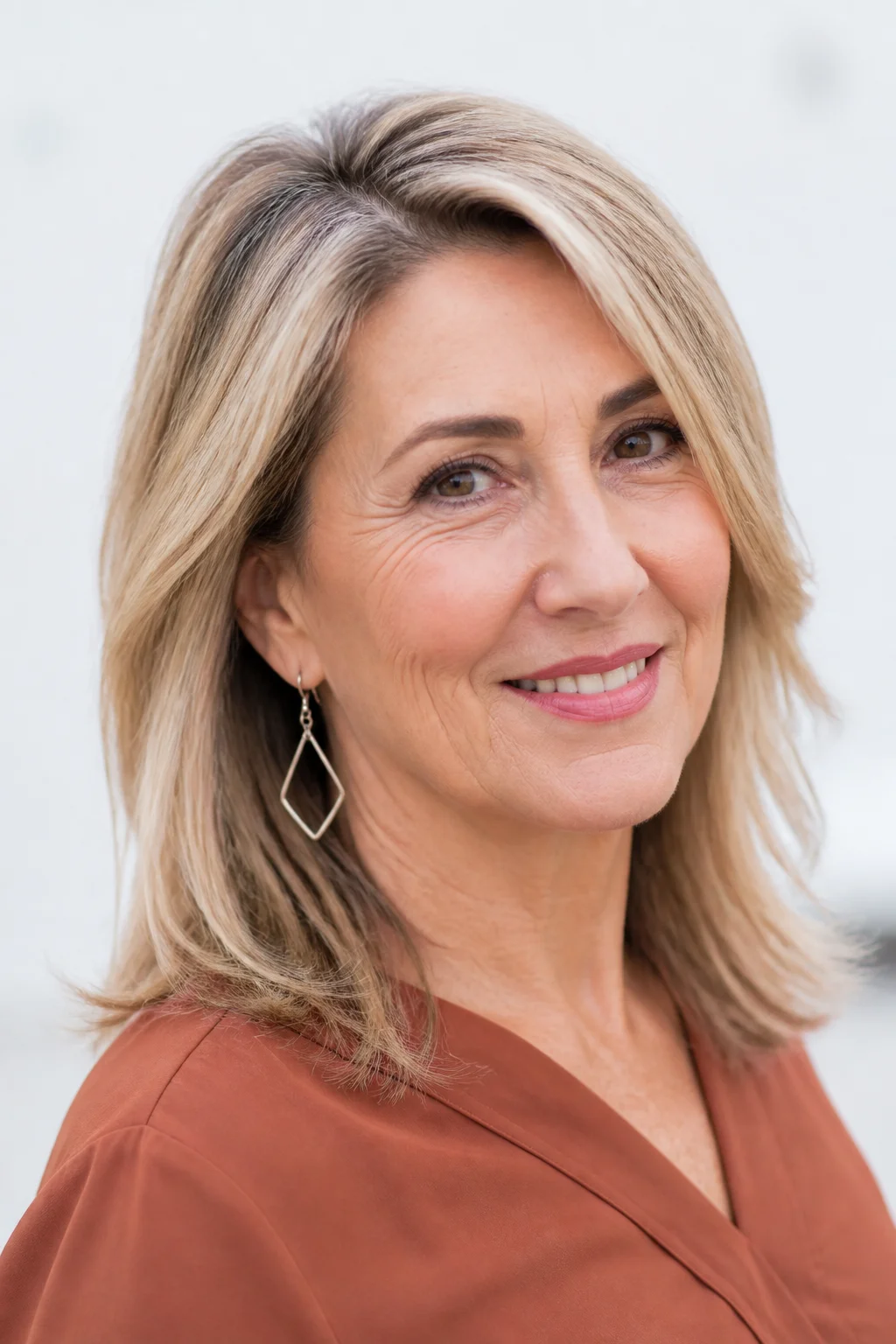
Balayage is hand-painted rather than foiled, so the color fades in a soft gradient instead of a hard regrowth line. That makes it one of the easiest blonde techniques to live with, since you can go three or four months between salon visits without anyone noticing your roots. The technique also adapts well to gray hair, letting a colorist blend silver strands right into the lighter painted pieces. If your time is limited or you travel a lot, this is worth asking for by name.
Bright Foilyage Highlights
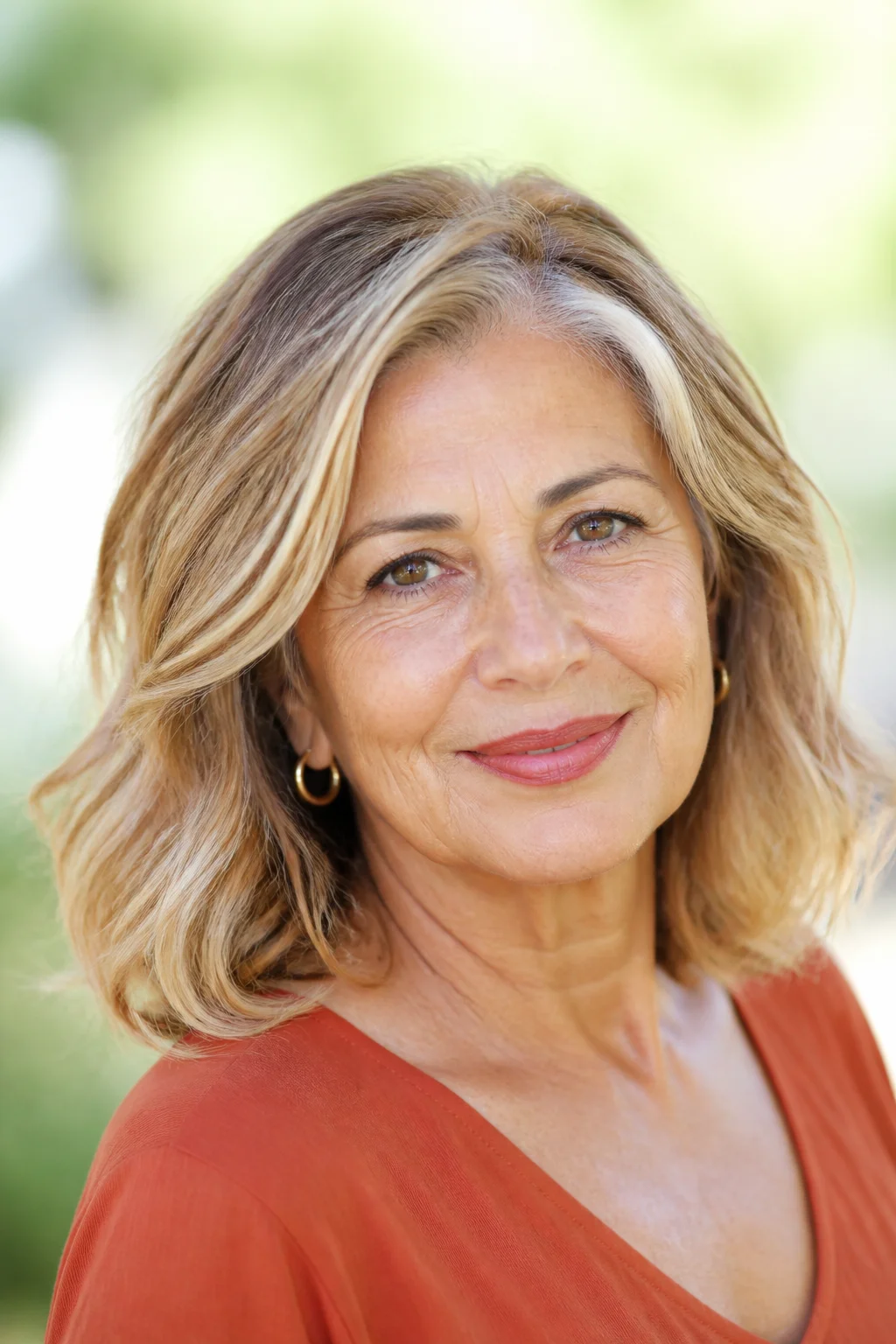
Foilyage blends the hand-painting of balayage with the lift you get from foil, giving you brighter, more noticeable color than balayage alone while still keeping the soft edges. Colorists paint the highlight first, then wrap it in foil to intensify how light the strand becomes. It’s a strong option if balayage on its own has felt too subtle for your taste. Tip: mention to your stylist that you want foilyage specifically, since the technique produces a different result than a standard balayage appointment even though the two get grouped together often.
Rooted Blonde Highlights
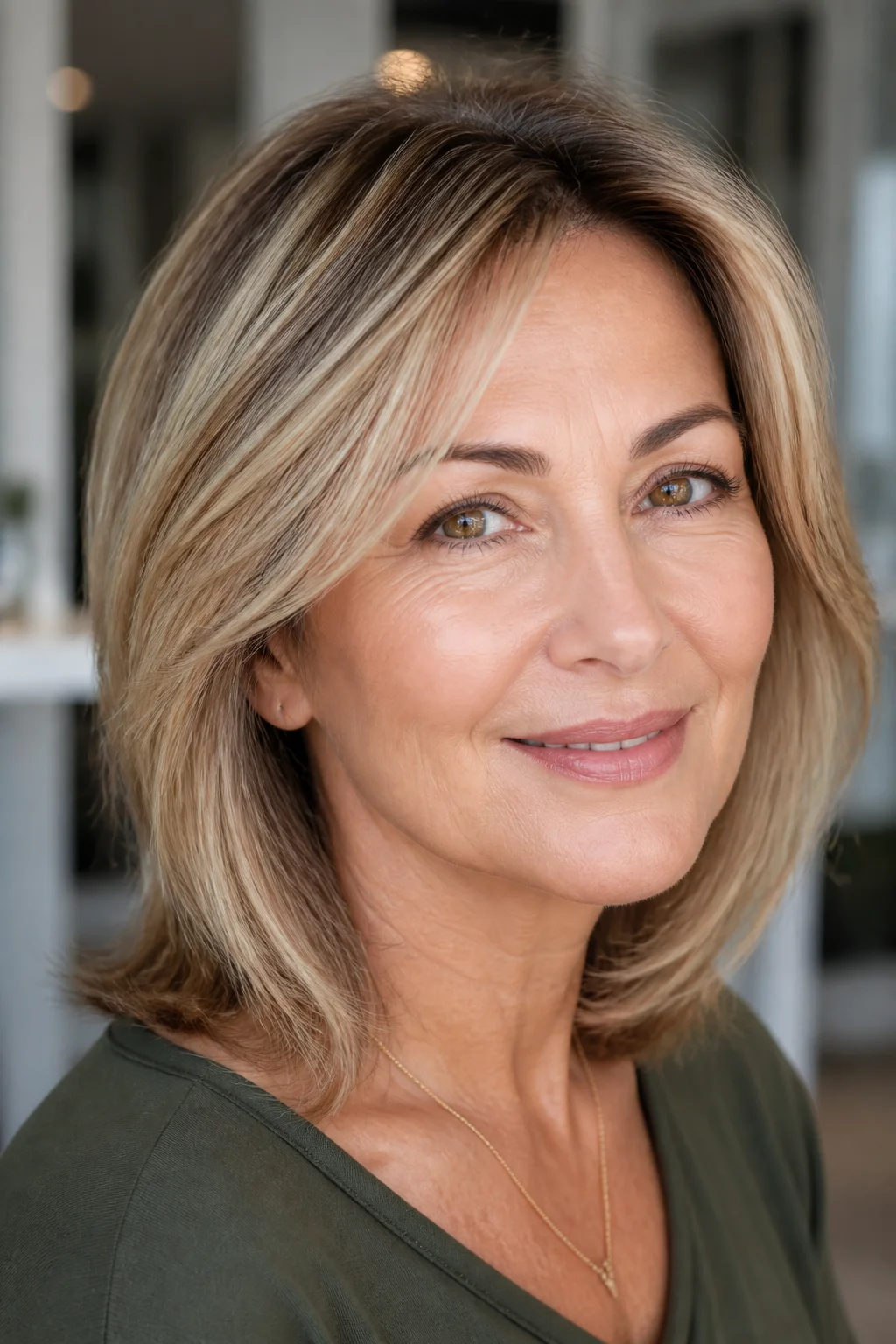
Rooted highlights keep a deeper shade at the base and let the blonde take over further down the shaft. This look reduces how often you need touch-ups since the darker root blends with most natural regrowth, gray included. It also frames the face with softness while keeping the overall style low fuss. Women who color their hair regularly but hate the upkeep tend to gravitate toward this option.
Champagne Blonde Highlights
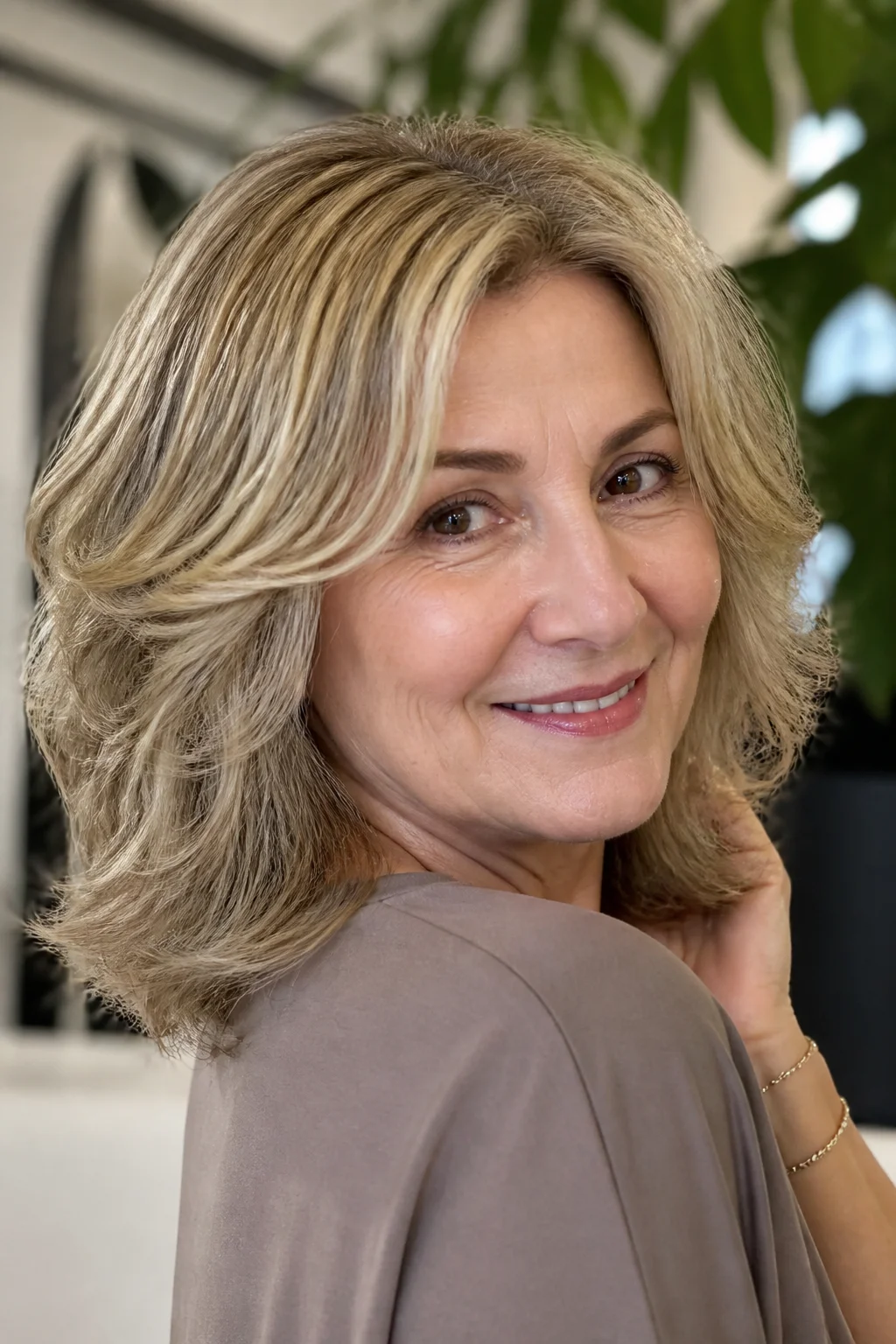
Champagne blonde carries a warm, slightly golden undertone that sits between beige and honey without tipping into brassy territory. It flatters medium to fair skin and softens features in a way that stark platinum sometimes can’t. The tone works particularly well over a base that already has some gray, since the champagne shade blends with silver rather than clashing against it.
Pearl Blonde Highlights for Silver Hair
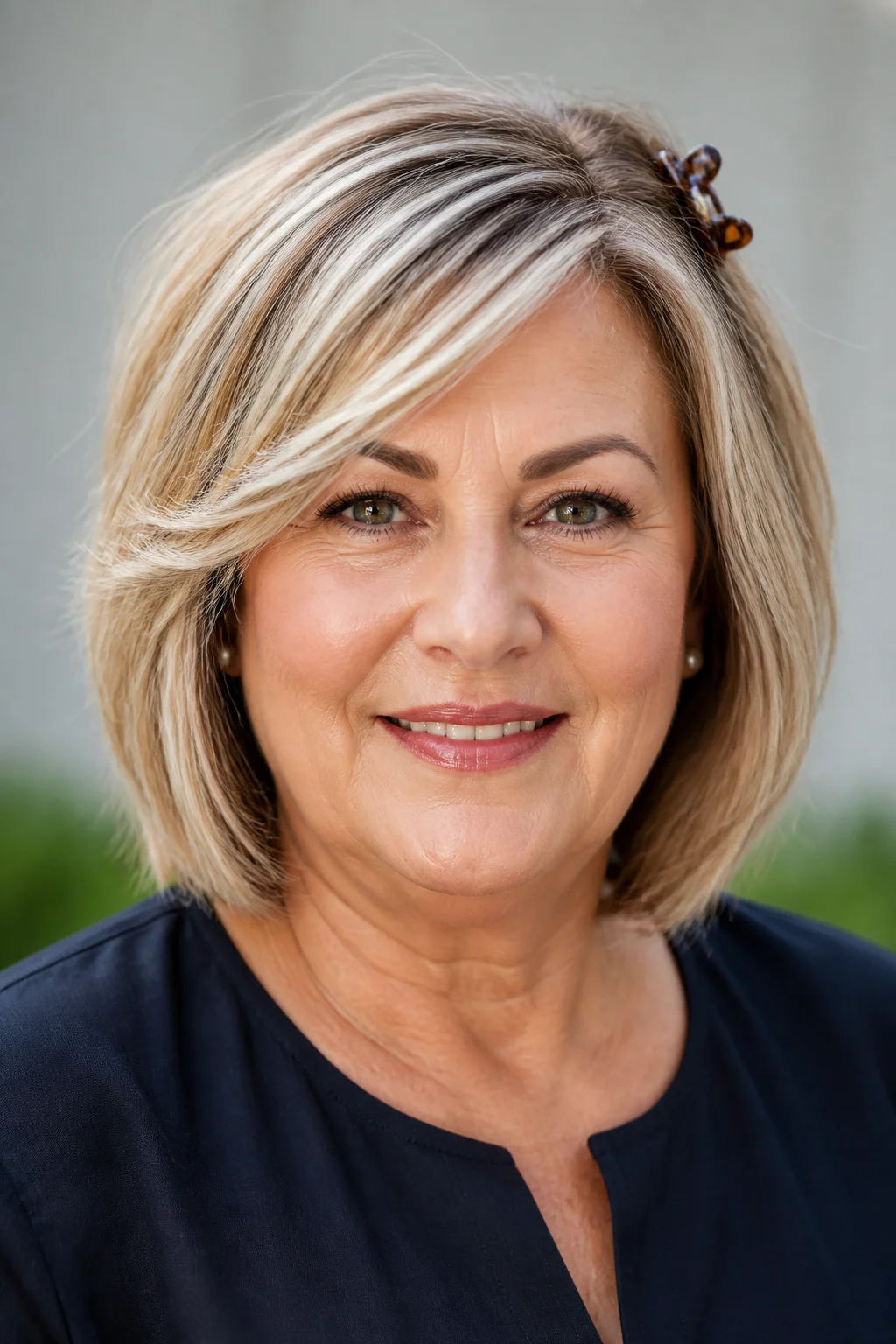
Pearl blonde has a cool, slightly iridescent quality that was practically designed to sit next to silver strands. Instead of fighting the gray in your hair, this highlight shade extends it, creating a shimmering, almost monochromatic effect from root to end. Colorists usually build this tone using a violet-based toner to cancel out any yellow that gray hair tends to pick up over time. It’s an excellent option if you’ve been growing out your gray and want the highlights to support that transition instead of standing apart from it. The finished color often looks like moonlight caught in the strands, cool and bright at once. Upkeep involves a purple shampoo at home to keep the tone from warming up between salon visits.
Ash Blonde Highlights for Cool Undertones
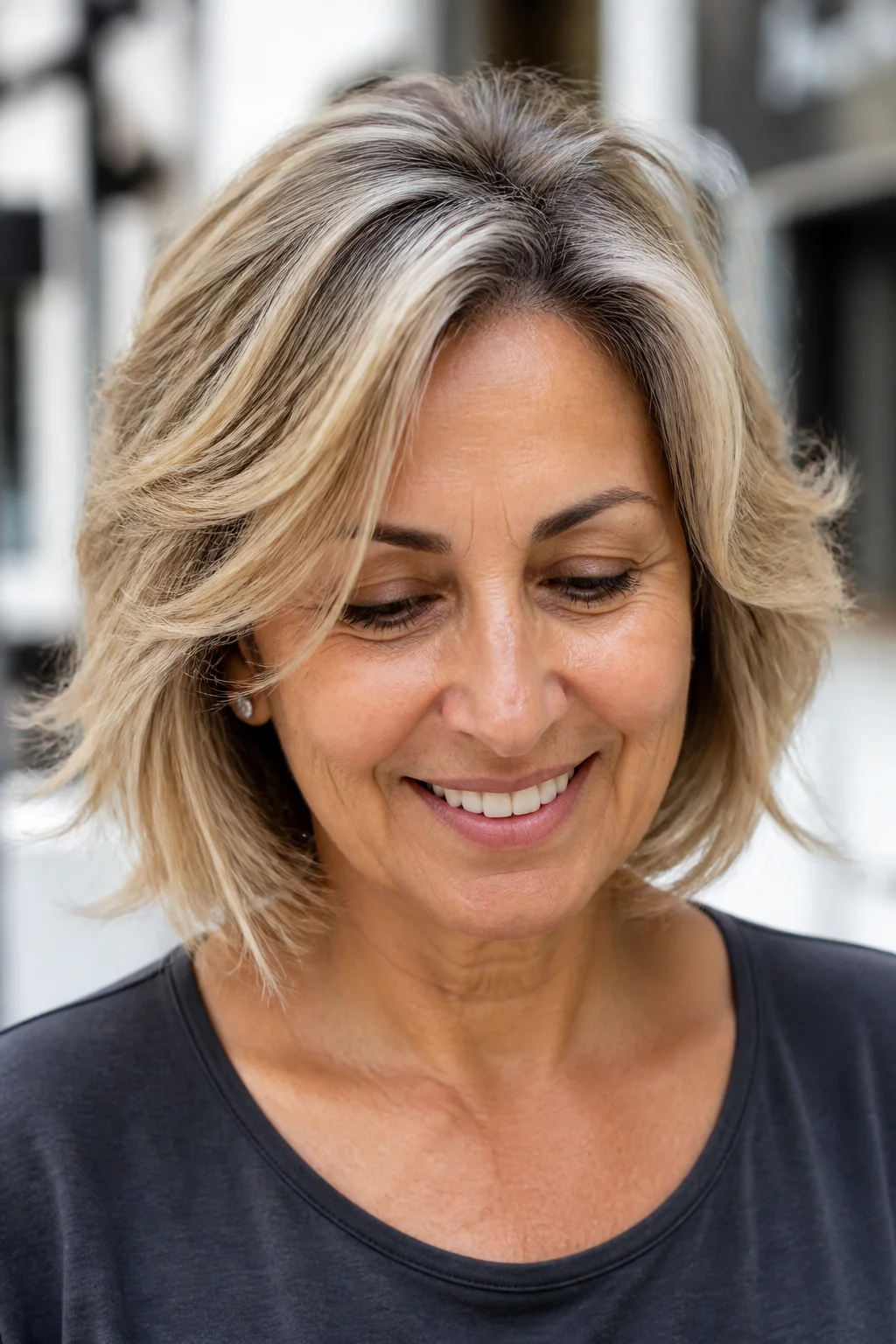
Ash blonde strips out the golden and red tones that natural aging hair can develop, leaving a smoky, muted shade instead. It suits cool skin undertones especially well, since the grayish cast in the hair echoes the same coolness in the complexion. This shade needs a toner refresh every so often to keep it from drifting warm, but the payoff is a sophisticated, quiet color that never looks brassy.
Buttery Blonde Highlights for Warmth
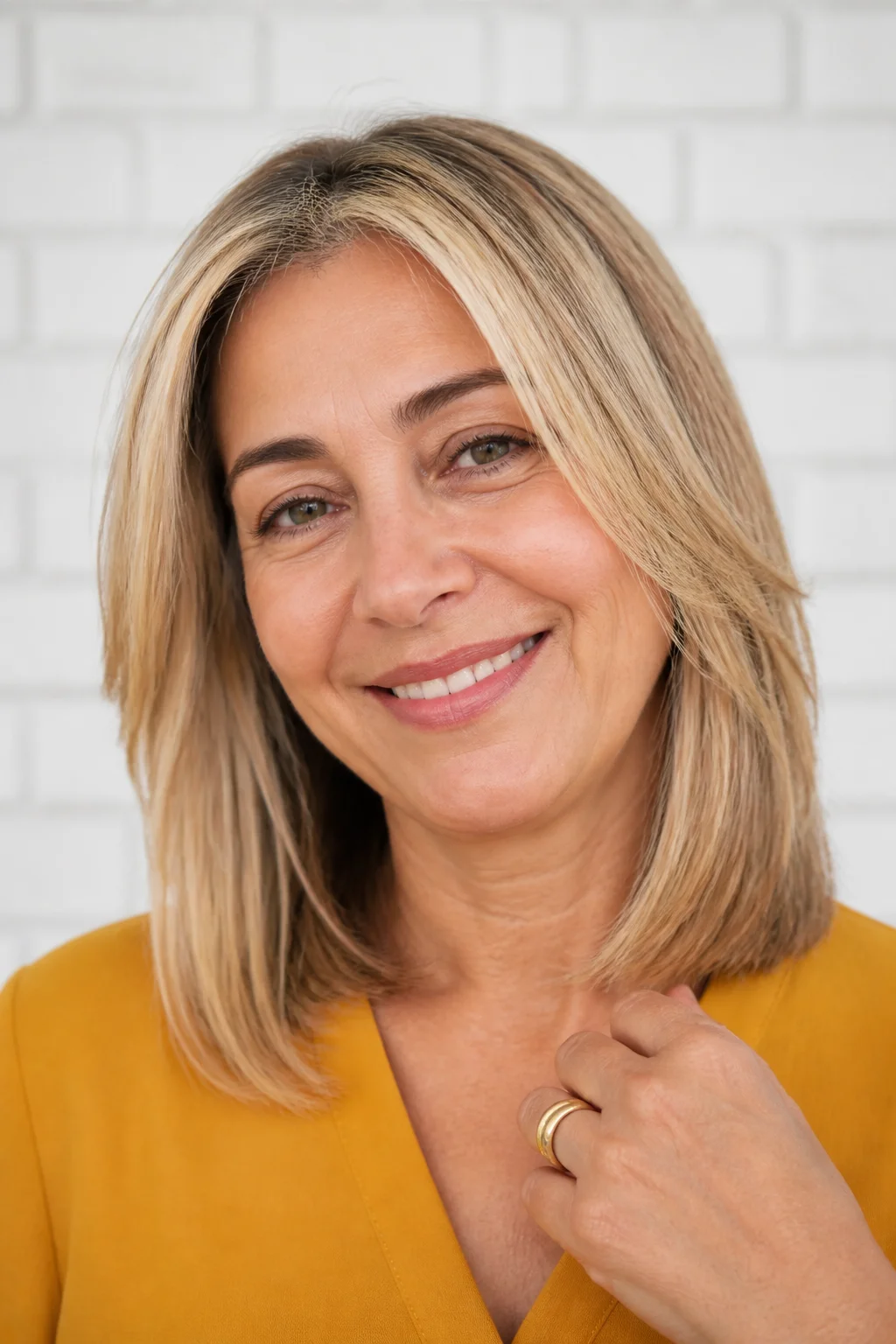
Buttery blonde leans rich and golden, similar to a fresh coat of honey caught in the sun. It’s a forgiving shade for women with warmer skin tones who find ash or platinum too cold against their complexion. The color adds visible warmth to the face and works nicely layered over light brown or graying brown bases. Tip: pair this shade with a warm-toned root color rather than a stark gray root, since the contrast reads more polished.
Honey Blonde Highlights on Brown Hair
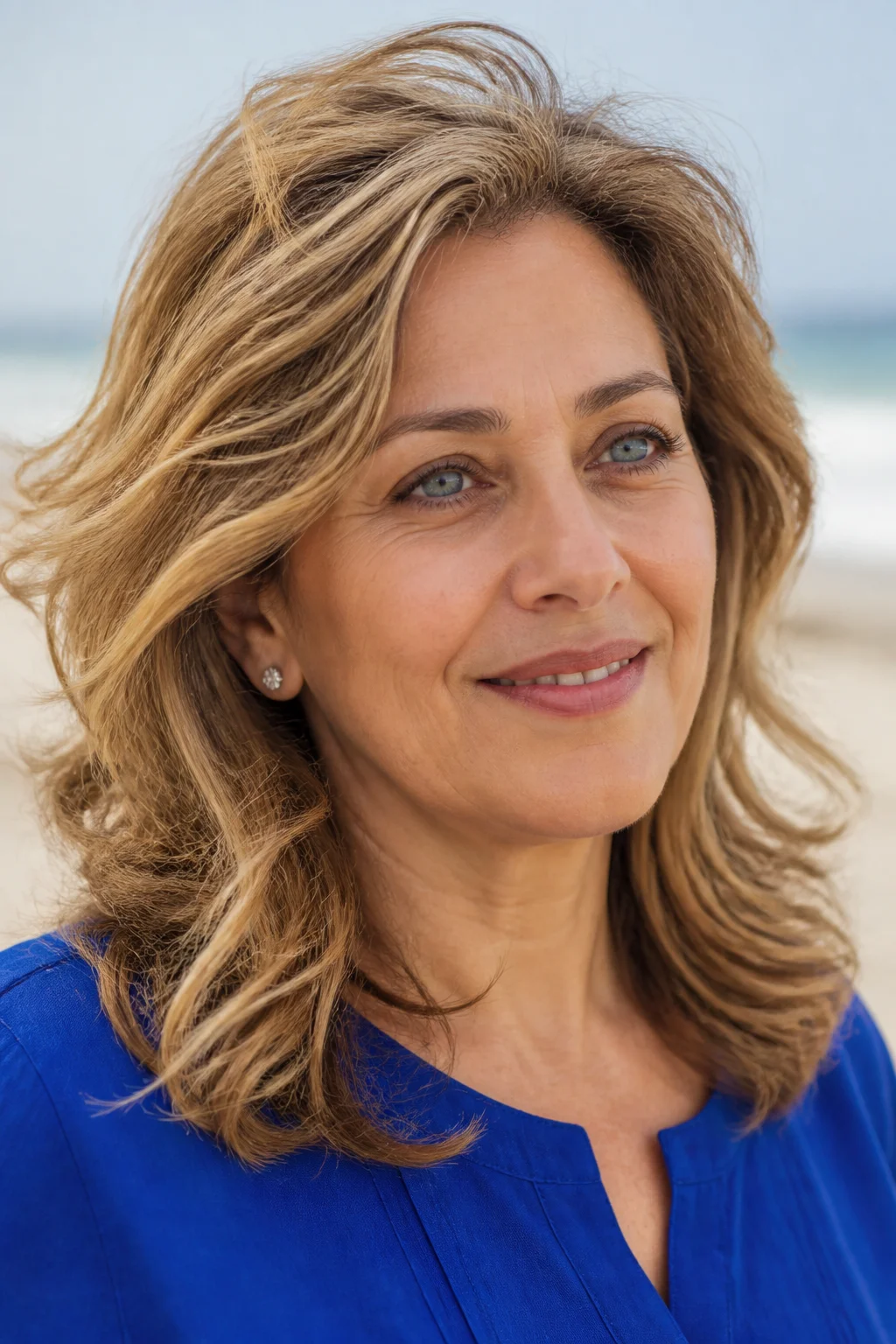
Honey blonde threaded through brown hair creates depth without erasing the base color entirely. The lighter pieces catch light and give movement to hair that might otherwise look one-dimensional. This combination also disguises the first stages of gray growth fairly well, since the multiple tones already at play make new silver strands less obvious.
Beige Blonde Highlights for a Natural Finish
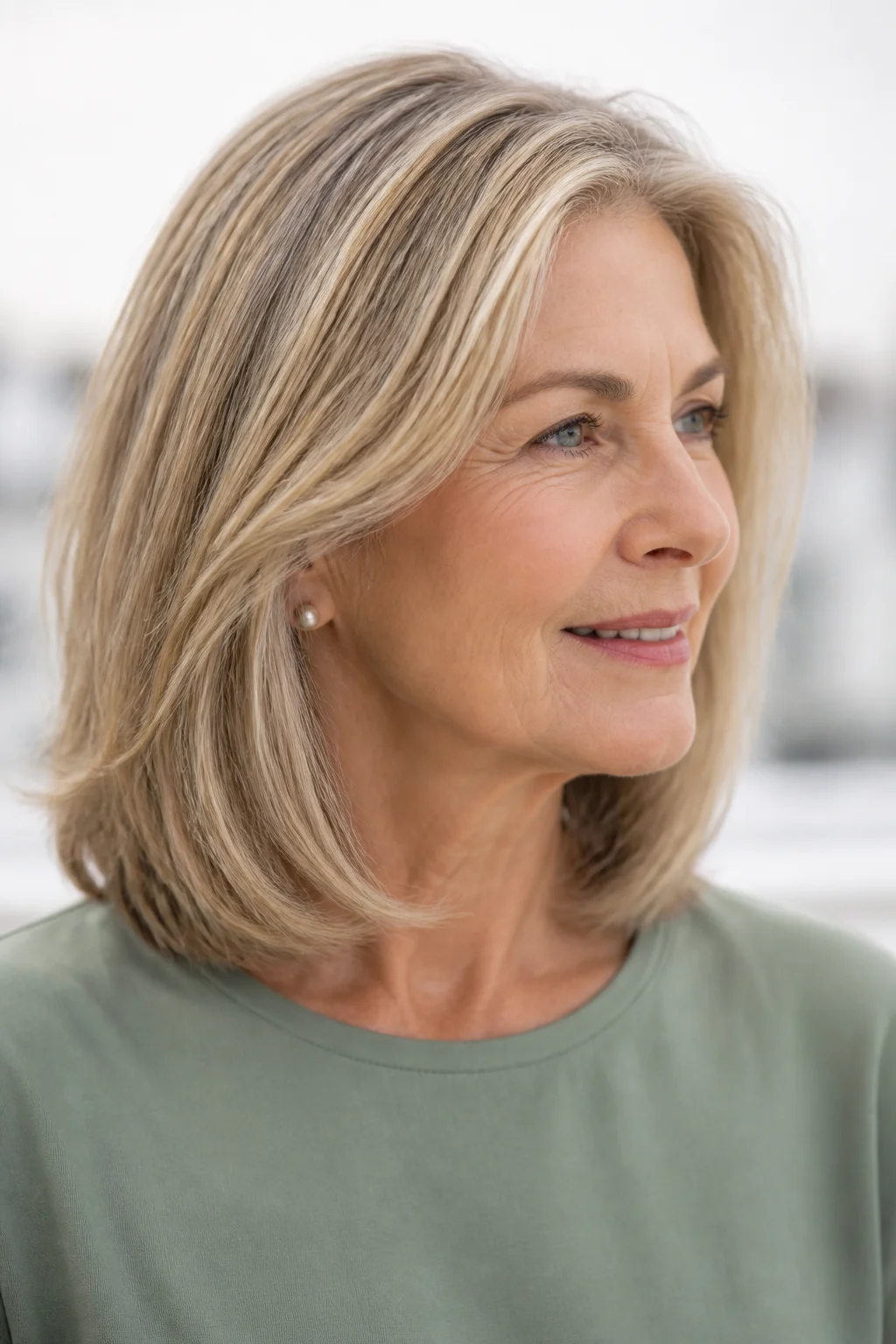
Beige blonde sits in a neutral zone, not too warm and not too cool, which makes it one of the most universally flattering shades on this list. It reads as natural rather than “done,” almost like hair that simply lightened on its own over a summer. This makes it a strong pick for anyone who wants brighter hair without people asking when you got your color changed.
Modern Chunky Blonde Highlights
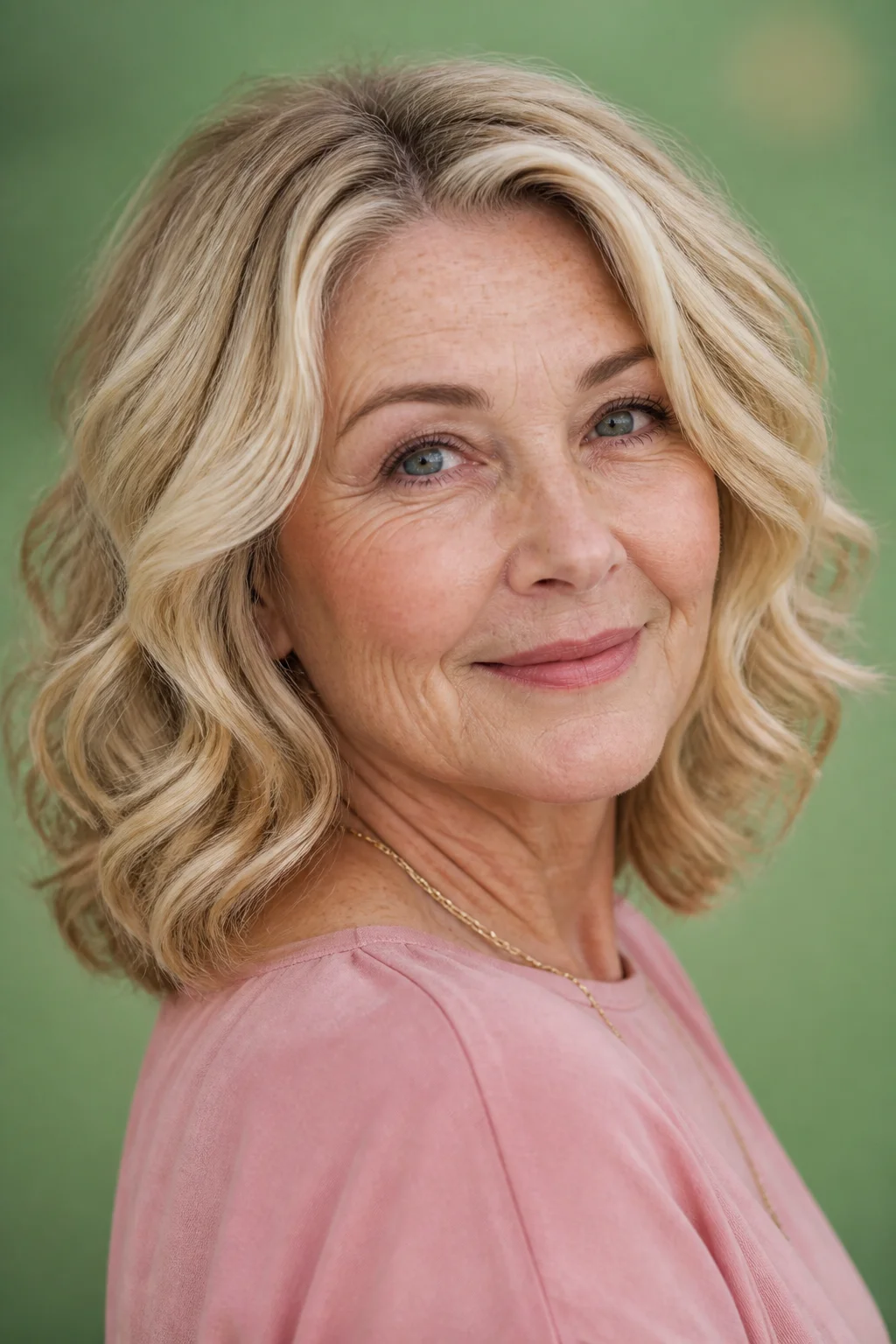
Chunky highlights use wider sections of foil, producing bold, visible streaks rather than the fine, blended look of babylights. This is a more graphic style, best suited to women who want their color to make a statement rather than sit quietly in the background. It works especially well on shorter cuts, where the wider sections show up clearly instead of getting lost in length.
Blonde Money Piece Highlights
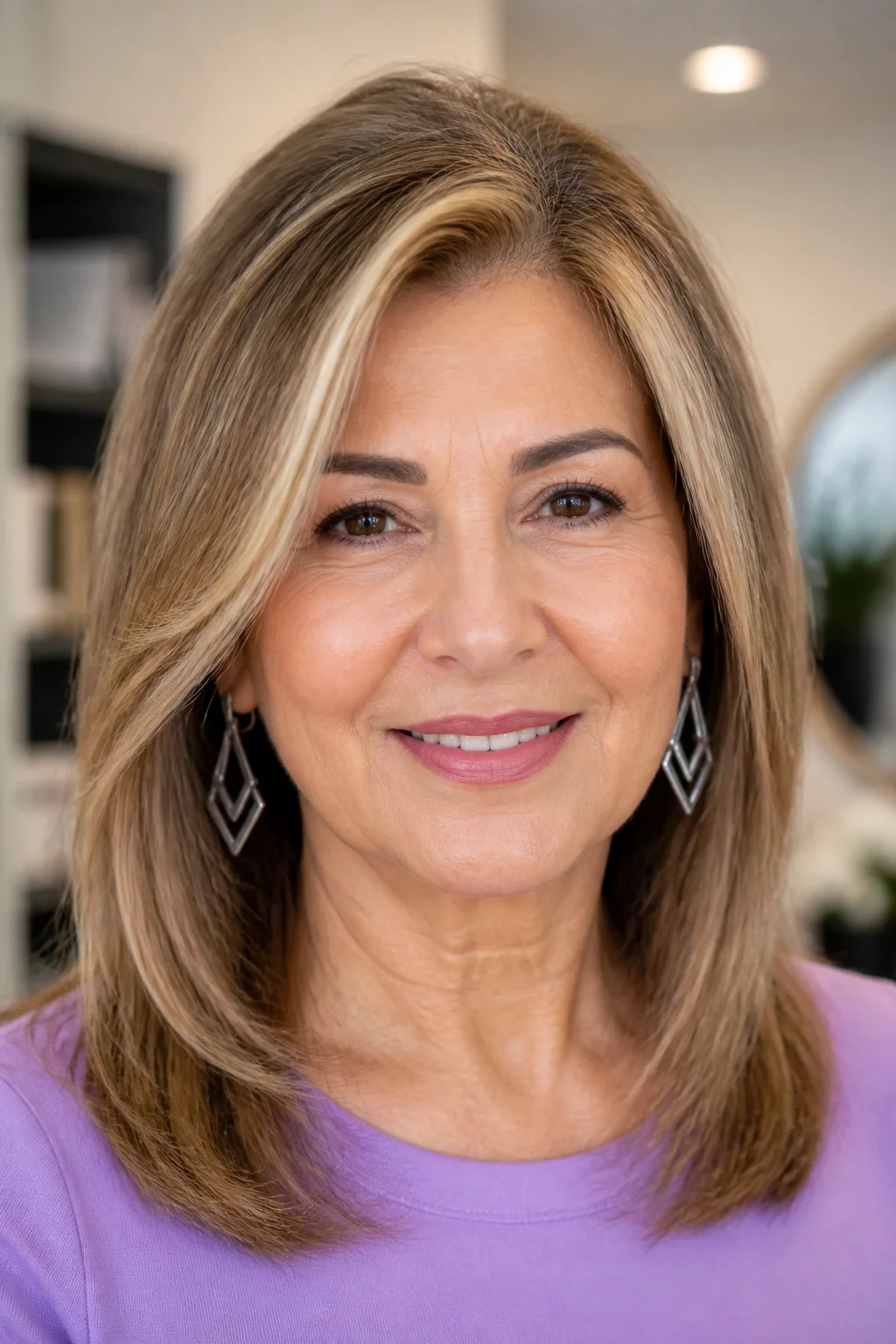
The money piece frames just the two pieces of hair around your face with bold, bright blonde, leaving the rest of the head at its natural or base color. It’s a fast, budget-friendly way to brighten your whole look, since only a small section actually gets colored. The technique got its name because of how much visual impact it delivers for such a small amount of highlighting work.
Halo Blonde Highlights
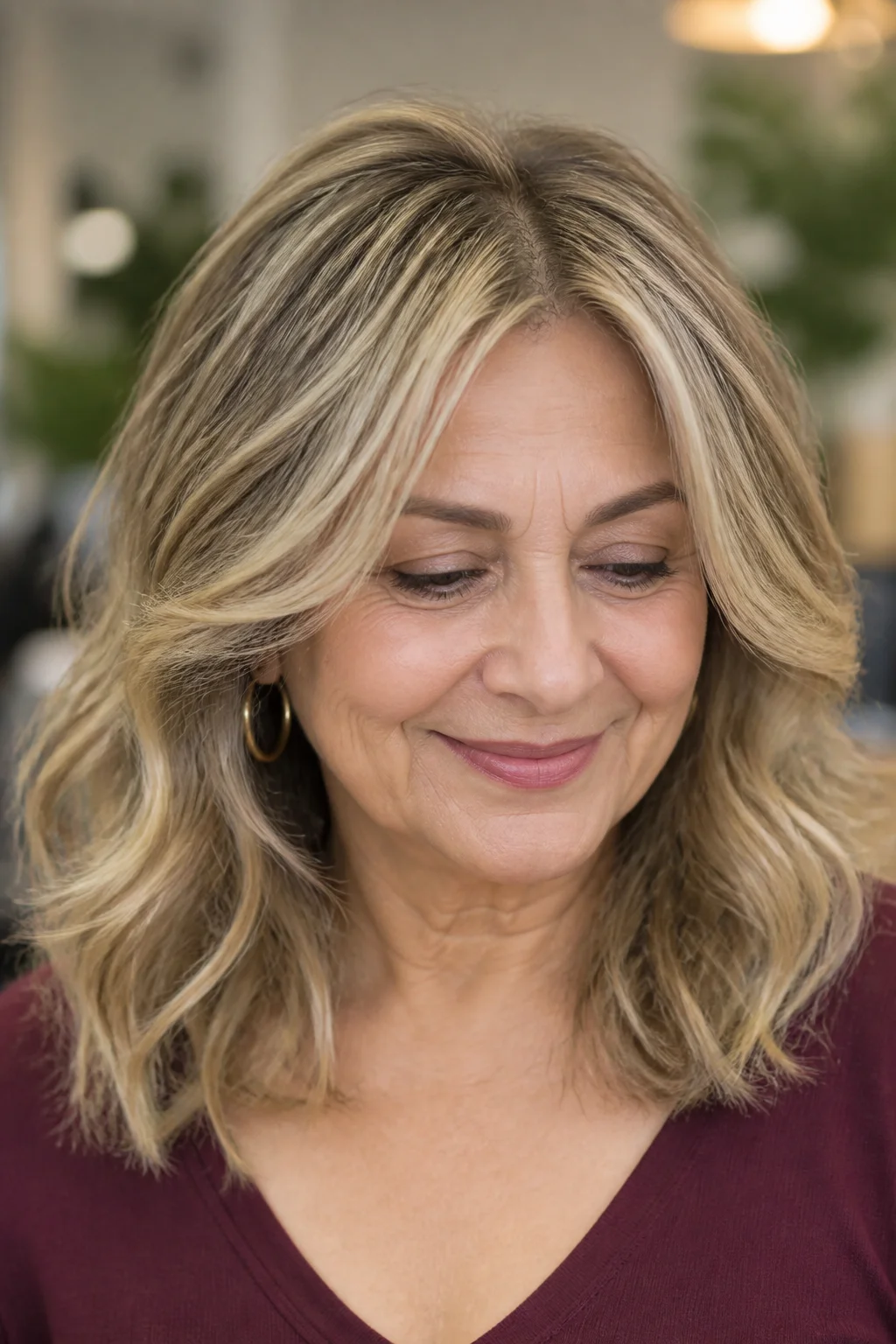
Halo highlighting focuses color across the top of the head in a ring pattern, brightening the area that shows most when hair is worn down or pulled half up. It’s a subtler cousin of crown highlighting, often blended more finely for a softer transition into the rest of the hair. This works well for women who part their hair in the middle or side and want light concentrated exactly where the part falls open.
T-Section Blonde Highlights
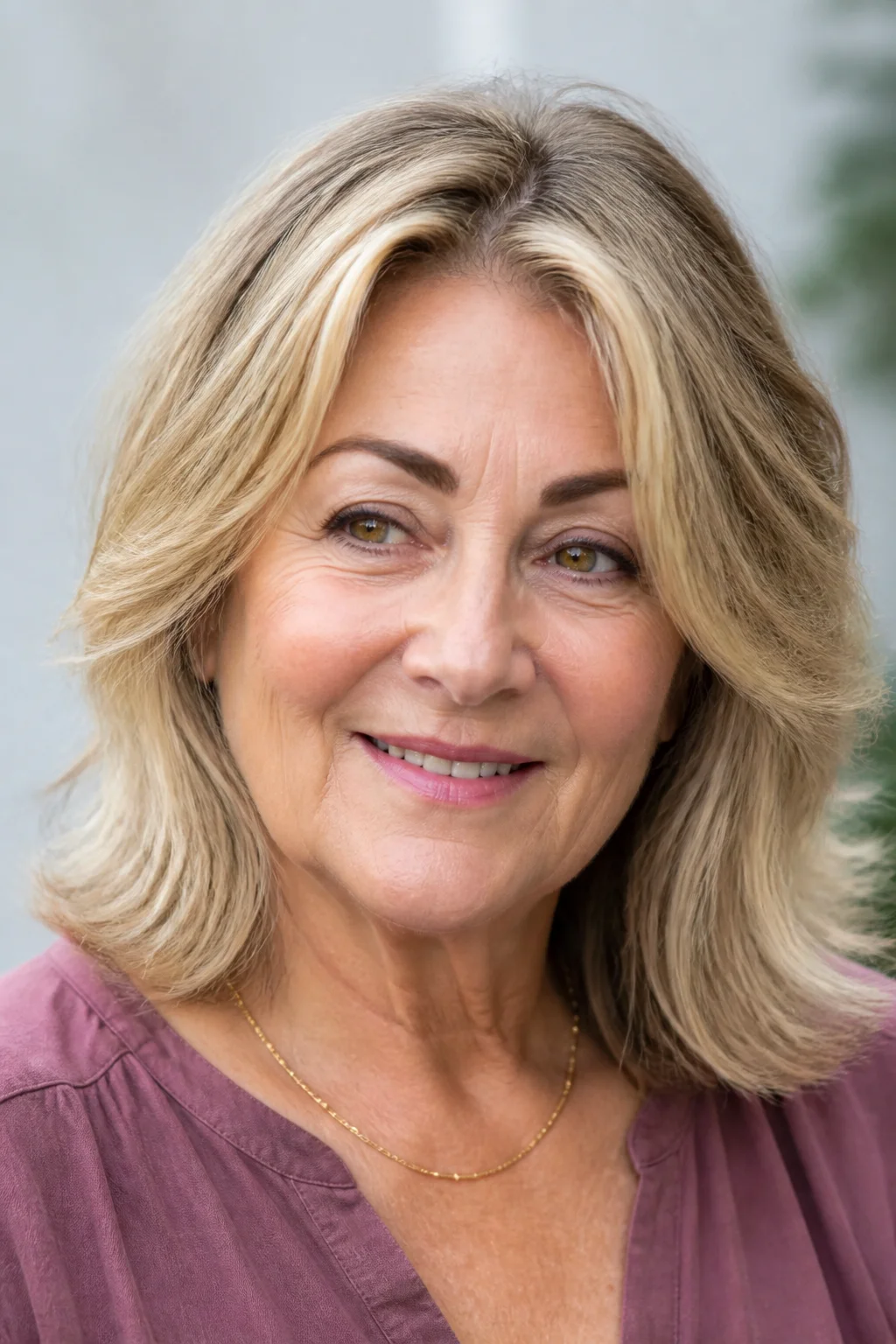
T-section highlighting places lighter pieces along the part line and temples, forming a rough T shape across the top of the head. It’s a targeted technique for anyone who mostly wants brightness where their part shows and along the front pieces that frame the face. Because it covers less area than a full or partial foil, appointments run shorter and cost less too.
Blonde Highlights with Gray Blending
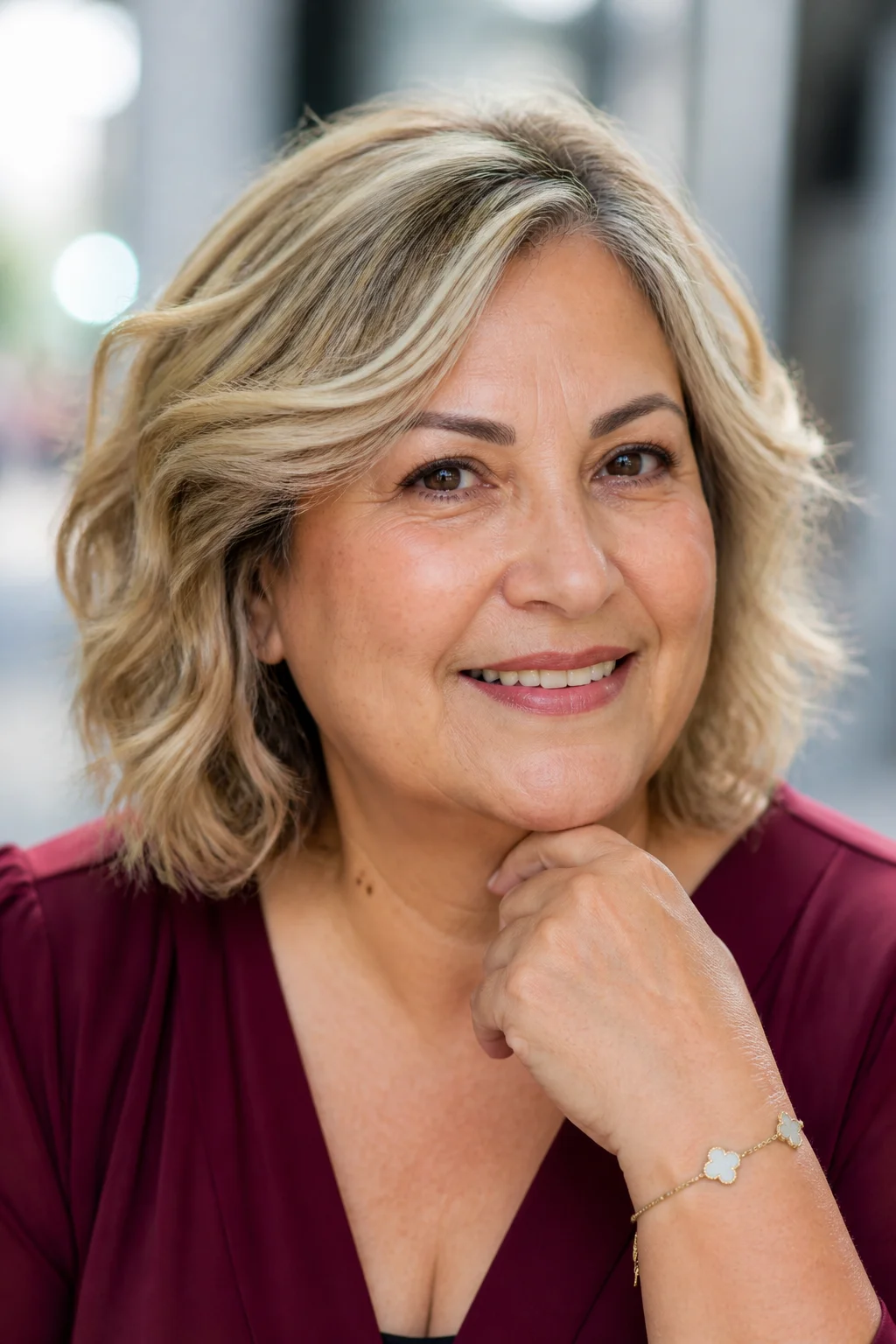
This technique treats natural gray as part of the color palette instead of something to hide. A colorist places blonde highlights strategically among the gray so the two tones weave together, creating dimension instead of a flat line between colored and natural hair. It’s ideal for women in the middle of a gray transition who don’t want to commit to full silver yet but also don’t want to keep covering every strand. Tip: ask for lowlights in addition to the highlights, since a touch of deeper tone keeps the blend from looking washed out.
Dimensional Blonde Highlights with Lowlights
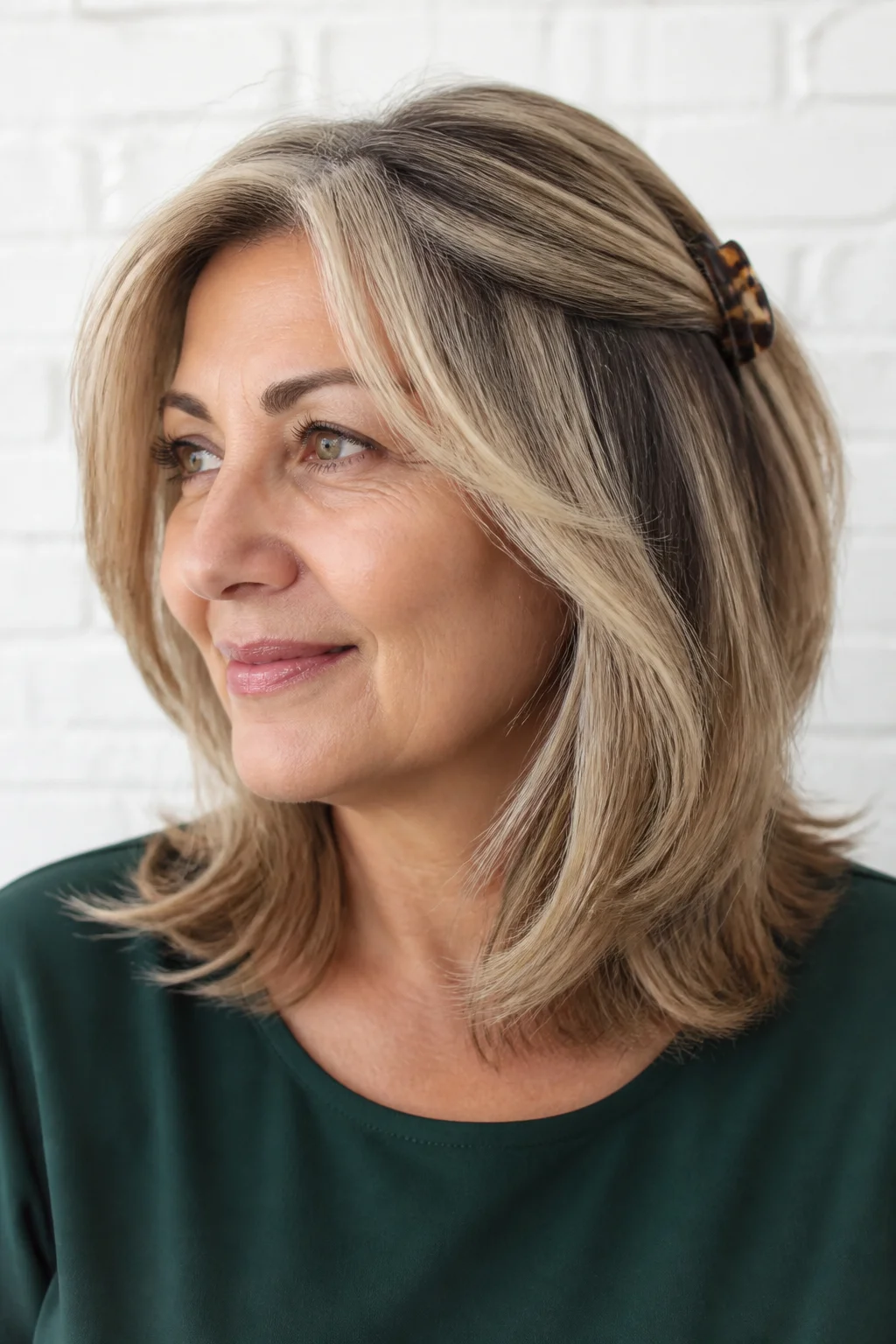
Combining highlights with lowlights builds real depth into the hair, with lighter and darker pieces working together instead of one flat color doing all the work. This approach hides regrowth exceptionally well, since the multiple tones already at play make new growth blend rather than stand out. It also adds the appearance of thickness, which matters more as hair naturally thins with age. Stylists often recommend this combination for women who want a lower-maintenance schedule but still want their color to look rich and multidimensional between visits.
Choosing the Right Highlight for Your Hair and Lifestyle
With this many options, the real decision comes down to three things: how much gray you’re working with, how much upkeep you’re willing to do, and how bold you want the contrast to be. If you’re mostly gray and want the highlights to support that transition, pearl blonde highlights for silver hair or blonde highlights with gray blending will serve you better than something warm like buttery blonde, which can clash with silver undertones. If your main goal is low maintenance, low-maintenance blonde balayage and rooted blonde highlights both grow out with soft lines instead of a hard root, so you can stretch appointments further apart.
A common mistake is choosing a shade based on a photo without considering your own undertone. Ash blonde highlights for cool undertones can look gray and lifeless on someone with warm skin, while buttery or honey tones can look brassy on someone cool. Another mistake is going too bold too fast. If you’ve never highlighted your hair before, start with something like a partial foil or a money piece rather than jumping straight to full foil blonde highlights. You can always add more color later, but pulling color back out is harder on your hair and your budget.
Final Thoughts
Blonde highlights can do real work for hair that’s changed texture or color with age, adding light, movement, and softness exactly where you need it. The choice isn’t about chasing a trend. It’s about matching a technique to your gray coverage, your skin’s undertone, and how much salon time fits your life. Bring a few of these names to your next appointment and talk through them with your colorist before committing to one.