Picking a new hair color from a screenshot is easy. Explaining it to your stylist so it actually turns out that way is the hard part. Honey brown hair sits in that sweet spot between warm blonde and rich brunette, and it works on nearly every skin tone because you can push it lighter or deeper depending on your undertones. The tricky part is knowing which version to ask for, since a textured bob wears the color differently than a sleek lob or a curly shag. Below you’ll find two dozen ways to wear this shade, broken down by cut and texture so you can bring a clear reference into your next appointment. Some are low maintenance, some need more upkeep, and a few are better suited to fine hair than thick. Read through and find the one that matches how you actually live, not just how it looks in a photo.
Honey Brown Balayage on Long Straight Hair
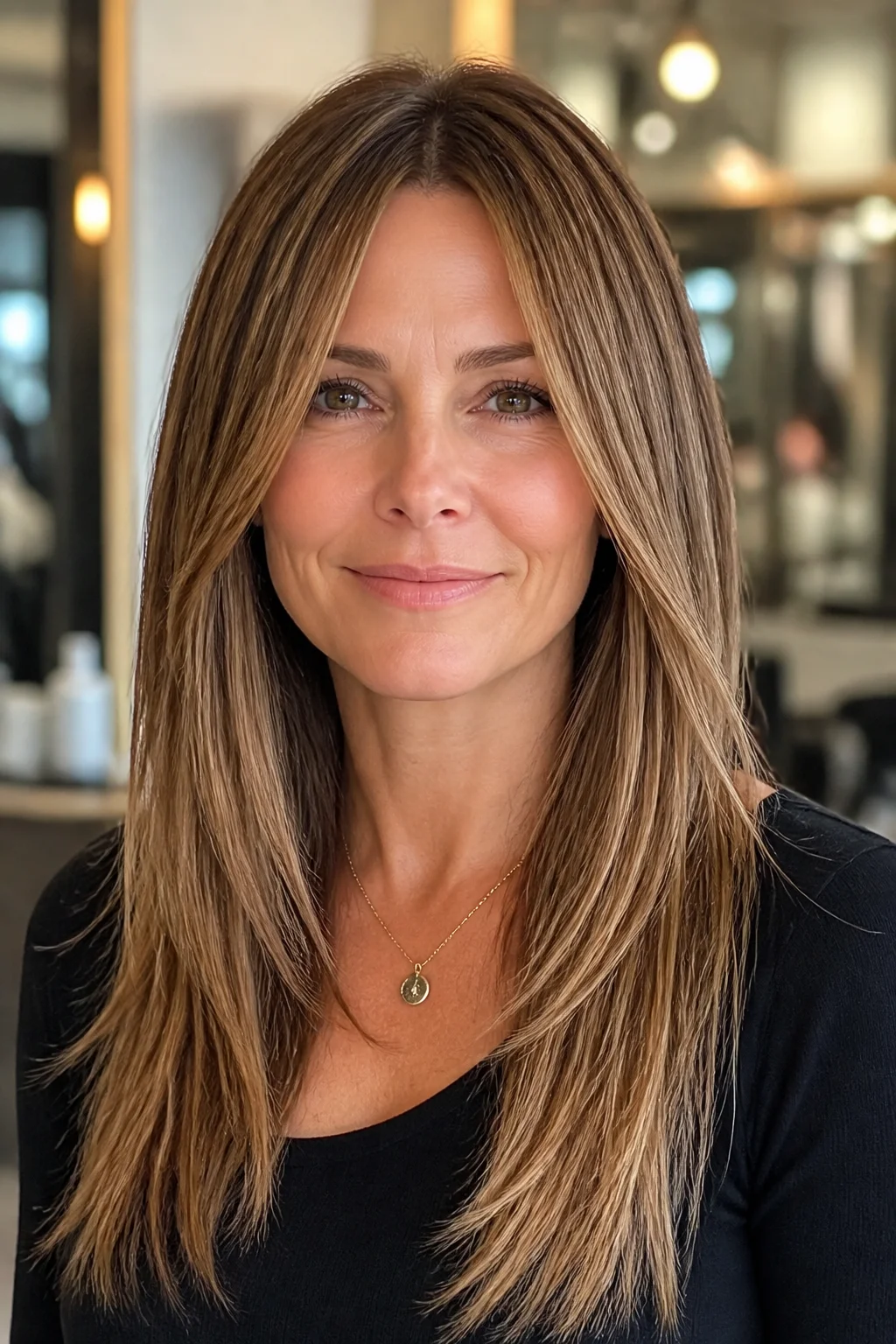
Balayage on long straight strands lets the color fall in soft streaks instead of harsh stripes. The hand-painted technique keeps the roots deeper and the ends lighter, so regrowth looks intentional rather than sloppy. On straight hair, the light and dark pieces catch the light as you move, which gives flat lengths some visual texture without a single layer being cut. Tip: ask your colorist to focus the lightest pieces around your face where the sun would naturally hit it. A light mist of heat protectant before styling helps the finish last. A light mist of heat protectant before styling helps the finish last. This honey brown hair option keeps the shape easy to maintain day to day.
Honey Brown Textured Bob
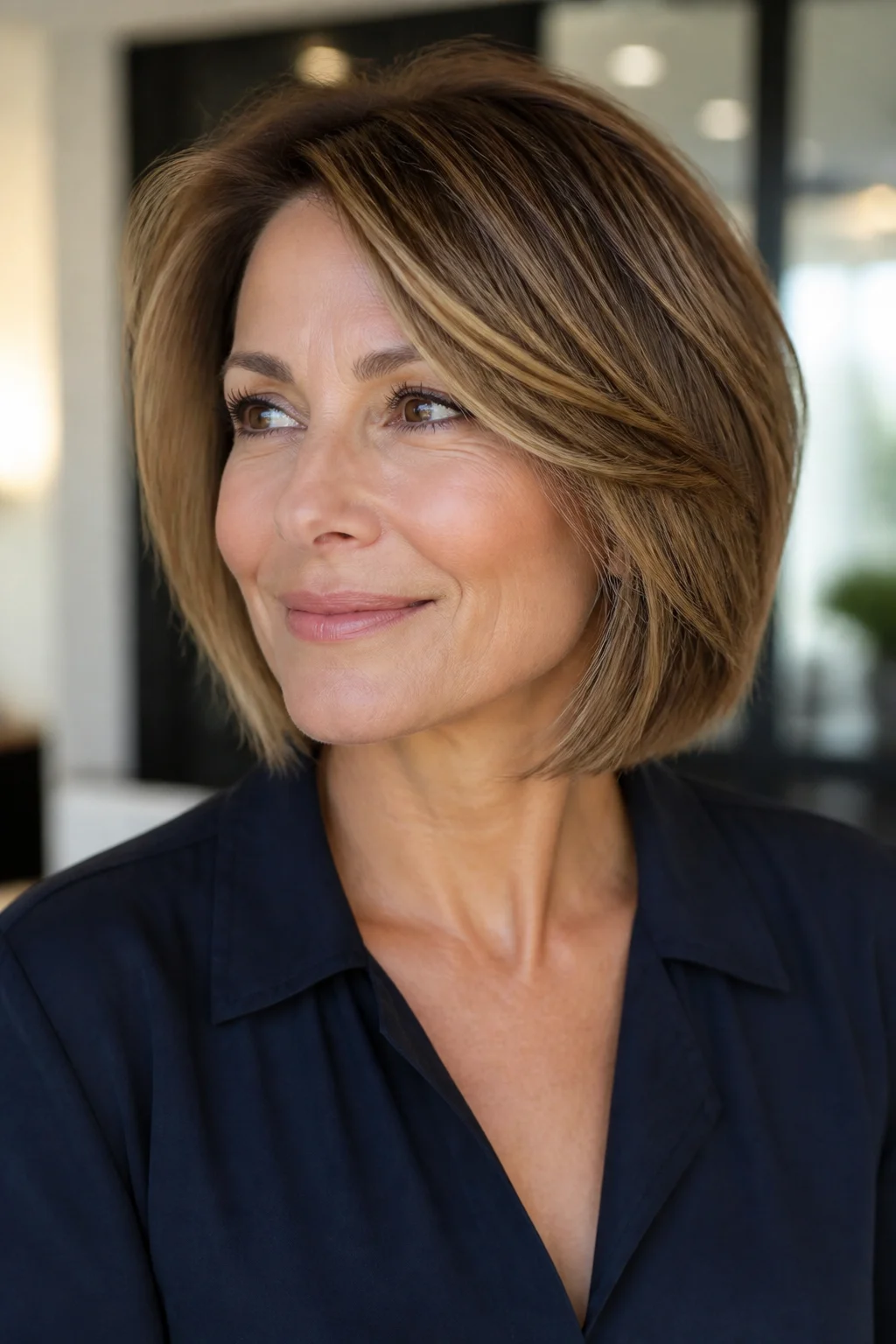
A textured bob with honey brown tones looks fuller than its length suggests. The choppy ends break up the color so it never reads as one flat block, and the shorter length means the color grows out fast, in a good way, since you’ll see fresh dimension every few months. This works especially well on hair that’s naturally a little wavy already. This honey brown hair option keeps the shape easy to maintain day to day.
Honey Brown Curly Hair with Face-Framing Layers
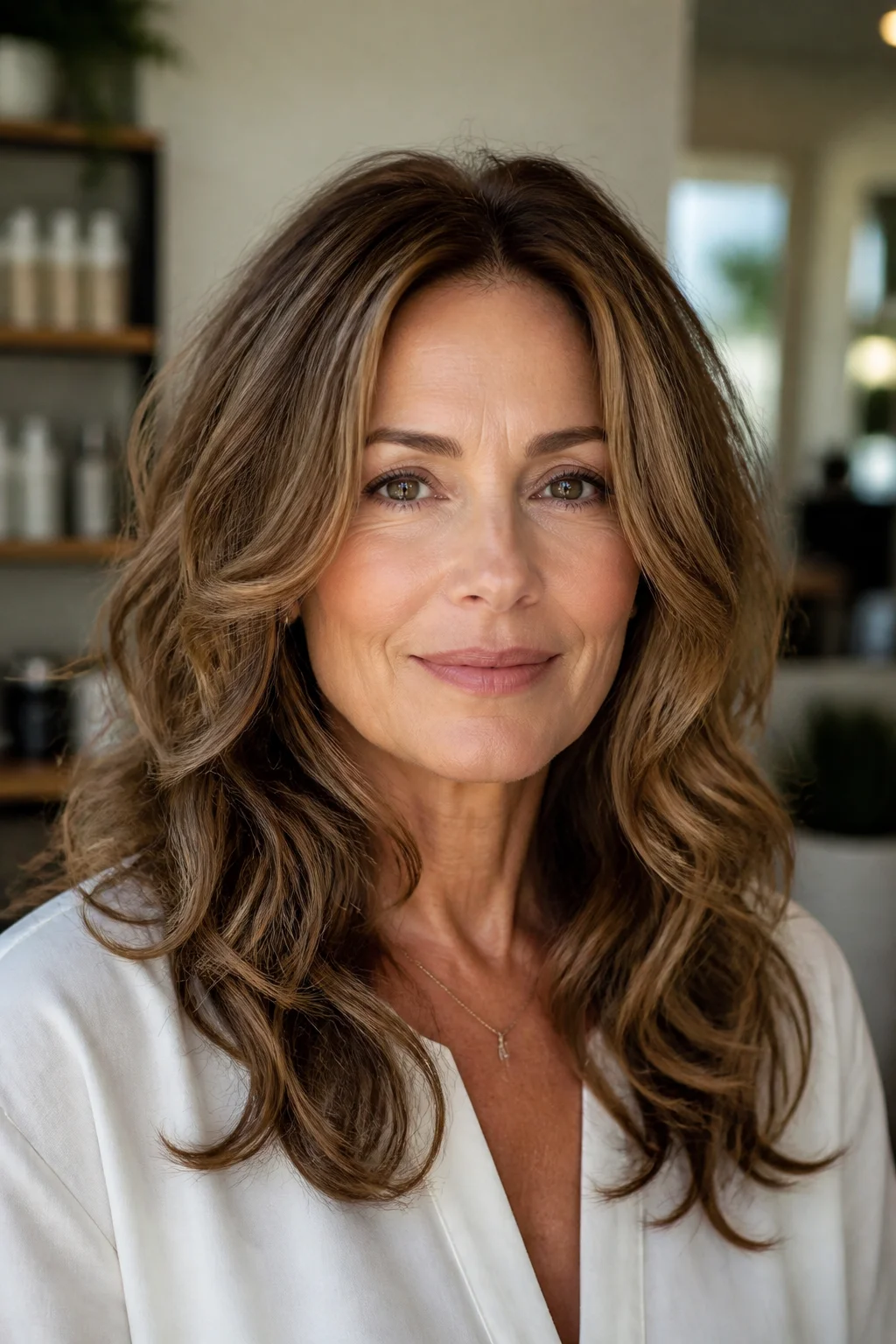
Curls need layers that respect the shape of each ring, and honey brown adds warmth that keeps curly hair from looking flat under indoor light. Face-framing pieces cut a bit shorter than the rest will spring up and highlight your cheekbones once they dry. The color itself does a lot of the work here because lighter pieces woven through dark curls catch light differently than a single all-over shade, giving the whole style more depth. Curly hair also tends to look drier than it is, and honey brown’s warm undertone helps counter that dull, brassy look some brunettes fight. Ask your stylist to diffuse a test section in the chair so you can see how the color settles once your curls are dry, not wet. A light mist of heat protectant before styling helps the finish last. This honey brown hair option keeps the shape easy to maintain day to day.
Honey Brown Pixie Cut with Longer Top
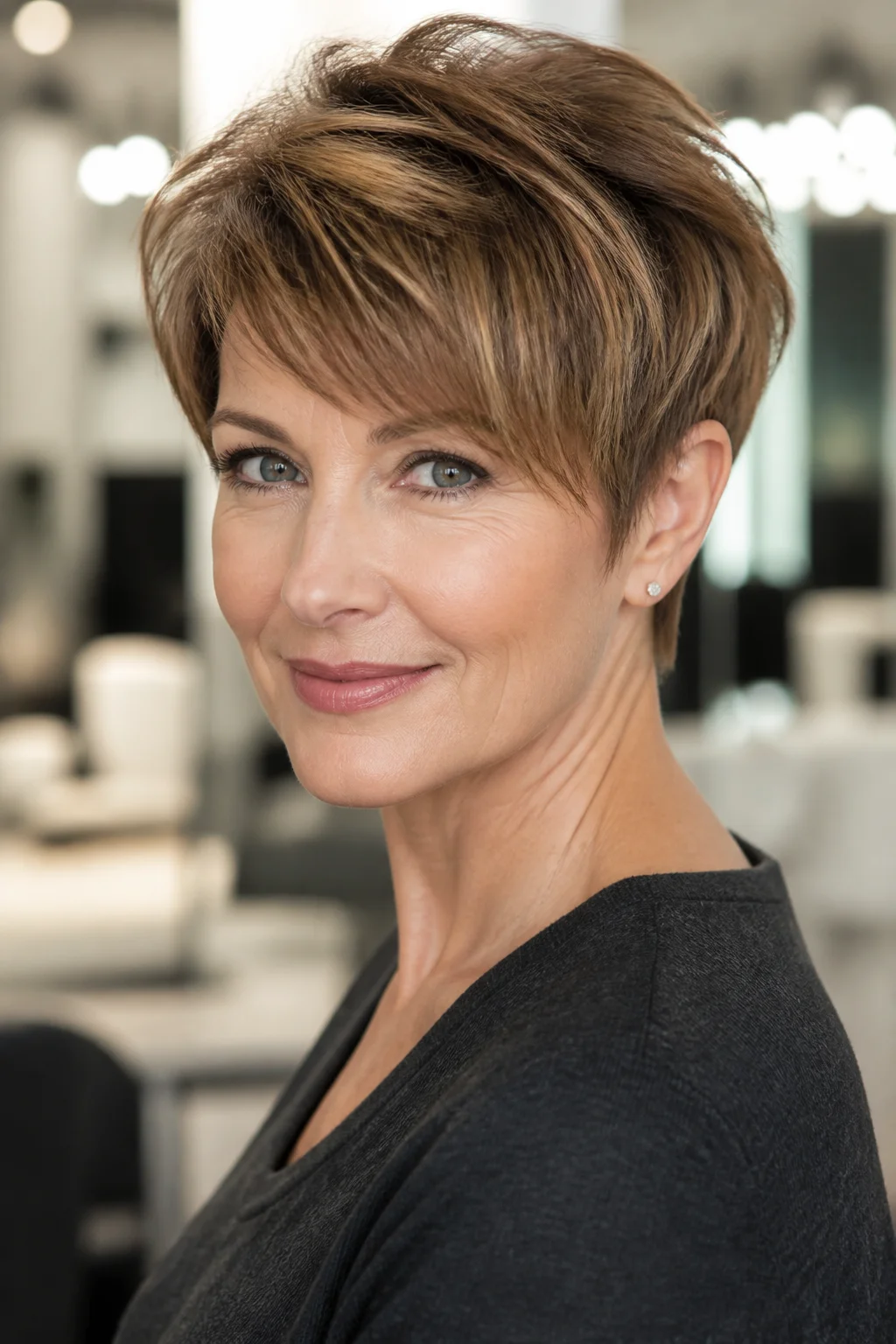
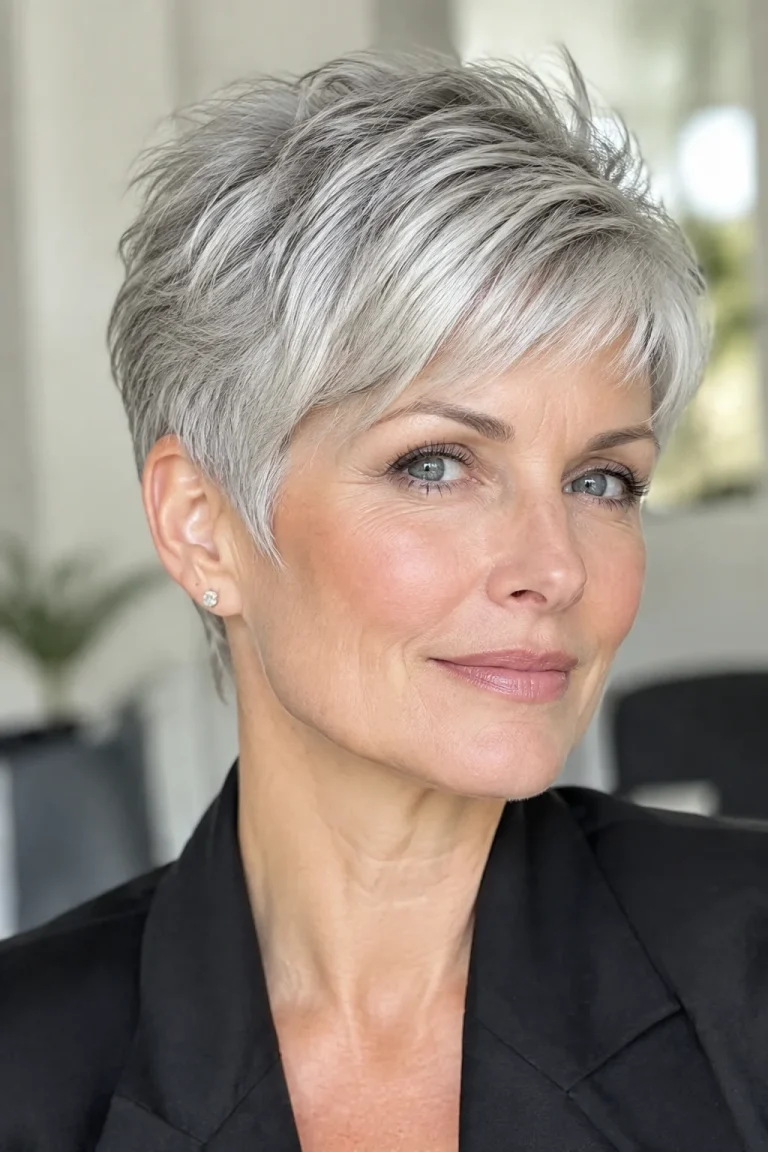
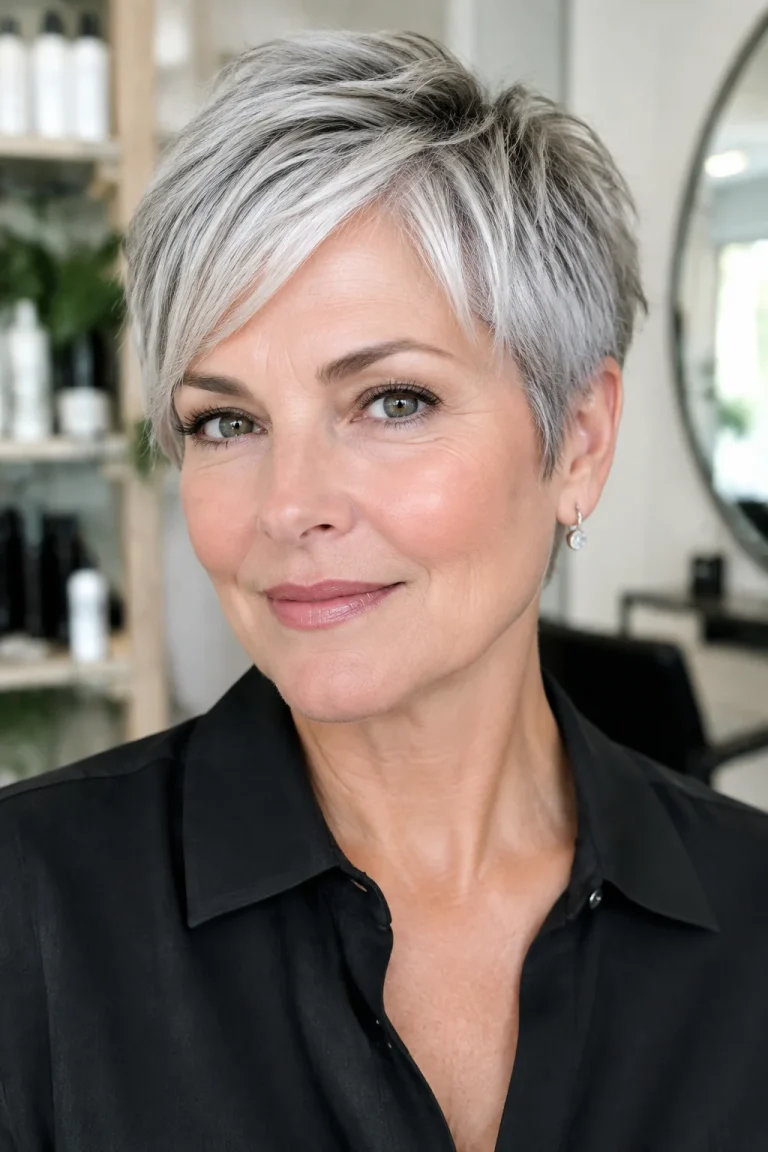
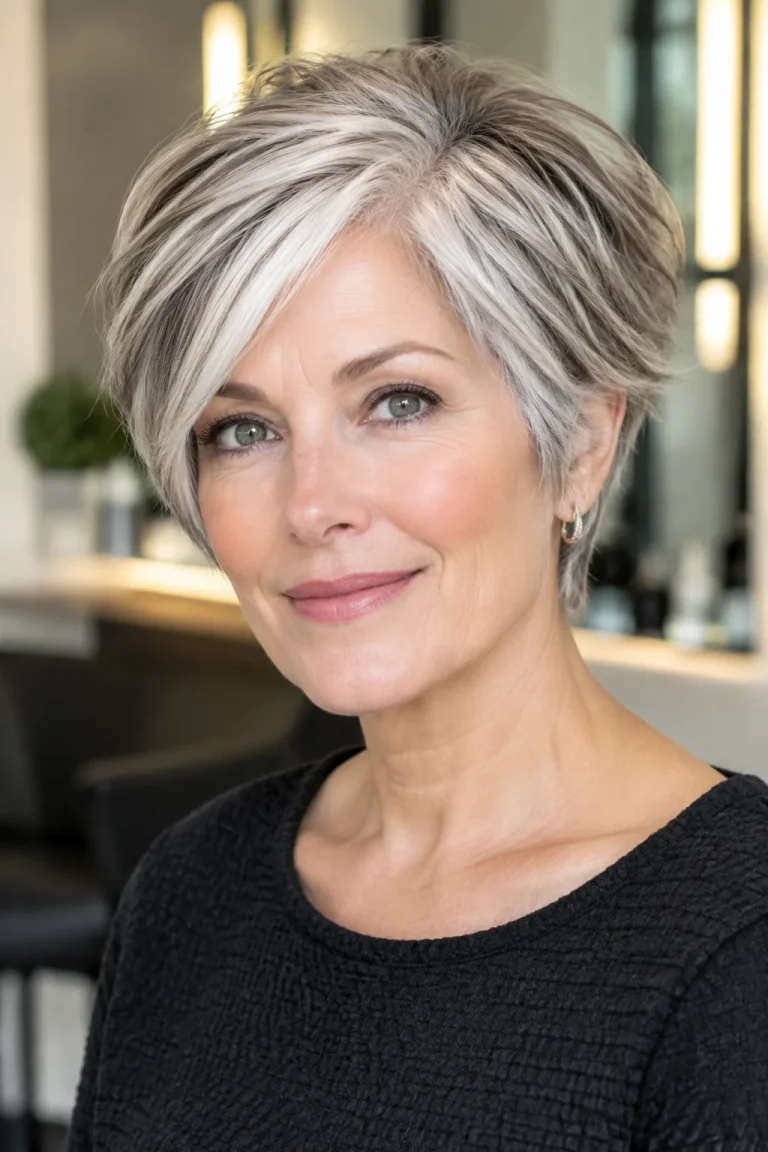
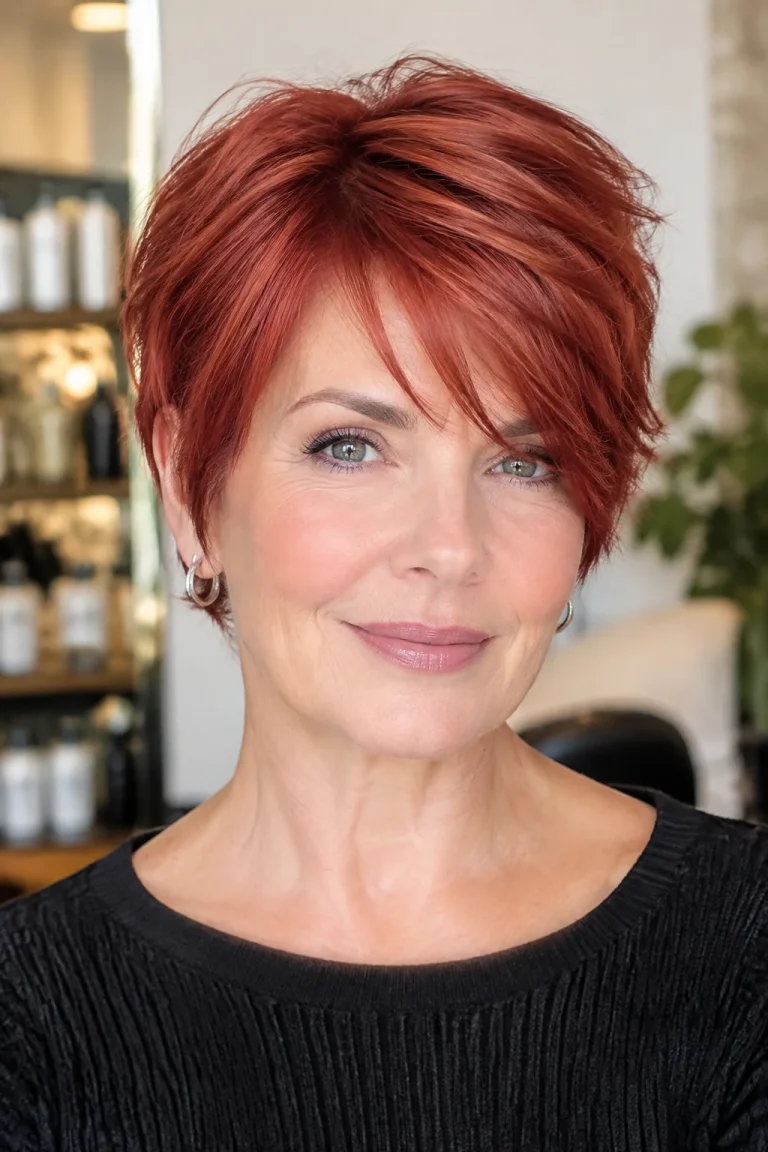
A pixie with extra length on top gives you room to style it slicked back, tousled, or side swept depending on the day. Honey brown keeps a short cut from looking harsh, since the warmth softens the contrast between skin and hair near the face. This is a solid pick if you want a short style that still feels feminine.
Honey Brown Ombre from Dark Roots
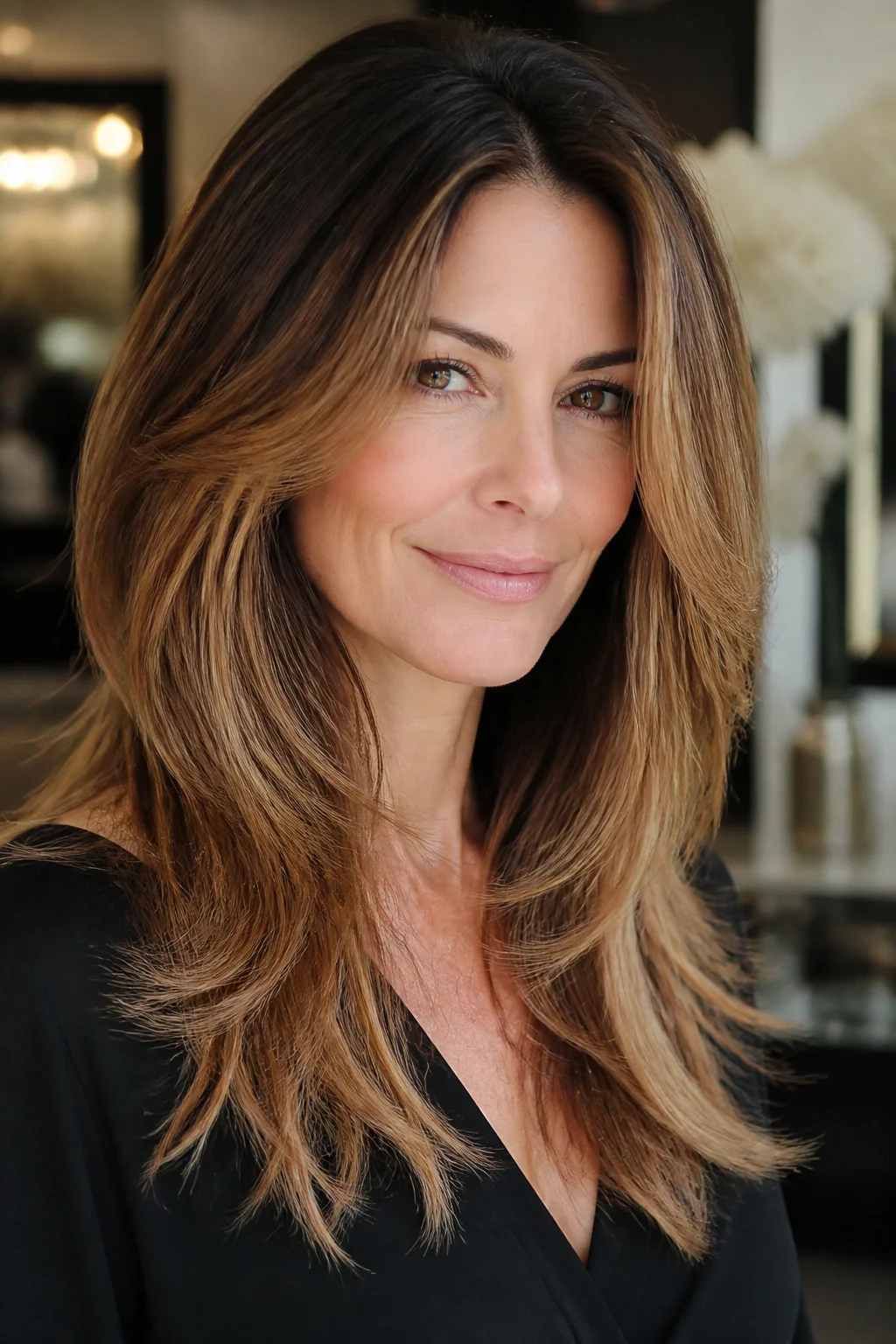
Ombre keeps your natural root color intact and only introduces honey brown from the mid-lengths down. That makes it one of the lowest maintenance options on this list, since there’s no visible line to touch up every few weeks. The transition should be gradual, not a hard stripe, so the darker top blends into the lighter bottom like a gentle fade. It suits anyone who wants a change without committing to full color on their whole head. Tip: bring a photo showing exactly where you want the color to start, since “gradual” means different things to different colorists.
Honey Brown Shag Cut for Wavy Hair
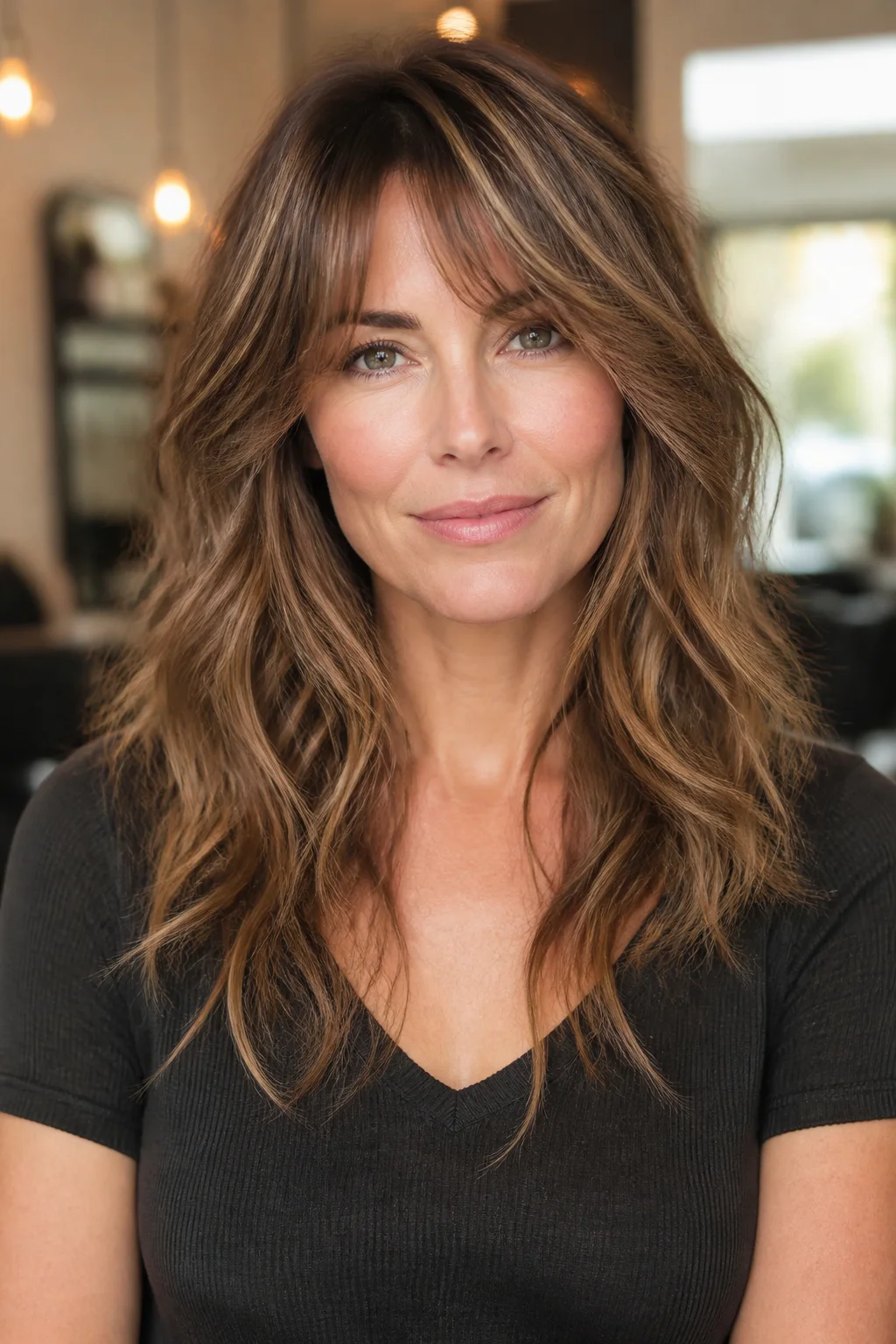
Shags thrive on movement, and wavy hair already has that built in. Honey brown highlights woven through choppy shag layers make each piece look separate and textured instead of chunky. The color adds contrast between the layers so the shape of the cut actually shows up in photos, not just in person.
Honey Brown Blunt Bob
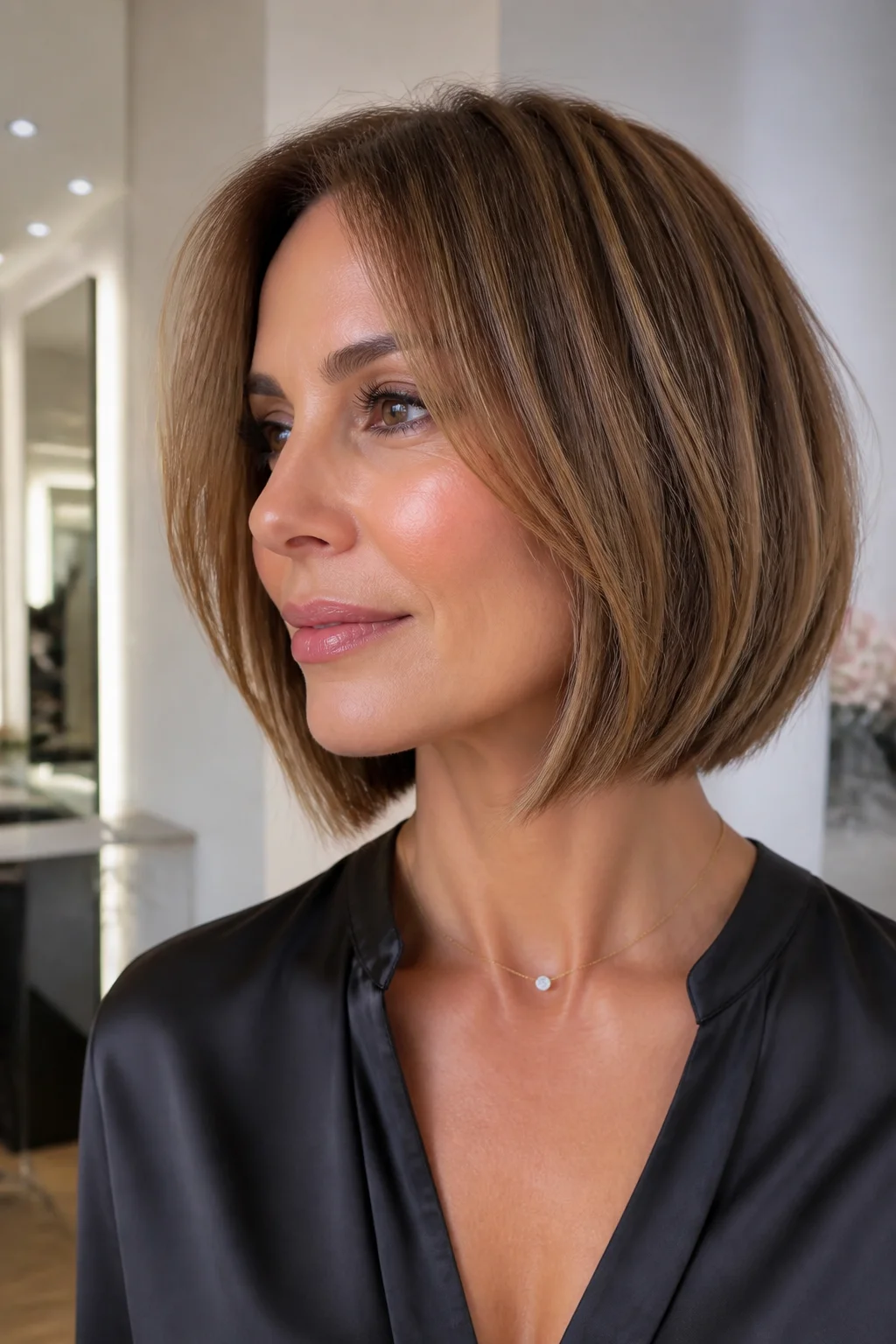
A blunt bob is the opposite of textured. One clean line, no layers, and the honey brown color here works best when it’s applied with subtle highlights rather than heavy balayage, since a blunt cut shows off solid color better than choppy pieces do. It’s a strong choice if you want your hair to look thick and healthy with minimal daily styling.
Honey Brown Highlights on Dark Hair
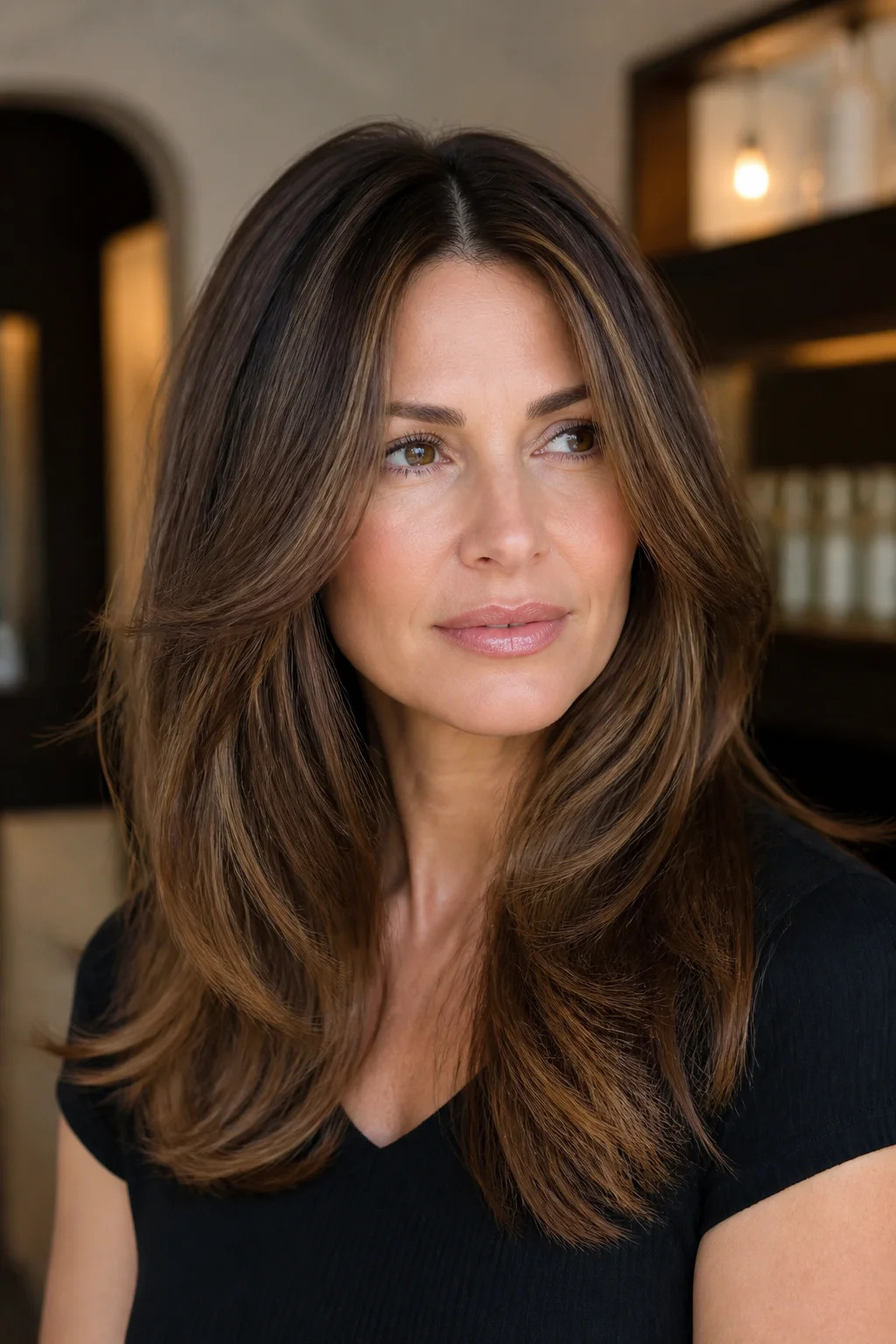
If your base is naturally dark brown or black, honey brown highlights are a gentler entry point than full color. Your colorist can place them just around the crown and face, which keeps upkeep low since the rest of your hair stays untouched. The contrast between dark roots and warm highlighted pieces gives dimension without lightening your whole head, and it tends to fade more gracefully than an all-over color job.
Honey Brown Long Layers with Movement
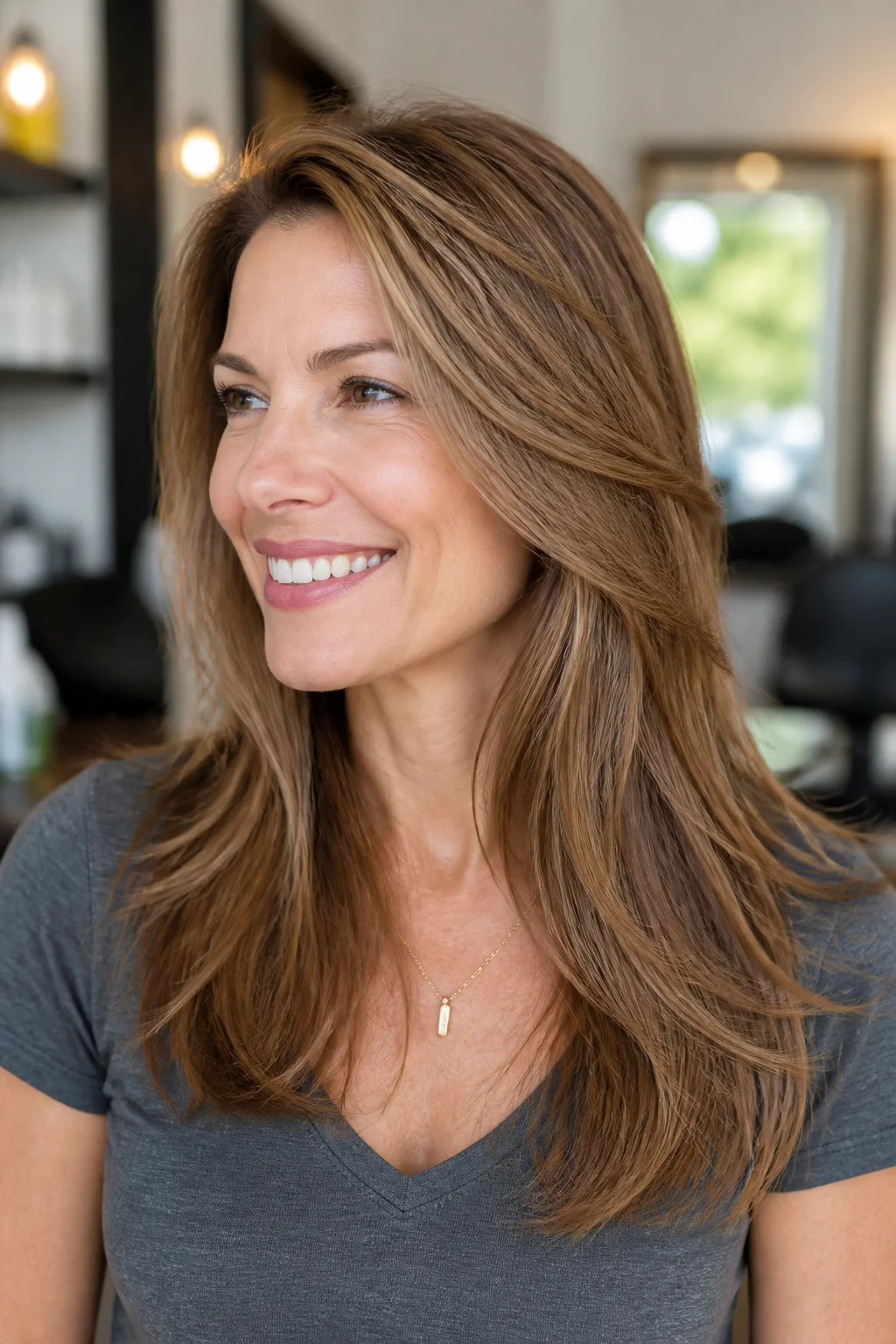
Long layers cut with movement in mind let honey brown catch light at every length, not just at the ends. The layers themselves are what create the swing you see when hair is styled with a curling iron or blown out with a round brush. This pairing works well for anyone growing out a shorter cut who still wants shape while they wait.
Honey Brown Side-Swept Bangs with Lob
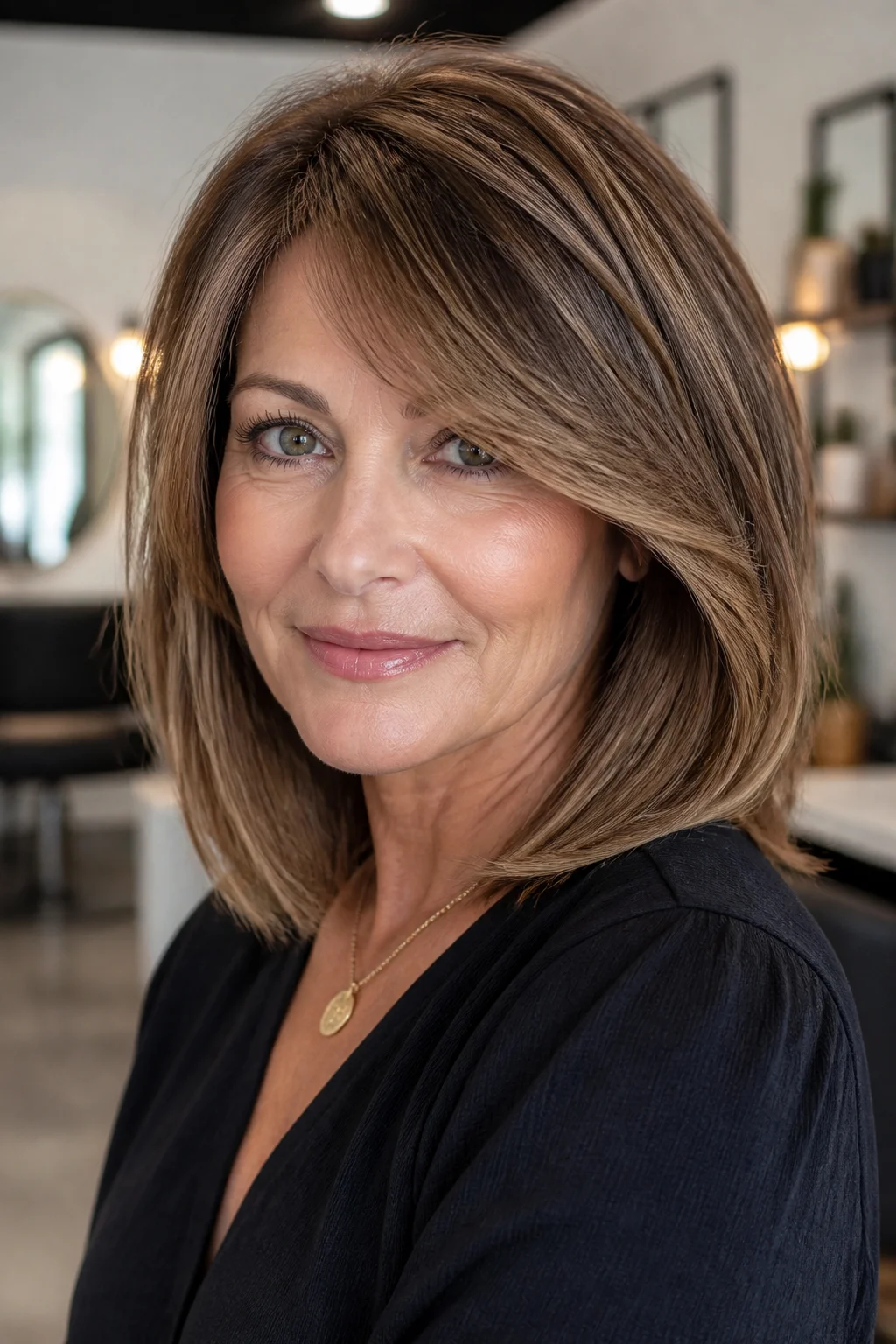
A lob paired with side-swept bangs softens the whole face shape, and honey brown through the bangs keeps them from looking like a flat, dark curtain. The bangs blend into the rest of the cut instead of standing apart, which happens naturally when the color is consistent from root to tip. This combination suits round and square face shapes especially well.
Honey Brown Tousled Waves on Shoulder Length
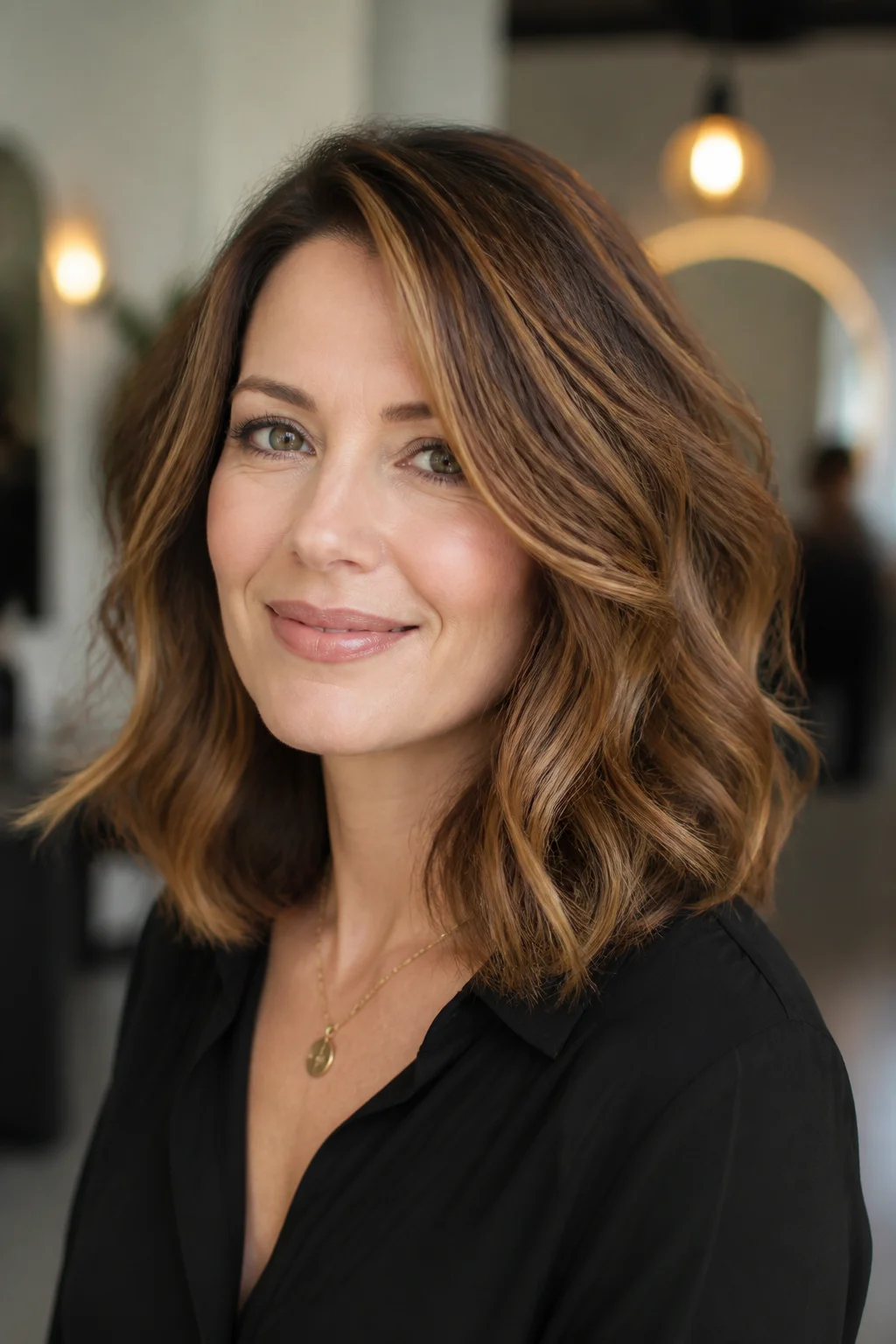
Shoulder length hair styled into loose, tousled waves shows honey brown at its most relaxed. You don’t need a fresh blowout for this one to look finished, which makes it a realistic everyday option rather than a special occasion style. The waves themselves don’t need to be perfect. A little undone texture actually looks better with this color since it mimics how the tone would look after a day at the beach.
Honey Brown Upside-Down Layers
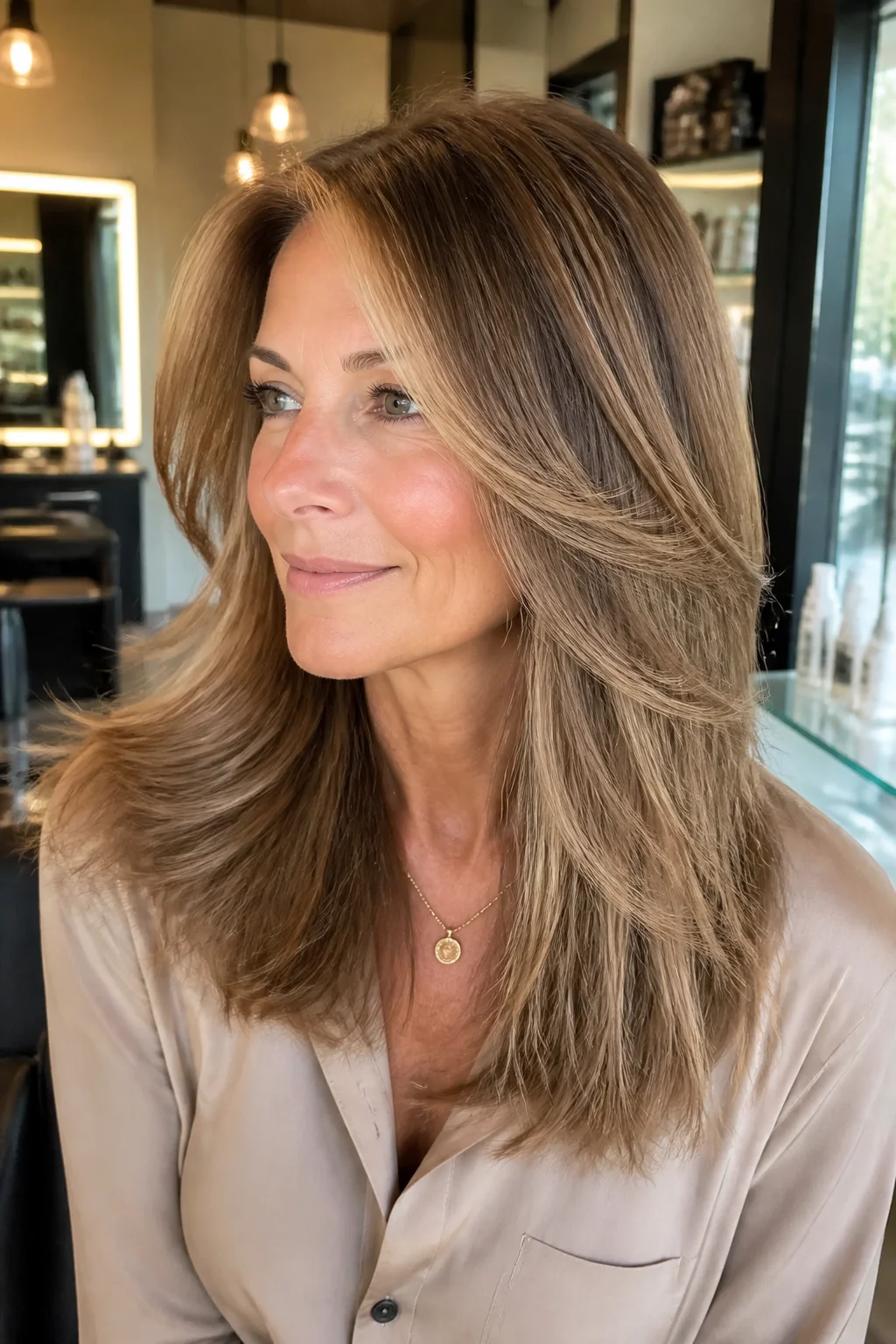
This technique cuts layers starting underneath the top section and working down, so the shortest pieces sit low and the length stays longer up top. It’s a less common approach, and it creates volume at the crown without shortening your overall length. Honey brown highlights placed within these under-layers add depth you’ll notice mostly when your hair is pulled back or up.
Honey Brown Fine Hair with Wispy Layers
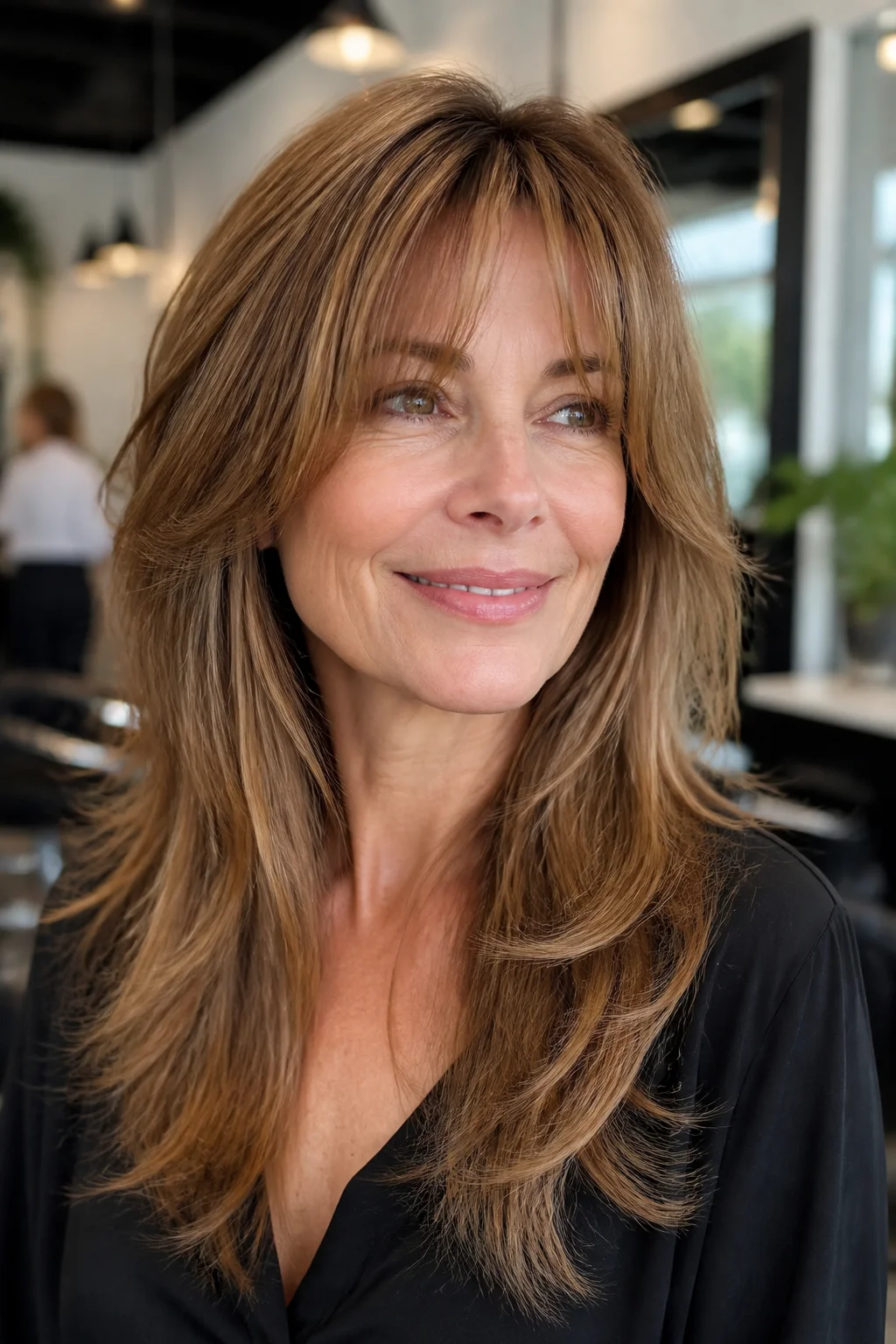
Fine hair looks thin fast when layers are cut too heavy, so wispy, feathered layers are the safer route. Honey brown adds the illusion of thickness because the color variation tricks the eye into seeing more strands than there actually are. Keep the layers soft near the ends rather than blunt, since blunt ends on fine hair can look stringy.
Honey Brown Coily Hair with Definition
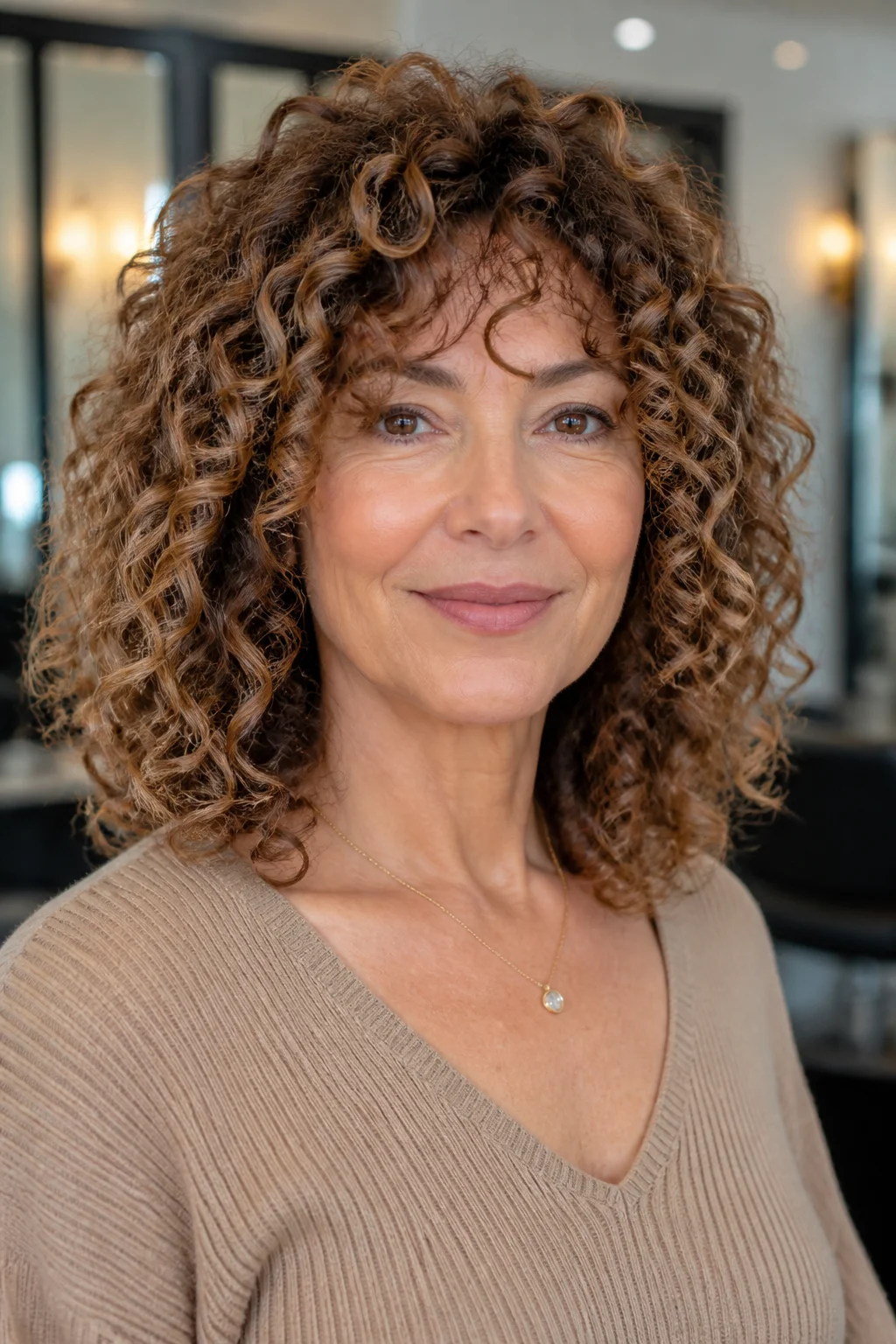
Coily hair holds honey brown beautifully because the tight curl pattern shows off every strand of color individually. Definition here means working with your natural coil rather than against it, so layers are cut dry and curl by curl whenever possible. The lighter honey tones woven through coils give the style depth that solid dark color can flatten out. This is one of the more striking options on this list, especially in natural light, and it tends to hold its shape well between wash days.
Honey Brown Money Pieces Around Face
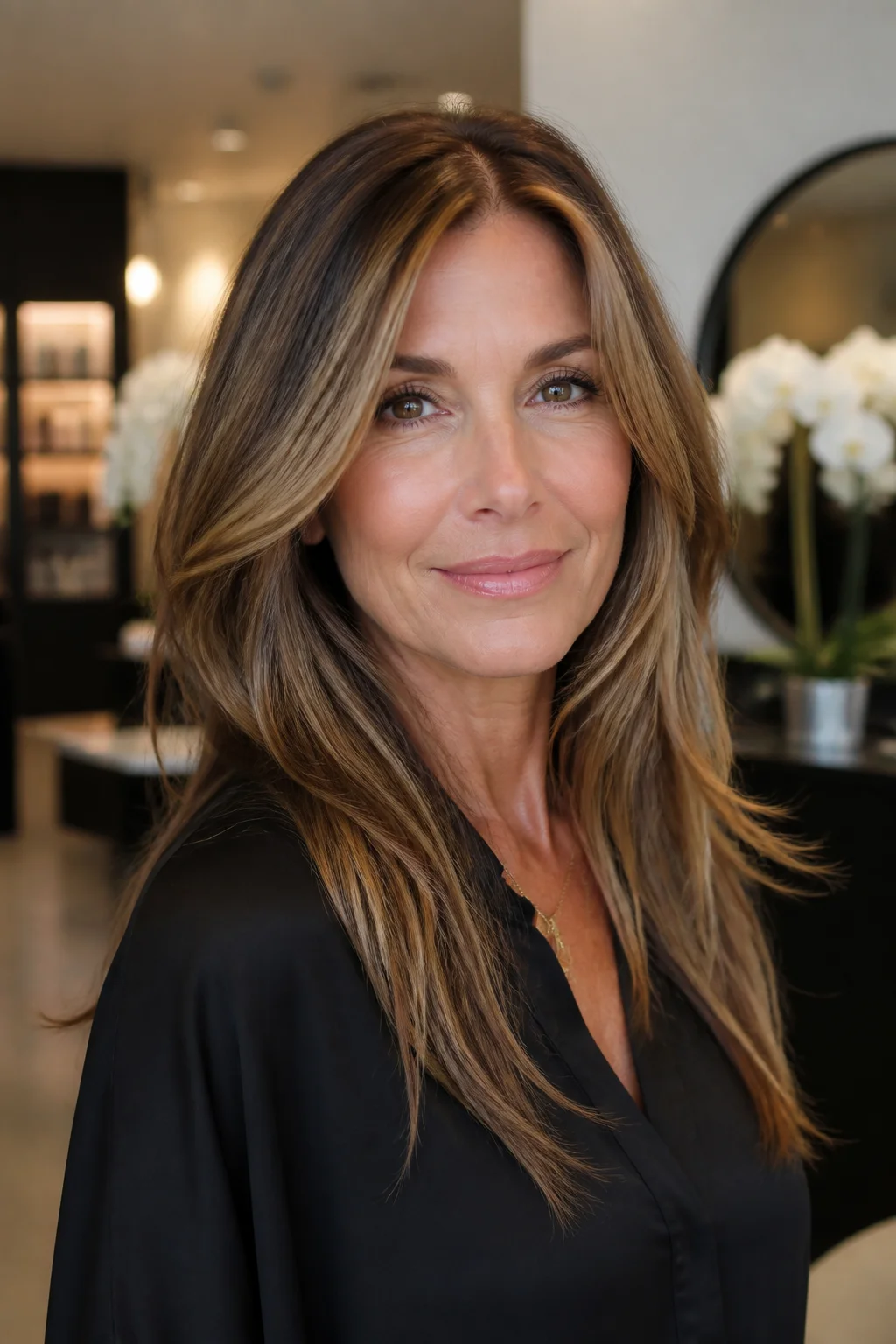
Money pieces are the two bold, face-framing strands that get lightened more than the rest of the hair. Honey brown works well here because it’s warm enough to brighten your face without looking like a stark contrast against darker roots. This is a lower commitment option since only a small section gets colored.
Honey Brown Textured Lob with Choppy Ends
A textured lob with choppy ends gives honey brown plenty of surface area to show off, since the jagged ends catch light from more angles than a blunt cut would. This length hits right around the collarbone, which is flattering on most face shapes and easy to style with just a flat iron or a few waves. Tip: ask for the ends point-cut rather than blunt-cut so the texture looks intentional, not accidental.
Honey Brown Slicked-Back Undercut
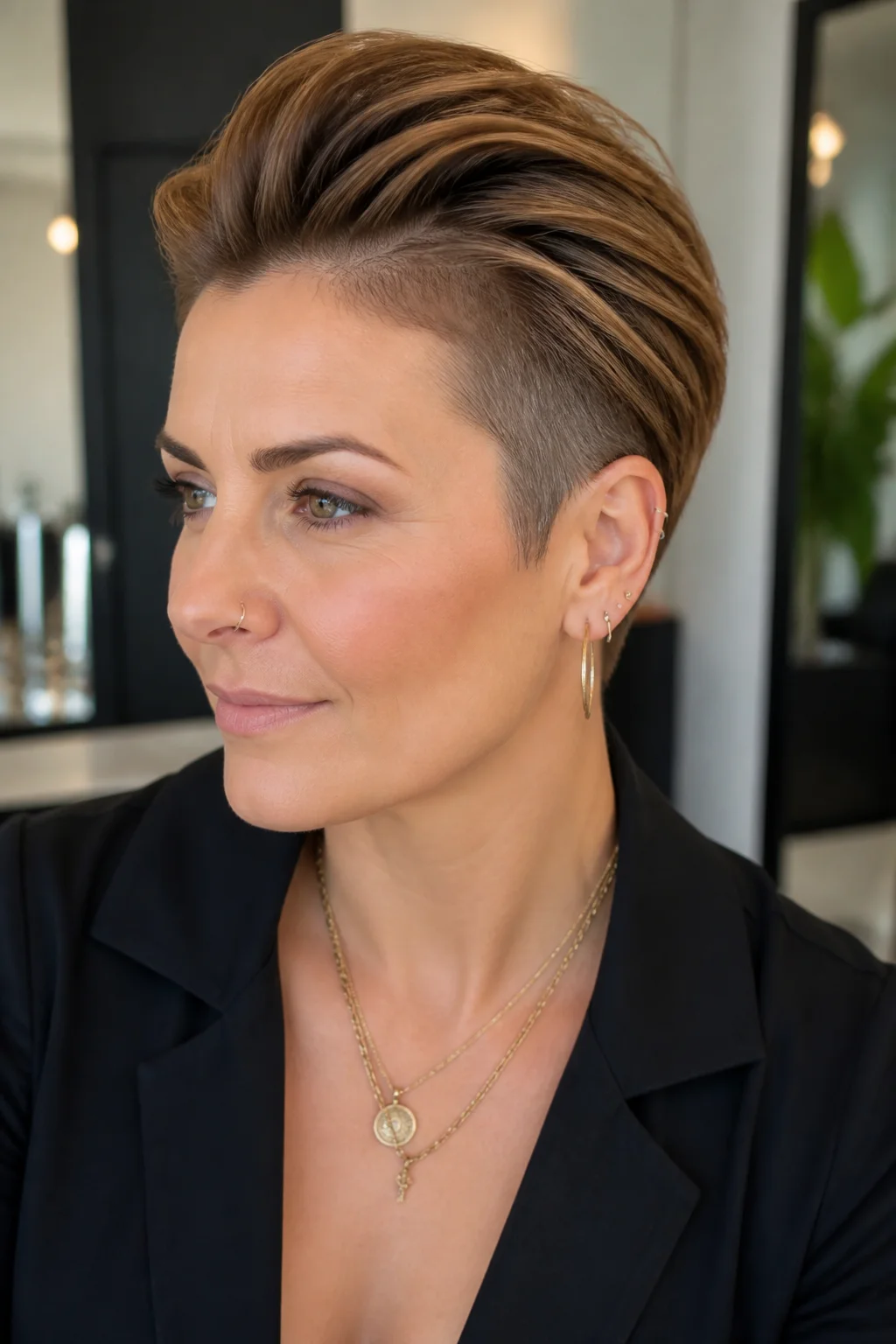
An undercut styled slicked back puts the focus entirely on the top section, and honey brown color there stands out against the shaved or closely cropped sides. This is a bolder choice than most on this list, better suited to someone who wants an edgier look with warmth built into the color rather than cool ash tones.
Honey Brown Curly Shag for Thick Hair
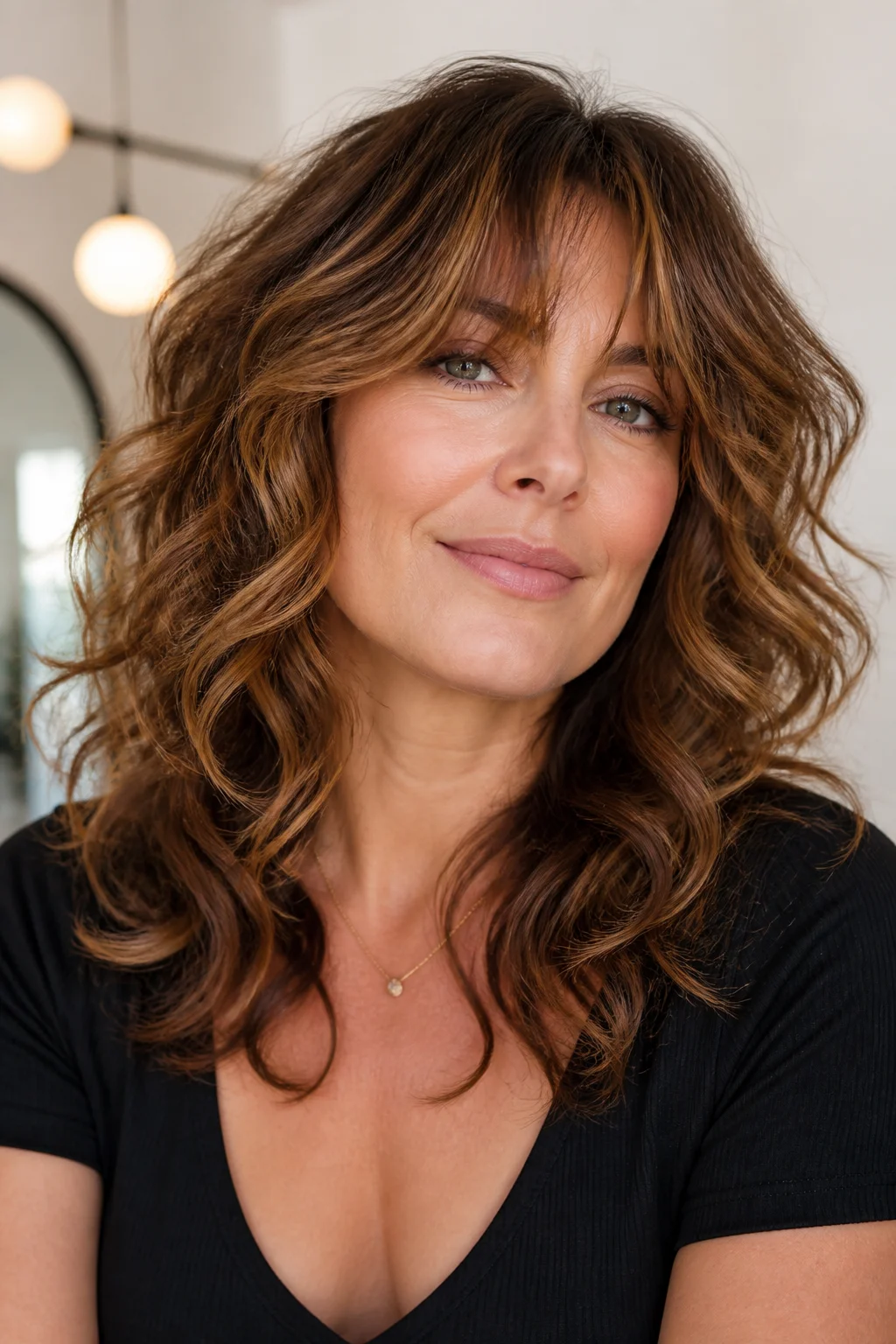
Thick curly hair can get heavy fast, and a shag cut removes bulk while keeping length. Honey brown running through the layers keeps the style from looking like one solid mass, since each section of curl reads separately once the color is placed. This combination is genuinely low maintenance for how much visual interest it gives back, and it air-dries well without much product.
Honey Brown Asymmetrical Bob
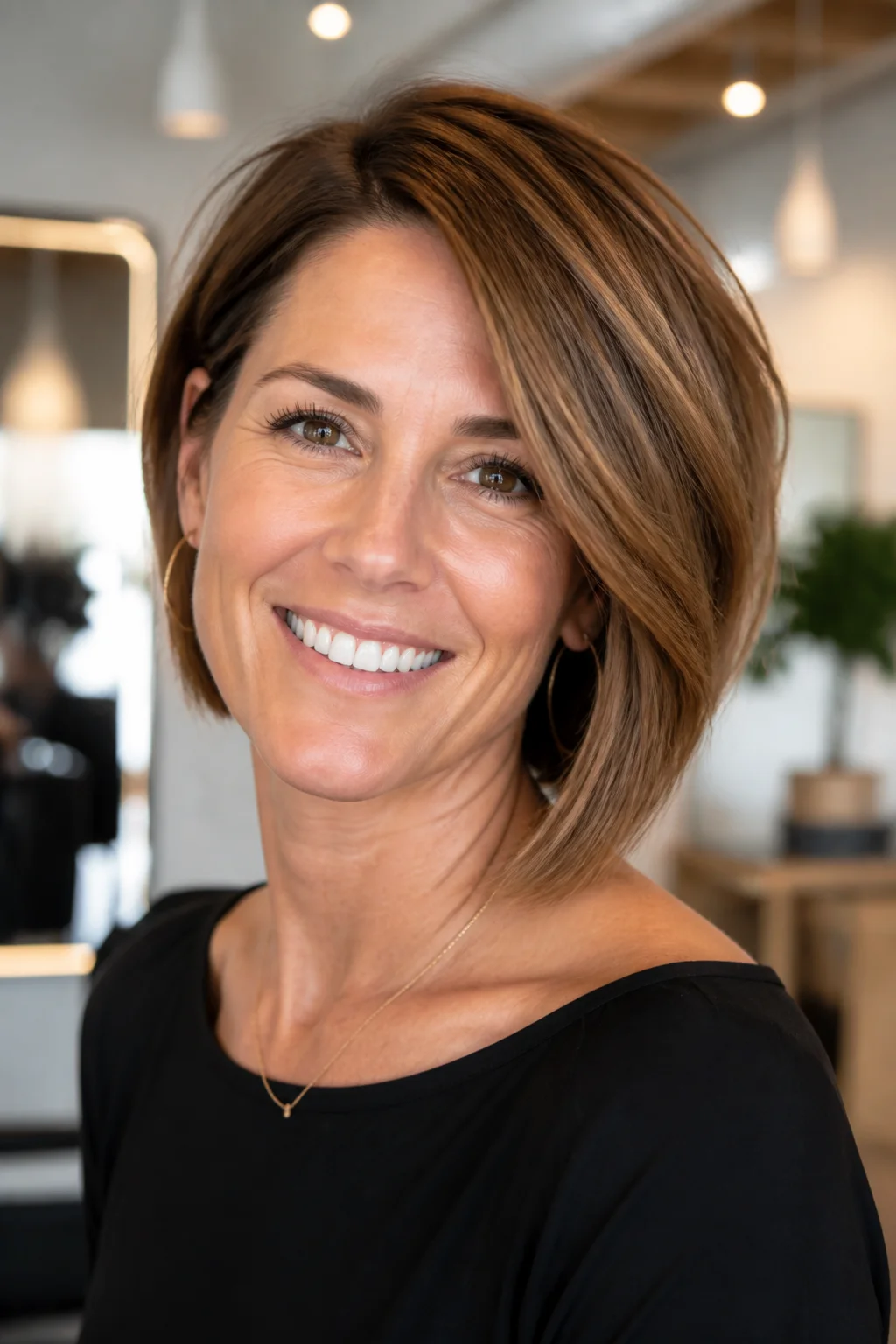
An asymmetrical bob, longer on one side than the other, is a small tweak that makes a big difference in how the color moves. Honey brown highlights on the longer side create a diagonal line of color that draws the eye across the face rather than straight down.
Honey Brown Sombre (Subtle Ombre)
Sombre is ombre’s quieter cousin, with a soft, barely-there transition between root and length instead of a visible gradient. Honey brown works especially well in this technique since the color family is naturally subtle to begin with, and the overall effect looks like your hair got a little sun rather than a full color treatment. It’s a smart pick for anyone who wants dimension but doesn’t want people to know they colored their hair at all.
Honey Brown Pin-Straight Hair with Subtle Highlights
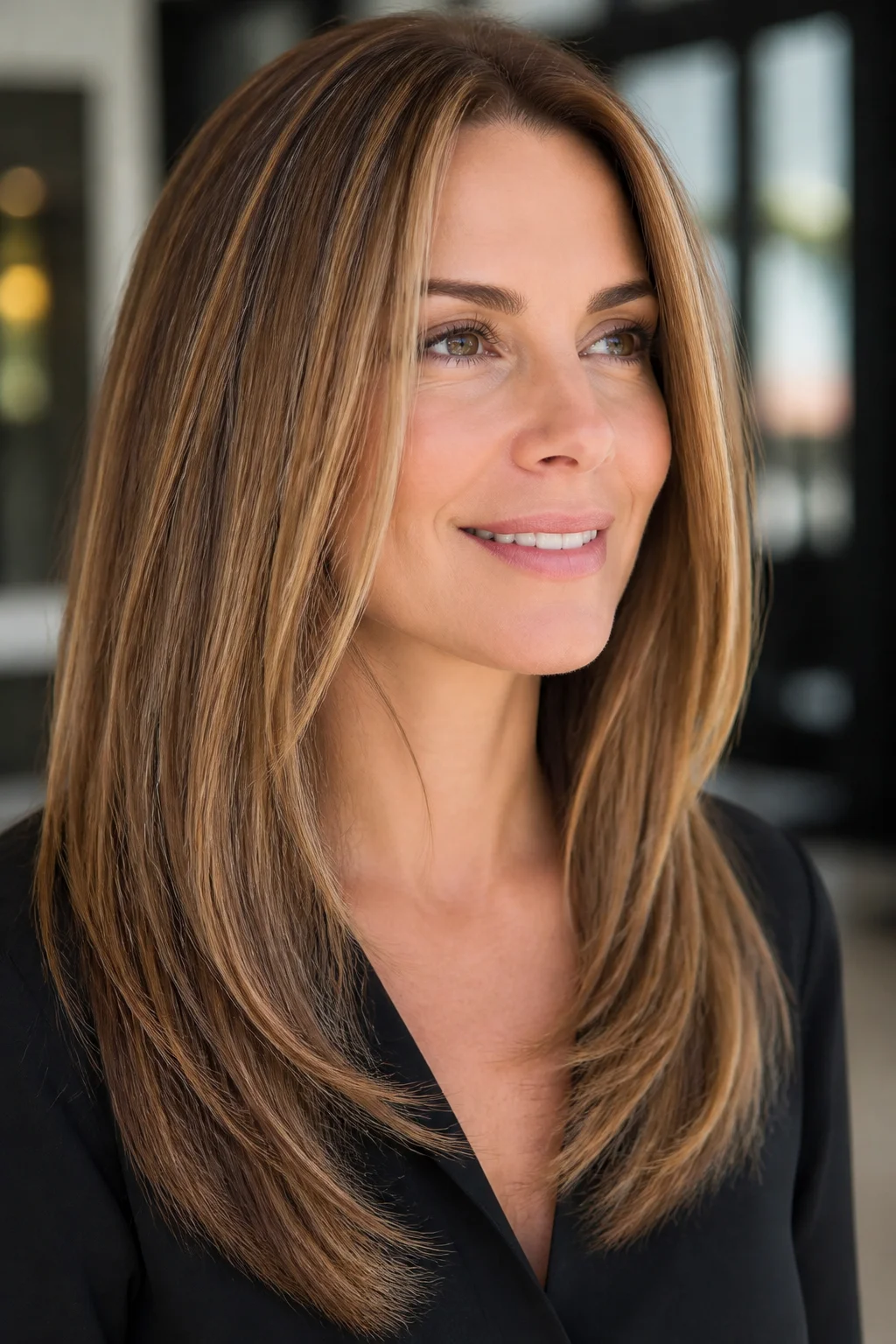
Pin-straight hair with a few subtle highlights keeps things simple. The highlights should be fine and thin rather than chunky, since straight hair shows off precise placement in a way that curly or wavy hair tends to blur together.
Honey Brown Shaggy Pixie
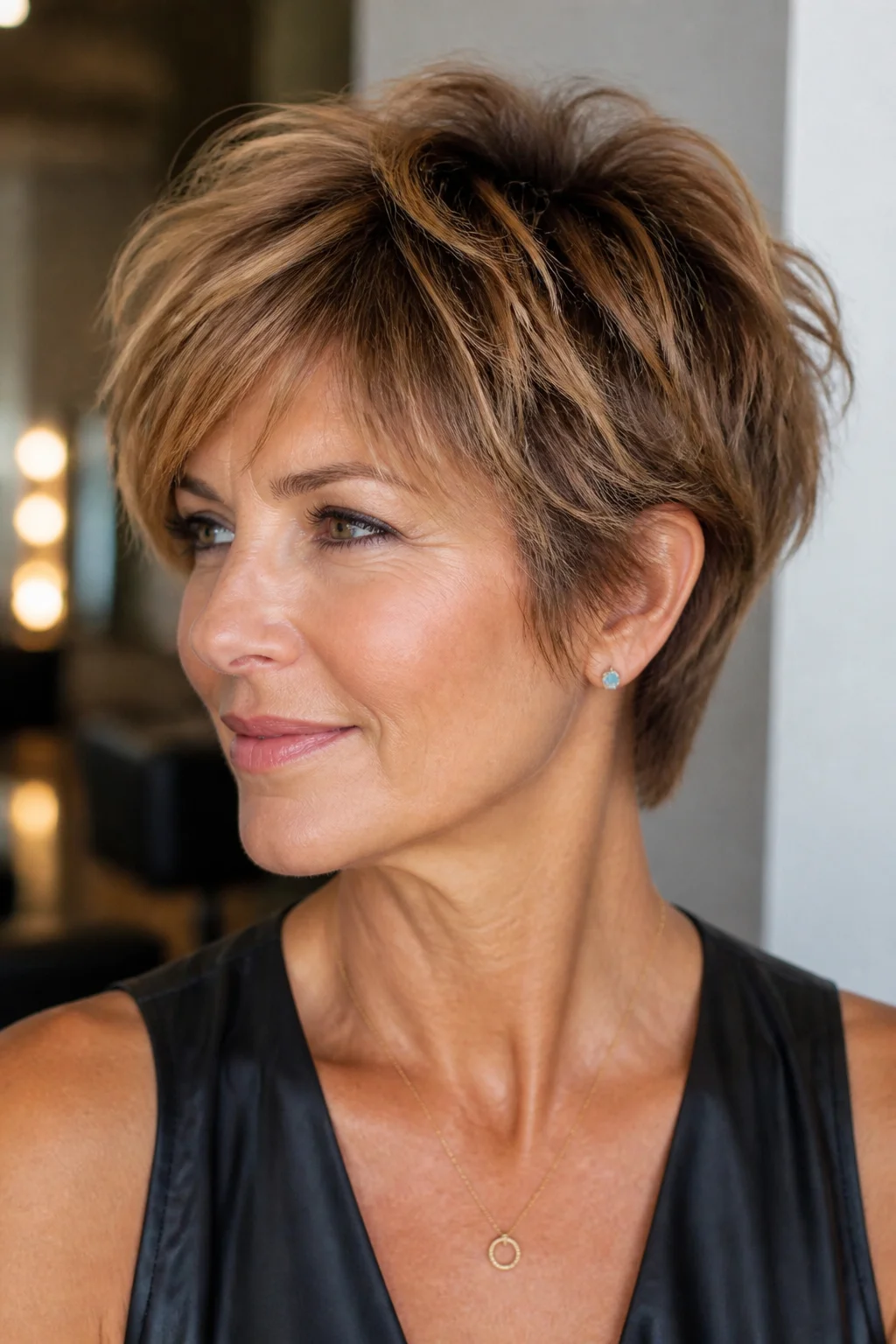
A shaggy pixie takes the classic short cut and roughs it up with piecey, textured ends. Honey brown color threaded through those pieces makes the texture more obvious, since the eye can follow the color from strand to strand. It’s a good option if you already have a pixie and want to update it without growing it out.
Honey Brown Butterfly Layers Mid-Length
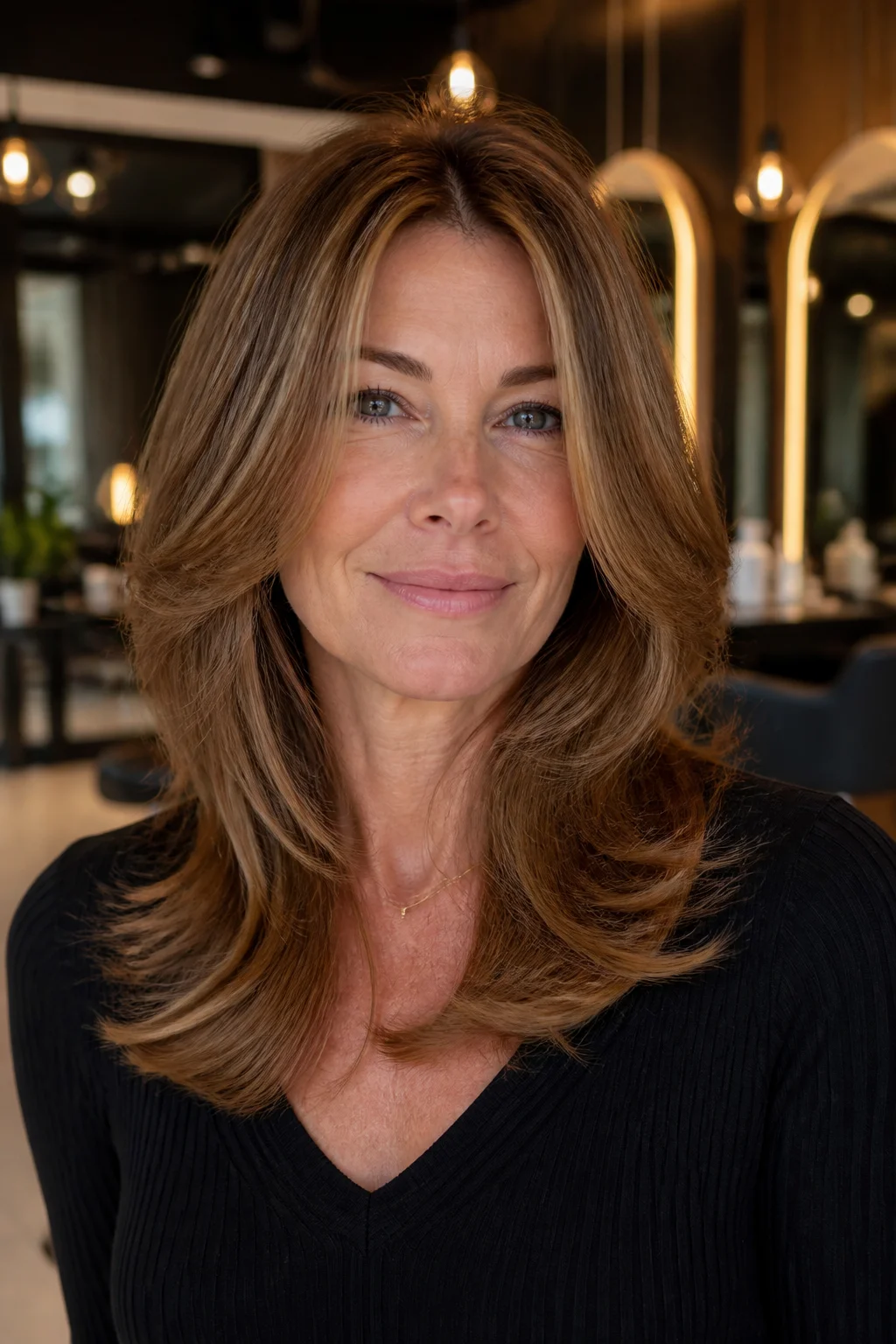
Butterfly layers are cut short around the face and gradually blend into longer lengths toward the back, framing the face the way wings frame a body. On mid-length hair, honey brown color highlights this shape especially well because the shortest layers catch the most light. This cut has become a popular request, and pairing it with warm honey tones keeps it from looking too similar to the cooler blonde versions most people have already seen.
Honey Brown Sleek Straight with Side Part
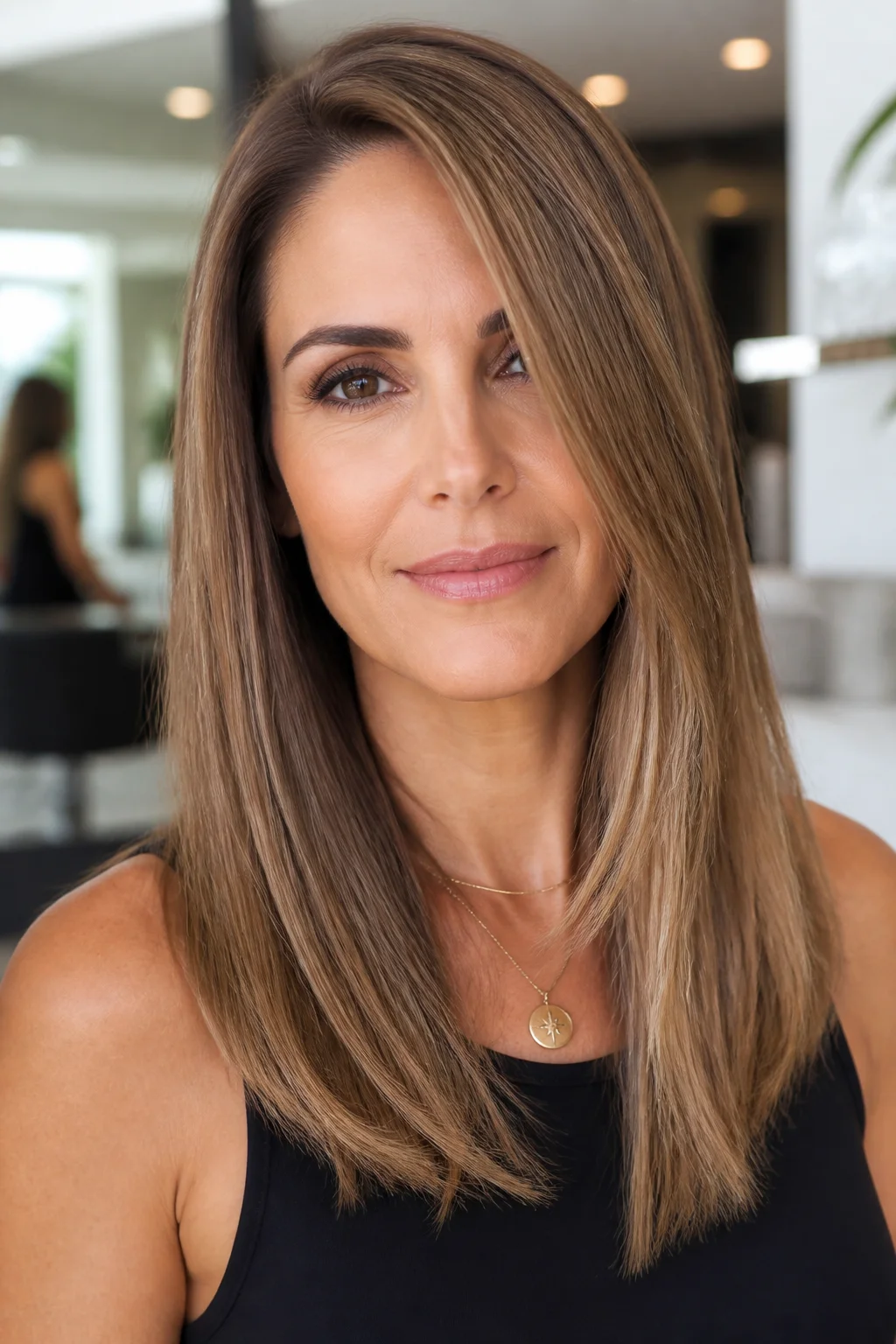
A sleek, straight style with a deep side part is about as classic as it gets, and honey brown color here reads as polished rather than trendy. This is a dependable choice for work settings or anywhere you want your hair to look put together with minimal fuss.
Picking the Right One for Your Hair
With this many options, the real decision comes down to upkeep and texture rather than which color looks prettiest in a photo. If you want the lowest maintenance route, the honey brown ombre from dark roots or the honey brown sombre both let your natural roots grow out without a hard line, so you’re not back in the chair every six weeks. If your hair is already curly or coily, skip anything designed for pin-straight hair and look instead at the honey brown coily hair with definition or the honey brown curly shag for thick hair, since both are cut specifically to work with a curl pattern instead of fighting it.
A common mistake is choosing a heavy balayage or highlight pattern for fine hair. Too much lightened hair can make thin strands look even thinner. Fine hair does better with the honey brown fine hair with wispy layers, where the color creates the illusion of thickness instead of stripping it away. Another mistake is asking for a bold money piece look on hair that’s rarely styled away from the face, since that money piece only shows up when hair is pulled back or parted a certain way. Match the placement to how you actually wear your hair, not how it looks freshly styled in the chair.
If you want low commitment, start with highlights or a sombre. If you’re ready for a bigger change, a full balayage or an all-over color shift will give you the most noticeable result.