Choosing among silver bob haircuts for women over 60 comes down to a handful of practical decisions rather than trends alone. Hair texture changes with age, often becoming finer or drier, and the natural silver or gray tone reflects light differently than pigmented hair does. That means a shape that looked sharp at forty might not read the same way now. The right bob balances length, density, face shape, and the amount of daily styling a person actually wants to do.
This guide walks through those decision points one at a time, starting with length and shape, moving into texture-specific advice, and ending with a maintenance plan. Each section addresses a specific factor so the final choice fits real hair and a real routine, not just a photo from a magazine. By the end, there’s a short checklist to bring to a stylist consultation.
Choose the Right Silver Bob Length
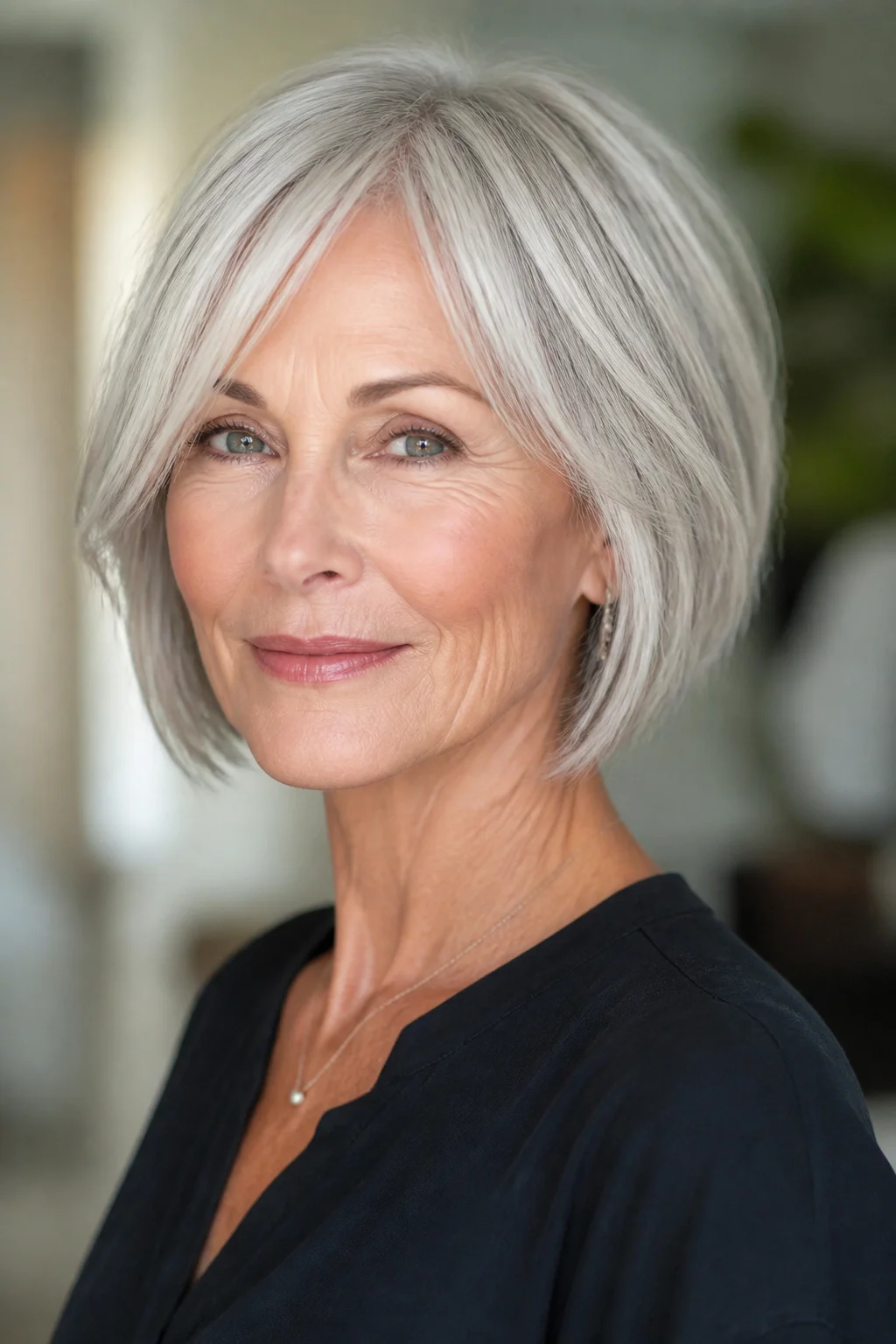
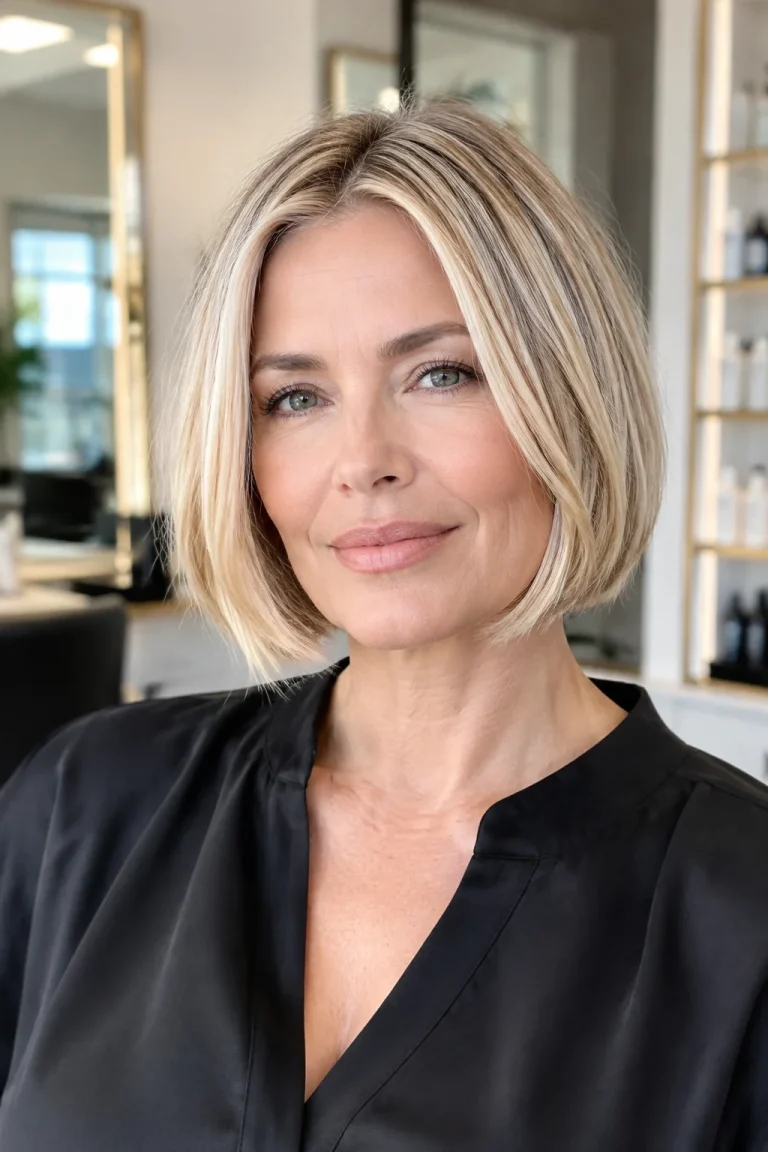
Length is the first fork in the road, and it affects everything else about the cut A chin-length bob tends to suit women who want a low-maintenance style with visible shape, since it holds its line between trims longer than a shorter cut A jaw-length or slightly longer bob softens the neck and gives more room for movement, which can be useful if the hair has started to thin at the crown
Match the Bob Shape to Your Hair Density

Density changes the entire personality of a bob, so it deserves attention before shape is finalized Thick hair carries a blunt, one-length bob well because there’s enough volume to keep the line from looking heavy or flat Fine hair, on the other hand, often benefits from a slightly angled or graduated cut that creates the illusion of body without adding real weight
Find a Bob Silhouette That Flatters Your Face Shape

Face shape determines where the bob should hit and how much width it should carry at the jaw. Round faces generally do well with a bob that has some length below the chin, since a shorter cut can widen the appearance of the cheeks. Square faces often look balanced with soft, rounded ends rather than a blunt line, which can otherwise emphasize the jaw. Oval faces have the most flexibility and can wear nearly any bob length or angle without much adjustment. For heart-shaped faces, a bob with fuller ends near the jaw helps offset a narrower chin. A stylist who examines the face at rest, rather than while smiling for a mirror check, tends to give more reliable guidance on where the cut should fall.
Decide Whether Your Silver Bob Needs Layers

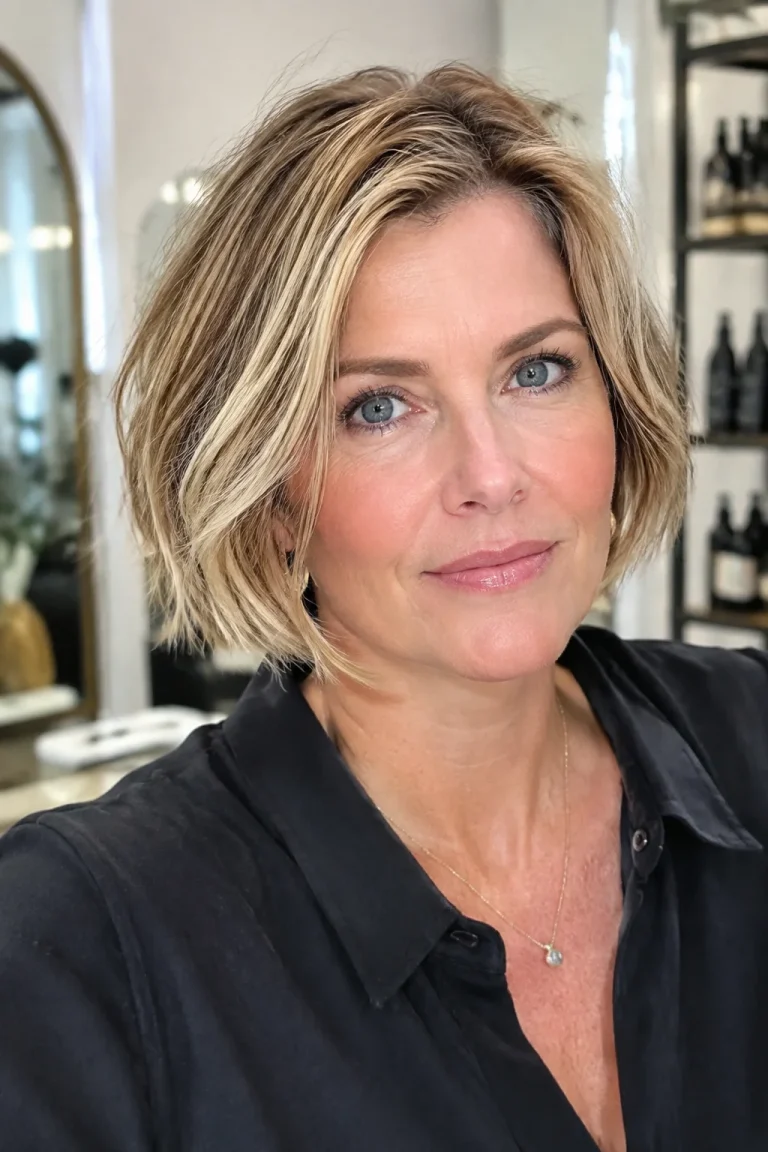
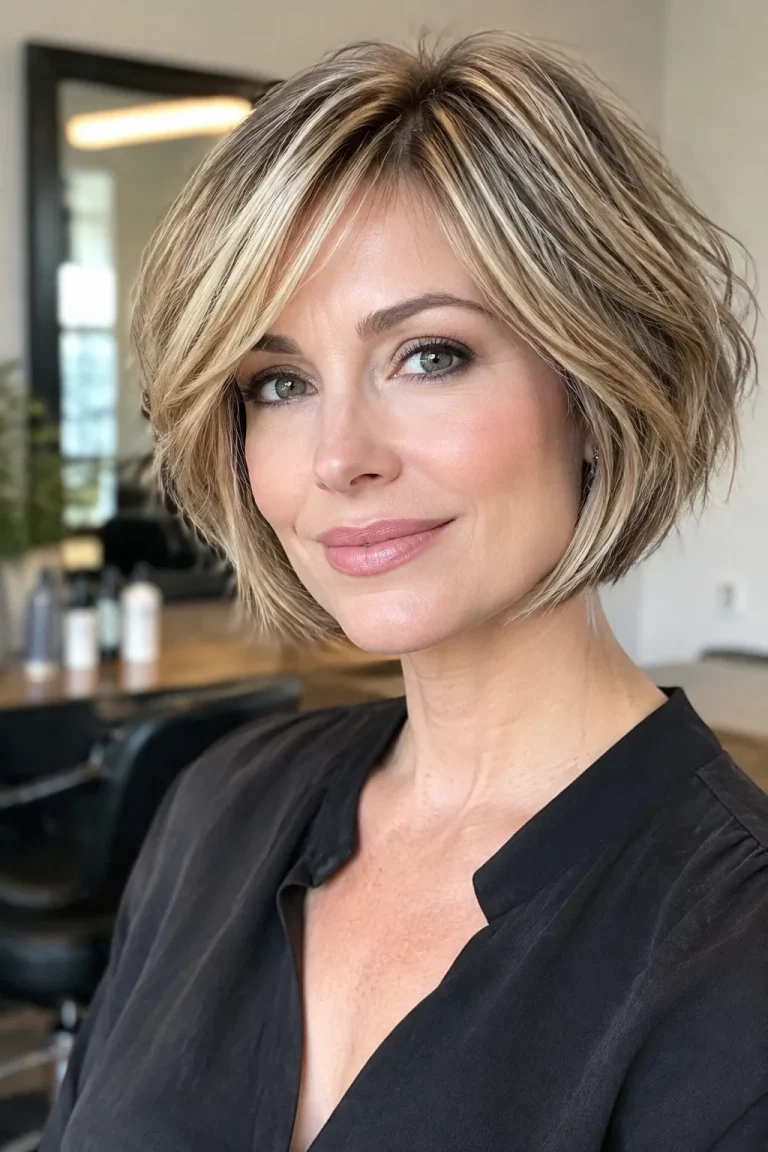
Layers are not automatically better or worse. They’re a tool for solving a specific problem, and the decision should start with what that problem actually is. If the hair is thick and holds shape on its own, a layer-free bob keeps the silhouette clean and graphic, almost like a single sheet of hair falling into place. If volume is uneven or the crown has thinned, internal layers can lift the roots slightly and distribute weight more evenly across the head. Heavy layering all over, though, can make silver hair look wispy, since gray strands often have less natural shine to catch the light and fill in visual gaps. A better approach for most women over 60 is targeted layering, light adjustments at the crown or ends, rather than layering the whole head evenly. Ask specifically where layers will be placed and why, so the reasoning matches the actual hair rather than a generic template.
Choose Bangs or Face-Framing Pieces

Bangs and face-framing pieces change how a bob reads without changing the overall length, which makes them a lower-commitment option for testing a new look. Full bangs can soften a strong forehead line and draw attention toward the eyes, but they require regular trims to avoid growing into the eyes awkwardly. Side-swept bangs blend more easily into the rest of the bob and need less frequent maintenance, making them a practical middle ground. Face-framing pieces, shorter strands left longer around the cheeks, can slim the appearance of a rounder face without committing to bangs at all. Tip: request a trial length that sits just above the eyebrows, since bangs can be shortened gradually but not undone once cut too short.
Adapt the Bob to Straight, Wavy, or Curly Hair

Texture changes how the same bob length behaves on different heads, so the base cut often needs adjusting for the hair’s natural pattern. Straight silver hair shows every line clearly, which means blunt cuts look crisp but any unevenness is easy to spot. Wavy hair tends to soften the edges of a bob on its own, so a slightly longer cut is safer since waves shorten the visible length once they dry. Curly hair needs to be cut dry or with the curl pattern accounted for, since curls can spring up several inches from where they hang when wet. A curl-specific bob, cut curl by curl, prevents the lopsided look that can happen when a stylist cuts curly hair the same way as straight hair. Bringing a photo of the hair in its natural, unstyled state to the consultation helps the stylist plan for how it actually behaves, not how it looks freshly blown out.
Plan the Styling and Trim Routine Before You Commit

A bob is only as good as the maintenance plan behind it, and this is where many women underestimate the commitment. Blunt, one-length bobs generally need a trim every six to eight weeks to keep their shape, since even small amounts of growth change the line noticeably. Layered or textured bobs can stretch a little longer between visits because uneven growth is less obvious in a cut that already has movement built in. Daily styling matters too: a smooth, straight bob usually needs a round brush and some heat, while a wavy or curly bob might only need a light styling cream and air drying. Silver hair in particular benefits from a purple or blue-toned shampoo every week or two, since it prevents the yellowing that can happen from minerals, sun, or product buildup. Before committing to any bob, it helps to be honest about how much time is realistically available each morning, since the most flattering cut on paper still needs a matching routine to look its best day to day.
What to Ask Your Stylist
Bring these questions into the consultation to make sure the final cut matches both the hair and the lifestyle behind it.
- Based on my density, discussed in the density section, should this bob be blunt or layered?
- Given my face shape, where should the length hit at the jaw or chin?
- Will layers be placed all over or only at the crown and ends, and why?
- If I want bangs or face-framing pieces, what length keeps them low-maintenance?
- How should the cut change to work with my natural texture, whether straight, wavy, or curly?
- What trim schedule will actually keep this shape looking sharp, and does it fit my routine?
Working through these points before the first cut reduces the chances of leaving the salon with a style that looks right in the mirror but falls apart within a week of normal wear.