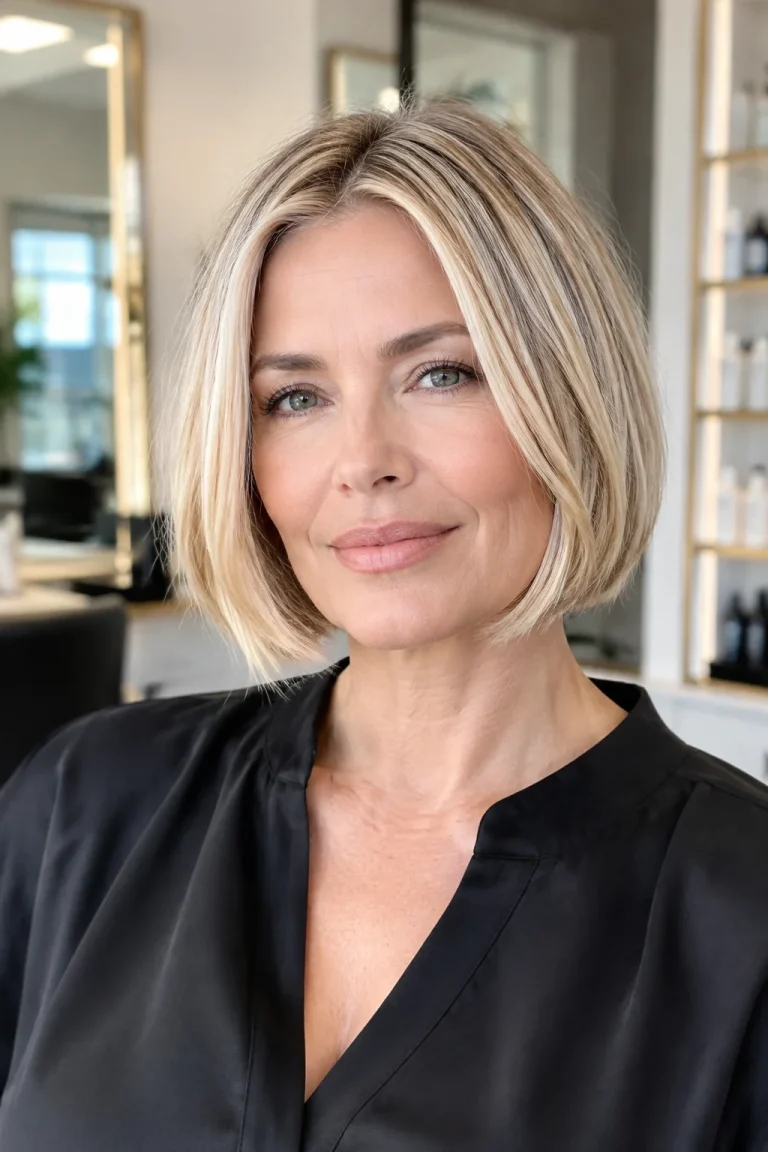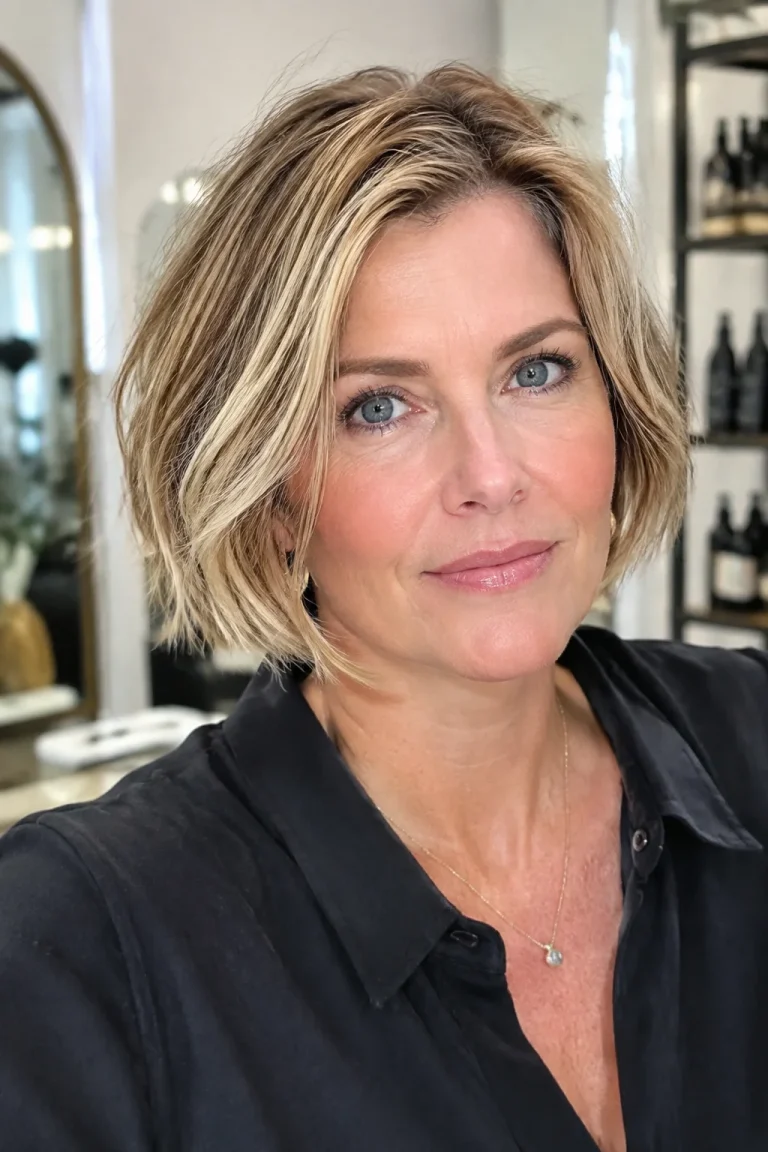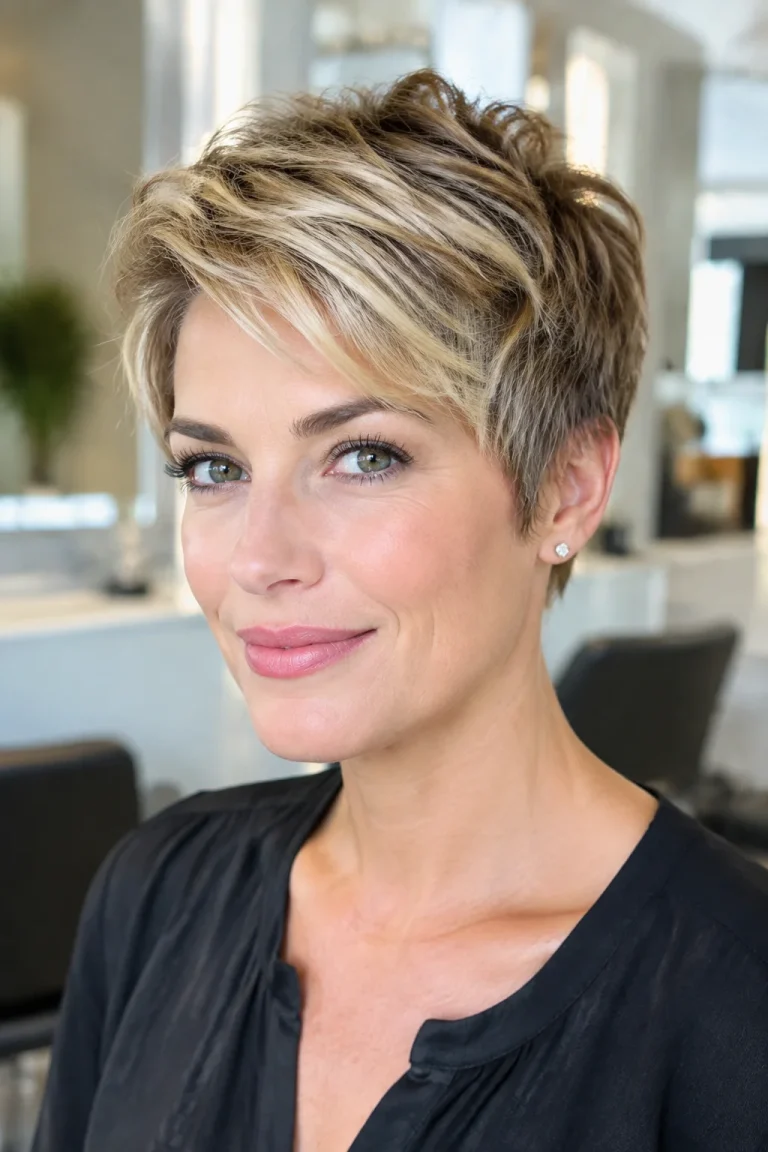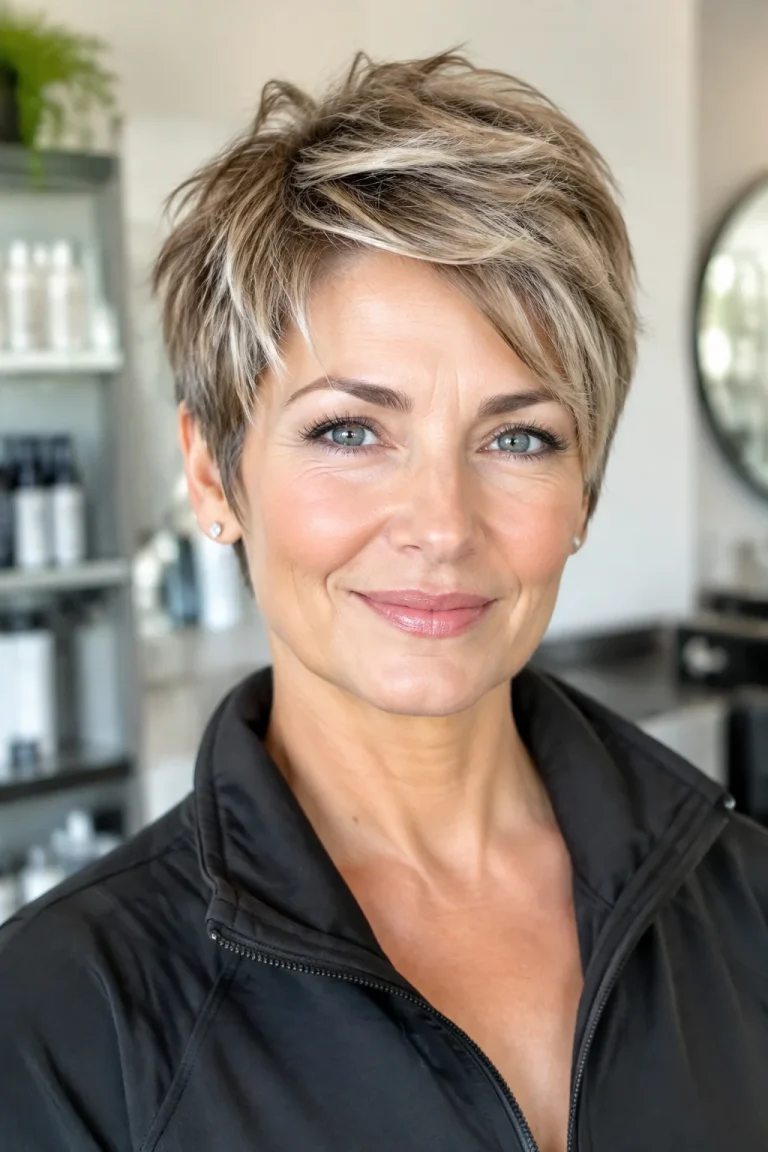
Flat, limp hair by noon is a real problem, and it has nothing to do with how much product you own. The real fix is the haircut itself. Once layers and texture get placed in the right spots, your hair holds lift from the root instead of collapsing under its own weight. That’s exactly what this list of volume-boosting short hair bob haircuts is built to solve. Each cut below uses a different trick, stacked layers, tapered necklines, razored ends, to create lift where you need it most and keep it there past dinner. Some work better on fine hair, others on thick or curly textures, so read through and match the description to what your hair actually does on a normal day, not its best day. A good cut should do the work your blow dryer can’t.
Choppy Textured Bob with Razored Layers
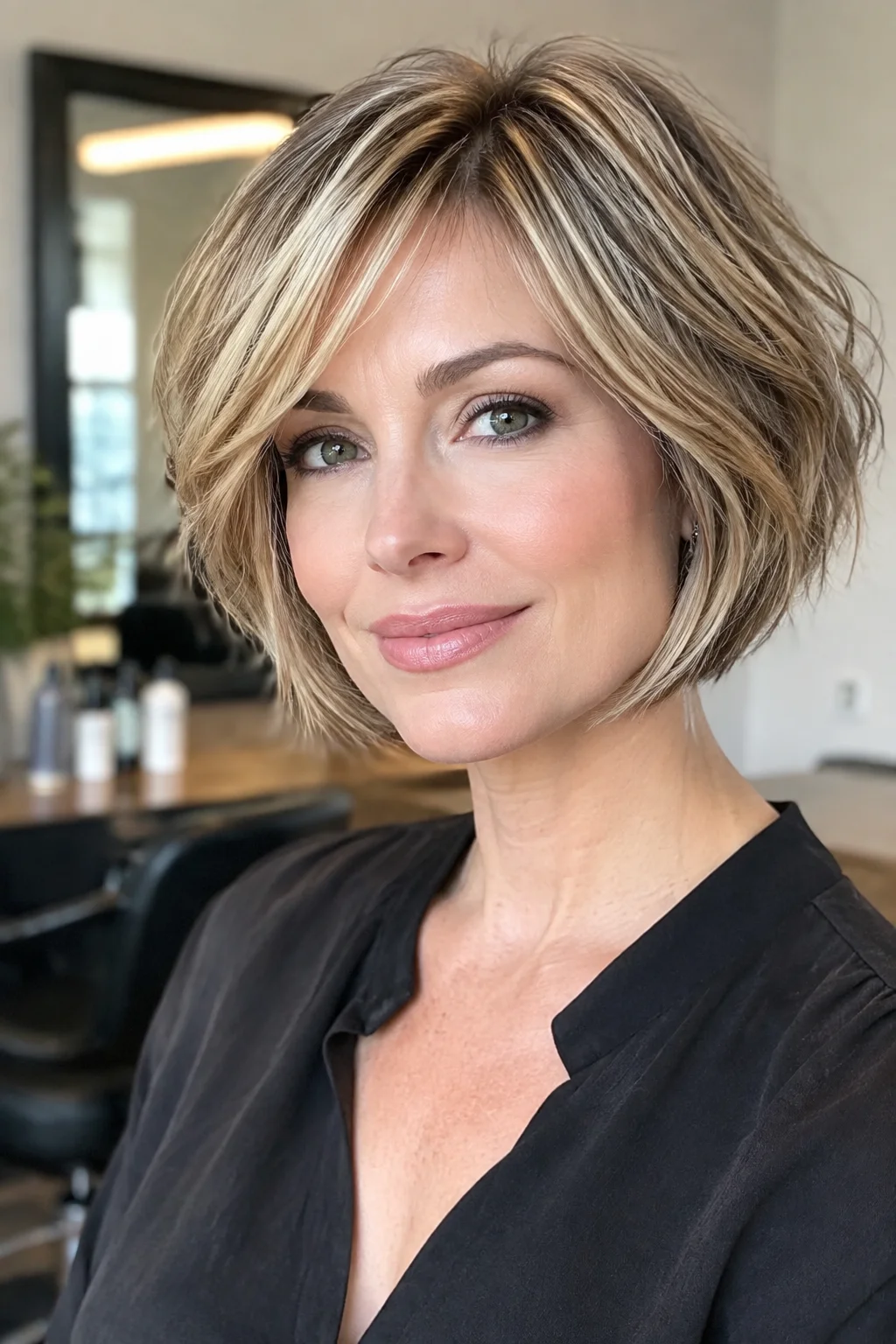
A razor does something scissors can’t: it thins out the ends without making them see-through, so the hair keeps bulk near the scalp and gets lighter as it moves down. That shift in weight is what tricks the eye into seeing fullness. This bob works especially well on medium to thick hair that tends to sit heavy and flat by the afternoon. Ask your stylist to razor cut only the mid-lengths and ends, leaving the root area untouched for maximum lift. A light mist of heat protectant before styling helps the finish last. A light mist of heat protectant before styling helps the finish last.
Stacked Crown Bob with Tapered Nape
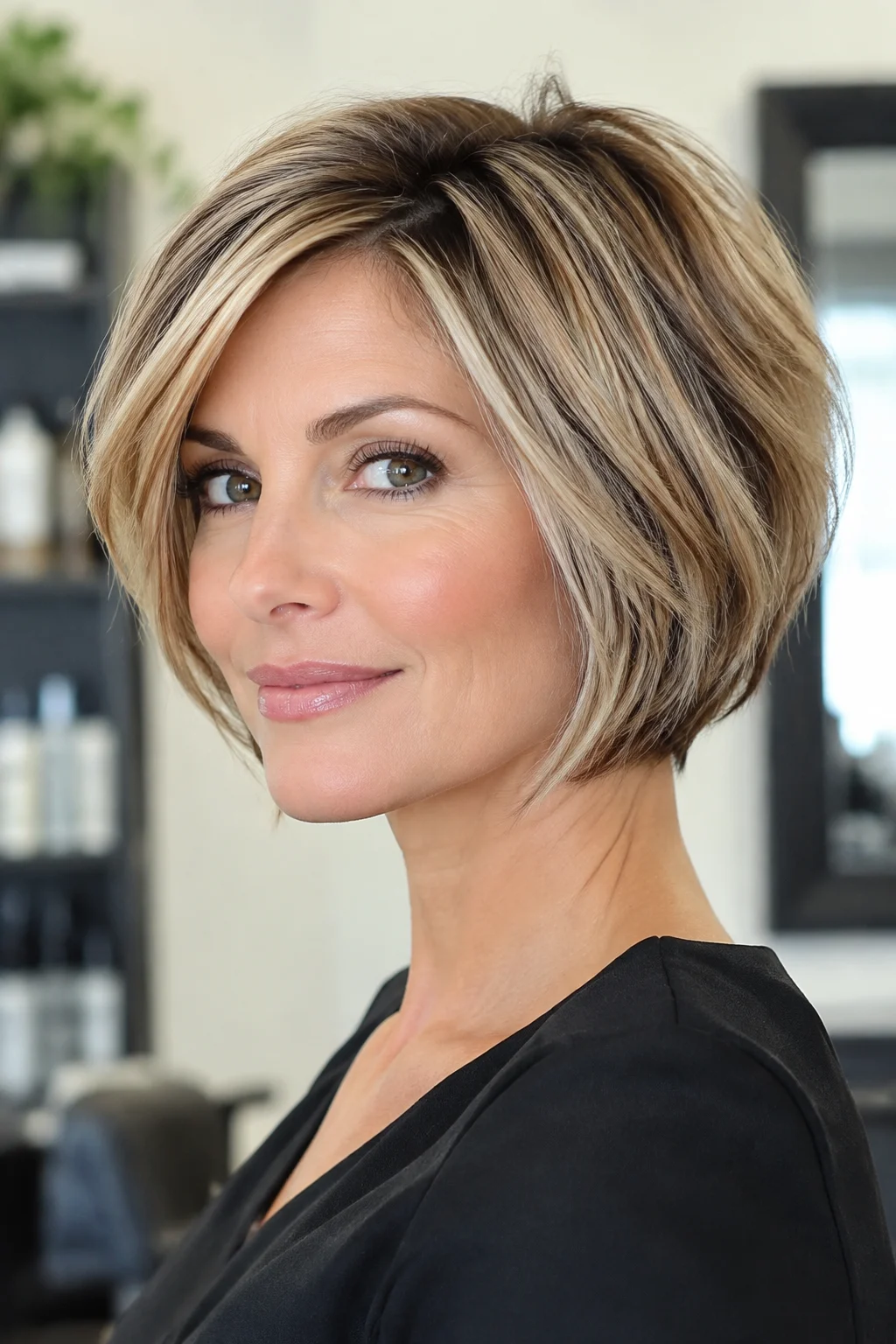
Stacking refers to layers cut increasingly shorter as they go up toward the crown, and it’s one of the most reliable ways to build height without adding a single layer of product. The tapered nape keeps the back neat and close to the head, which makes the stacked top look even bigger by comparison. Tip: ask for the stacking to start about two inches above the nape so the volume builds gradually instead of looking like a shelf.
Wispy Curtain Bob with Center Part
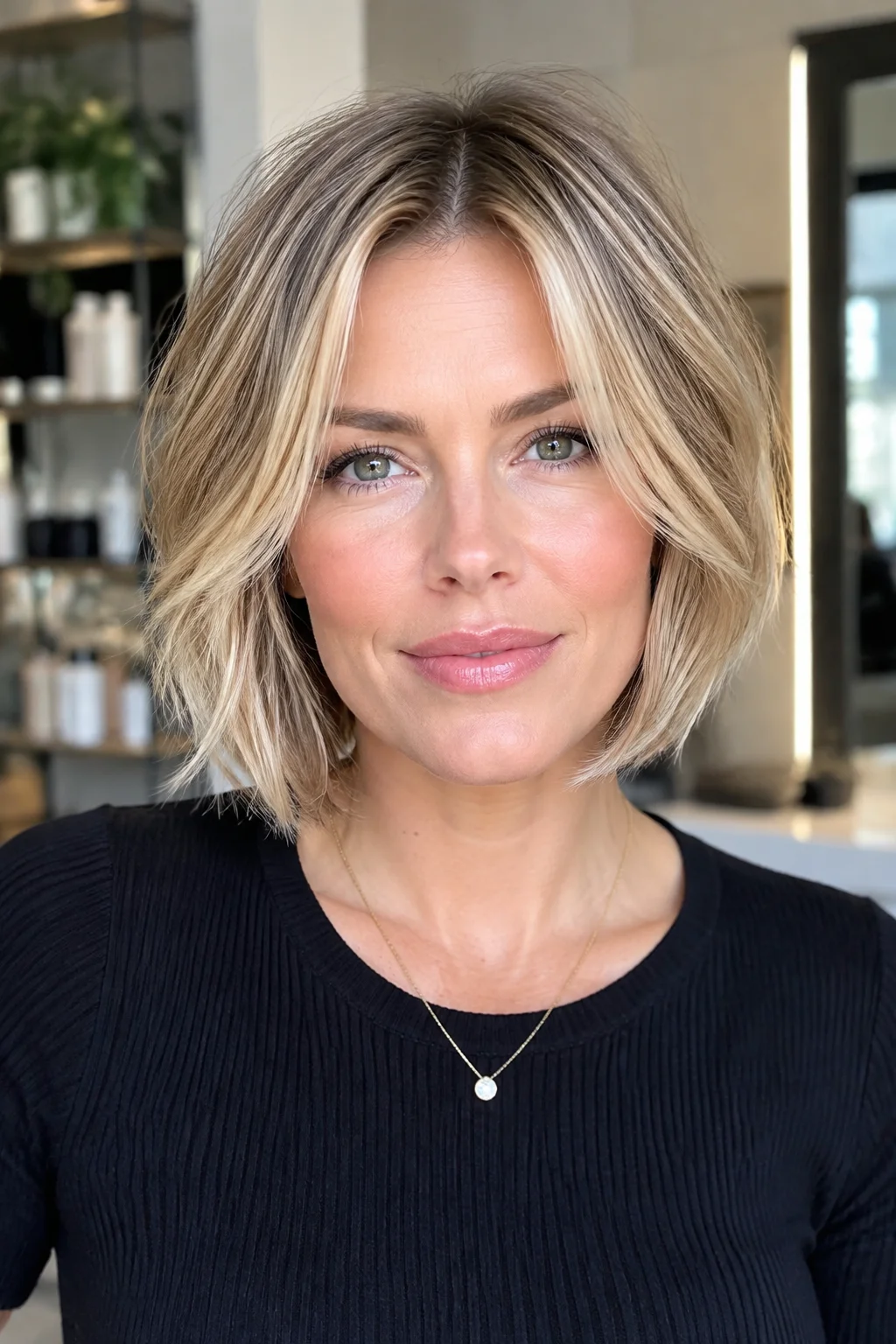
Curtain bangs split down the middle and sweep back toward the temples, framing the face while the rest of the bob falls in soft, wispy pieces. The center part adds its own kind of volume because it lets hair fall away from the scalp on both sides instead of flattening it in one direction. This style suits oval and heart-shaped faces particularly well, and it looks just as good air-dried as it does styled with a round brush.
Shaggy Textured Bob with Undercut Sides
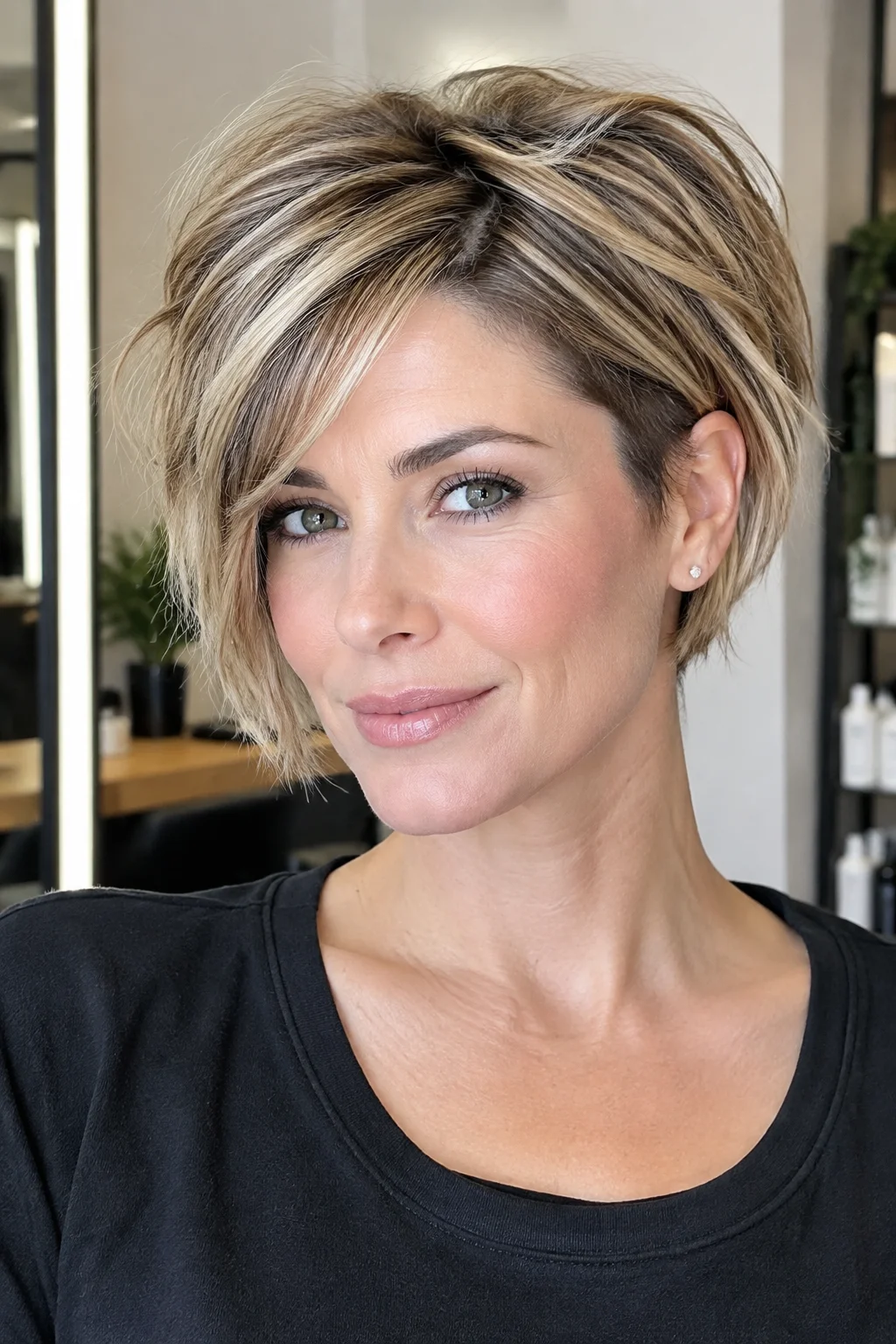
The undercut removes bulk underneath the top layer, which sounds like it would reduce volume but actually does the opposite. With less weight pulling down from below, the top layers sit up and move more freely. Add shaggy, choppy texture throughout and you get a cut that looks thick on top without feeling heavy. Thinner hair benefits the most here since the undercut shaves away any density that’s dragging the style down. A light mist of heat protectant before styling helps the finish last. A light mist of heat protectant before styling helps the finish last.
Pixie-Bob Hybrid with Longer Top Layers
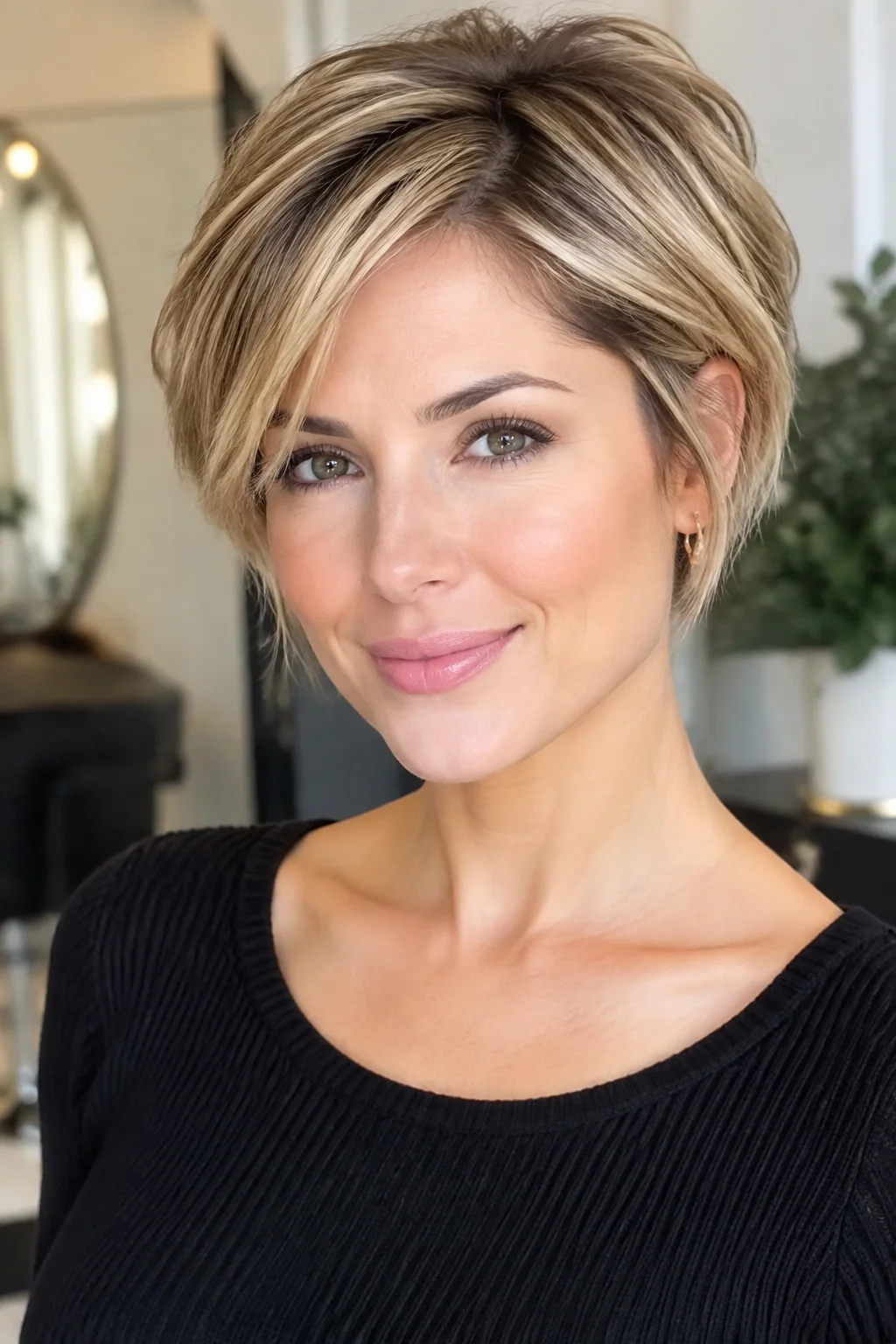
This one splits the difference between a pixie and a bob: short, cropped sides paired with noticeably longer layers through the crown and top. The length differential is what creates volume, since the shorter perimeter supports the longer top hair and pushes it upward instead of letting it fall flat. It’s a bold change if you’re used to longer hair, but it grows out into a longer bob with almost no awkward stage.
Graduated Bob with Feathered Bangs
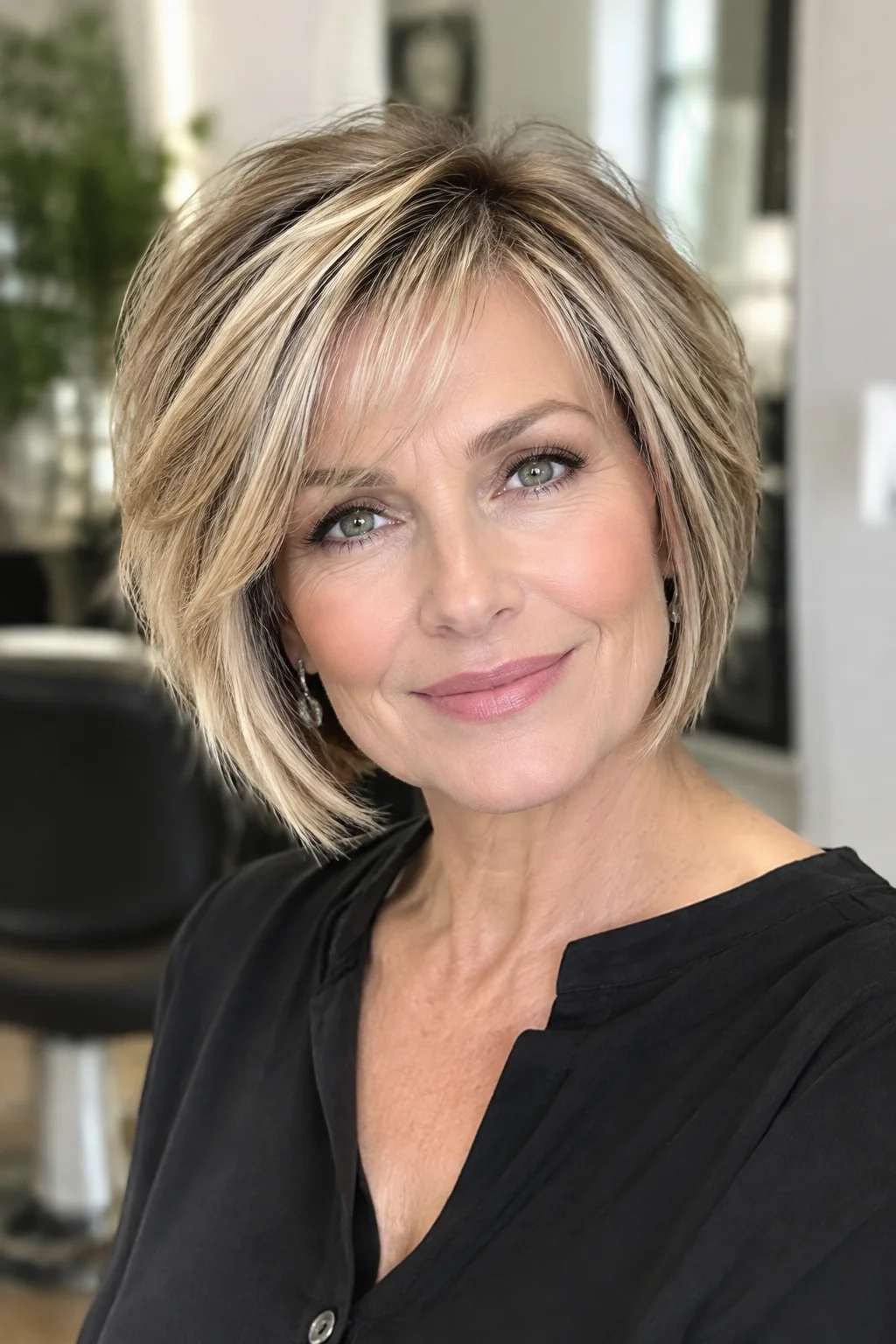
Graduation means the back is cut shorter than the front, building a rounded shape that naturally pushes outward at the crown. Feathered bangs soften the front edge so the whole cut doesn’t feel too structured or blunt. Tip: request graduation angles around 45 degrees for the most lift without the bob looking triangular from the back.
Tousled Wavy Bob with Choppy Texture
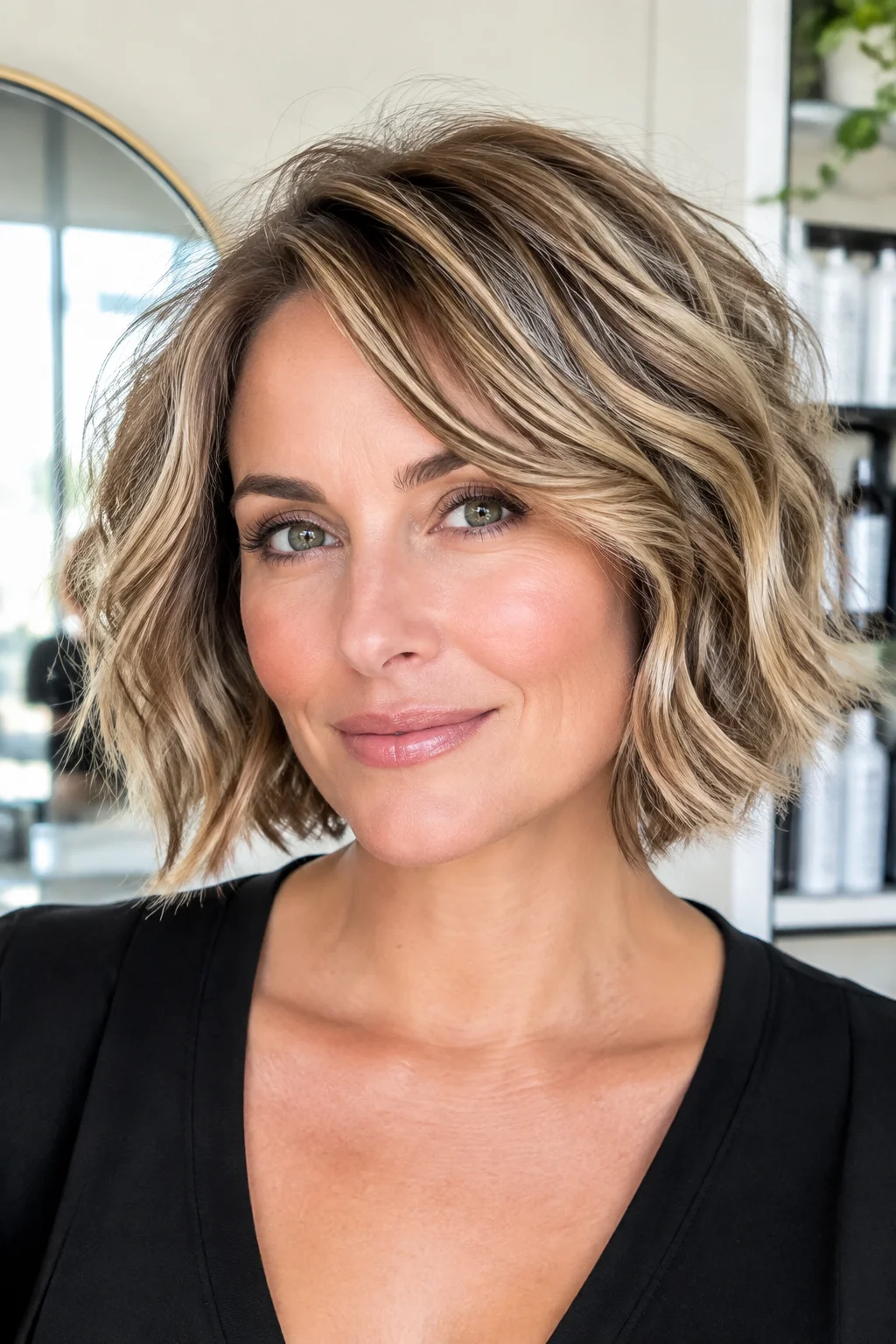
Choppy, uneven ends catch natural waves and exaggerate them, so each wave reads as a little more lifted and a little less weighed down. This cut barely needs styling. Scrunch in a texturizing spray, let it air dry, and the waves do most of the volume work on their own.
Voluminous Layered Bob for Straight Fine Hair
Fine, straight hair has the hardest time holding any kind of lift, so this cut leans on short internal layers cut close to the scalp through the crown. Those shorter pieces stand up on their own because there’s nothing weighing them down, and the longer outer layer disguises any gaps. Blow drying with a round brush, roots first, amplifies the effect, but even air-dried this cut holds more shape than a blunt one-length bob ever could on fine strands.
Disconnected Textured Bob with Blunt Front
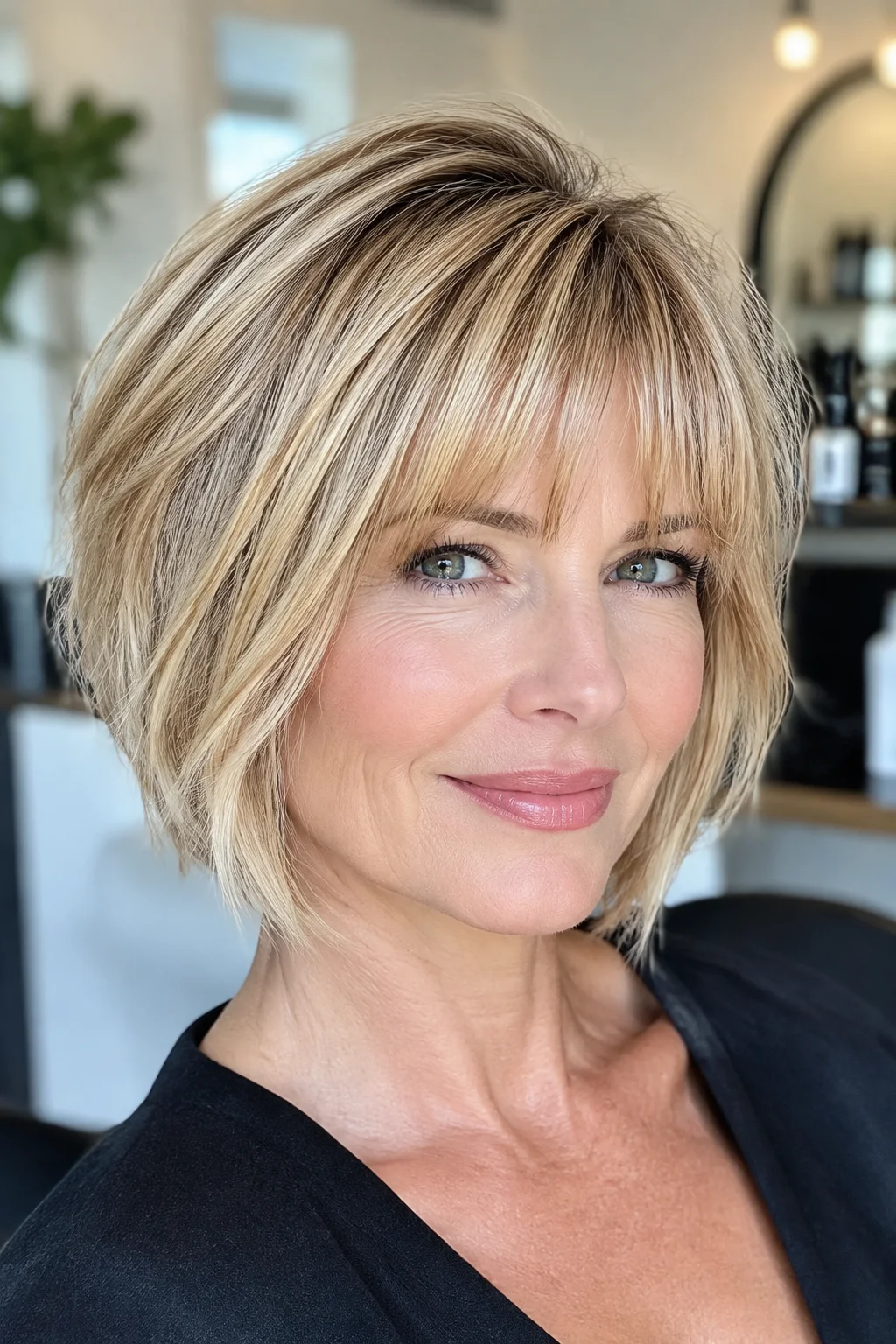
Disconnection means the top layers are cut with almost no blending into the bottom ones, creating a visible break that reads as extra fullness up top. Pairing that with a blunt, straight-across front keeps the overall shape from looking messy or unfinished. It’s a graphic, modern cut that suits anyone who wants volume without soft, feathered edges.
Short Layered Bob with Volume at Nape
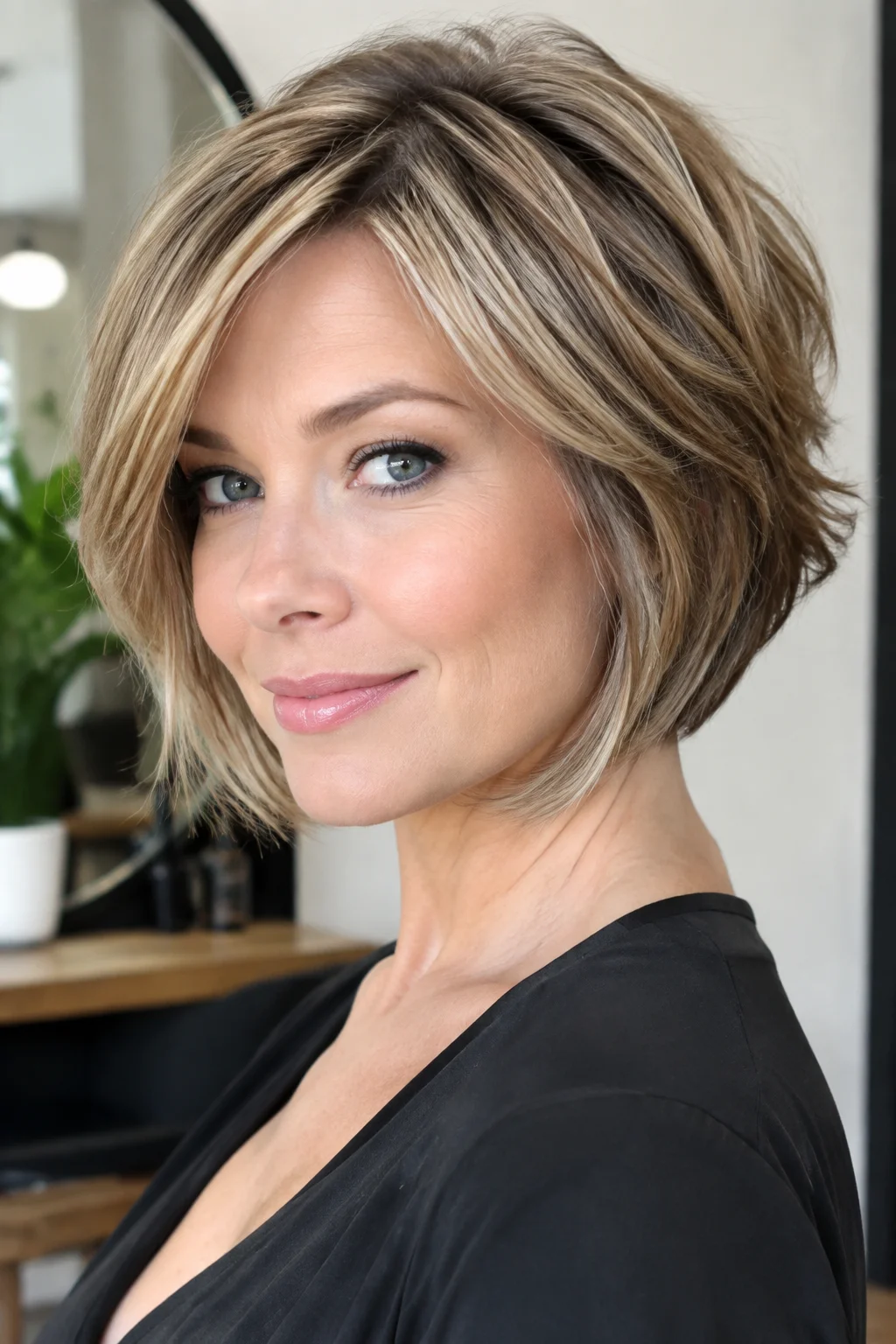
Layers cut shorter right at the nape flip outward instead of lying flat against the neck, which gives the whole back section a rounded, fuller look. The rest of the bob stays simple, slightly longer layers through the sides and front, so the volume reads as natural rather than engineered. This is a low-maintenance option for anyone who doesn’t want to style the back section every single day.
Textured Crown Bob with Smooth Sides
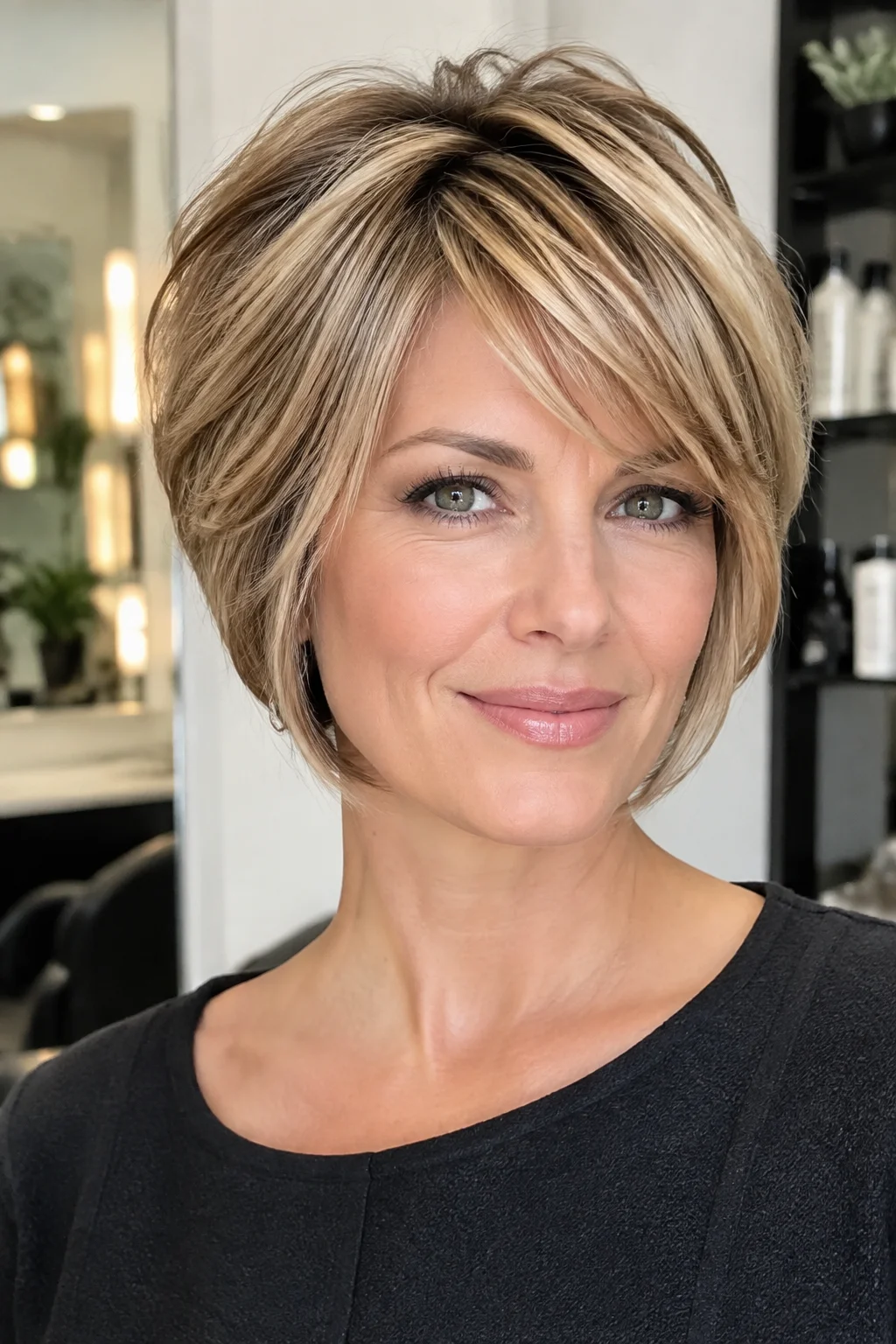
Texture concentrated at the crown lifts the one area that tends to go flat first, while the sides stay smooth and sleek for contrast. That contrast actually makes the crown volume look bigger than it is. It’s a smart choice for fine to medium hair that holds shape fine on the sides but flattens out right at the part.
Tousled Shag Bob for Curly Hair
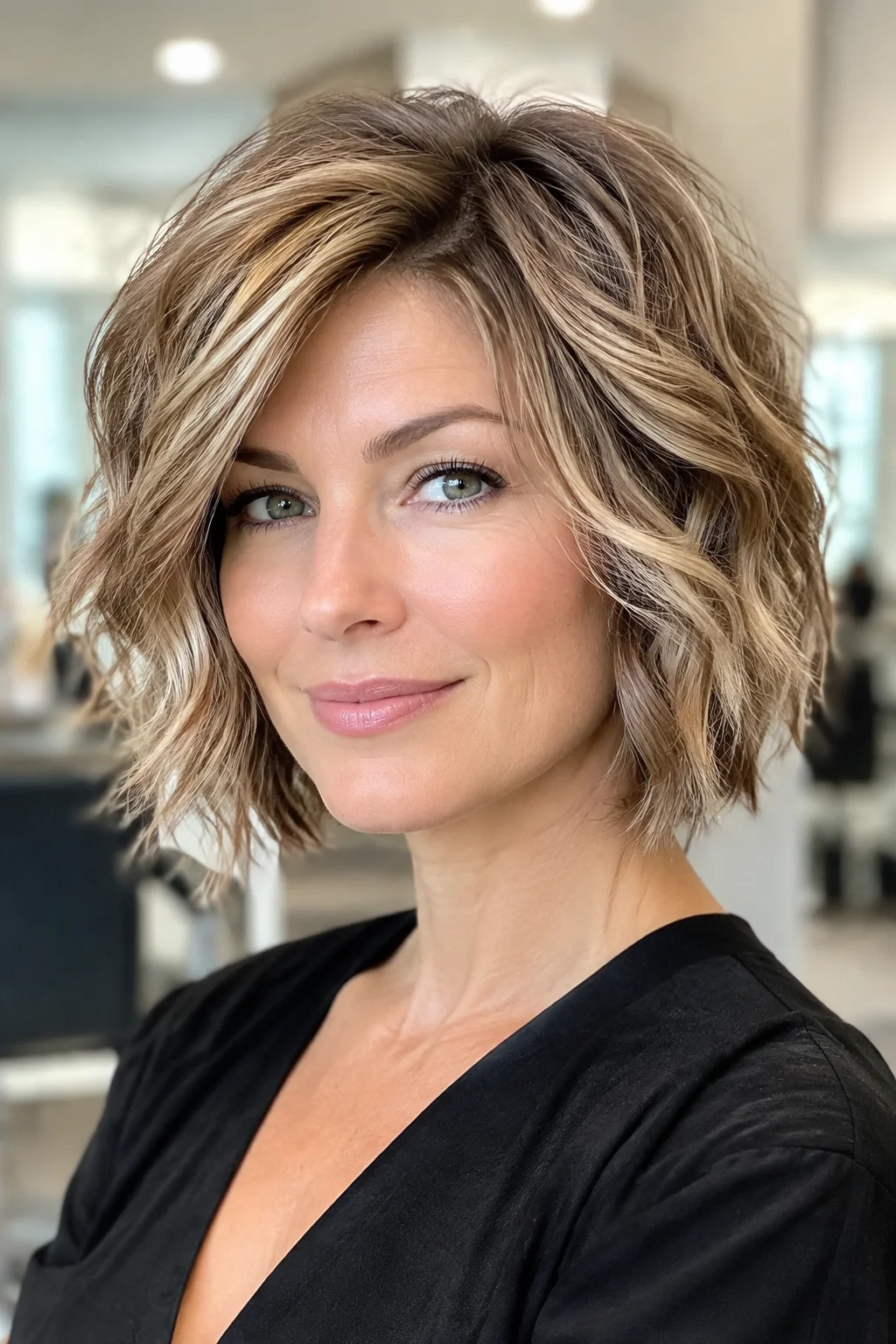
Shag layers cut throughout a curly bob let each curl spring up and out instead of clumping together into one dense shape. The result looks like a halo of texture rather than a solid, heavy mass. Curl definition cream applied to soaking wet hair, then left to air dry, keeps this cut looking tousled and full instead of frizzy.
Razor-Cut Bob with Choppy Bangs
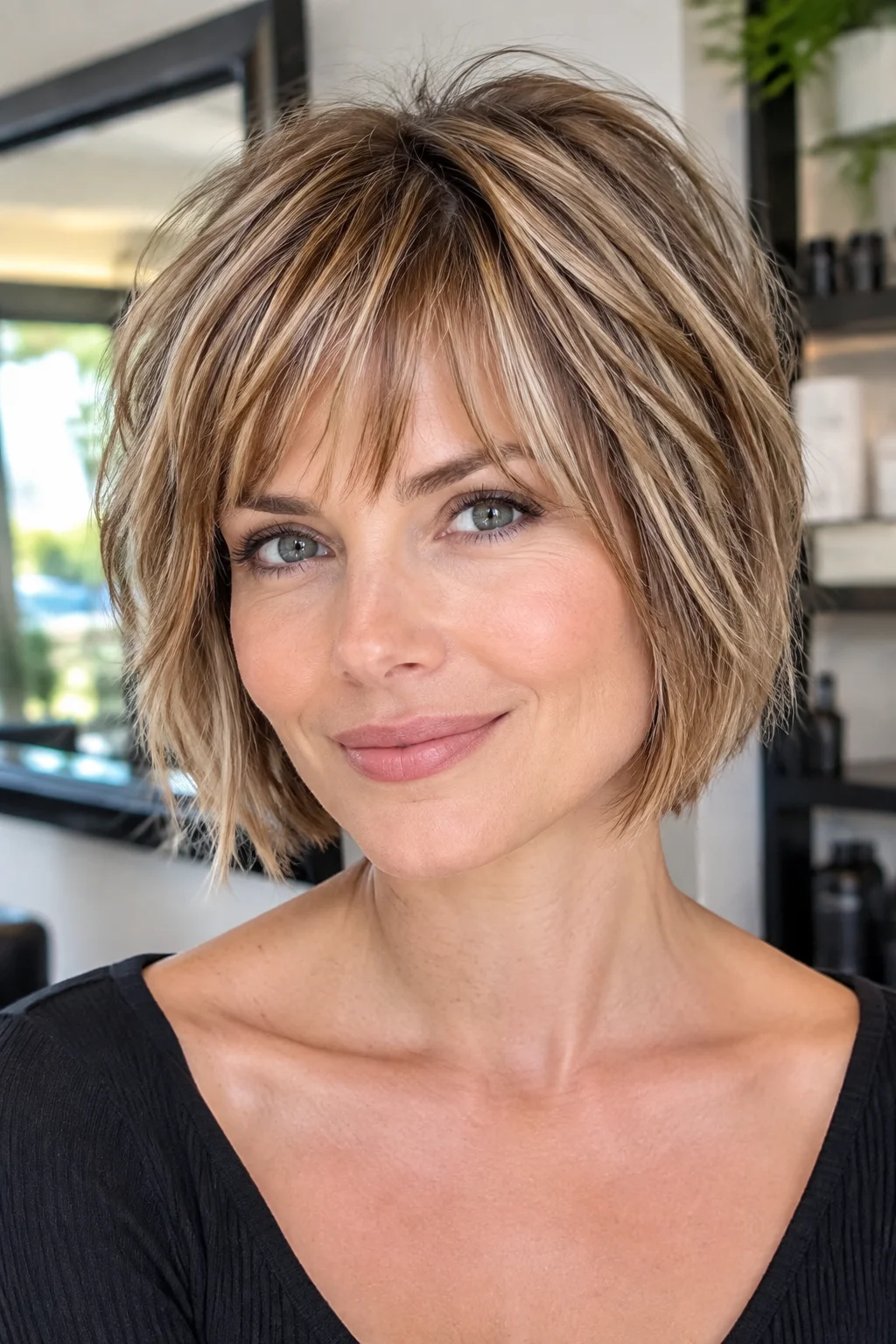
Choppy, razored bangs break up the density across the forehead, which keeps the front from looking like one flat curtain. Combined with razor work through the rest of the bob, this cut has movement from every angle. It works on nearly every face shape since the bangs can be cut longer or shorter to balance forehead width.
High-Volume Layered Bob for Round Faces
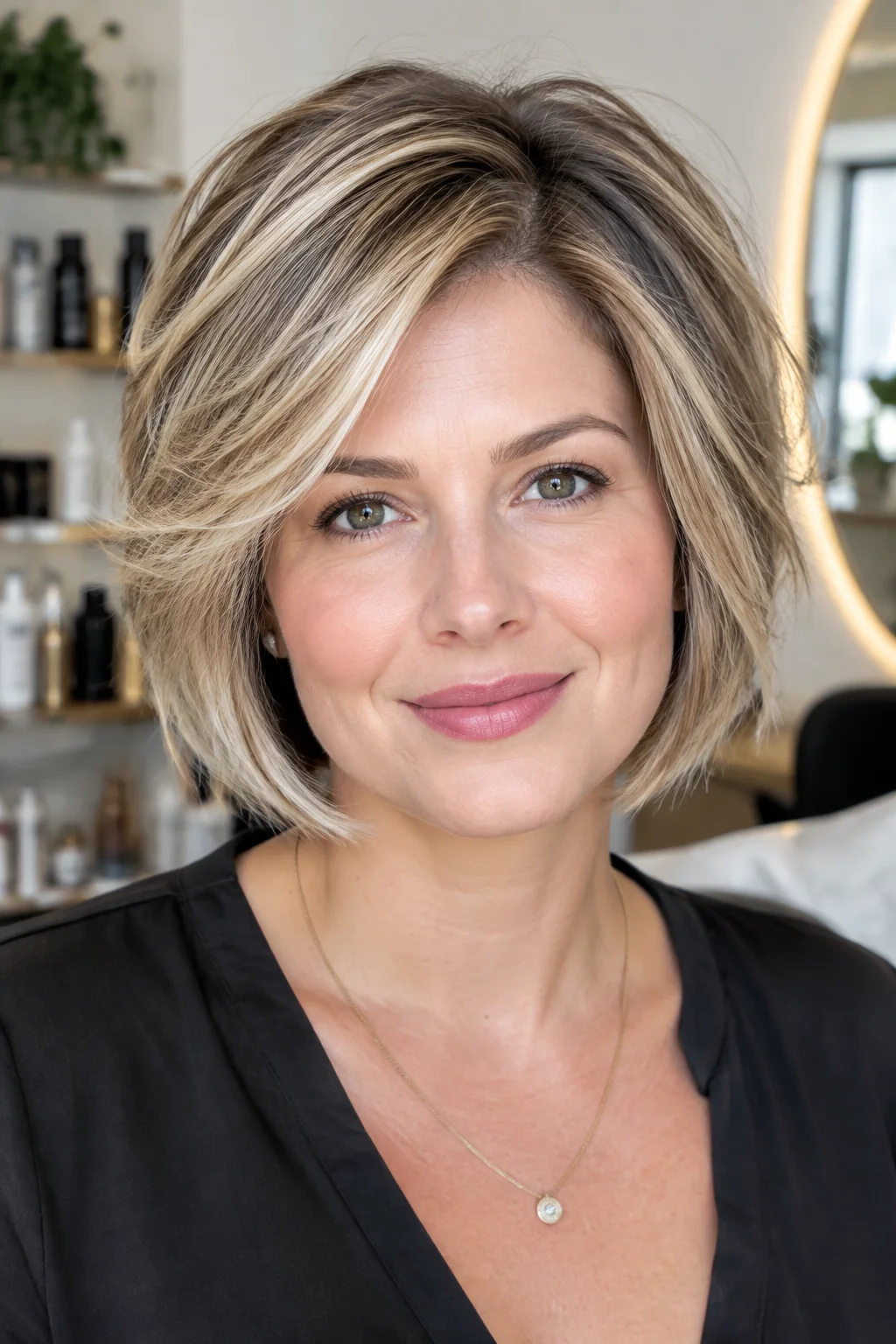
Layers that start at cheekbone height and get progressively shorter toward the crown build height exactly where round faces need it, drawing the eye up and away from the width at the jaw. Tip: avoid any blunt, heavy perimeter on this one, since it adds width right where you’re trying to minimize it.
Feathered Layers Bob with Tucked-Back Sides
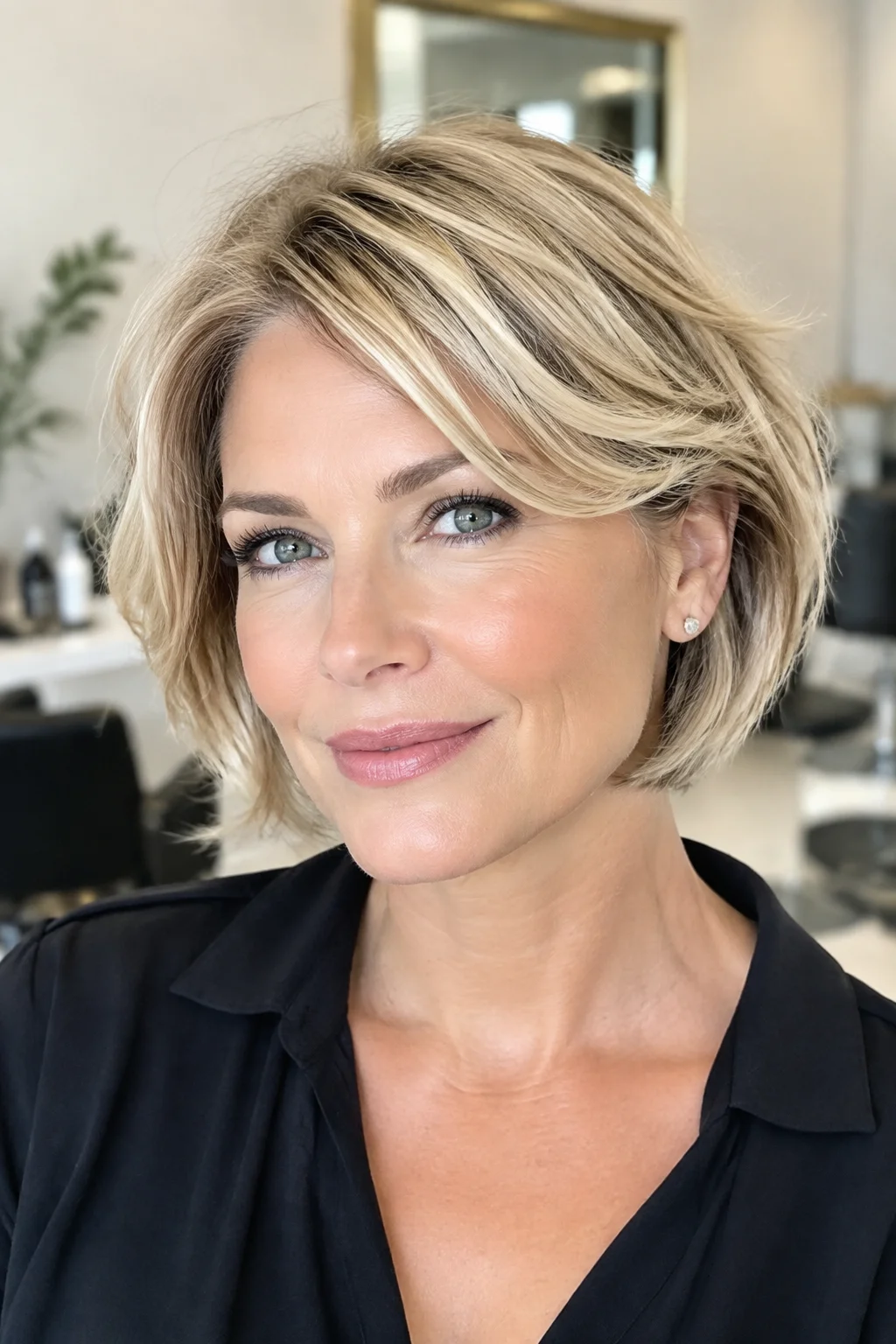
Feathering thins the ends into soft, airy pieces rather than one solid line, and tucking the side pieces back behind the ears shows off the lift through the crown. It’s a polished cut that still photographs with real dimension instead of looking flat from the front.
Spiky Textured Bob for Short, Thick Hair
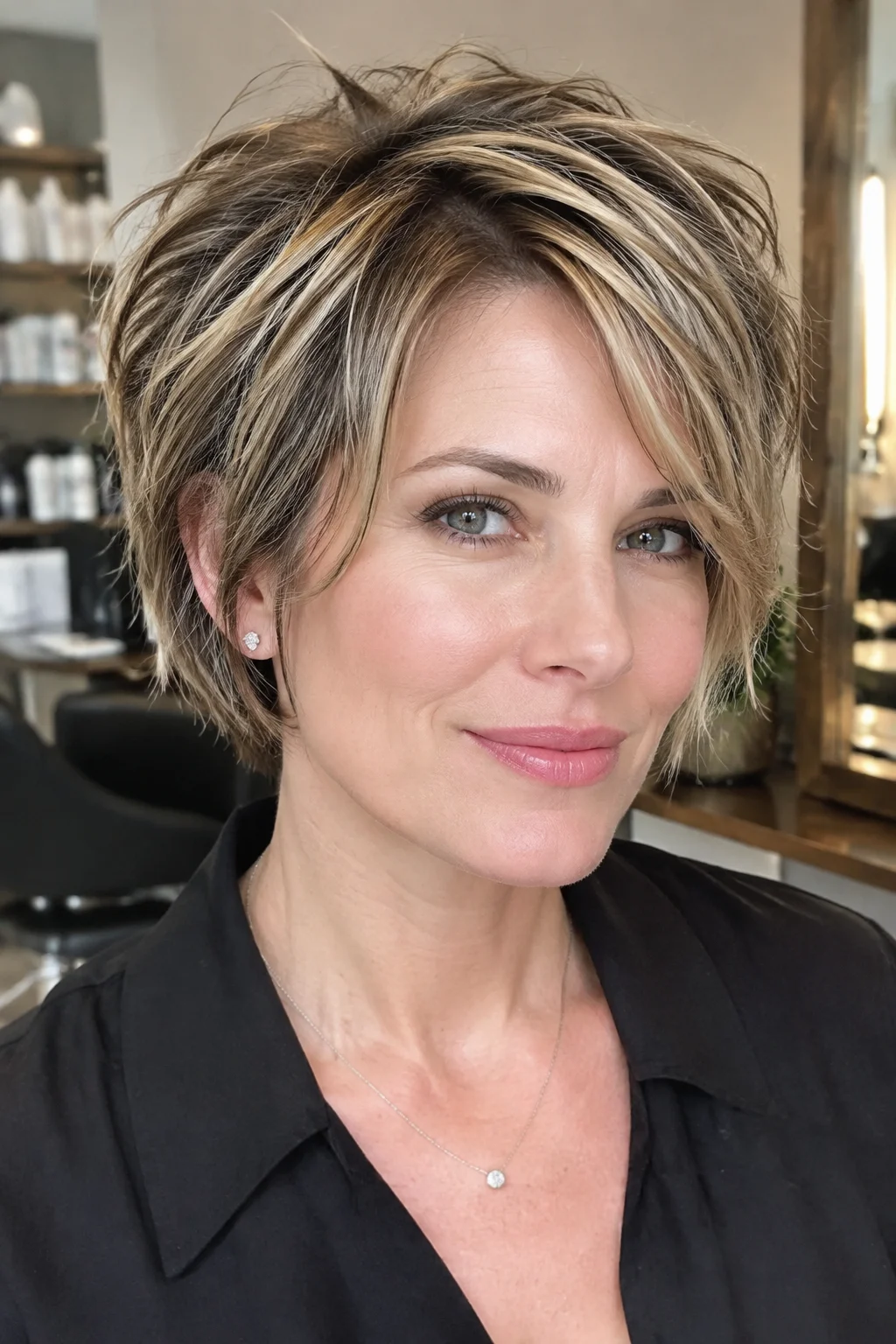
Thick hair can handle aggressive texturizing without looking thin or patchy, which makes this spiky, piece-y bob a good match. Heavy point-cutting throughout removes bulk so the ends separate into defined spikes rather than clumping into one dense slab. Style with a strong-hold paste worked through damp hair, then let individual pieces dry separately for maximum texture. This cut holds its shape through humidity better than most because thick hair has the structure to support it.
Inverted Layered Bob with Volume at Crown
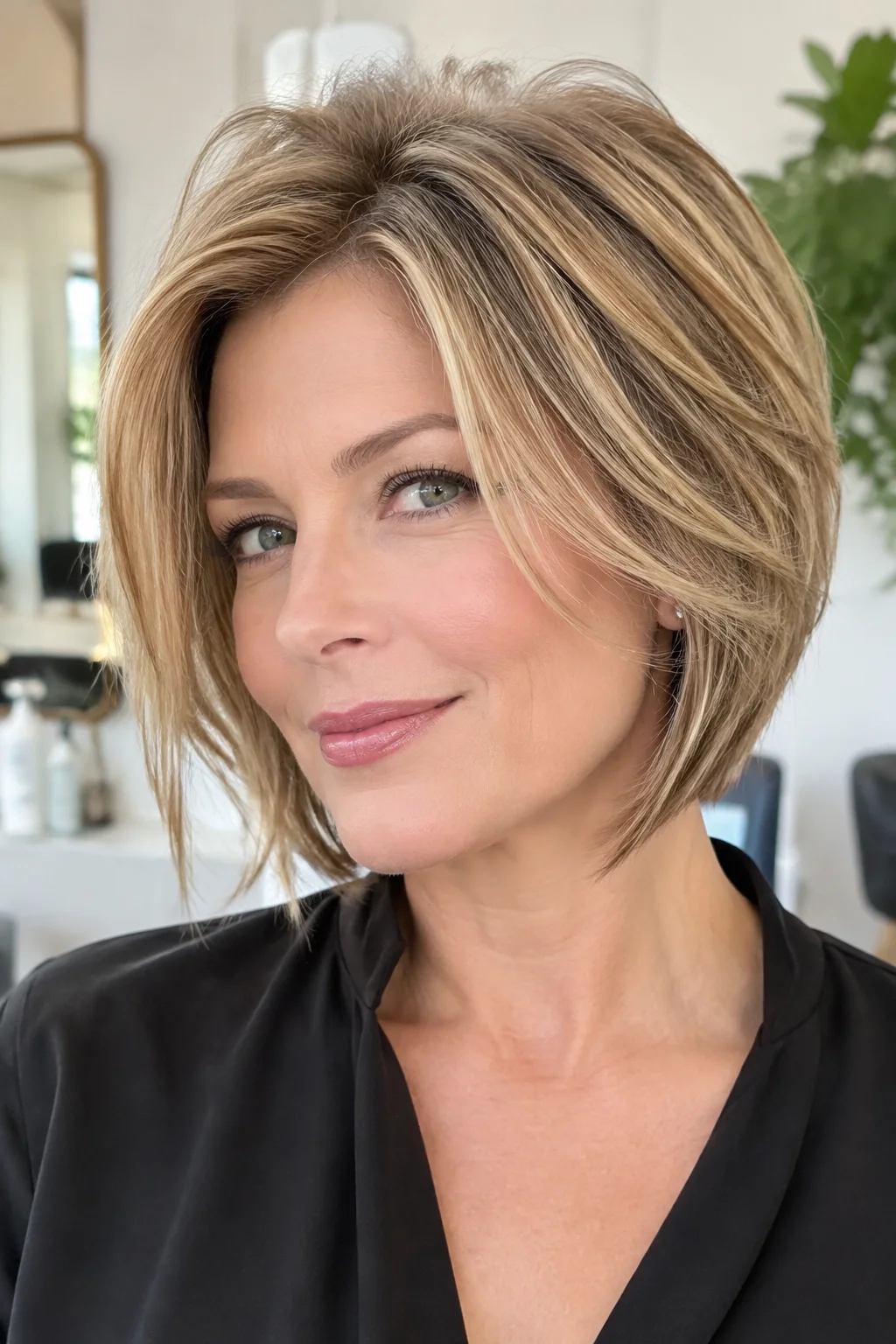
An inverted bob is cut longer in front and shorter in back, with a steep angle connecting the two. That angle naturally pushes the back section up and out, building volume right at the crown without any extra layering needed elsewhere. It’s one of the more dramatic bob shapes, so expect a noticeable style change if you’re coming from blunt, one-length hair.
Tousled Cropped Bob with Razor Texture
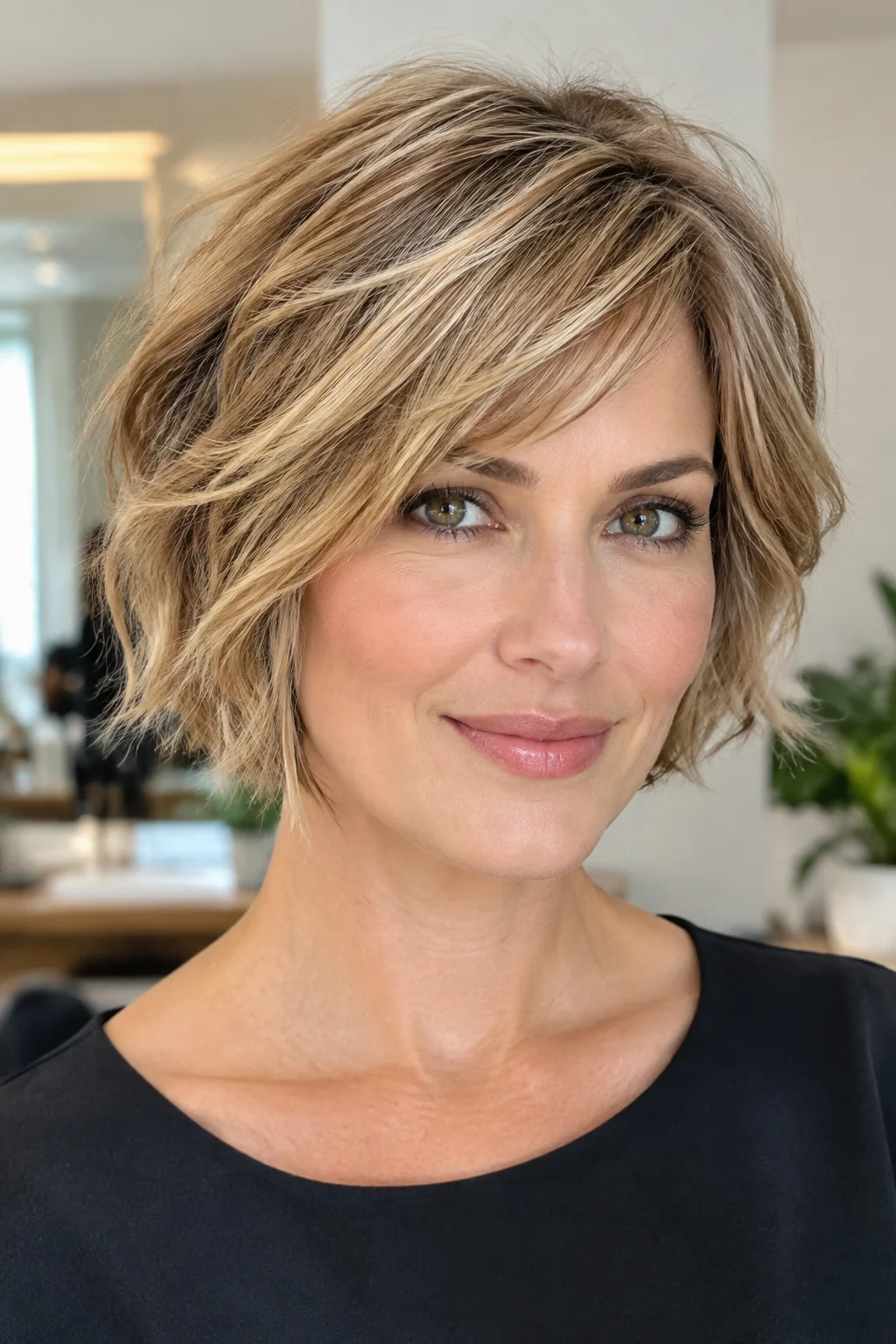
Cropped length paired with heavy razor texture creates a bob that sits just at the jaw or slightly above, with ends so broken up they practically style themselves. Finger-comb a light texturizing cream through damp hair and let it dry naturally for a tousled, undone finish. This is one of the lowest-maintenance volume cuts on this list.
Volume Bob with Face-Framing Shorter Pieces
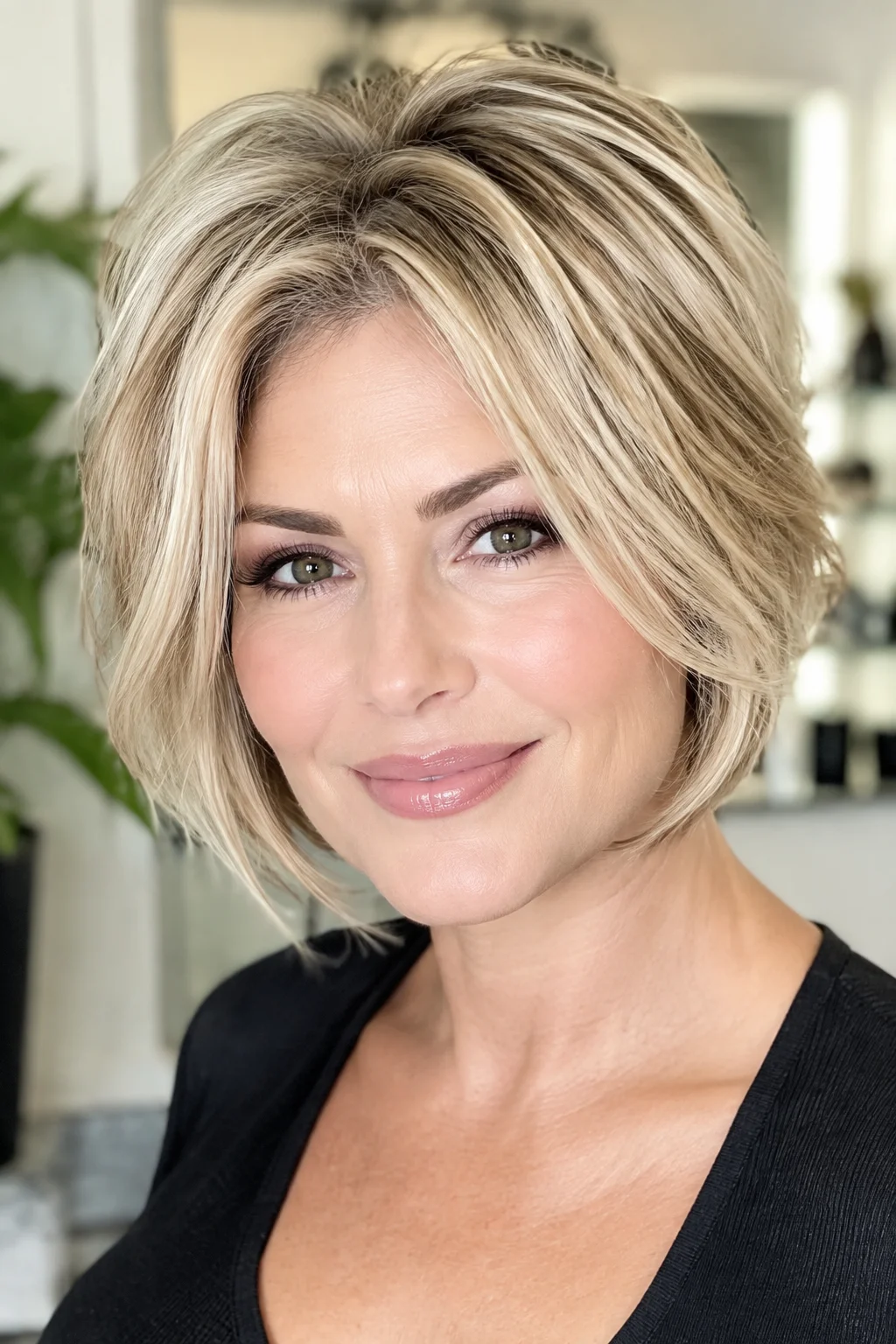
Shorter pieces cut around the face pull attention forward and up, which adds perceived volume right where people actually look first. The rest of the bob can stay fairly simple since the face-framing layers do most of the visual work. Tip: ask for these pieces to hit between the cheekbone and chin for the most flattering frame on most face shapes.
Layered Bob with Thickened Crown and Tapered Nape
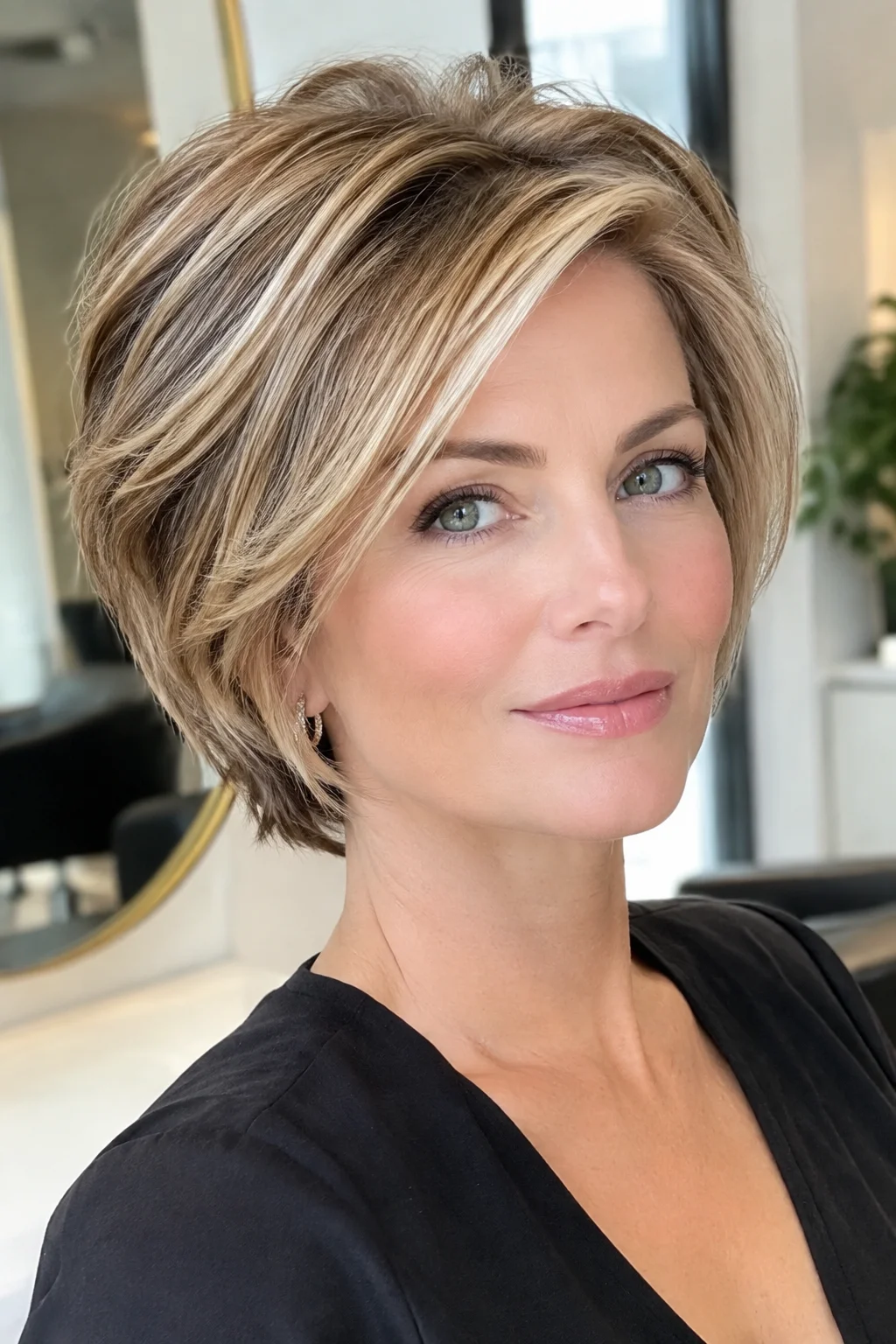
Thickened crown layers are cut to retain more internal weight right at the root, giving that section real structural lift rather than relying on backcombing or product. A tapered nape balances it out underneath so the whole shape doesn’t feel bottom-heavy. This combination suits hair that’s thinning slightly at the crown, since it adds the illusion of density exactly there.
Soft Choppy Bob with Texture Throughout

Soft doesn’t mean subtle here. It means the choppy layers are blended rather than sharply disconnected, giving the volume-boosting short hair bob haircuts category a gentler, more wearable entry. Texture runs from root to tip, so the fullness looks consistent instead of concentrated in one spot.
Short Shaggy Bob for Wavy Hair
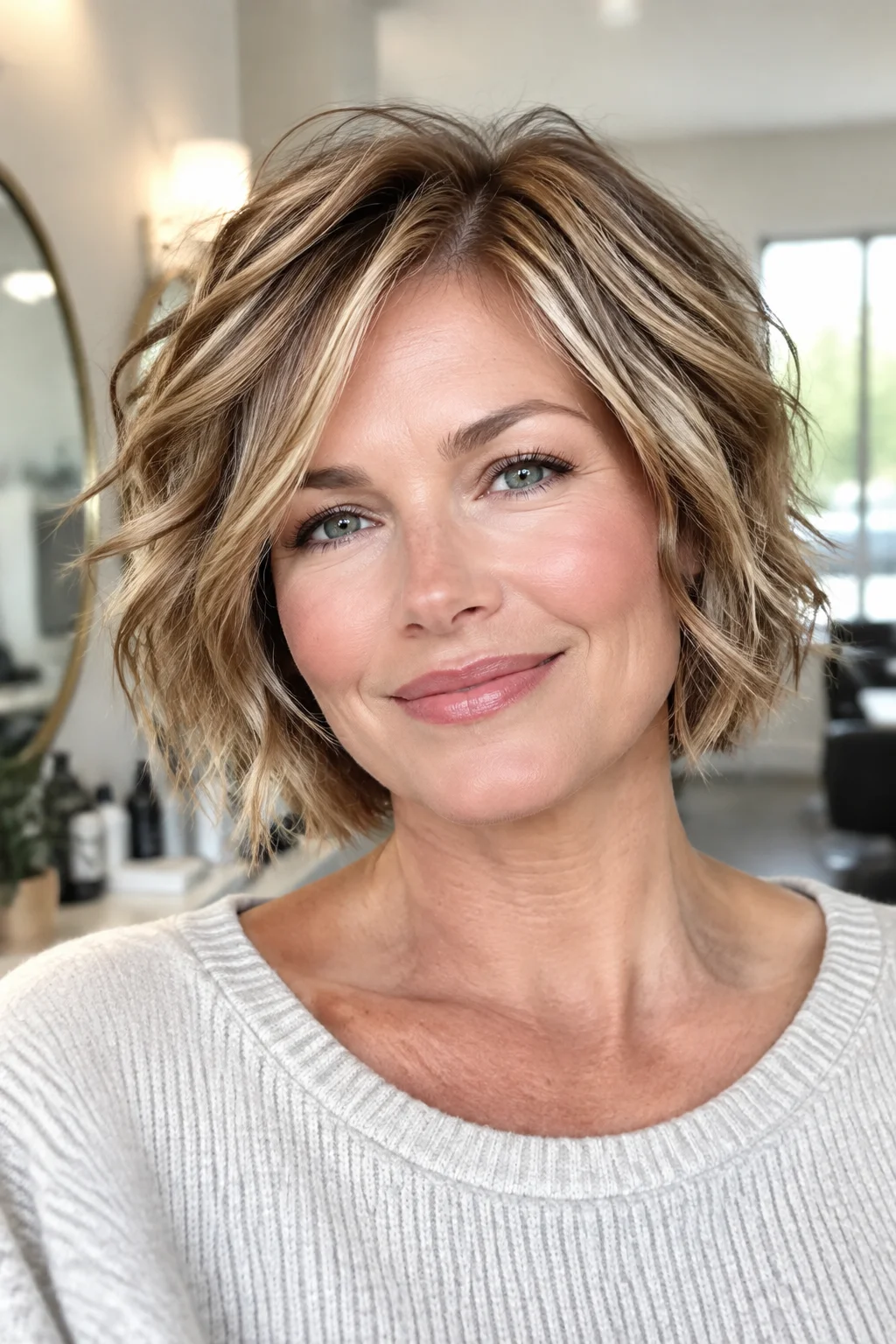
Shag layers were made for wavy hair. The choppy ends grab onto natural wave pattern and push it outward instead of letting the wave weigh itself down by its own length. Scrunch a sea salt spray through damp hair and air dry for a cut that looks like it took effort but really didn’t.
Textured Crown Bob with Smooth Blunt Ends
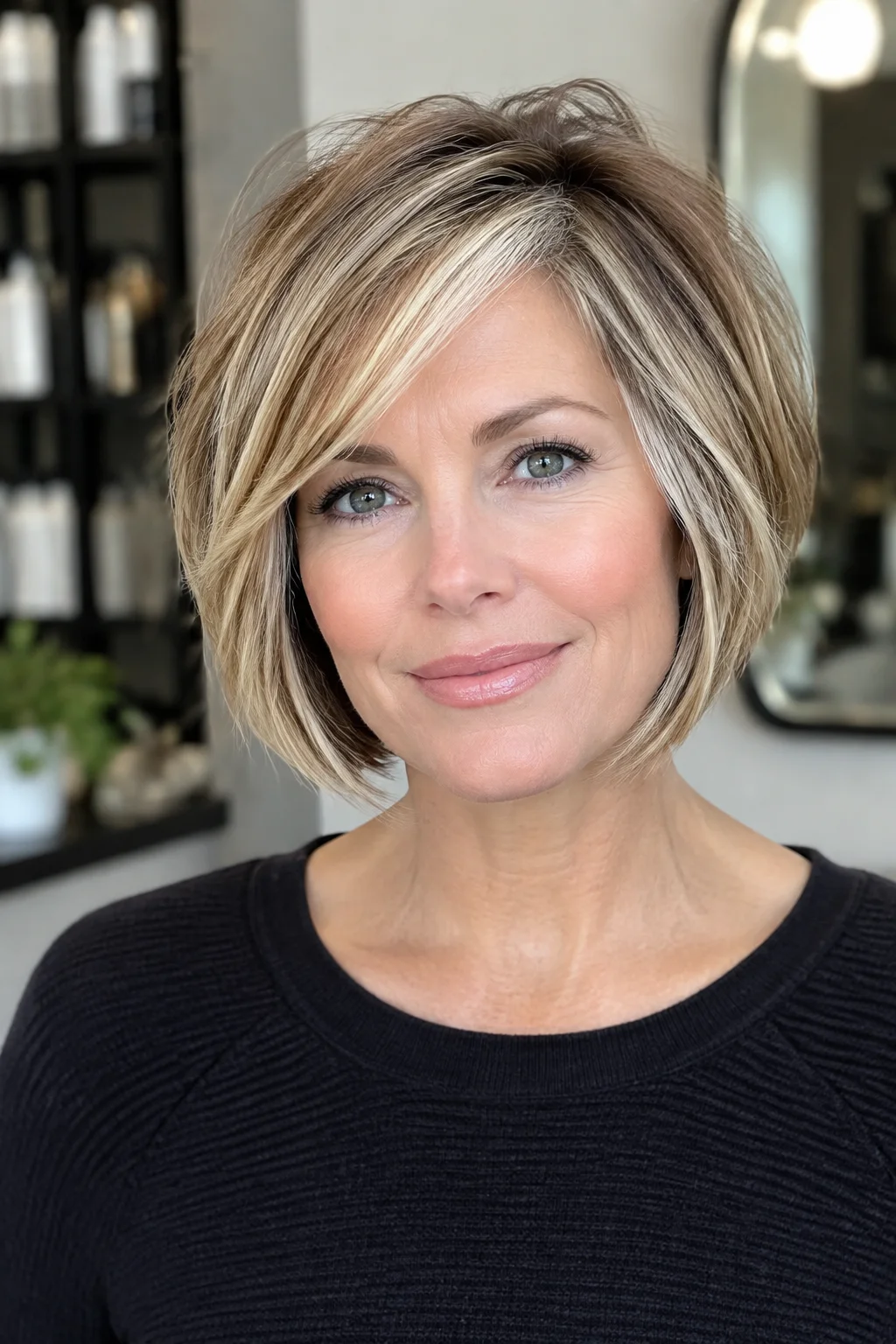
This pairs heavy texture through the crown with a crisp, blunt line at the ends, so the volume stays contained within a defined shape instead of looking wild. It’s a good middle ground for anyone who wants lift but still wants a bob that looks shaped rather than undone. The contrast between textured top and smooth bottom is what makes this cut read as polished.
How to Pick the Right One for Your Hair
Matching the cut to your actual hair type matters more than picking whatever looks best in a photo. Fine, straight hair does best with internal layering close to the scalp, like the voluminous layered bob for straight fine hair or the stacked crown bob with tapered nape, since both build lift without relying on natural texture that fine hair doesn’t have. Thick hair can handle more aggressive removal, so the spiky textured bob for short, thick hair or the choppy textured bob with razored layers will thin things out without leaving you flat.
If your hair is wavy or curly, skip anything with a heavy blunt perimeter and go toward the tousled shag bob for curly hair or the short shaggy bob for wavy hair, since both are designed to work with movement instead of against it. Round faces should lean toward the high-volume layered bob for round faces rather than the disconnected textured bob with blunt front, which adds width exactly where round faces don’t need it.
The biggest mistake people make is asking for volume through product and styling alone when the cut underneath is still weighing the hair down. Fix the structure first. Everything else gets easier after that.
Choosing Your volume-boosting short hair bob haircuts With Confidence
The right volume-boosting short hair bob haircuts choice depends on how much time you want at the mirror and how much length you want to keep. Start with your densest growth pattern: if the crown collapses by midday, ask for internal layers that lift without thinning the perimeter. If the ends feel wiry, keep the outline blunt and move texture higher so the finish still reads polished in photos. Bring two reference photos that show the same length from the front and the side — that alone prevents most chair-side mismatches.
Before you book, decide your weekly maintenance budget. A wash-and-go volume-boosting short hair bob haircuts look needs a cut that falls into place with one product; a more sculpted finish needs a trim every six to eight weeks and a light cream or mist to reset the shape. Tell your stylist where you part your hair most days and whether you blow-dry or air-dry, then ask them to dry the perimeter in that routine before you leave. When the cut matches your real habits, the volume-boosting short hair bob haircuts silhouette stays intentional instead of fighting you by Thursday.
If you are deciding between two lengths, choose the one that still looks finished when you skip styling for a day. That single test beats any trend list: the better volume-boosting short hair bob haircuts option is the one you will actually wear.