Hair can feel harder to manage after 60. Fine gray hair often looks flat, dry, or thinner at the crown, dull to the eye and rougher to the touch, and no amount of brushing seems to fix it. The right cut changes that. It can reduce styling time while giving your face a fresh frame and your strands more visible shape, body, and shine. Low maintenance short haircuts over 60 work best when they match your natural texture, growth pattern, and comfort level. Some styles need only a quick brush and a small amount of styling cream to look finished, smoothing rough strands into something soft and glossy. Others look polished straight out of the shower, air-drying into soft, defined shapes with no extra effort at all. Short hair does not have to mean one fixed look. You can choose softness, lift, curl, texture, or a neat tapered finish. These short hairstyles over 60 offer distinct shapes, so you can compare the upkeep and visual effect before your next salon visit.
Why Hair Behaves Differently After 60
Before comparing cuts, it helps to understand what is actually happening to the hair itself. After 60, individual strands often narrow as follicles gradually shrink, a process called miniaturization, which is why hair can feel thinner and finer between your fingers even when the total number of strands has not changed much. The cuticle, the outer layer of each strand, also roughens with age, so light scatters instead of reflecting evenly, which is why hair can look dull even right after washing. That same rougher cuticle makes hair more porous, so it absorbs product quickly but also dries out faster, leaving strands feeling papery by midday. Growth also slows, often to less than half an inch a month, which means a cut needs to be shaped with future growth in mind, not just how it looks on day one. Knowing this changes how you should choose a haircut: the goal is not just a flattering shape today, but a shape whose weight, layering, and outline still feel balanced in the hand and look smooth to the eye eight weeks from now.
1. Classic Short Pixie
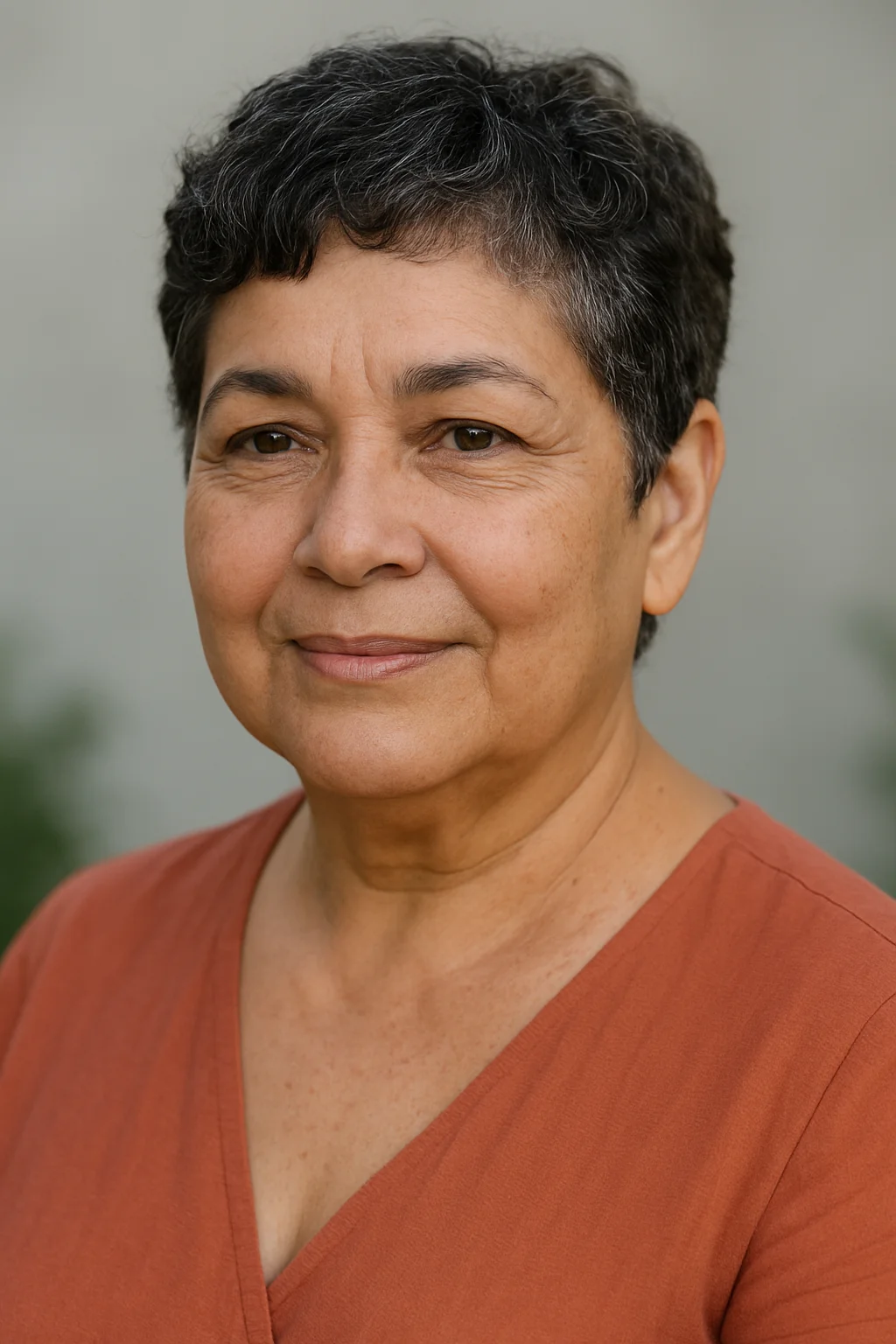
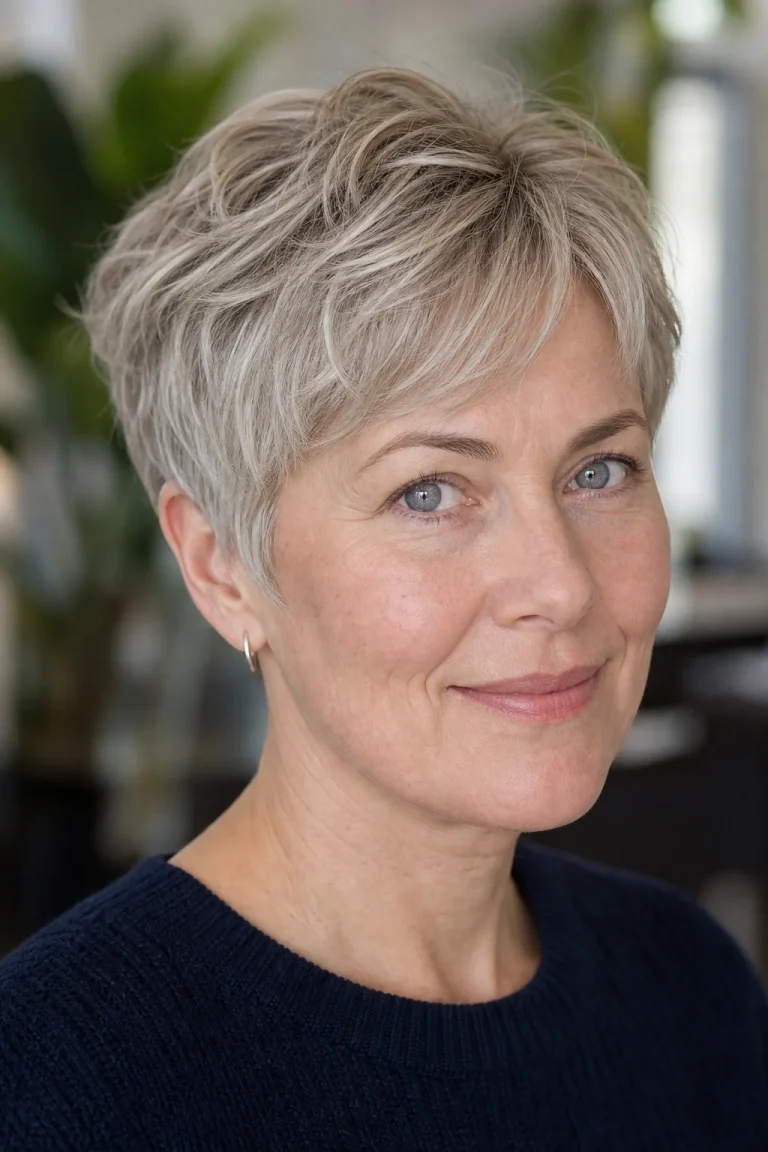
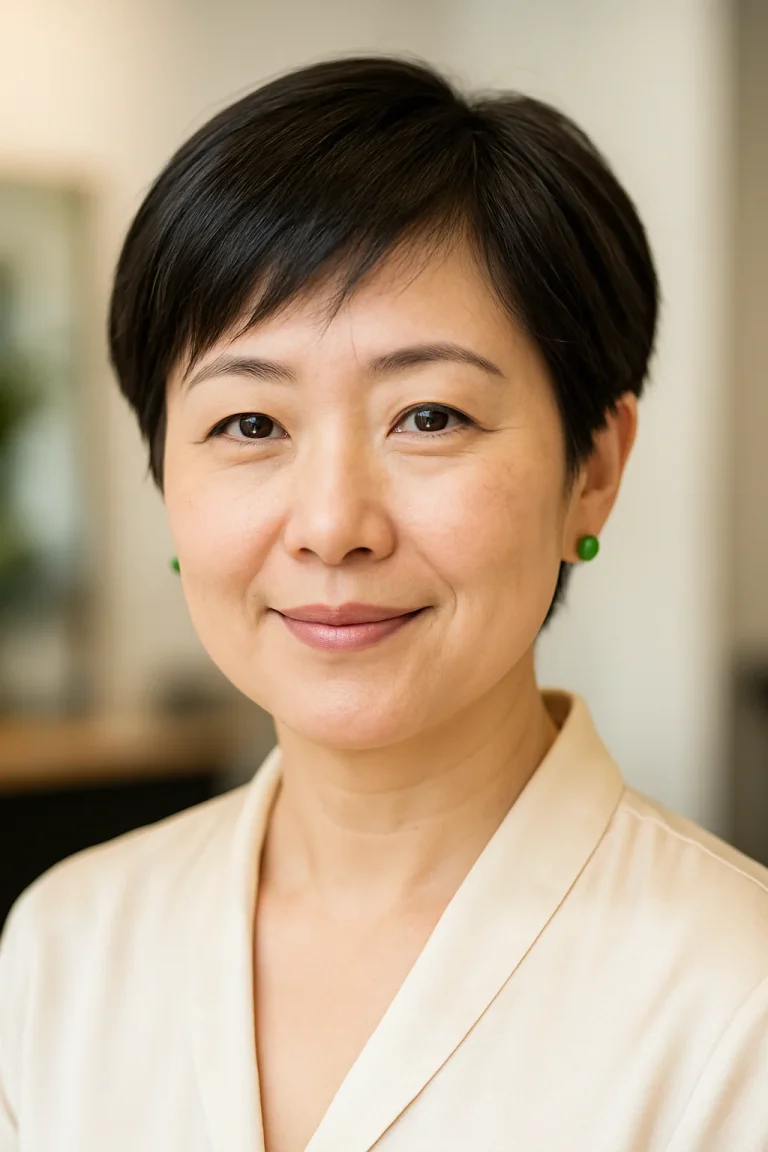
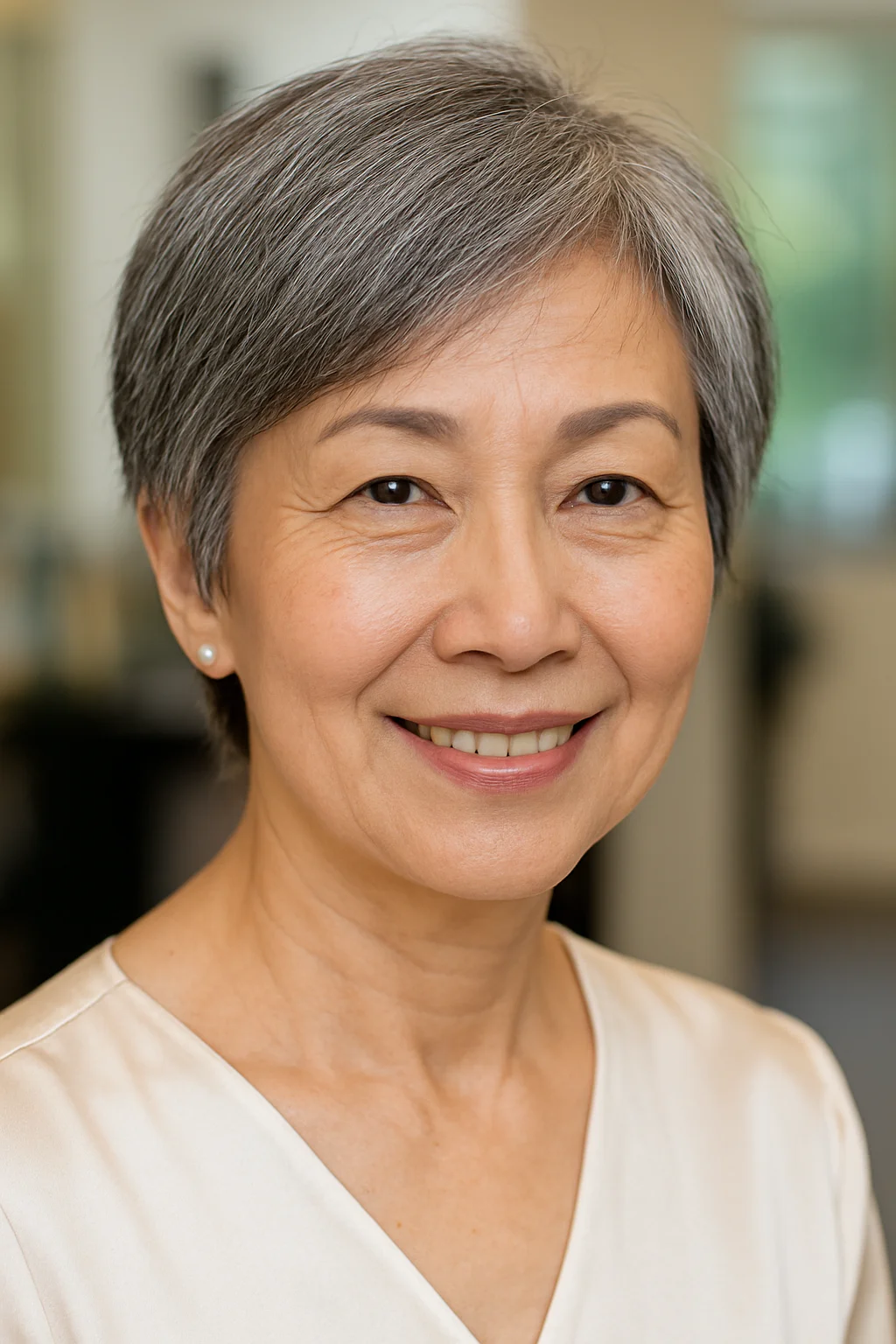
A classic pixie is defined by its uniform shortness on the sides and back, with a slightly longer, textured top that adds height directly above the crown. Unlike cuts that taper gradually or build length toward the front, the pixie stays close to the head almost everywhere, so the ear and neckline feel cool, smooth, and bare to the touch. The longer top section is the only part with real flexibility: it can be brushed forward into soft fringe, lifted straight up with the fingers for volume, or swept to one side.
Ask for soft, rounded edges at the crown rather than sharp, graphic lines if you want a gentler look. A pea-sized amount of light styling cream, rubbed between warm palms until it turns almost invisible, can add definition and a faint sheen without making fine hair look oily or weighed down, leaving strands touchably soft rather than sticky.
2. Tapered Crop
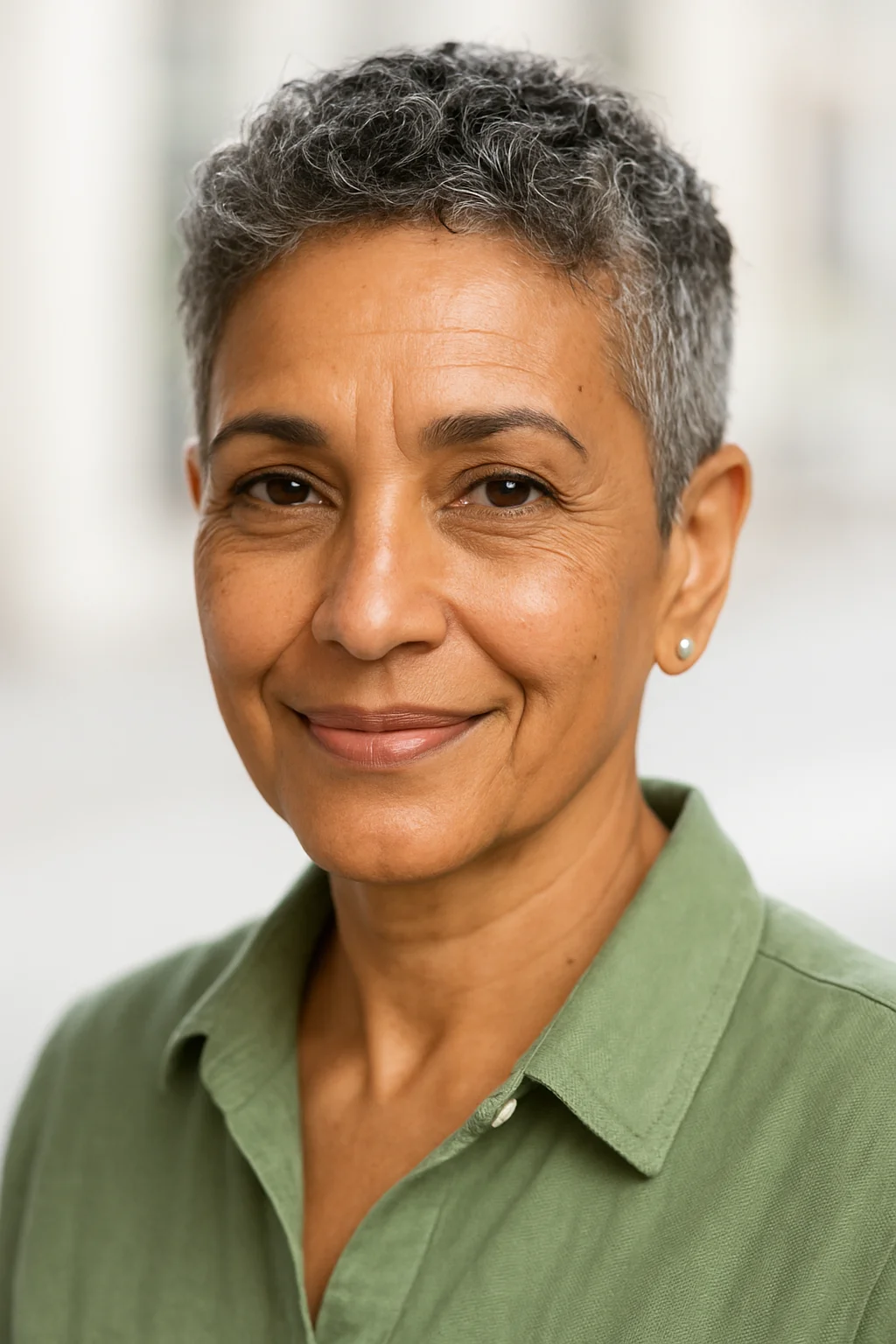
A tapered crop is distinguished by its gradual fade from very short at the neckline to longer at the crown, creating a smooth, unbroken transition rather than the pixie’s sharper contrast between top and sides. This tapering is what keeps the nape smooth and cool to the touch for weeks after a trim, since there is no defined line to grow out awkwardly. It is one of the best low maintenance short haircuts over 60 for straight or mildly wavy hair, because the taper itself, rather than the styling, does most of the shaping work.
If your hair is fine, ask your stylist to leave slightly more density at the front hairline rather than at the crown, since a tapered crop relies on that front fullness for shape. A fingertip of cream smoothed forward can lift this area into a soft, rounded touch of volume that catches the light without disturbing the taper underneath.
3. Short Shag
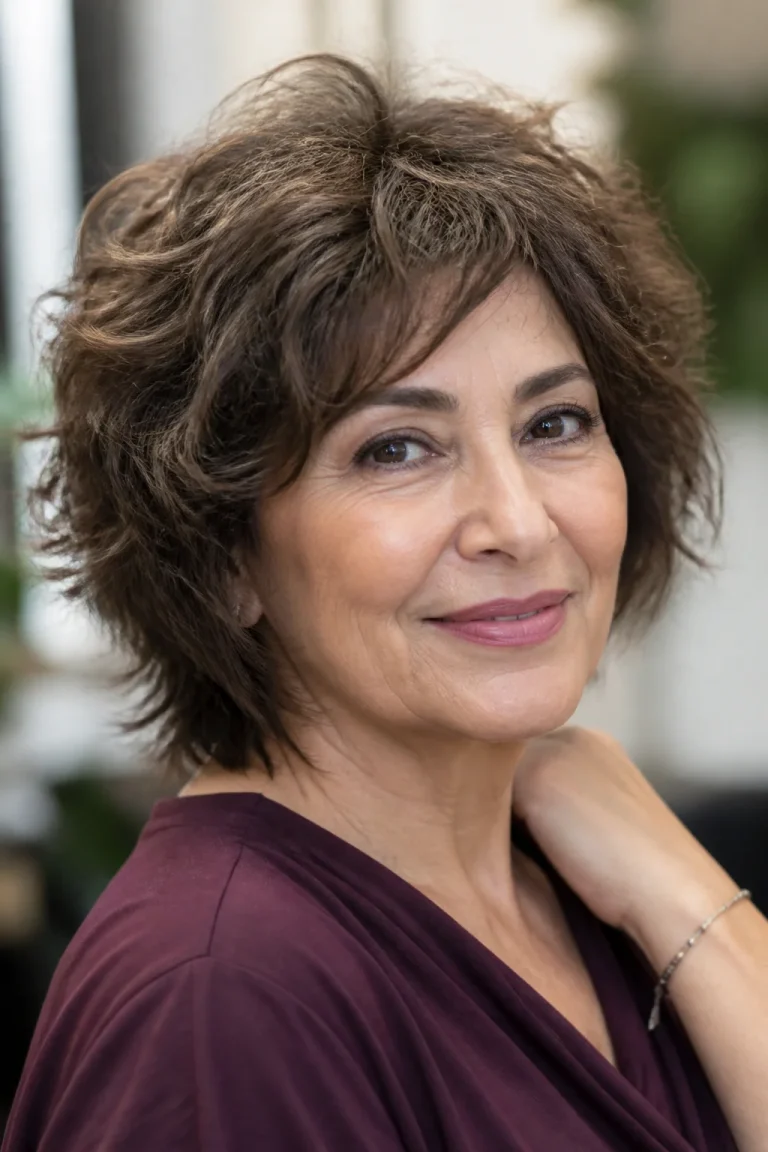
A short shag uses choppy layers around the crown, sides, and nape. It suits naturally wavy or lightly curly hair because the texture does much of the styling work for you. The layers create a breezy, feathered effect rather than a smooth, formal finish, with soft pieces that catch the light instead of lying flat, brushing lightly against the cheek in the wind.
For a wash and go result, apply a small amount of curl cream to damp hair, scrunch gently so it feels slightly sticky between the fingers, and let it dry naturally into loose, tousled waves that feel airy and springy. Avoid too many short layers if your hair is very fine, since excess layering can make the ends look thin and sparse.
4. Soft Wedge Cut
A soft wedge cut is shaped almost entirely through the back of the head rather than the crown or front, which sets it apart from the pixie, tapered crop, and layered crop. Shorter layers underneath are graduated so they push the outer layer up and out, giving the back a lifted, buoyant look without daily teasing or backcombing. The finish is smooth and structured, like a folded fan opening gently around the nape, sleek to the eye and soft under the fingertips, while the front and sides stay comparatively simple and closer to the head.
This back-focused lift works especially well for straight fine gray hair that falls flat without support. Ask your stylist to keep the outline soft and rounded at the base of the wedge so the shape does not look rigid or blocky as it grows out.
5. Chin Length Bob
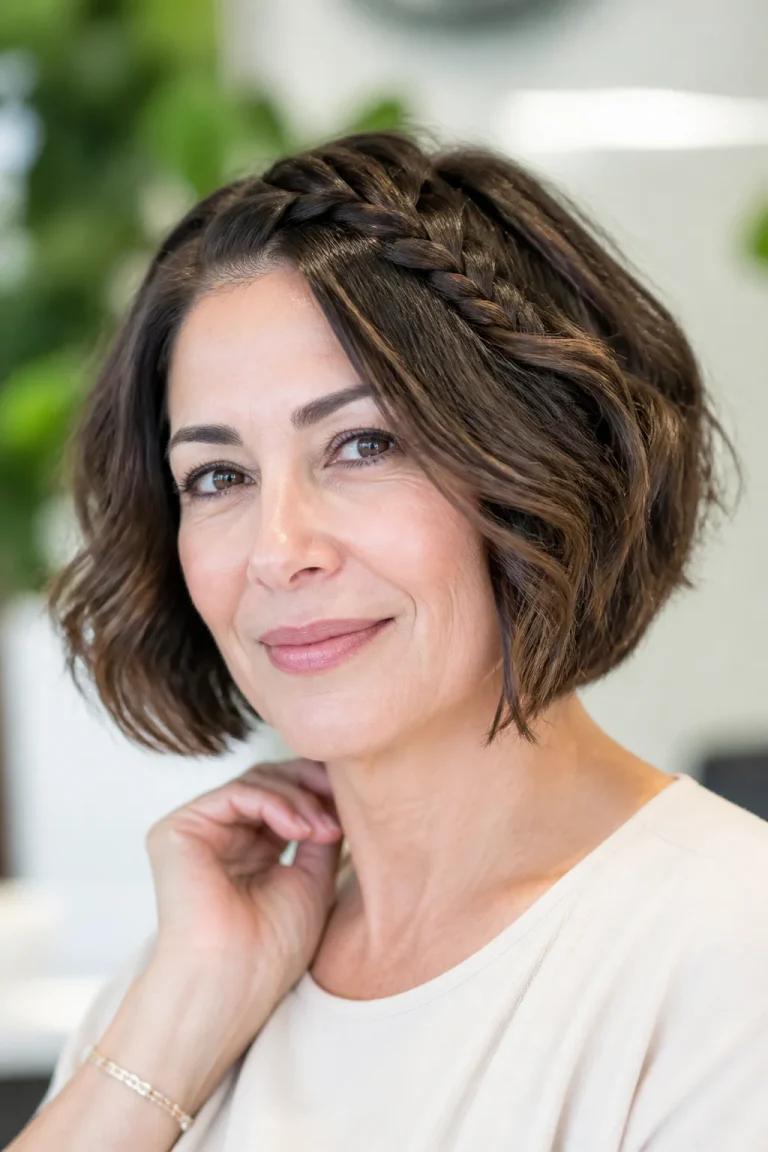
A chin length bob creates a clean line around the jaw. It usually needs little styling when the ends are cut well, since the weight of the hair falls into place on its own, swinging smoothly with each step and settling with a soft, audible swish against the collar. It can be worn straight, softly bent, or tucked behind one ear for a slightly asymmetrical touch. This option gives more coverage than a pixie while staying easy to wash and dry.
A slightly shorter back can add lift without turning the cut into a stacked bob. Use a side part when you want more movement and softness at the crown.
6. Short Curly Crop
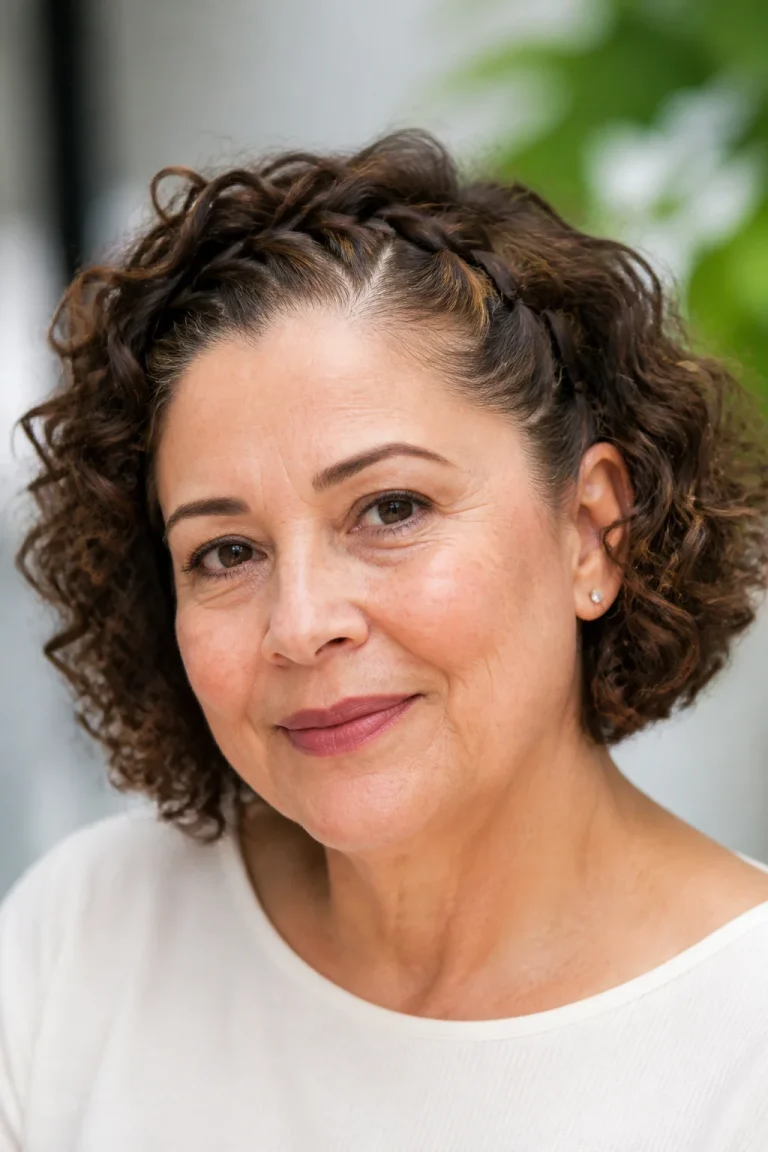
A short curly crop keeps the sides neat while allowing curls to remain longer through the top. It reduces bulk and helps curls spring into a clear, defined shape rather than clumping into a heavy mass. This is a practical choice for naturally curly hair that looks better with air drying than brushing.
The result can feel springy and light, like small soft coils framing the face, bouncy to the touch and glossy where the light hits each curl, faintly scented by whatever curl cream you use. Ask for dry cutting or curl-aware shaping when your stylist is familiar with textured hair, since curls often sit differently dry than wet.
7. Rounded Pageboy
A rounded pageboy has a smooth, curved outline that follows the head and often ends near the ears or jaw. It is distinct from a standard bob because the shape is fuller at the sides and more rounded through the ends, almost like a soft helmet of hair. The style suits straight hair and can make gray strands look glossy, orderly, and reflective under light, smooth enough to catch a shine with every turn of the head.
It needs regular trims to keep its outline clear and crisp. Daily styling is usually simple. A quick brush and a light smoothing product may be enough to bring back the shine and quiet any flyaways that crackle with static in dry weather.
8. Short Layered Crop
A short layered crop differs from the tapered crop and pixie in that the shaping happens throughout the entire head rather than at the neckline or crown alone. Uneven lengths are cut in overlapping sections from root to tip, which builds internal movement and texture rather than a single defined silhouette. This scattered layering is what helps reduce the flat, pancaked look that fine gray hair can sometimes have, since each layer has its own edge to catch light and lift slightly. The finish can be brushed neatly smooth or left slightly tousled and piecey for a relaxed look, soft strands falling loosely around the face.
Keep the layers moderate throughout, not just at the ends, if your hair is thin, since heavier layering in multiple spots can expose sparse patches at once. Ask for longer layers concentrated only around the face if you want softness without thinning the overall density.
9. Buzzed Short Cut
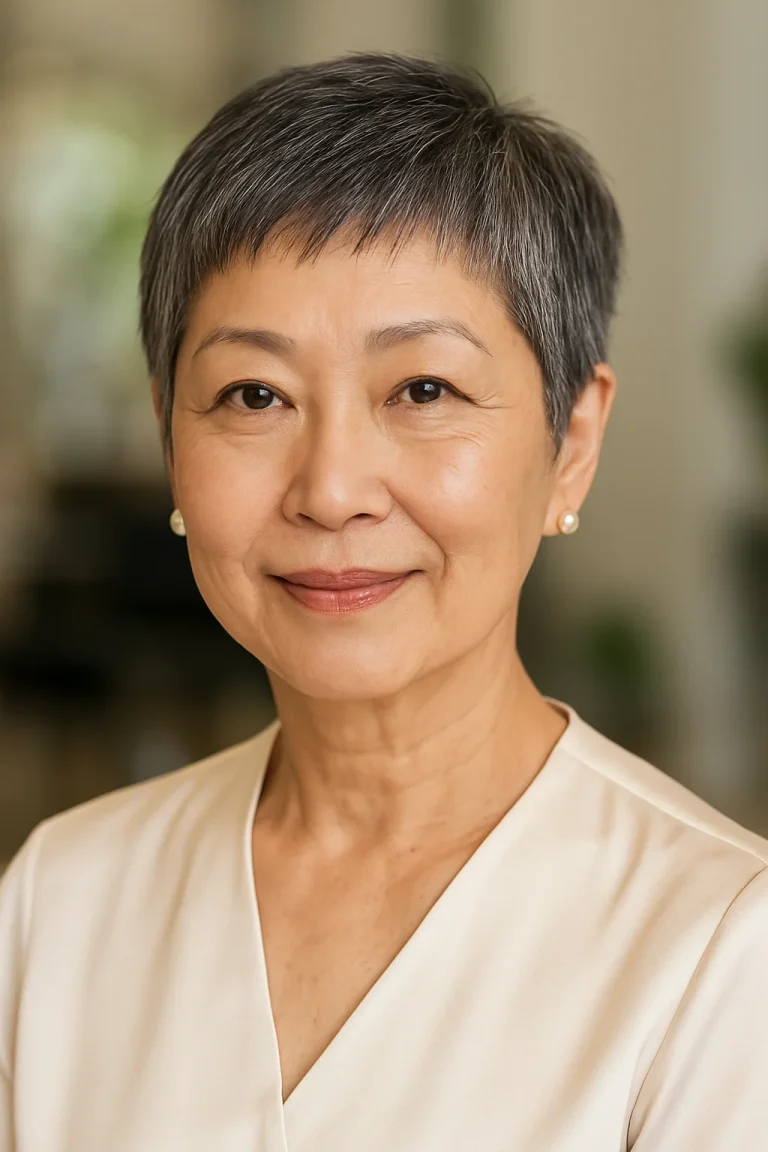
A buzzed short cut keeps the hair close and even, with little difference between the sides, back, and top. It is one of the simplest low maintenance options because there is almost no styling routine, no brushing, and no product needed. The shape highlights facial features, glasses, earrings, and natural gray color, letting the texture of the scalp and hair show through clearly, smooth and velvety beneath the palm, almost like brushed suede.
This cut needs regular clipper visits if you want to maintain the same length, since new growth becomes noticeably prickly to the touch within a few weeks. Choose a slightly longer guard first if you are unsure about going very short, since it softens the transition.
10. Short Asymmetrical Cut
A short asymmetrical cut has one side or front section longer than the other. The contrast adds visual interest without needing curls, height, or heavy products. It can work with straight, wavy, or lightly textured hair, and the uneven lengths catch light differently depending on how you move, brushing softly against one cheek and leaving the other side bare and cool.
The longer side may be swept across the face, tucked behind the ear, or shaped with a small amount of cream for hold. Keep the difference between the sides moderate if you want easier grow-out and fewer salon visits.
Bonus: Choose the Cut by Hair Type and Upkeep
For fine gray hair, compare the tapered crop in Entry 2, the soft wedge in Entry 4, and the short layered crop in Entry 8, since each solves the flatness problem in a different place. The tapered crop concentrates fullness at the front hairline and keeps the neckline smooth. The wedge lifts only the back of the head into a rounded, buoyant shape. The layered crop distributes movement and texture evenly from root to tip across the whole head.
For natural texture, the short shag in Entry 3 and short curly crop in Entry 6 are stronger choices than the sleek pageboy in Entry 7. They allow waves or curls to guide the shape, spring into place on their own with a light, bouncy feel, and support a wash and go routine with minimal handling.
Avoid choosing a style only because it looks short. A buzzed cut in Entry 9 has the least daily work but needs frequent trims to stay even and avoid a prickly regrowth stage, while the chin length bob in Entry 5 may grow out more gently and forgivingly over time. Bring photos and ask how the cut will look and feel as it grows, especially if salon visits need to stay spaced out.
Final Thoughts
The best low maintenance short haircuts over 60 make your natural texture work for you, not against it, and they account for how gray hair actually changes with age: finer strands, a rougher cuticle that scatters light, and slower regrowth. A tapered crop or wedge can add shape and lift to fine gray hair in different places on the head. A shag or curly crop can support easy air drying with visible, springy texture you can feel spring back under your fingers. If you want the least styling, choose the buzzed cut or a neat pixie. If you prefer more coverage, consider the chin length bob or rounded pageboy, both of which can look smooth and glossy with minimal effort. Focus on your daily routine, not just the first-day salon finish, since that is what you will see, touch, and live with every morning.