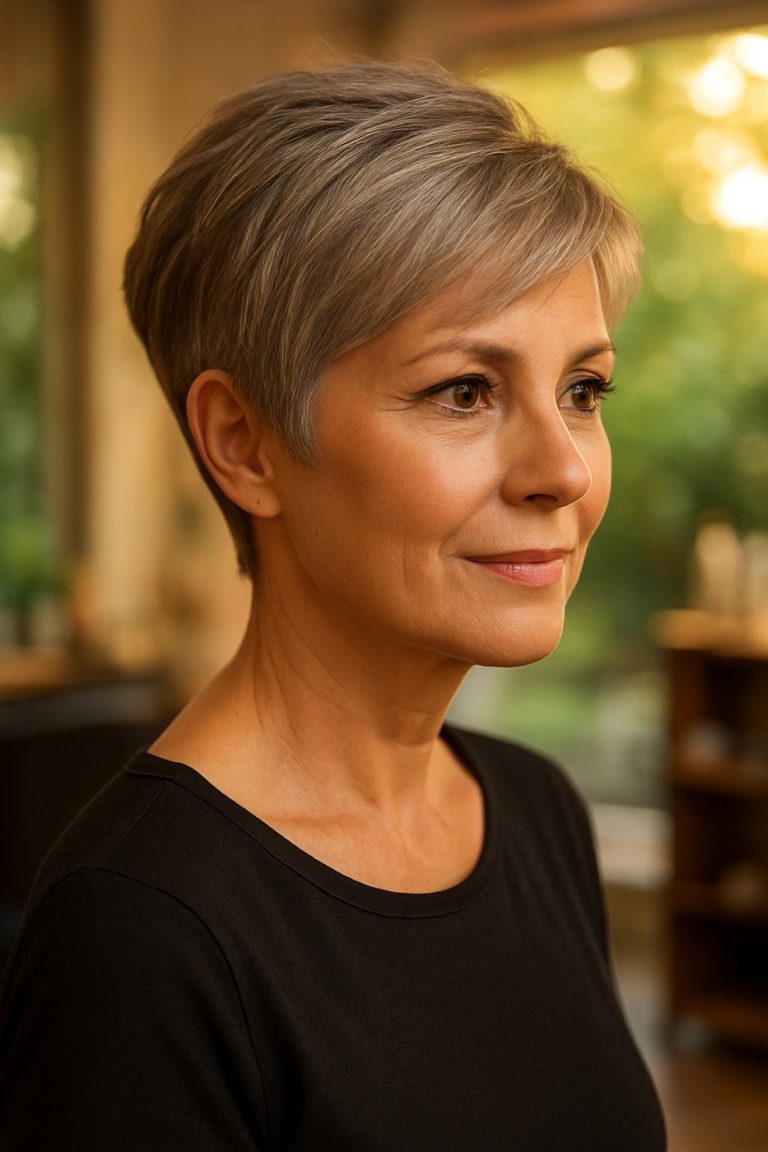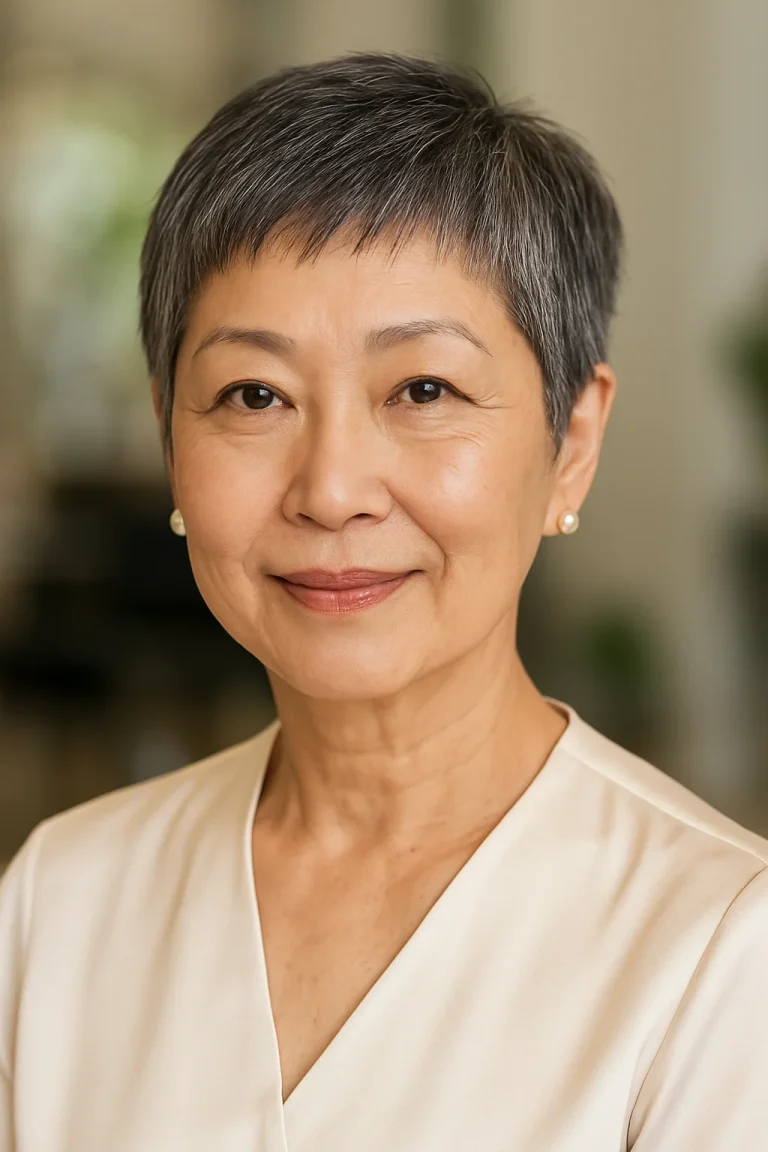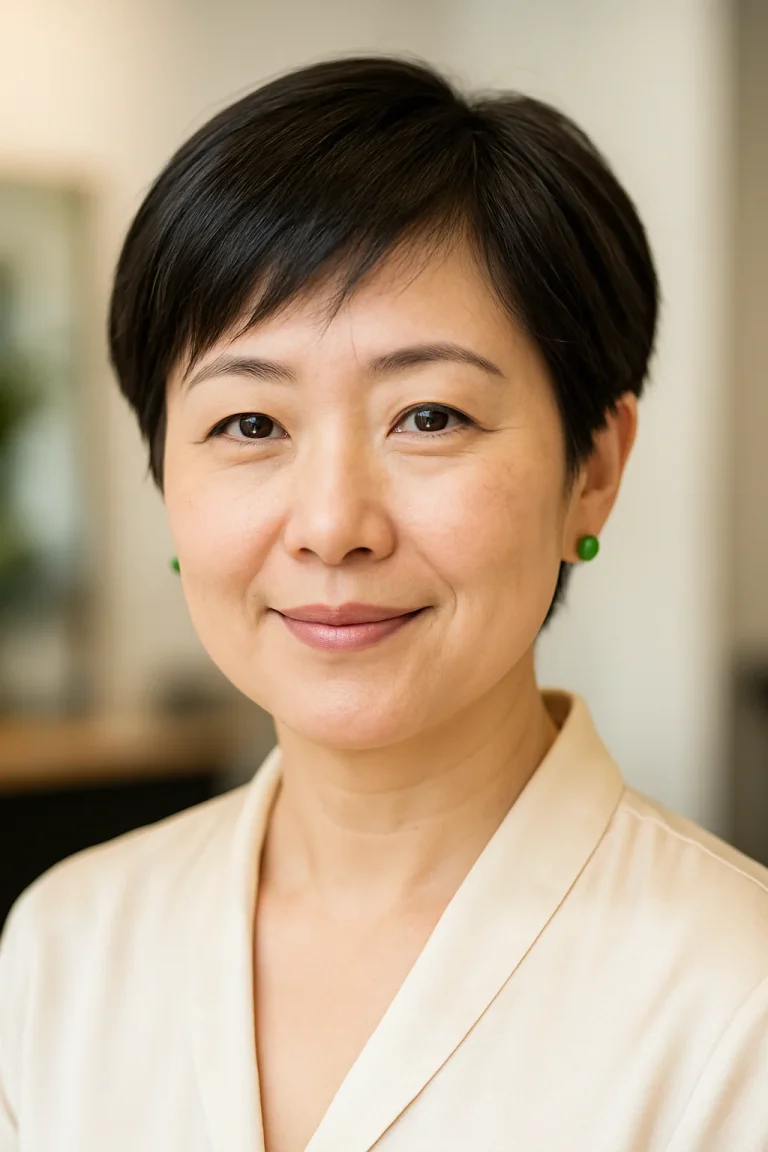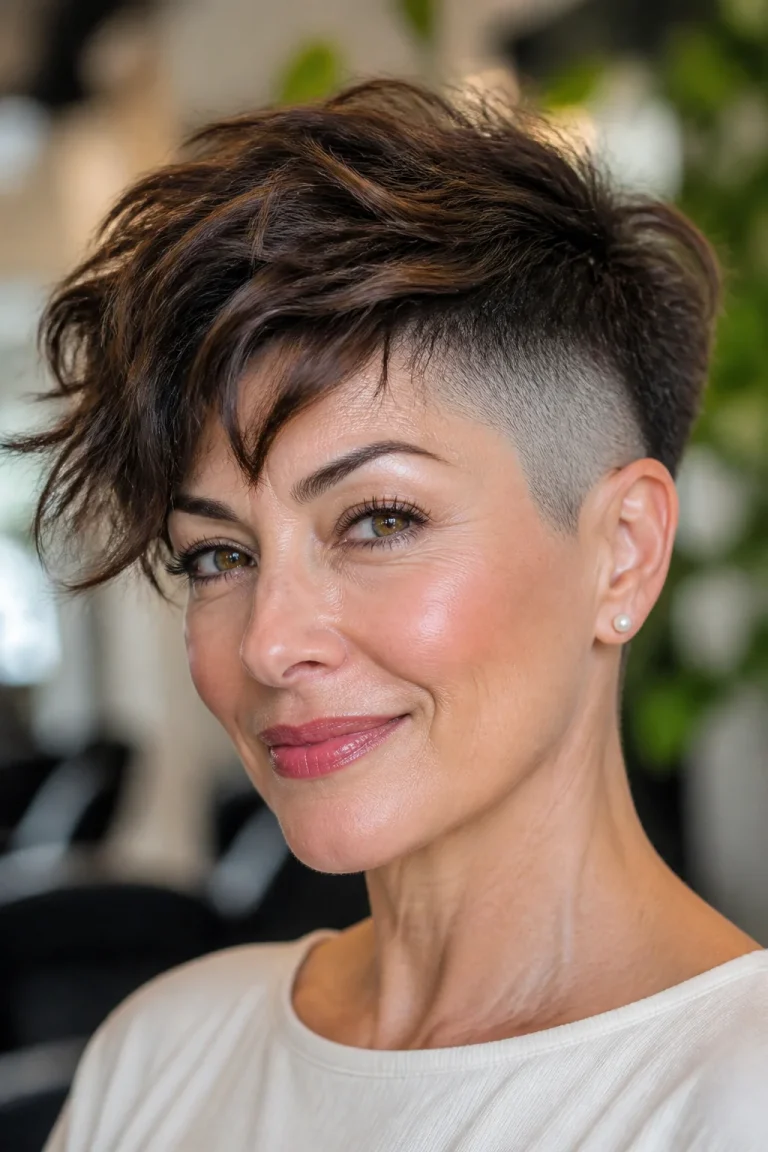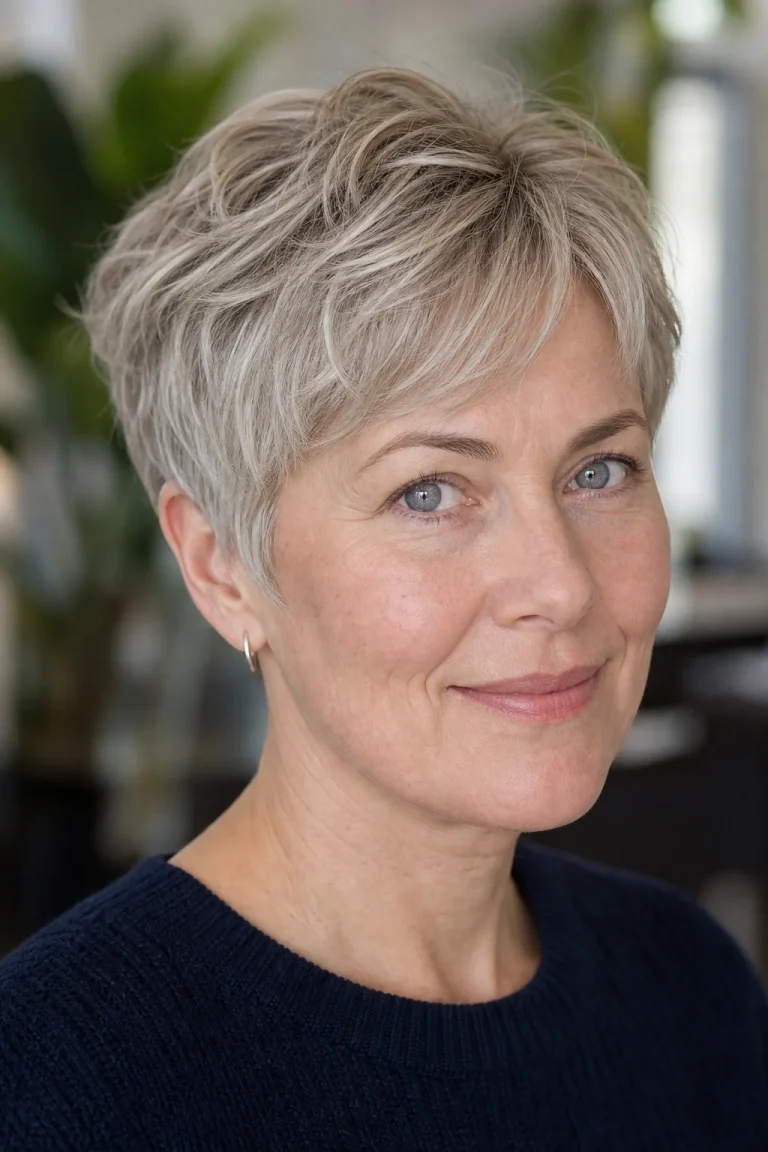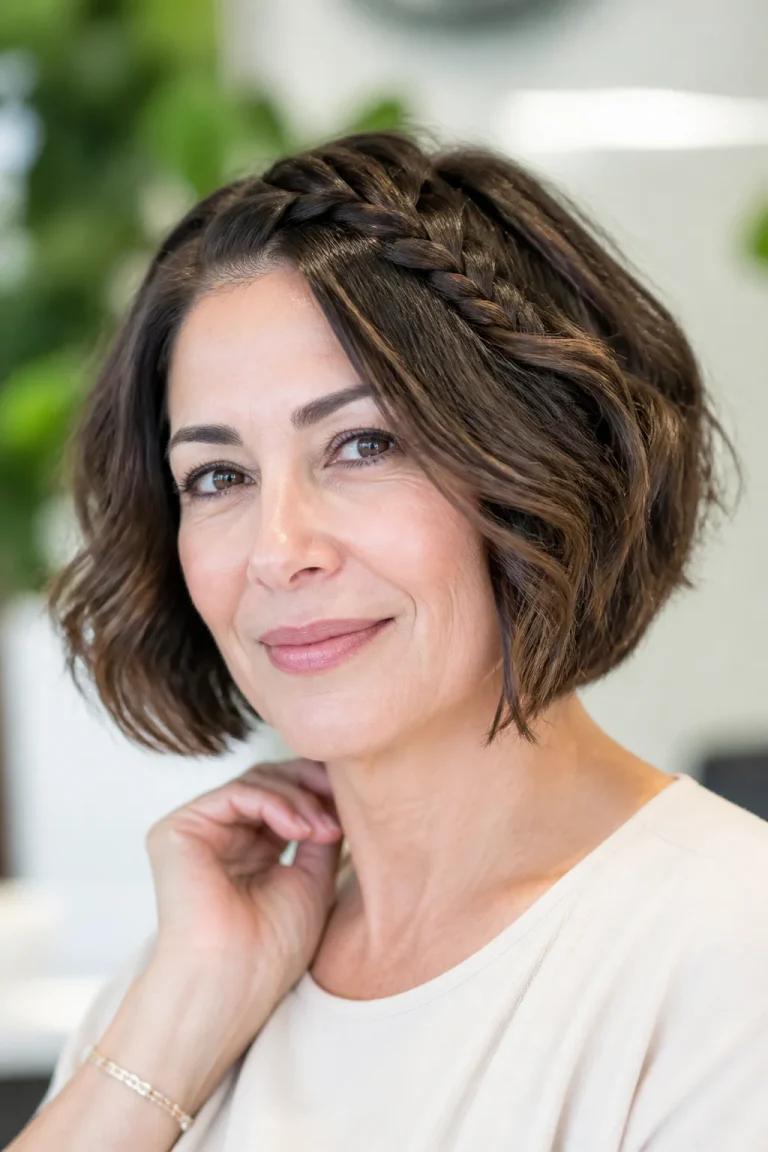
Hair can change in texture, fullness, and movement after 40, so the best cut should offer shape without creating extra work. A good bob can frame the face, lift the roots, and make fine or thick hair easier to style. The right length also helps you keep the look polished while leaving room for waves, curls, or a smooth finish. These bob haircuts for women over 40 range from short and sharp to soft and collarbone-skimming, with clean lines, airy layers, natural texture, and options suited to different face shapes. Some styles call for a bold change, while others keep familiar length around the front. Bring a saved photo to your stylist and discuss your hair density, natural bend, and daily routine before choosing.
1. Classic Blunt Bob
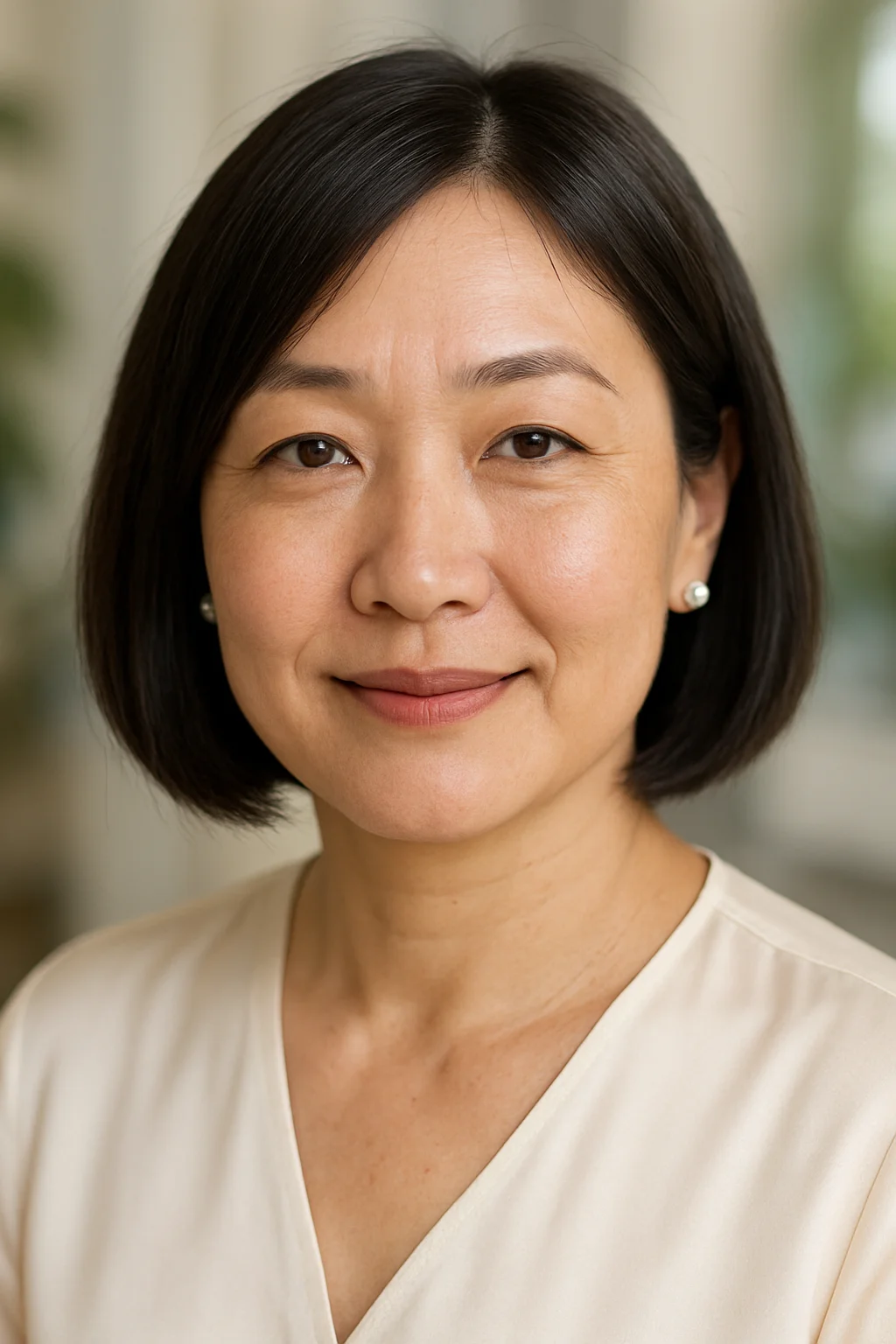
A classic blunt bob ends at one clean line, usually between the jaw and chin. It gives fine hair a denser outline and keeps the style neat without many layers. This cut works well with a center part or a soft side part, feeling like a crisp white shirt for your hair: simple, polished, and easy to dress up.
2. Graduated Bob
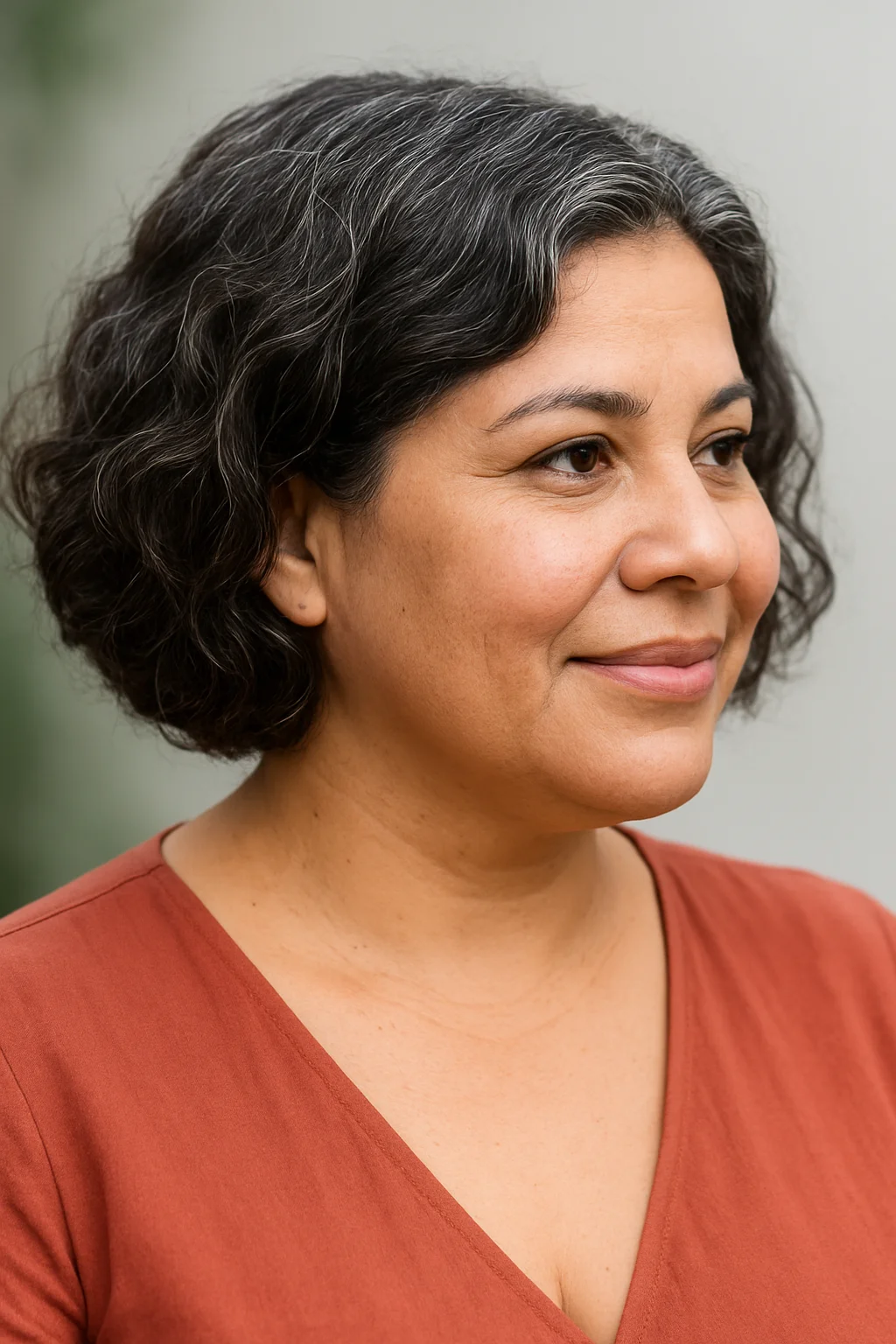
A graduated bob is shorter at the back and gradually longer near the front. The stacked shape adds lift around the crown without requiring heavy styling, and it suits straight, wavy, and moderately thick hair. Ask for a soft graduation if you want movement instead of a strongly stacked finish.
3. Collarbone Lob
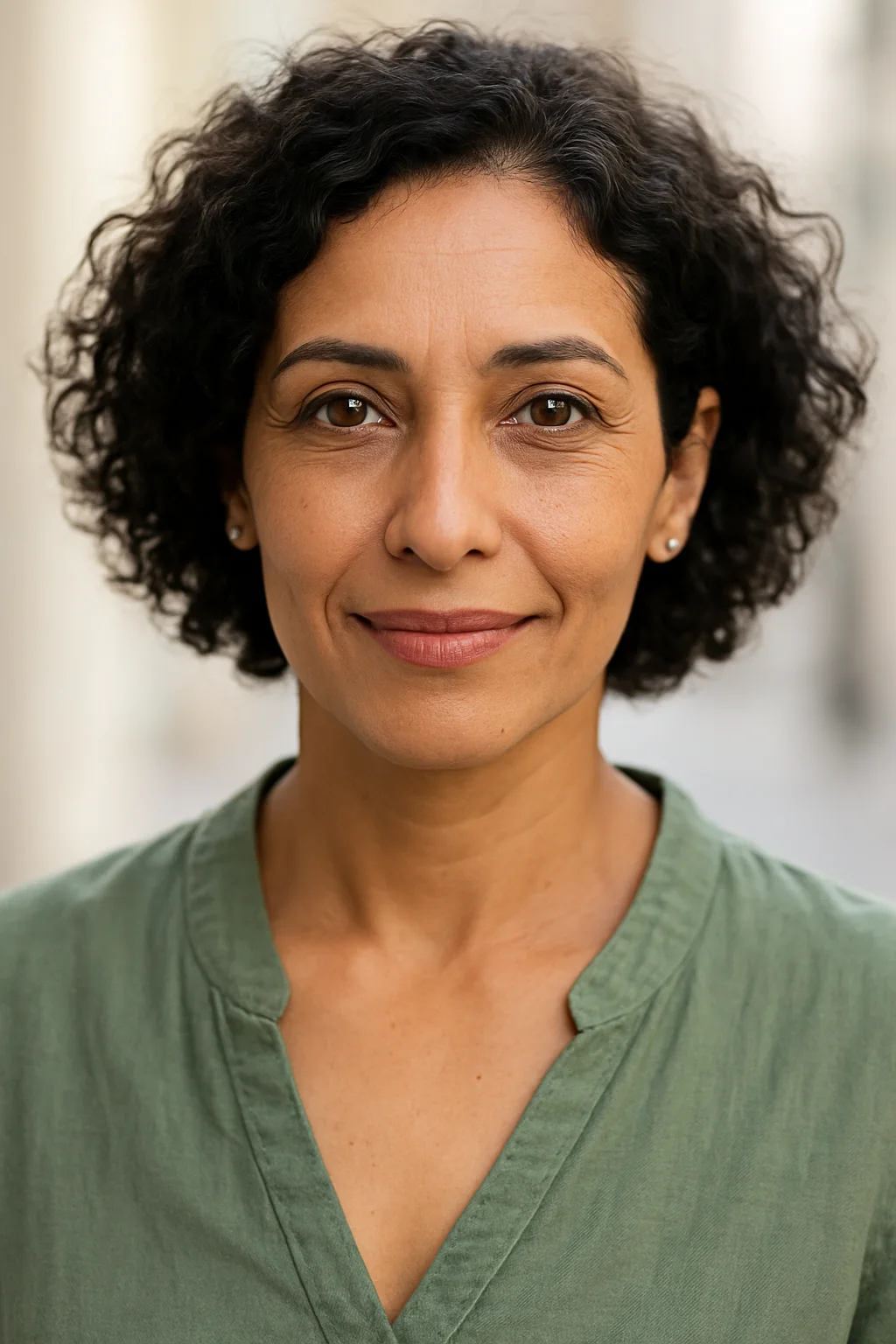
The collarbone lob offers more length than a traditional bob while still keeping a defined shape. Wear it straight, curled, or pulled into a small low ponytail. This length is a good option if you are not ready for a short cut. For a softer outline, request barely visible layers around the ends.
4. French Bob With Full Bangs
A French bob usually sits near the jaw and pairs with full bangs that touch the brow or skim just above it. The shape has a stylish, slightly undone quality and suits naturally straight or wavy hair, like a soft beret translated into a haircut, with a compact outline and playful finish. Keep the ends lightly textured if you want the style to feel less rigid.
5. A-Line Bob
An A-line bob is shorter in the back and angles down toward the front, creating a clear diagonal shape. It gives the haircut structure while leaving extra length near the face, and it can help create the appearance of a longer neckline. A side part adds more lift when the hair feels flat at the roots.
6. Chin Length Bob
A chin length bob ends at or just below the chin, making it a strong choice for a defined jawline. It can be blunt for a modern finish or lightly softened at the ends, and it highlights the neck well with earrings or glasses. Keep the front slightly longer if you want a more lengthening effect around the face.
7. Soft Shag Bob
A soft shag bob combines a bob outline with loose layers through the crown and sides. The result has movement without the heavy, choppy finish of a full shag, similar to wind-shaped hair that still has a clear cut underneath. Use a light styling cream to bring out bends and separate the ends.
8. Asymmetrical Bob
An asymmetrical bob has one side longer than the other, with the difference ranging from subtle to bold. It adds visual interest without relying on bangs or heavy layering, and the uneven line also works well with a side part. A mild angle makes a wearable first version, especially if you usually choose balanced cuts.
9. Curly Bob With Rounded Shape
This bob is shaped around the natural curve of curls, creating a rounded silhouette from the crown to the ends. Proper curl-by-curl shaping helps prevent a triangle effect. The length can sit near the cheekbone, jaw, or neck depending on shrinkage, so let your stylist see your hair dry before deciding on the final length.
10. Italian Bob
An Italian bob has a fuller, heavier outline with enough length to create a rich, smooth shape. It often sits near the jaw or neck and looks polished with a center part, its dense finish similar to a thick silk ribbon folded into a clean curve. Keep the layers minimal if your goal is fullness.
11. Side-Swept Bob
A side-swept bob uses a strong side part and longer front pieces that flow across the forehead. The cut can be blunt, softly layered, or slightly graduated at the back, adding movement around the face and making thin hair appear more lifted. Blow-dry the front section away from the part for extra volume.
12. Bixie Bob
A bixie bob sits between a bob and a pixie, with short sides, a longer top, and a softly tapered neckline. It gives you the shape of a bob without the weight of a longer perimeter, suiting anyone who wants a shorter, low-maintenance style with room to change the texture. Ask for enough length on top to tuck behind the ear or sweep across the forehead.
13. Angled Bob With Face-Framing Pieces
This angled cut keeps a strong bob shape while adding longer pieces around the cheekbones and jaw. The front sections can soften a square jaw or add focus to the center of the face, and compared to a fully blunt bob, it offers more movement near the front. A small amount of texturizing at the ends prevents the angle from looking too heavy.
14. Wavy Bob With Invisible Layers
Invisible layers remove weight from inside the haircut while keeping the outside line smooth. This lets natural waves move without making the ends look thin, and the style works at chin, jaw, or neck length. Consider this option when your hair needs movement but you still want a tidy outline.
15. Rounded Bubble Bob
A bubble bob has curved sides, a softly lifted crown, and ends that turn inward. It creates a full shape without needing dramatic stacking at the back, and the silhouette looks polished on straight hair and playful on loose waves. Use a round brush or large rollers to support the curved finish.
16. Micro Bob
A micro bob ends above the chin, often near the cheekbone or middle of the ear. It brings attention to the eyes, cheekbones, and neckline, so it suits anyone ready for a confident change, working like a small, clean frame around the face. Keep the perimeter sharp for a modern look, or add slight texture for a softer finish.
17. Layered Bob With Curtain Bangs
This layered bob has movement through the mid-lengths and curtain bangs that open around the face. The bangs can be short near the center and longer at the temples, a combination that adds softness while keeping enough length for styling options. Ask for the shortest bang point to land where you feel comfortable maintaining it.
18. Inverted Bob With Tapered Neckline
An inverted bob has a raised back and longer front, while the tapered neckline keeps the rear edge clean. It creates a lifted profile and works well for medium to thick hair, and the shape can be subtle or strongly angled. Keep the front length near the jaw if you want a classic finish rather than a dramatic one.
19. Feathered Bob
A feathered bob uses light, outward-moving layers around the face and ends. It adds softness and works especially well with a side part or a gentle blowout, with the ends opening away from the face for a light, airy outline. This is a useful choice when you want movement without a heavily choppy texture.
20. Coily Bob With Defined Shape
A coily bob can be shaped at the jaw, cheekbone, or neck while keeping the natural coil pattern visible. The best outline follows the way the hair shrinks and expands, so dry cutting or careful length planning may help. Keep the layers intentional to avoid excess width at one point, and use a moisturizing styler to help the coils group into a clear shape.
21. Razored Bob
A razored bob has feathered ends and a lighter edge instead of a solid, blunt line. It creates movement in straight, wavy, and fine hair without adding obvious short layers, as if the ends have been softly brushed apart rather than cut into a hard block. Avoid too much razor work if your hair is fragile or prone to frizz.
22. Jaw-Length Bob With Wispy Bangs
This jaw-length bob keeps the main shape simple while wispy bangs add a light detail across the forehead. The bangs can be swept aside or separated slightly in the center, softening the look without the full weight of a thick fringe. Keep the bang ends longer at first, since they can be shortened after you see how they fall.
Bonus: Choosing the Right Bob
Use your hair type and styling habits to narrow the list:
- For fine hair: Choose the Classic Blunt Bob, Italian Bob, or Bubble Bob for a fuller-looking edge.
- For thick hair: Try the Soft Shag Bob, Wavy Bob With Invisible Layers, or Razored Bob to remove weight.
- For curls and coils: The Curly Bob With Rounded Shape and Coily Bob With Defined Shape support natural texture.
- For a longer, safer change: Start with the Collarbone Lob or Angled Bob With Face-Framing Pieces.
- For a bold short cut: Consider the Micro Bob or Bixie Bob.
- For softer facial framing: Look at the Layered Bob With Curtain Bangs or Jaw-Length Bob With Wispy Bangs.
- For a lifted back: The Graduated Bob and Inverted Bob With Tapered Neckline create the most height.
Avoid choosing a cut only from a front-view photo. The side and back shape matter just as much, especially with graduated, angled, and asymmetrical designs. Bring two or three references and point out the length, texture, and styling details you want. The best bob haircuts for women over 40 should match your natural hair behavior and the amount of daily styling you are willing to do.