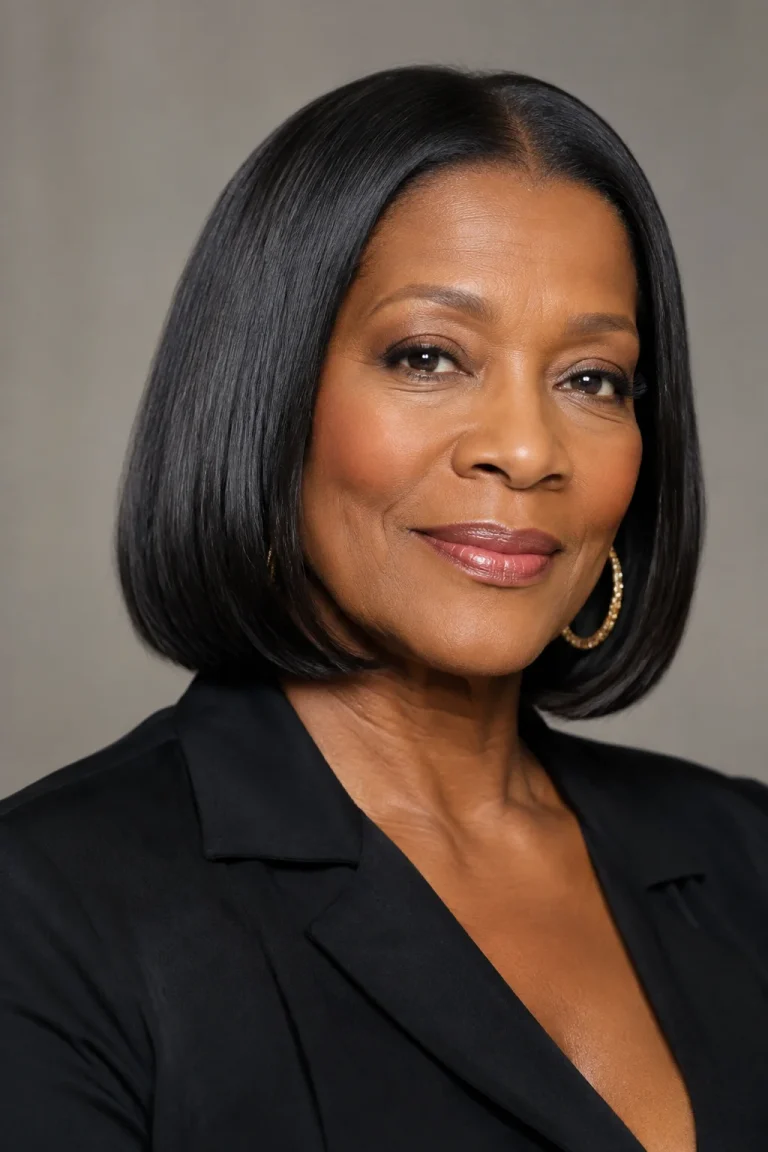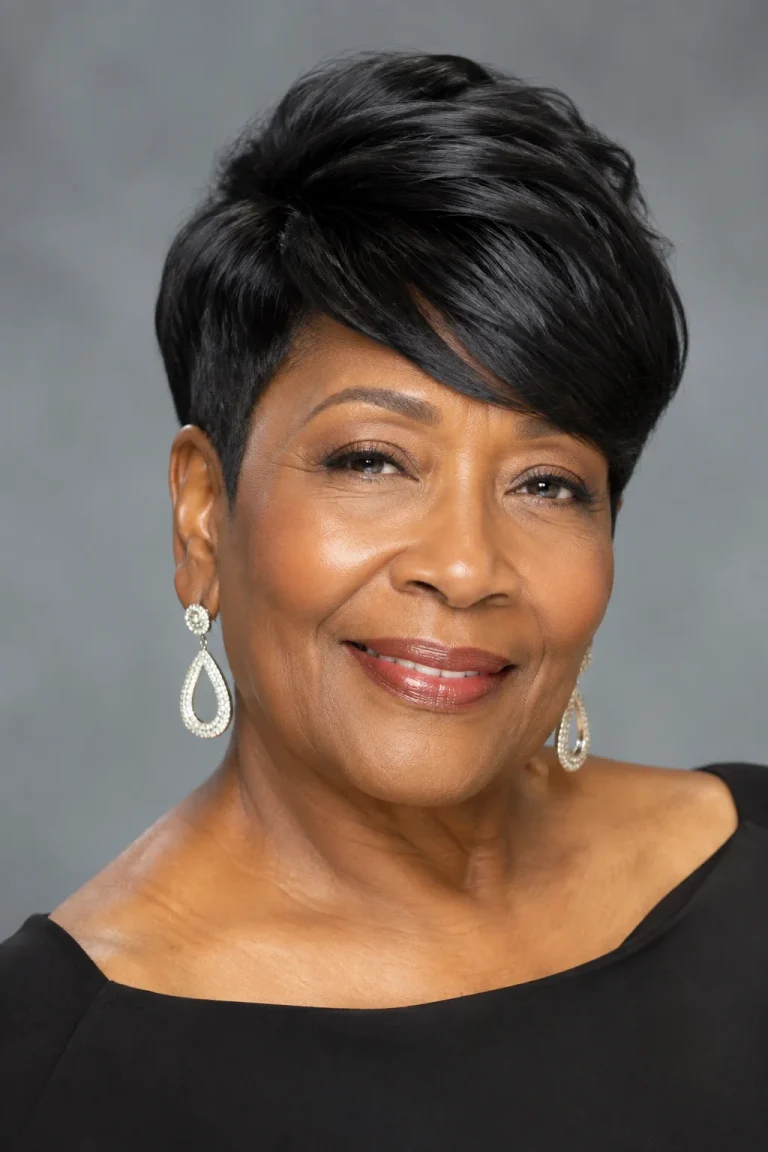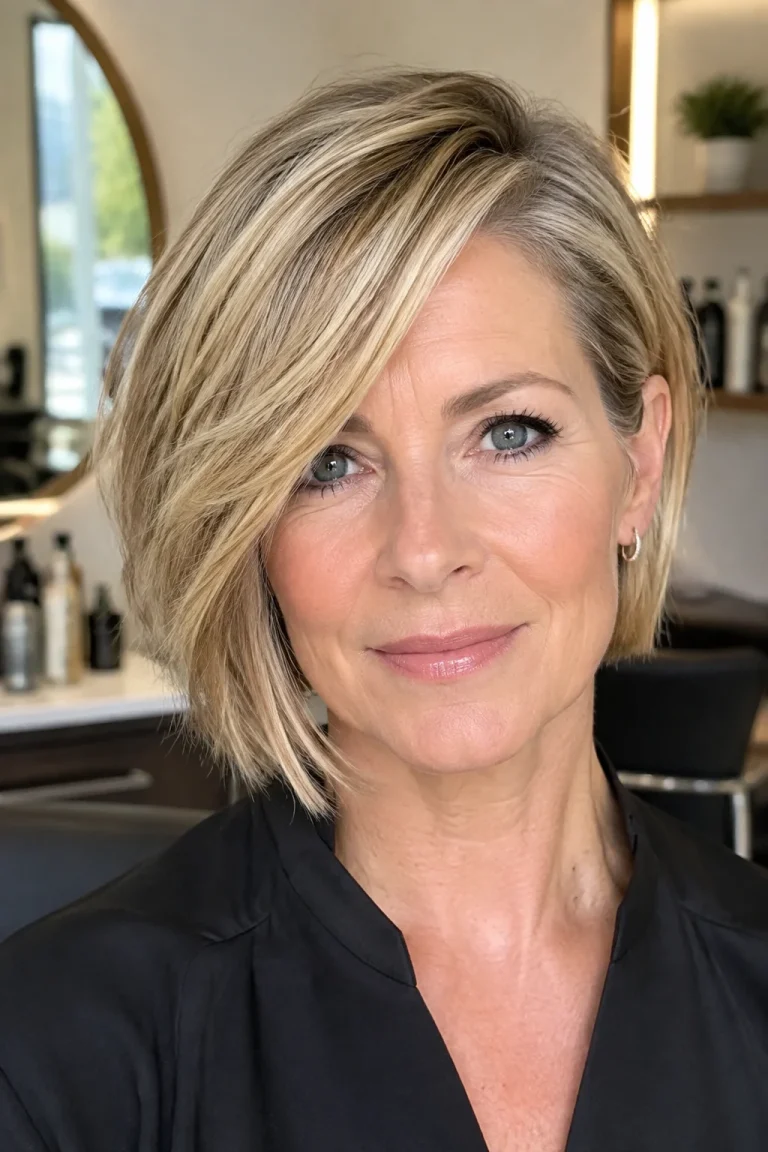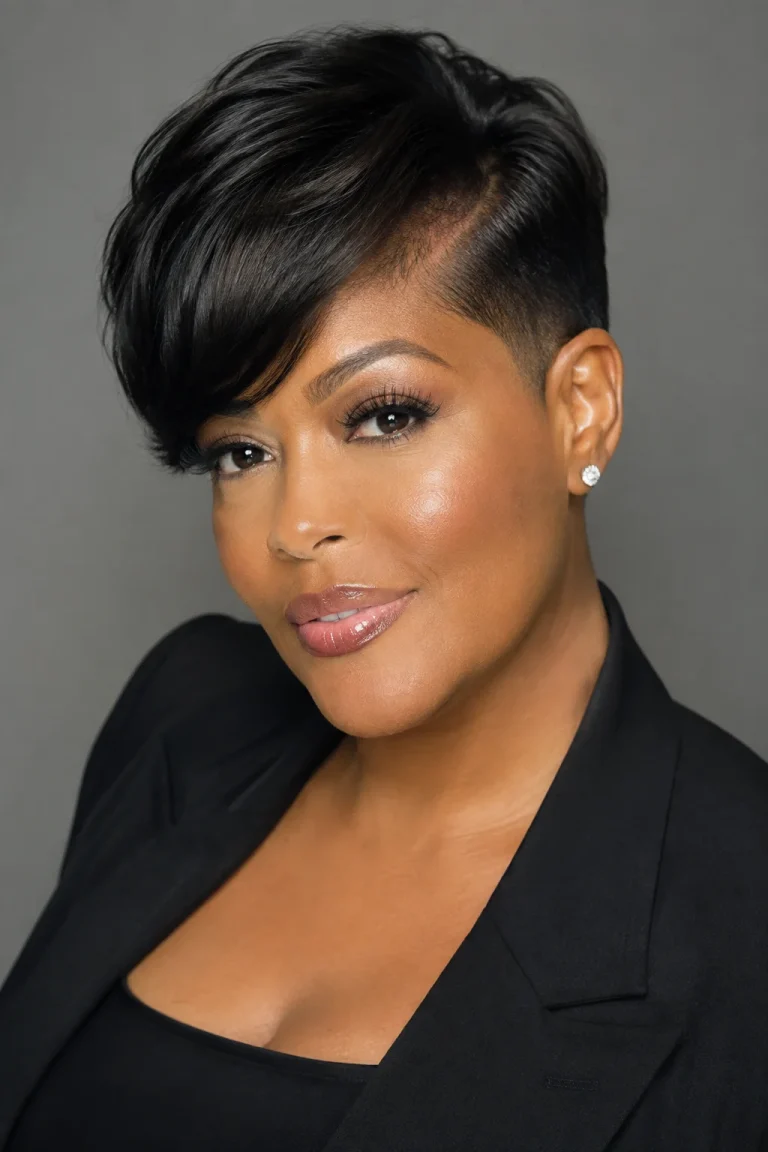
Hair changes a lot after 70. It might be thinner than it used to be, or drier, or it just doesn’t hold a style the way it once did. That’s not a problem to hide from. It’s something a good cut can work with instead of against. Shoulder length layered haircuts for women over 70 hit a sweet spot: long enough to pull back or style softly, short enough to skip hours of upkeep. Layers add movement where hair might otherwise sit flat, and they soften the face in a way that a blunt, heavy cut usually can’t. Below are 23 different ways to wear this length, from soft and romantic to choppy and bold. Bring a photo or two to your next appointment and talk through which of these fits your texture, your face shape, and how much time you actually want to spend on your hair each morning.
Soft Layers with Face-Framing Waves
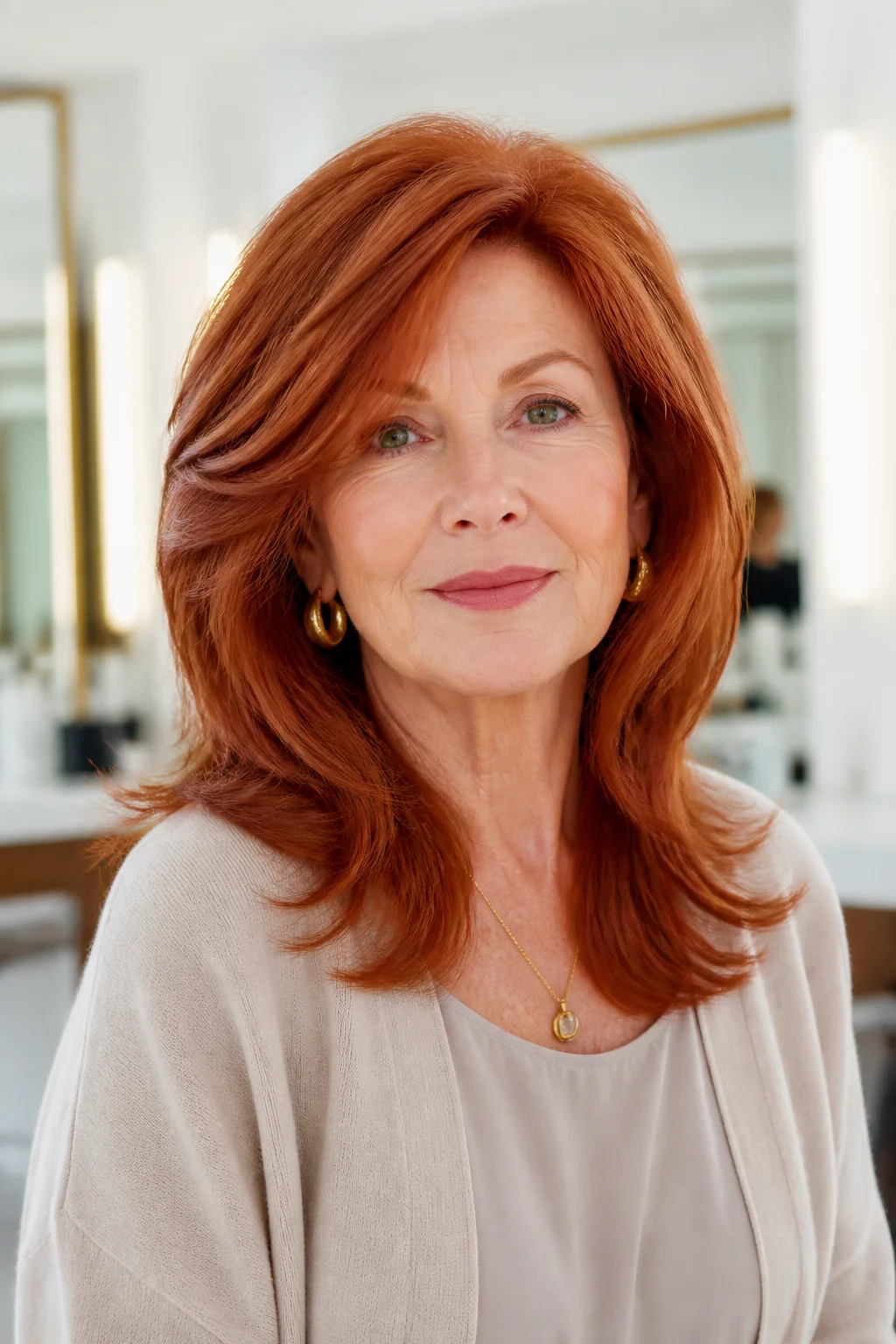
This cut keeps most of the length intact while adding soft layers around the face that catch light and movement. The waves don’t need to be tight curls, just a loose bend from a curling iron or foam rollers. It works especially well for thinner hair because the layering creates the illusion of fullness without cutting away too much weight. Round or square face shapes benefit most, since the face-framing pieces soften strong jawlines. Tip: ask your stylist to keep the layers long, starting no higher than the cheekbone, so the frame stays gentle rather than choppy. A light mist of heat protectant before styling helps the finish last.
Textured Shag with Choppy Layers
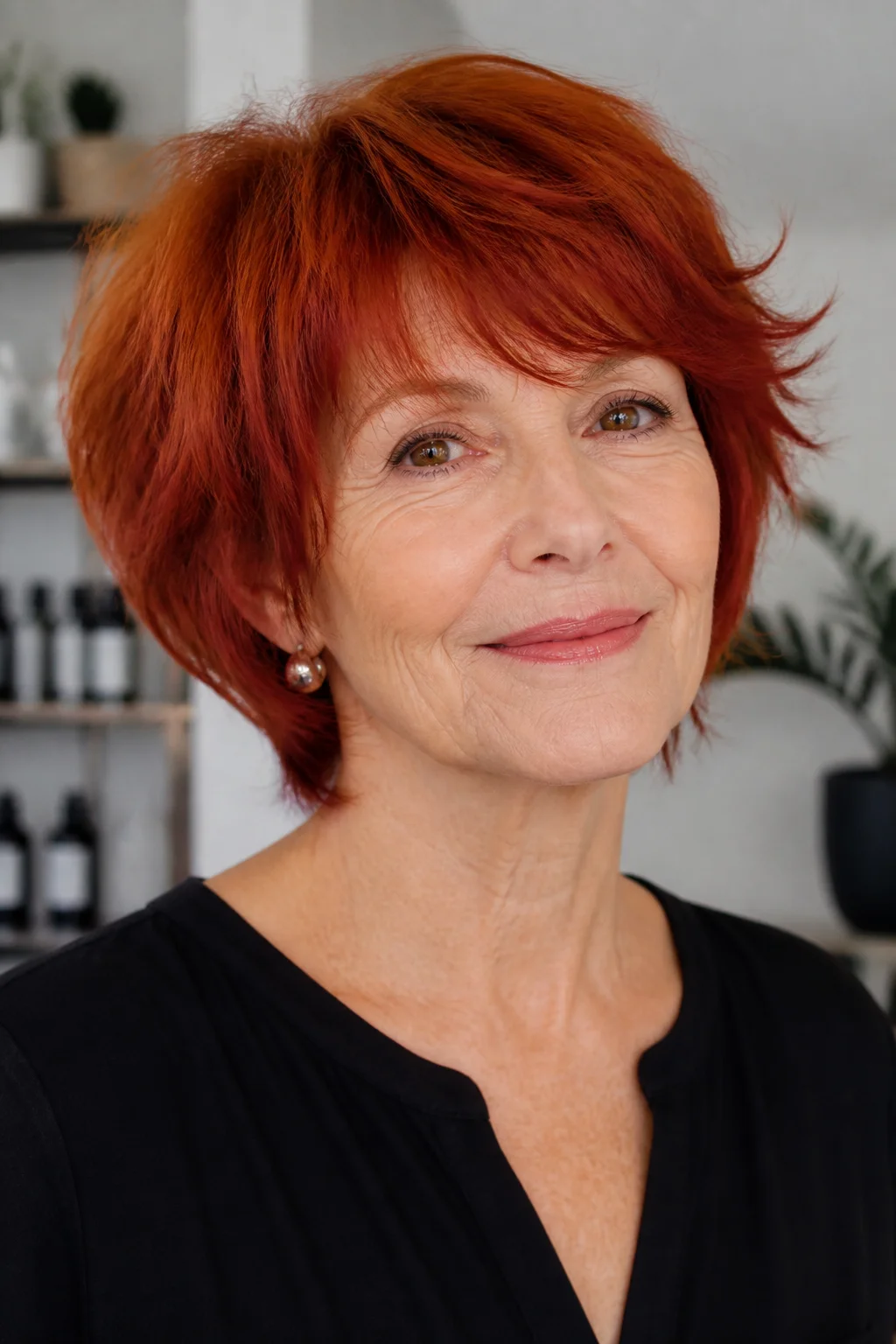
The shag has come back around, and it looks great on women who want a little edge without going short. Choppy layers throughout the length break up thick or straight hair that tends to look heavy otherwise. This version leans messy on purpose. You style it with fingers and a little texture spray rather than a brush, which cuts down on daily styling time. A light mist of heat protectant before styling helps the finish last. A light mist of heat protectant before styling helps the finish last.
Long Layered Bob with Flipped Ends
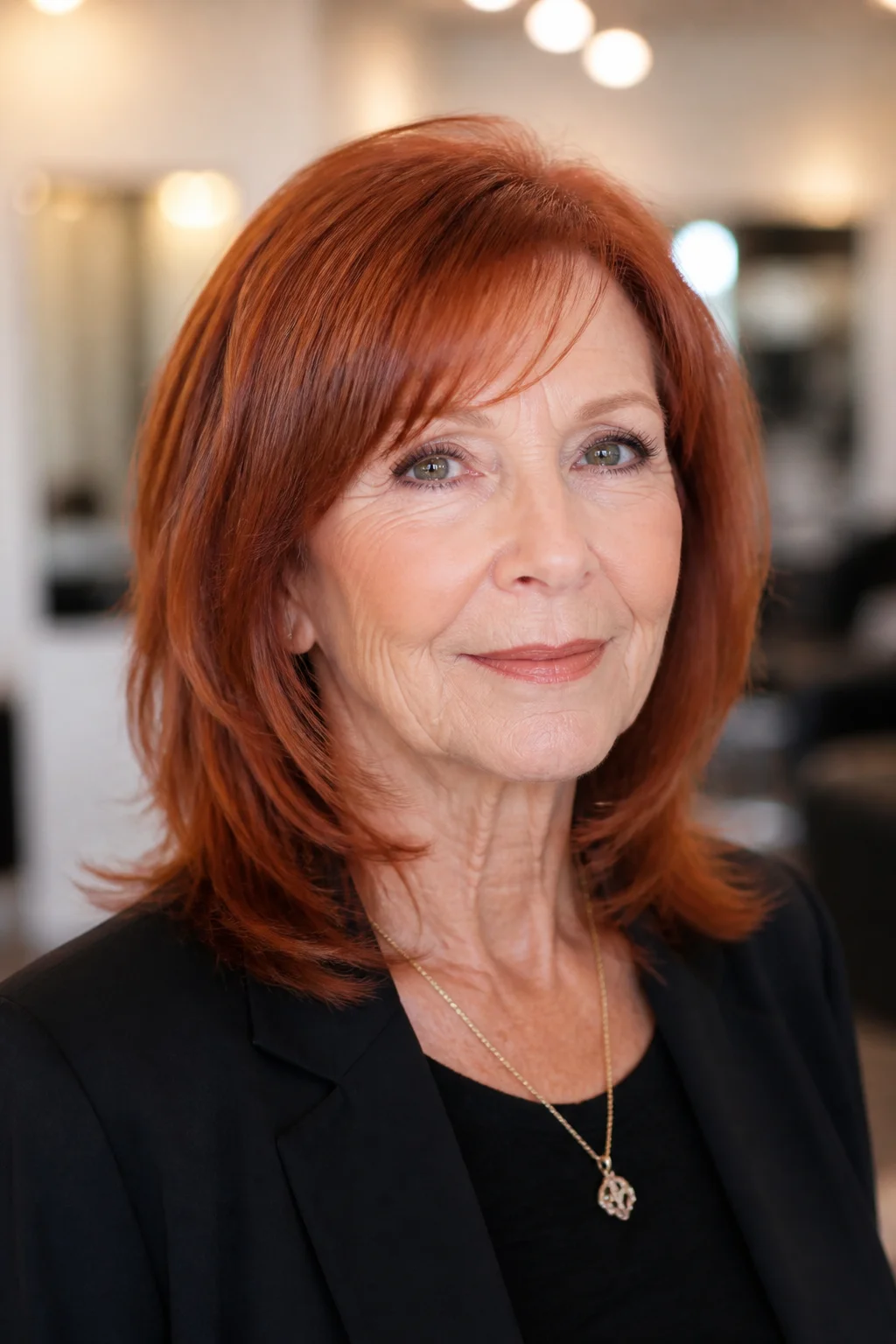
A long bob that hits right at the shoulder gets new life when the ends are cut to flip outward instead of curling under. This flip happens naturally with a round brush and blow dryer, or with a flat iron turned outward at the last inch. Layers underneath keep the flip light instead of stiff. It reads polished for daytime events but relaxes easily for casual days when you just let it air dry.
Feathered Layers Throughout
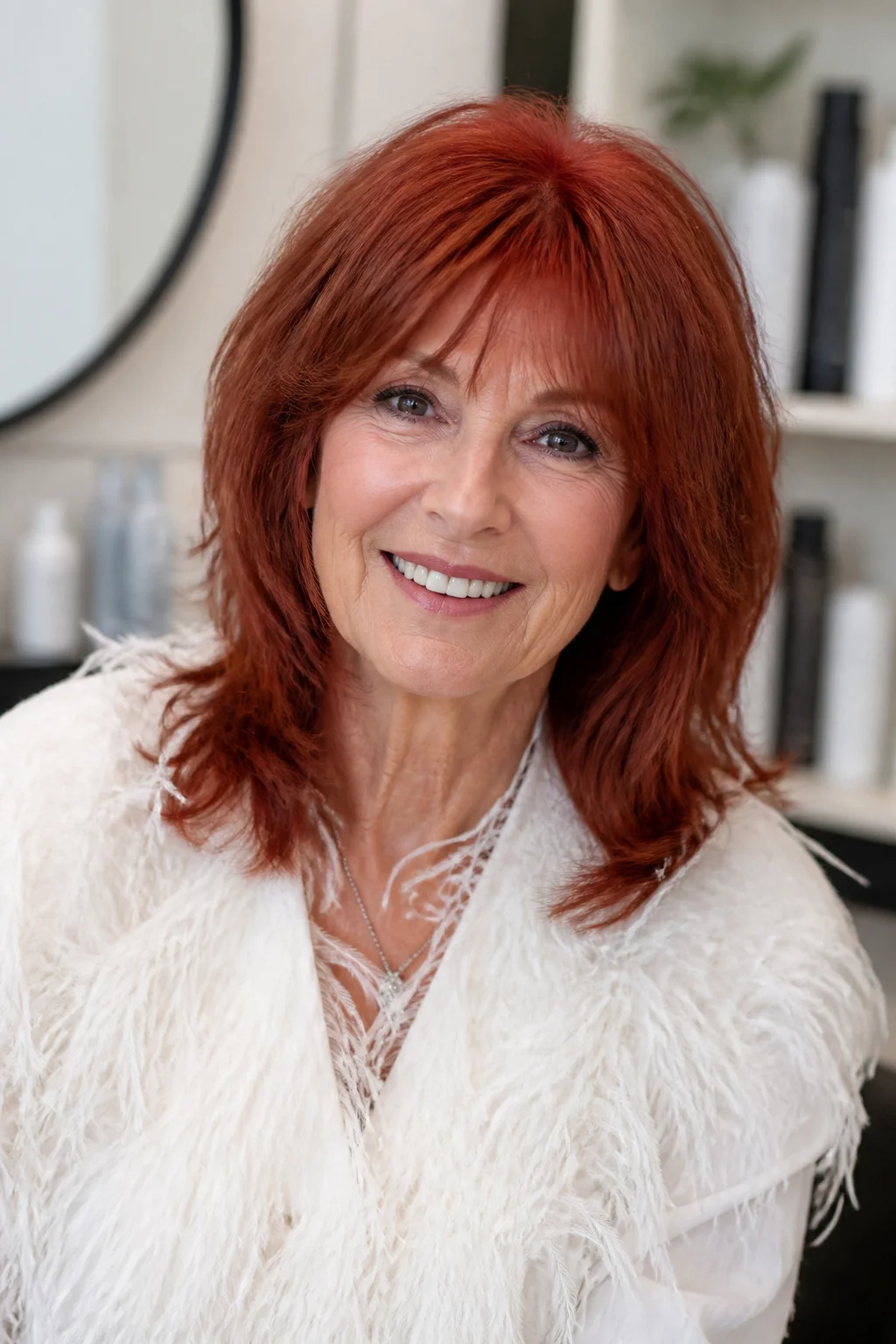
Feathered layers are cut at an angle so each section blends softly into the next, with no harsh lines anywhere. This technique suits fine to medium hair because it adds shape without bulk. The overall effect looks soft and a little retro, similar to styles worn in decades past but updated with a fresher, less rounded finish. Ask for feathering that starts around the ear rather than up near the crown, which keeps the top from looking too thin.
Stacked Layers for Maximum Volume
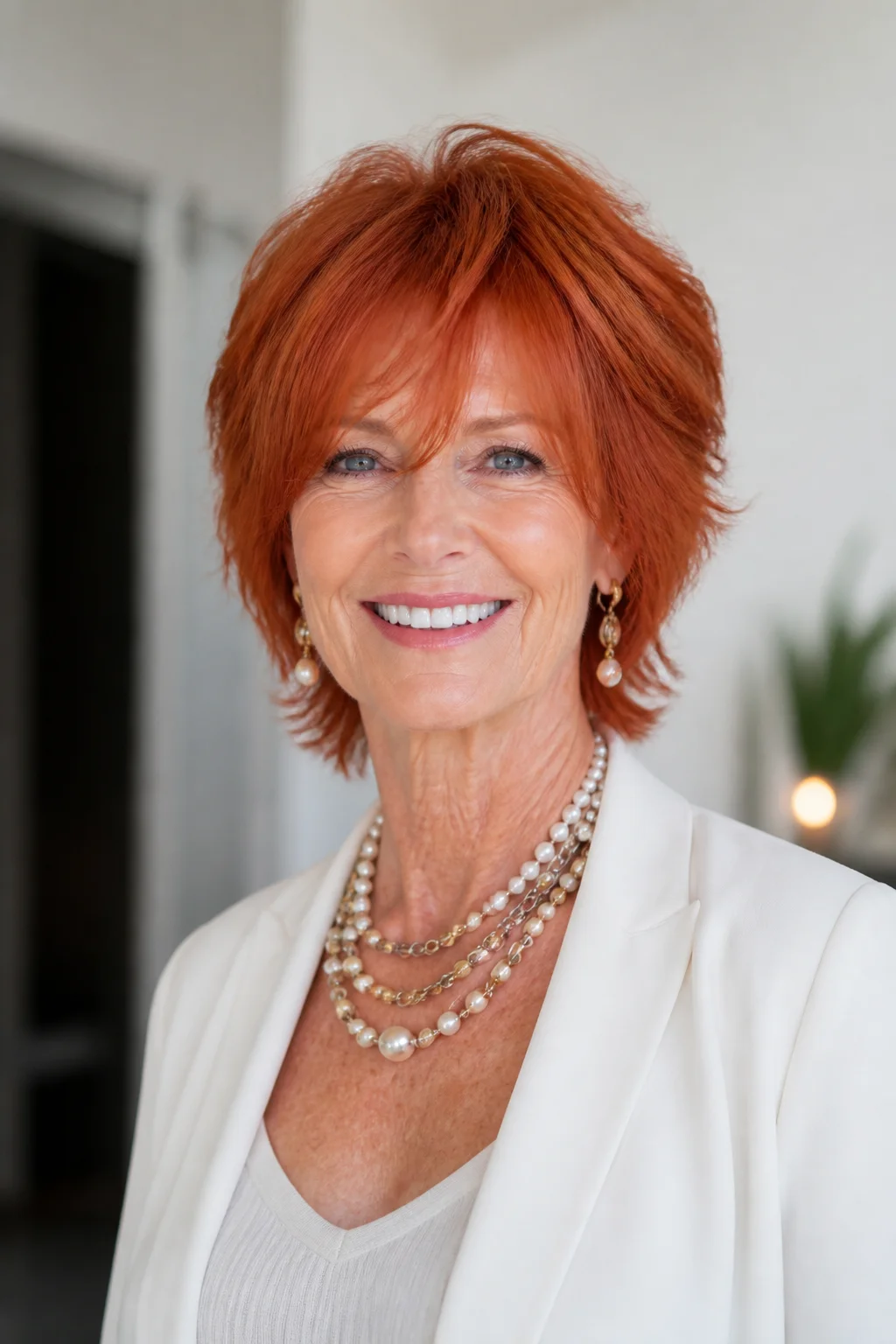
Stacking layers at the back of the head builds height and body exactly where fine hair tends to fall flat. The layers get shorter as they move up toward the crown, creating a rounded, full silhouette from the side. This is one of the most reliable cuts for thin or fragile hair because the structure does the volume work instead of relying on styling products. A light mousse at the roots and a quick blow dry is usually all it takes to keep the shape all day.
Modern Mullet with Shoulder Layers
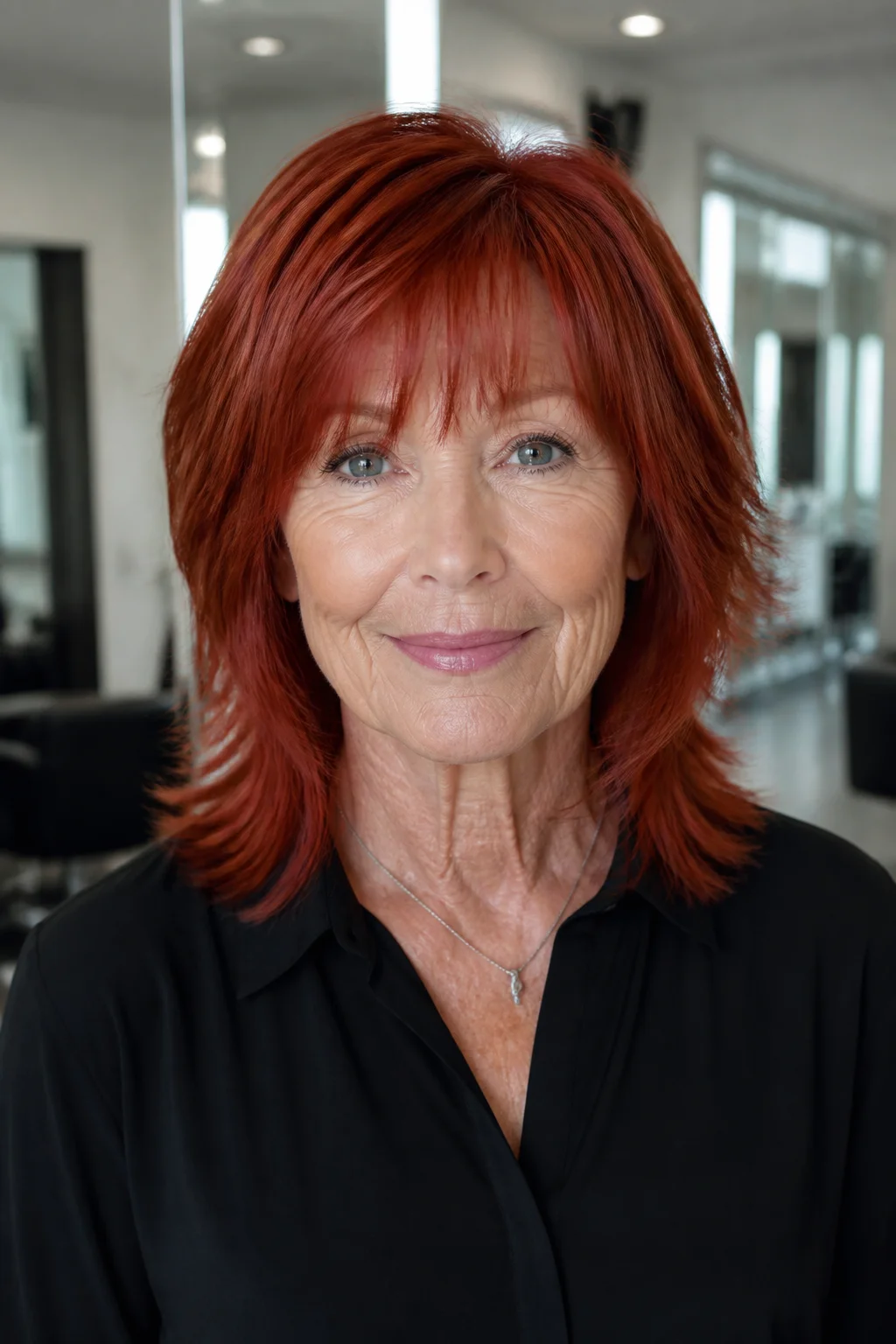
A modern mullet at shoulder length keeps shorter layers up top and around the crown while letting the back stay longer. It sounds bold, and it is a little bold, but the version cut for mature hair is much softer than the punk rock original. Layers blend the short and long sections so there’s no obvious line between them. This cut rewards women who want something different from the usual soft layered looks and don’t mind a bit of attention.
Curly Hair Layered Cut with Defined Texture
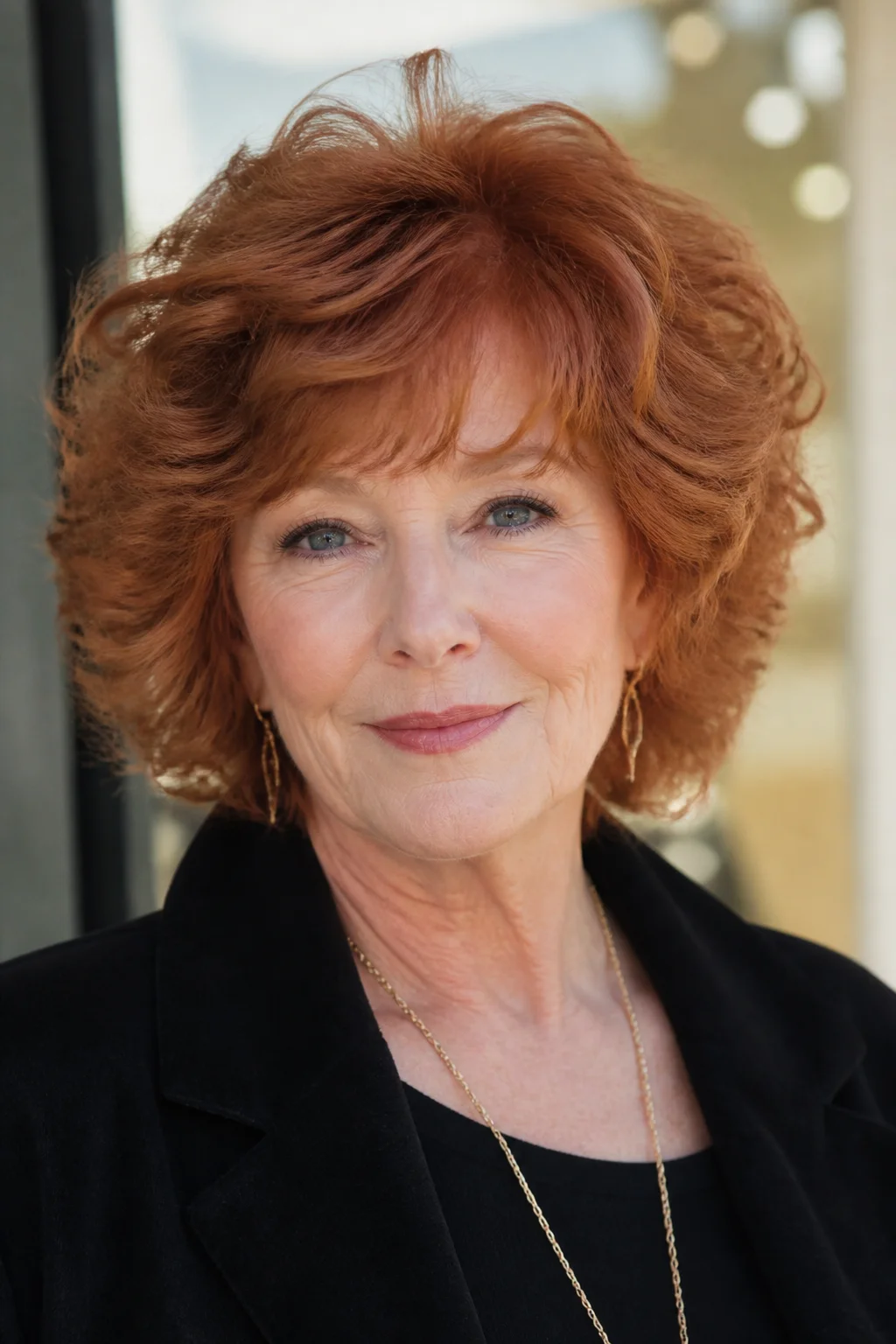
Curly hair needs layers cut differently than straight hair, since curls shrink up as they dry and shift the whole shape. A stylist experienced with curls will cut dry, section by section, so each curl falls where it should instead of forming a triangle shape. Layers remove weight from the bottom so curls can bounce and separate instead of clumping into one dense mass. Tip: skip the brush entirely on wash days and use fingers or a wide-tooth comb to keep the curl pattern from frizzing out.
Blunt Shoulder Length with Subtle Layers
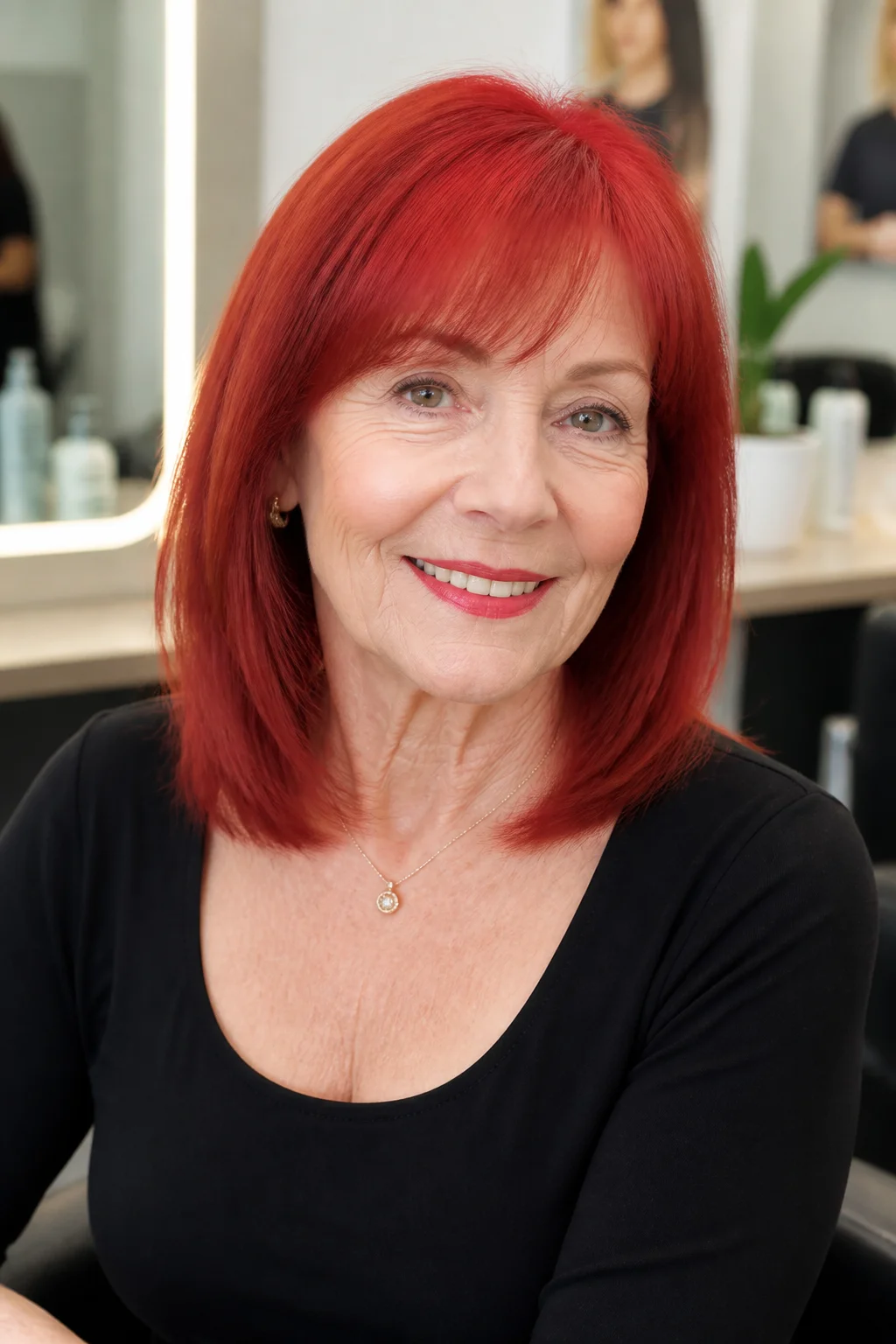
Not every layered cut needs to look choppy or textured. This one keeps the ends mostly blunt for a cleaner, more classic line, with only subtle layers cut into the interior to remove bulk. It suits thicker hair that holds shape well on its own and doesn’t need heavy layering to move. The result looks neat and put together with almost no daily styling effort.
Wispy Layers with Side-Swept Bangs
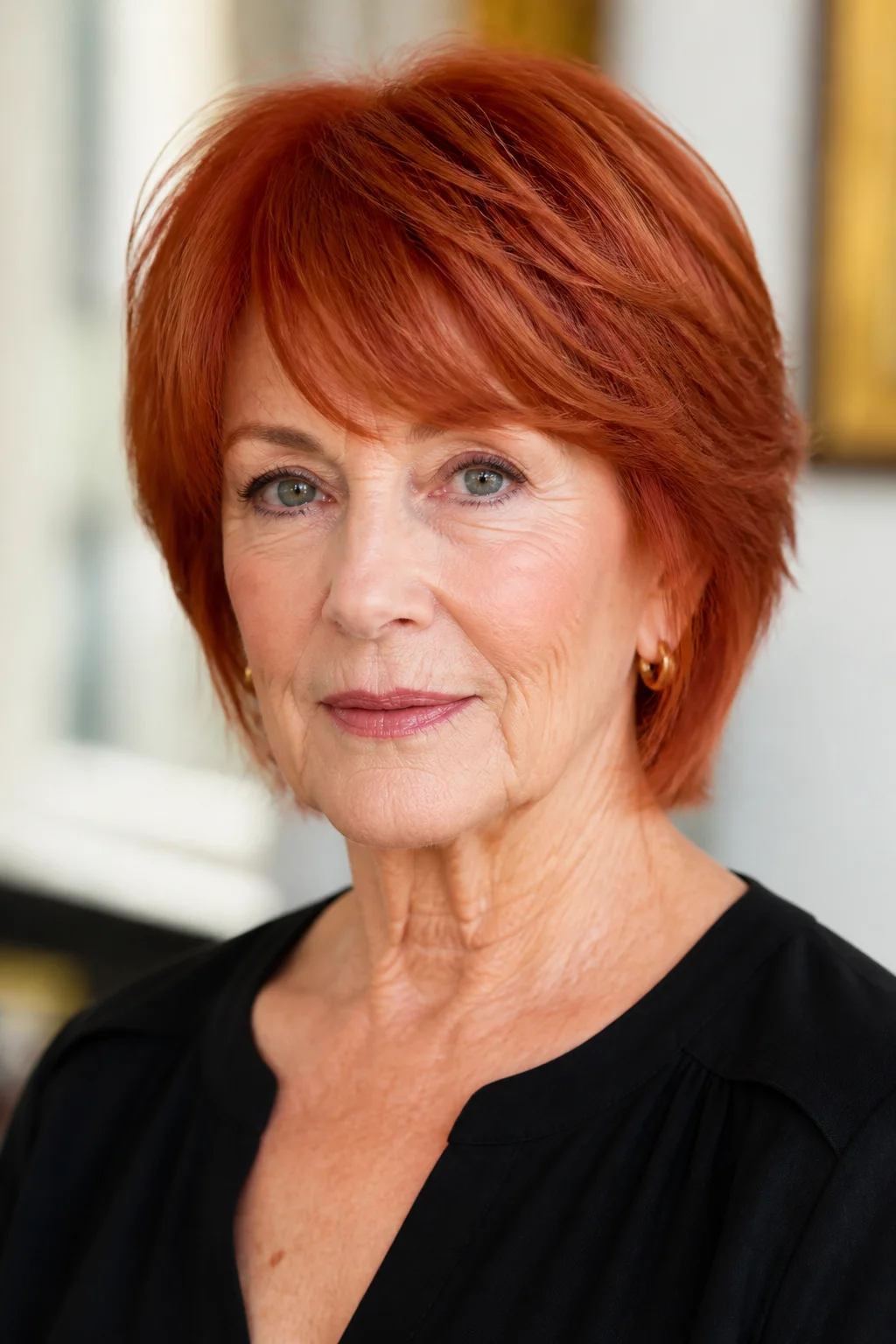
Wispy layers paired with side-swept bangs soften the whole upper half of the face at once. The bangs blend into the layers rather than sitting as a separate section, so regrowth is less noticeable between trims. This combination flatters almost every face shape, which makes it a safe pick if you’re unsure what else to ask for. It also works well over glasses, since the swept bangs sit above the frames instead of catching on them.
Choppy Layers with Textured Ends
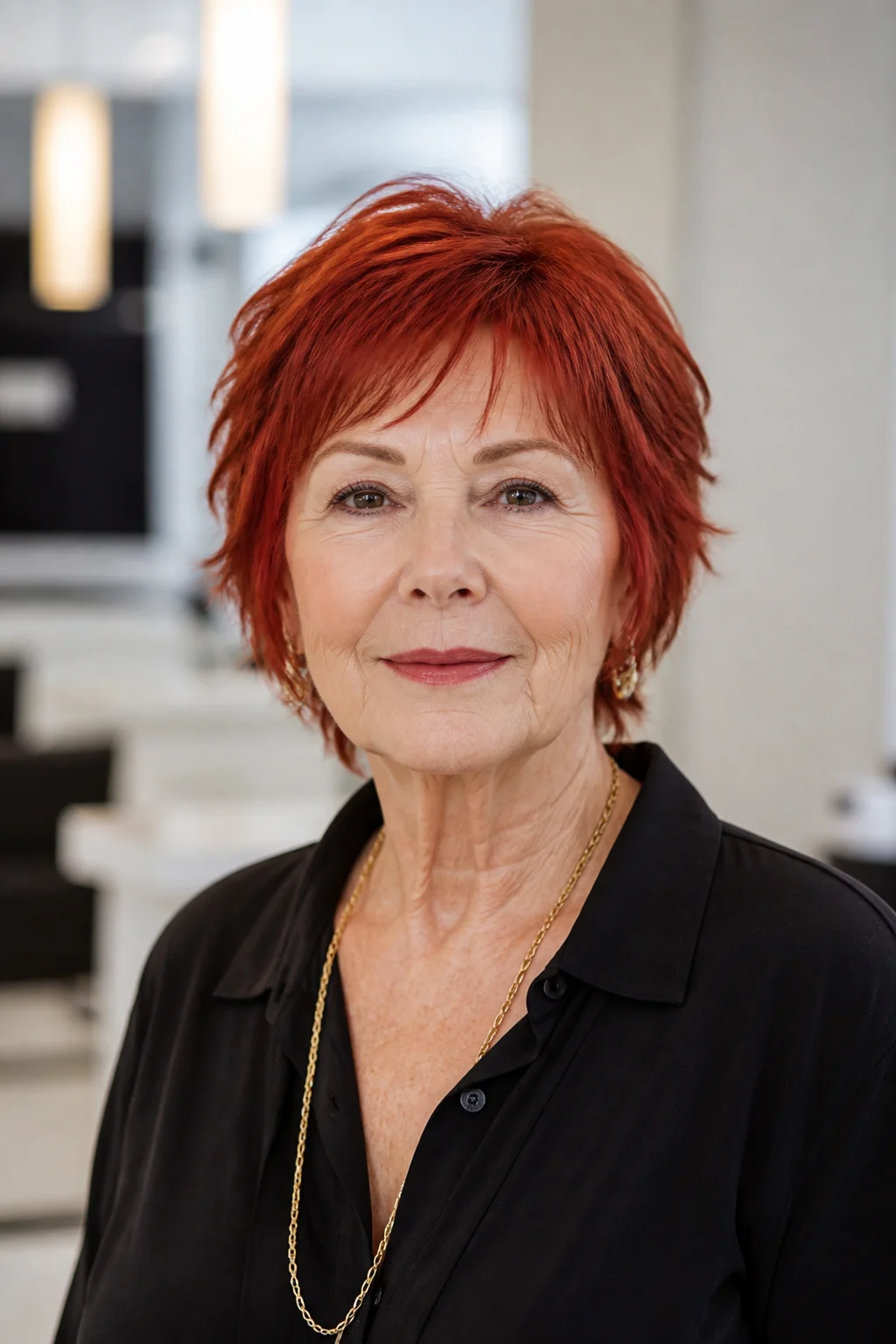
Choppy layers cut with a razor rather than shears give the ends a rougher, more textured finish. Thick hair in particular benefits, since the choppiness removes bulk that scissors alone might leave behind. It’s a low-fuss cut that looks intentionally undone even on days you don’t style it much.
Asymmetrical Layered Cut
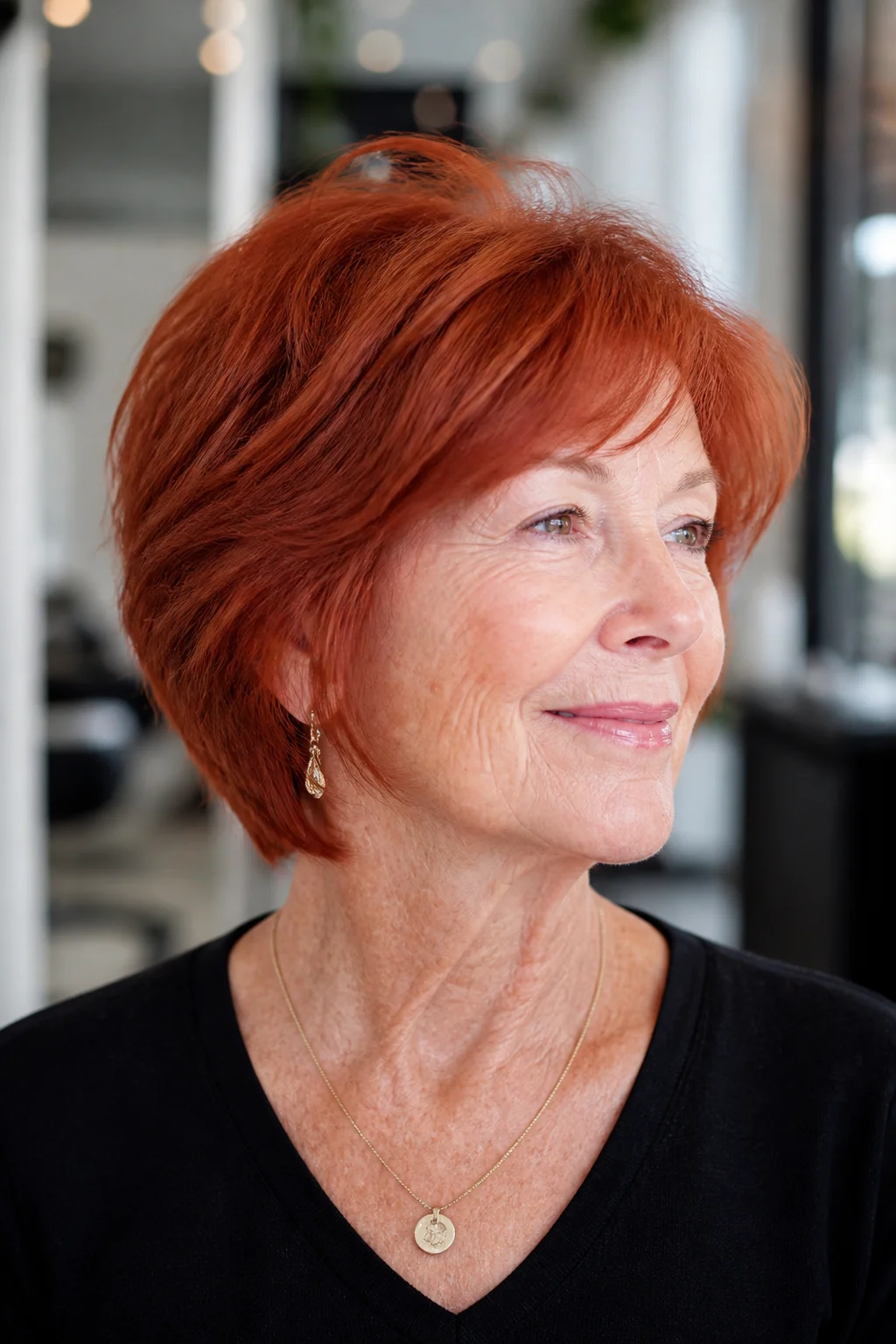
An asymmetrical layered cut keeps one side longer than the other, usually by an inch or two, with layers woven through both sides so the imbalance looks purposeful rather than accidental. This works particularly well for women who part their hair deeply to one side already, since the longer side naturally falls into the part. It’s a bit more of a statement cut, and it photographs well from any angle because there’s always visual interest on one side or the other.
Fine Hair Layered Cut with Thinned Ends
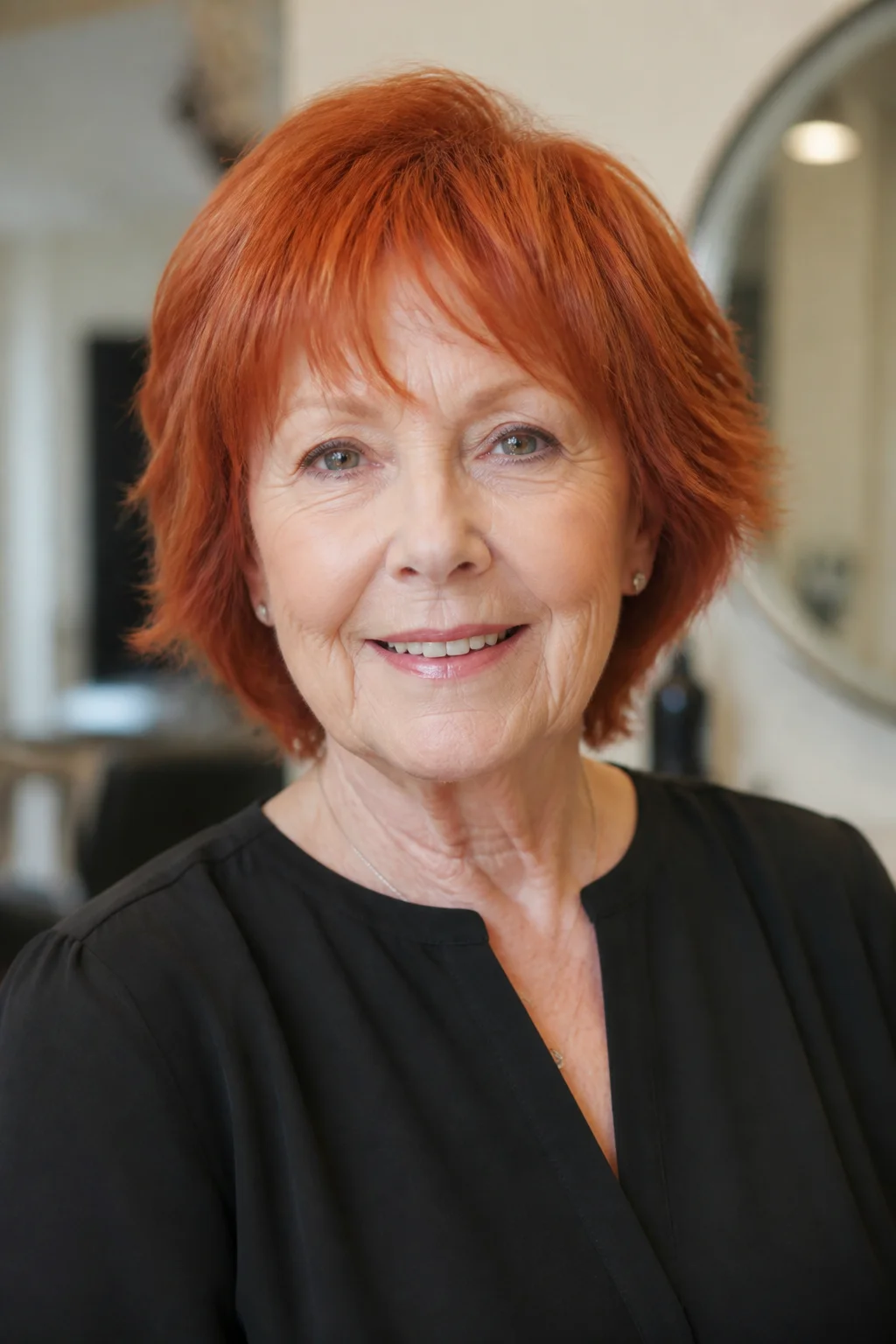
Fine hair often looks stringy at the ends no matter how much length is kept, and thinning those ends with point cutting or a razor solves that without shortening the overall length. Layers throughout add the illusion of thickness where the hair might otherwise look sparse. Tip: ask your stylist to avoid thinning shears near the scalp, since removing too much weight up top can make fine hair look even thinner instead of fuller.
Thick Hair Layered Cut with Shortened Underneath
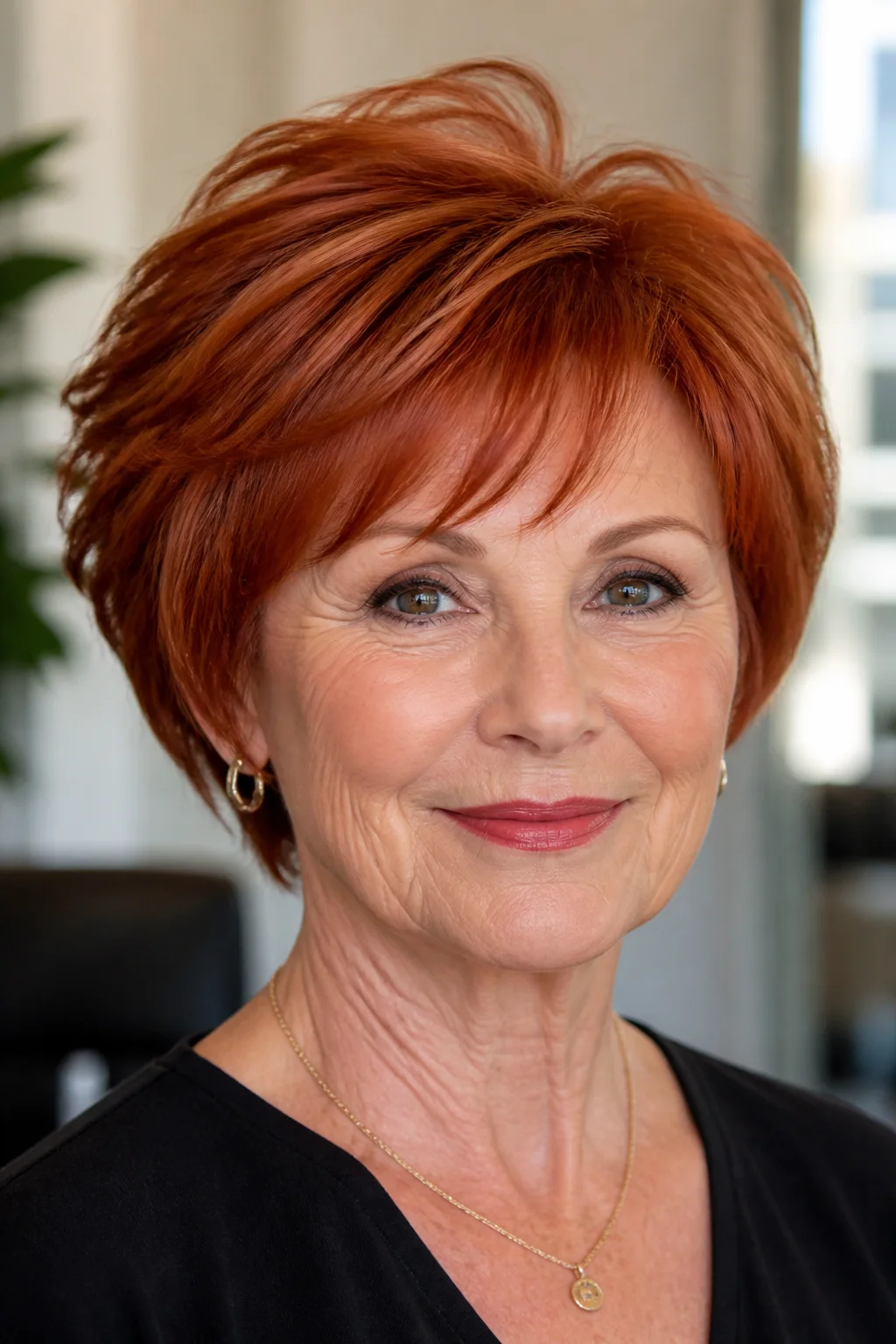
Thick hair carries a lot of weight, and cutting the underneath layers shorter than the top ones removes bulk without shortening the visible length. From the outside the hair still looks shoulder length and full, but it feels noticeably lighter and dries faster. This is one of the most practical cuts on this list for anyone tired of thick hair taking forever to blow dry.
Layered Lob with Blunt Fringe
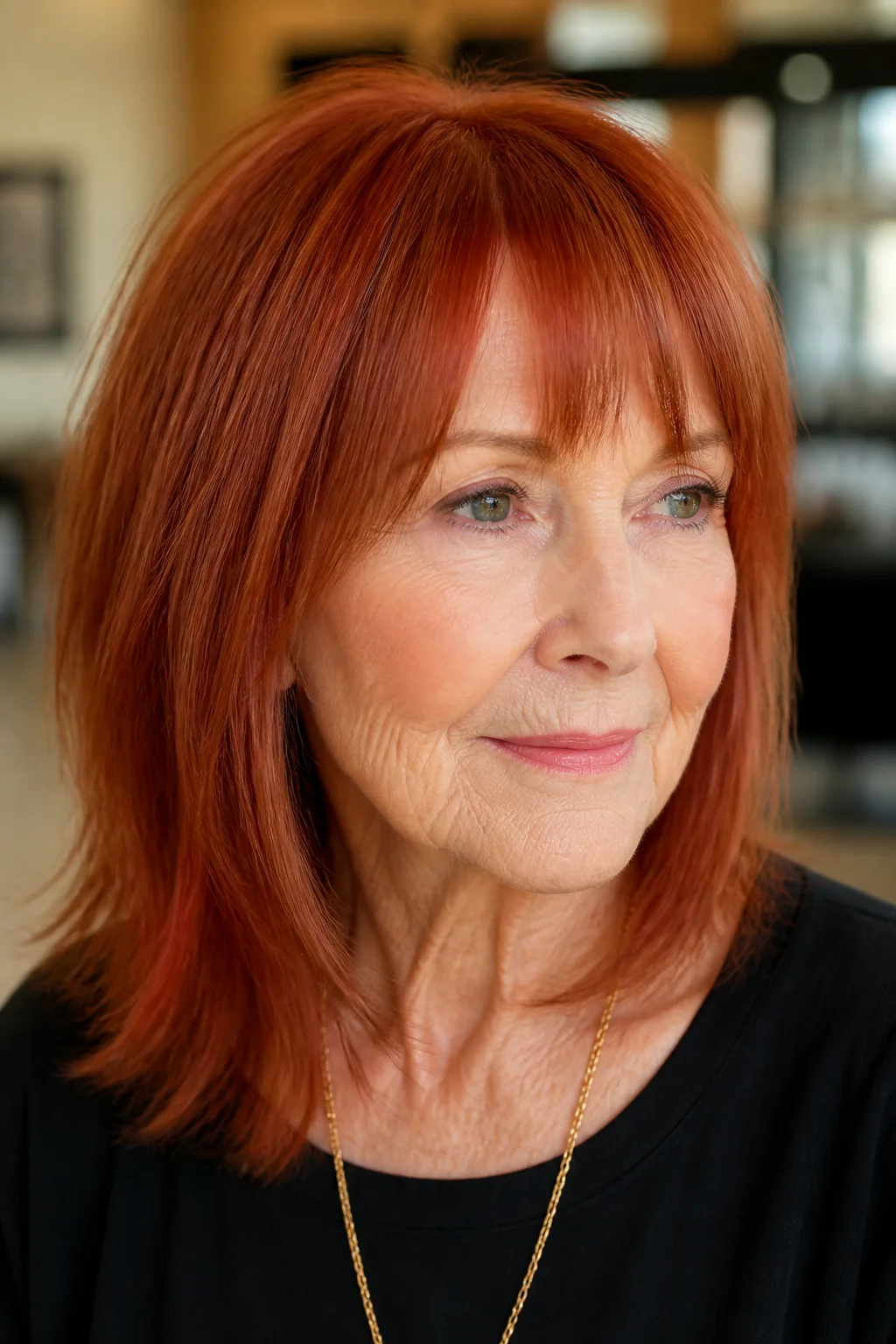
Pairing a layered lob with a blunt, straight-across fringe creates a strong contrast between the soft layers below and the crisp line up top. It’s a graphic, modern look that works best on straighter hair textures where the fringe can lie flat. Curly or very wavy hair tends to fight a blunt fringe, so this one is best reserved for those with smoother strands.
Tousled Waves with Disconnected Layers
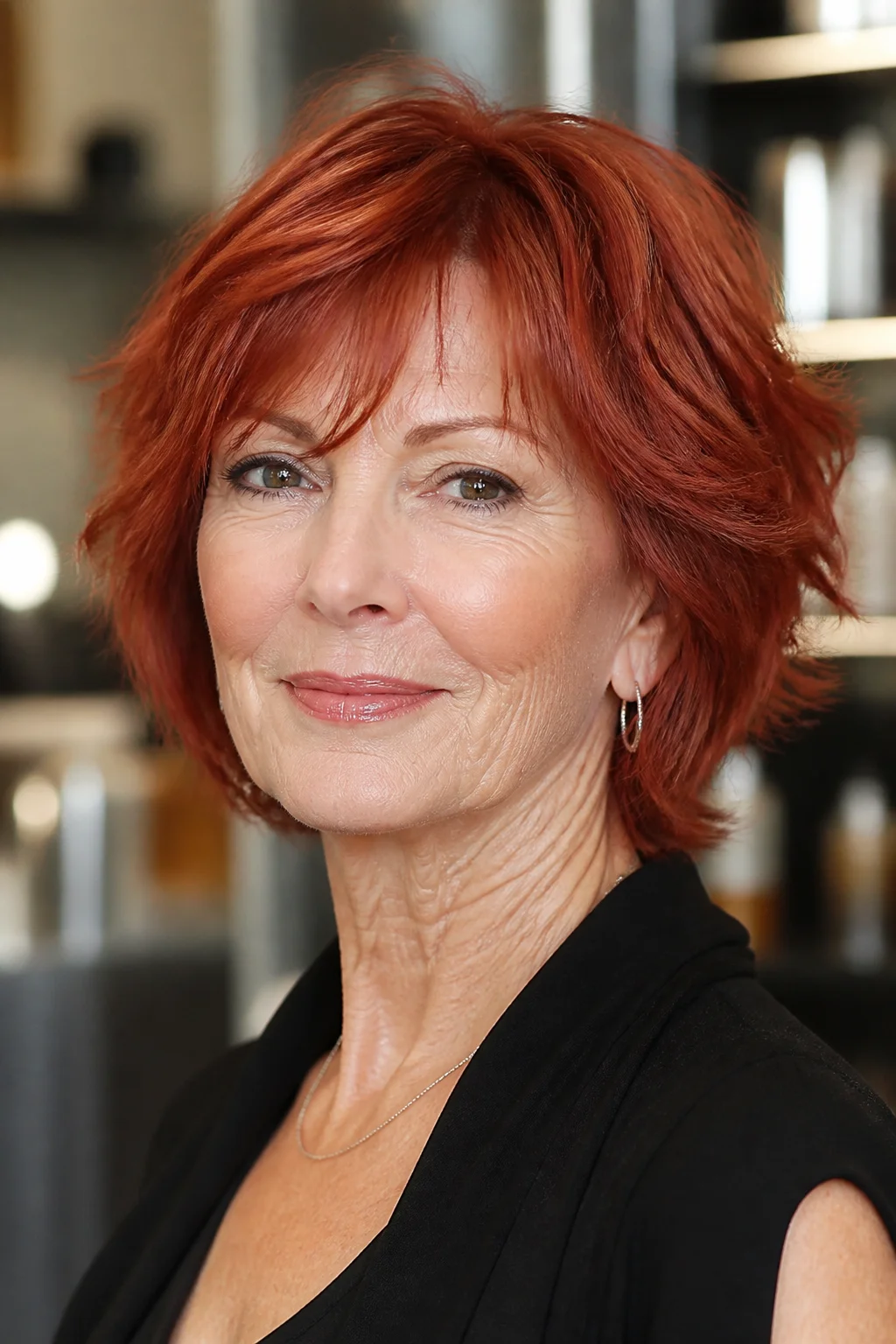
Disconnected layers are cut with visible gaps in length rather than a smooth blend, giving tousled waves somewhere to fall and separate. The look feels a little undone, almost like beach hair, even styled indoors with a curling wand. It suits medium to thick hair that can handle the extra texture without looking stringy.
Soft Layers with Rounded Crown
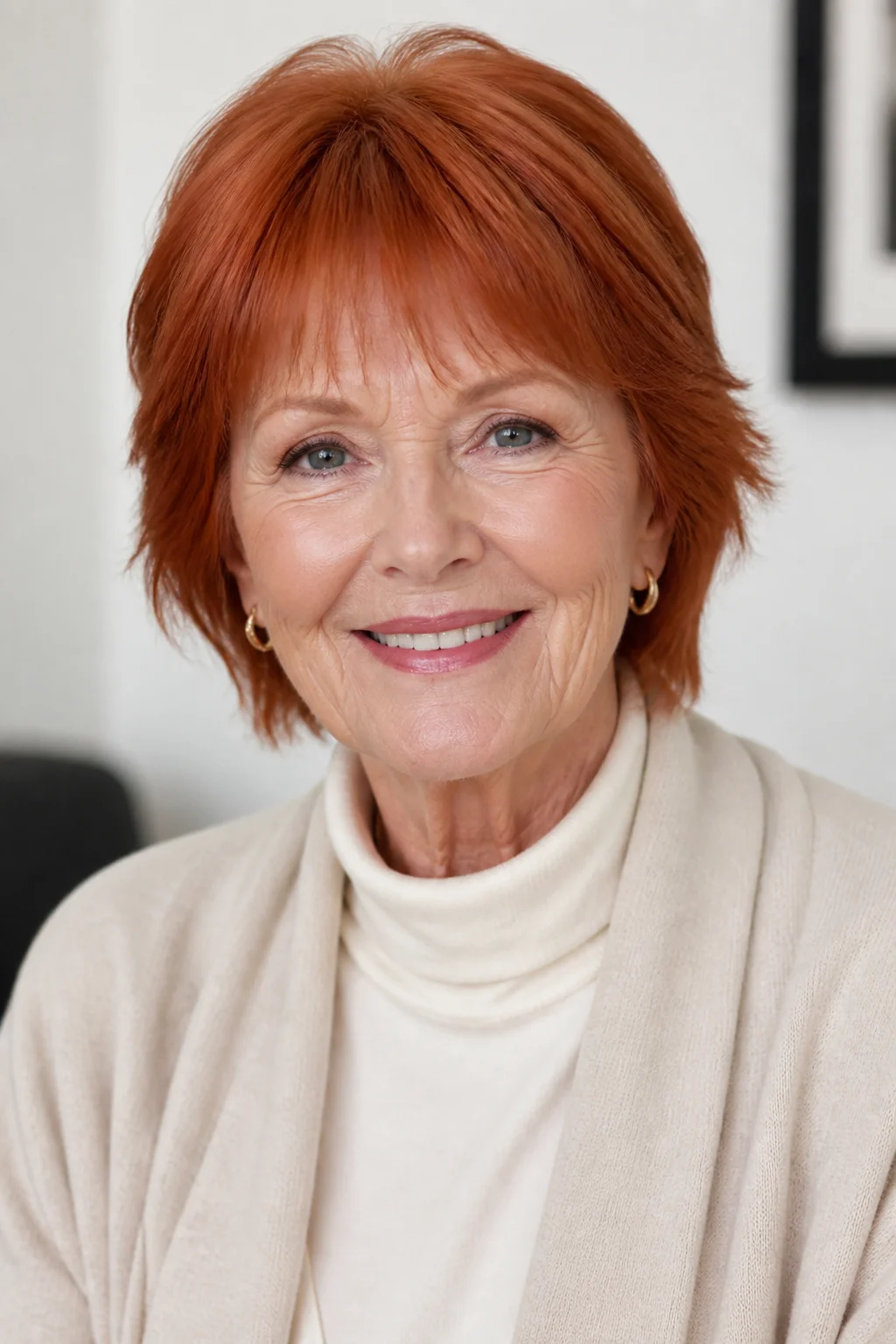
This cut rounds out the crown area with shorter layers on top that gradually lengthen toward the shoulders. It gives a soft, dome-like shape reminiscent of classic salon sets, but with enough movement in the layers to keep it from looking stiff or dated. Fine to medium hair holds this shape especially well with a light hold hairspray.
Face-Framing Layers Only with Blunt Hem
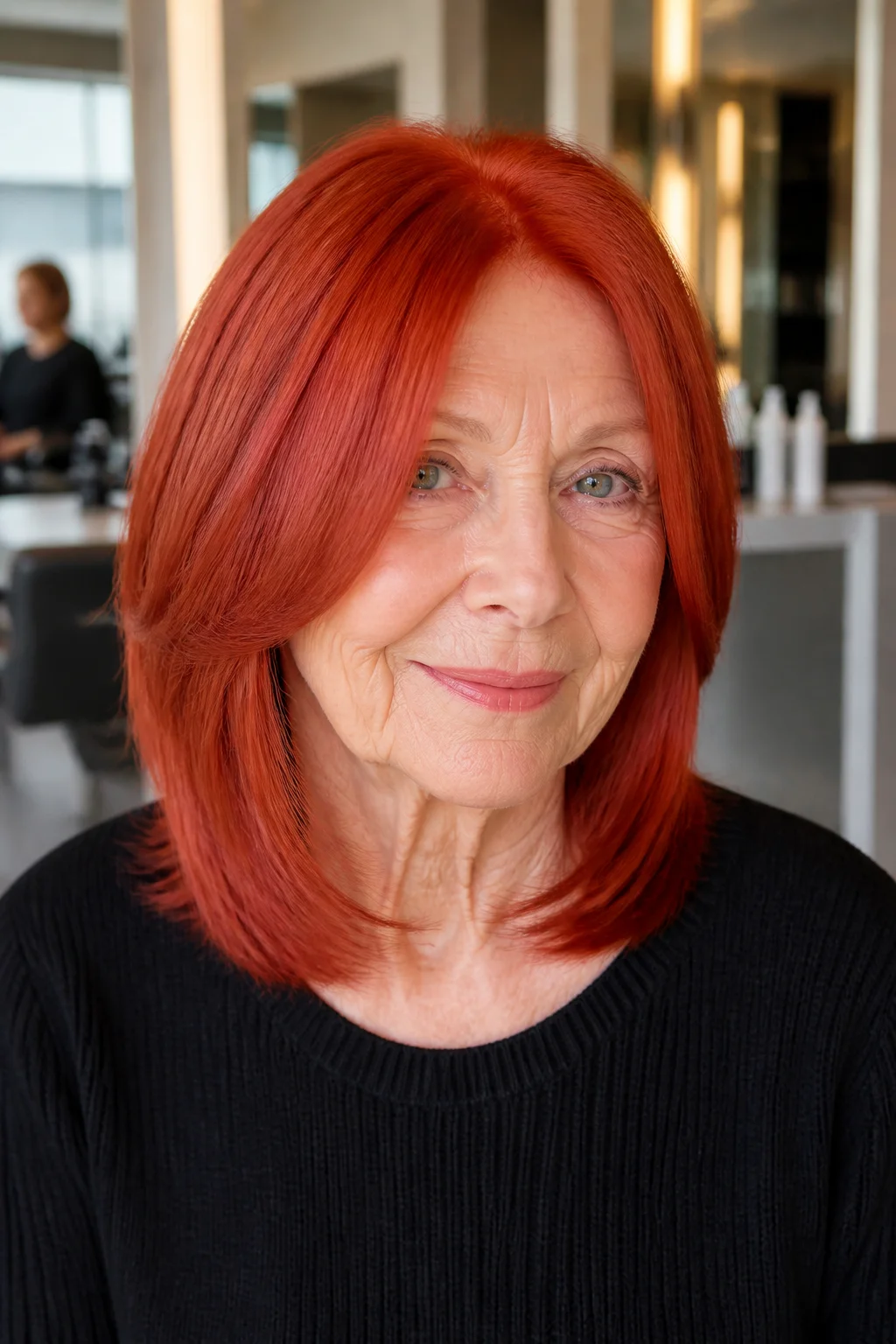
Rather than layering the whole head, this approach keeps the bulk of the hair blunt and cuts layers only around the face. It’s a good middle ground for women who want the softening effect of layers but don’t want to lose overall thickness at the ends. The blunt hem also makes the hair look denser than it might actually be, which is a nice trick for thinning hair.
Graduated Layers for Flattering Movement
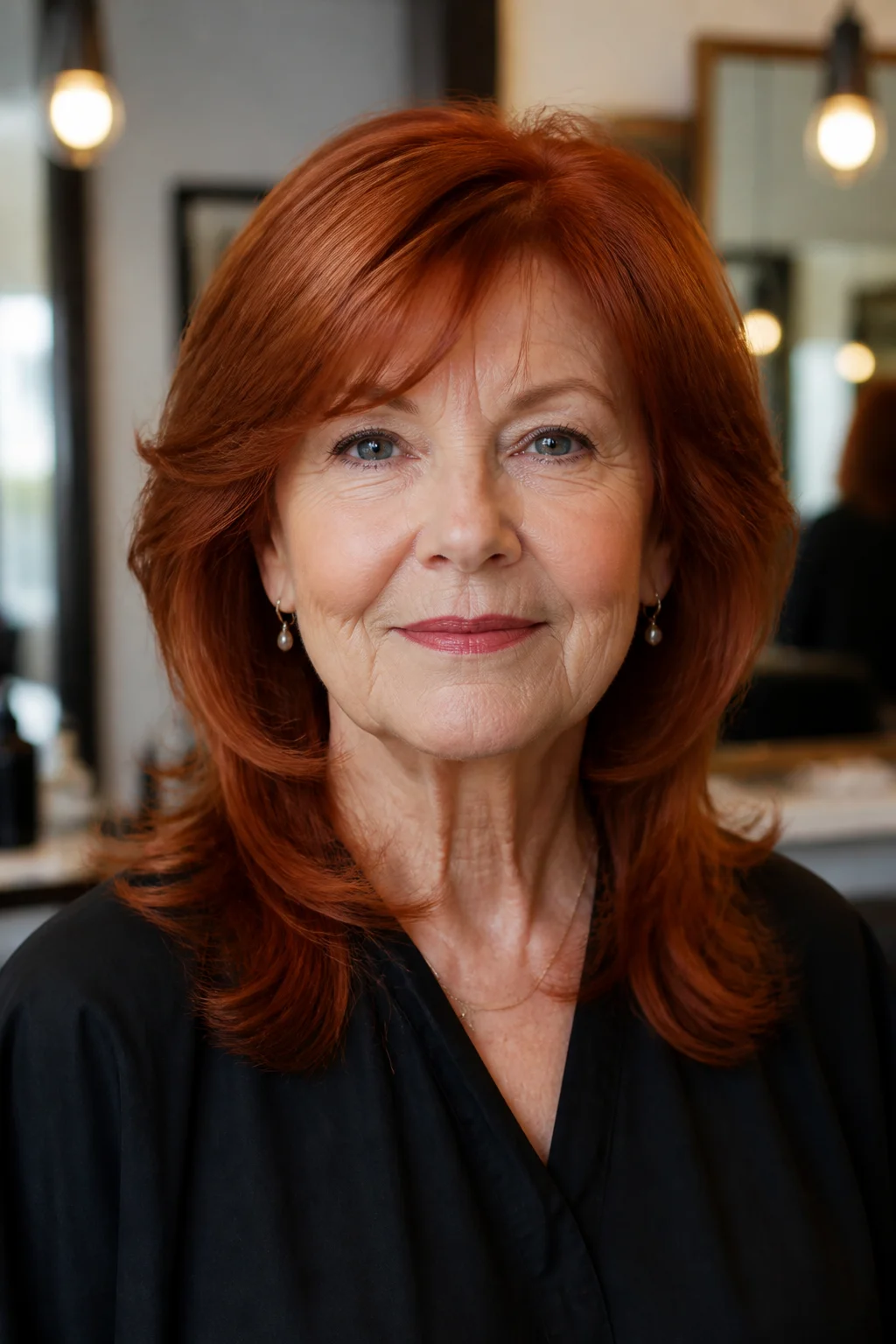
Graduated layers are cut at a gentle angle from short to long, building gradually rather than in obvious steps. The effect is subtle movement throughout the hair without any single layer standing out on its own. It’s an easy cut to grow out too, since there’s no hard line marking where one layer ends and the next begins.
Pixie-Layered Hybrid at Shoulder
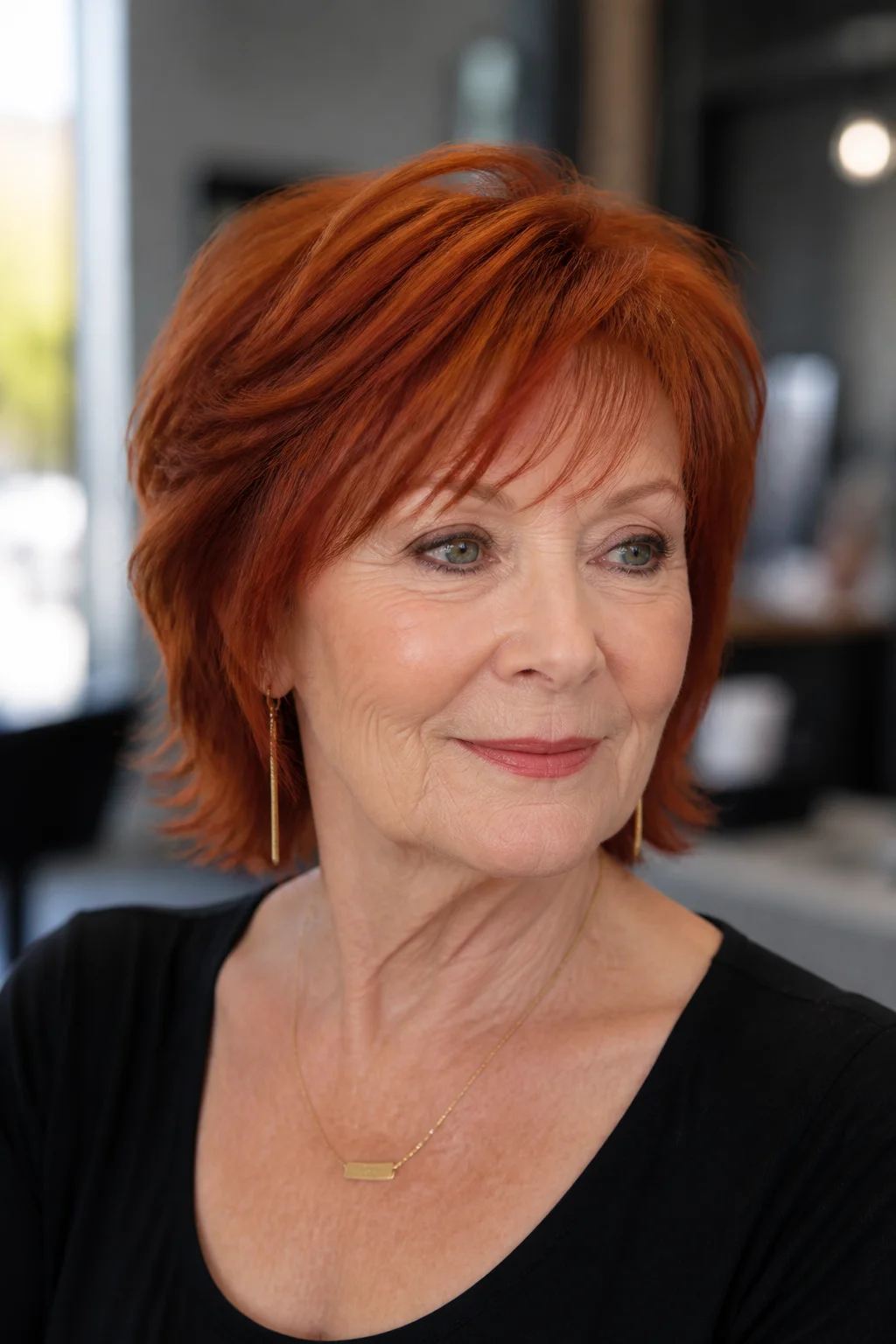
This one takes the short, textured energy of a pixie cut and applies it only to the top layers, while the length below stays at the shoulder. It’s an unusual combination, but it gives you the low-maintenance styling of short hair on top with the versatility of longer hair underneath for updos or ponytails. Women who used to wear pixies but aren’t ready to keep going shorter often like this as a transition cut.
Layered Cut with Highlighted Face-Framers
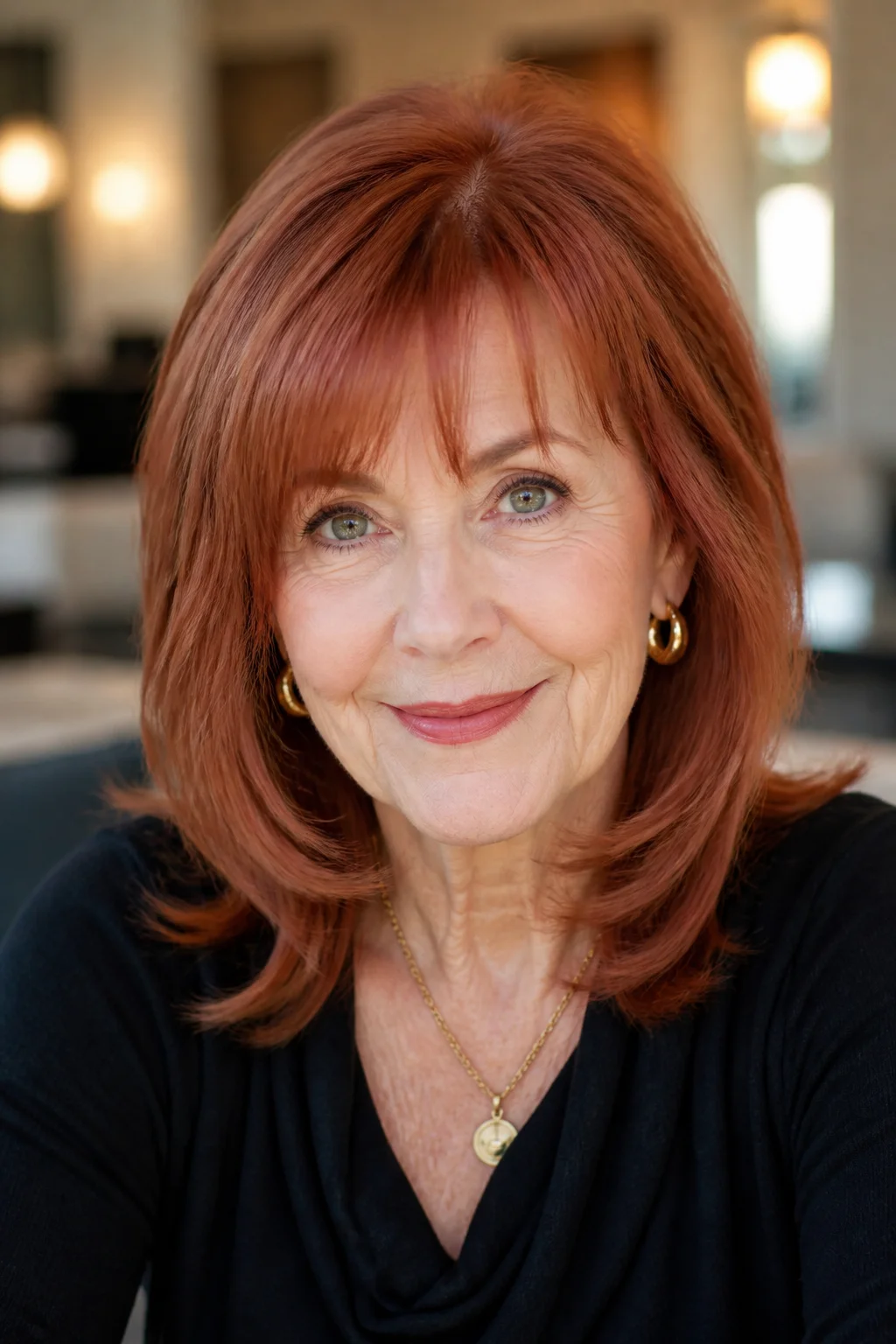
Layers alone create dimension, but adding a few lighter highlighted pieces around the face amplifies the movement even more. The lighter strands catch the eye first and draw attention up toward the face rather than down the length of the hair. This combination works on nearly any hair color, though it shows up most clearly on medium to dark bases.
Low-Maintenance Layered Shoulder Cut
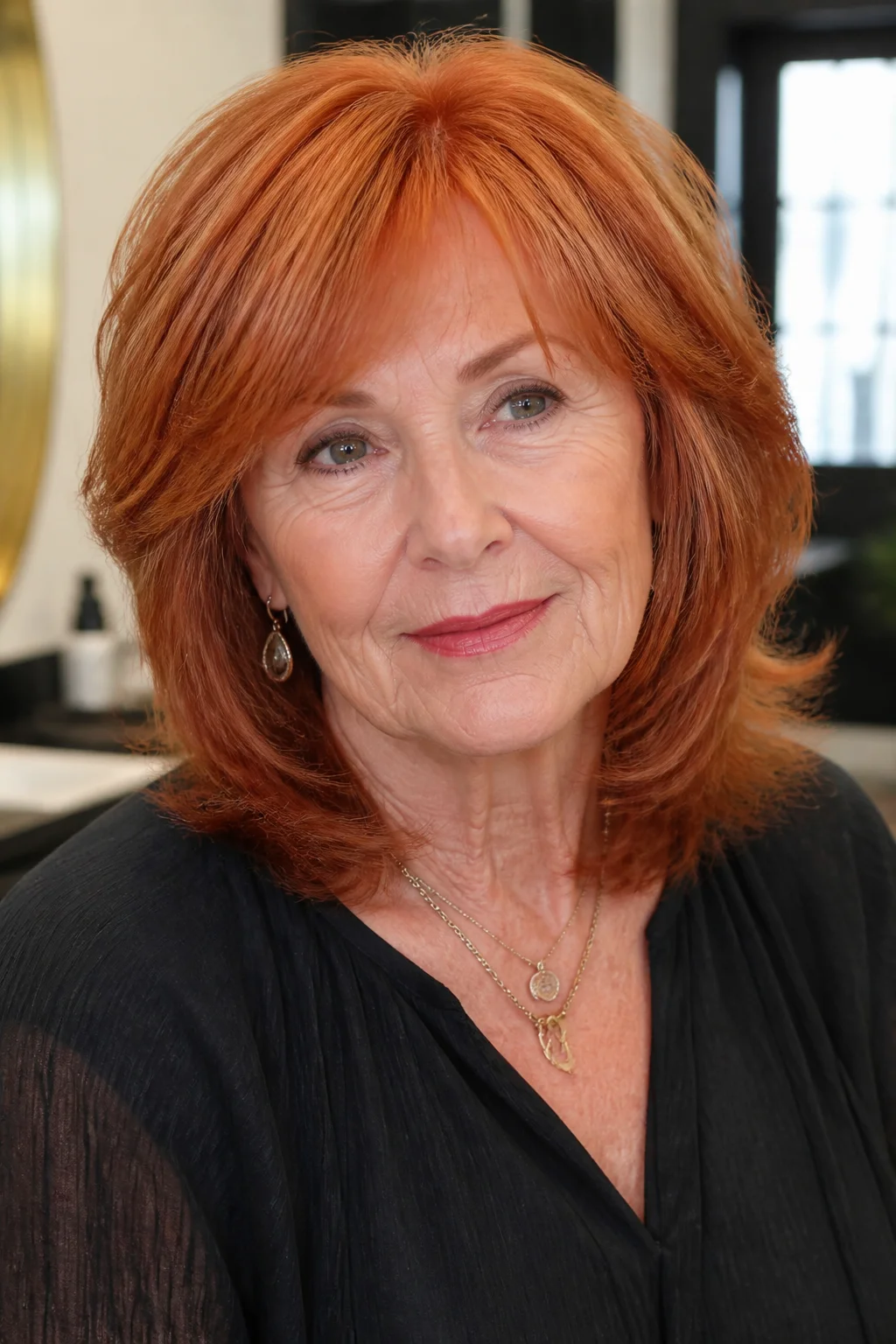
For anyone who wants shape without a long styling routine, this cut keeps layering minimal and strategic, mostly around the crown and face, with the rest left mostly intact. It air dries well and needs little more than a quick finger-comb through some product. This is a solid pick if mornings are rushed or if styling tools have become harder to manage.
Layered Cut with Volume at Nape
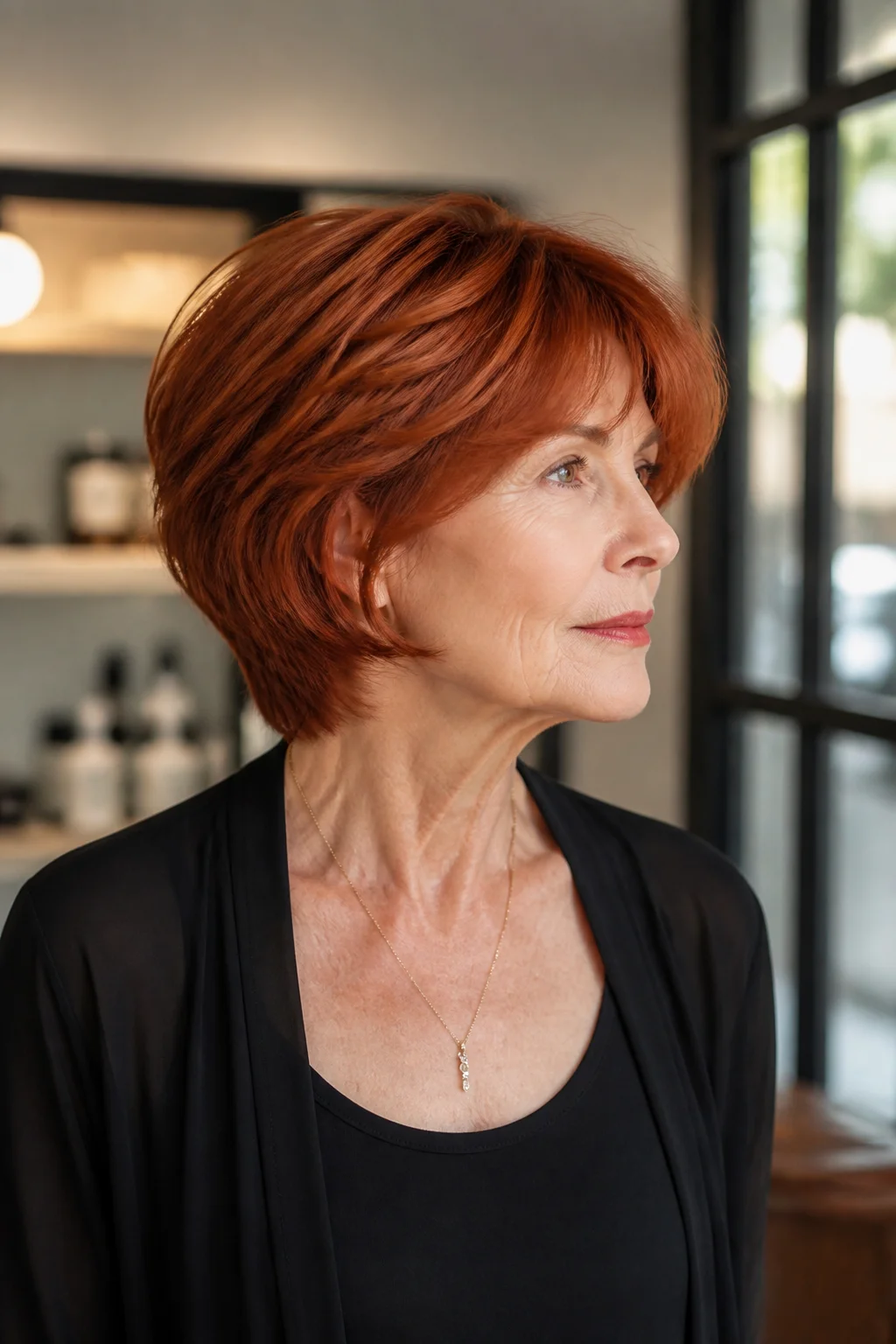
Volume built into the nape area lifts the back of the hair away from the neck, which helps hair that’s gone limp with age look fuller from behind. Layers here are cut short and stacked, similar to how a bob is built, but blended into the longer shoulder length hair up front. It’s a detail many stylists overlook, but it makes a real difference in photos taken from the side or back.
Soft Layers with Rounded, Face-Flattering Shape
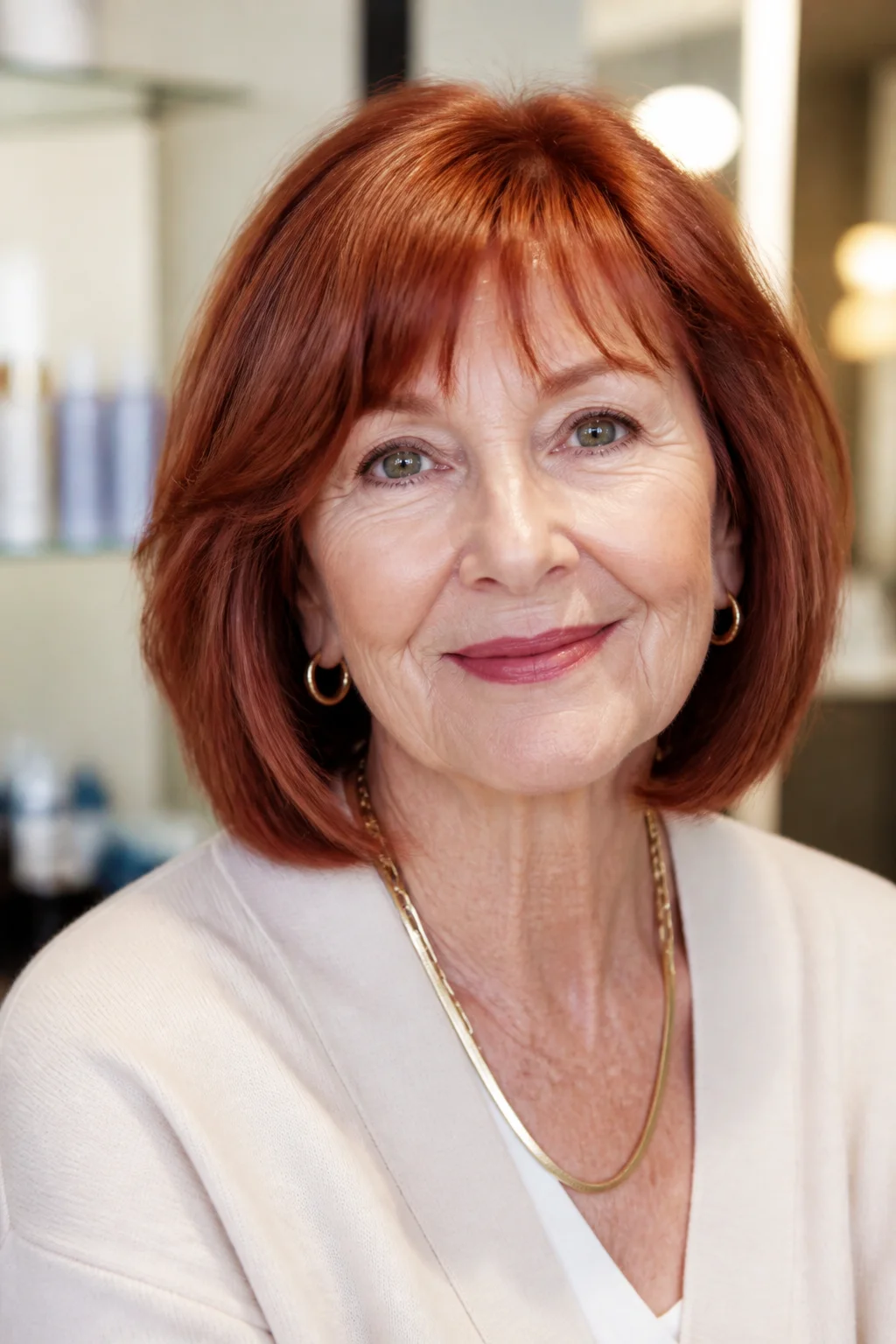
The last option on this list rounds out the whole shape of the cut, softening all the edges so nothing looks sharp or severe. It’s a gentle, classic choice for anyone who wants layers without any bold or trendy element attached. This cut ages beautifully because it never really goes out of style, and it flatters nearly every face shape without much customization needed.
How to Choose the Right One for You
With this many options, picking one comes down to three things: your hair texture, how much time you want to spend styling, and how bold you feel. If your hair is fine and prone to looking flat, lean toward the stacked layers for maximum volume or the fine hair layered cut with thinned ends. Both are built specifically to solve that problem rather than just adding length for its own sake.
If your hair is thick and heavy, the thick hair layered cut with shortened underneath or the textured shag with choppy layers will remove bulk without sacrificing length. Curly hair really only has one right answer on this list: the curly hair layered cut with defined texture, since curls need their own cutting approach entirely.
For anyone wanting the lowest possible maintenance, skip the more dramatic options like the modern mullet with shoulder layers or the asymmetrical layered cut, and head straight for the low-maintenance layered shoulder cut or the blunt shoulder length with subtle layers. A common mistake is choosing a cut based on a photo alone without accounting for texture. A choppy shag on straight fine hair will not look the same as it does on thick wavy hair, so always talk texture with your stylist before the scissors come out.
Final Thoughts
A great haircut after 70 should make your mornings easier, not harder. Shoulder length gives you enough versatility to pull hair back when you want it out of the way, and layers make sure it still has shape and movement when it’s down. I recommend bringing at least two reference photos to your appointment, one showing the length you want and one showing the layering style, since stylists can only work from what they can see. Whichever cut you choose from this list, the goal stays the same: hair that looks intentional, feels lighter, and fits the life you’re actually living now.