Thin strands, flat crowns, and hair that takes forever to style are common complaints after 60, and a shag solves most of them at once. The layers build movement at the root so hair looks fuller without extra product, and the shorter length means less time with a brush and dryer every morning. This list covers short hair short shag haircuts for women over 60 in enough variety that straight, curly, fine, and thick hair types all have an option worth printing out and bringing to the salon. Some entries lean soft and rounded, others lean choppy and bold, and a few work best on gray or color-treated hair specifically. Read through the differences before you book, since the right shag depends as much on your face shape and hair texture as it does on the picture you show your stylist.
Classic Short Shag with Choppy Layers
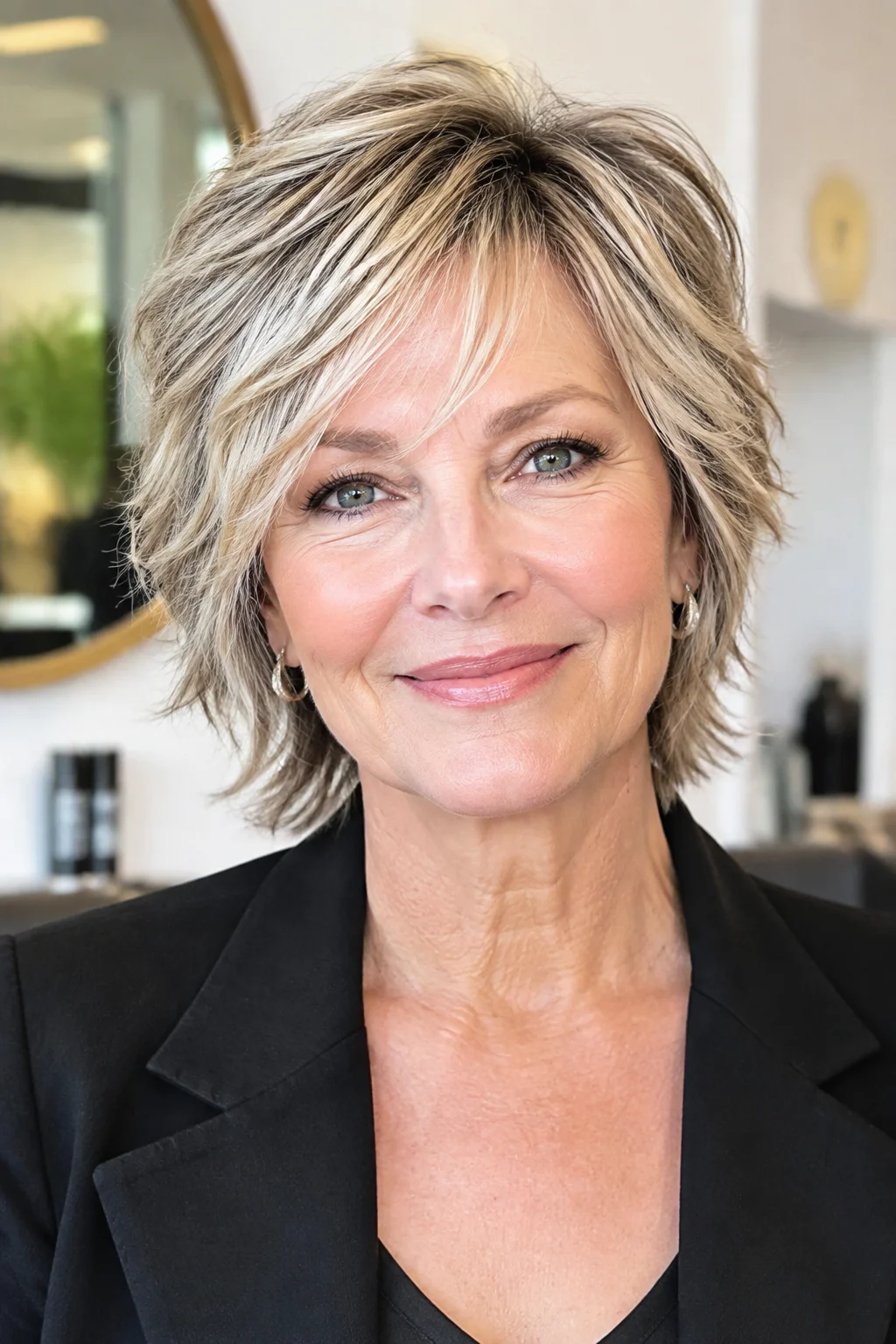
This is the shag most people picture when they hear the word, and for good reason. Layers are cut short and choppy all over the head, starting close to the crown and working down to jagged, piece-y ends. It gives flat hair instant lift and works on almost every face shape because the layering can be adjusted around the cheekbones. Fine hair benefits the most here since the choppy cutting removes weight that would otherwise drag strands down. Ask your stylist to point-cut the ends rather than blunt-cut them, since that texture is what gives this version its signature messy finish. A light mist of heat protectant before styling helps the finish last.
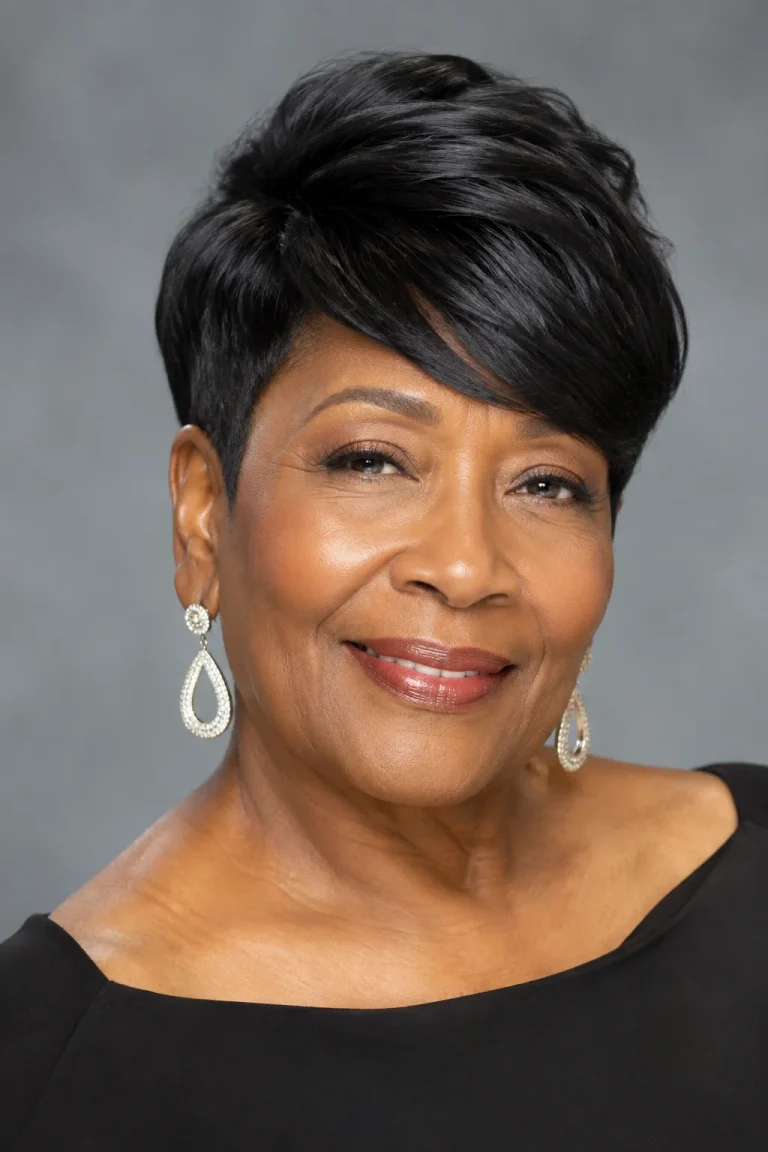
Textured Pixie-Shag Hybrid
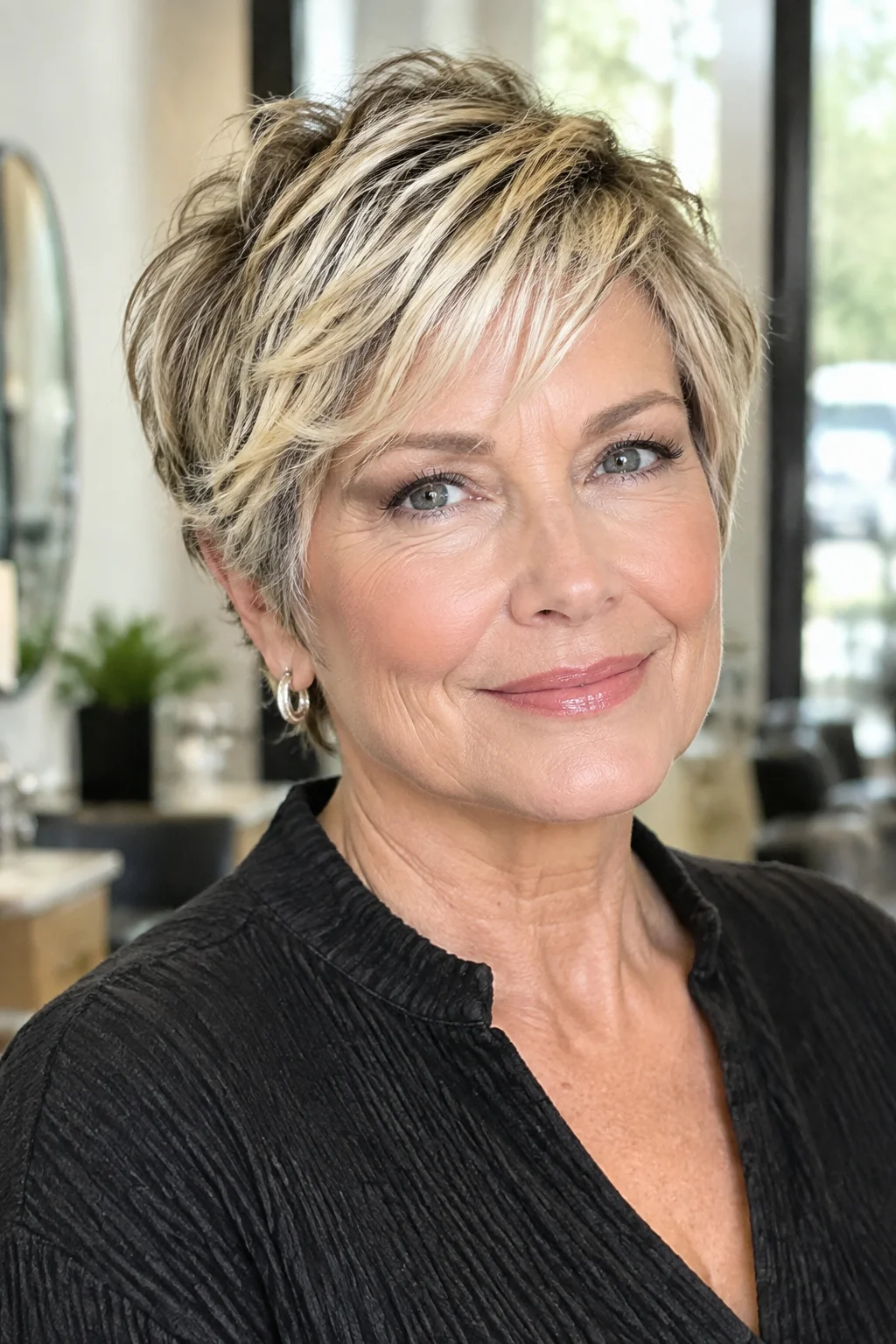
Part pixie, part shag, this cut keeps the sides and back tight while the top gets shaggy layers for movement. It suits women who want low maintenance but don’t want a fully cropped pixie look. The contrast between the close sides and the textured top gives the style a lot of personality without much daily effort. Tip: scrunch a small amount of texture cream into damp hair and let it air dry for the most natural result. A light mist of heat protectant before styling helps the finish last. A light mist of heat protectant before styling helps the finish last.
Straight Hair Short Shag with Wispy Bangs
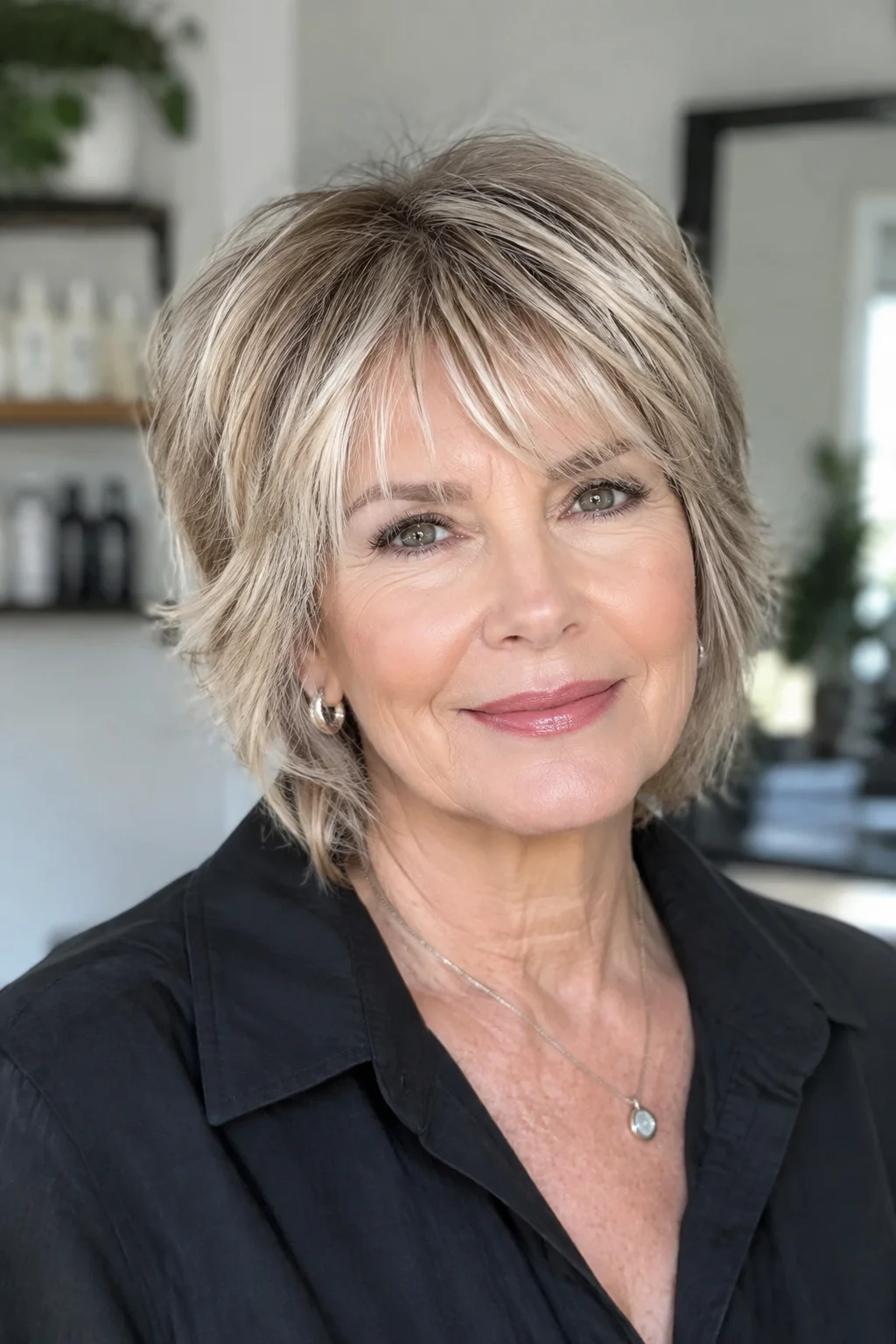
Straight hair holds the shag’s layering beautifully because there’s no curl pattern fighting the cut lines. Wispy, feathered bangs soften the forehead and add a youthful touch that pairs well with gray or silver shades. The layers throughout the rest of the head keep the straight texture from looking flat or heavy. This version photographs well because the bangs catch light and frame the eyes. A flat iron isn’t necessary most days, just a round brush and a blow dryer to set the shape.
Curly Short Shag with Defined Texture
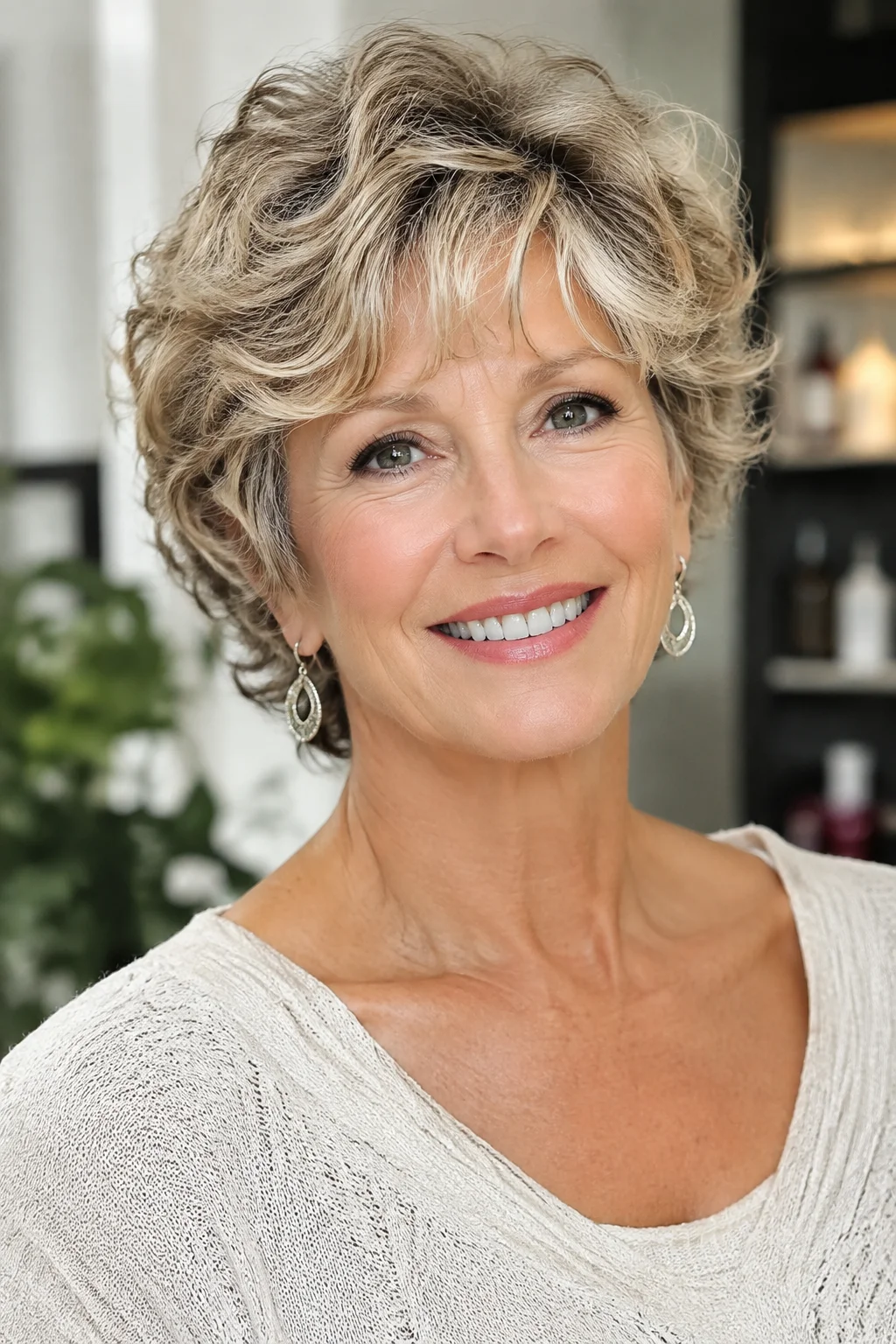
Curly hair and shag layers were made for each other. The layers let curls spring up and show their natural shape instead of weighing them into a dome. Each curl gets definition rather than disappearing into a mass, which makes the whole head look fuller and more deliberate. Stylists usually cut this dry, curl by curl, so the length settles exactly where it should once the curl pattern relaxes. A curl cream applied to soaking wet hair locks in the shape before any frizz has a chance to set in.
Gray Short Shag with Undercut Detail
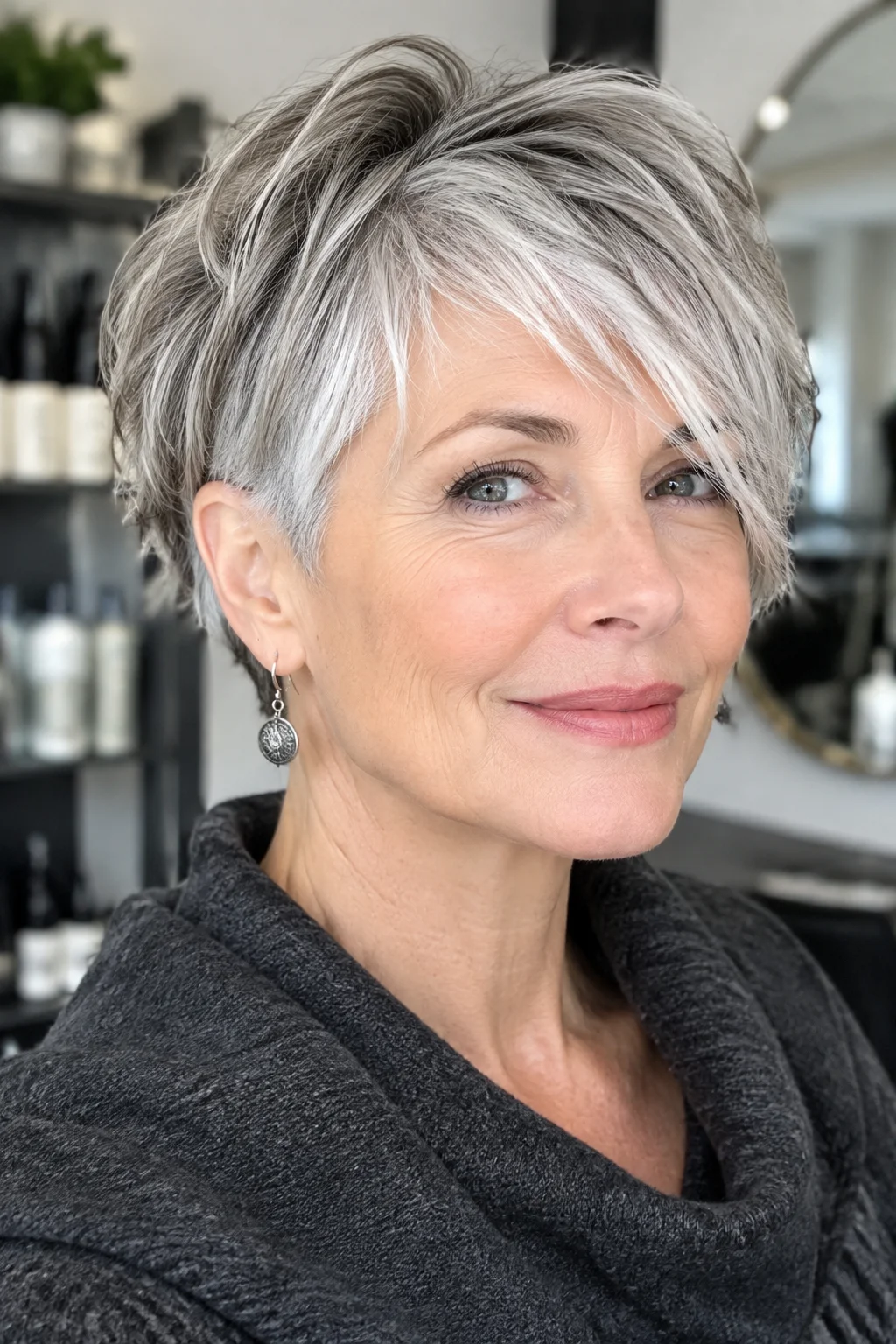
Gray hair often reads as flat or dull without the right cut, and this version fixes that with an undercut hidden beneath the top layers. The undercut removes bulk at the nape so the shaggy top layers have somewhere to fall without looking heavy. Gray and silver tones show texture especially well under salon lighting, so the choppy layers look almost metallic depending on the shade. This is a strong pick for anyone who wants an edgier update without committing to very short hair everywhere.
Layered Short Shag for Fine Hair
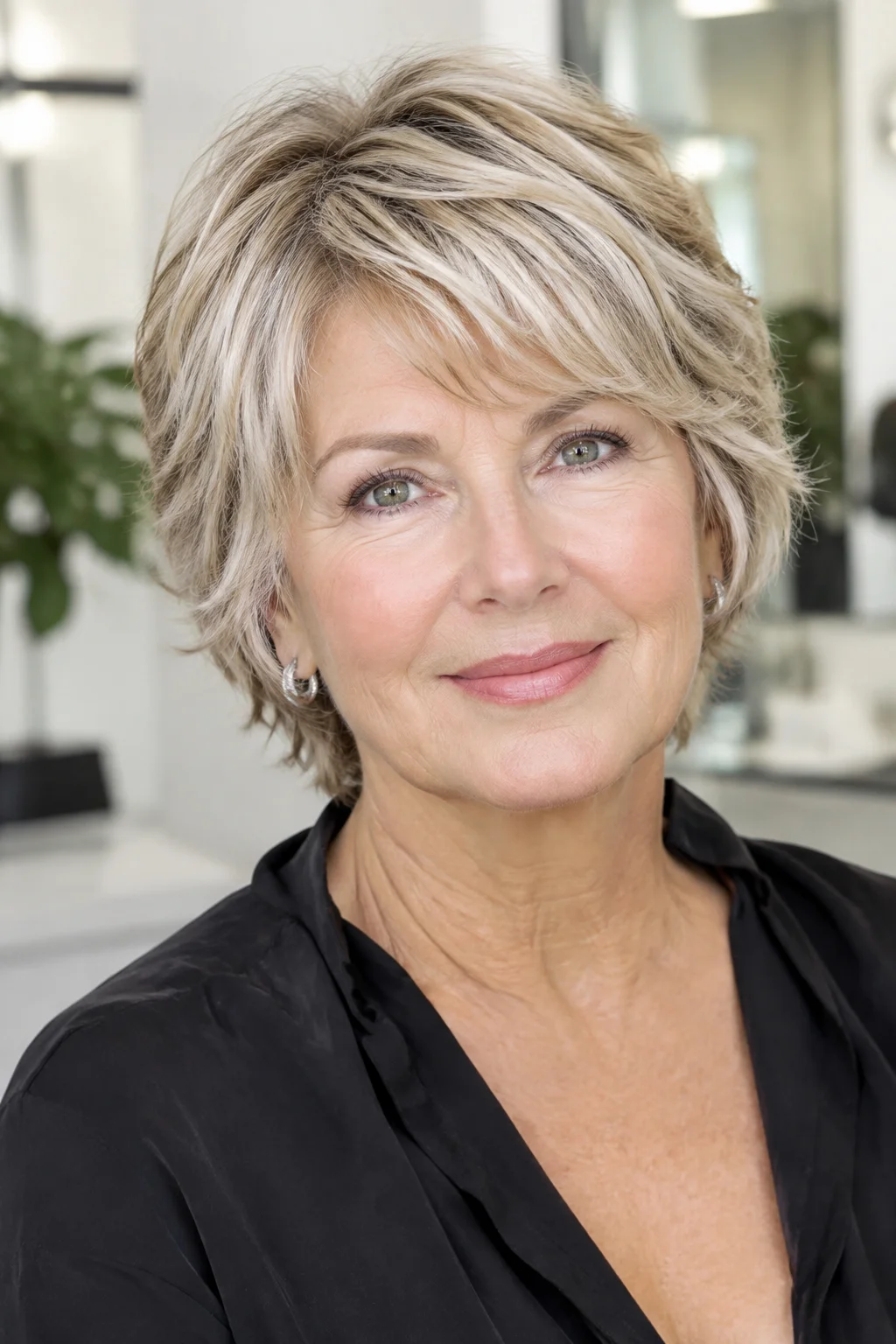
Fine hair needs layers that build volume without thinning out what’s already there, and this cut is built around that exact problem. The layering stays concentrated at the crown and mid-lengths, leaving the ends slightly heavier so hair doesn’t look wispy or see-through. Blow drying upside down for the first minute gives the roots a head start on lift. Tip: ask for a light dusting of the ends only every six to eight weeks so the length doesn’t disappear between appointments.
Tousled Short Shag for Thick Hair
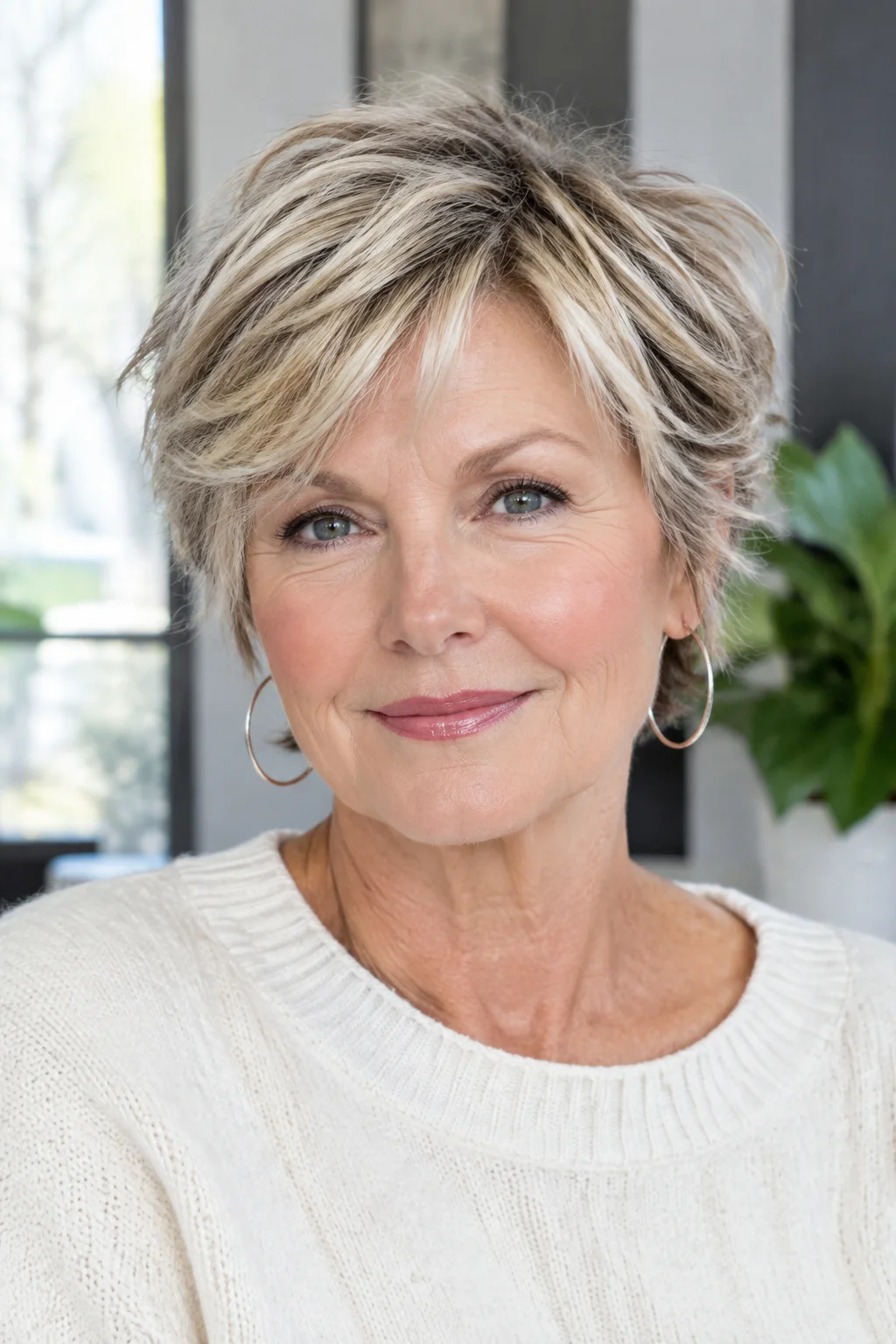
Thick hair carries a lot of weight, and heavy layering is what keeps this shag from turning into a triangle shape. The tousled finish looks undone on purpose, with pieces separated and slightly lifted rather than smoothed down. This cut removes bulk at the sides and back especially, which takes pressure off a thick ponytail-prone head. A sea salt spray worked through damp hair before drying gives the tousled texture without flattening the layers.
Side-Swept Short Shag
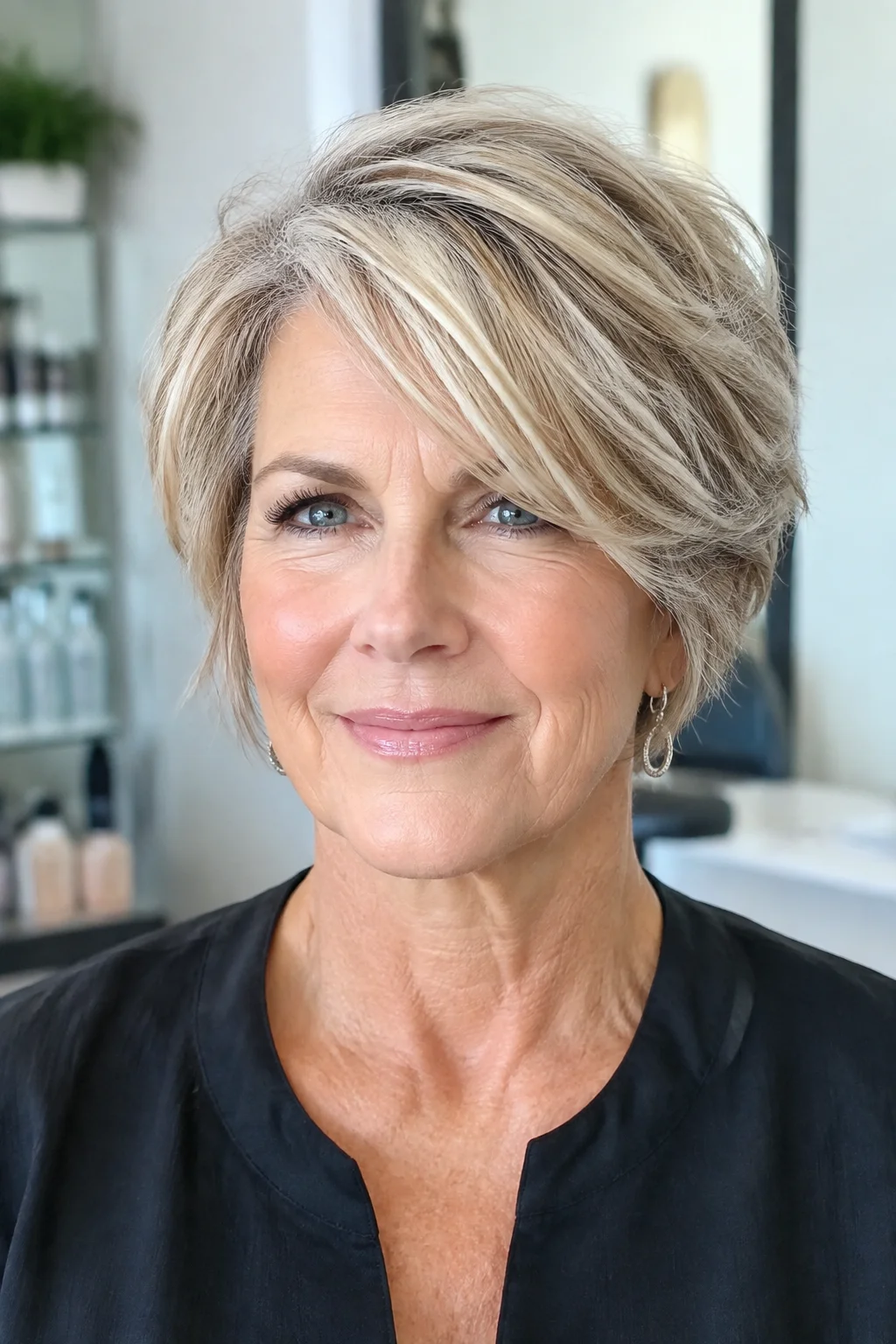
A deep side part changes the whole feel of a shag, sweeping the longer top layers across the forehead instead of straight back. It’s a flattering choice for square or round face shapes since the angle breaks up width at the forehead. The rest of the cut stays fairly standard, with choppy layers through the crown and back. This works especially well for hair that’s thinning slightly at the part line, since the sweep covers more scalp than a center part would.
Feathered Short Shag with Soft Waves
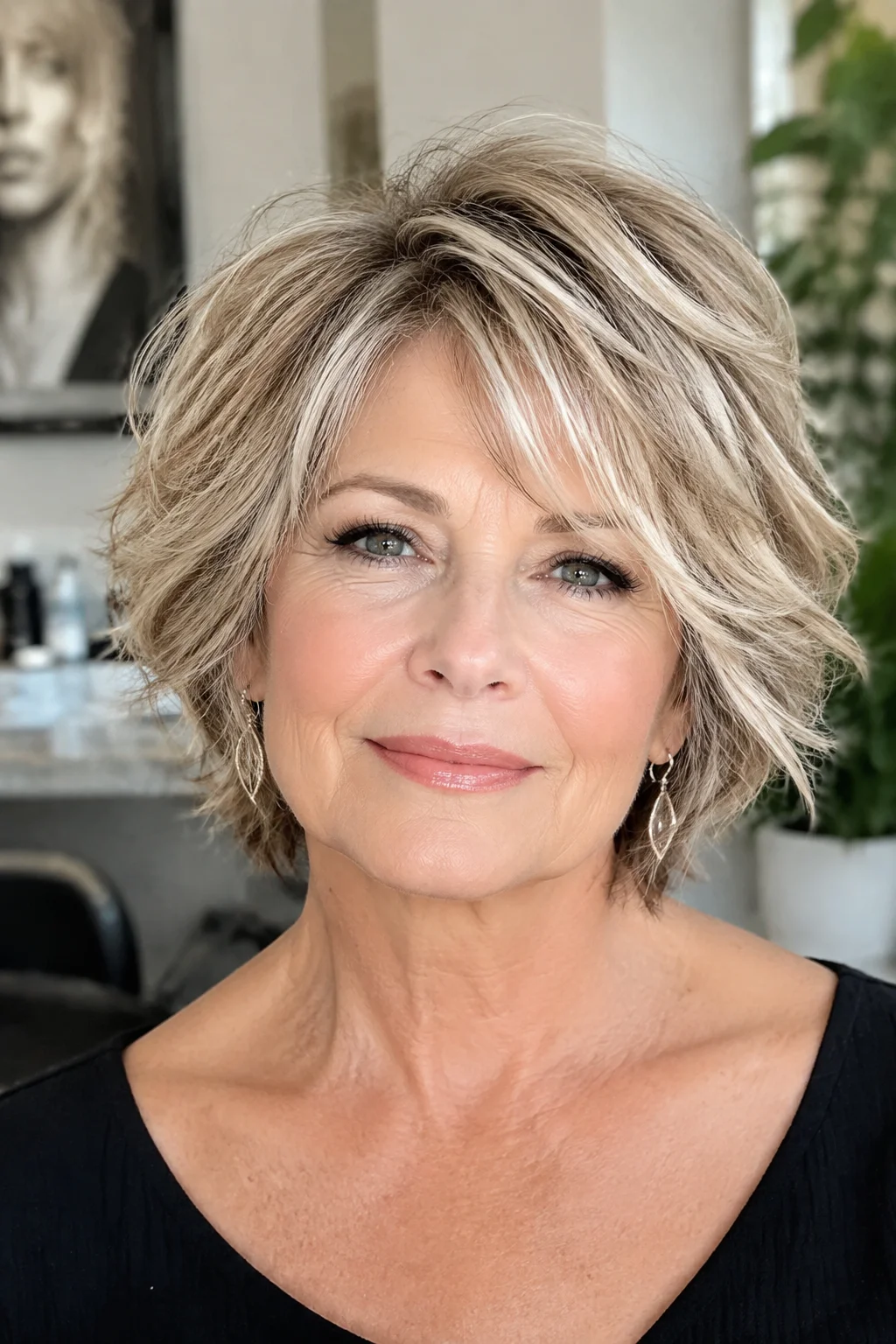
Feathered layers taper to fine points at the ends, giving the whole cut a lighter, airier look compared to the choppier versions on this list. Soft waves, whether natural or set with a curling iron, work with the feathering to create gentle movement rather than sharp texture. It’s a quieter take on the shag, better suited to women who want shape and softness over an edgy finish. The feathering also disguises stray gray hairs better than a blunt layer would.
Blunt-Edged Short Shag with Texture
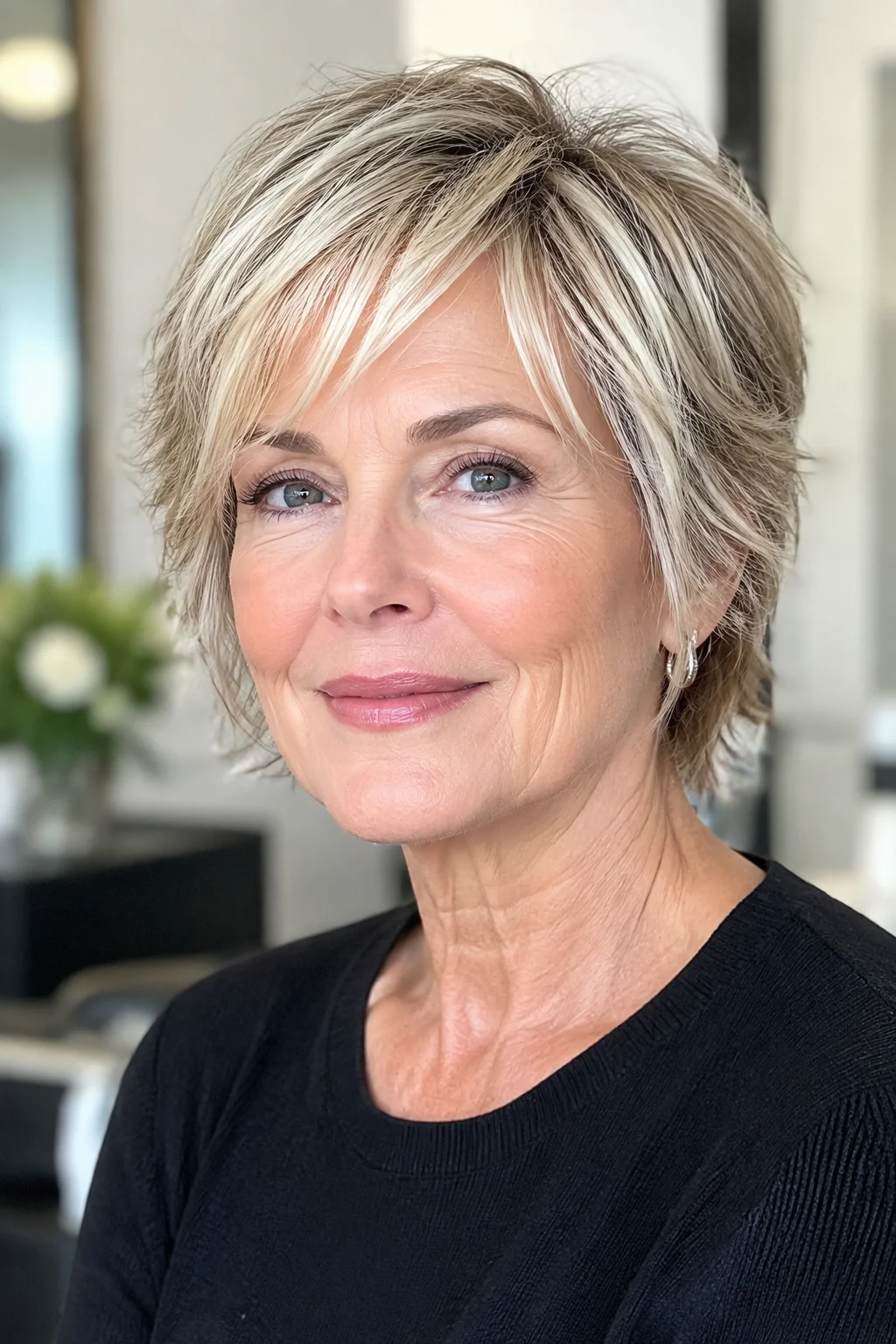
Not every shag has to look wispy. This version keeps the perimeter blunt while adding internal texture through point cutting inside the layers. The result is a cut with more weight and structure, good for hair that’s prone to flyaways or frizz. It holds its shape through humid weather better than the softer, choppier shags do.
Short Shag with Longer Front Layers
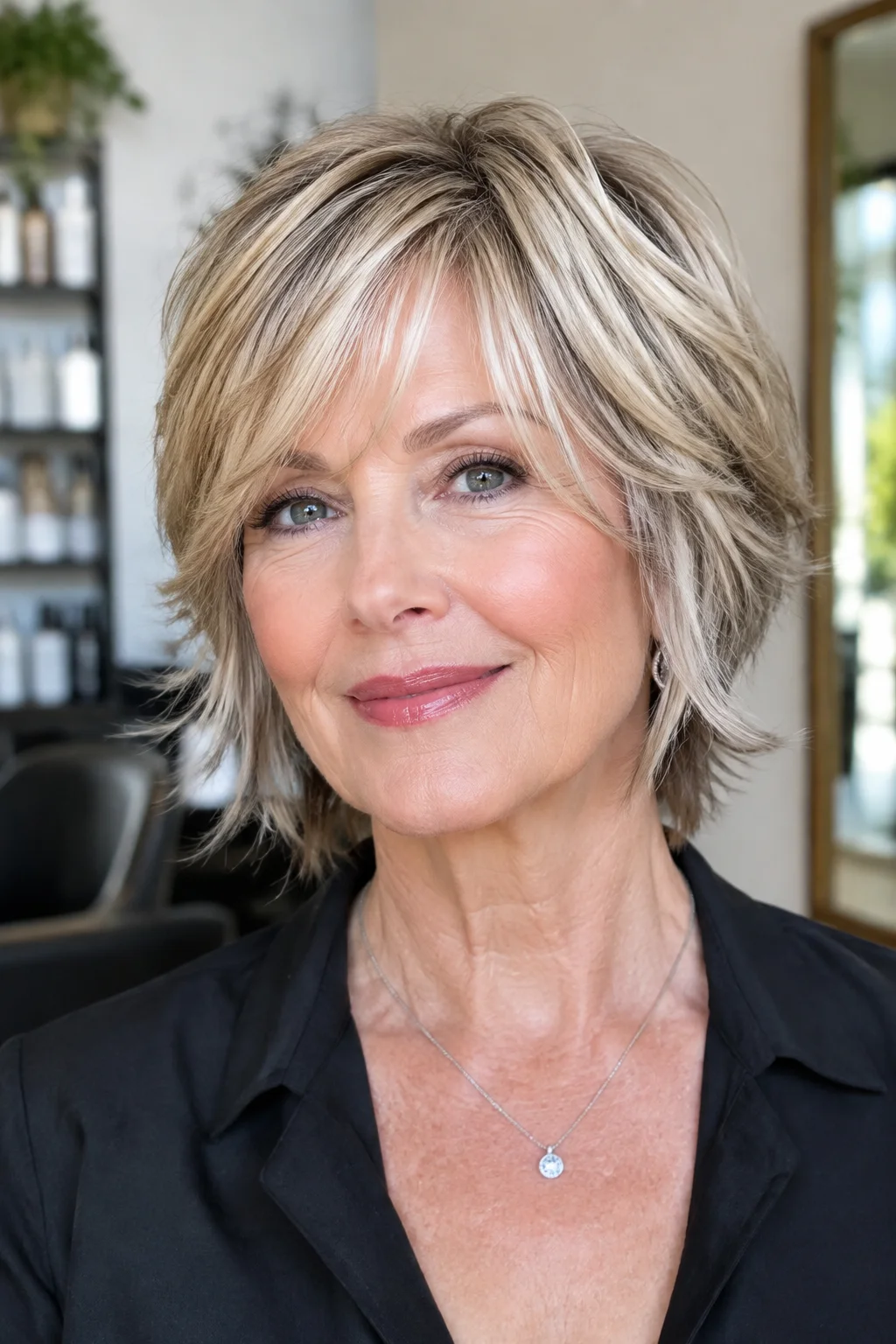
Keeping the front layers a bit longer than the rest frames the face without the commitment of full bangs. The length can be tucked behind the ears or left loose to graze the cheekbones. This is a good transitional option for anyone growing out bangs but still wanting a face-framing effect. The back and crown stay short and choppy to balance out the longer front pieces.
Textured Short Shag for Round Face
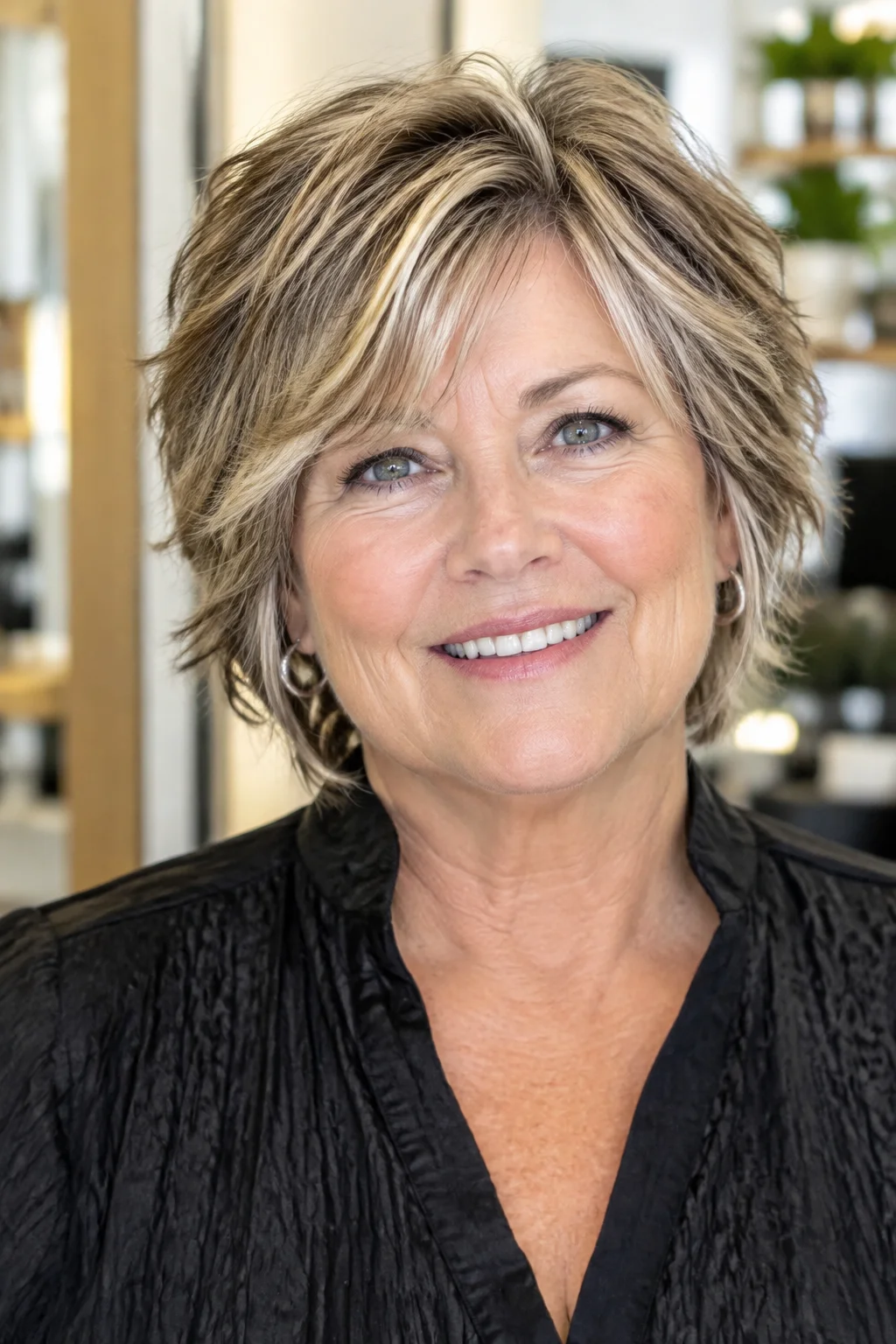
Round faces benefit from layers that build height at the crown and length that falls just below the jaw, both of which this cut delivers. The texture is heaviest around the temples, which visually narrows the widest part of the face. Avoid asking for too much width at the sides, since that tends to emphasize roundness rather than soften it. This shag reads as fresh and current without needing a drastic length change from what you’re probably already wearing.
Wavy Short Shag with Movement
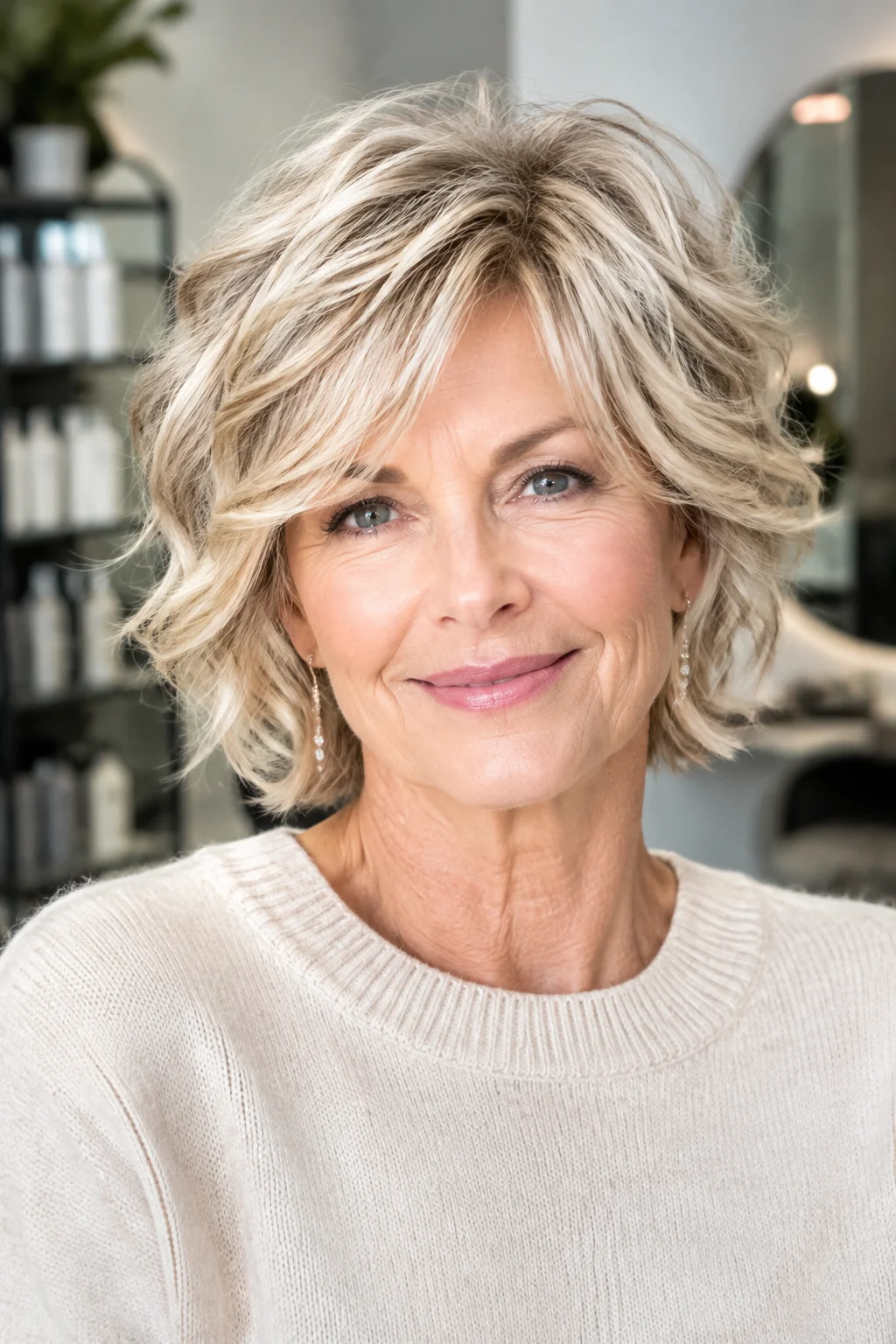
Natural waves and shag layers are a low-effort combination, since the layers simply enhance a texture that’s already there. Hair dries into soft S-waves without much styling beyond a scrunch of mousse and a diffuser. Tip: skip the brush entirely on wavy hair and finger-comb instead, since brushing tends to break up the wave pattern and create frizz.
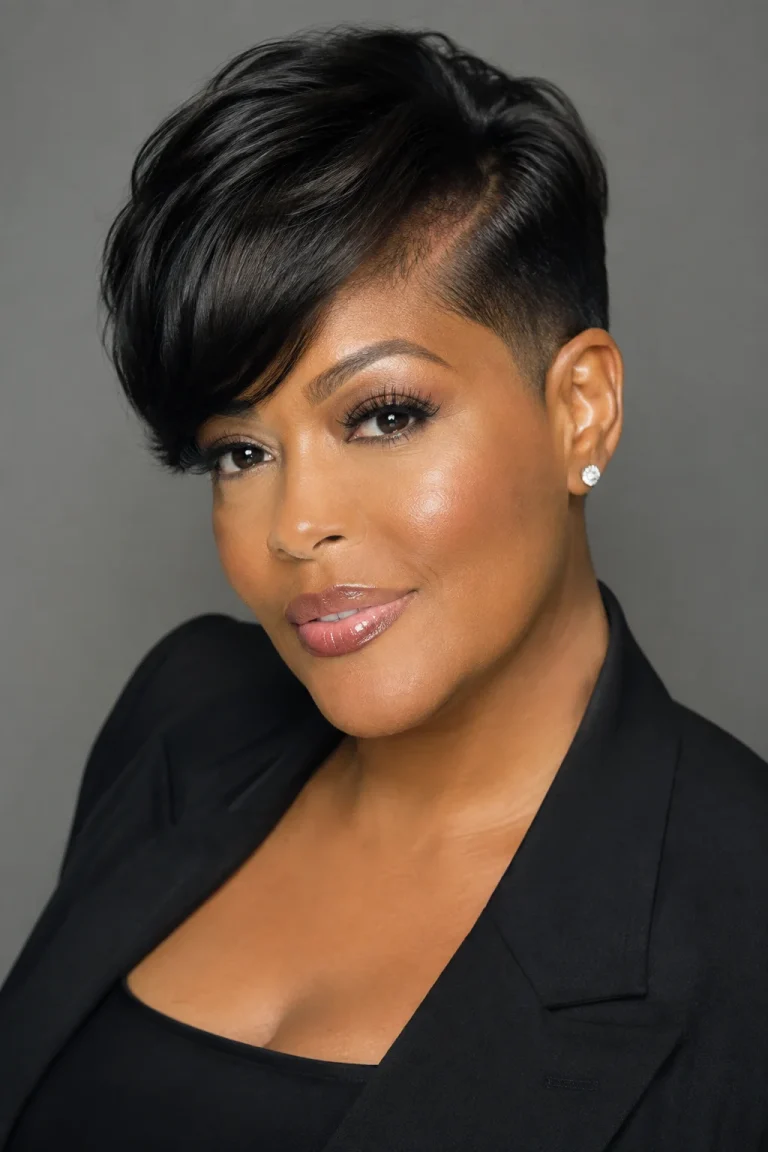
Short Shag with Textured Crown and Tapered Sides
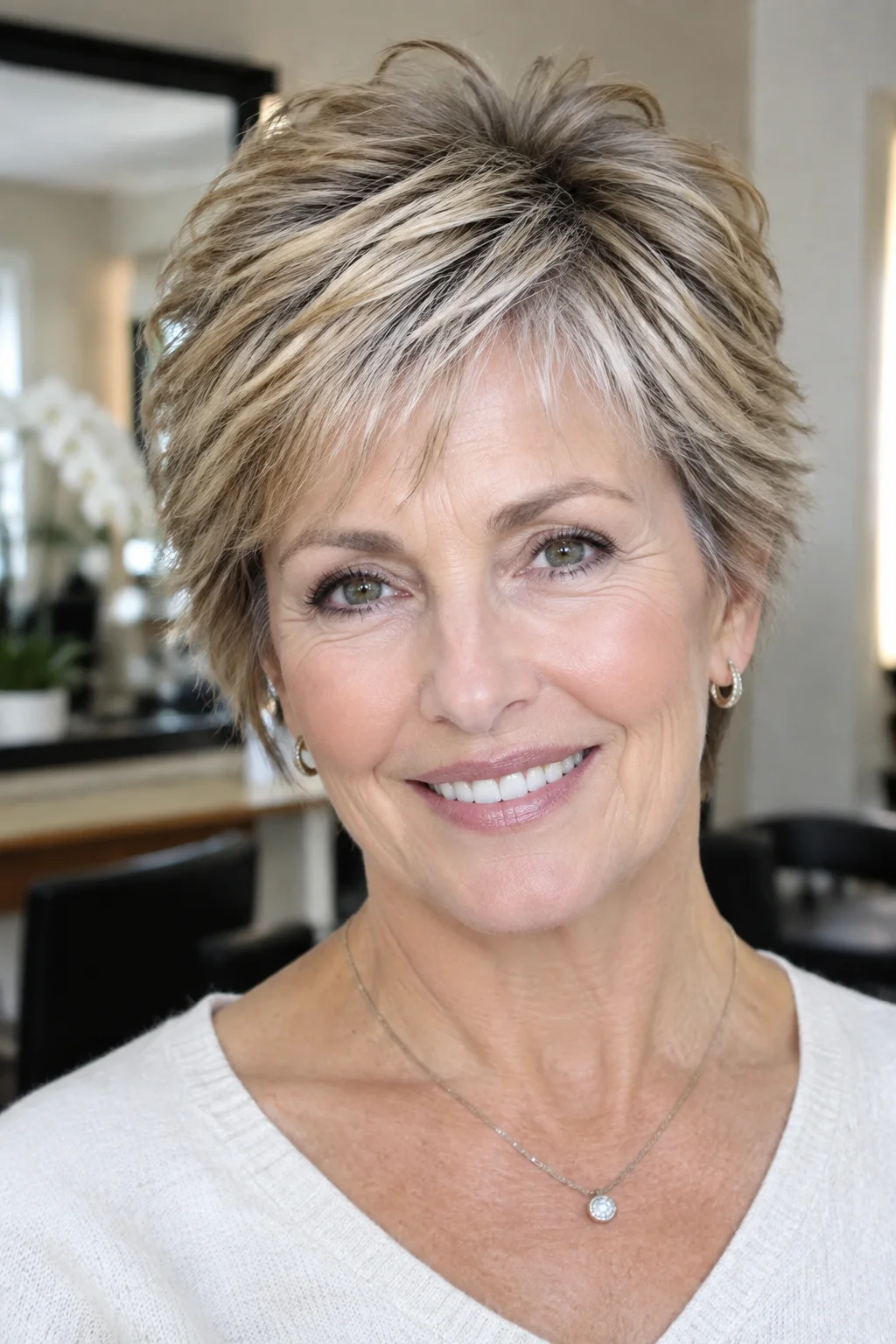
This cut puts most of its effort into the crown, where short, choppy layers build height and texture, while the sides taper down close to the head. It’s a tidy, structured take on the shag that suits women who want some edge but not a lot of loose, flyaway pieces. The tapered sides also make the style easier to maintain between color appointments, since there’s less length to show new growth.
Curly Short Shag with Shorter Sides
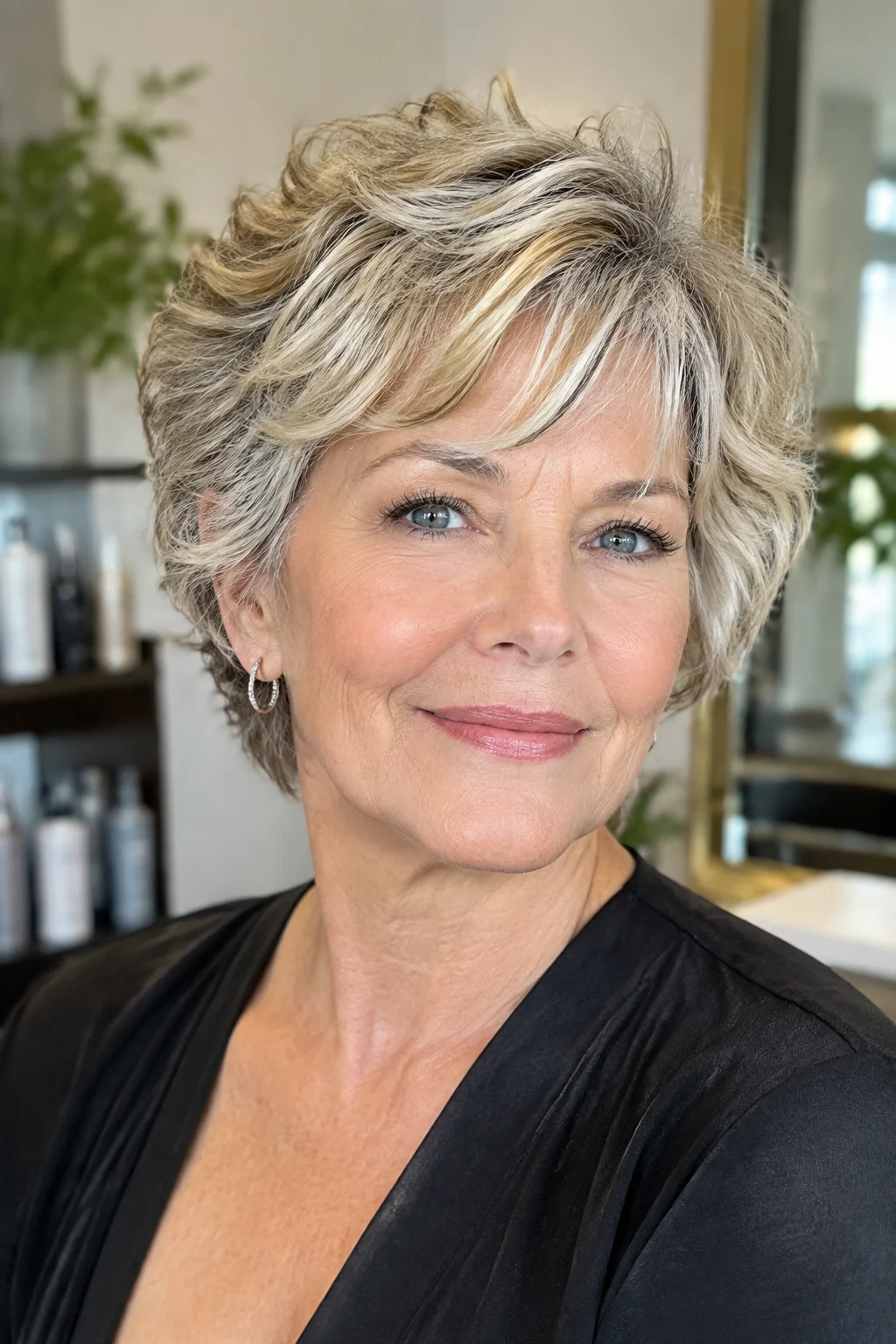
Curly hair with shorter sides and a fuller, shaggier top creates a strong silhouette that still lets curls do what they naturally do. The shorter sides keep bulk down around the ears, which is especially helpful for tighter curl patterns that tend to expand outward. Compared to a fully even curly shag, this version has more shape and less width overall.
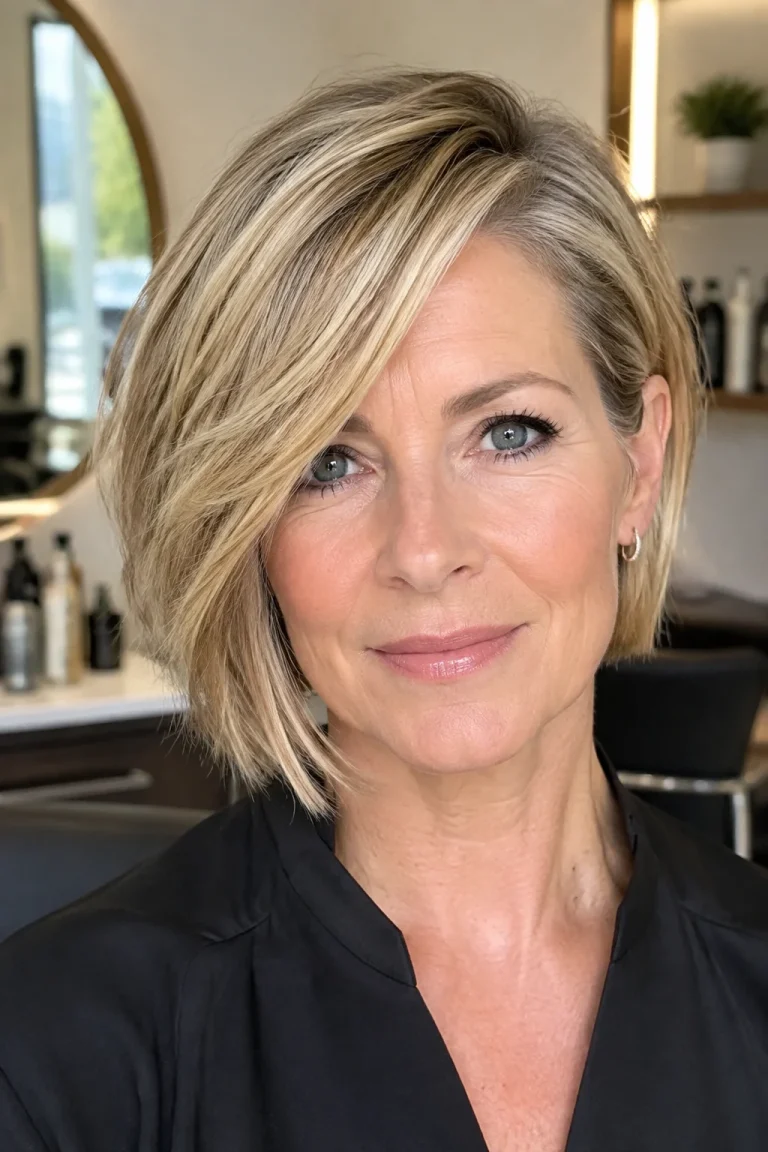
Honey-Toned Short Shag with Highlights
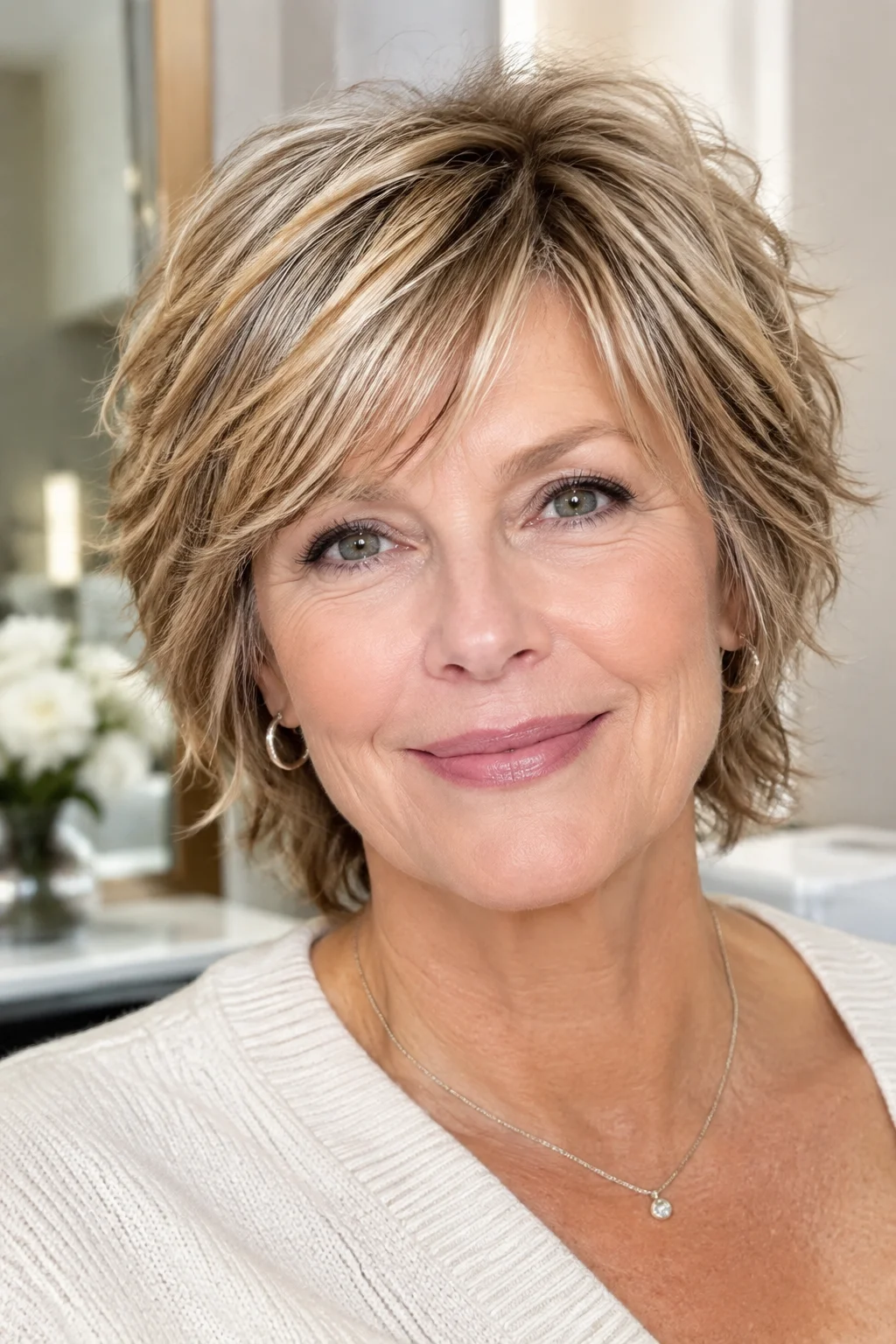
Color does a lot of the work in this entry. Honey and caramel highlights woven through a classic shag cut catch the light differently at every layer, making the texture look even more dimensional. This combination flatters most skin tones, especially those with warm undertones, and it softens the look of gray regrowth between touch-ups. The highlights should be placed heaviest around the face-framing pieces for the best effect.
Choppy Short Shag for Straight Fine Hair
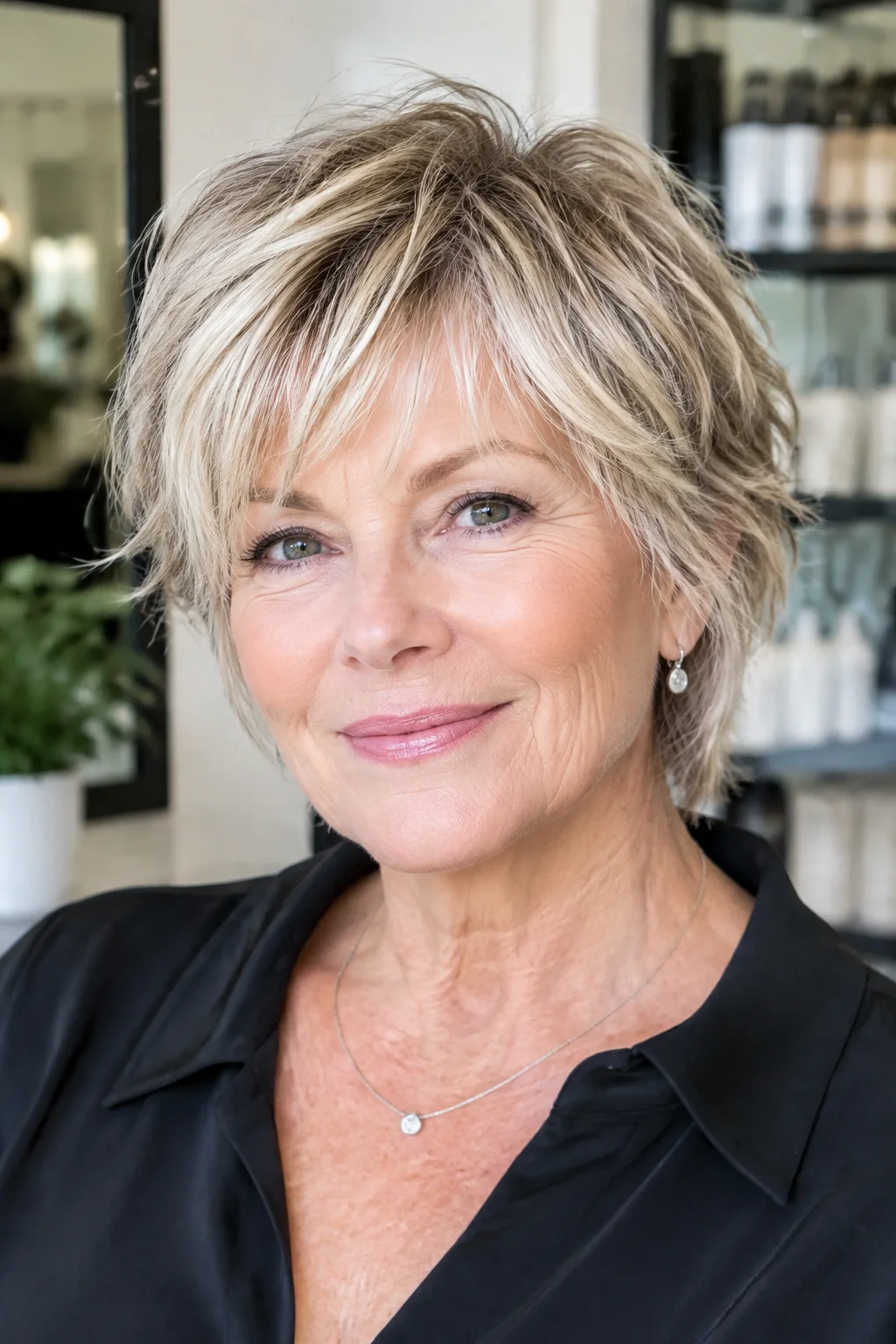
Straight fine hair can look limp without the right layering, and heavy choppiness is the fix. Short, jagged layers cut close throughout the head create the illusion of thickness that a smoother cut would not. This is one of the lowest-maintenance options on the list since straight hair falls into place with just a blow dry.
Tousled Mullet-Shag Short Hybrid
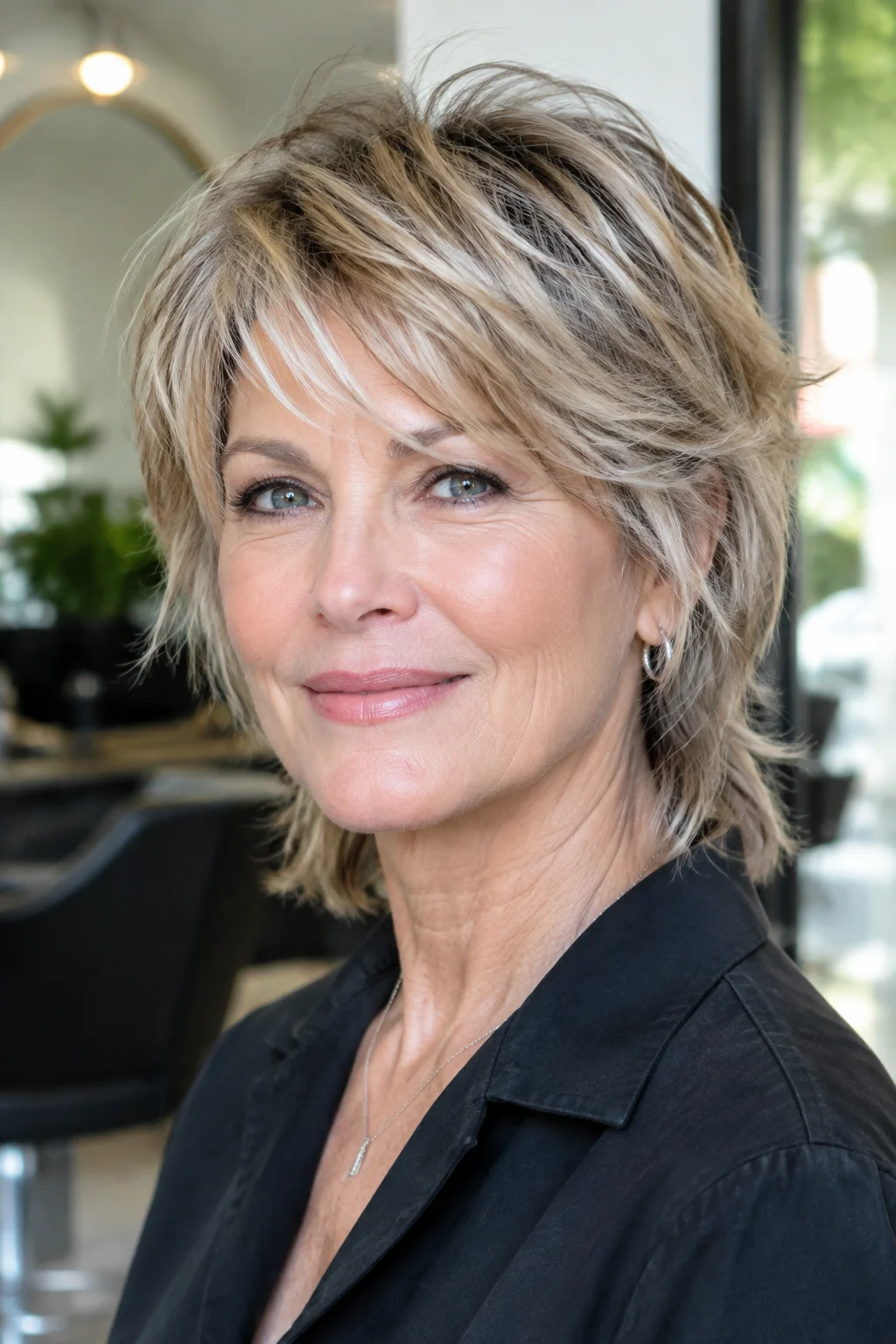
This hybrid borrows the longer back and shorter front structure of a mullet and blends it into shaggy, tousled layers instead of the harder lines a true mullet usually has. It reads as more wearable and age-appropriate than a straight mullet while still giving that same contrast between front and back length. Texture spray and finger styling bring out the tousled part of the name. This is a strong pick for anyone bored with a standard shag shape and wanting something with more personality.
Short Shag with Longer Textured Bangs
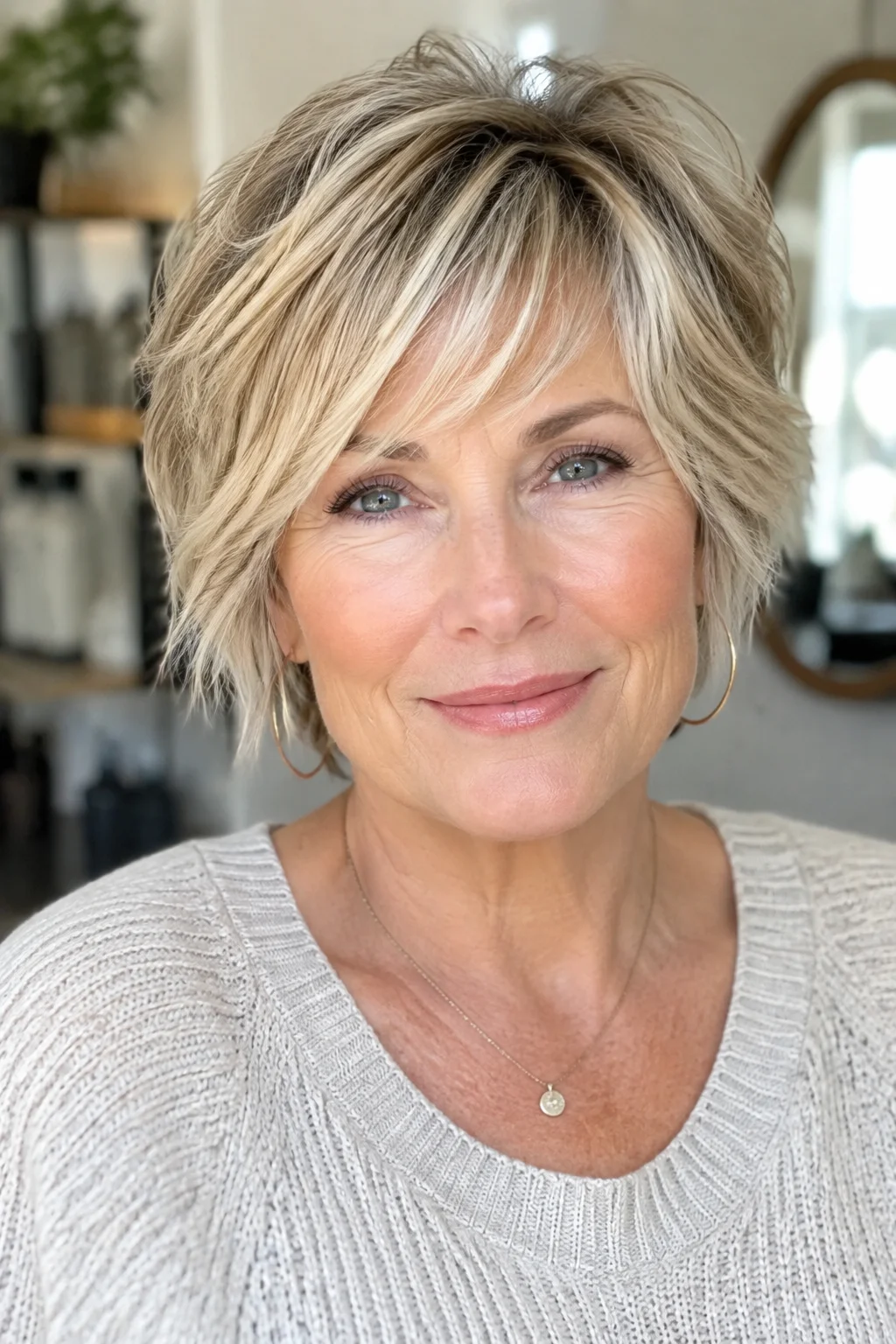
Longer bangs, cut with texture rather than a blunt line, sweep to the side or fall forward depending on how you style them. They blend into the rest of the shag’s layers instead of standing apart as a separate section. Tip: ask your stylist to connect the bang layers into the face-framing pieces so there’s no obvious line between the two.
Two-Tone Short Shag with Contrast
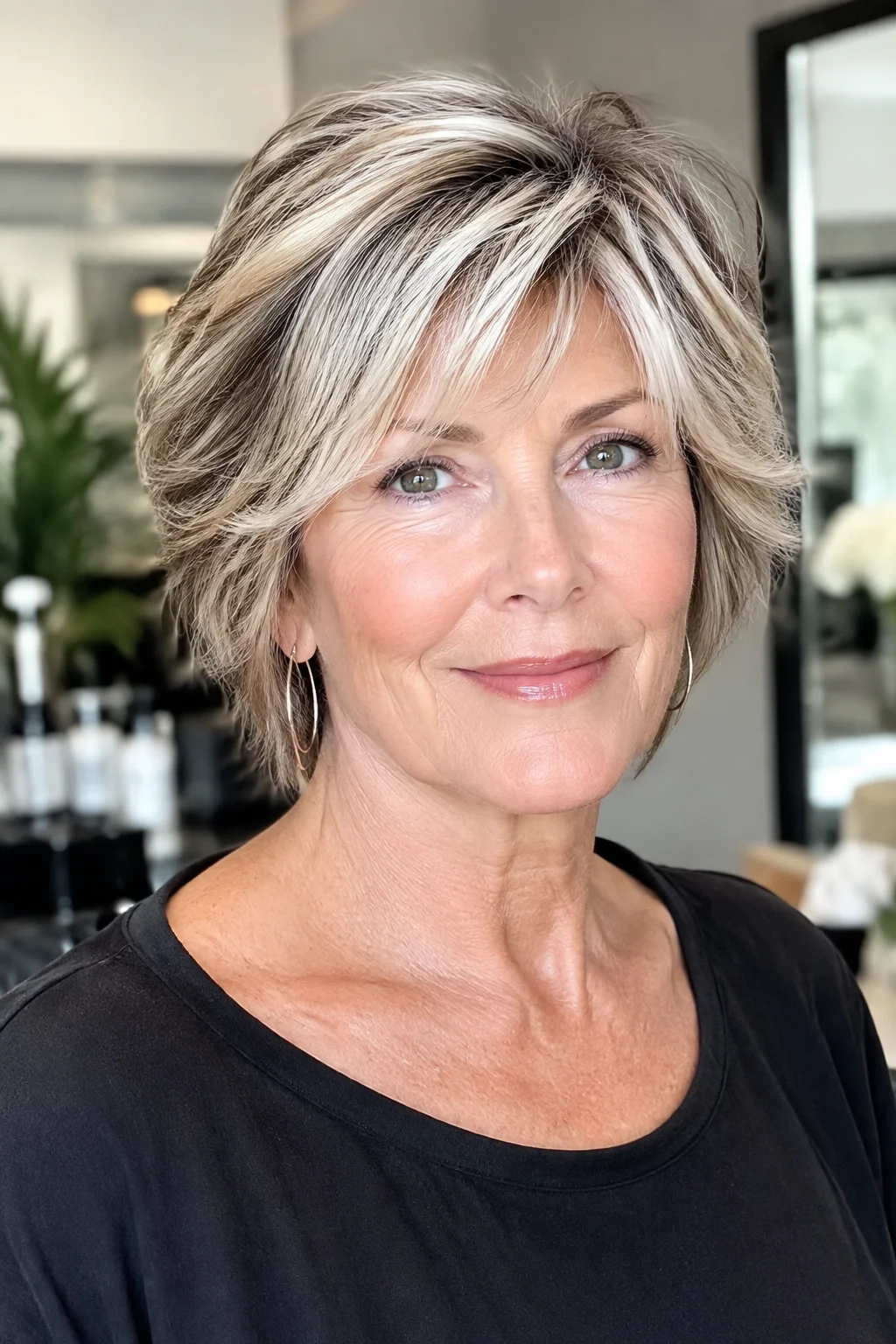
Two-tone color, whether that’s a darker base with lighter ends or a chunkier highlight pattern, adds visual interest to the layers that a single shade cannot. The contrast makes the choppy cutting more obvious since each layer picks up a slightly different tone. This works especially well on textured or wavy hair, where the color shifts follow the movement of the cut itself.
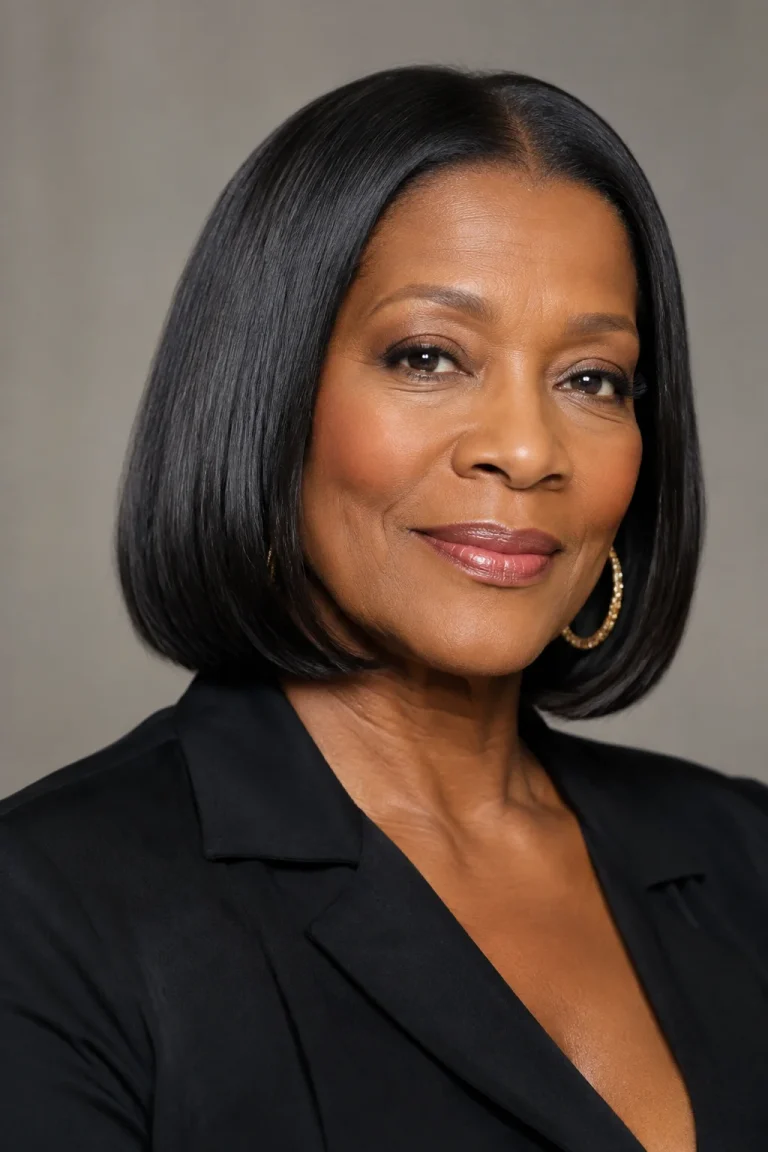
Softly Layered Short Shag for Mature Skin
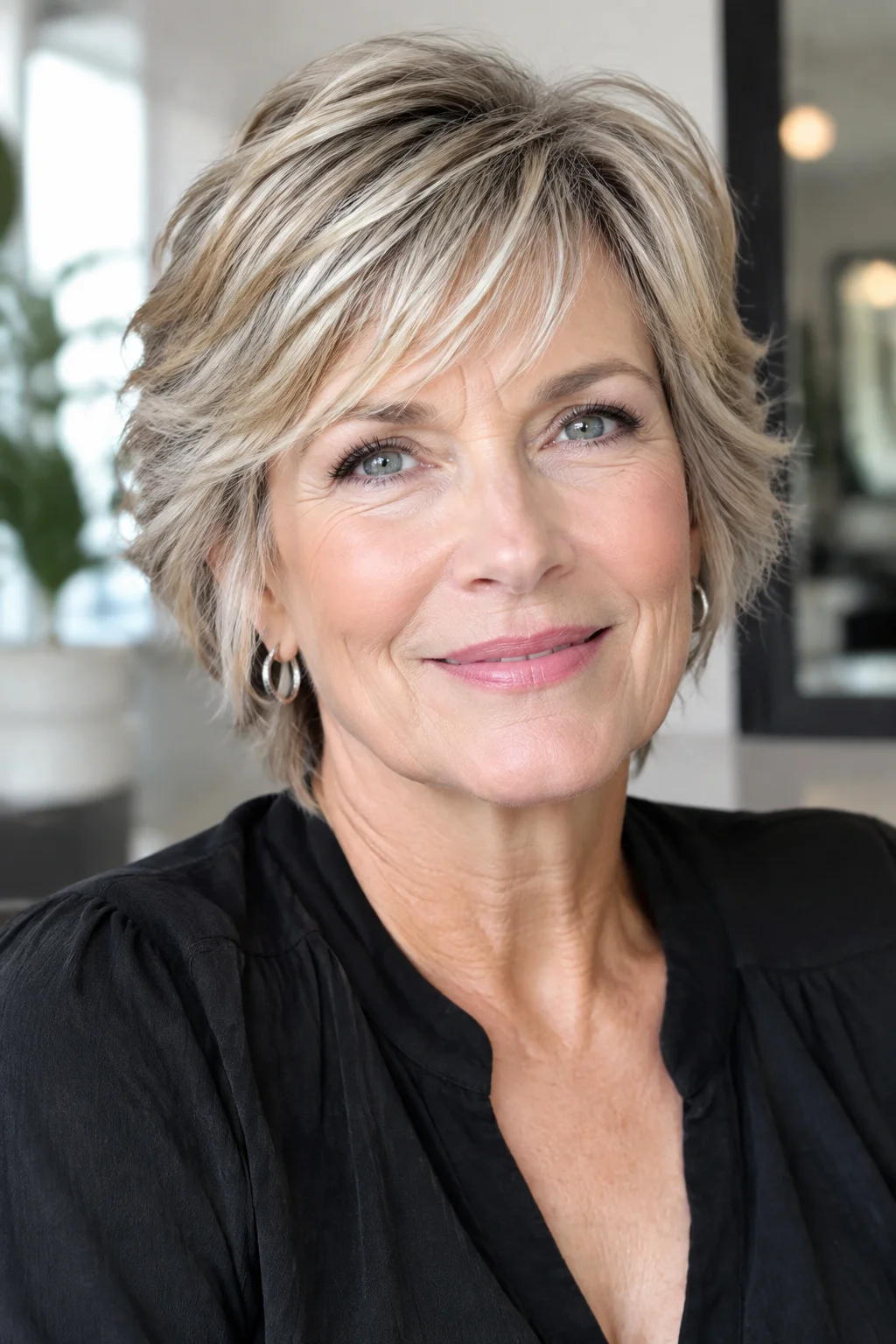
Hard lines near the face can be unflattering as skin changes with age, so this version softens every layer around the front, keeping edges rounded rather than choppy. It still has shape and volume through the crown, just without the jagged, piece-y finish of other shags on this list. This is a comfortable middle ground for anyone who likes the idea of a shag but found the choppier versions too harsh for their coloring. A light-hold mousse keeps the softness intact without stiffening the layers.
Wedge-Shaped Short Shag
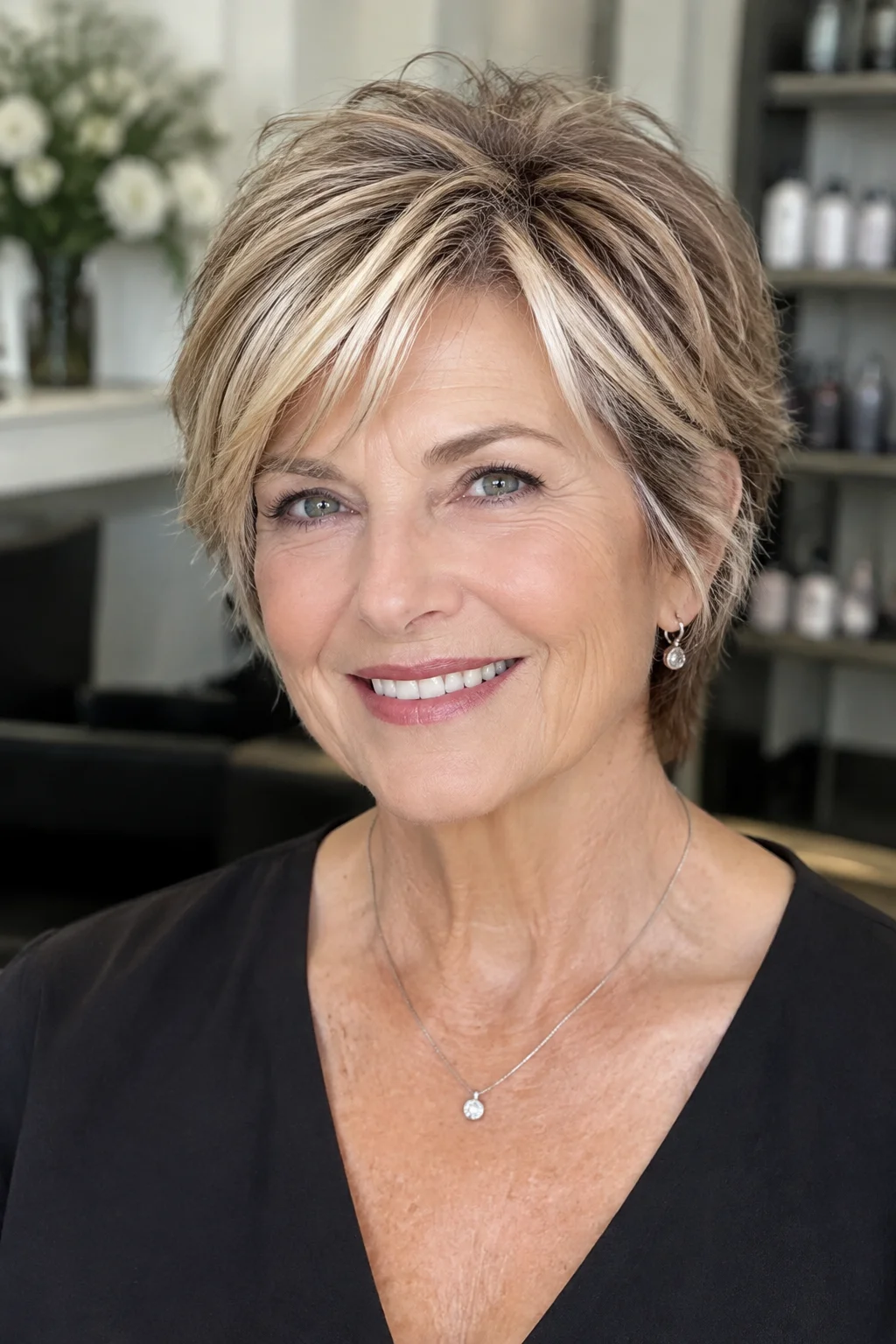
The wedge shape stacks layers at the back, creating a built-up, rounded silhouette that tapers shorter toward the nape. It’s a structured option compared to most other shags on this list, which tend to be looser and more textured throughout. This cut suits straighter hair types best since the wedge shape depends on clean, visible layering to read correctly.
Tousled Short Shag with Longer Fringe
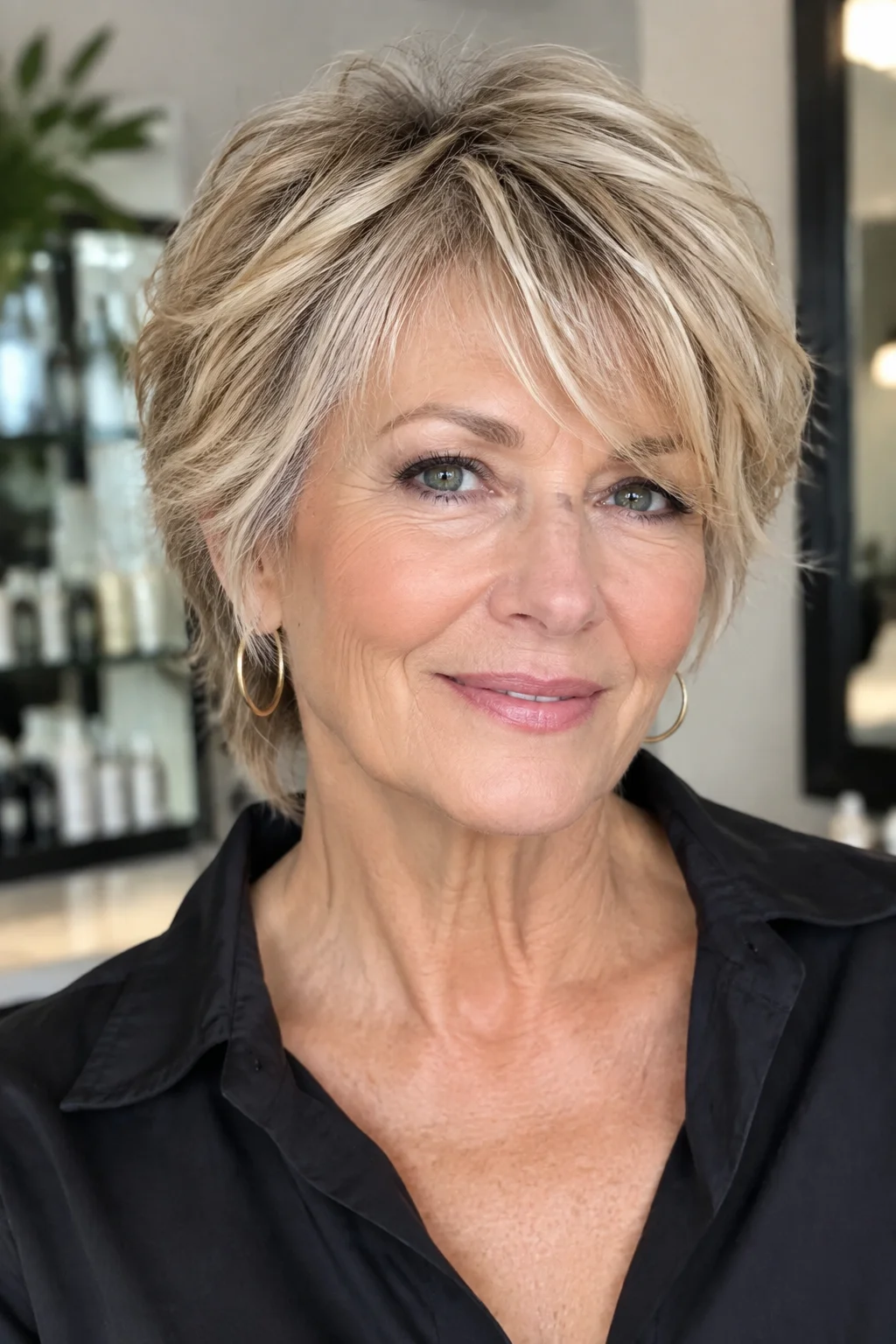
A longer, side-swept fringe adds length at the front while the rest of the cut stays short and tousled. The fringe can be worn parted to blend with the side layers or pinned back on days you want it out of the way. This flexibility makes it a practical choice for anyone who likes options rather than one fixed daily style.
Short Shag with Defined Curls and Texture
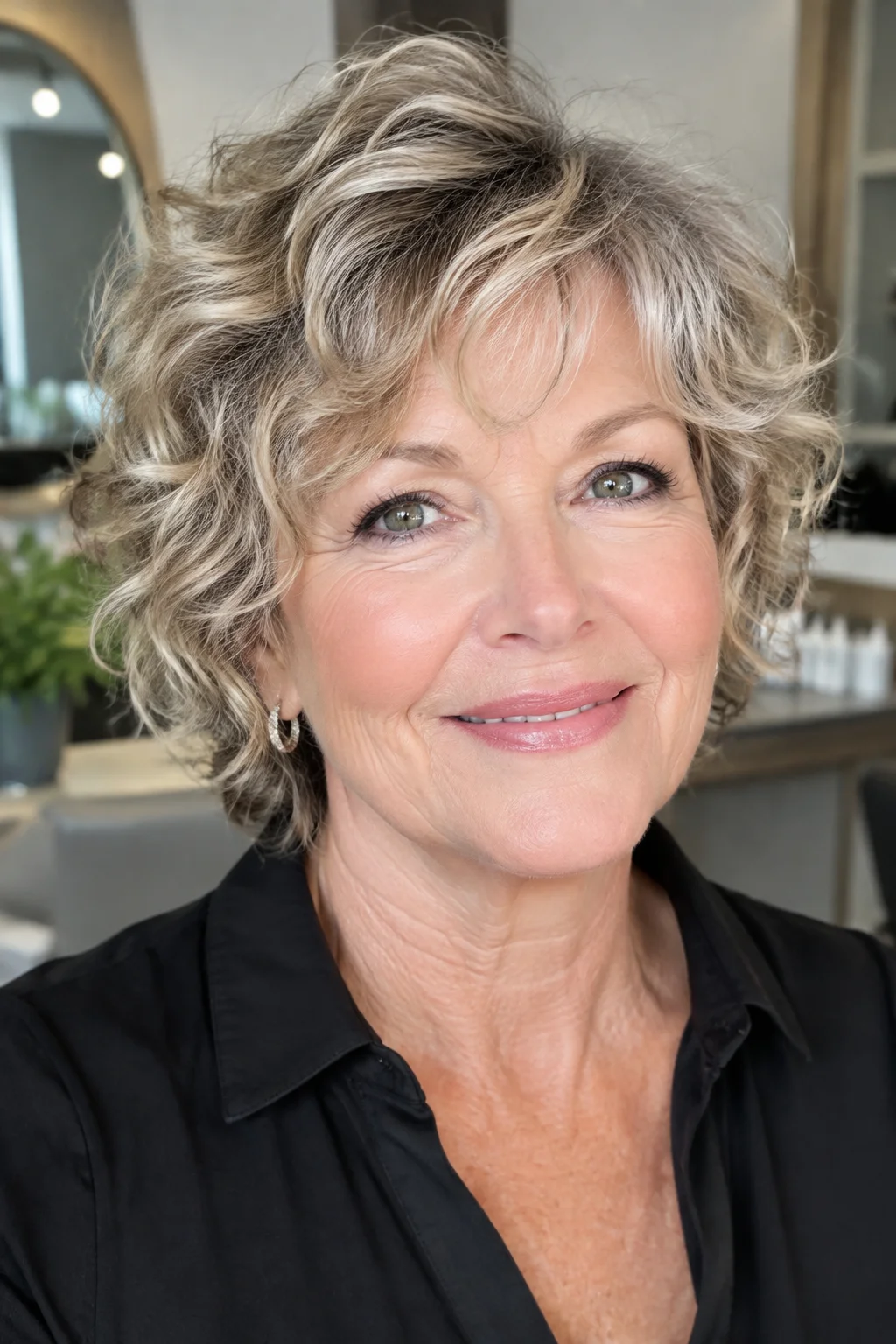
Every curl gets its own definition in this version, cut specifically to let ringlets or waves show their shape rather than blending into a general curly mass. It’s similar to other curly shags on this list but leans more deliberate and polished, better suited for days you want the curls looking intentional rather than just air-dried.
Modern Short Shag with Disconnected Layers
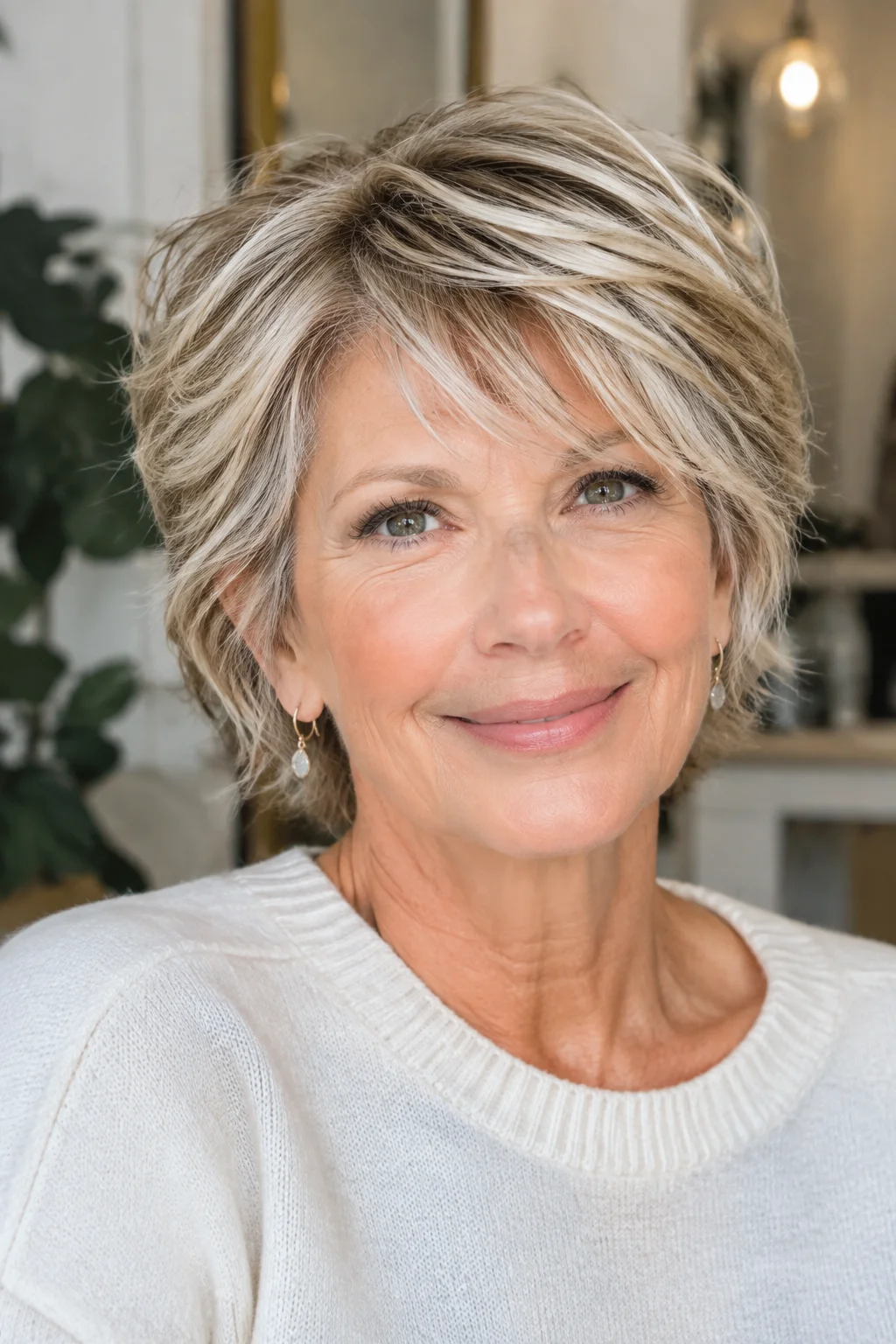
Disconnected layers create deliberate gaps in length throughout the cut, giving it a more graphic, modern edge compared to the smoother blending found in a classic shag. This works best on hair with some natural texture, since the disconnection relies on pieces separating rather than falling together. It’s a bold choice, best suited to women who already feel comfortable with shorter, edgier hair and want their next cut to make a clear style statement rather than ease into one gradually.
Choosing the Right Short Shag for Your Hair
With this many options, picking one comes down to texture and maintenance more than personal taste alone. If your hair is fine and flat, lean toward the layered short shag for fine hair or the choppy short shag for straight fine hair, since both are built to fake volume you don’t naturally have. Thick hair does better with the tousled short shag for thick hair or the wedge-shaped short shag, which both remove bulk through heavier layering.
Curly hair has two solid paths here: the curly short shag with defined texture for a fuller, rounder look, or curly short shag with shorter sides if you want less width. Gray hair pairs especially well with the gray short shag with undercut detail or the softly layered short shag for mature skin, since both account for how gray strands catch light differently than pigmented hair.
A common mistake is choosing a heavily choppy shag, like the classic short shag with choppy layers, without discussing face shape first. That jagged texture can overwhelm smaller features if it’s placed too close to the face. Bring a photo, but talk through your hair type and face shape with your stylist before you commit to a specific version.