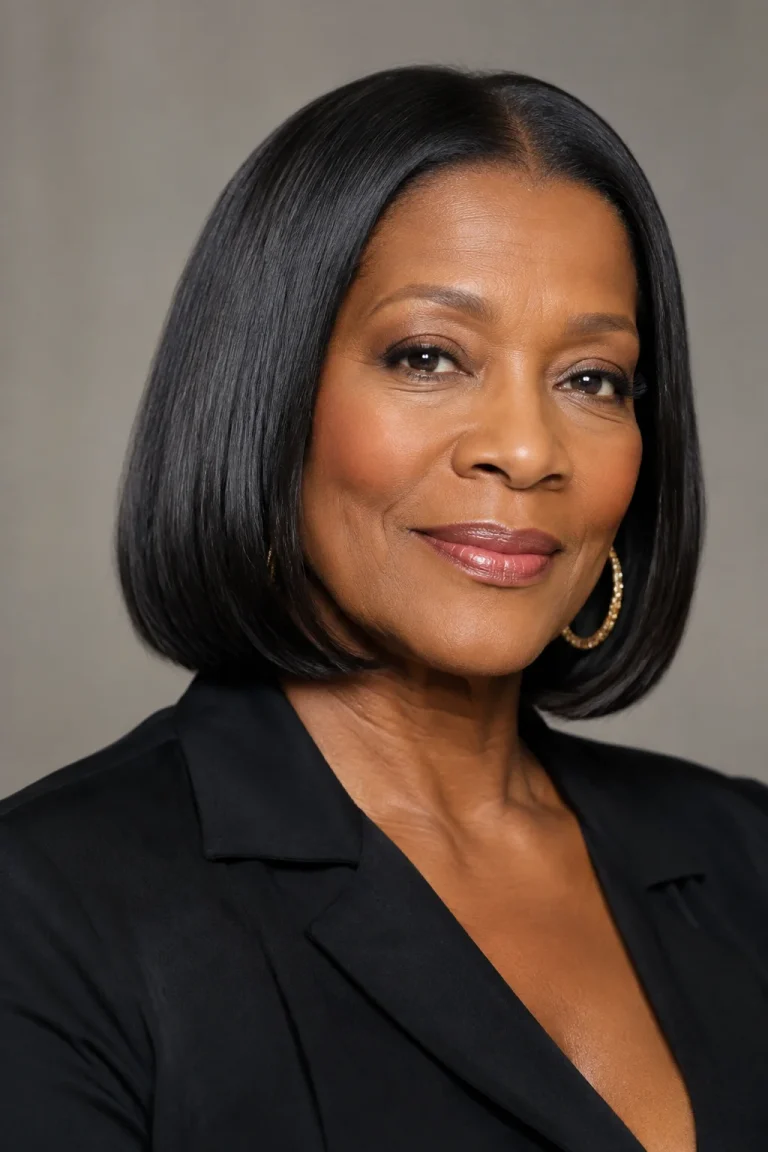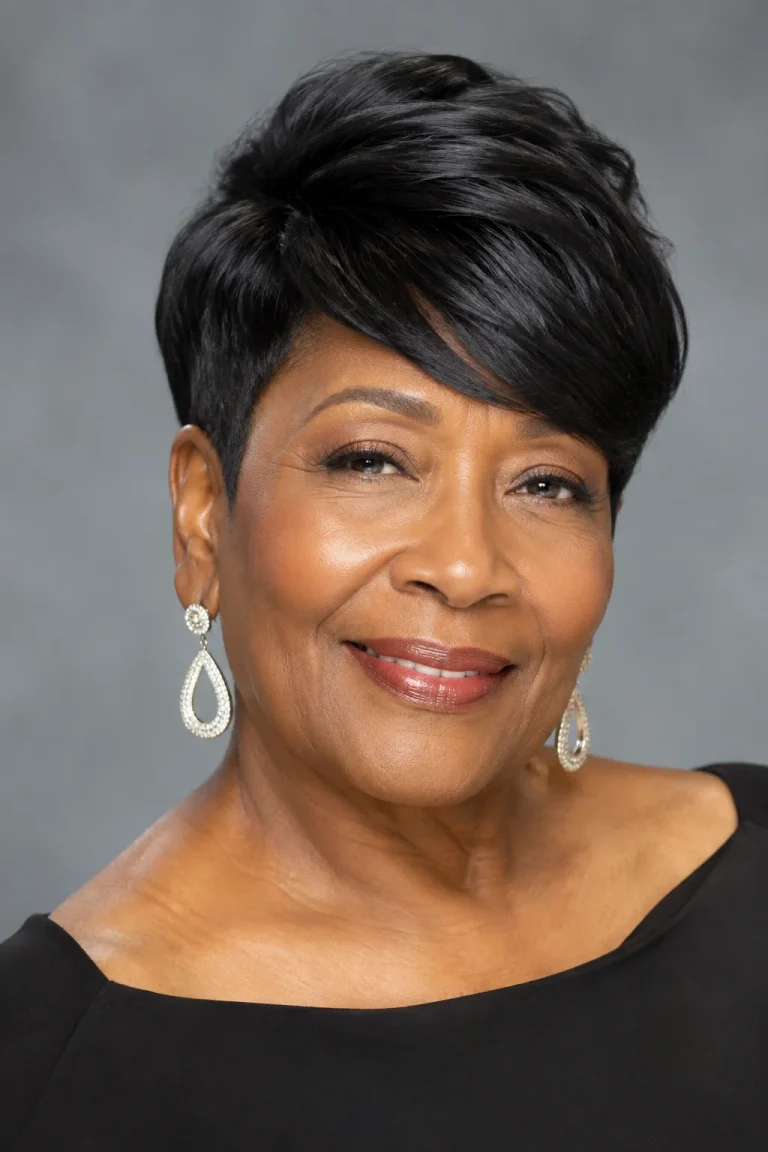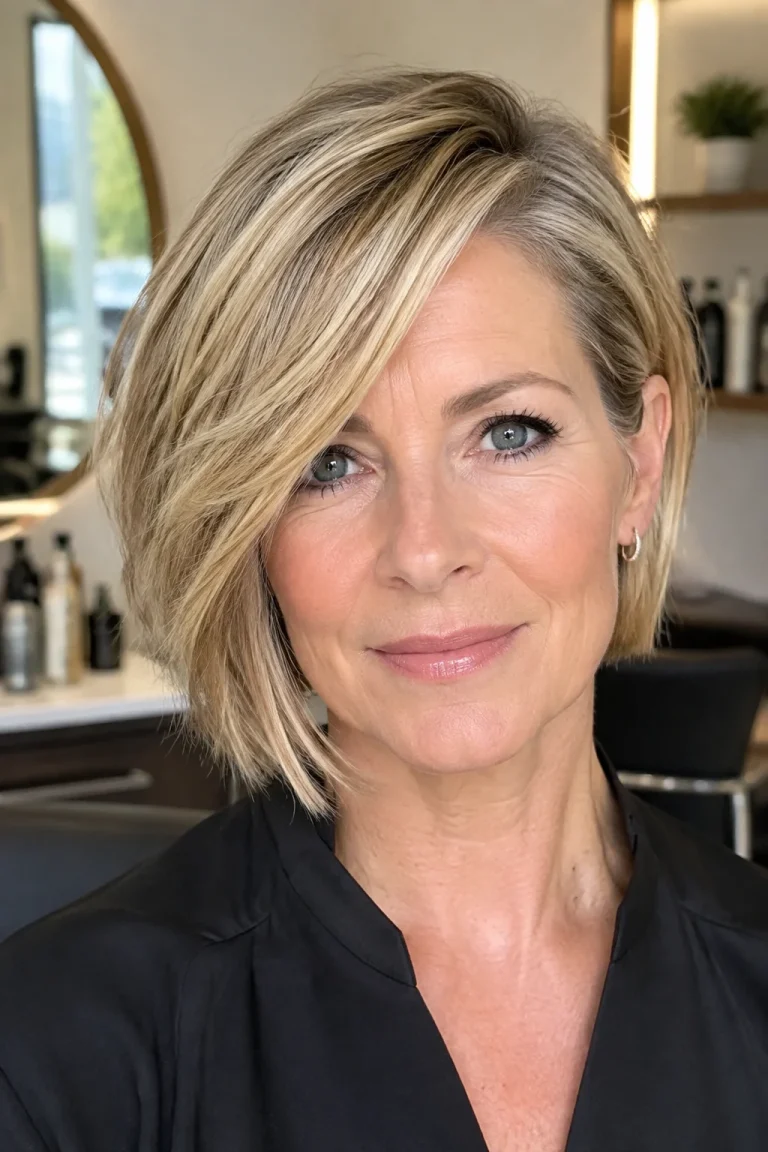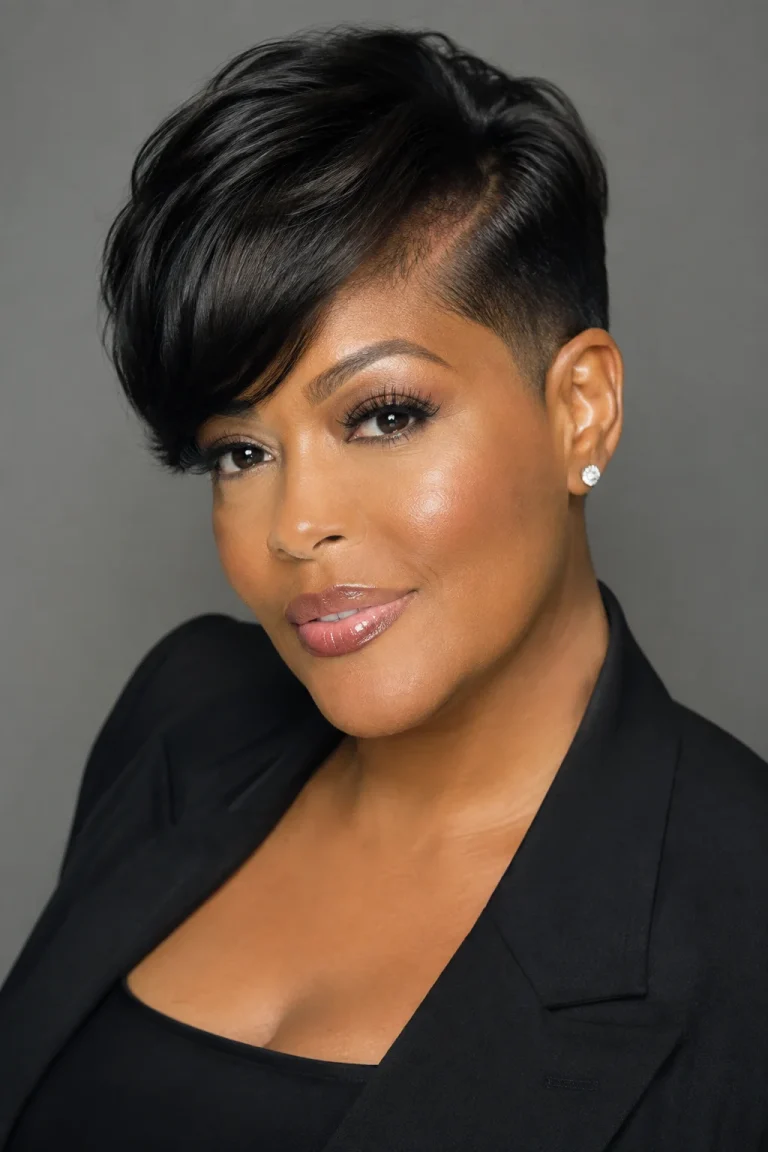
Short hair gets a bad reputation for being boring, but a shag changes that completely. The layers add movement, the texture hides thinning spots, and the whole style feels easy to wake up with instead of fight with. If you’re tired of flat, one-length cuts that make you look older and more tired than you feel, these short hair short shag haircuts for black women over 60 give you options that work with your hair’s natural pattern instead of against it. Some are soft and rounded, some have sharp edges, and some lean into curl texture completely. Bring these photos and names to your stylist so you both start from the same page. Your hair type, face shape, and how much styling time you actually want to spend each morning should guide which one you pick.
Classic Shag with Textured Layers
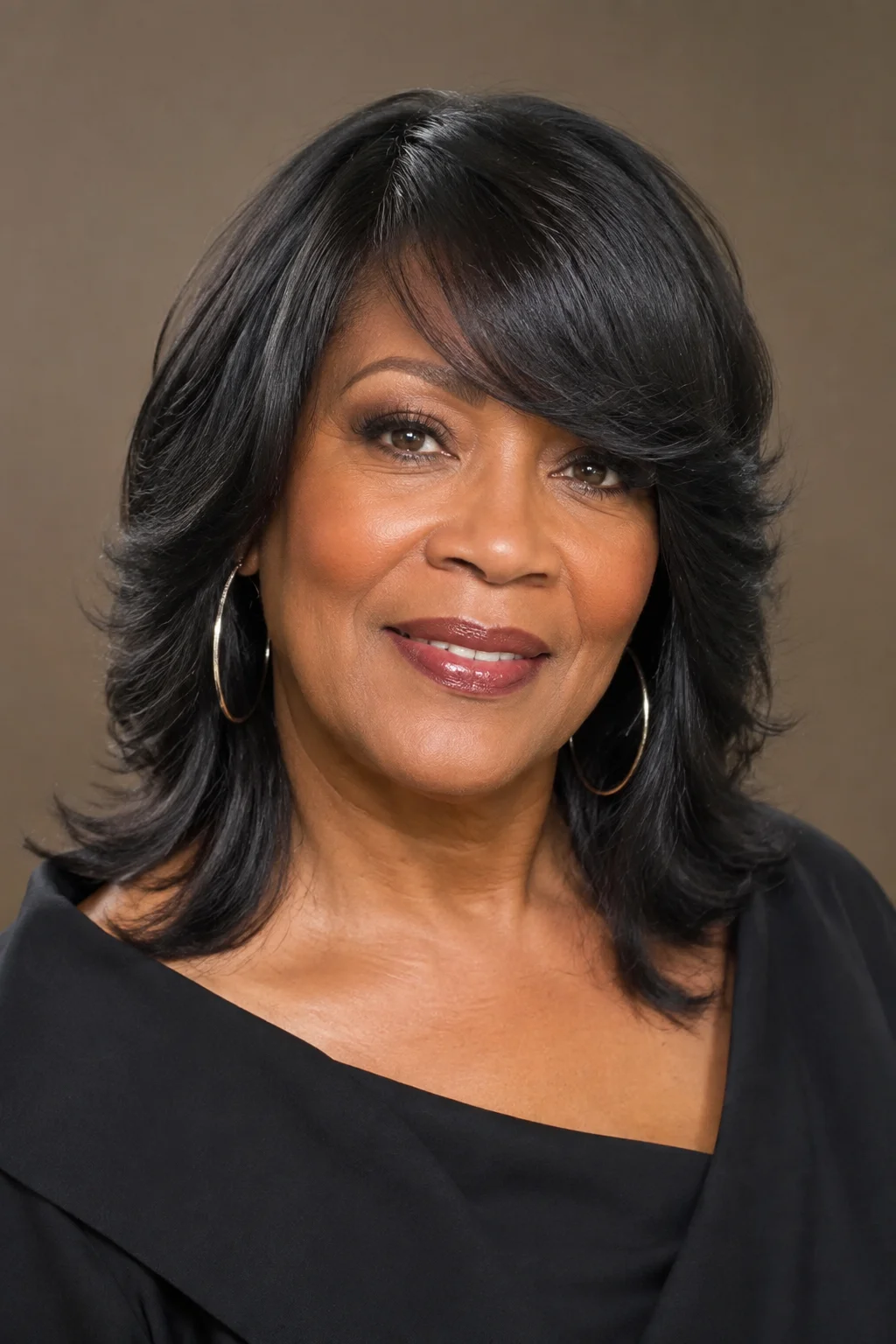
This is the shag most people picture when they hear the word. Layers start around the crown and get choppier as they move down, giving the whole cut a soft, broken-up finish instead of one heavy shape. It works especially well on medium to coarse hair because the layers keep the volume from turning into a triangle. Ask your stylist to point the layers slightly outward rather than blending them flat against the head. Tip: a light curling cream scrunched through damp hair brings out the texture without weighing it down.
Tapered Shag at the Nape
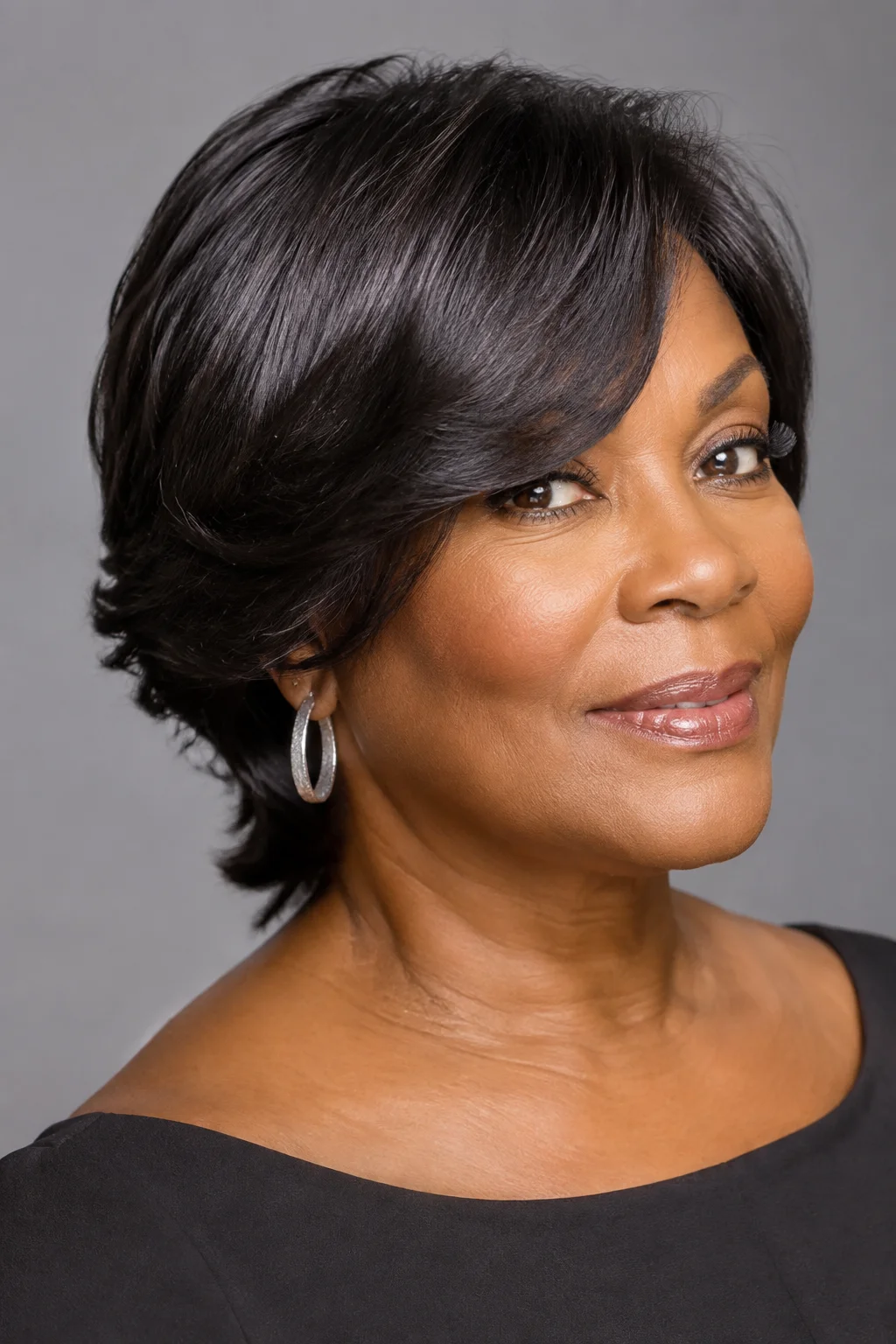
The back and sides taper close to the skin while the top keeps length and shape. It gives you the low maintenance of a tapered cut with the texture and movement of a shag on top. This combination suits women who want short sides but still want something to style on top. The taper also keeps the neckline looking clean between salon visits.
Shag with Soft Side Sweep
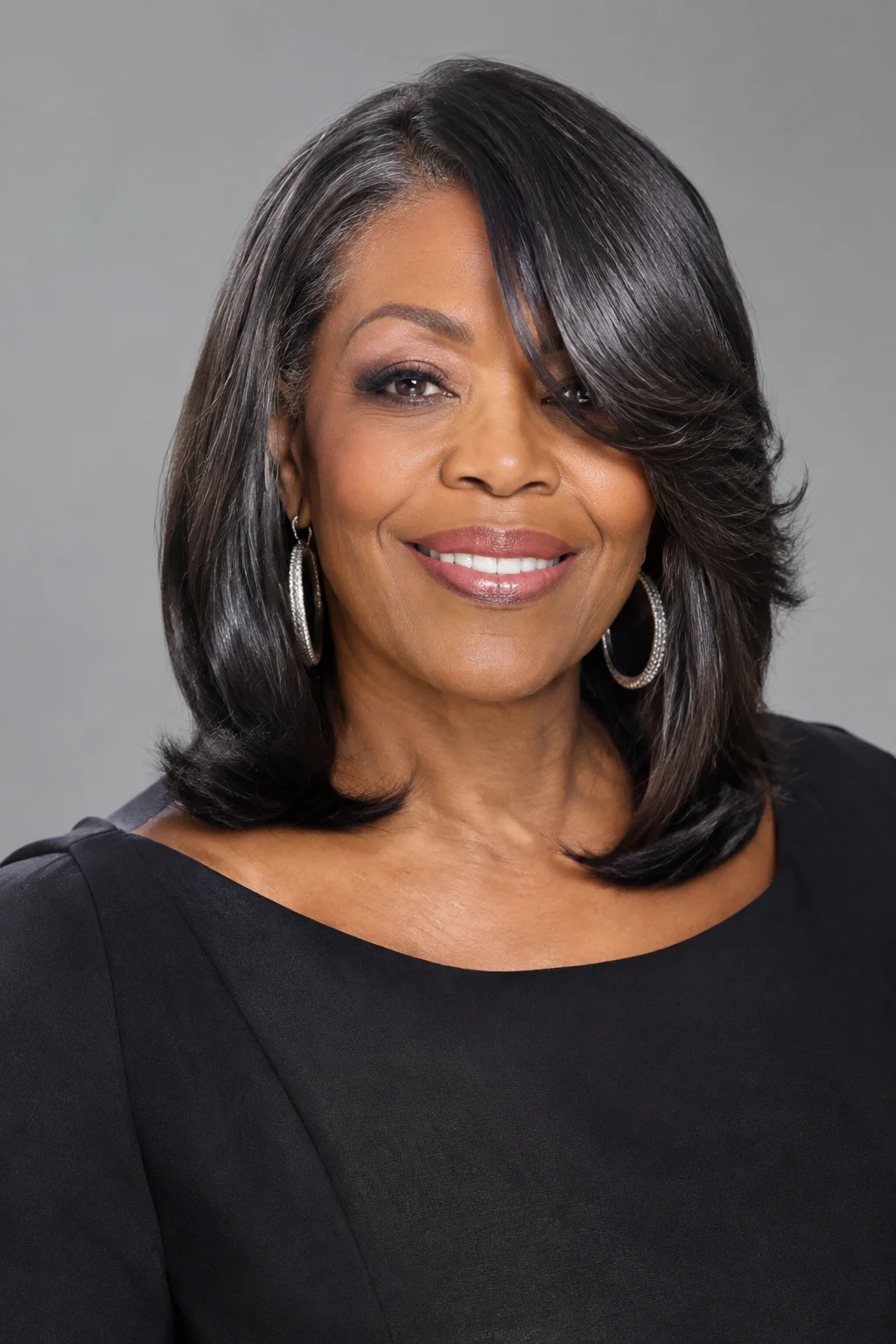
A side part pushes the top section across the forehead instead of straight back, softening the whole face. The sweep works with fine or medium density hair since it does not require much bulk to hold its shape. Stylists usually cut the front pieces a bit longer so they can fall naturally to one side. This one is a good pick if you wear glasses, since the sweep keeps hair from catching on the frames.
Blunt-Edge Shag with Volume on Top
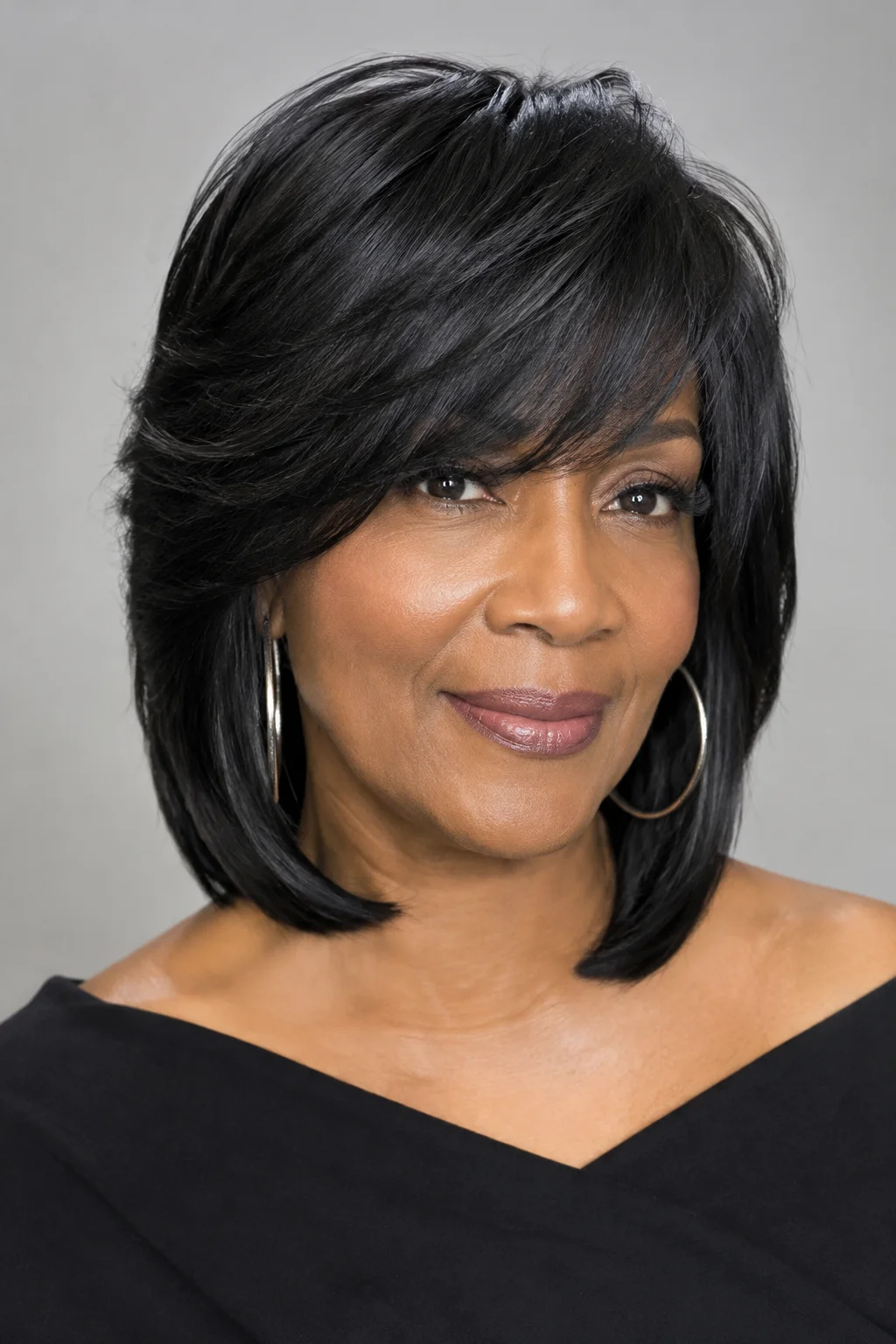
Most shags rely on choppy, feathered ends, but this version keeps the perimeter blunt while the layering happens underneath. The result looks fuller at first glance and holds its shape longer between trims. Volume gets built at the crown through shorter internal layers, then the outer length stays thicker and more solid. It reads a little more polished than a traditional shag, which makes it a nice option for women who want texture without looking undone. Ask for the blunt line to sit just above the jaw for the most flattering frame.
Textured Shag for Coily Hair
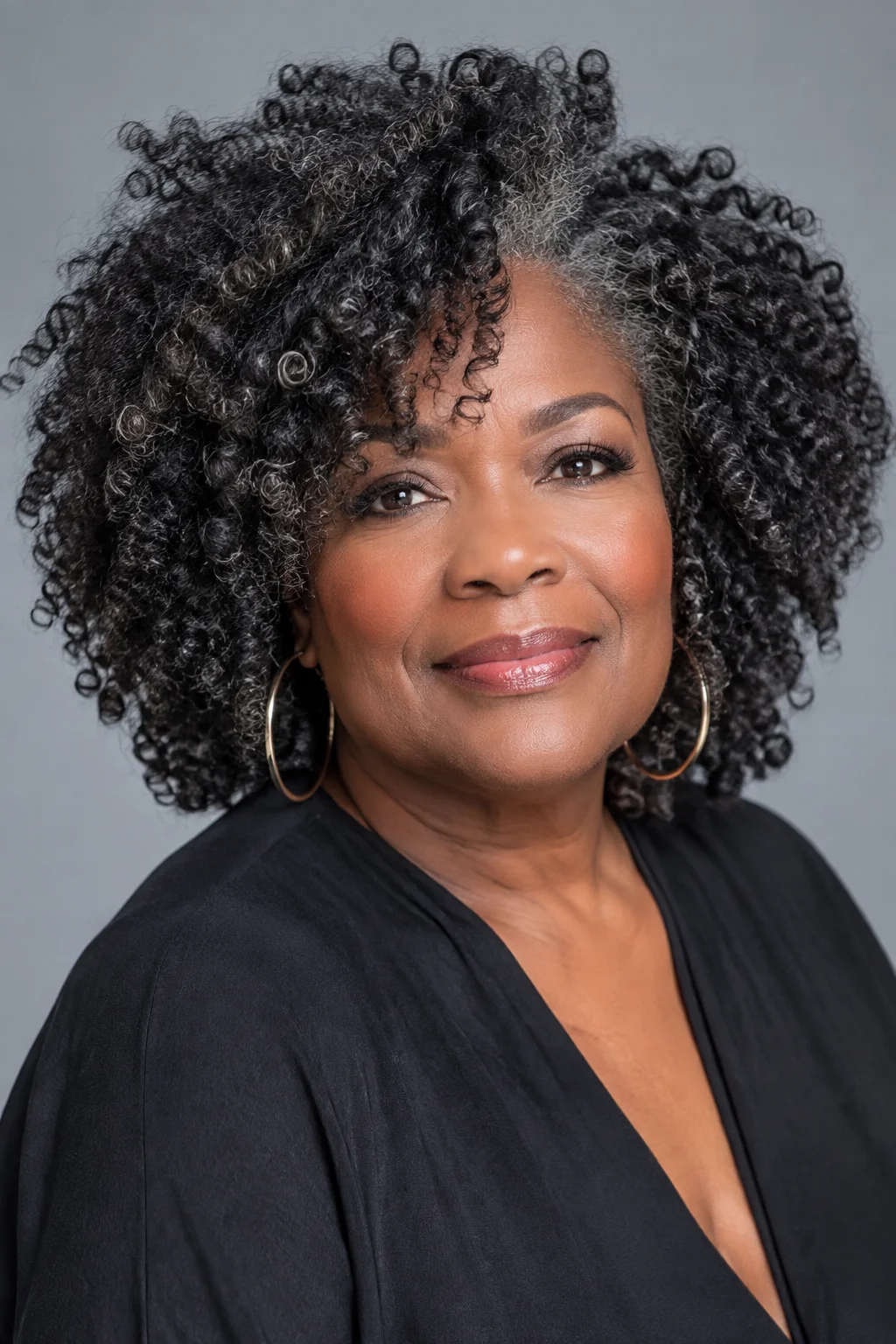
Coily hair already has natural volume and texture built in, so this shag works with that instead of cutting it away. Layers get carved in to break up bulk at the sides while letting the curls keep their spring on top. The cut relies on the curl pattern doing a lot of the shaping work, so a stylist with experience cutting coily textures matters here. Dry cutting is often recommended for this one, since curls shrink and shift once they are fully dry. The finished shape looks close to a soft halo, with shorter curls near the face and slightly longer ones toward the crown. Tip: avoid over-thinning the ends, since coily hair can look sparse if too much weight gets removed at once.
Shag with Feathered Bangs
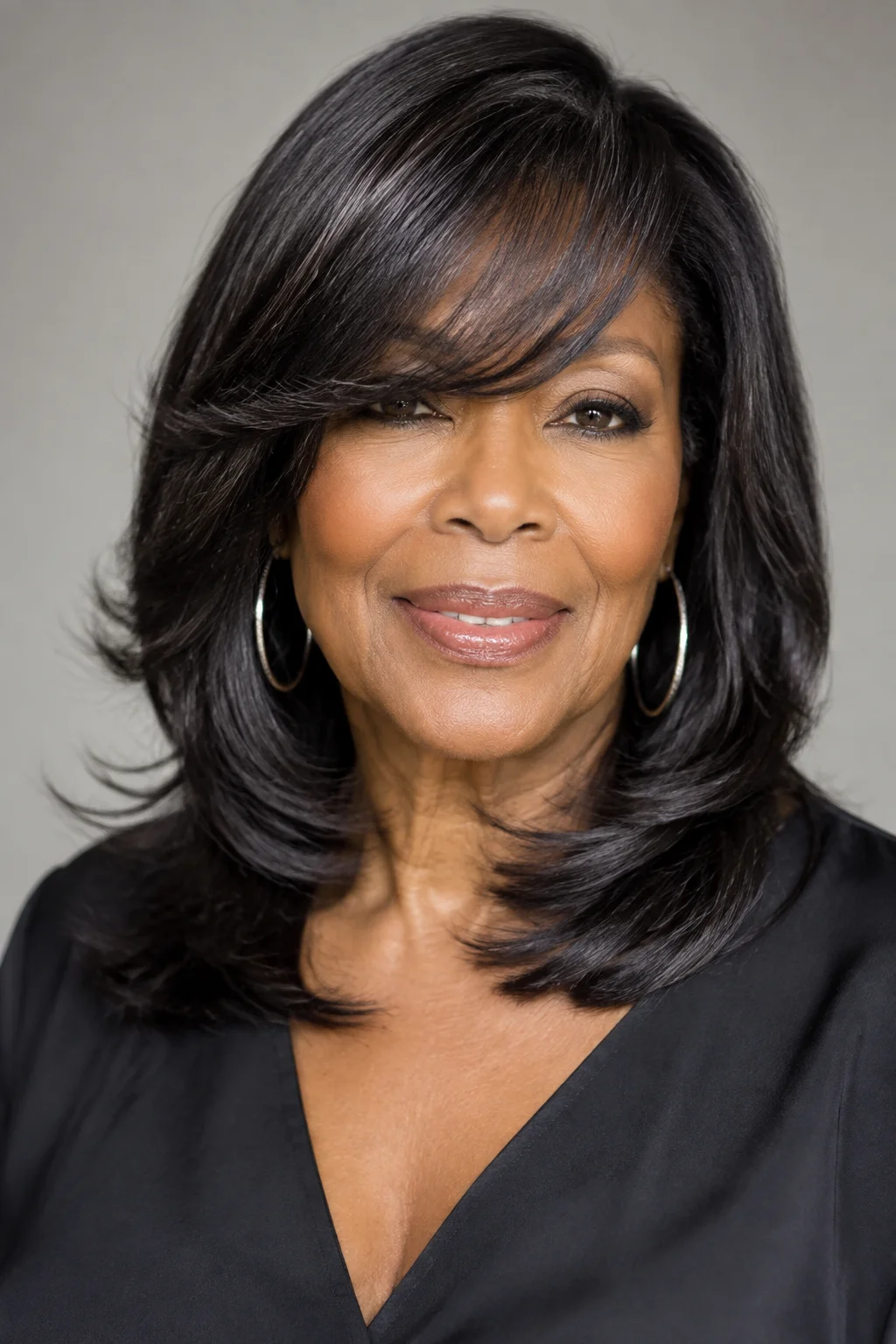
Feathered bangs are cut with a razor or notching shears so the edges blend into the rest of the shag instead of forming a hard line. They sit a little above the brow and move easily to the side when needed. This style suits round and oval faces best since the feathering adds length visually. It’s a softer alternative to a full blunt fringe for anyone who wants bangs without the daily upkeep.
Sleek Shag with Straight Texture
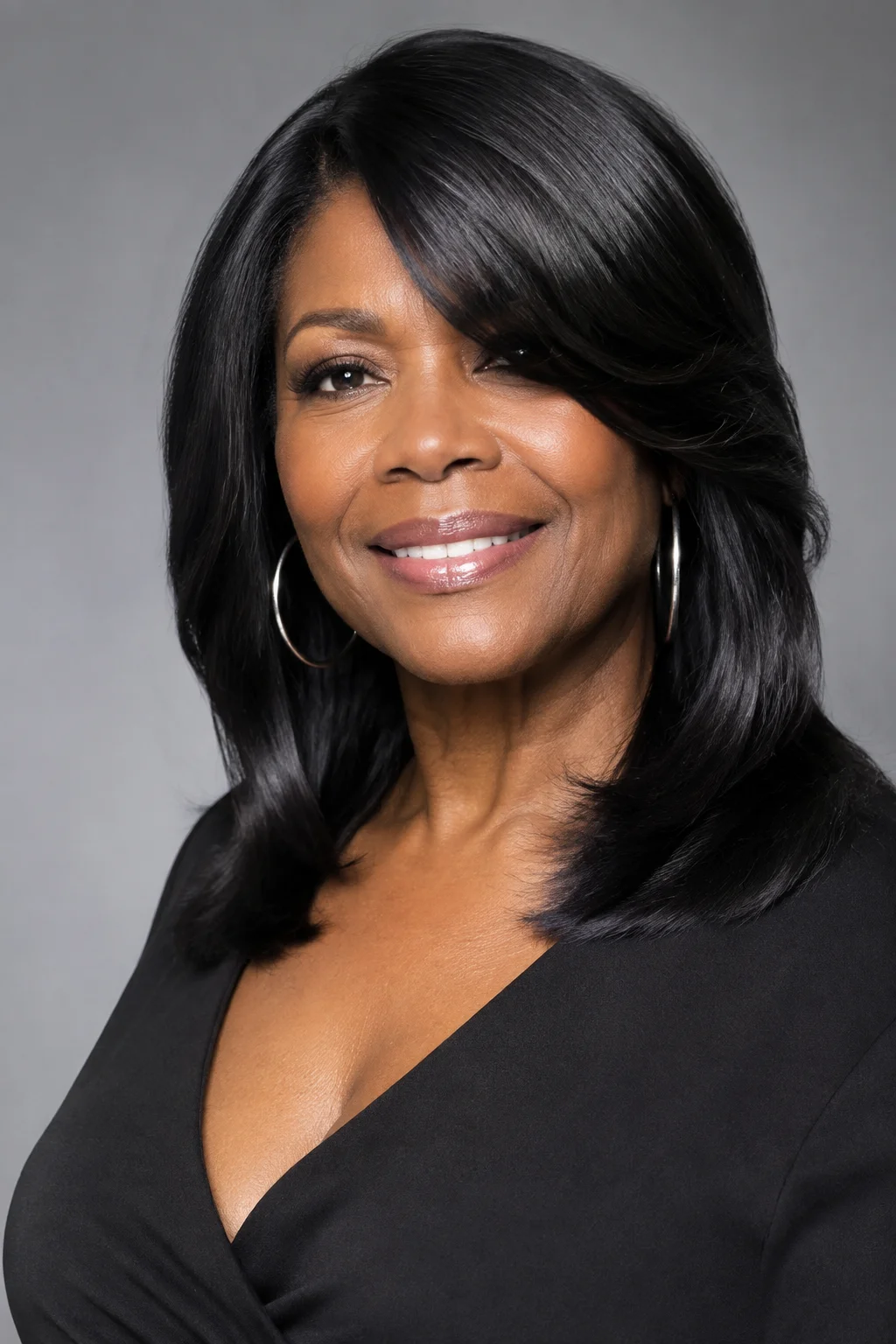
For hair that is relaxed, pressed, or naturally straight, this version keeps the shag’s layered shape but smooths the finish instead of roughing it up. The layers still move, but the overall look reads sleeker and more polished. A flat iron run through the ends after blow drying gives this version its signature finish. Tip: use a small round brush while blow drying to keep the layers curving inward rather than flipping out.
Shag with Undercut Definition
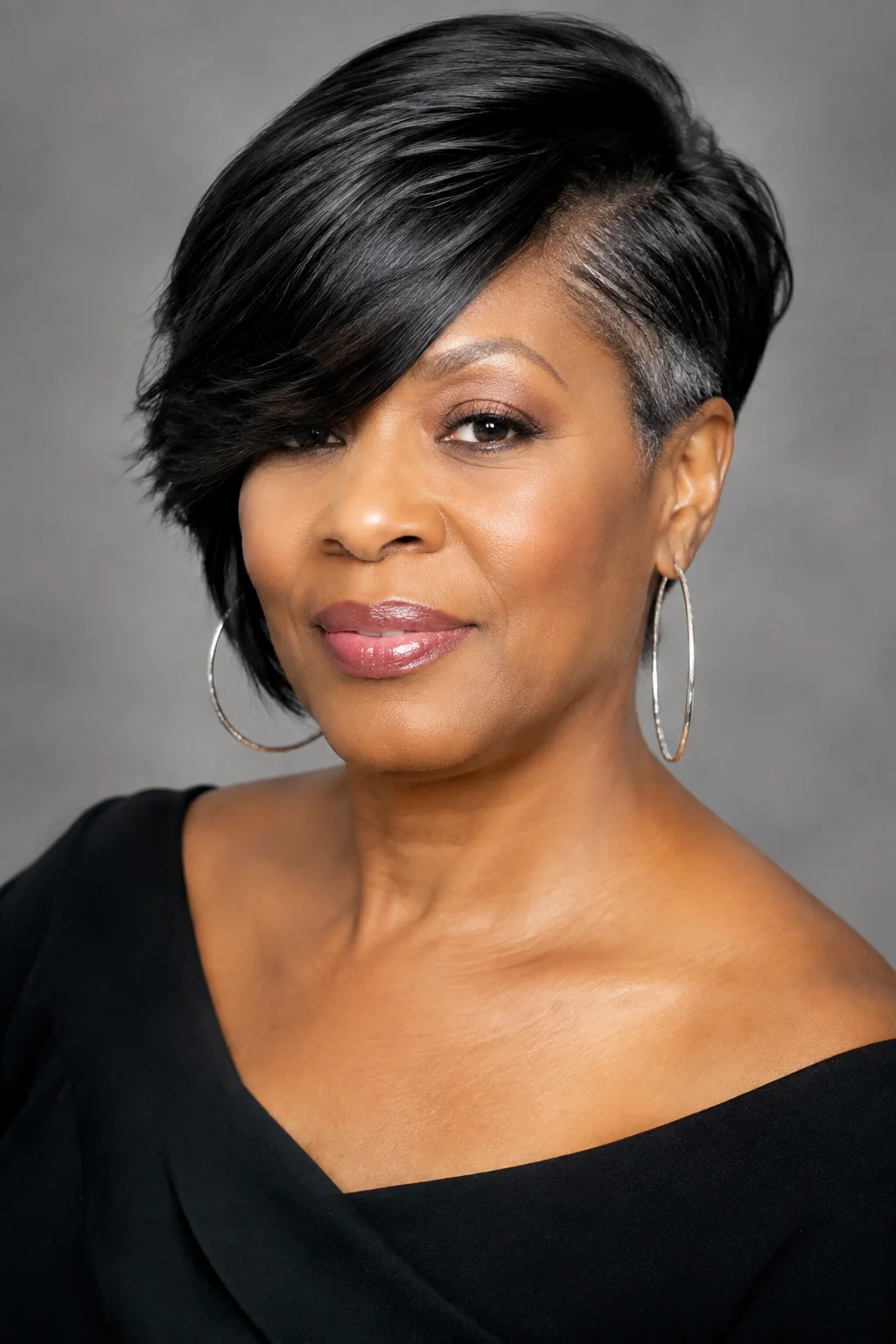
An undercut shaved or clipped underneath the top layer gives this shag a hidden edge that only shows when hair is pulled up or moved by wind. The top stays full length and shaggy while the undercut keeps things cool and manageable in warm weather. It’s a bold choice, and it works best for women who already feel comfortable with shorter hair overall. The contrast between the long top and short underside gives the cut a lot of personality.
Rounded Shag for Oval Faces
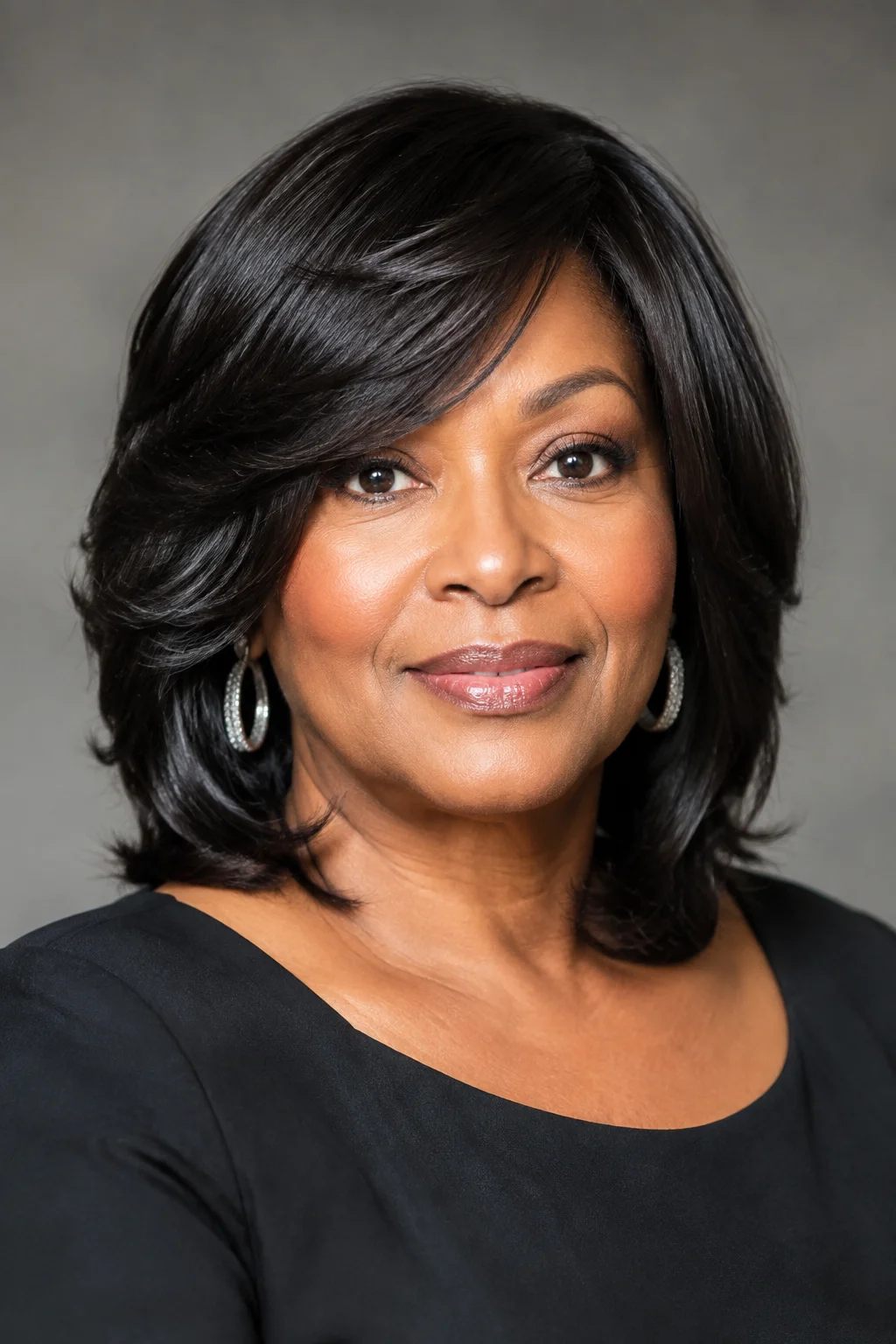
This version keeps the shape soft and rounded around the perimeter rather than choppy or angular. Oval faces have room to carry a fuller, rounder silhouette without it looking heavy. Layers are cut shorter at the crown and gradually lengthen toward the bottom, creating a shape similar to a soft dome. It flatters almost every hair texture since the roundness comes from the cutting technique, not from heavy styling.
Shag with Forward Layers Around Face
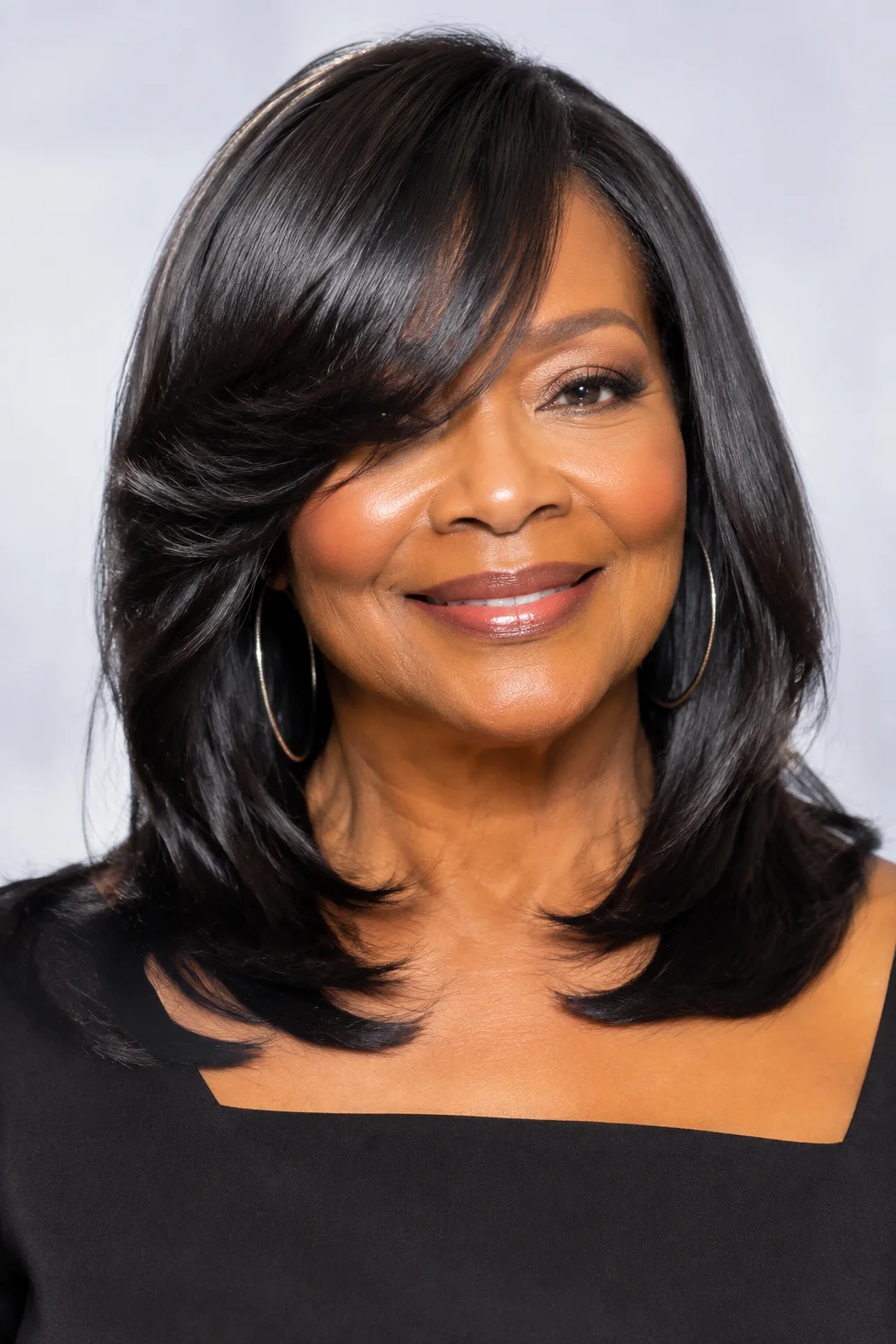
Layers that point forward instead of back frame the cheeks and soften the jawline. This cut works well for anyone who wants their shag to do a little face-slimming work. The forward direction also means less time spent styling, since the layers naturally fall toward the face instead of needing to be coaxed there with a brush.
Choppy Shag with Textured Crown
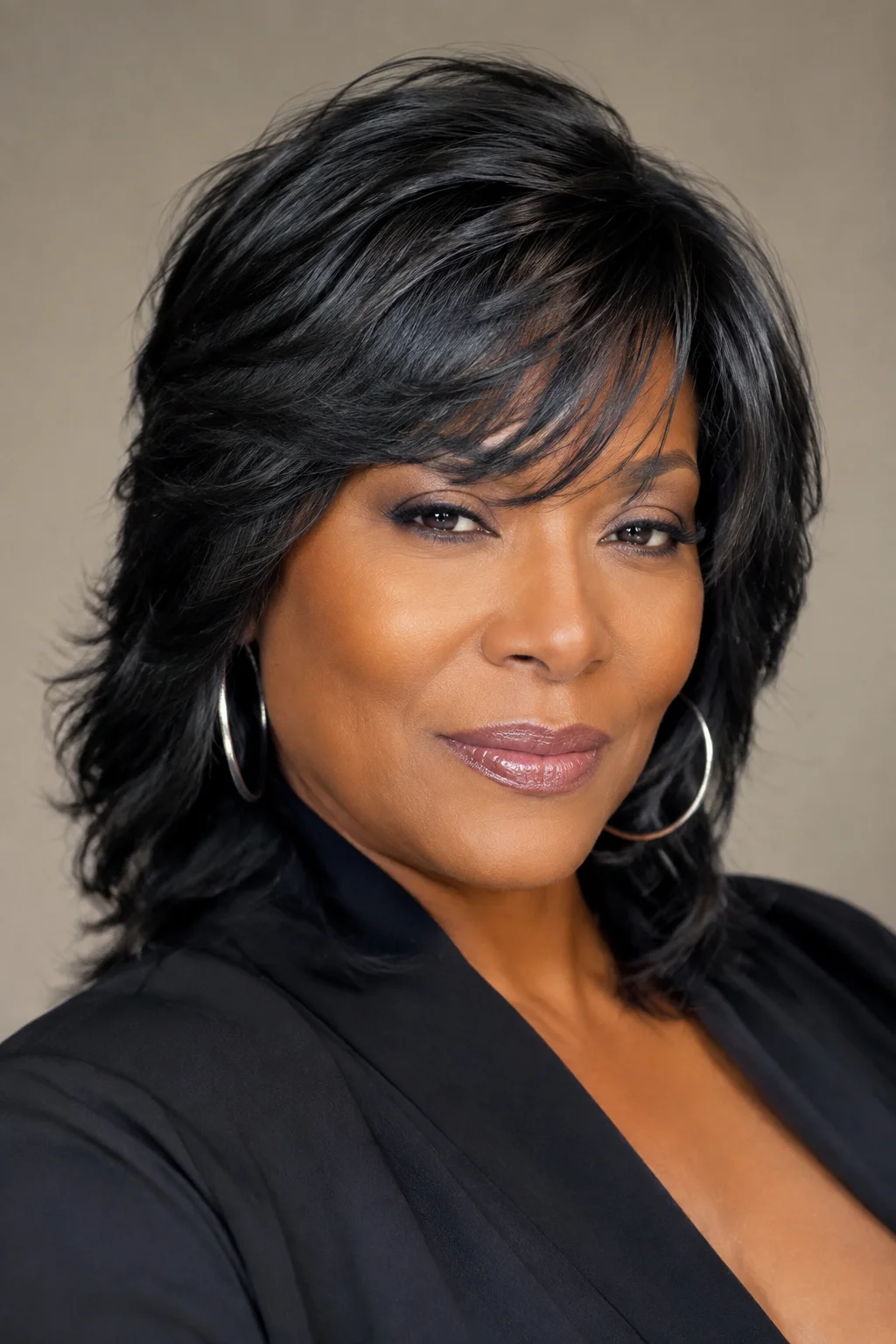
Heavy texturizing at the crown creates a piecey, broken-up look on top that contrasts with slightly smoother sides. It’s a good option for anyone who wants their shag to look a little more undone and lived-in. The choppiness also hides any unevenness in hair density, which makes it a forgiving choice as hair naturally thins with age. A texturizing spray or paste worked through dry hair brings out the separation best.
Shag with Graduated Sides
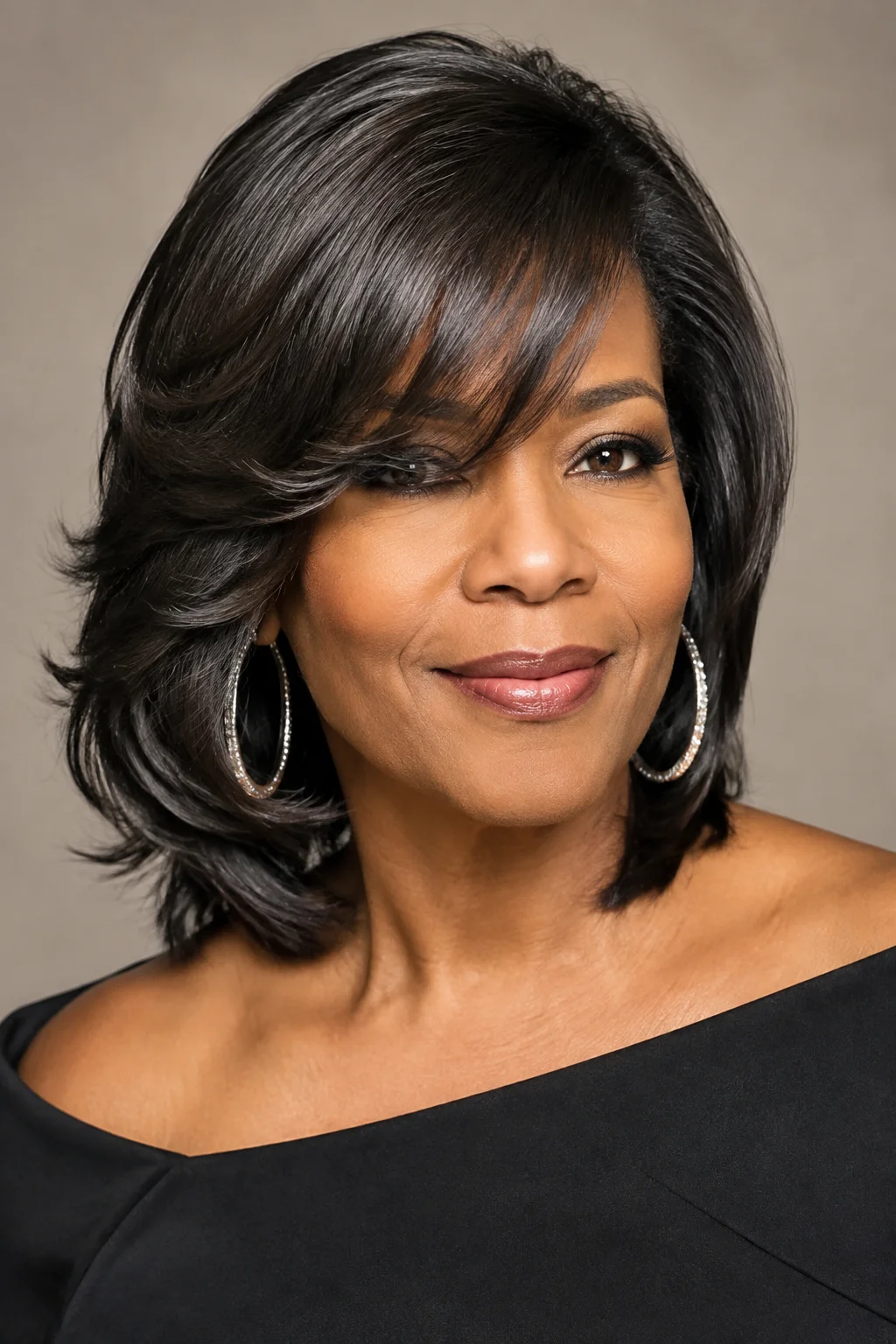
Graduation means the sides are cut at increasing lengths as they move toward the back, creating a subtle built-in lift. This shag uses that same idea to keep the sides close to the head without looking flat. It pairs nicely with fuller layering on top, since the graduated sides balance out the volume instead of competing with it.
Tousled Shag for Thick Hair
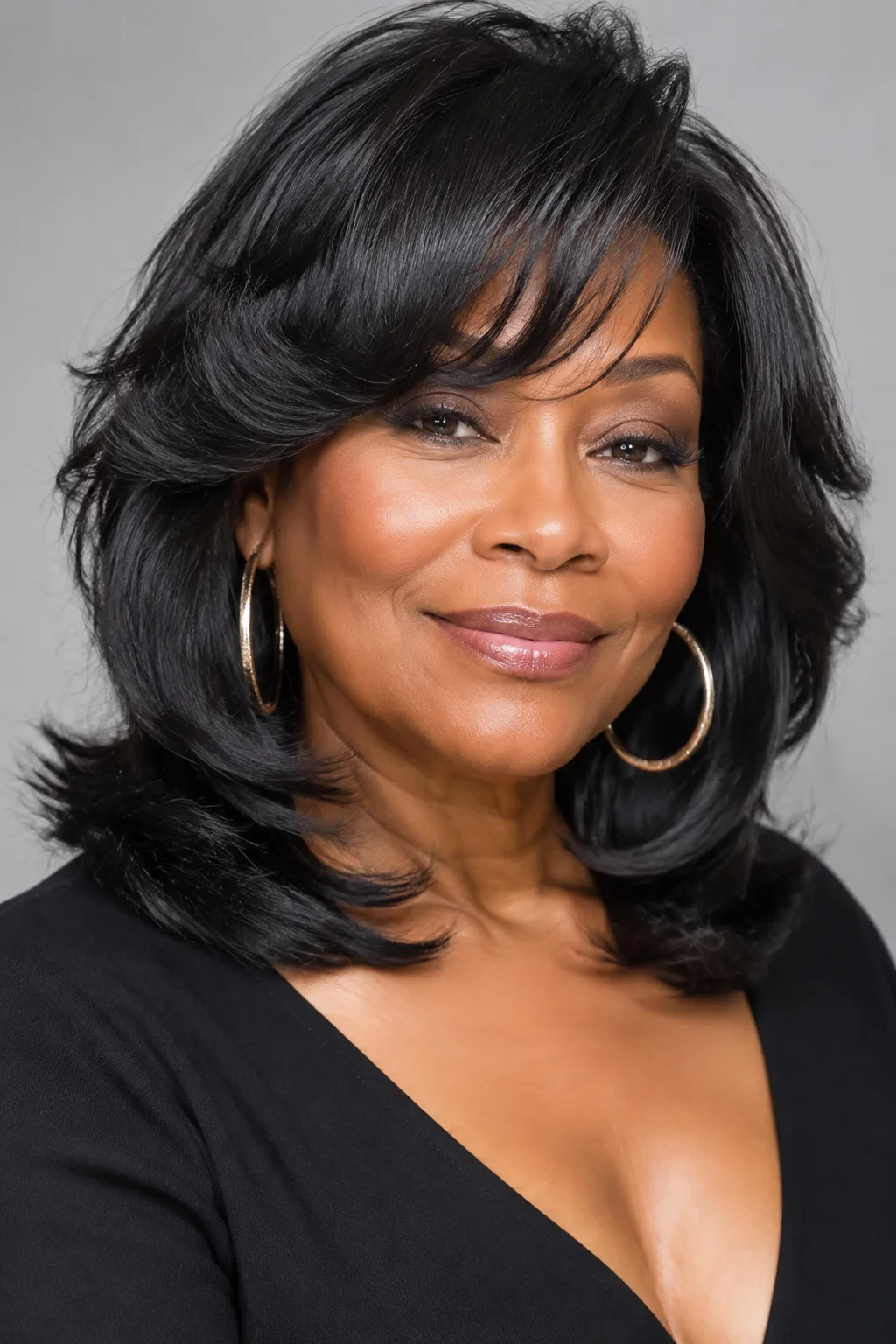
Thick hair holds a shag’s shape well, but it can also look heavy without the right layering. This version removes weight through the middle lengths so the ends move more freely and the whole thing looks tousled rather than solid. Texturizing shears or a razor get used throughout to thin out dense sections. The tousled finish also means you don’t need to get the part perfectly straight or the layers perfectly symmetrical, since a little imperfection is the whole point. Air drying with a curl cream or mousse brings out the natural tousle without much effort. Tip: scrunch product in with your hands instead of brushing it through, since brushing tends to smooth out the texture you’re trying to keep.
Shag with smooth Blend at Neckline
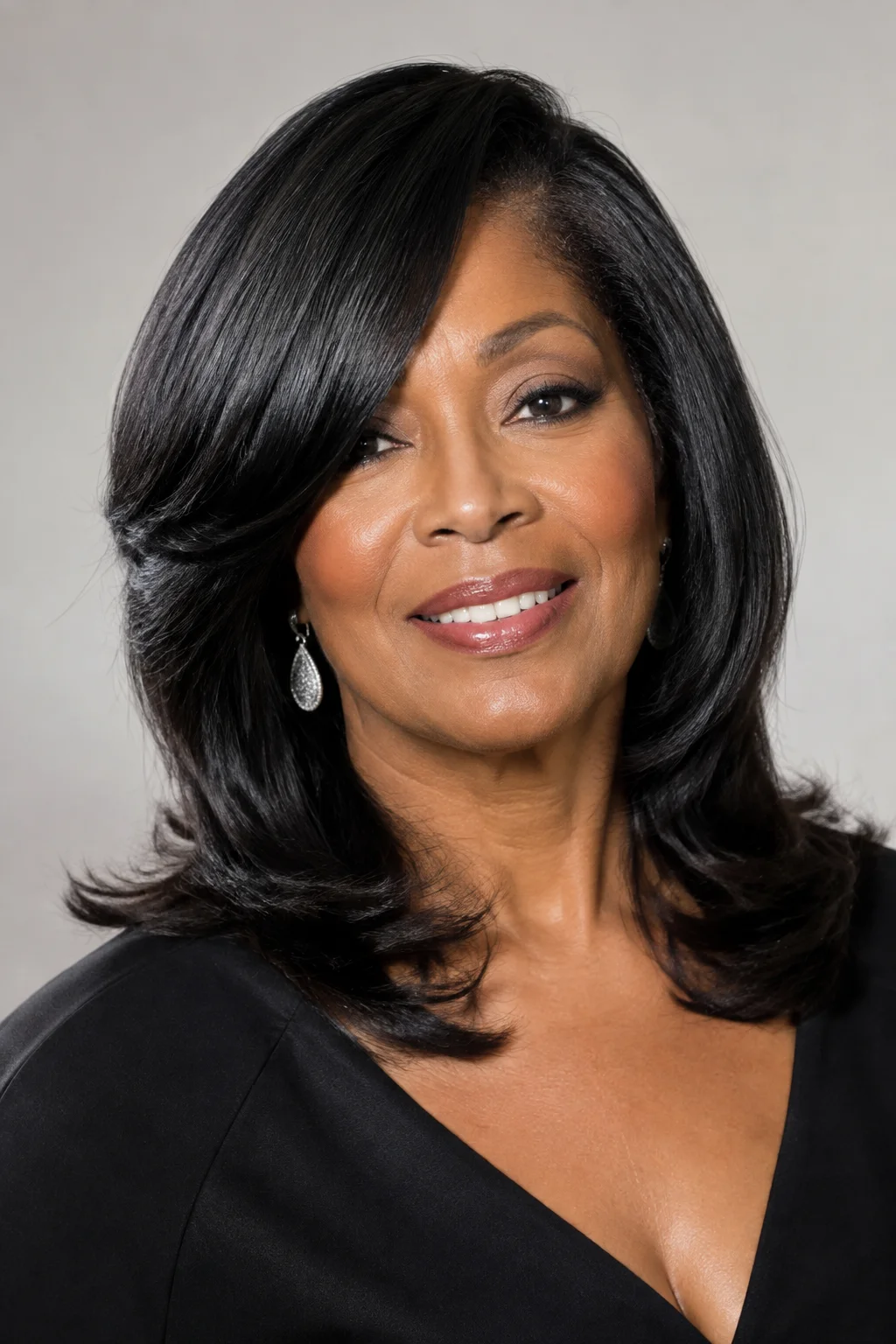
Instead of a hard line at the nape, this shag blends gradually into shorter length, avoiding any visible shelf. It gives the cut a cleaner finish at the back while keeping the shaggy texture everywhere else. This blend works especially well for anyone transitioning out of a longer style, since it softens the change.
Shag with Face-Framing Highlights
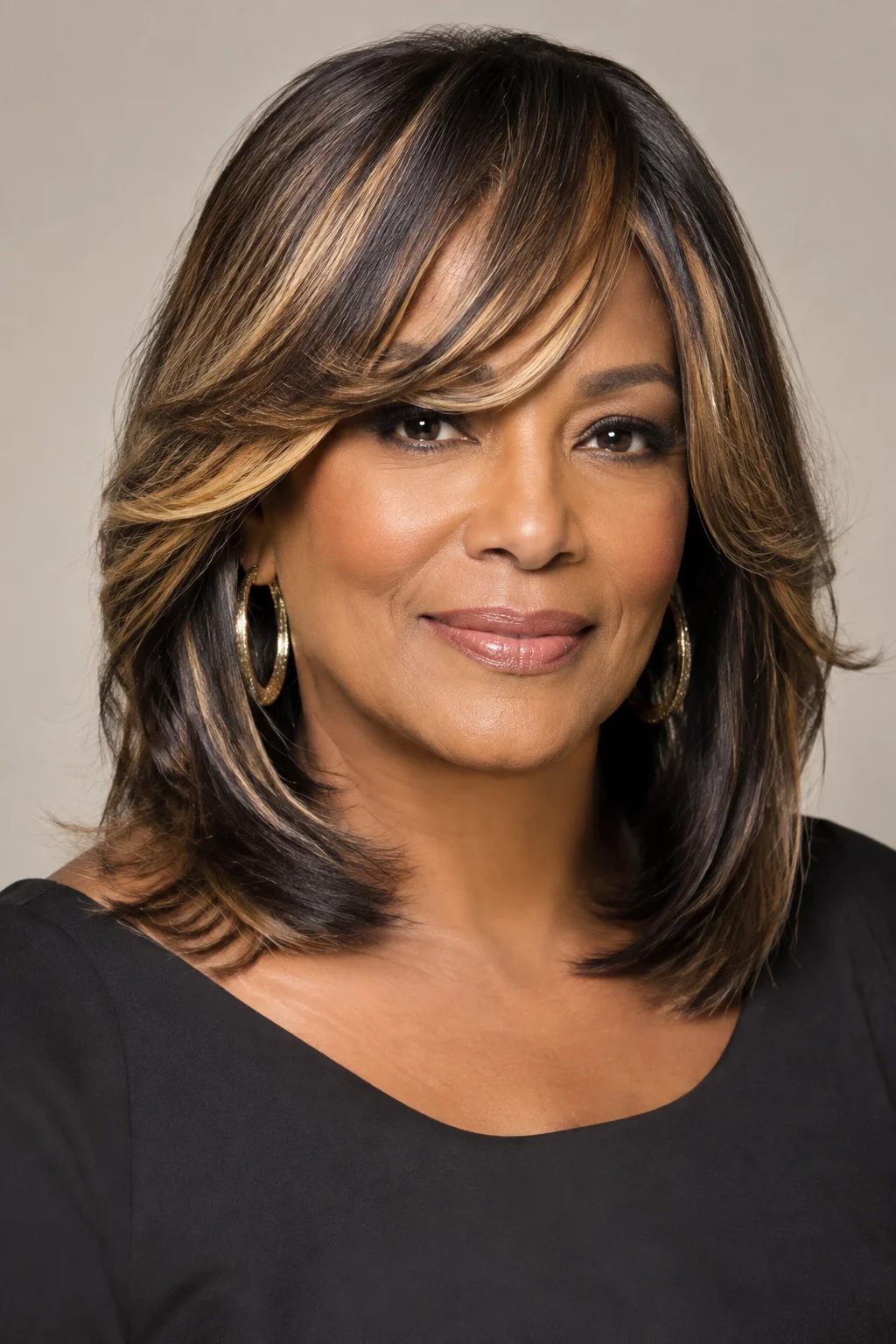
Color placed strategically around the face adds dimension that plain layering alone can’t achieve. Highlights near the front pieces catch the light and draw attention upward, which works nicely with the forward-leaning sections a shag often has. This combination is popular because it lets the cut and the color do complementary work instead of competing for attention. Lighter pieces near gray or silver roots can also blend new growth more naturally between color appointments.
Shag with Extended Crown Length
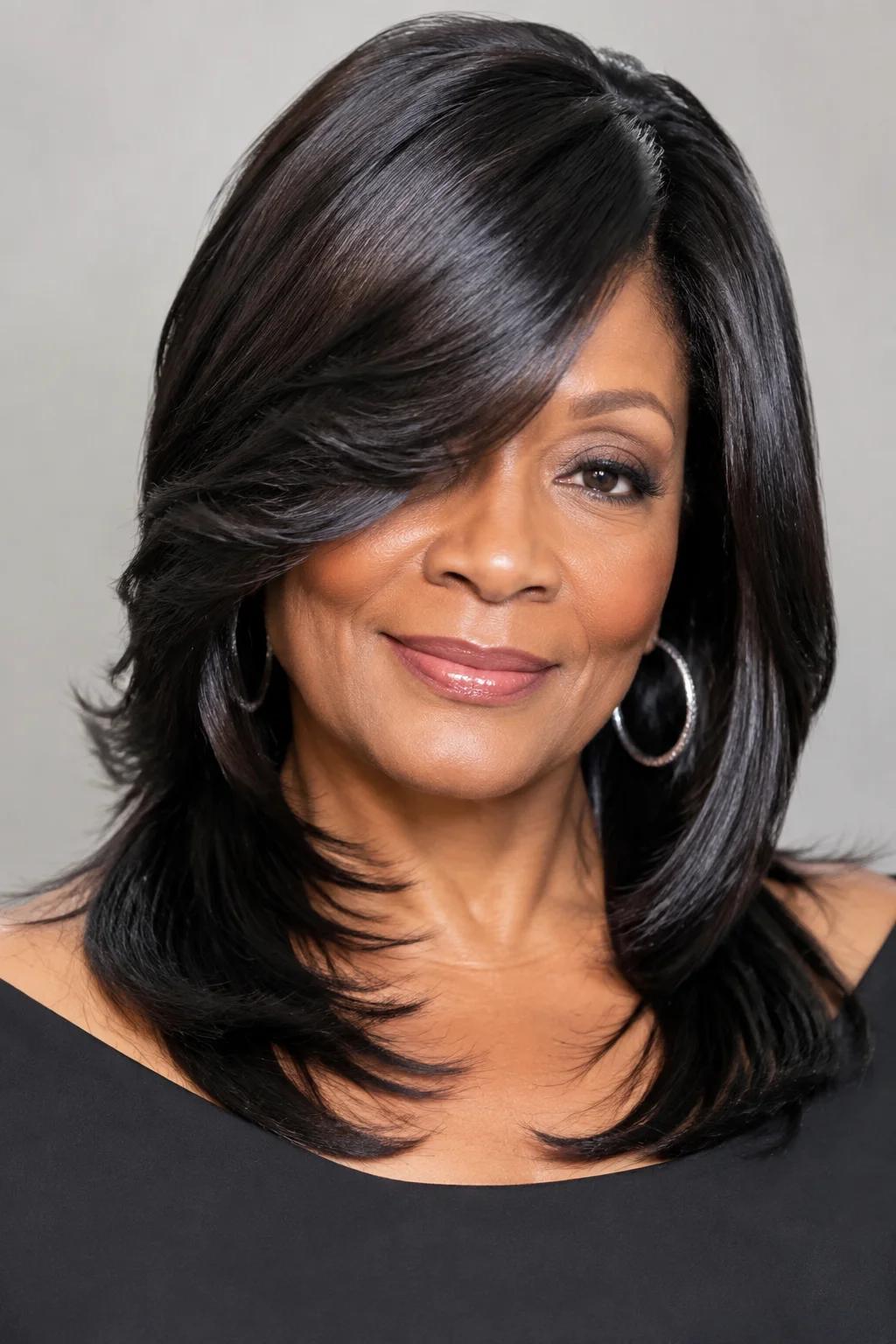
Keeping extra length at the crown while trimming the sides and back shorter gives this shag more height and more styling options. It suits women who want some length to play with but still want an overall short silhouette. The extended crown can be scrunched for curl, flat ironed for sleekness, or left to air dry for a looser texture.
Textured Shag with Defined Curl Pattern
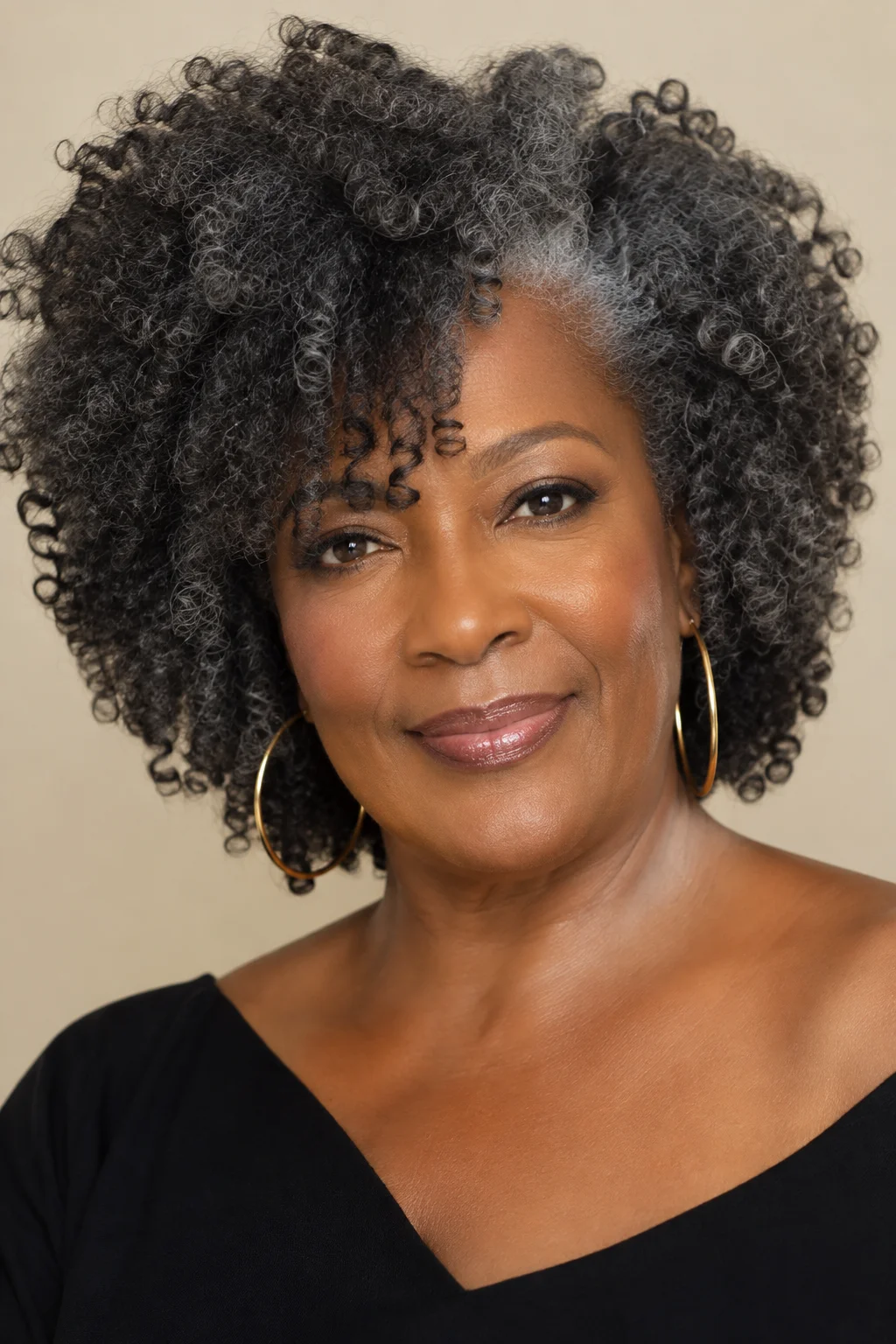
This cut is built specifically to show off a defined curl pattern rather than fighting it into submission. Layers are placed to let individual curls clump together instead of getting separated and frizzy. It requires a stylist who understands how your particular curl pattern behaves once it’s cut and dried. The payoff is a shape that looks intentional and full without needing heat styling most days.
Shag with Minimal Layers for Fine Hair
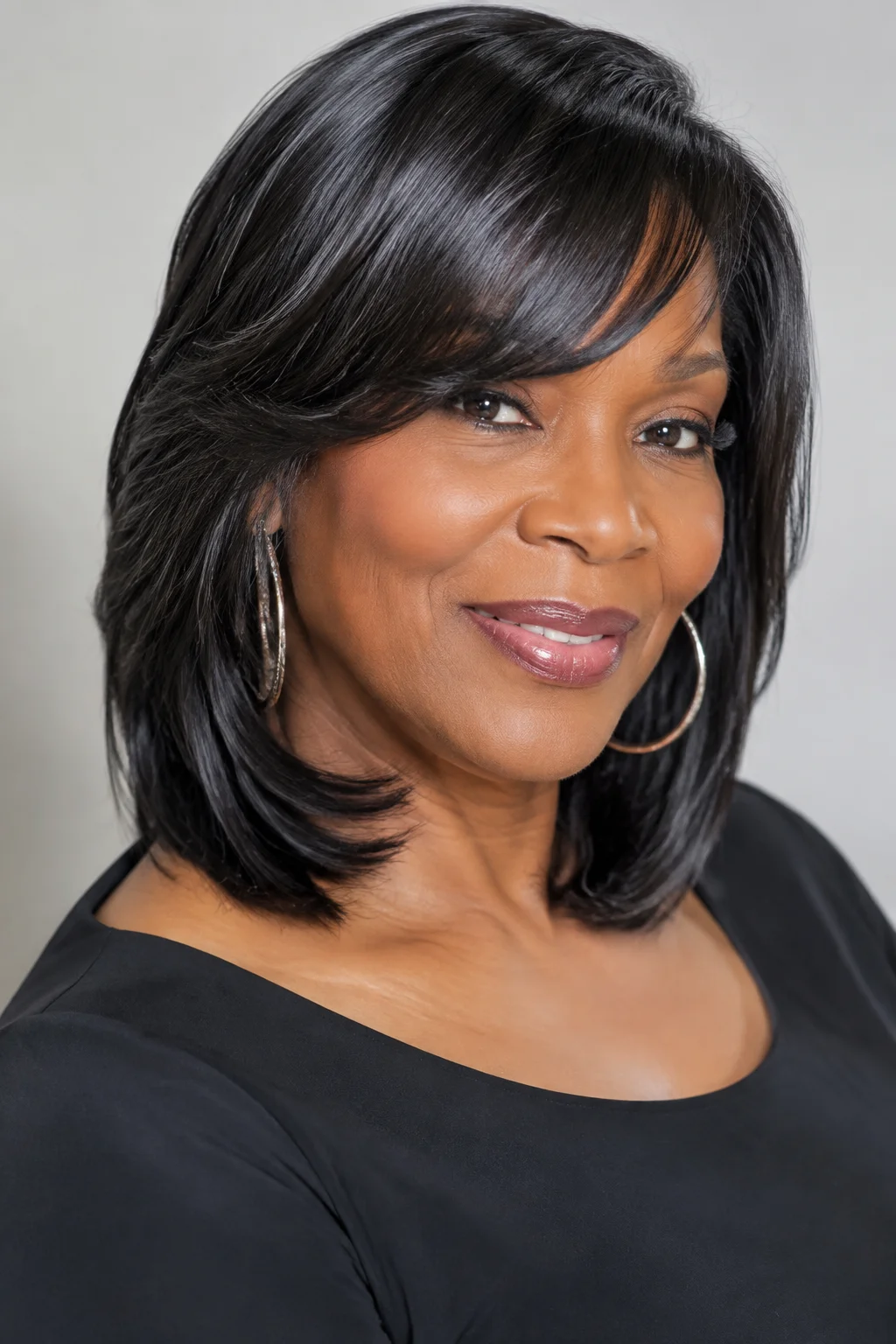
Fine hair can look thin and stringy when too many layers are added, so this version keeps layering light and strategic. Most of the shaping happens at the ends rather than throughout the length, which preserves what density the hair already has. It’s a smart pick for anyone whose hair has gotten noticeably finer over the years and wants a shag without sacrificing fullness.
Shag with Blunt Bangs
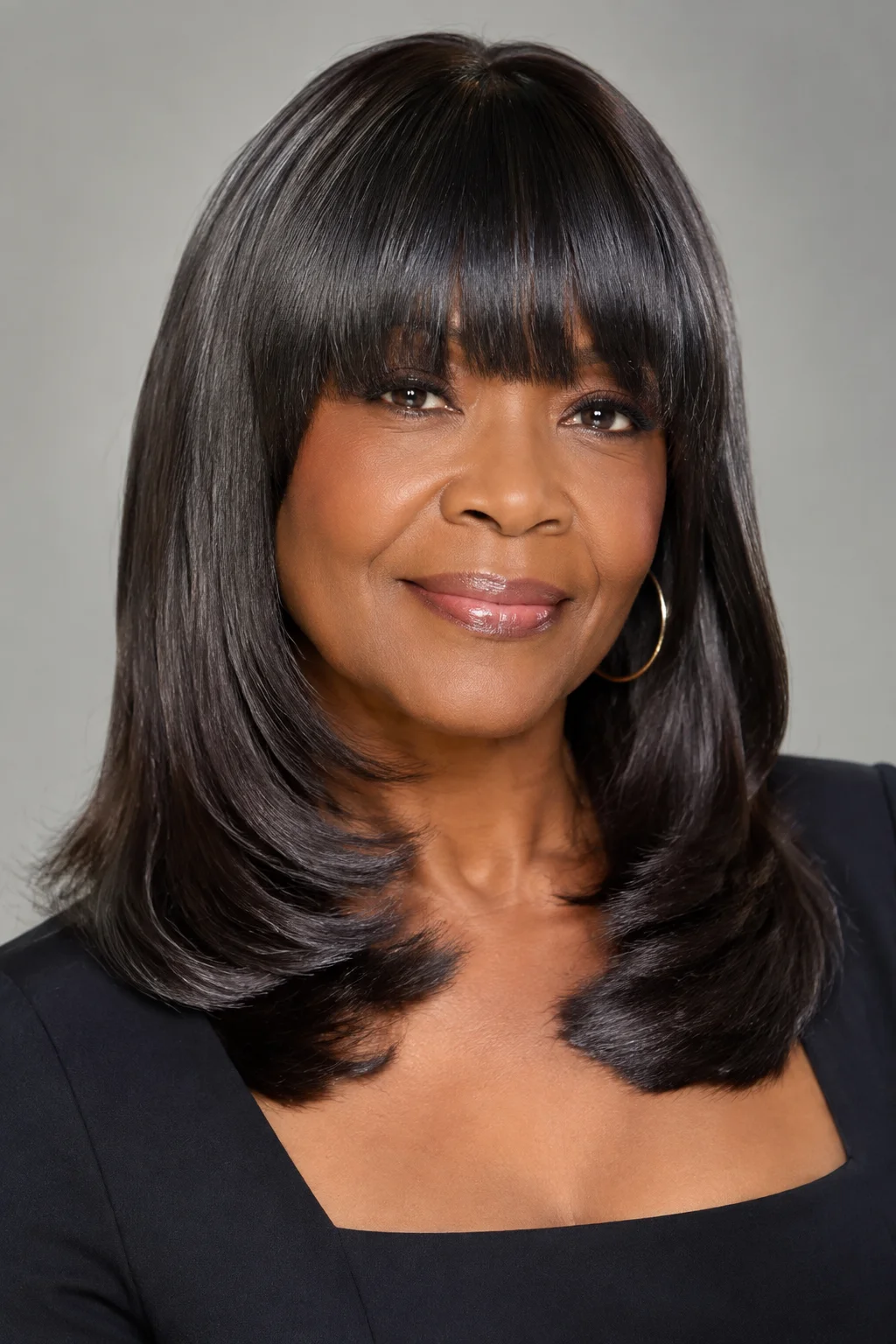
Bangs cut straight across in a solid line give this shag a graphic, structured front while the rest of the cut stays loose and layered. The contrast between the heavy bang and the airy layers keeps the whole style from looking too severe. This version suits women with fuller brows and strong features, since the blunt line gives the face a clear focal point.
Asymmetrical Short Shag
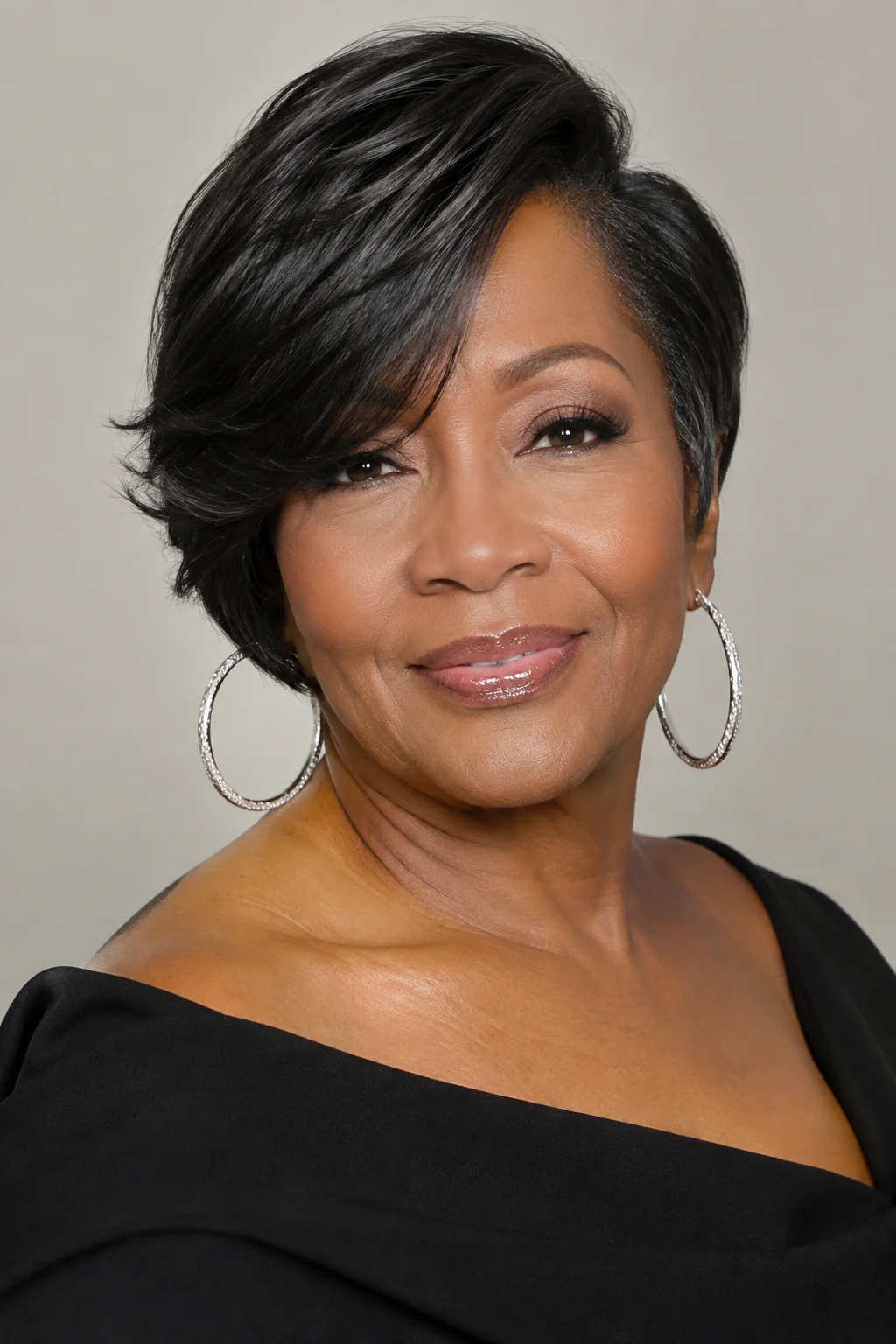
One side is cut noticeably longer than the other, giving this shag a modern, slightly edgy feel. It’s not a subtle choice, and it works best for women who already enjoy standing out a little with their hair. The asymmetry also means styling can change day to day depending on which side you sweep forward.
Shag with Textured Volume at Ears
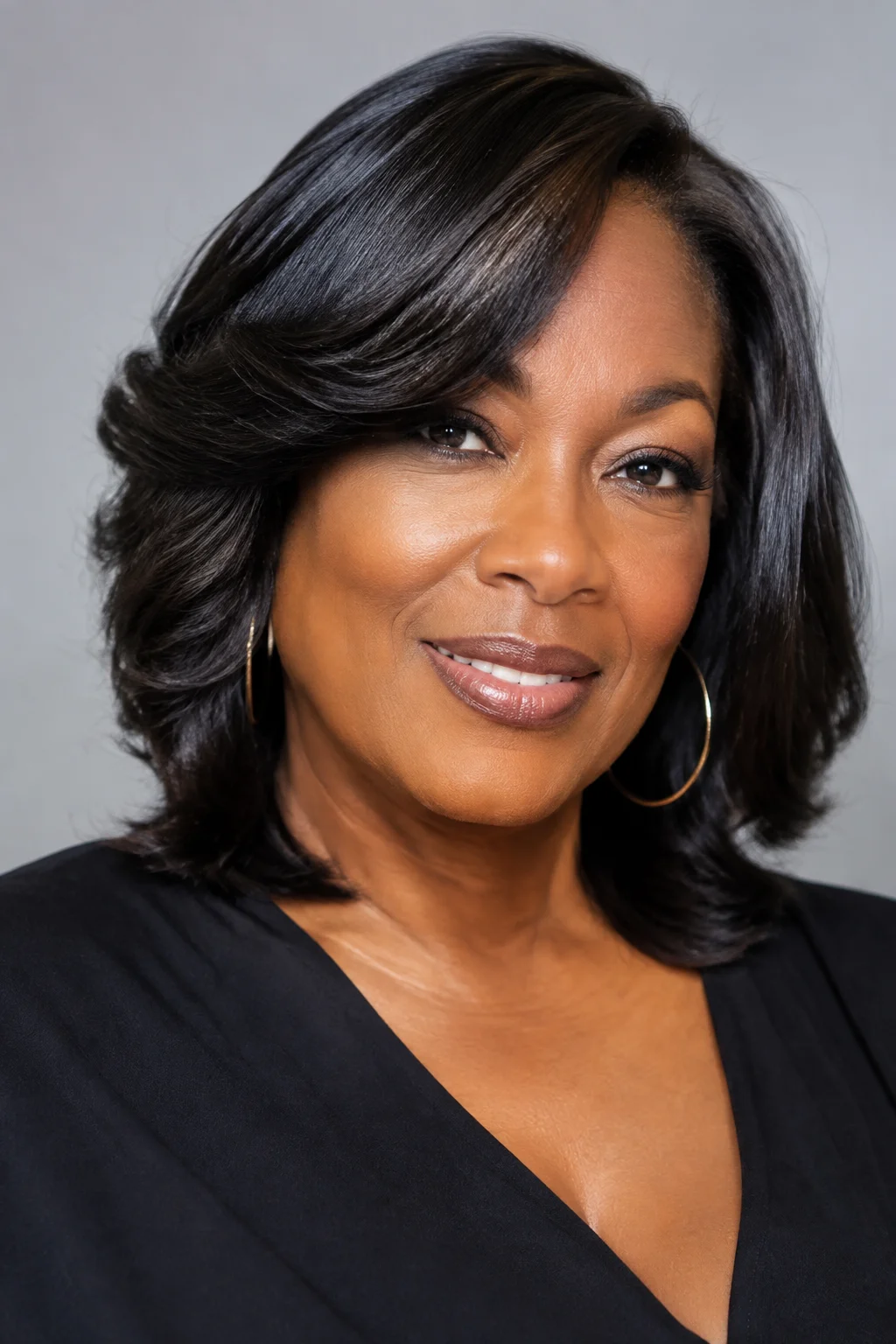
Extra texture and lift built in around the ear area gives this shag width exactly where many short cuts tend to go flat. It’s a smart fix for anyone who feels their short hair haircuts start looking too narrow by the sides of the head. Layers get cut shorter right at ear level, then blend into the rest of the shape above and below.
Shag with Angled Back Section
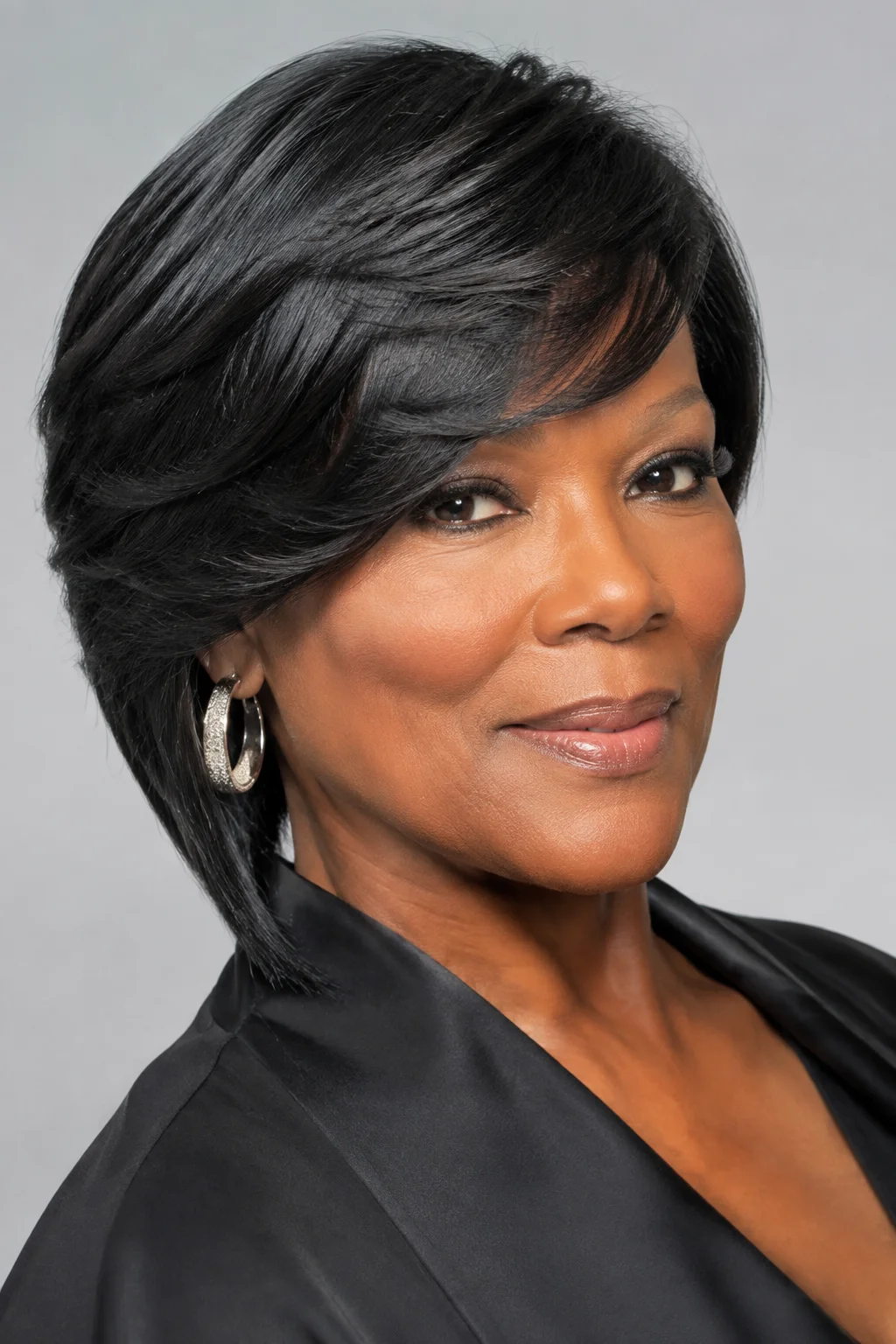
The back is cut at an angle, shorter at the nape and gradually longer moving up, which adds a subtle structural element most shags skip. It’s a detail that’s easy to miss in photos but noticeable in person because of how it moves. This version pairs well with straighter textures where the angle can actually show.
Shag with Soft Texture Throughout
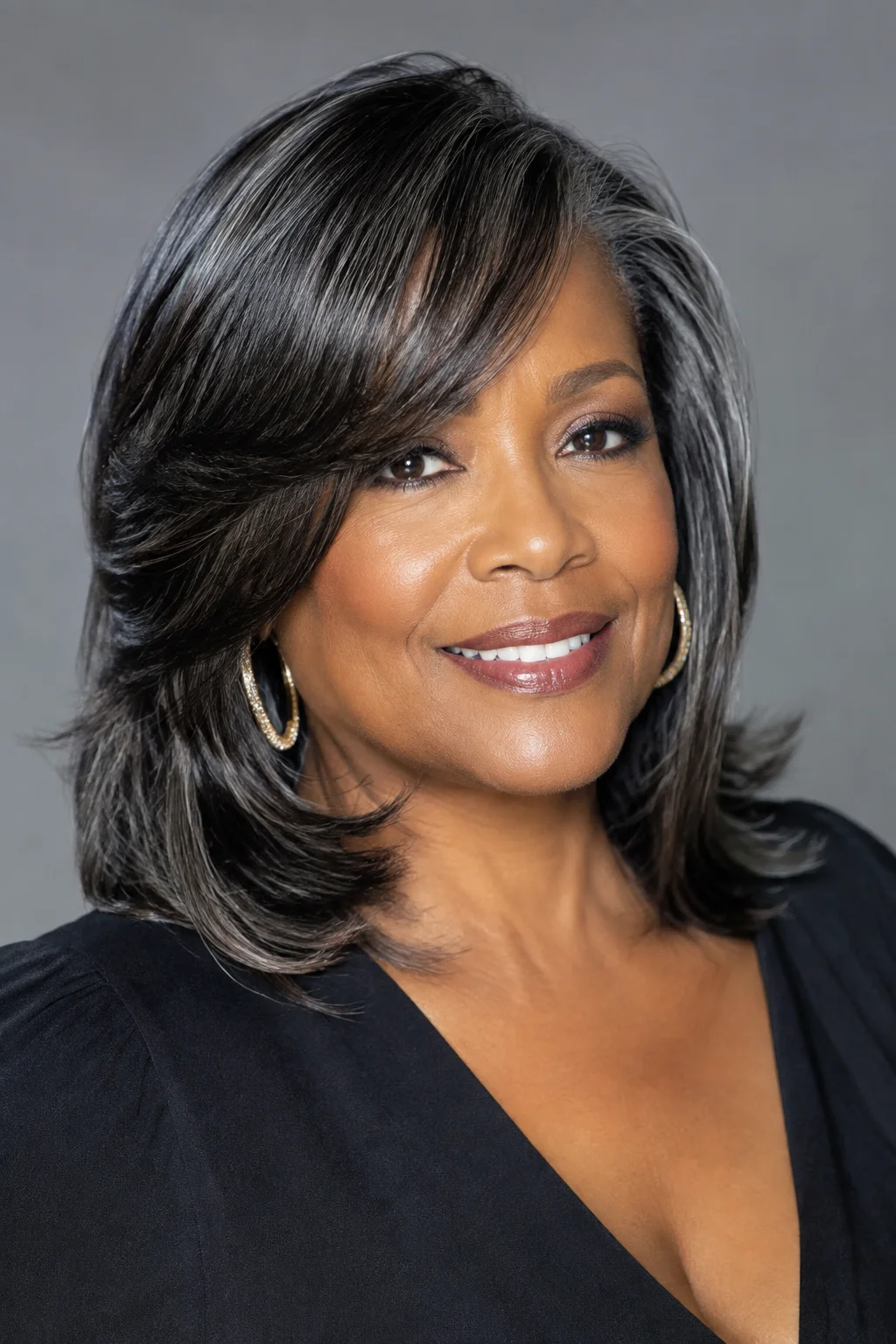
No sharp lines, no heavy bangs, no bold angles, just soft texture from the crown to the ends. This is the gentlest version of a shag and a good starting point if you’re nervous about something too dramatic. It still gives you movement and shape without asking you to commit to anything bold.
Shag with Side Part and Drape
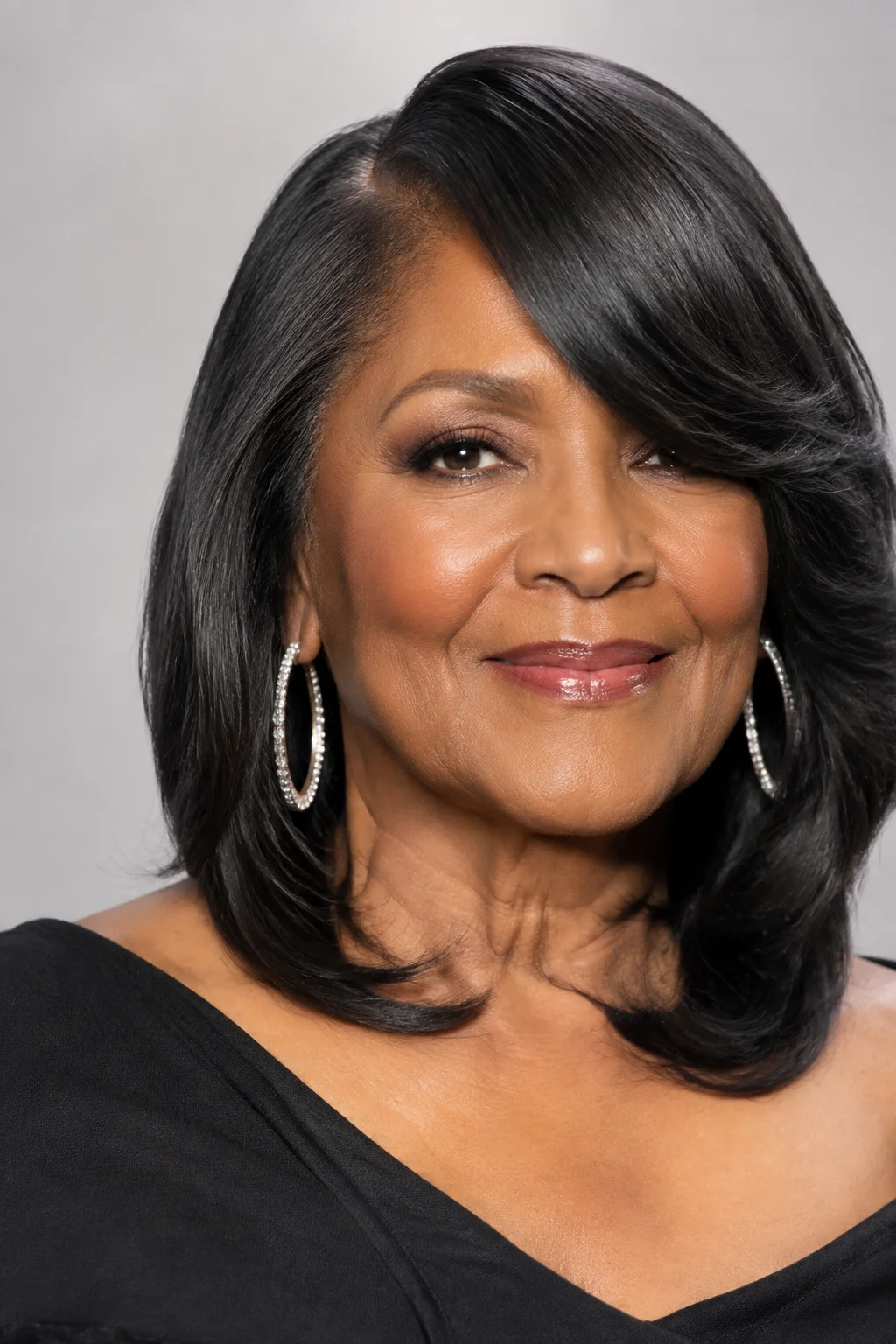
A deep side part lets one section of hair drape across the forehead, creating a soft diagonal line that most face shapes handle well. This shag leans into the part itself as a styling feature rather than something to hide. It works nicely for women who already part their hair deeply out of habit.
Shag with Low-Maintenance Texture
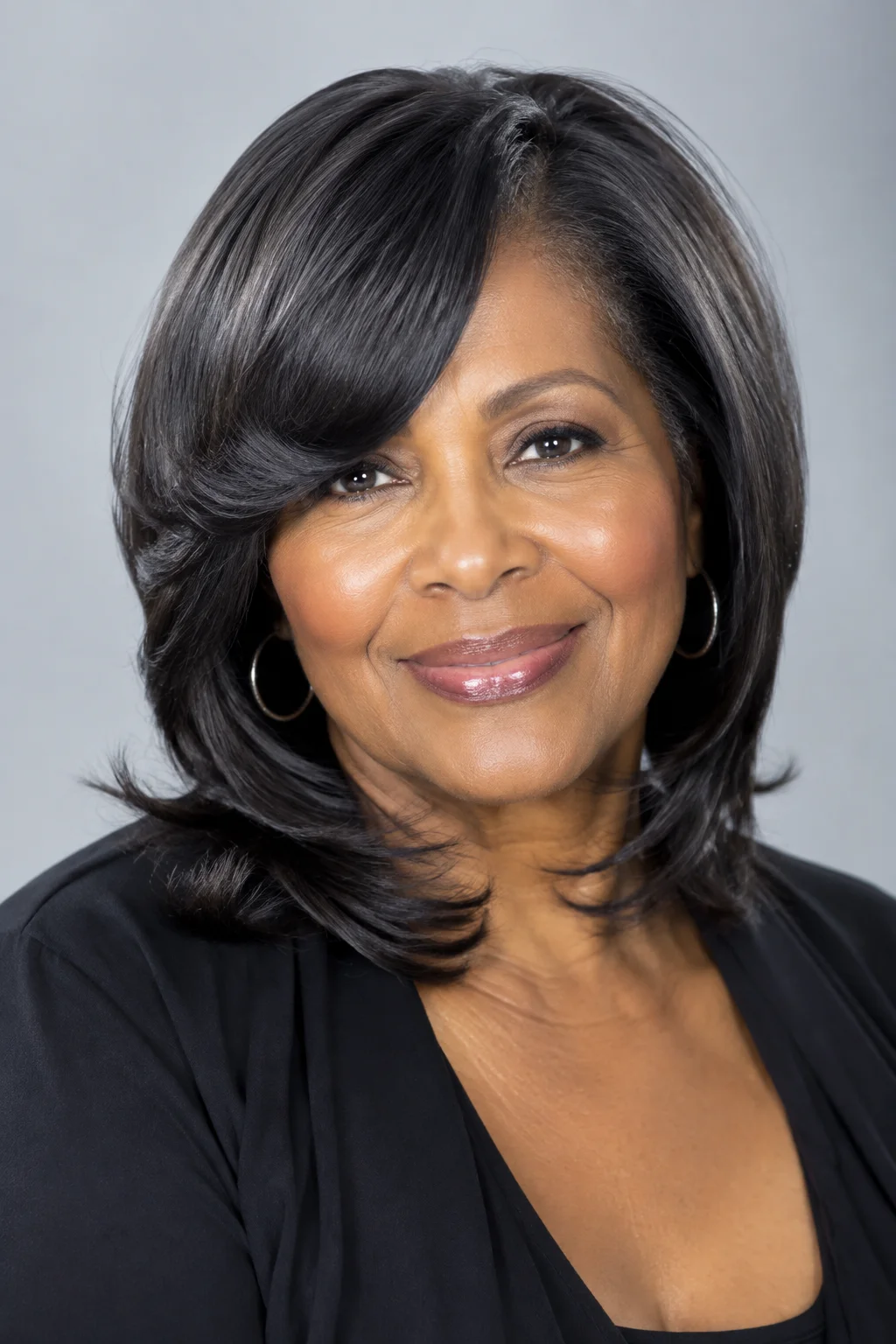
Built for wash-and-go simplicity, this version relies on the cut itself to create shape, so minimal product and styling time are needed. Layers are placed so the hair falls into place on its own after towel drying. It’s the shag to ask for if your mornings are busy and you’d rather spend five minutes on your hair than twenty five.
How to Choose the Right Shag for You
With this many options, picking one comes down to a few honest questions about your hair and your routine. If your hair is naturally coily, the textured shag for coily hair or the version with a defined curl pattern will work far better than the sleek, straight-texture shag, which needs smoother hair to show its shape properly. Women with fine hair should lean toward the shag with minimal layers rather than the tousled shag built for thick hair, since heavy layering on fine strands tends to look sparse instead of full.
Think about your morning routine too. The shag with low-maintenance texture and the tapered shag at the nape both suit women who want to walk out the door with little styling. If you enjoy spending time on your hair, the choppy shag with textured crown or the shag with face-framing highlights give you more to work with.
A common mistake is choosing a bold option, like the asymmetrical short shag or the shag with undercut definition, without considering how often you’ll need touch-ups to keep the shape sharp. Softer, more forgiving cuts like the rounded shag for oval faces or the shag with soft texture throughout grow out more gracefully between appointments. Bring reference photos, describe your hair type honestly, and let your stylist guide the final layering decisions based on what your hair actually does, not just what looks good in a picture.