Thinning strands, extra texture, less time at the mirror. These are the real reasons so many women start looking at shorter cuts after 50, and the good news is that a shorter length can actually solve all three problems at once. The right short hair hairstyles for women over 50 add volume where hair has gone flat, soften the face with movement instead of harsh lines, and cut your styling routine down to ten minutes or less. A good cut works with the hair you have now, not the hair you had at thirty. Gray, silver, fine, coarse, curly, straight, every texture has a version of short hair that flatters it. Below are twenty cuts worth bringing to your next salon visit, along with notes on who each one suits and how to ask for it.
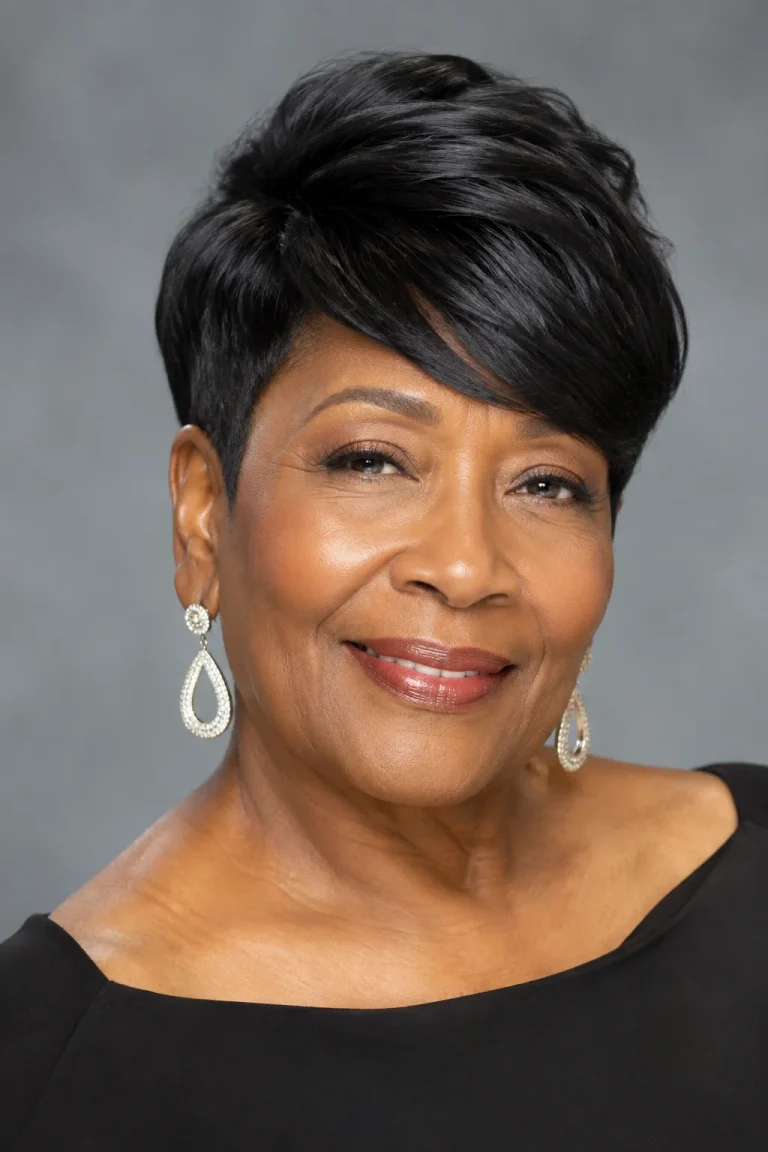
Classic Pixie Cut
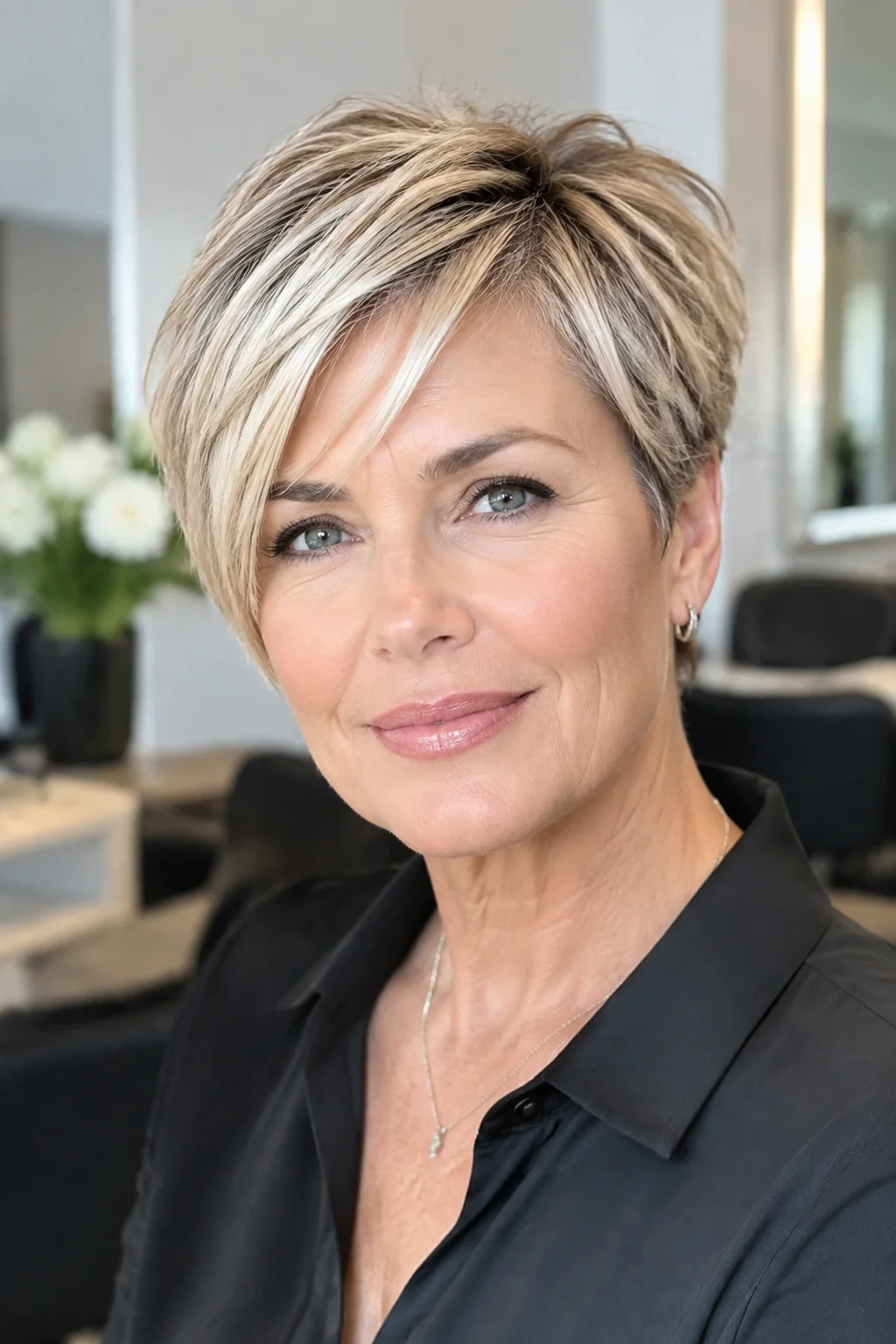
The classic pixie stays short on the sides and back with slightly longer layers on top, giving you a clean, polished shape that needs almost no daily work. It flatters nearly every face shape because the stylist can adjust the length on top to balance your features. Fine hair looks fuller in a pixie because there’s less weight pulling it flat. Tip: ask for a little extra length at the crown so you can still change up the style with a comb or your fingers. A light mist of heat protectant before styling helps the finish last. A light mist of heat protectant before styling helps the finish last.
Textured Pixie with Length on Top
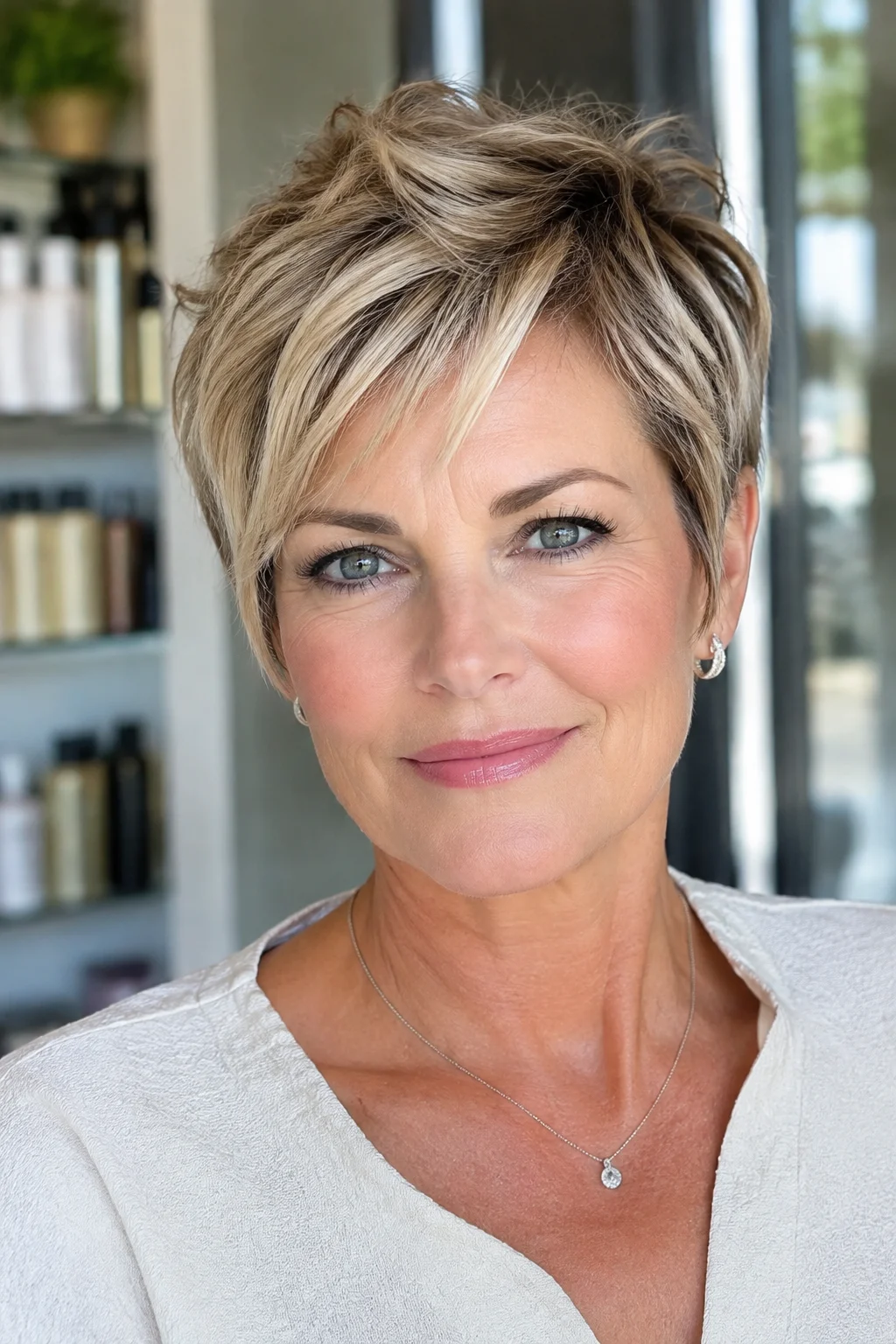
This version keeps more length through the crown and front, so you get movement and styling options a classic pixie doesn’t offer. Stylists cut in soft layers that you can push back, part to the side, or tousle for a messier look. It works well if you’re not ready to commit to a very short cut but still want the ease of pixie-length sides.
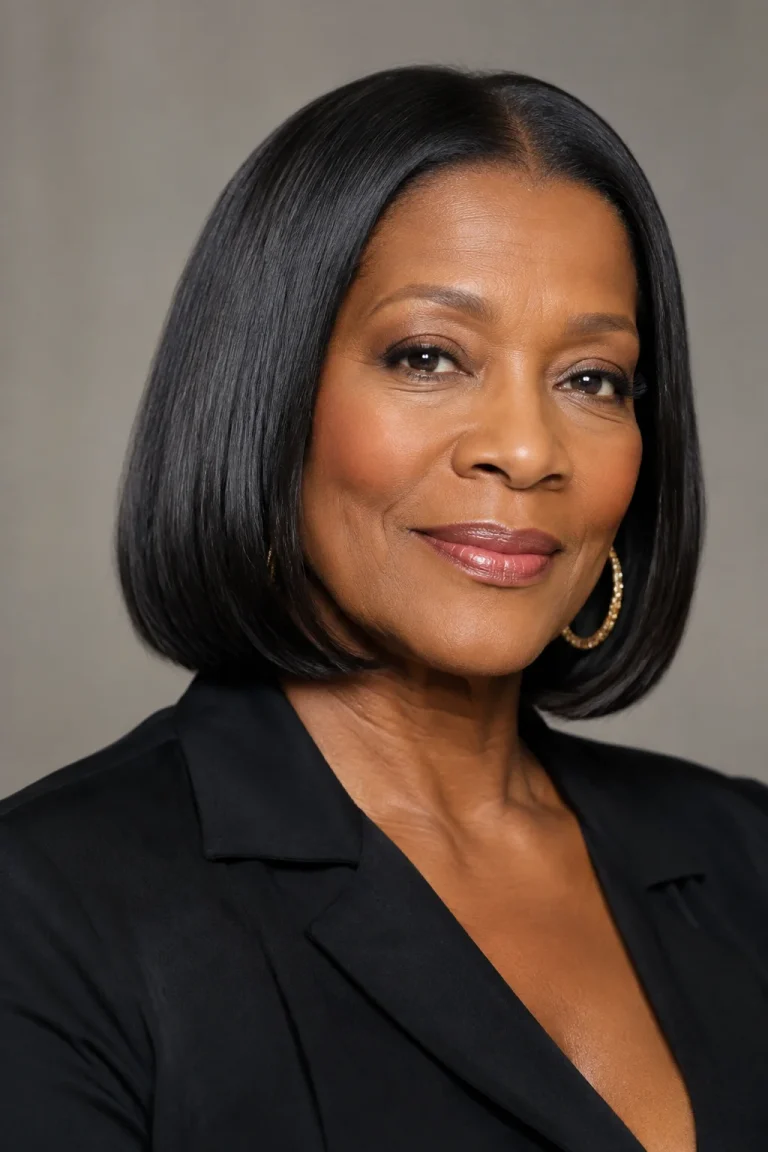
Blunt Bob Above the Chin
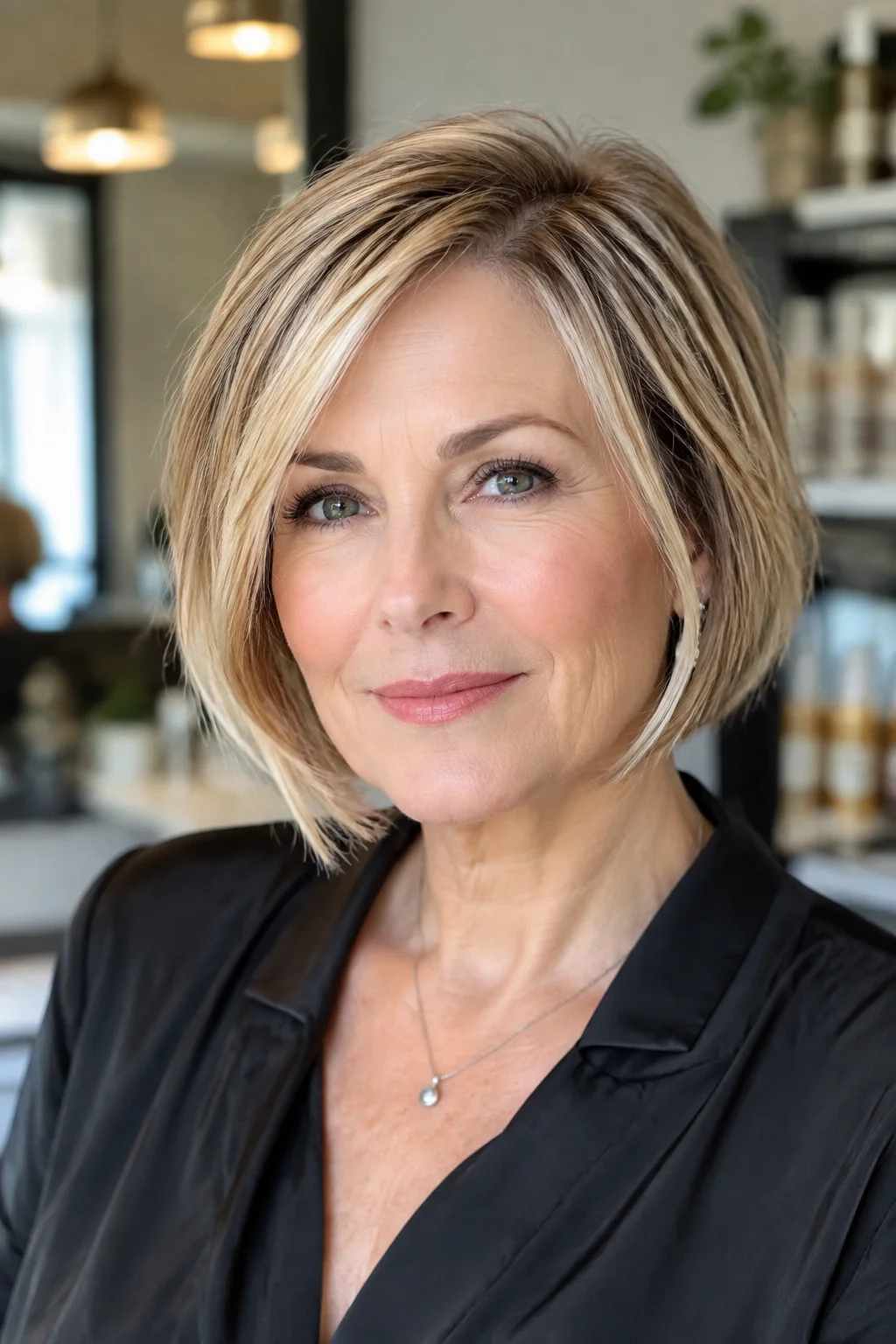
A blunt bob cut right above the chin reads modern and a little bold. The straight, unlayered line gives fine hair the appearance of thickness because every strand ends at the same point. This cut wants healthy ends, since there’s nowhere to hide split or damaged hair. It pairs well with a deep side part, and it holds its shape between salon visits better than almost any other cut on this list. A light mist of heat protectant before styling helps the finish last. A light mist of heat protectant before styling helps the finish last.
Layered Shag Bob
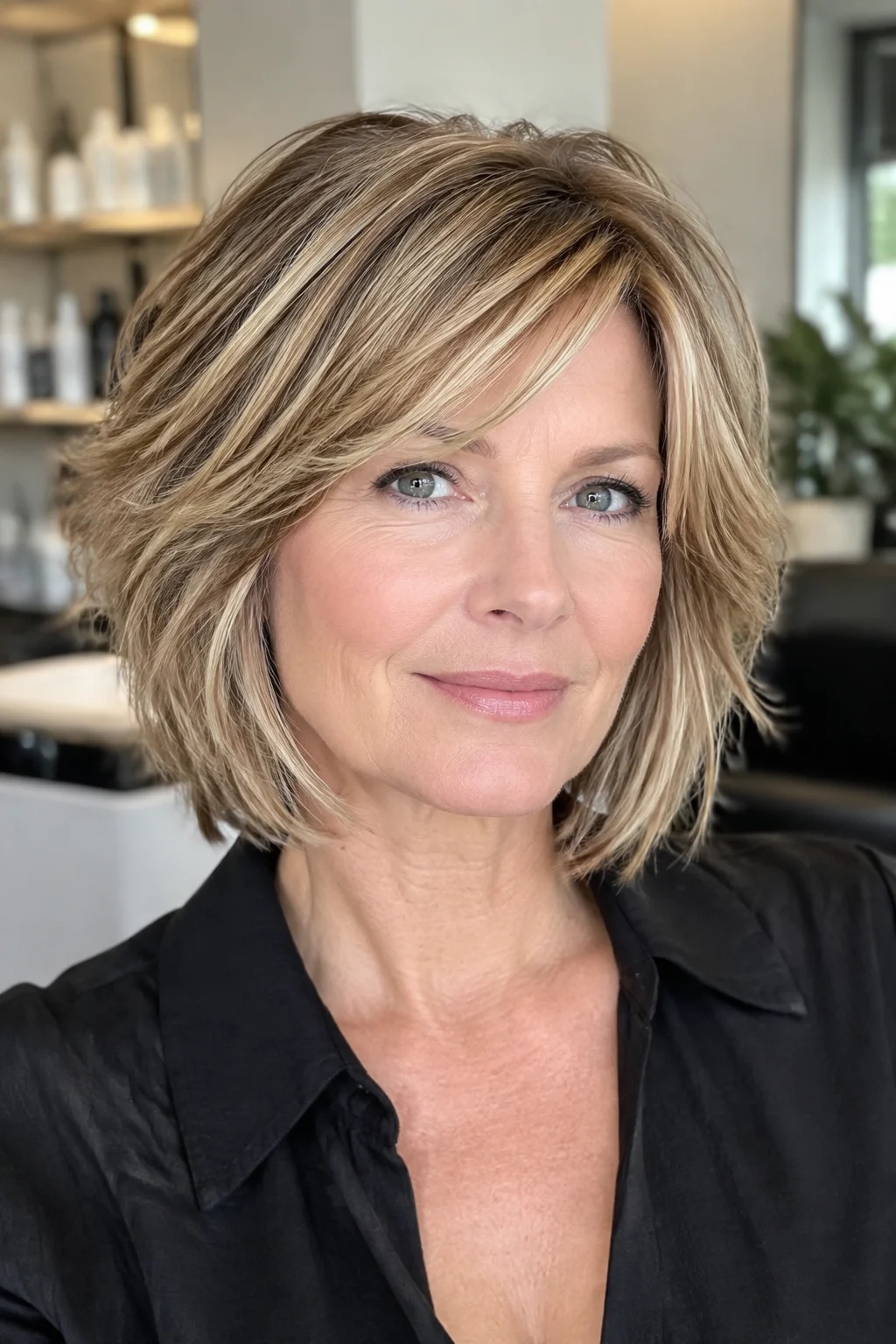
The shag bob takes a bob-length base and chops in heavy layers throughout for a loose, undone texture. It’s a good match if your hair has natural wave or curl, since the layers let that texture show instead of fighting it. Styling is forgiving here. A little texture spray and some scrunching with your hands is often all you need.
Inverted Bob (Wedge)
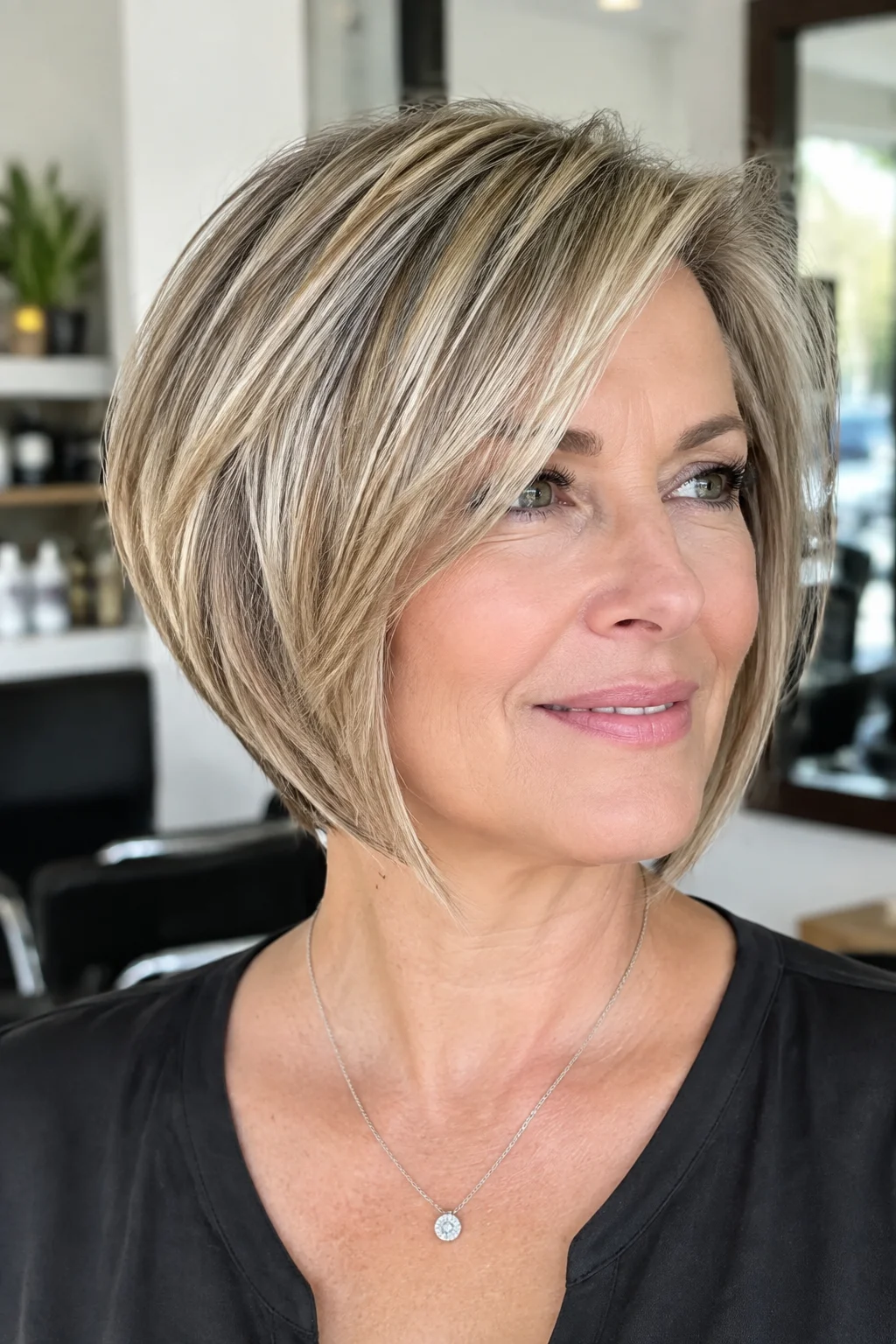
The inverted bob, sometimes called a wedge, is longer in front and shorter in back, creating a graduated shape that angles down toward the face. This structure draws the eye toward your jaw and chin, which can soften a rounder face or balance a longer one. The back stays short and neat while the front pieces give you something to tuck behind an ear or sweep forward.
Wavy Pixie Bob Hybrid
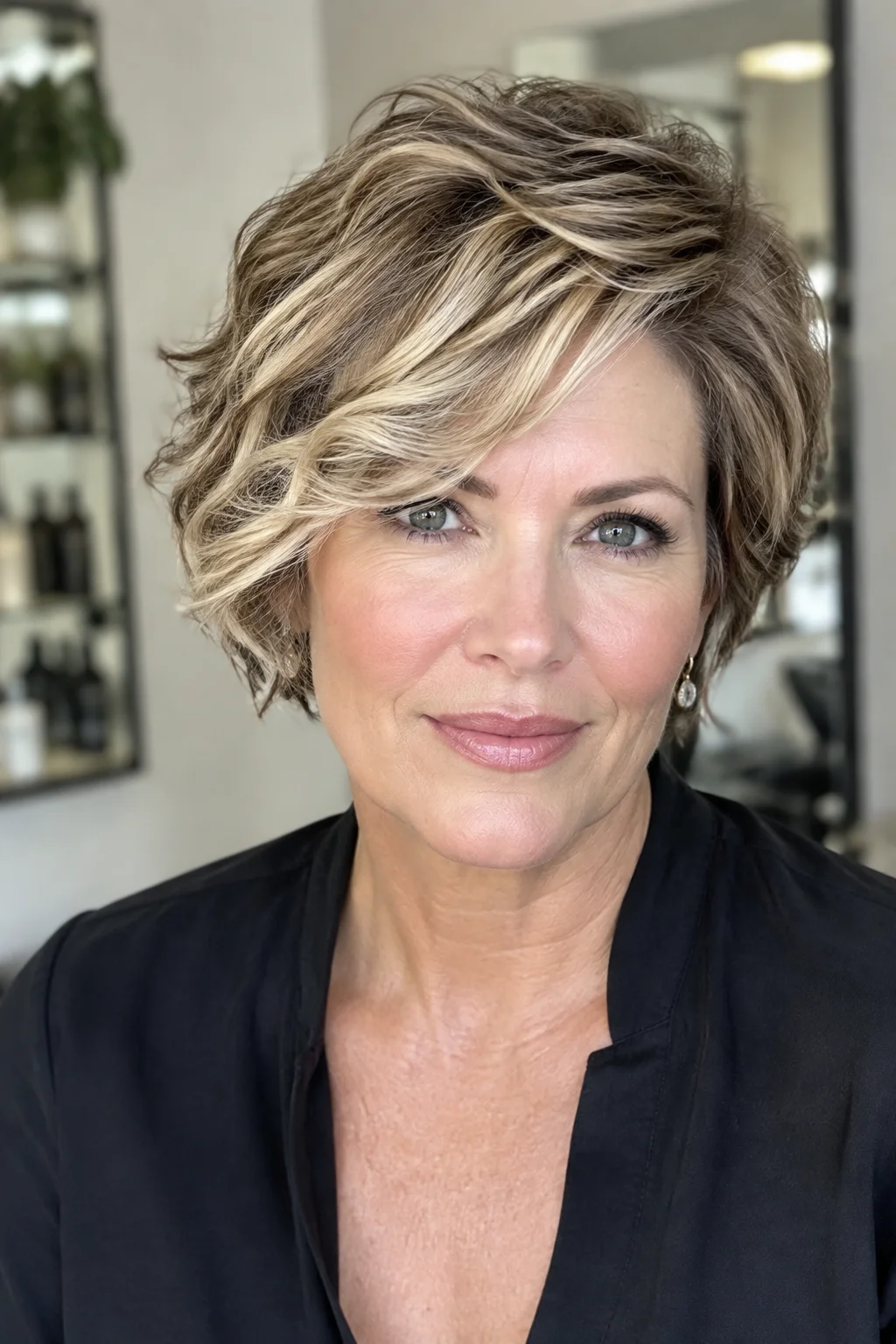
This cut lands between a pixie and a bob, long enough to show waves but short enough to stay low maintenance. It suits hair with natural texture that doesn’t want to lie flat anyway. Letting the waves air dry with a light curl cream usually looks better than blow drying it straight.
Cropped Curly Cut
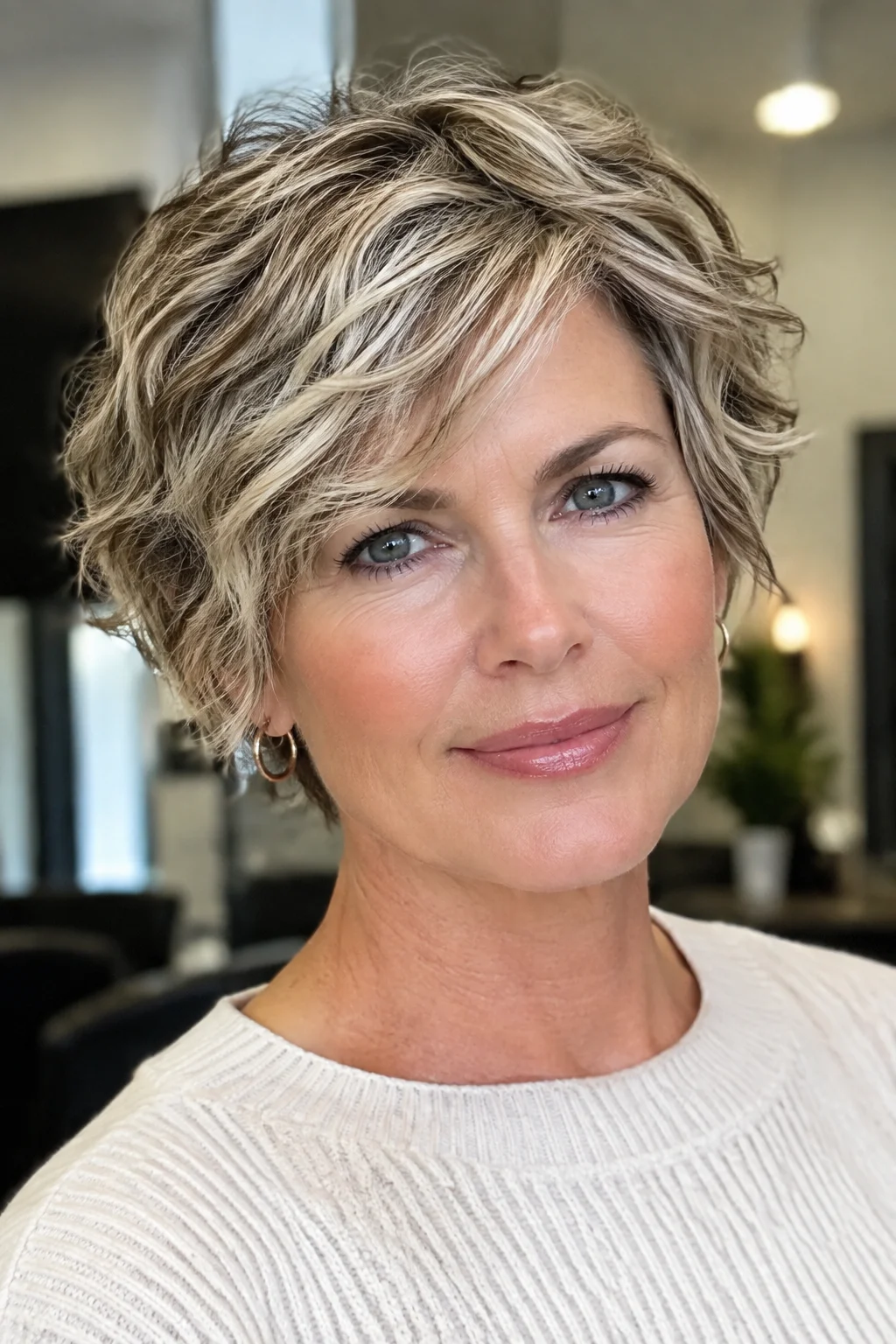
Curly hair gets its own shape here, cut close on the sides with enough length on top for curls to form fully instead of getting cut off mid-spiral. A cropped curly cut respects the hair’s natural pattern rather than fighting it with heat or product. Tip: ask your stylist to cut it dry so they can see exactly how each curl falls before trimming.
Sleek Angled Bob
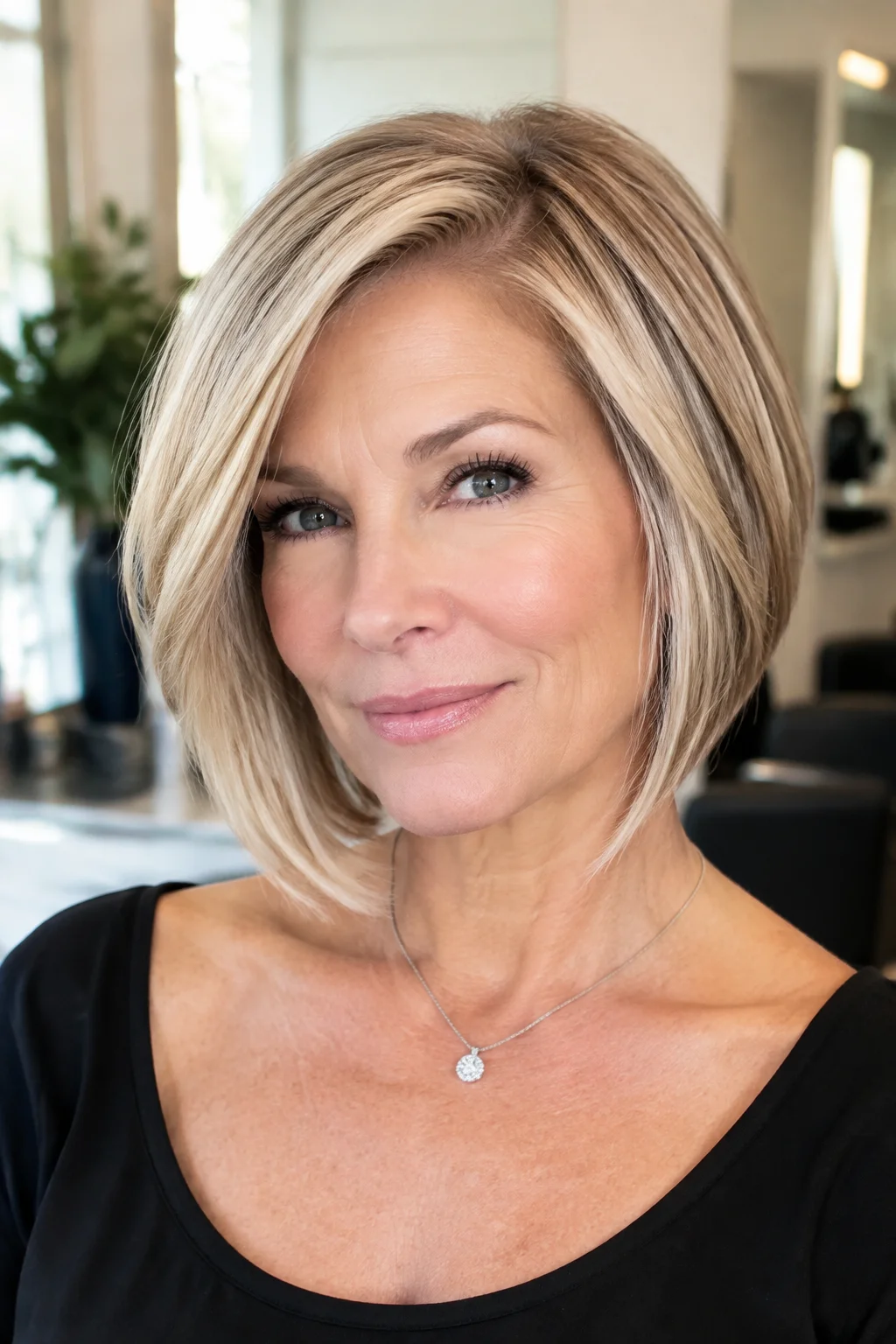
The sleek angled bob has a sharp diagonal line, shorter in back and longer toward the front, styled smooth and straight rather than textured. It looks like it belongs in a boardroom or at a dinner out, equally at home in either setting. This one does require a flat iron or round brush to keep the sleek finish, so it’s not the lowest maintenance option here, but the sharp line makes a strong style statement.
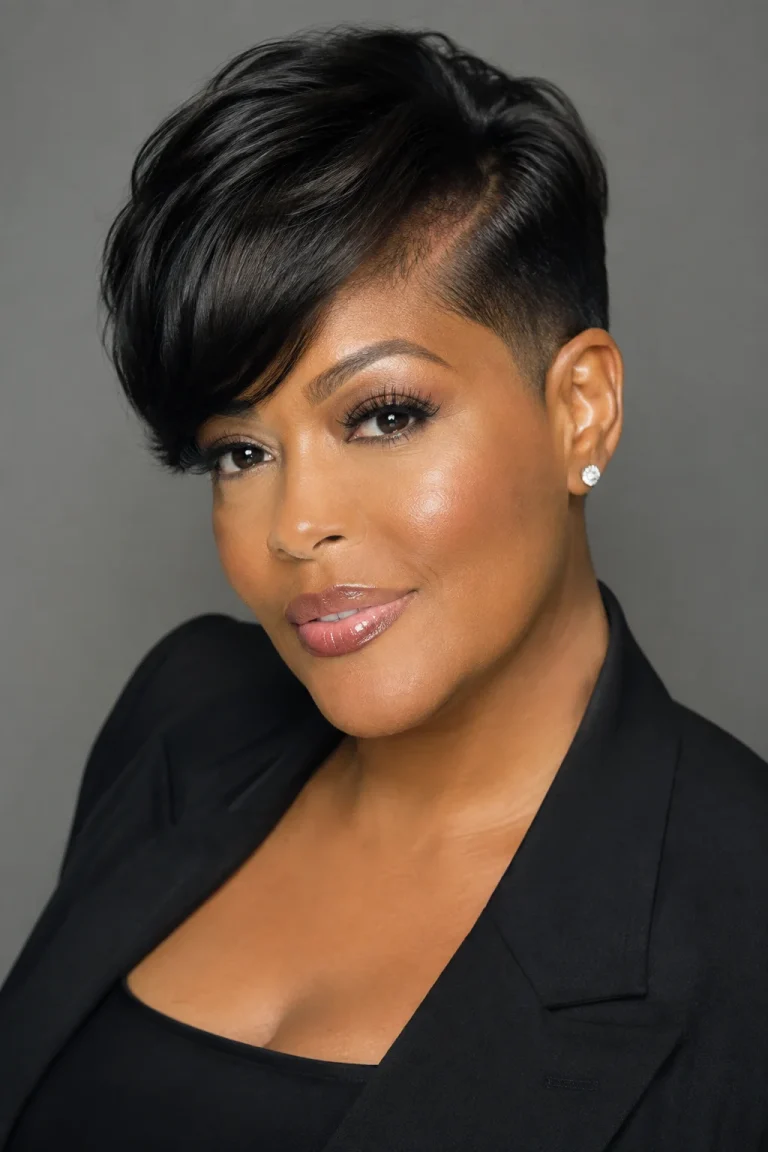
Textured Undercut Pixie
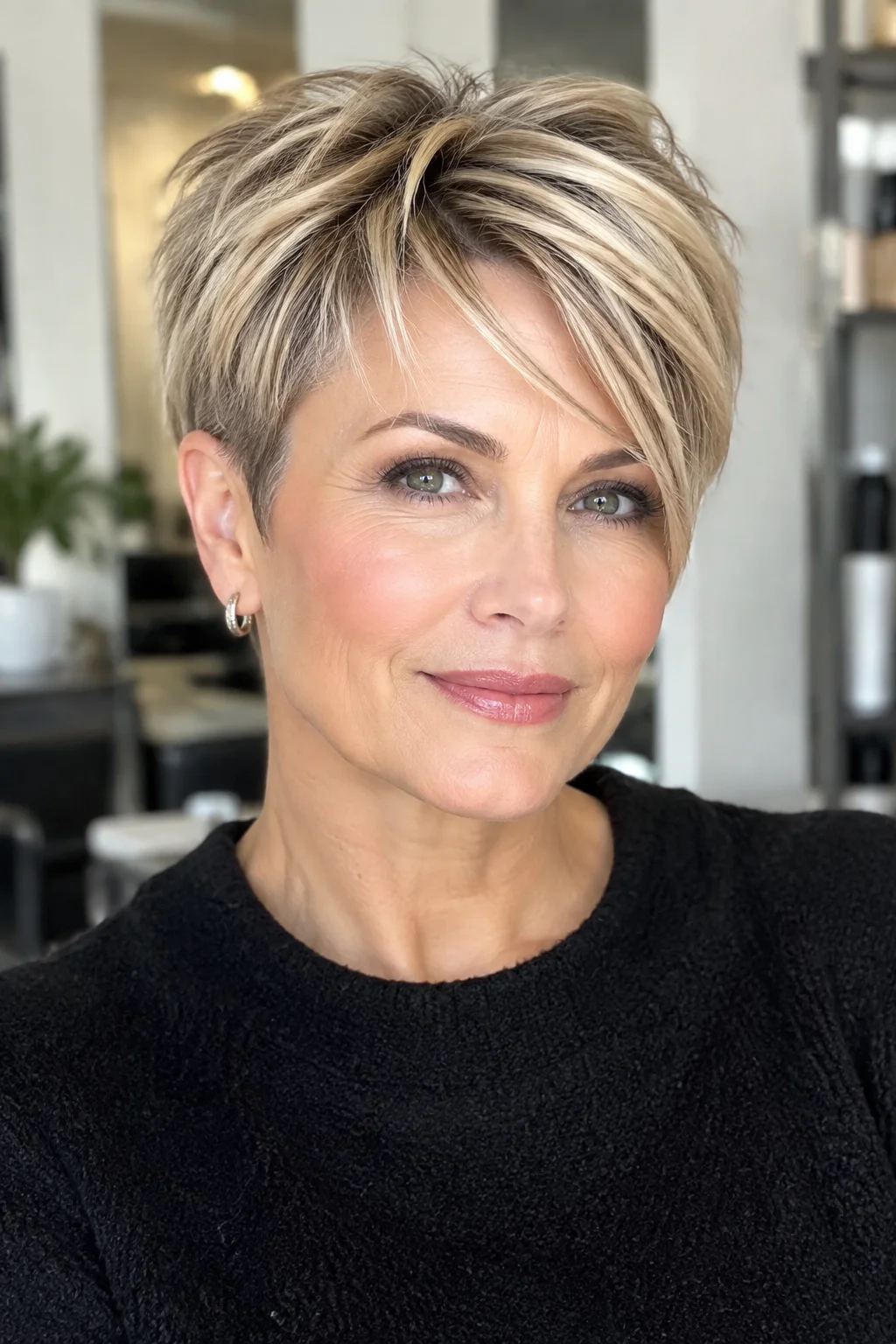
An undercut pixie shaves or clips very short underneath, leaving longer textured pieces on top for contrast. It’s a striking choice for anyone who wants an edgier look without going fully buzzed. The shaved sides also mean less bulk, which helps if your hair tends to puff out in humidity.
Soft Layered Bob with Bangs
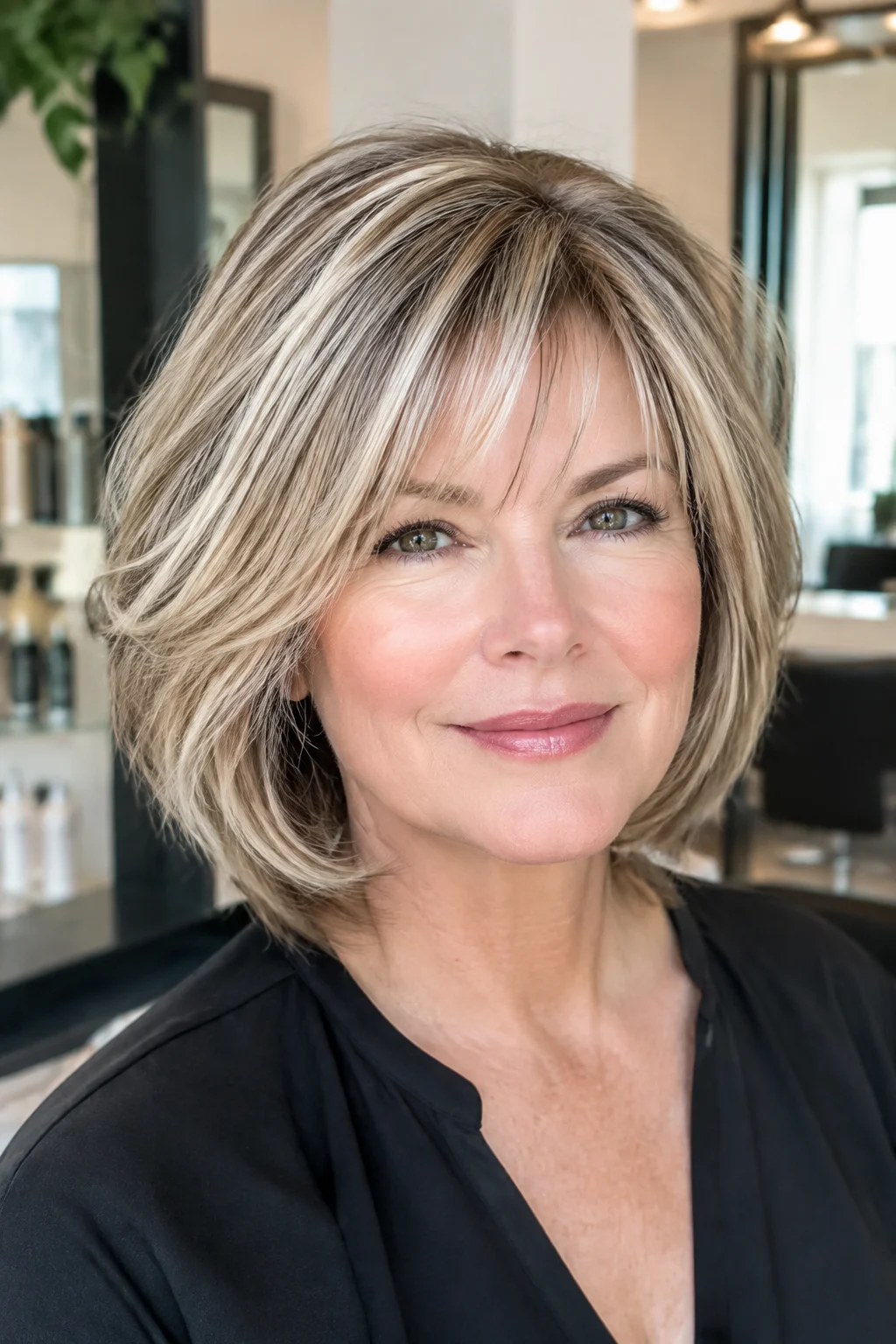
Layers throughout a chin or jaw length bob soften the overall shape, and bangs add a frame around the eyes and forehead. This combination works for covering a higher hairline or adding youthful softness to angular features. Side-swept bangs blend in more easily between trims than a blunt fringe does, so ask for that version if you don’t want to visit the salon every four weeks.
Rounded Pixie Bob
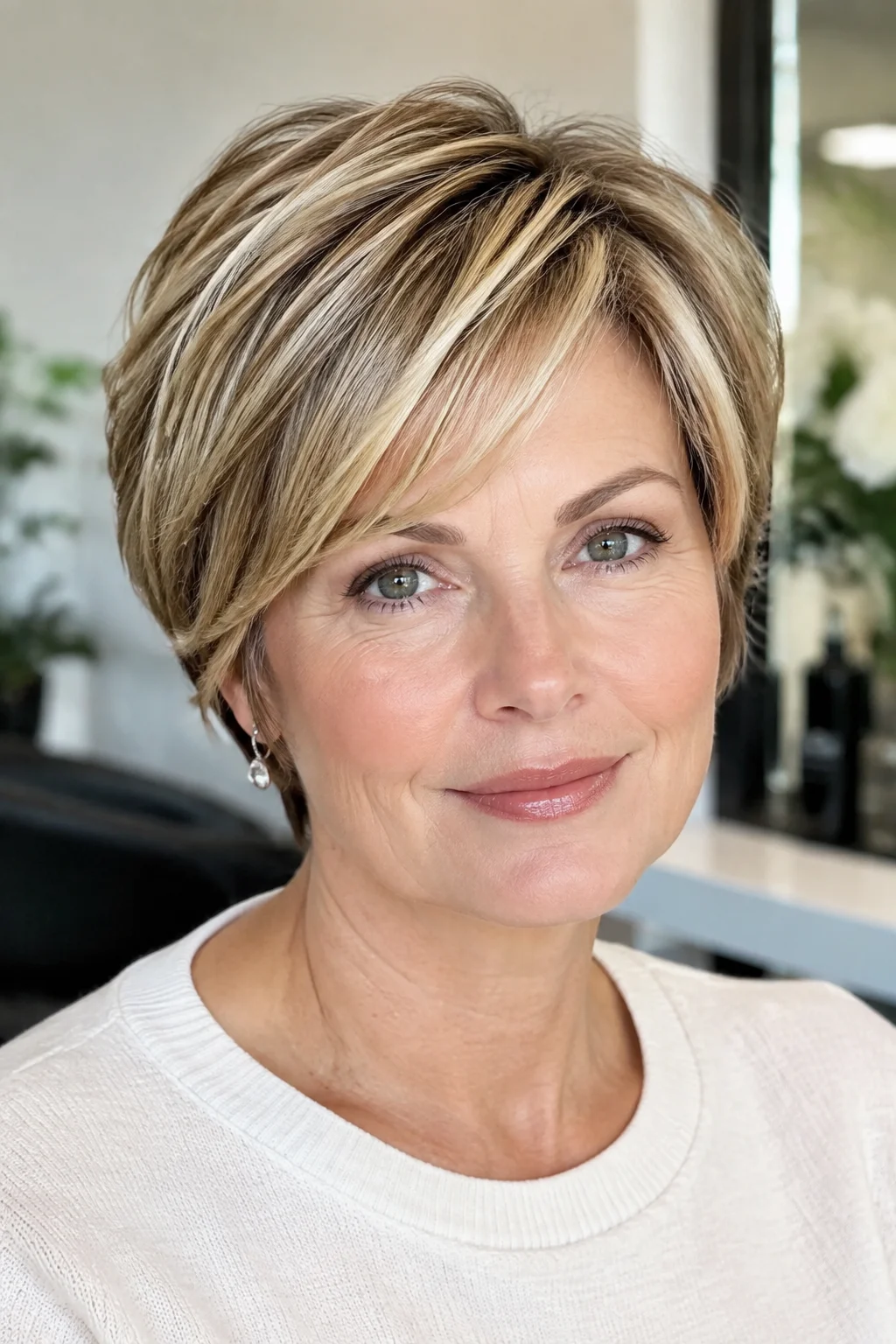
The rounded pixie bob keeps a soft, curved shape all the way around instead of sharp angles. It’s a gentle, approachable cut that suits most hair types and requires very little daily styling beyond finger-combing and a bit of pomade.
Choppy Layered Pixie
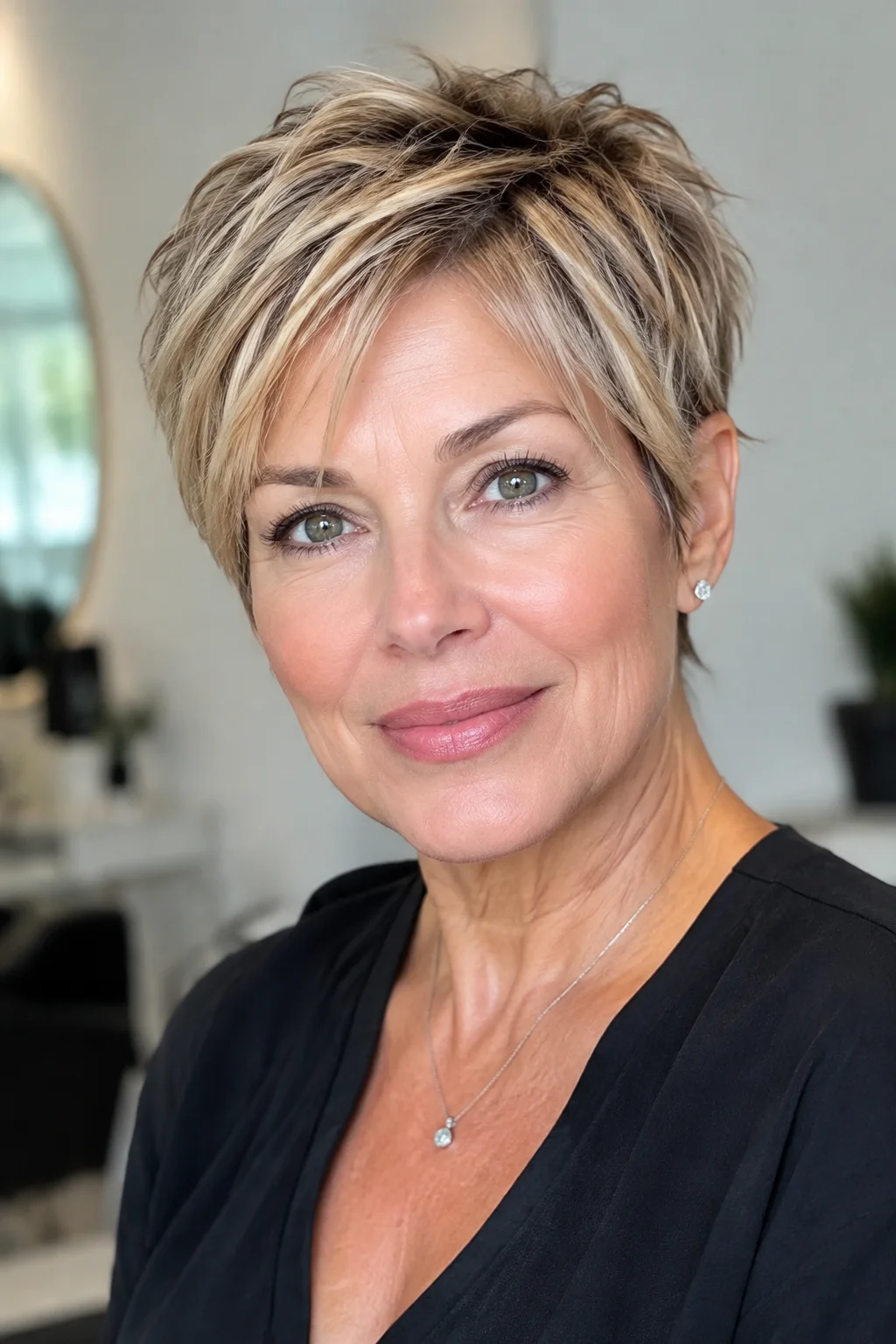
Choppy layers cut at different lengths throughout a pixie give it a piecey, textured finish rather than a smooth one. This cut hides cowlicks and growth patterns well, since the irregular layers already look intentionally messy. A small amount of matte wax worked through damp hair before drying brings out the choppy texture best.
Ear-Length Bob with Face-Frame Layers
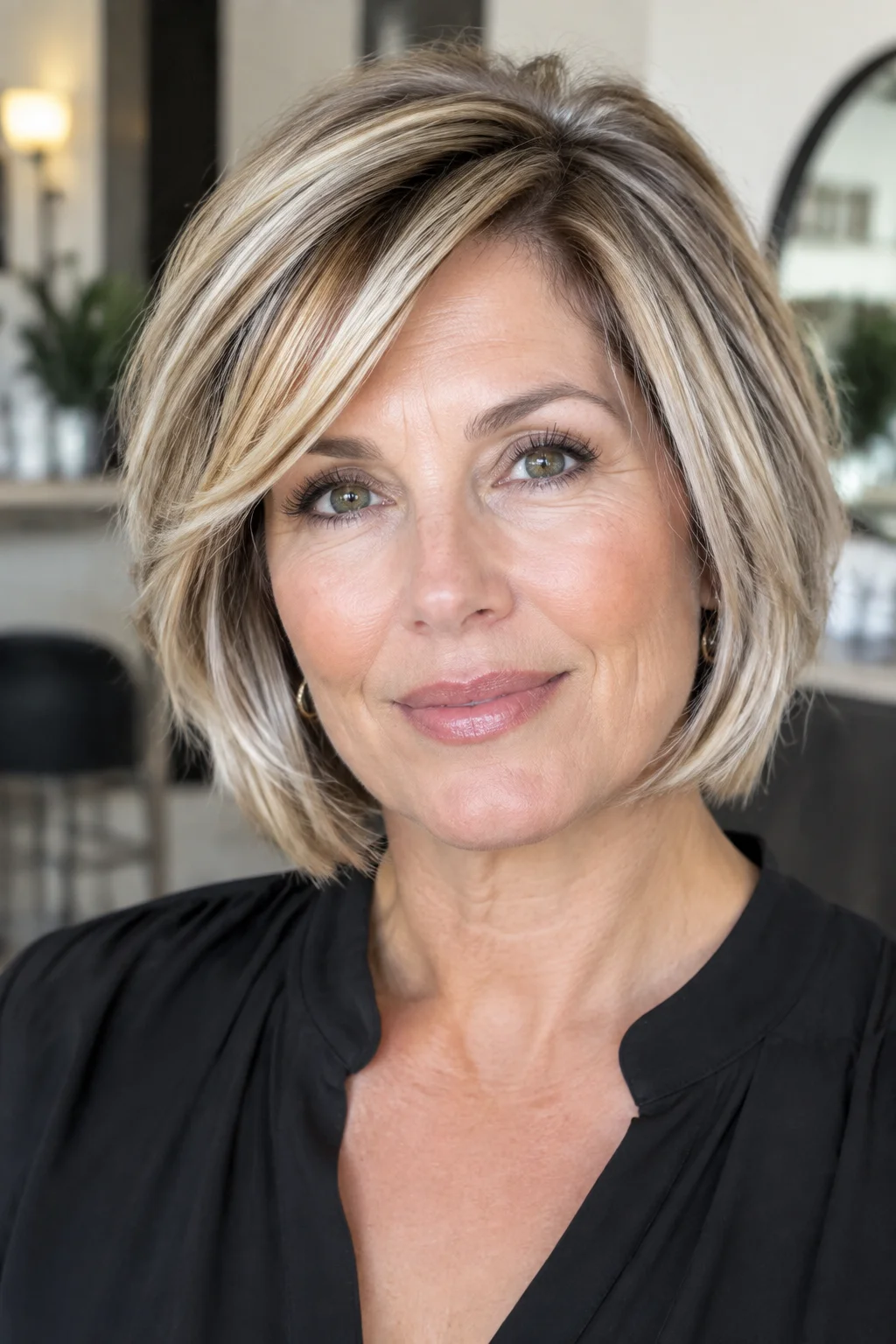
Cut right at the ear, this bob keeps things short while face-framing layers around the front add shape near the cheeks and jaw. It’s a solid pick if you want short hair that still has some length to play with near your face. The back stays close to the neck, which keeps the style feeling neat rather than bulky.
Side-Swept Pixie
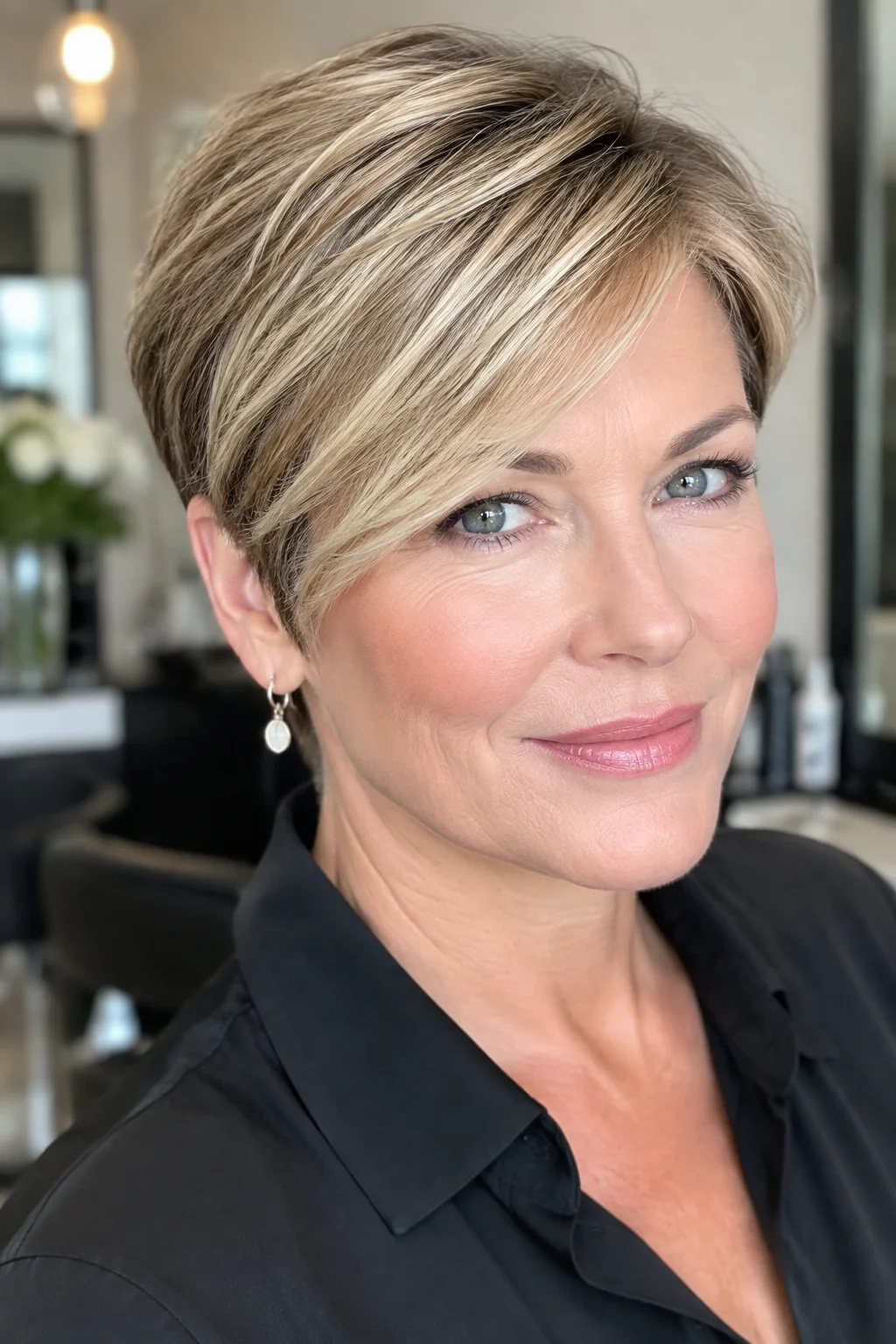
A side-swept pixie takes the classic shape and adds a deep side part with longer sweeping pieces across the forehead. The asymmetry softens a square or angular face and gives you a little drama without added length. It styles fast with just a comb and a dab of pomade pushed to one side.
Textured Gray Pixie
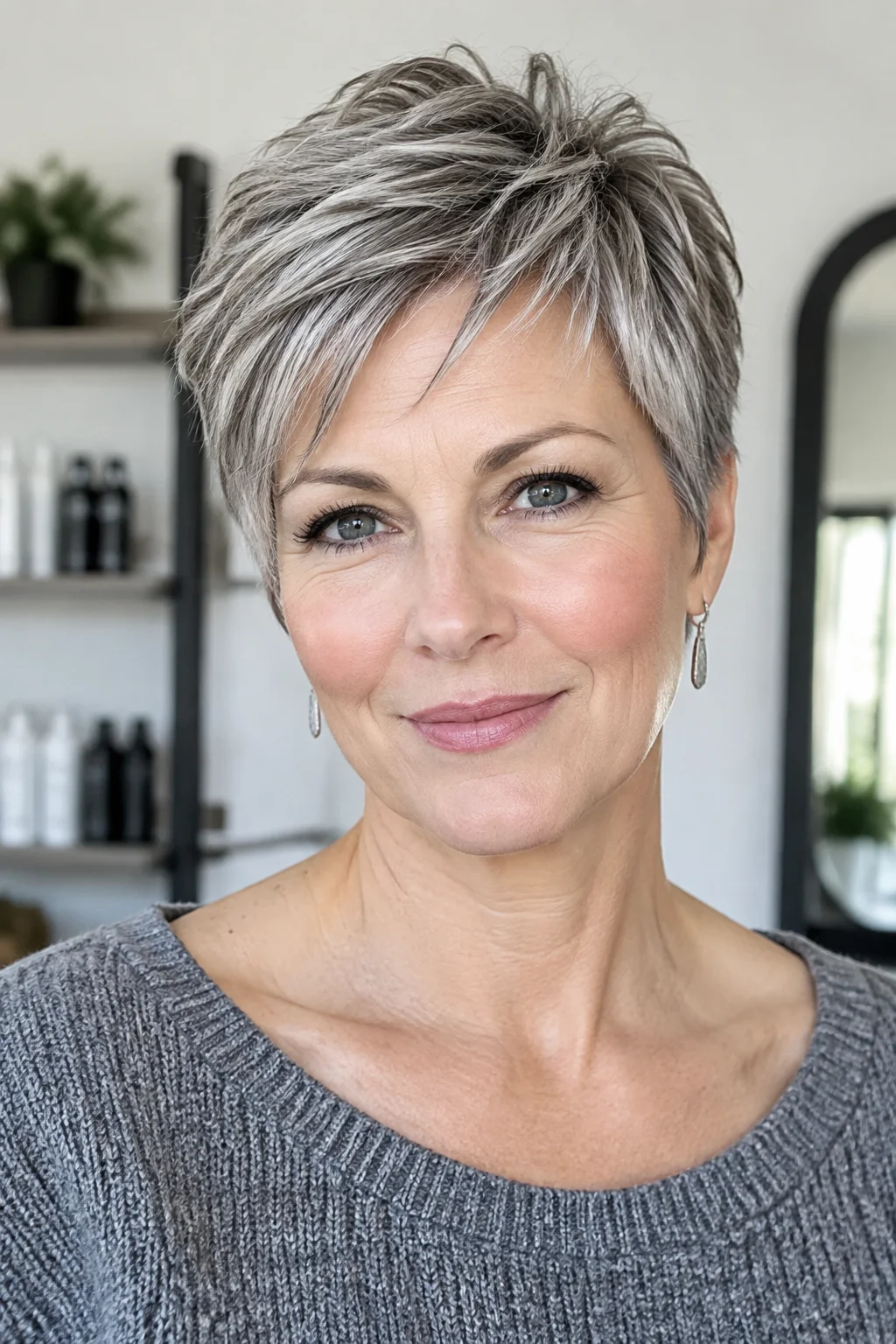
Gray hair often has a coarser, wirier texture than hair used to have, and a textured pixie cut is built to work with that change rather than against it. Choppy layers break up the solid color and keep a head of gray from looking flat or helmet-like. This cut also tends to photograph well, since the texture catches light and shadow instead of reflecting it in one smooth sheet.
Stacked Graduated Bob
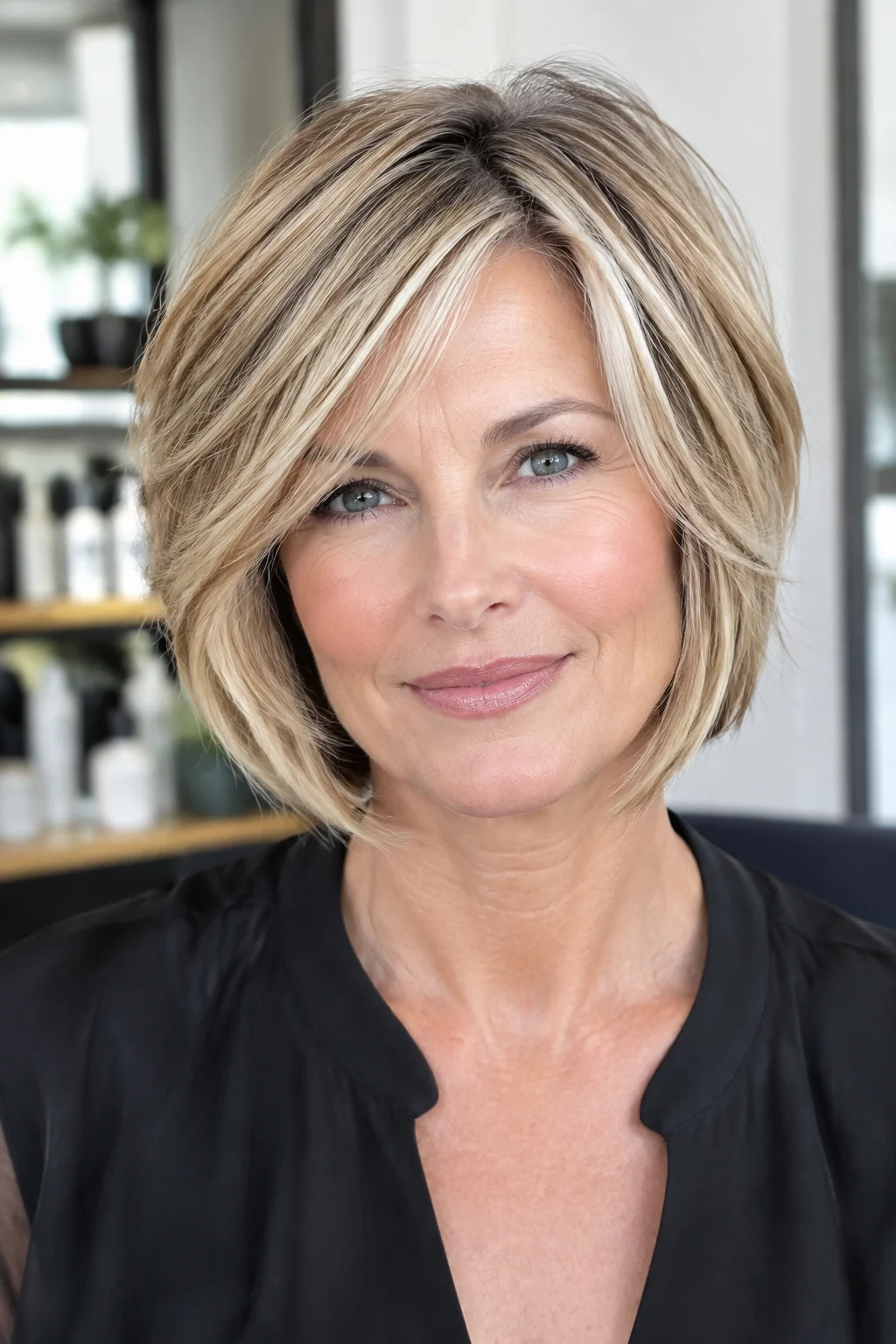
A stacked bob builds extra layers into the back, creating noticeable volume and lift right at the nape. The front stays longer and smooth while the back rounds out, almost like the hair is cupping the back of your head. This shape works especially well for anyone whose hair tends to go flat in the back by midday.
Tousled Shag with Layers
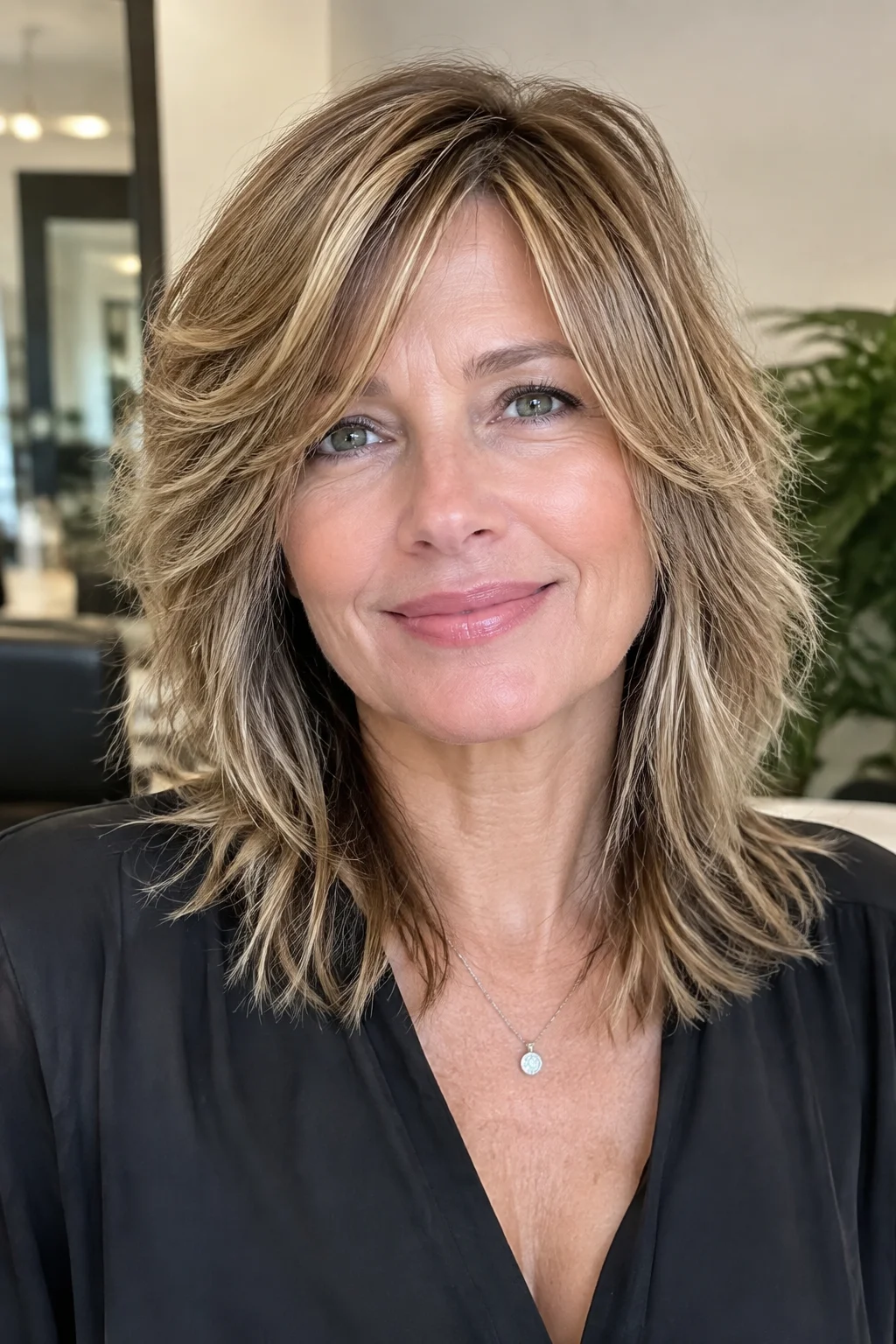
This shag leans into heavy layering and a deliberately undone finish, styled with texture spray and scrunched rather than smoothed. It looks best a day or two after washing, when hair has a little natural grit to it. Fine or thick hair both take well to this cut, since the layers remove bulk from thick hair and add fullness to fine hair at the same time.
Blunt Micro Pixie
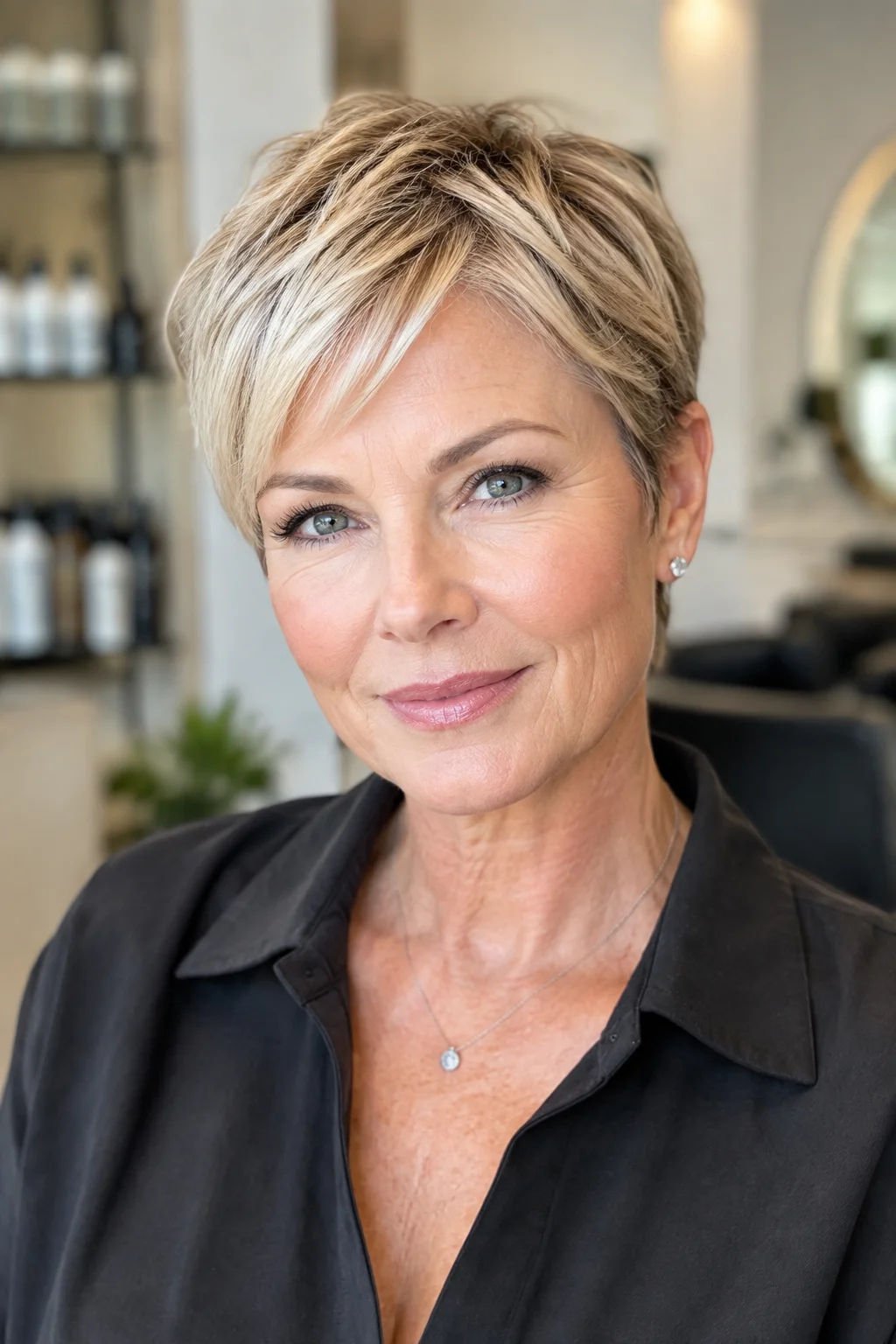
The micro pixie is about as short as hair gets while still being styled rather than buzzed, with a blunt, even finish all around. It’s a bold choice that puts full focus on your face and bone structure. This cut suits women with strong features and the confidence to wear very short hair well, and it needs almost no daily upkeep beyond a swipe of product.
Wispy Layered Pixie
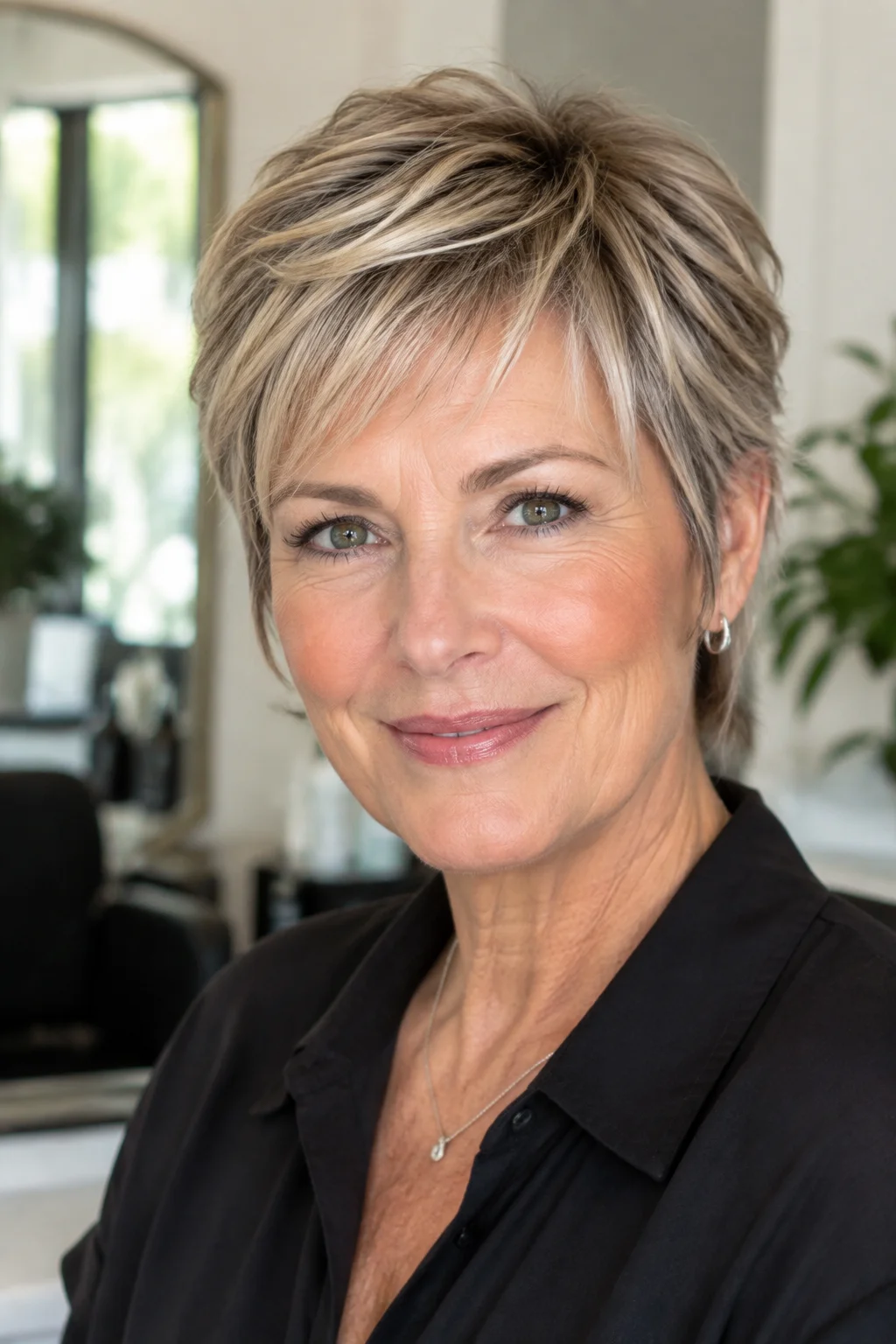
Wispy layers at the tips give this pixie a soft, feathered edge instead of a blunt one. It’s a quieter, more delicate take on pixie length that works nicely for softer, rounder face shapes.
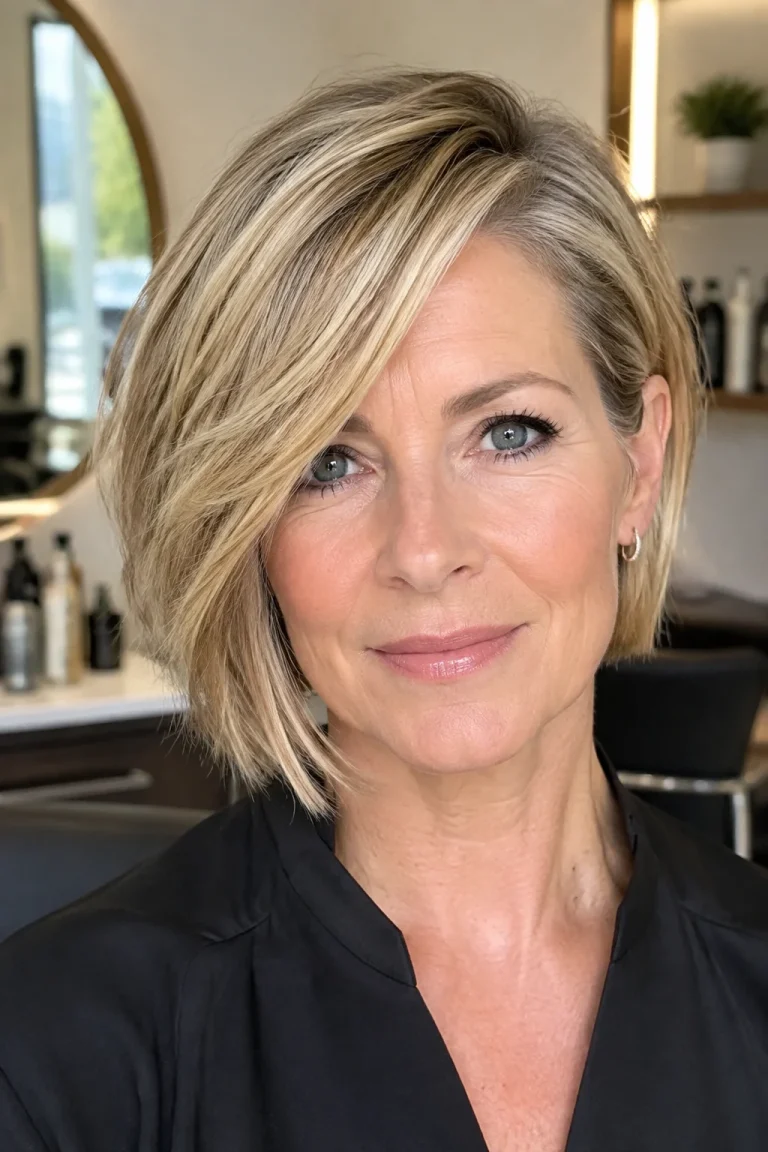
Asymmetrical Short Bob
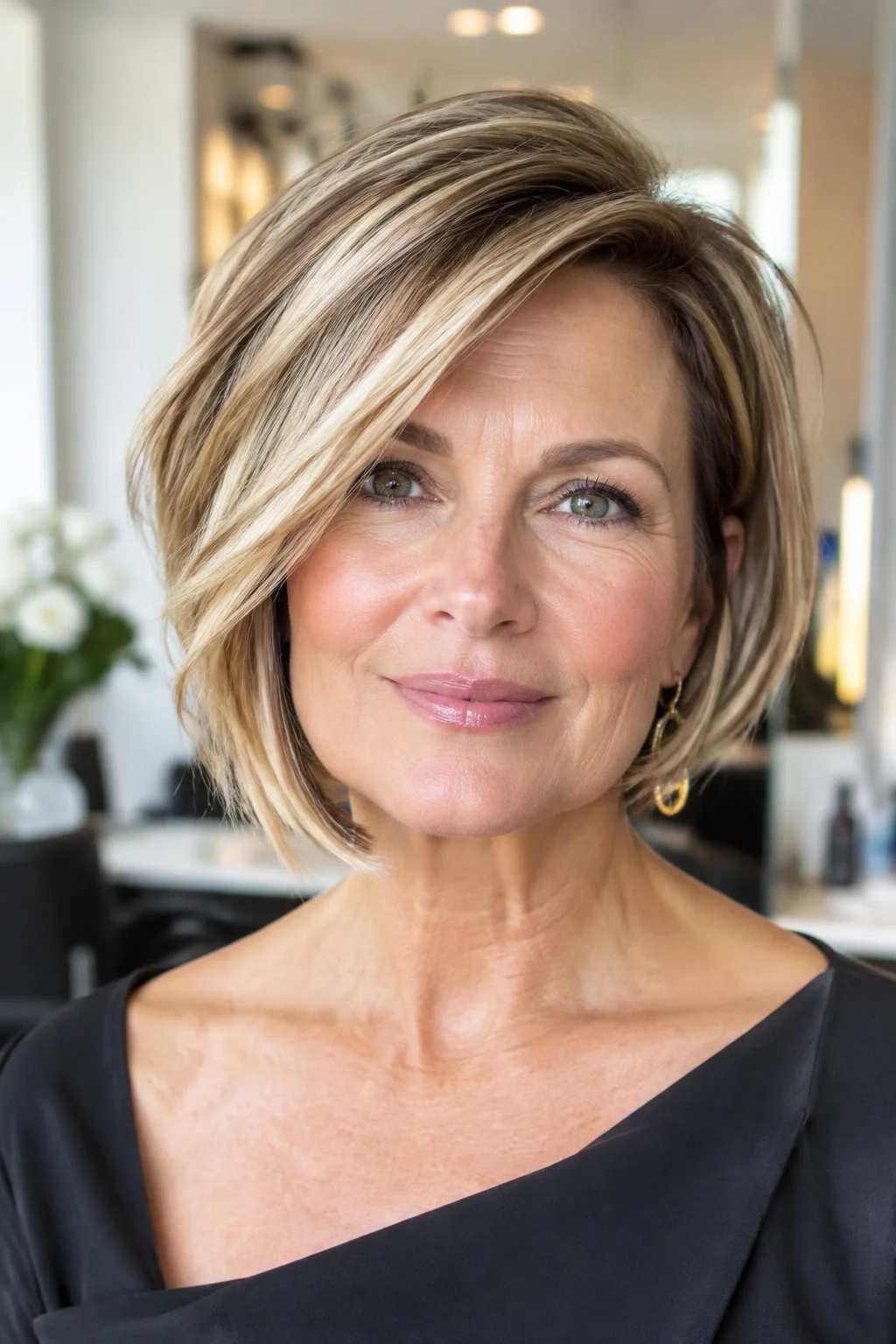
An asymmetrical bob keeps one side noticeably longer than the other, creating a modern, off-kilter line that still reads as polished. It’s a strong option if you want a short cut that still feels a little unexpected. Ask your stylist to keep the length difference subtle at first. You can always go more dramatic at your next appointment once you know how you like the look.
How to Choose the Right Cut for You
Start with your hair’s natural texture before you start with a picture you found online. Fine, straight hair tends to look fuller in a classic pixie cut, a blunt bob above the chin, or a stacked graduated bob, since all three use blunt lines or built-in layers to fake density. Curly or wavy hair does better in a cropped curly cut, a wavy pixie bob hybrid, or a tousled shag with layers, cuts that are built around texture instead of smoothed against it.
If your priority is low maintenance, the rounded pixie bob, the blunt micro pixie, and the textured gray pixie all dry quickly and need very little product. If you want something with more drama for date nights or photos, look at the sleek angled bob, the asymmetrical short bob, or the side-swept pixie, since all three rely on sharp lines that need a few extra minutes with a brush or flat iron.
One common mistake is choosing a blunt, heavy cut like the blunt bob above the chin when your hair is already thick and coarse, since it can look bulky instead of sleek. In that case, a layered shag bob or soft layered bob with bangs removes weight while keeping length options open.
Final Thoughts
Short hair past 50 isn’t about cutting off options, it’s about choosing a shape that actually works with your texture, your face, and your morning routine. Bring two or three of these styles to your appointment and let your stylist tell you which one your hair will hold best. The right cut should feel easier the moment you walk out of the salon, not harder.