Short hair gets easier to love once you stop fighting it. A bob cut the right way can take years off your face, cut your styling time in half, and still look polished on days you barely touch it. If you have been scrolling through the same three photos on your phone, hoping your stylist can read your mind, it helps to walk in with real options instead. These short hair bob haircuts for women over 60 cover a wide range, from sleek and sharp to soft and tousled, so you can point at one and say “that’s the one.” Some work better with fine hair, others need thickness to hold their shape, and a few are built for women who want to skip the blow dryer most mornings. Read through them, picture your own hair in each style, and bring your favorites to your next appointment.
Classic Chin-Length Bob
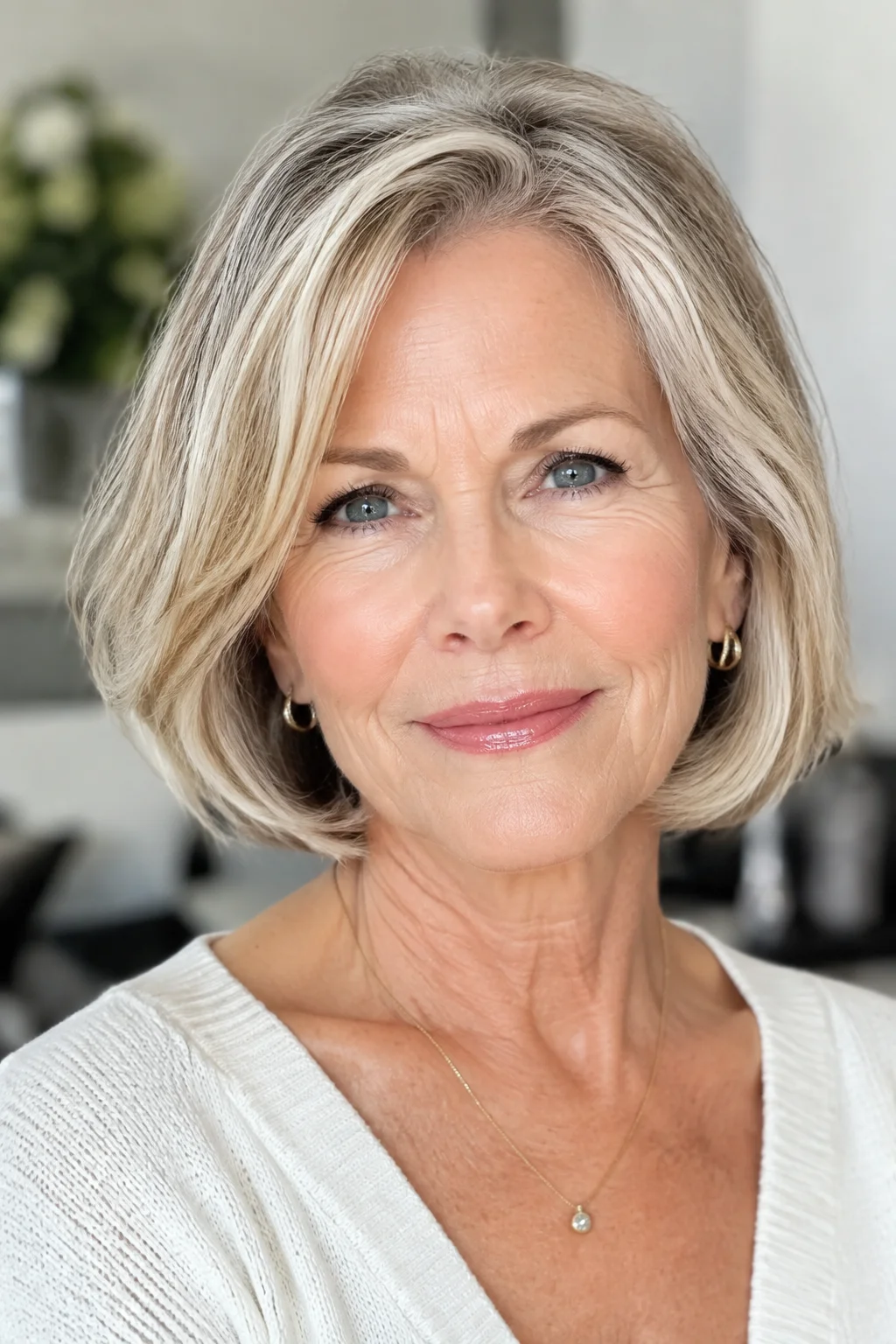
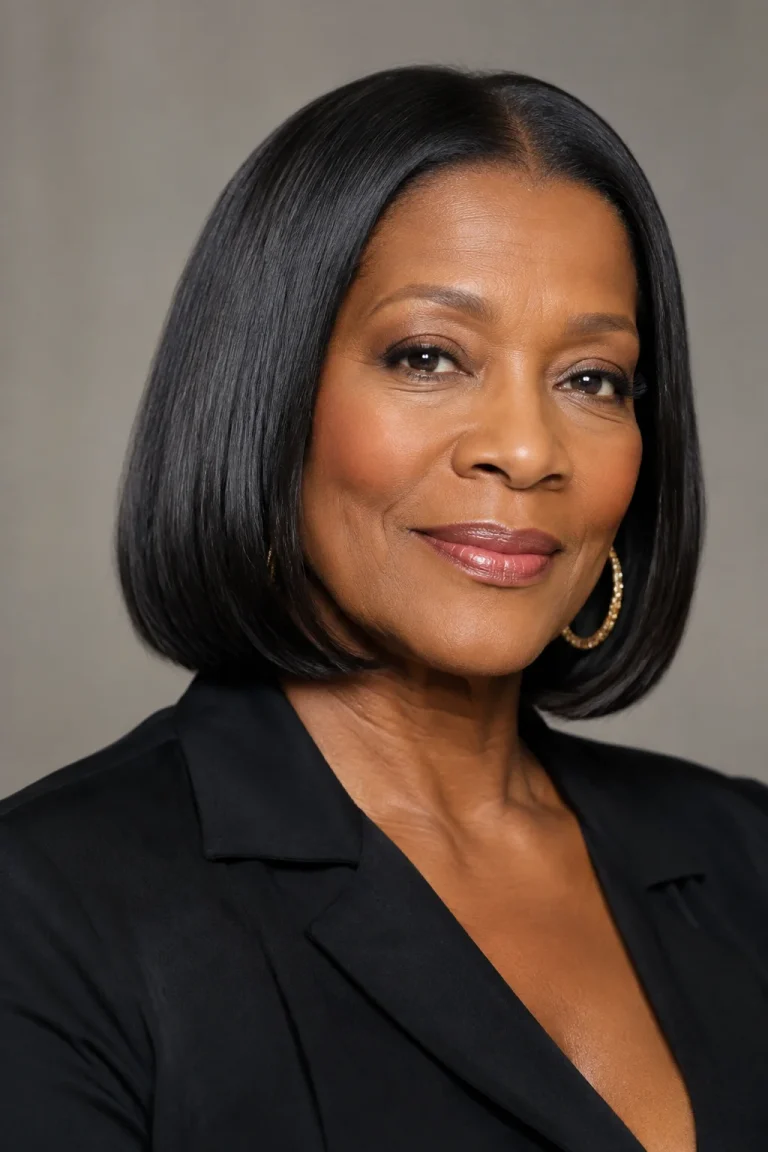
This is the bob most women picture when they hear the word. It sits right at the chin, skims the jawline, and gives a clean frame to the face without any fuss. The length works well with straight or slightly wavy hair and holds its shape for weeks between trims. Because it is so simple, it hides thinning less than some shorter cuts, so ask your stylist about adding light layers if your hair has gotten finer. Tip: a glossing treatment keeps this cut looking fresh and catches the light in a way plain cuts don’t. A light mist of heat protectant before styling helps the finish last.
Textured Pixie Bob
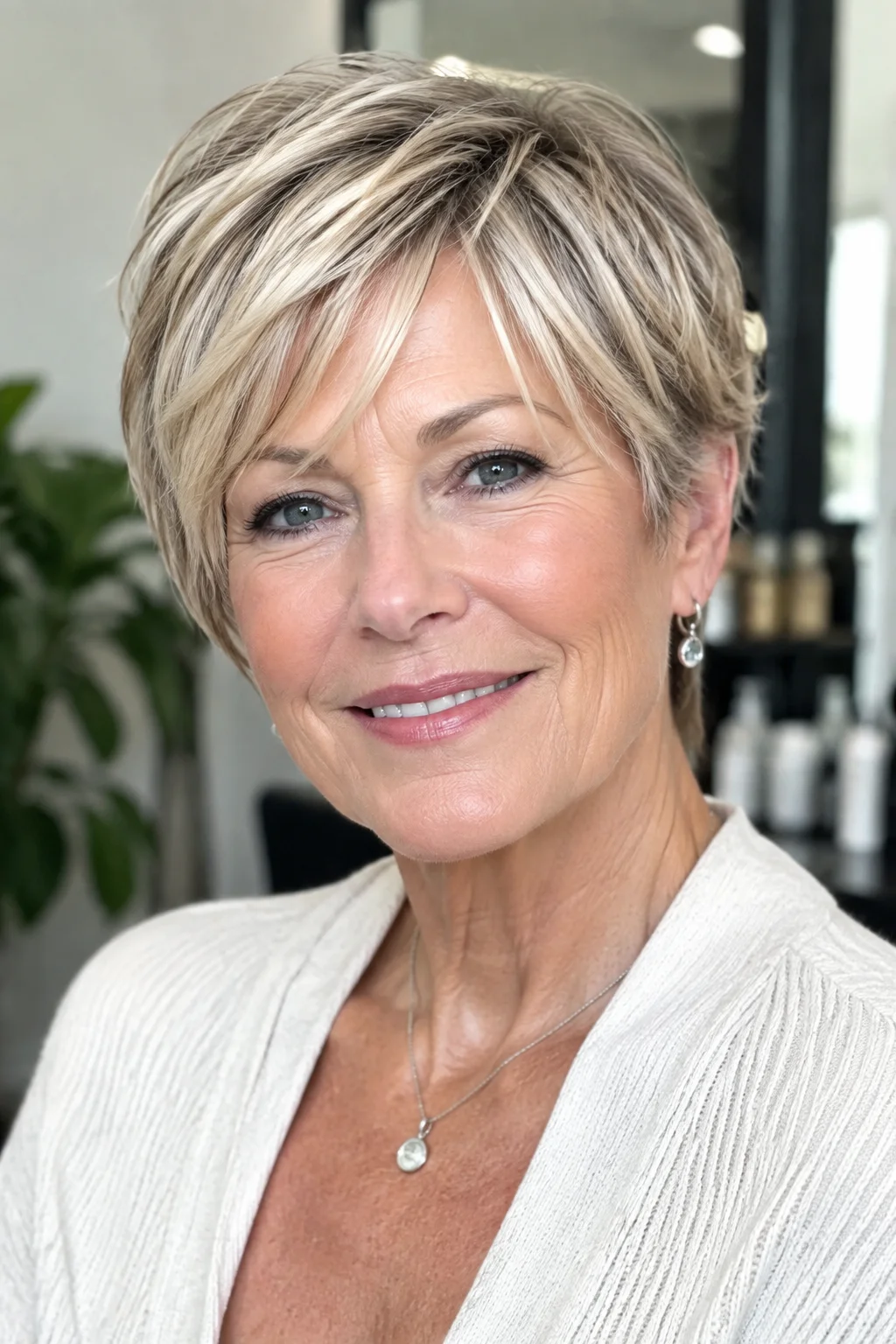
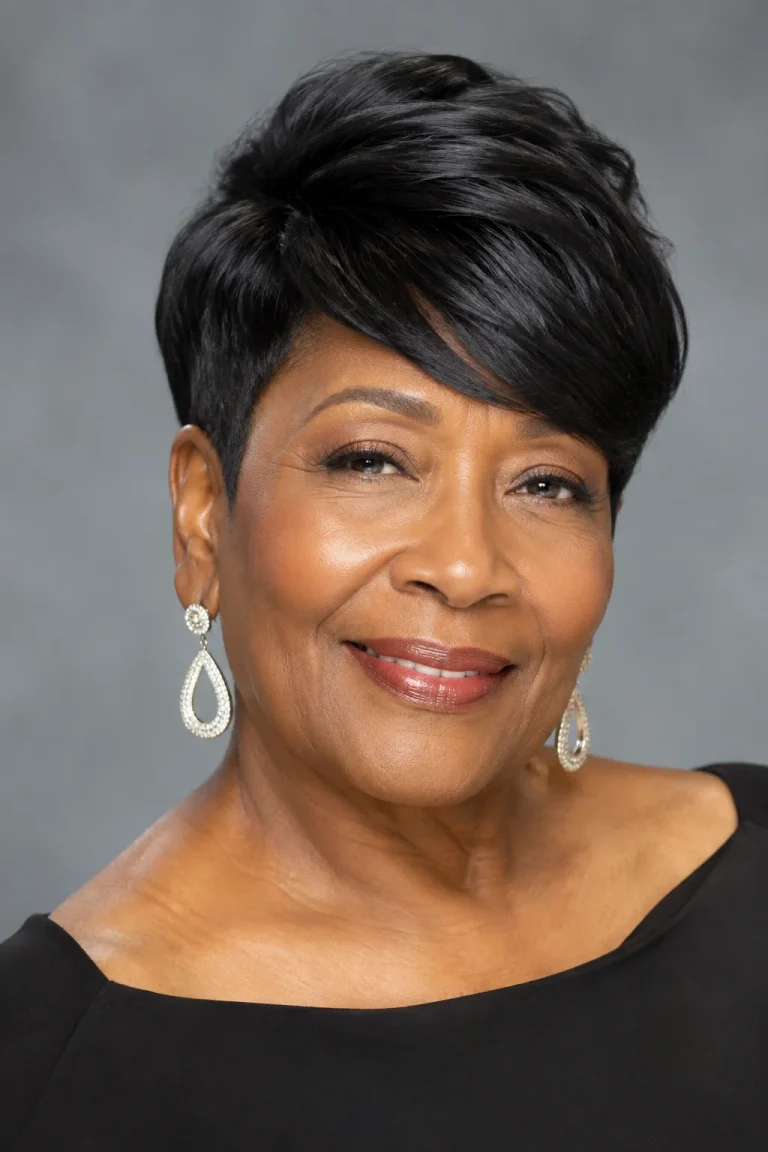
Part pixie, part bob, this one splits the difference for women who want short hair without going all the way to a crop. The crown keeps a little height while the sides and back taper down close to the head. Texture is cut in with scissors or a razor, so the ends look soft rather than blunt. It suits round and square faces especially well because the shorter sides slim things down.
Layered Shag Bob
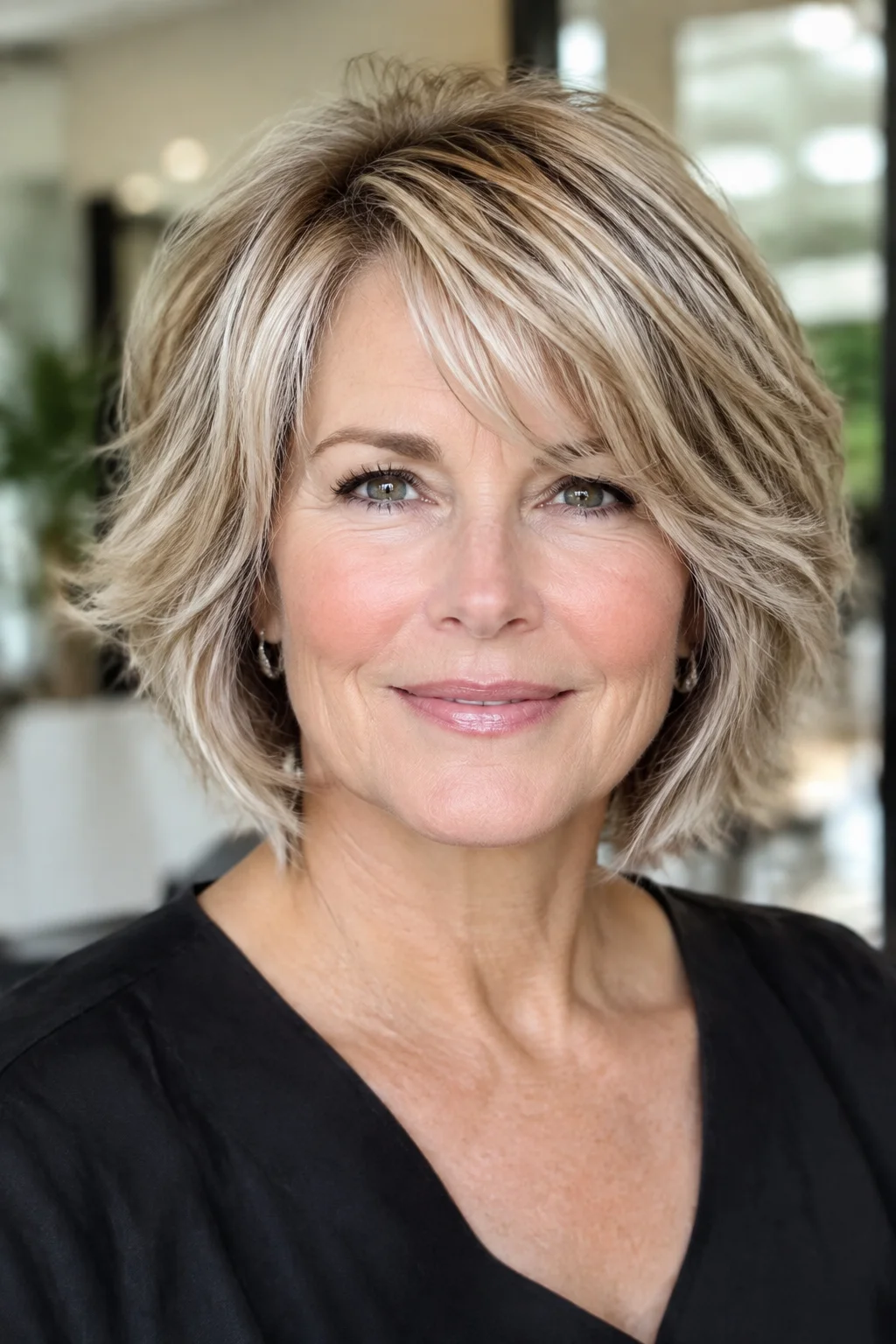
Layers through the shag bob add movement from root to tip, which is the whole point of this cut. It looks a little undone on purpose, with pieces that fall forward around the face and choppier ends toward the back. Fine hair benefits the most here because the layering tricks the eye into seeing more volume than is actually there. Thicker hair can wear this cut too, though it may need more product to keep the shape from getting bulky. Stylists usually finish it with a texturizing spray and a diffuser, scrunching the hair as it dries instead of smoothing it flat. The result looks a little like bedhead, but the kind you planned for.
Blunt Micro Bob
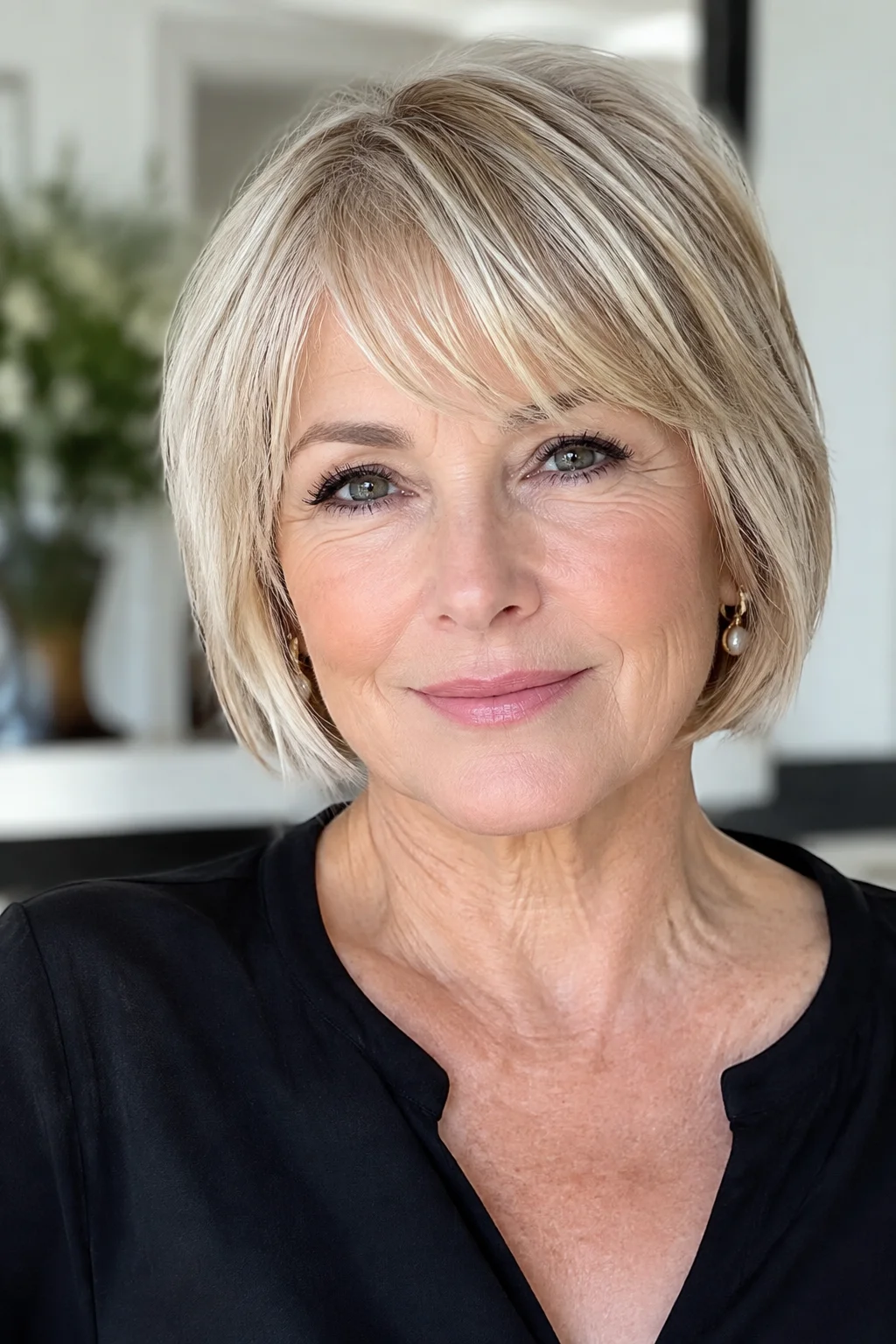
Short, sharp, and no-nonsense, the micro bob sits above the jaw and sometimes close to the ear. There is no taper, no soft edge, just a clean blunt line all the way around. It reads modern and a little bold, which is exactly why it suits women who are done playing it safe. Fine hair looks thicker here because every strand lands at the same length and piles up for density.
Graduated Stacked Bob
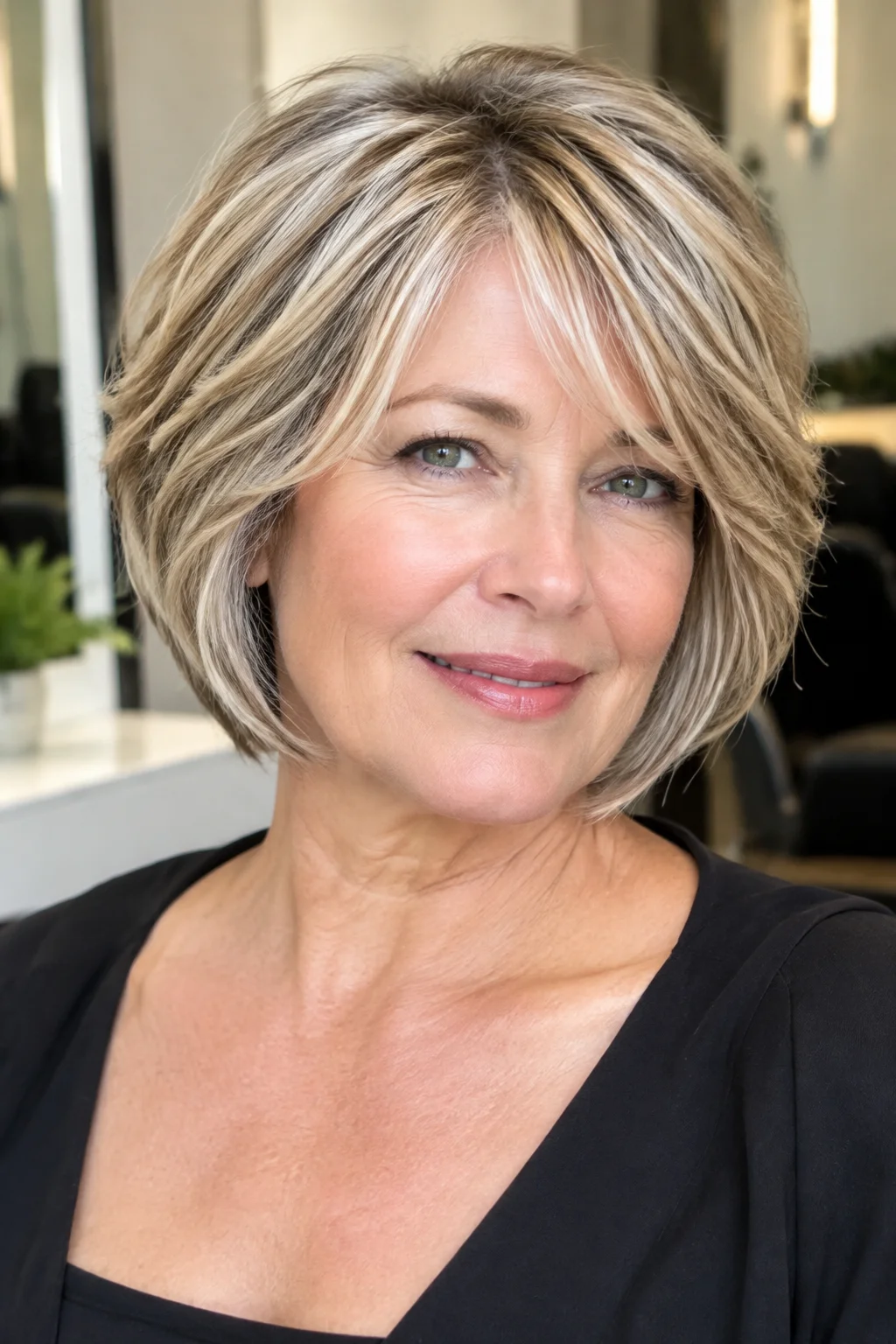
Graduation means the back is cut shorter and stacked, building weight and shape as it moves up toward the crown. The front pieces stay a bit longer, so the whole cut angles gently from back to front. This shape gives the illusion of thickness at the nape, which is often the first place hair starts to thin. It works on fine and medium hair alike and looks neat even on second or third day hair. Tip: ask for the stacking to stay soft rather than sharp if you want a style that photographs well from every angle.
Curly Textured Bob
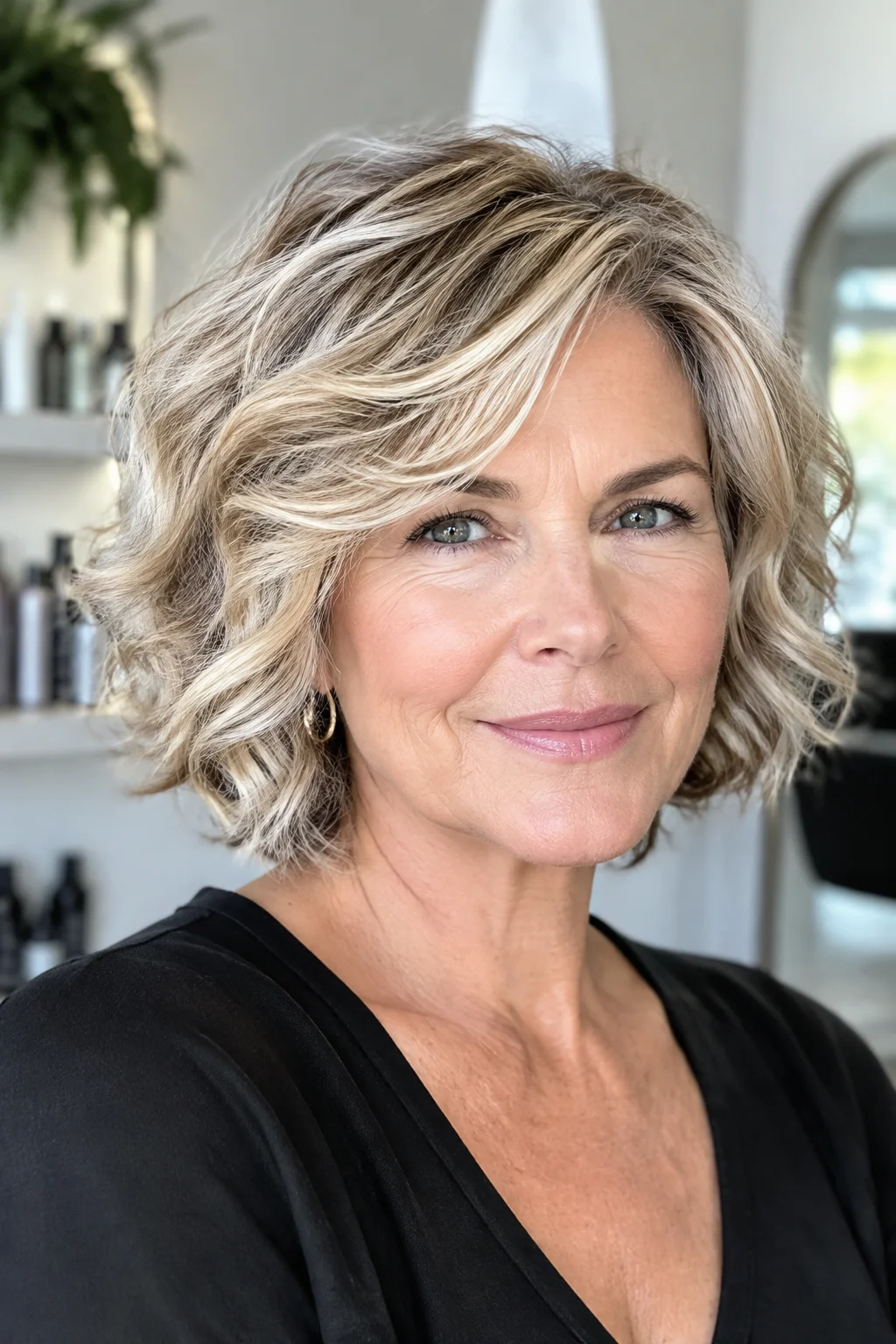
Curls shrink when they dry, so this bob is usually cut a little longer than it will end up sitting. The curl pattern does most of the styling work on its own, which makes mornings simple. A light curl cream scrunched through damp hair keeps frizz down without weighing the curls flat. This cut flatters almost every face shape because the curls add softness around the edges.
Feathered Sides Bob
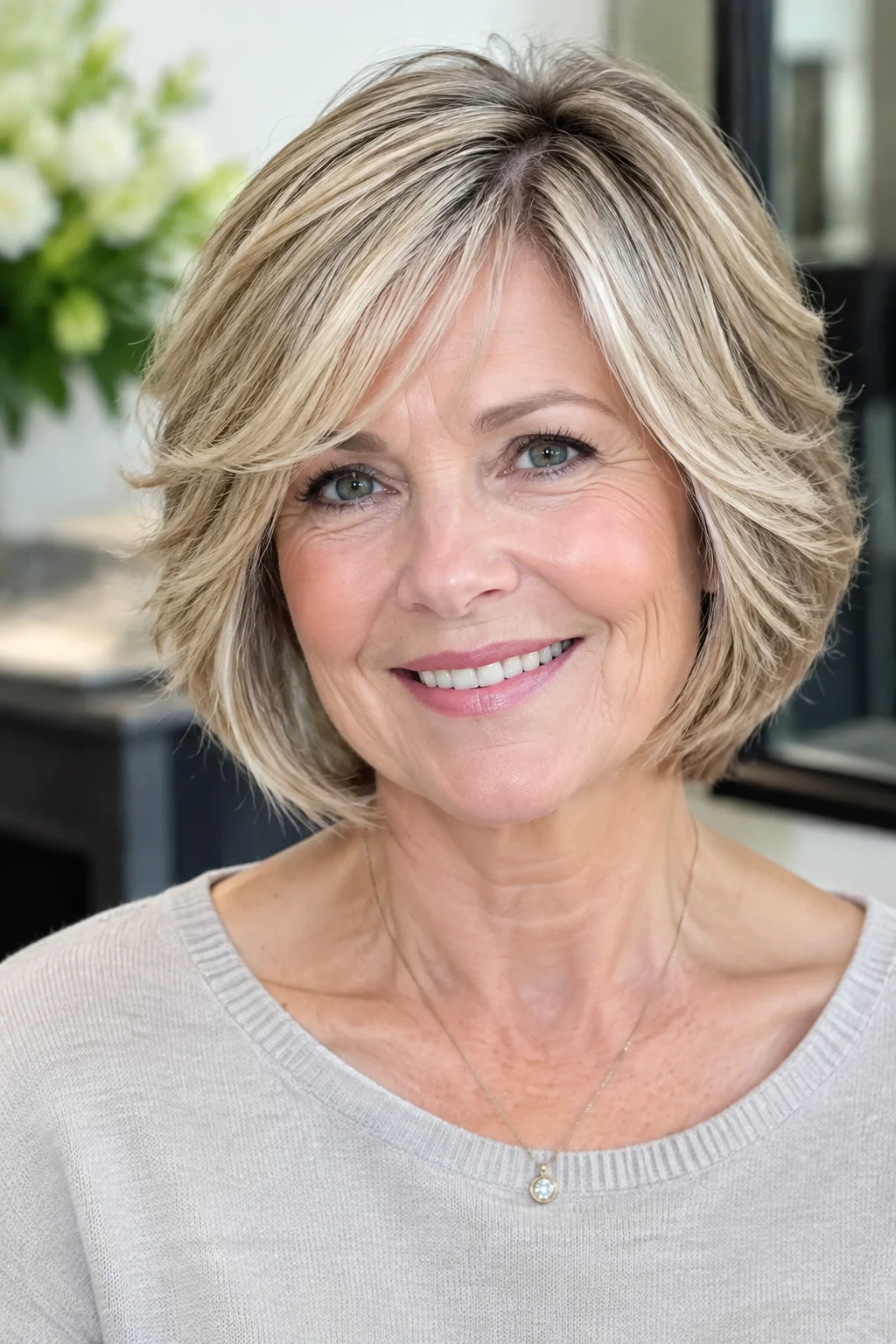
Feathering along the sides means the ends are cut at an angle and thinned slightly, so they taper rather than stop in a hard line. This softens the whole lower half of the face, which is one reason the feathered sides bob stays popular with women over 60. It pairs well with a side part and a light blow-dry using a round brush. The feathering also hides a cowlick or stubborn wave near the temples better than a blunt edge would.
Asymmetrical Bob
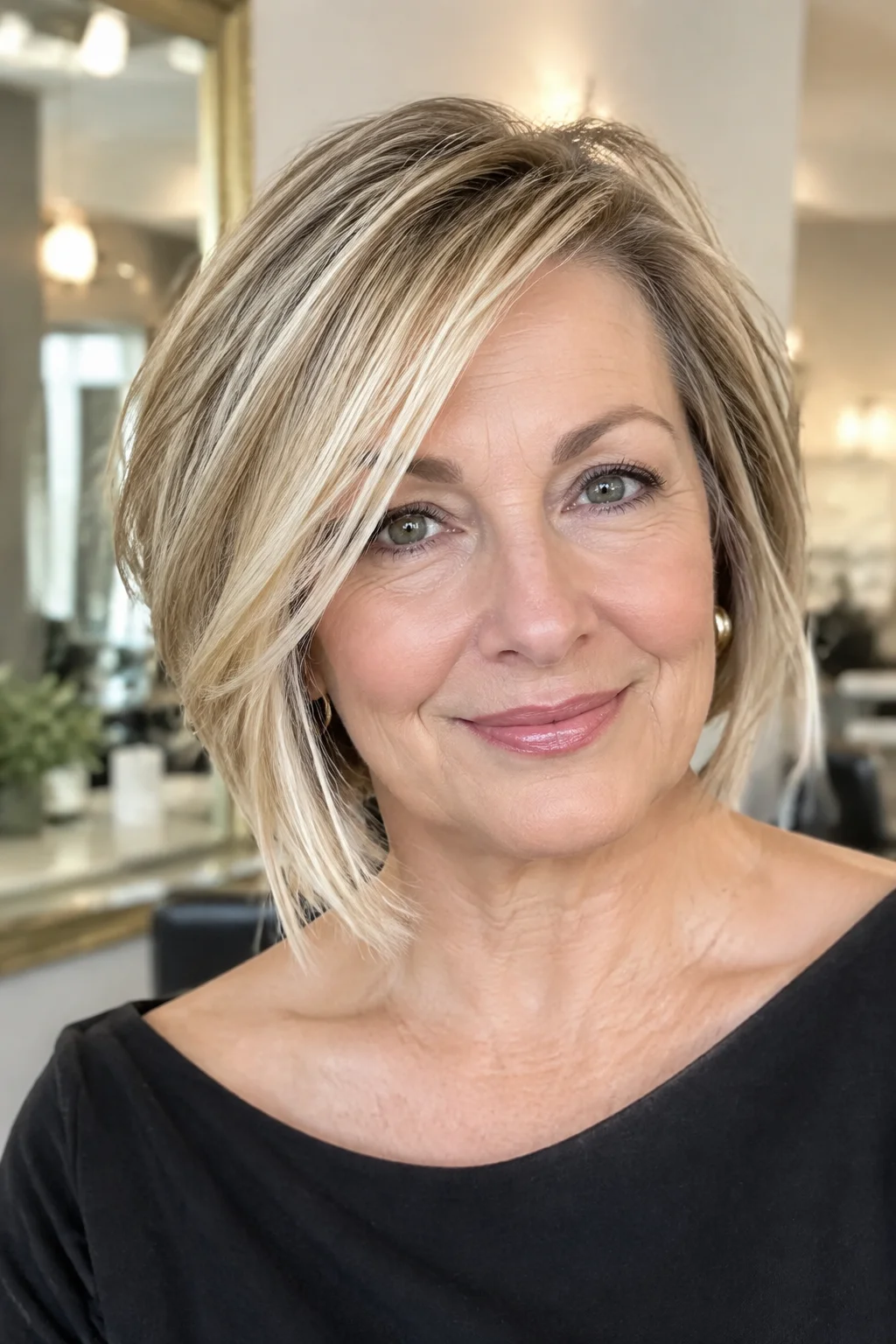
One side runs longer than the other in this cut, creating a line that looks deliberate and a little edgy. It draws the eye diagonally across the face instead of straight down, which can balance features some women feel self-conscious about. This style needs regular trims to keep the asymmetry crisp, since growth affects each side differently. It is not the lowest maintenance option on this list, but it makes a strong style statement for someone ready for it.
Tousled Wavy Bob
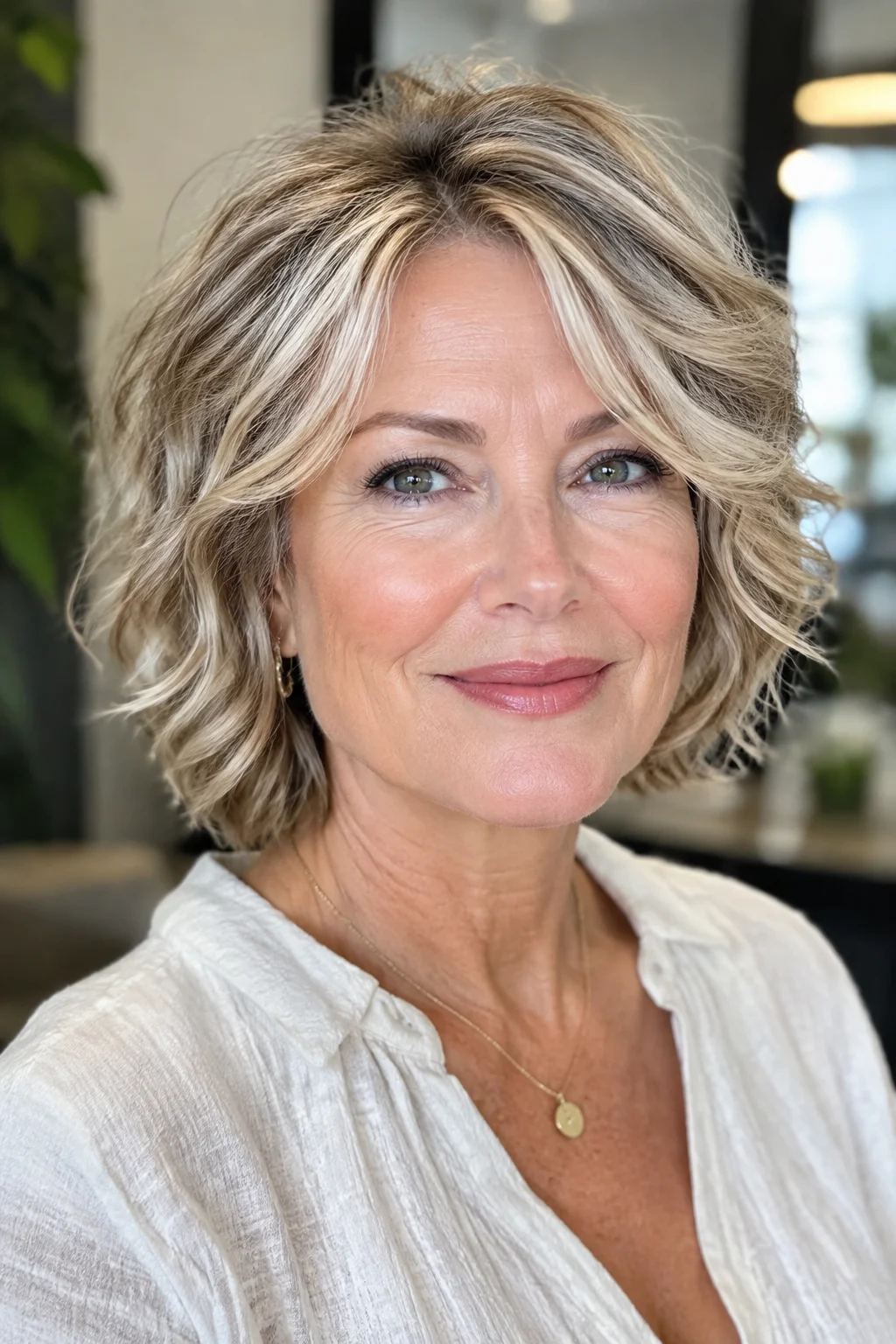
Loose waves running through a bob give it a relaxed, lived-in feel. You can get there with a curling iron used in alternating directions, or by letting natural wave air-dry with a texturizing spray. This bob looks best a little imperfect, so do not stress over making every wave match. It suits women who want their hair to look effortless even though a few minutes of styling got it there.
Sleek Straight Bob
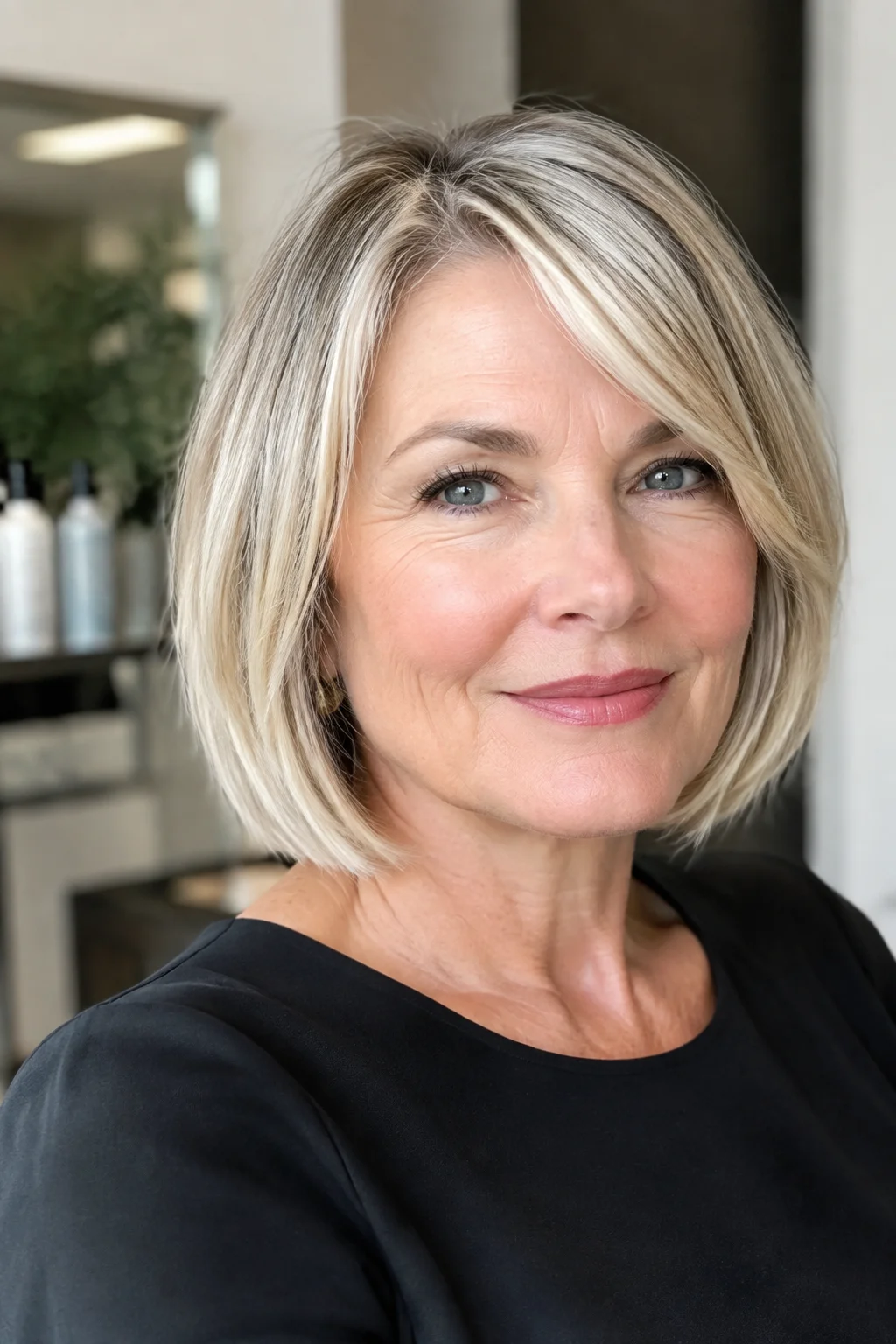
A flat iron and a good round brush turn this bob glassy and smooth. The sleek straight bob works on thick hair especially well, since thickness gives the shape enough body to swing instead of going limp. It can look severe on very fine hair unless a few long layers are added for softness. This is the bob to choose if you like a polished, put-together look most days of the week.
Bob with Wispy Bangs
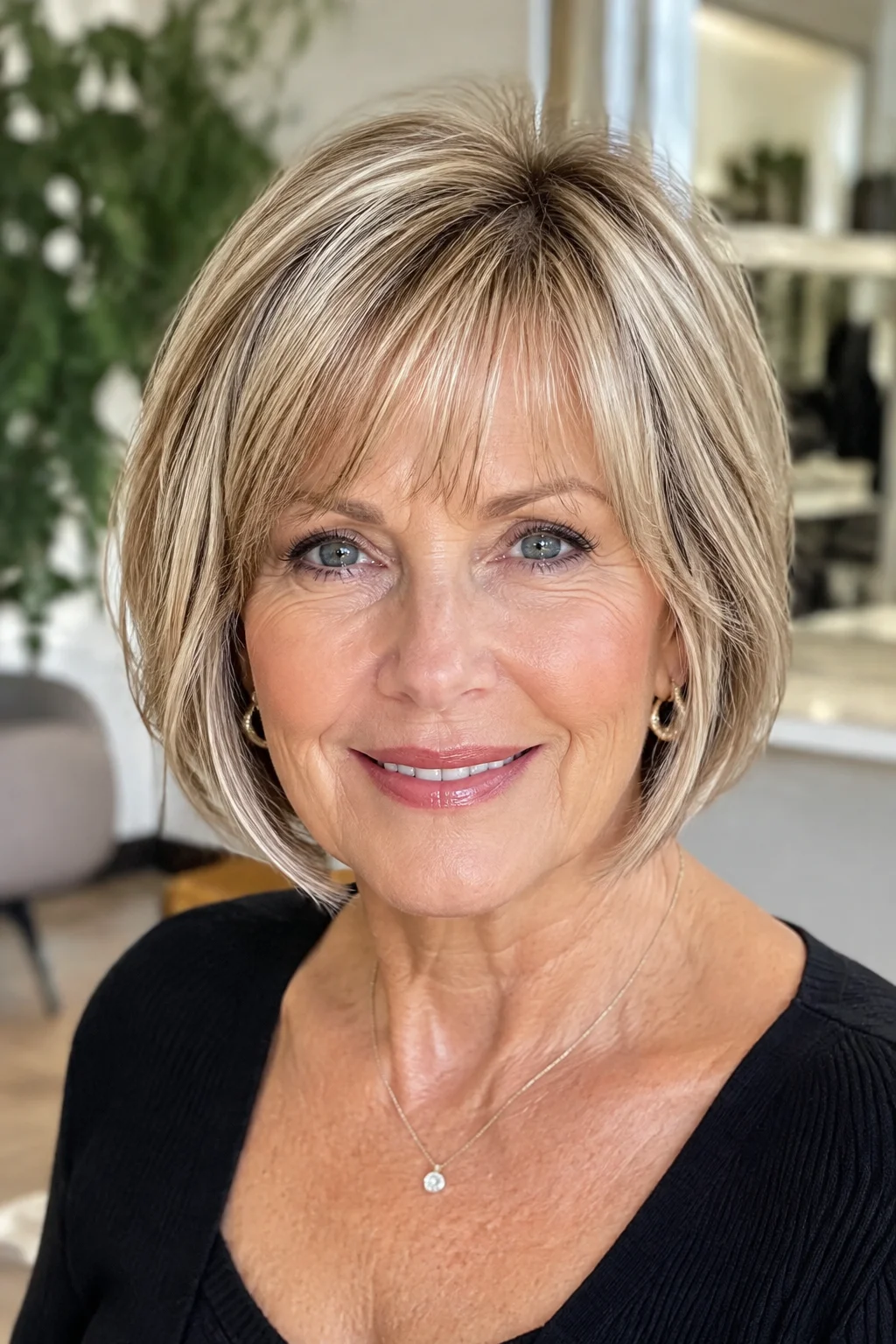
Wispy bangs are cut with a razor or thinning shears so they never sit as a thick, solid block. They skim the brow instead of covering it, which keeps the whole look light. This pairing softens the forehead and draws attention up toward the eyes. Tip: wispy bangs need a trim every three to four weeks to stay out of your eyes without losing their shape.
Layered Volume Bob
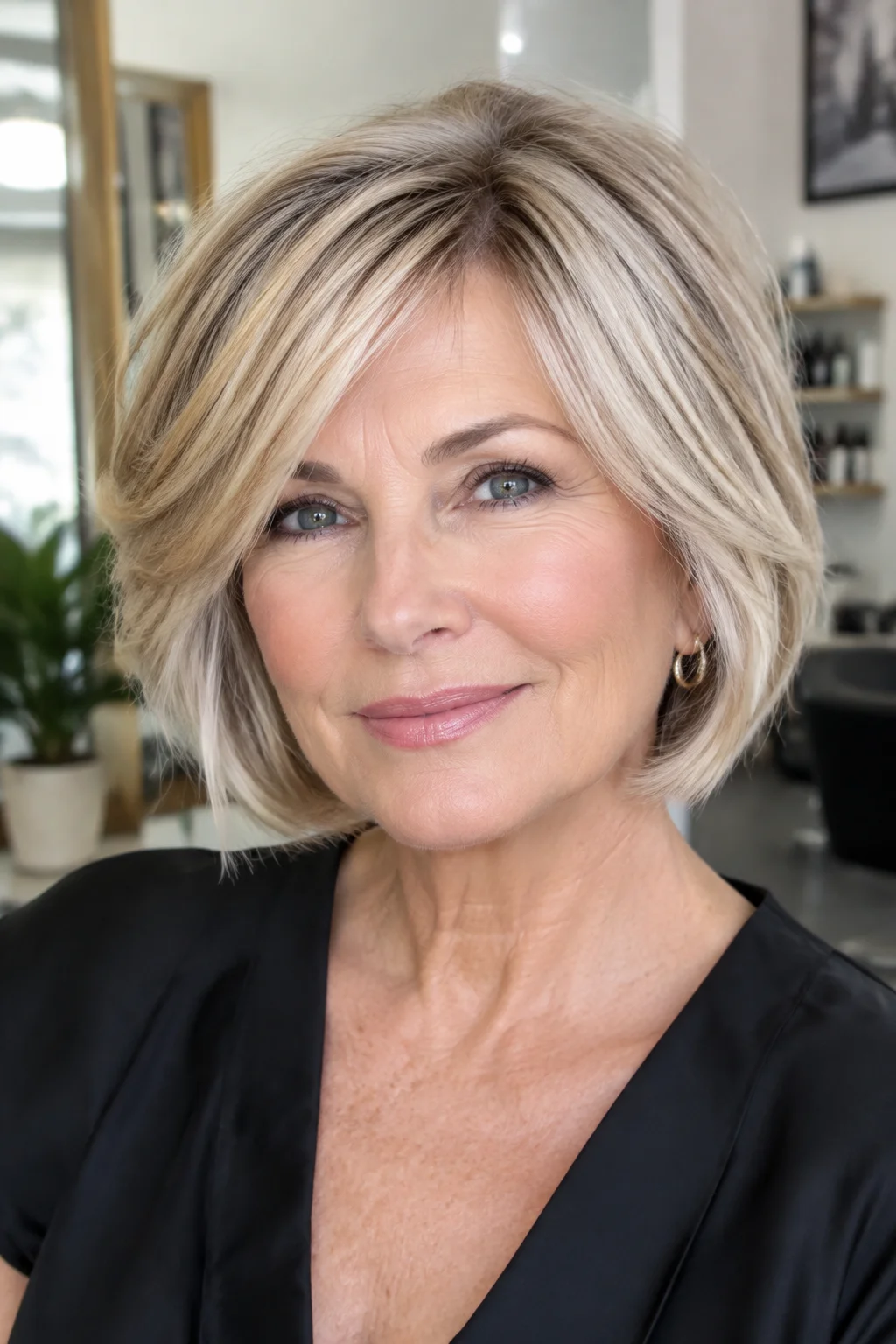
Built for lift, this bob uses layering through the crown to push hair up and away from the scalp. It is one of the better options for women noticing their hair has thinned with age, since the volume at the root reads as fullness all over. A root-boosting mousse applied before blow-drying upside down makes a real difference here. The layers continue through the length too, so the ends do not look heavy once the volume settles.
Gray Blended Bob
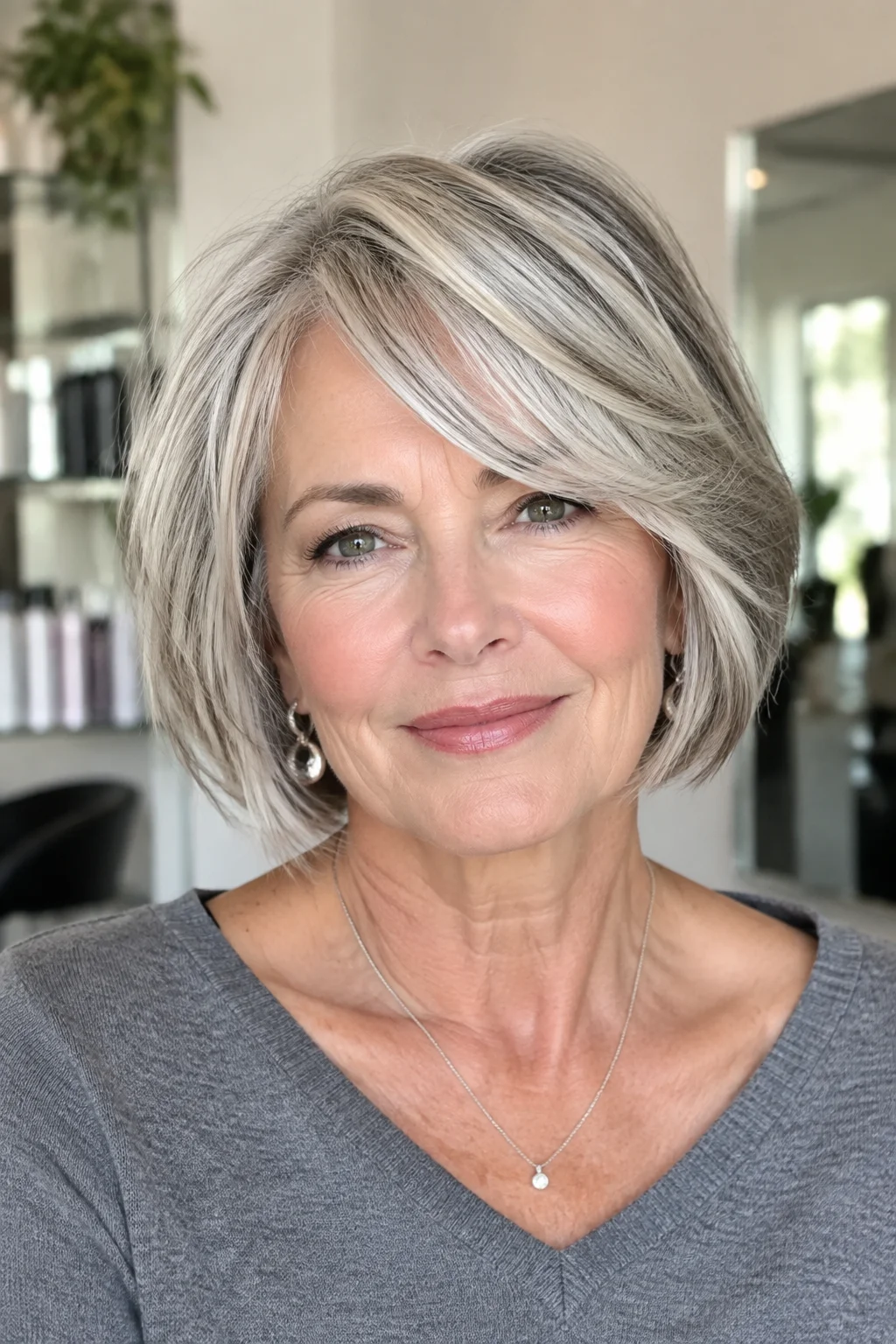
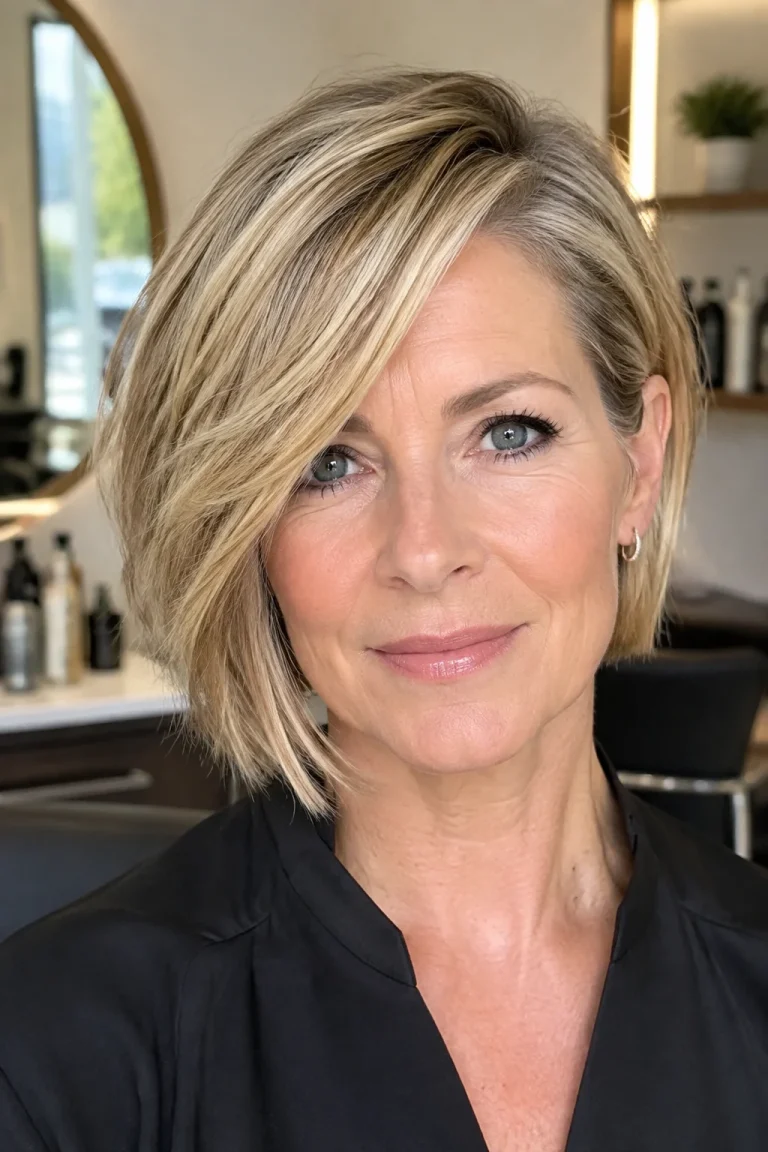
Rather than fighting gray regrowth, this approach blends lowlights and highlights through the existing gray so the transition looks intentional. It works on almost any bob shape, from blunt to layered, and cuts down on the harsh line that grown-out color can leave. Many women find they need fewer salon visits once the blend is dialed in, since gray grows in matching the rest.
Choppy Textured Bob
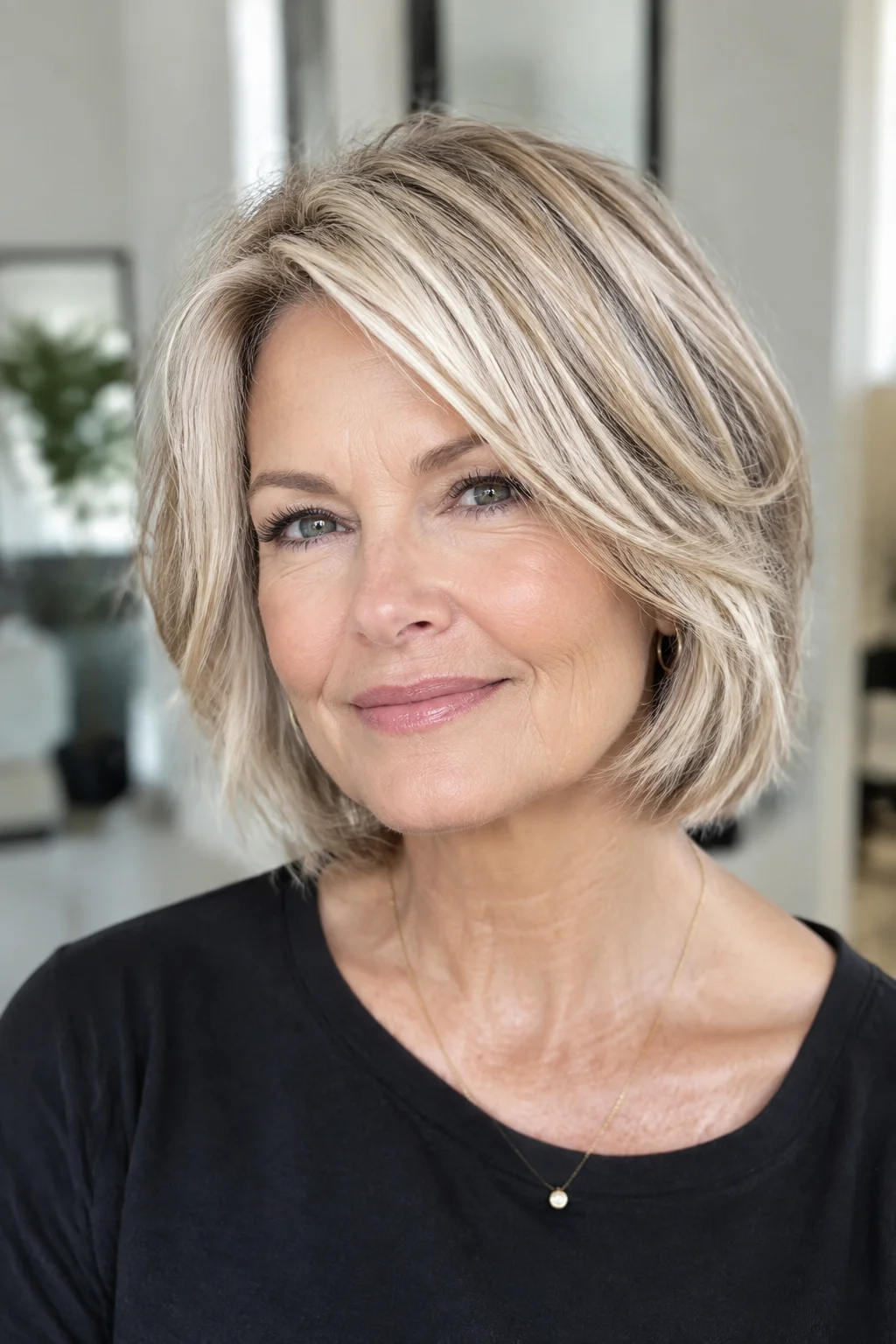
Choppy ends are cut with a razor or deep point-cutting shears, leaving a jagged, irregular edge instead of a smooth one. This texture reads modern and a little rebellious, and it hides fine ends that might otherwise look wispy and thin. The choppy textured bob works with almost no styling beyond scrunching in a texture paste and letting it dry. It is a strong pick for anyone who wants short hair that still feels a little edgy.
Angled Bob
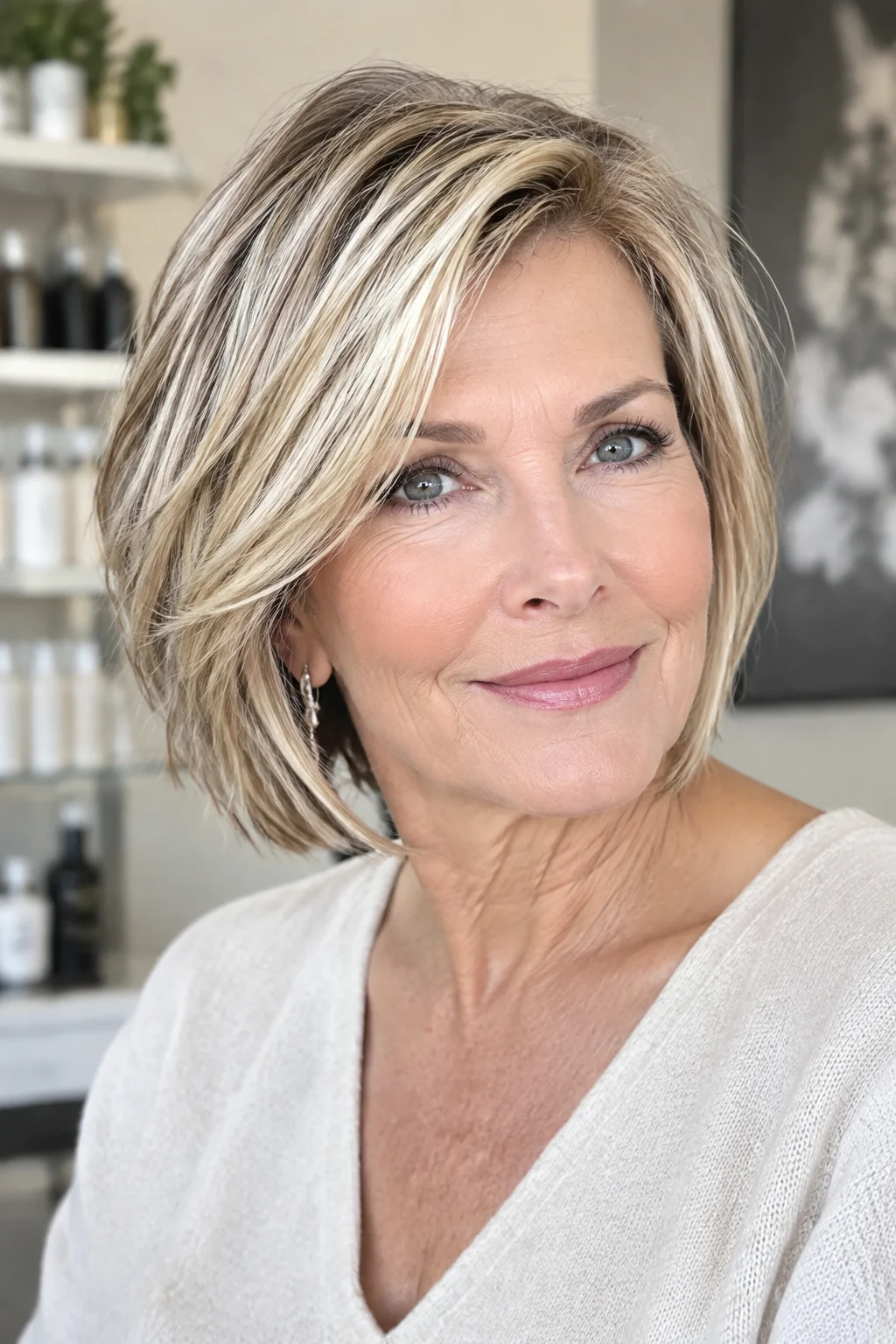
Length drops toward the front and rises toward the back in this shape, creating a visible diagonal line along the jaw. It flatters a rounder face by drawing a sharp vertical line downward. The angled bob holds its shape well and grows out gracefully, since the angle just becomes less dramatic over time rather than disappearing.
Rounded Crop Bob
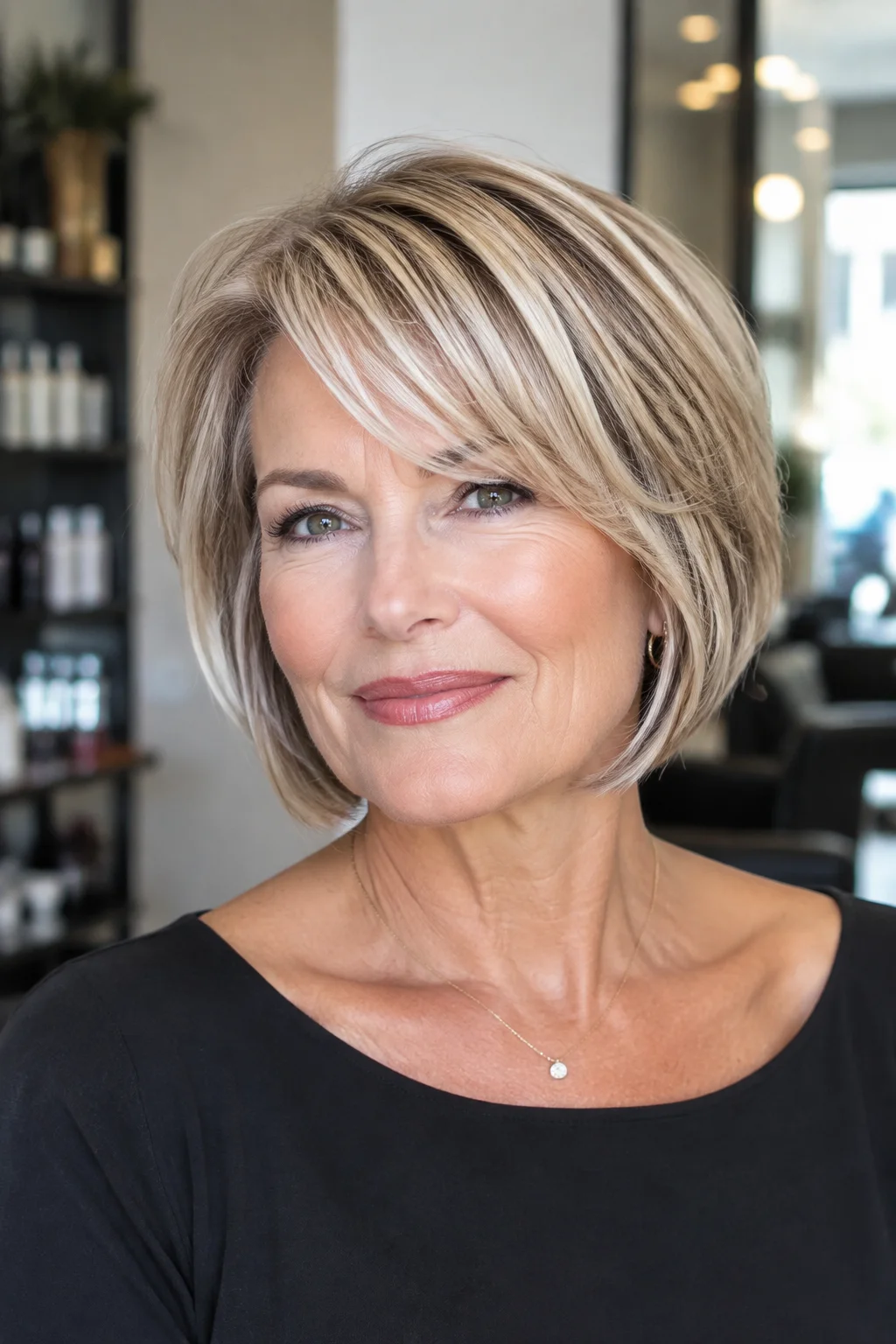
Short and close around the sides with a slightly rounded shape at the back, this cut borrows from both bob and crop territory. It suits women with strong, straight hair that holds a shape without much product. The rounded crop bob is about as low-maintenance as short hair gets, needing little more than a comb-through and maybe some light pomade.
Textured Crown Bob
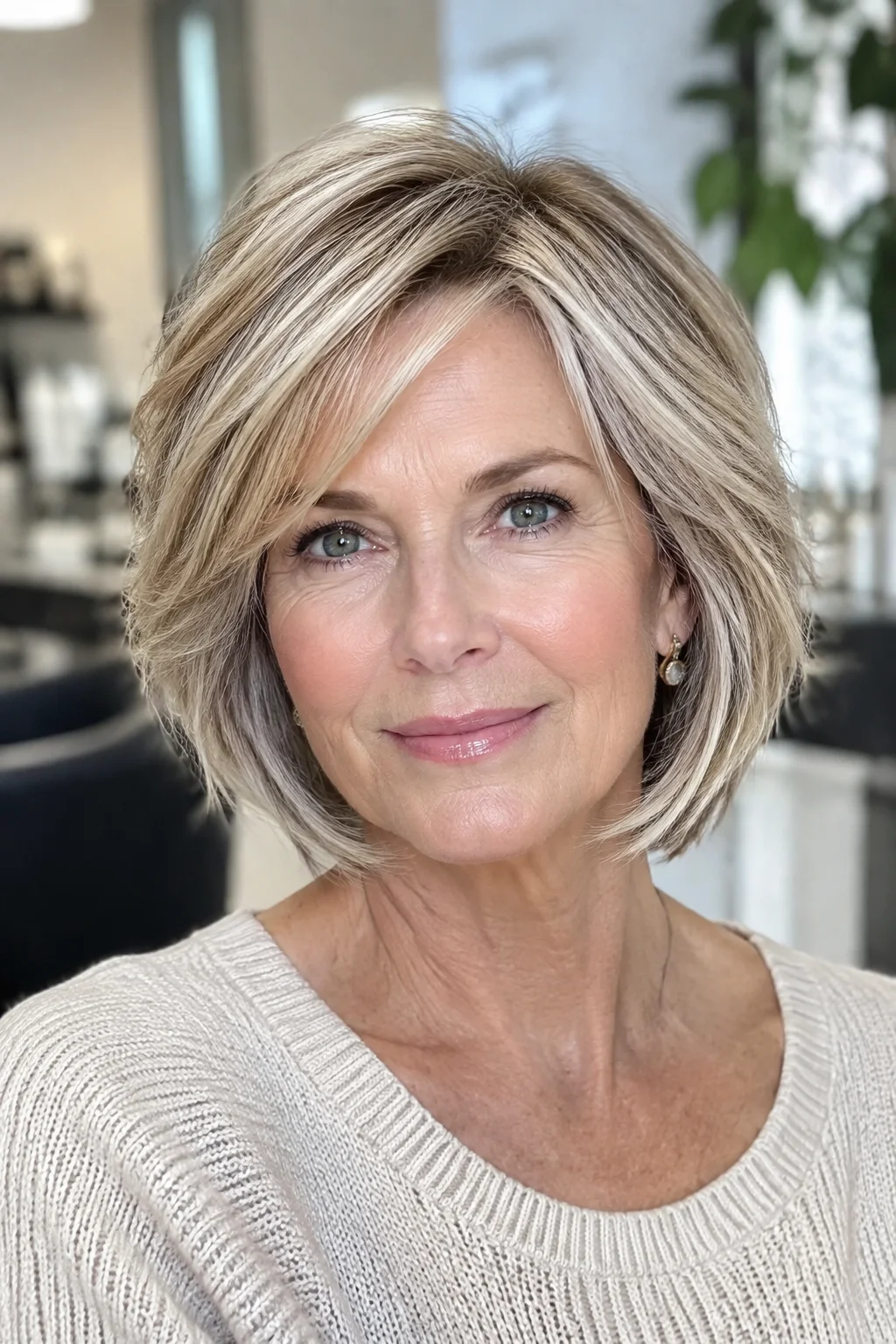
Texture concentrated at the crown gives this cut lift exactly where hair tends to flatten first. The rest of the bob stays relatively simple, letting the crown do the work of making the whole style look fuller. A texturizing powder worked into the roots holds the lift through the day better than mousse alone.
Taper Bob
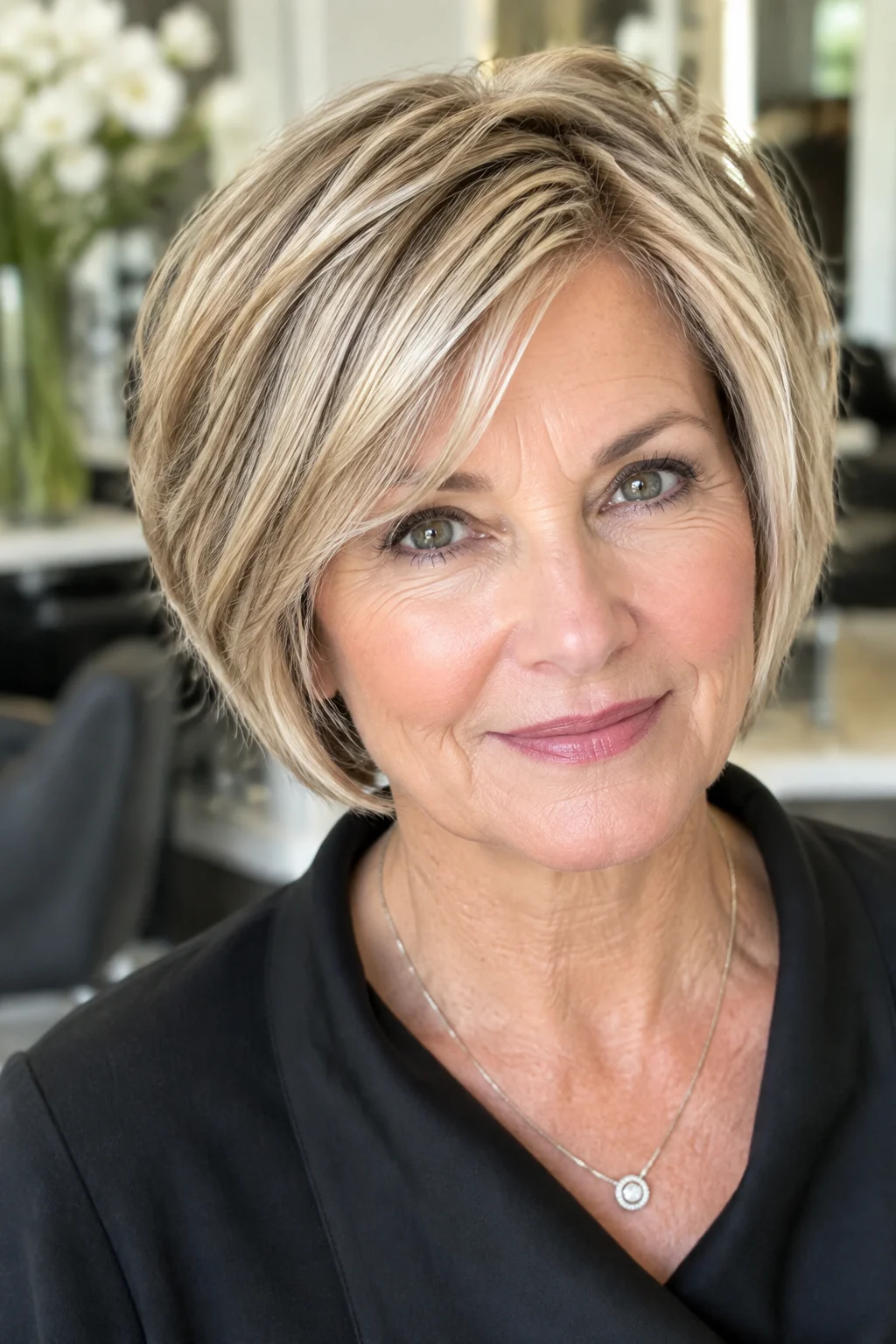
Tapering trims the ends so they narrow gradually rather than cutting straight across. The taper bob suits women who want a bob without a strong defined line, since the soft taper blends naturally into the neck and jaw. It works well on wavy hair, letting the wave fall without the blunt stop-and-start look a straight-across cut can create. This is a forgiving cut for growing out a shorter style too, since there is no hard line to lose.
Soft Wave Bob
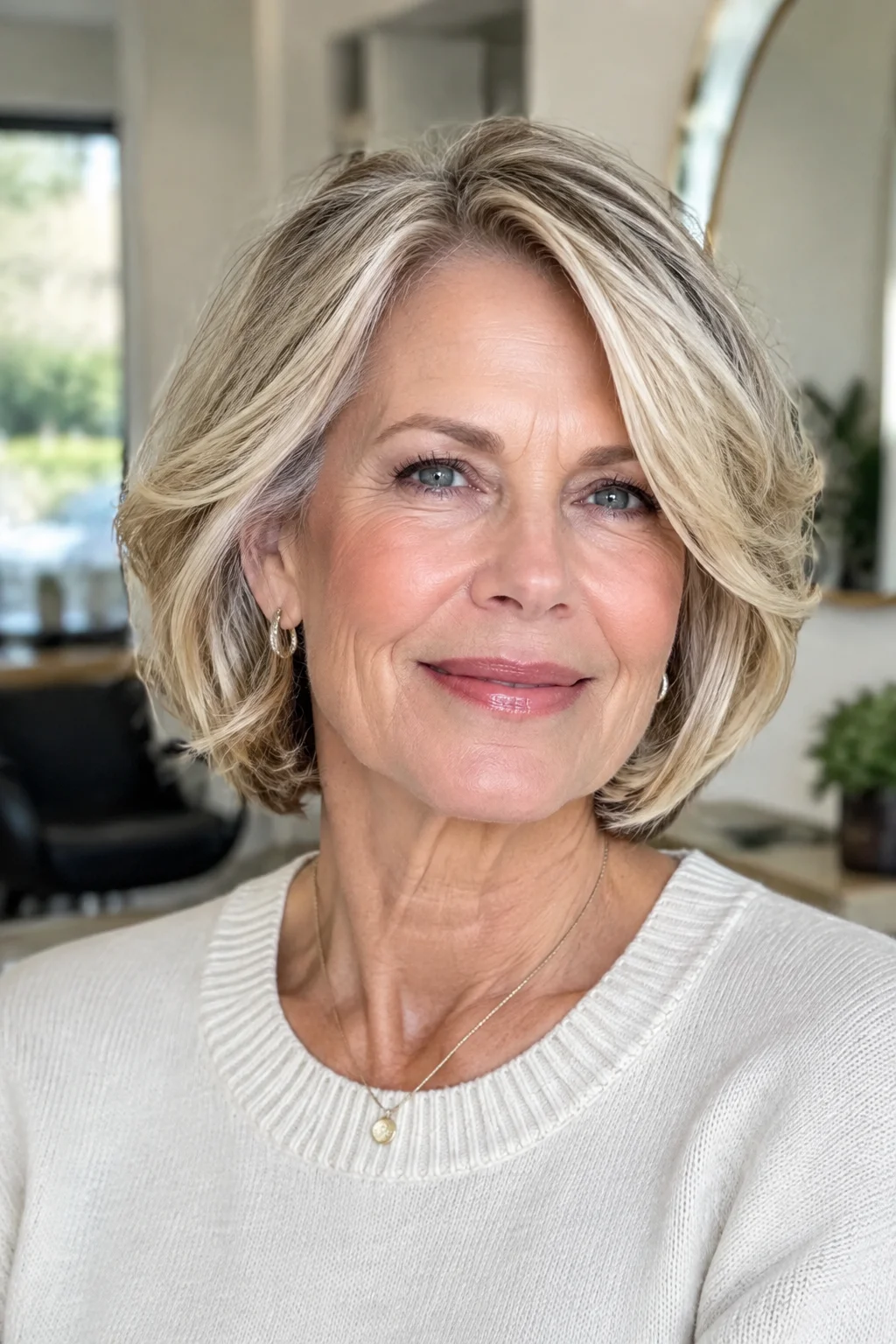
Gentle, loose waves set with a curling wand or foam rollers give this bob a romantic quality. It reminds some women of the waves popular decades ago, though the overall shape stays current thanks to the shorter length. The soft wave bob works especially well for special occasions, though plenty of women wear it as an everyday style once they get the curling technique down.
Disconnected Bob
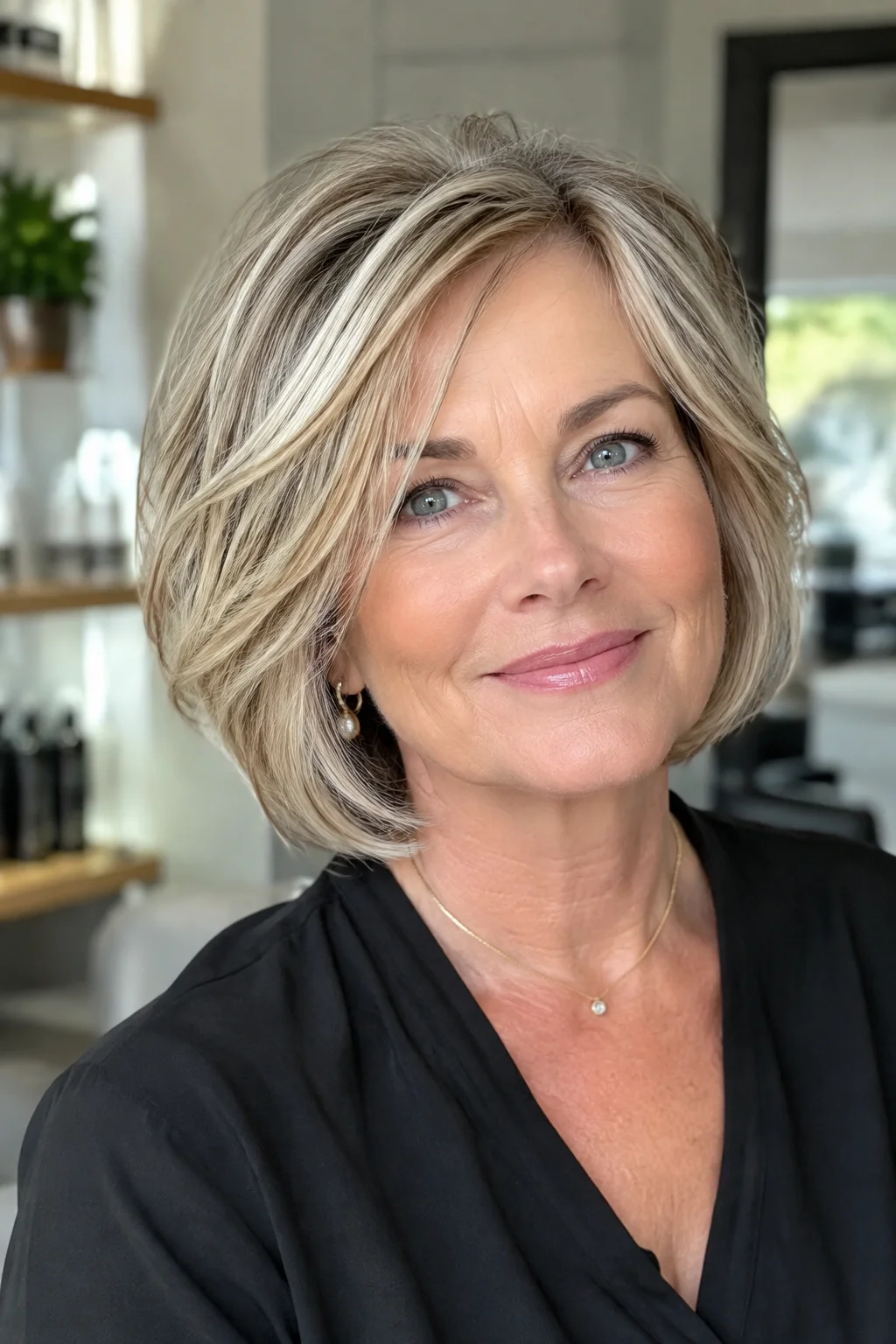
A disconnected bob separates the top layers from the bottom with a deliberate, visible break instead of blending them together. The top can be left longer and heavier while the under layers stay short and light. This creates strong contrast and a graphic look that stands out in a crowd. It takes a confident, skilled stylist to execute well, so bring a clear photo reference to your appointment.
Honey-Toned Bob
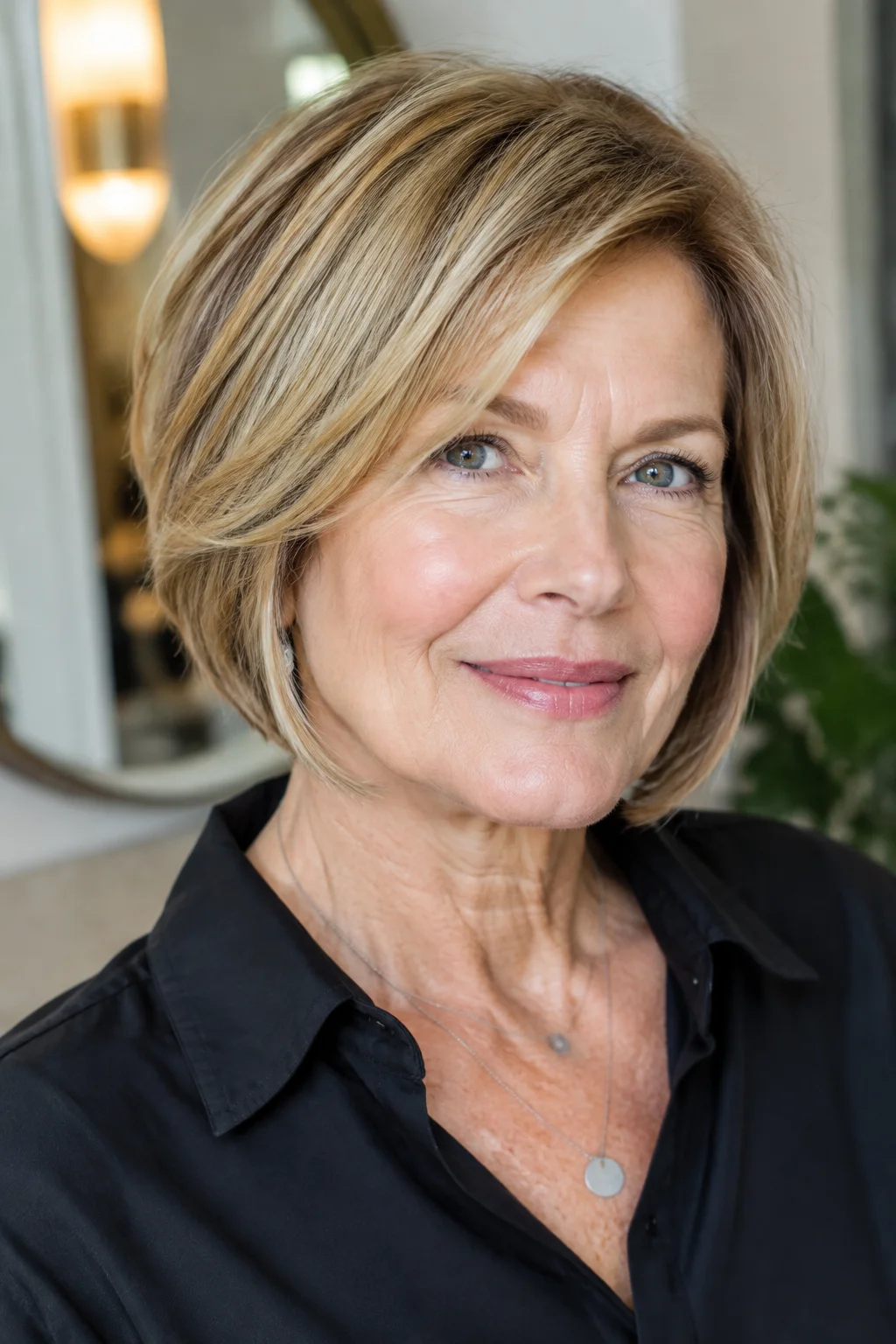
Warm honey tones brighten up a bob without the commitment of a full color change. The color works especially well layered over gray or silver, since it softens the contrast and adds warmth near the face. Most colorists apply it in balayage strokes rather than a solid all-over color, which keeps the regrowth line soft and the upkeep manageable.
Textured Undercut Bob
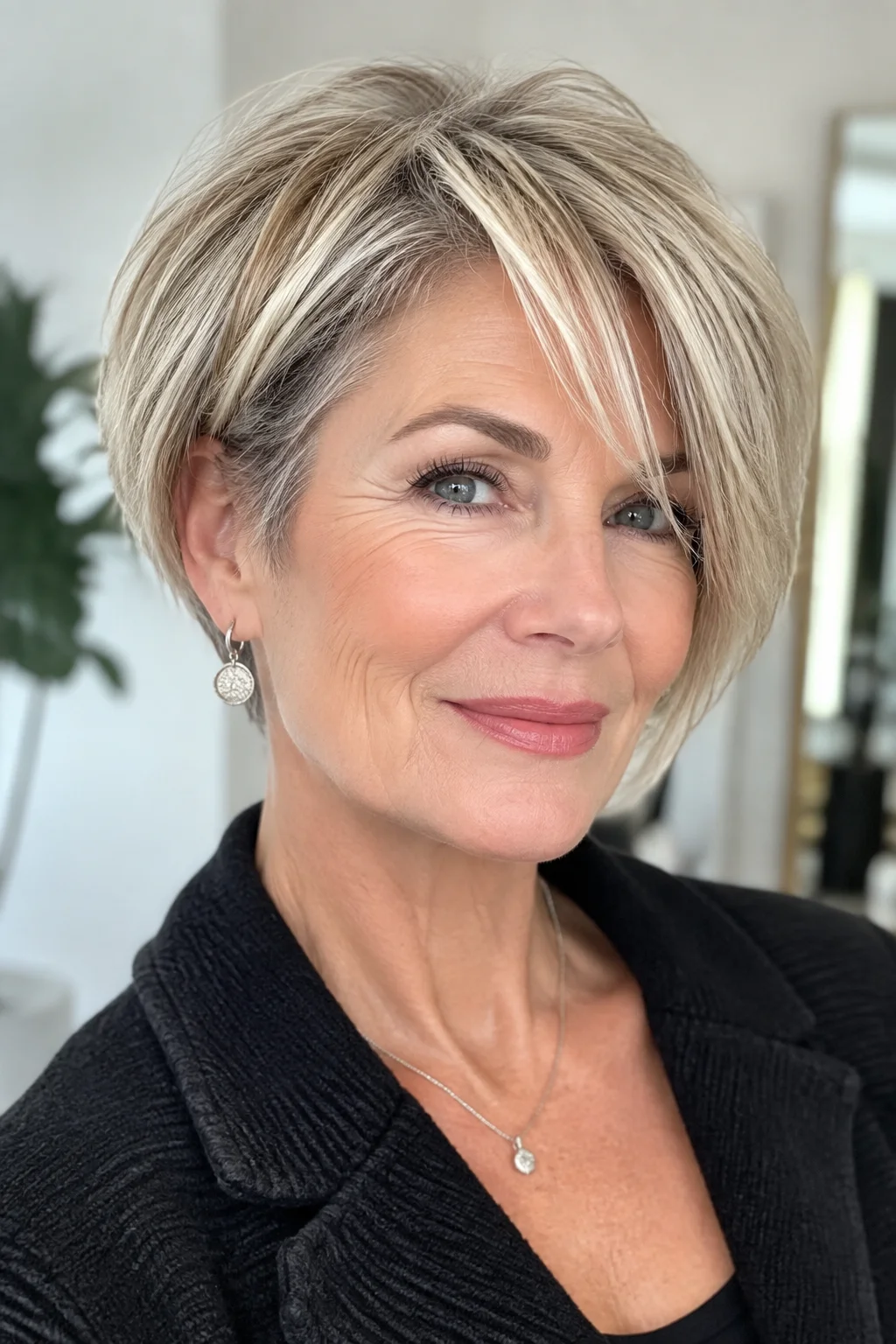
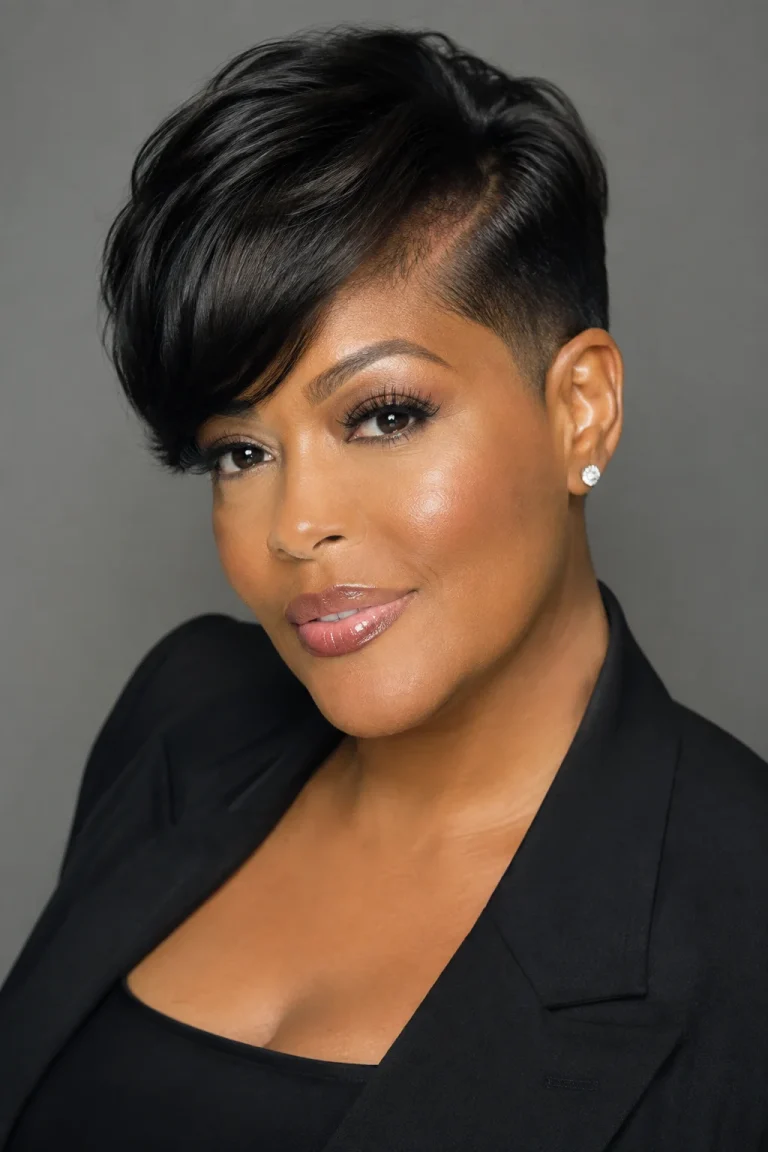
An undercut shaves or closely trims the hair underneath the top layer, hidden until you tuck hair behind your ear or pull it back. Paired with texture on top, the textured undercut bob gives a surprising, edgy detail without changing the overall silhouette much at first glance. It suits women with thick hair who want to reduce bulk at the nape. The hidden undercut also keeps hair cooler in warm weather, which plenty of women appreciate more than the style itself.
Bouncy Blow-Dry Bob
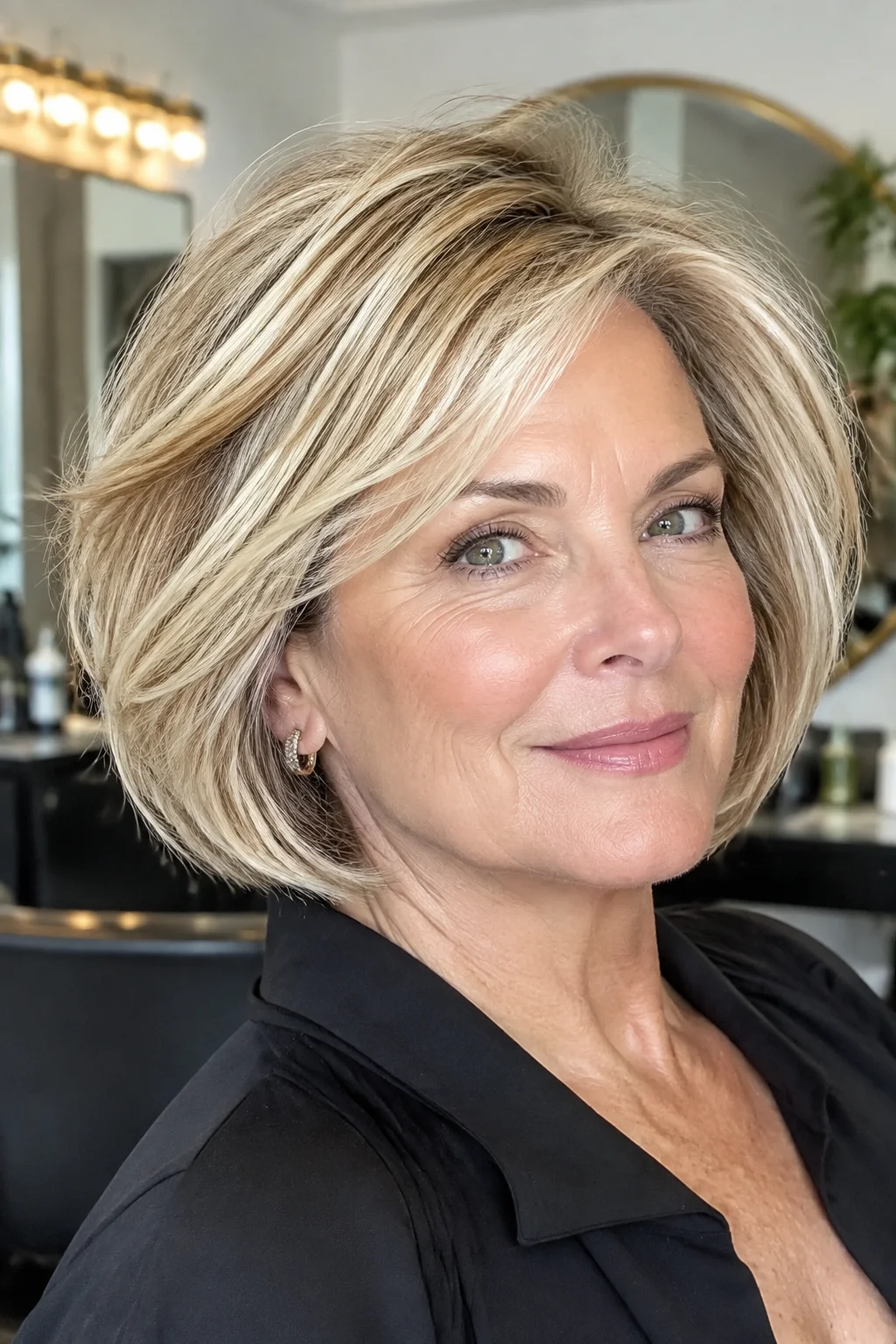
A round brush and a strong blow dryer turn this bob into something with real movement at the ends, curving inward toward the jaw. It looks polished and a little retro, almost like something out of an old beauty ad, but it reads completely current at this length. The bouncy blow-dry bob needs a bit more time at the mirror than some other cuts on this list, so it suits women who enjoy the styling process rather than those trying to avoid it.
How to Choose the Right Bob for You
With this many options, picking one comes down to your hair’s natural texture, your face shape, and how much time you actually want to spend styling. If your hair is fine and tends to go flat, lean toward cuts built for lift and fullness, like the layered volume bob or the textured crown bob, rather than the sleek straight bob, which needs thickness to look intentional instead of limp. If you have natural curl or wave, work with it instead of against it. The curly textured bob and the soft wave bob are both designed to let your natural pattern do most of the work.
For anyone managing thinning hair, the graduated stacked bob and the choppy textured bob both create the appearance of density through clever cutting rather than extra product. Women who want almost no daily styling should look at the rounded crop bob or the taper bob, both of which hold their shape with minimal effort. If you are drawn to something with more personality, the disconnected bob and the asymmetrical bob offer the boldest shapes on this list, though they also demand more frequent trims to stay sharp.
One common mistake is choosing a cut based on a photo alone without accounting for your hair’s thickness and natural texture. A blunt micro bob that looks sharp on thick, straight hair can look thin and flyaway on fine hair without the right layering added in. Talk through your hair type honestly with your stylist before settling on a final choice.
Any of these styles can work on you. The real question is how much styling time you want to commit, and your stylist can help you land on the version that fits your life, not just the photo.