Straight hair after 70 can feel harder to manage than it used to be, especially if mornings are shorter on patience and energy. The good news is that a good cut does most of the work for you, so you spend less time with a brush and dryer and more time actually living your day. These low-maintenance straight hair hairstyles for women over 70 focus on shape, not styling tricks, which means less product, less heat, and fewer bad hair days. Some of these cuts are short and crisp, others fall closer to the shoulders, but all of them are chosen because they hold their line between salon visits and air dry into something presentable. Below you will find twenty options, along with notes on who each one suits and a guide at the end to help you pick with confidence.
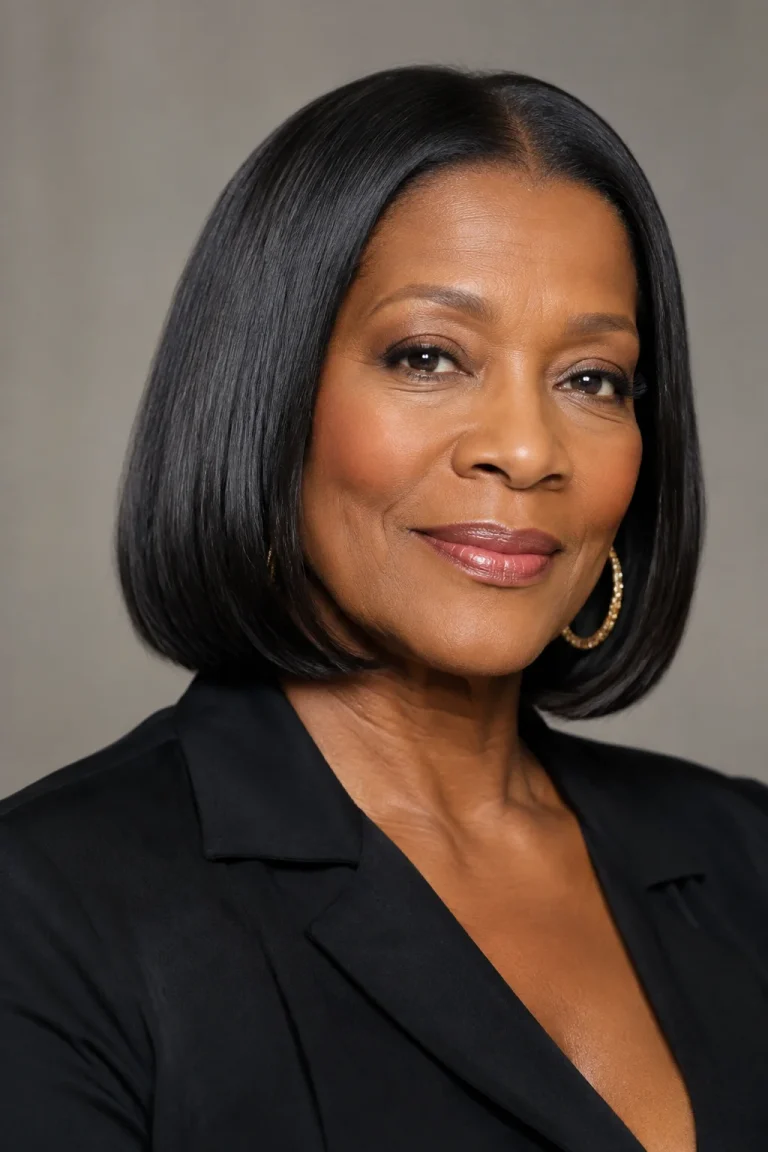
1. Chin-Length Blunt Bob with Side Part
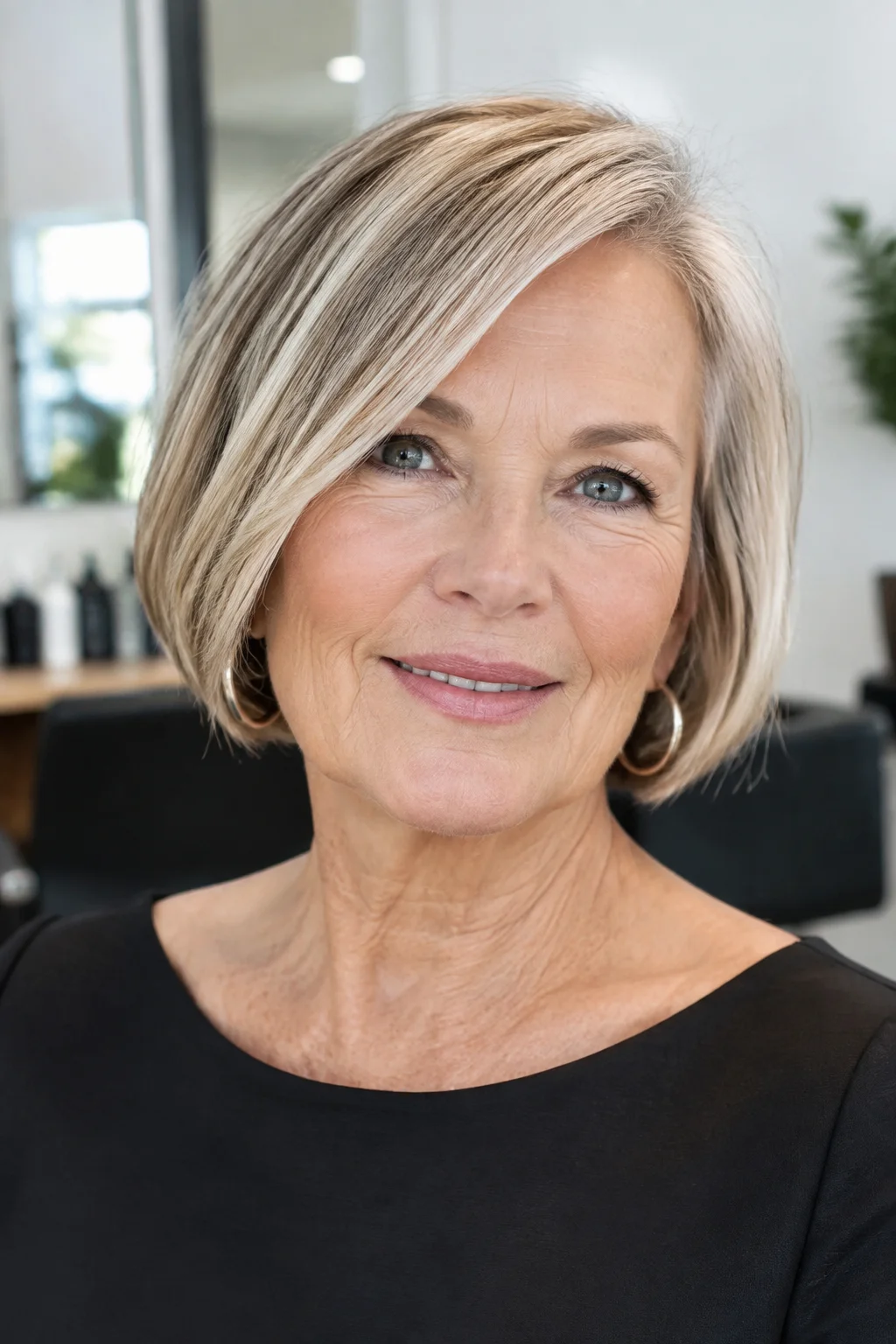
A blunt bob that stops right at the chin gives fine or medium straight hair a fuller look without any layering to manage. The side part adds a bit of lift at the root, which helps hair sit away from the scalp instead of going flat by noon. Because the ends are cut in one clean line, this bob grows out evenly and rarely needs more than a trim every couple of months. It works especially well if your hair tends to be thin, since the blunt edge tricks the eye into seeing more density. Tip: ask your stylist to cut it a touch longer in front to frame your jaw and soften the face. A light mist of heat protectant before styling helps the finish last.
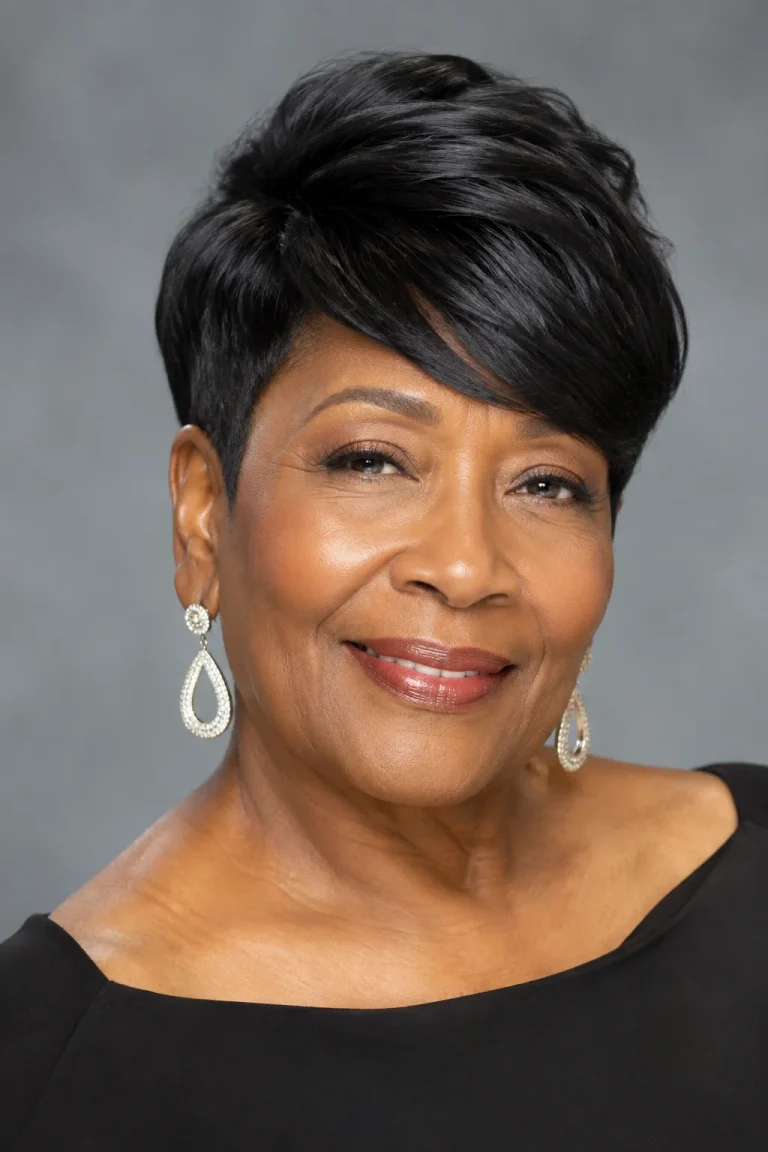
2. Textured Pixie with Length on Top
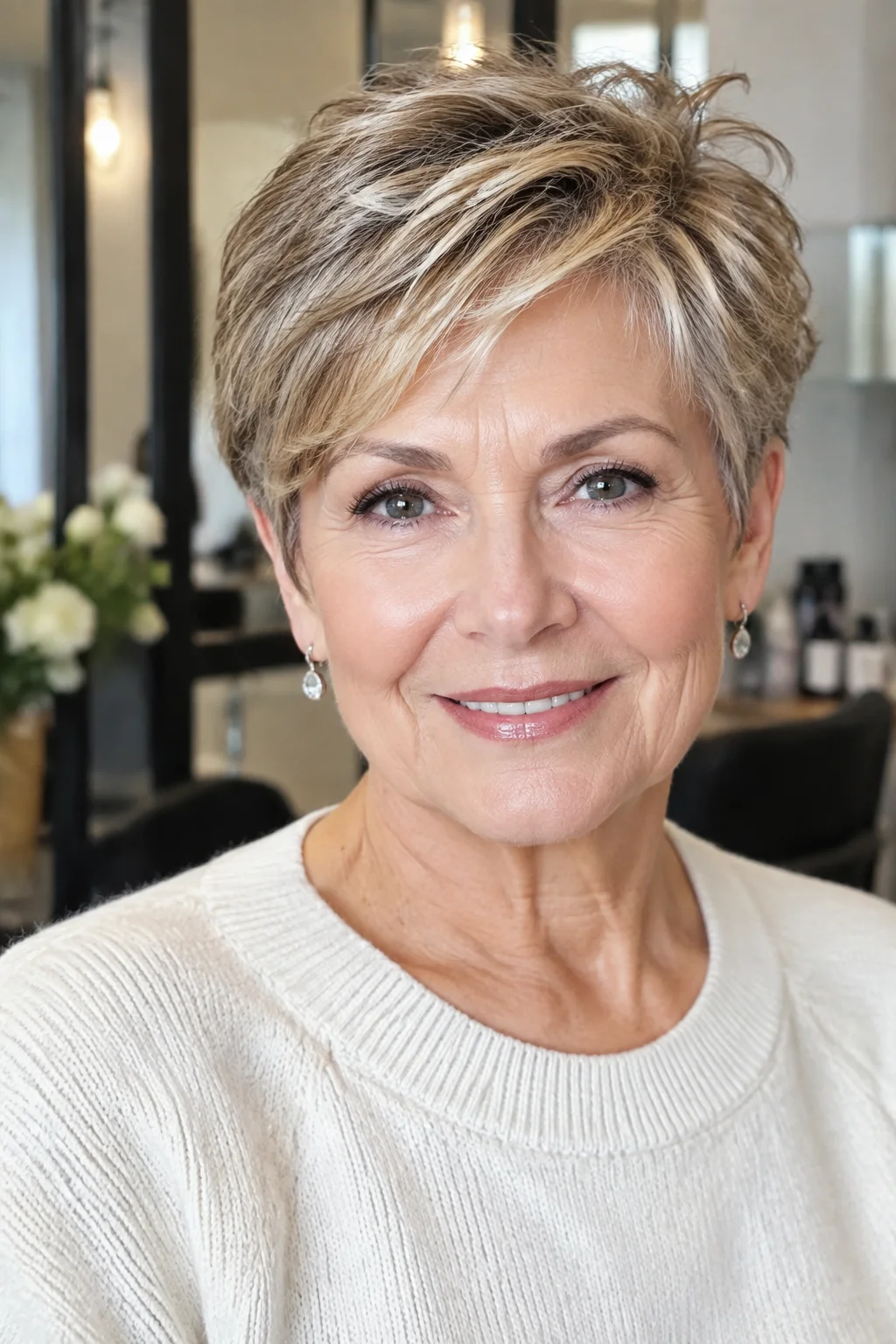
This pixie keeps the sides and back short while leaving enough length on top to comb over or push back with your fingers. The texture through the crown breaks up any stiffness, so you are not stuck with a helmet look. It suits straight hair that tends to be thick, since the shorter sides remove weight and bulk. Wash and go styling works fine here, and a small amount of pomade rubbed between the palms is really all it needs.
3. Shoulder-Length One-Length Cut
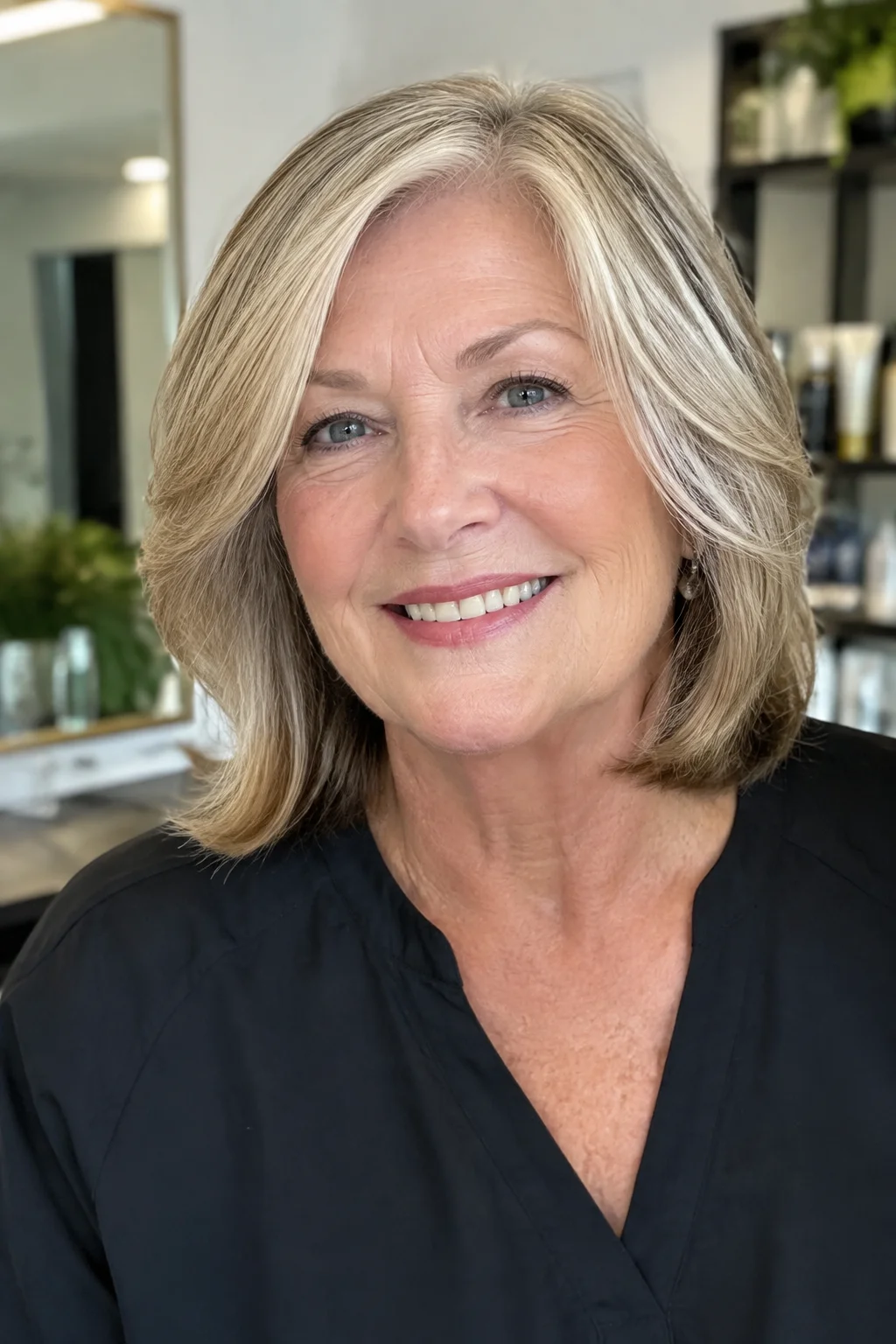
Keeping hair at one length through the shoulders is one of the simplest ways to manage straight hair with minimal fuss. There are no layers to blend or separate, so the ends stay neat and the overall shape holds its own even after a few days without styling. This length also gives you room to pull hair back into a low ponytail or clip on days when you want it out of your face entirely. It flatters most face shapes because the straight line down the sides adds a subtle vertical pull. Many women appreciate that this cut looks polished whether it is freshly washed or a day old, which matters when your schedule does not allow for daily styling. A light trim every eight to ten weeks keeps the ends from looking scraggly. Tip: use a wide-tooth comb after washing instead of a brush to prevent static and frizz along the length.
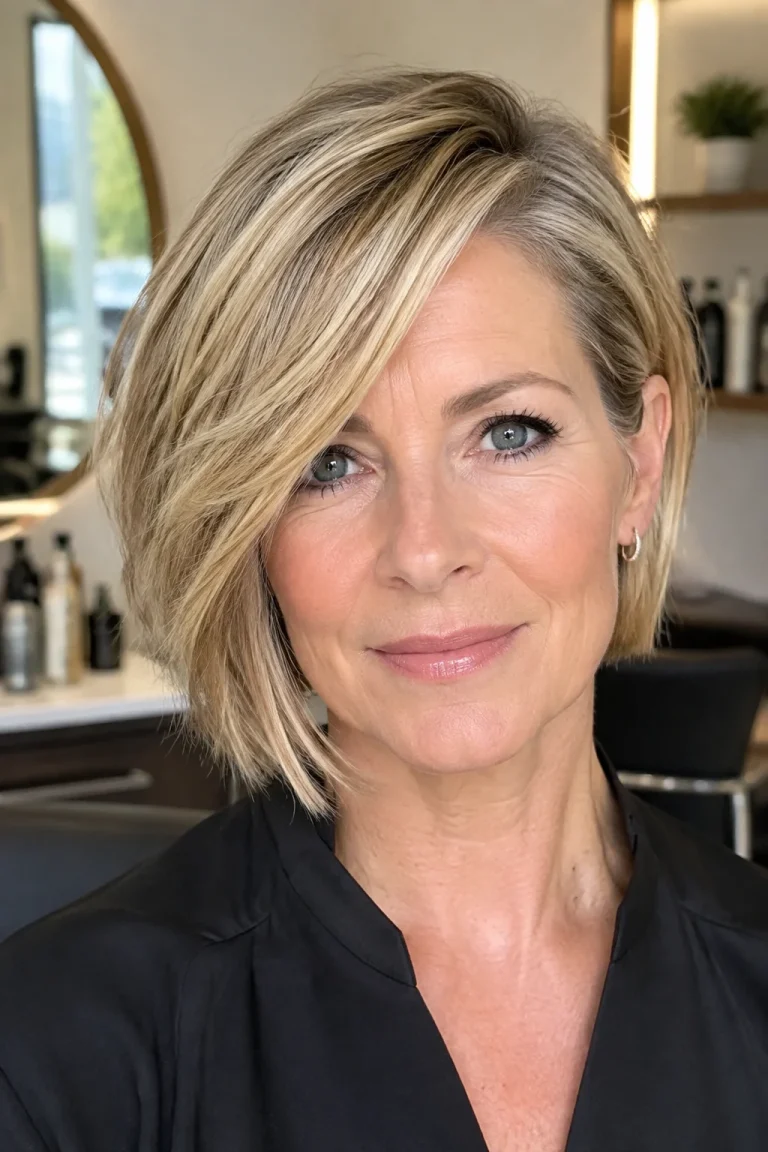
4. Short Stacked Crop
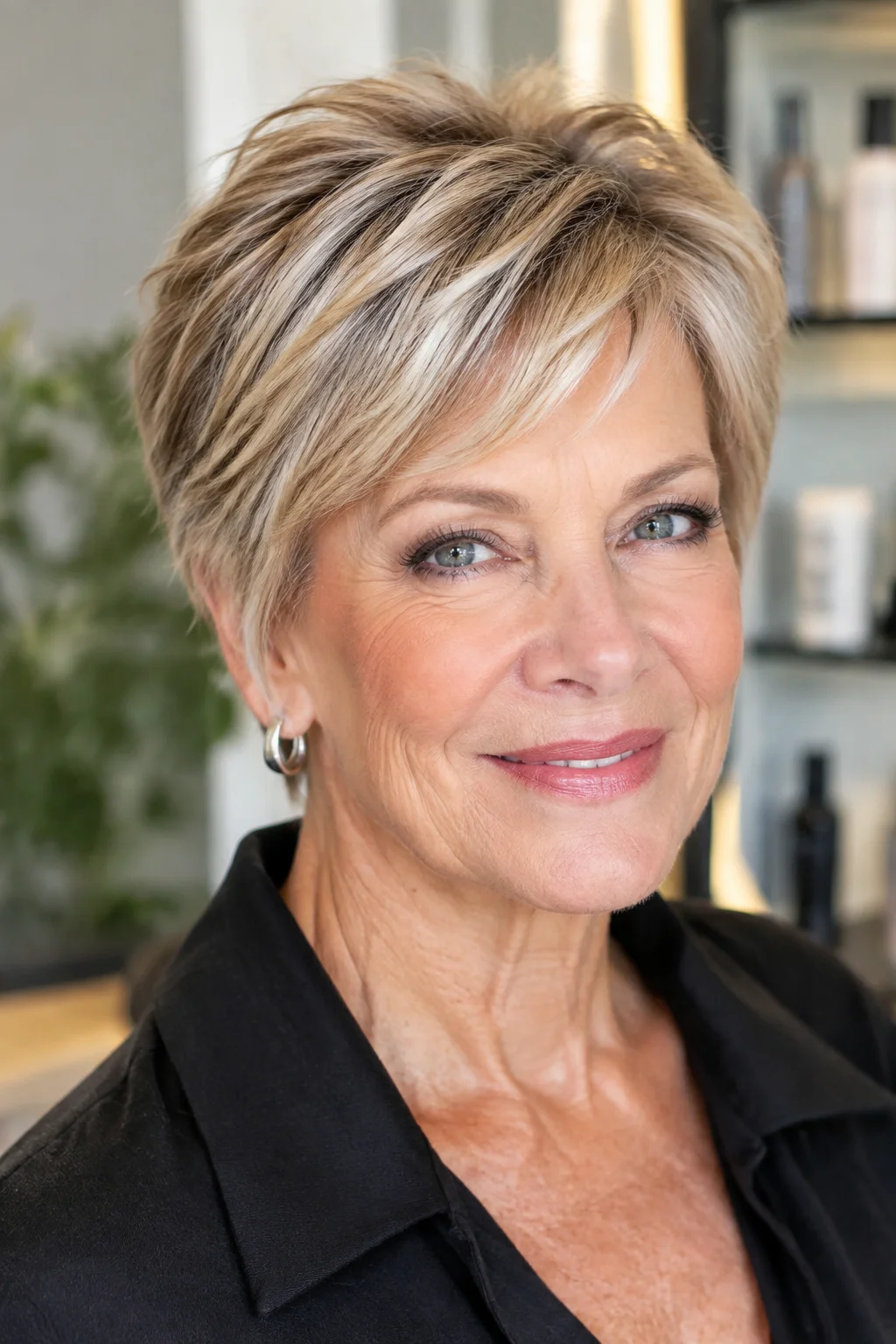
The stacked crop builds a bit of shape at the back through short layers while keeping the top smooth and straight. It reads almost like a bob from the front but has more structure at the nape. This is a strong option if your hair thins toward the crown, since the stacking creates the illusion of more volume where it counts.
5. Straight Shag with Minimal Layers
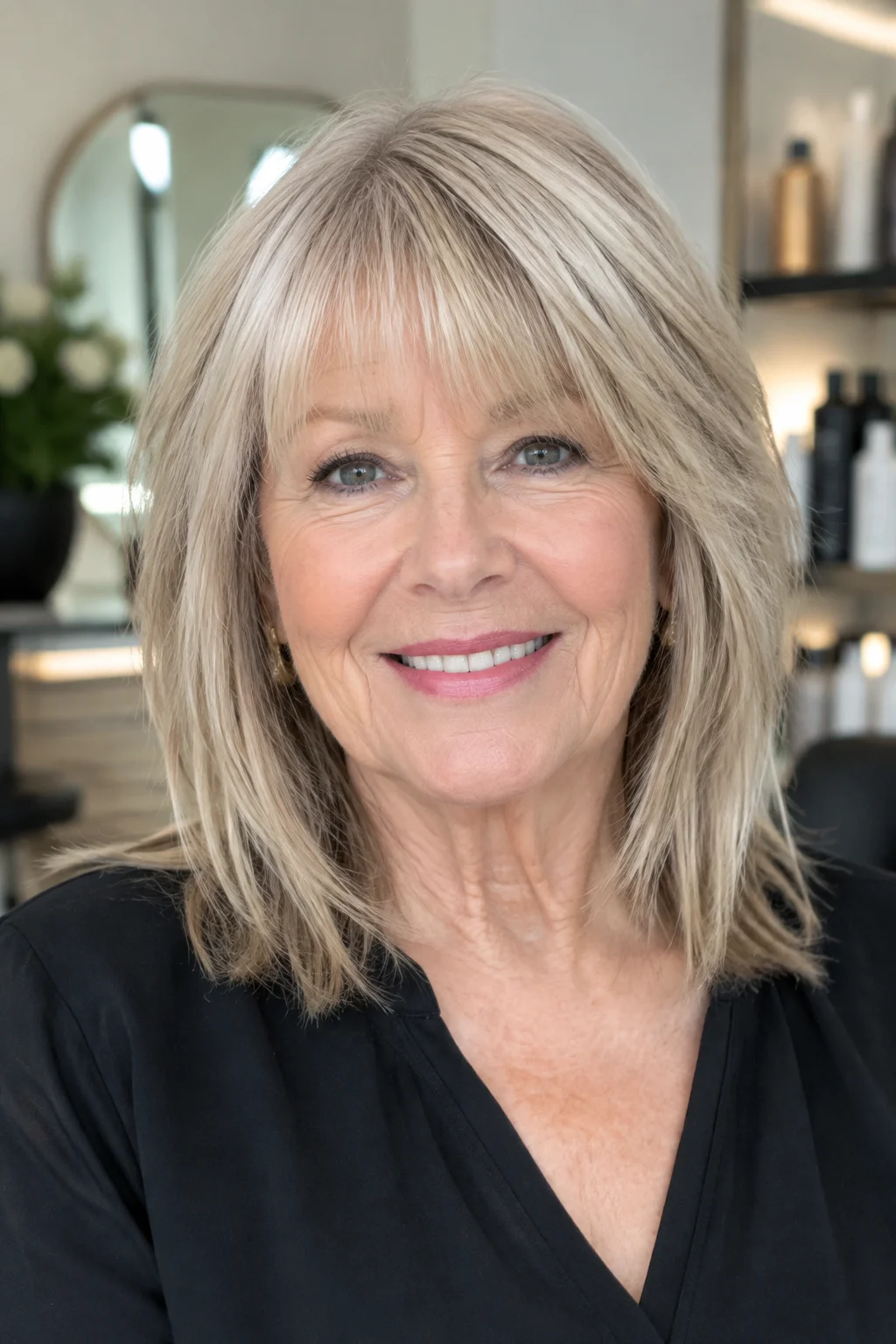
A shag sounds like more work than it is, but when the layers are kept light rather than choppy, it becomes an easy cut for straight hair that needs a little movement. The layers are cut long enough that they do not require diffusing or scrunching, they simply fall into place after a rough towel dry. This version skips the heavy fringe often associated with shags and instead lets the face-framing pieces blend softly into the rest of the cut. It suits women who want some shape without giving up length entirely.
6. Brow-Grazing Fringe with Straight Sides
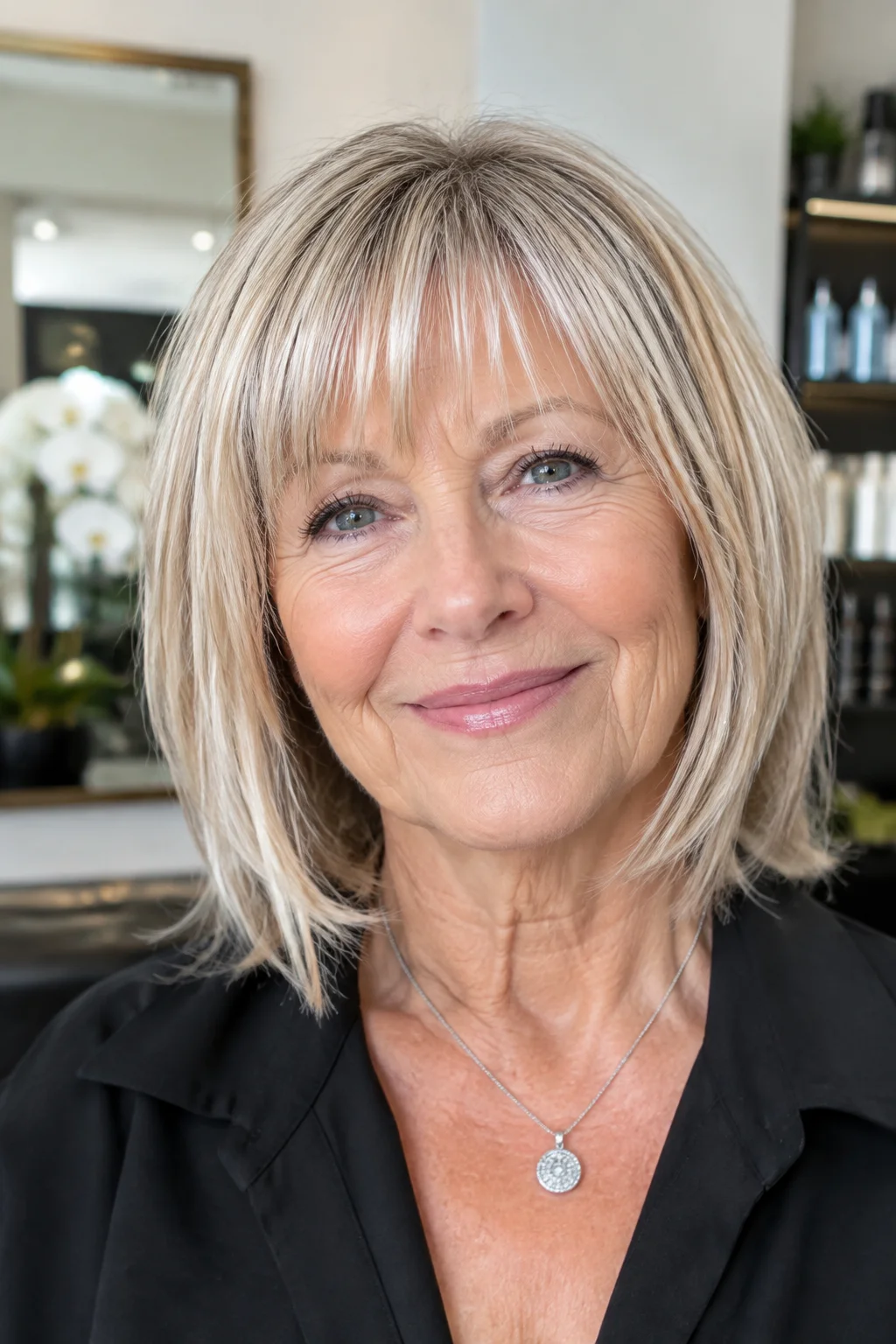
A fringe that sits just above the brow adds a fresh, youthful line to the face without demanding daily flat ironing, especially when paired with straight sides that need no blending. Straight hair holds this kind of fringe well since there is no curl pattern fighting against it. The rest of the cut can stay simple, whether that is a bob or a longer length, because the fringe becomes the focal point. Tip: keep a small pair of scissors on hand for trimming the fringe yourself between salon visits, since it grows into the eyes faster than the rest of the head.
7. Tapered Pixie-Bob Hybrid
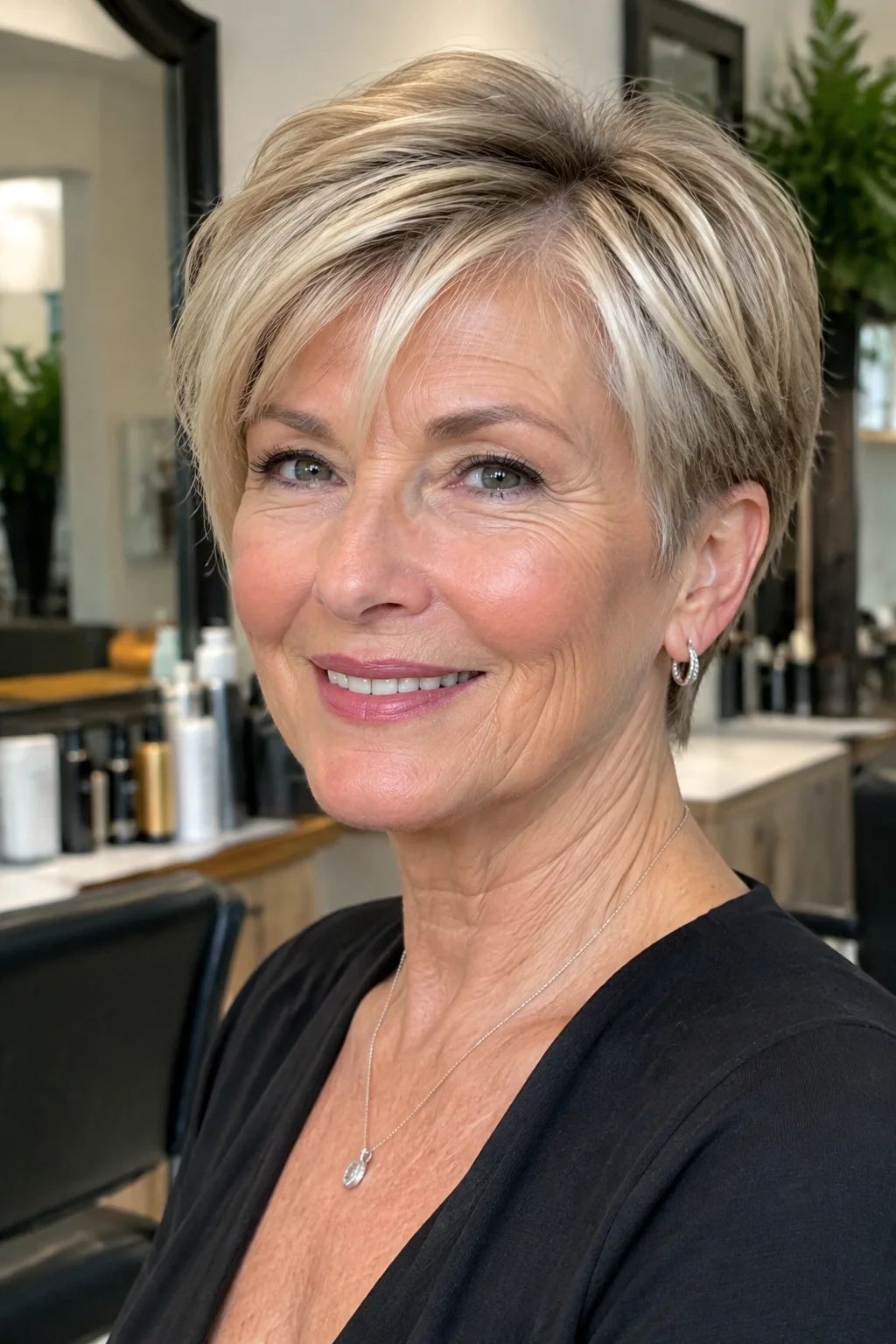
This cut splits the difference between a pixie and a bob, tapering shorter at the neckline while leaving more length through the crown and sides. It gives you the ease of a pixie in the back with a bit more coverage around the face than a full pixie offers. Straight hair falls into this shape naturally after washing, with barely any need for a brush.
8. Ear-Length Rounded Bob

An ear-length bob with rounded edges instead of sharp corners feels softer around the face and works nicely for straight hair that is fine or thinning. The rounded shape is more forgiving than a blunt cut if your hair does not grow in perfectly even, and it still holds its line well between trims. This length also clears the collar, which some women find more comfortable day to day. It pairs easily with reading glasses or hearing aids since nothing gets caught or tangled behind the ears.
9. Sleek Long Pixie
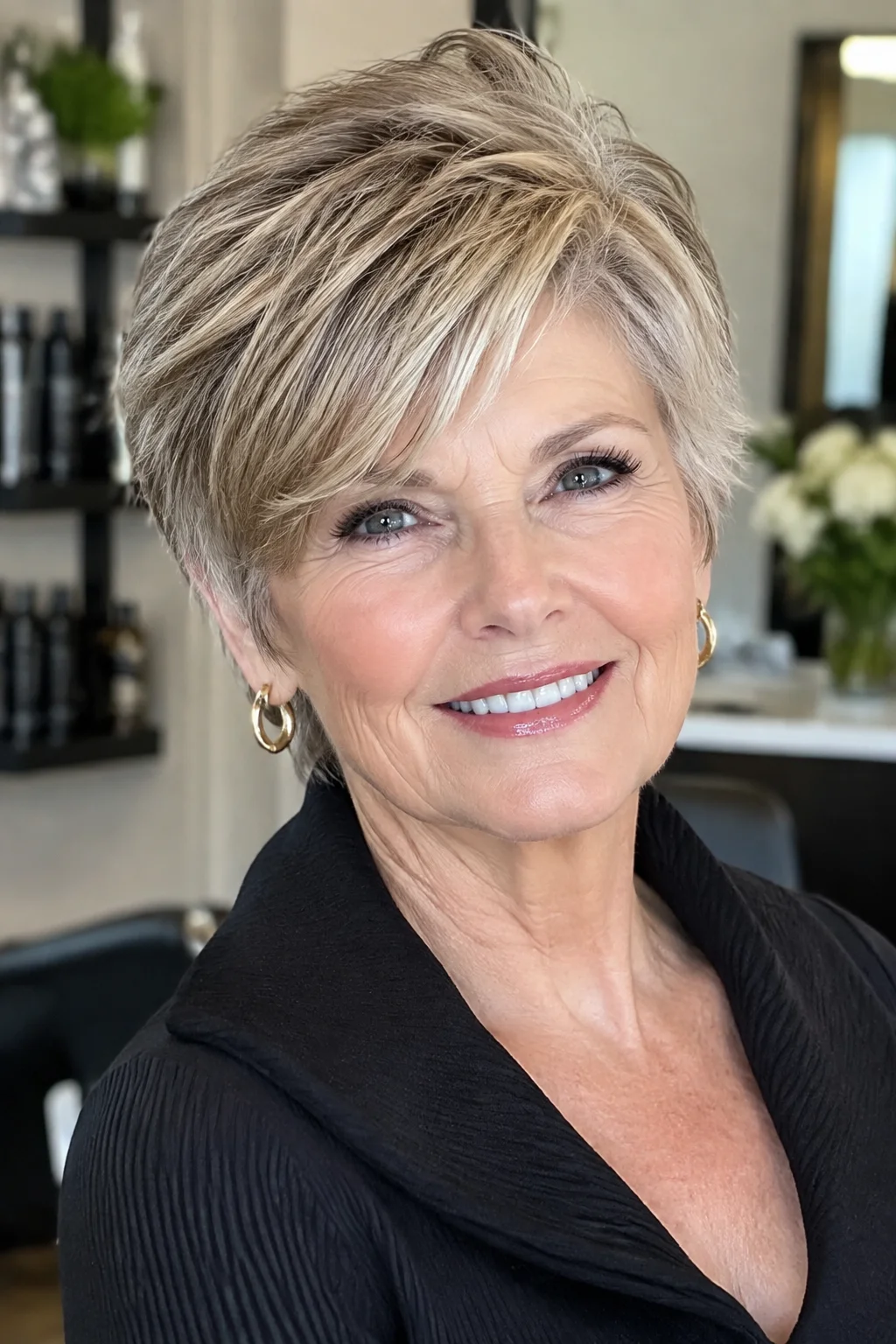
A long pixie keeps enough length on top to style several ways, from combed back to side-swept, while the back and sides stay trimmed close. Straight hair suits this cut particularly well because the top lies flat and sleek without any curl to fight. It is a good middle ground for women who want short hair but are not ready for something cropped tight to the head.
10. Straight Lob with Tucked Sides
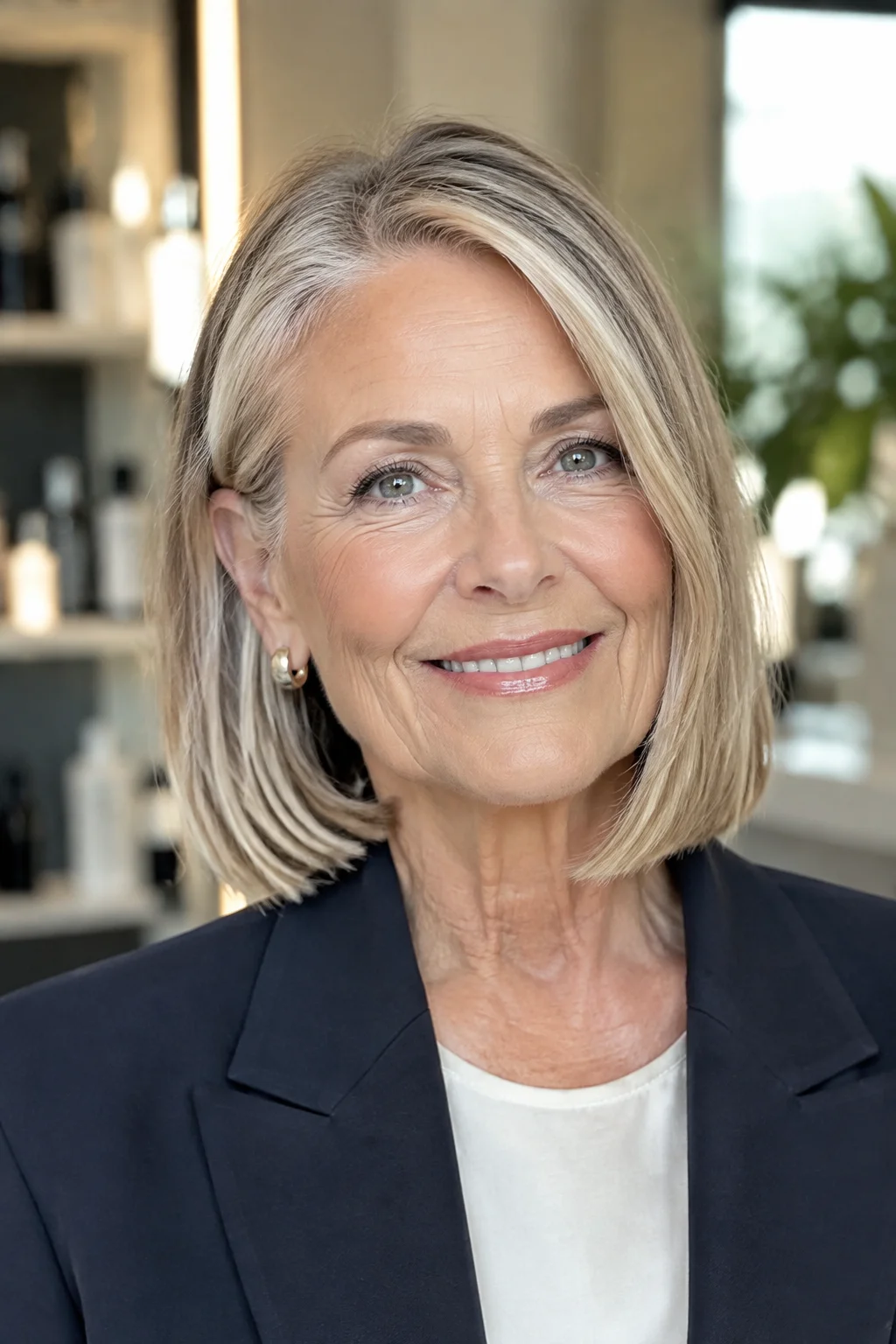
The lob, or long bob, sits between the chin and the shoulders and tucks neatly behind the ears without falling forward into the face. This length is long enough to still feel like “hair” in the traditional sense but short enough to avoid the tangling and weight that comes with longer cuts. It air dries into a clean shape most days, and a light mist of water in the morning is often enough to reset it. This cut also transitions well if you are coming from longer hair and are not ready to go dramatically shorter.
11. Side-Swept Cropped Cut
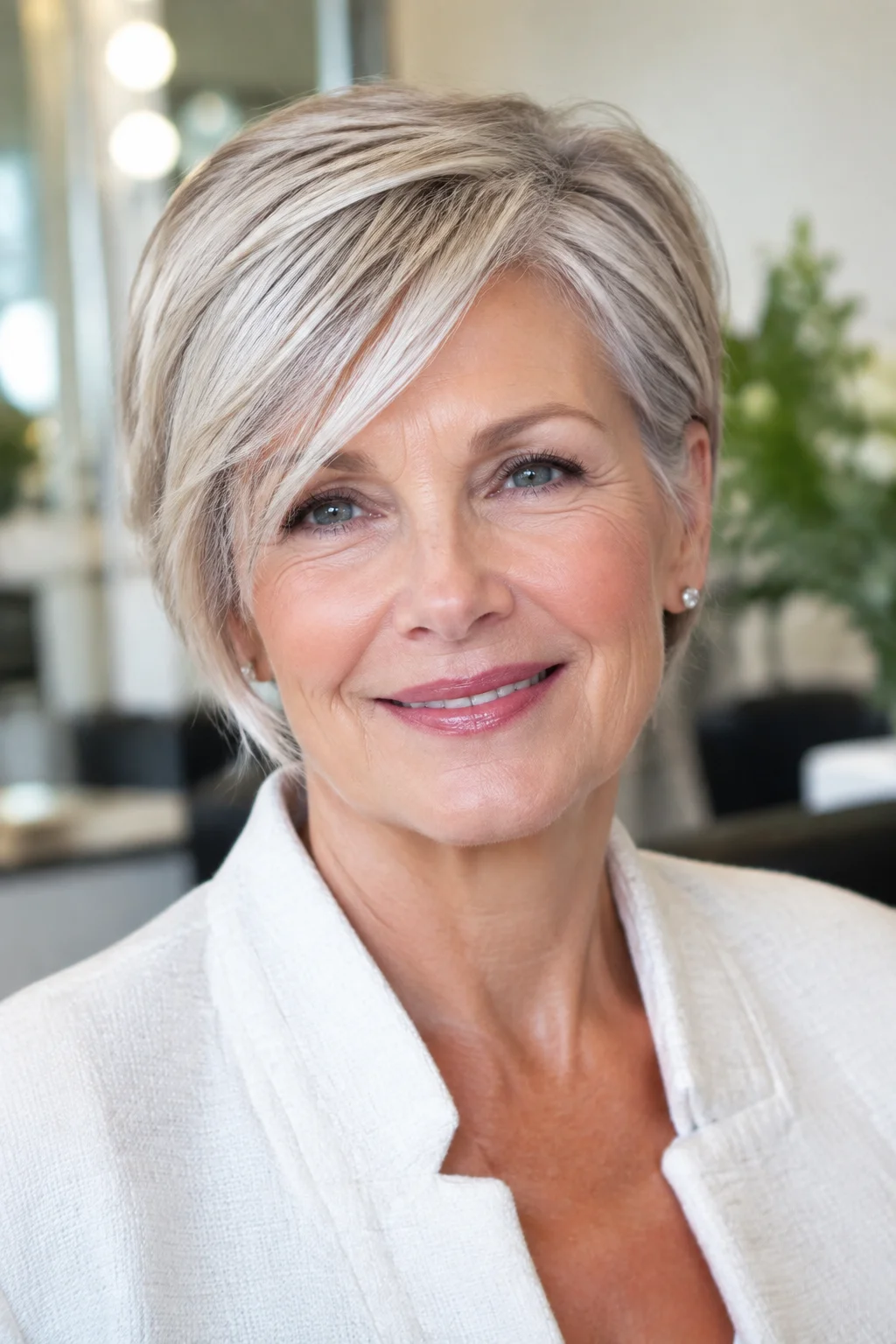
A cropped cut with the top swept to one side softens the overall shortness and gives the style a bit of personality. It requires only a comb and maybe a dab of styling cream to hold the sweep in place. This works particularly well for straight hair since the strands stay put once directed to one side, without flipping back the other way.
12. Straight Mullet Modern Cut
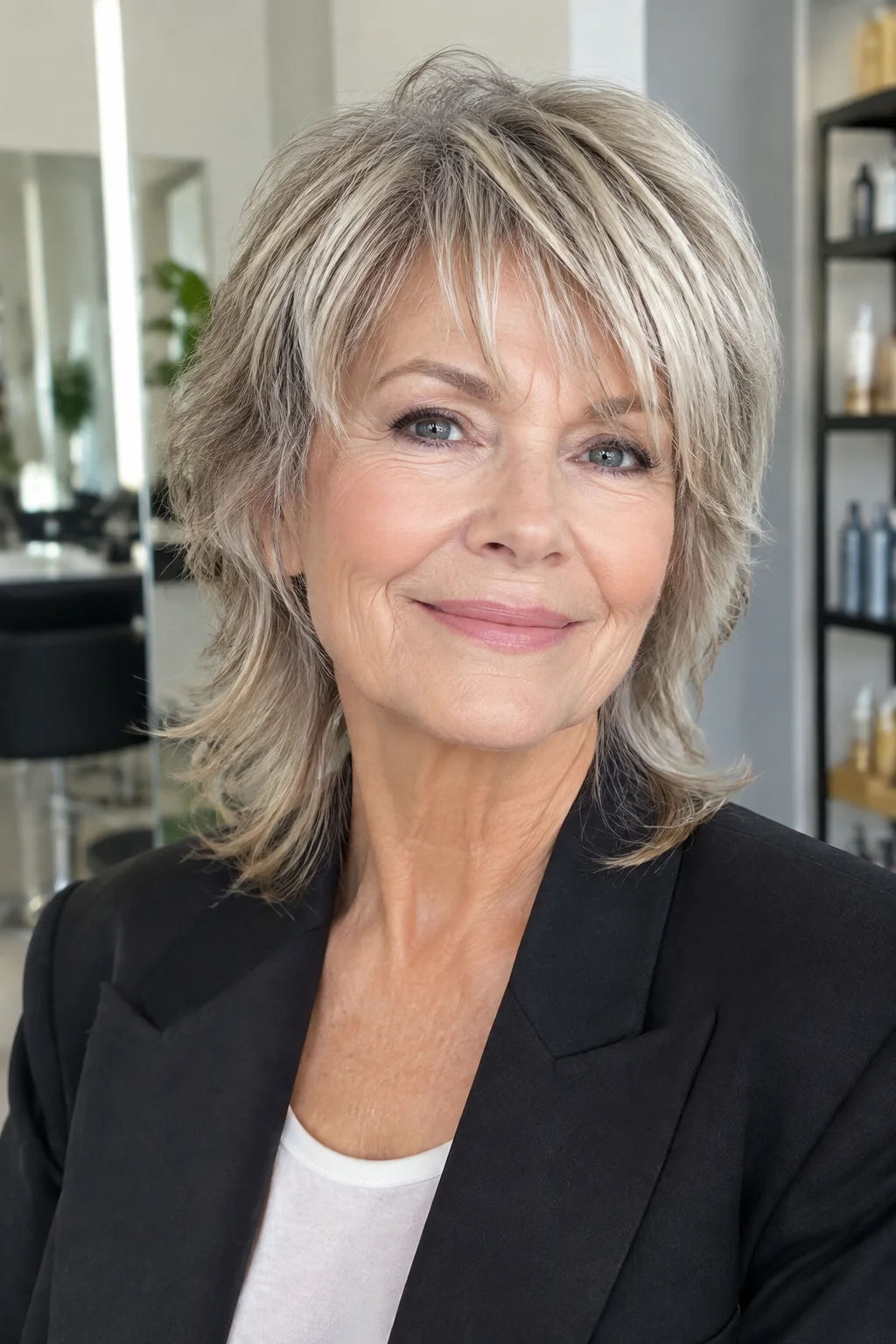
The modern mullet keeps things short around the face and longer in the back, but softened so it looks intentional rather than dated. Straight hair takes to this shape easily because there is no curl pulling the back section out of line. It gives you shorter, easier styling around the face while still keeping some length to play with in back. This is a bolder choice, so it suits women who like a cut with a bit of edge rather than something purely classic. Maintenance mostly involves keeping the front pieces trimmed so they do not grow past the point where the shape works.
13. Blunt Collar-Length Bob

This bob lands right at the collar, giving a clean and structured look that holds up well through the day. The blunt ends keep straight hair looking thick even if it is naturally on the finer side. It is a dependable, no-fuss option that many women choose because it works with almost any face shape and requires nothing more than a comb to style.
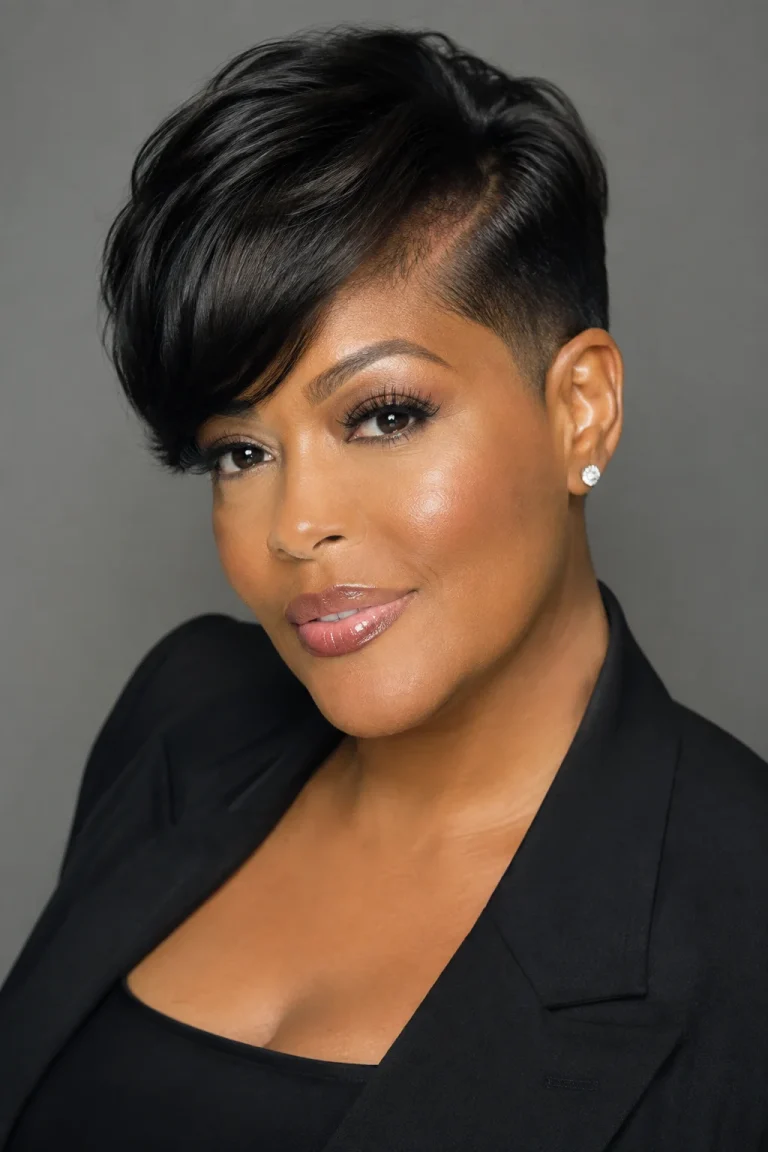
14. Wispy Pixie Fade
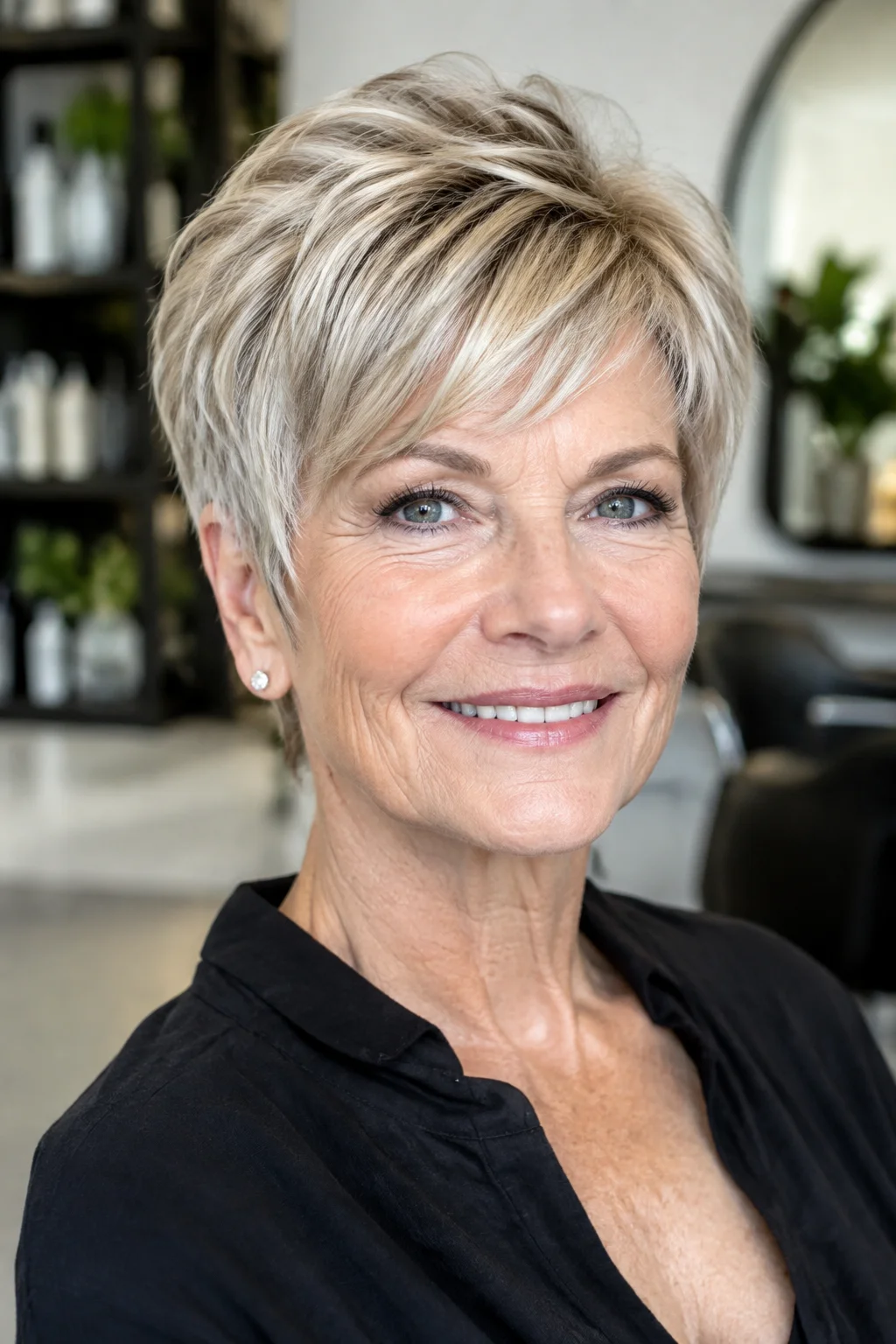
A pixie with a faded back and sides and wispy, textured pieces on top gives you the shortest maintenance option on this list. The fade keeps the neckline clean between salon visits longer than a blunt-cut pixie would, and the wispy top pieces can be finger-styled in seconds. Straight hair sits well in this shape since the texture is cut in rather than relying on natural wave. Tip: a small amount of matte wax worked through damp hair keeps the wispy pieces separated without looking greasy.
15. Straight Hair with Minimal Face-Frame
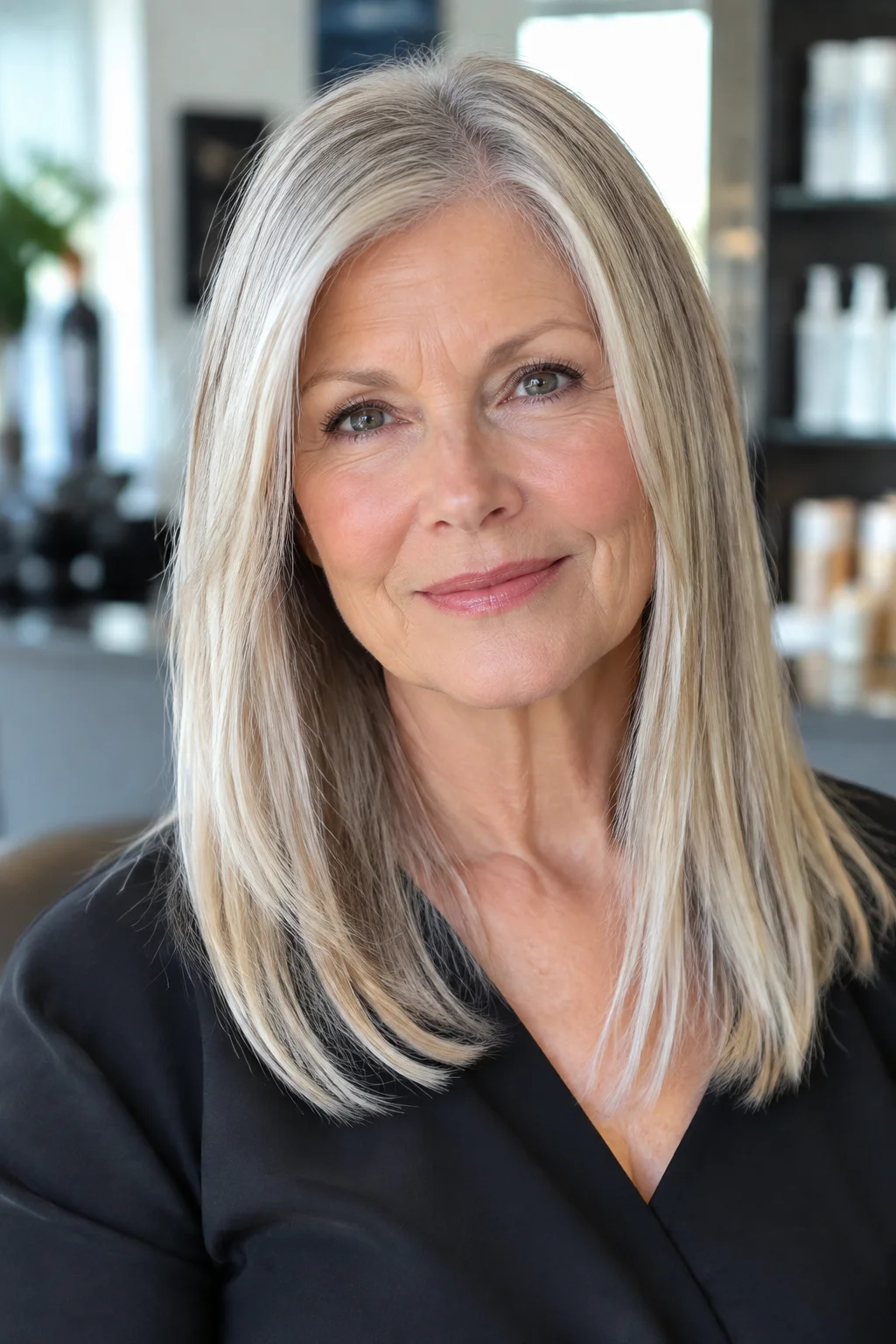
Sometimes the easiest styling comes from barely cutting into the face at all, just a few soft pieces left slightly shorter than the rest to frame the cheekbones. This works on almost any length, from a bob to a longer cut, and requires no special styling since the pieces fall naturally into place. It is a subtle way to soften the face without committing to a full fringe.
16. Geometric Straight Bob
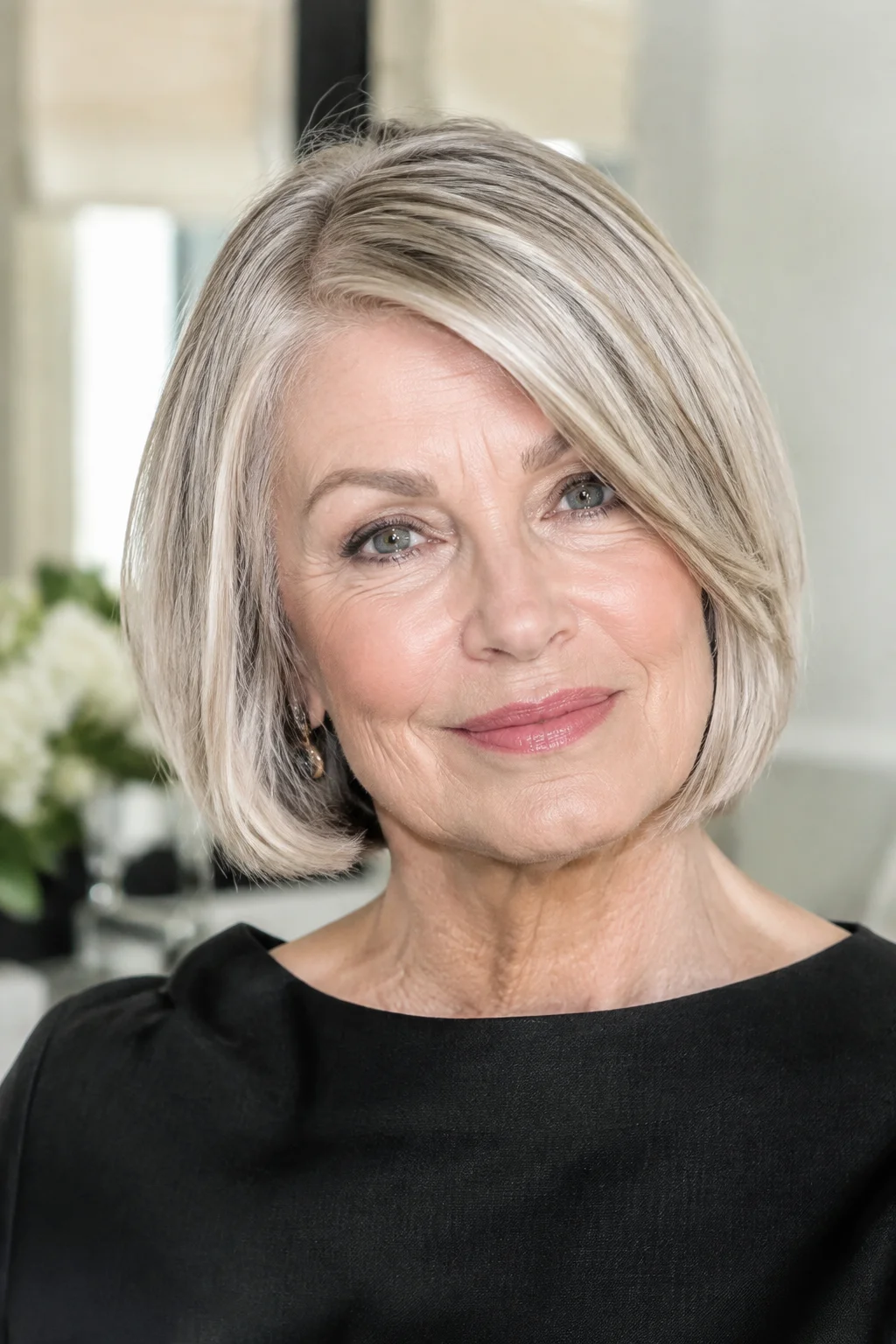
A geometric bob uses sharp, precise lines rather than soft rounded edges, often with an angle that runs slightly longer in front. It is a striking choice for straight hair since the sharp lines only read clearly when the hair has no wave to soften them. This cut needs a skilled hand to get right, but once it is cut correctly, it holds its shape for weeks with only occasional finger combing.
17. Short Straight Crop with Texture at Crown
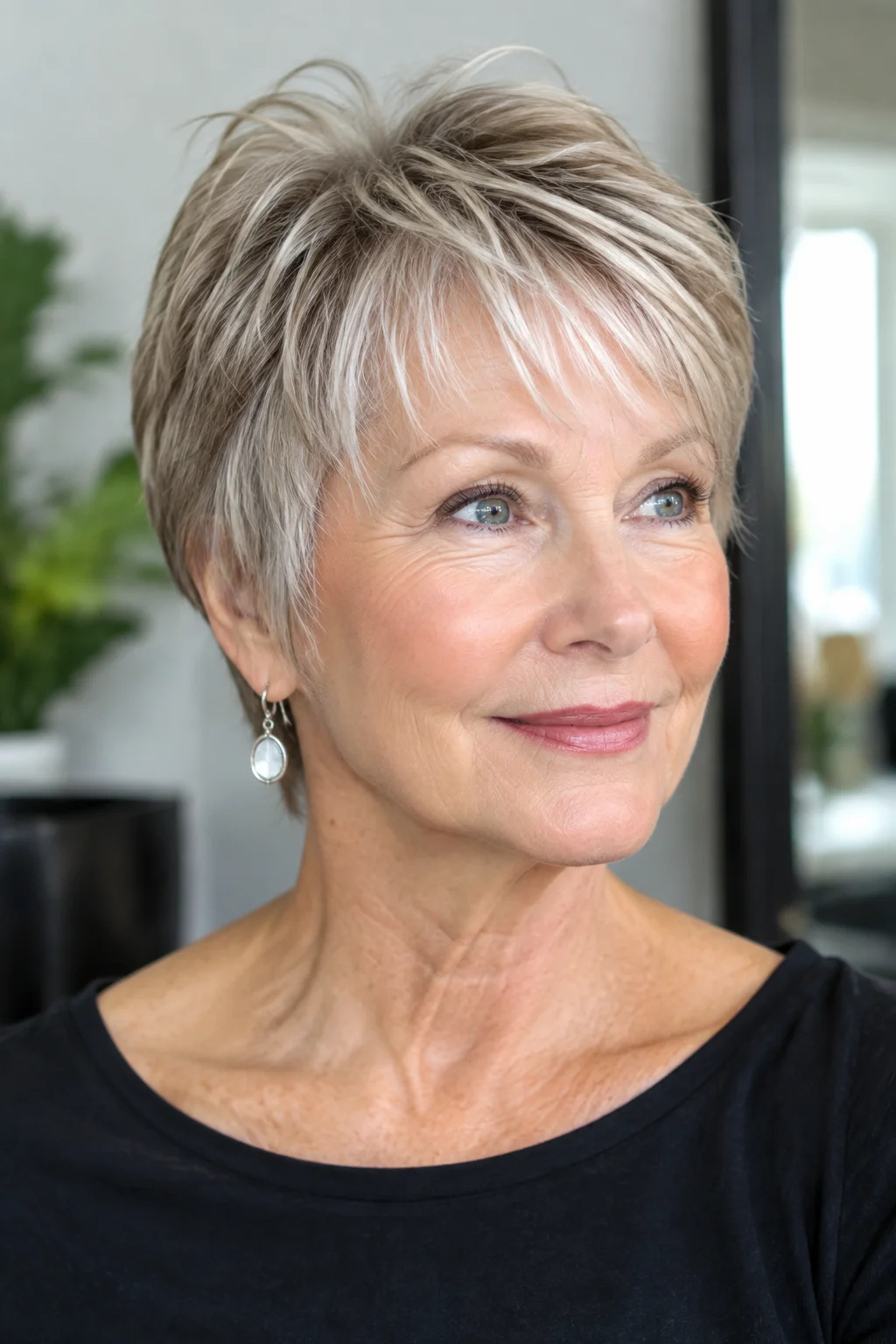
This crop stays short all over but leaves a bit of texture and lift at the crown so the style does not look flat from above. It is an easy wash and wear cut, since the shortness means there is little for straight hair to do but lie flat and neat. A small amount of texturizing spray at the roots, worked in with fingers, is enough to keep the crown from going limp.
18. Straight Bob with Hidden Undercut
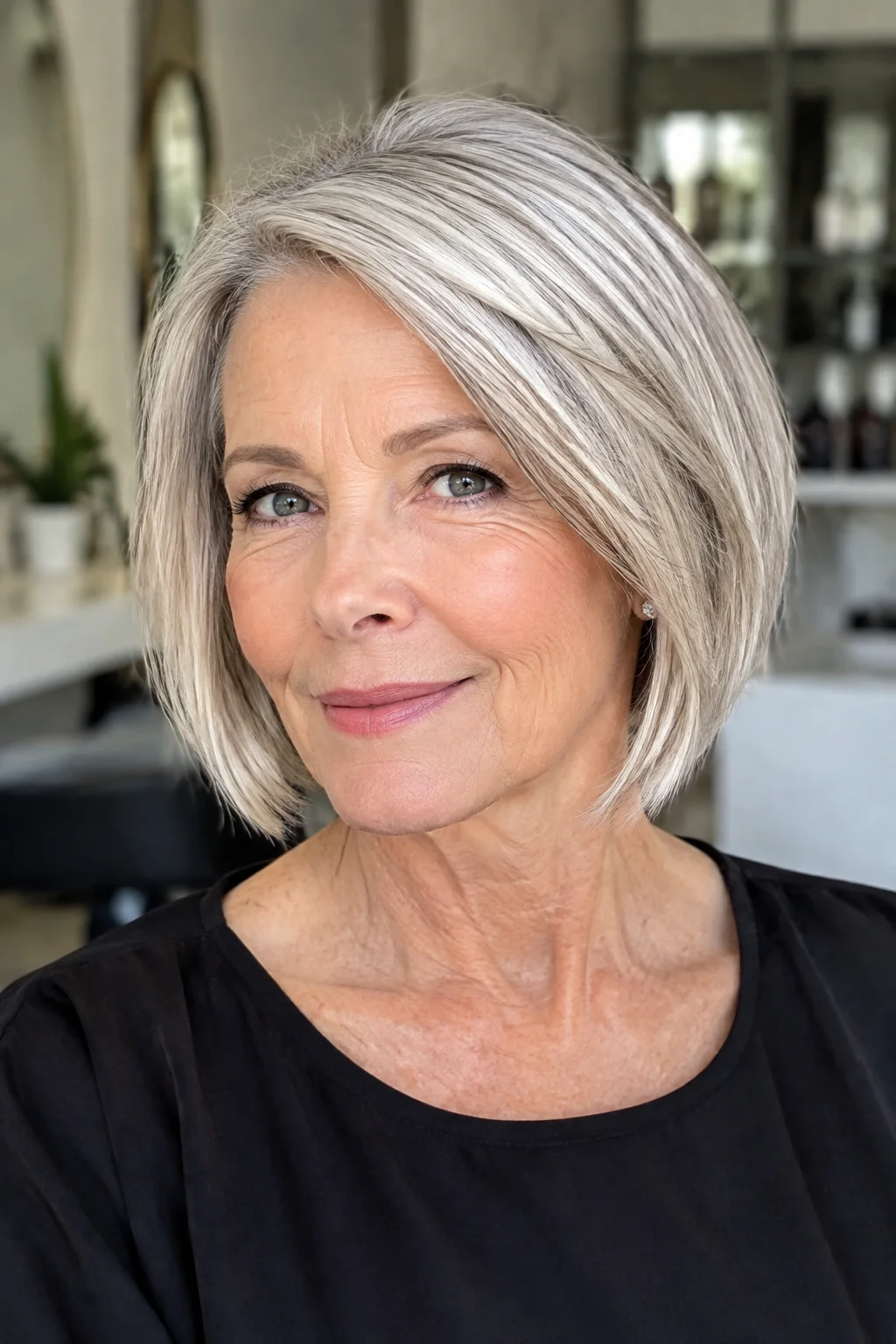
An undercut hidden beneath the top layer of a bob removes bulk at the nape without changing the visible shape of the cut. From the outside it looks like a standard bob, but it feels lighter and cooler, almost like the hair weighs less than before. This is a smart option if your straight hair tends to feel heavy or hot at the back of the neck. It also dries faster than a full-thickness bob because there is simply less hair underneath.
19. Center-Parted Straight Midi
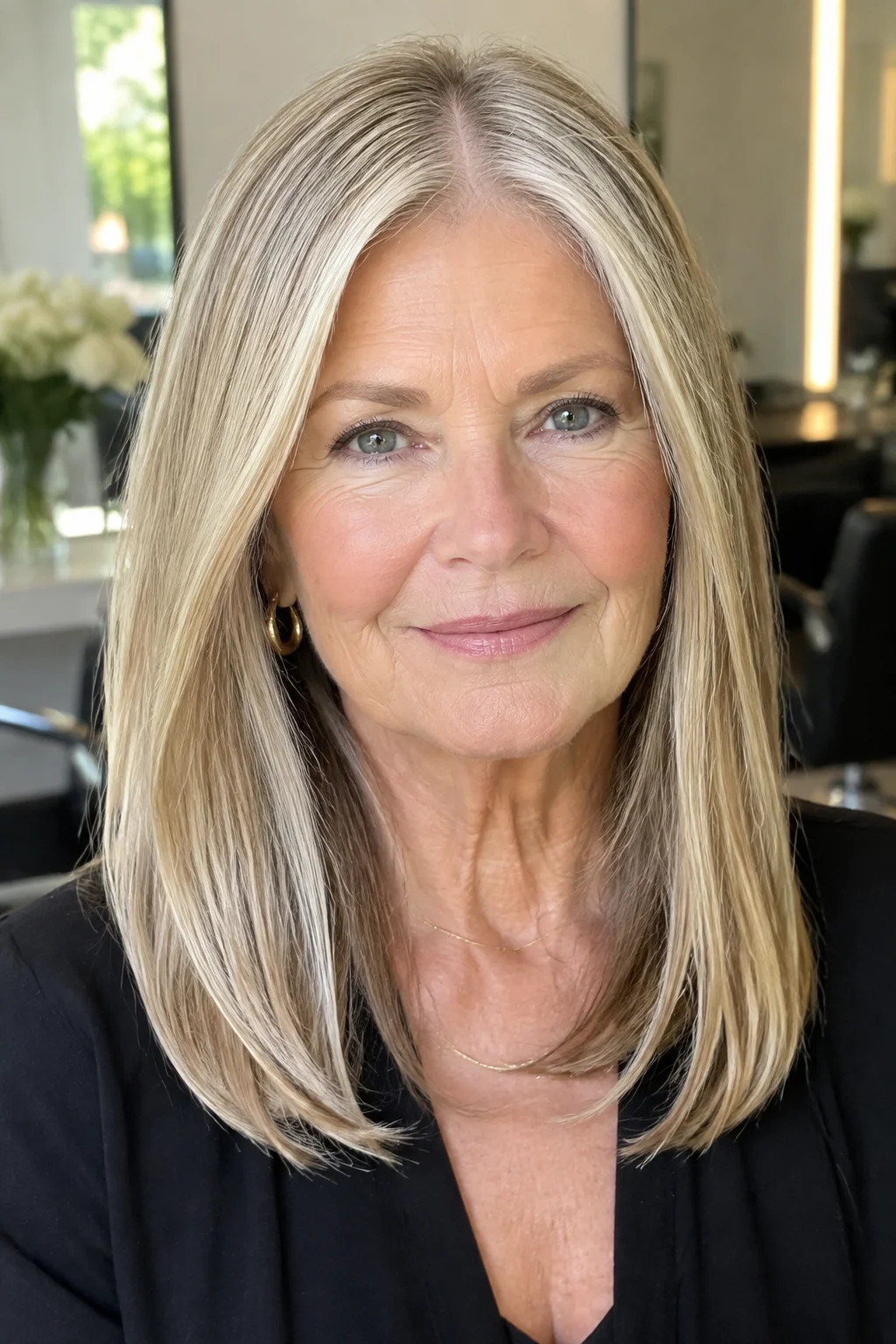
A midi length, sitting between a lob and shoulder-length, paired with a center part gives a balanced, easy shape that suits straight hair especially well. The center part keeps things symmetrical, which cuts down on the need for daily restyling since hair naturally falls back into place. This length also works nicely if you like the option of pulling hair back occasionally without it looking too short to tie up.
20. Neat Short Wedge Cut
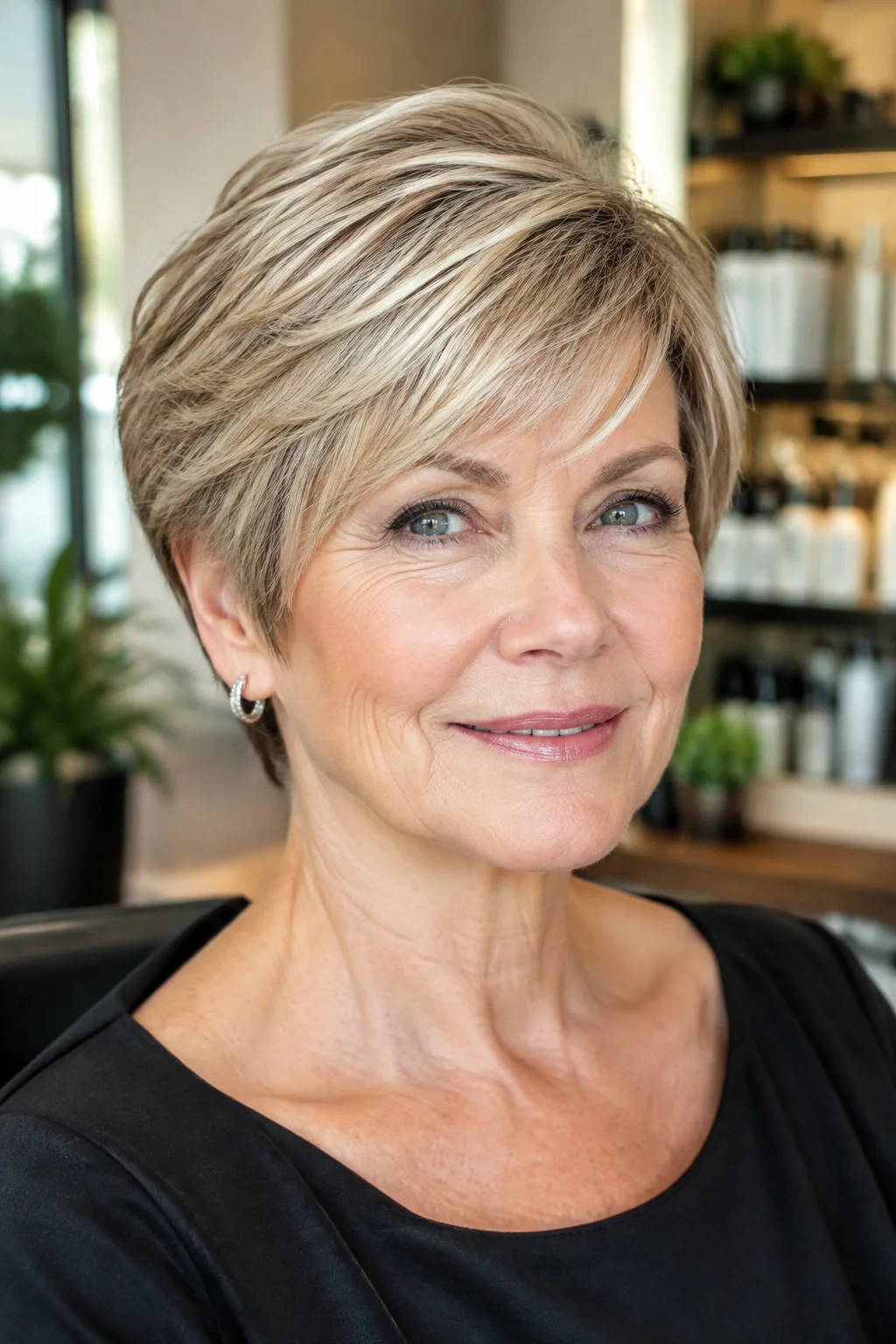
The wedge cut is stacked shorter at the back and angles longer toward the front, creating a neat, rounded shape that suits straight hair with minimal effort. It holds its structure well because the stacking is built into the cut itself rather than relying on styling. This is a solid pick for anyone who wants a short, tidy style without sharp or severe lines.
Choosing the Right Cut for Your Hair and Routine
With twenty options on the table, it helps to think about your hair’s texture, thickness, and how much time you actually want to spend on it each morning. If your hair is fine and thinning, the chin-length blunt bob with side part or the blunt collar-length bob will give the appearance of more density without any extra effort. If you have thicker straight hair and want it out of the way, the wispy pixie fade or the short straight crop with texture at crown will keep things light and cool. Women who want to keep some length but still crave ease should look at the straight lob with tucked sides or the center-parted straight midi, both of which air dry into a finished look. Anyone drawn to a bit more personality without added maintenance might prefer the straight mullet modern cut or the side-swept cropped cut, since both carry visual interest built into the shape rather than through styling.
A common mistake is choosing a cut based on a photo alone without accounting for how straight hair actually falls, since fine straight hair will not hold volume the way a wavier texture might. Another mistake is skipping regular trims on shorter cuts like the tapered pixie-bob hybrid or the neat short wedge cut, which rely on precise shape rather than length to look intentional. Talk with your stylist honestly about your morning routine, and let that guide the final decision more than the picture in your mind.