Growing your hair out sounds simple until you sit in the chair and realize “just trim it” isn’t a real plan. Long hair holds so many possible shapes that picking one can stall you for months. Long haircuts range from blunt and heavy to airy and layered, and the right one depends on your texture, your face shape, and how much time you actually spend on styling in the morning. Some of these cuts need a round brush and real effort. Others air-dry into shape and ask nothing of you. This list breaks down 22 solid options so you stop scrolling through photos and start pointing at one in the mirror. Read through them with your own hair type in mind rather than picking whatever looks best on a stranger with different hair. By the end you’ll have two or three that actually fit your life, not just your mood board.
Classic Blunt Long Cut
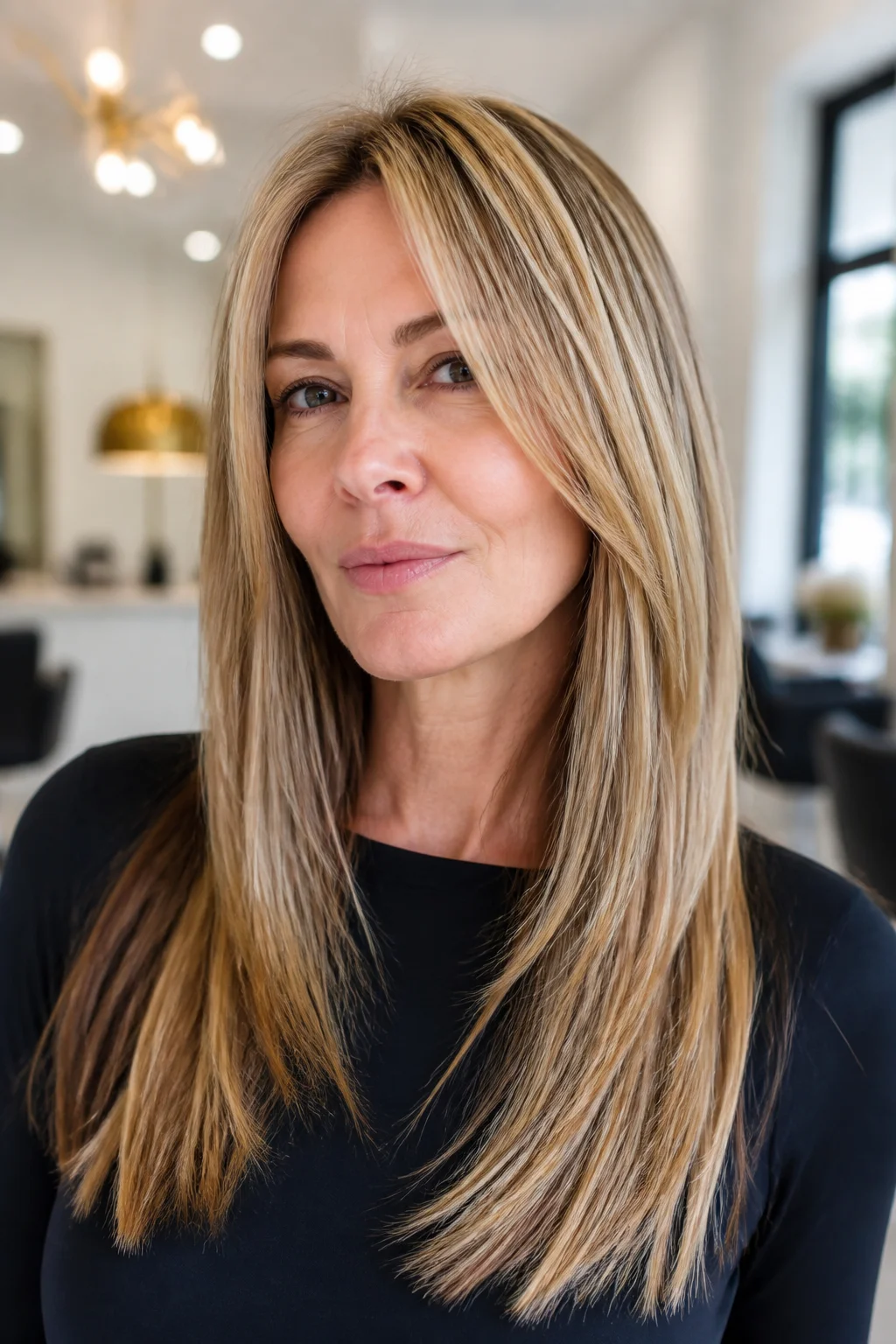
This is the cut that started every other one on this list. The ends are cut straight across with no layering, which makes hair look thicker and healthier at the bottom. It works best on hair that’s already fairly healthy, since blunt ends show damage fast. Stylists often recommend it for anyone who wants length but is tired of thin, wispy ends that never seem to grow past a certain point. Tip: ask for a blunt cut with a slight angle at the very back if you want it to swing rather than sit flat. This long haircuts option keeps the shape easy to maintain day to day.
Long Layered Haircut
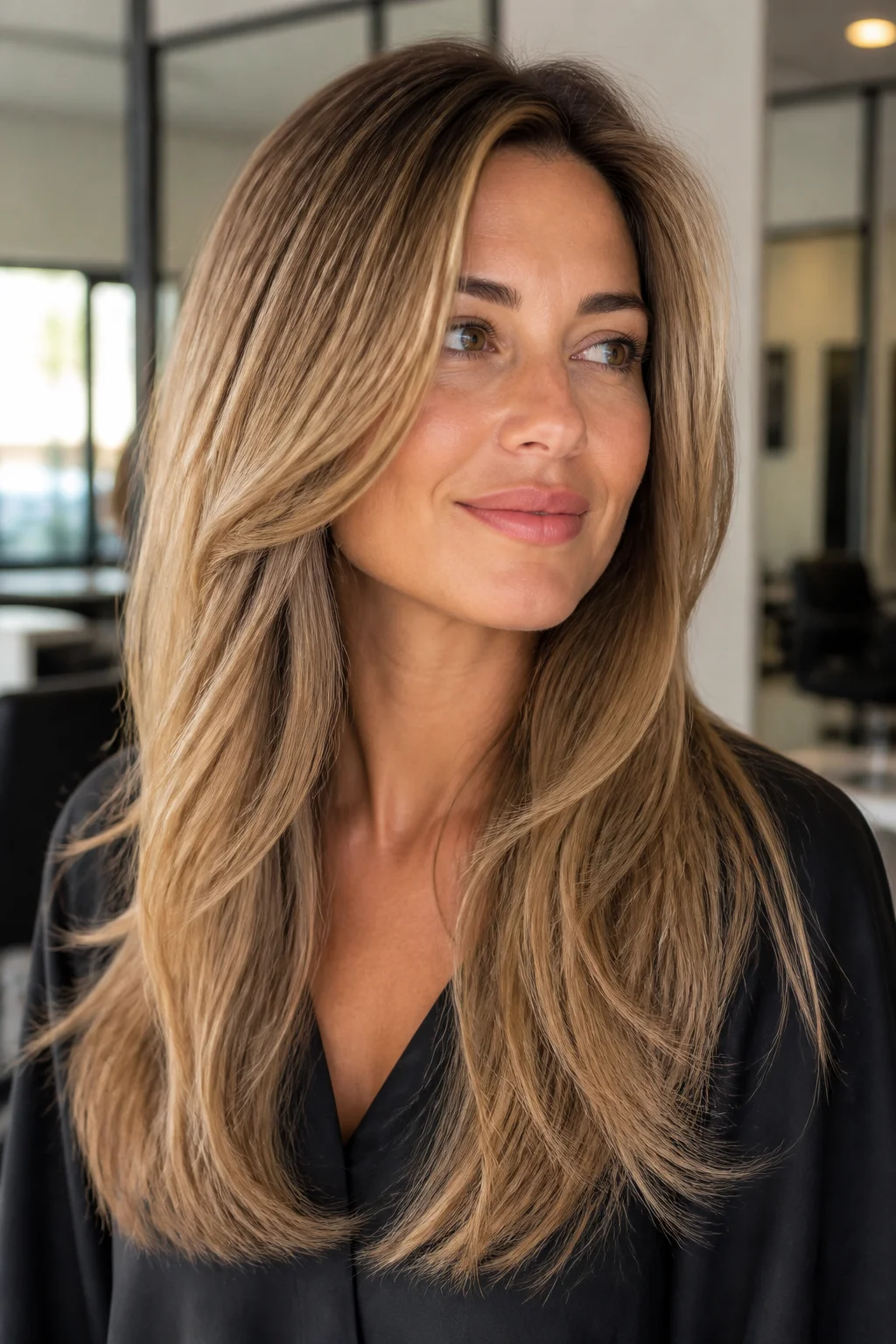
Layers cut throughout the length remove weight and add movement, especially through the middle and ends of the hair. This shape suits thick or coarse hair that feels heavy and hard to style in one solid piece. It also flatters most face shapes because the layers frame without cutting hard lines near the jaw. Fine hair can wear soft layers too, as long as the layering starts lower down so the ends don’t look thinned out. The result moves when you walk instead of hanging in one stiff sheet. This long haircuts option keeps the shape easy to maintain day to day.
Subtle Face-Framing Layers
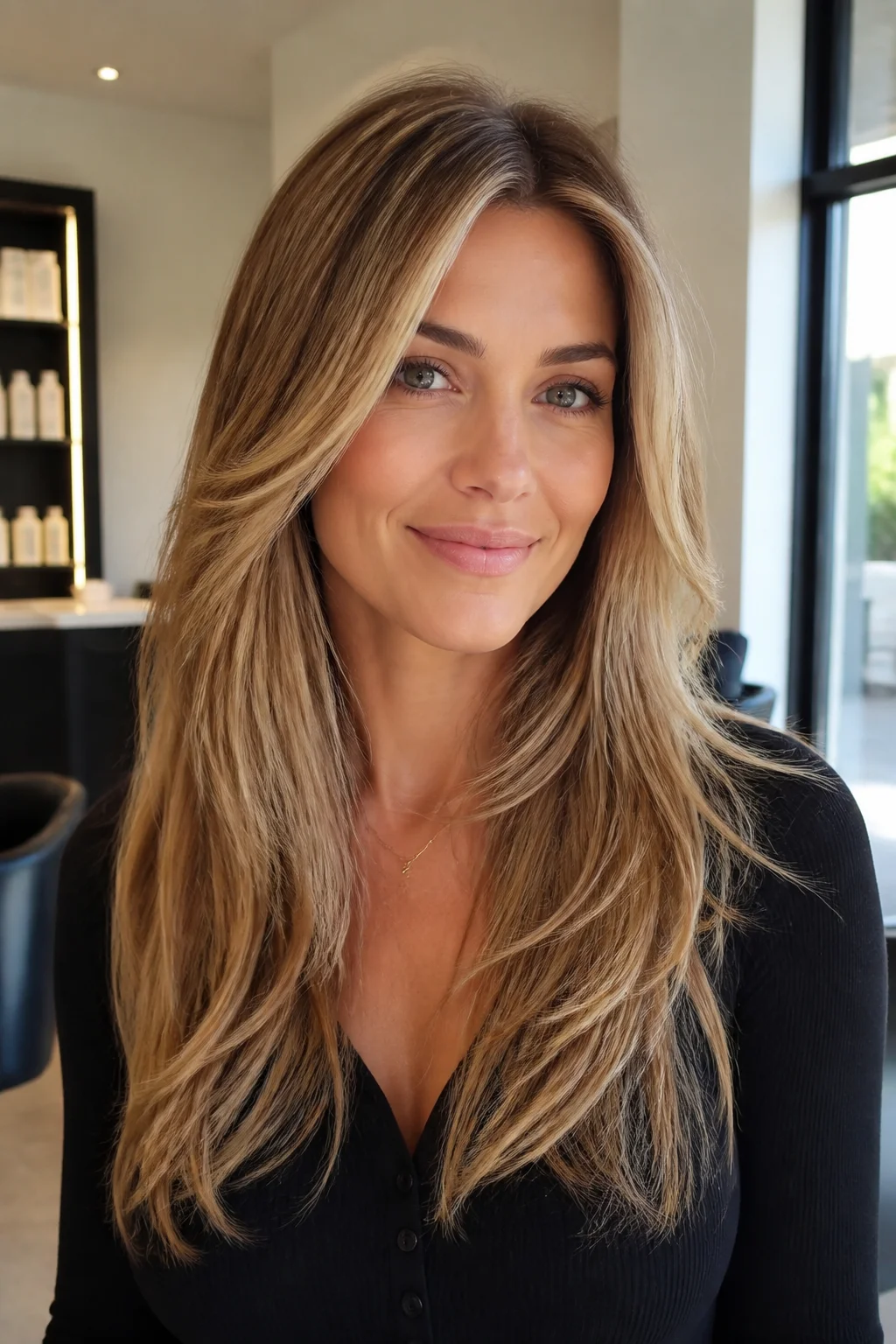
A few pieces cut shorter around the face soften harder features and draw attention to the eyes. This isn’t a full layered haircut, just a couple of strategic cuts near the cheekbones. It’s a low-commitment way to update long hair without losing length or thickness anywhere else. This long haircuts option keeps the shape easy to maintain day to day.
Long Shag Haircut
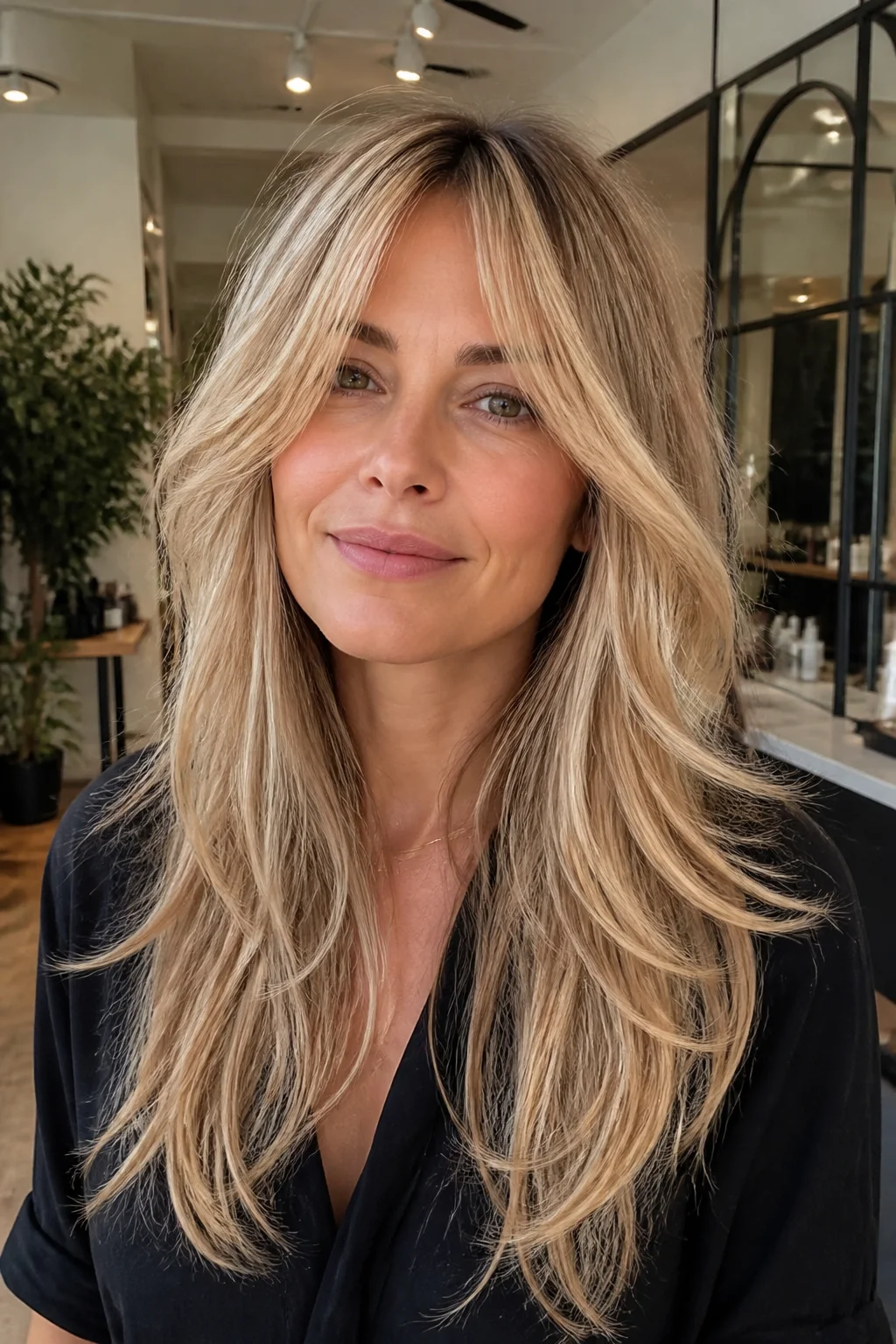
The shag brings back heavy layering, choppy ends, and a lived-in texture that looks a little undone on purpose. It works with waves and curls especially well since the layers give natural texture somewhere to go. Straight hair can wear a shag too, but it usually needs some help from a texturizing spray or a curling iron to keep the choppy ends from looking flat. This cut reminds me of the shags from the 70s, though modern versions are softer around the face and less severe through the crown. If you like a low-maintenance style that still looks styled, this is one of the more forgiving options on the list. It hides a multitude of second-day-hair sins. This long haircuts option keeps the shape easy to maintain day to day.
Long Lob (Shoulder-Length Hybrid)
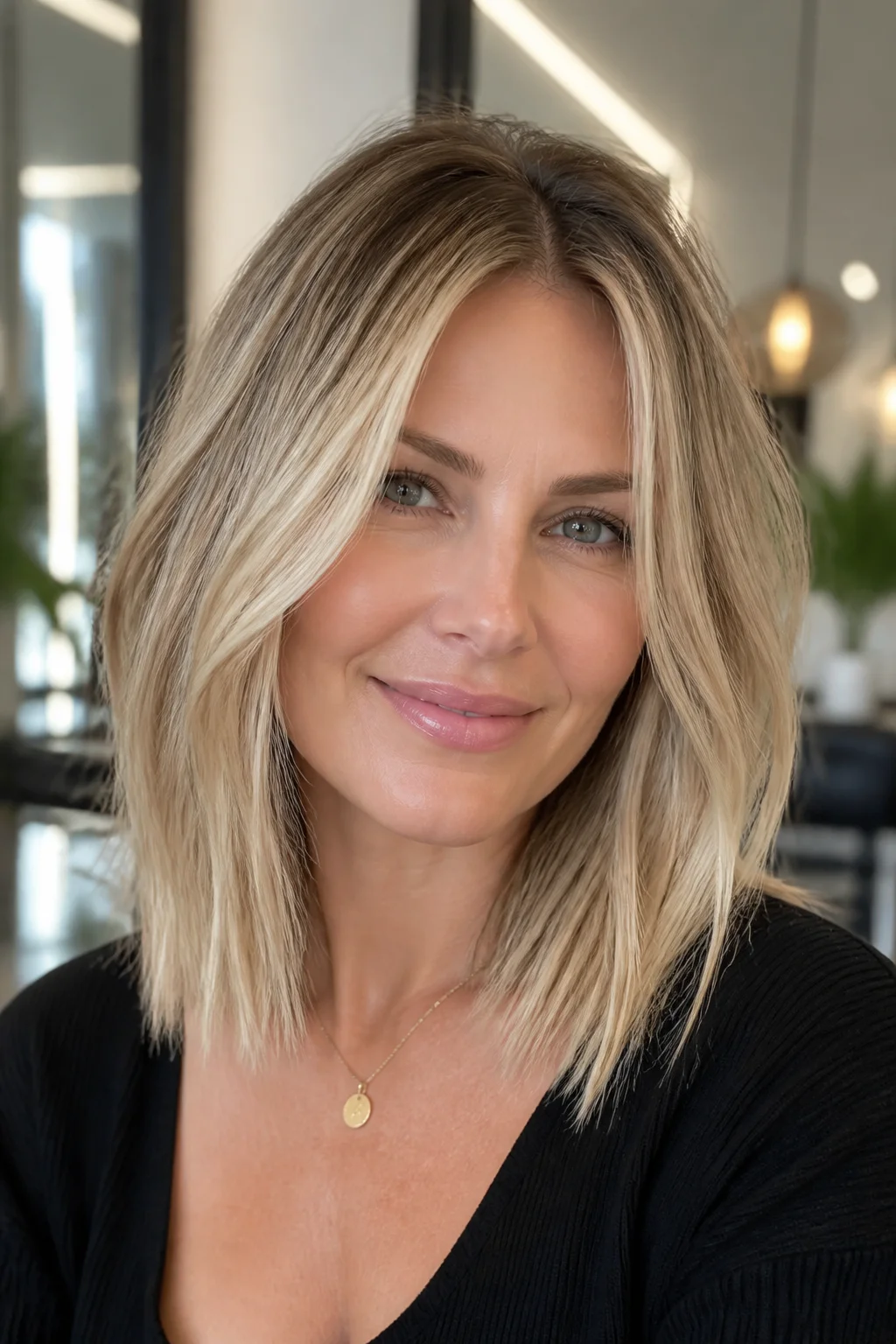
Not quite a bob and not quite long, this length sits right at or just past the shoulders. It’s a strong option if you want a change but aren’t ready to commit to true short hair. Layers can be added or left out depending on how thick your hair is.
Long Curtain Bangs
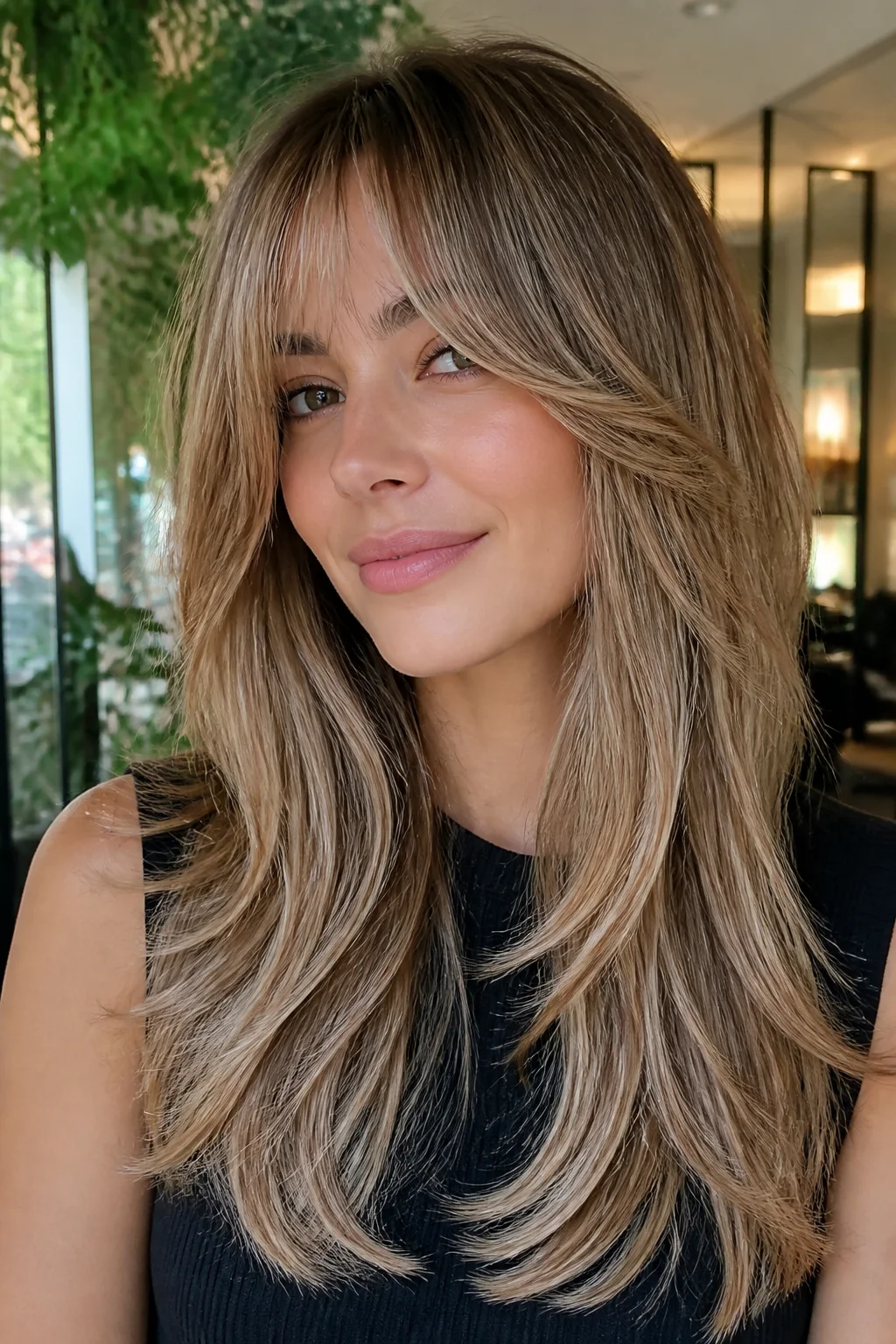
Curtain bangs part in the middle and sweep back on both sides, blending into the rest of the length instead of standing apart from it. They soften the forehead and work on nearly every face shape, which is part of why they’ve stayed popular for so long. Growing them out is easier than growing out a full fringe since they’re already long enough to tuck behind your ears on a bad hair day.
Long Straight and Sleek
Poker-straight hair with no layers and a glassy finish looks polished with almost no effort once it’s cut right. This works best on naturally straight or only slightly wavy hair, since curly hair needs a flat iron every single time to hold this shape. Ask for the ends to be cut blunt or only very slightly rounded to keep that sleek look intact.
Long Curly and Textured
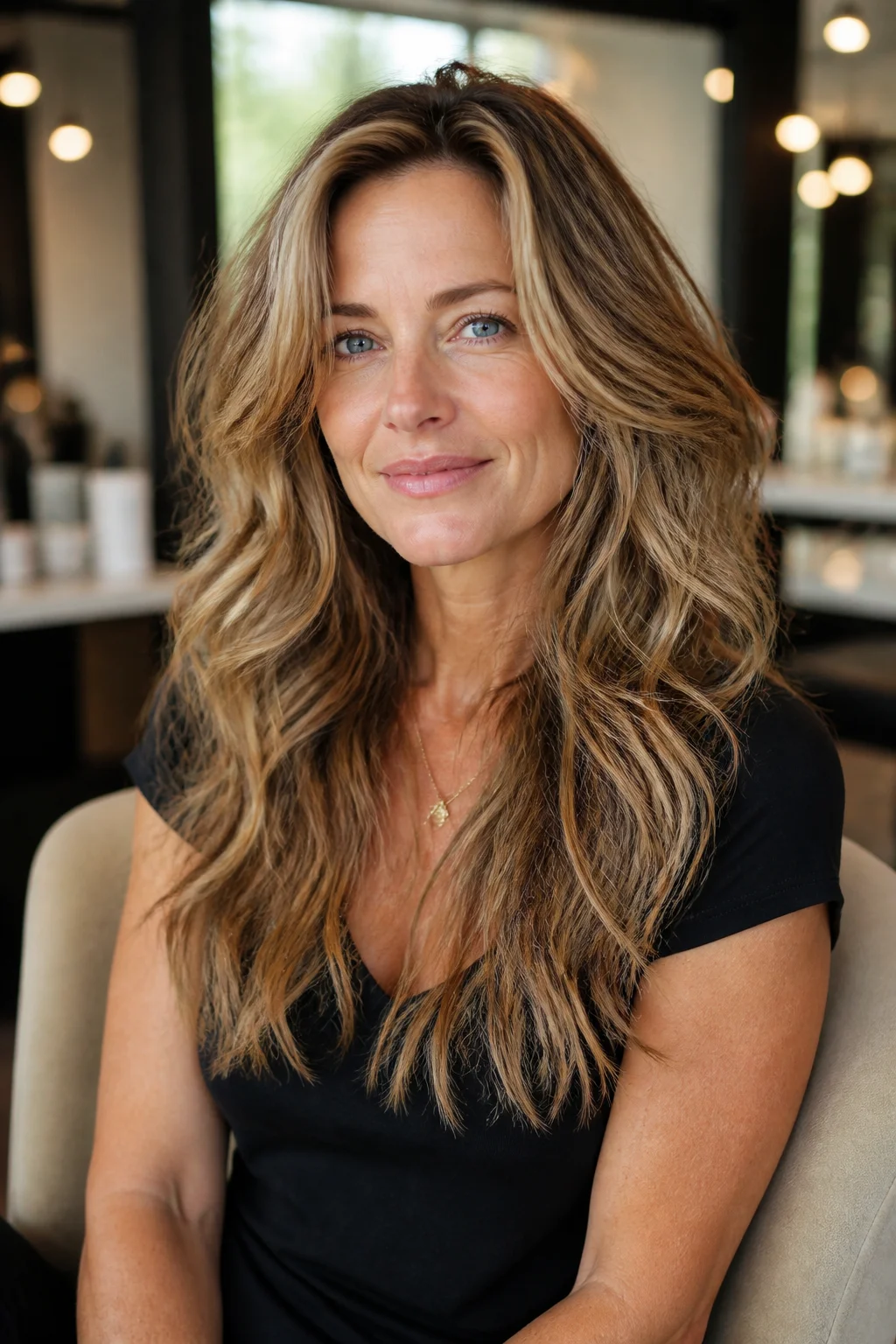
Curly hair cut for length needs a different approach than straight hair. Layers are usually cut while the hair is dry and in its natural curl pattern, so the stylist can see exactly how each curl falls. This prevents the triangle shape that happens when curly hair is cut too blunt at the bottom. Long curls carry a lot of natural volume already, so most people don’t need heavy layering all through the length, just enough to keep the ends from clumping together. Curl-specific cutting techniques have made this one of the more reliable options for anyone who has struggled with bad curly haircuts in the past.
Long Wavy Beachy Cut
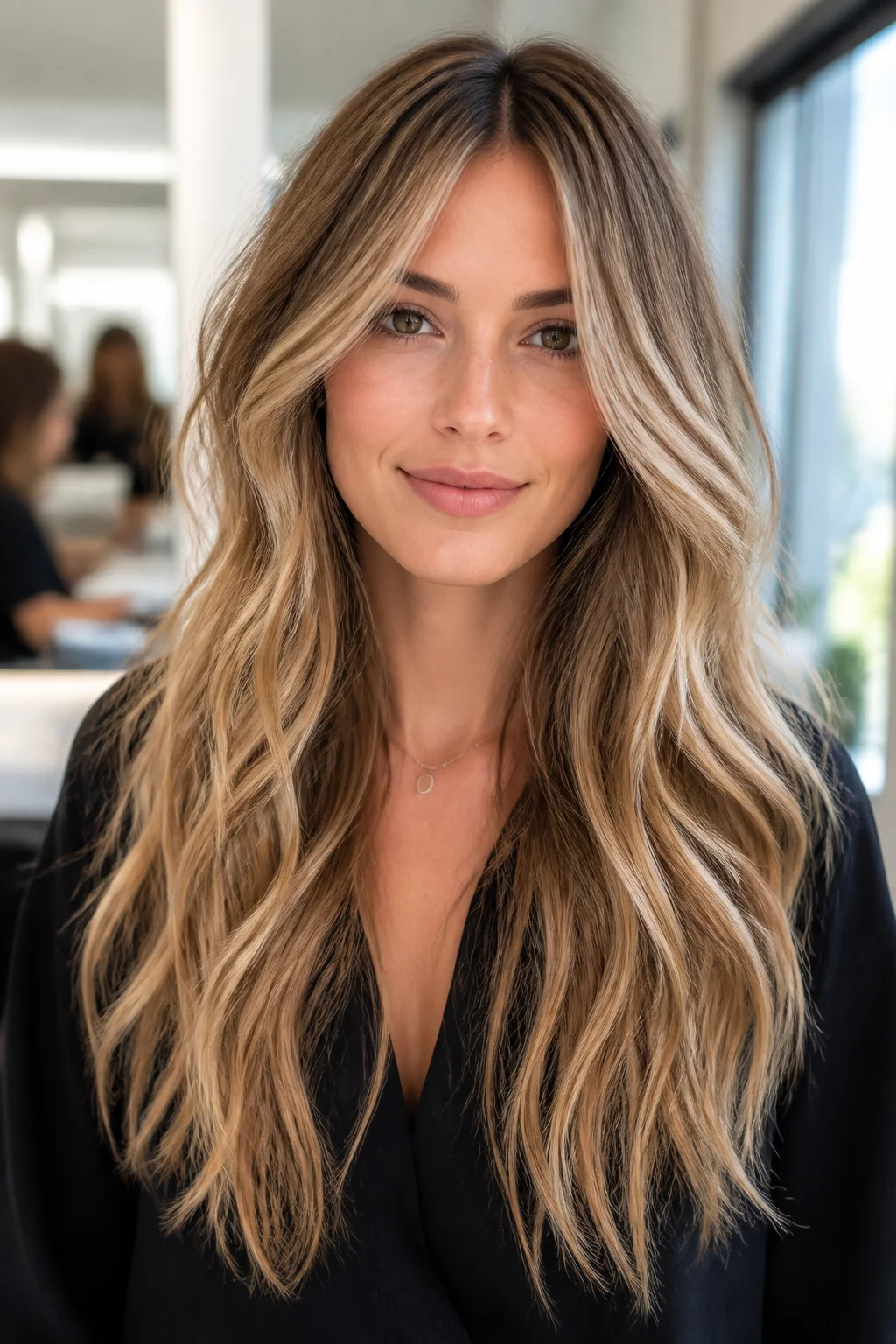
Soft layers combined with natural or styled waves give this cut its relaxed, just-back-from-vacation feel. Texturizing spray and a loose curl with a wand keep the waves looking undone rather than curled. It suits almost any hair type, though fine hair may need a lightweight sea salt spray to hold the wave through the day.
Long Choppy Layers
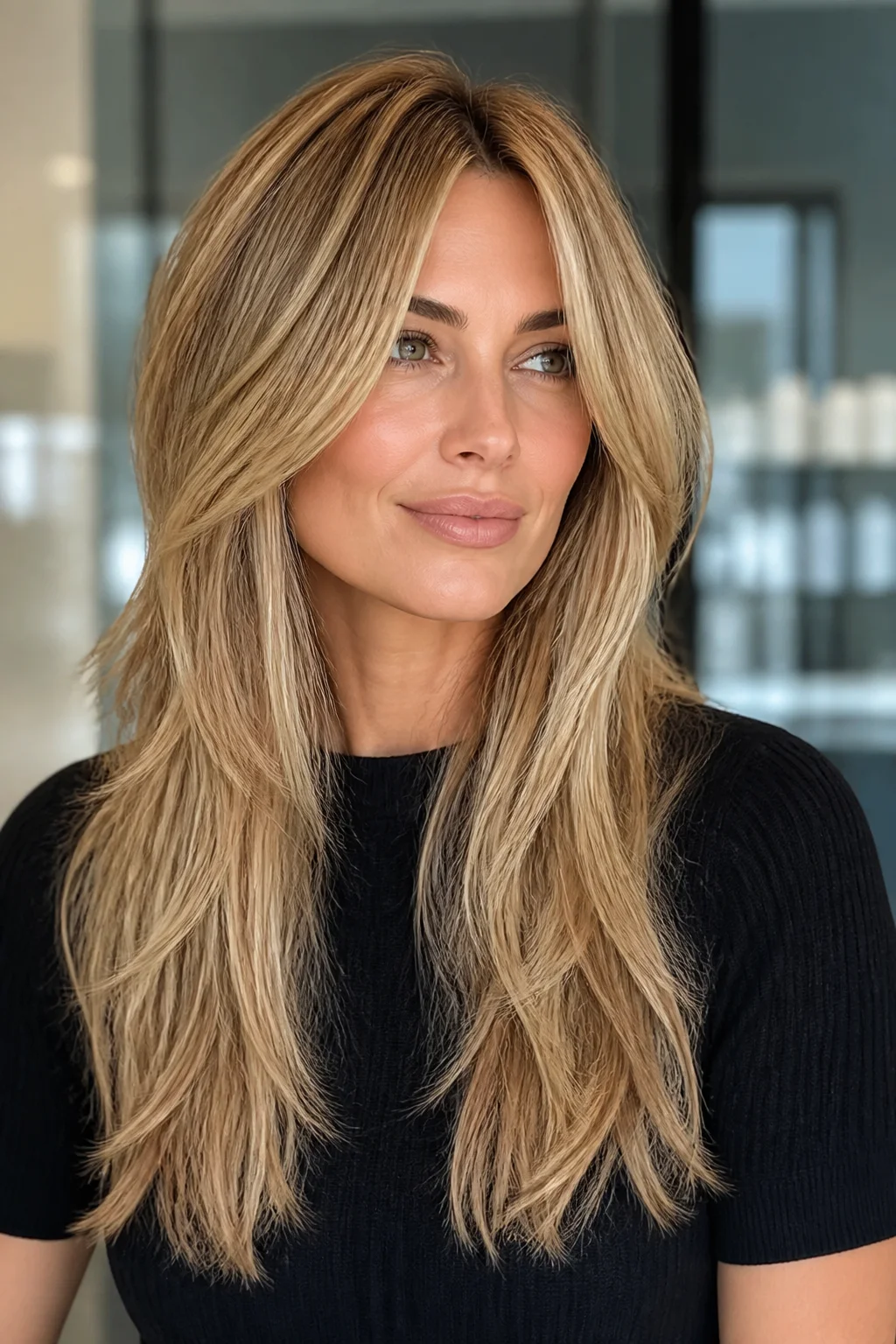
Choppy layers are cut with a razor or deep point-cutting shears to remove chunks of weight rather than smoothing everything evenly. The result looks rougher and more textured than standard layers, almost like the ends were cut in a hurry on purpose. Thick hair benefits most from this since it needs the weight removed to move at all.
Long A-Line Haircut
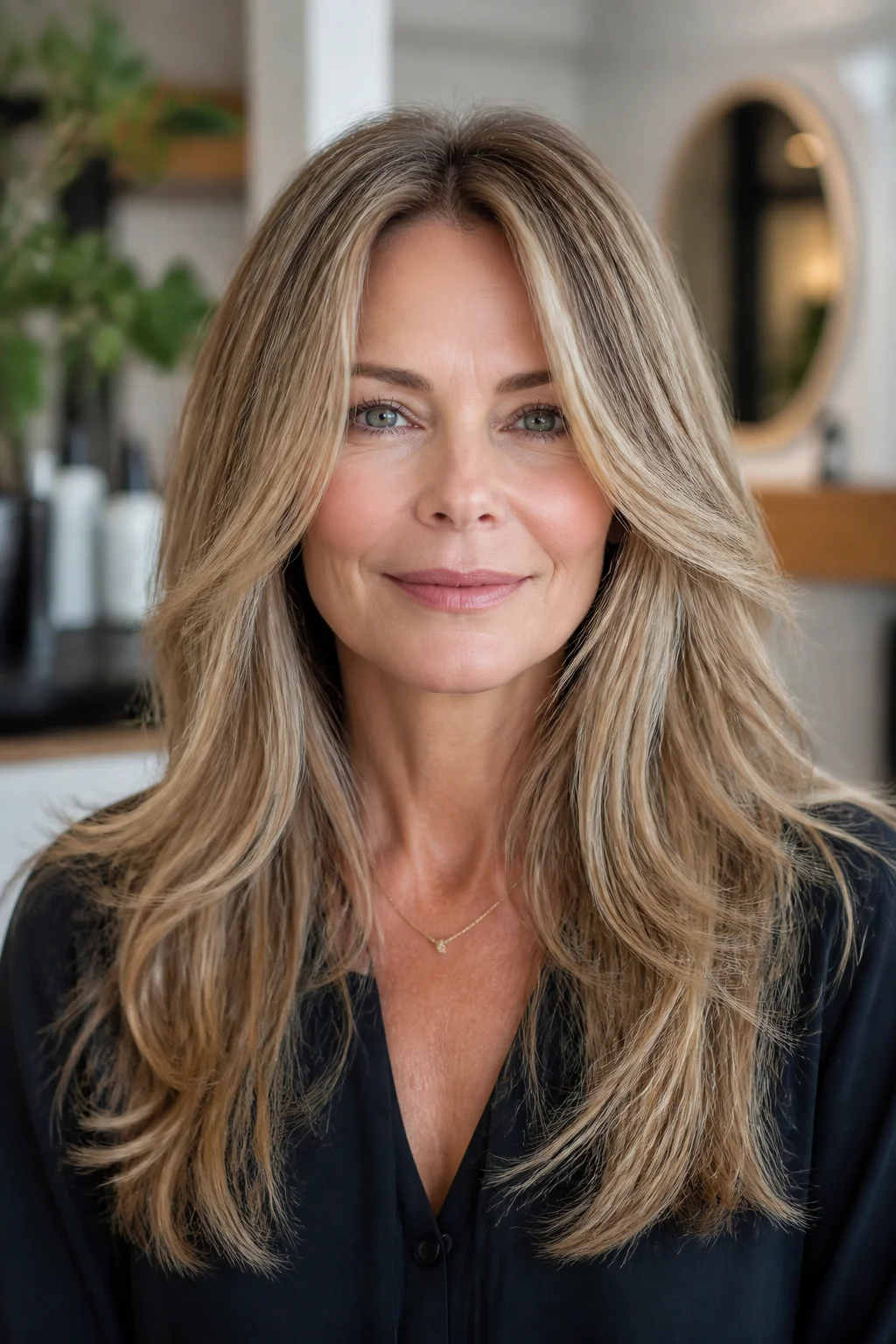
An A-line cut is shorter in the front and longer in the back, creating an angled line instead of one even length. On long hair this usually means the front pieces hit around the collarbone while the back stays well past the shoulders. It’s a strong choice if you want your face to look more framed without losing overall length.
Long Feathered Layers
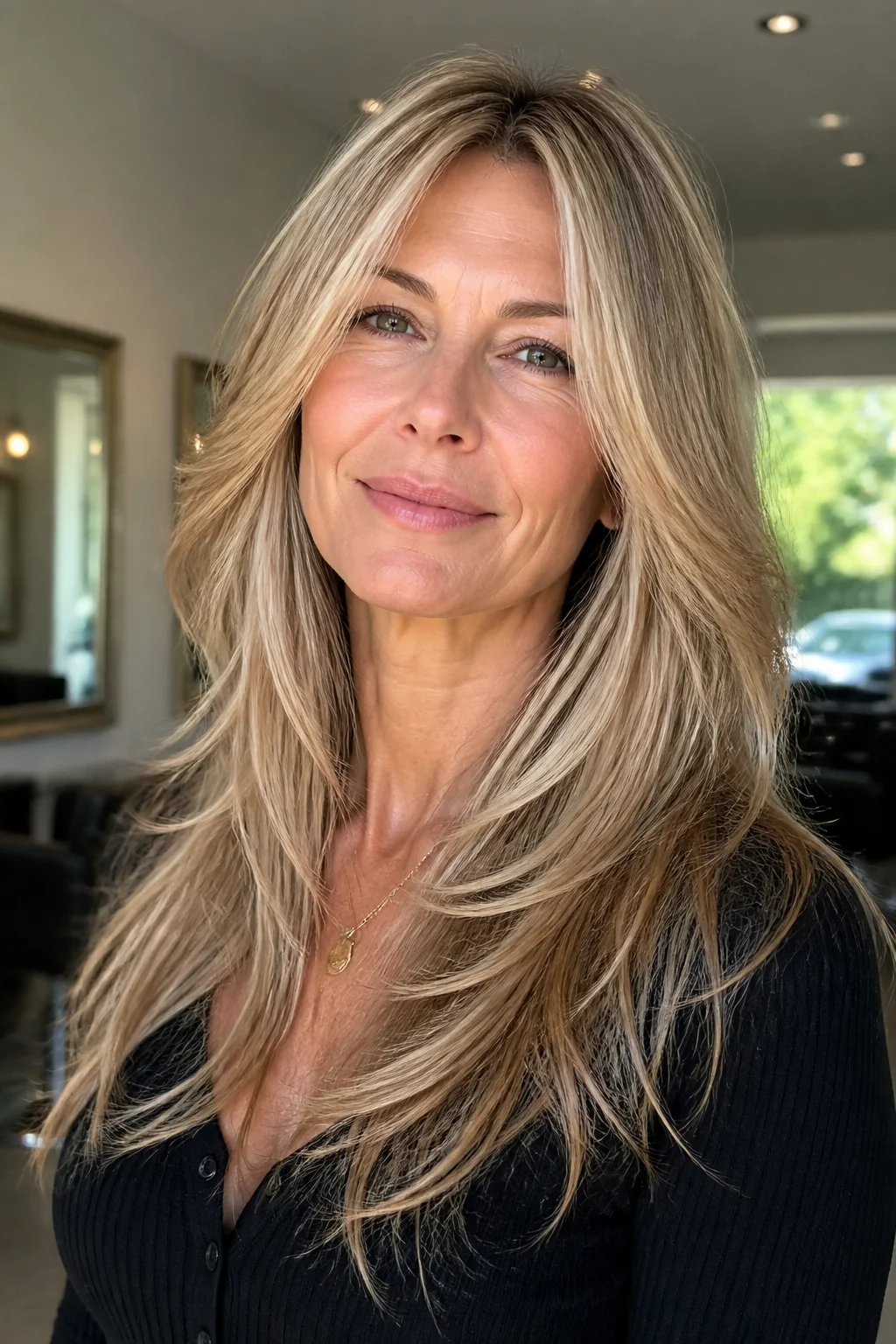
Feathered layers flick outward at the ends instead of lying flat, giving the whole style a lighter, softer finish. This cut was everywhere in past decades and it’s come back with a slightly modern update, usually with less rounding and more texture at the tips. A round brush and a blow dryer bring out the feathering best. Flat ironing will flatten the flick, so this one really depends on you keeping up with the blow-dry routine.
Long One-Length with Bangs
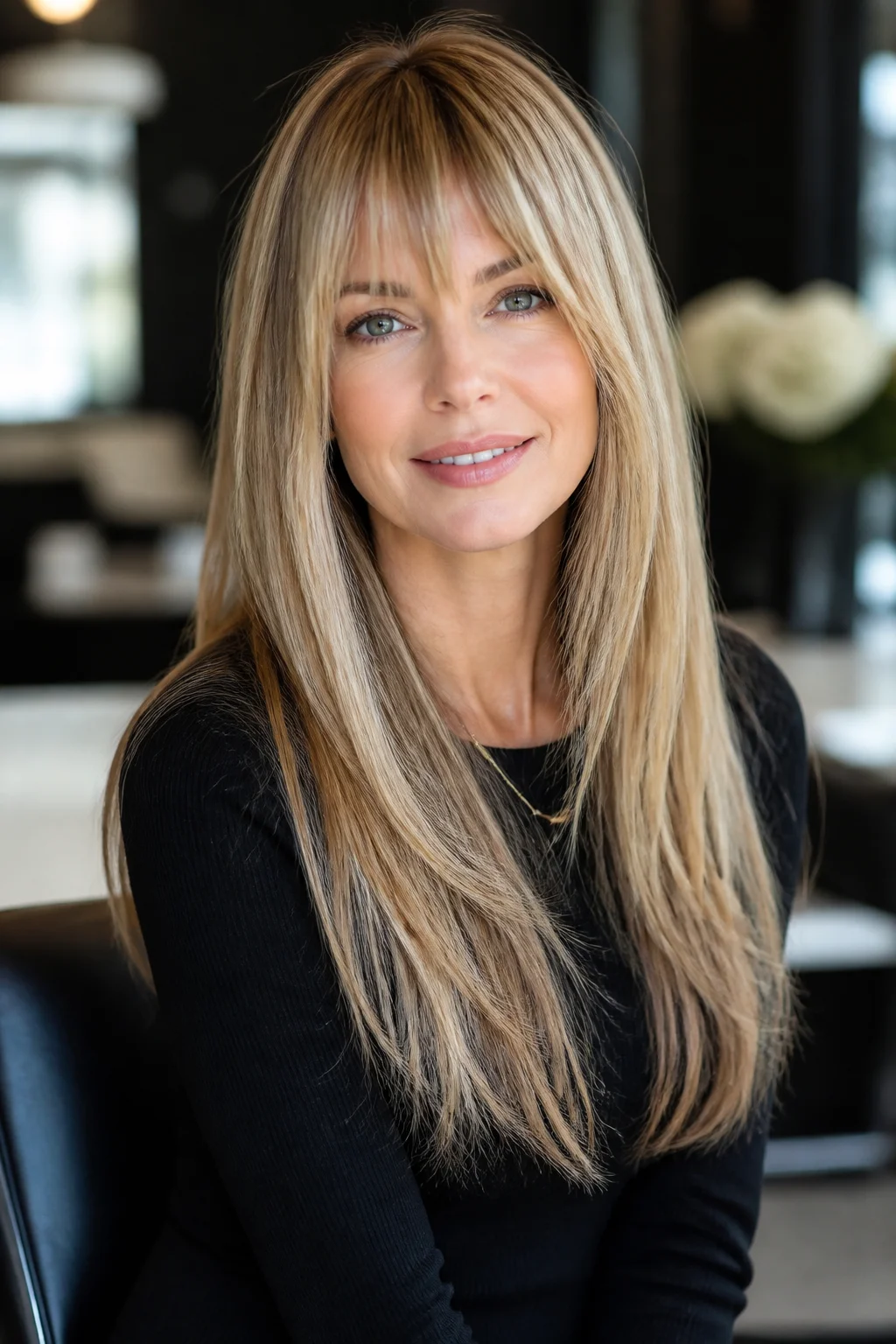
Keeping the length at one solid line but adding full or long bangs changes the whole shape of the face without touching the back or sides. Bangs need regular trims to stay at the length you want, usually every three to four weeks, so this is a higher-maintenance choice than it first looks. The payoff is a dramatic change with almost none of your length sacrificed.
Long Ombre or Balayage Layers
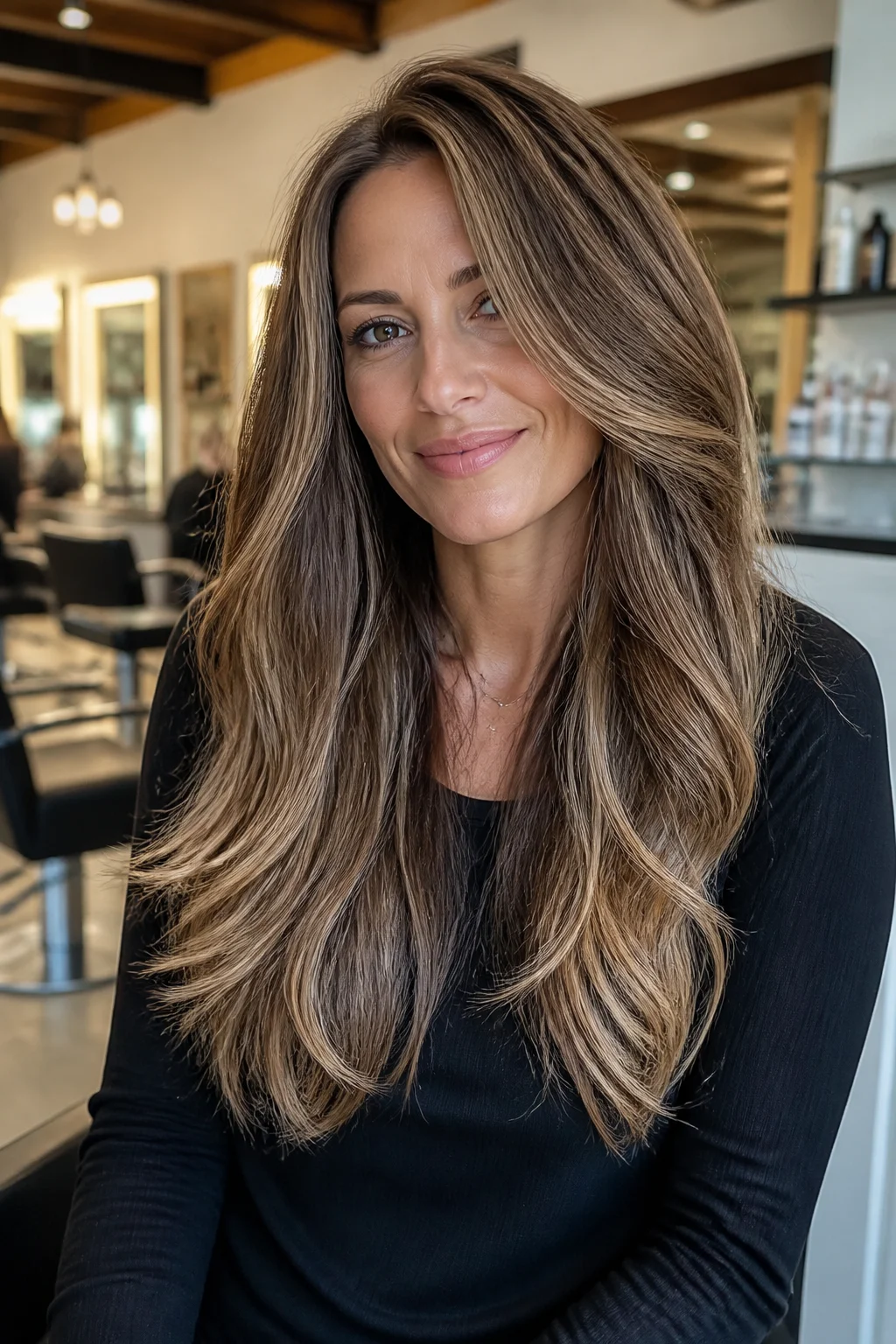
Color does a lot of the work here, with layers cut to show off the gradient from darker roots to lighter ends. Balayage in particular looks better with some layering since the hand-painted color needs movement to catch the light properly. Flat, one-length hair with balayage can look a little muddy in the middle, so most colorists recommend at least soft layers alongside this color technique.
Long Flowing Mermaid Cut
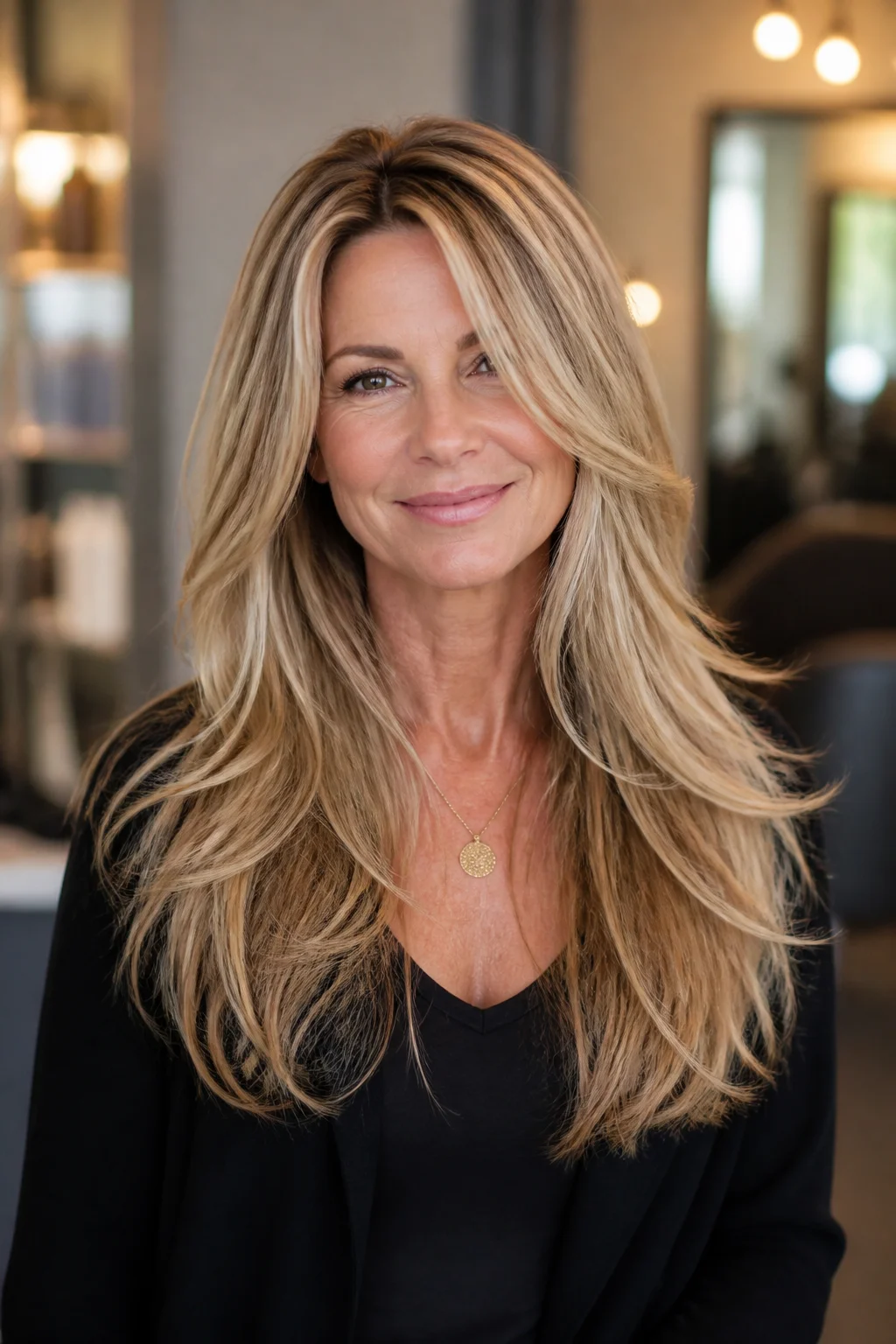
This cut keeps maximum length and only the lightest layering, mostly just enough to prevent split ends and blunt bulk at the bottom. It suits hair that’s already healthy and grows fast, since any real damage will show at these lengths. Deep conditioning becomes part of the deal if you want this look to actually hold up.
Long Textured Pixie-to-Long Grow-Out
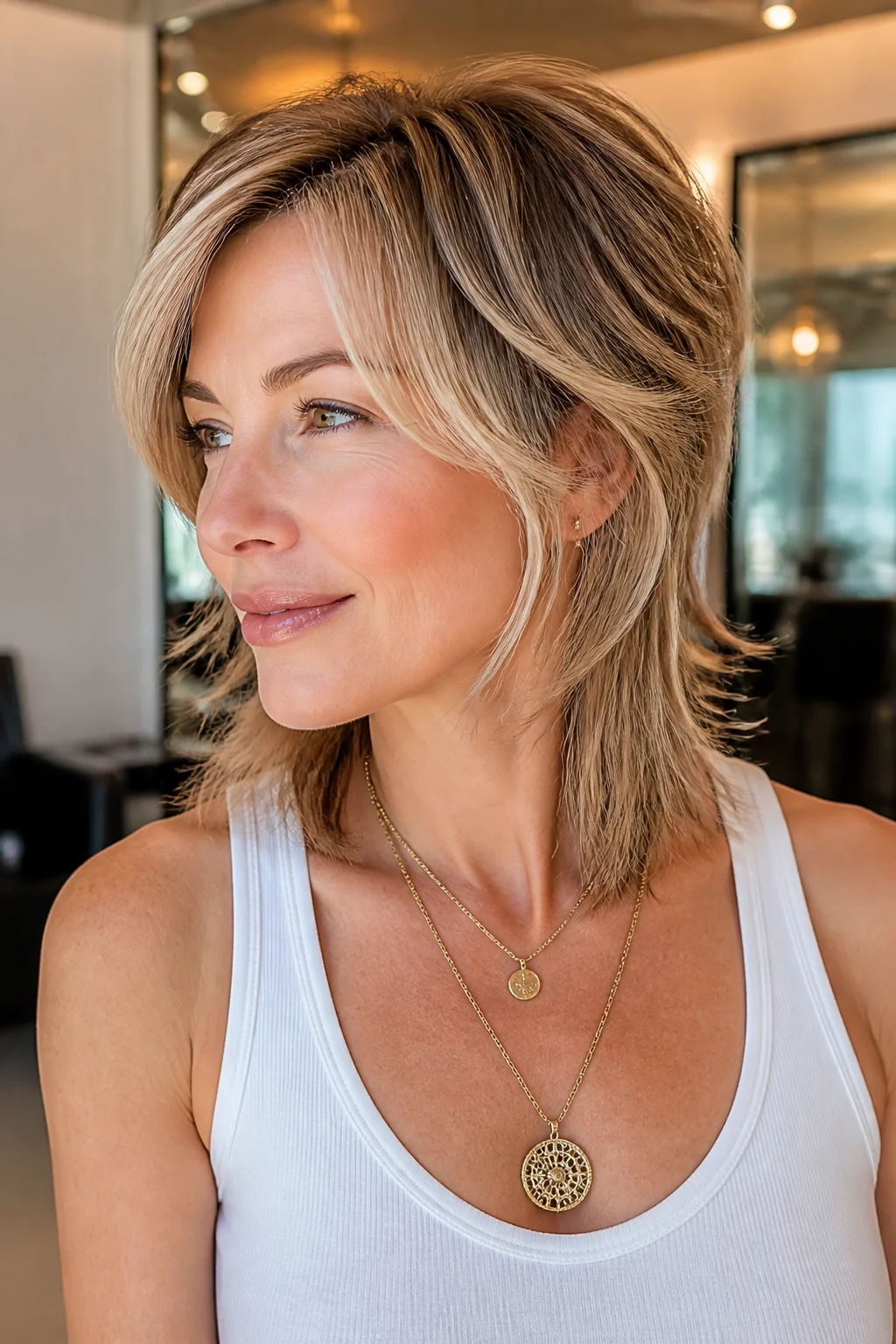
Growing out a pixie into long hair is a real commitment, and this style names the awkward middle stretch rather than pretending it doesn’t exist. Layers cut through the growing sections keep things from looking triangular or mullet-like while length builds up underneath. Curtain bangs or face-framing pieces often get added partway through to give the grow-out some shape while you wait it out. This stretch usually lasts a year or more depending on how fast your hair grows, so patience matters here more than any specific cutting technique.
Long Razor-Cut Layers
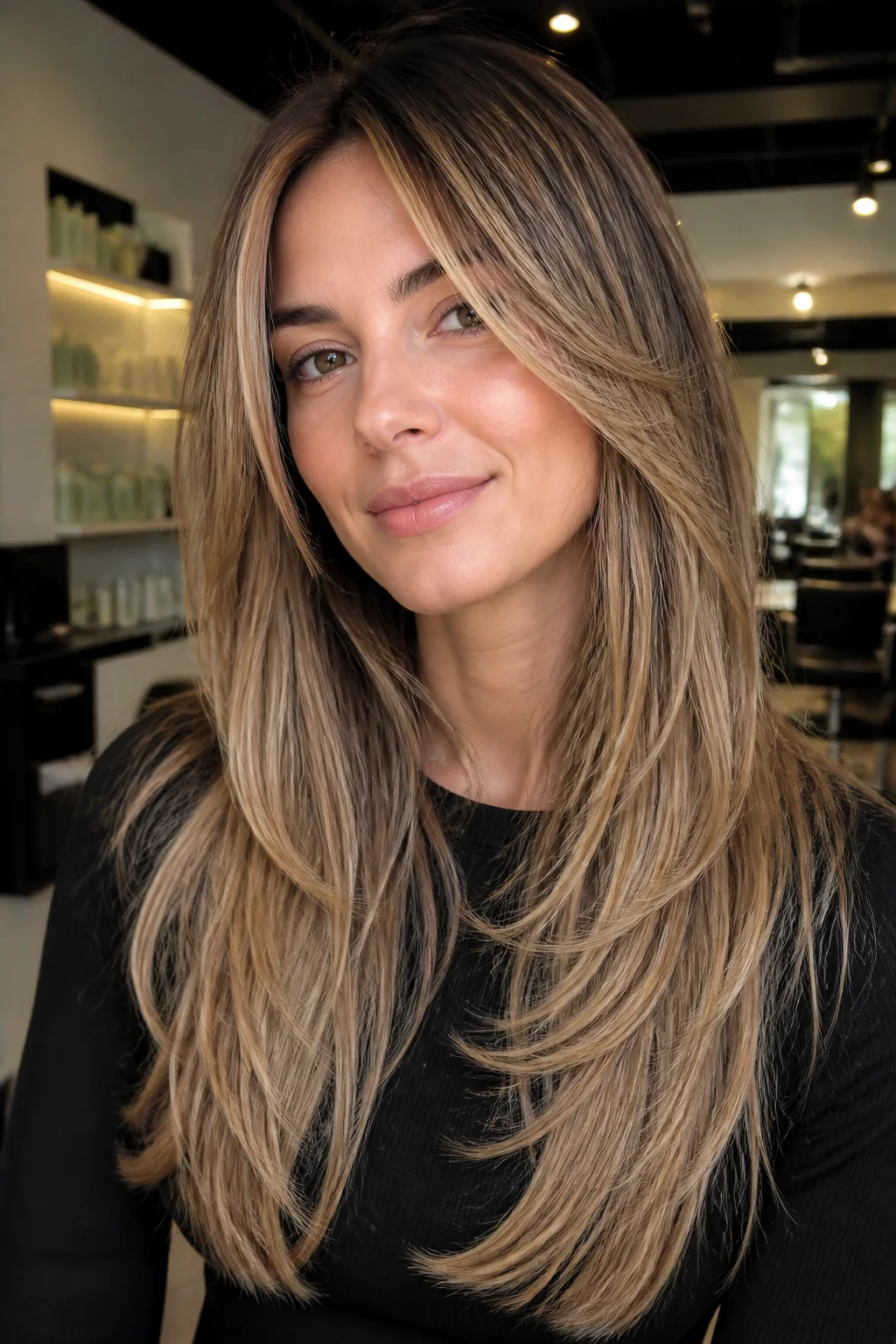
A razor removes hair at an angle instead of straight across, giving a softer, feathered edge than shears alone produce. This works well on thick, coarse hair that needs some weight taken out without losing length. Fine or damaged hair should skip this one, since razor cutting can weaken already fragile ends.
Long Thick and Blunt with Layers Inside
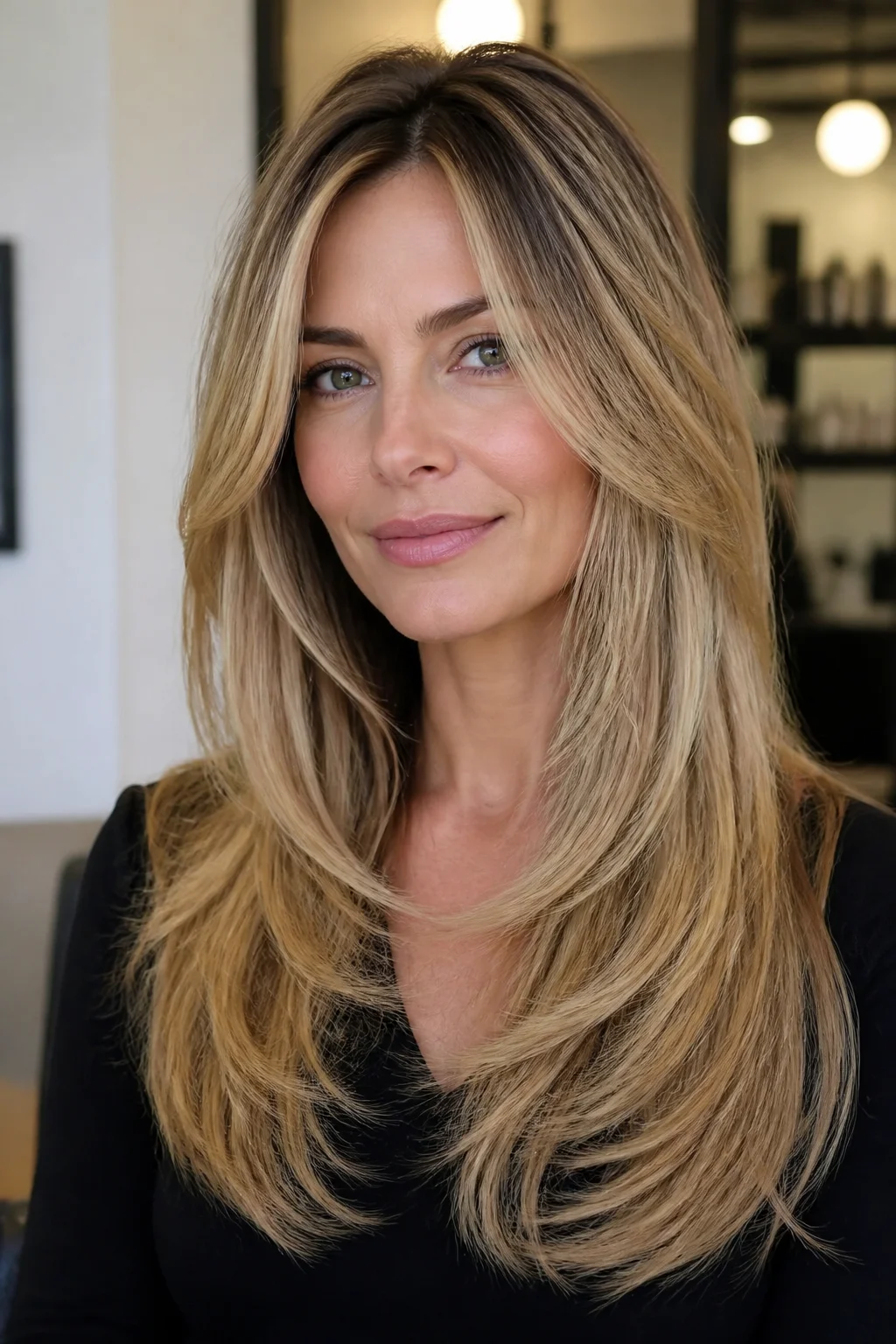
This is a hybrid approach where the outermost layer of hair stays blunt and heavy, but interior layers are cut shorter underneath to remove bulk. From the outside it looks like one solid blunt cut. Underneath, it’s actually much lighter and easier to move, which solves the “too thick to style” complaint a lot of people with dense hair run into.
Long Asymmetrical Cut
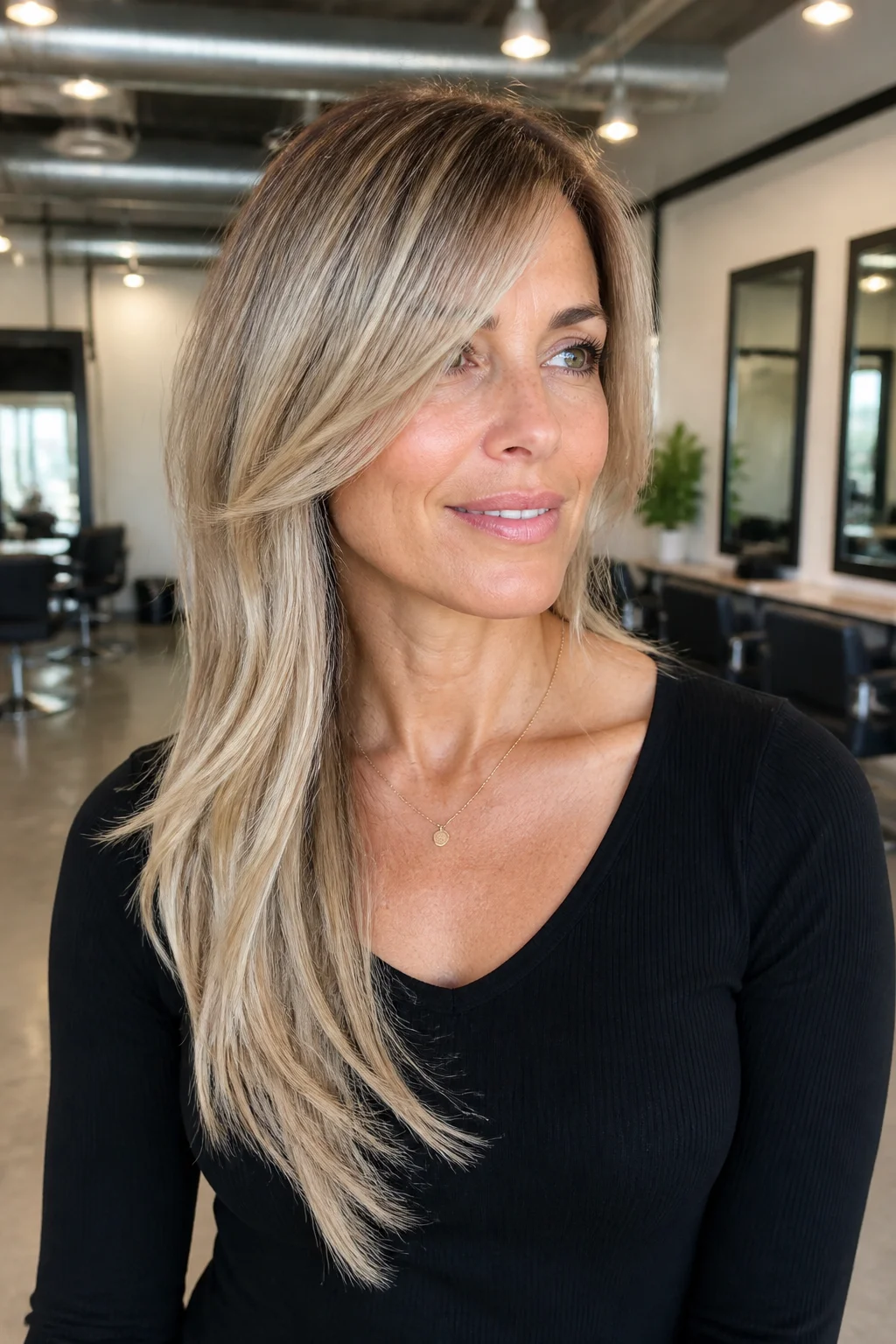
One side cut noticeably shorter or longer than the other gives this style its edge, and it works on straight or wavy hair better than very curly hair, where the asymmetry is harder to see. It’s a bolder choice, best for someone who already likes standing out a little with their hair.
Long Wispy Layers for Fine Hair
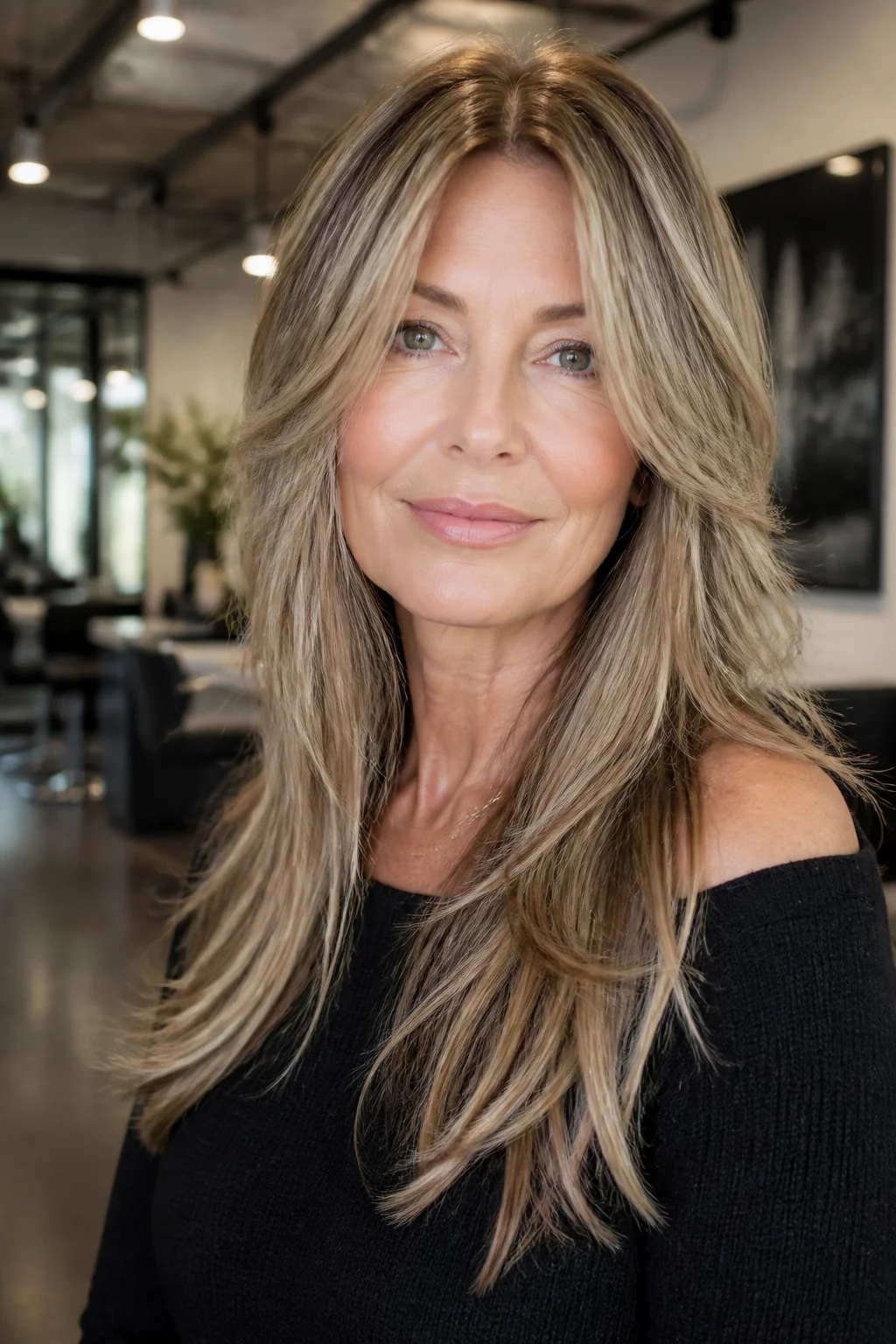
Fine hair needs layers that start lower on the head, since layers cut too close to the crown will thin out already-thin hair even more. Wispy layers are cut with a light hand and only at the ends, giving movement without stripping away density. This is one of the better options for anyone whose fine hair goes flat by midday.
Long Heavily Layered and Choppy
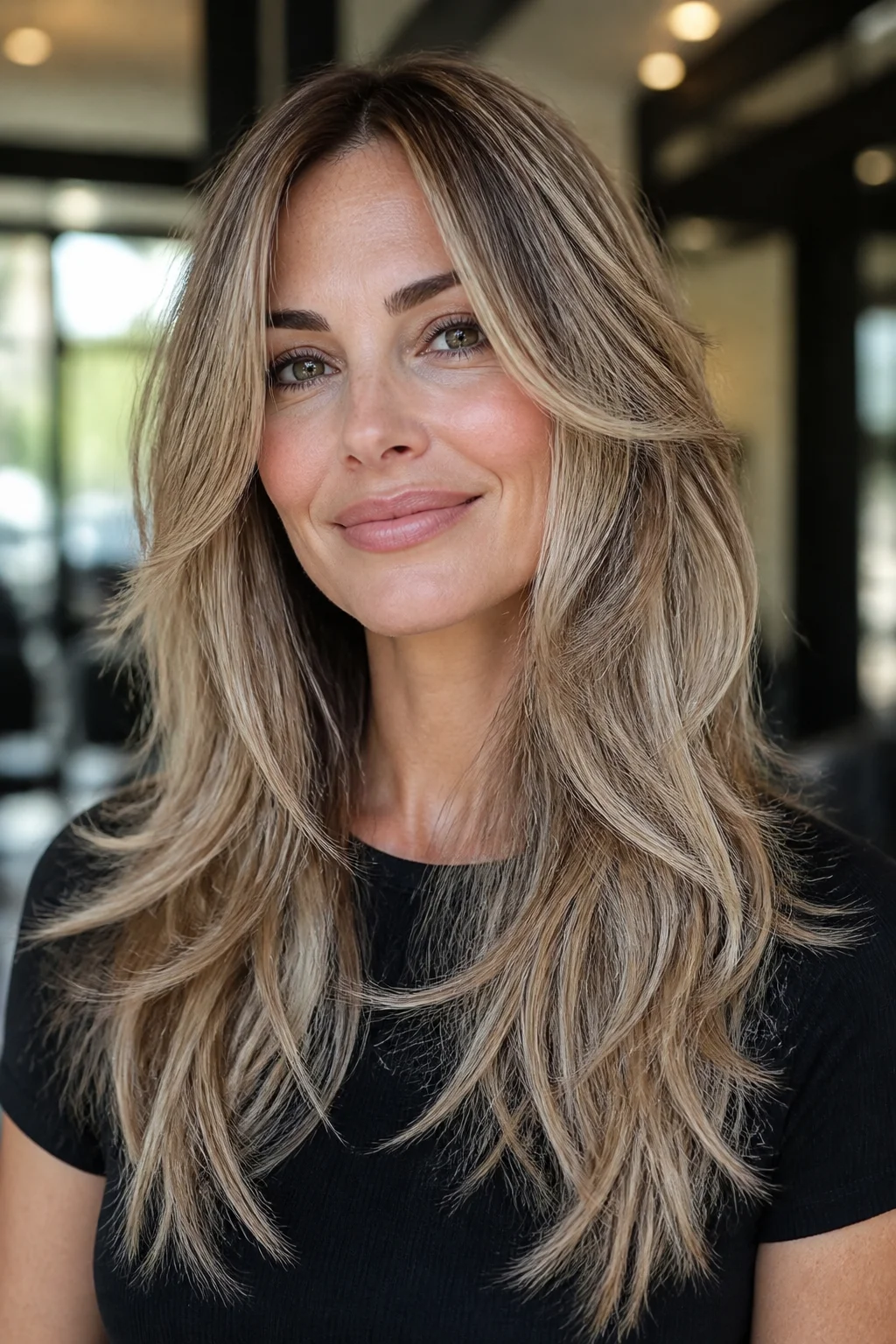
This is the most dramatic layering on the list, with shorter pieces cut in throughout the whole head rather than just at the ends. It gives serious movement and works best on thick or curly hair that can handle the lost weight without looking sparse. Fine hair usually can’t support this much layering and will look thin and stringy instead of textured.
Long Blunt with Interior Layers
Similar to the thick-and-blunt version but with more aggressive interior layering, this cut hides real texture and movement underneath a clean, straight-across bottom line. It gives you the best of both worlds, a polished look from the outside and easier styling underneath. Ask your stylist to keep the outermost layer at least two inches longer than the interior cuts so the blunt line stays intact.
Which One Should You Actually Pick?
If you want low maintenance and you brush your hair and go, skip anything with heavy layering or bangs and look at the classic blunt long cut or the long flowing mermaid cut instead. Both rely on healthy ends rather than daily styling. If your hair is thick and hard to manage, the long thick and blunt with layers inside or the long blunt with interior layers will solve that problem without sacrificing the look of density from the outside.
For curly or wavy texture, stick with cuts built around your natural pattern, like the long curly and textured or the long wavy beachy cut. Forcing curly hair into a one-length blunt cut usually backfires into a triangle shape nobody wants. Fine hair should avoid the long heavily layered and choppy style entirely and lean toward the long wispy layers for fine hair instead, since too much layering on thin hair reads as sparse rather than textured.
A common mistake is choosing the long shag haircut or long feathered layers without accounting for the styling time they need. Both look effortless in photos but usually require a round brush or a curling iron to get there. Match the cut to your actual morning routine, not just the picture you’re holding up in the chair.