Straight hair over 40 can start to feel flat, heavy, or stuck in one shape no matter how much product you use. The fix usually isn’t a whole new color or a drastic chop. It’s layers, placed with intention so your hair moves instead of just hanging there. Layered straight hair hairstyles for women over 40 give you shape around the face, lighten up thick or fine strands, and bring back the bounce that gravity tends to take away with age. Below are 21 ways to work layers into straight hair, from subtle face-framing pieces to bold shag cuts. Some are low maintenance, some need a little styling time, and a few work best with specific face shapes or hair textures. Read through and find the one that matches how you actually want your mornings to go.
Textured Shoulder-Length Layers
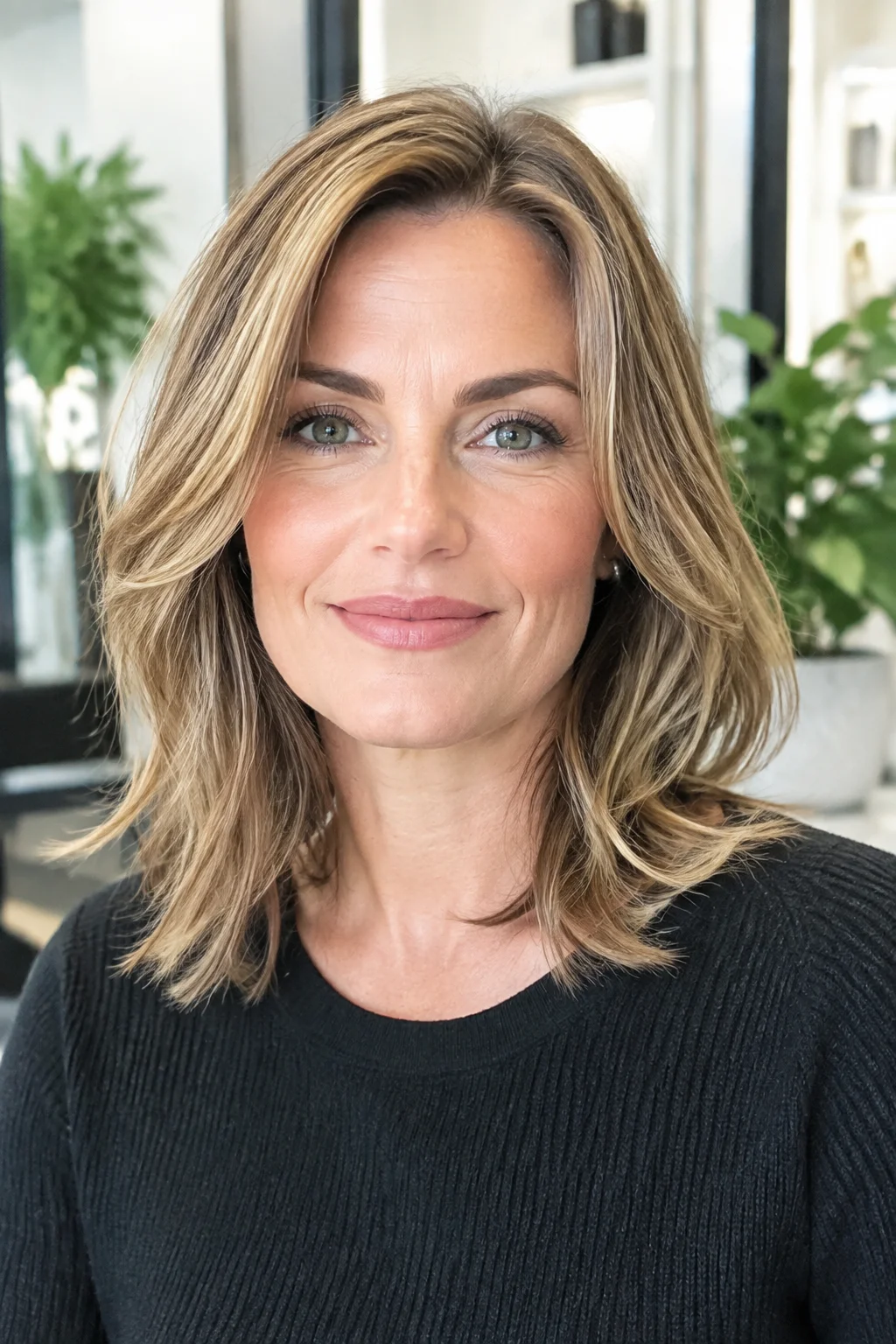
This length hits a sweet spot for straight hair because it’s long enough to pull back but short enough to swing when you walk. Layers cut through the ends stop the hair from sitting like a solid sheet and add soft texture without curls or waves. It works well on thick hair that tends to feel heavy at the shoulders. Ask your stylist for layers that start around the cheekbone so the movement shows up near your face first. Tip: request point-cutting on the ends instead of blunt cutting for a softer, less blocky finish. A light mist of heat protectant before styling helps the finish last.
Long Straight Layers with Face-Framing Pieces
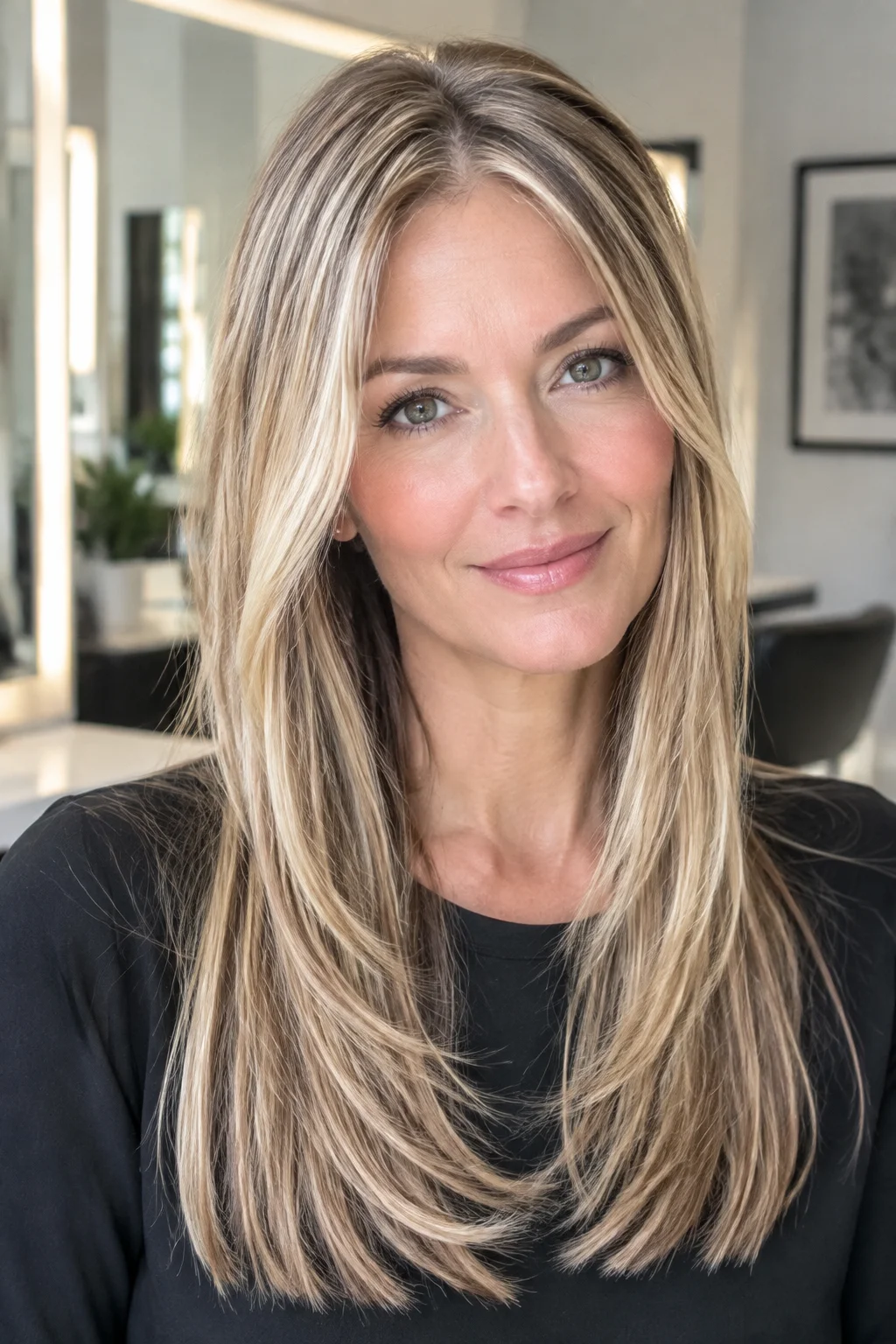
Long hair on its own can look one-dimensional once it passes a certain age, but adding face-framing layers changes that instantly. The shorter pieces around your cheeks catch the light and draw attention upward, which softens the whole look. This style keeps most of your length intact, so if you’ve spent years growing it out, you don’t lose much. It suits straight hair particularly well since there’s no curl pattern to hide the layer lines. Pair it with a light blowout for extra lift at the crown. A light mist of heat protectant before styling helps the finish last.
Blunt Lob with Graduated Internal Layers
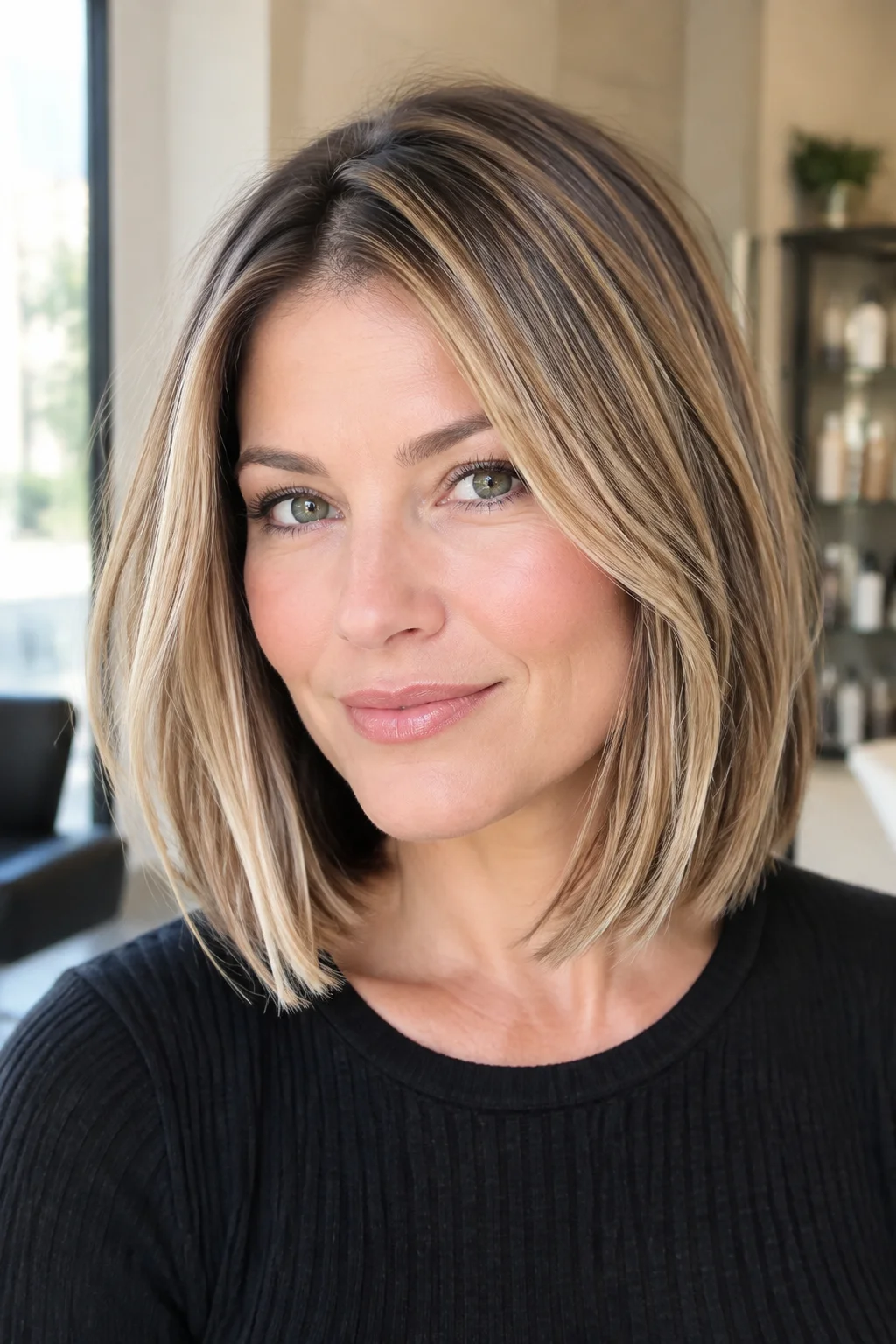
A blunt lob looks deceptively simple from the outside, but the internal layering is what keeps it from looking stiff. The outer layer stays blunt and heavy while shorter layers hidden underneath add body and prevent the classic “helmet” effect. This cut suits fine to medium hair that needs the illusion of density. It also grows out fairly gracefully since the blunt line at the bottom stays intact longer than the layers underneath.
Choppy Mid-Length Layers for Fine Hair
Fine straight hair often falls flat by midday, and choppy layers help fight that. The uneven cutting technique creates texture that doesn’t rely on thickness to look full. This style works especially well between the chin and shoulders, where too much length would drag the hair down again. Tip: ask for a razor or texturizing shears rather than scissors alone, since that technique roughs up the ends just enough to hold shape.
Razored Layers with Tapered Ends
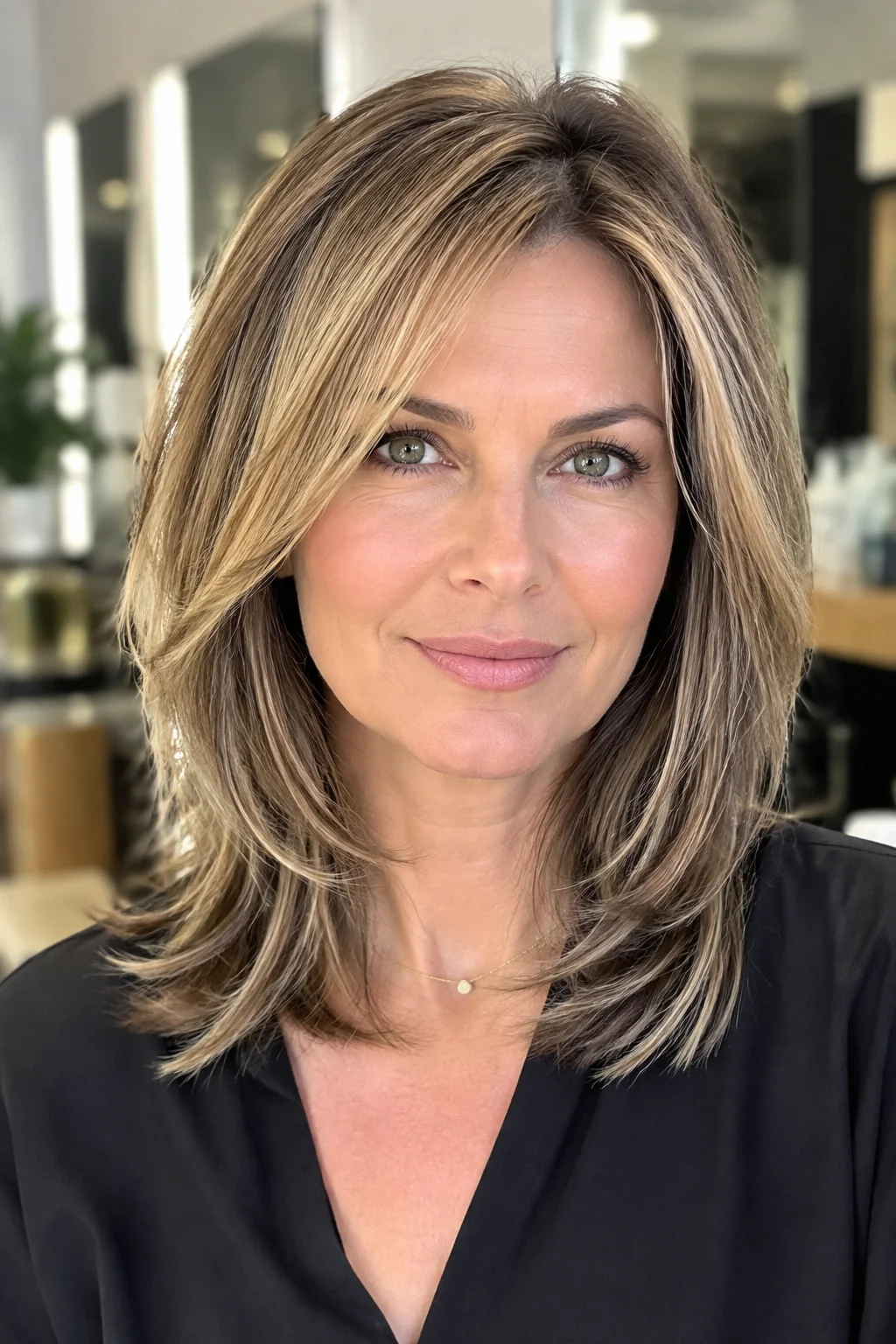
Razoring removes weight without removing length, which makes it a smart choice for straight hair that feels dense or hard to style. The tapered ends taper gradually instead of ending in a hard line, so the whole cut feels lighter to the touch. This works on almost any length, though it shows up best on mid-length to long hair where there’s more surface area for the taper to move. Hair with this kind of ending tends to fall into place on its own after a blowout, which cuts down on styling time.
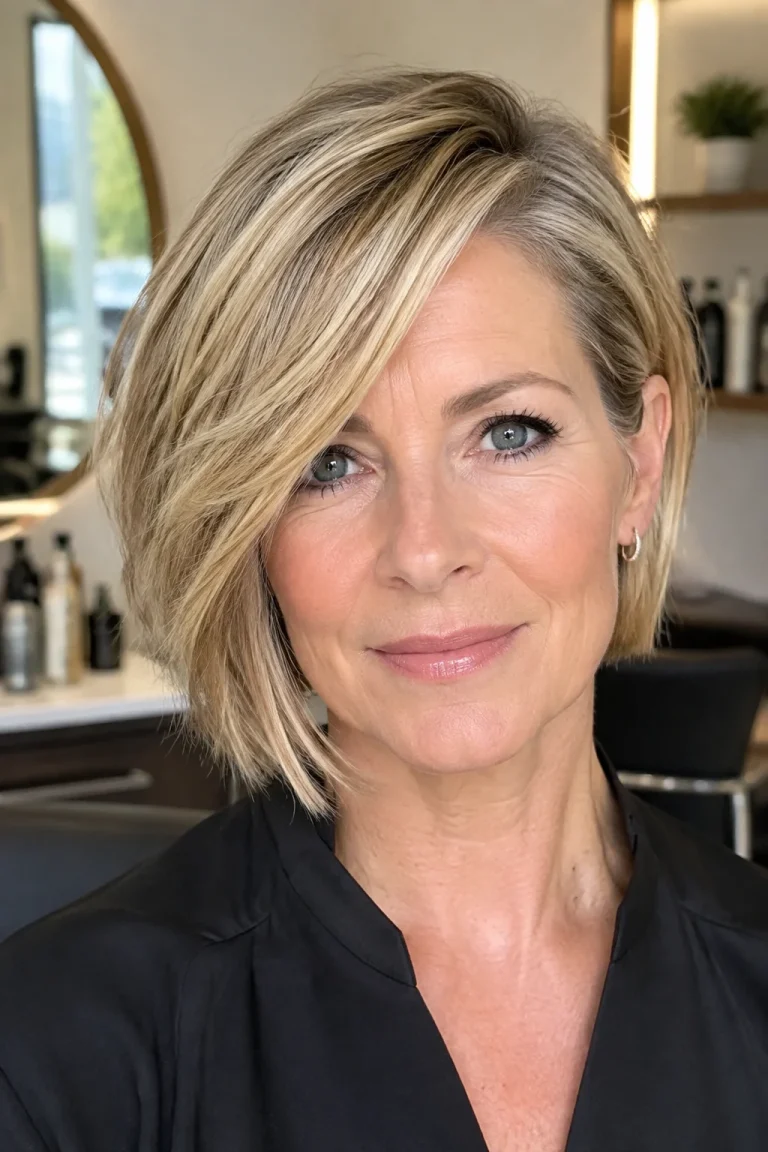
Side-Swept Layers Framing an Asymmetrical Cut
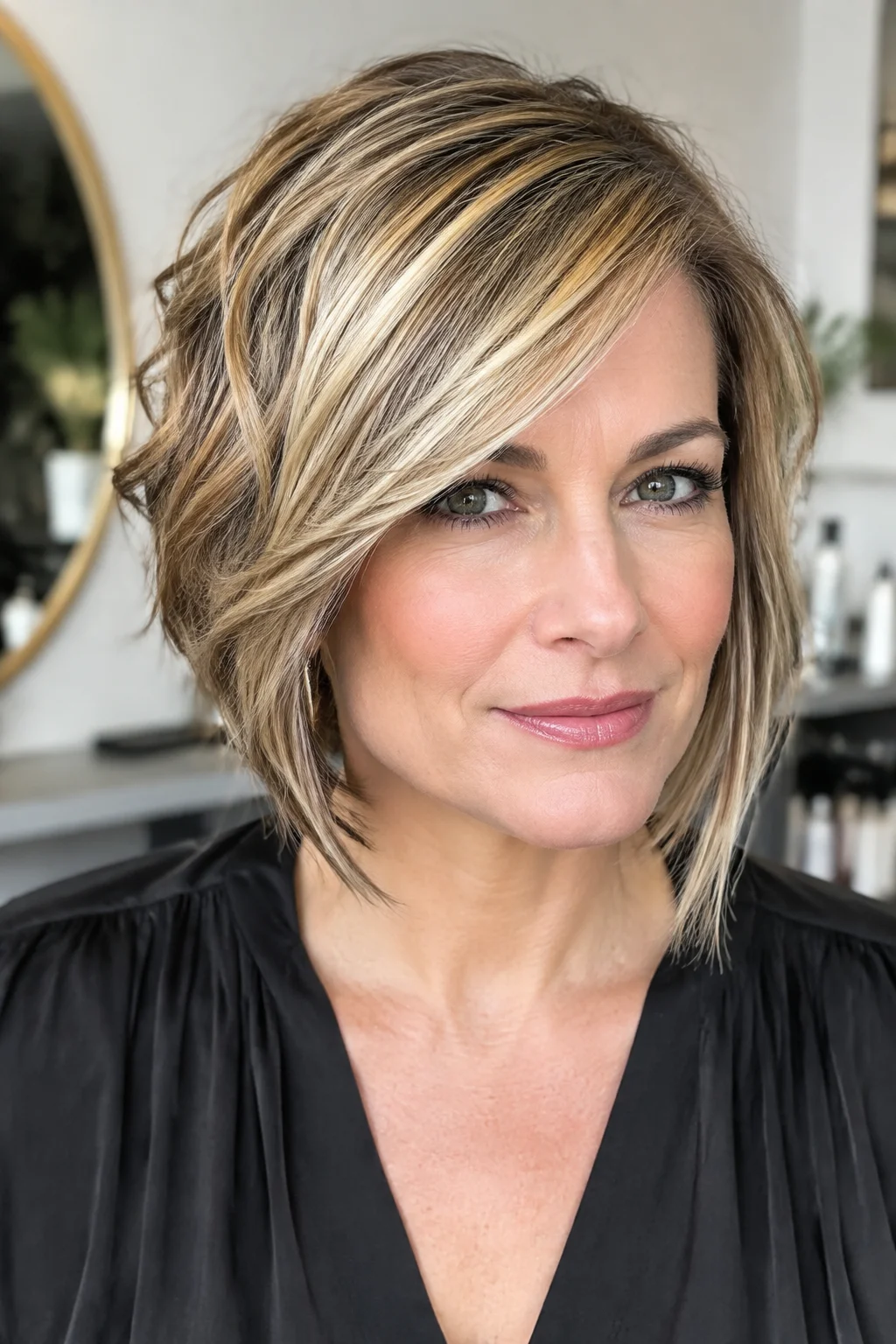
An asymmetrical base paired with side-swept layers gives straight hair a modern edge without going short or bold in color. The uneven lengths create visual interest even when the hair is styled simply straight and smooth. This suits women who want something a little different from a standard even cut but aren’t ready for anything too dramatic. It flatters most face shapes since the sweep can be adjusted to fall wherever it balances your features best.
Feathered Layers Throughout Waist-Length Hair
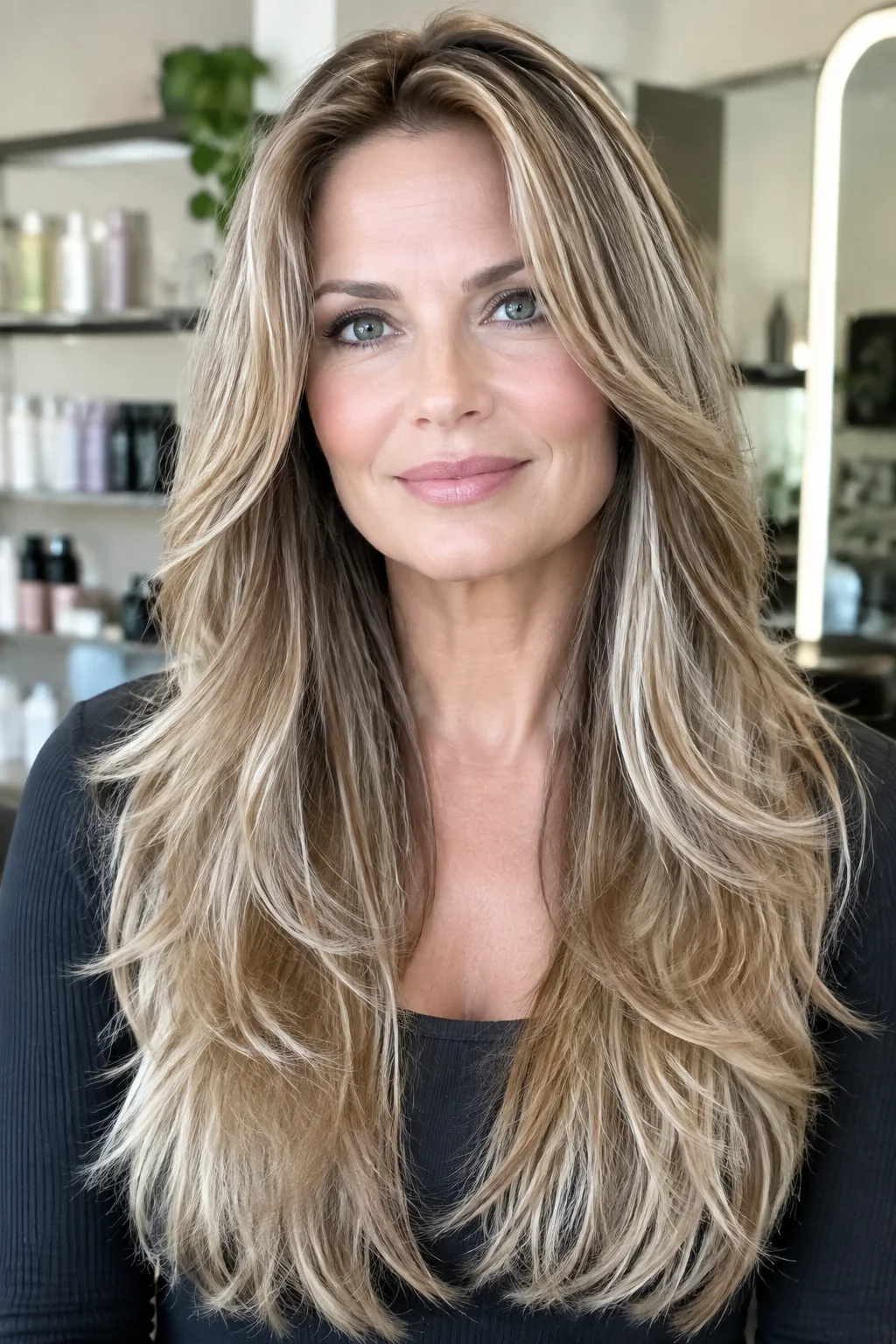
Waist-length straight hair can start to look thin at the ends no matter how healthy it actually is, simply because there’s so much length for the eye to travel down. Feathered layers cut throughout the length break that up and add the appearance of thickness where it matters most. This technique keeps the overall length dramatic while making the hair feel lighter to wear and easier to manage day to day. It’s a good option if you’ve committed to growing your hair out for years and don’t want to sacrifice the length for movement.
Shaggy Layers for Straight Hair Over 40
The shag has come back in a big way, and it happens to be one of the most flattering layered straight hair hairstyles for women over 40 who want a look that feels current. Heavy layering throughout the crown and sides creates volume without curling irons or thick styling products. The choppy, undone finish also hides some of the flatness that fine or thinning hair can show. This cut pairs naturally with curtain bangs, though it holds up fine without them too.
Stacked Layers at Crown with Length Below
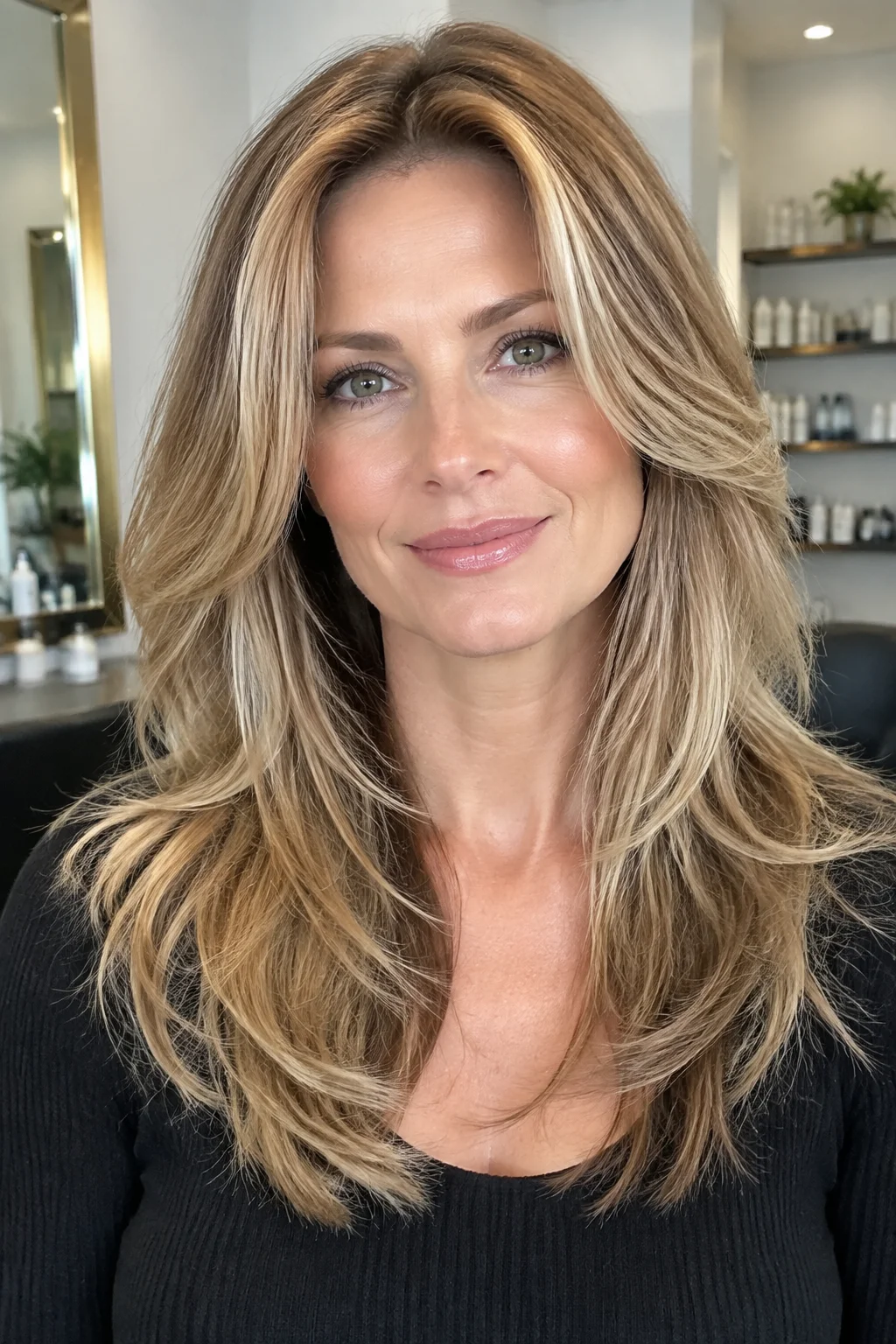
Stacking layers at the crown while leaving the length below untouched builds height right where straight hair usually falls flat first. This works especially well for women noticing thinner hair near the roots, since the stacked layers create lift that lasts through the day. The length underneath stays smooth and simple, so the contrast between full crown and sleek ends looks intentional rather than uneven. Ask your stylist to concentrate the layering within the first three inches from your scalp for the best lift.
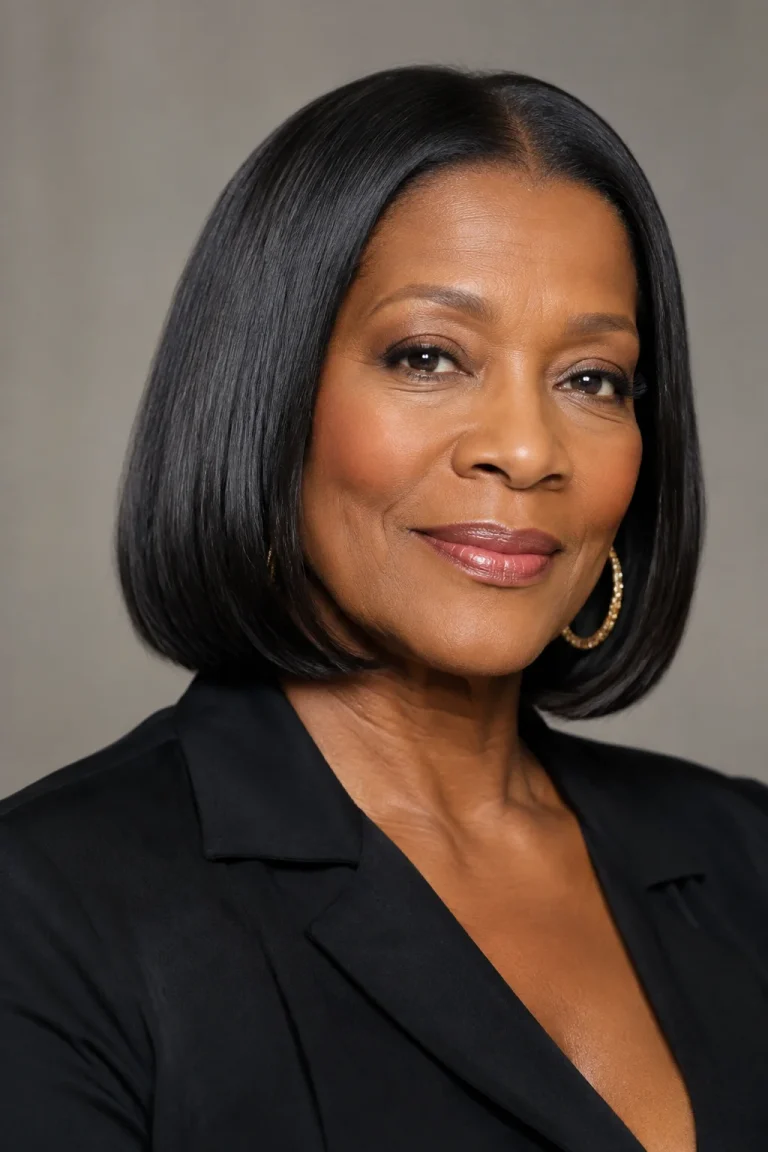
Sleek Straight Bob with Layered Texture
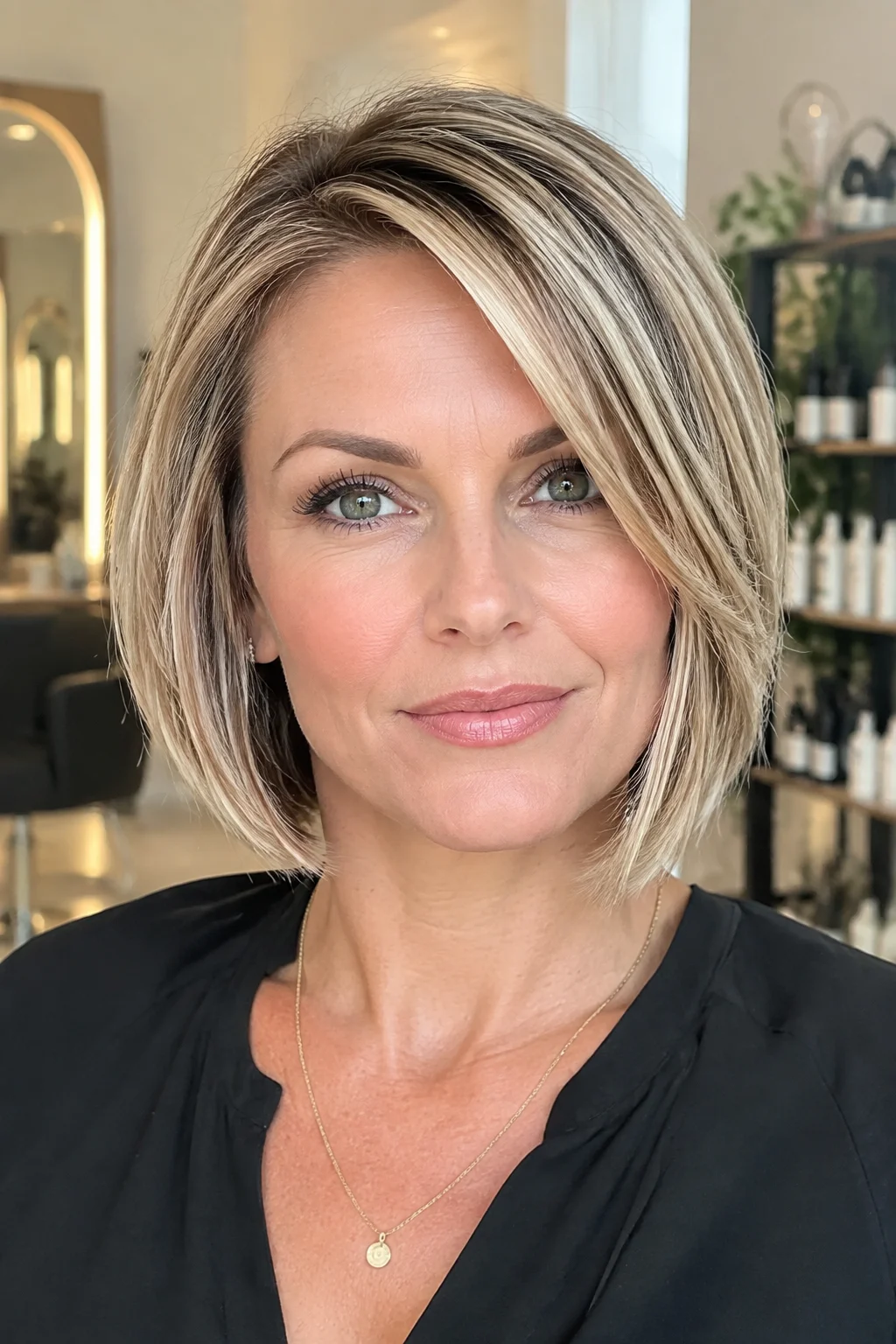
A bob doesn’t have to be one solid block of hair. Adding layered texture inside a sleek straight bob keeps the polished shape but gives it life when you run your fingers through it. This suits hair that’s naturally straight and doesn’t hold curl well, since the layers do the work that waves would otherwise do. It’s a low-fuss option for women who want short hair without losing all sense of movement.
Deep Side Part with Layered Angles
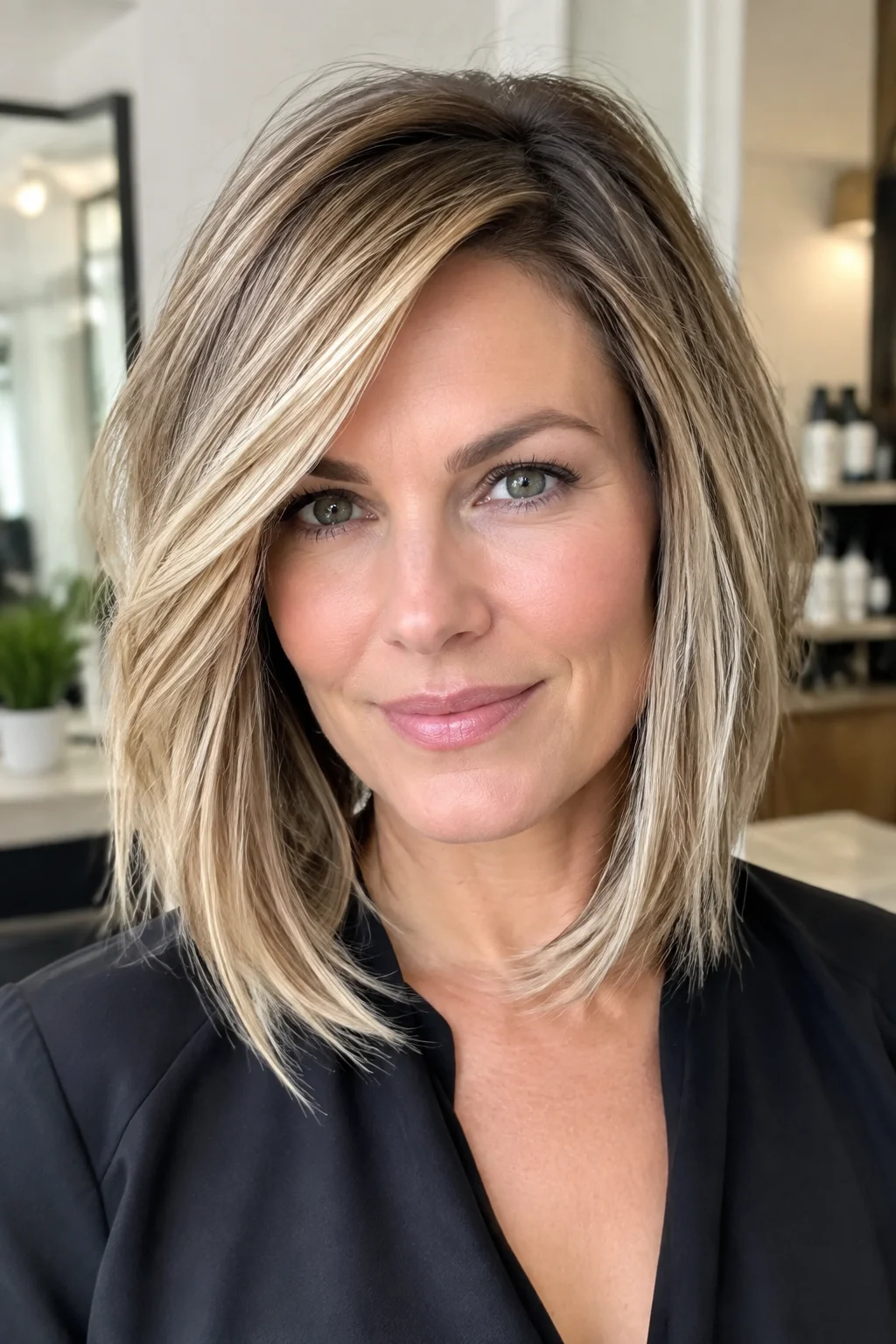
Switching from a center part to a deep side part changes how layers fall across your face entirely. Angled layers cut to follow that deep part create a diagonal sweep that softens angular features. This style works on almost any length but shows up most clearly on mid-length and longer hair. It’s an easy update if you already have layers cut in and just want a different way to wear them.
Wispy Layers Framing Square or Round Face
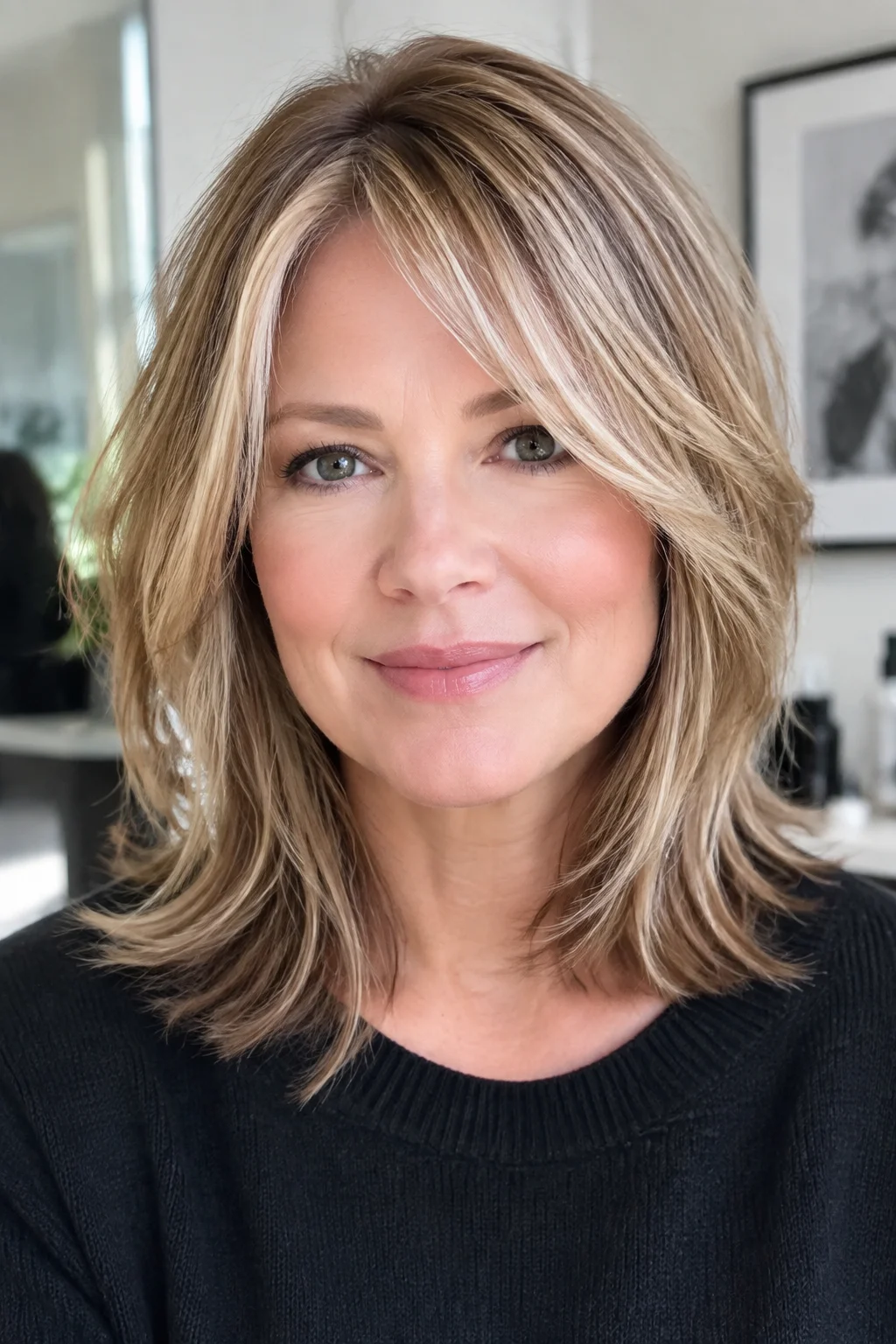
Wispy, feather-light layers placed strategically around the face soften angles on square faces and add definition on round ones. These layers are cut thin and irregular on purpose, so they move independently rather than as one solid piece. The effect looks like a few strands are always falling loose, even right after styling. Tip: keep these layers shorter near the jawline if your goal is to slim a rounder face shape.
Straight Mullet with Layered Crown and Length
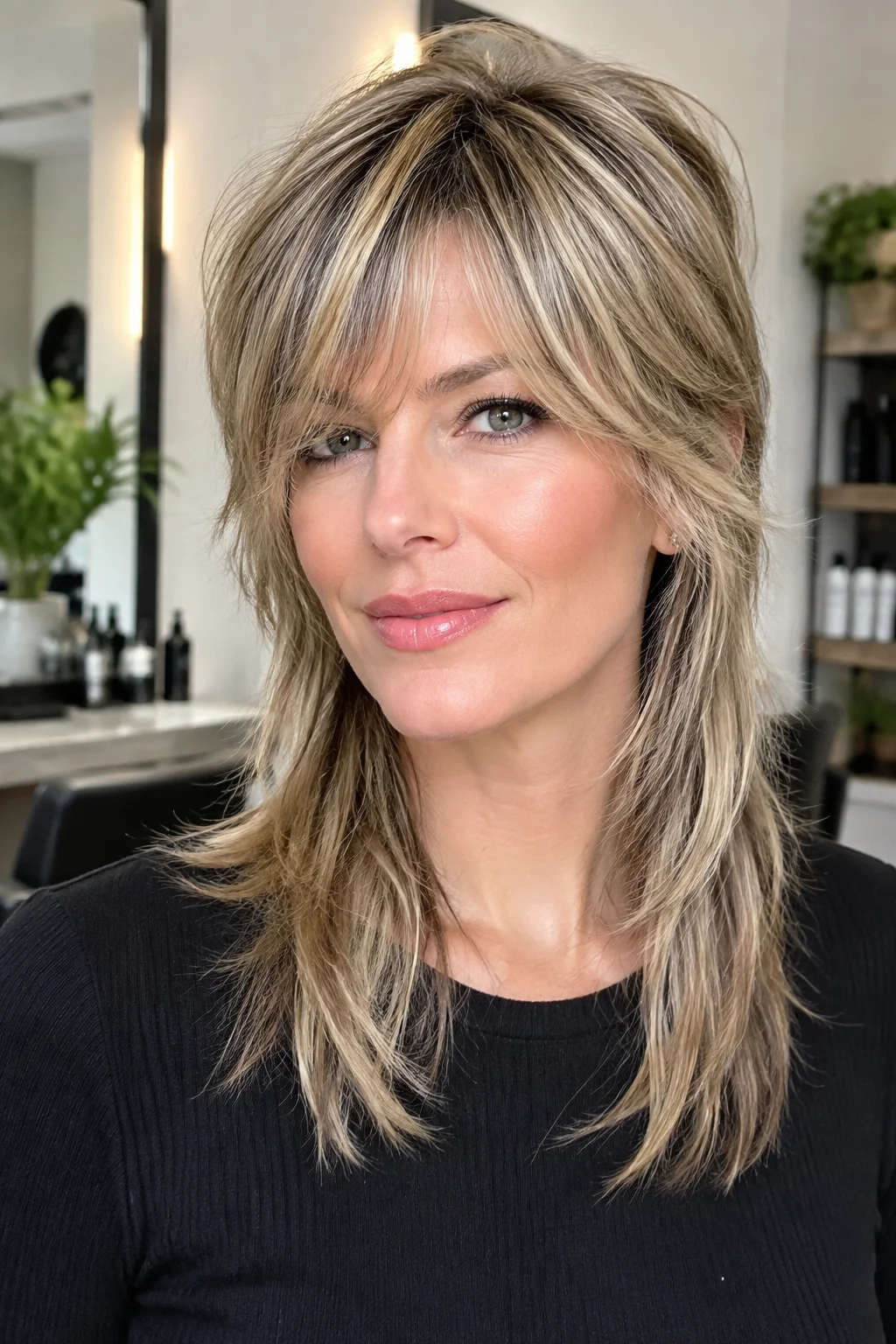
The mullet has found its way into more conservative wardrobes than you’d expect, mostly because the modern version is far softer than its 1980s reputation suggests. Heavy layering at the crown builds volume on top while the length in back stays mostly intact, creating a shape that reads as edgy without feeling costume-like. Straight hair actually suits this cut well since the lack of curl keeps the silhouette clean instead of frizzy. This isn’t a style for anyone who wants to blend in, but for women over 40 looking to make a statement, it delivers.
Micro Layers for Maximum Texture and Body
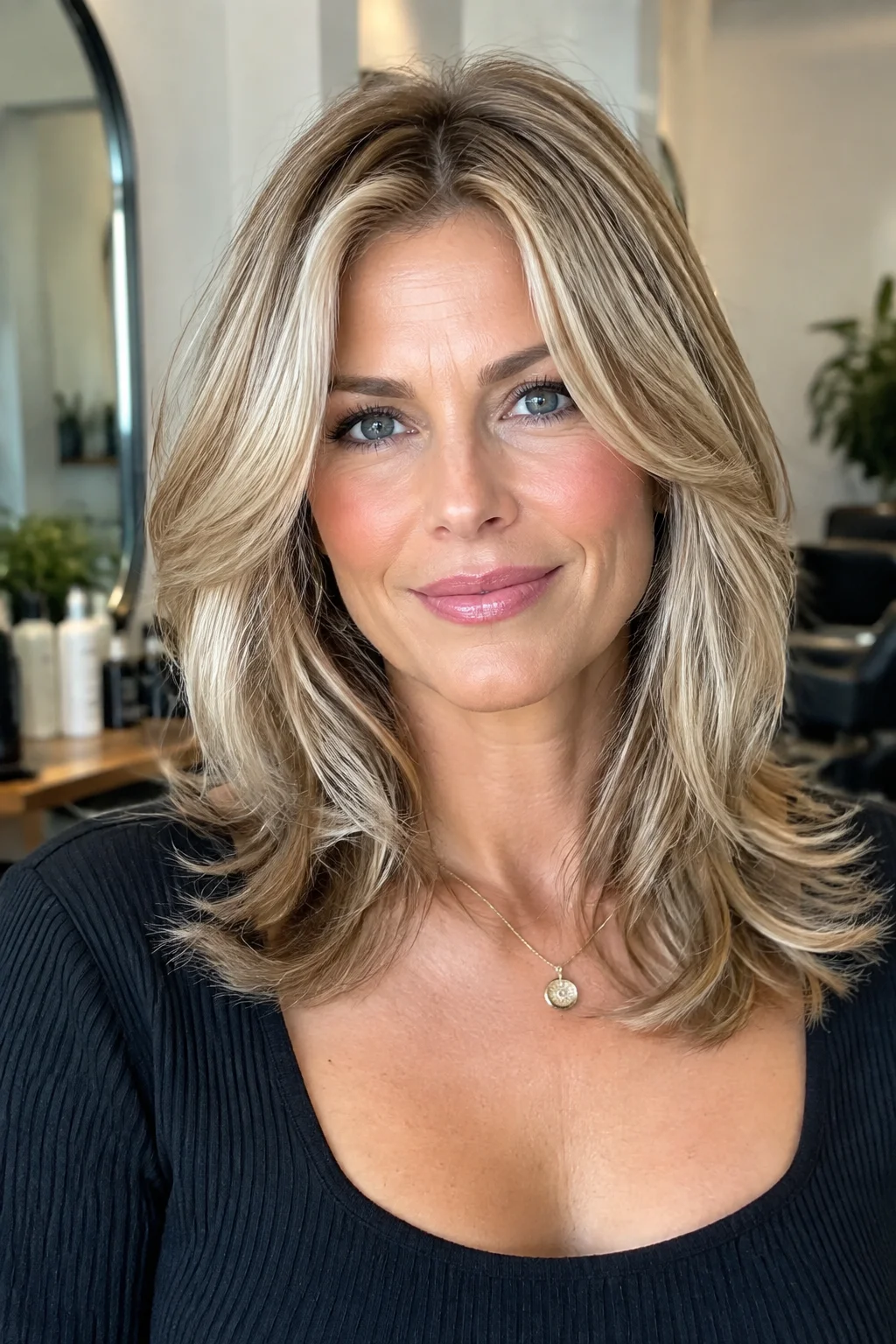
Micro layers are cut close together throughout the hair, creating texture that’s almost impossible to achieve any other way on straight strands. This technique works best on hair with some natural thickness, since very fine hair can start to look wispy or thin with too many micro layers stacked on top of each other. The result feels light and full at once, similar to the texture you’d get from a light perm but without any chemical processing.
Face-Framing Layers with Straight Blunt Back
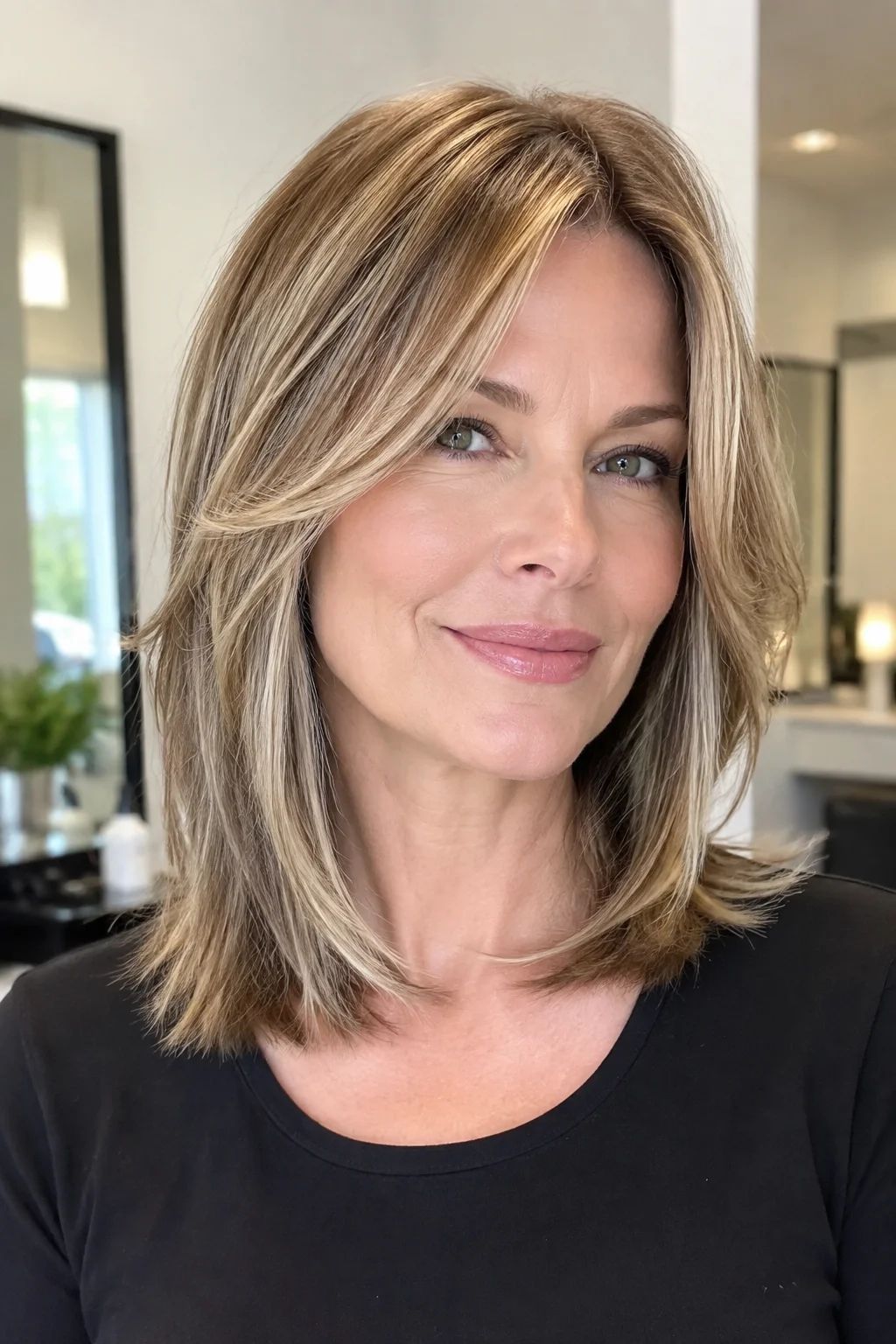
Keeping the back of the haircut blunt while adding layers only around the face gives you the best of both worlds: a strong, graphic shape from behind and a softer, more flattering line up front. This works particularly well for women who want low maintenance styling since the blunt back needs almost no attention beyond a basic blowout. The face-framing layers do all the visual work, softening the jawline and drawing focus to the eyes.
Longer Layers in Front, Shorter Layers Behind
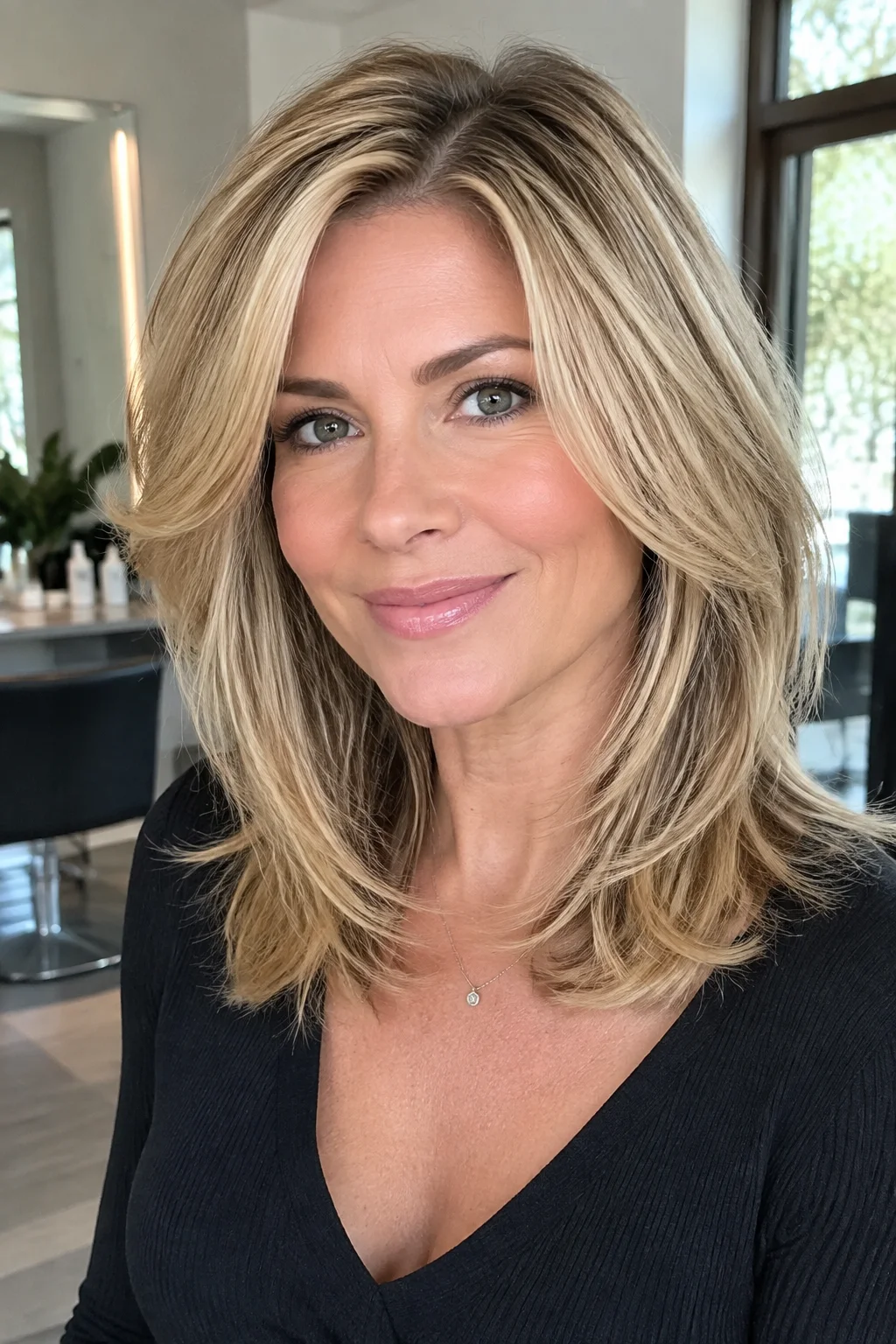
This reverse layering technique flips the usual approach. Instead of shorter pieces up front and longer hair in back, the front sections stay longer while shorter layers build volume toward the crown and back of the head. It creates an interesting silhouette that looks intentional from every angle, and it tends to flatter women with longer necks or narrower faces who want more visual weight up top.
Bangs with Layered Straight Hair
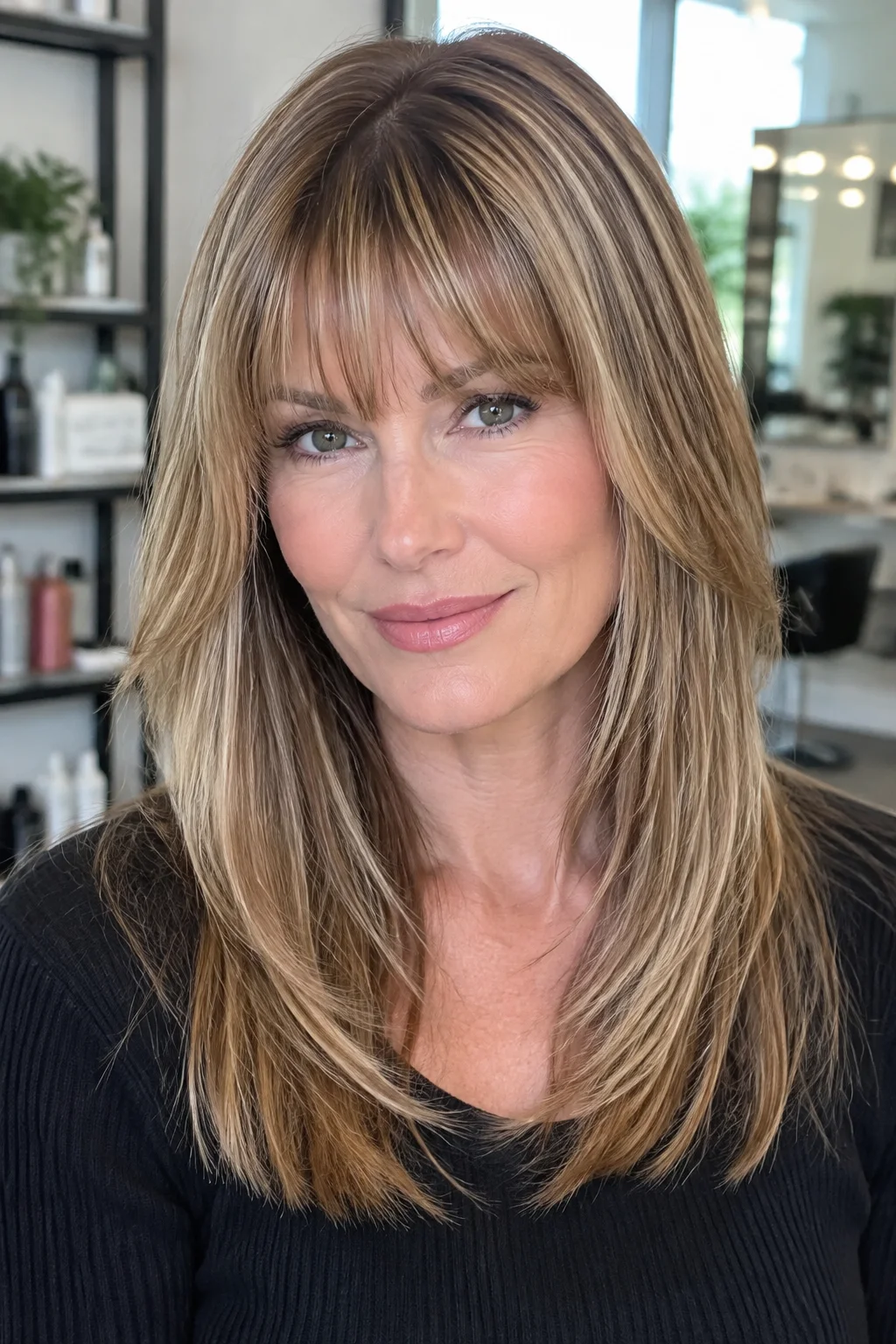
Adding bangs to an already layered cut changes the whole face shape conversation. Curtain bangs blend naturally into face-framing layers, while a blunt fringe pairs well with more graphic layered cuts like the blunt lob. Straight hair holds bang shapes cleanly since there’s no curl pattern working against the style. Tip: choose curtain bangs if you want low maintenance, since they grow out into face-framing layers instead of needing constant trims.
V-Shaped Layers for Length and Movement
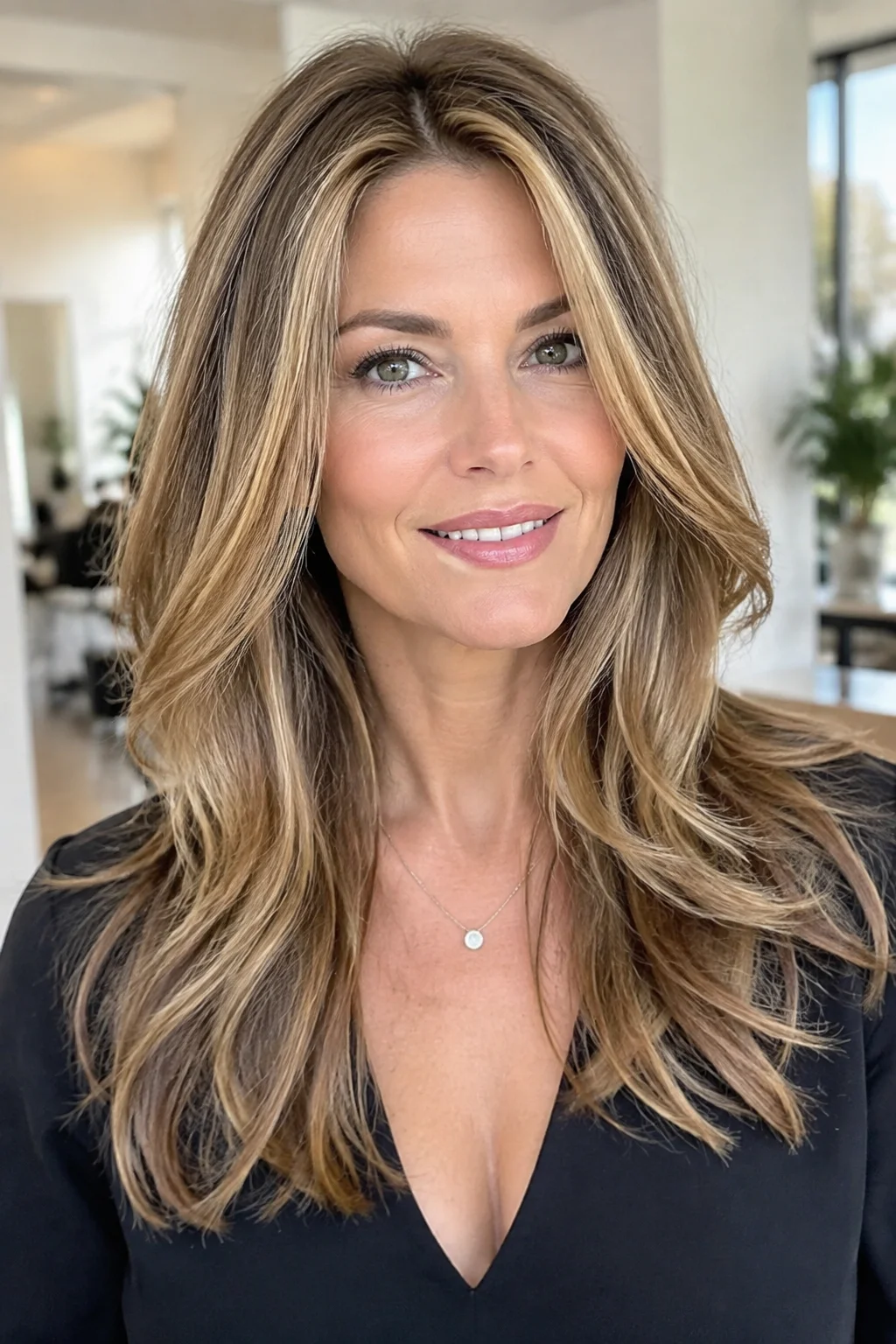
Cutting the ends into a V shape instead of a straight line adds a dramatic point at the center back while layering throughout builds movement along the sides. This technique suits long straight hair especially well, since the V shape creates the illusion of thickness at the ends where hair often looks its thinnest. It also photographs beautifully because of the deep, symmetrical shape it forms when the hair is down.
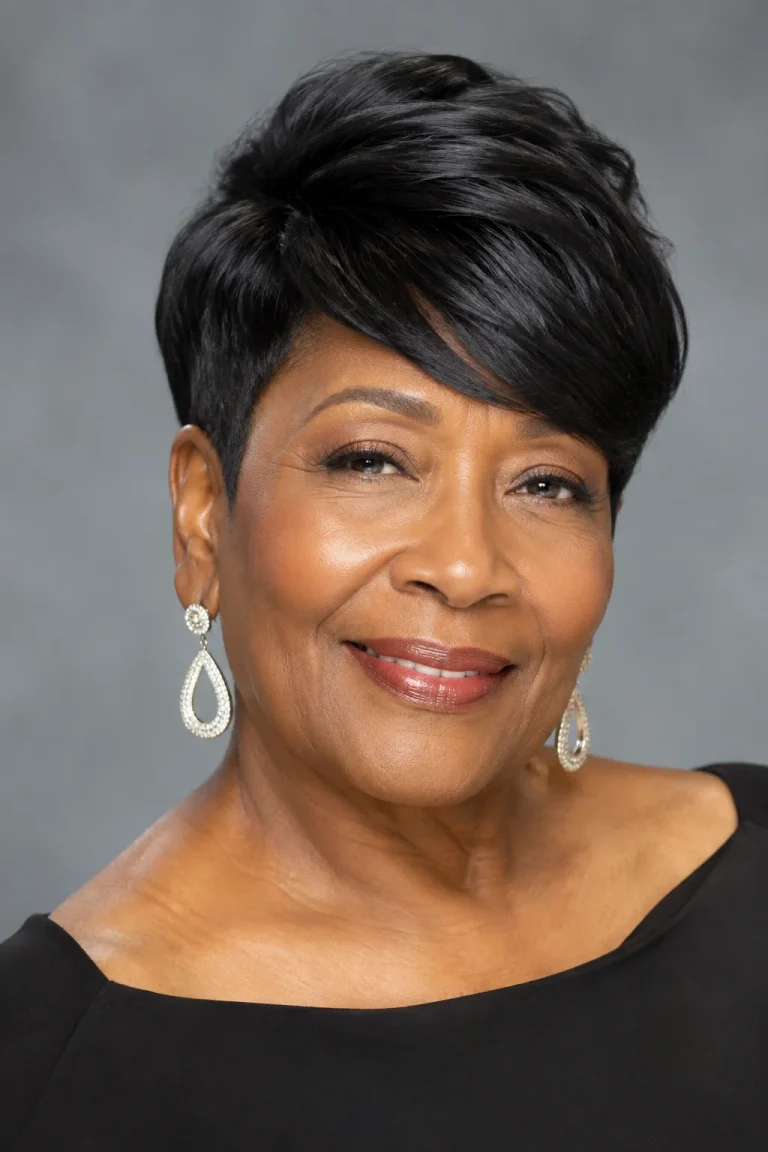
Textured Pixie with Longer Layered Top
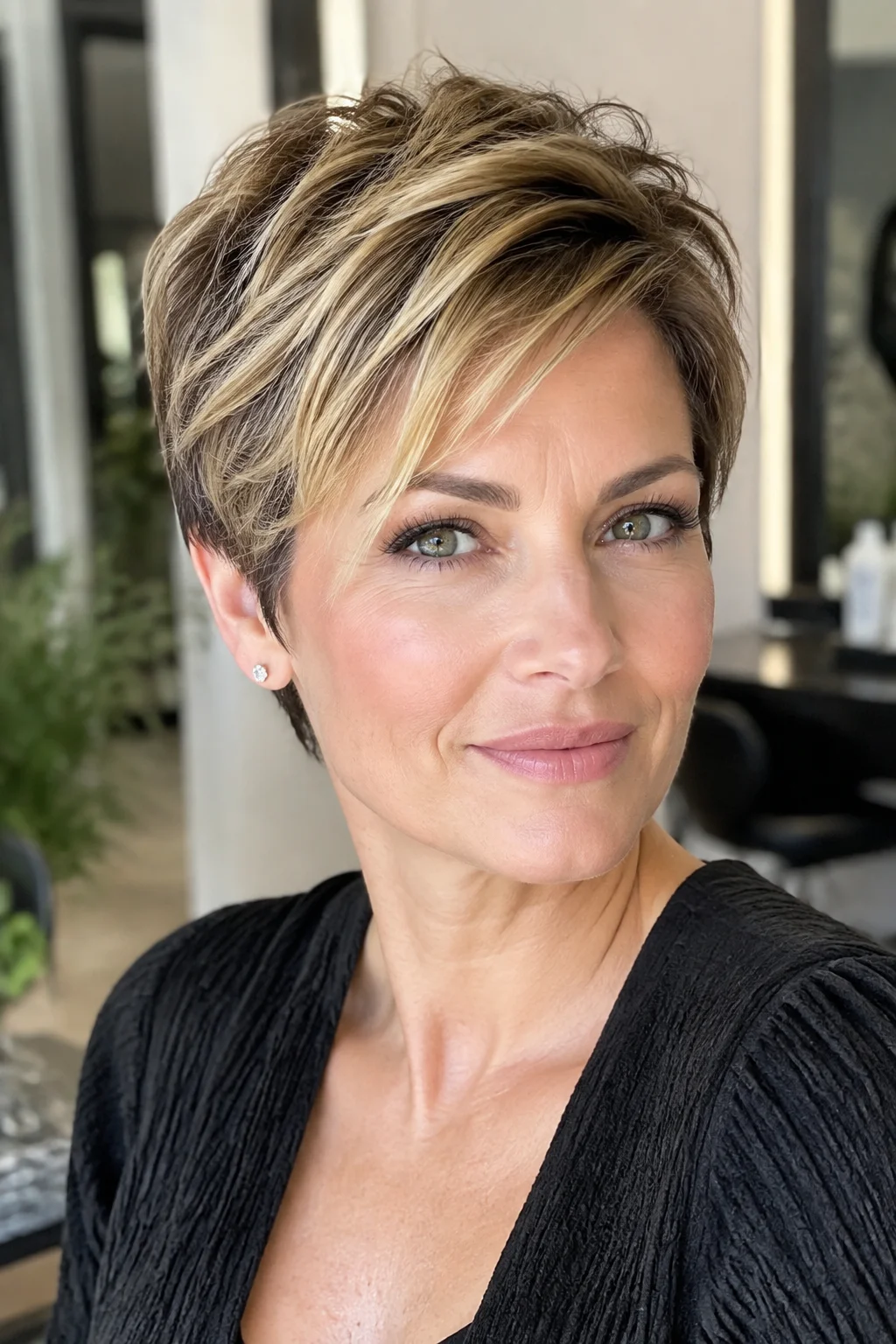
Short hair benefits from layering just as much as long hair does. A textured pixie with a longer, layered top gives you the ease of a short cut with enough length up top to style differently depending on your mood. Straight hair takes to this cut well because the layers on top can be pushed back, swept to the side, or left forward without much effort.
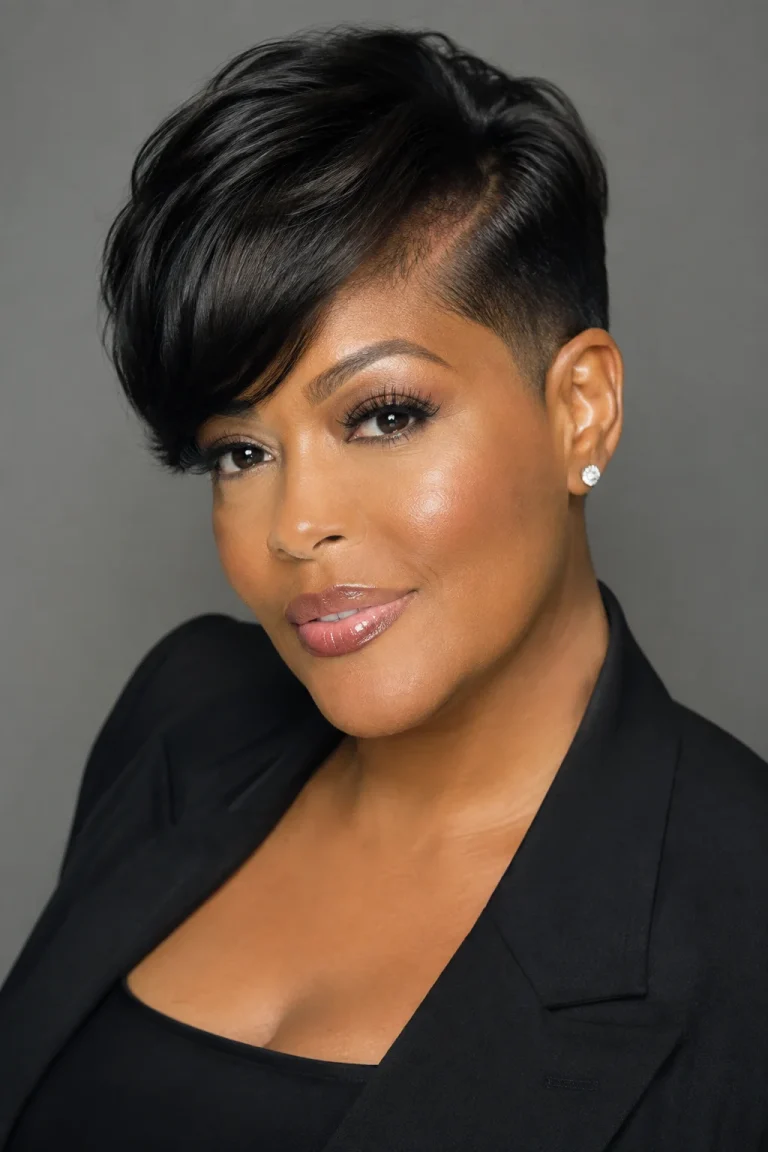
Sleek Straight Layers with Subtle Undercut
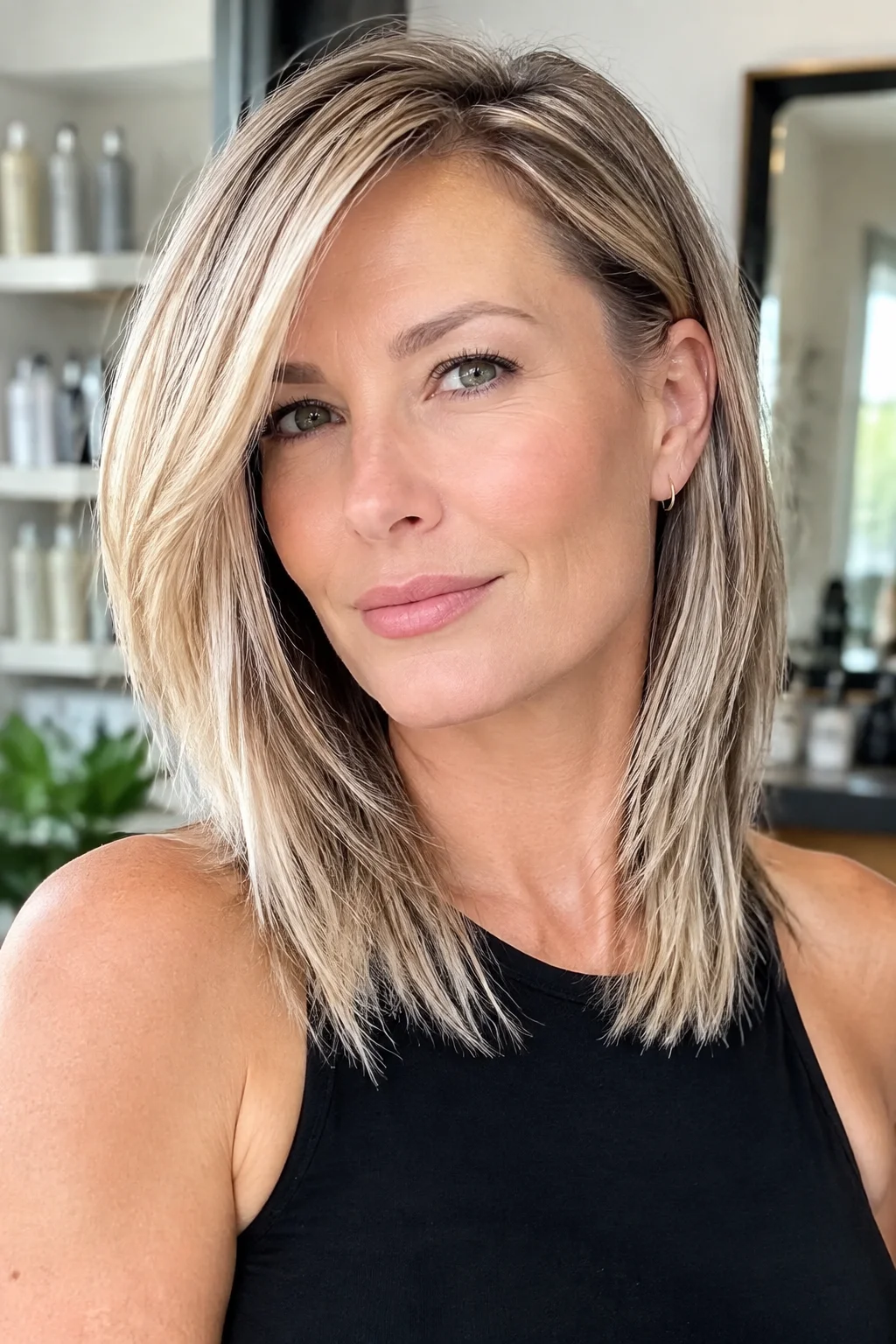
Adding a subtle undercut beneath layered straight hair removes bulk without changing the visible shape much at all. This works well for thick hair that feels heavy or hot, especially in warmer months. The layers on top stay long and sleek while the undercut underneath does the work of lightening the load. It’s a hidden style choice, one that only shows when hair is pulled up or moved by wind.
Straight Layers with Blonde Highlights for Dimension
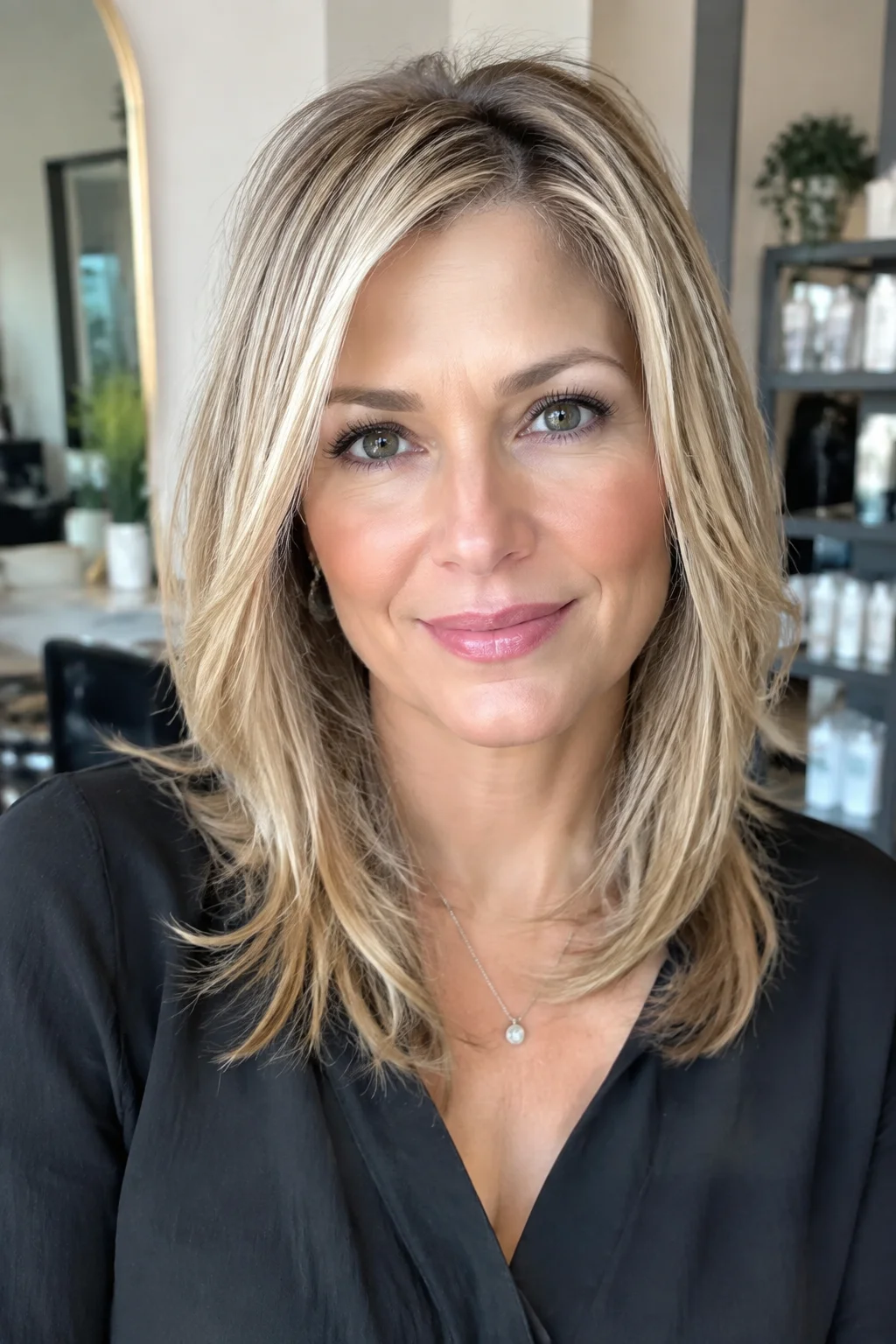
Layers alone create movement, but adding blonde highlights gives that movement something to catch the light. Placing lighter pieces along the layers, rather than all over, highlights the shape of the cut itself instead of just brightening the overall color. This combination suits women who want their haircut to look good in photos and in person, since the highlights follow the layers and make the shape more obvious from a distance.
Choosing the Right Layered Cut for Your Hair
With this many options, it helps to think about what your hair actually needs rather than just what looks good in a photo. If your hair is fine and falls flat, the choppy mid-length layers or micro layers will build texture without needing volumizing products every day. If you have thick, heavy hair, razored layers with tapered ends or a sleek straight layers with subtle undercut will lighten the load without sacrificing length.
For anyone wanting a bold change without cutting off length, the straight mullet with layered crown and length or the V-shaped layers deliver the most noticeable transformation. If low maintenance matters most, the face-framing layers with straight blunt back and the textured shoulder-length layers require the least daily styling.
A common mistake is choosing a heavily layered style like the shaggy layers for straight hair over 40 without discussing face shape first, since too much layering near the jaw can widen a rounder face instead of softening it. Bring a photo, describe your daily routine honestly, and let your stylist adjust the placement to fit your actual hair, not just the picture.
Final Thoughts
Layers change the way straight hair behaves more than almost any other cutting technique. They add movement where hair used to hang flat, frame the face in ways a one-length cut never could, and give you options for styling that go beyond just straightening or leaving it alone. Whether you choose something subtle like face-framing pieces or something bolder like a shag or mullet, the right layered cut makes straight hair feel current again instead of just long or short. Talk to your stylist about your hair’s texture, your face shape, and how much time you actually want to spend styling before you commit, and you’ll walk out with a cut that works for you every day, not just on the good hair days.