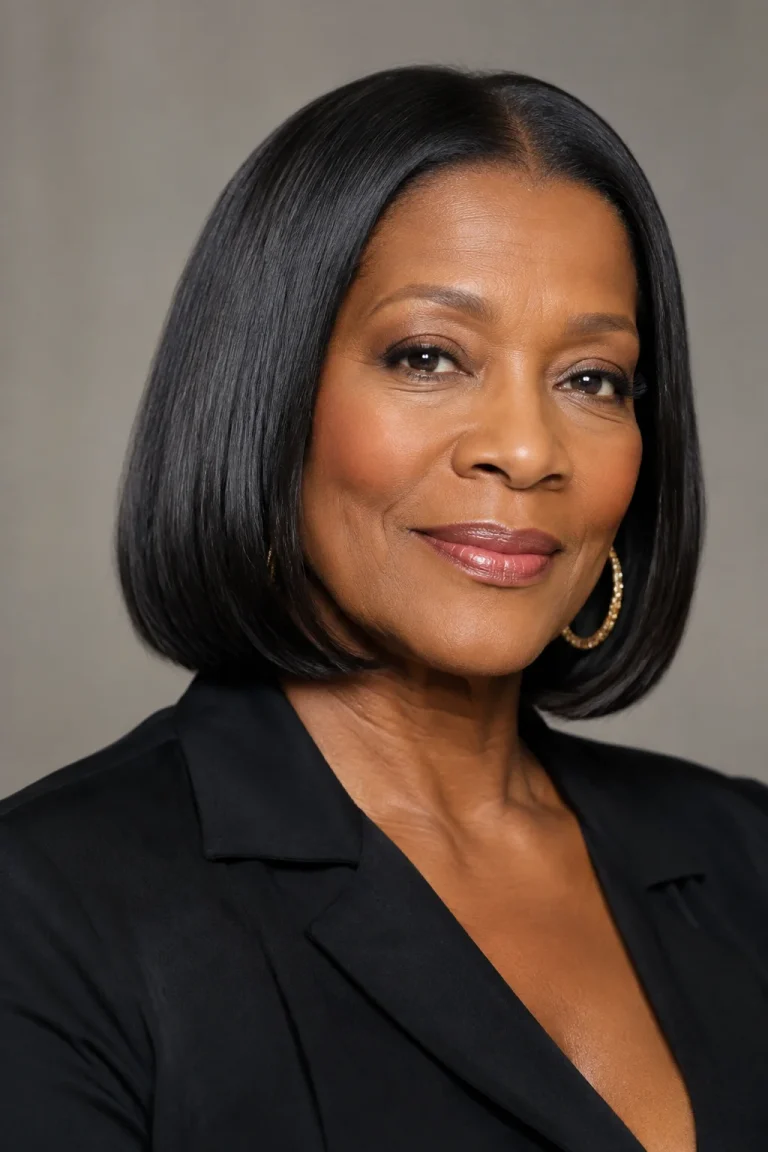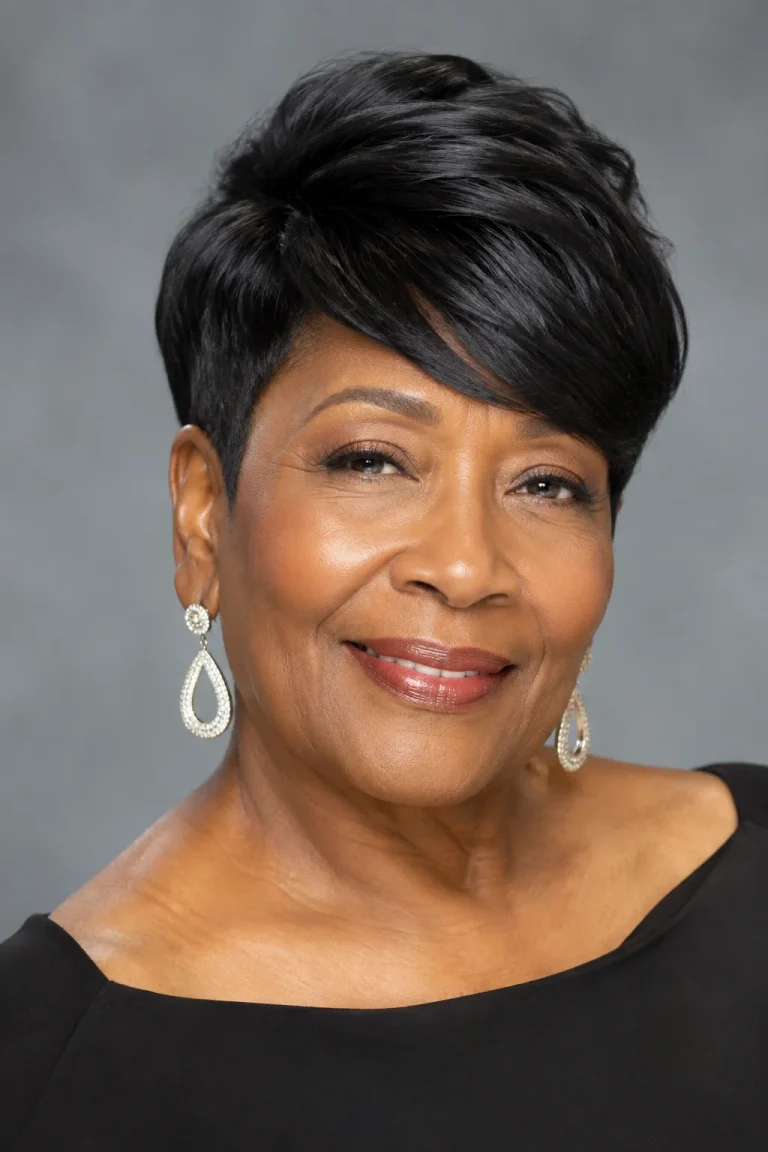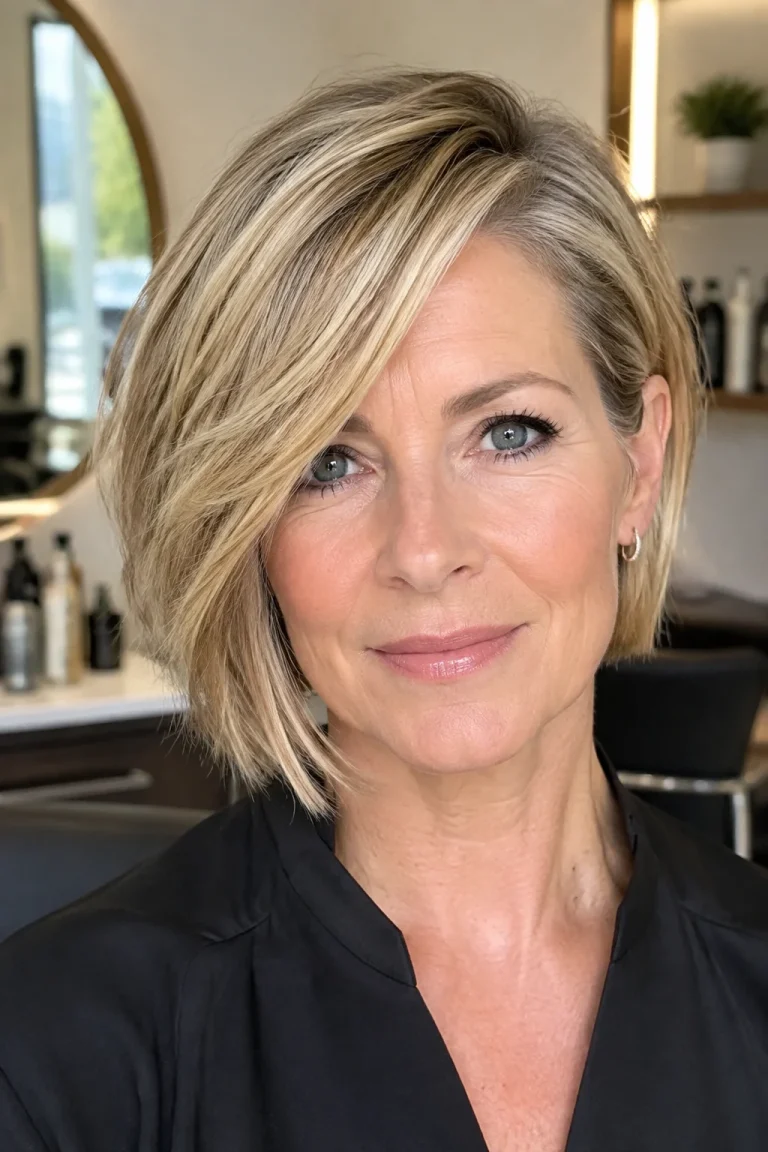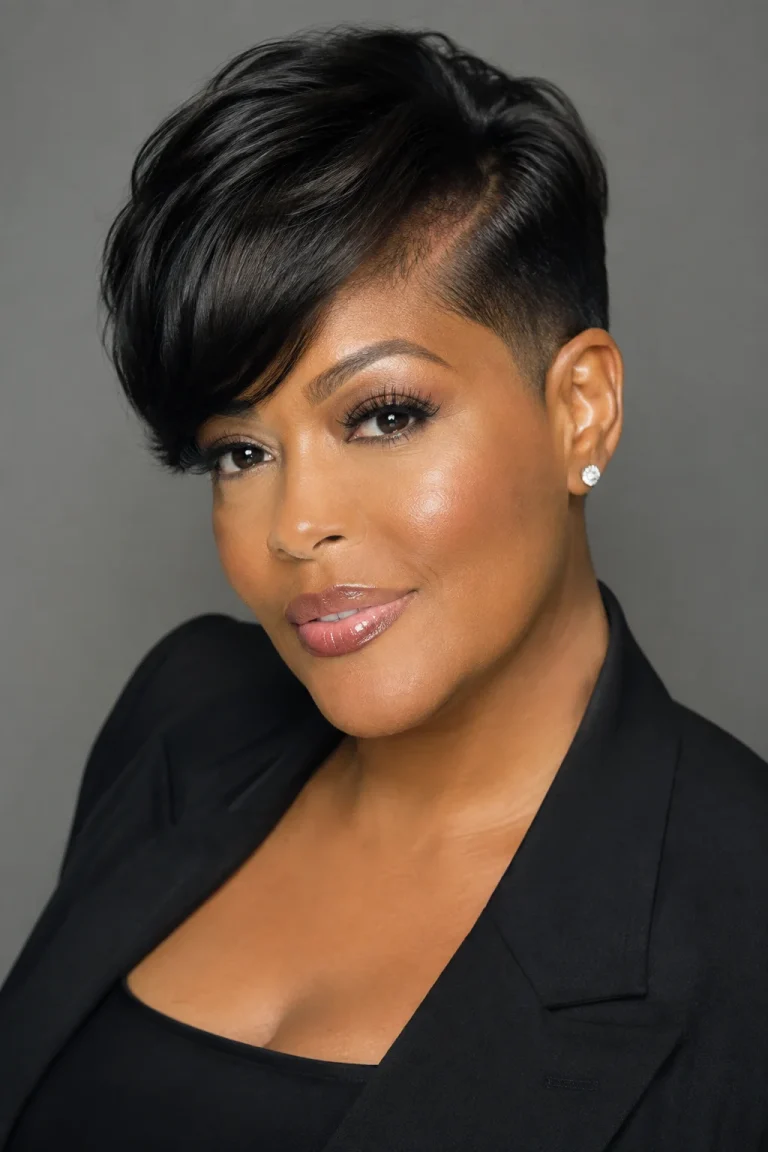
Hair changes as you get older, and what worked at 25 can leave you flat and frustrated at 45. Thinning strands, less shine, and a face shape that has shifted all call for a cut that actually works with what you have now. A layered bob for women over 40 solves most of these problems at once by adding movement where hair has gone limp and softening lines around the face that a blunt cut only sharpens. The right layers can make thin hair look thicker, calm down frizz, and cut your styling time in half. Below are 21 versions of this cut, each suited to a different texture, density, and lifestyle. Bring the photos that match your hair type to your next appointment so your stylist can adjust the layering to your growth pattern and face shape.
Chin-Length Layered Bob with Face-Framing Pieces
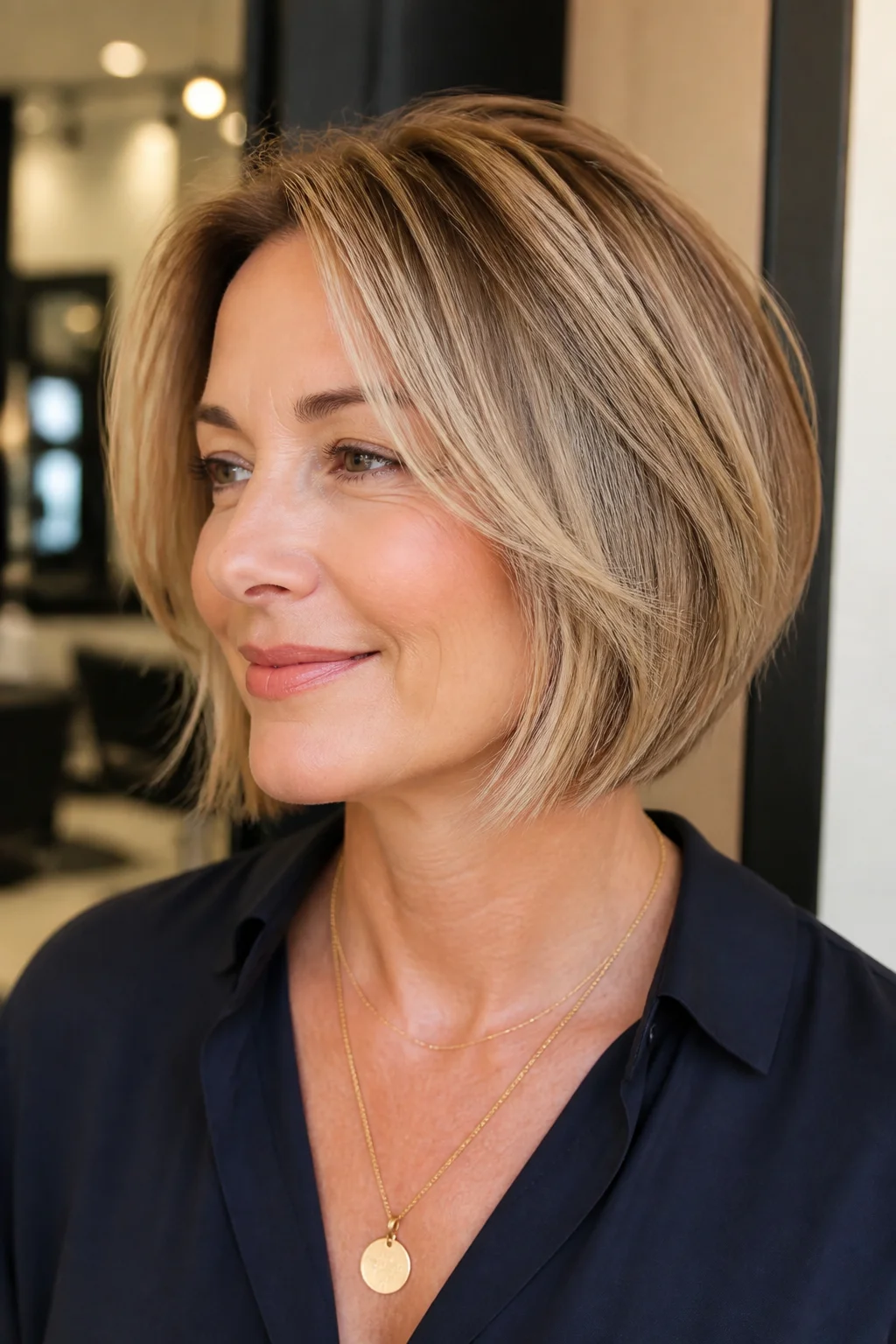
This length hits right at the jaw, and the face-framing pieces pull attention up toward the eyes and cheekbones. It softens a square or rectangular jawline without hiding it completely. The shorter pieces near the face also give you built-in styling options: tuck them behind your ear for a clean look or leave them loose for softness. Tip: ask your stylist to cut the face-framing layers at a slight angle rather than straight across so they blend instead of looking pasted on. A light mist of heat protectant before styling helps the finish last. A light mist of heat protectant before styling helps the finish last.
Textured Layered Bob for Fine Hair
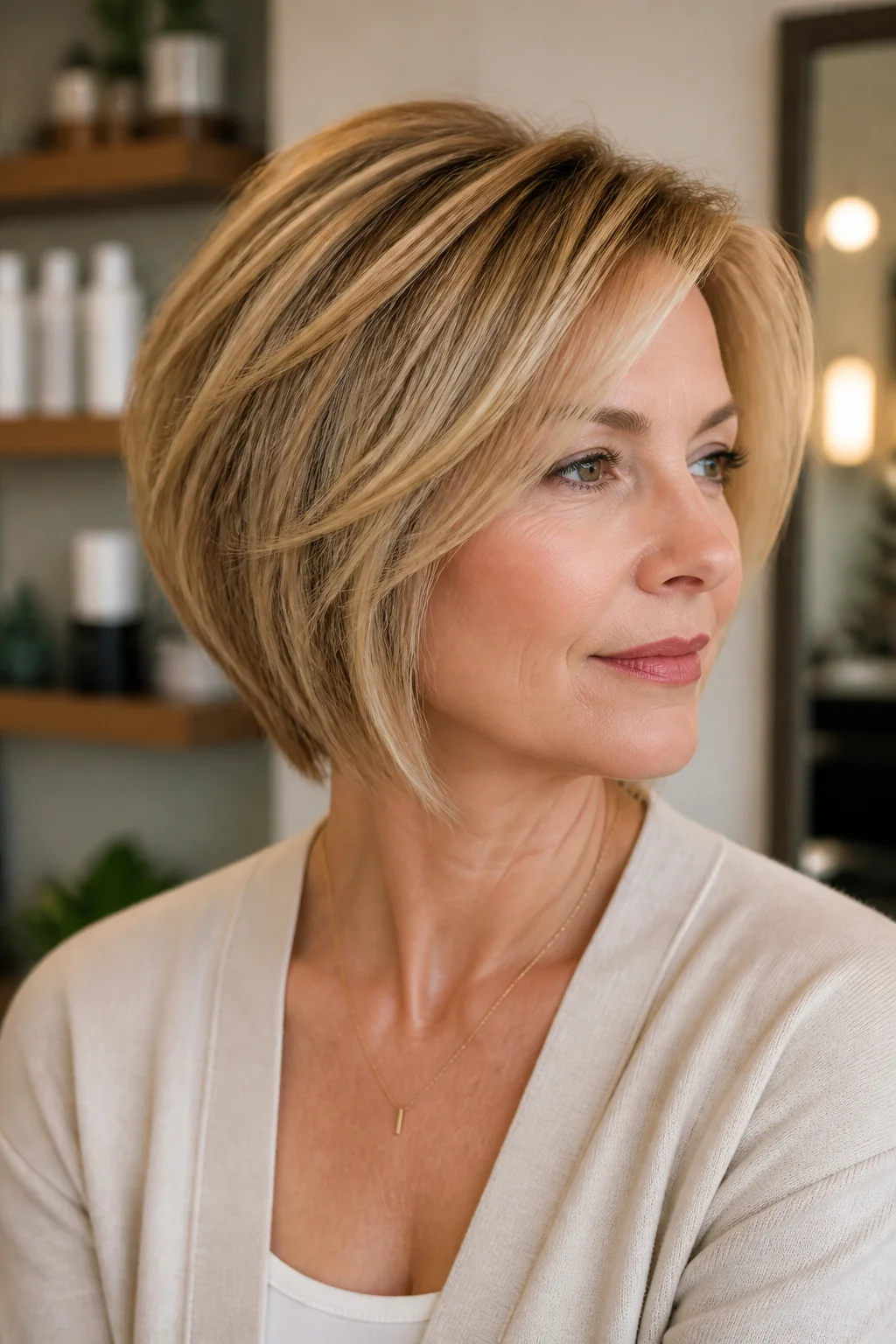
Fine hair goes flat fast, and heavy layers only make it worse by removing what little weight is holding it up. This version uses shorter, choppier layers concentrated at the ends instead of throughout the whole cut, which keeps the base weight intact while still adding texture. The result reads fuller from the front and the back. A light texturizing spray at the roots before blow drying will hold this shape through the day. A light mist of heat protectant before styling helps the finish last. A light mist of heat protectant before styling helps the finish last.
Shoulder-Length Layered Bob with Soft Waves
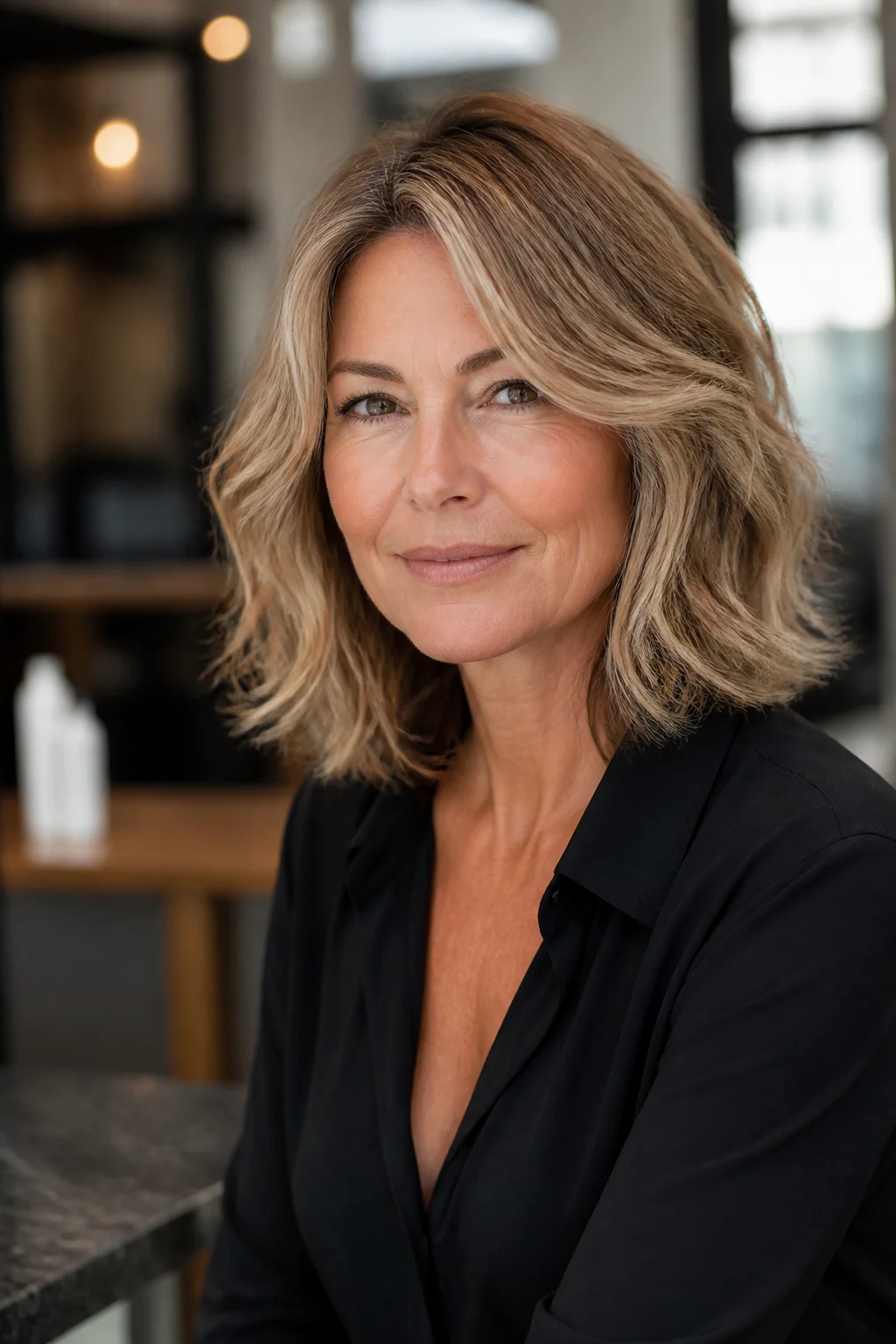
This is a forgiving length for women who want a bob but aren’t ready to go short. The soft waves add body without demanding a full styling routine, and the layers keep the ends from looking heavy or blunt. It suits straight or slightly wavy natural texture best, since the layers are cut to enhance a bend that’s already there rather than fight against stick-straight strands.
Choppy Layered Bob for Thick, Straight Hair
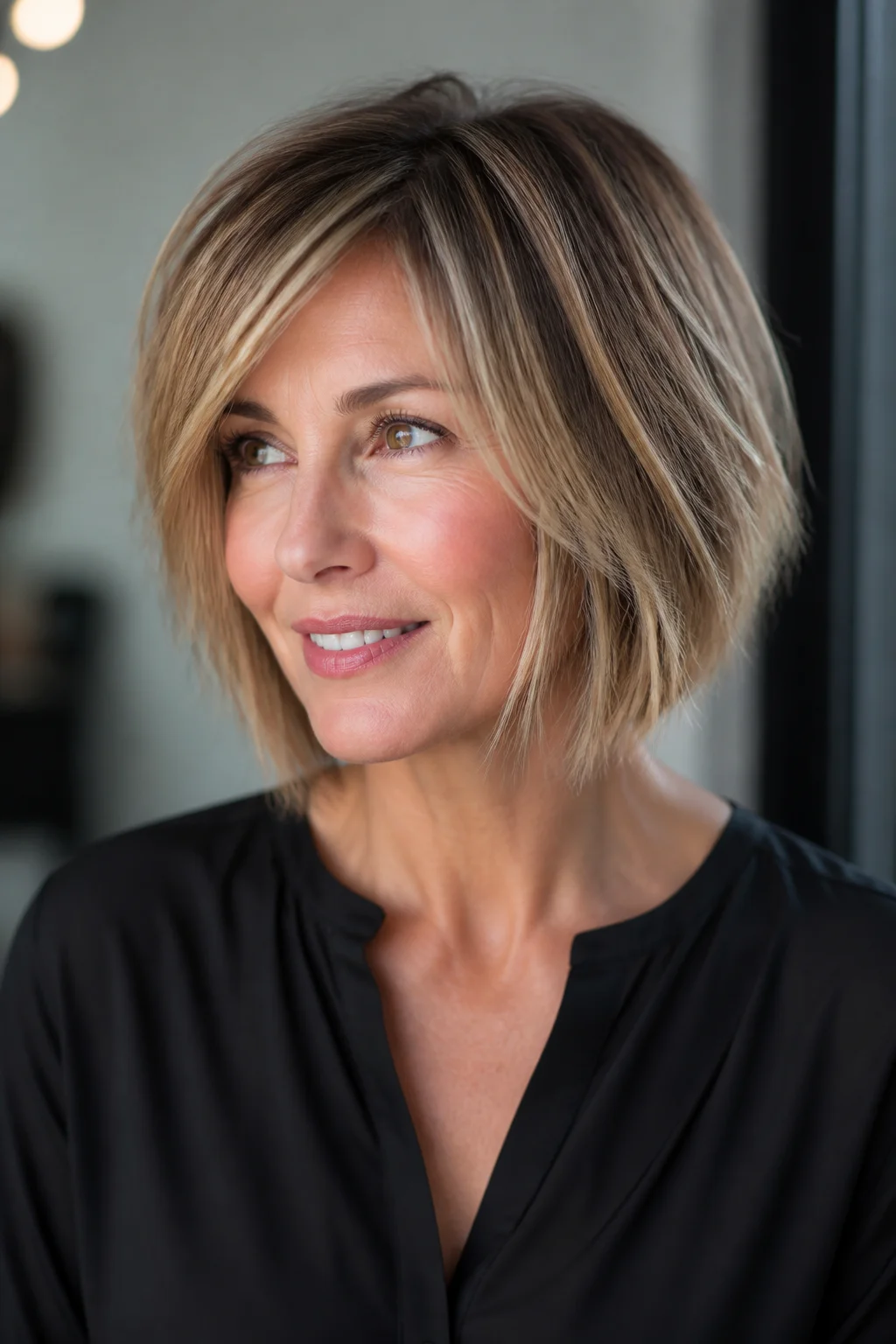
Thick hair can turn a simple bob into a triangle shape if the layering is wrong, and this cut fixes that by removing weight through choppy, disconnected layers near the ends. The chop softens the blunt line at the bottom and keeps the silhouette rounded instead of pyramid-shaped. Straight hair shows off the choppy texture especially well because there’s no wave to blur the lines. This one works best on hair that’s healthy enough to handle some thinning shears, so skip it if your ends are already fragile or damaged.
Curly Layered Bob with Defined Layers
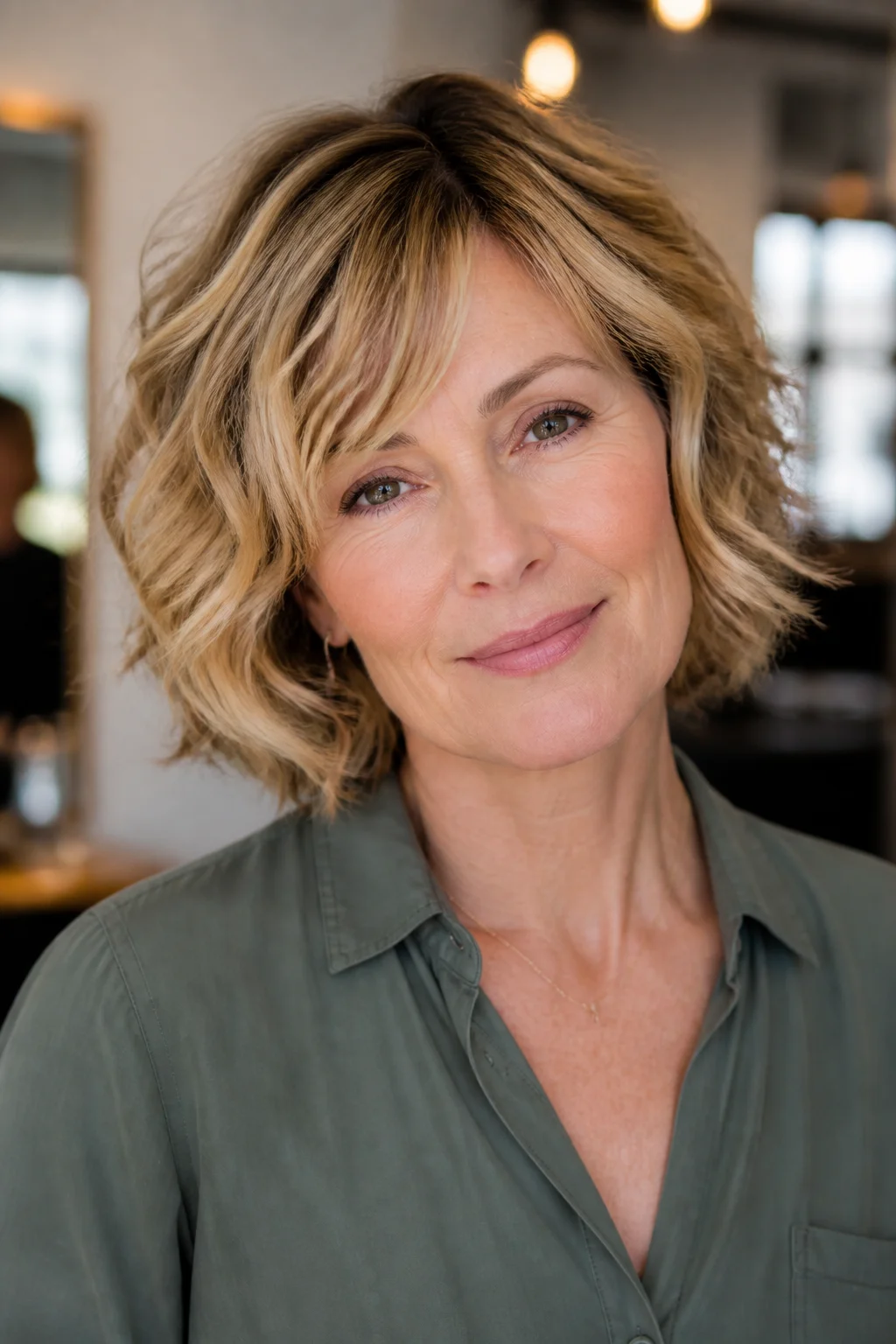
Curls need layers cut differently than straight hair because curl pattern shrinks length and changes how weight falls. This bob uses layers cut dry, curl by curl in some cases, so each ring of hair has room to bounce instead of clumping into a triangle. The layers are placed to break up bulk at the sides while keeping fullness on top. I recommend this cut for anyone with curls who feels like their bob always turns into a helmet shape by midday, since the layering here is built specifically to stop that.
Asymmetrical Layered Bob
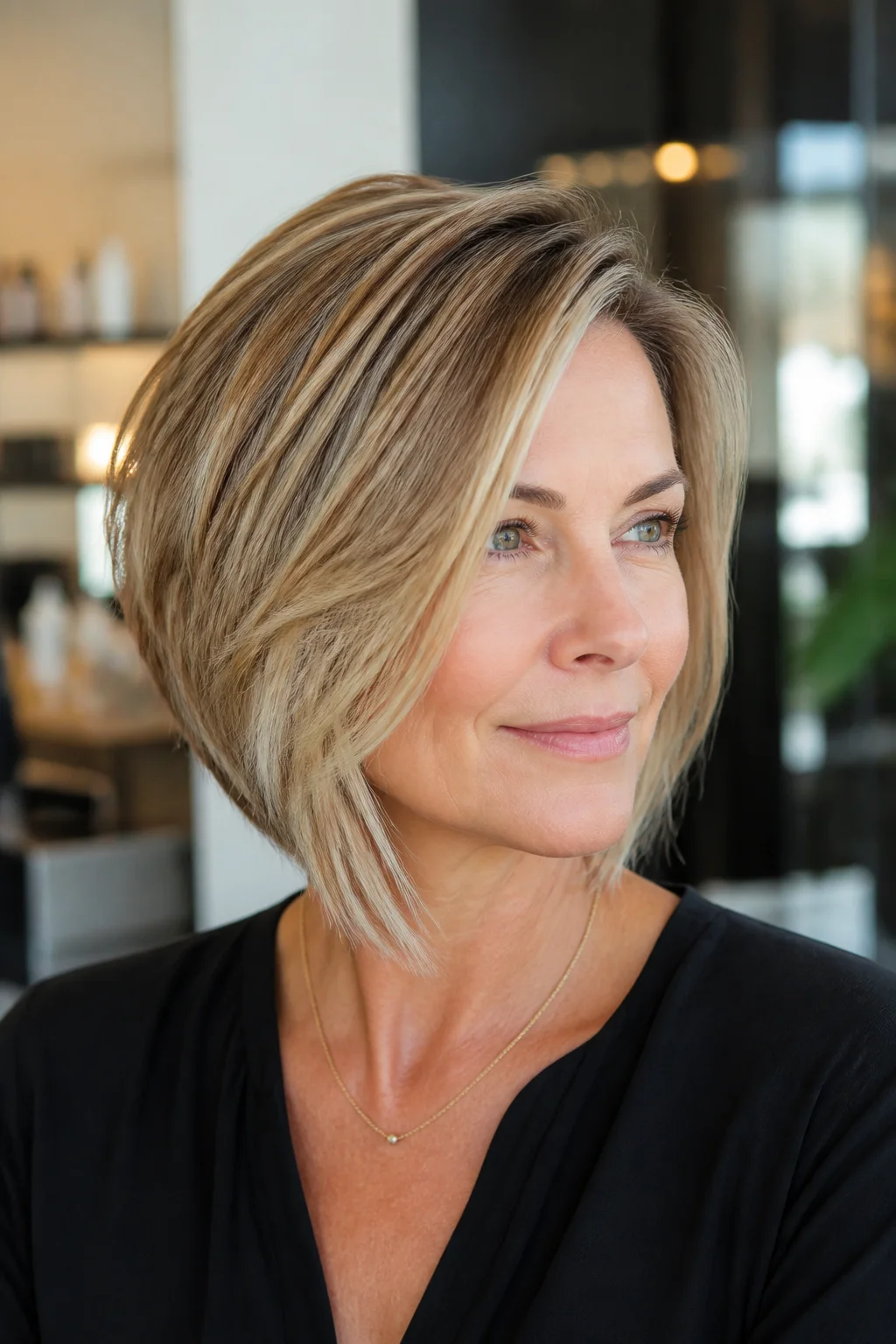
One side sits longer than the other in this version, and the asymmetry adds visual interest without needing a dramatic color or extreme length. Layers are worked through both sides so the shorter length doesn’t look stuck on or unfinished. This suits women who want something a little different from a standard even bob but still want an easy daily routine.
Layered Wavy Bob with Volume at Crown
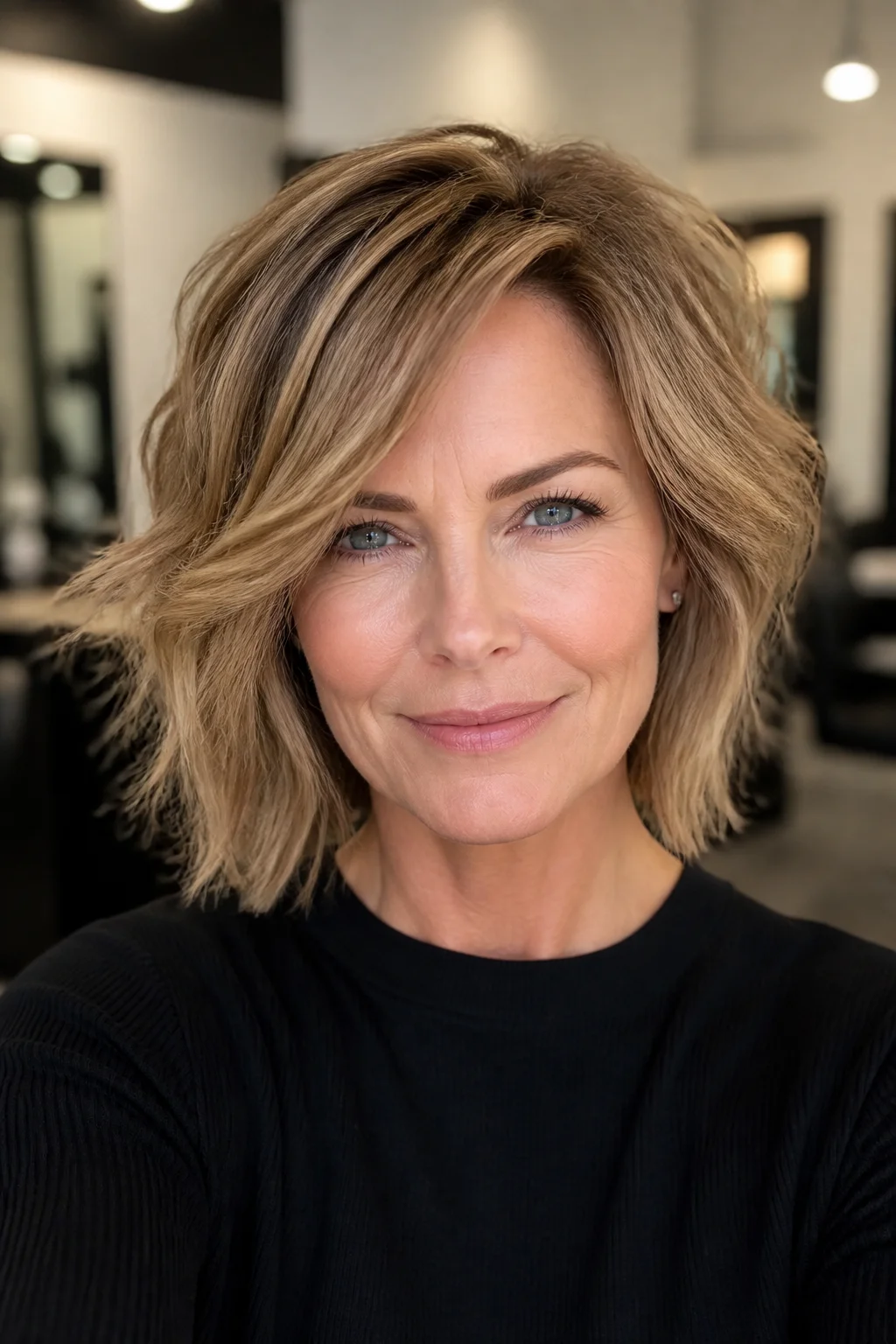
The layers here start higher up, near the crown, instead of only at the ends, which lifts the roots and gives the whole cut more lift and shape. Waves are encouraged through the mid-lengths and ends, but the real work happens at the top of the head. This is a strong option for anyone whose hair has gotten thinner at the crown with age, since the layering redirects volume exactly where it’s needed most.
Blunt-Layered Bob Hybrid
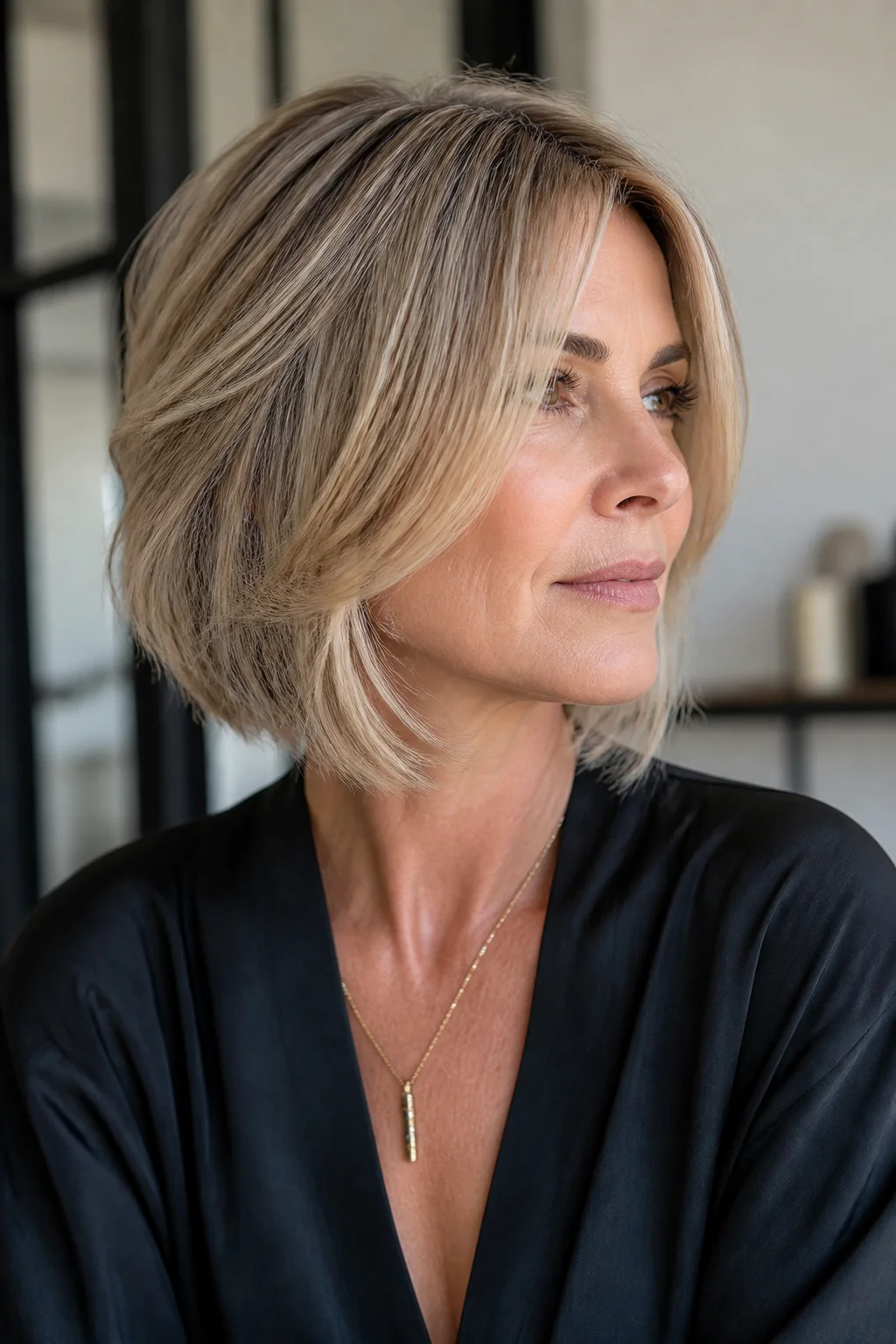
This cut keeps a blunt line at the very bottom for a clean, graphic edge, then adds internal layers you can’t see until the hair moves. It gives you the polish of a blunt bob with the movement of a layered one. Tip: this hybrid works best on hair with some natural density, since fine hair may not show the internal layering at all.
Layered Bob with Bangs for Fuller Face Shapes
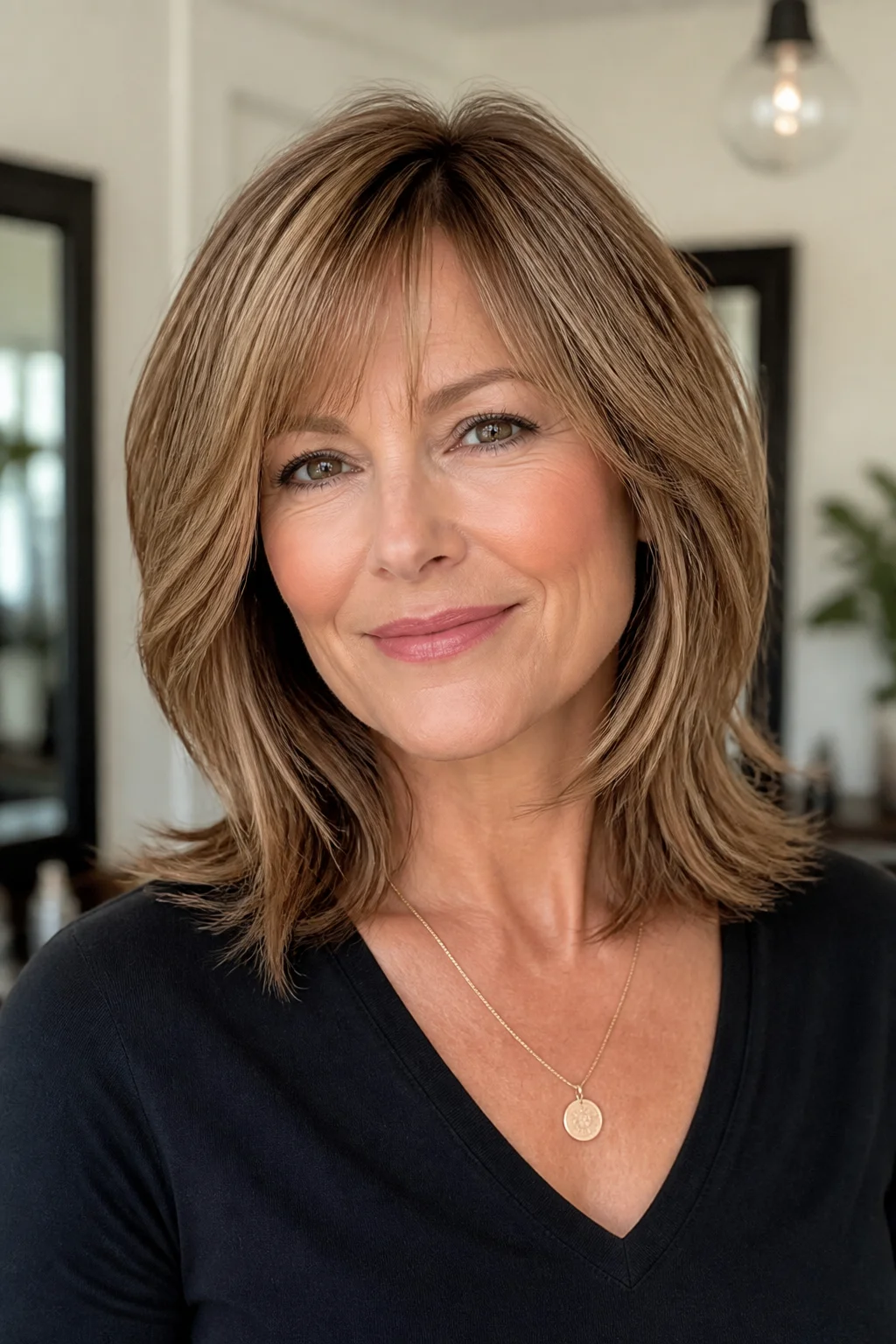
Bangs paired with layers can shorten a longer face or soften a rounder one, depending on how they’re cut. For fuller face shapes, side-swept bangs that blend into the layers work better than a heavy, blunt fringe, which can widen the face instead of flattering it. The layers throughout the rest of the bob keep the bangs from looking disconnected from the overall shape.
Shaggy Layered Bob
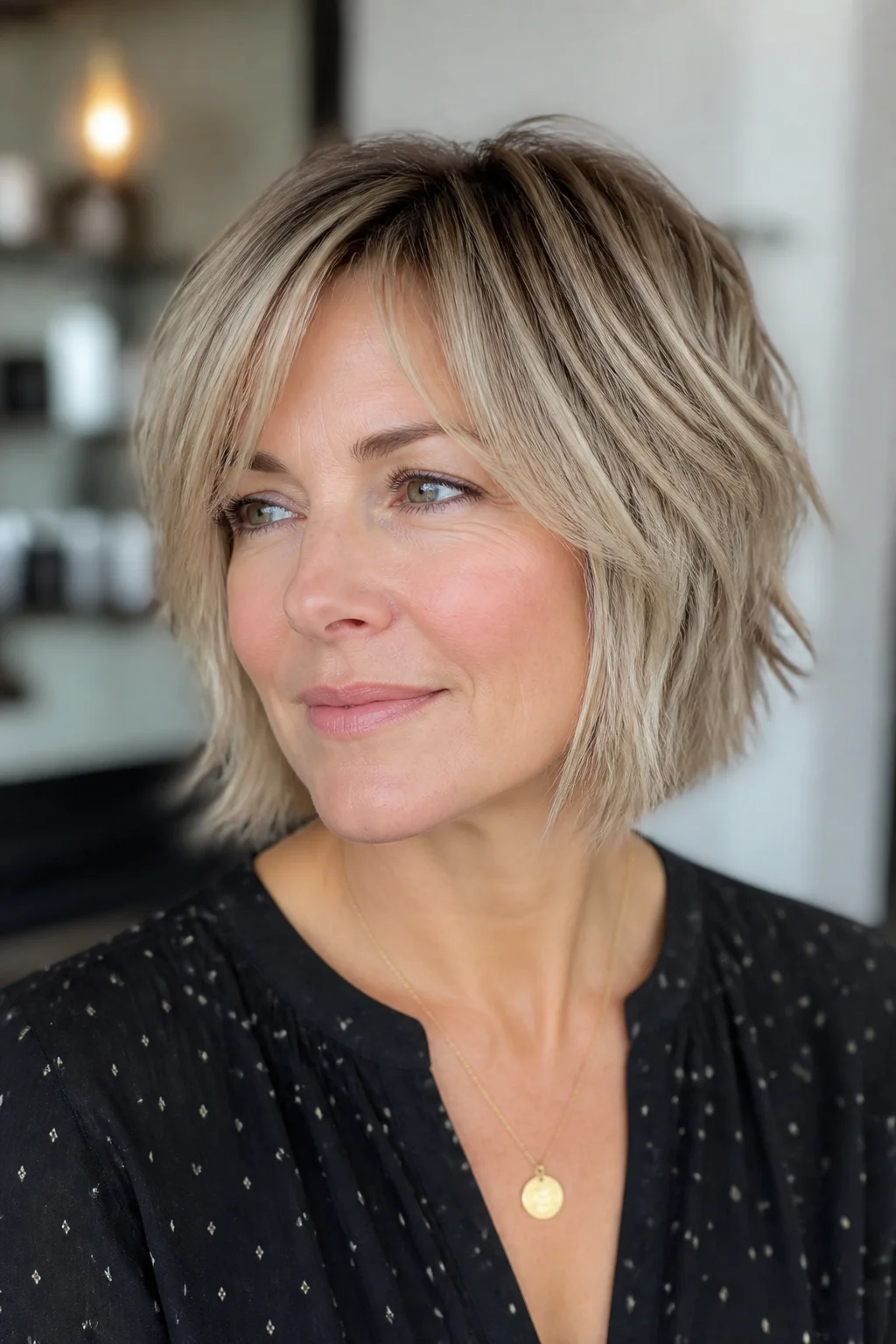
Loose, choppy, and a little undone, this bob leans into texture over polish. Layers are heavy and irregular throughout, giving a lived-in look that doesn’t need much more than fingers and a little product to style. It suits women who want a low-maintenance cut that still looks intentional.
Layered Bob with Disconnected Layers
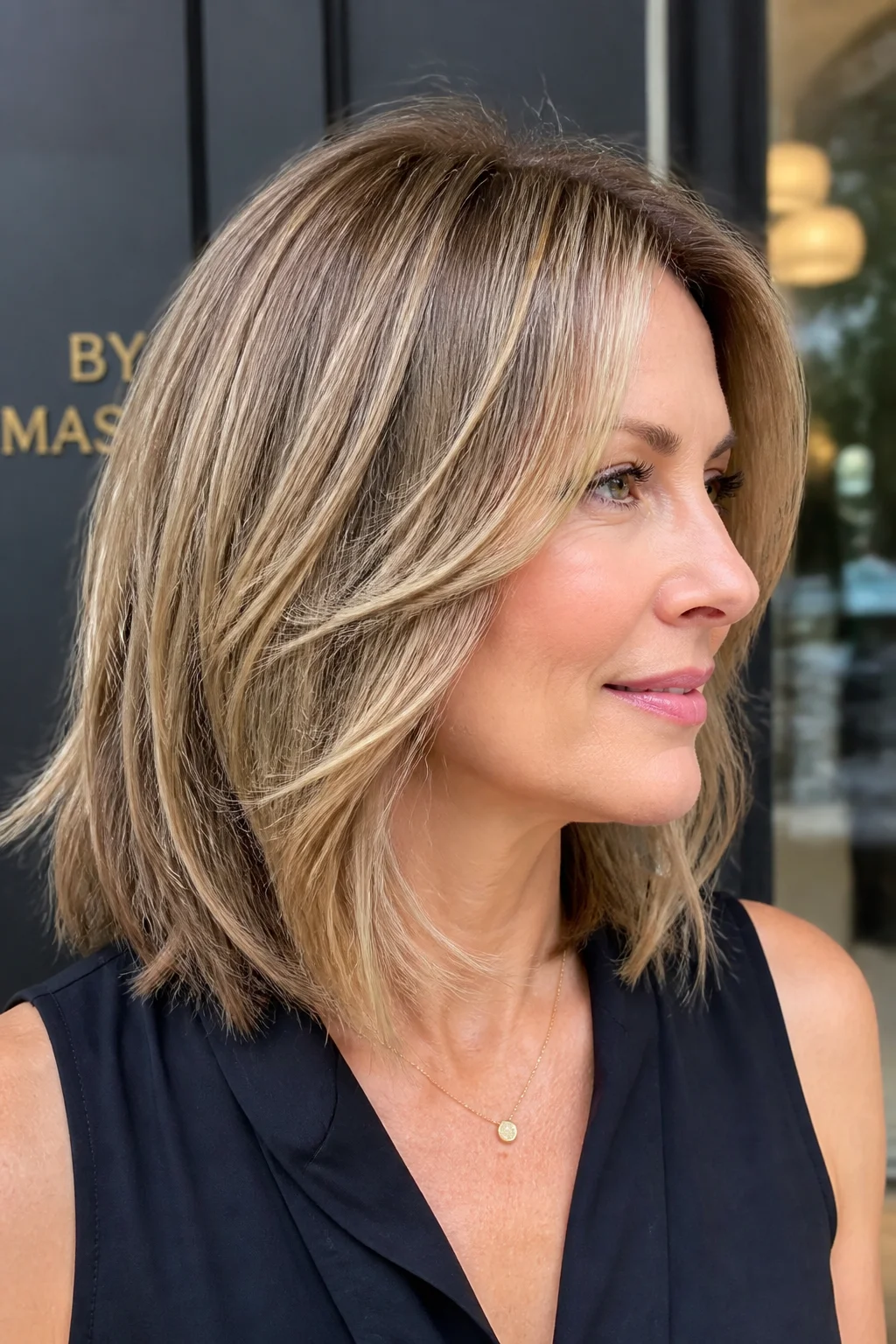
Disconnection means there’s a visible gap in length between the top layers and the perimeter, creating a more graphic, modern shape. This works well on hair with some natural texture that can hold the separation between sections. It’s a bolder choice, so bring a clear photo reference since the amount of disconnection varies a lot from one interpretation to the next.
Graduated Layered Bob
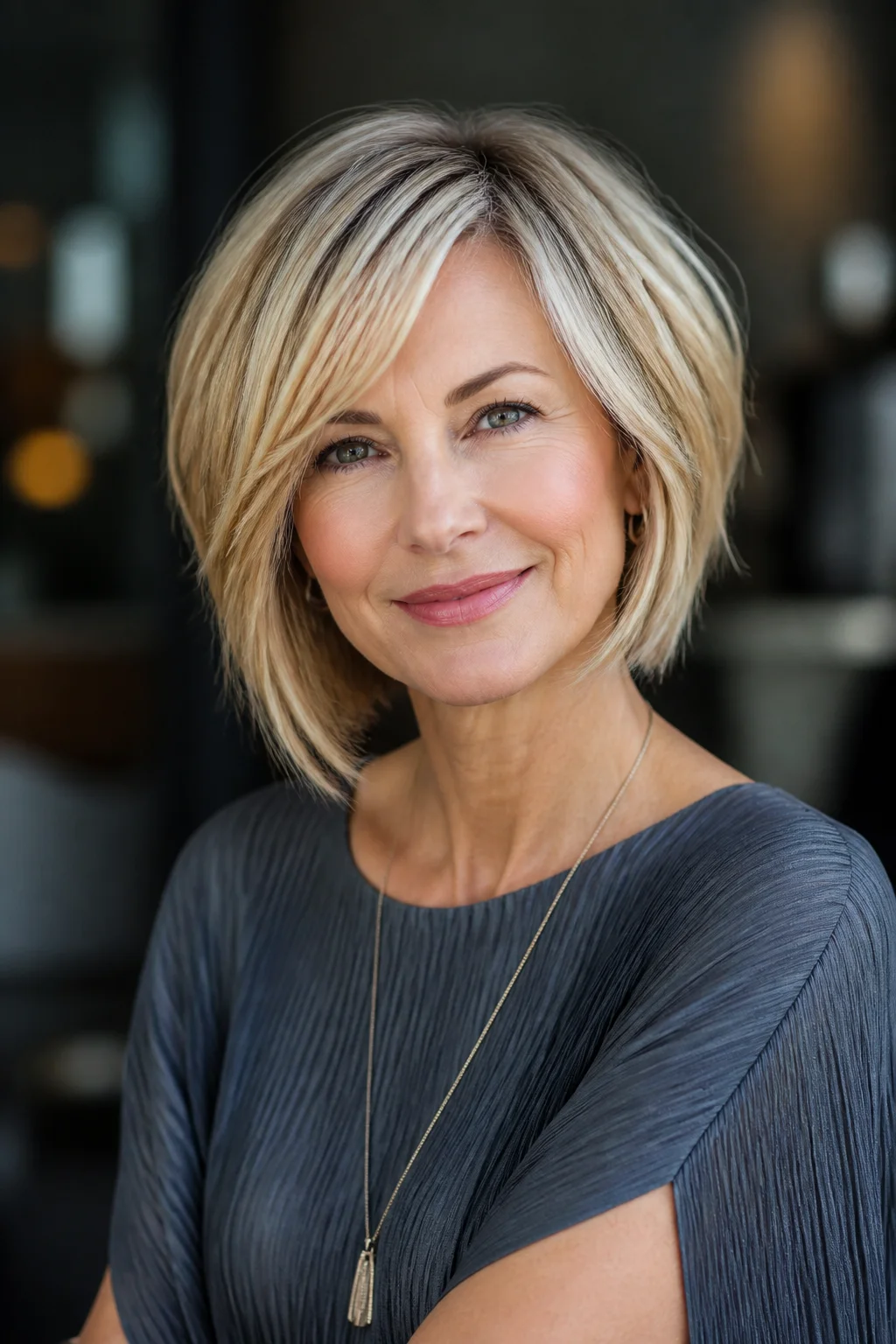
Graduation stacks the layers at the back, building shorter length underneath and letting it grow longer toward the front, which creates a rounded, structured shape from the side. It’s a classic technique that flatters most face shapes and hair textures. This version pairs well with a slight A-line, where the front pieces sit a bit longer than the back.
Layered Bob for Thinning Hair with Strategic Texture
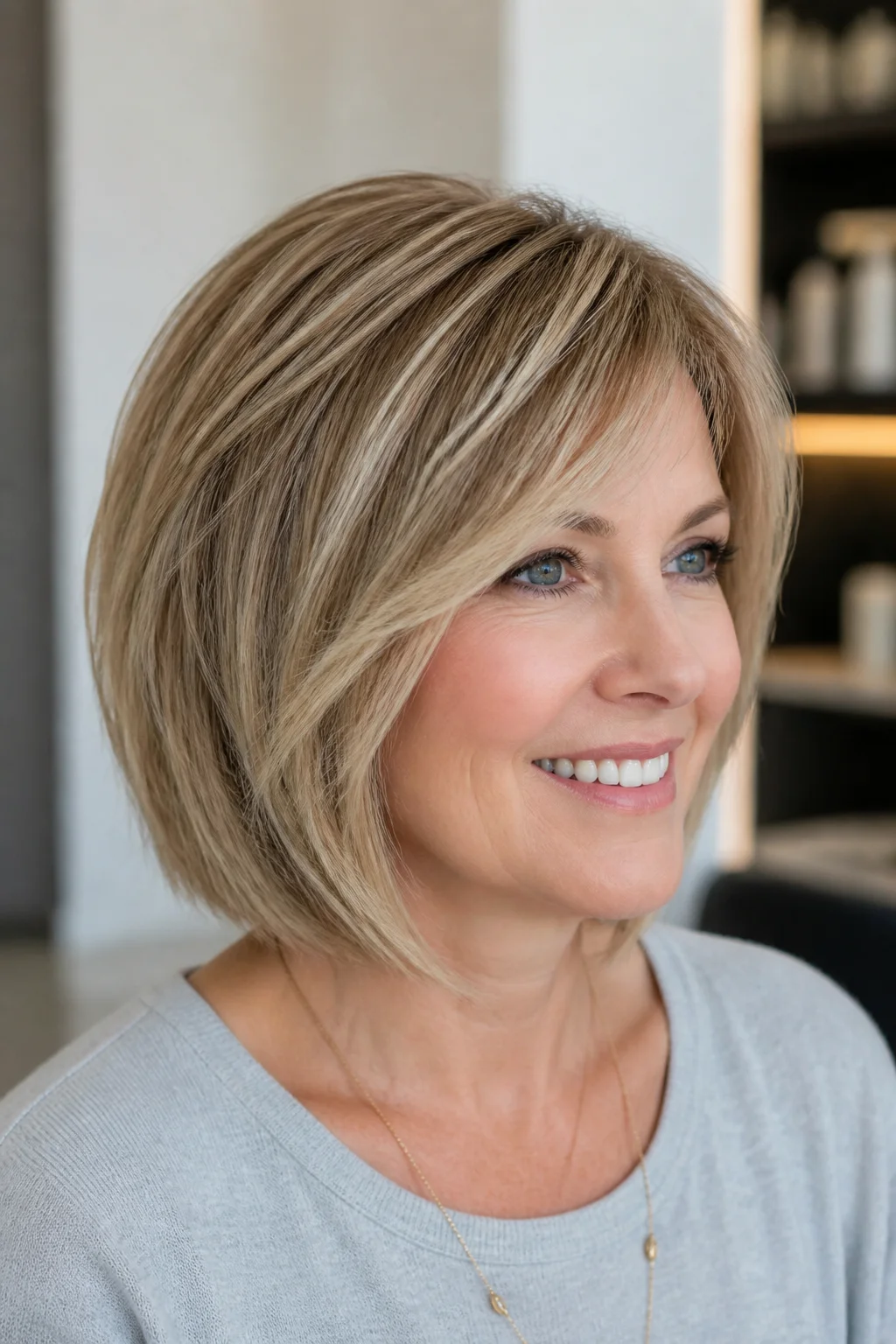
Thinning hair needs layers placed carefully, not just added everywhere, because too much texture on already-sparse hair can make it look wispy instead of full. This cut uses shorter layers only where density can support them, usually at the crown and the ends, while keeping length elsewhere to preserve the appearance of thickness. It’s one of the better options for a layered bob for women over 40 who have noticed real changes in hair density over the past few years. Ask your stylist about a light perimeter trim paired with internal texturizing rather than heavy all-over layering.
Wavy Layered Bob with Curtain Layers
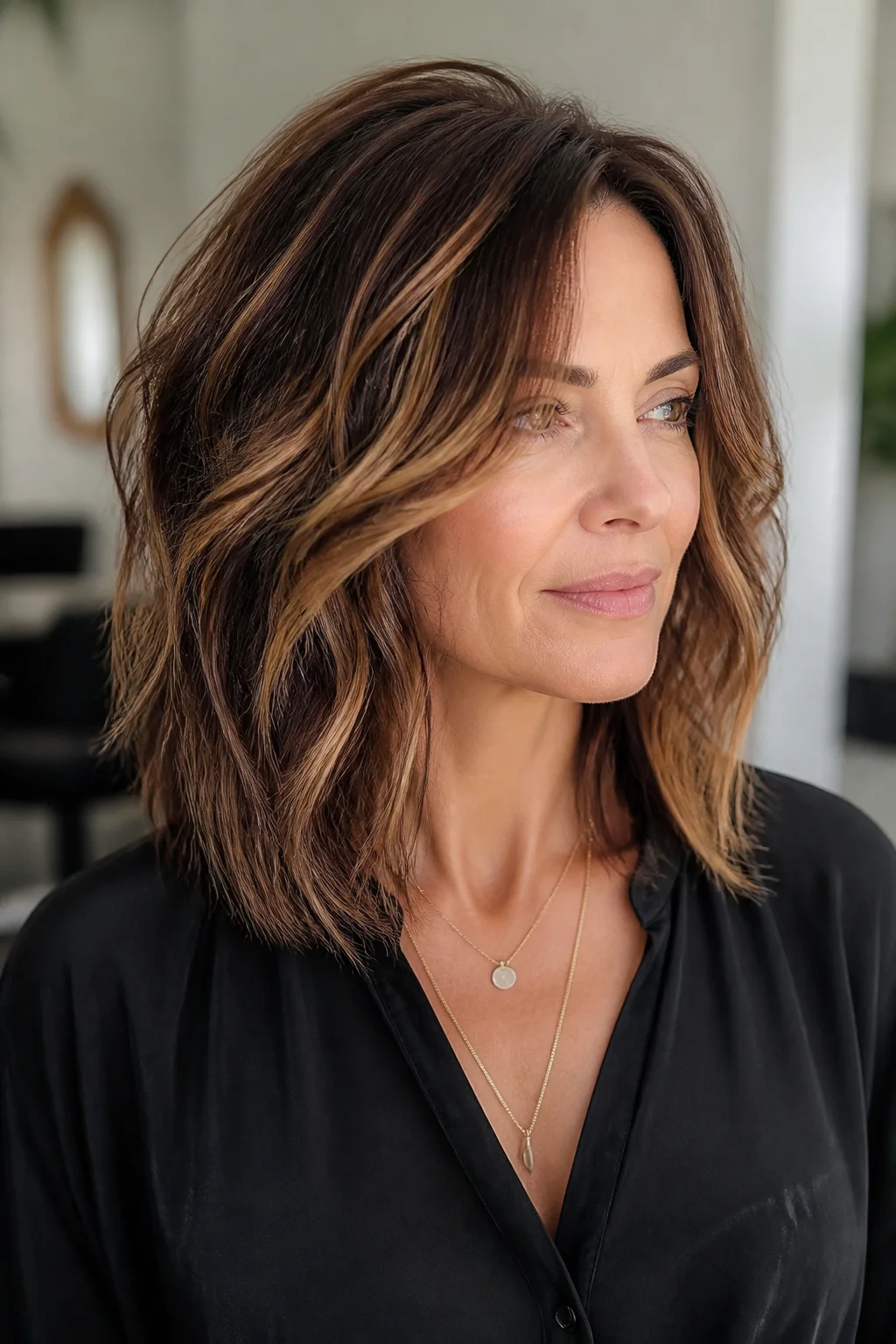
Curtain layers frame the face on both sides, parting naturally in the middle and sweeping back like curtains pulled open. Paired with waves, this cut has a soft, effortless quality. It works on most face shapes and grows out gracefully since the curtain pieces blend as they lengthen.
Sleek Layered Bob with Minimal Texture
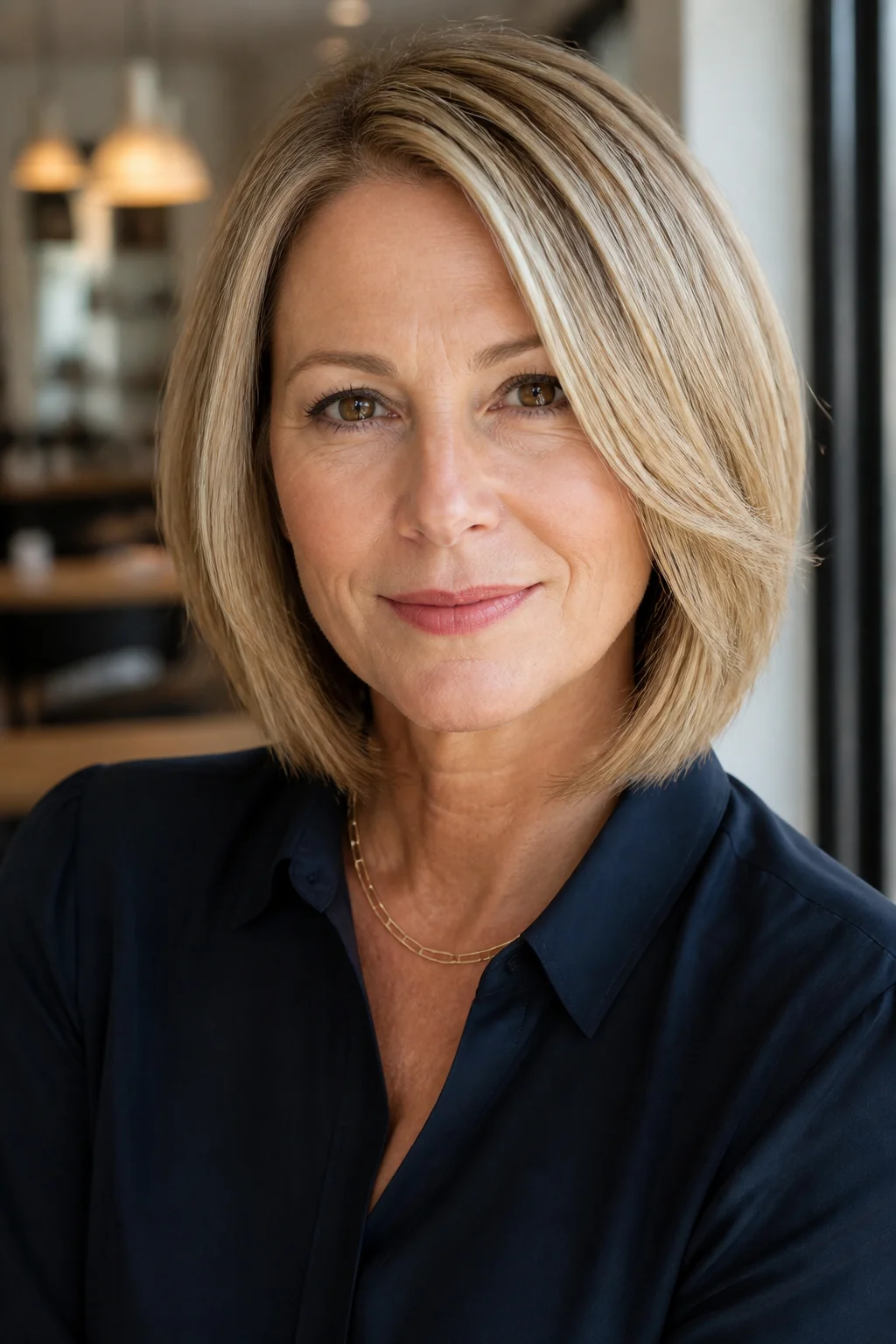
Some women want layers for shape without any added texture or choppiness, and this cut delivers that. The layers are subtle, mostly internal, and blend smoothly for a sleek, polished finish when blown out straight. It suits fine to medium hair that holds a smooth style well without much frizz.
Layered Bob with Longer Layers in Front
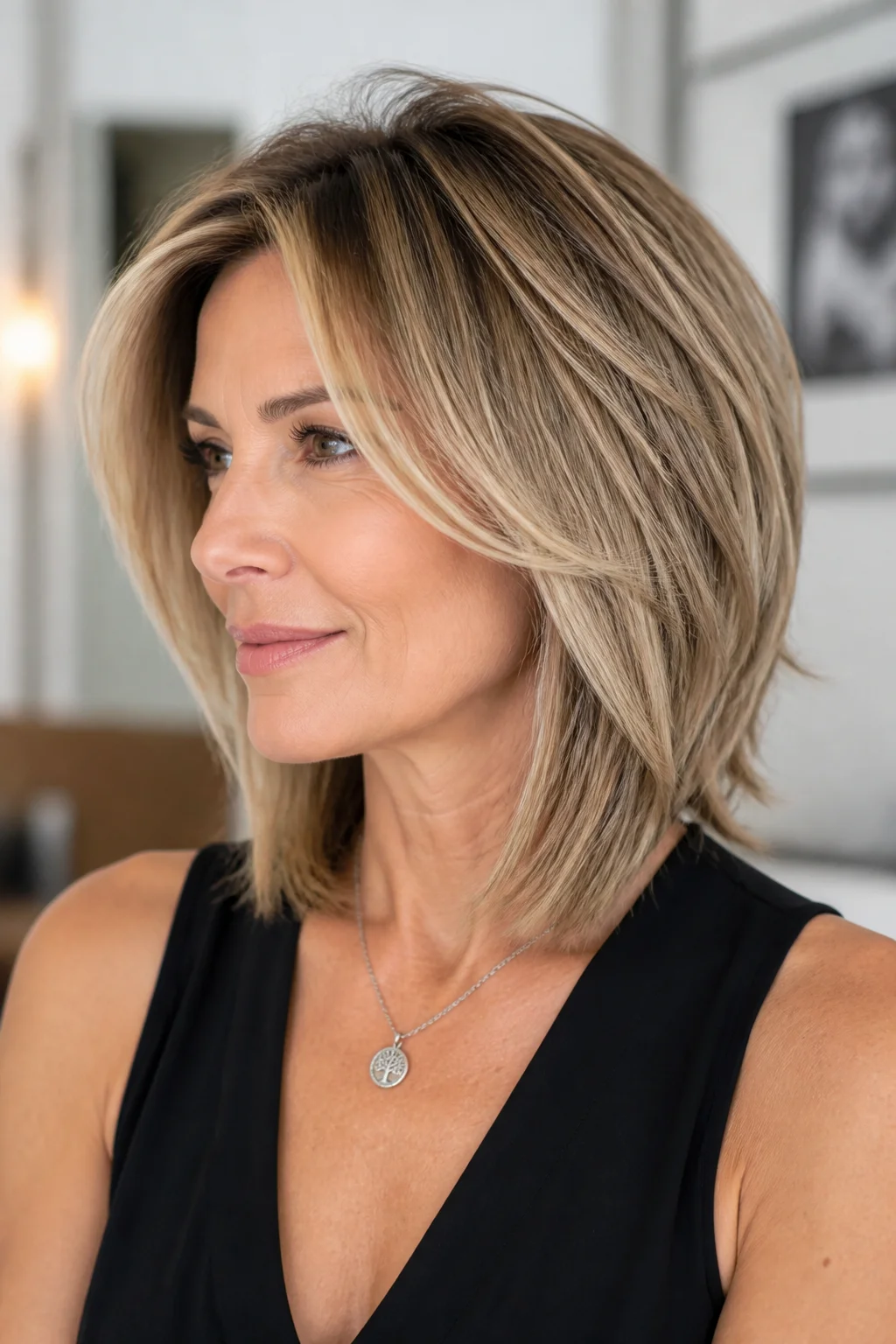
Front layers cut longer than the back create a soft frame around the face while keeping a shorter, tidier shape underneath. This is a good option if you want the face-framing benefit of longer pieces without committing to a full curtain fringe. The longer front sections also give you the option to tuck them back when you want your whole face visible.
Textured Curly Layered Bob with Shorter Sides
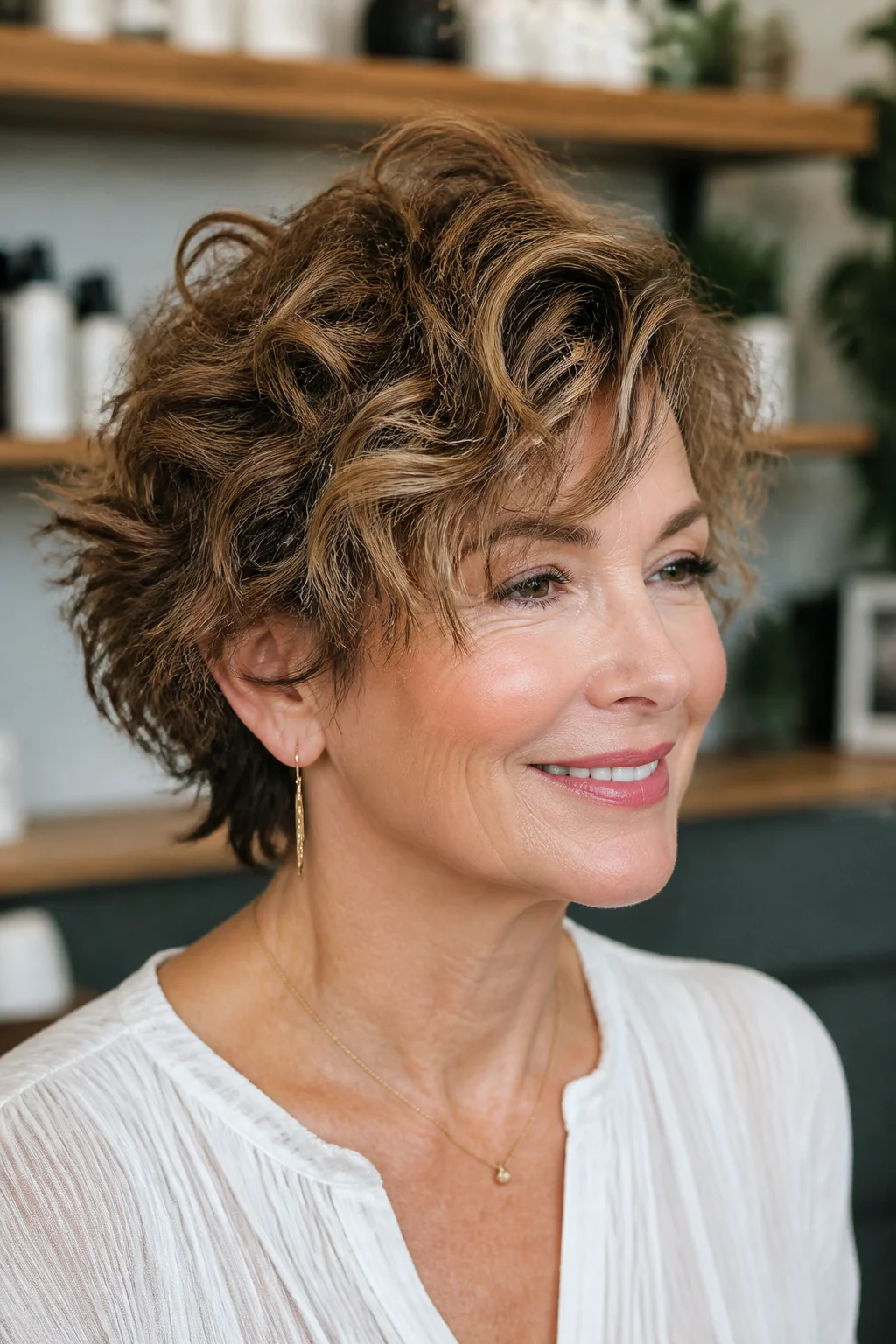
This one takes the curly bob concept and adds shorter sides for a bit more edge, similar to how an undercut changes a straight style. The shorter sides reduce bulk on curly or coily hair types that tend to expand outward rather than fall. Layers throughout the top and back keep curls defined instead of clumped.
Piece-y Layered Bob for Straight Hair
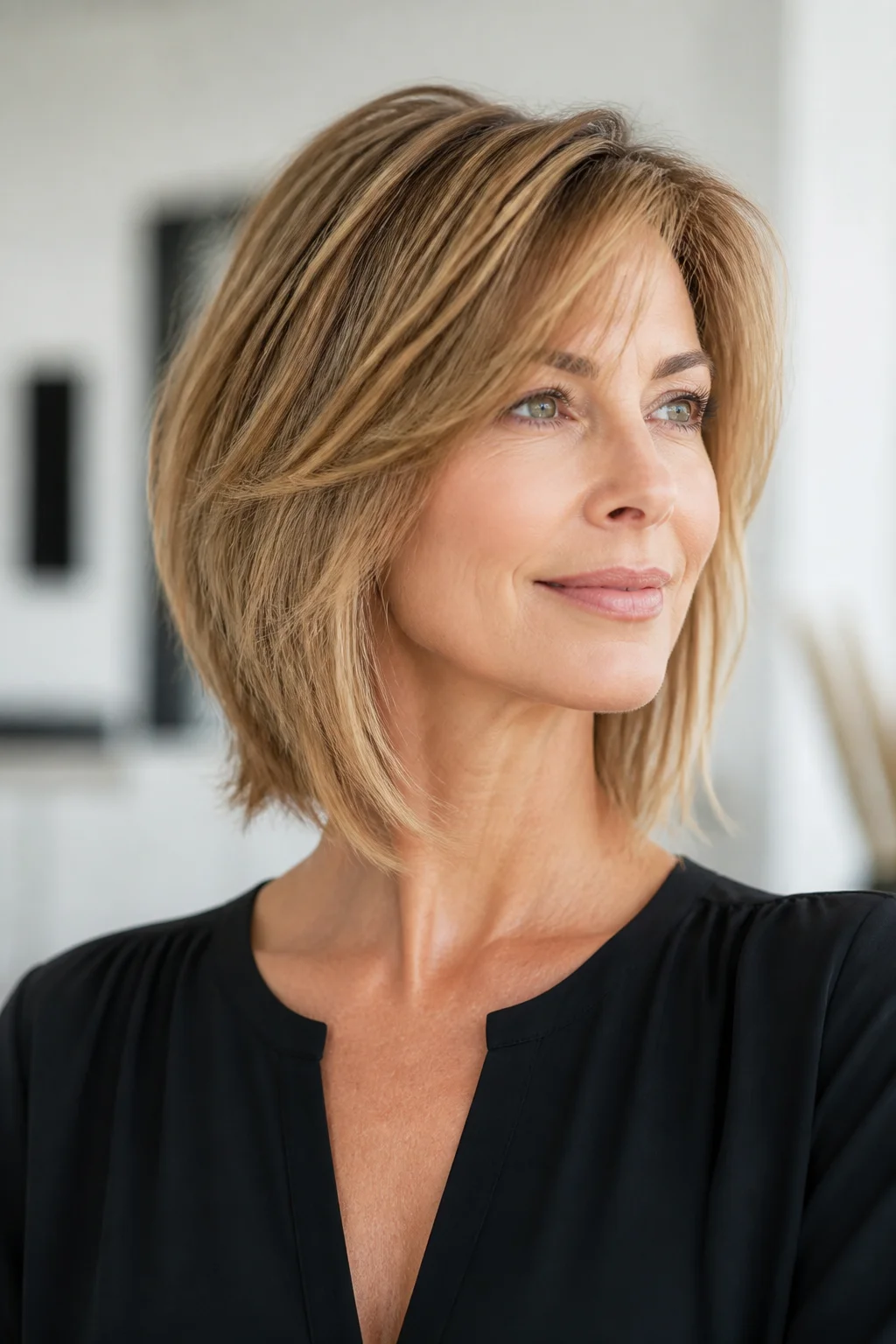
Straight hair shows off individual pieces clearly, and this cut is built around that, with layers cut to create separation rather than blend smoothly. A texturizing paste worked through dry hair brings out the piece-y effect. It’s a low-effort style once the cut is done right.
Layered Bob with Wispy Ends
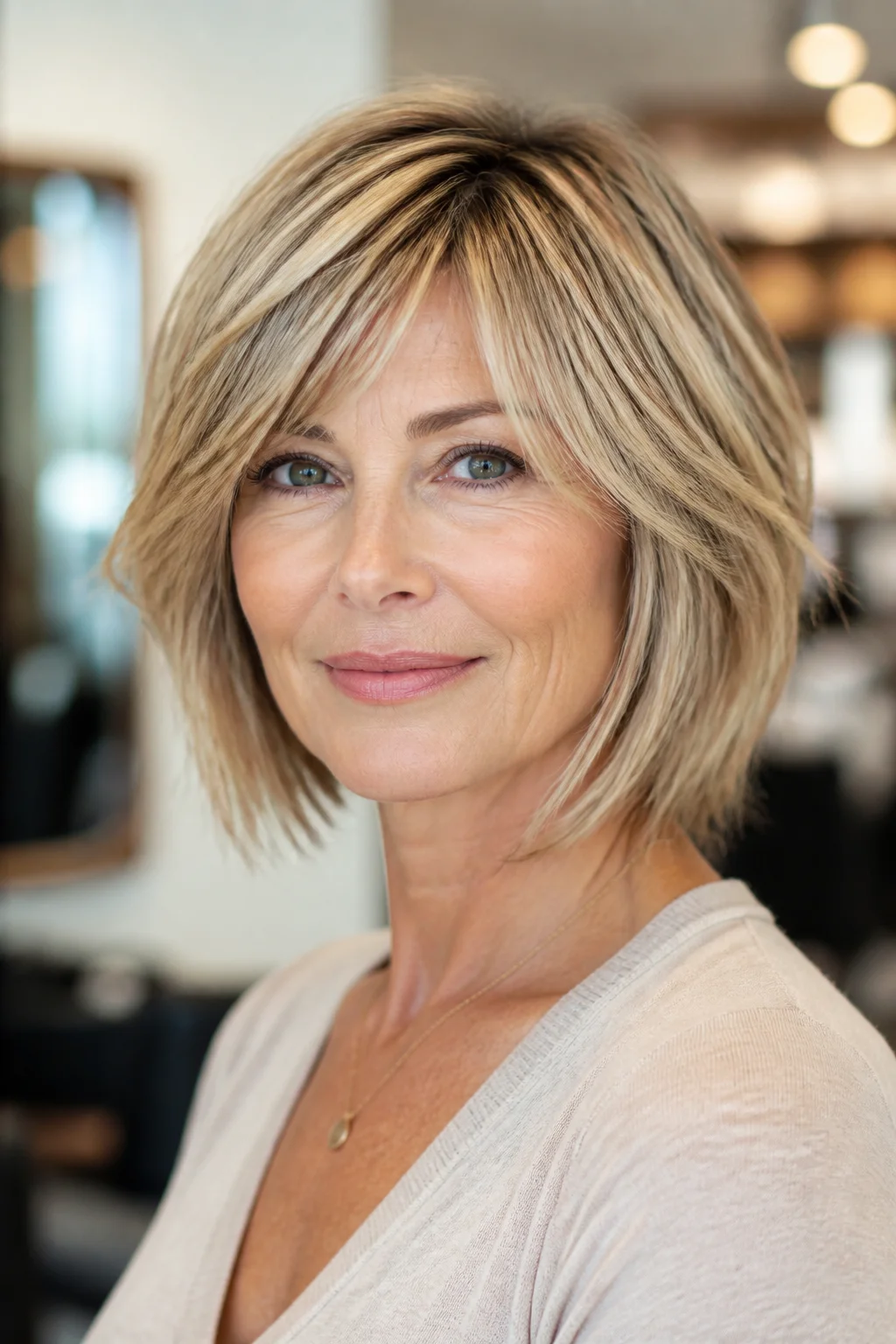
Wispy ends taper off thin instead of ending in a hard line, giving the whole cut a soft, feathered finish. This works especially well on finer hair types where a blunt end can look stark. Tip: point-cutting the ends rather than cutting straight across is what creates that wispy effect, so mention this specific technique to your stylist.
Voluminous Layered Bob for Fine, Wavy Hair
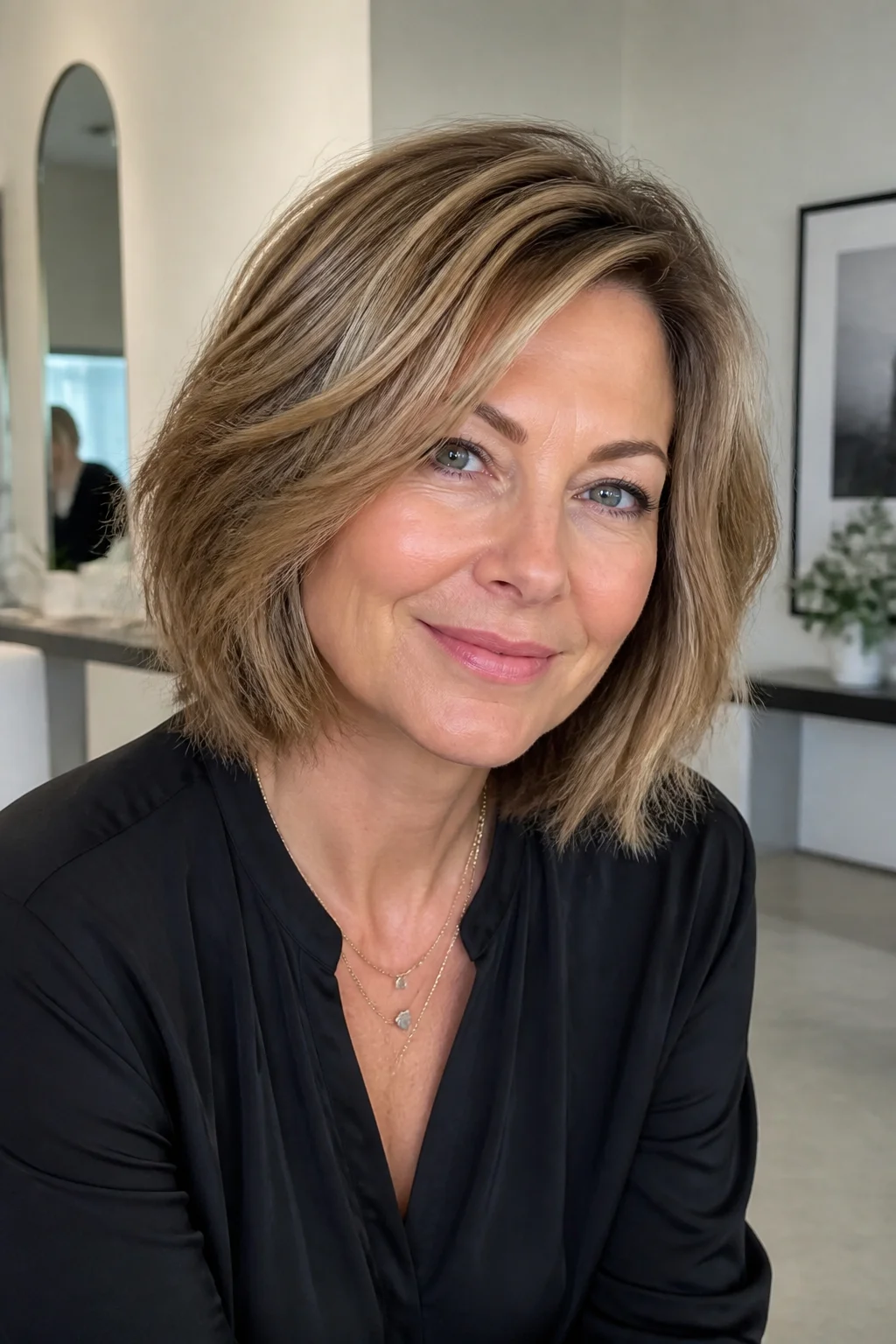
Fine, wavy hair often lacks volume even though it has natural movement, and this cut addresses both problems by layering strategically at the roots and mid-lengths. The wave gets room to show without the weight of length pulling it flat. A mousse applied to damp hair before diffusing will boost this cut’s natural lift.
Layered Bob with Undercut Detail
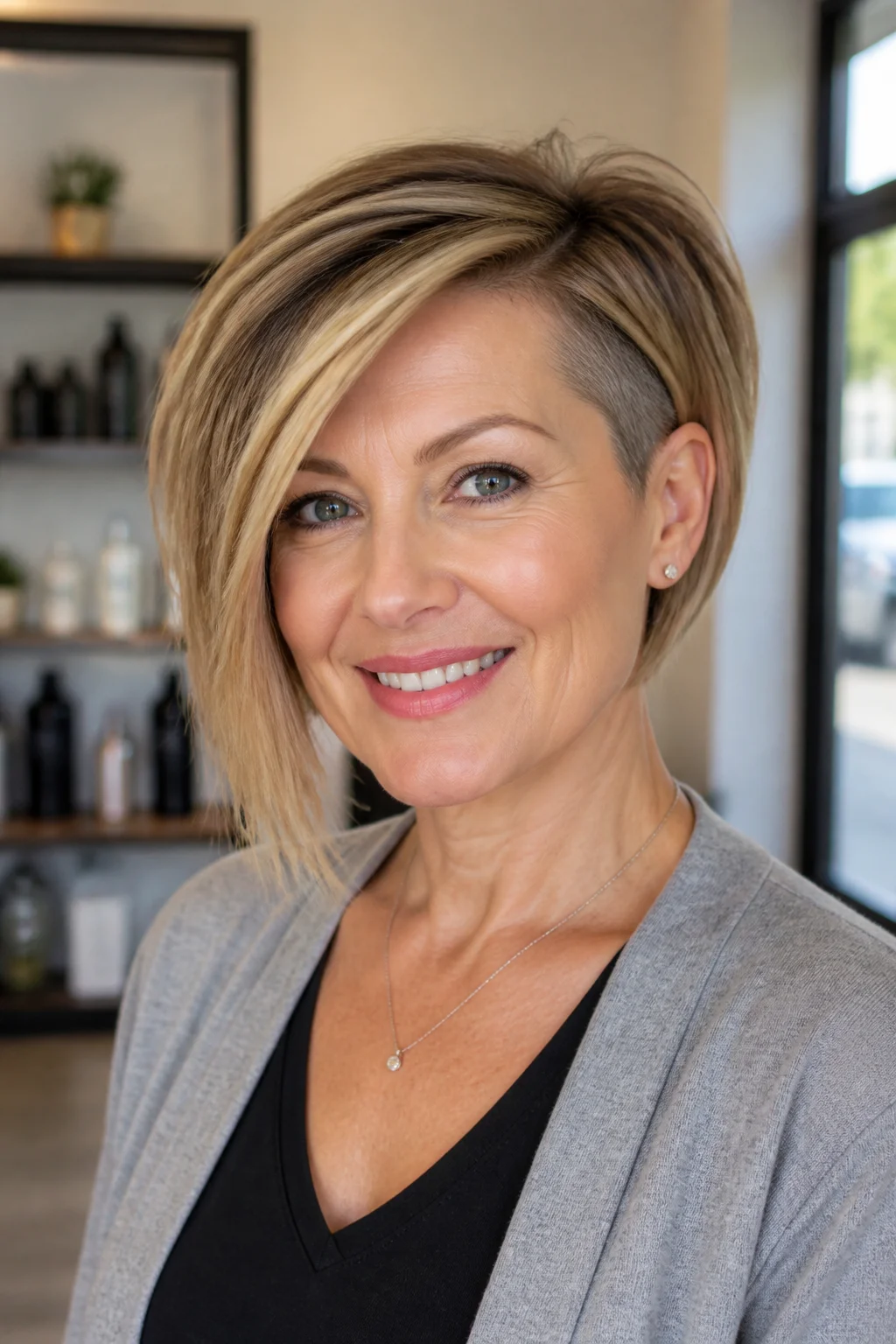
An undercut hidden beneath the top layers removes bulk from underneath without changing the visible length or shape. It’s a good option for thick hair that feels heavy, and it also allows for a bit of personality if you want a peek of the shaved section when your hair is pulled back or tucked behind your ear.
Tapered Layered Bob
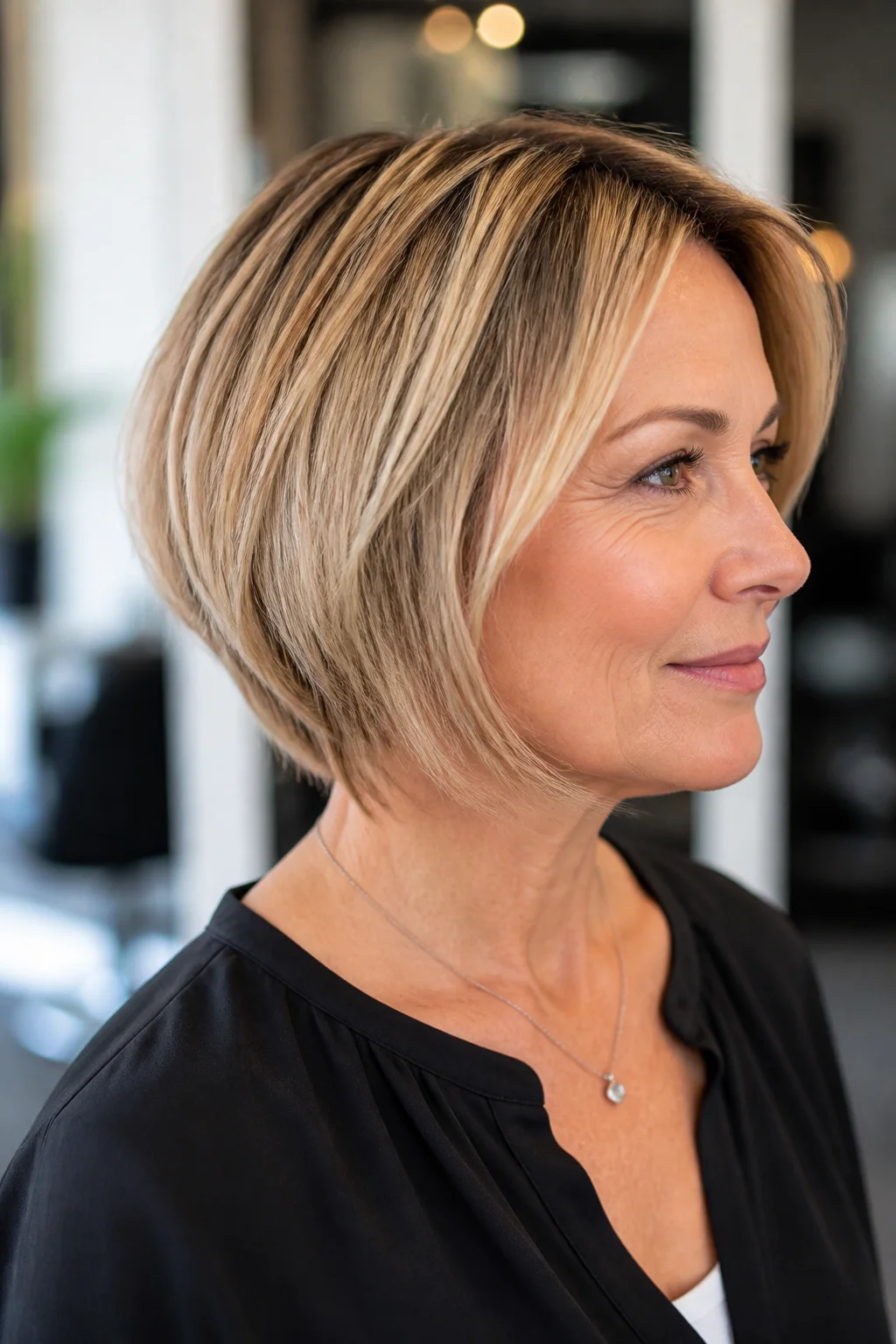
Tapering narrows the shape gradually toward the neckline, avoiding the boxy look that can happen with an even, all-one-length bob. Layers are cut throughout to support the tapered shape rather than fight it. This is a solid option for anyone who wants a rounder, softer silhouette overall.
Layered Bob with Gray Blending Layers
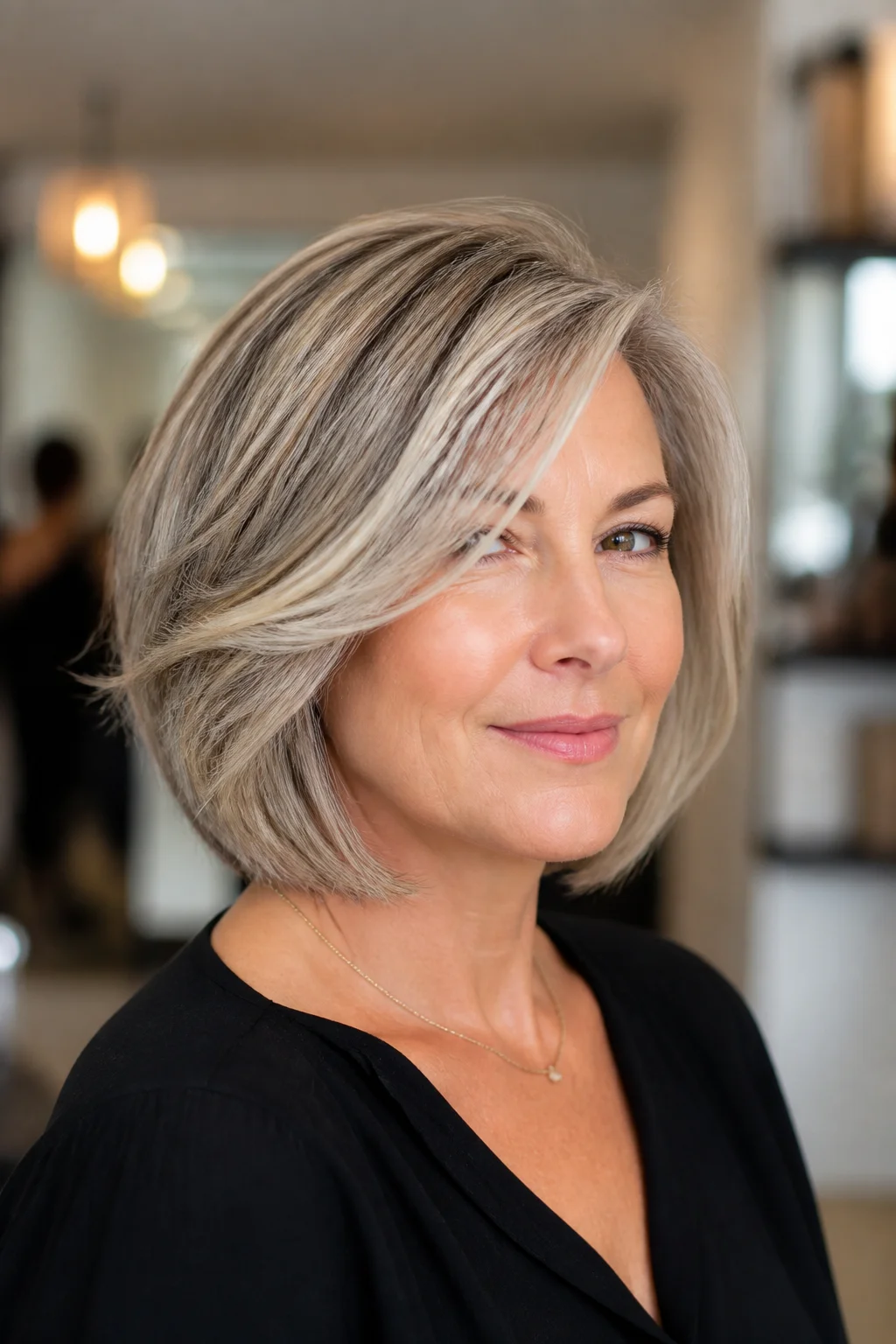
Layers cut specifically to blend gray regrowth with color-treated hair make the transition less noticeable between salon visits. The layering breaks up the line where gray meets color, softening what would otherwise be an obvious demarcation. This cut works well for anyone easing into going gray or stretching time between color appointments.
Feathered Layered Bob
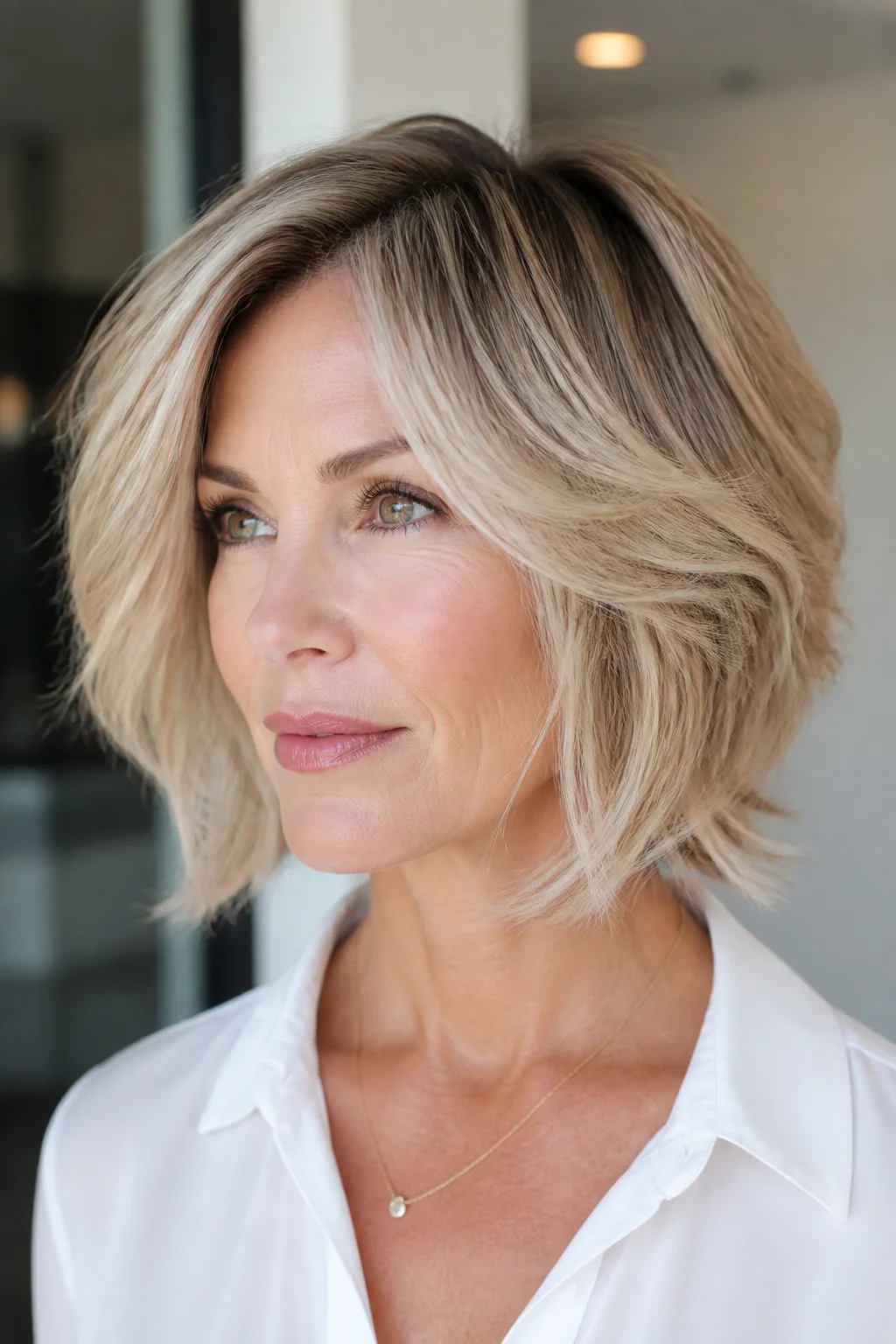
Feathering uses very fine, thin layers to create soft, wispy movement throughout, almost like the texture is brushed rather than cut. It’s a delicate, detailed technique best suited to hair with enough length and health to support thin layering. The overall effect is light and airy, closer to a texture than a shape.
How to Choose the Right Layered Bob for Your Hair
The biggest mistake women make when picking a layered bob is choosing a style based on a photo alone without considering their own hair density and texture. A choppy layered bob for thick, straight hair, for example, relies on hair that can handle heavy thinning shears without looking stringy. Put those same layers on fine hair and you lose the fullness that made a bob appealing in the first place. On the flip side, the textured layered bob for fine hair uses much lighter, more targeted layering, and applying that same light touch to thick hair usually won’t create enough movement to matter.
Face shape matters just as much as hair type. The chin-length layered bob with face-framing pieces flatters angular jawlines, while the layered bob with bangs for fuller face shapes is built around softening width rather than emphasizing it. If your hair has thinned with age, look toward the layered bob for thinning hair with strategic texture or the layered wavy bob with volume at crown, both of which place layers to build the appearance of density rather than remove it.
Bring a clear photo to your appointment and talk through your hair’s natural texture honestly. A stylist can adjust any of these cuts, but starting with the version closest to your actual hair type will always cut down on guesswork and get you closer to the result you want on the first try.