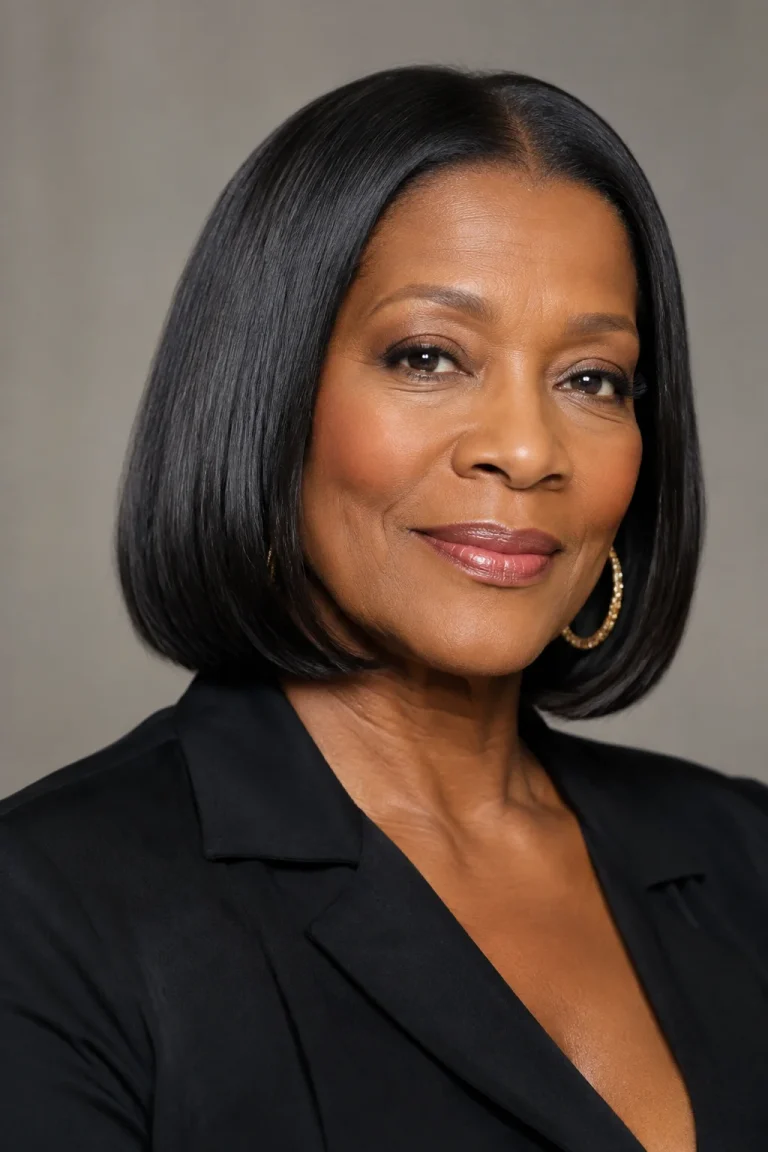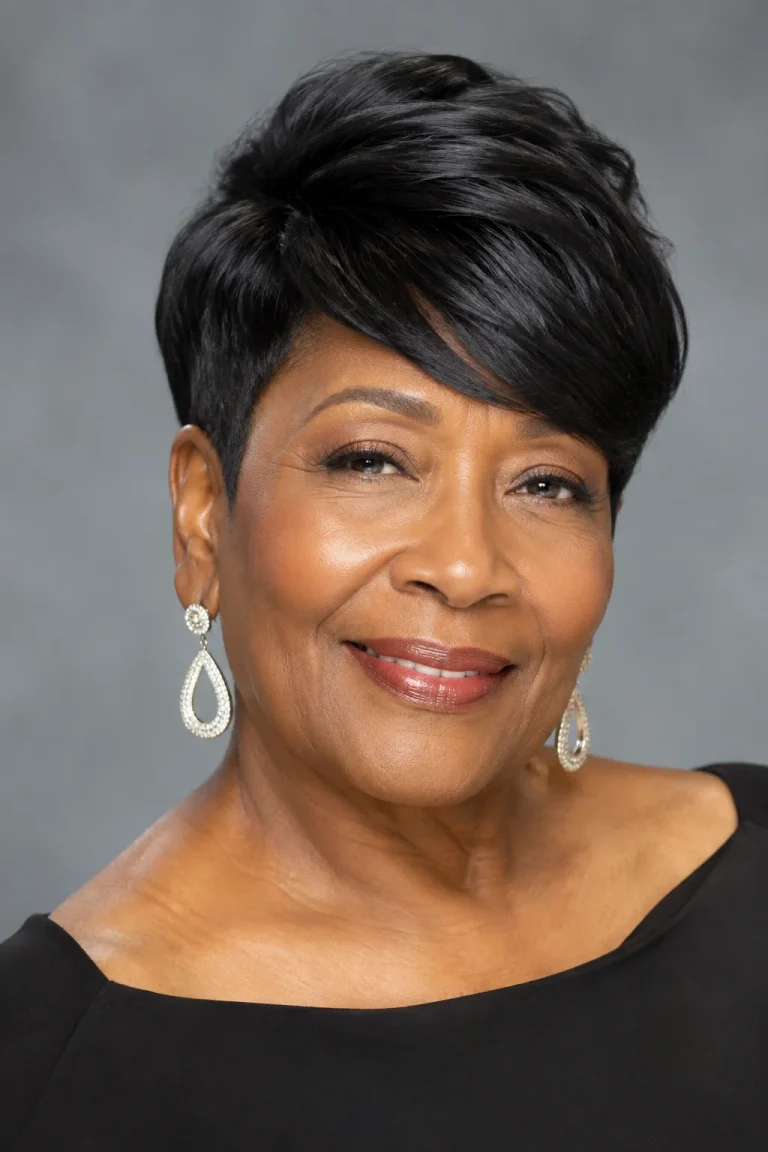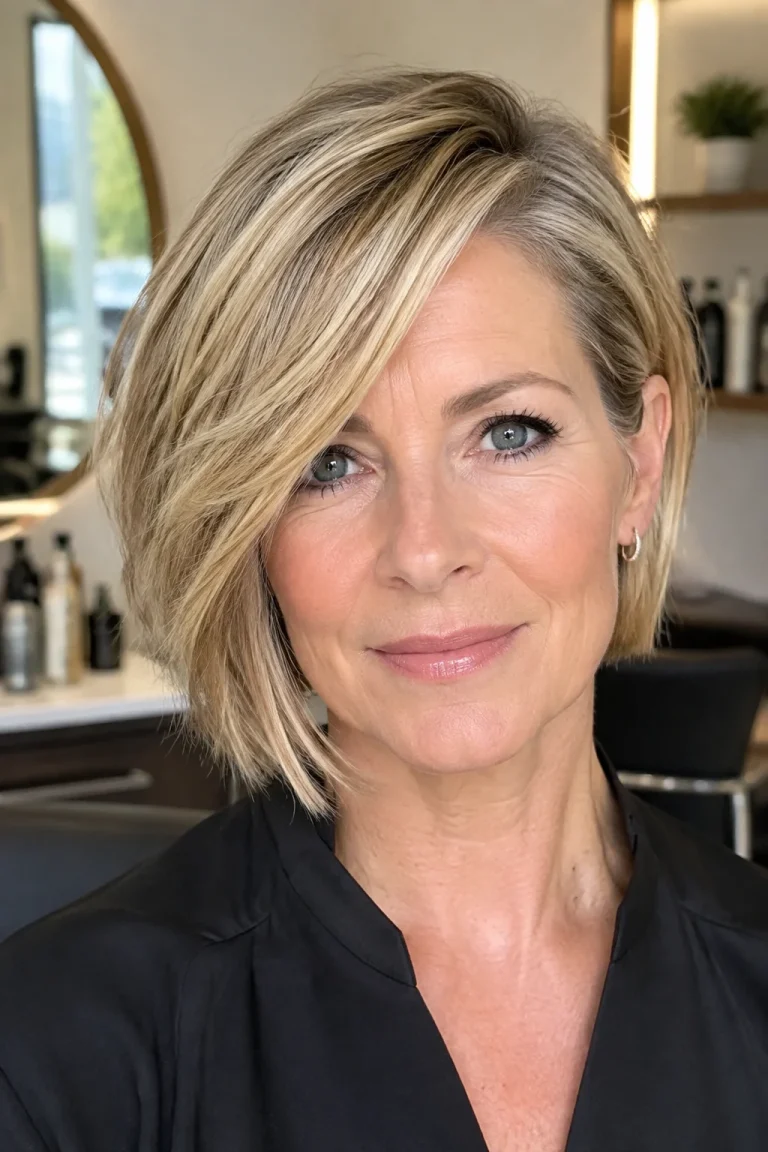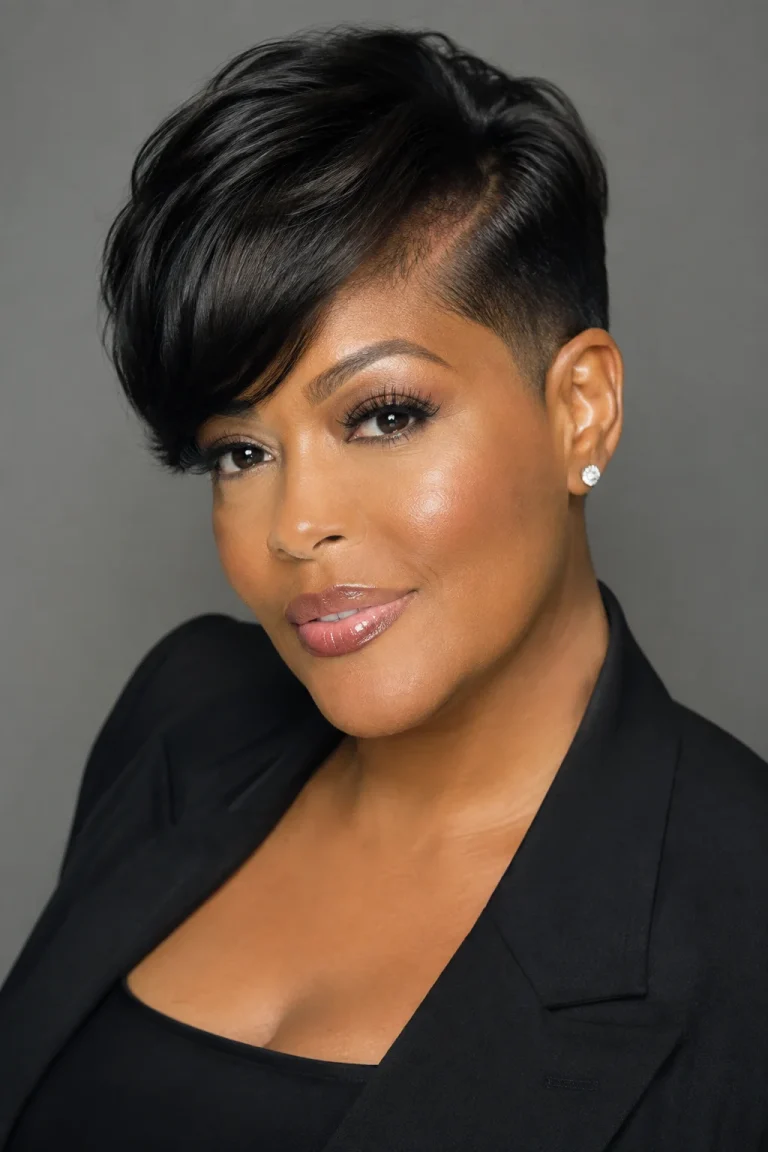
Long hair past 50 can still look soft and full of movement if the cut works with your face instead of just hanging there. The biggest complaint stylists hear is that long layers start to look flat or heavy around the jaw and chin, which can drag the whole face down. The fix isn’t cutting it all off. It’s shaping the pieces around your face so light hits your cheekbones and your features get a lift instead of a shadow. Face-framing long hair over 50 older women is having a moment right now because it gives the length people love while still softening lines and adding shape where it counts. Below are twenty ways to get that effect, from soft waves to piecey bangs to graduated layers. Pick the one that matches your hair texture and face shape, then bring the photo to your next appointment.
Long Layers with Soft Waves
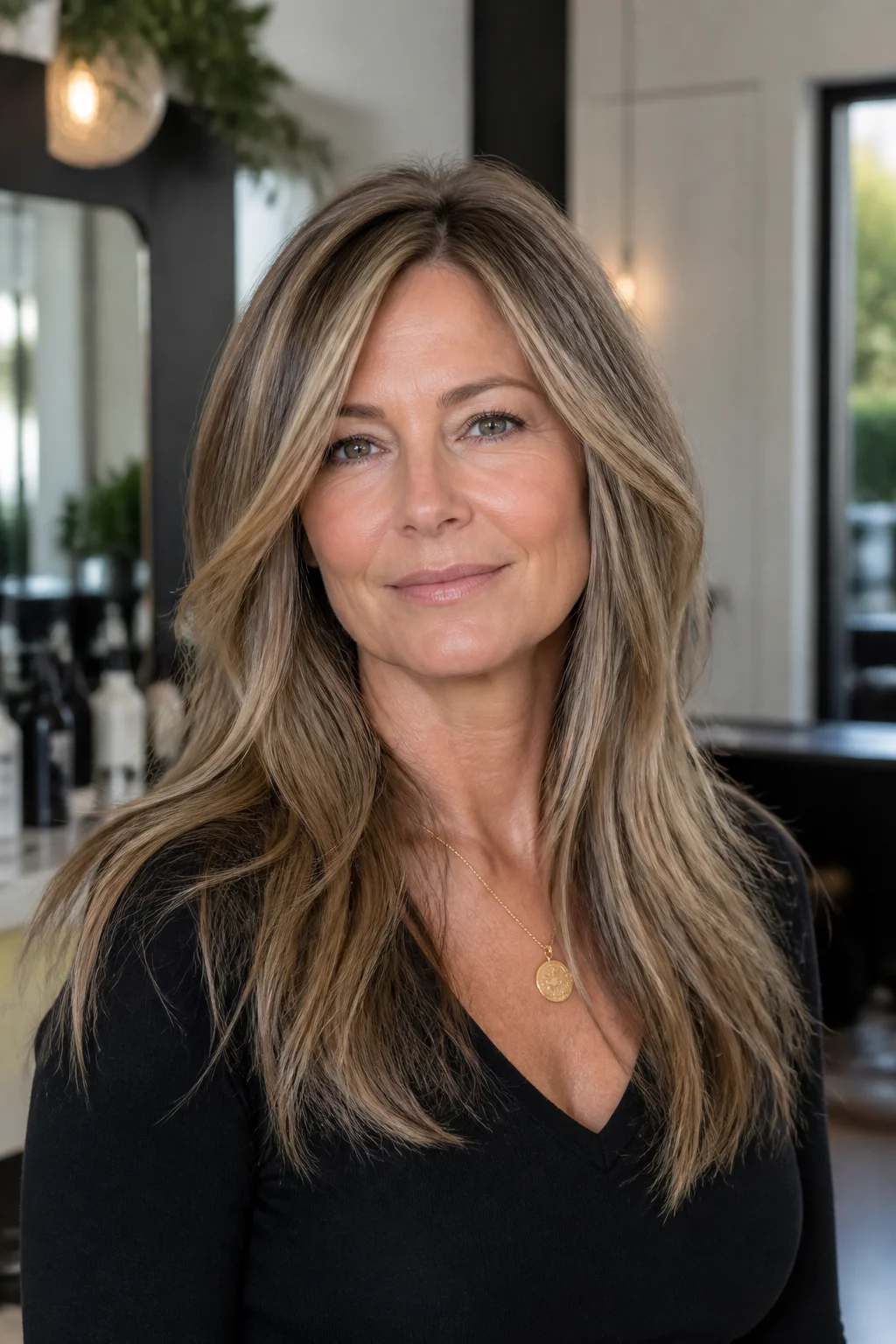
This style keeps the length but breaks it up with layers that start around the cheekbone. The waves add bounce and movement, so the hair never sits flat against the face. It works especially well on rounder or square face shapes because the waves pull attention outward and up rather than straight down. Soft waves also hide thinning ends better than a blunt cut, which matters more as hair texture changes with age. Ask your stylist for a light layering technique rather than heavy chunks, since subtle layers blend better with waves. Tip: use a large-barrel curling iron and curl away from your face for the most flattering frame.
Long Curtain Bangs with Length
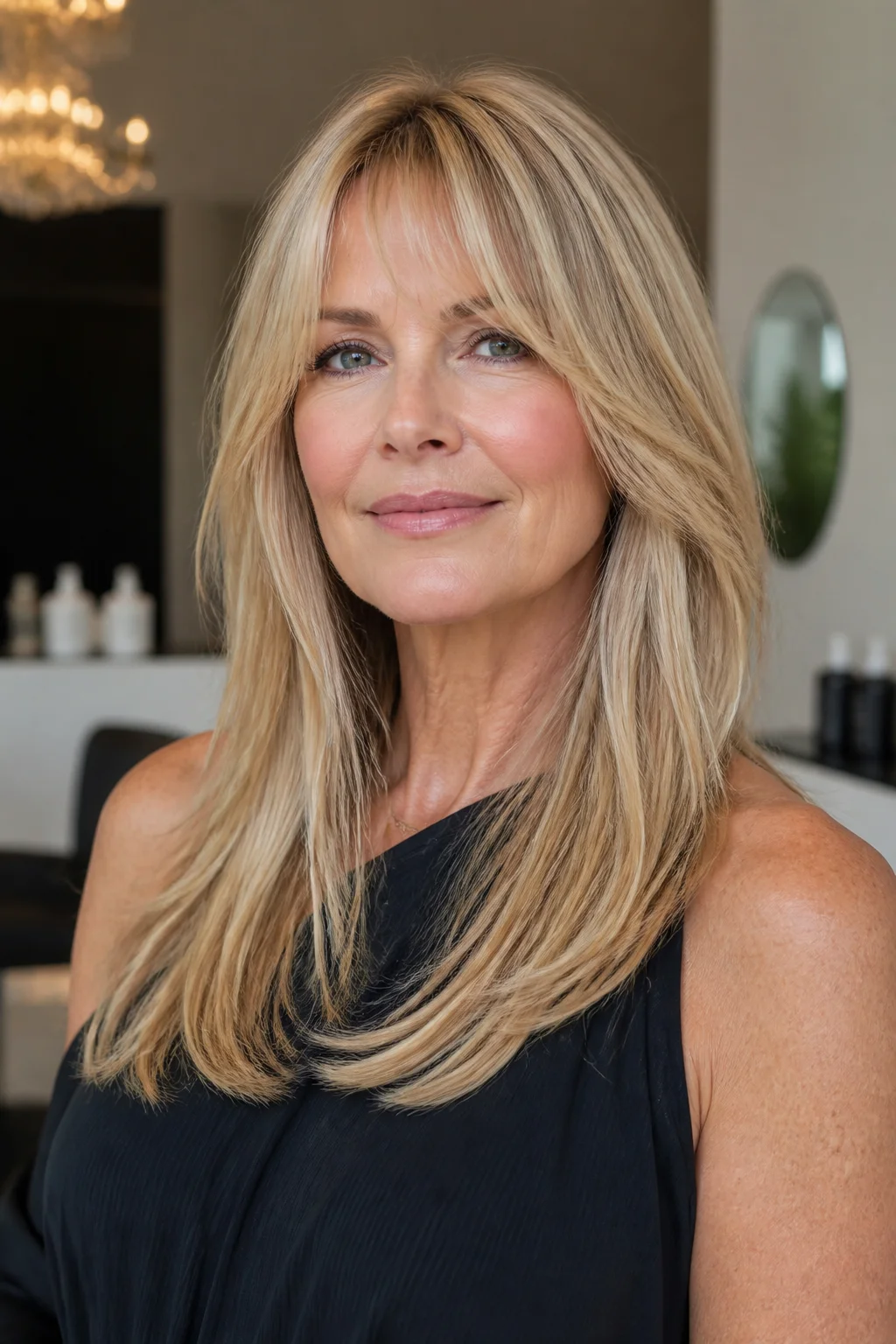
Curtain bangs split down the middle and sweep to each side, framing the eyes and softening the forehead. They pair beautifully with long hair because they blend into the layers instead of standing apart as a separate section. This look suits nearly every face shape, though it’s especially kind to longer or narrower faces since it adds width near the temples. The bangs grow out without a hard line, which makes them low maintenance between trims.
Long Shag with Textured Layers
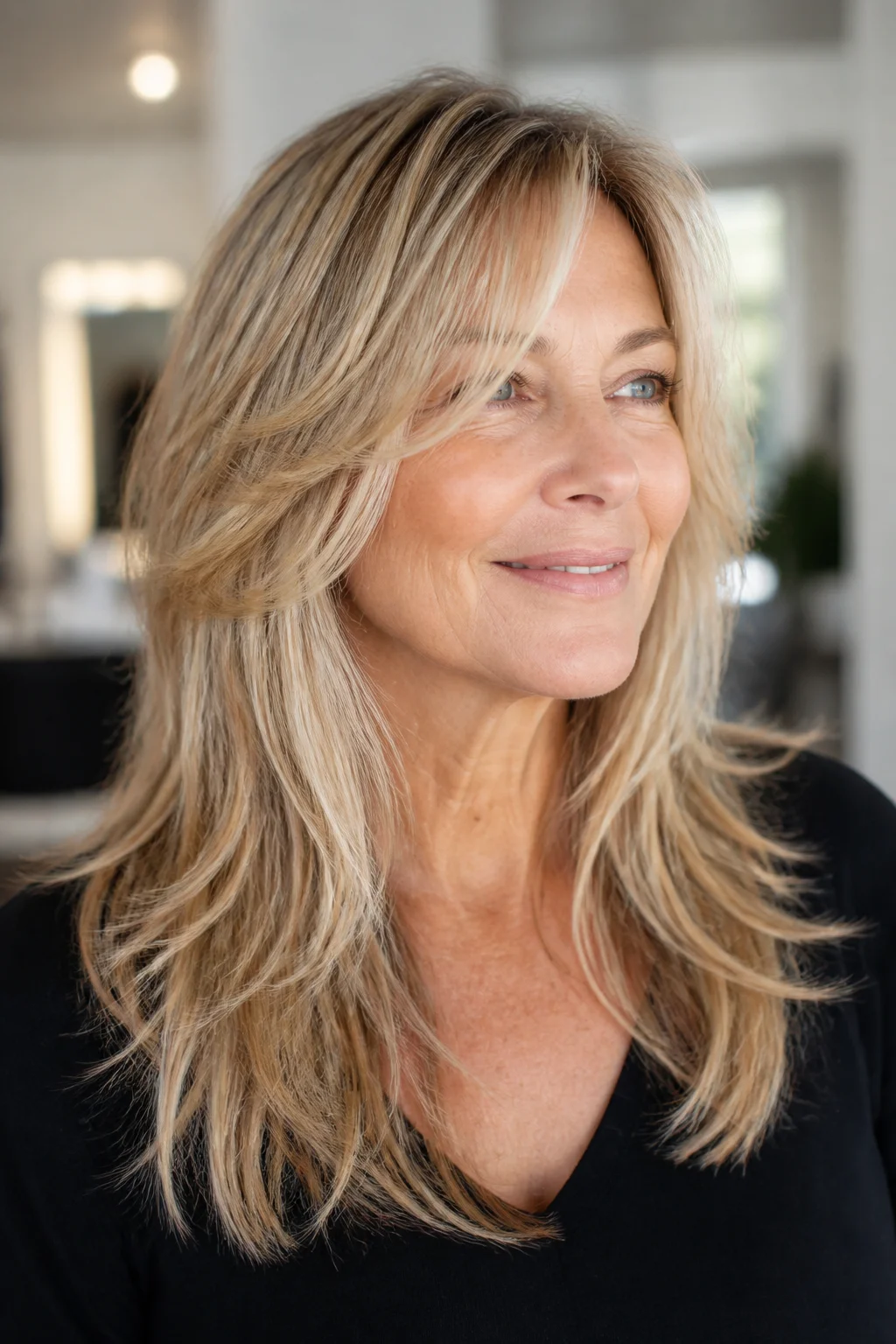
The shag is having a real comeback, and it’s easy to see why once you see it on longer hair. Choppy layers throughout the crown and sides create texture that catches light and adds volume without extra length being removed. Face-framing pieces at the front get cut shorter than the rest, curving in toward the chin or jaw. This gives a soft, feathered edge that works on fine and thick hair alike. Fine hair benefits most, since the layers create the illusion of fullness. Thicker hair can handle even more texturizing without losing shape. Pair it with a light wave for extra movement, or wear it straight for an edgier finish. Either way, this cut brings personality back into long hair that might otherwise look tired.
Long Hair with Wispy Side-Swept Layers
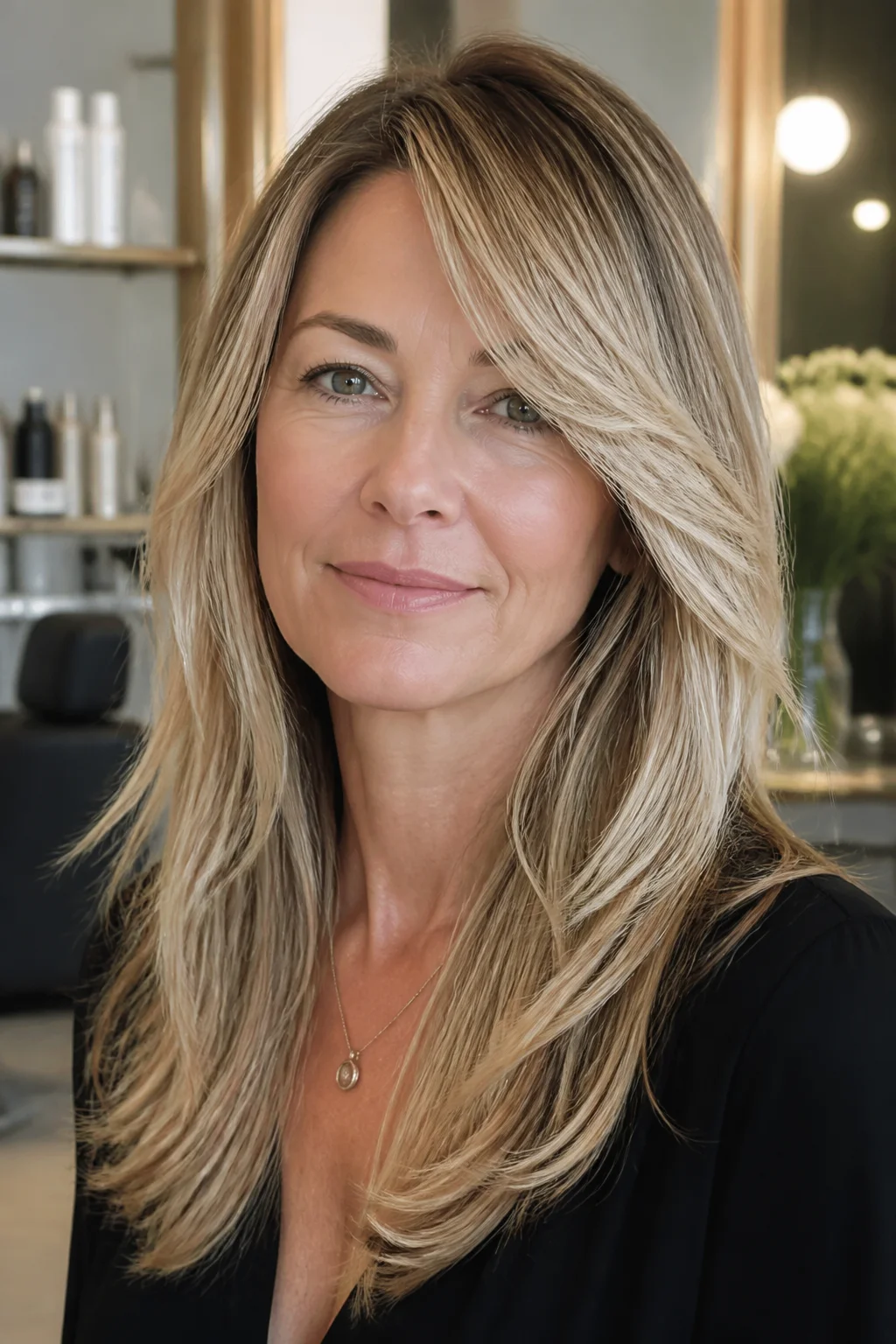
Wispy layers swept to one side soften a strong jawline and draw the eye upward toward the cheeks. The layers are thin and feathered rather than thick, so they move easily with the rest of the hair. This is a good pick for anyone who wants a subtle change rather than a dramatic one.
Long Straight with Angled Face-Frame
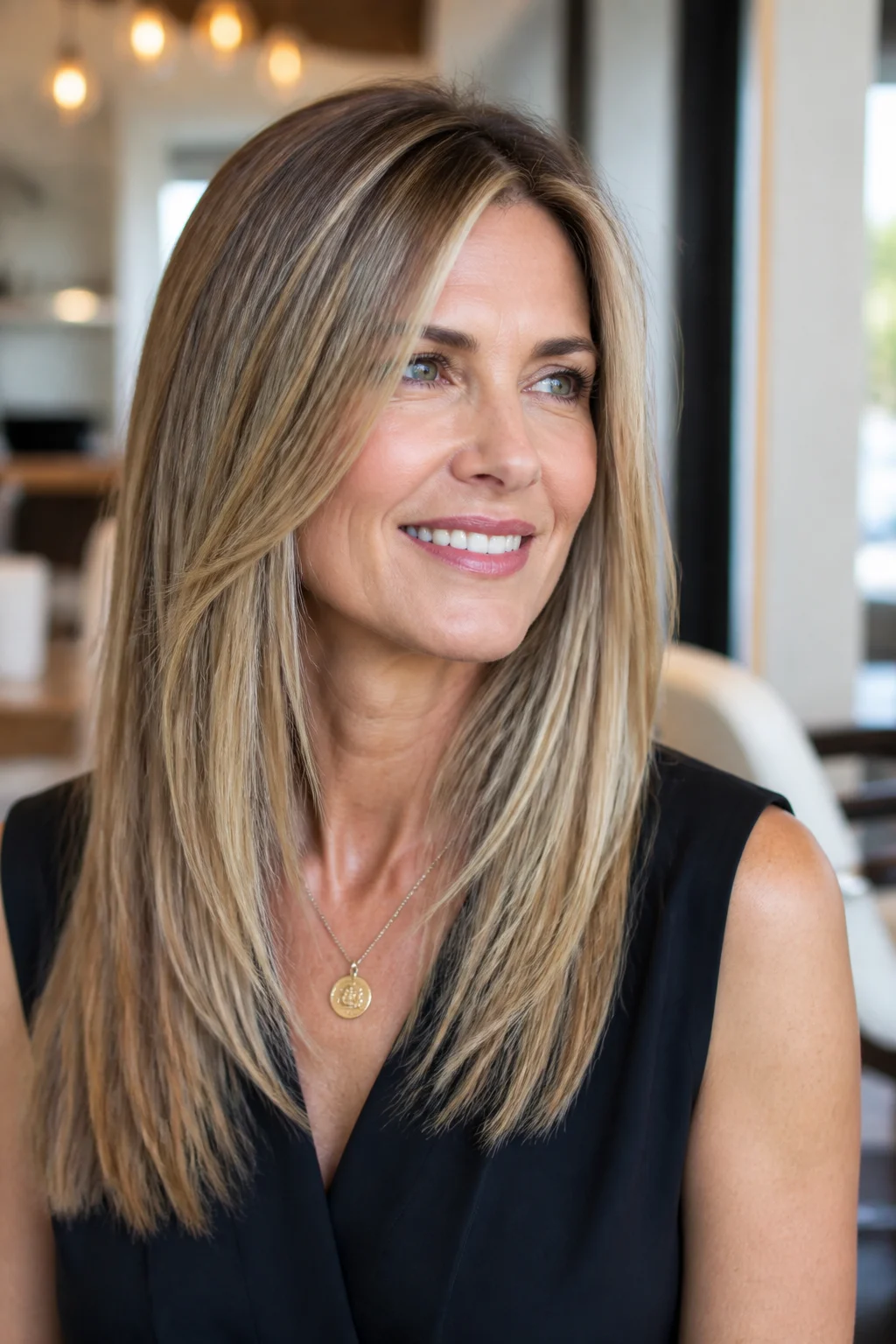
Straight hair can look severe over 50 if there’s no shape near the face, so an angled frame solves that problem directly. The layers start longer near the chin and angle down toward the collarbone, creating a soft diagonal line instead of a blunt edge. This cut suits fine, straight hair especially well since it doesn’t rely on curl or wave to look intentional. It also works nicely with a side part, which naturally softens a straight-across fringe of layers. Keep the ends slightly textured with thinning shears so the frame doesn’t look too graphic or heavy.
Long Wavy with Feathered Layers
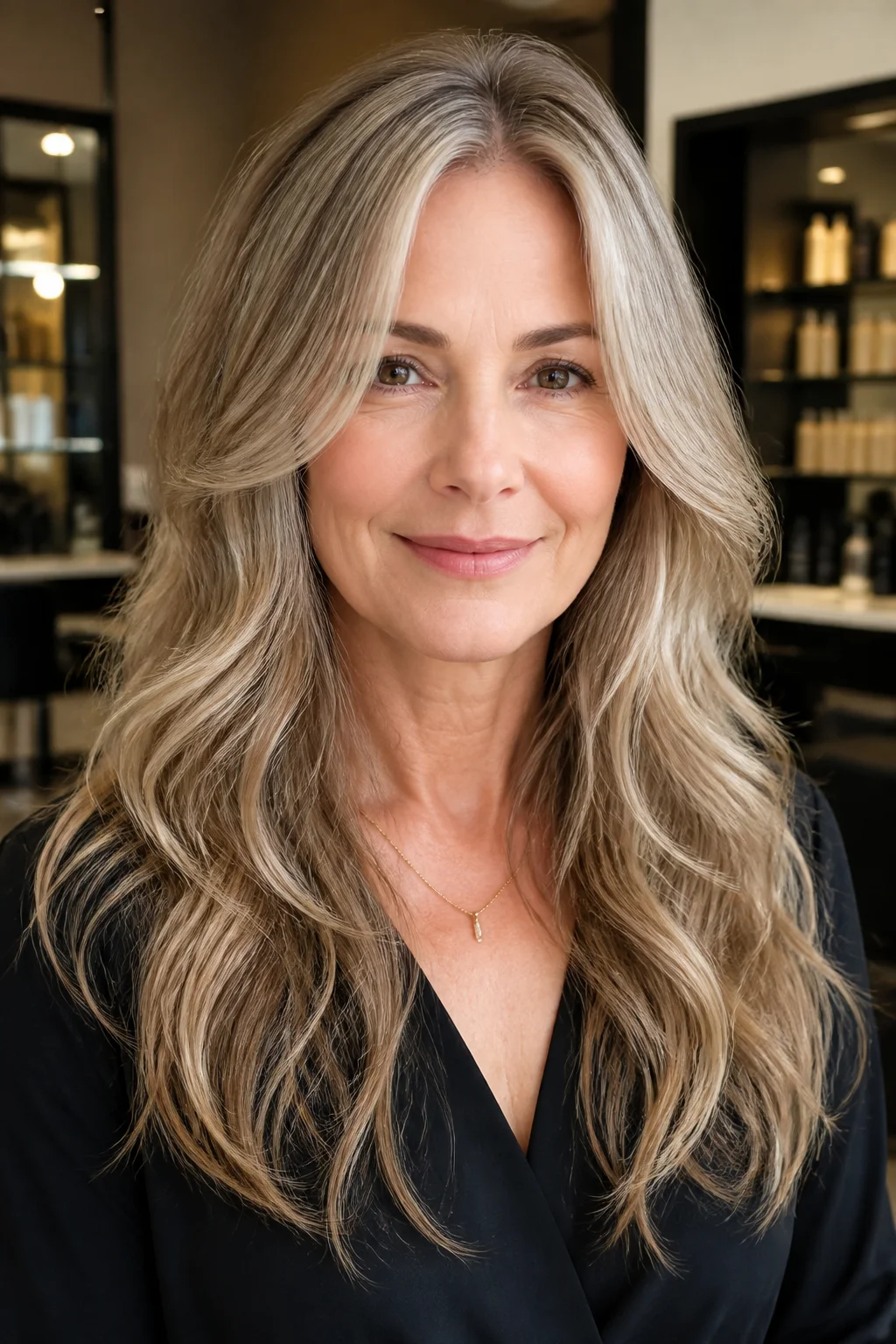
Feathered layers taper at the ends rather than being cut blunt, giving wavy hair a lighter, airier finish. The feathering happens mostly around the face, blending shorter pieces into the longer length behind them. This look flatters almost every face shape because the soft ends never create a hard stopping point. Ask for feathering with a razor rather than scissors for the softest texture.
Long Hair with Textured Bangs
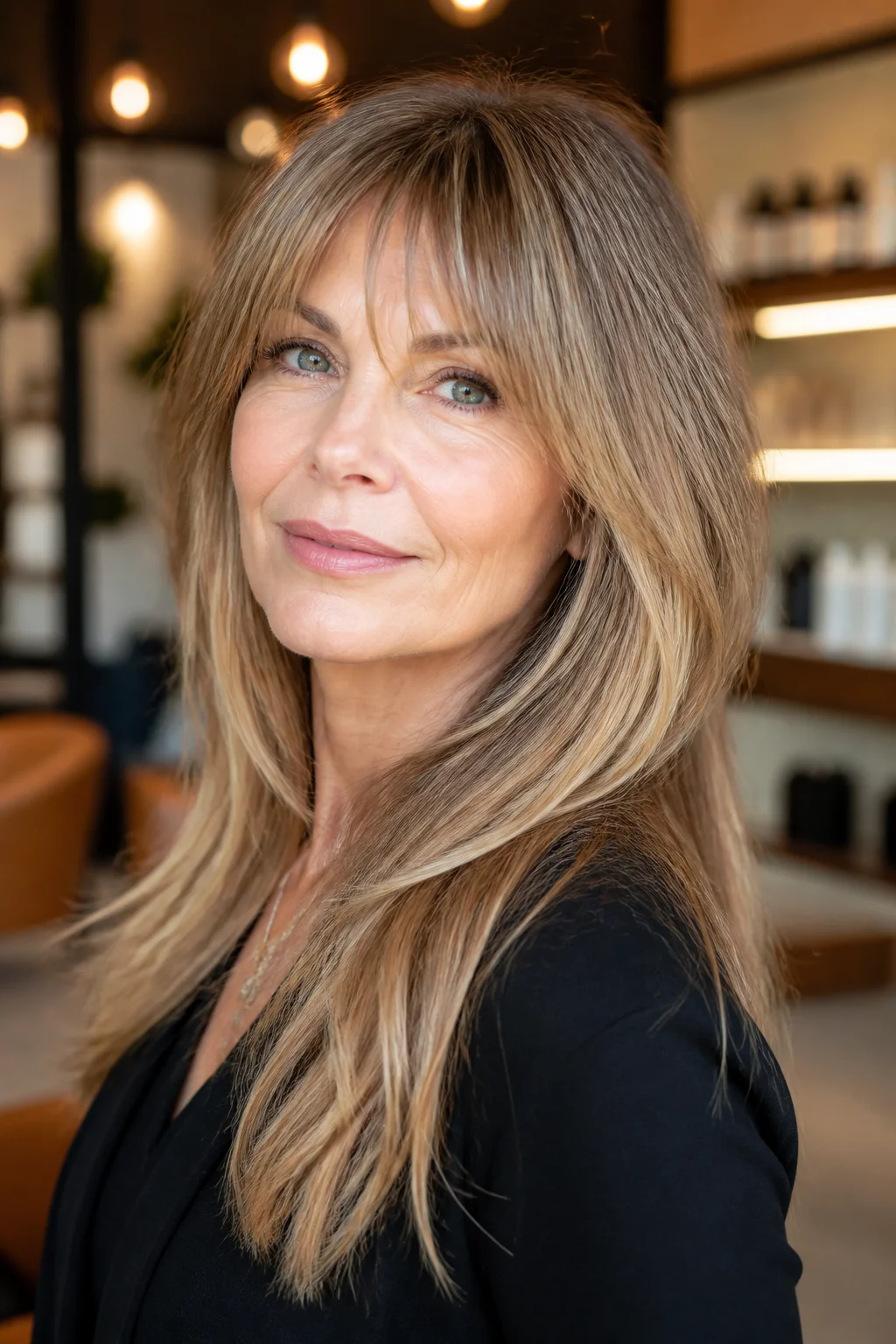
Textured bangs are cut with a razor or point-cutting technique so they never look like one solid block across the forehead. They’re shorter than curtain bangs but longer than a full fringe, landing somewhere around the brow bone. This softens forehead lines and pulls focus toward the eyes, which is exactly the kind of lift most women want after 50. The texture also means less daily styling, since the pieces are meant to fall a little imperfectly. Pair them with long layers behind for a cohesive, softened shape throughout.
Long Layered Bob Hybrid
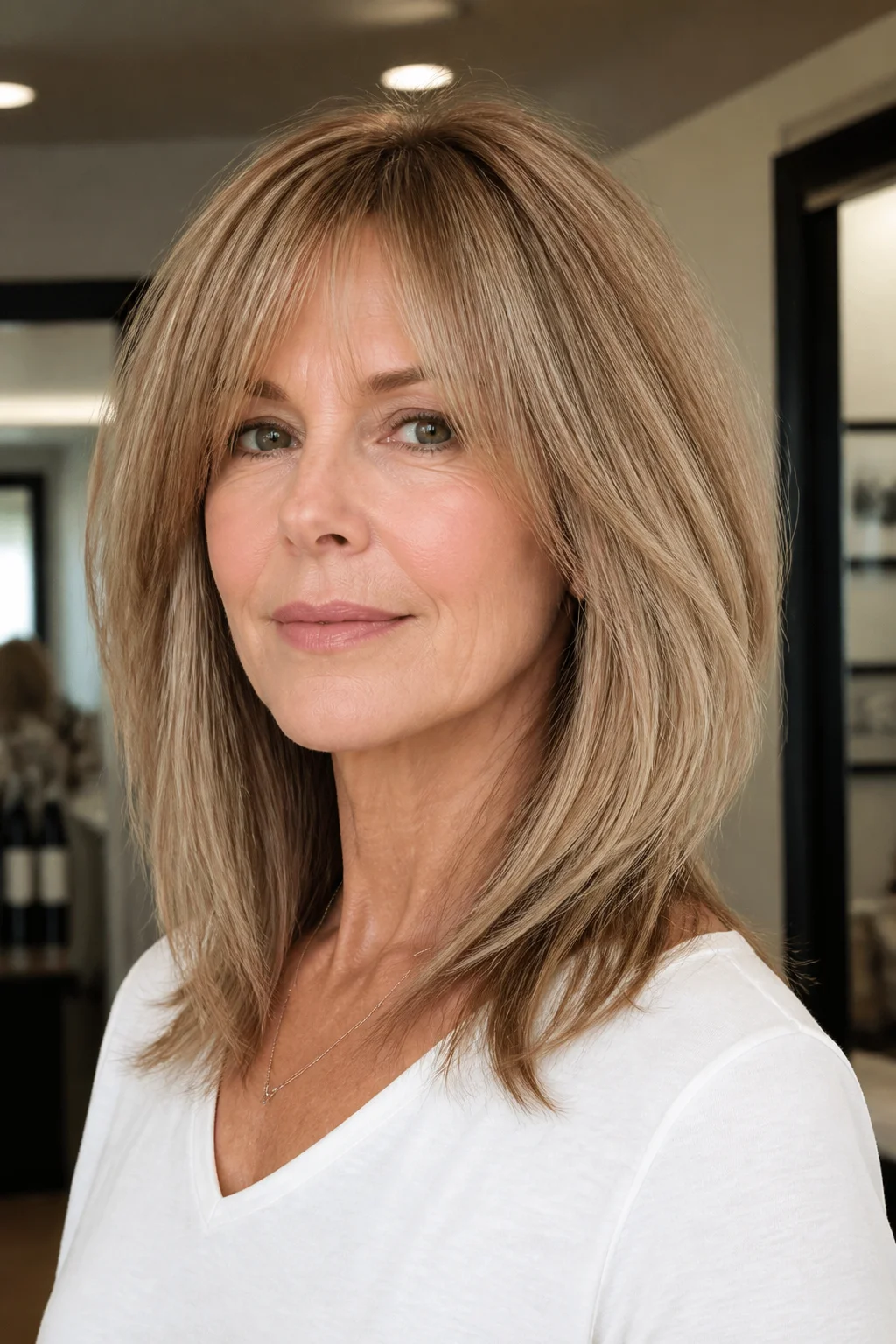
This one blends the shape of a long bob with the length of true long hair, landing somewhere between the shoulders and collarbone in the front while staying longer in the back. It gives the illusion of a shorter, face-framing cut without sacrificing the versatility of length you can still pull back or braid.
Long Hair with Soft Flip Layers
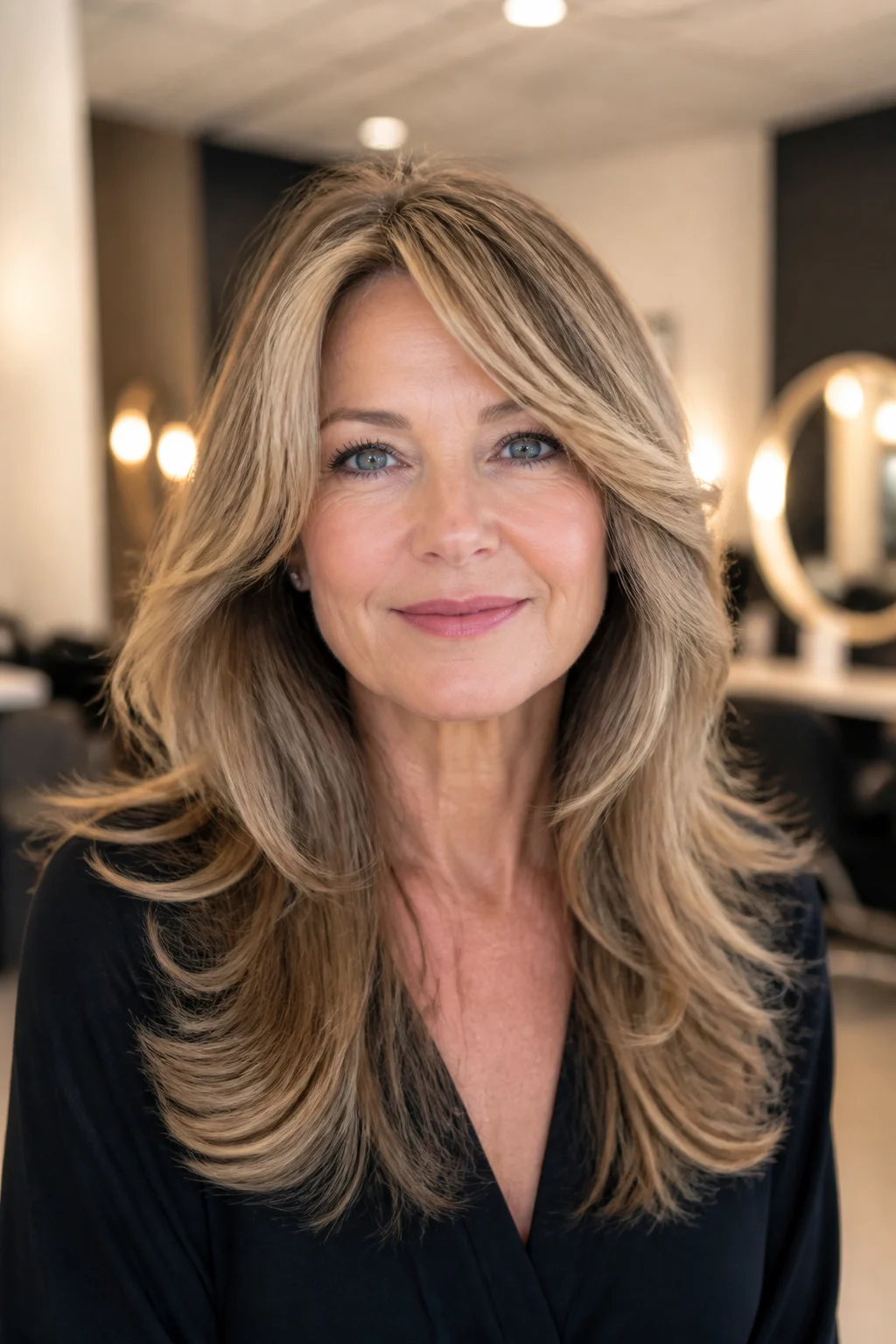
Flip layers curve outward at the ends instead of curling under, giving a retro softness that works surprisingly well on mature hair. The flip happens mostly at the face-framing pieces, which lift away from the cheek rather than hugging it tightly. This creates a subtle lifted effect around the jaw, almost like the hair is doing a mini face-lift on its own. It’s a low-effort style since a round brush and blow dryer can create the flip in minutes. Tip: set the ends with a cool shot of air to help the flip hold through the day.
Long Waves with Graduated Face-Framing
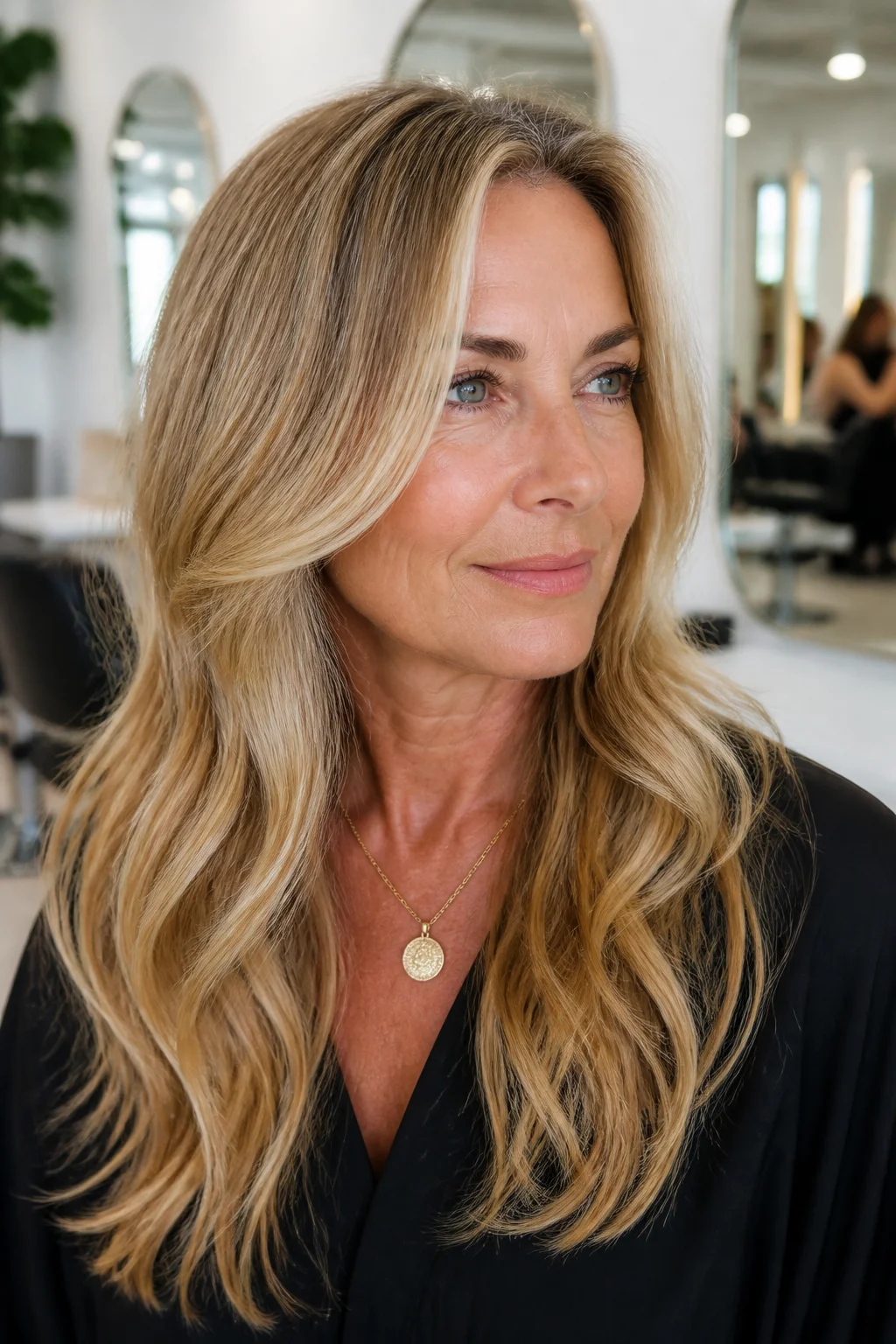
Graduation means the layers get gradually shorter as they move toward the face, rather than jumping in one abrupt cut. This creates a smooth, soft transition instead of a harsh contrast between short and long pieces. It’s particularly good for wavy hair because the graduated ends catch the wave pattern at different lengths, adding depth throughout. The technique takes a skilled hand, so it’s worth asking specifically for graduated layering rather than standard face-framing layers. The result reads as effortless, even though the cutting behind it is precise.
Long Curly Hair with Shaped Layers
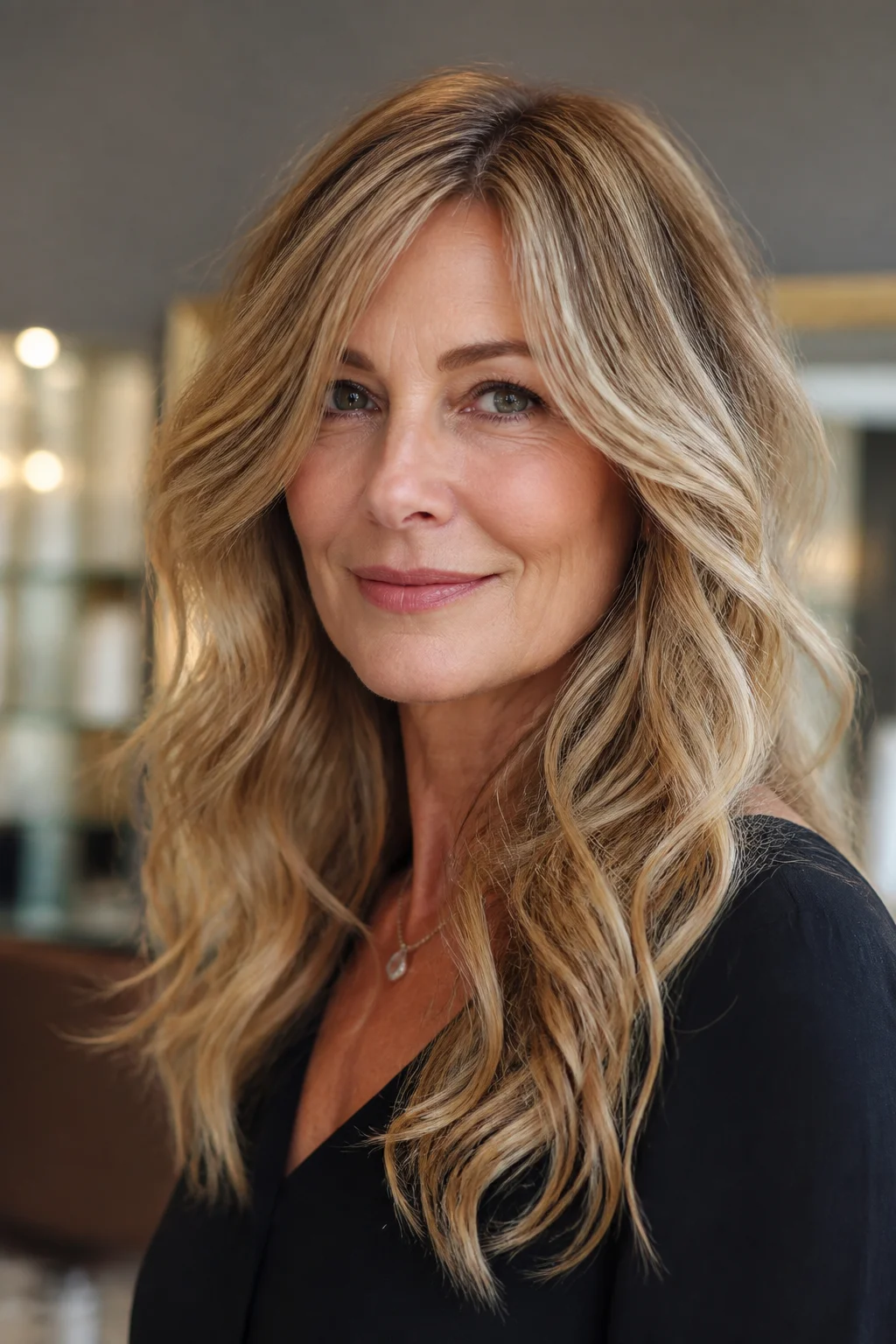
Curls need layers cut differently than straight or wavy hair, since curls spring up once they dry. Shaped layers account for that shrinkage, meaning they’re often cut longer than they’ll appear once the curl sets. This style focuses the shaping around the face, letting curls frame the cheeks and forehead instead of ballooning out evenly all over. It keeps curly hair from looking like one solid triangle shape, which can happen without layers. A stylist experienced with curly cutting techniques, like dry cutting curl by curl, will get the best results here.
Long Hair with Asymmetrical Framing
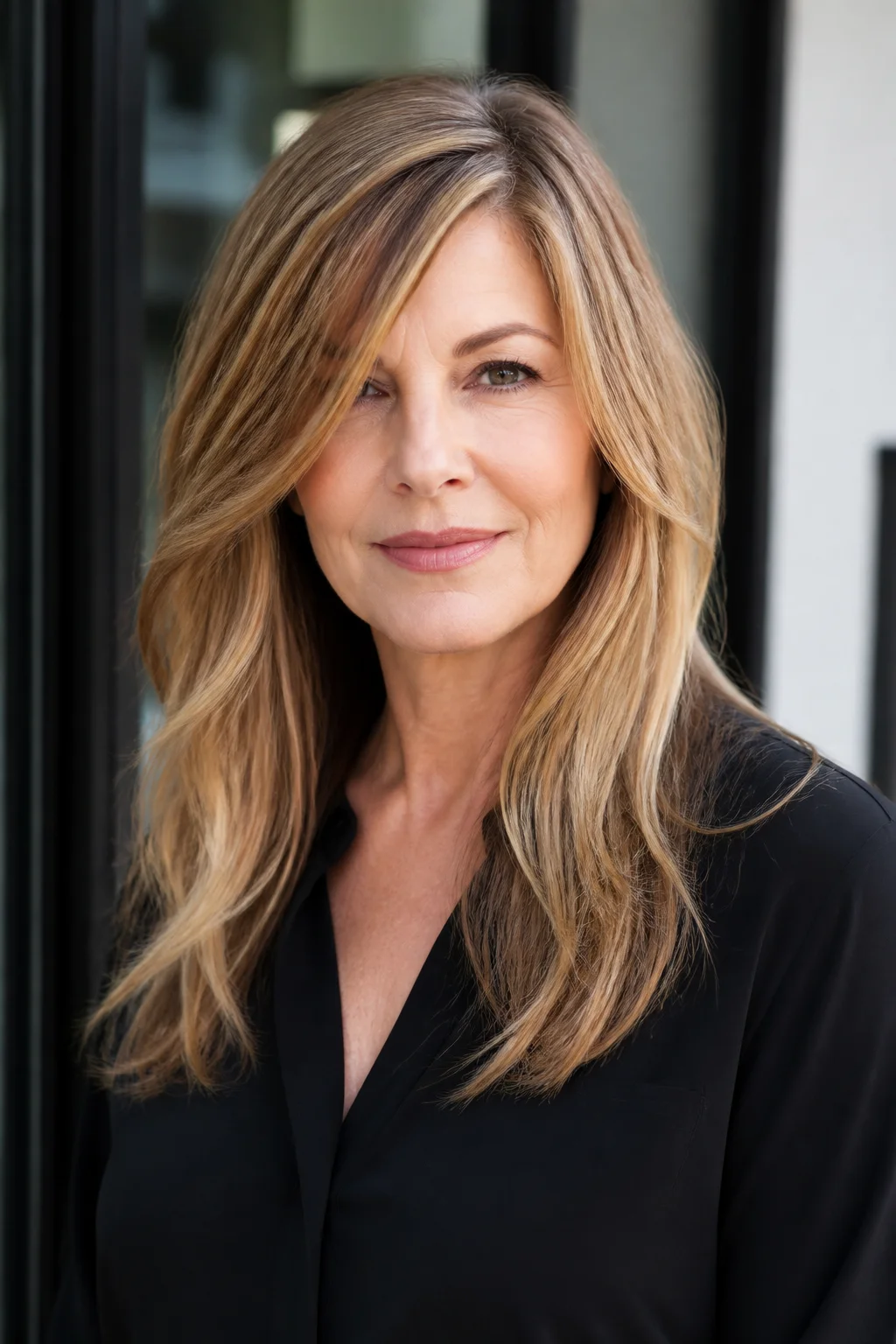
Asymmetrical framing means one side is cut shorter or shaped differently than the other, adding visual interest without changing the overall length dramatically. It works well for anyone who wants a slightly edgier, modern feel while keeping long hair intact. The uneven line draws the eye around the face rather than straight down, which softens symmetry-related aging concerns some women notice around the jaw.
Long Layered Shag with Texture
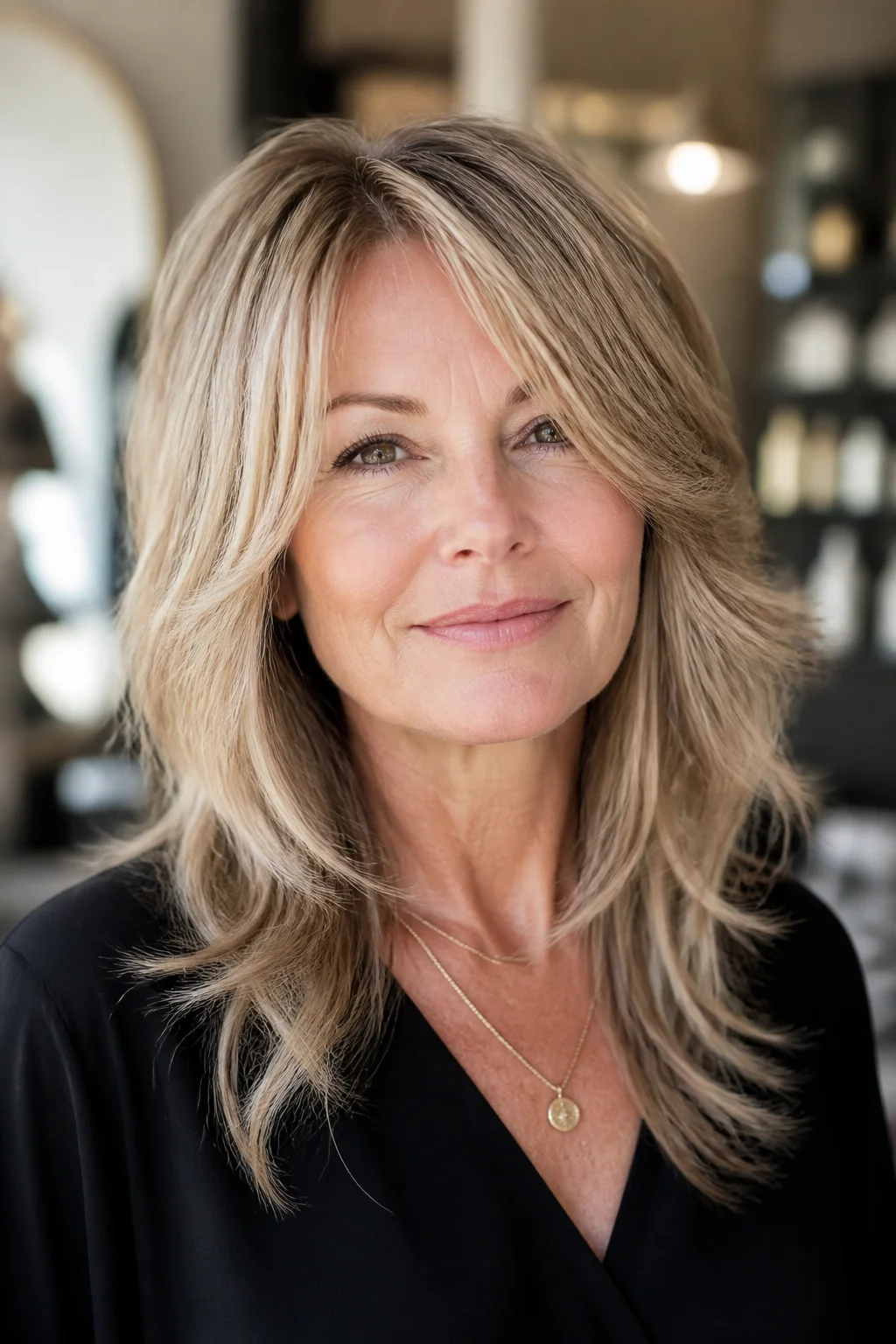
This is a heavier take on the shag, with more layers cut throughout the length and not just at the face. The result is fuller, choppier, and a little more rock-and-roll than a standard shag. Layers are cut close to the face at the front, gradually blending into longer pieces at the back and sides. Texture is added with a razor for a lived-in, undone look that doesn’t require perfect styling. This cut is a strong choice for thick or coarse hair that tends to feel heavy in its natural state, since the layering removes bulk without removing length. It’s less structured than the standard shag, so it suits anyone who wants a more relaxed, textured finish. Waves or loose curls bring out the layering even more.
Long Hair with Blended Bangs and Layers
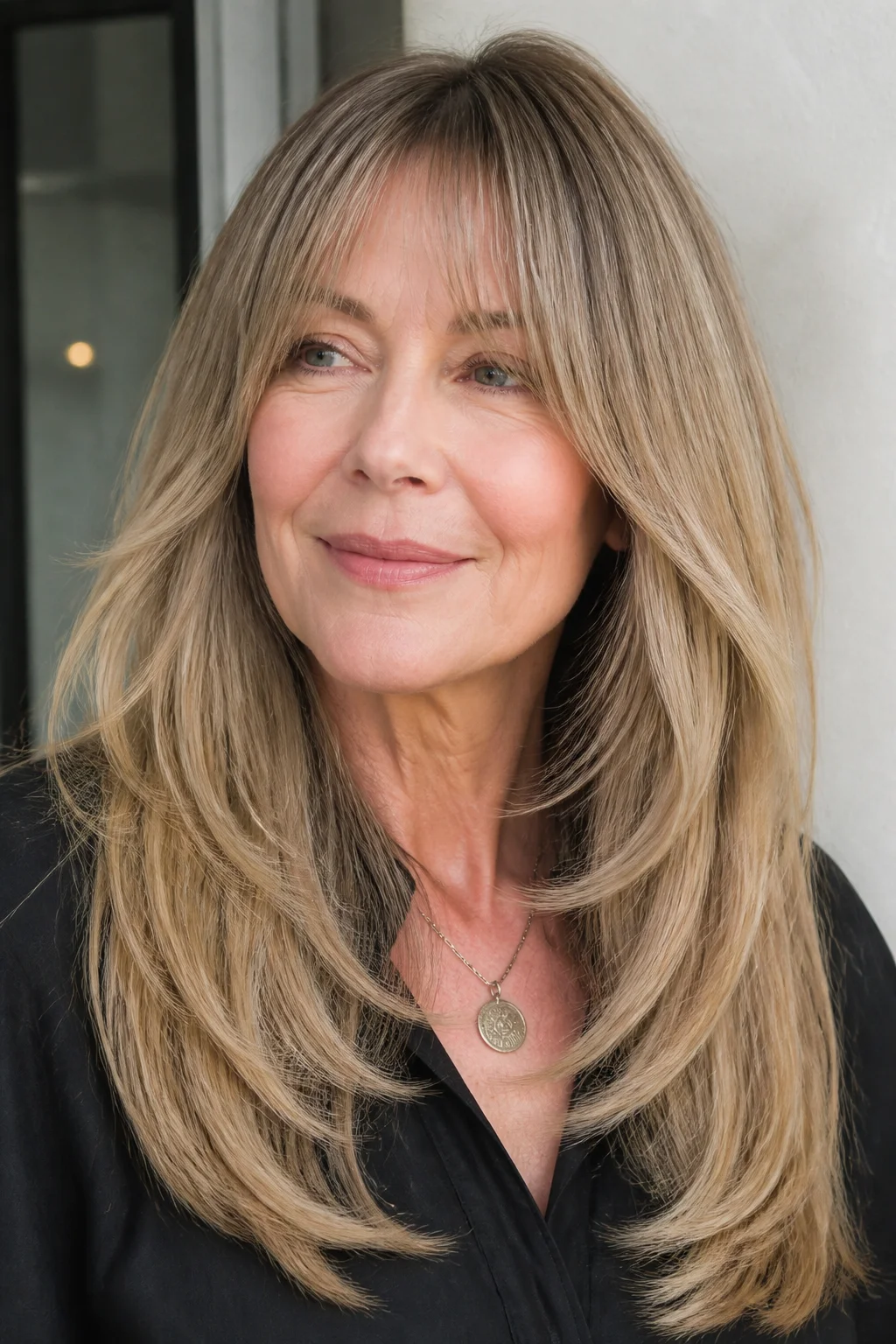
Blended bangs merge into the face-framing layers instead of being cut as a separate section, so there’s no obvious line between bangs and the rest of the hair. This creates one continuous, soft shape around the face rather than distinct pieces. It’s a subtle way to add bangs without committing to a full fringe.
Long Wavy with Piecey Face-Framing
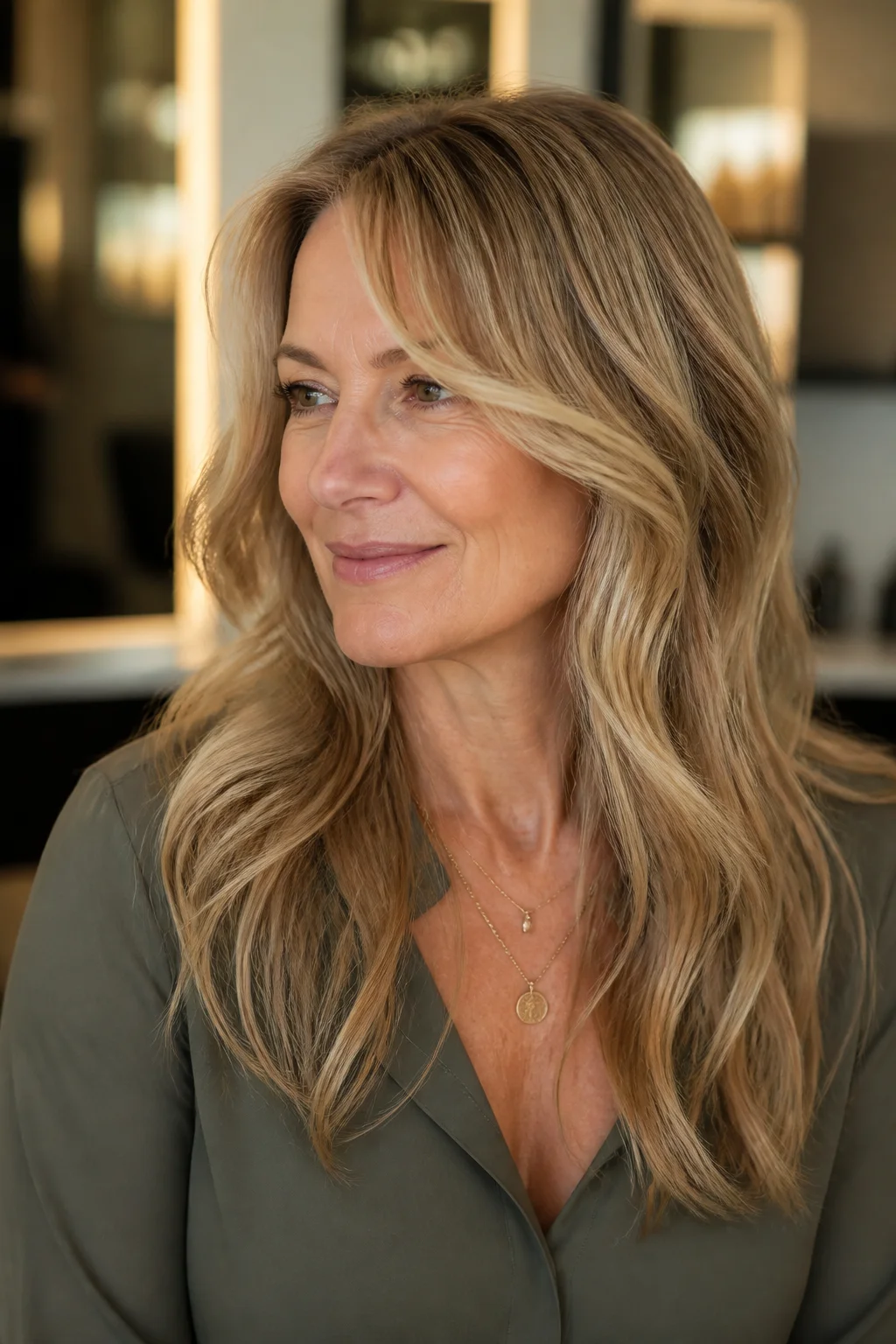
Piecey layers are cut and styled so individual sections are visible rather than blending into one smooth mass. On wavy hair, this creates natural-looking separation that looks like it took no effort at all, even though the cut behind it is deliberate. The pieces are usually shortest right at the cheekbone, tapering longer as they move back. This draws light and attention to the center of the face, which is especially flattering as skin texture changes with age. A texturizing spray or light pomade helps define the pieces without making hair look greasy. Tip: scrunch a small amount of product into damp hair and let it air dry for the most natural piecey texture.
Long Hair with Choppy Highlights and Layers
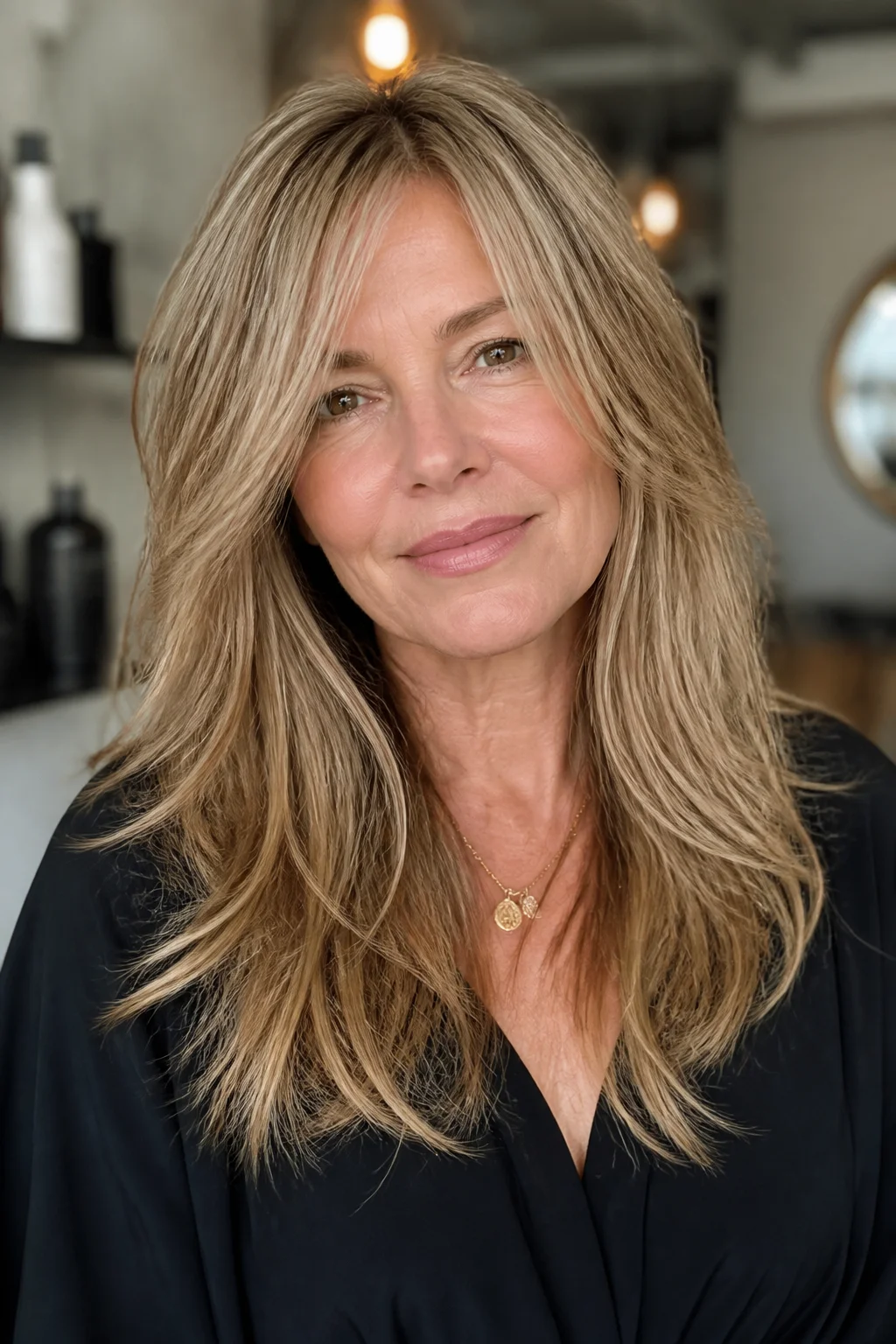
Pairing choppy layers with strategic highlights doubles the face-framing effect, since color and cut work together to draw the eye. Highlights placed right at the layers near the face brighten the complexion and add dimension that solid color can’t achieve alone. This combination is especially good for anyone starting to see gray blend in unevenly, since the highlights soften the contrast.
Long Straight with Subtle Interior Layers
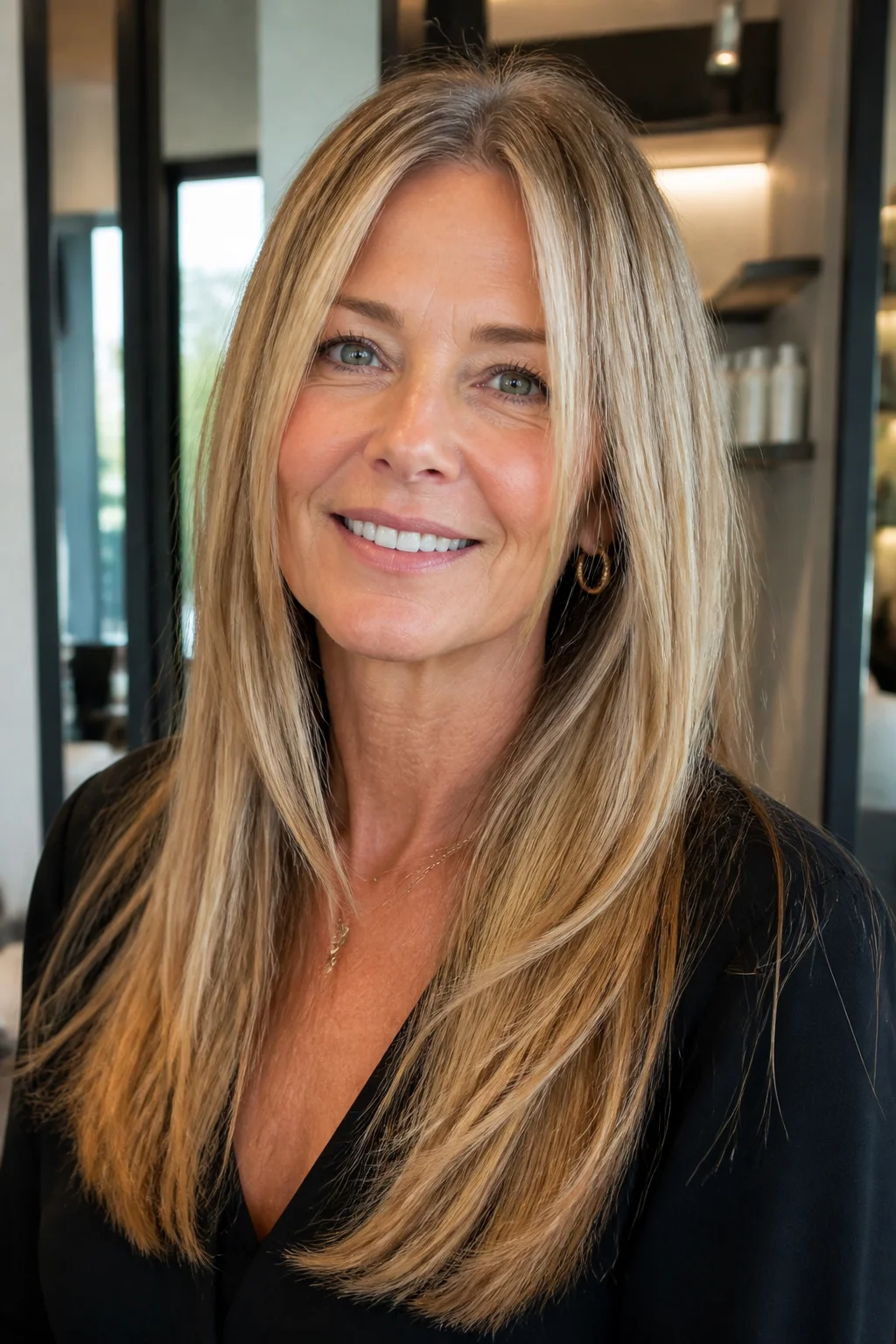
Interior layers are cut underneath the surface hair, so they add movement and lift without changing the outer silhouette at all. From the outside, the hair still looks long and straight, but it moves more naturally and doesn’t sit as flat. This is a smart option for anyone who wants the benefits of face-framing layers without a visible change in shape. The layers are cut shorter near the crown and blend down toward the face, giving subtle lift at the roots too. It’s a quieter approach, but the difference in how the hair falls is noticeable once you see it in motion.
Long Hair with Soft Mullet Layers
The soft mullet takes inspiration from the retro cut but softens the shorter top layers so they blend more gently into the long length below. It’s shorter at the crown and gradually gets longer toward the back and sides, with face-framing pieces cut in at the front. This is a bolder choice, best for anyone who already likes a bit of edge in their long hair.
Long Curly with Defined Face-Frame
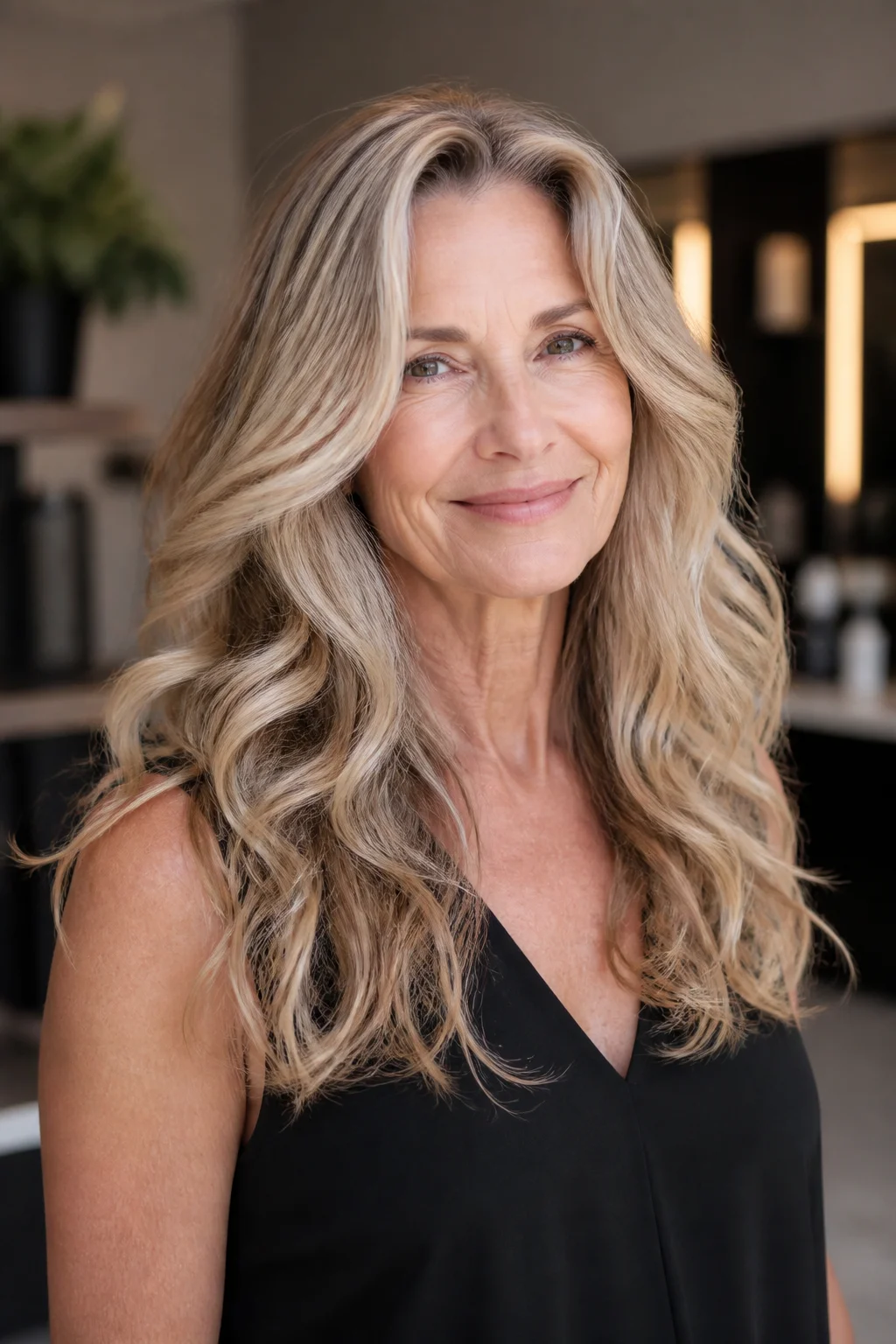
This cut carves out a clear face-framing section within curly hair, cutting those pieces shorter so they curl up toward the cheek and jaw rather than falling past them. The rest of the length stays untouched, keeping volume and length in the back and crown. It’s one of the more precise curly cuts, since the frame needs to be placed exactly right to hit the cheekbone as it dries. Curls tend to bounce up several inches from wet to dry, so a stylist familiar with curl patterns needs to account for that shrinkage. Done well, this frame highlights the eyes and softens the lower half of the face at the same time.
Long Layered with Side Part and Movement
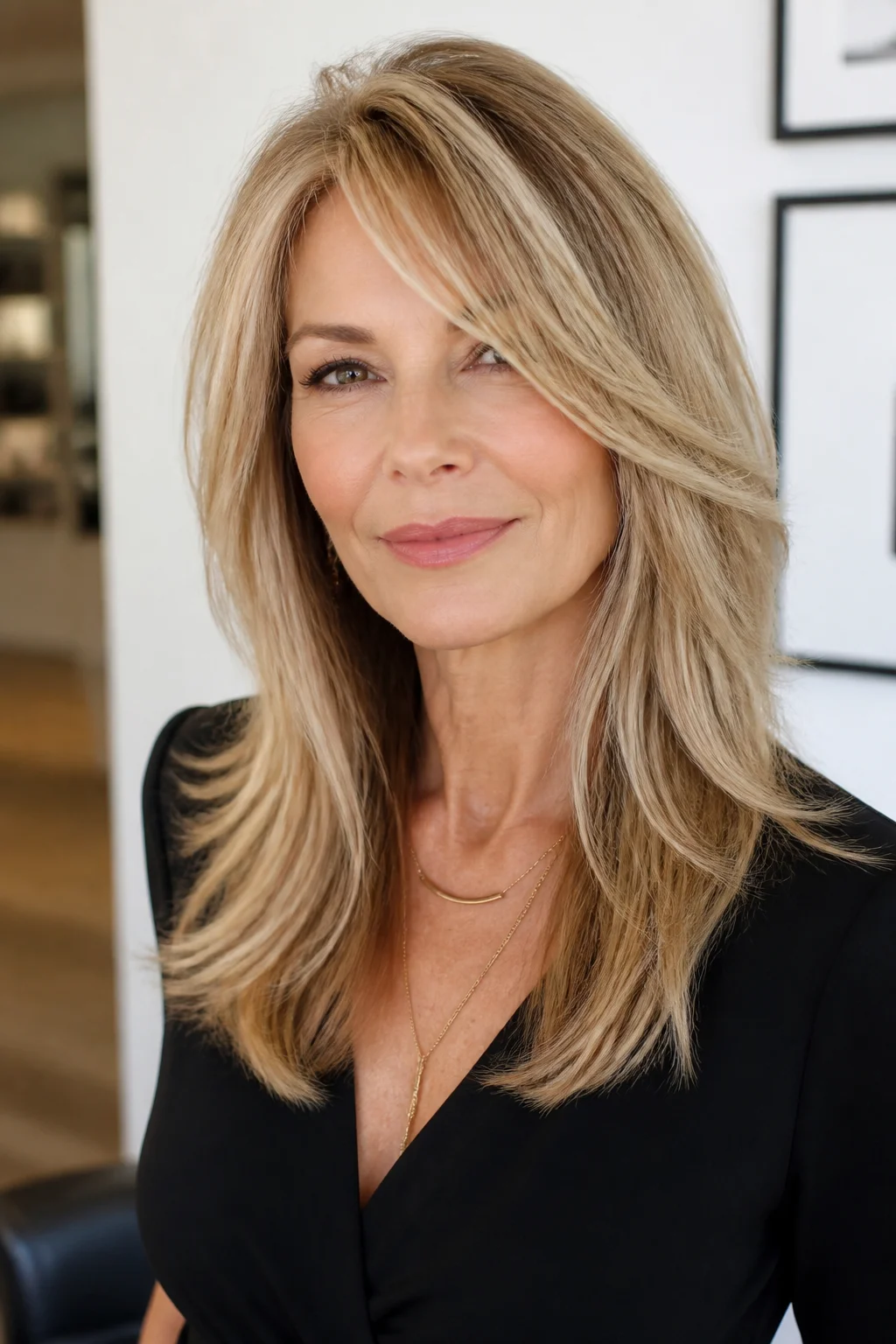
A deep side part naturally creates asymmetry and softness, and when paired with layers cut to move with that part, the whole style feels lighter. The heavier side of the part carries more volume, while the shorter side reveals more of the face-framing layers underneath. This combination is simple to maintain and flatters nearly every face shape.
Choosing the Right Face-Framing Style for You
With twenty options on the table, picking one comes down to your hair texture, your face shape, and how much styling time you’re willing to put in day to day.
If your hair is fine and prone to looking flat, avoid heavy layering throughout the whole head. The long shag with textured layers or the long layered shag with texture will add fullness, but something like long straight with subtle interior layers works better if you want lift without visible choppiness.
For curly or wavy textures, the long curly with defined face-frame and long curly hair with shaped layers both respect how curls spring up when they dry, which a generic layered cut often ignores.
If you want a low-maintenance option, long curtain bangs with length or long hair with blended bangs and layers require the least daily styling since they’re designed to fall naturally.
A common mistake is asking for heavy face-framing layers on very thick, coarse hair without also adding texturizing, which can leave the frame looking like a solid triangle instead of soft pieces. Another mistake is choosing a dramatic option like long hair with soft mullet layers without discussing maintenance, since the shorter crown pieces need regular trims to keep their shape as the rest grows out.
Bring reference photos and be honest with your stylist about how much time you spend on your hair each morning. That conversation matters more than the name of the cut itself.