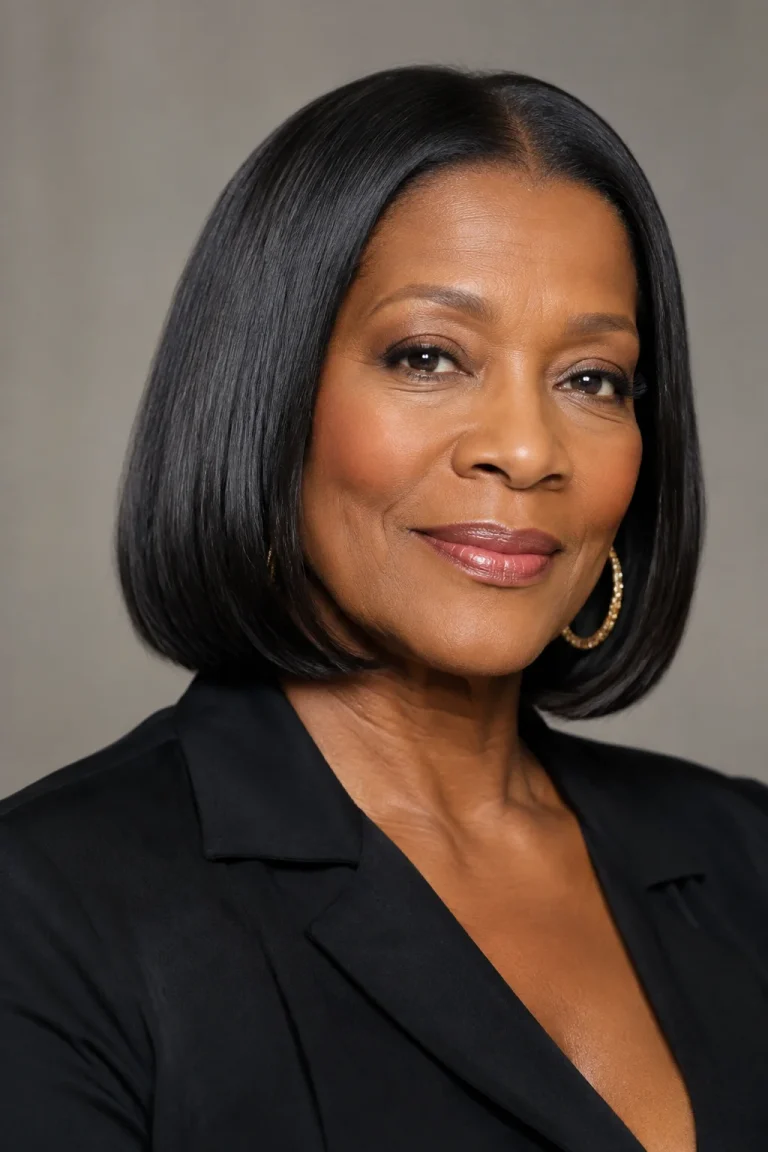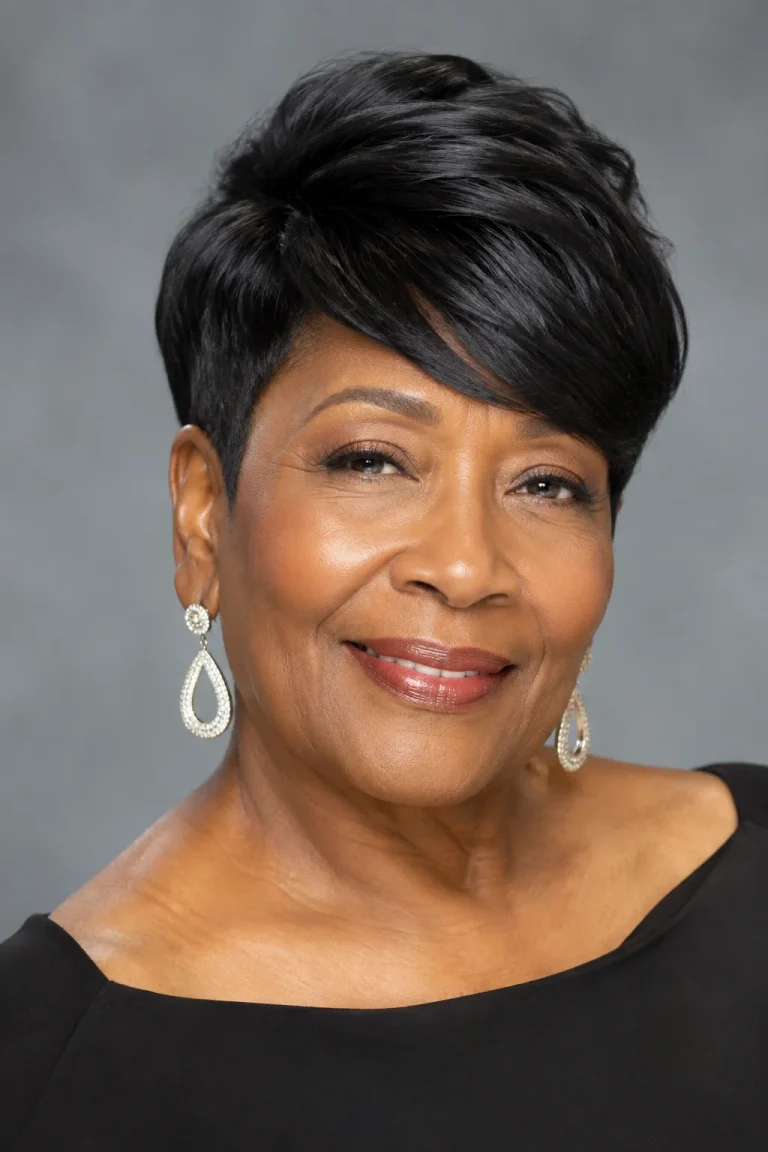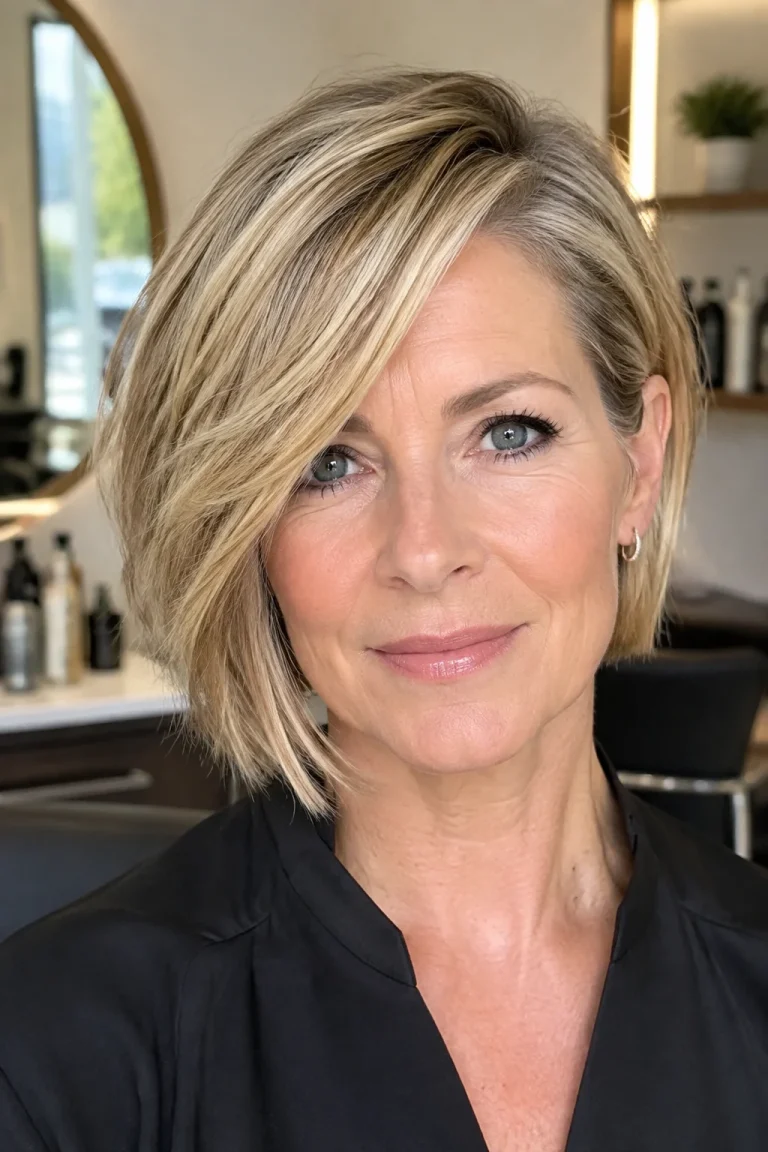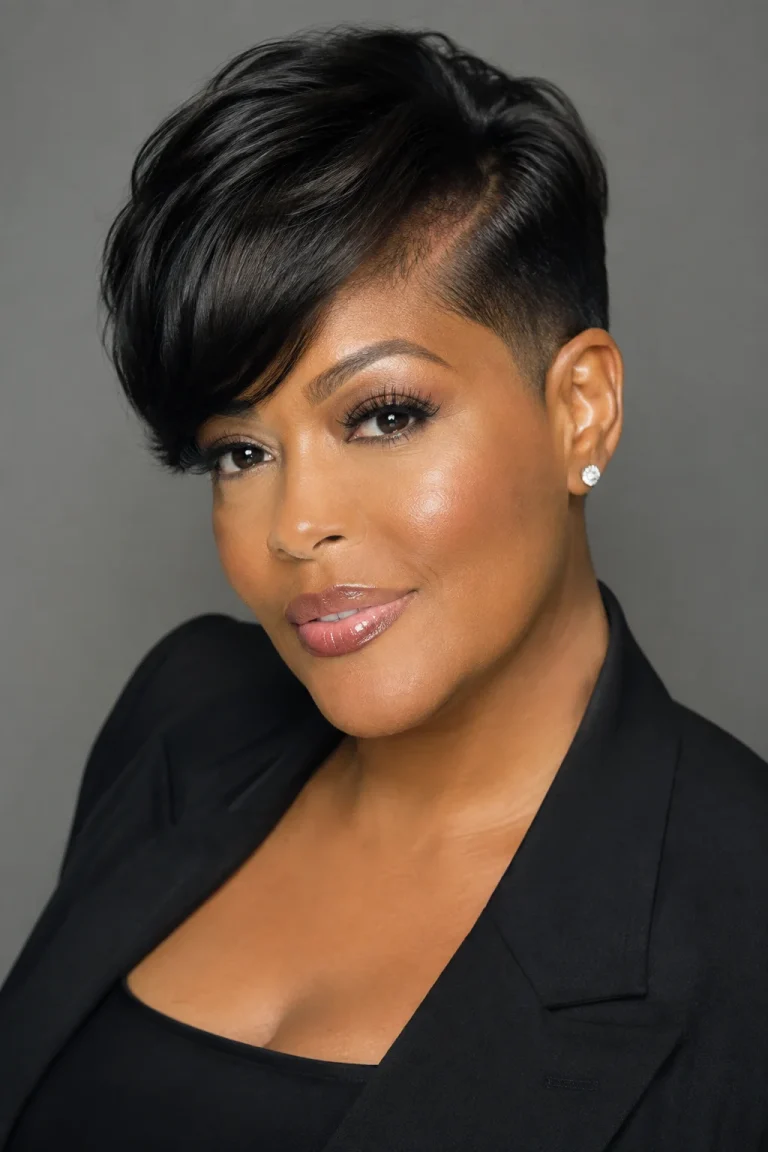
If your morning routine feels like a fight with a blow dryer, the problem might be the cut, not your hair. A lot of women get stuck with styles that need round brushes, hot tools, and twenty minutes they don’t have. The good news is that an easy to style layered bob for women over 60 solves that problem at the root. The right layers work with gravity instead of against it, so hair falls into place after a quick towel dry and a little product. These cuts are built for real mornings, not salon photo shoots. Below are 23 layered bob styles that hold their shape, flatter a mature face, and let you walk out the door looking pulled together without much fuss. Some are soft and wavy, some are choppy and full of texture, and a few work best on fine or thick hair specifically. Find the one that matches your texture and your patience level.
Textured Chin-Length Bob with Face-Framing Layers
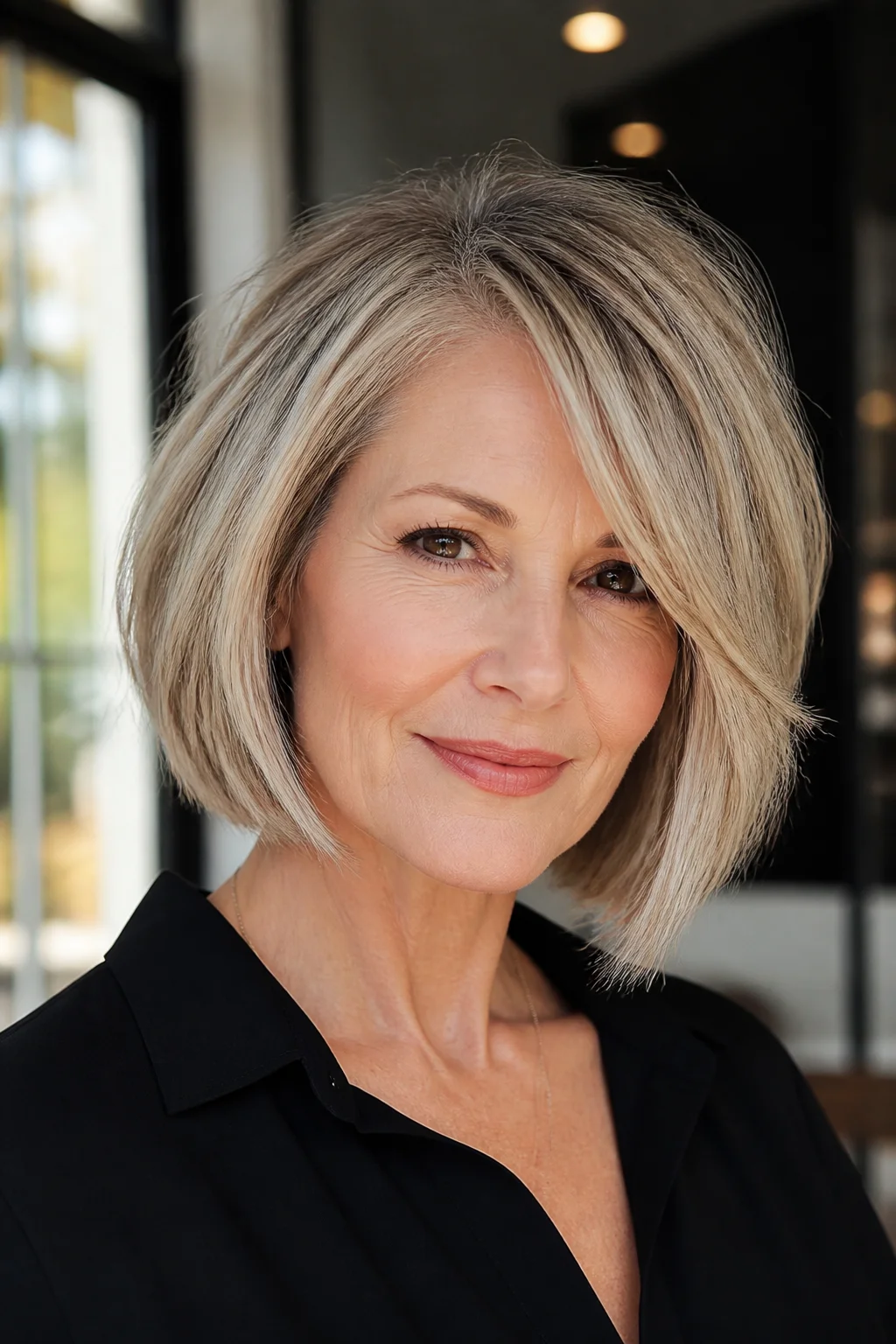
This cut sits right at the chin and uses soft layers around the face to soften strong jawlines and add movement near the cheeks. The length is short enough to avoid drooping but long enough to tuck behind the ears on busy days. Texture is cut in with a razor or thinning shears so the ends don’t look blunt or heavy. It works well with fine to medium hair because the layers keep things light instead of weighing hair down. Tip: apply a dime-sized amount of mousse to damp hair and let it air dry for natural texture without any heat. A light mist of heat protectant before styling helps the finish last.
Soft Wavy Bob with Angled Layers
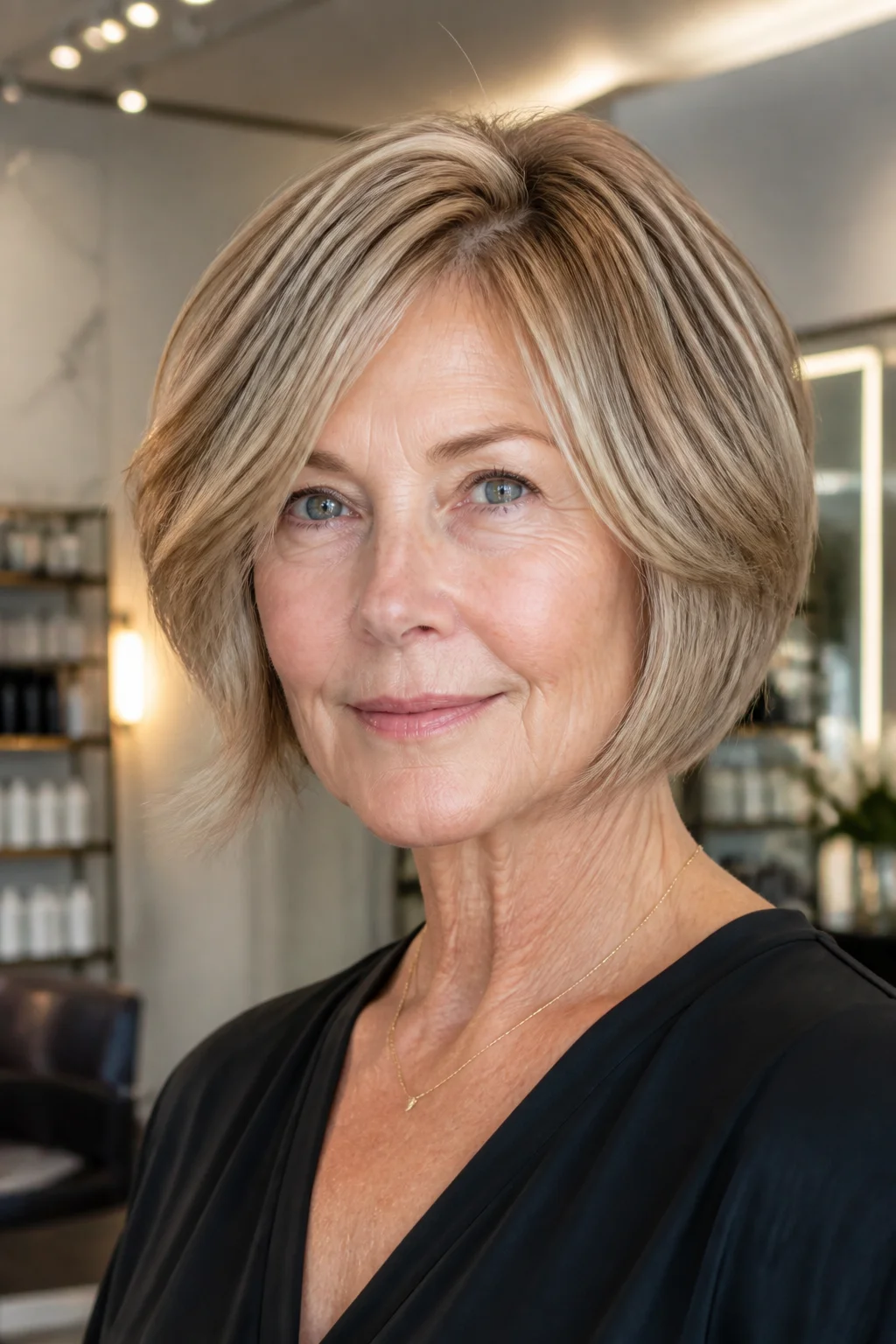
Angled layers give this bob a longer front and shorter back, which creates a flattering line along the jaw. The soft waves add body without looking overdone, and the angle draws the eye upward toward the cheekbones. Hair like this looks best with a light sea salt spray scrunched in while still damp.
Short Textured Bob with Wispy Bangs
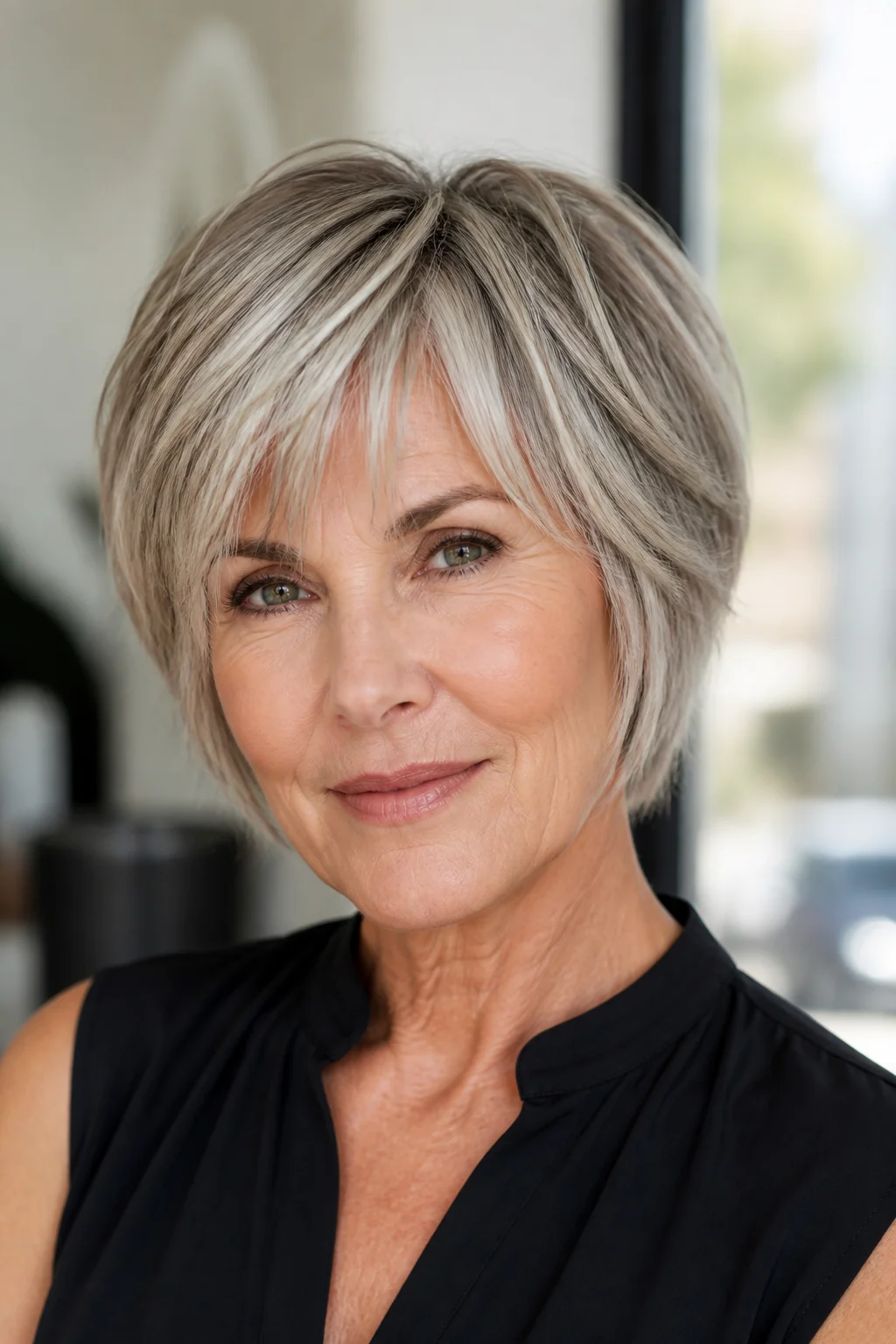
Wispy bangs soften a shorter bob and keep the whole look from feeling severe. The choppy ends throughout the cut add texture that hides thinning spots better than a smooth blunt line would. This style suits round or square faces because the bangs break up width across the forehead. It also grows out fairly gracefully, so trims can stretch a little longer between salon visits.
Shaggy Layered Bob for Fine Hair
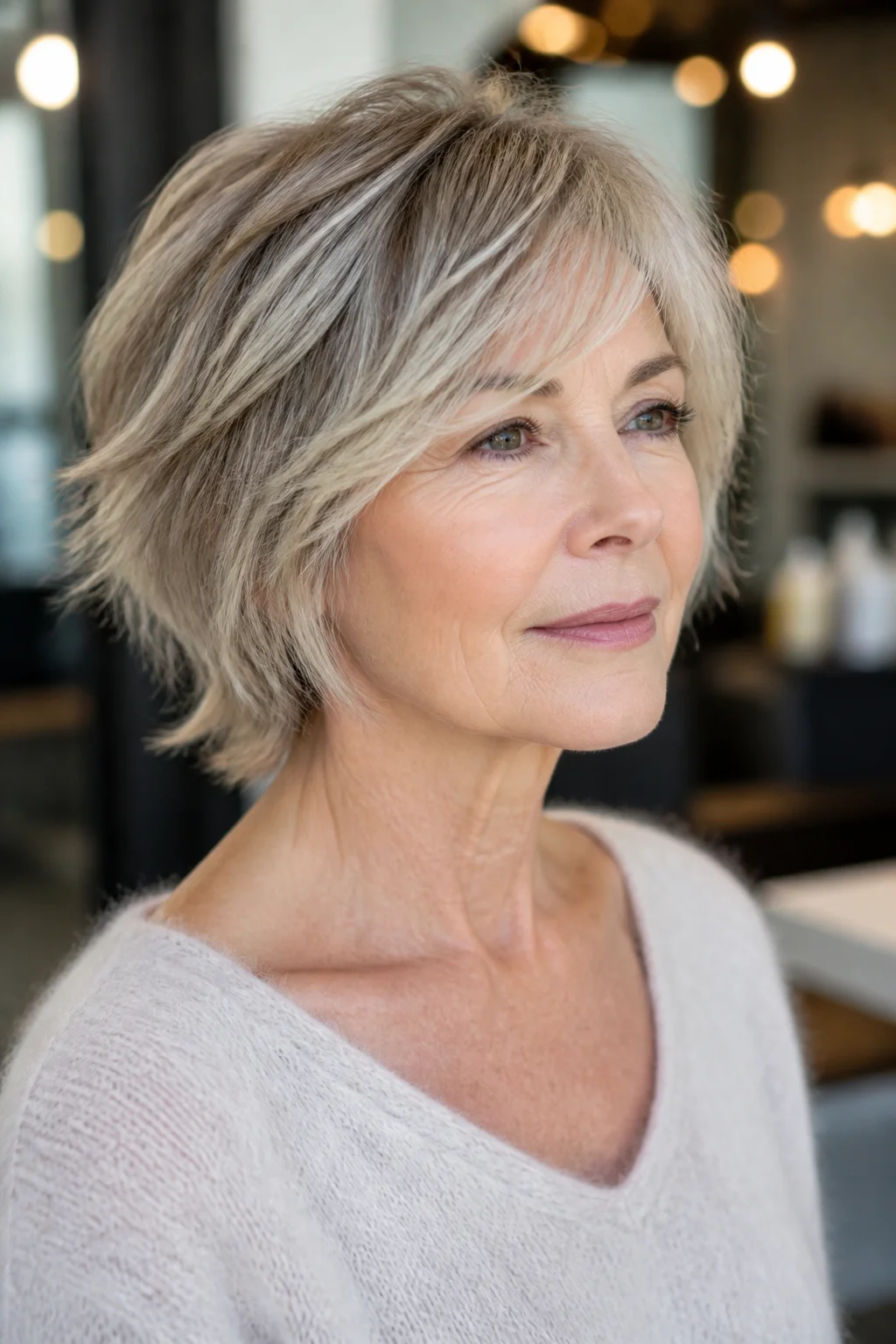
Fine hair often falls flat by midday, and a shaggy layered bob fights that by cutting in short, choppy pieces throughout the crown. The layers create the illusion of thickness because they lift the hair away from the scalp instead of letting it lie smooth. This cut reminds me of the shag styles from decades past, just shorter and more manageable for daily wear. A light volumizing spray at the roots, combined with a diffuser on low heat, keeps the shape without frying the hair. Because the layers are short, the style holds up even on second-day hair, which matters if you don’t wash daily. Avoid heavy conditioners on the roots, since they can flatten the lift this cut depends on.
Graduated Layered Bob with Tucked Sides
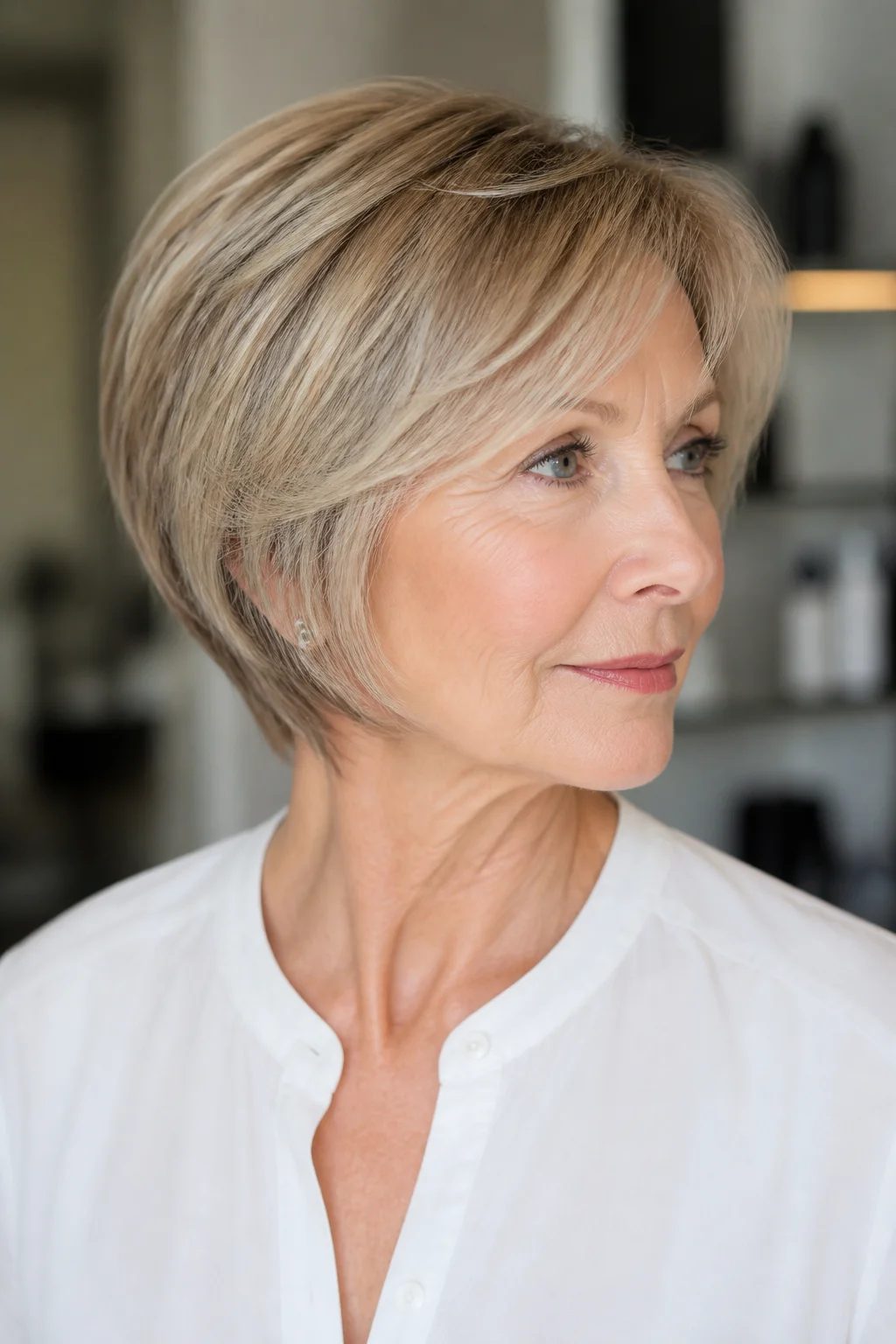
Graduated layers stack shorter at the nape and get longer toward the front, creating a rounded shape that tucks neatly behind the ears. This is a solid choice if you want a polished look without daily styling effort. The graduation also hides a fuller neck, which many women appreciate as a bonus. Tip: tuck the sides behind your ears while damp so they dry with a slight curve instead of sticking out.
Curly Textured Bob with Short Choppy Layers
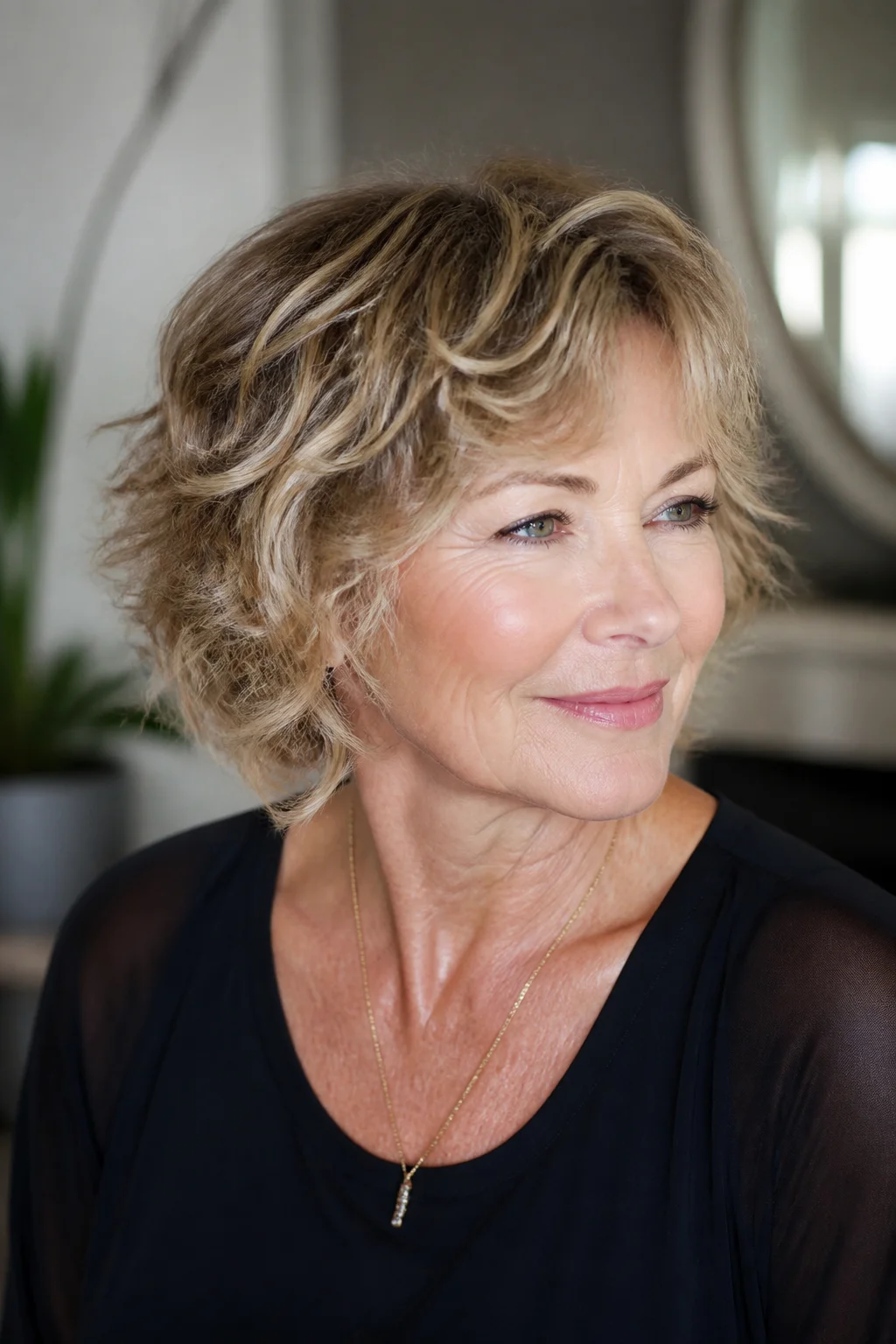
Natural curls need layers that respect the curl pattern instead of fighting it, and this bob does exactly that. Short choppy layers throughout let each curl fall where it wants without clumping into one heavy mass. The result is bouncy, full, and doesn’t require diffusing for more than a few minutes. Curl cream applied to soaking wet hair, then left alone to dry, gives the cleanest definition.
Tousled Pixie-Bob Hybrid with Long Layers

This style borrows the shortness of a pixie in the back and blends it into longer layers up front, landing somewhere between the two cuts. It’s a good option if you want something shorter than a traditional bob but aren’t ready to go full pixie. The long layers on top can be pushed to the side or tousled with fingers for a relaxed finish. Because the back is short, this cut needs more frequent trims to keep its shape clean.
Side-Parted Bob with Asymmetrical Layers
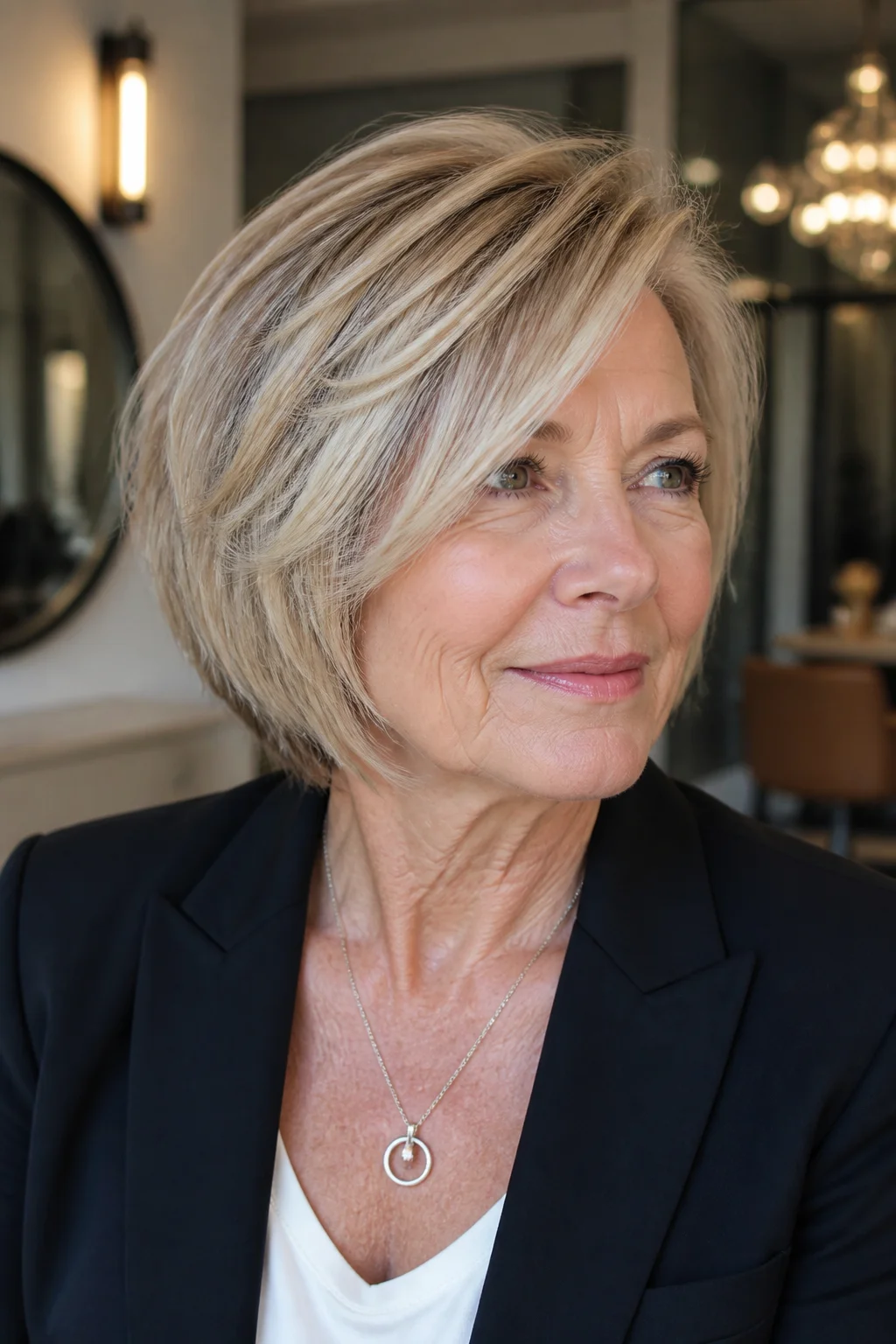
An asymmetrical layer pattern paired with a deep side part creates a look that feels a little more modern than a centered, symmetrical bob. One side sits longer than the other, which draws attention away from a rounder face shape. This works especially well for hair with natural wave, since the asymmetry photographs better with some movement. Keep the part on the same side every time you style it, or the layers won’t fall the way they’re cut to fall.
Choppy Layered Bob for Thick Hair
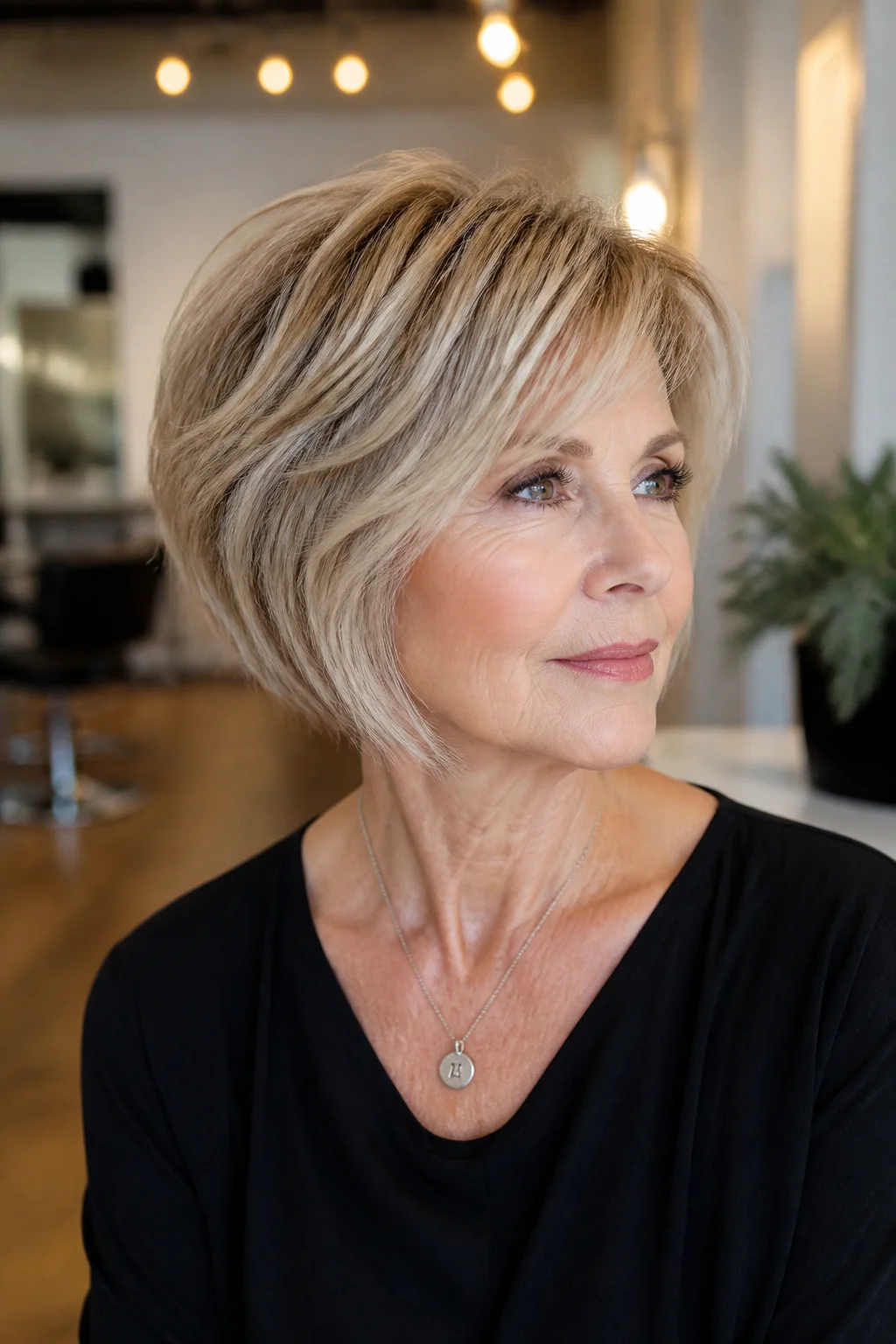
Thick hair carries weight that can make a bob look bulky instead of shaped. Choppy layers cut throughout remove some of that bulk and let the ends move instead of sitting like a solid block. This cut needs texturizing shears at the salon, not just scissors, to thin the density properly. Once the weight is removed, thick hair actually holds curl and wave better than it did before. A flat iron used only on the ends, not the roots, keeps the choppy pieces looking crisp rather than puffy.
Feathered Bob with Disconnected Layers

Feathered layers are cut at different lengths that don’t connect smoothly, giving the bob a piecey, textured finish instead of one uniform shape. This disconnected approach works well for square or oval faces because it breaks up straight lines along the jaw. Style with a light pomade rubbed between the palms and pressed into the ends for definition.
Rounded Bob with Back Layers and Face-Framing
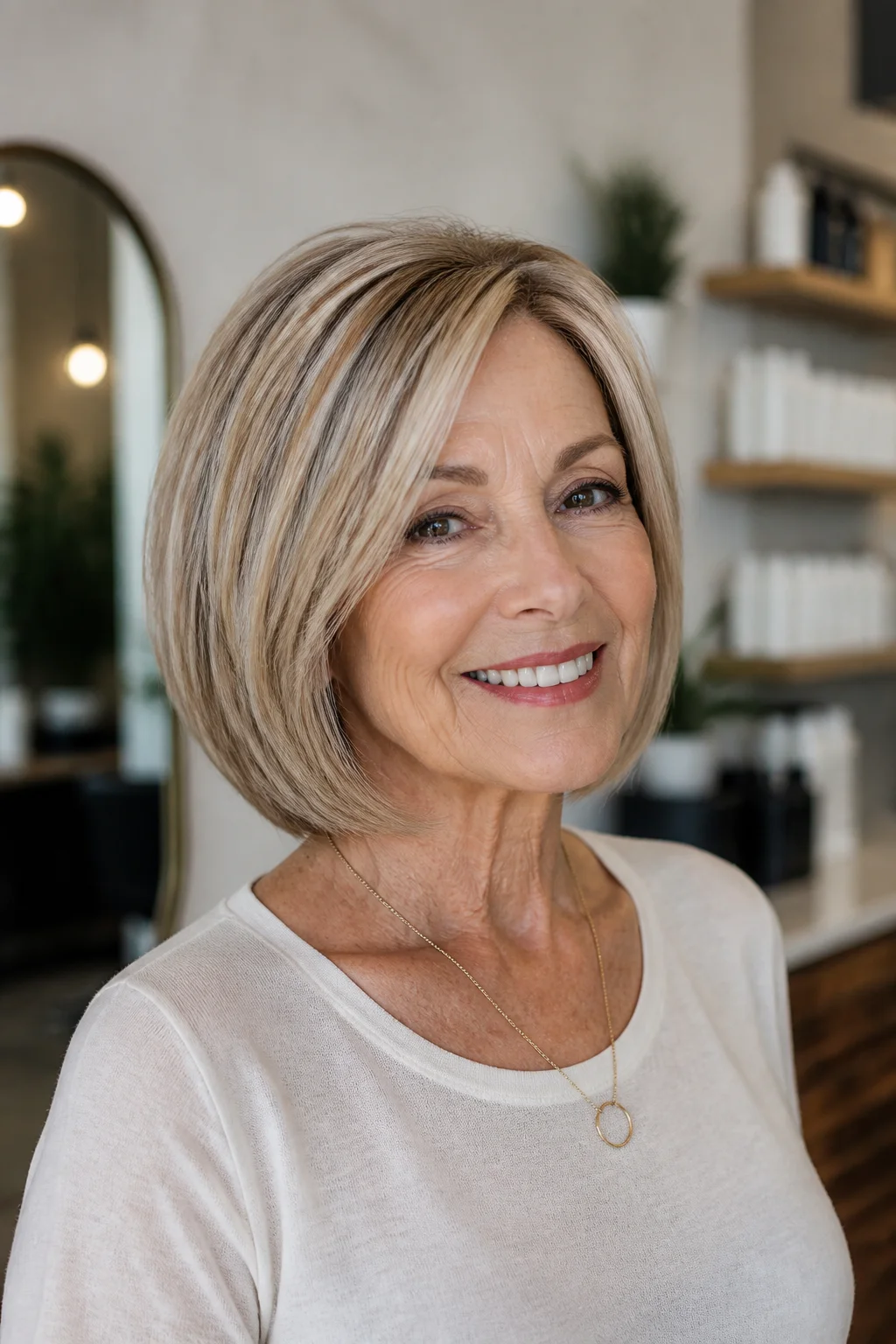
This bob keeps a classic rounded shape at the back while adding layers only at the crown and around the face. It’s a good middle ground for anyone who wants some texture but isn’t ready for a fully choppy look. The face-framing pieces can be curled under or flipped out depending on the day. Because the back stays fuller and rounder, this style holds its shape well even without daily styling, which makes it a low-maintenance pick for women who want structure without spending much time on it.
Textured Stacked Bob for Volume
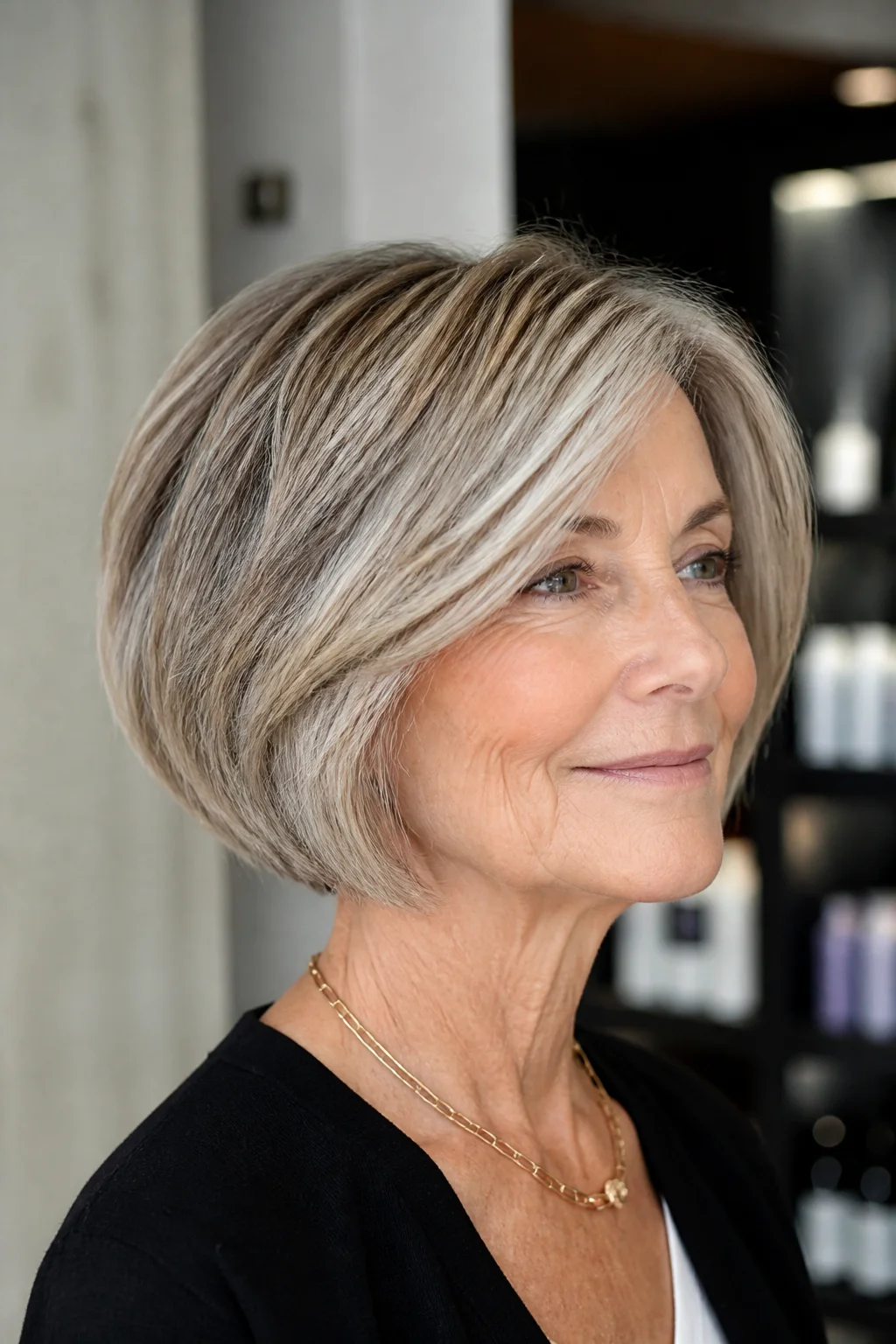
Stacking refers to layers cut horizontally at the back, building volume from the nape up to the crown. This technique is especially useful for hair that’s thin at the back, since it creates fullness where there naturally isn’t much. The front can stay softer and less stacked to balance the fuller back.
Wavy Bob with Longer Top Layers
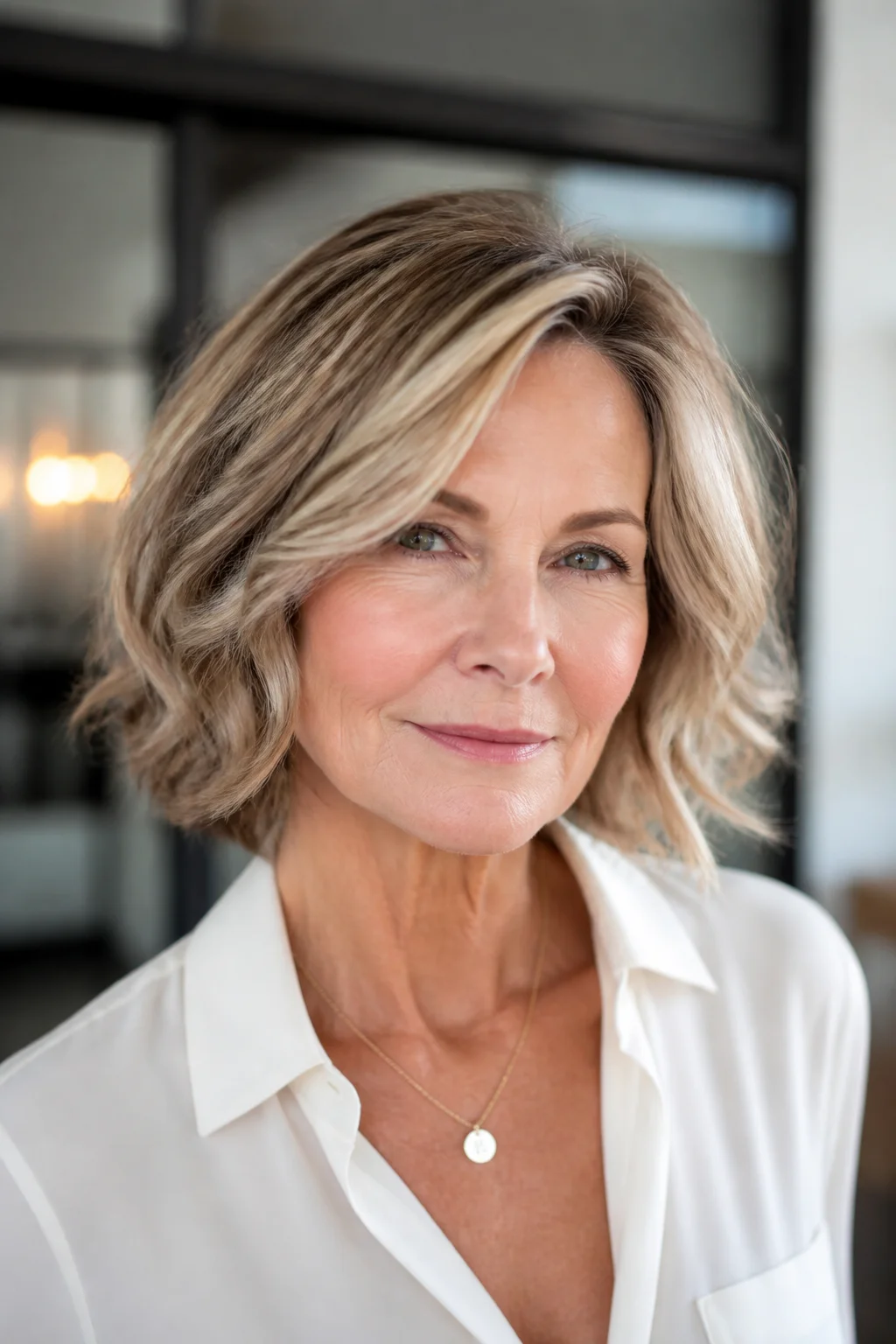
Longer layers on top of a wavy bob let the natural wave show through more clearly, since the shorter underneath layers don’t weigh down the movement. This cut looks like it took real effort, but it’s actually one of the easier styles to maintain because the wave does most of the work. A curl-enhancing mousse scrunched in before air drying brings out the pattern without a curling iron.
Thinned-Out Layered Bob for Density Control
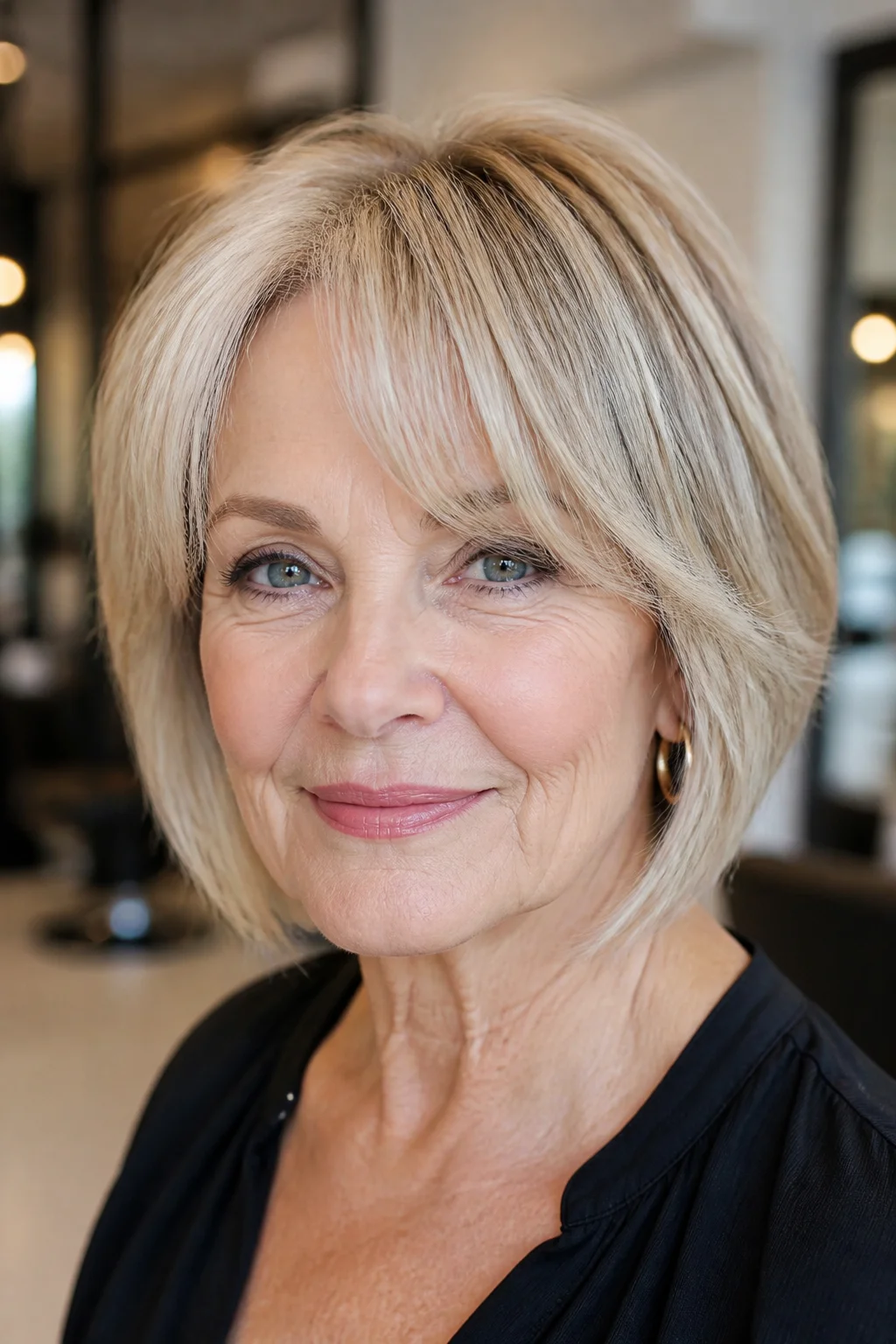
Some hair grows in thick and coarse in certain spots, and a thinned-out layered bob addresses that directly by removing bulk with texturizing shears in targeted areas. This isn’t about shorter length, it’s about controlling how much hair sits in one place so the overall shape stays balanced. Stylists usually thin out the underneath layers first, leaving the top layer smoother for a cleaner finish.
Blunt Bob with Subtle Internal Layers
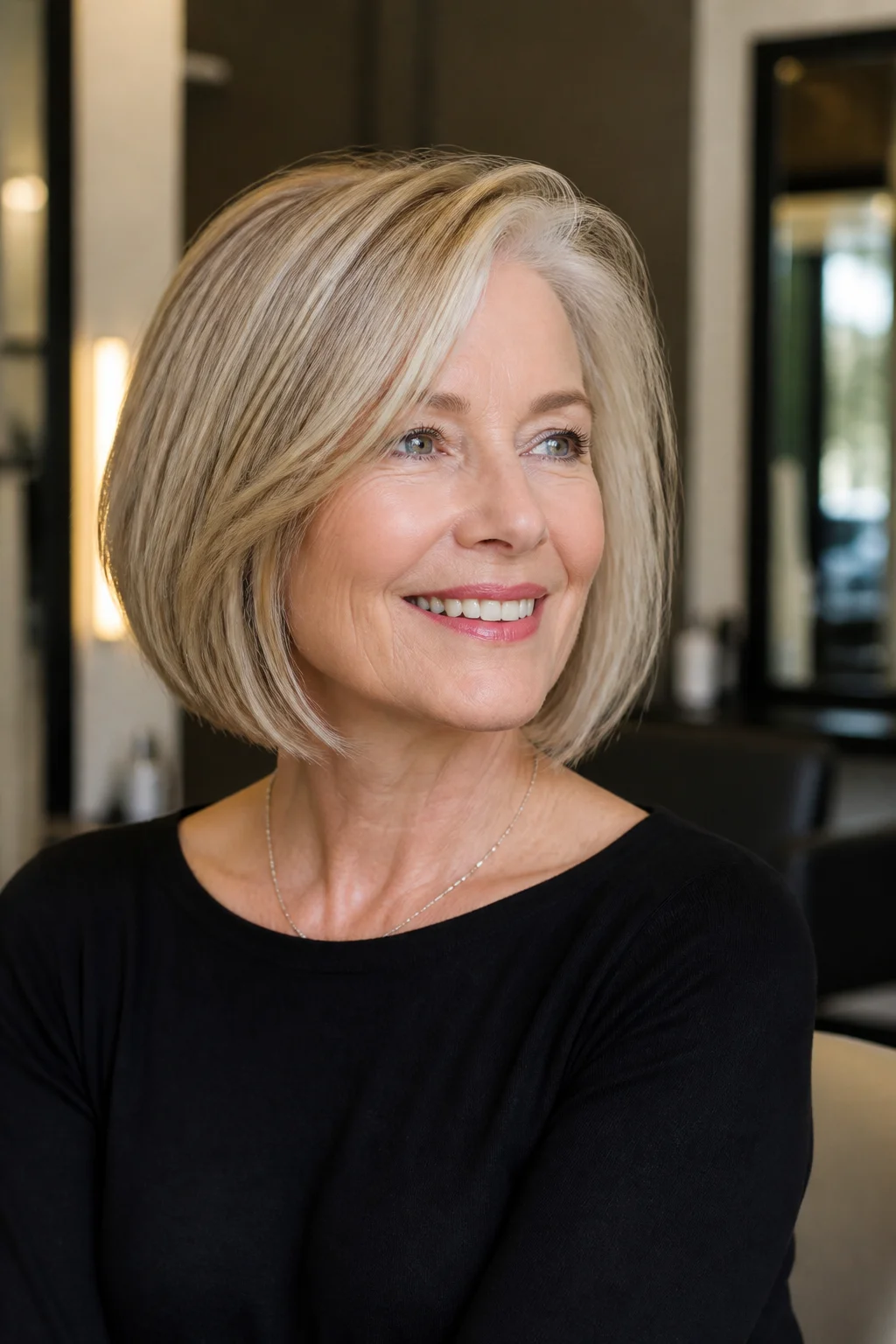
A blunt bob looks solid and graphic from the outside, but subtle internal layers cut underneath give it movement without changing that clean silhouette. This is a good choice for straight, healthy hair that holds a sharp line well. The internal layers mean you still get some bounce and swing when you walk, even though the visible ends look completely blunt.
Shaggy Bob with Longer Bangs
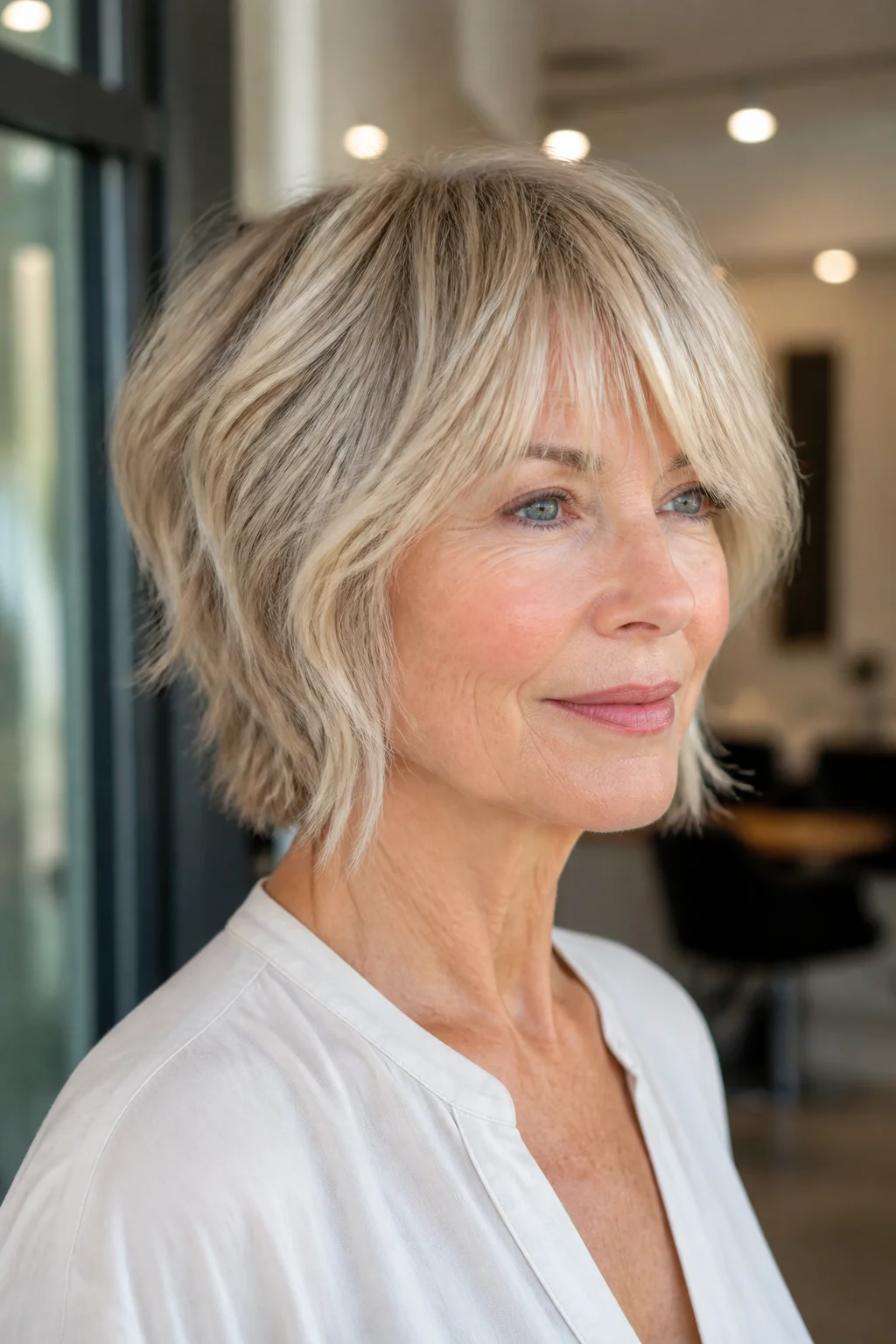
Longer bangs blended into a shaggy bob create one continuous layer pattern instead of a separate bang section. This avoids the high-maintenance trims that short bangs usually demand. The shag underneath adds the texture that makes this cut forgiving on second and third day hair.
Short Layered Bob for Straight Hair
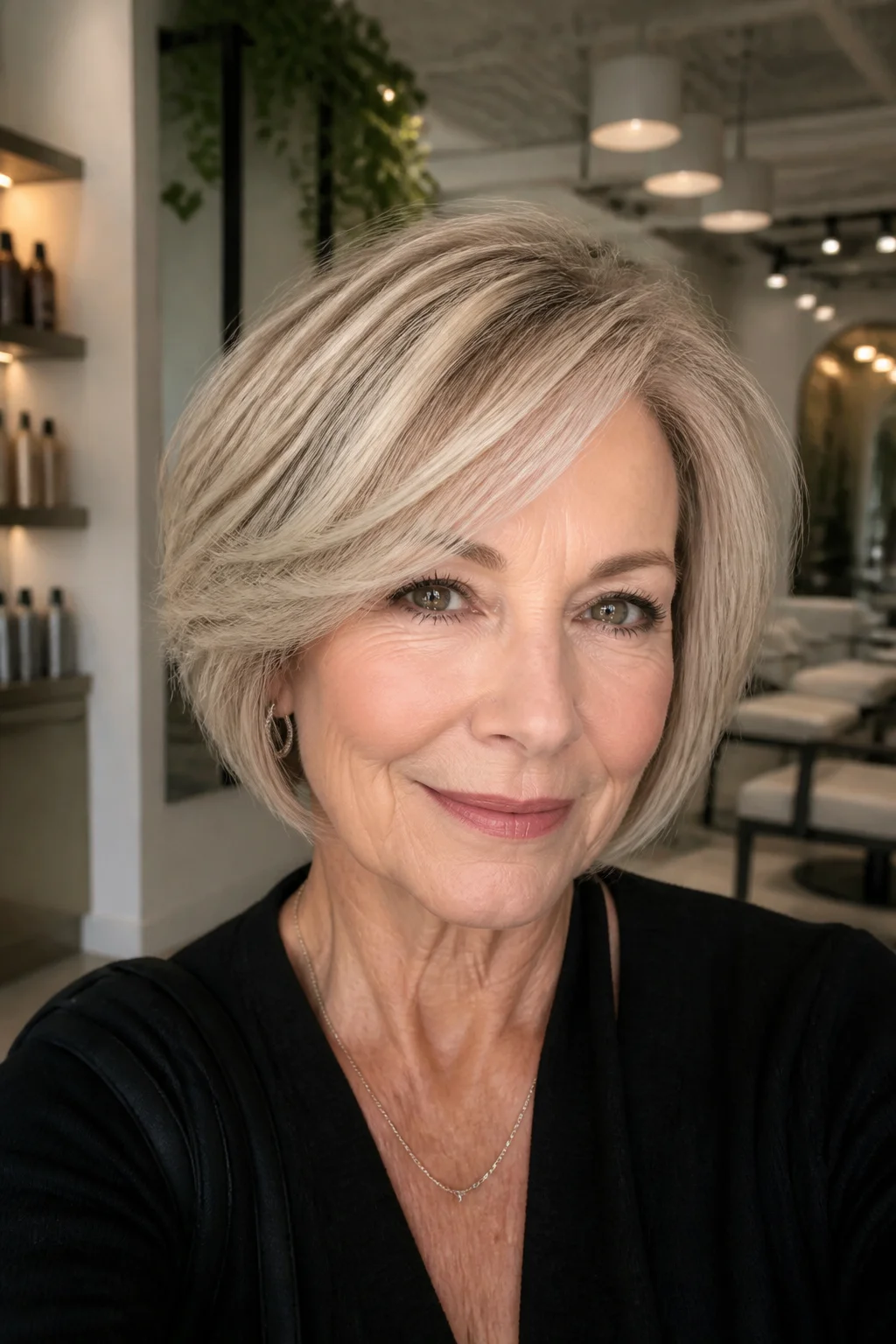
Straight hair sometimes looks stringy in a bob without the right layering, and this cut solves that with shorter layers cut close to the face and slightly longer pieces toward the back. The layers give straight hair some shape it wouldn’t have on its own. A round brush used briefly at the roots during drying adds just enough lift to keep the style from looking flat.
Tousled Bob with Choppy Crown Layers
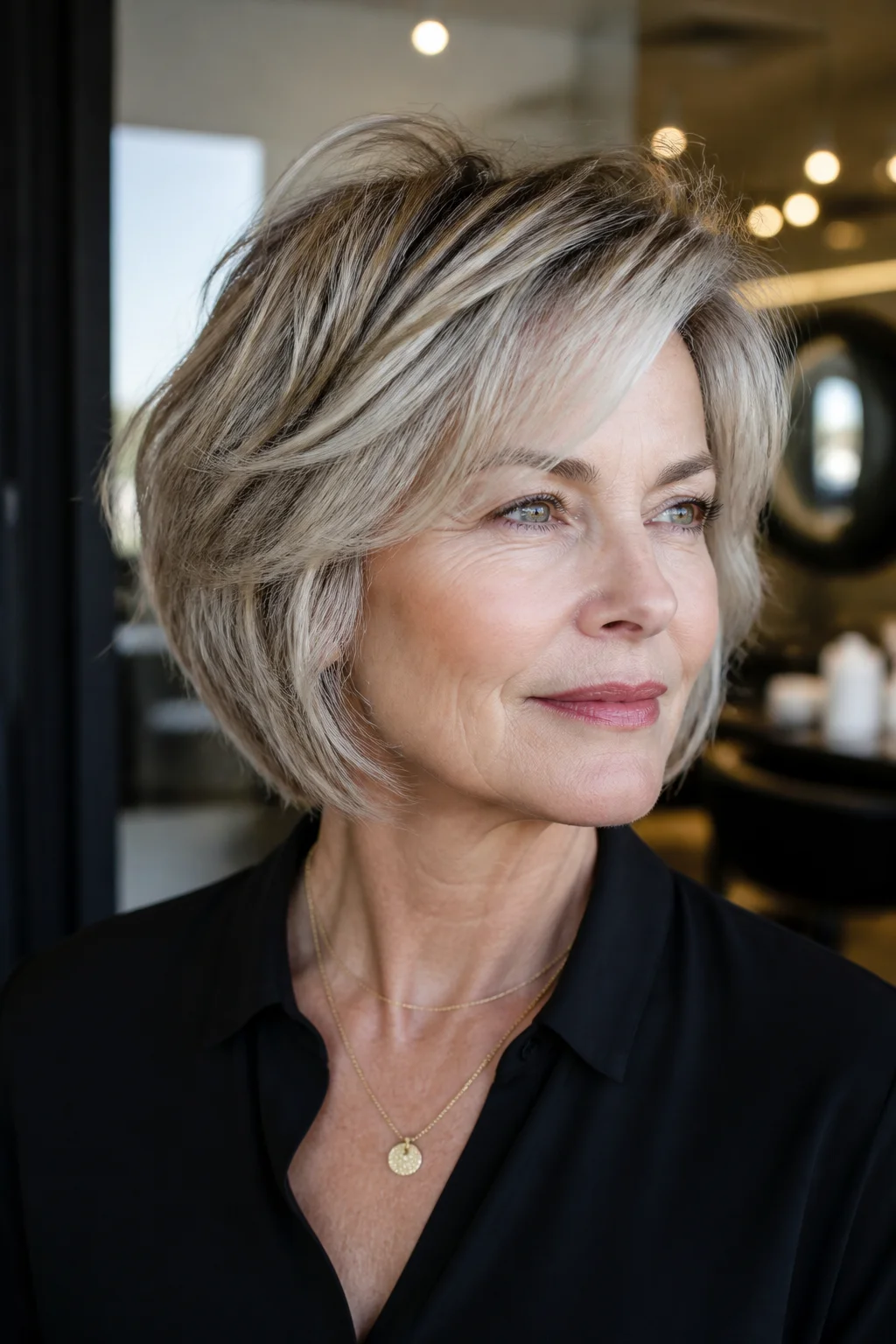
Choppy layers cut into the crown give this bob volume right where hair tends to go flat first. The tousled finish looks intentionally undone, almost like you just ran your fingers through it, which makes it one of the more forgiving styles on this list. A texturizing spray worked in with fingertips, rather than a brush, keeps that messy quality intact.
Inverted Layered Bob with Short Back
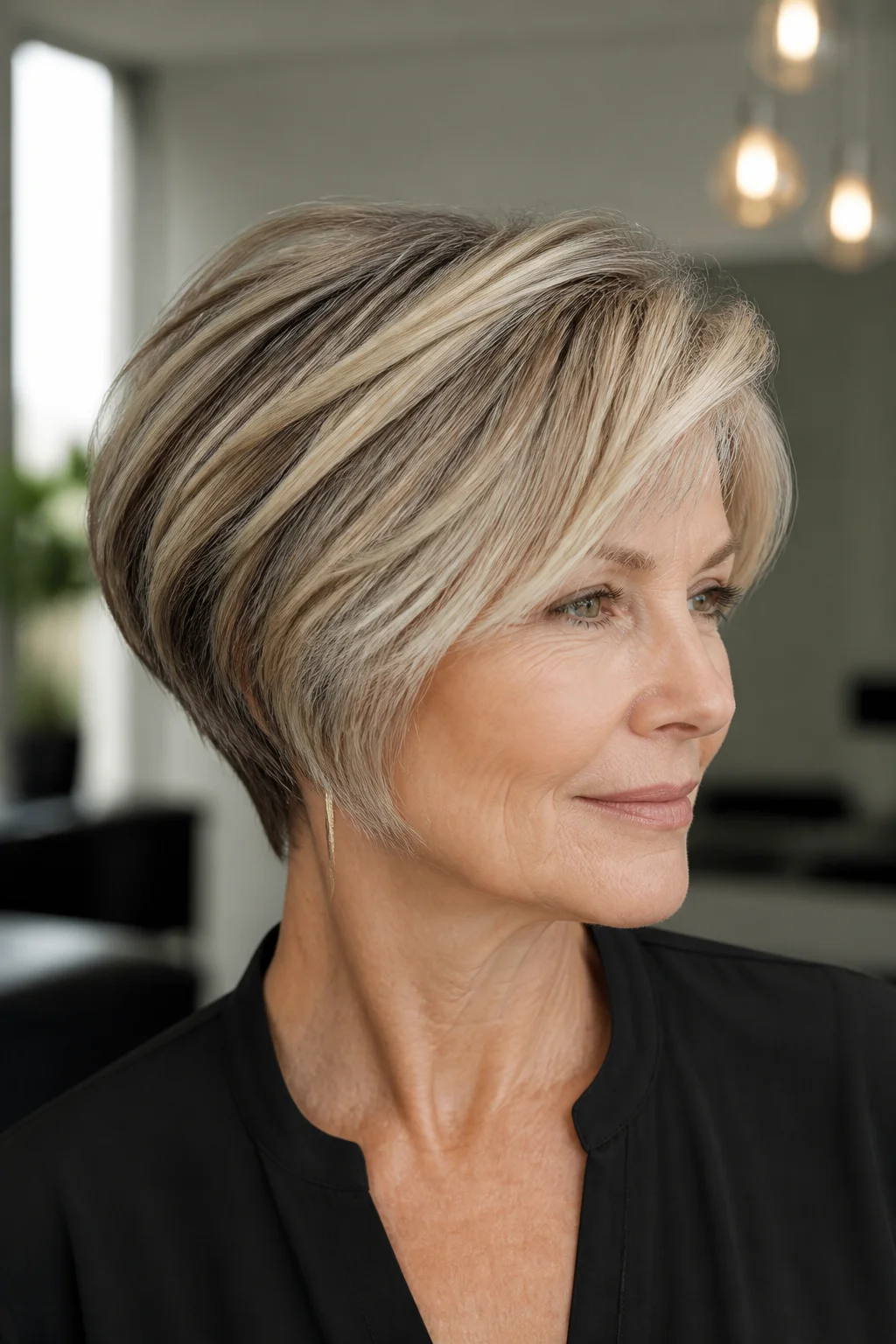
An inverted bob is cut shorter at the back and gradually longer toward the front, creating a distinct angle along the jaw. This shape adds structure and works particularly well for women who want a defined silhouette rather than something soft and undefined. The short back also means less hair to manage at the nape, which some women find more comfortable day to day.
Soft-Wave Bob with Extended Layers

Extended layers reach further down the length of the hair than typical layering, which keeps the ends from looking chopped off. Combined with soft waves, this creates a bob that flows rather than one that sits stiffly at one length. Tip: use a wide-tooth comb instead of a brush when the hair is wet to avoid disrupting the wave pattern.
Choppy Bob with Volume at Roots
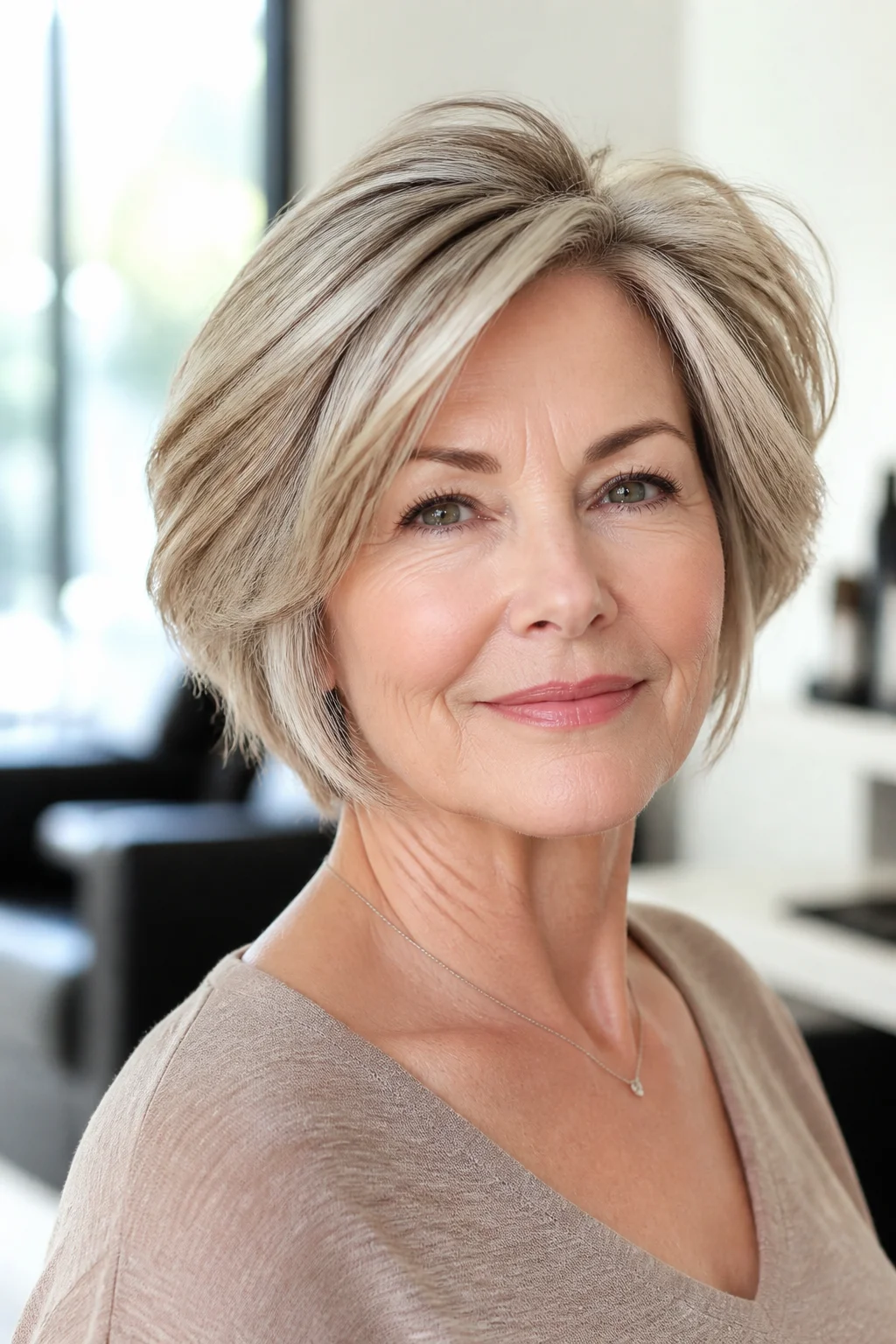
Root volume is the main goal of this cut, achieved through short layers cut close to the scalp at the crown. The choppy ends throughout the rest of the bob keep the style from looking too structured or stiff. This is a solid pick for anyone whose hair tends to go limp by midday, since the root layers do a lot of the lifting work on their own.
Textured Bob with Undercut Layers
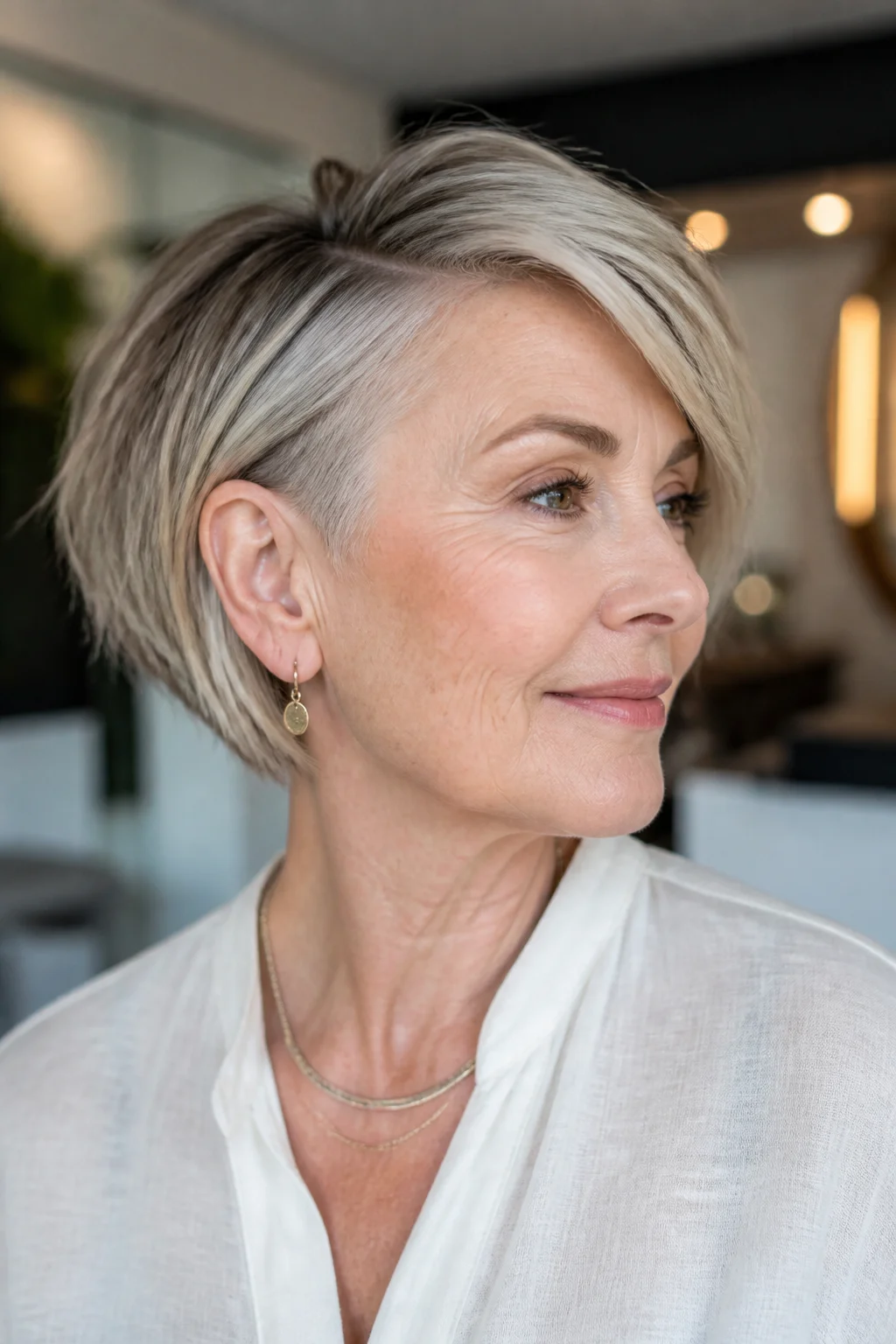
An undercut adds hidden layers underneath the visible top layer, removing bulk without changing the outer shape of the bob at all. This works especially well for very thick or coarse hair that feels heavy under a normal cut. From the outside, the bob looks smooth and full, but underneath it’s been lightened considerably, which makes daily styling faster since there’s simply less hair to manage.
Layered Bob with Wispy Texture Throughout
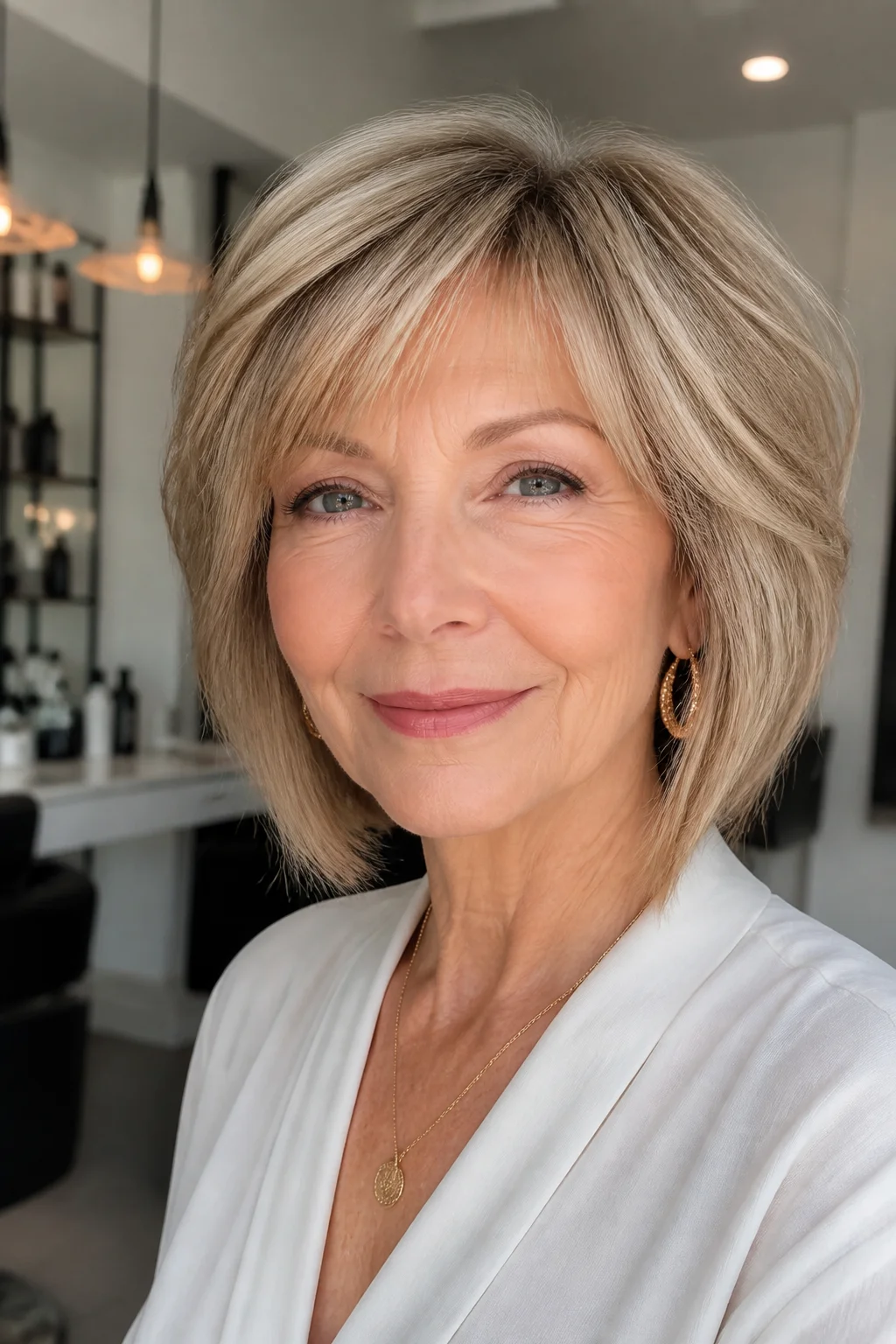
Wispy layers cut throughout the entire length give this bob a soft, feathery finish from root to tip rather than concentrating texture in just one area. It’s a gentle way to add movement without any harsh lines or choppy sections. This style suits fine to medium hair best, since heavier hair can weigh down the wispy effect and make it less noticeable.
Choosing the Right Layered Bob for Your Hair
With this many options, picking one comes down to your hair’s natural texture and how much time you actually want to spend on it each morning. If your hair is fine and tends to fall flat, the shaggy layered bob for fine hair or the choppy bob with volume at roots will do more for you than a smoother cut like the blunt bob with subtle internal layers, which relies on healthy, straight hair to look its best. Thick or coarse hair benefits most from weight removal, so look toward the choppy layered bob for thick hair or the textured bob with undercut layers rather than anything with dense stacking.
Curly hair has its own rules entirely. The curly textured bob with short choppy layers is built to work with natural curl pattern, while trying to force curls into a graduated layered bob with tucked sides usually fights the texture instead of supporting it. If you want the lowest possible maintenance, prioritize cuts with built-in texture, like the tousled bob with choppy crown layers or the shaggy bob with longer bangs, since both hide regrowth and rough drying days better than anything blunt. A common mistake is choosing a style based on a photo without considering your own texture. A cut that looks incredible on stick-straight hair can behave completely differently on wavy or curly strands, so talk through your natural texture with your stylist before committing to a specific shape.
Final Thoughts
A good bob should make your mornings easier, not harder. The styles above all share one thing in common: layers that work with your natural texture instead of demanding you fight it with hot tools every day. I recommend starting with your hair’s natural behavior, whether that’s wave, curl, or straight, and choosing a layer pattern built for that texture rather than one you saw and liked on someone else. Bring a few of these names to your next appointment and talk through which layers fit your face shape and your daily routine. The right cut will feel less like a style you have to maintain and more like one that simply falls into place.