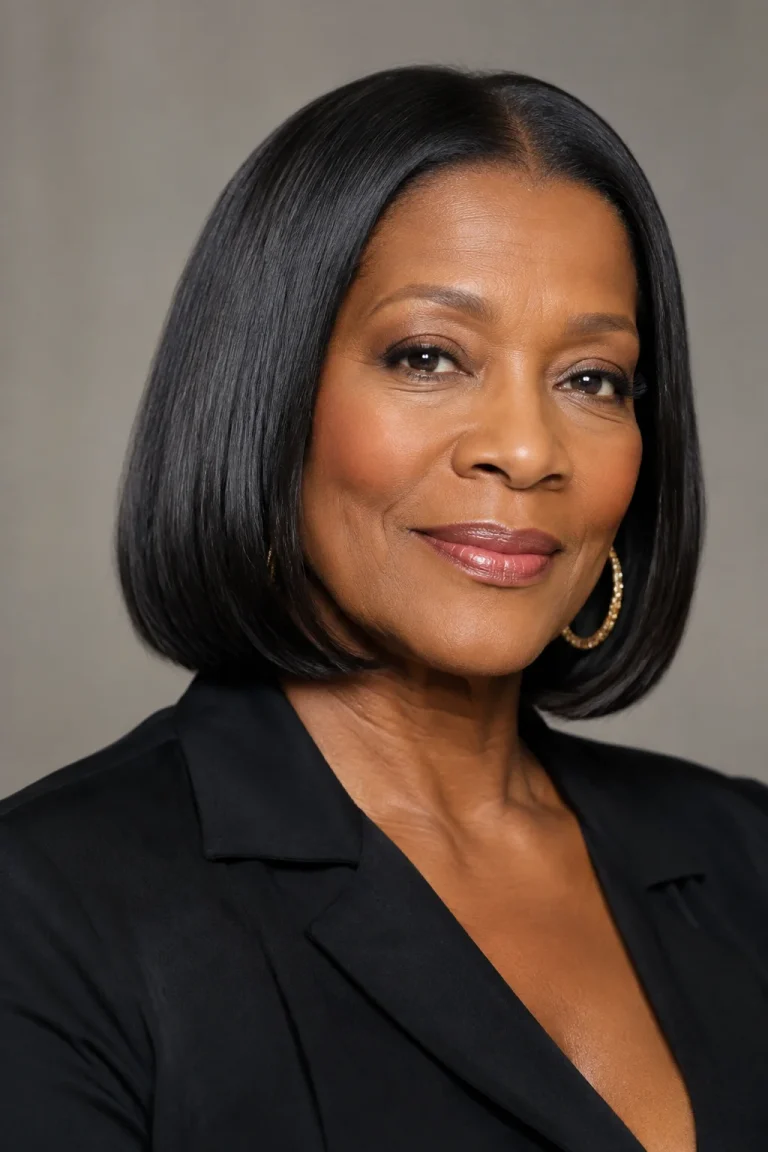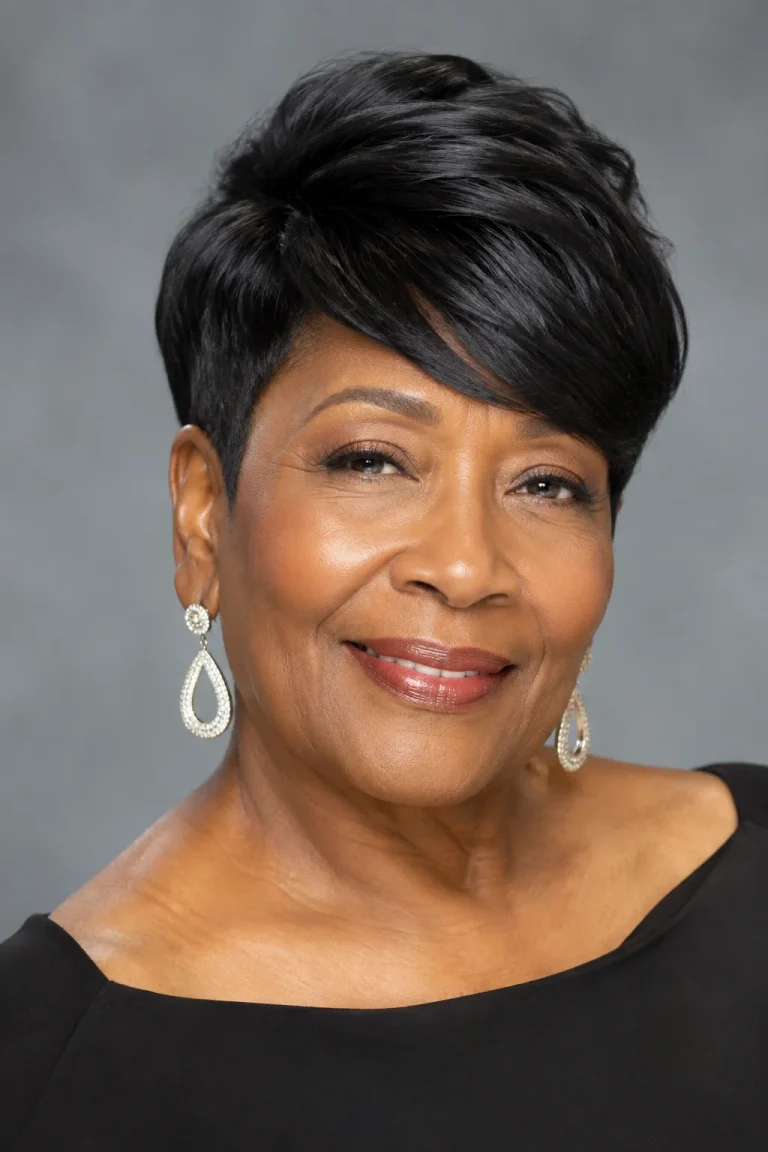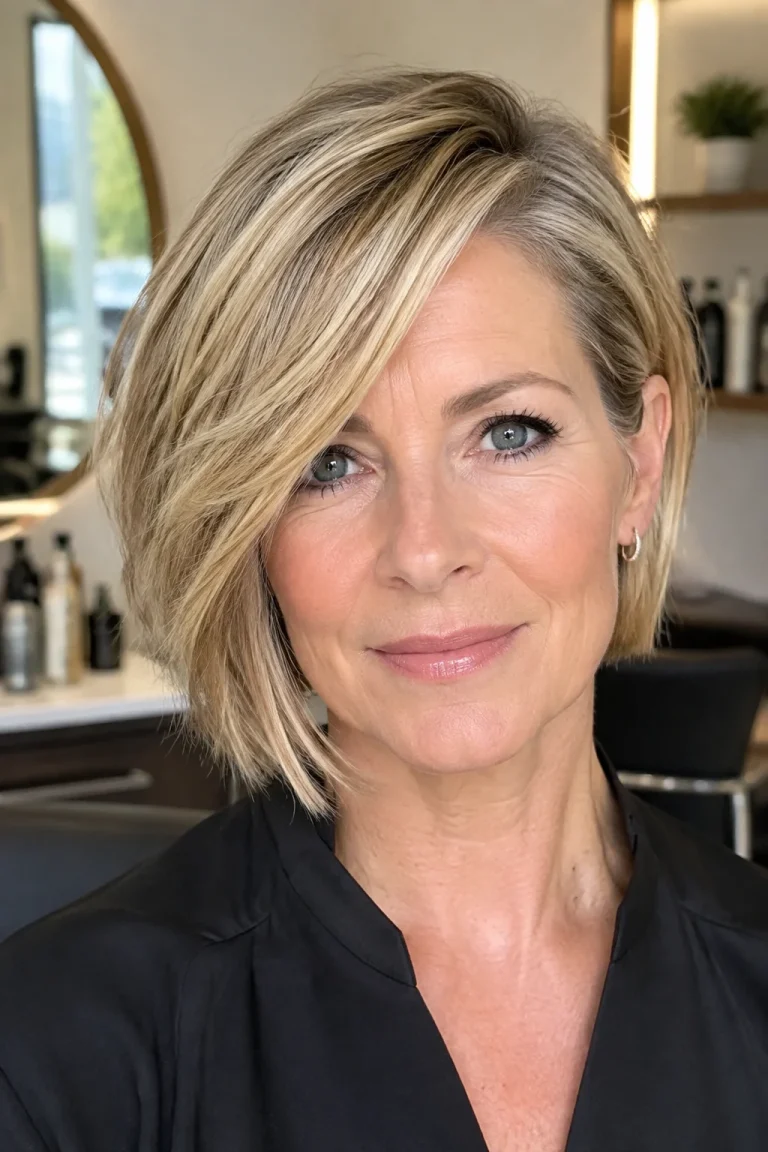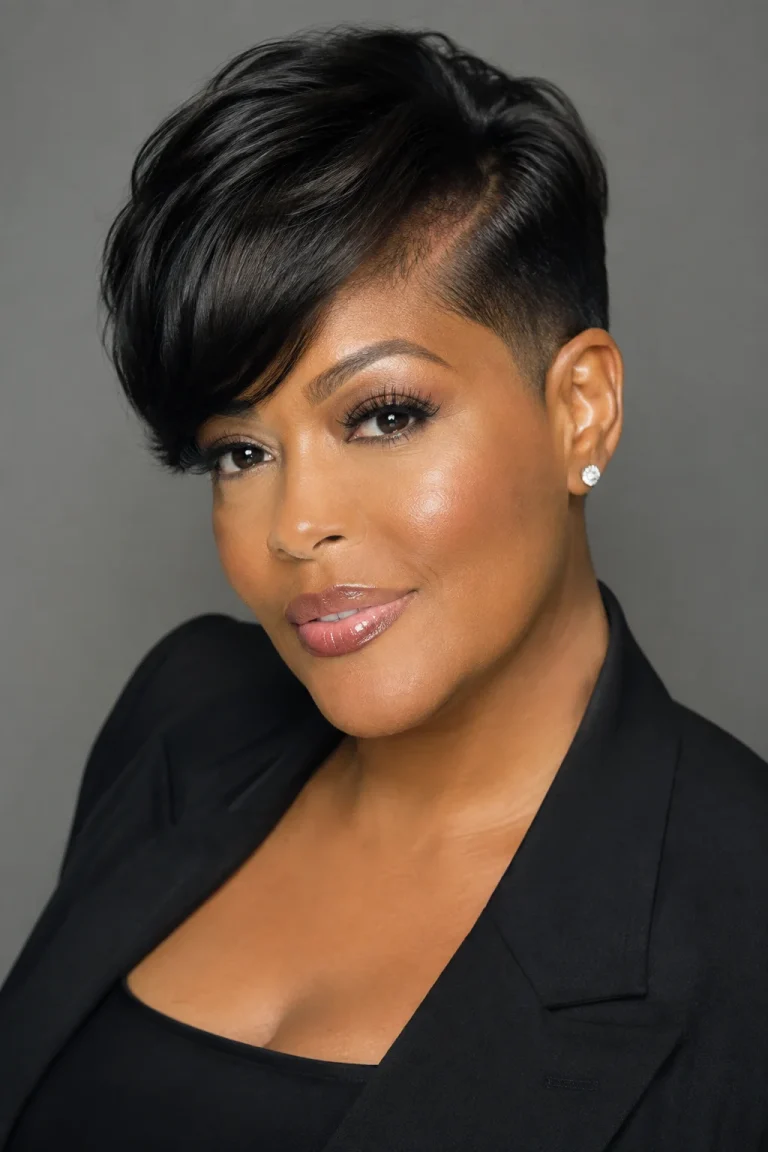
Curly hair changes as it grays and thins, and a cut that worked fine at 50 can look flat or unruly later on. The good news is that a well-chosen bob solves most of those problems at once. It gives curls somewhere to land, adds shape without a lot of daily fuss, and works with gray, white, or color-treated hair alike. This list of curly bob hairstyles for women over 70 covers everything from tight spirals to loose, barely-there waves, plus options for thin crowns, round faces, and hair that’s gone fully silver. Each entry explains who the cut suits and what to ask your stylist for, so you can walk into your next appointment with a clear picture instead of a vague idea. Read through, pick two or three that catch your eye, and bring the names straight to your chair.
Classic Shoulder-Length Curly Bob with Soft Layers
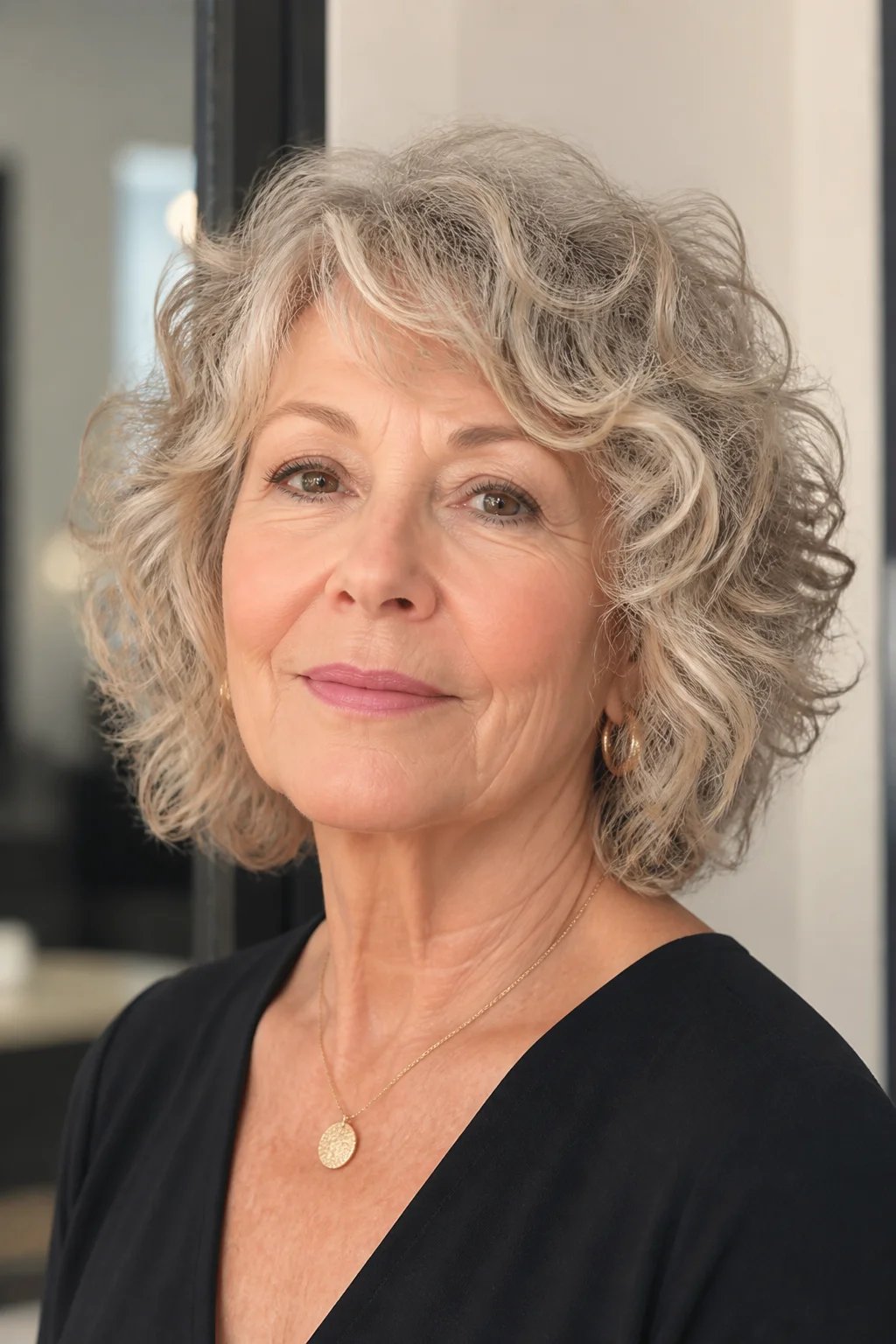
This is the safest bet if you want a change without a drastic one. The length sits right at the shoulders, and soft layers cut through the bulk so curls can move instead of forming one heavy shape. It suits almost every face and works on both fine and thick curls. Ask your stylist to keep the layers long and gradual rather than choppy, since that keeps the ends looking soft instead of stringy. A light mist of heat protectant before styling helps the finish last. A light mist of heat protectant before styling helps the finish last.
Chin-Length Tight Curly Bob for Fine Hair
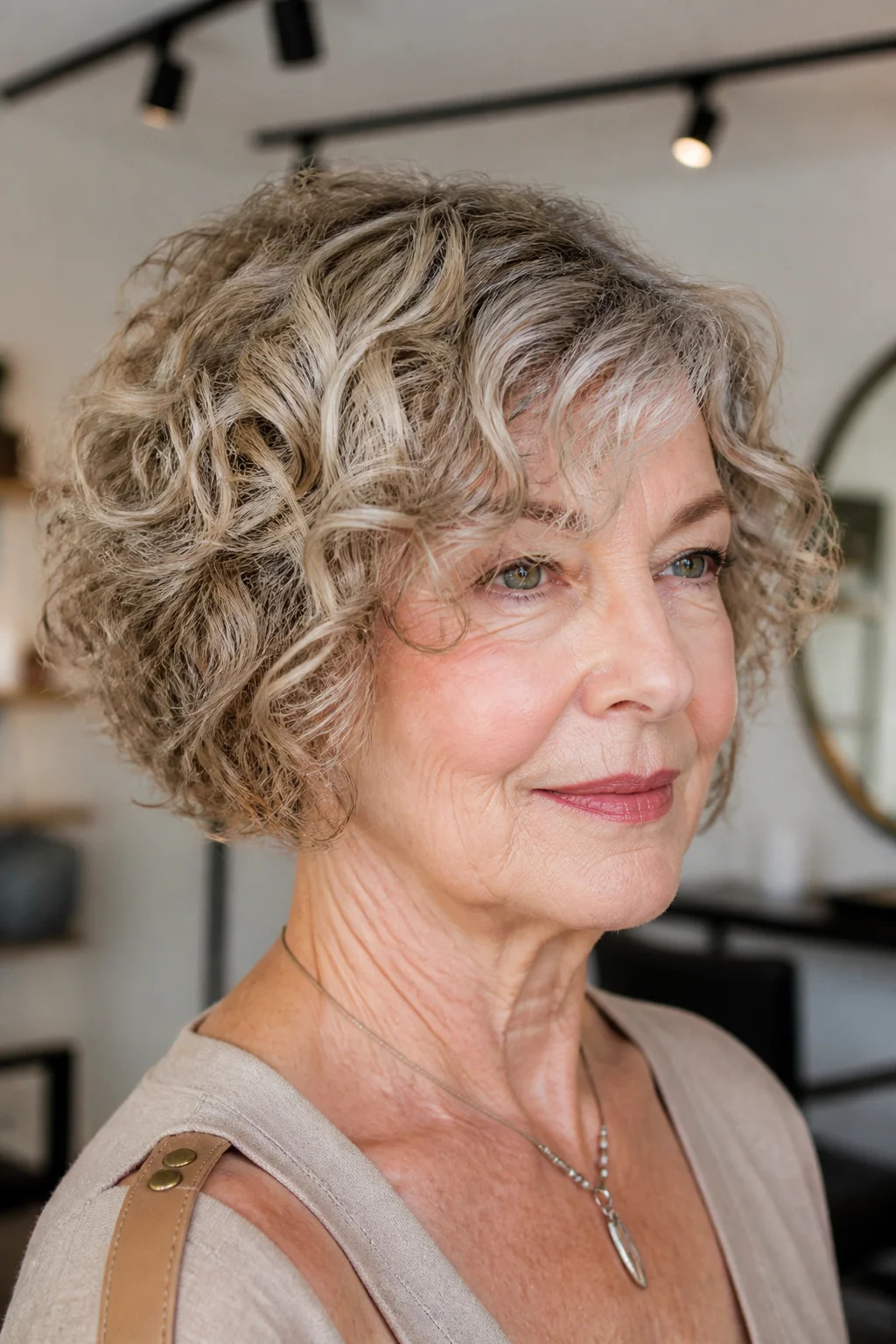
Fine curly hair loses definition fast when it grows too long, and this shorter length fixes that. Chin-length hits at the exact spot where tight curls hold their bounce without pulling flat under their own weight. It also gives the illusion of more density, which matters if your hair has thinned with age. Tip: ask for a dry cut so your stylist can see exactly how each curl falls before trimming. A light mist of heat protectant before styling helps the finish last. A light mist of heat protectant before styling helps the finish last.
Textured Bob with Longer Front Pieces
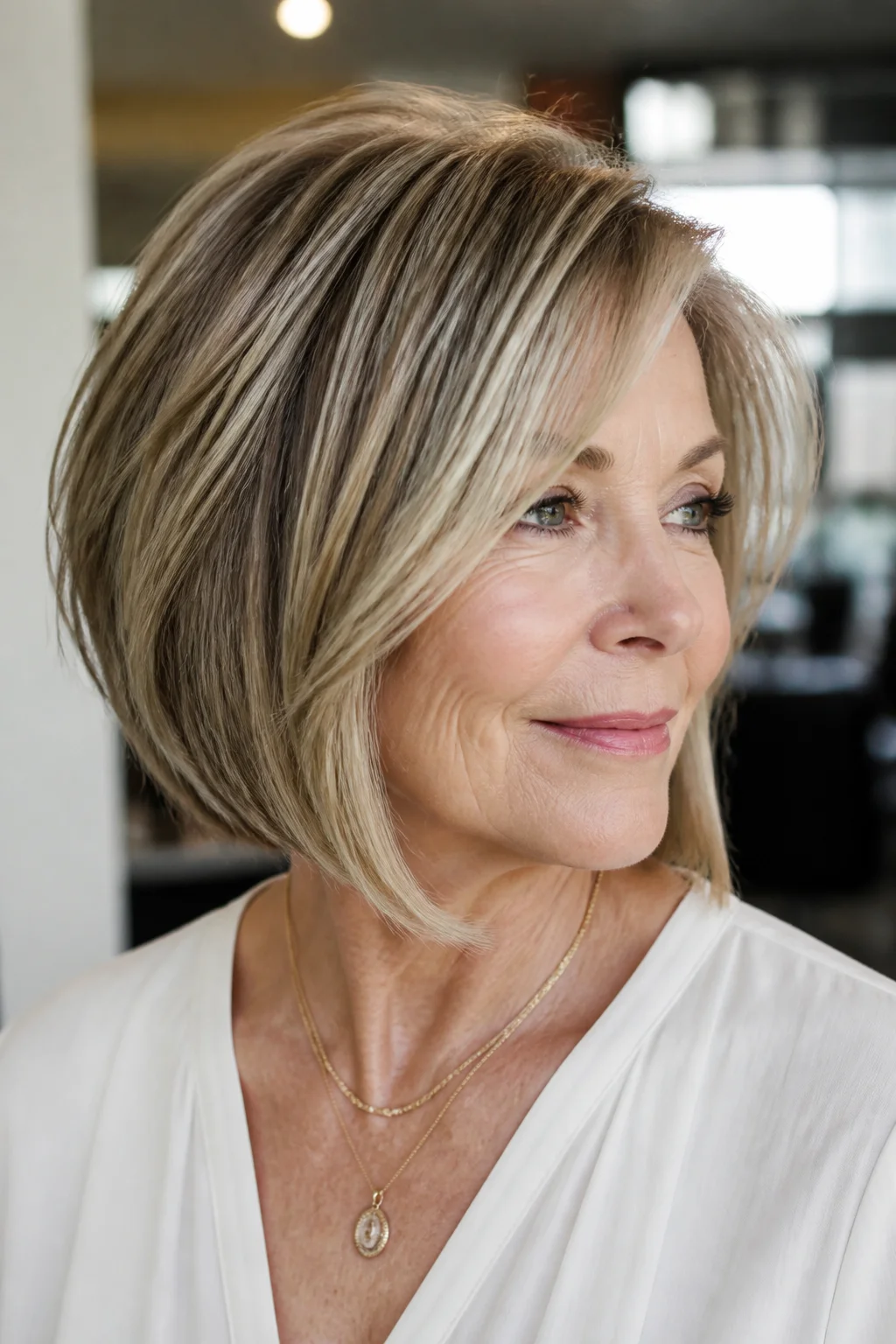
The back and crown stay short while the front pieces frame your face with extra length. This creates a soft, flattering line around the jaw and chin, which is especially kind to anyone self-conscious about neck skin or a fuller lower face. The texture keeps things from looking stiff. It’s a good pick if you want a bob that still has some drama to it.
Stacked Back Curly Bob for Volume
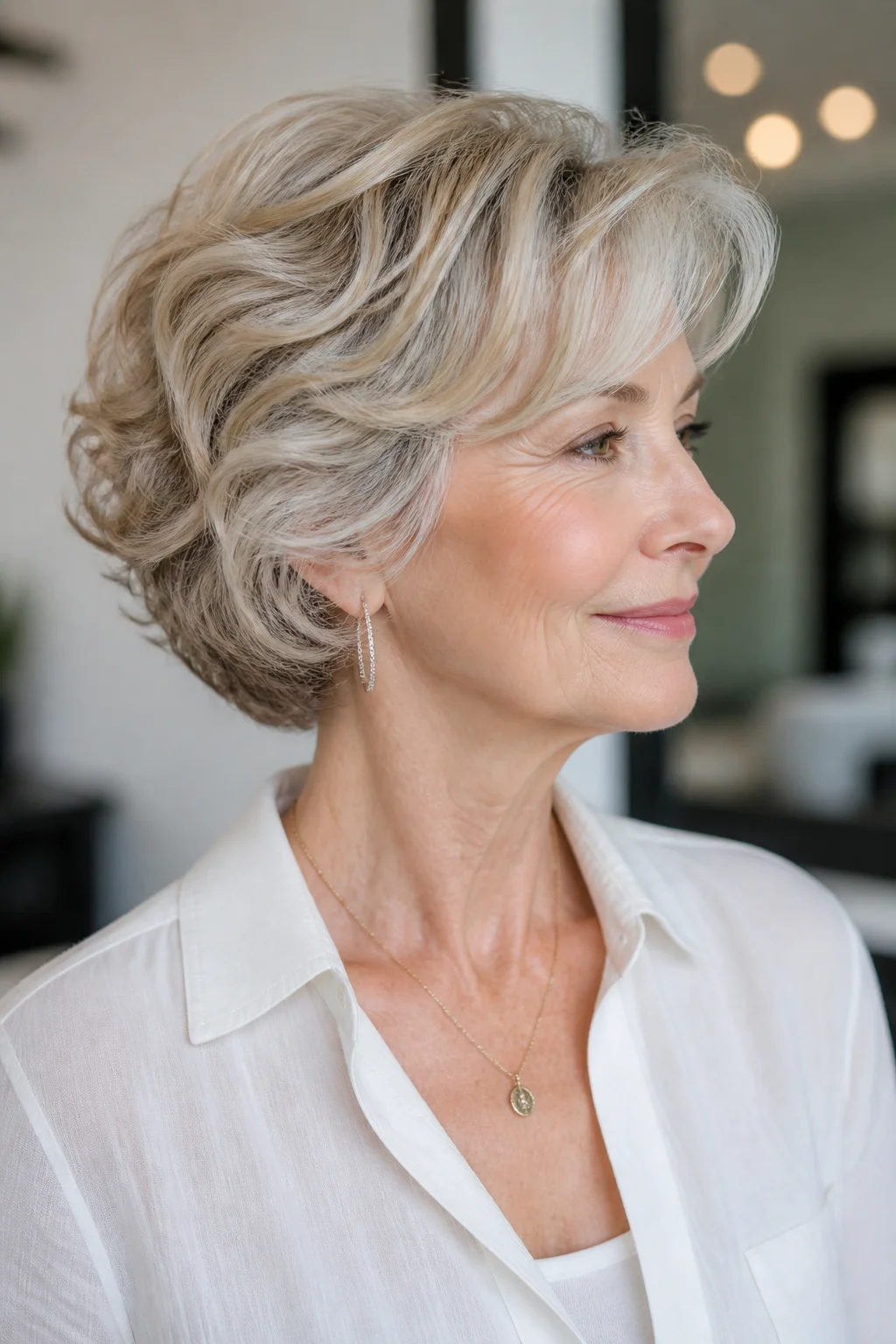
Stacking means the layers in the back are cut to build height, one on top of the other, so the whole shape lifts away from the neck. This works well for curls that tend to go flat at the crown or nape. The front can stay longer while the back does all the lifting work. It’s one of the better choices for anyone whose hair has lost body over the years.
Loose Wave Bob with Minimal Curl
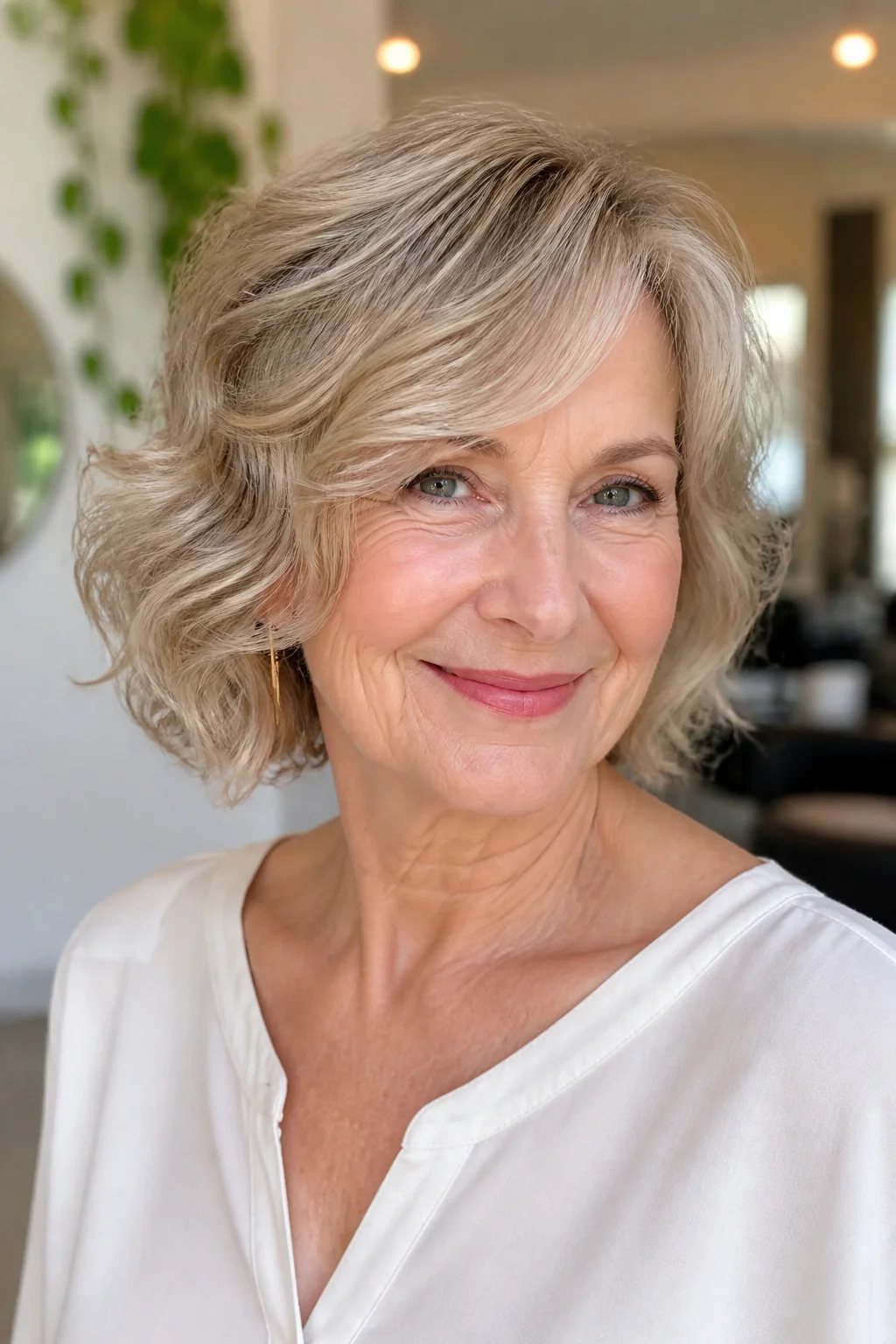
Not everyone wants tight ringlets, and this style is built for looser, more relaxed waves. The bob length keeps things tidy while the natural wave pattern gets to show through without much intervention. It reads as soft and easy rather than styled within an inch of its life. This is a strong option if your curl pattern has loosened with age, which happens to a lot of hair.
Deep-Side-Part Curly Bob
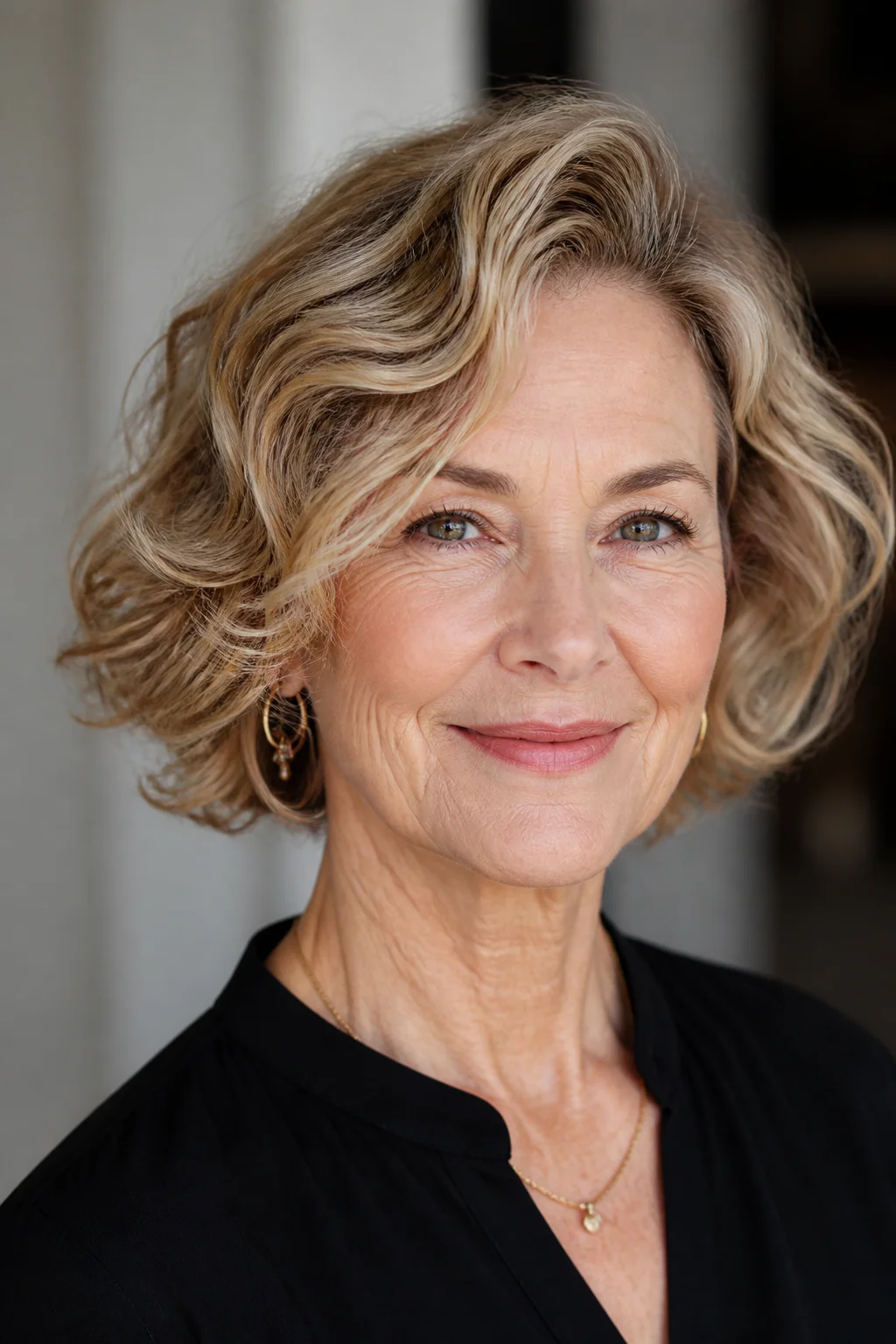
Moving the part several inches off center changes the whole feel of a bob. It softens a square jaw, adds asymmetry to an otherwise simple cut, and gives curls a natural place to fall so they frame one side of the face more than the other. Tip: use a bit more product on the heavier side of the part to keep curls from flopping over your eye.
Gray Curly Bob with Face-Framing Highlights
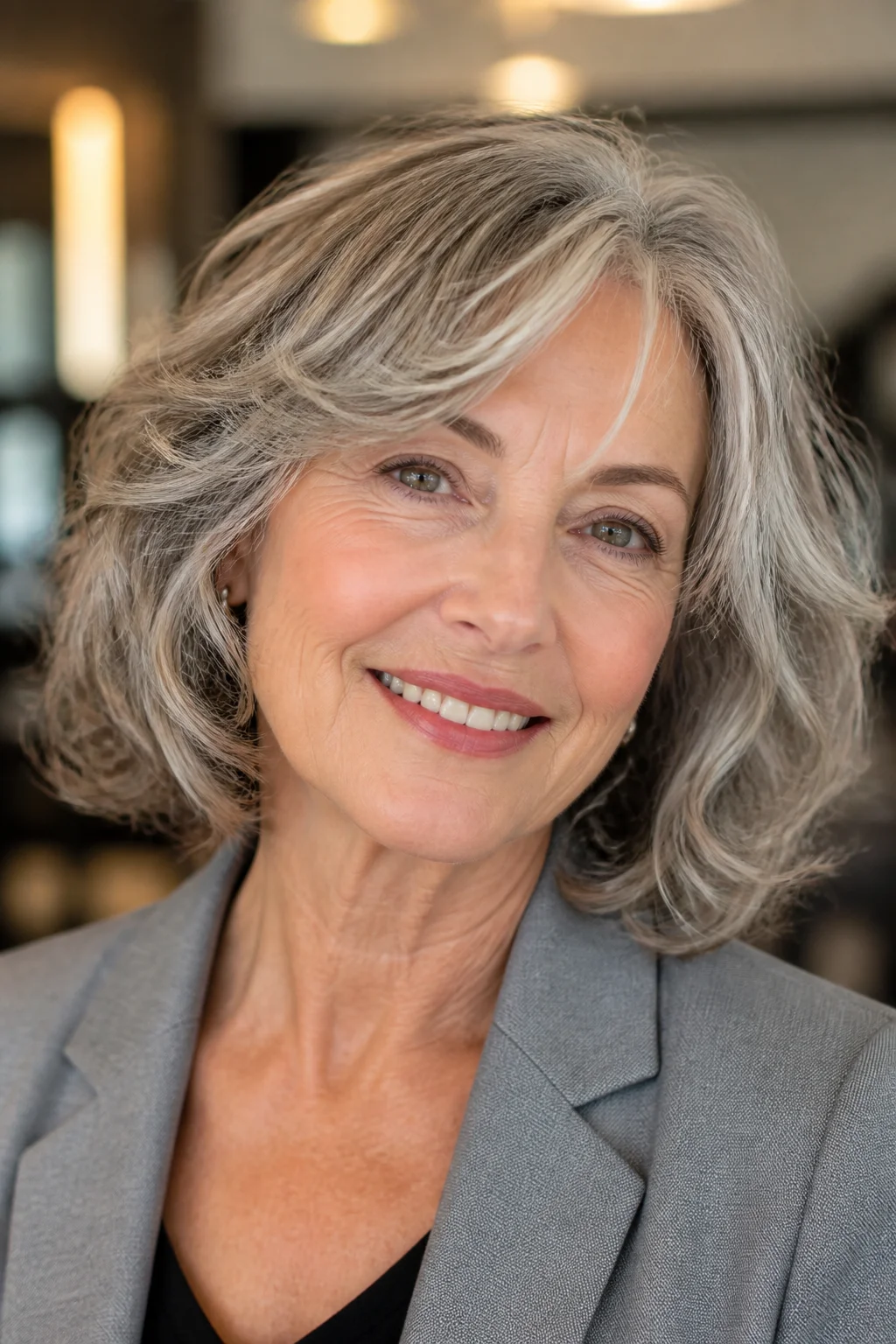
Solid gray can sometimes look flat under indoor lighting, and highlights break that up. A few lighter pieces around the face catch light and add dimension without looking like you’re covering the gray. This works especially well on curly texture because the highlights twist through the curl and show up from different angles as you move. It’s a subtle upgrade rather than a big color commitment.
Curly Bob with Bangs for Mature Faces
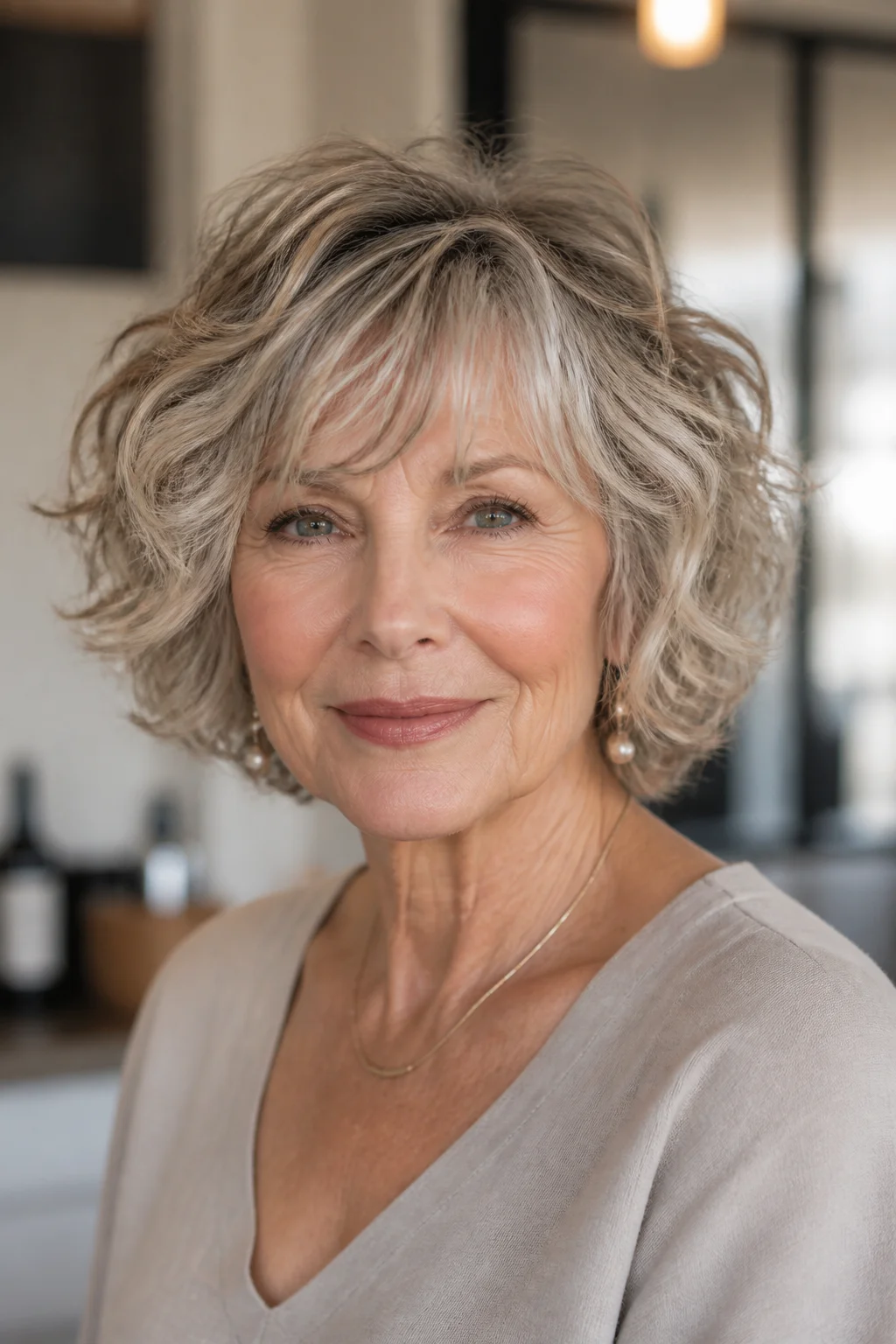
Curly bangs take more work than straight ones since they shrink up as they dry, but the payoff is a soft, youthful frame around the forehead. Ask for bangs that hit slightly longer than you think you want, because shrinkage will pull them up once they’re dry. This pairing suits women with higher foreheads or those who want to soften a strong brow line.
Inverted Curly Bob (Shorter Back, Longer Front)
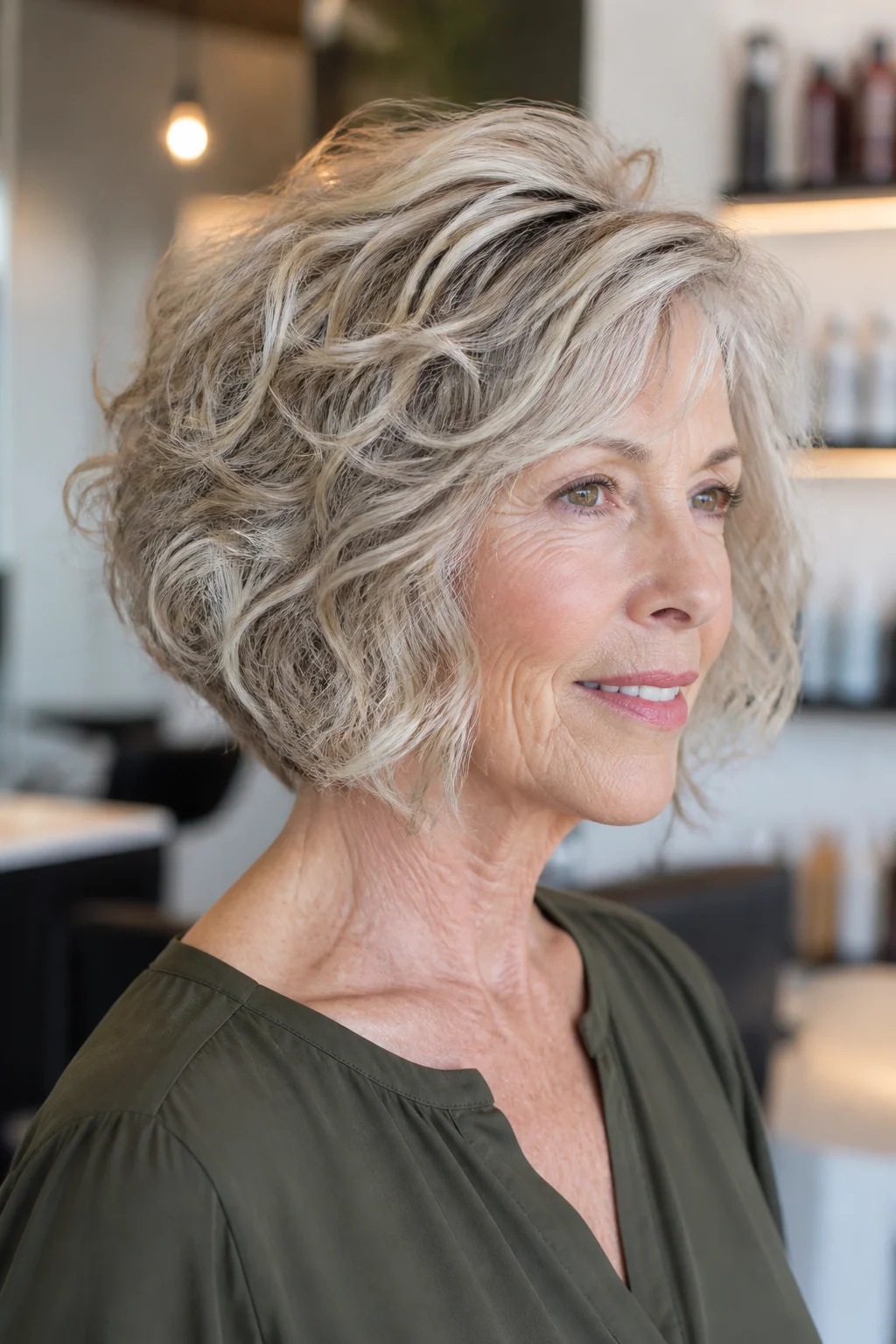
The inverted shape angles shorter in the back and gradually longer toward the front, creating a subtle wedge silhouette. On curly hair this looks less severe than it does on straight hair, since the curl softens the sharp angle. It’s a smart choice if you carry weight in your jaw or lower face and want length there to balance things out.
Textured Pixie-Bob Hybrid
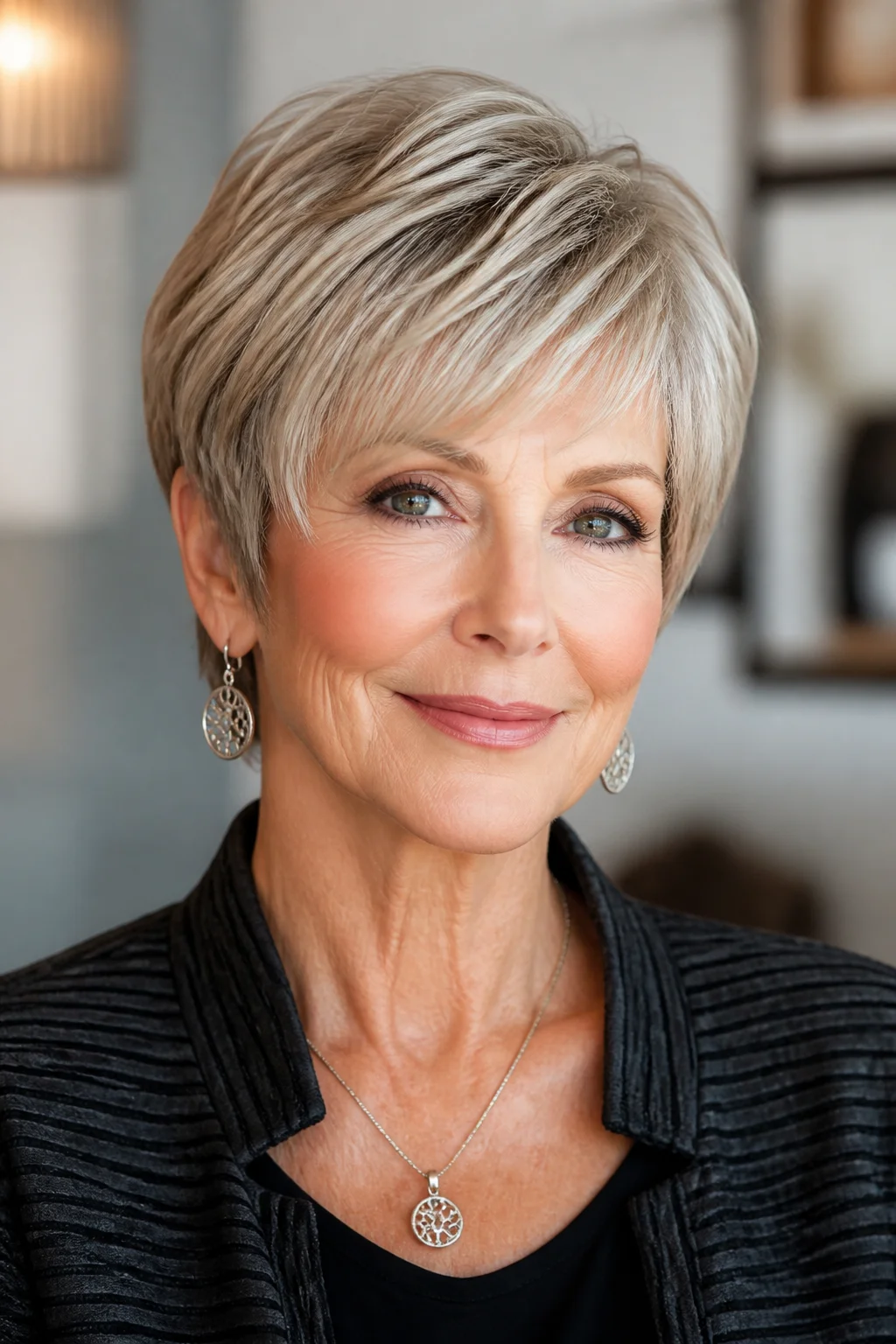
This sits between a pixie and a bob, longer than a true pixie but shorter than a standard bob, usually landing somewhere around the ear or just below it. It suits women who want short hair but aren’t ready to go quite as cropped as a pixie. The texture keeps it from looking helmet-like, and curls fill in the shorter sides nicely.
Curly Bob with Undercut Detail
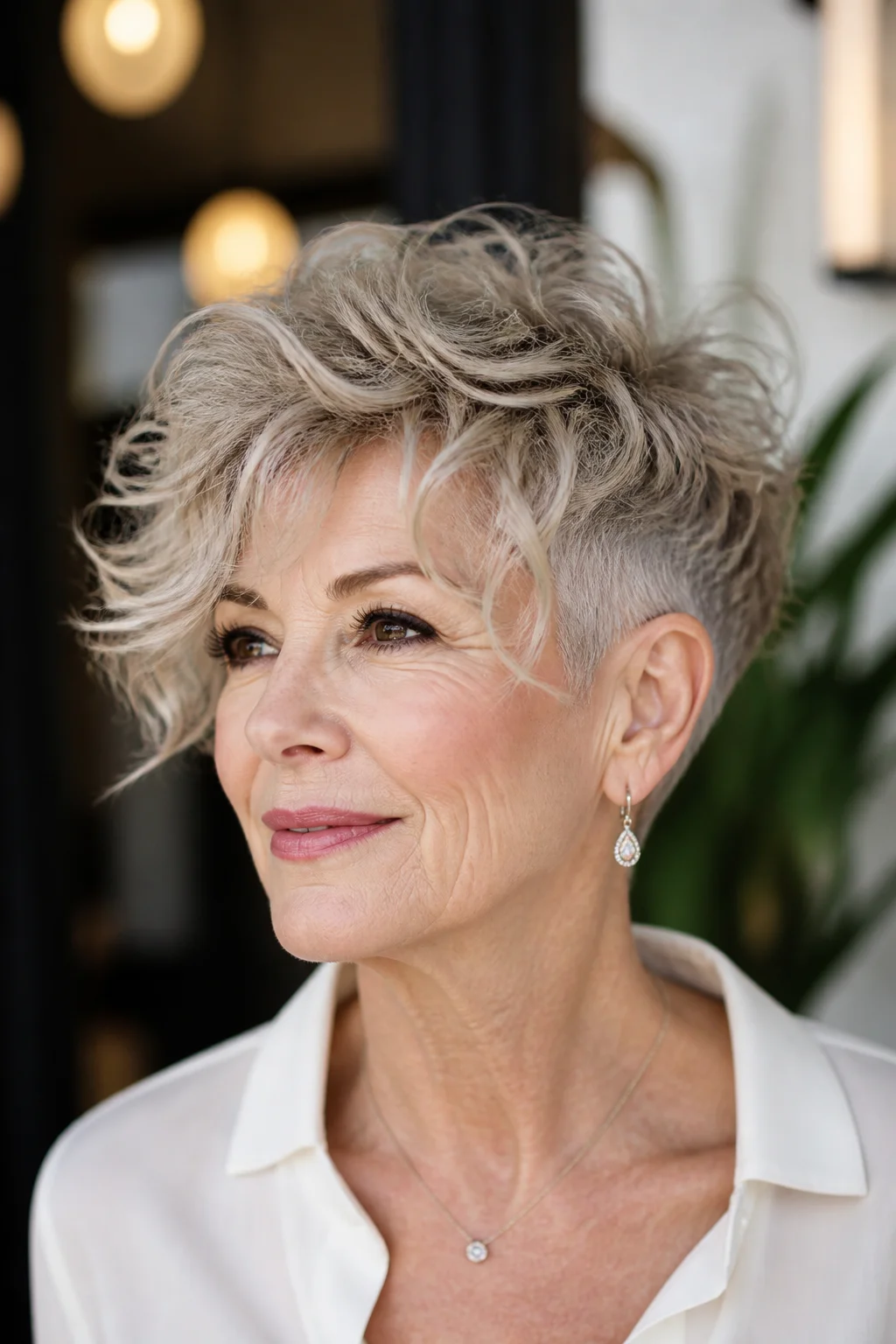
An undercut trims the hair underneath shorter than the top layer, which you can reveal or hide depending on how you style it that day. On thick curly hair this removes bulk without shortening the overall length, so the bob still looks full on top but sits lighter on your neck. It’s a practical option for anyone who finds thick hair too warm or heavy.
Medium Curly Bob on Thick Hair
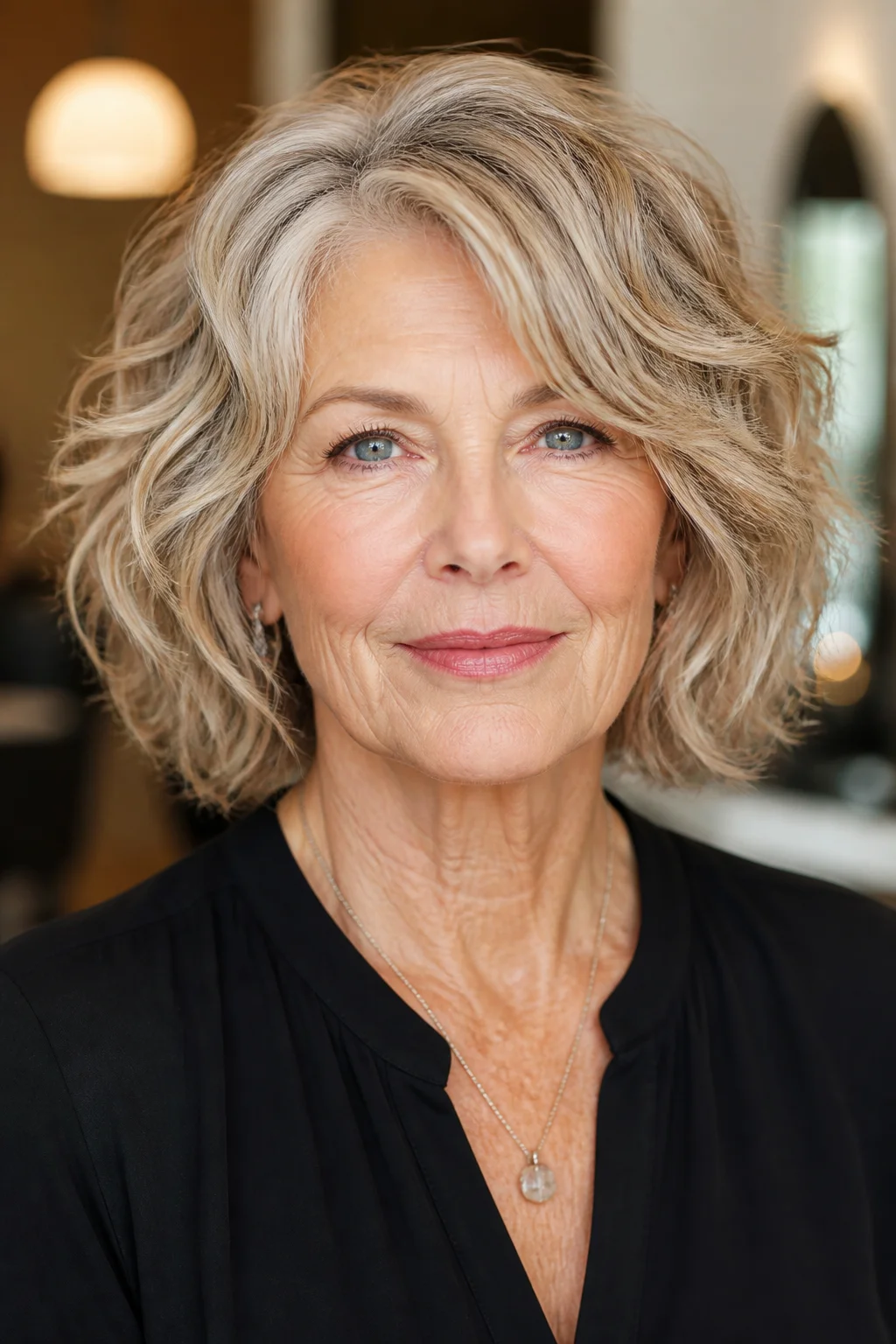
Thick curly hair carries length well, and a medium bob, landing between chin and shoulder, gives it enough room to show its shape without turning into a triangle. This length also cuts down on the frizz that shorter cuts sometimes trigger on thick strands. Ask for layers throughout so the ends don’t look blunt and heavy.
Jaw-Length Curly Bob with Feathered Layers
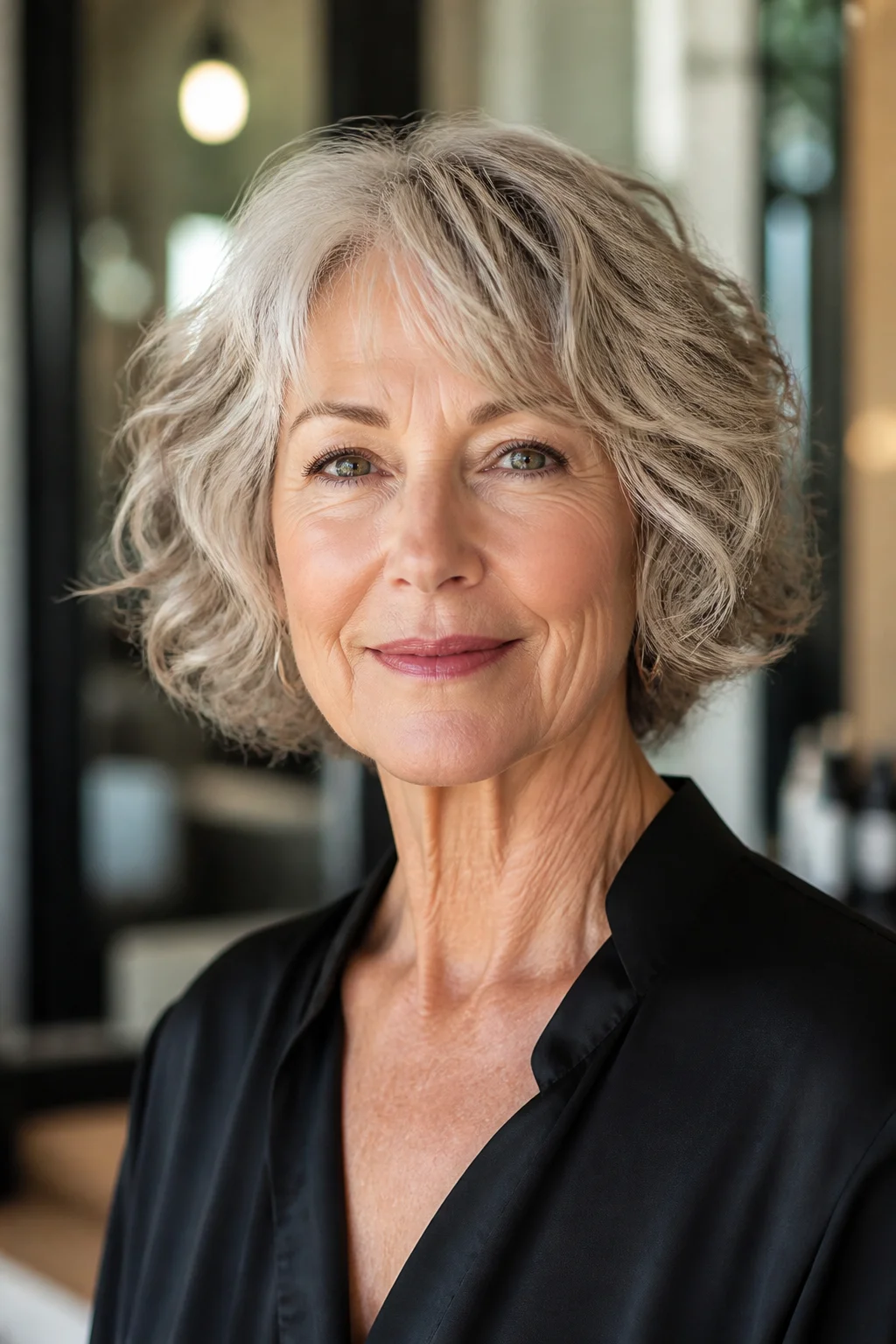
Feathering softens the ends so they taper instead of ending in one thick line. At jaw length, this creates a soft, rounded frame that flatters almost every face shape. The feathering also helps curls blend into each other instead of clumping, which gives the whole style a lighter, airier look.
Curly Bob with Shaved or Tapered Sides
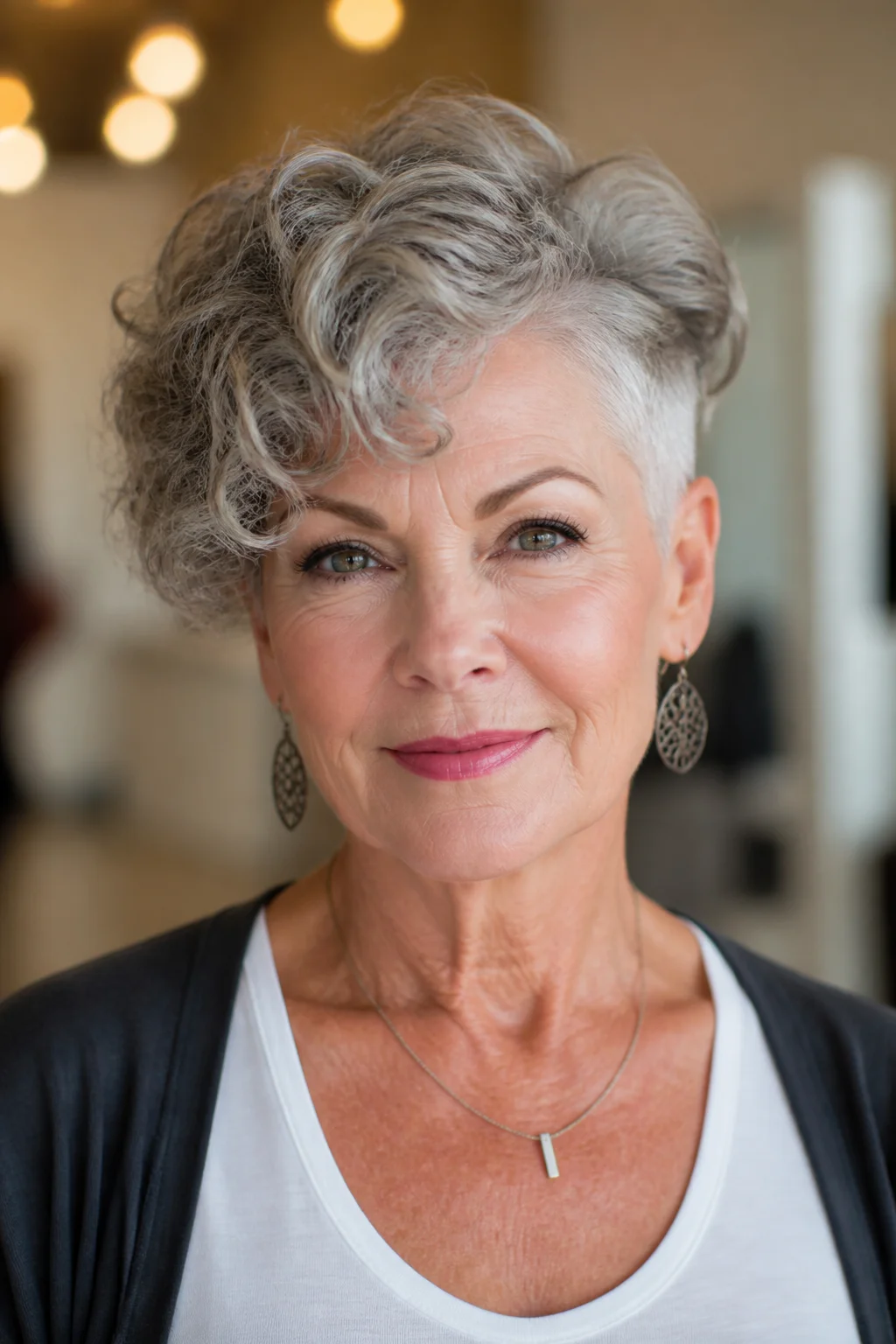
A shaved or closely tapered side adds an edge to an otherwise classic bob shape. It works best on hair with enough curl density up top to balance the short sides. This isn’t for everyone, but for a woman who wants her haircut to feel a little bold, it delivers that without going short all over.
Shoulder-Grazing Curly Bob for Round Faces
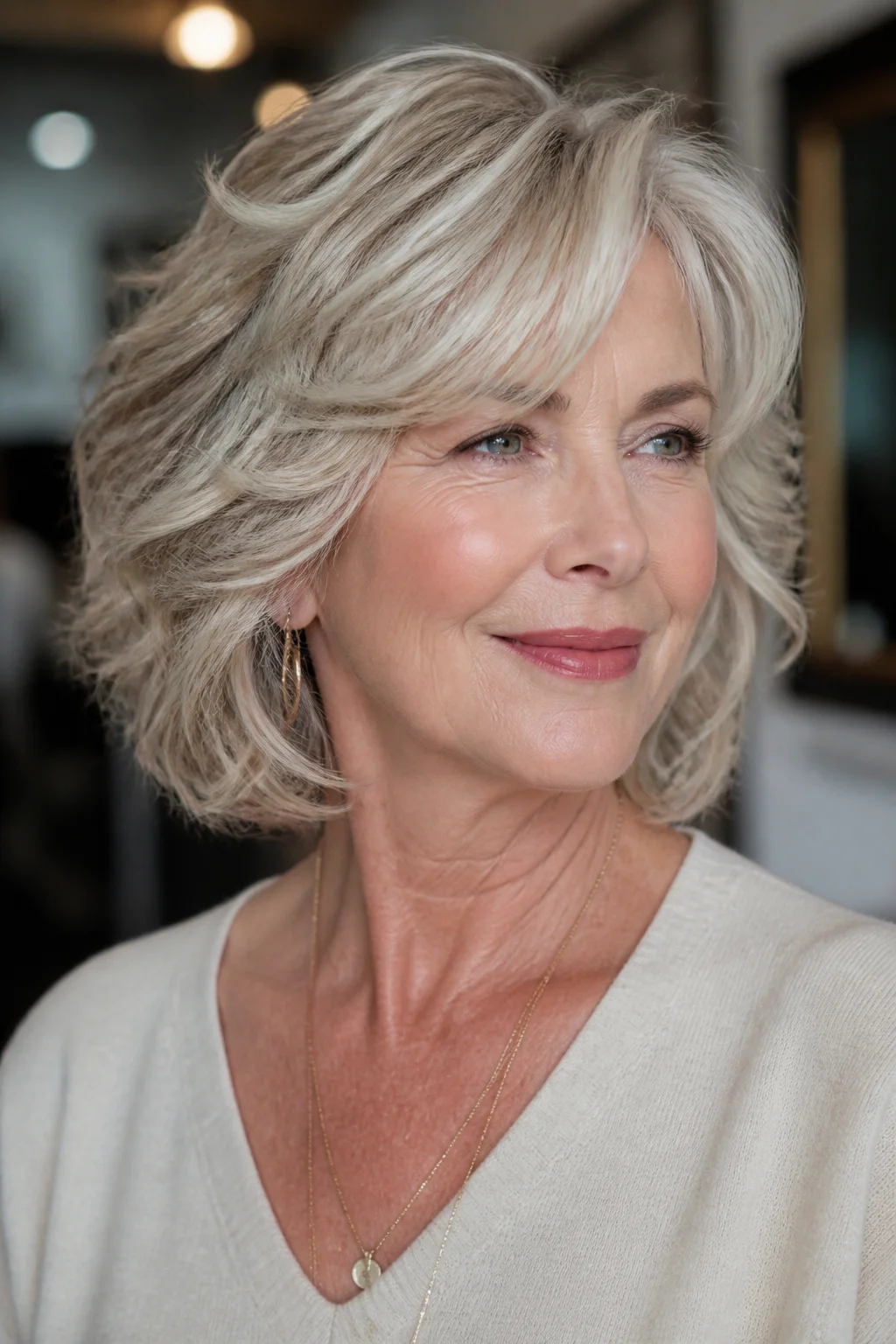
Length that just brushes the shoulders elongates a round face better than anything landing at the chin. The curls add width at the bottom, which pulls the eye down and away from the cheeks. Keep layers minimal near the face so the length does its elongating job without getting chopped up.
Tight Spiral Curly Bob (High-Porosity Hair)
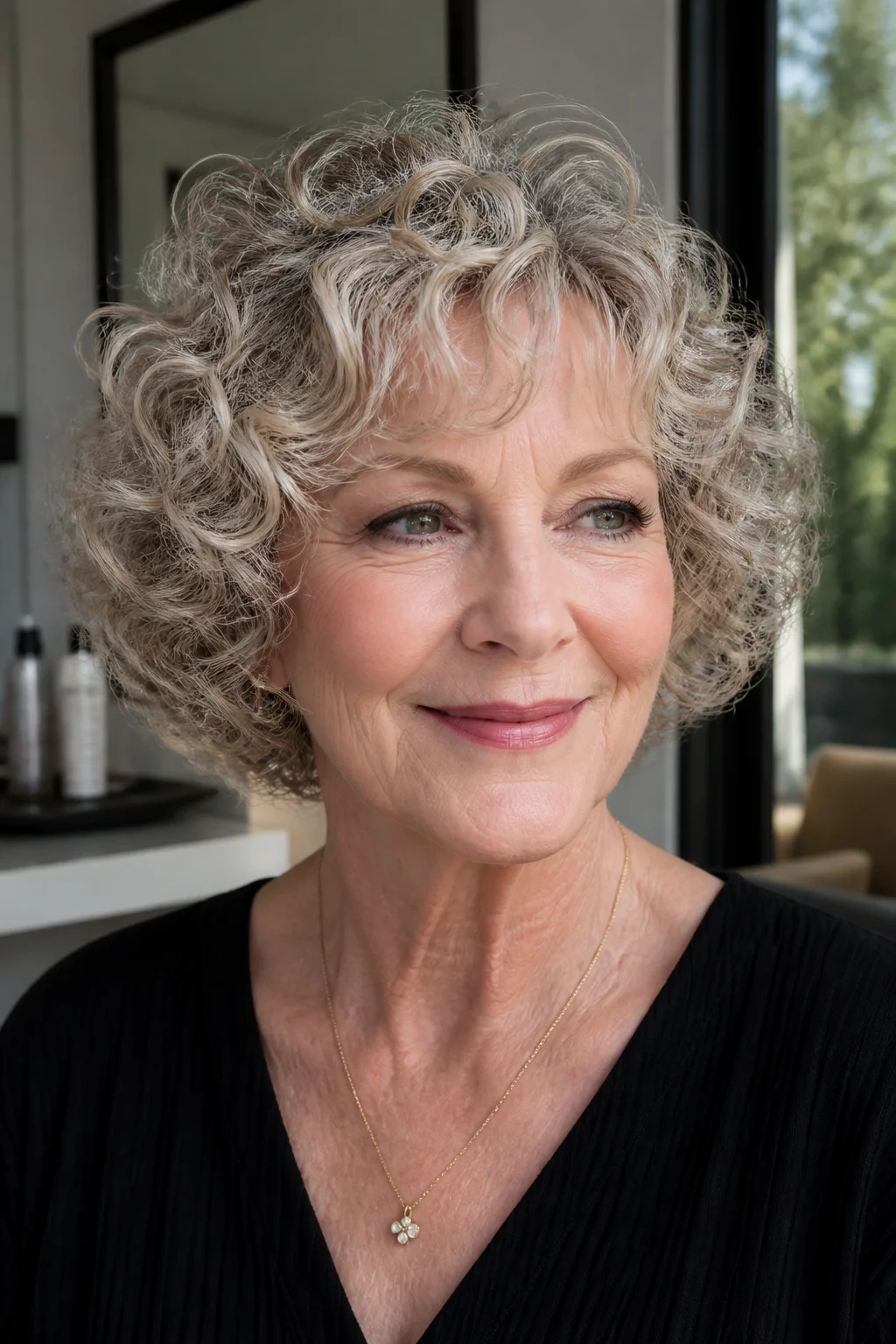
Tight, defined spirals need a specific cutting approach, since high-porosity curls shrink more than average once they dry. Your stylist should cut this dry or account for significant shrinkage, or you’ll end up shorter than planned. The payoff is a bouncy, well-defined bob that holds its curl pattern for days between washes.
Wavy Curly Bob with Longer Layers
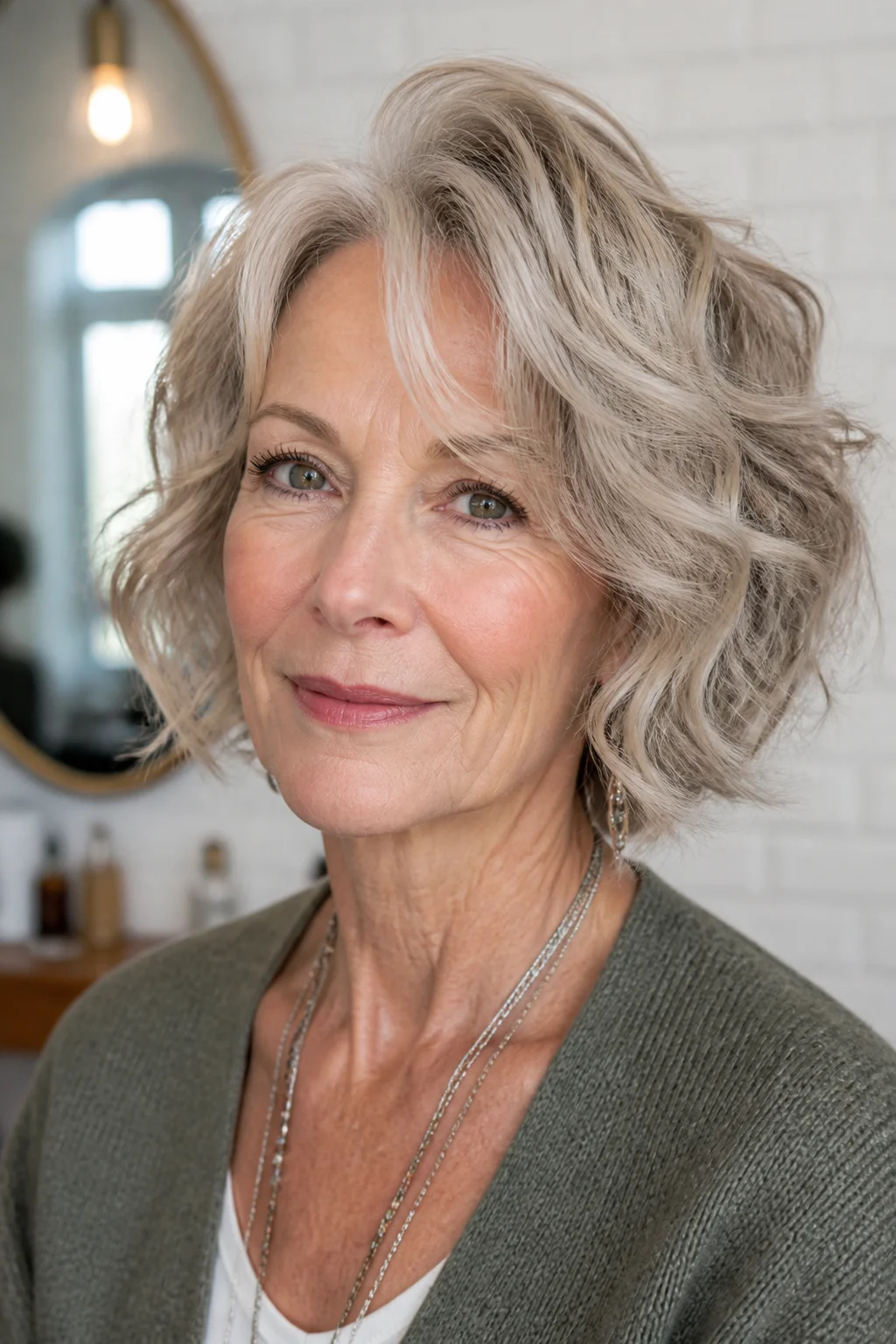
Longer layers stacked through a wavy bob keep the shape from looking boxy. This style is a good middle ground between a tight curly bob and a straight one, since the length gives the wave room to move freely. It works nicely if your curl pattern varies across your head, which is common as hair ages and texture shifts.
Curly Bob with Side-Swept Styling
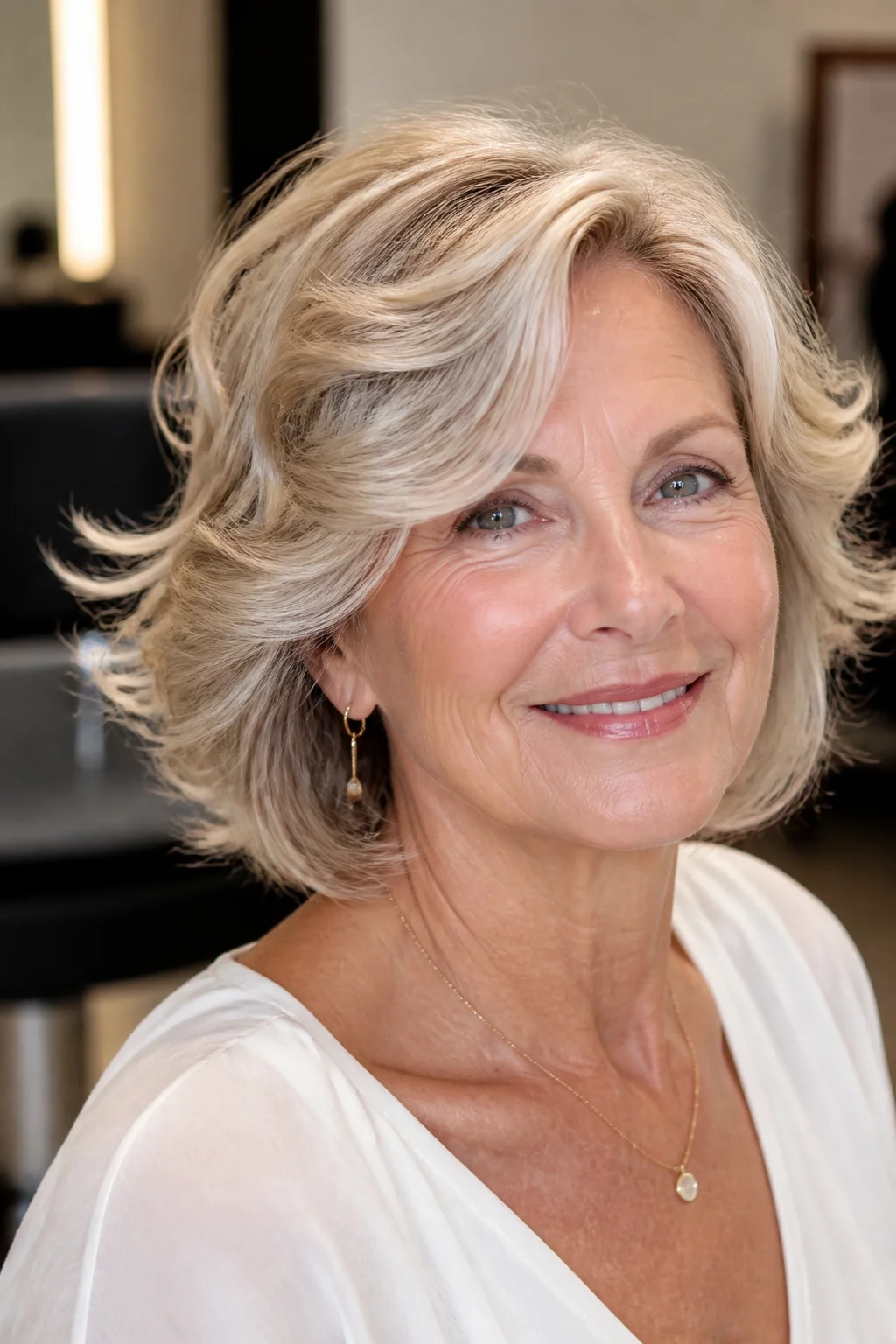
Rather than a hard part, this look sweeps the front section to one side using a diffuser or fingers while the hair dries. It softens the whole face and works especially well with bangs that have grown out past their original length. Tip: apply a curl cream before sweeping the hair over, so it holds the direction without frizzing loose by midday.
Curly Bob for Thinning Crown (Volume Boost Layers)
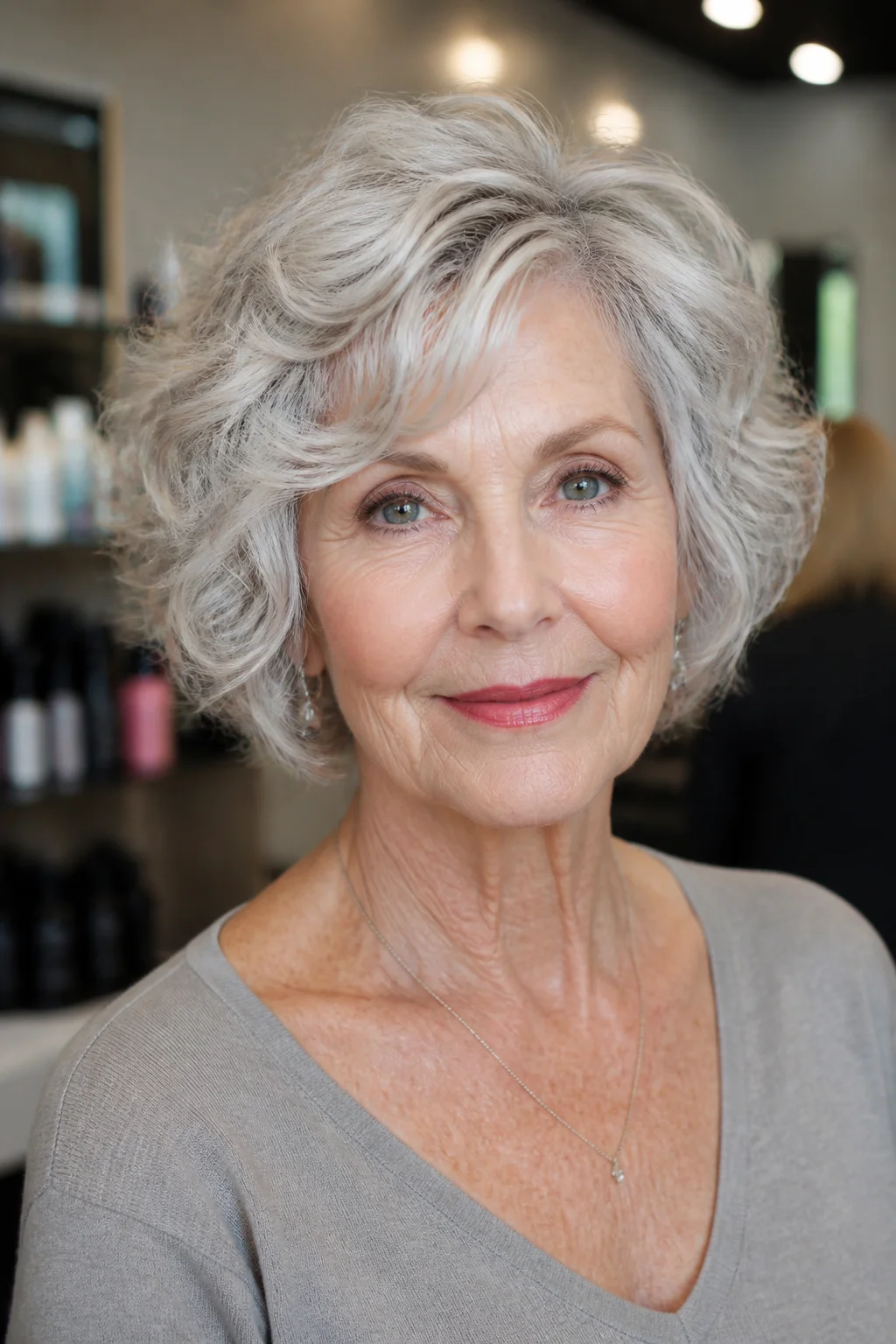
Short layers cut specifically at the crown lift the hair away from the scalp, which helps disguise thinning that often shows up there with age. Combined with a bob length below, this creates the appearance of fuller hair overall. This is one of the more targeted cuts on this list, built to solve a specific problem rather than just look nice.
Honey-Toned Curly Bob on Gray Base
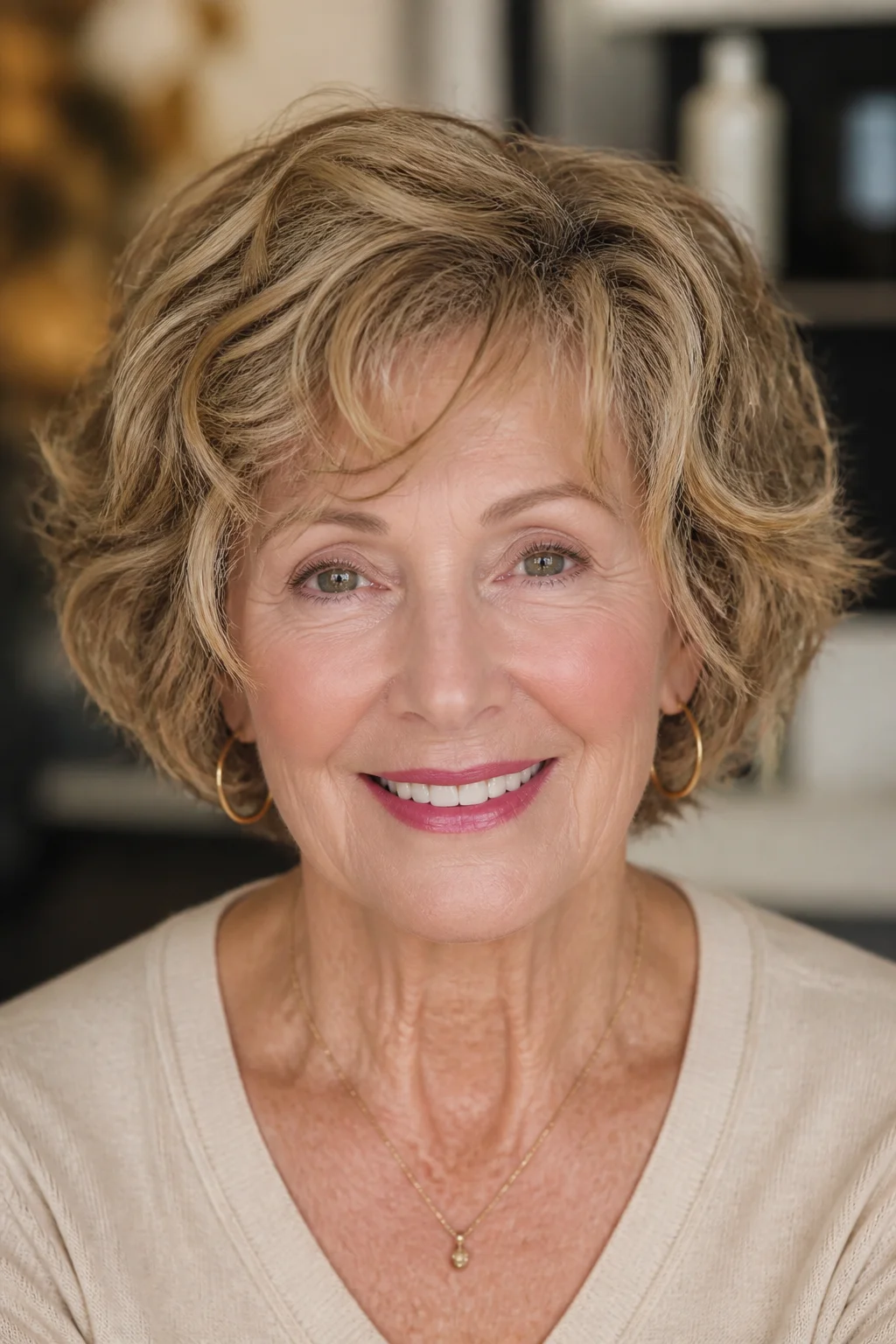
Warm honey tones woven through a gray base soften the transition and add richness without erasing the gray entirely. On curly hair, the color moves through each ringlet and catches light differently depending on the angle, which keeps the whole head from looking one flat shade. This is worth asking for if you like your gray but want a little more warmth near your face.
Choppy Curly Bob with Texture Variation
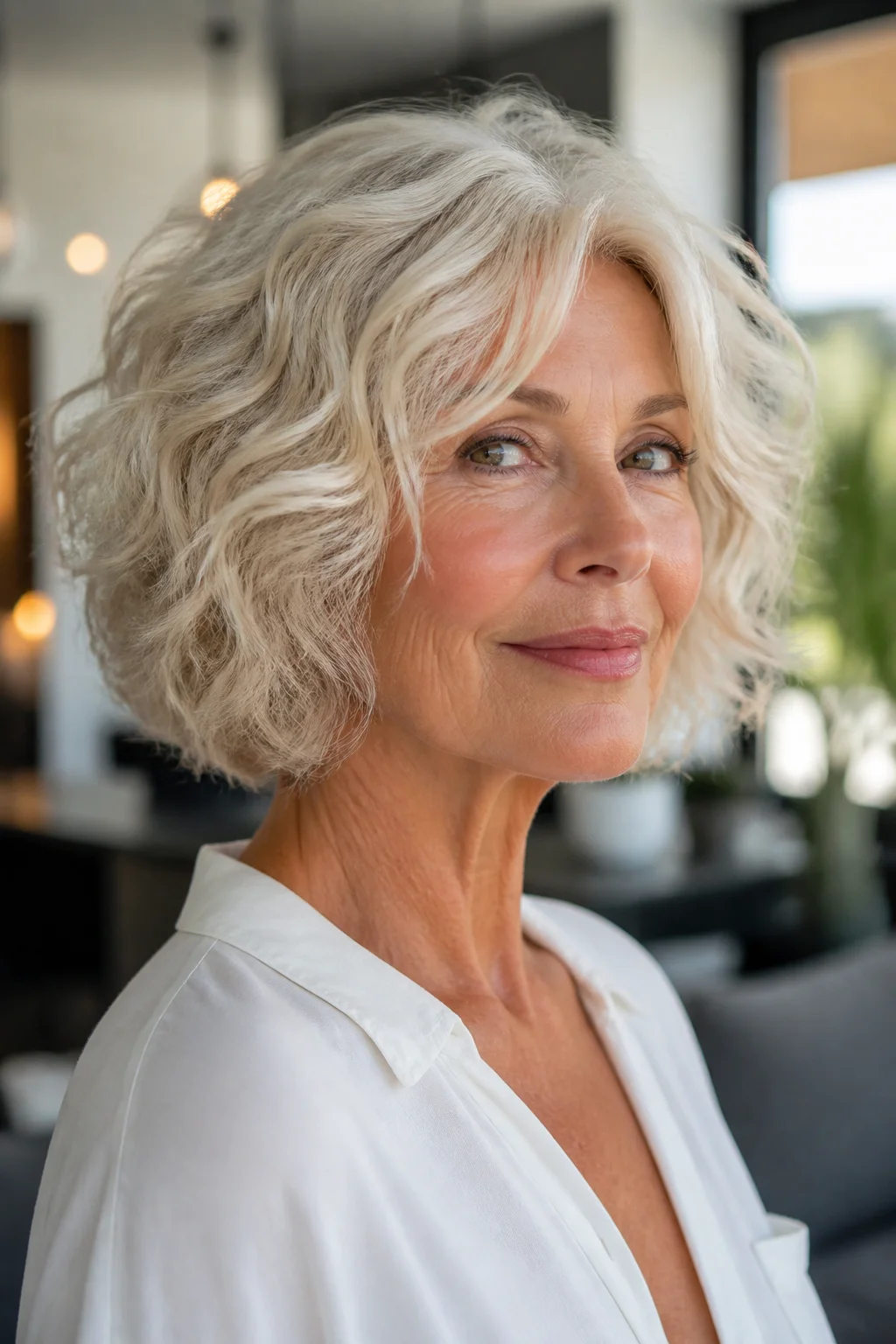
Choppy cutting uses varied lengths within the same bob to create texture rather than a smooth, uniform line. On curly hair this looks less messy than it sounds, since the curl itself softens the choppy edges. It suits women who want a lower-maintenance style, since imperfect regrowth blends in more easily than it would on a precise, blunt cut.
Curly Bob Tucked Behind Ears
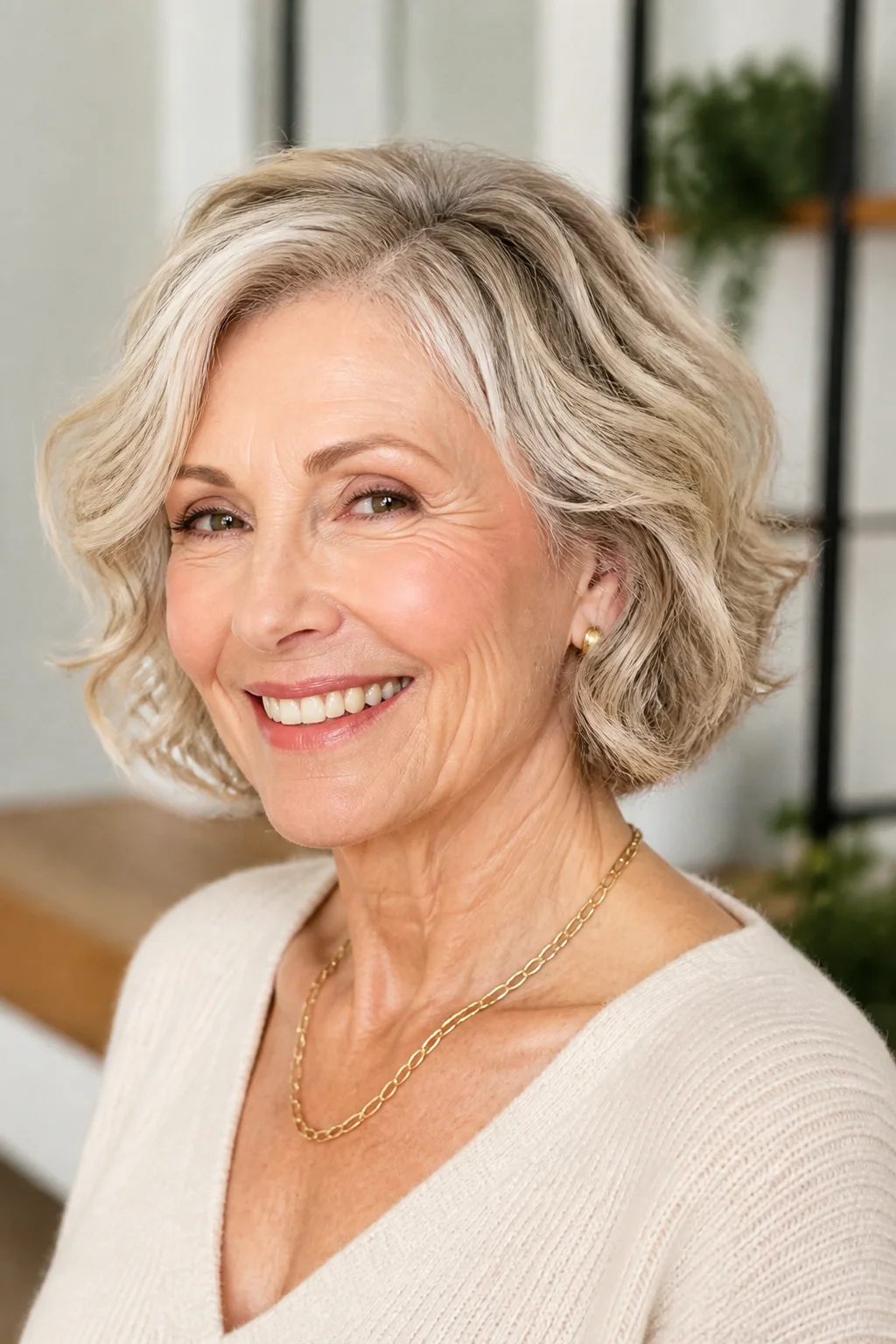
Simple and low effort, this style just means the bob is cut and styled to sit neatly behind the ears rather than covering them. It works well for anyone who wears glasses or hearing aids, since it keeps hair from catching on either. The length can be anywhere from chin to shoulder as long as it tucks back easily.
Curly Bob with Gel or Cream Finish (Low-Frizz)
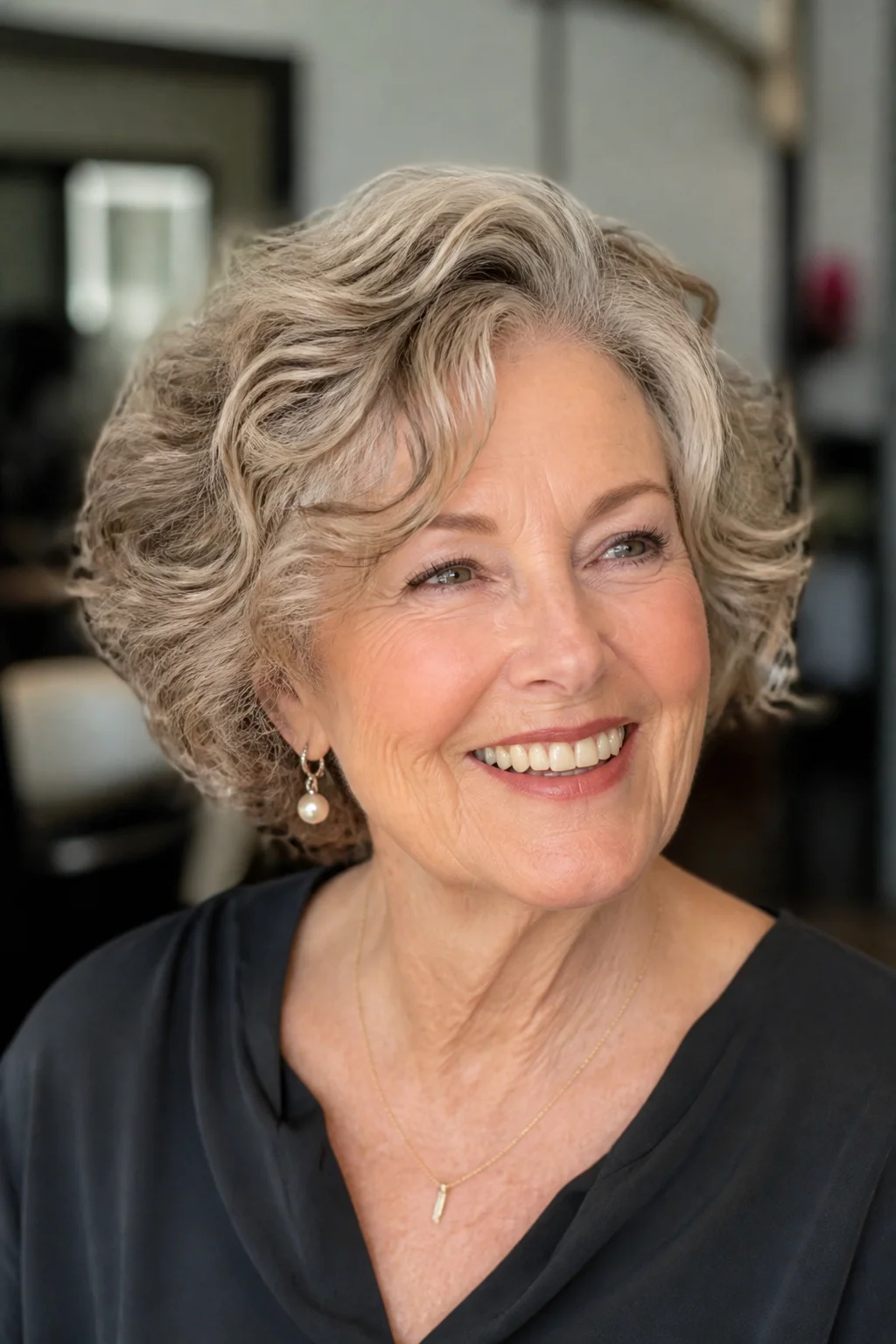
A defining gel or curl cream applied to damp hair controls frizz and keeps each curl looking intentional rather than fluffy. This finish suits curly bob hairstyles for women over 70 whose hair has become drier or more prone to frizz with age, since most curl creams also add a bit of moisture. Apply it to soaking wet hair for the best hold, then let curls air dry or use a diffuser on low heat.
Asymmetrical Curly Bob (One Side Shorter)
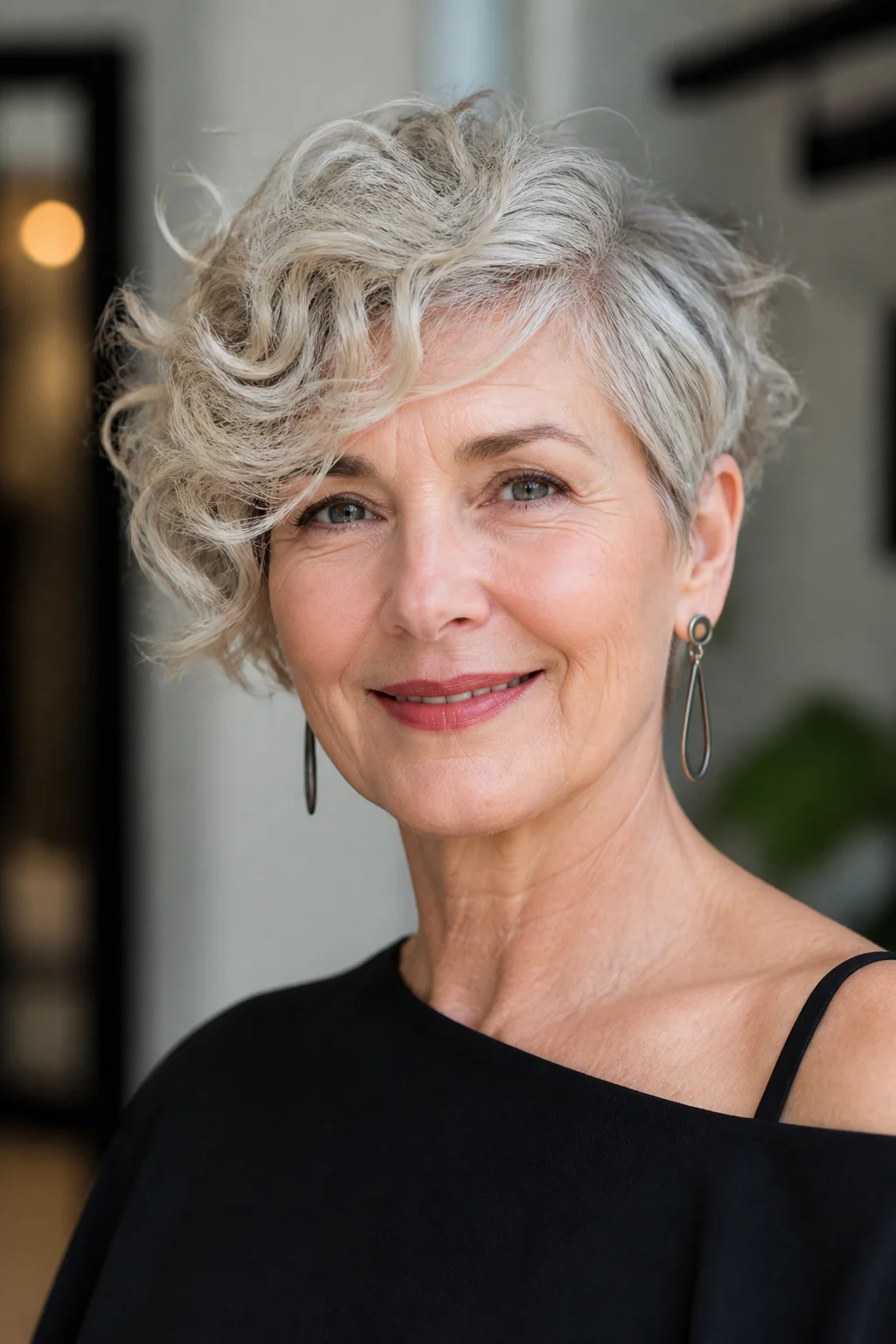
One side cut noticeably shorter than the other gives this bob a modern, unexpected edge. It’s a bigger commitment than most cuts on this list, so it suits someone who already feels confident experimenting with her look. On curly hair the asymmetry reads as playful rather than harsh, since the curl blurs the sharp line between the two lengths.
Curly Bob with Whitening or Platinum Tones
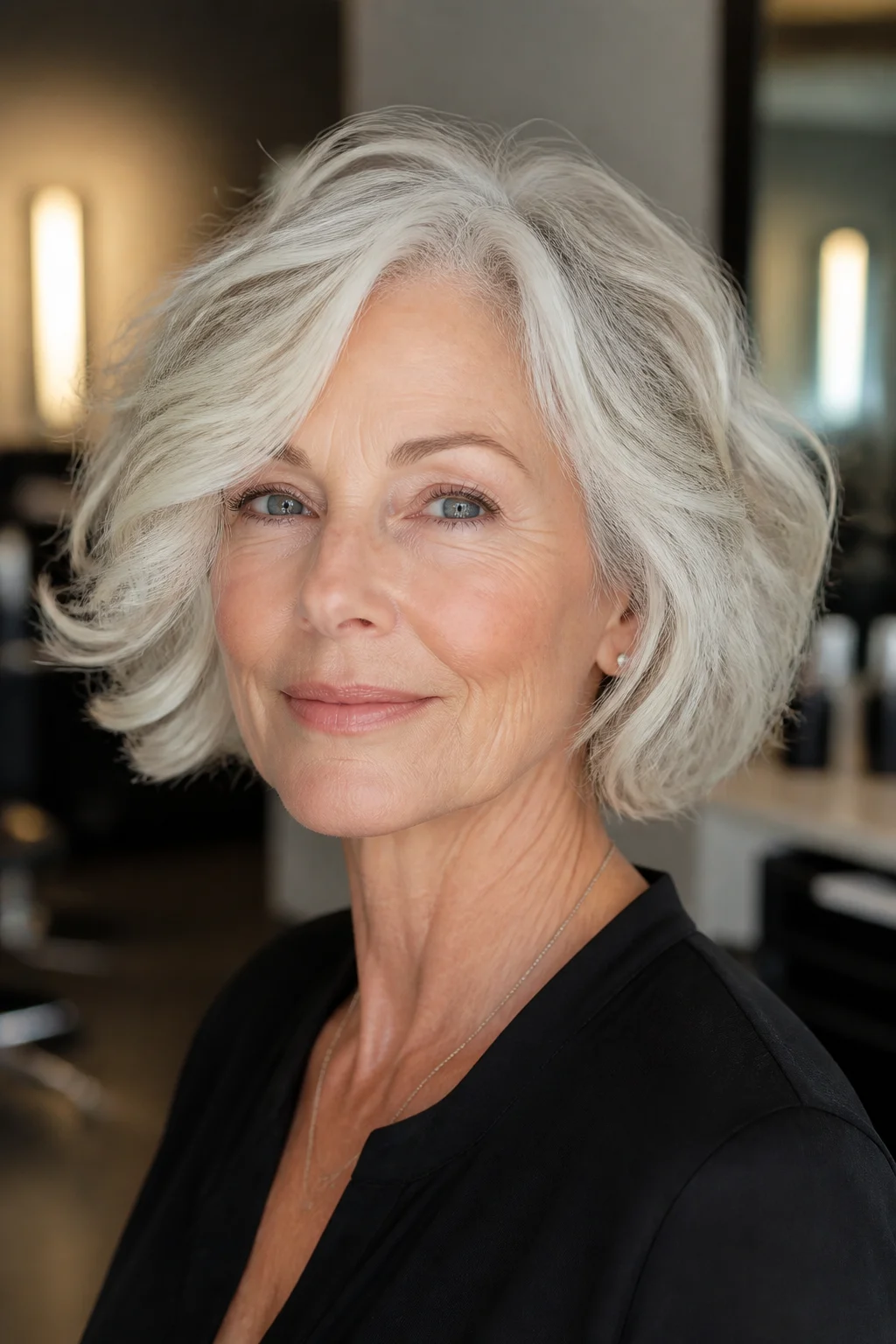
For hair that’s already gone fully white or very light gray, a platinum toner can even out any yellow or brassy tones that build up over time. This keeps a curly bob looking bright and clean rather than dull. It’s a maintenance step more than a cut, but it makes a noticeable difference in how fresh the whole style looks.
How to Choose the Right Curly Bob for You
With this many options, picking one comes down to three things: your hair’s density, your face shape, and how much styling time you actually want to spend each morning. If your hair has thinned at the crown, skip straight to the curly bob for thinning crown and its volume-boosting layers rather than a style built for thick hair, like the medium curly bob on thick hair. Round faces do better with the shoulder-grazing curly bob than anything that stops right at the chin, since chin-length can widen a round face instead of flattering it.
If you want low maintenance, avoid the tight spiral curly bob unless you’re prepared for a very specific cutting process, and lean toward the loose wave bob with minimal curl or the wavy curly bob with longer layers instead. Anyone drawn to a bolder look should compare the asymmetrical curly bob against the curly bob with shaved or tapered sides. Both add edge, but the asymmetrical cut changes length while the tapered version changes texture on the sides only. A common mistake is choosing a cut based on a photo without accounting for your own curl pattern, since the same bob can look completely different depending on how tightly your hair curls naturally.
Final Thoughts
A good curly bob works with your hair instead of against it, and at this stage that matters more than chasing a trend. Bring a couple of these names to your next appointment, mention your hair’s density and how much time you want to spend styling it, and let your stylist adjust the details from there. The right cut should feel easier to live with, not harder.