Curls need a cut that respects their shape, not one borrowed from straight hair and hoped for the best. A lot of people walk into the salon with a photo of a style that looks nothing like their texture once it dries, then wonder why the result feels off. Curly bob hairstyles solve this because they work with the way curls actually fall, coil, and shrink instead of fighting it. This list covers two dozen ways to wear the cut, from tight coils to loose beach waves, tapered sides to blunt lines. Some suit fine strands that need weight, others suit thick hair that needs thinning. A few work best on round faces, others slim things out. Read through with your own curl pattern in mind, not just the picture. Bring the one that matches your texture to your next appointment and talk through it with your stylist before any scissors come out.
Tight Coil Blunt Bob
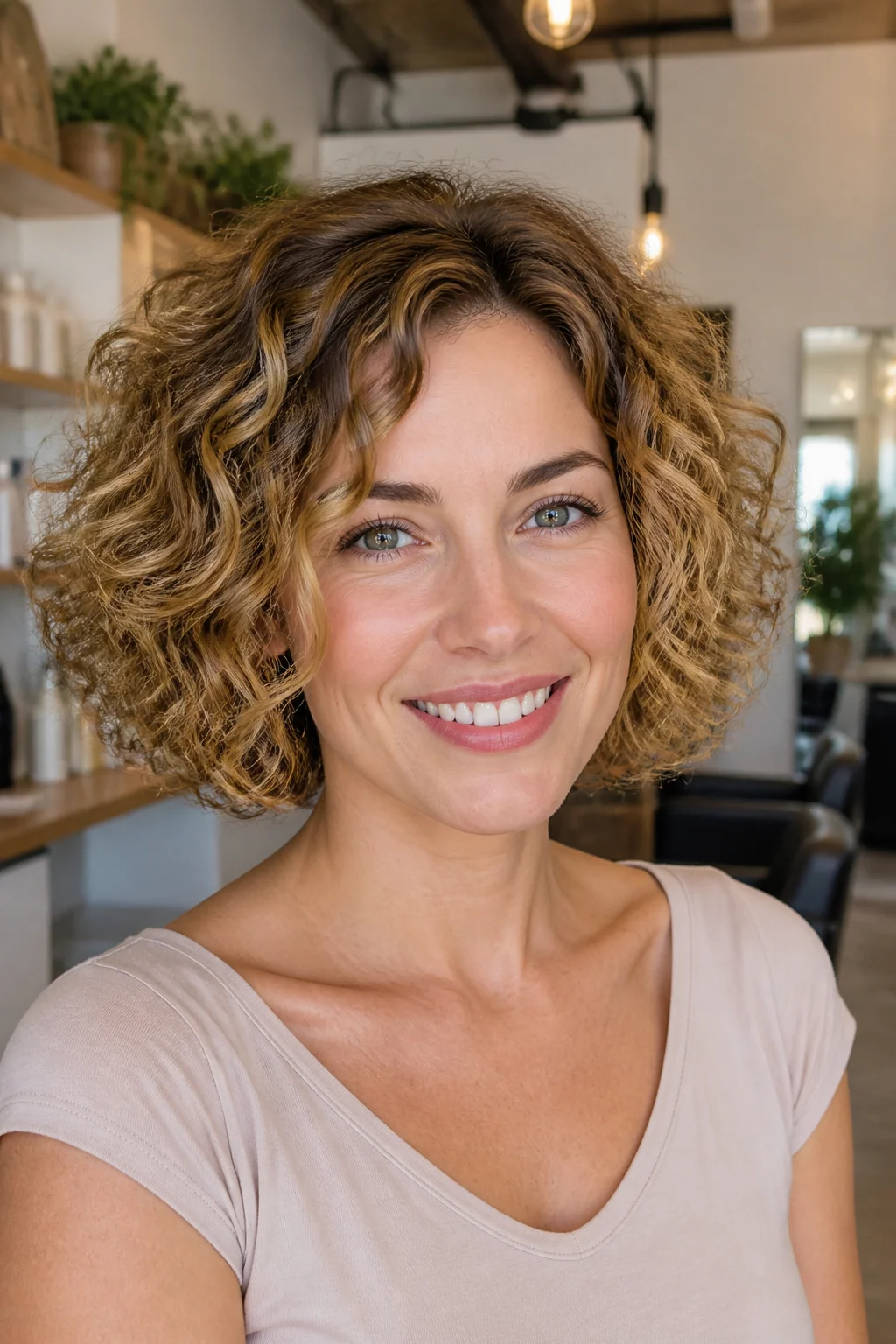
This shape keeps every curl the same length, so the ends land in one clean line instead of trailing off unevenly. On tight coils this reads almost geometric, like a soft helmet of springs that bounces back into place after you touch it. The blunt line also stops the ends from thinning out over time, which is a real problem with coily hair cut in layers. Ask your stylist to cut it dry, curl by curl, so the shrinkage gets measured correctly. Tip: skip the fine-tooth comb entirely and detangle only with your fingers or a wide paddle brush while conditioner is still in. A light mist of heat protectant before styling helps the finish last. This curly bob hairstyles option keeps the shape easy to maintain day to day.
Loose Wave Shoulder Bob
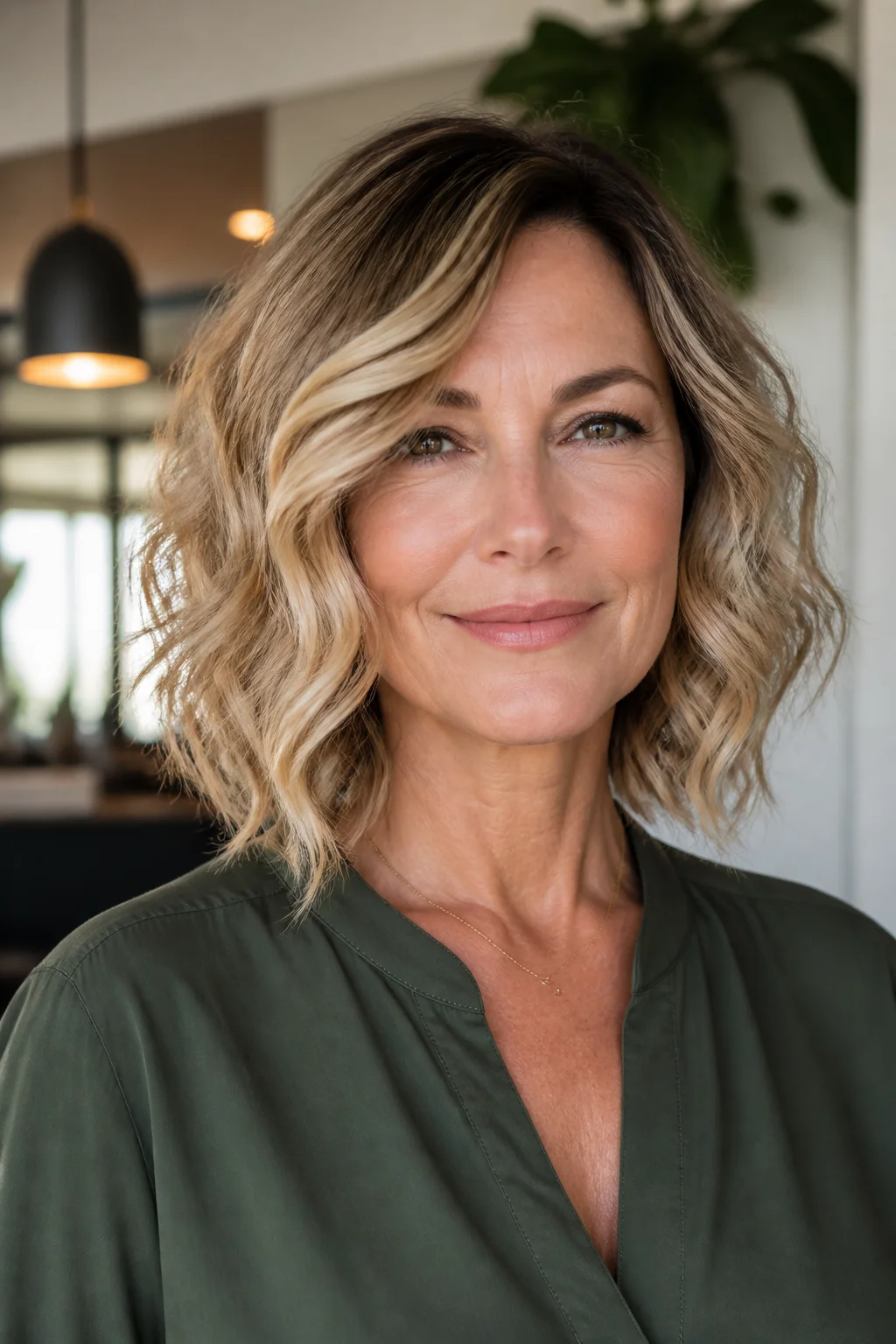
Loose waves at shoulder length give you movement without demanding much styling effort. The length adds just enough weight to calm frizz along the crown while letting the wave pattern do its own thing near the ends. It suits hair that has a looser S-pattern rather than a tight spiral, and it grows out gracefully because there is no hard shape to maintain. A light mousse scrunched in while damp is usually all this style needs. This curly bob hairstyles option keeps the shape easy to maintain day to day.
Short Cropped Curly Bob
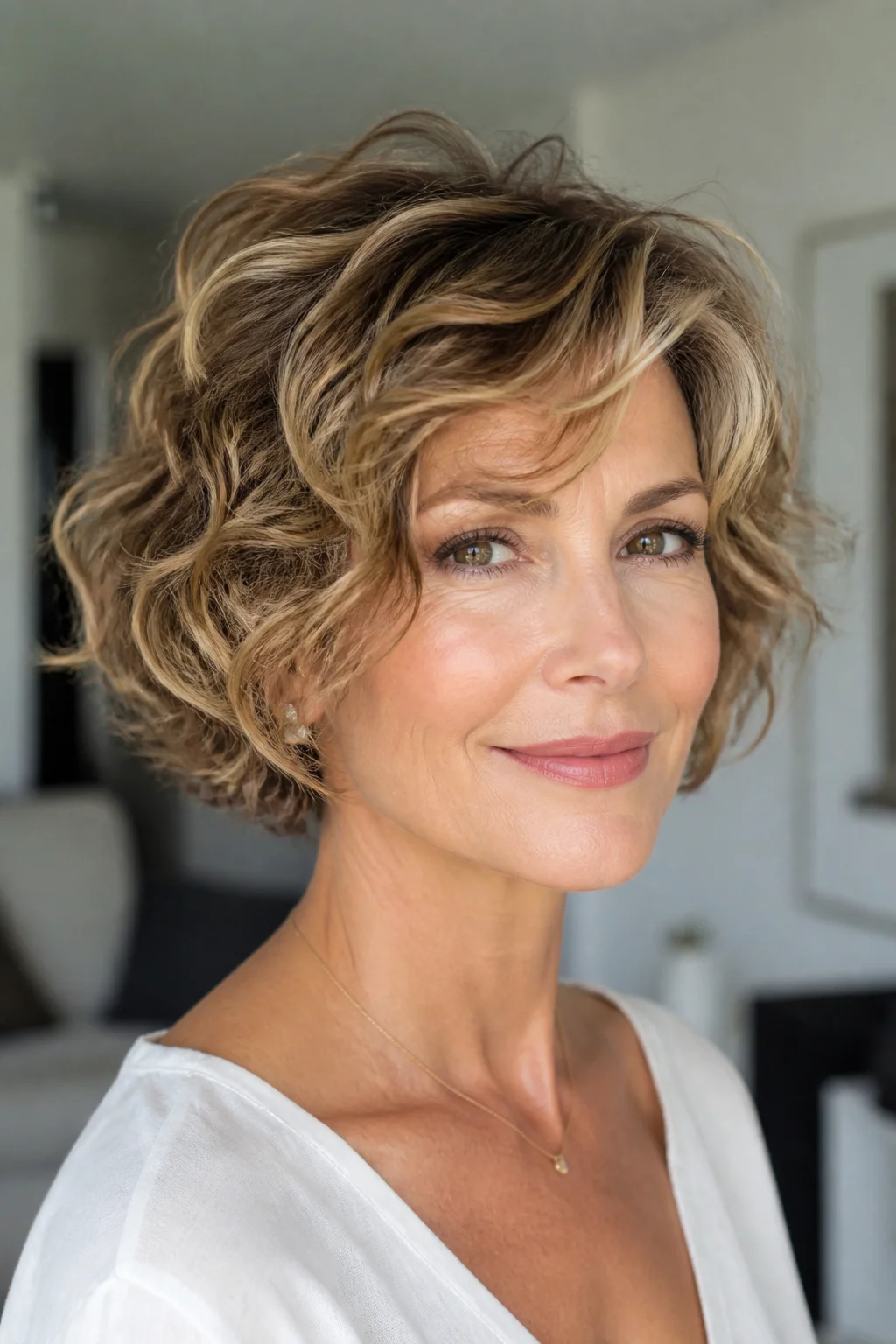
Cropped short, this bob sits above the jaw and shows off curl density right at the root. It is a bold change if you are used to longer hair, and it works best on medium to tight curl patterns that hold their shape at a short length. Loose waves tend to fall flat this short, so check your curl type before committing. Tip: ask for slightly longer layers around the face if you want a softer frame instead of a hard, rounded outline.
Layered Curly Bob for Volume
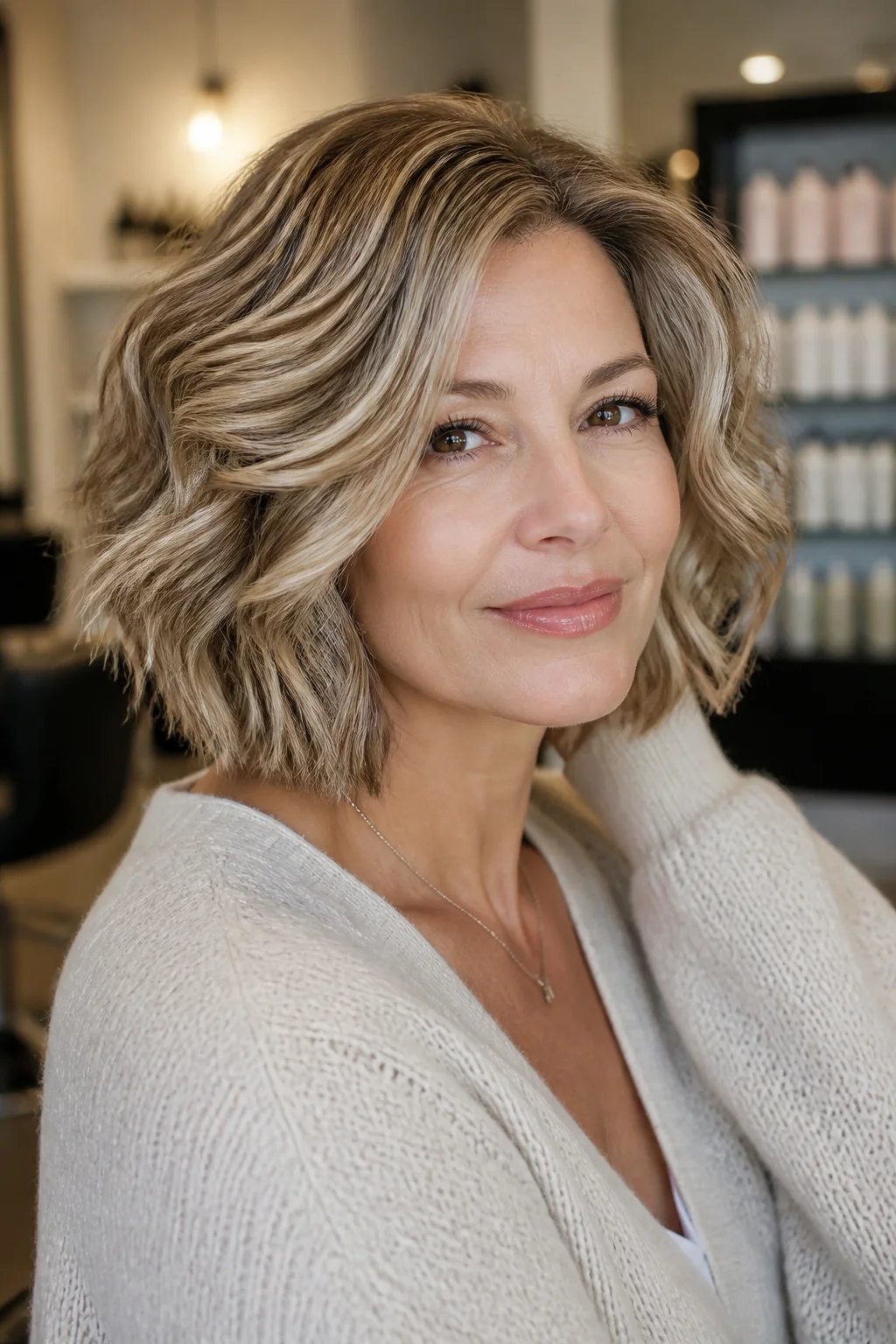
Layers cut into a curly bob open up volume without adding length. Each layer gets its own bounce, so the whole style looks fuller from the sides, not just on top. This is the go-to option for fine or medium curly hair that tends to sit close to the scalp and look thin by midday. Heavier hair can also benefit if the goal is movement rather than sheer density. Ask your stylist to concentrate the layering in the interior of the cut rather than at the very ends, since curly ends already thin out on their own as they dry. Diffusing upside down for the first few minutes helps the volume set at the root before gravity pulls it down.
Textured Undercut Bob
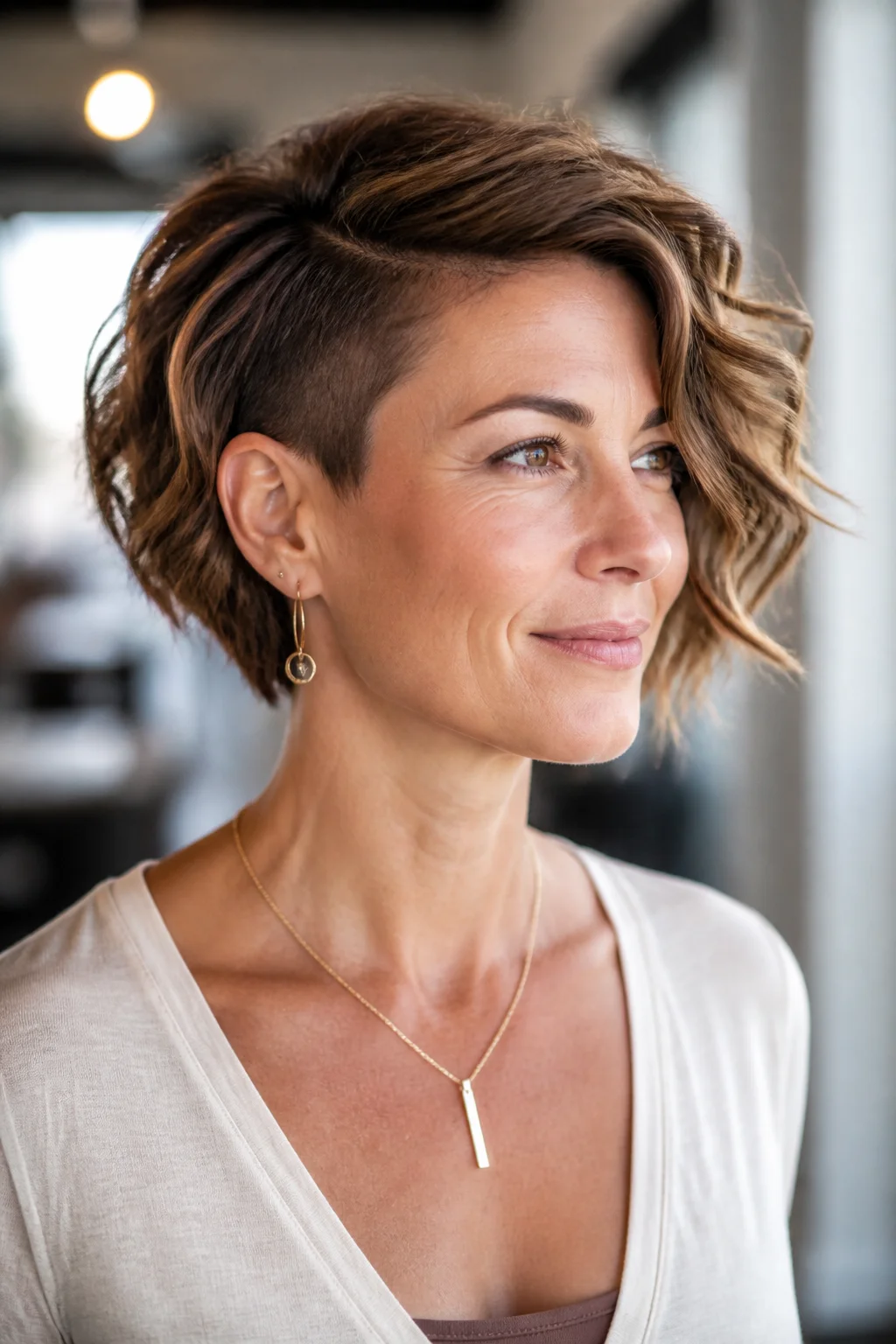
An undercut removes bulk underneath while keeping the visible curls on top full and intact. It is a practical choice for anyone dealing with heavy, hot hair in warmer months, since it cuts down on the weight without shortening the outer layer. The hidden shave line also gives the style an edge that a plain bob does not have. This works on nearly any curl pattern because the texture reduction happens where nobody sees it.
Stacked Curly Bob
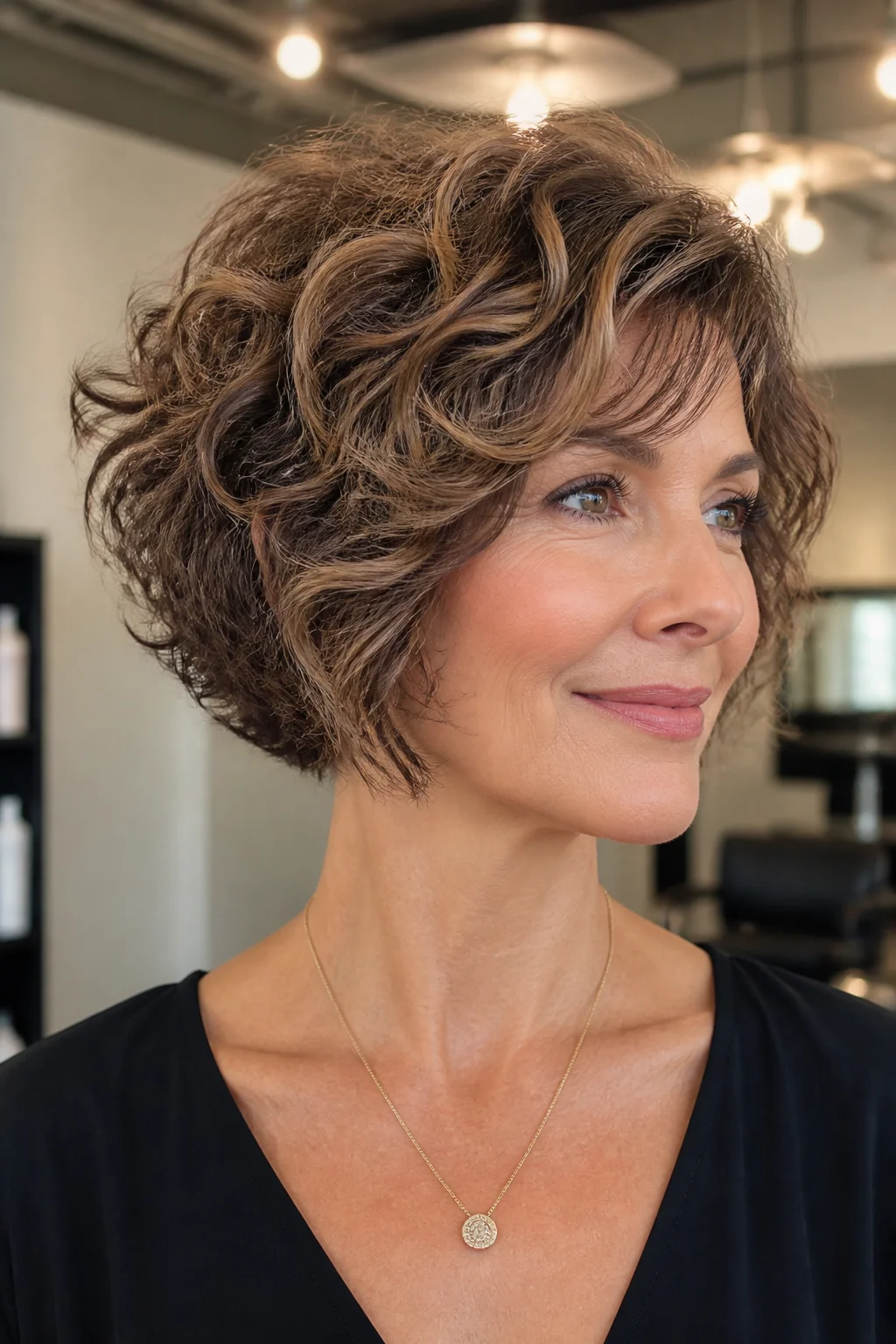
Stacking adds extra layers at the back so the curls build height and roundness rather than falling flat against the neck. It is one of the more structured curly bob hairstyles on this list, closer to a shape you would set with a diffuser and walk away from. The front stays longer while the back tapers up, creating a rounded silhouette from the side. Tip: request graduated stacking rather than one heavy layer, since curls stack unevenly if the cutting angles are too aggressive.
Curly Bob with Bangs
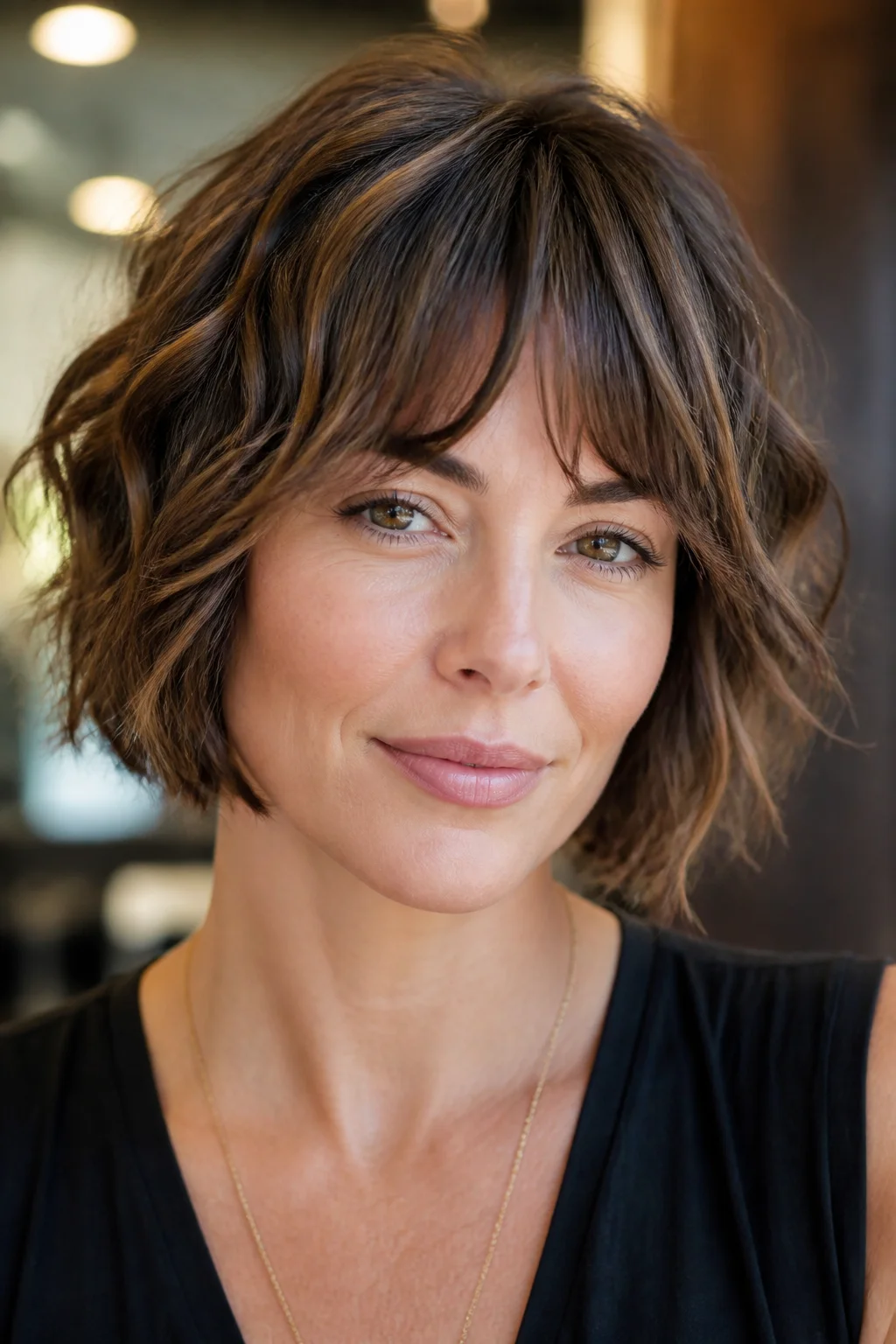
Bangs on curly hair take some planning because curls shrink more at the hairline than anywhere else. A stylist usually cuts curly bangs longer than you would expect, since they will spring up noticeably once dry. Curtain bangs tend to behave better than a full blunt fringe on tighter curl patterns. If you want bangs but are nervous about commitment, ask for a side-swept version you can grow out into the rest of the bob without an awkward stage.
A-Line Curly Bob
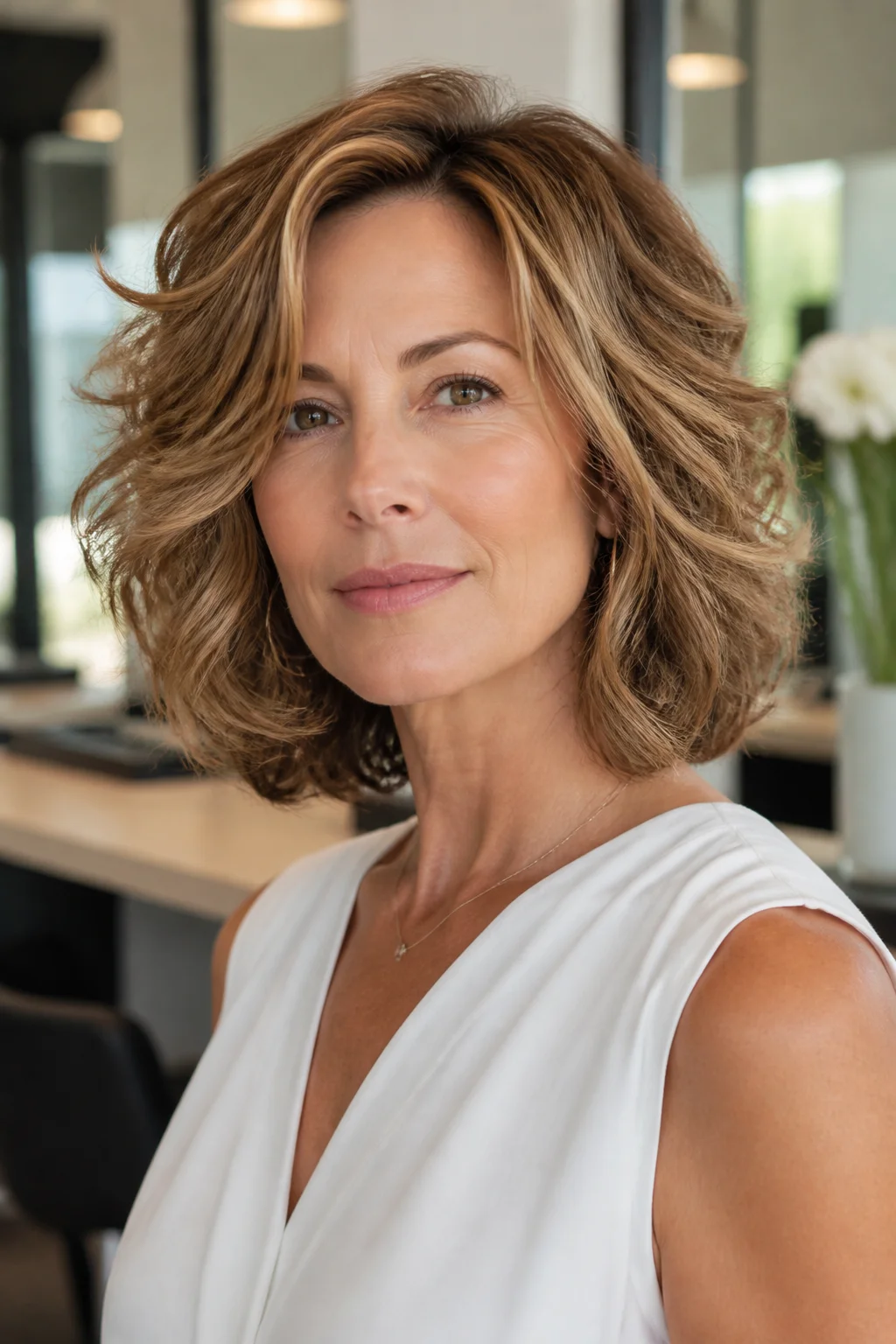
The A-line drops longer in front and shorter in back, creating a diagonal line that flatters most face shapes. On curly hair this angle reads a little differently than on straight hair since the curl pattern softens the sharp edge, but the length difference still frames the jaw nicely. It works well for anyone who wants a shape with more visual direction than a blunt, even bob.
Micro Curly Bob
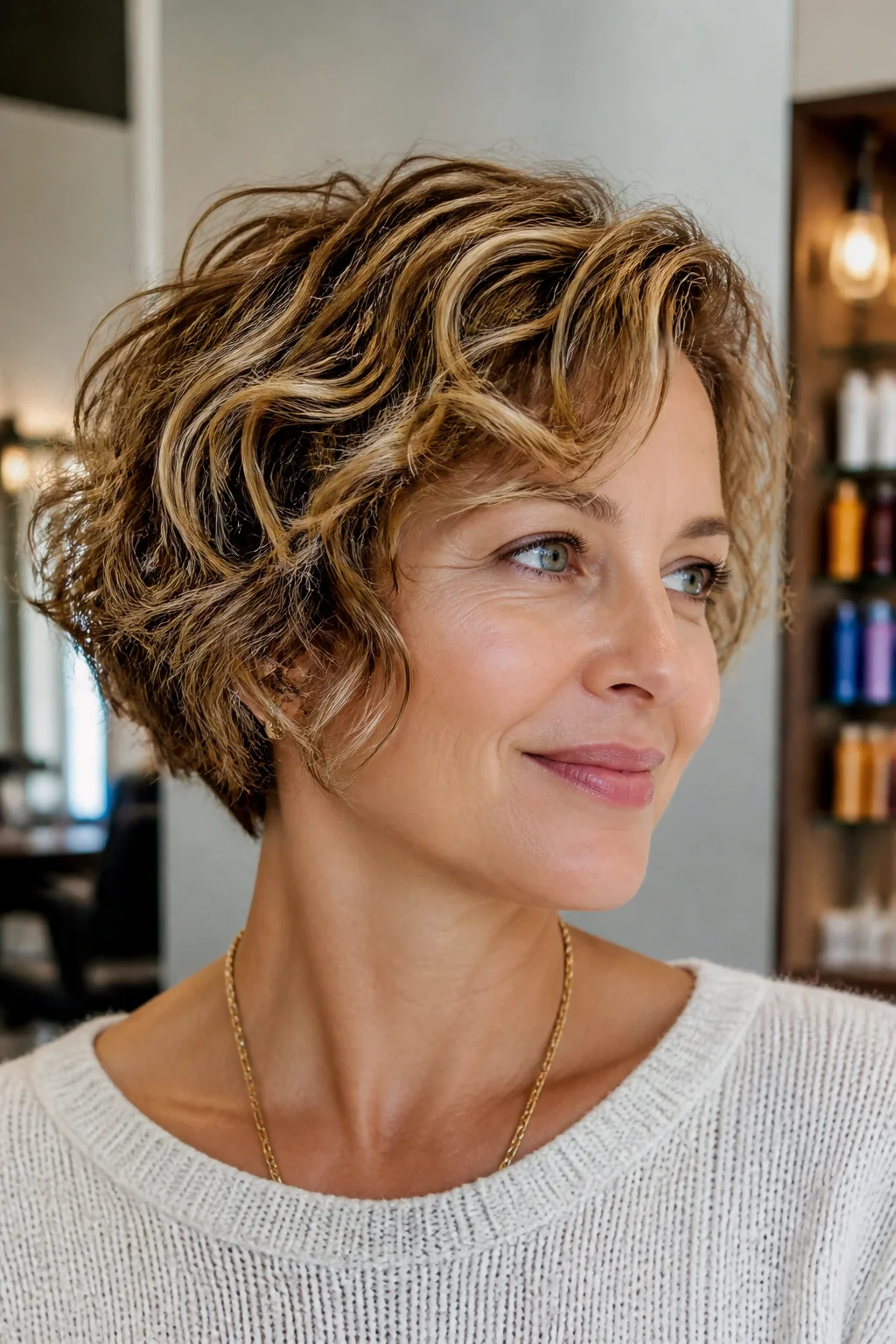
Micro curls packed into a bob create serious density, almost like a texture you could touch and feel the individual coils. This length keeps the style manageable since micro curls can get heavy and hard to detangle if left too long. Moisture is non-negotiable here, leave-in conditioner and a sealing oil should become part of the daily routine, not an occasional treat.
Coily Bob with Defined Curls
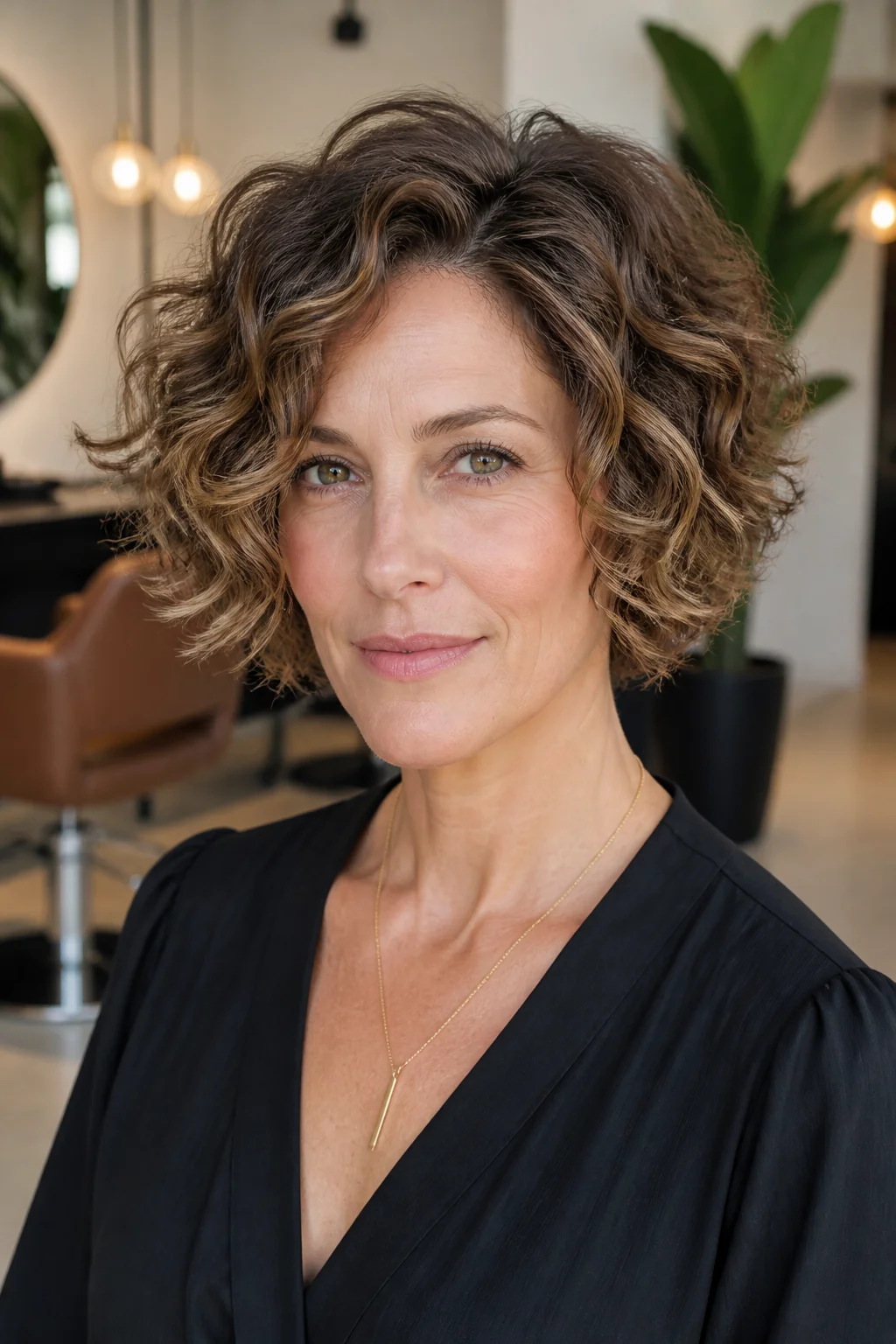
Definition is the whole point of this style, so the cutting technique matters as much as the products used afterward. A stylist trims coily hair while it is stretched slightly, checking that each section springs back evenly once released. The result is a bob where every curl reads as its own shape instead of blending into a cloud. Gel applied to soaking wet hair, then diffused or air dried under a plopping method, keeps that definition through the day.
Curly Shag Bob
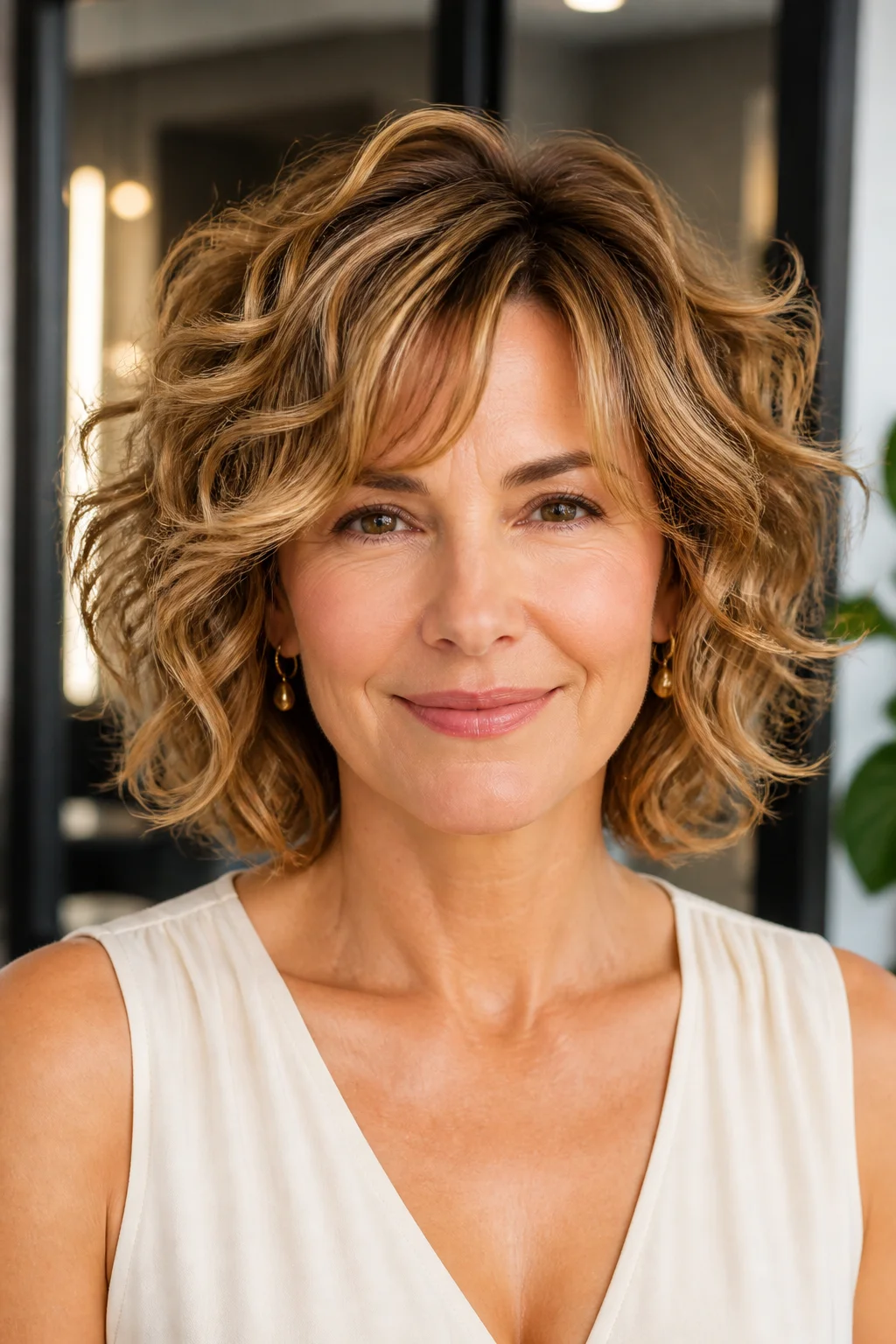
The shag brings choppy, irregular layers into a curly bob for a looser, undone look. It suits people who want texture and movement over a polished, rounded shape. Face-framing pieces cut shorter around the cheeks add extra bounce right where it shows most. This is one of the lower-maintenance options on the list since imperfection is part of the design.
Wavy Curly Bob for Fine Hair
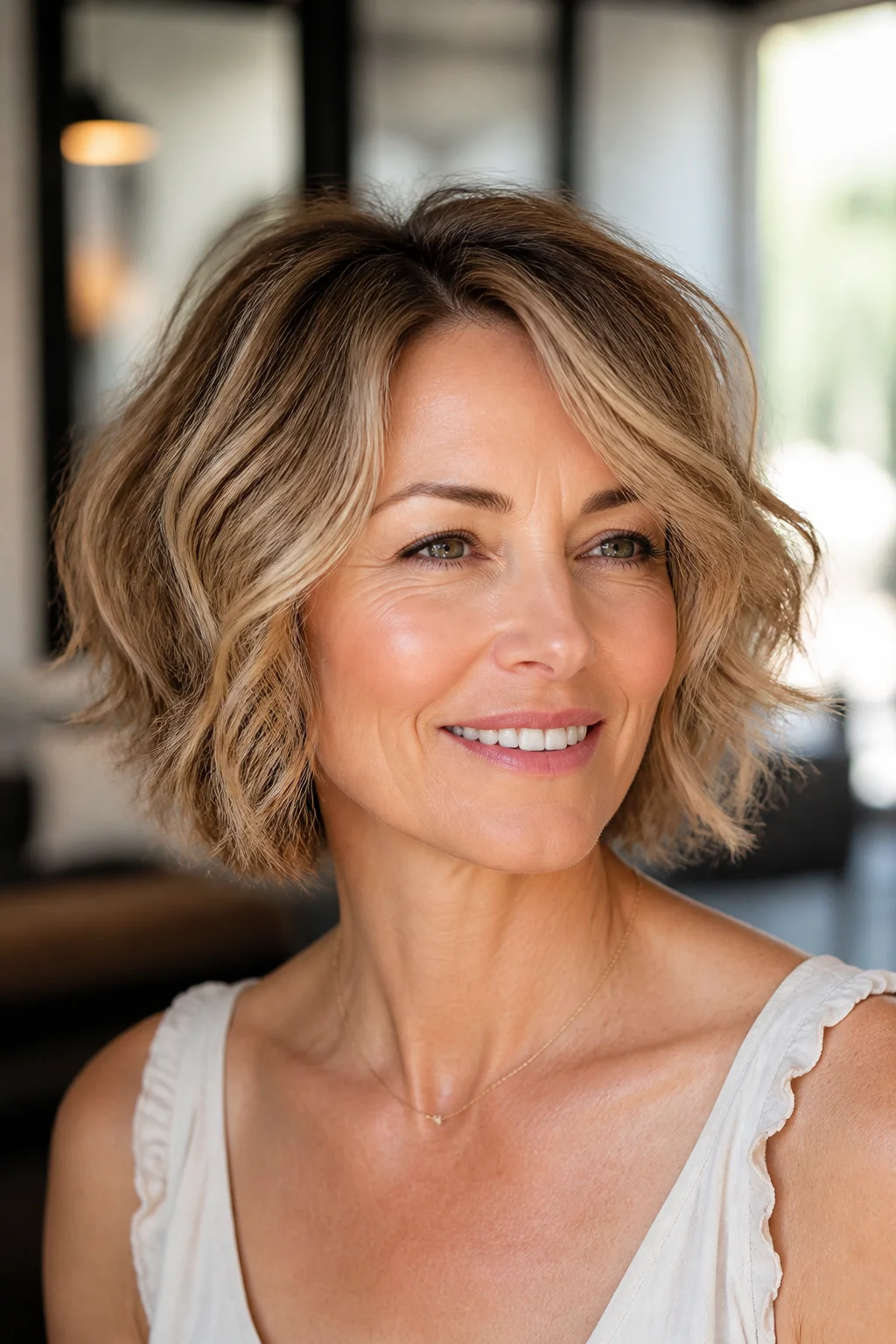
Fine curly or wavy hair needs a lighter touch than thick curls, since too many layers can make it look sparse instead of full. A blunter perimeter with minimal internal layering usually gives fine waves more visible density. Tip: avoid heavy creams that weigh fine strands down, and reach for a mousse or light foam instead.
Sleek Curly Bob
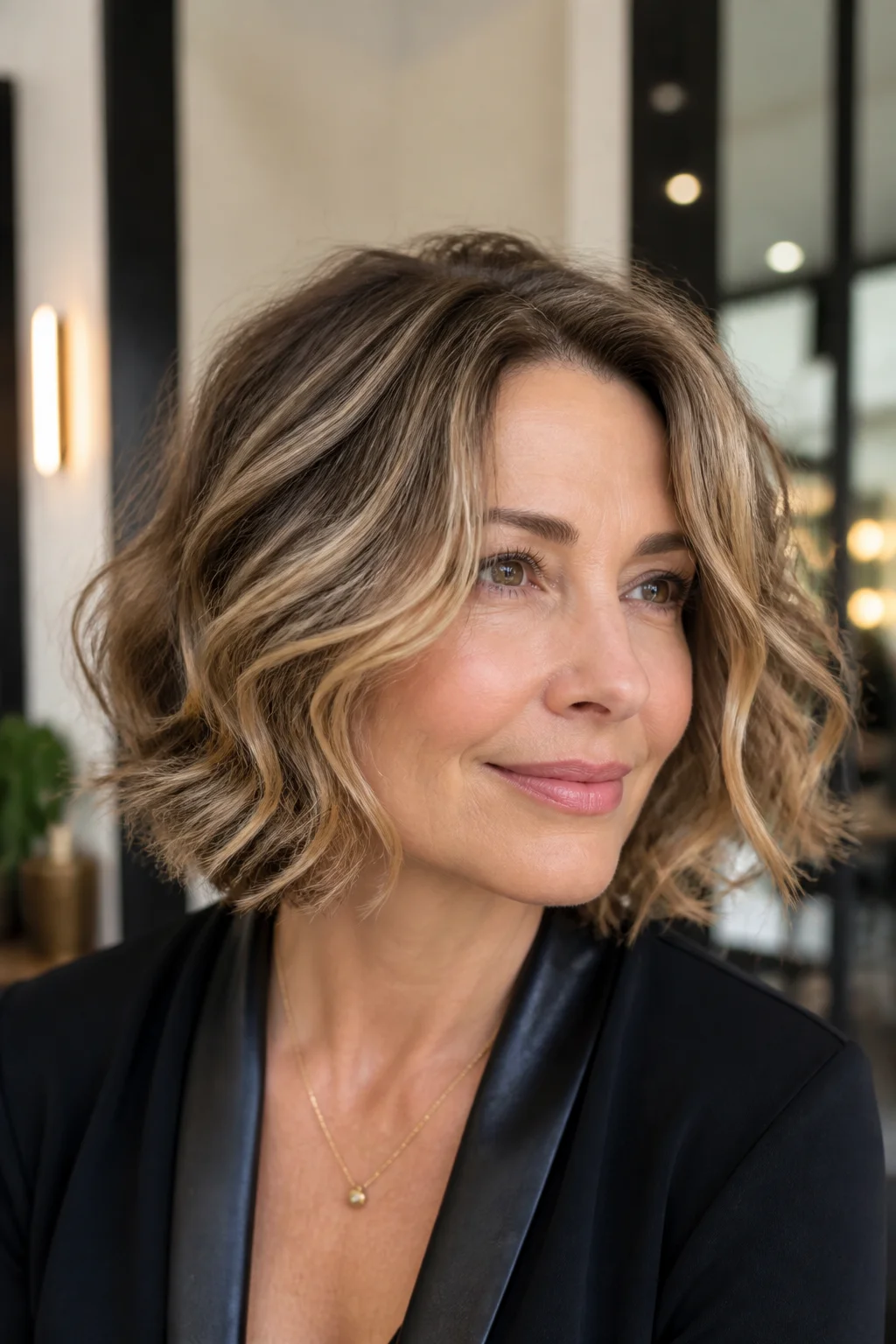
Sleek styling smooths the frizz halo around curls while keeping the actual curl pattern intact underneath. It is achieved less through cutting and more through product choice, usually a strong hold gel applied on soaking wet hair and left to dry without touching it. The cut itself stays simple, often a clean blunt or slightly A-line bob, because the sleekness is doing the visual work.
Curly Bob with Side Part
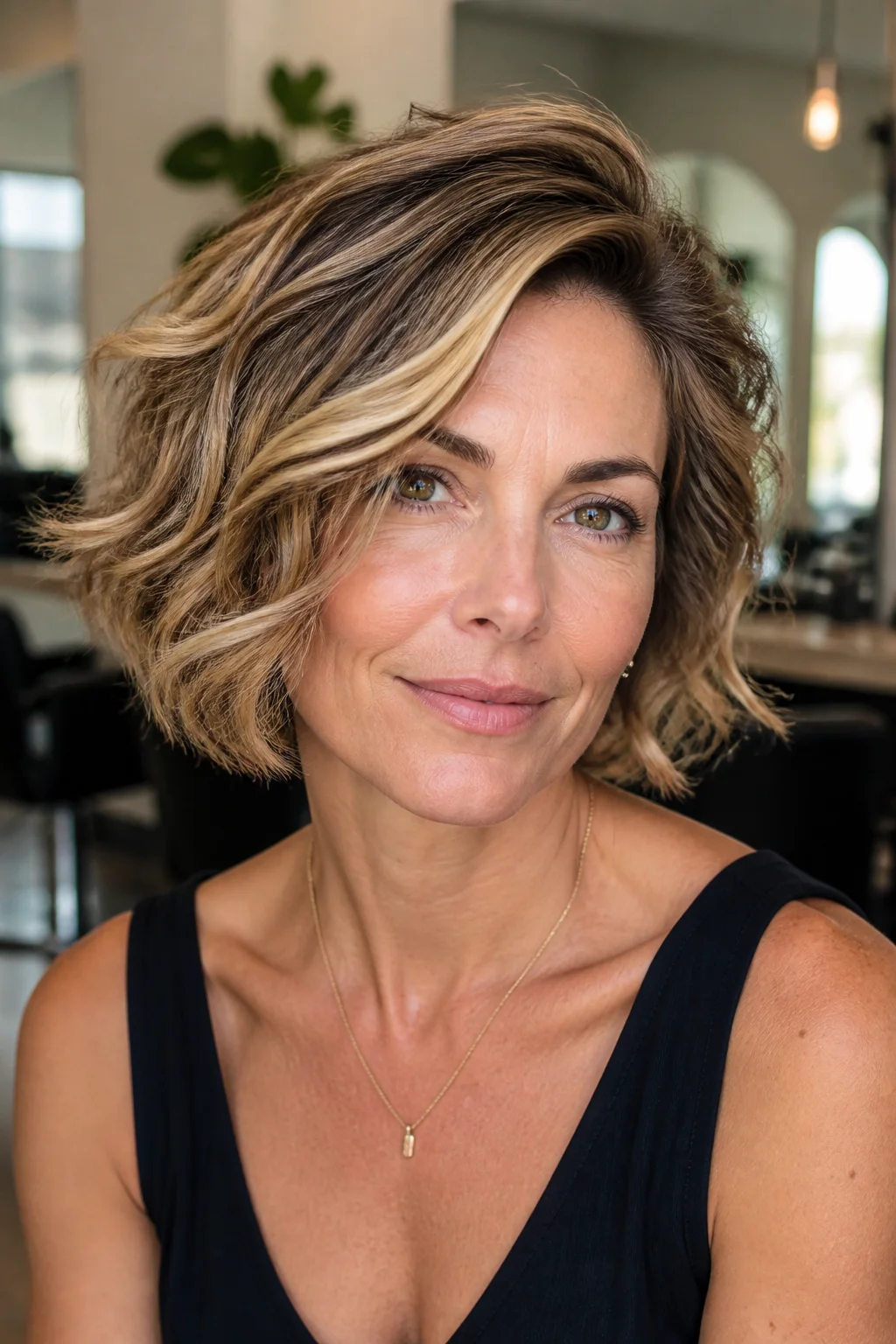
Switching from a center part to a deep side part changes how the whole bob falls across the face. It pushes more volume to one side and can soften an angular jawline just by shifting where the weight sits. This is a low-commitment way to refresh an existing curly bob without cutting anything new.
Textured Curly Bob for Round Faces
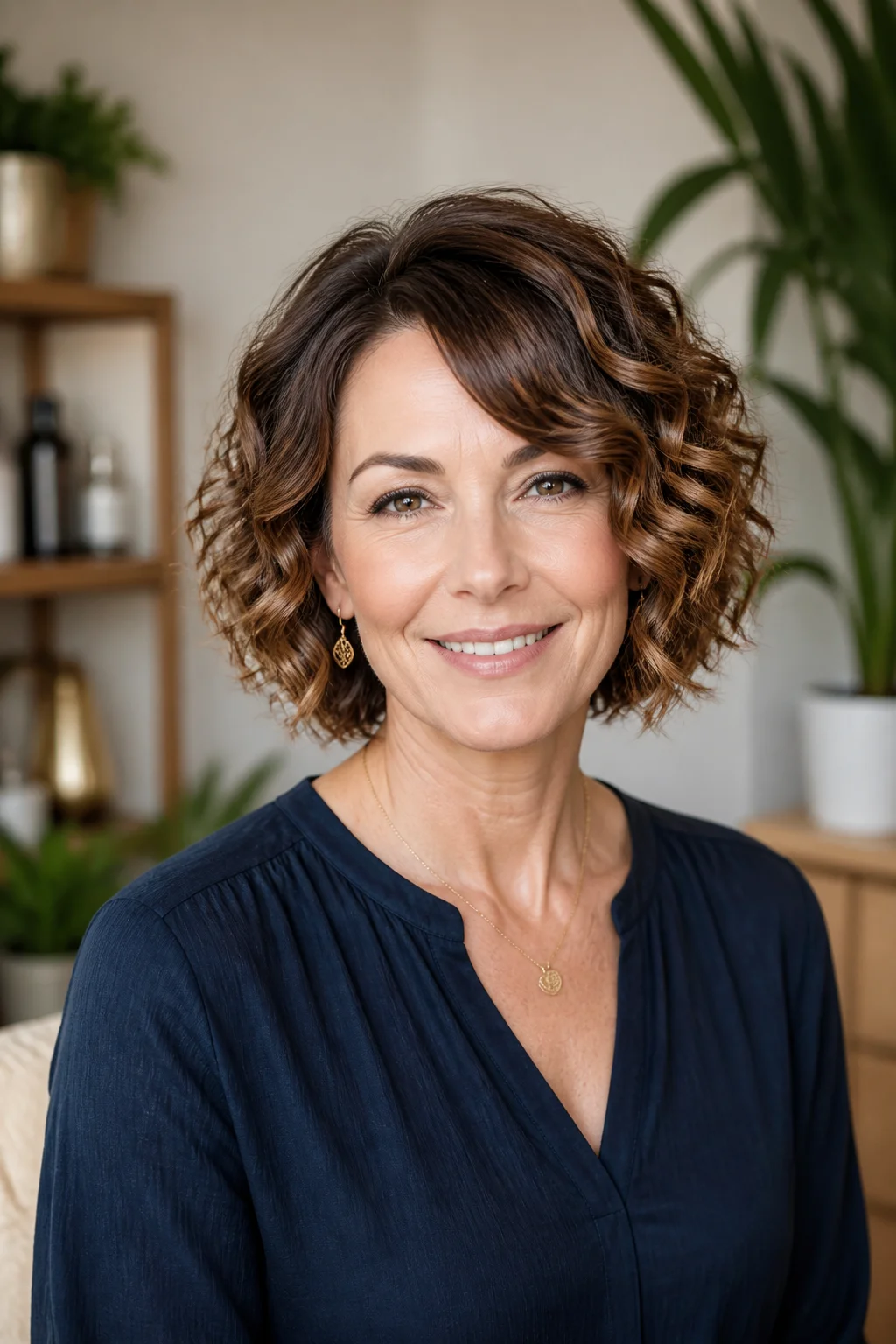
Round faces generally do best with some length below the chin and layers that add height at the crown rather than width at the sides. A textured curly bob for round faces keeps volume vertical instead of horizontal, which elongates the look of the face. Ask your stylist to avoid heavy layering right at the cheekbones, since that area already carries the most width on a round face shape.
Long Curly Bob
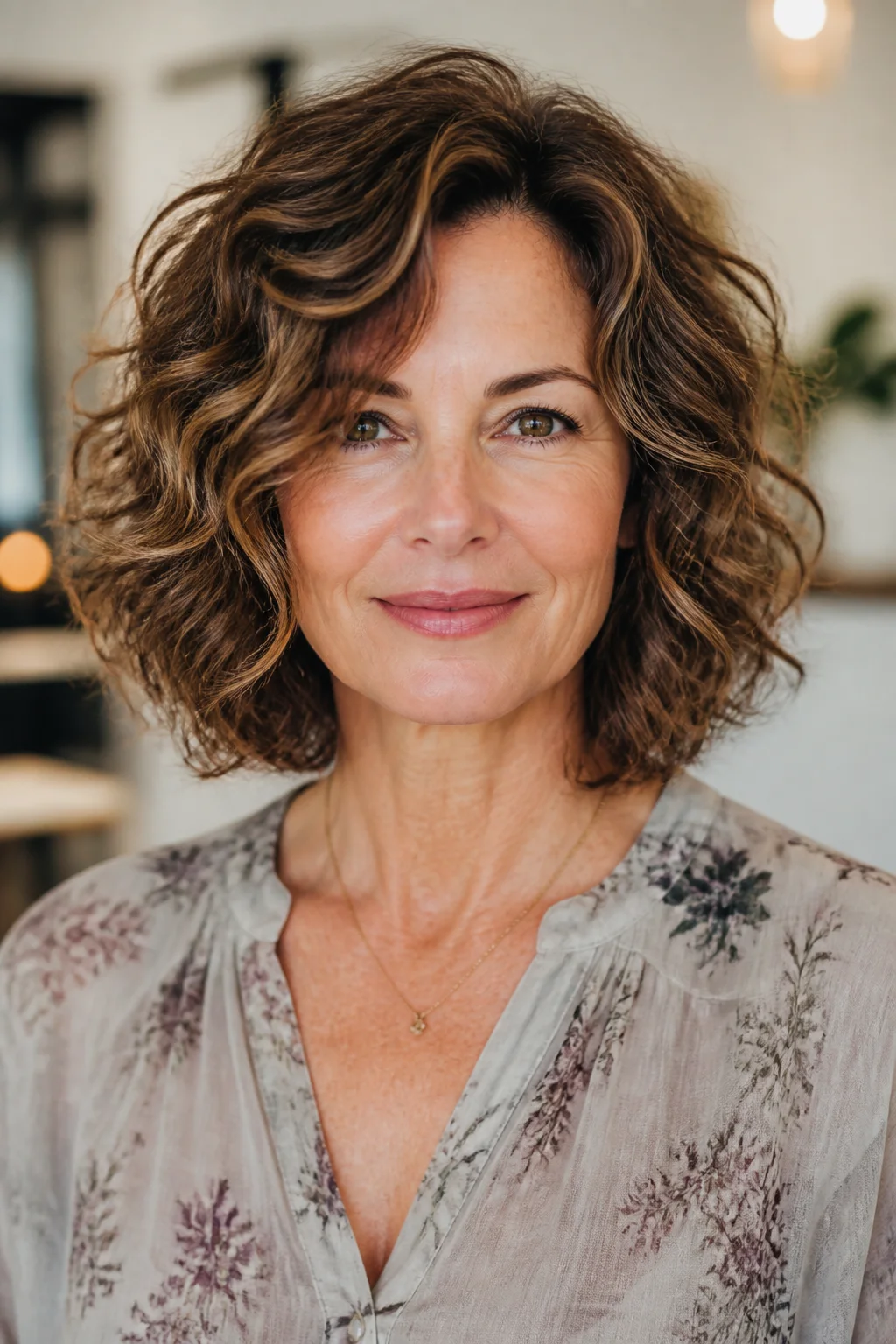
Often called a long bob or lob, this version sits between the collarbone and shoulders and gives curls enough length to relax into their pattern without losing shape entirely. It suits people transitioning from much longer hair who are not ready for anything short. The extra length also means more weight, which can loosen up tighter curl patterns slightly, something to plan for before the appointment.
Curly Bob with Highlights
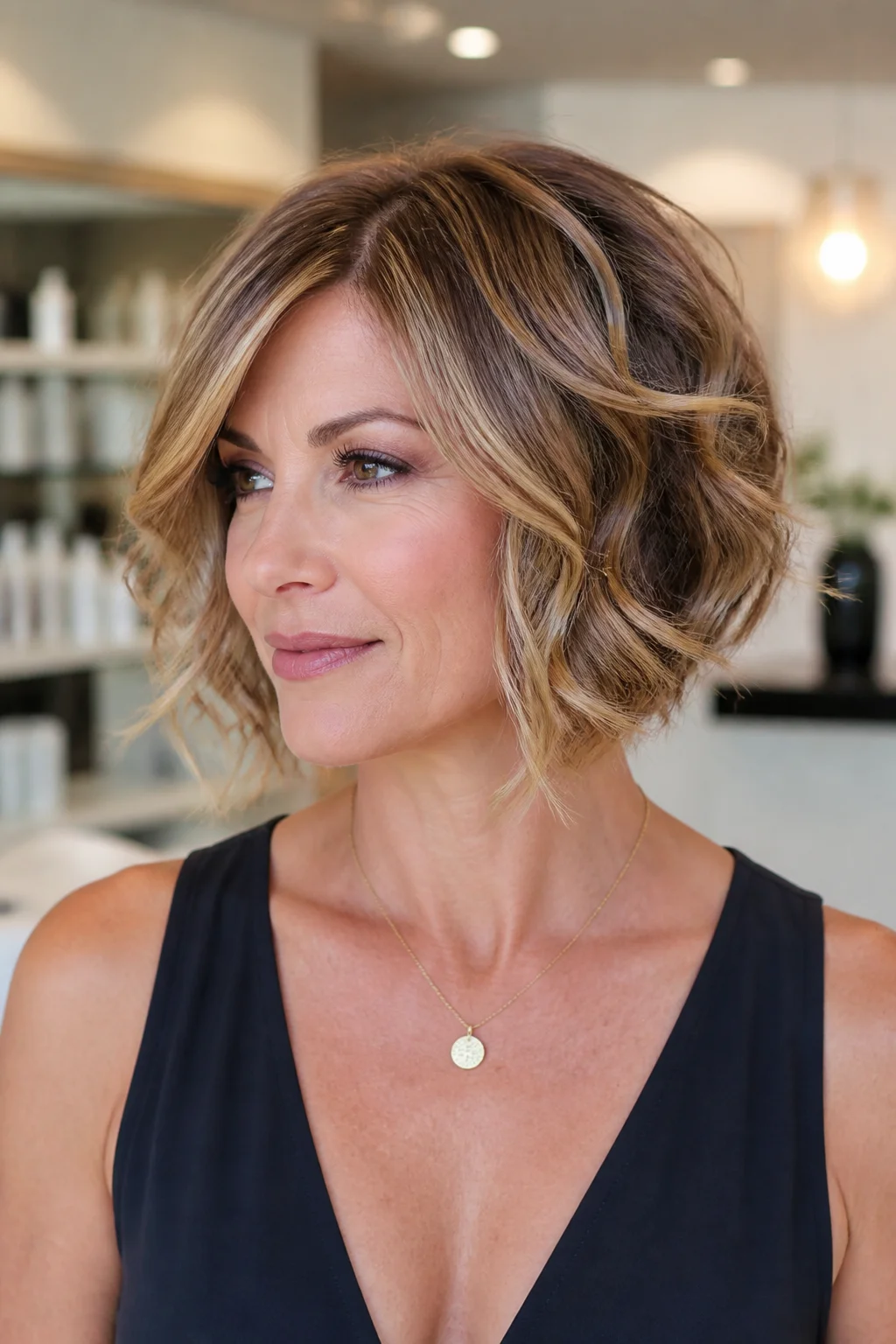
Highlights add dimension to curls in a way flat color cannot, since the lightened pieces catch differently depending on how the curl twists. Face-framing highlights are especially effective on a bob because they sit right where people look first. Talk to your colorist about placement before texture, since highlights painted for straight hair often land in the wrong spot once the curl pattern springs up.
Taper Fade Curly Bob
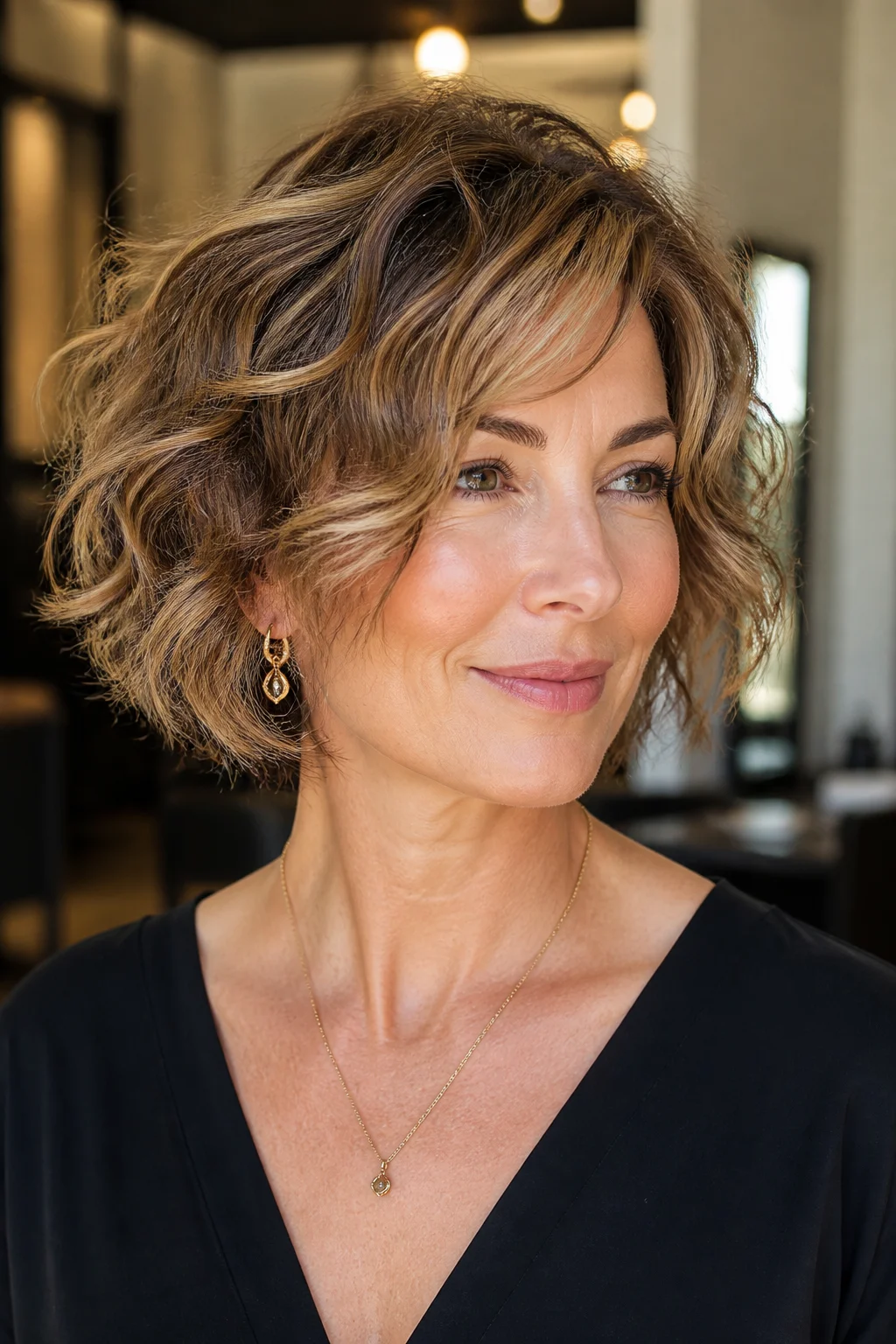
Pairing a fade with a curly bob puts short, tapered sides against a fuller curly top, creating real contrast between the two textures. It reads more structured and closer to a barbershop cut than a traditional salon bob. This works best on medium to tight curl patterns that hold height on top while the fade stays crisp underneath. Upkeep is more frequent than a standard bob since the fade grows out fast and needs regular trims to stay sharp.
Kinky Curly Bob
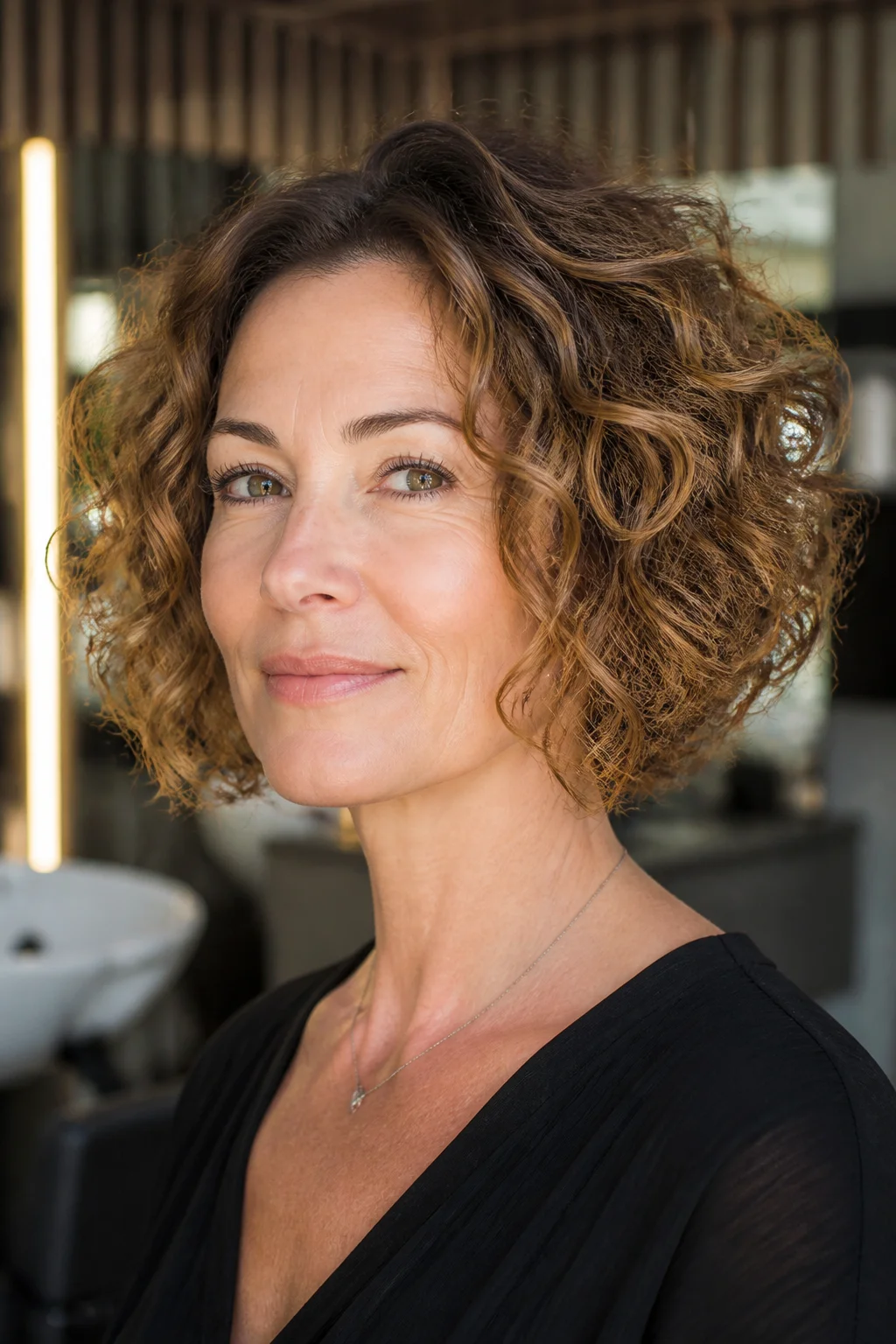
Kinky curl patterns shrink more than any other texture, so length has to be judged generously when cutting. A kinky curly bob often looks shorter once dry than the wet length suggested during the cut, which surprises people the first time. Stylists experienced with tighter textures will usually stretch sections before trimming to avoid an accidental cut that ends up too short. Moisture retention matters even more here since kinky strands lose hydration fastest.
Curly Bob with Undercut Design
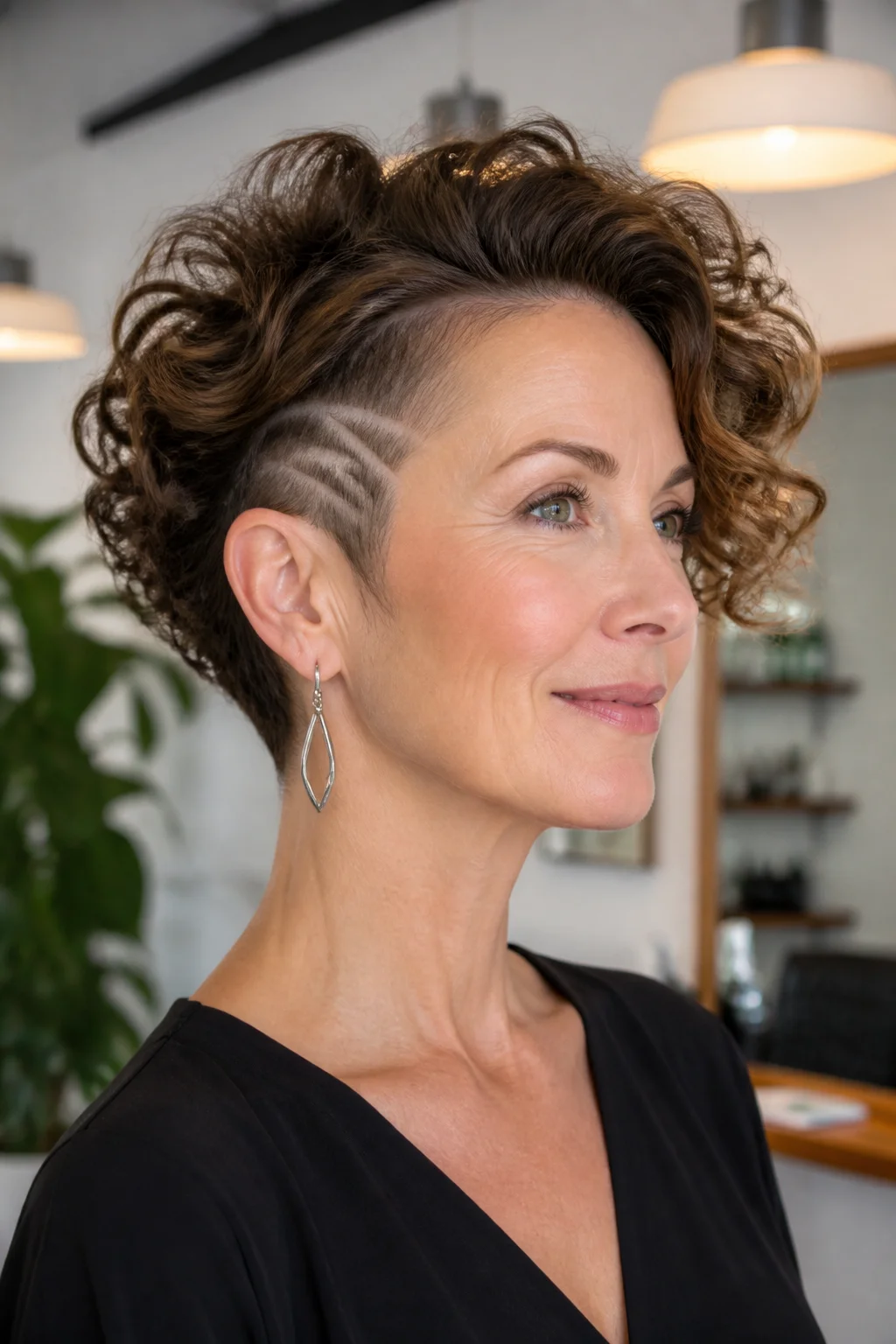
Beyond a simple undercut, this version adds a shaved pattern or line design into the shortened underlayer. It is a way to personalize the cut without changing the visible curls on top at all. Anyone who wants an edgier statement without altering their day-to-day curl routine should consider this option.
Curly Pixie Bob Hybrid
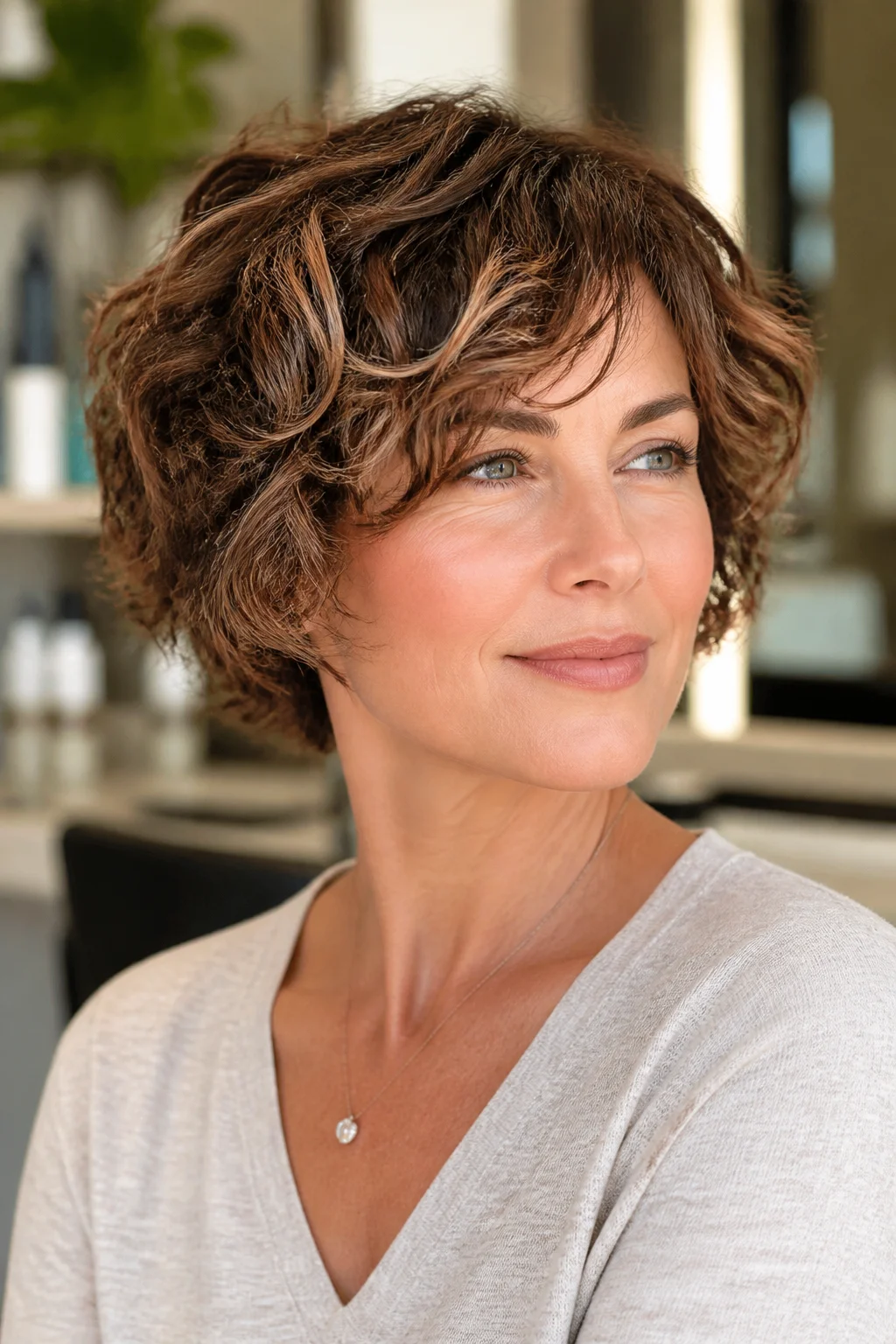
This cut splits the difference between a pixie and a bob, shorter at the back and sides with more length left through the top and crown. It gives you cropped, low-maintenance sides while still leaving enough length up top for curls to show real movement. It suits people who like short hair but are not ready to lose all their length or curl definition. Tip: ask for the top left a little longer than you think you want, since curls always read shorter once they dry and spring up.
Curly Bob for Thick Hair
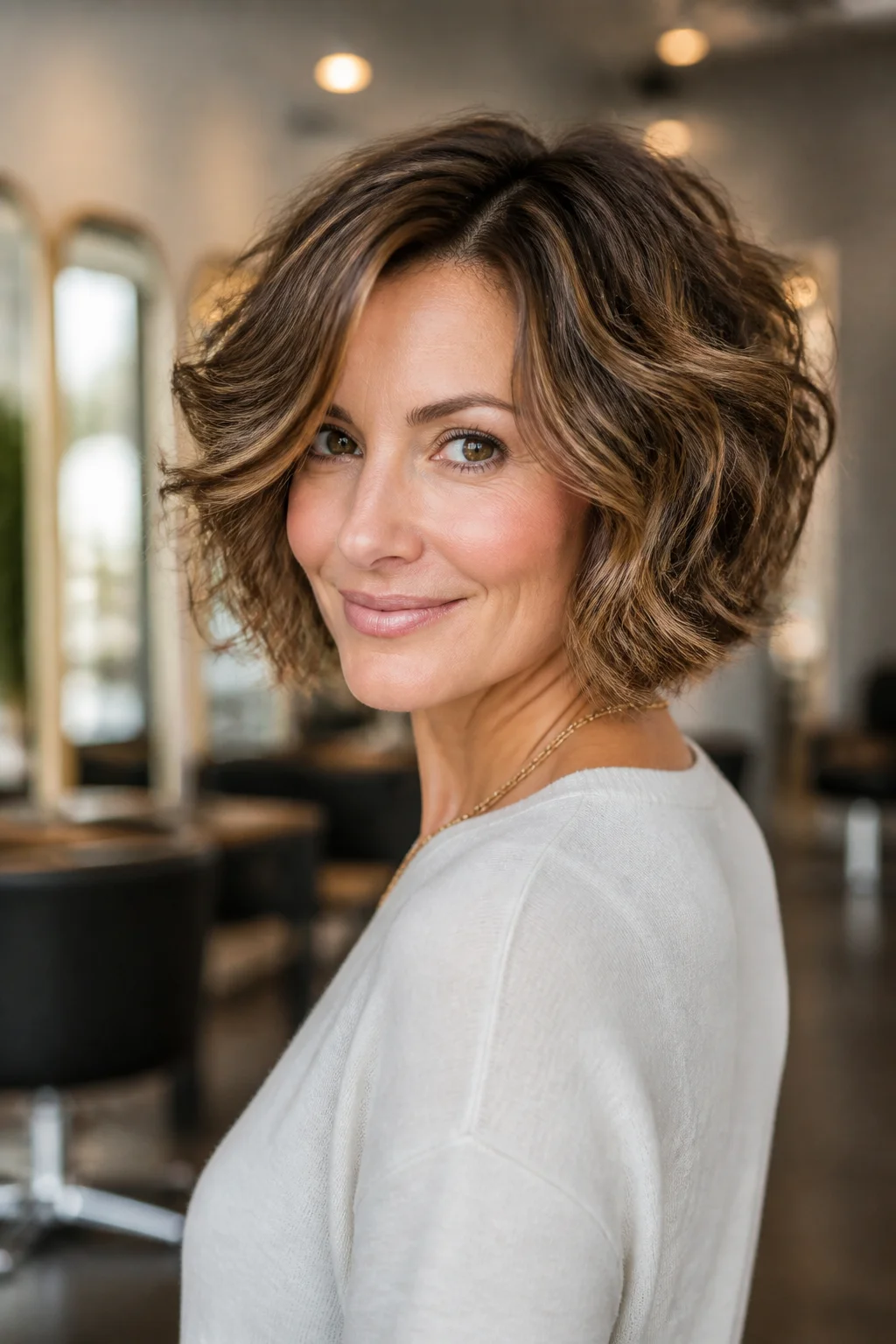
Thick curly hair carries a lot of weight, so this cut usually needs heavier internal thinning than other curl types to avoid a triangular shape. A stylist will typically remove bulk from underneath while leaving the outer curls fuller, keeping the silhouette rounded rather than pyramid shaped. Regular deep conditioning helps manage the density between cuts, since thick curls dry out faster than they look like they should.
Vintage Curly Bob
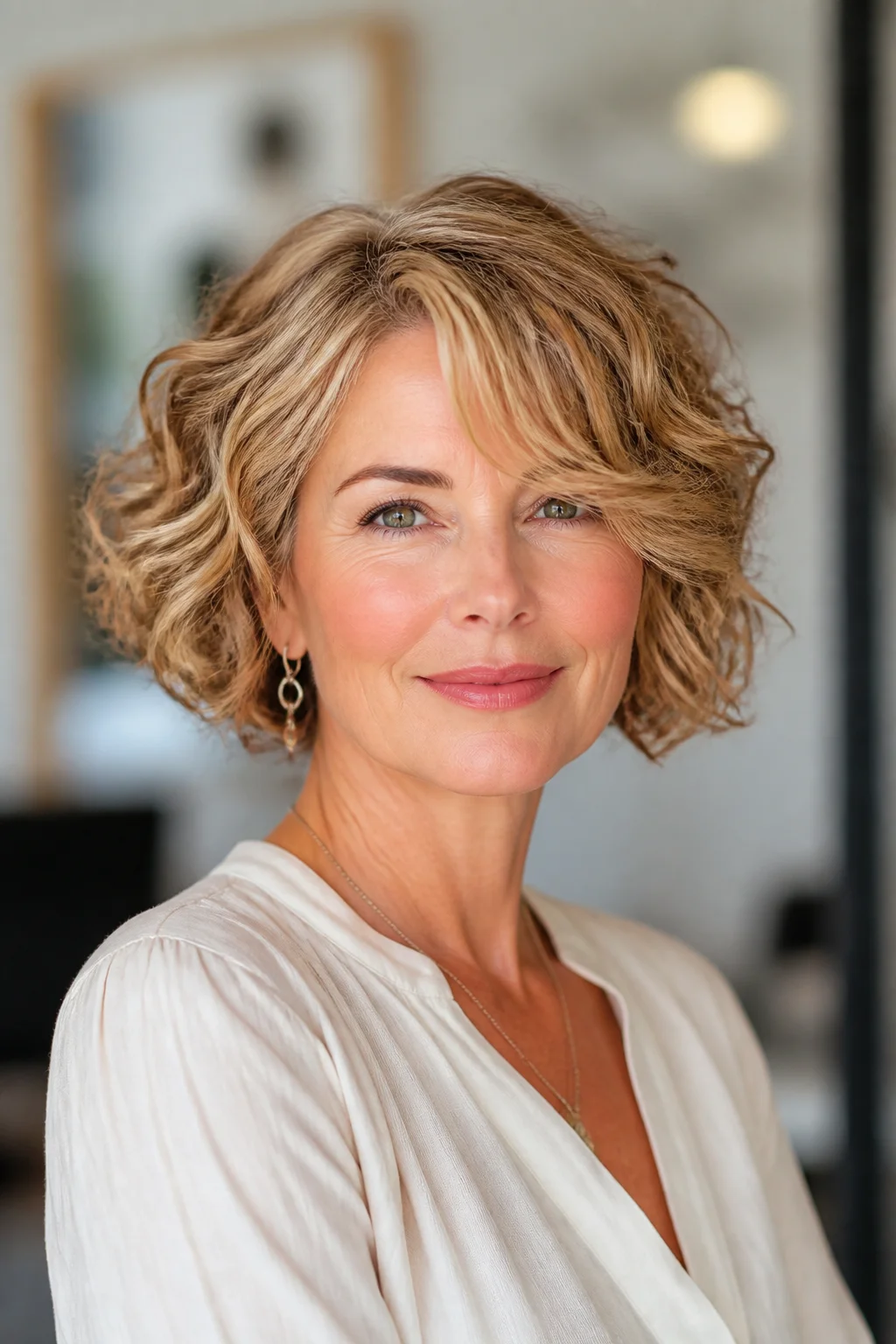
Set curls, finger waves, and a rounded silhouette give this bob a throwback feel closer to old Hollywood styling than modern texture-focused cuts. It usually involves a set, whether with rollers or a flat iron used to shape rather than straighten, rather than letting natural curl pattern do the work alone. This is a special-occasion style for most people rather than an everyday wash-and-go option.
Curly Bob with Fade and Design
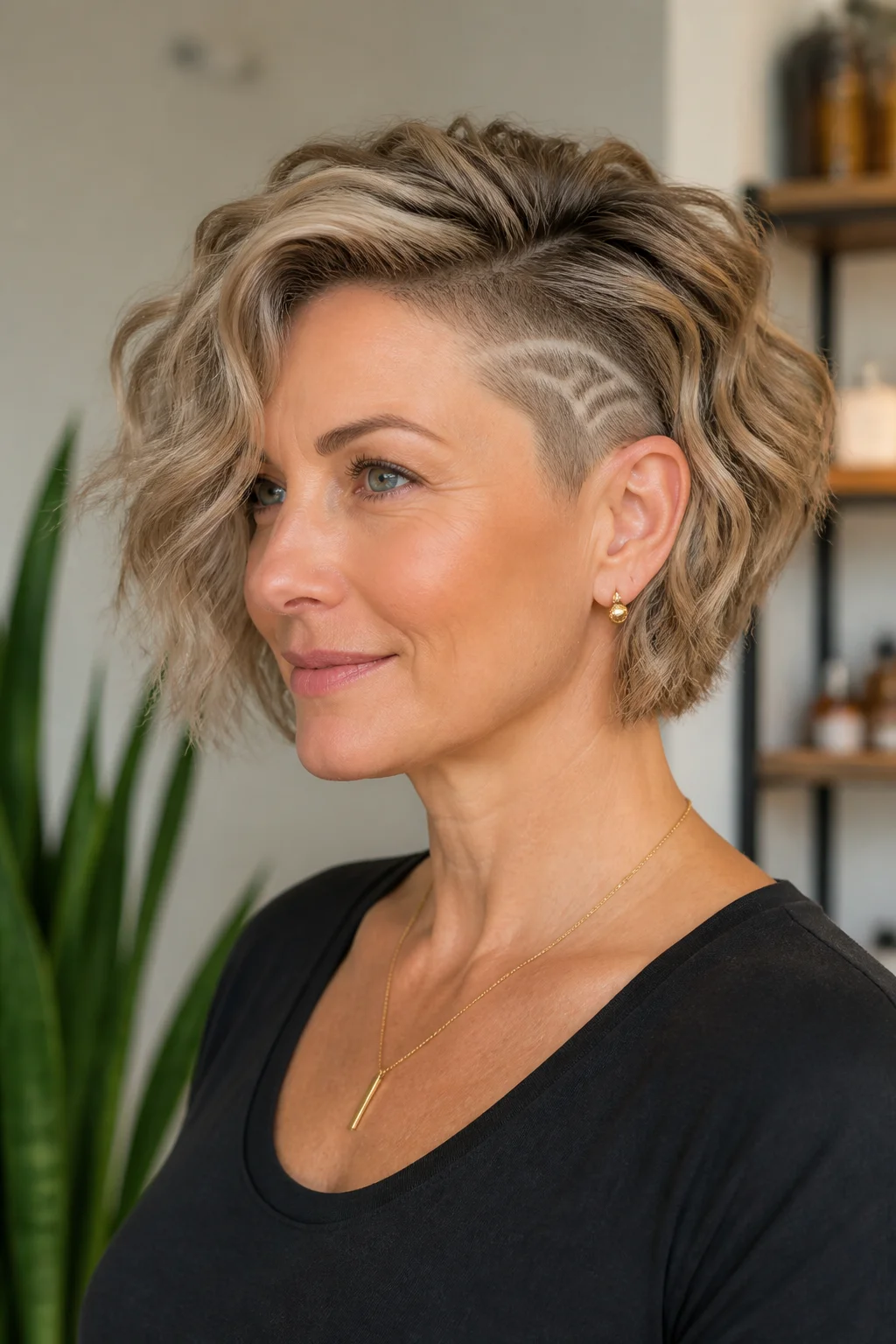
This is the boldest option on the list, combining a shaved fade, a cut-in design, and full curls up top for maximum contrast. It works best on shorter curl lengths where the fade and the curls can both stay visible without one overwhelming the other. Anyone considering this should be ready for more frequent barbershop visits, since the fade needs upkeep every few weeks to stay defined.
Which Curly Bob Actually Fits You
Picking between these styles comes down to three things: your curl pattern, how much time you spend styling, and how often you want to sit in the chair for maintenance. If your curls are loose and relaxed, the loose wave shoulder bob or the wavy curly bob for fine hair will behave better than anything cut short, since tighter cuts tend to expose gaps in a loose pattern. If your curls are tight or coily, the tight coil blunt bob, the micro curly bob, and the coily bob with defined curls all respect that density instead of fighting it.
For low maintenance, the curly shag bob and the curly bob for thick hair need the least daily attention because the cut itself hides small imperfections in styling. For high definition and a more polished finish, the sleek curly bob and the coily bob with defined curls demand more product and time but reward you with a crisper look. If you like sharp contrast, the taper fade curly bob and the curly bob with fade and design both bring barbershop precision into a curl-focused cut, though both need more frequent trims than a standard bob to stay sharp. A common mistake is choosing a style photo without accounting for shrinkage. Always ask your stylist to cut with your actual curl pattern in mind, not the stretched length.