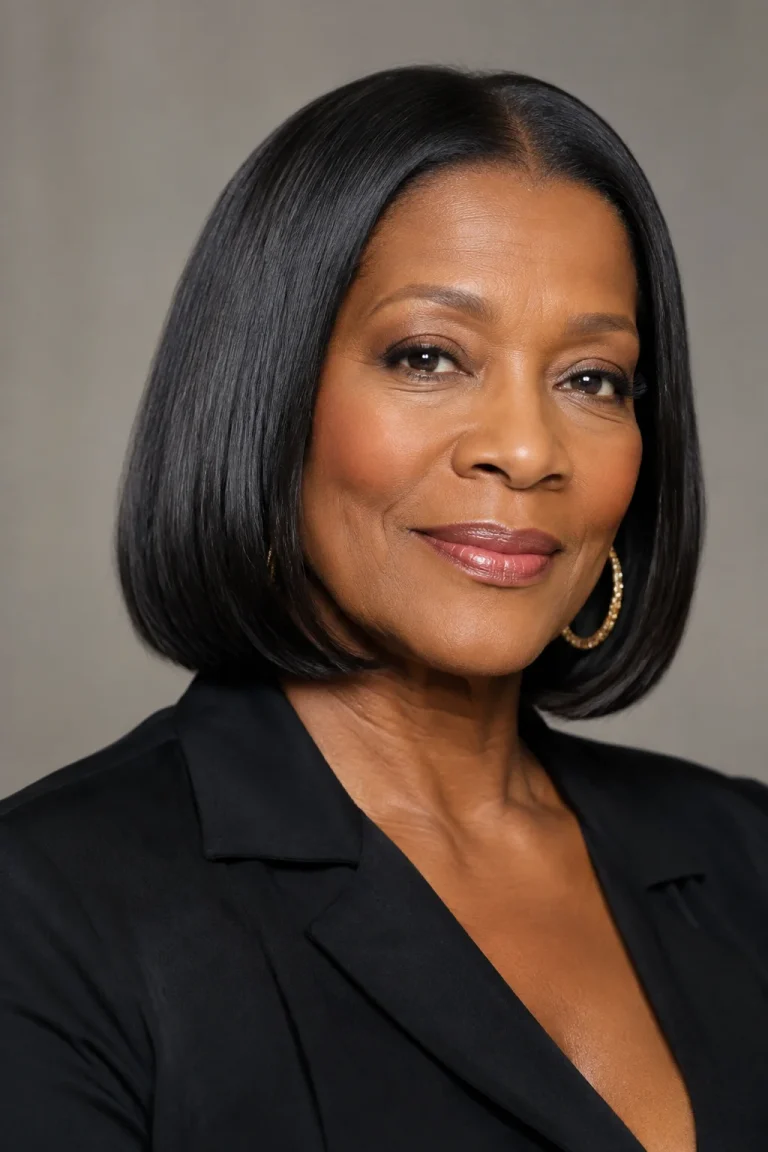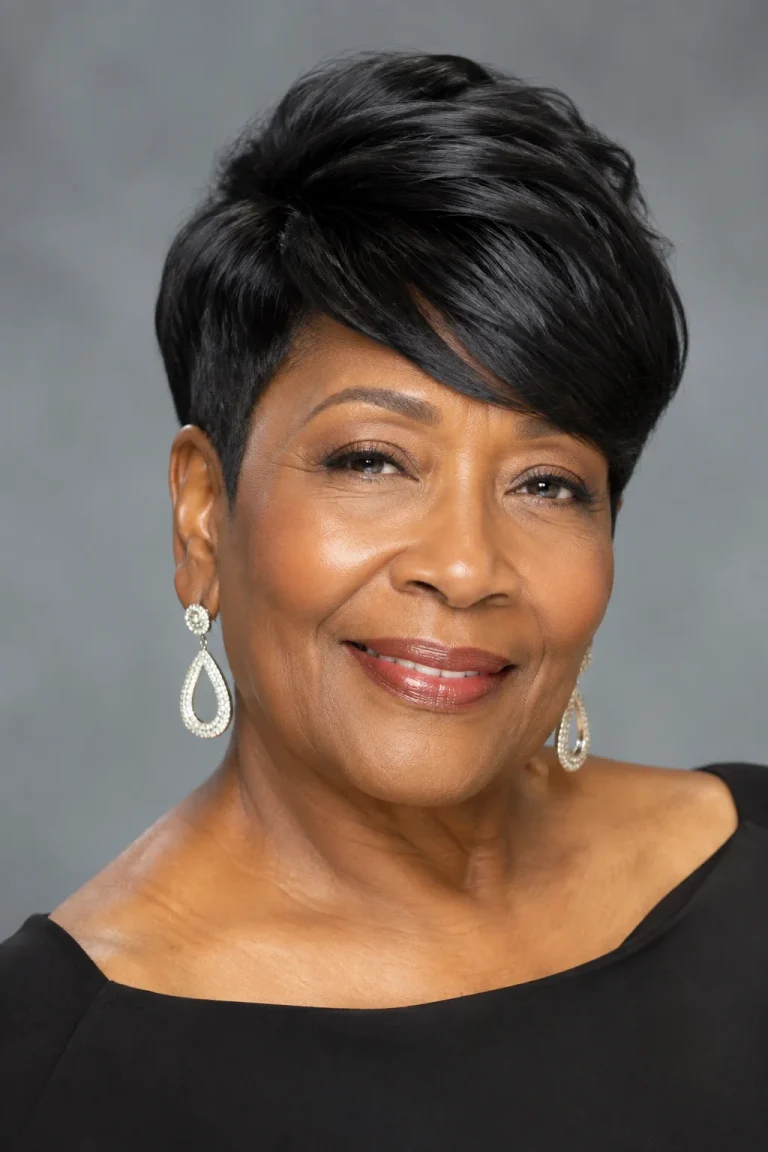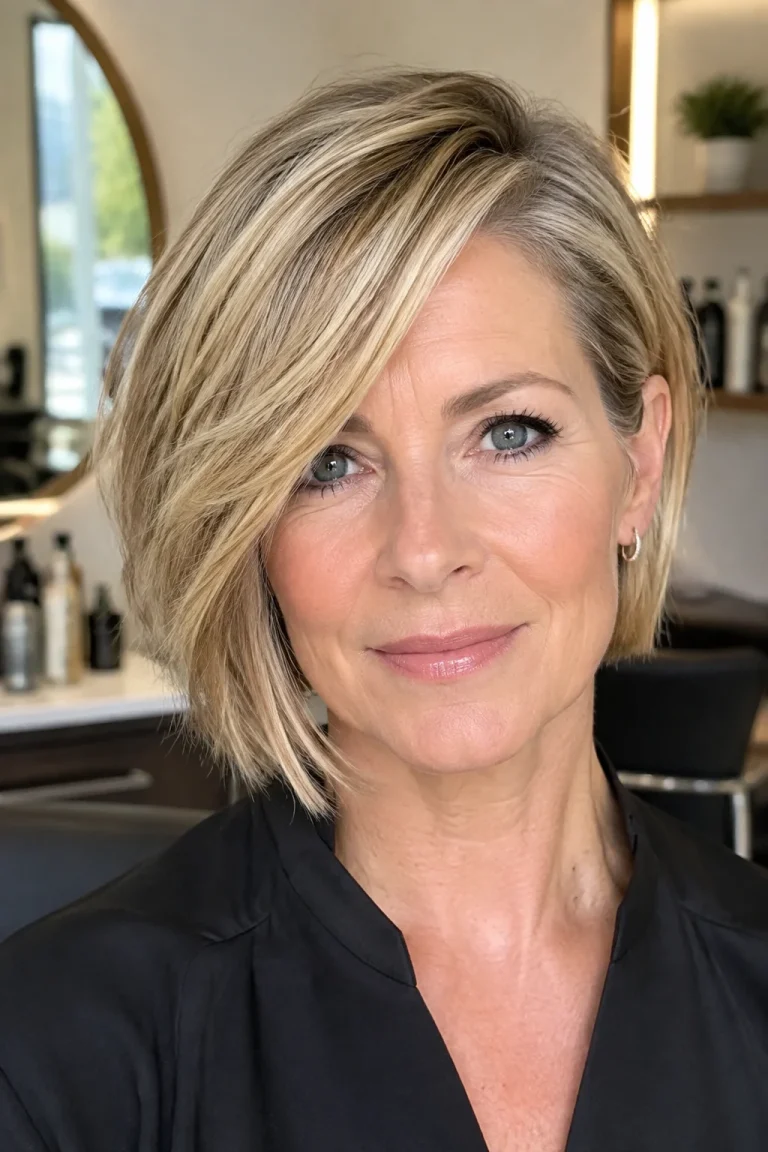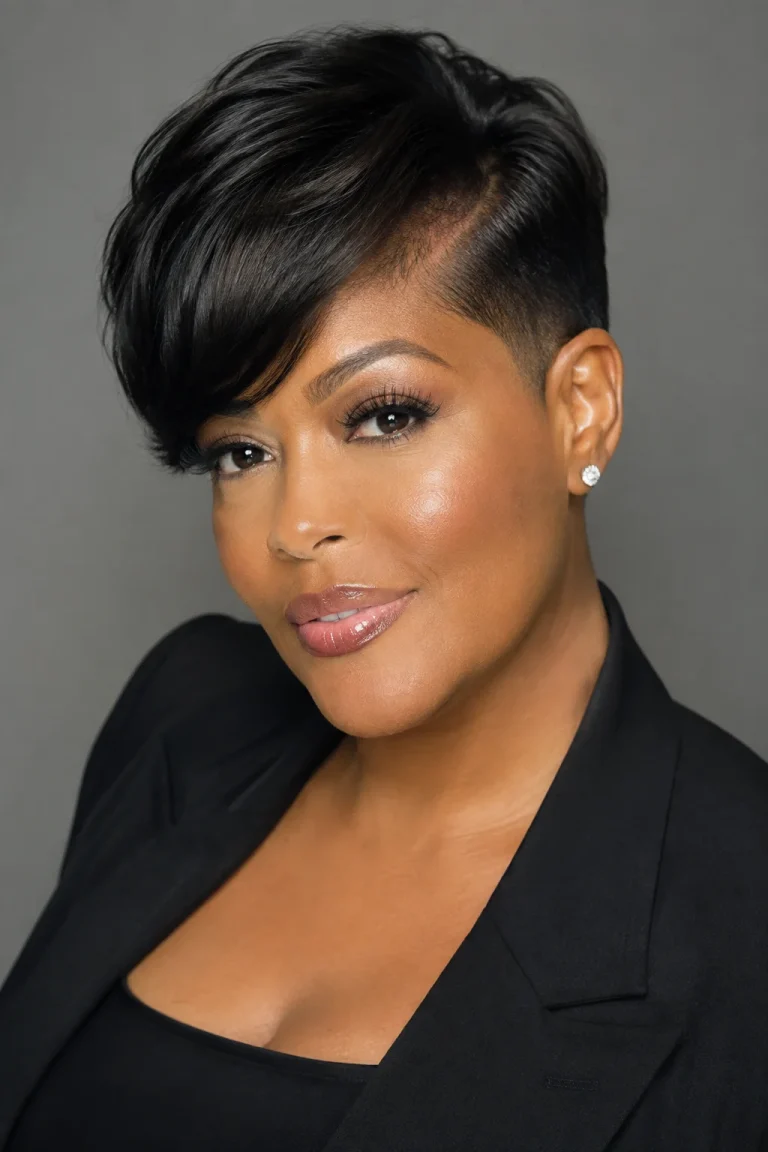
Fine, thinning hair changes everything about how a cut should be built. Length that used to look pretty now hangs flat and shows more scalp than you want. The good news is that the right shape can fix most of that without a single extra product. Thin hair haircuts for women over 70 work best when they trade length for shape, since shorter layers sit up off the scalp and read as thicker from every angle. A cut that ends right at the jaw or above it holds its own weight instead of dragging itself limp by afternoon. Below are eighteen options that stylists reach for again and again when a client wants something that looks fuller, styles fast, and does not need daily fuss. Some are bold, some are soft, and a few work well even if you are easing into short hair for the first time.
Classic Pixie Cut
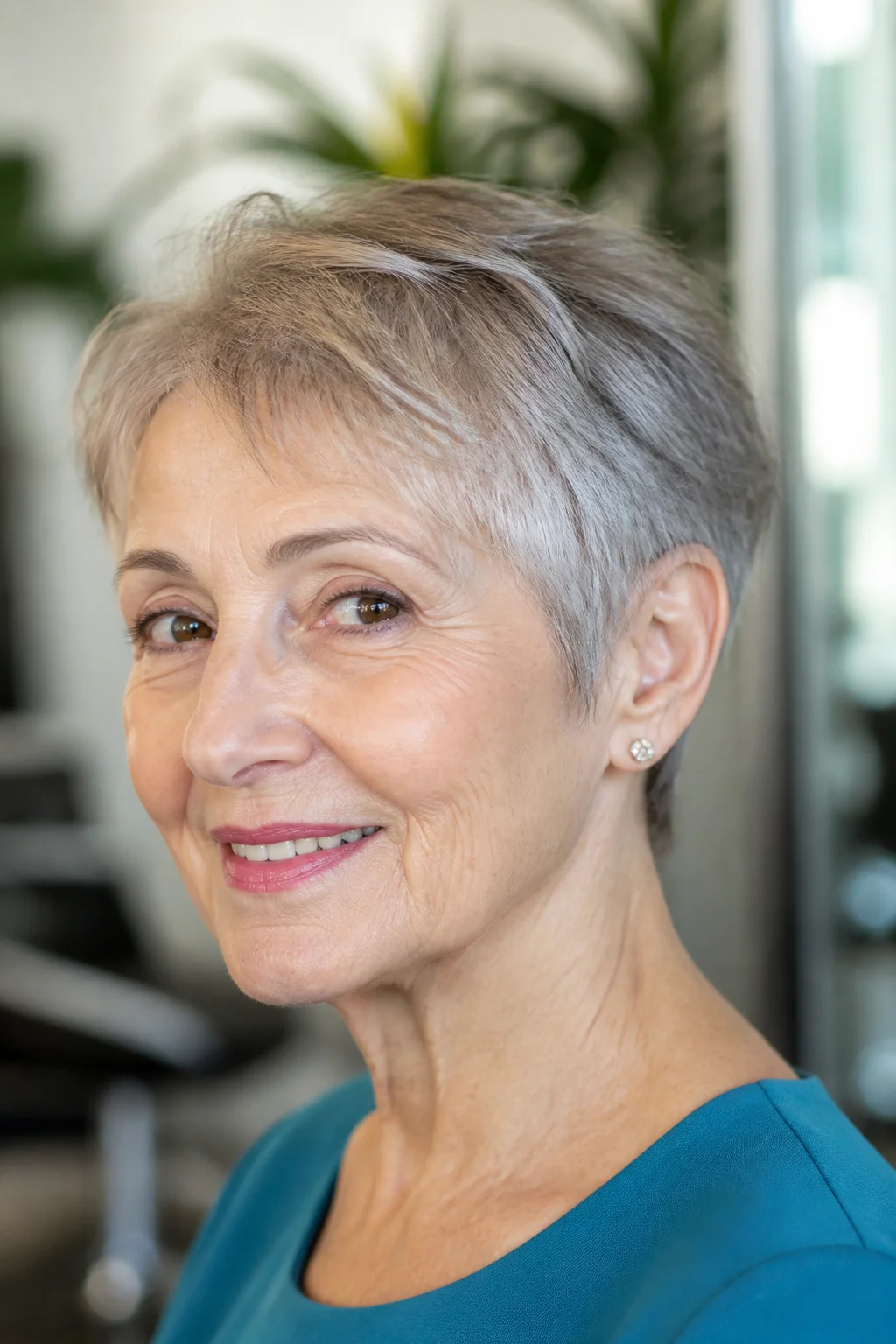
The classic pixie crops hair close at the sides and back while leaving a little more length on top for texture. That shorter perimeter is what makes thin strands look thick, because there’s simply less hair weight pulling everything flat. It suits round, oval, and heart face shapes especially well, and it grows out in a way that still looks intentional for weeks. Stylists can add soft layers on top to build height right at the crown, which is usually where thinning shows the most. Tip: ask for a slightly longer fringe you can sweep to the side, since a full blunt fringe can look sparse on very fine hair. A light mist of heat protectant before styling helps the finish last.
Bixie Cut
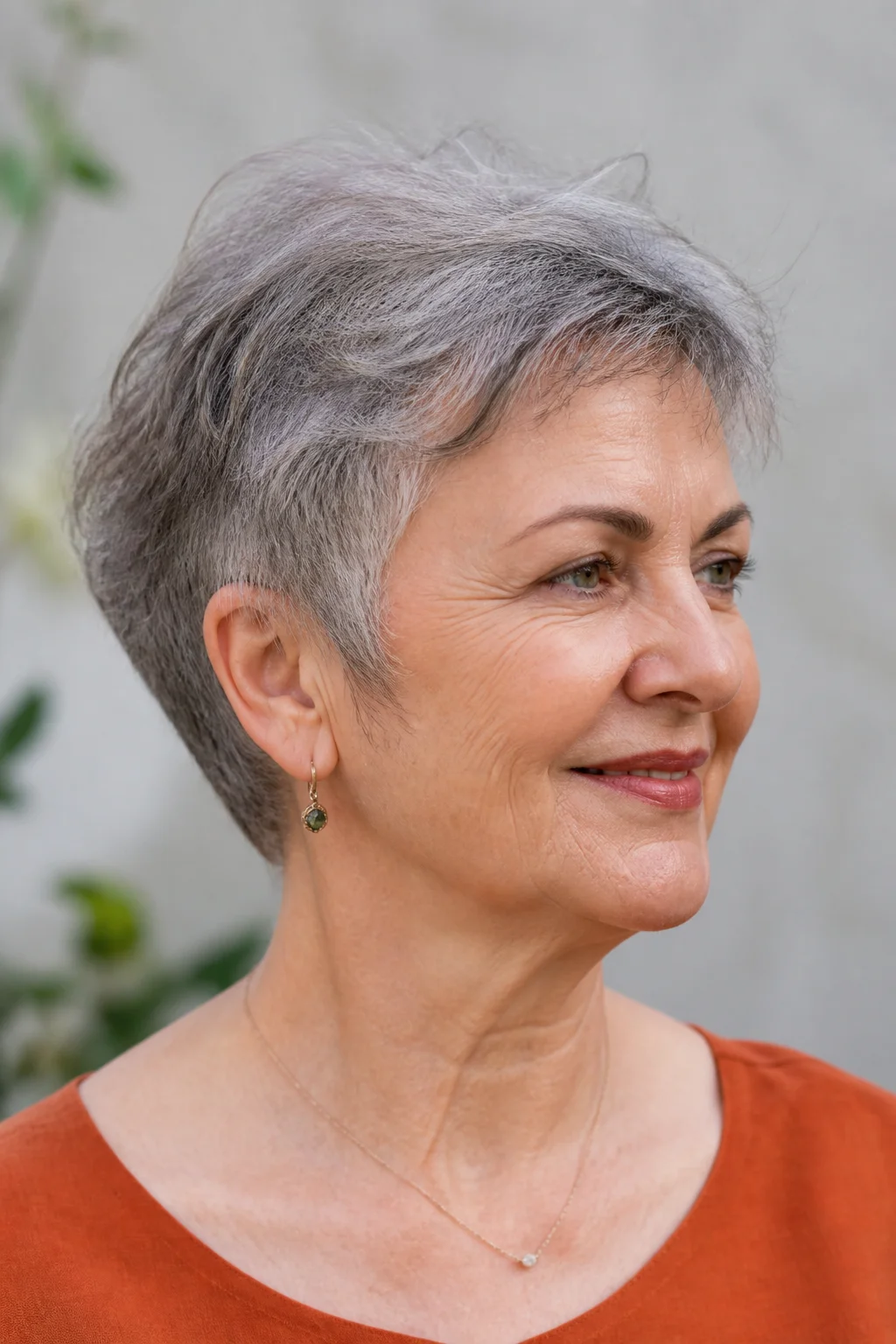
A bixie blends a bob and a pixie into something with a little more length than a true pixie but still short enough to bounce with volume. The top stays longer, the sides taper down, and the whole shape moves easily without needing a blowout every day. It’s a strong pick if you like the idea of a pixie but aren’t ready to go quite that short. The slightly longer length also gives you more to work with if you want to try soft waves on occasion.
French Crop
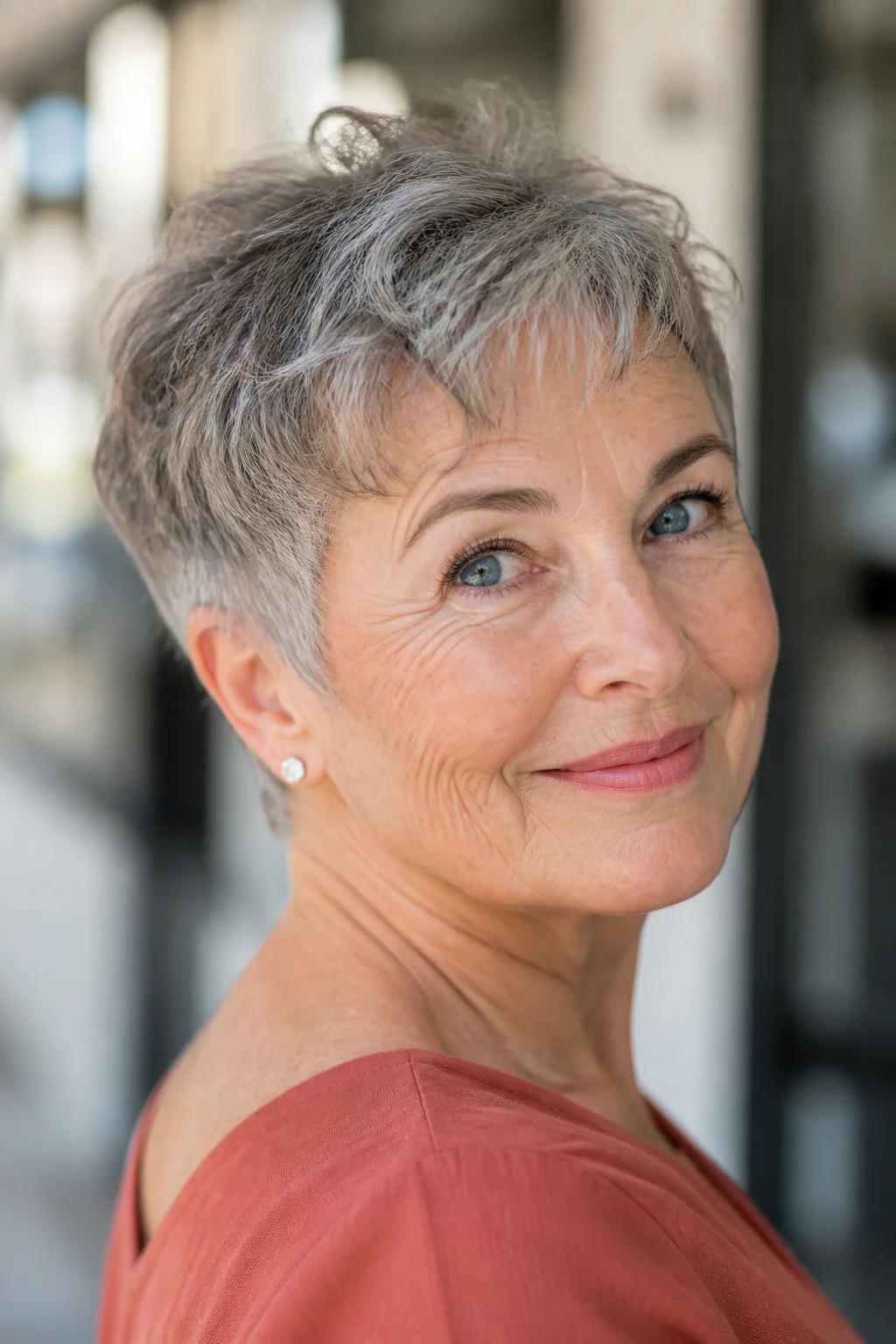
The French crop keeps things short and textured on top with tighter sides, similar to a men’s crop but softened for a rounder, gentler finish. It works surprisingly well on fine hair because the short length removes almost all the weight that causes flatness. This is a low-maintenance option, good for anyone who wants to wash and go without touching a brush. It reads modern and a little edgy, so it’s worth trying if you want a cut that feels different from anything you’ve worn before.
Buzz Cut
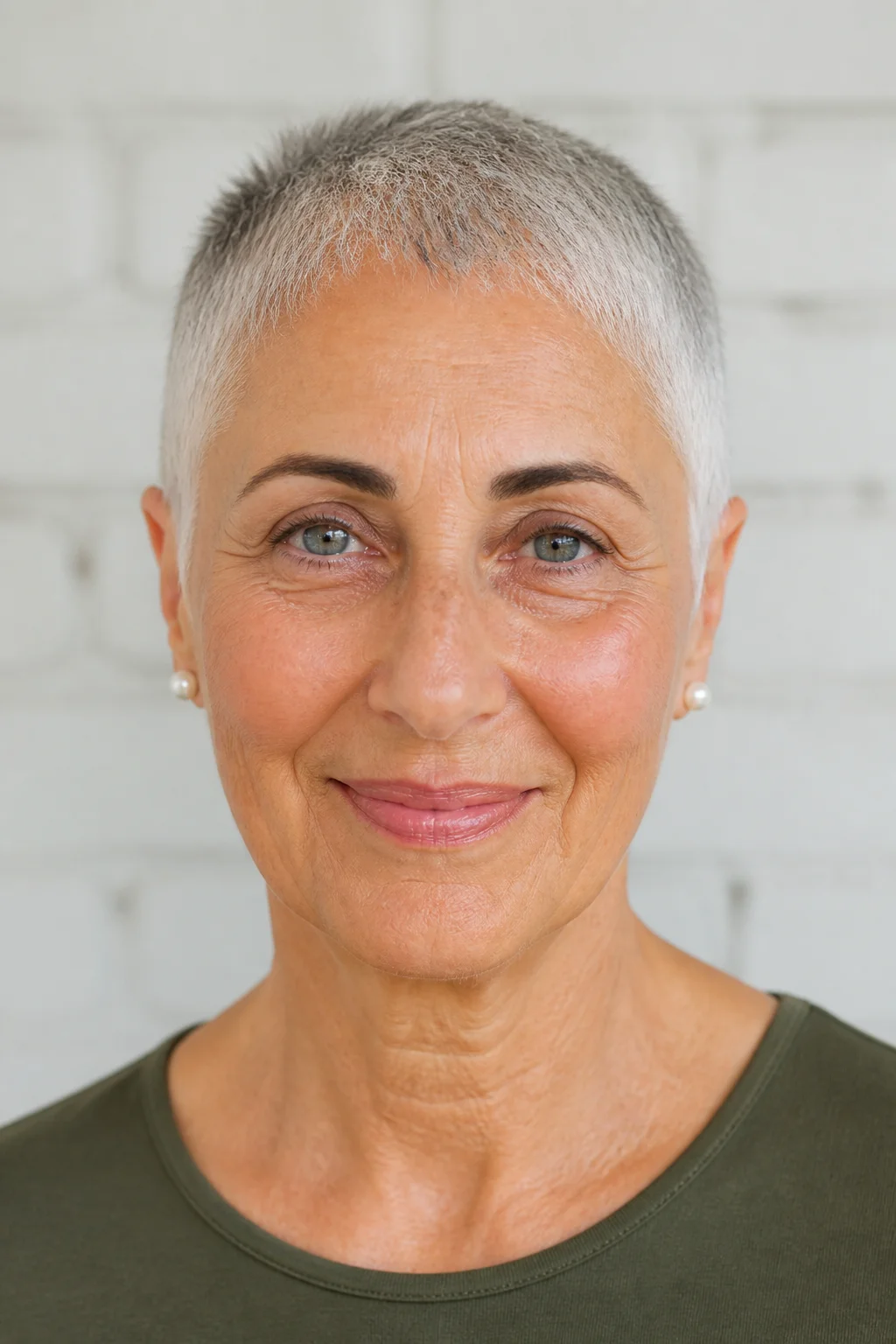
A buzz cut takes everything down to a short, even length all over, and on thinning hair it can look surprisingly clean and confident. There’s no styling required, no flat spots, and no worry about coverage because the length is uniform everywhere. Some women choose this after years of fighting with thin strands and find it freeing rather than severe. It also highlights the natural shape of your head and face in a way longer cuts never can.
Blunt Chin-Length Bob

A blunt bob cut right at the chin gives thin hair a hard, clean edge that tricks the eye into seeing more density. Because the ends are cut straight across instead of layered thin, the hair falls with a heavier line and doesn’t wisp away at the tips. This length also tends to fall just at the jaw, which lifts and flatters most face shapes. It works well with a side part, since a center part on very fine hair can show more scalp than you’d like. Blow-drying is quick, and a small round brush at the ends is really all you need to finish it. Tip: ask your stylist to keep the layers minimal so the blunt line stays intact.
Long Bob

The long bob, often called a lob, sits between the collarbone and shoulders and gives you a bit more length to play with than a chin-length cut. On thin hair it works best with barely-there layering, just enough to keep the ends from looking stringy. This length flatters most necklines and looks polished whether you wear it straight or with a loose curl. It’s a good middle-ground choice if you’re not ready to go short but want a shape that still looks intentional rather than just grown out.
Wedge Haircut

The wedge stacks shorter layers at the back and lets the sides taper forward, creating built-in volume right where thin hair tends to sag. It’s one of the more structured cuts on this list, and that structure is exactly what gives it lift. Think of it as an angled, graduated bob with more lift at the crown than length at the front. Stylists often recommend it for women who want a shape that still looks styled even on wash day two.
Pageboy Cut

The pageboy wraps under slightly at the ends and sits close to the head, giving fine hair a rounded, soft finish. It’s a gentler option than a wedge, with less aggressive layering and a smoother overall line. This cut looks especially good with a light fringe, and it holds its shape well between salon visits. It suits women who want something classic rather than trendy.
Short Shag

A short shag brings in choppy, textured layers all over, which adds movement and makes hair look thicker than it actually is. The layers are cut at different lengths on purpose, so no single section carries too much weight. This is one of the easiest cuts to style with just your fingers and a little texture spray. It also hides thinning at the crown better than almost any smooth, sleek style could.
Soft Wolf Cut

The soft wolf cut takes the shaggy, layered idea and softens it for mature hair, with rounder edges and less choppiness than the trendier version worn by younger clients. Layers are shorter on top and gradually blend into longer pieces toward the bottom, which builds real volume at the crown. It photographs well because the texture catches light and shadow in a way flat hair never does. This cut asks for a little product, usually just a light mousse, to keep the layers separated and full. It’s a great option if you liked the idea of a shag but want something a touch more polished for everyday wear.
Soft Mullet

A soft mullet keeps the sides and top short while leaving a bit more length in the back, though nowhere near as dramatic as the mullets of decades past. On thinning hair, this shape adds fullness up front where it matters most for face-framing. The back length gives just enough visual interest without dragging the whole style down. It’s not for everyone, but it’s worth a look if you want a cut with more personality than a standard bob.
Blunt Shoulder-Length Cut

Shoulder-length hair cut with a blunt, straight edge holds up surprisingly well on fine strands, since the weight of the line keeps flyaways in check. It’s longer than most cuts on this list, so it works best for women whose hair doesn’t thin too severely, or who want to keep length for sentimental reasons. A few face-framing pieces near the front soften the blunt line without stealing its structure.
Feathered Shoulder-Length Cut

Feathered layers throughout a shoulder-length cut add lift and movement that a solid blunt line can’t offer. The feathering is lightest at the crown and gets a little heavier toward the ends, which keeps things from looking too thin at the bottom. This style takes a bit more time with a round brush, but the payoff is noticeably fuller-looking hair through the mid-lengths. It’s a solid pick for anyone who still wants shoulder-length hair but needs more shape than a one-length cut can give.
Bowl Cut

The bowl cut has come a long way from its old reputation, and a modern, loose version with soft edges can actually work well on thin hair. Keeping the ends slightly textured instead of blunt prevents the heavy, helmet-like look older bowl cuts were known for. It’s a bold choice, and it won’t suit every face shape, but on the right person it looks graphic and confident.
Asymmetrical Short Cut

An asymmetrical short cut plays with uneven lengths, often shorter on one side than the other, to create visual interest that distracts from thinning areas. This is one of the more fashion-forward options on the list, and it tends to suit women who already gravitate toward shorter styles. The uneven line also makes the cut easier to style since one side naturally falls into place while the other adds movement.
Short Rounded Afro
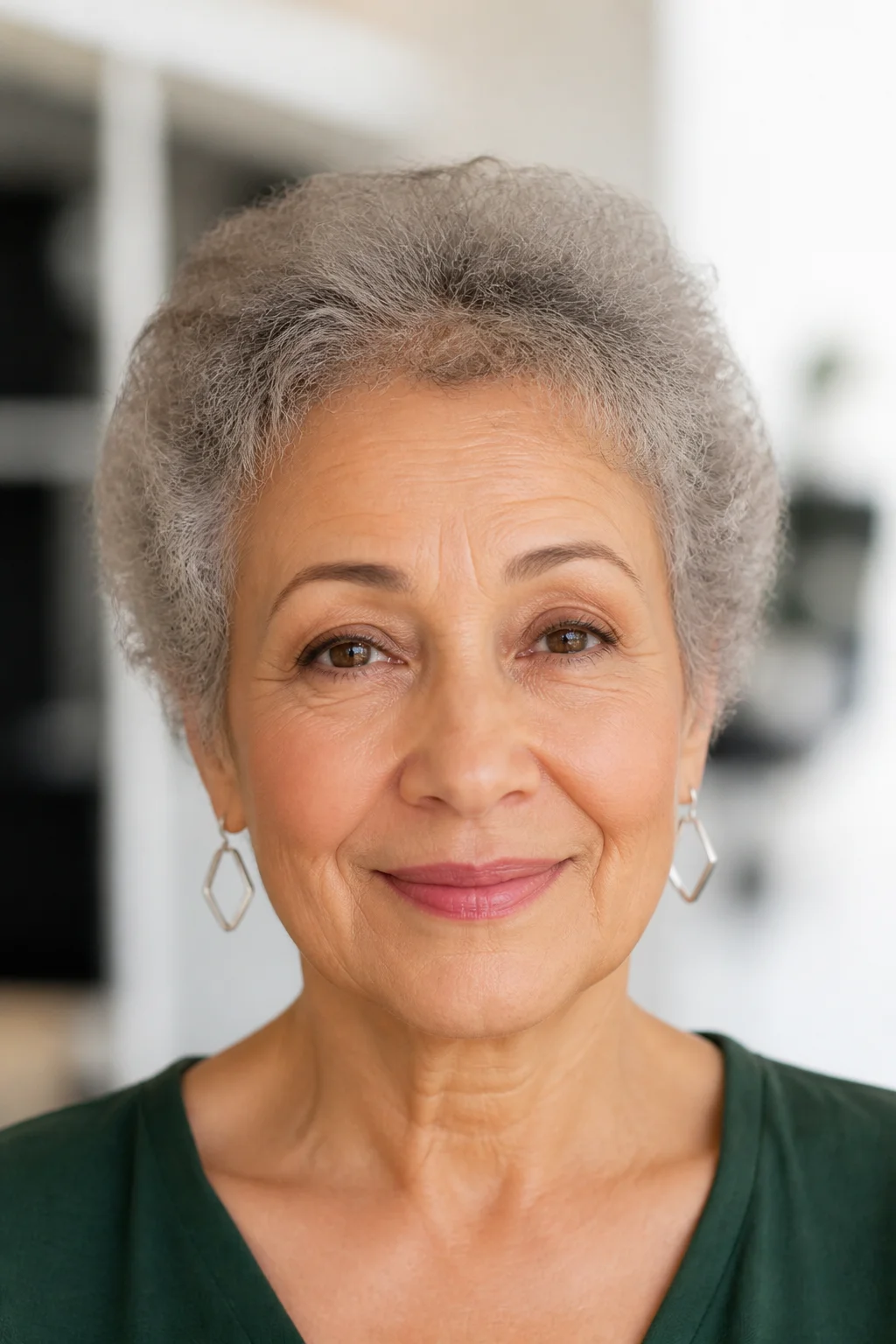
A short rounded afro works beautifully on textured hair that’s thinning, because the natural coil pattern itself adds volume without any extra effort. Keeping the length even all around gives the style a soft, rounded silhouette that flatters most face shapes. Regular trims help maintain the shape and keep the ends looking healthy rather than sparse. This cut needs very little daily styling beyond a light moisturizing cream worked through with your fingers.
Tapered Natural Cut

The tapered natural cut keeps length on top while gradually shortening the sides and back, which is a great way to manage thinning at the temples and nape. It works with the hair’s natural texture instead of fighting it, so styling stays simple. This taper also grows out gracefully, meaning you won’t need to rush back to the salon the moment it starts growing.
Short Curly Crop

A short curly crop hugs close to the head and lets natural curls or waves do most of the styling work on their own. It’s a low-fuss option that still looks full because the curl pattern itself creates lift and texture. This crop suits women who want something wash-and-go, with almost no blow-drying or heat styling required. Adding a light curl cream after washing is usually enough to keep the shape defined through the week.
How to Choose the Right Cut for Your Hair and Face
Picking the right one of these styles comes down to three things: how thin your hair actually is, how much time you want to spend styling it, and what shape flatters your face. If your hair is thinning all over rather than in one spot, shorter options like the classic pixie cut, the French crop, or the buzz cut remove the most weight and give the fullest look with the least effort. If thinning is concentrated at the crown, cuts with built-in lift, like the wedge haircut, the soft wolf cut, or the short shag, add volume exactly where you need it.
For anyone not ready to give up length, the blunt chin-length bob and the long bob offer a middle ground, since a clean blunt edge reads thicker than soft layers on fine strands. Avoid long, one-length cuts with heavy layering throughout, since that combination is the biggest mistake for thin hair. It splits at the ends and looks thinner by the end of the day. If you have natural texture or curls, the short rounded afro, the tapered natural cut, and the short curly crop work with that texture instead of against it, which always looks fuller than a style that fights your natural pattern.
Final Thoughts
Thin hair does not mean limited options. It means choosing a shape that works with what you have instead of against it, and every cut listed here does exactly that in its own way. Talk with your stylist about your face shape, your daily routine, and how much length you’re willing to let go of, then pick the style that matches your life instead of just the picture you liked. The right cut can make thinning hair look full, feel lighter, and take a fraction of the time to style every morning.