Fine hair goes flat. Thick hair turns heavy and hard to style. Both problems get solved the same way, with layers cut at sharp, uneven angles instead of smooth, blended ones. Choppy layered haircuts for women over 50 work because the broken lines build volume where you need it and strip out bulk where you don’t, so hair moves instead of sitting stiff. The chunky ends also hide thinning at the crown and soften a square jaw or a longer face shape without adding daily fuss.
What follows are ten cuts that use this same idea in different lengths and shapes, from a close pixie to long layers past the shoulders. Each one gives you a starting point to bring to your stylist, along with what makes it work and how much upkeep to expect. Pick the one that matches your hair texture and the amount of time you actually want to spend on it each morning.
Choppy Layered Pixie

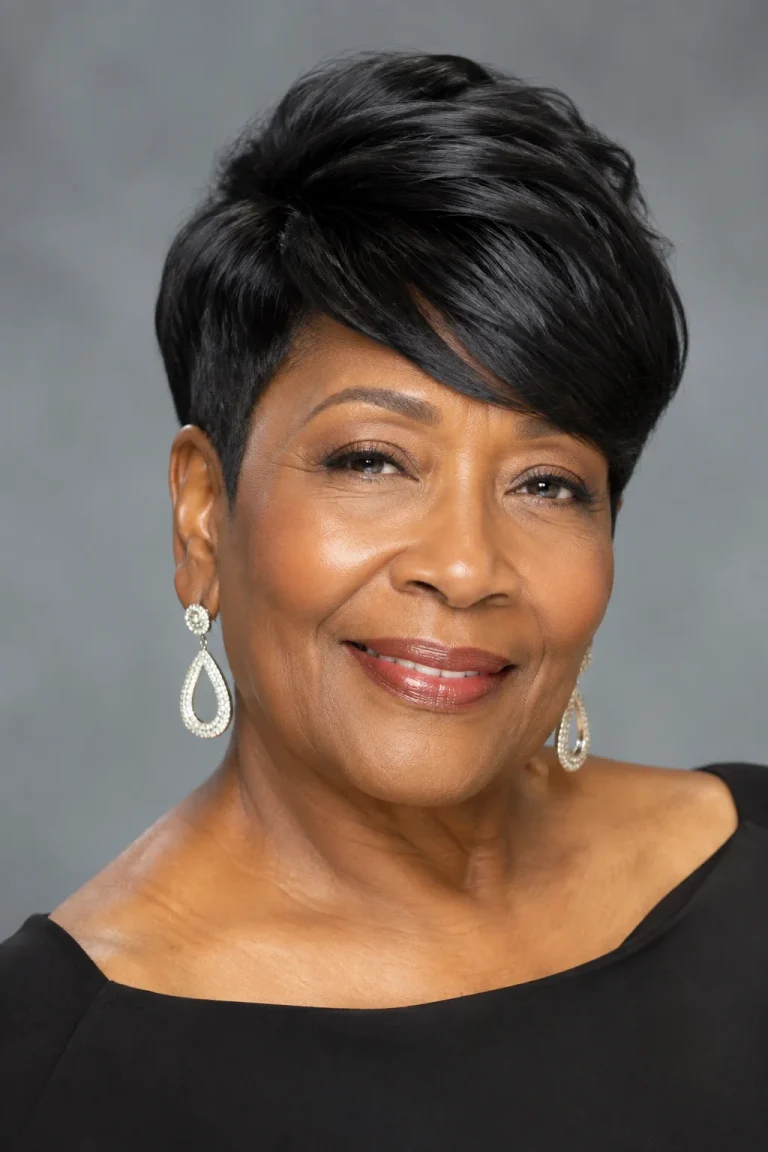
This cut takes the classic short pixie and roughs it up. Instead of smooth, tapered layers, the stylist cuts in short, jagged pieces through the top and crown so the hair stands up with texture instead of lying flat against the scalp. It works especially well on fine or thinning hair because the choppy ends create the illusion of thickness without needing a dozen products. Ask for the sides kept close and the top left slightly longer so you can push it around with your fingers. Tip: a small amount of matte paste worked through damp hair before drying gives the layers more grip and holds the shape longer.
Textured Bixie Cut

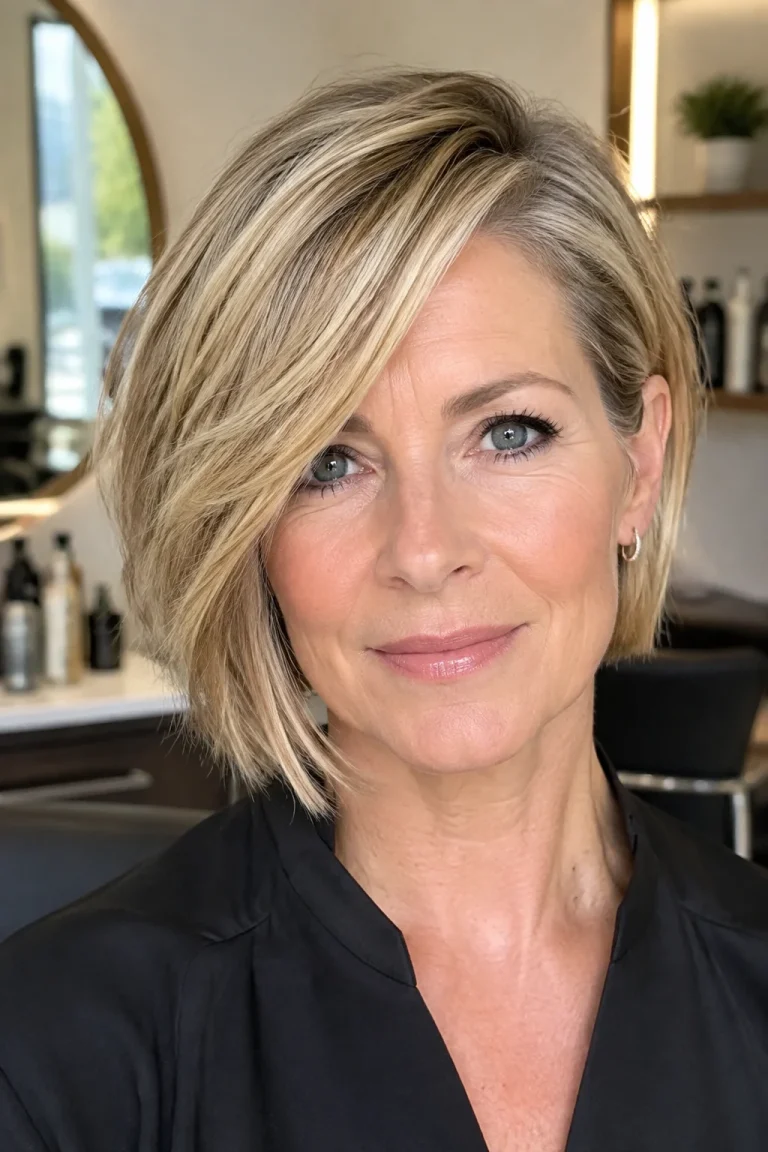
The bixie sits between a bob and a pixie, and the textured version leans hard into movement. Layers are cut short around the crown and left a bit longer at the nape and sides, giving you a rounder shape than a pure pixie without the length of a bob. It suits wavy or thick hair especially well since the natural bend adds even more texture to the choppy ends.
Tapered Choppy Crop
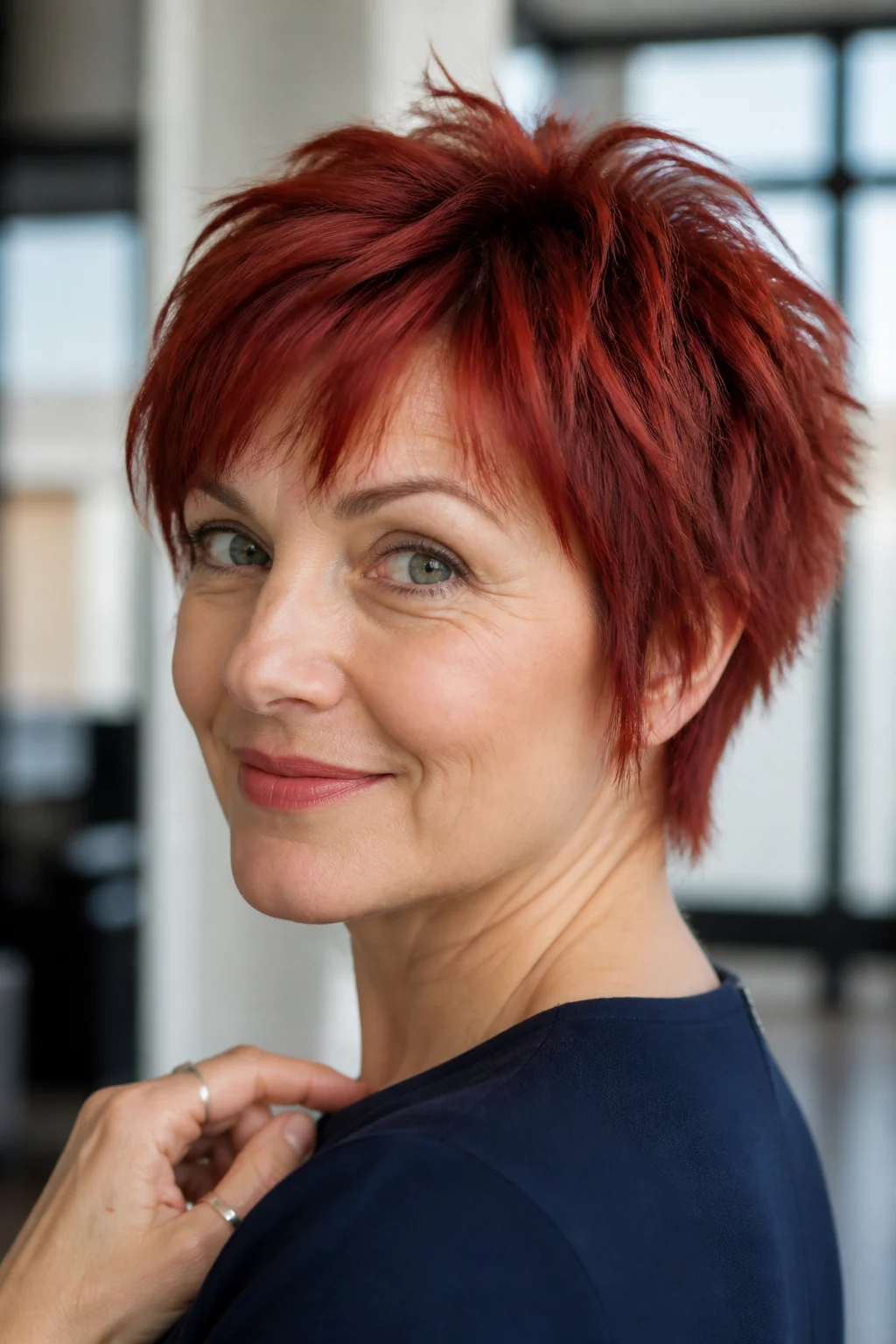
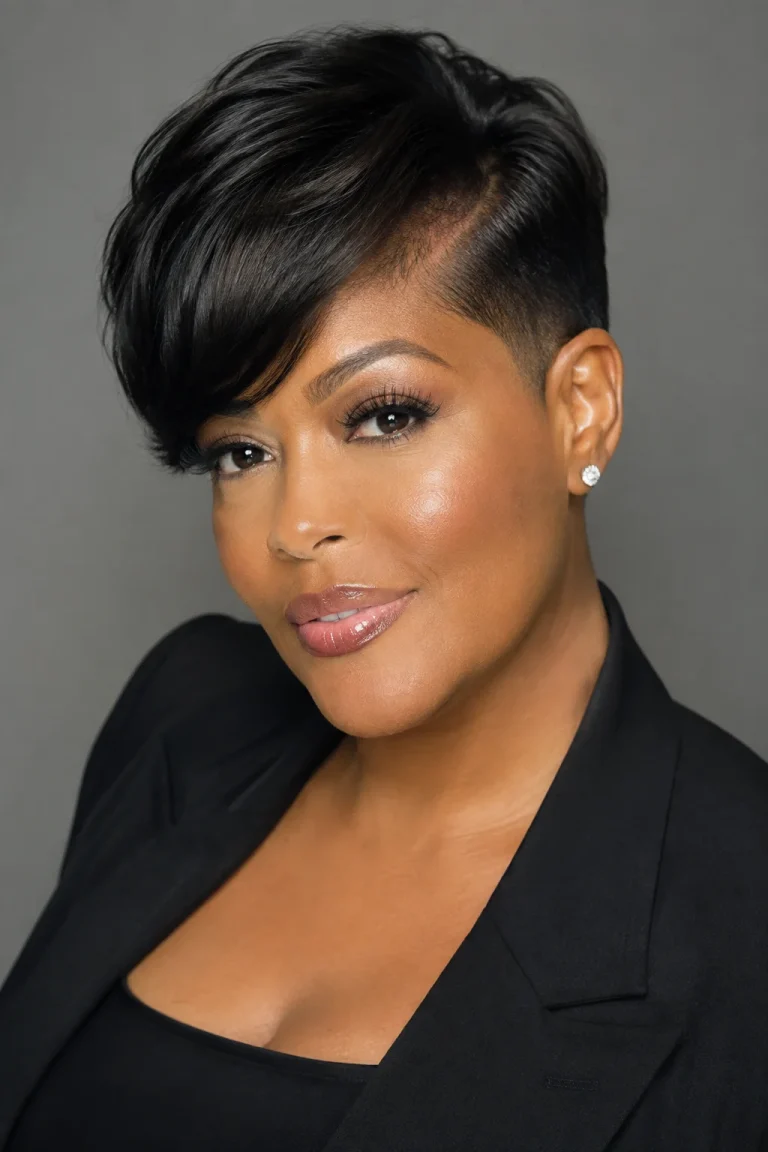
Short on the sides, longer and choppier on top, this crop gives you a bold, low-maintenance shape. The tapering keeps things neat around the ears while the top stays loose and textured enough to style a dozen different ways. It’s a good option if you want short hair that still feels a little edgy rather than tidy and rounded. Tip: scrunch a dime-sized amount of texturizing cream into damp hair and let it air dry for a more relaxed finish.
Choppy Jaw-Length Bob

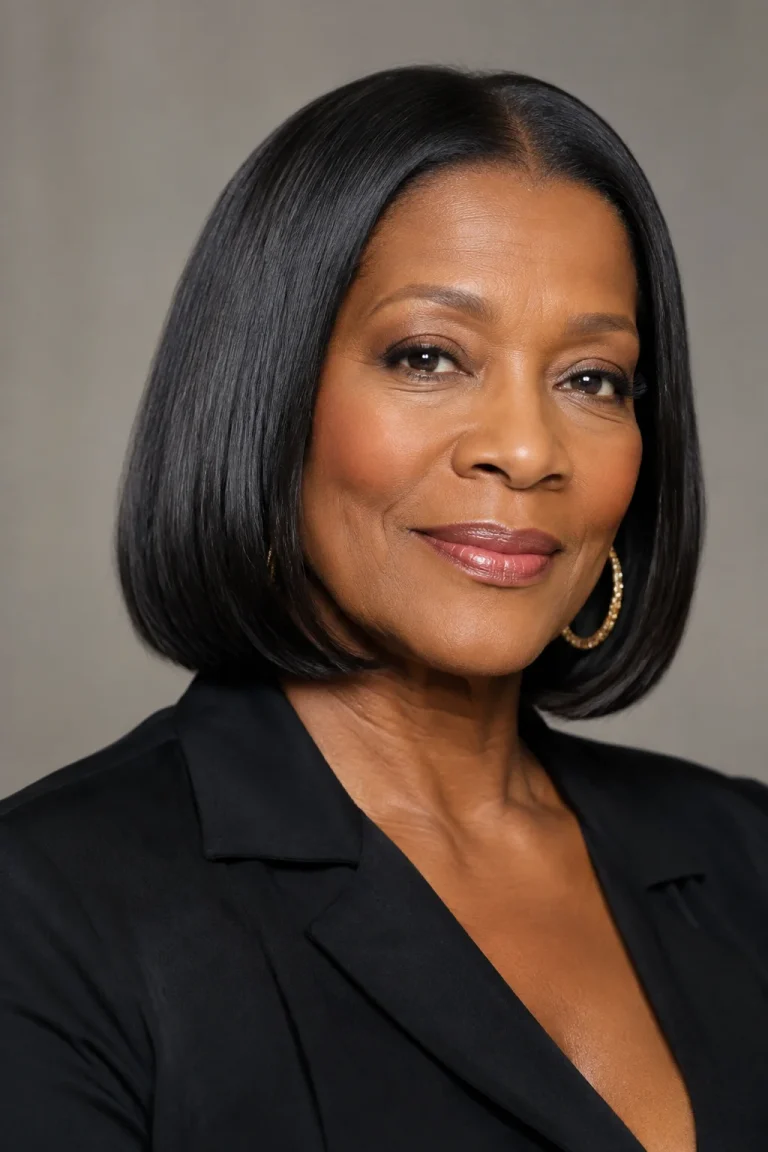
A jaw-length bob with choppy layers hits right at the strongest point of most face shapes, which makes it one of the more flattering short cuts around. The blunt-ish perimeter paired with jagged interior layers keeps the shape from looking too severe or too soft. Fine hair gets a boost of fullness from the layering, while thicker hair loses weight and swings more freely. This length also grows out without leaving an awkward in-between stage, since the choppy ends blend as the hair gets longer. Because it sits right at the jaw, it draws attention to the cheekbones and softens a stronger chin. Most women find they only need a trim every eight to ten weeks to keep the shape sharp.
French-Inspired Choppy Bob

This bob borrows the effortless, undone look often associated with Parisian style, mixed with choppy ends for extra texture. The layers are cut with a razor rather than shears in many cases, which gives the hair a softer, feathered edge instead of a blunt line. Length usually falls between the chin and the collarbone, and a slight bend or wave through the ends completes the look. It pairs naturally with a soft fringe, though it works fine without one too.
Shaggy Layered Bob

The shag brings heavy layering and choppy, piece-y ends to a bob-length cut, and the result reminds me of hair that’s been left to air dry after a day at the beach. Layers start high, sometimes right at the crown, and cascade down in disconnected sections that give the whole style a loose, undone shape. This cut is especially good for women who want volume at the root without teasing or heavy styling, since the layering itself does the lifting. It also handles cowlicks and flat spots better than a single-length bob because the shorter pieces on top break up any stubborn patterns. A shaggy bob looks best with some natural texture, so if your hair is very straight, a loose curling iron or texturizing spray helps sell the look.
Choppy Layered Lob

The long bob, or lob, gets an update here with choppy layers cut through the mid-lengths and ends. Instead of one heavy curtain of hair, you get movement and separation that keeps the length from looking flat or dated. It’s a solid middle-ground cut for anyone not ready to go short but tired of hair that just hangs there. Tip: ask your stylist for point-cutting rather than blunt cutting on the ends to keep the choppy texture from growing out too fast.
Modern Wolf Cut

The wolf cut combines shag layering with mullet-inspired length at the back, and the modern version softens that contrast so it reads as edgy rather than costume-y. Heavy layers through the crown create volume and texture up top, while the back stays a bit longer for shape. It’s a strong pick for thick or wavy hair since the layers need that natural body to really pop, and it tends to look intentional even on days you skip styling.
Medium-Length Choppy Shag

A shag cut at medium length gives you the texture and movement of a shorter shag with a bit more length to work with for ponytails or half-up styles. Layers are choppy throughout, especially around the face, and the ends are often point-cut to keep them from looking too heavy. This length also leaves room for curtain bangs, which pair naturally with the shag’s layered structure. It suits most face shapes since the face-framing pieces can be adjusted in length depending on what you need softened or highlighted. Compared to the shorter shag, this version takes a little more time to style but offers more versatility for updos and second-day looks. I recommend this cut for anyone who wants shag texture without committing to a shorter length.
Long Choppy Layers with Face-Framing Pieces

Long hair can start to feel heavy and shapeless after 50, and choppy layers fix that without sacrificing length. The layering is concentrated around the face and through the ends, while the underneath stays a bit longer to preserve overall length and thickness. Face-framing pieces cut at varying lengths draw the eye up and soften the jawline, which is especially flattering as skin starts to lose some firmness. This cut works on straight or wavy hair alike, though a loose wave brings out the choppy texture even more. Tip: keep regular trims on the schedule even at this length, since choppy layers need fresh edges to avoid looking stringy.
Choosing the Right Choppy Cut for Your Hair and Face Shape
With ten options on the table, picking one comes down to three things: your hair texture, how much time you want to spend styling, and what you want your face shape to do. If you have fine hair and want the most volume for the least effort, the Choppy Layered Pixie or the Tapered Choppy Crop will do more work for you than any longer style. Thick or wavy hair tends to shine in looser, shaggier shapes like the Shaggy Layered Bob, the Modern Wolf Cut, or the Medium-Length Choppy Shag, since the natural texture fills in the layers without extra product.
For anyone torn between short and long, the Choppy Layered Lob and the French-Inspired Choppy Bob sit in a comfortable middle ground, offering movement without a big commitment. If your priority is softening a strong jaw or a longer face, the Choppy Jaw-Length Bob and the Long Choppy Layers with Face-Framing Pieces both place the shortest layers right where they’ll do the most flattering work. A common mistake is choosing a heavily layered style without discussing your natural texture first, since a choppy cut on very fine, straight hair needs a different layering approach than the same cut on thick or curly hair. Bring a photo, but let your stylist adjust the layer placement to your actual hair, not just the picture.