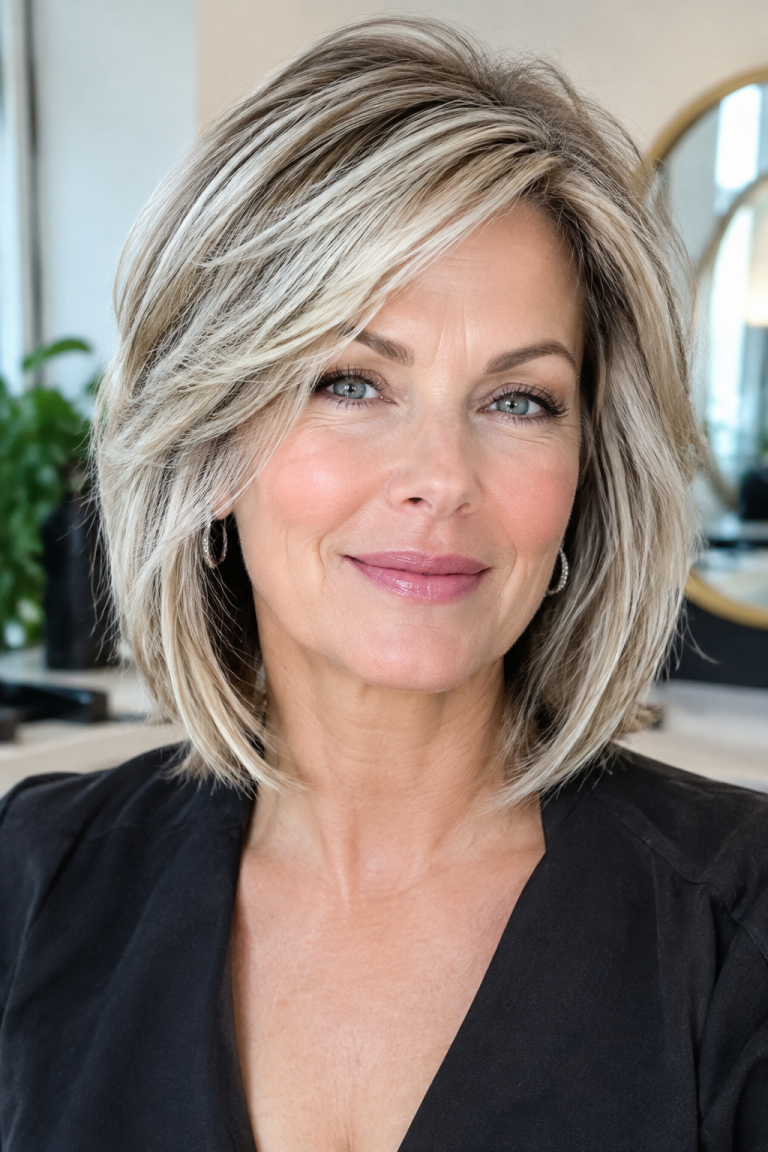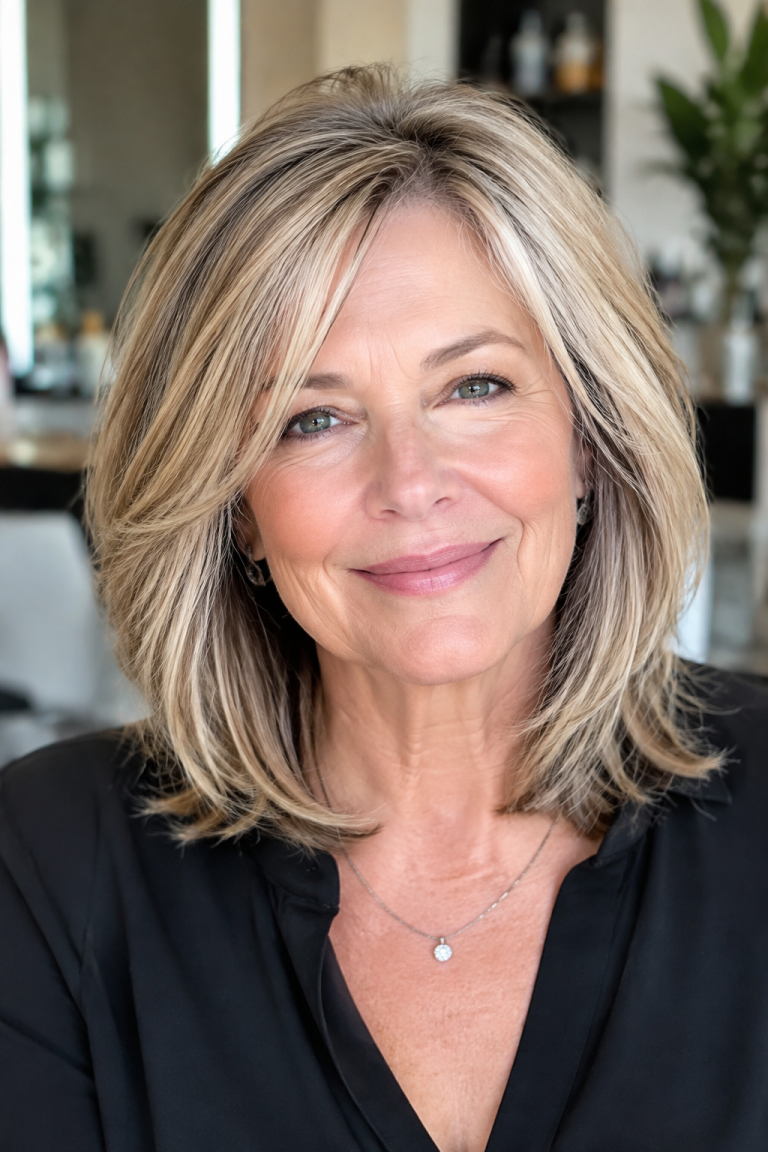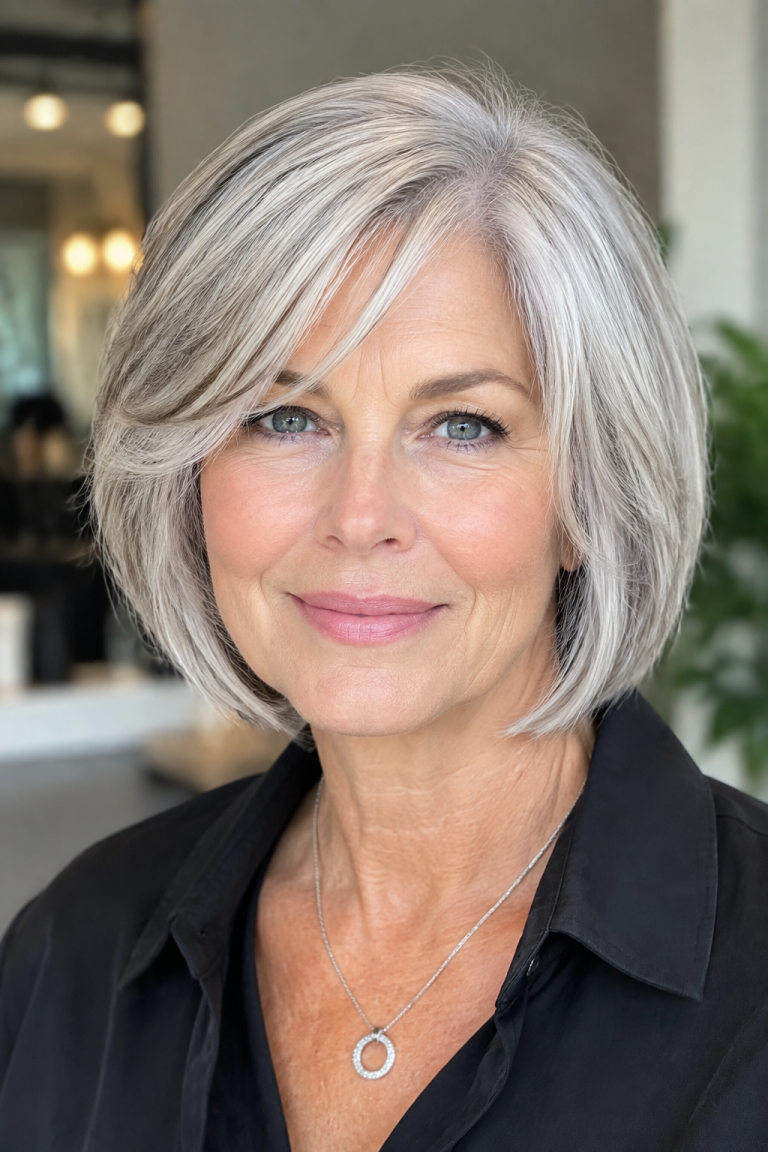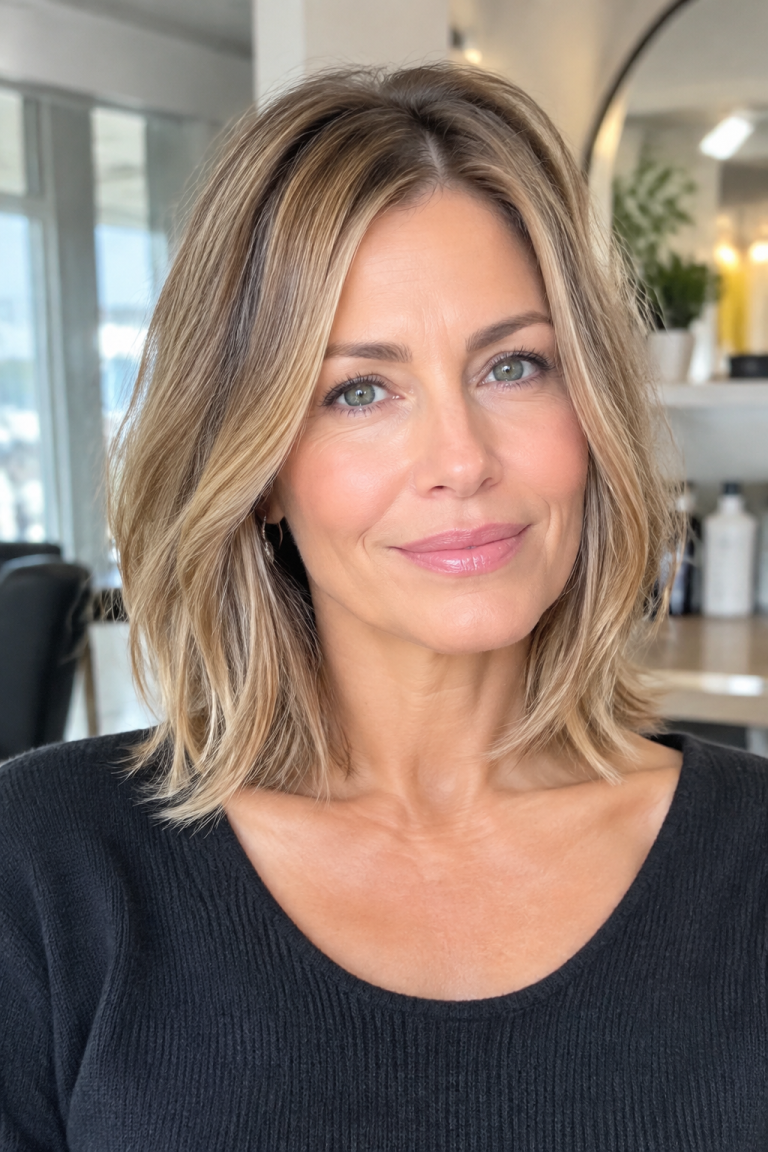
Choosing a new color approach after 50 usually comes down to one question: how do you get brightness and dimension without the upkeep or harshness that so many highlight techniques bring? Soft balayage for women over 50 answers that question directly. It hand-paints color in a way that grows out gently, softens the line between natural and treated hair, and can be adjusted to either blend gray, warm up dullness, or cover completely, depending on what the hair actually needs. The decision gets more specific from here. Skin undertone, face shape, hair density, and how often a person wants to sit in a salon chair all shape what “soft” and “natural” should mean for a particular head of hair. This guide walks through each factor so the final result looks like it grew that way, not like it was applied last Tuesday.
What Makes Soft Balayage Especially Flattering After 50
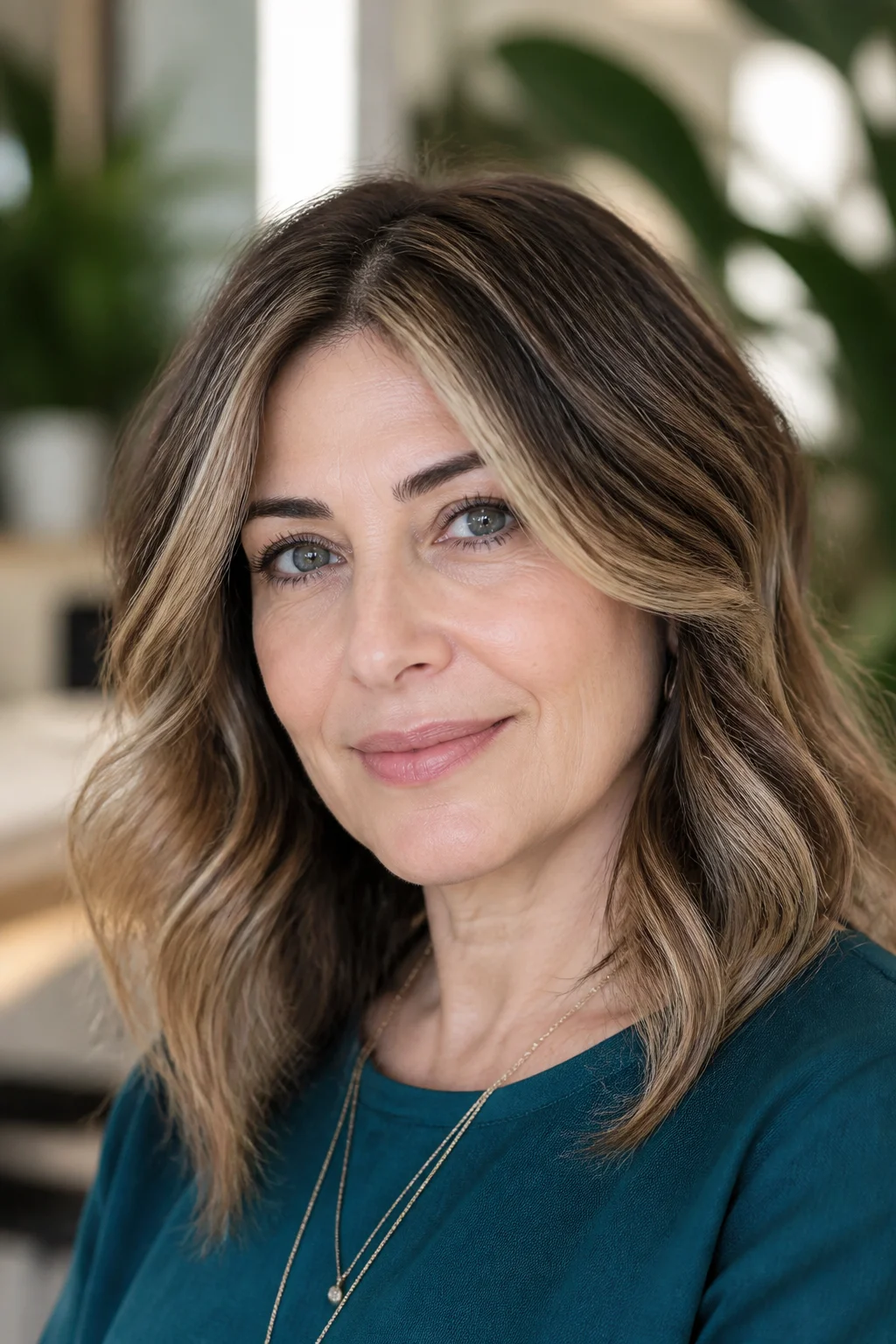
Balayage works with the hair’s natural fall instead of against it. Rather than saturating strands from root to tip in uniform blocks, color is painted in varying intensities, which mimics the way hair lightens naturally from sun exposure. That quality matters more with age because skin tone often softens and hair can thin slightly, and a face benefits from color that adds light near the face without hard contrast. A soft balayage places brightness where it flatters, typically around the front pieces and mid-lengths, while keeping the overall palette close to the natural base. The result reads as healthy and sun-kissed rather than processed. Regrowth is gradual and undramatic, which removes the pressure of monthly root touch-ups that many women find aging in itself, ironically, because visible maintenance schedules can look more dated than a bit of natural regrowth ever would.
Decide Whether You Want Gray Blending, Brightening, or Full Coverage
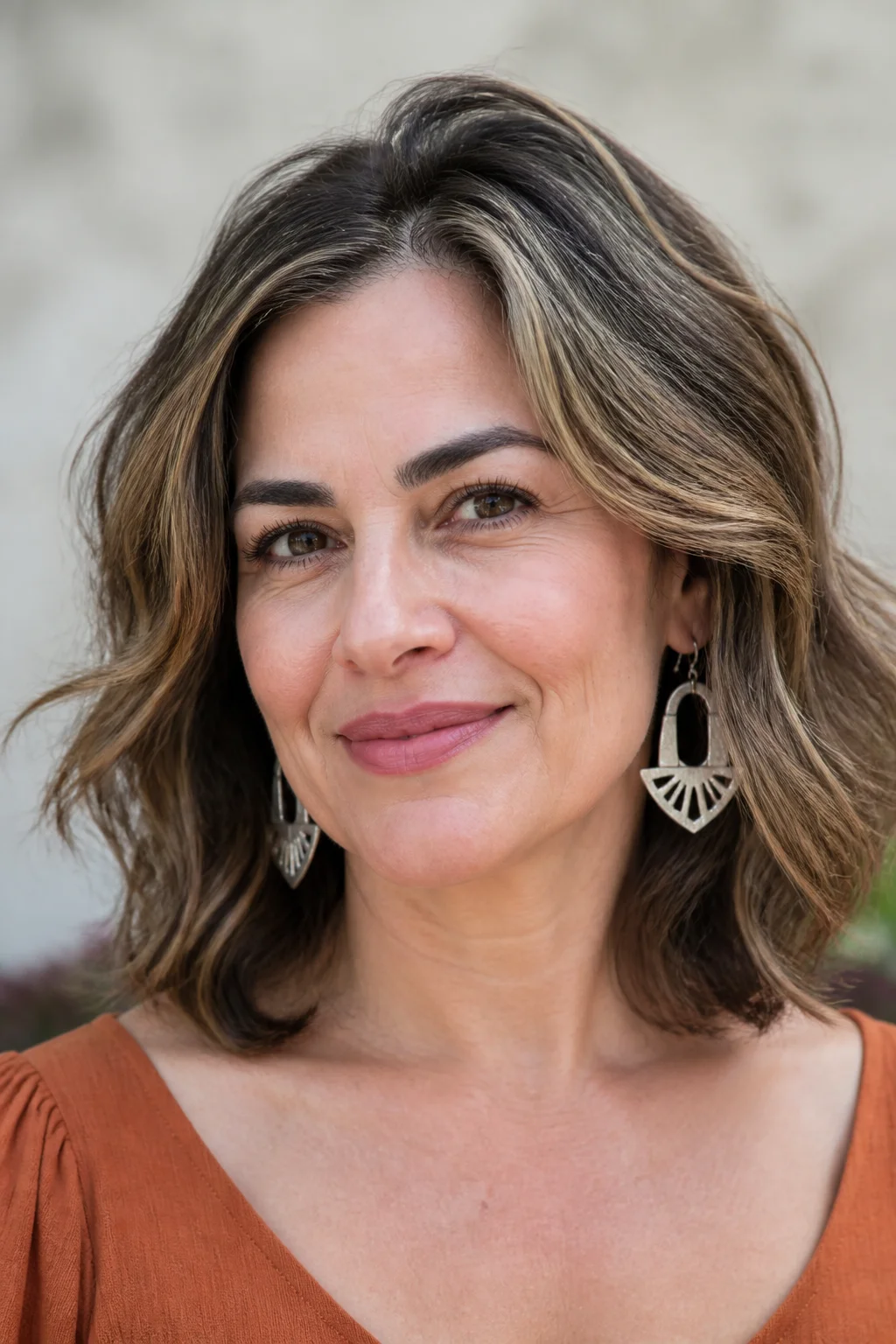
Before any tone or placement gets decided, the hair’s actual starting point needs an honest assessment. Women with 20 to 50 percent gray often do best with a gray-blending balayage, where lowlights and highlights are woven together so the gray reads as a natural highlight rather than something to hide. Those with minimal gray but a lot of tonal dullness might prefer a brightening approach that lifts a few shades without touching the roots heavily, adding light and movement to hair that has simply lost some vibrancy over time. Full coverage suits women whose gray has moved past 50 percent and who want a more uniform base with balayage added purely for dimension on top. Each path uses the same technique but a different formula, so this decision should happen before any tone conversation starts, since it changes how much lightener is used and how often maintenance is needed.
Choose Balayage Tones That Complement Your Skin Undertone
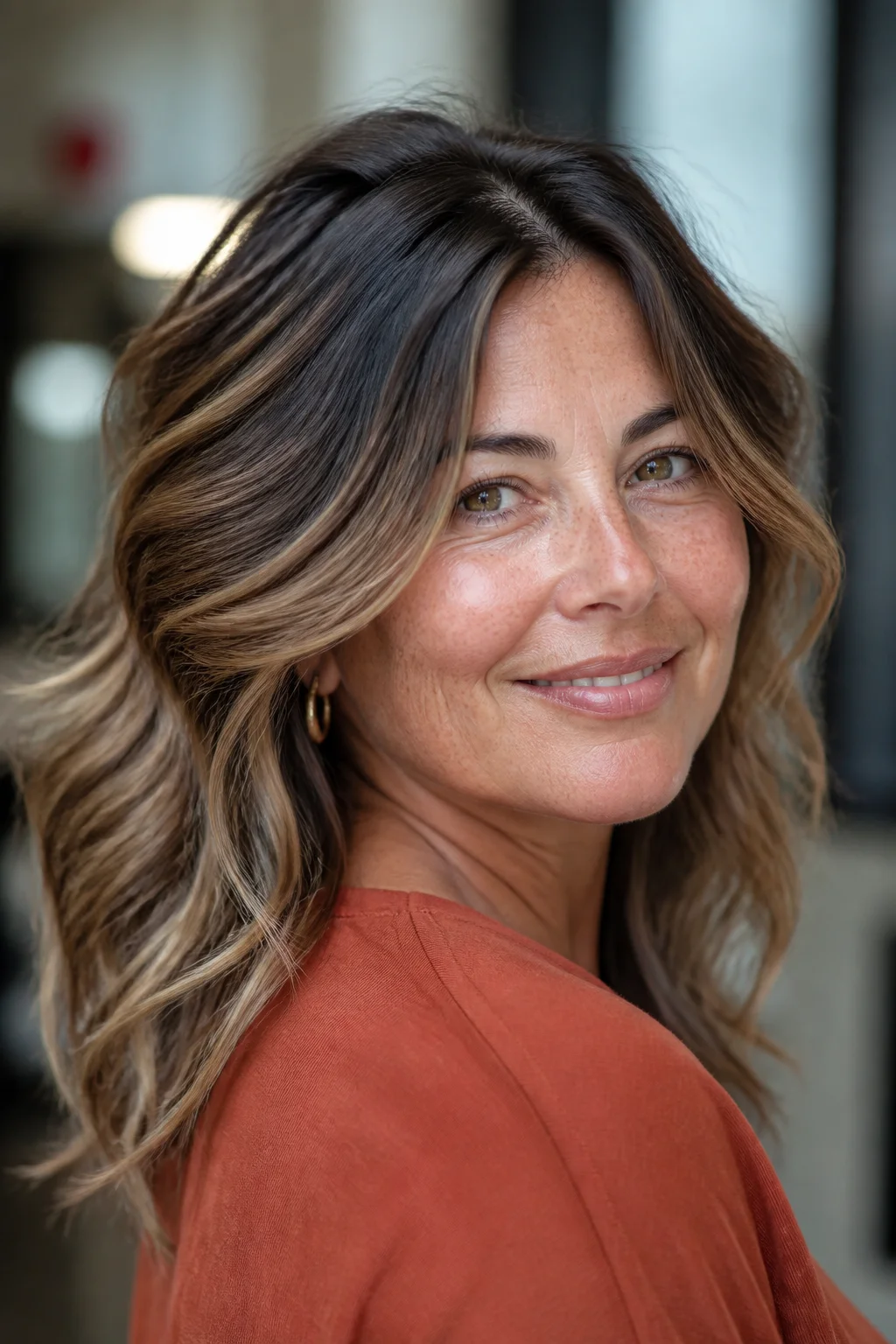
Skin undertone dictates whether warm, cool, or neutral balayage tones will look flattering or will fight against the complexion. Warm undertones, recognizable by golden or peachy skin and hair that has natural red or copper flecks, generally look best with caramel, honey, or warm chestnut balayage. Cool undertones, often paired with pink or blue-toned skin and ashy natural hair, tend to suit beige blonde, cool taupe, or soft ash brown tones instead. Neutral undertones have the most flexibility and can wear a blend of warm and cool tones without much risk. Skin tone can also shift subtly with age, sometimes becoming more neutral or slightly cooler, so a color that worked at 35 may need reassessment at 55. A colorist can check this quickly by holding a few foil swatches near the jawline in natural light, comparing how each one either brightens or dulls the complexion, similar to how a scarf either lifts or flattens the face when held close.
Pick the Most Flattering Placement for Your Face Shape and Hair
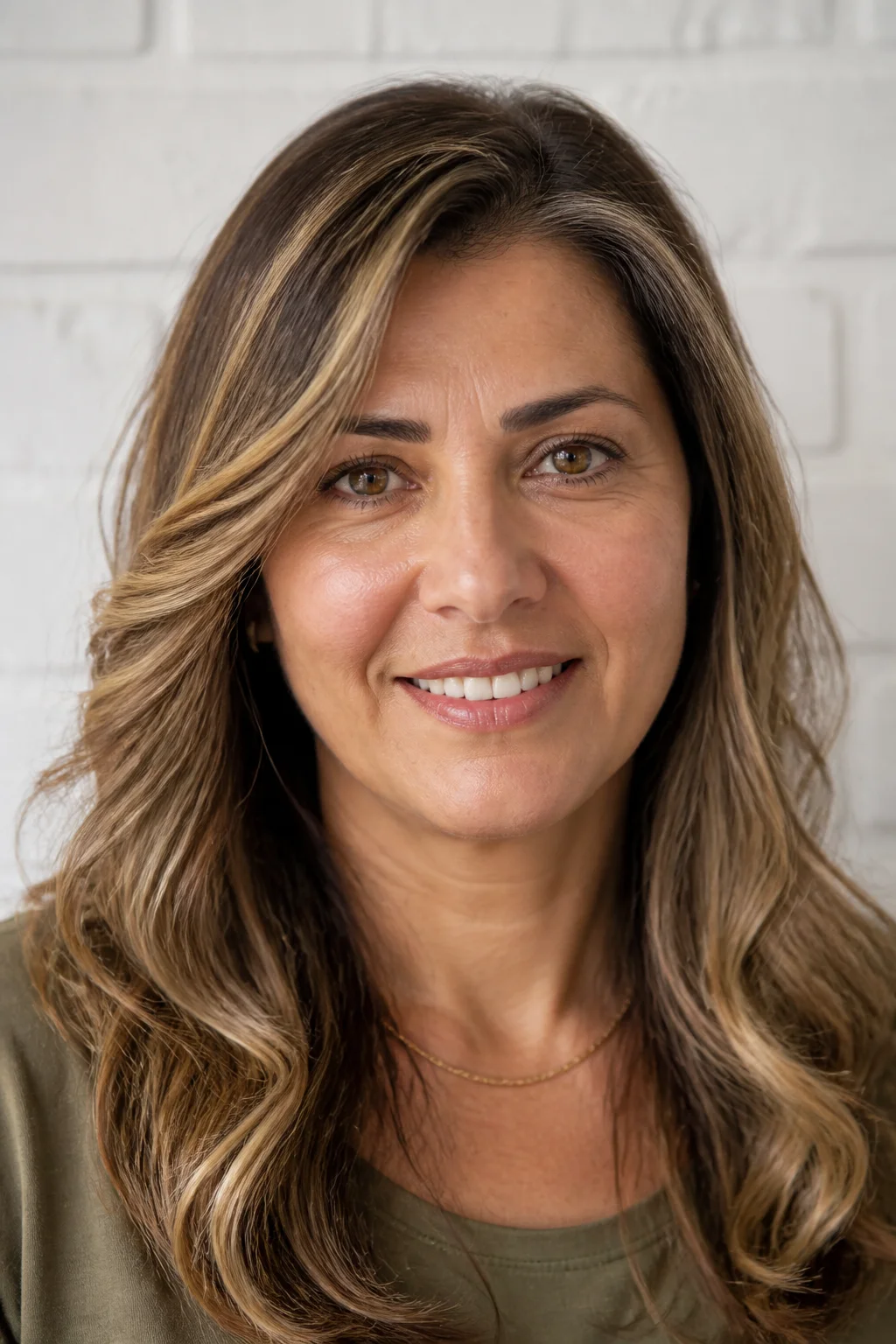
Placement decides where the eye lands first, and that matters as much as the tone itself. Rounder face shapes generally benefit from balayage concentrated near the temples and lengthened along the sides, which creates a slimming vertical effect. Longer or narrower faces often look better with brightness pulled toward the mid-lengths and ends rather than close to the part, since heavy front placement can elongate the face further. Square face shapes tend to soften nicely with balayage that curves around the jawline, breaking up sharp angles. Hair length plays a role too. Shorter cuts need more concentrated placement since there is less length to distribute tone gradually, while longer hair can carry a more diffused, graduated look. A trial run with clip-in strands or a consultation photo overlay can help confirm placement before any lightener touches the hair.
Match the Balayage Technique to Your Hair Texture and Density
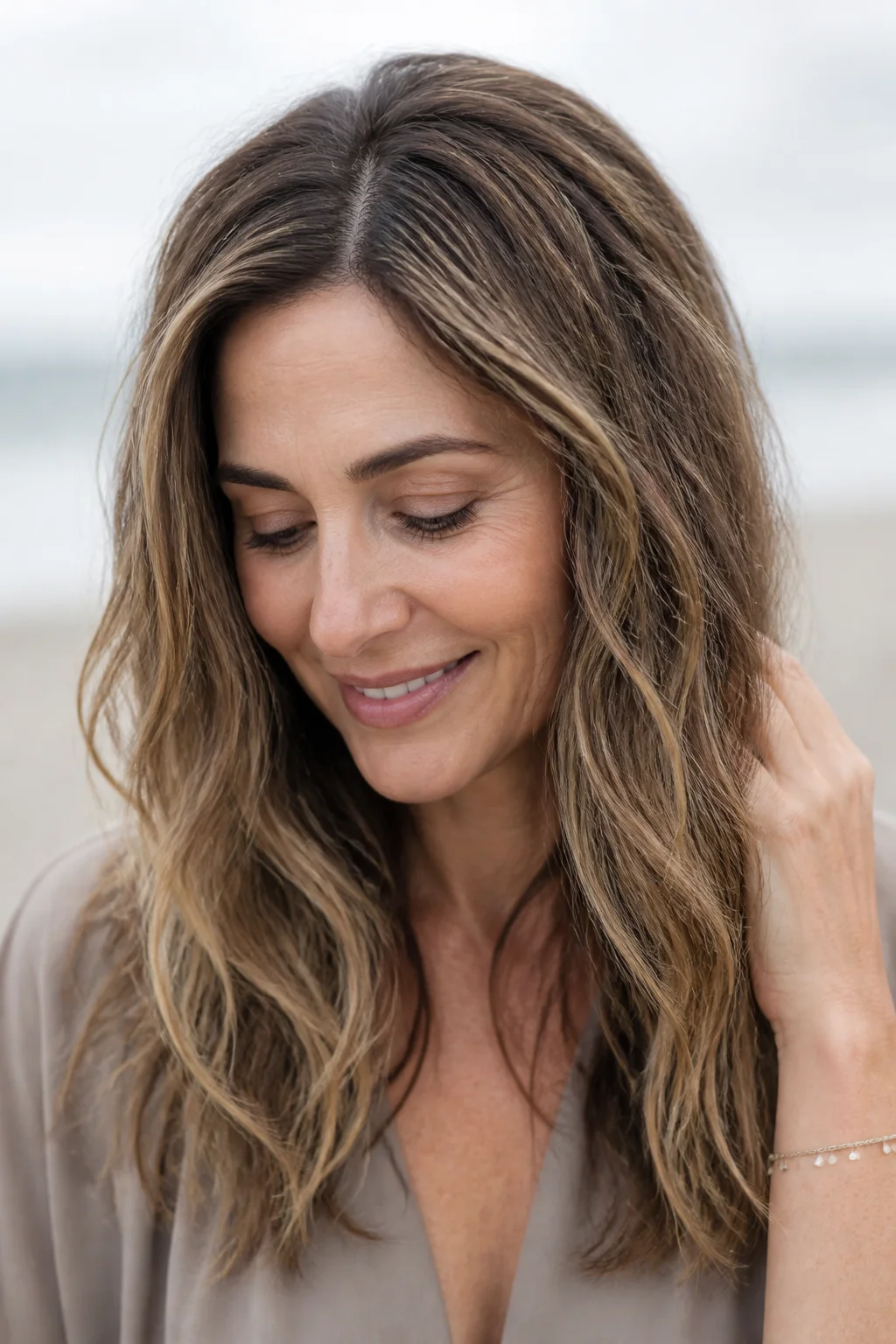
Fine hair, textured hair, and thick hair all take balayage differently, and the technique should adjust accordingly. Fine hair generally looks best with finer, more delicate painting and lower contrast between tones, since heavy chunks of color can look artificial against thin strands and can also emphasize a lack of density. Thick or coarse hair can handle bolder placement and higher contrast without looking overdone, because the volume absorbs the transition more gradually. Curly or wavy textures need balayage applied with the pattern in mind, painting along the curl’s natural bend rather than in straight vertical sections, so the color follows the movement instead of creating odd stripes when the hair dries. Hair that has thinned with age often benefits from lighter pieces placed near the crown and part line specifically, since brightness there can create the visual effect of more volume. A colorist experienced with mature hair textures will usually adjust the painting technique on the spot once they see how the hair behaves when dry.
What to Ask Your Colorist Before Your Appointment
A short pre-appointment conversation prevents most disappointing results. Ask directly whether the proposed tone will blend with existing gray or fight against it, since some formulas that look beautiful on a color chart turn brassy against certain gray percentages. Bring up hair health history, including any recent perms, keratin treatments, or box color, because those affect how lightener processes and how long the balayage will hold its tone. It helps to ask how many foils or hand-painted sections will be used, since a lighter application means a faster, gentler service and often a more natural finish. Request a visual reference, whether a photo or an in-salon color wheel, so both parties are picturing the same result rather than relying on vague descriptions like “not too blonde.” Finally, ask what the regrowth will look like at eight, twelve, and sixteen weeks, since that timeline should match personal tolerance for root contrast.
How to Maintain Soft Balayage Without Frequent Salon Visits
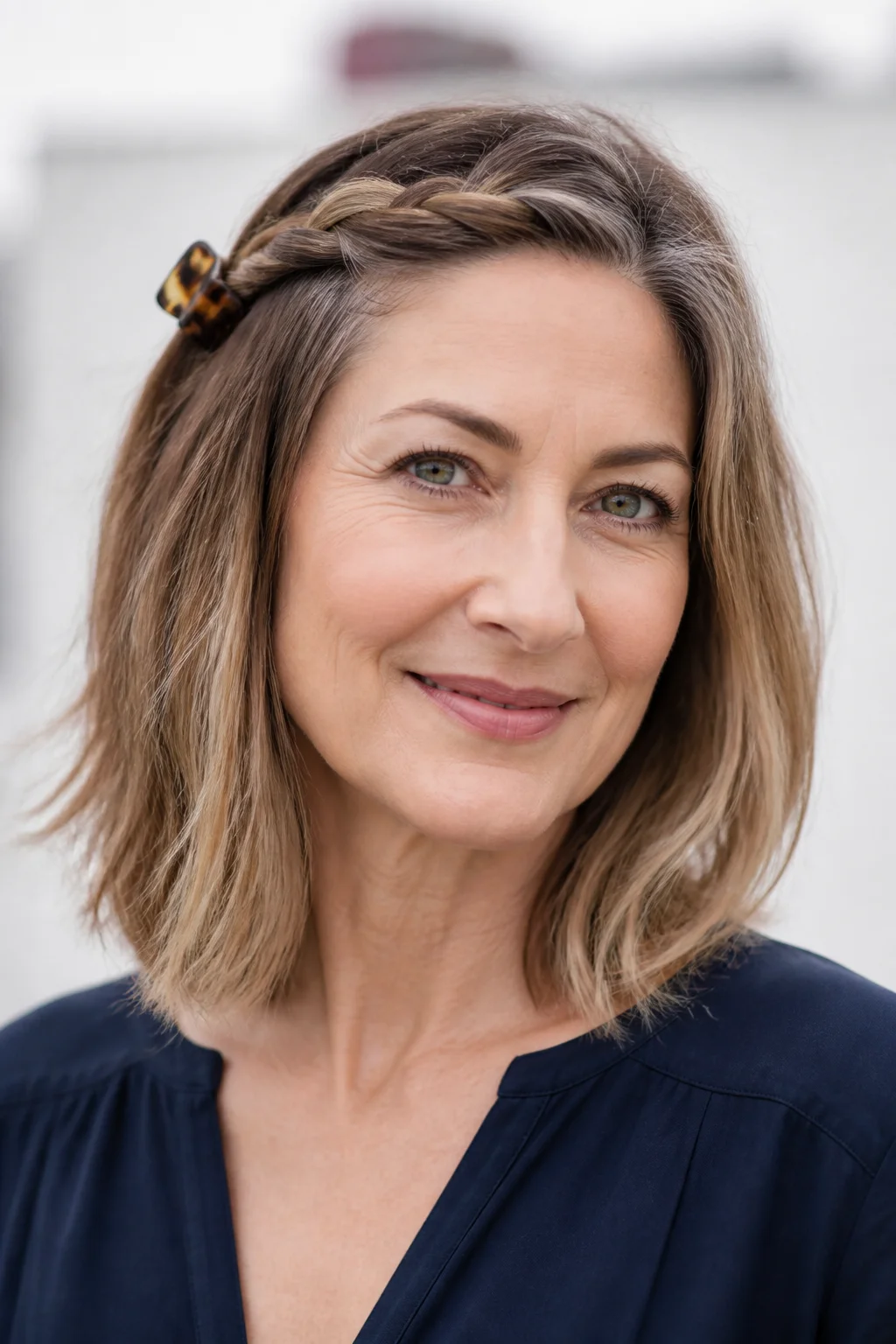
Soft balayage was designed for longer stretches between salon visits, but a few habits extend that timeline even further. Using a sulfate-free shampoo formulated for color-treated hair prevents the fading that strips tone within a few weeks, particularly with cooler shades that fall out of balance quickly. A weekly toning gloss or purple/blue shampoo, depending on the base tone, keeps brassiness from creeping in between appointments. Heat protectant applied before styling reduces the dryness that makes ends look dull and reduces the tone’s vibrancy over time. Scheduling a gloss refresh every eight to ten weeks, rather than a full color service, maintains the balayage’s brightness without reprocessing the entire head. Trims every ten to twelve weeks keep the ends looking intentional rather than faded, since split ends often look lighter and scraggly compared to the rest of the length.
Final Checklist Before Booking Your Appointment
Before committing to a color appointment, a few quick checks help confirm the plan is right. Review the gray coverage decision from the earlier section on gray blending, brightening, or full coverage, and make sure the chosen path matches current gray percentage rather than an outdated assumption. Confirm the tone selected aligns with skin undertone rather than a color simply seen in a magazine or on a friend. Check that placement has been discussed with face shape and hair length in mind, not just tone. Ask the colorist directly how they plan to adjust technique for texture and density, and revisit the list of pre-appointment questions to make sure nothing was left unasked. A few minutes spent on this checklist typically saves several salon visits’ worth of correction later.