Hair can feel harder to manage once it loses fullness, shine, or natural bend. An easy to style inverted bob hairstyle for women over 50 can create shape without demanding a long morning routine. The shorter back lifts the profile, while longer pieces near the face add softness and movement. These cuts work across straight, wavy, curly, fine, and silver hair. Some need only a quick brush and styling cream, while others look best finished with a round brush or diffuser. The right length depends on your neckline, face shape, hair density, and how often you can visit the salon for trims. Below are polished, casual, textured, and low-maintenance options to bring to your stylist.
Classic Smooth Chin-Length Inverted Bob
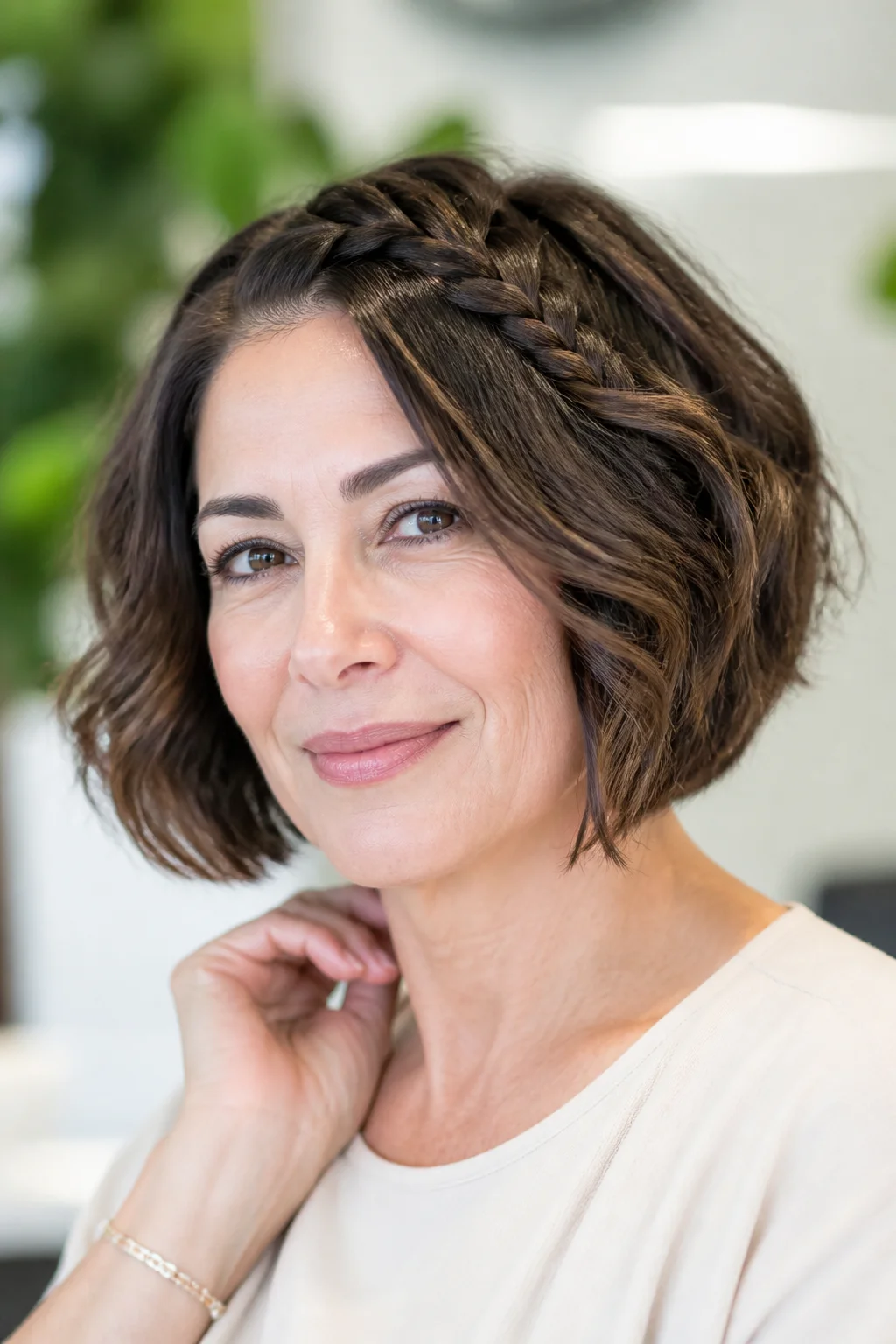
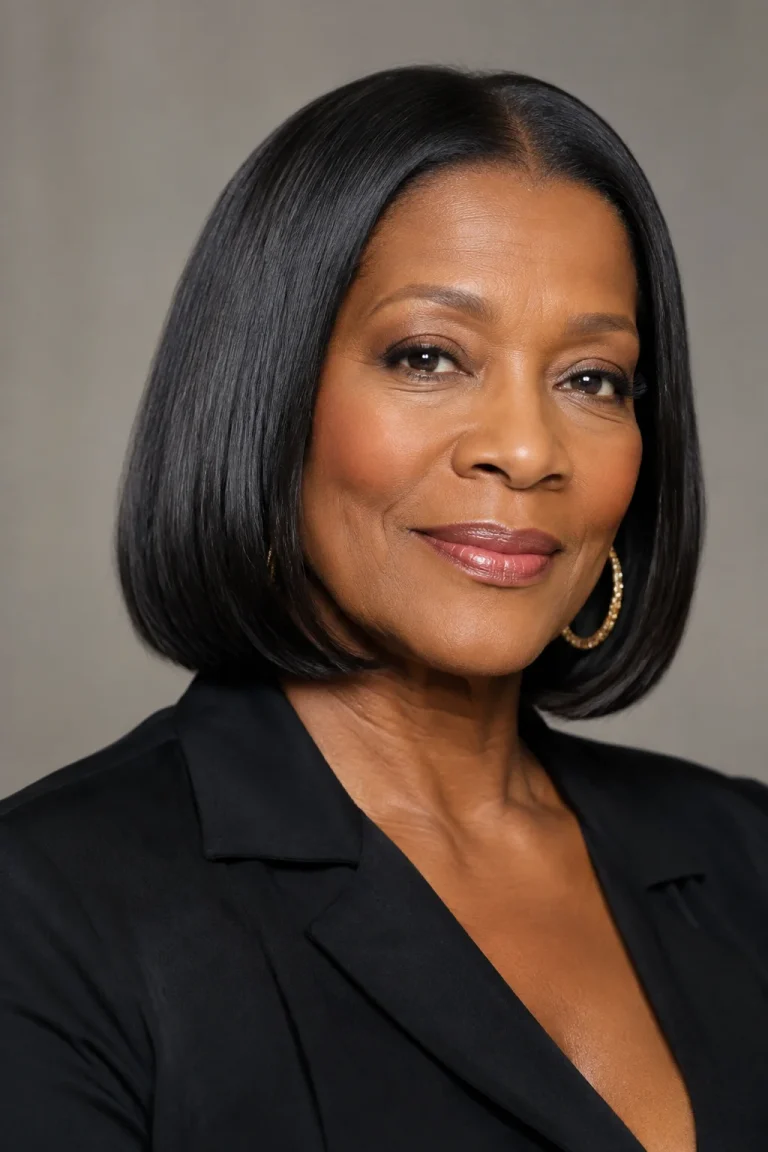
A smooth chin-length shape gives the hair a clean outline while keeping the nape slightly shorter. The gradual angle draws attention to the jaw without feeling severe. Straight hair shows off the neat line especially well, and a soft bend adds gentle movement on top. This style feels like a polished frame around the face, making it strong for work or special events. Smooth a small amount of styling cream onto damp hair, then dry the ends inward with a medium round brush.
Collarbone-Length Inverted Lob
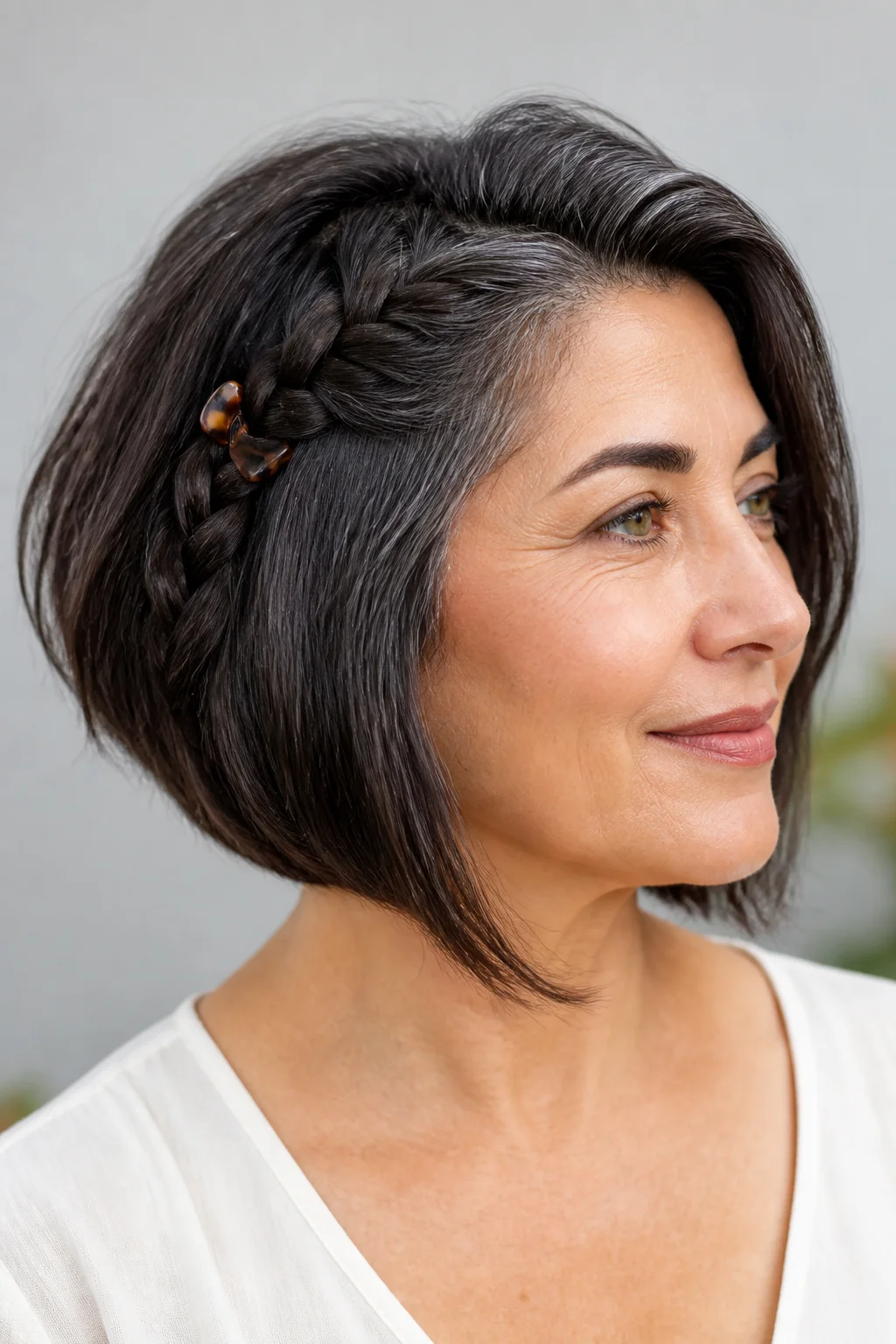
The collarbone-length inverted lob offers extra coverage for anyone not ready for a short cut. Longer front pieces skim the shoulders while the stacked back keeps the shape lifted. A center part gives a modern finish, and a side part builds fullness at the roots. This length makes it easier to pull the hair into a low ponytail on busy mornings. Ask for a gentle angle rather than a dramatic slope if you want a softer change, and know that a flat iron can polish the ends without losing appeal when worn with natural texture.
Short Stacked Inverted Bob With Crown Volume
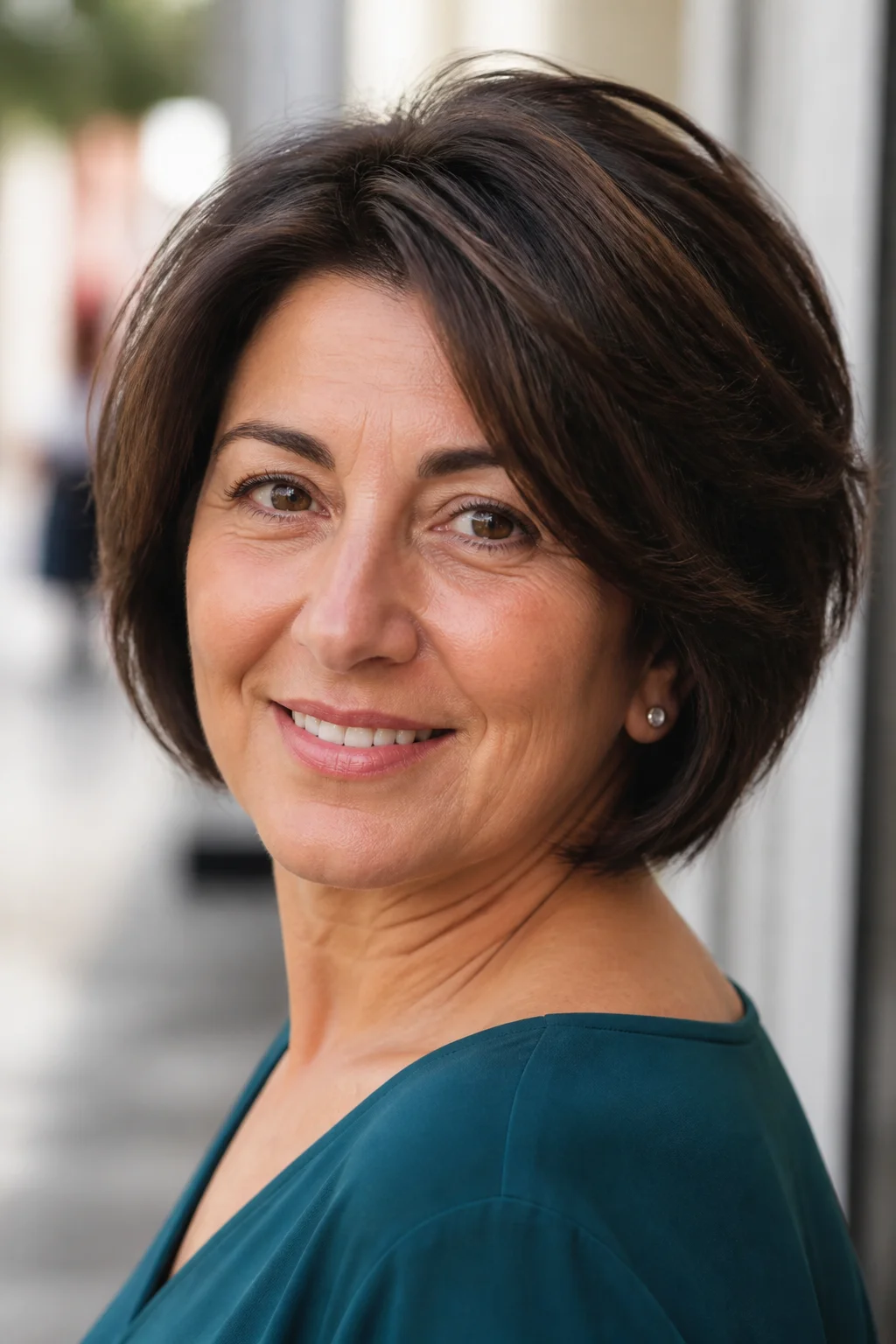
Short stacking at the back creates visible lift without heavy teasing. The crown stays full, and the sides stay close to the cheek area for a tidy outline. Layers placed through the back help fine hair appear denser. This cut suits anyone who wants a finished shape that dries fairly quickly. Use a lightweight root foam before blow-drying to keep the crown from falling flat, and skip heavy oils near the roots since they weigh down the airy effect.
Tapered Boyish-Nape Inverted Pixie Bob
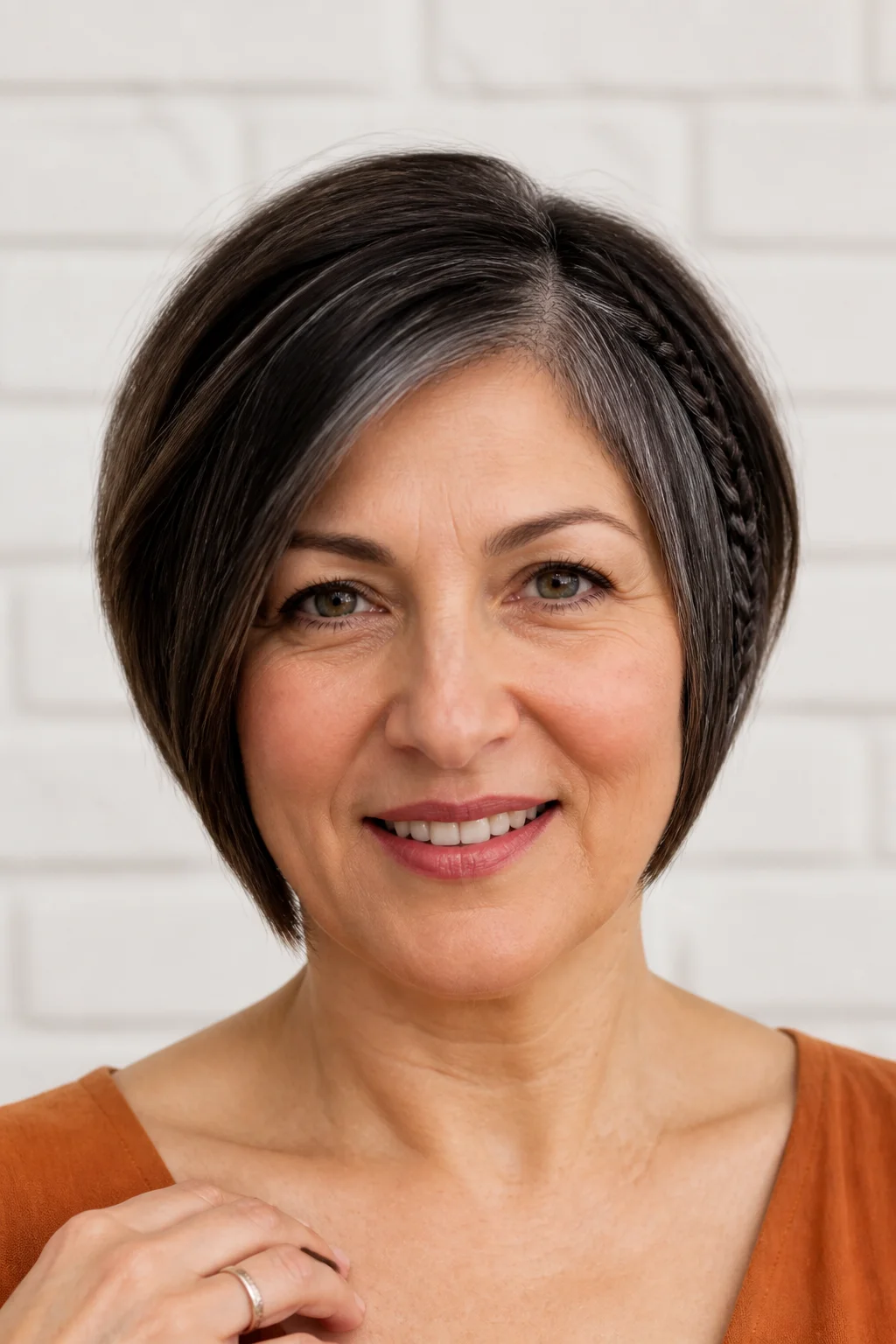
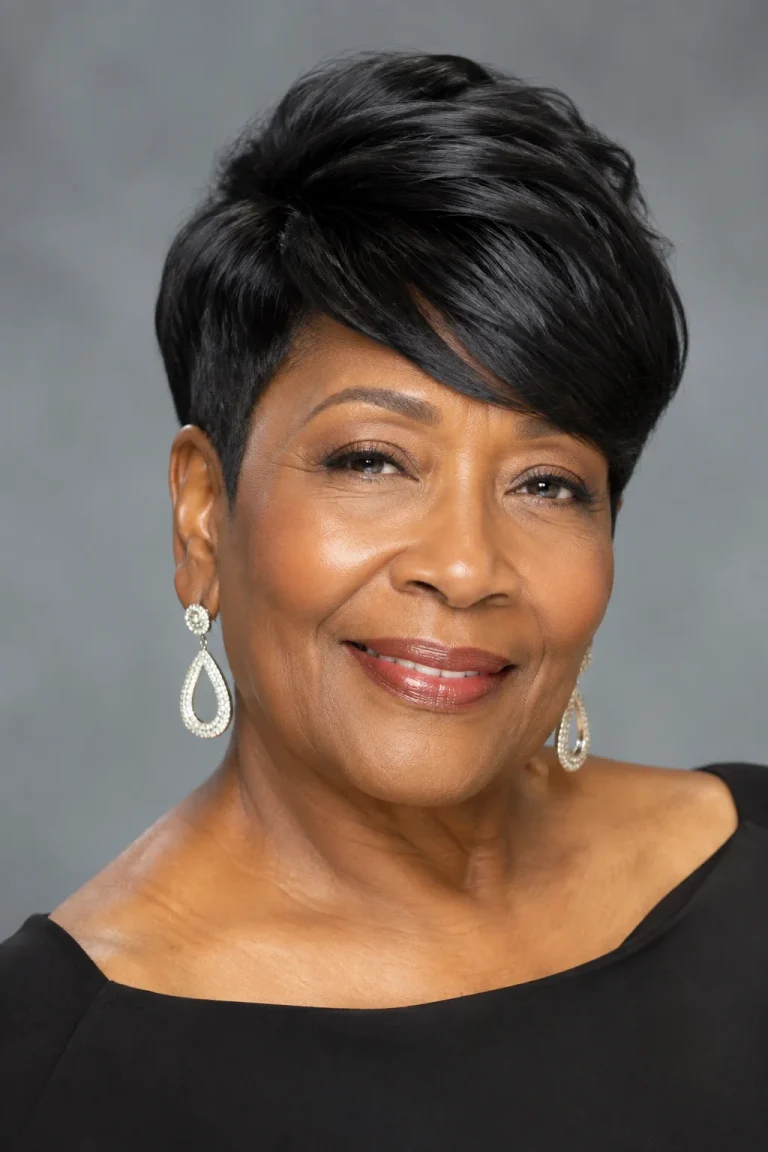
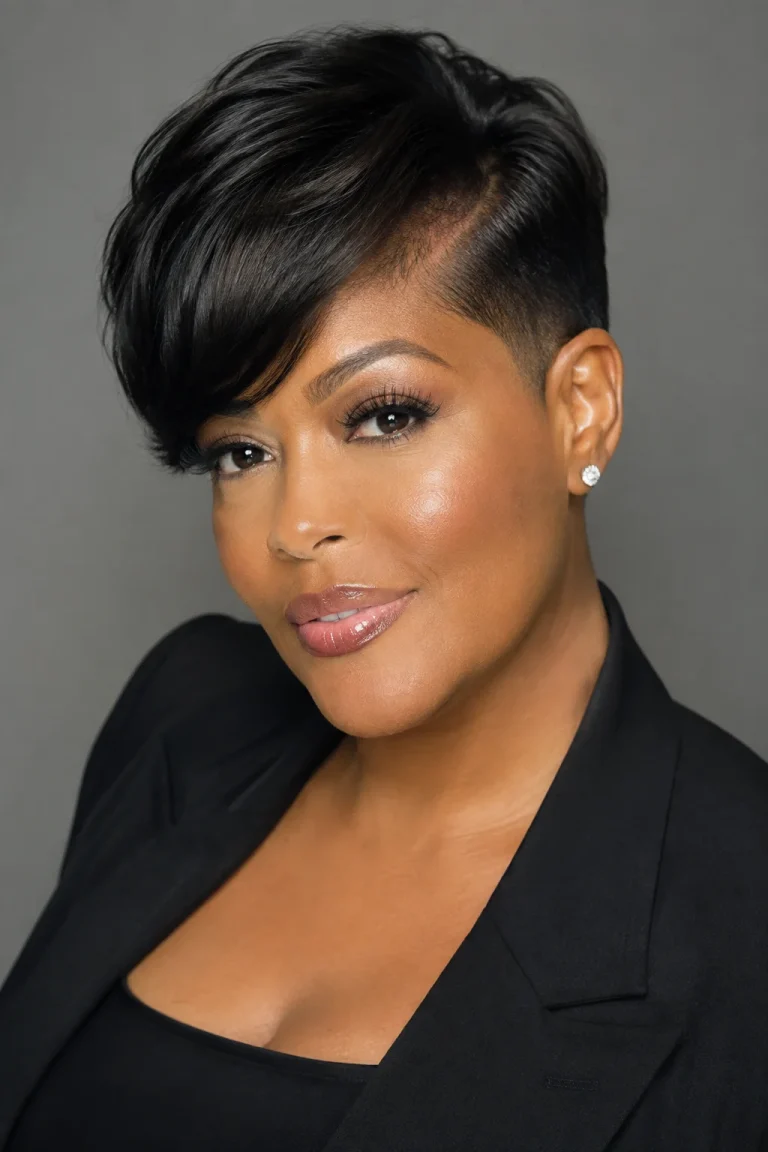
A tapered boyish nape gives this pixie bob a neat, close finish at the back of the neck. The top and front stay longer, so there is still enough length to brush forward, sweep aside, or tuck behind one ear. It looks like a soft blend of a pixie and a bob rather than a fully cropped cut. The shape works especially well for thick hair that feels bulky around the neckline, and a small dab of styling paste can separate the ends without leaving the hair stiff.
Asymmetrical Inverted Bob With Deep Side Part
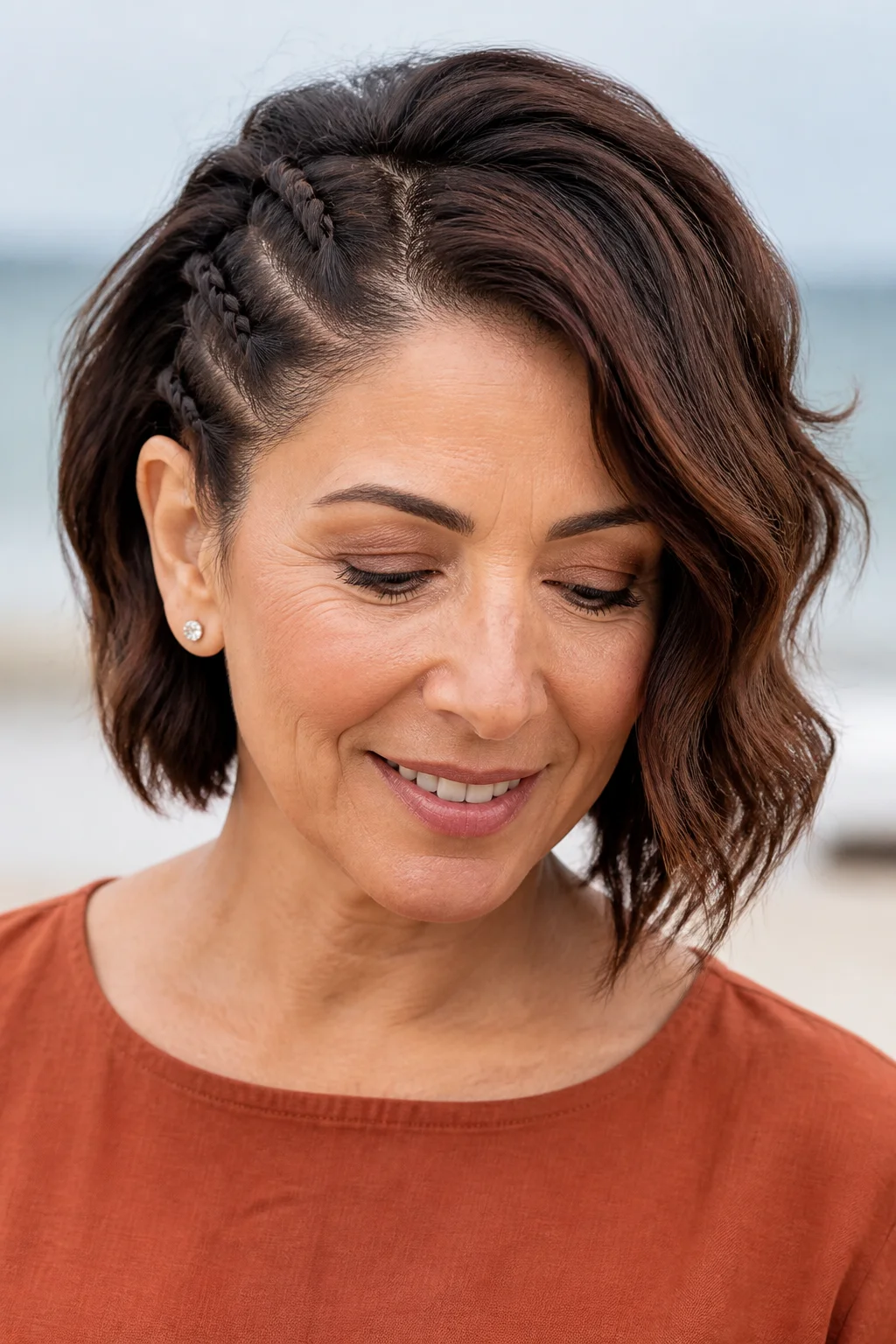
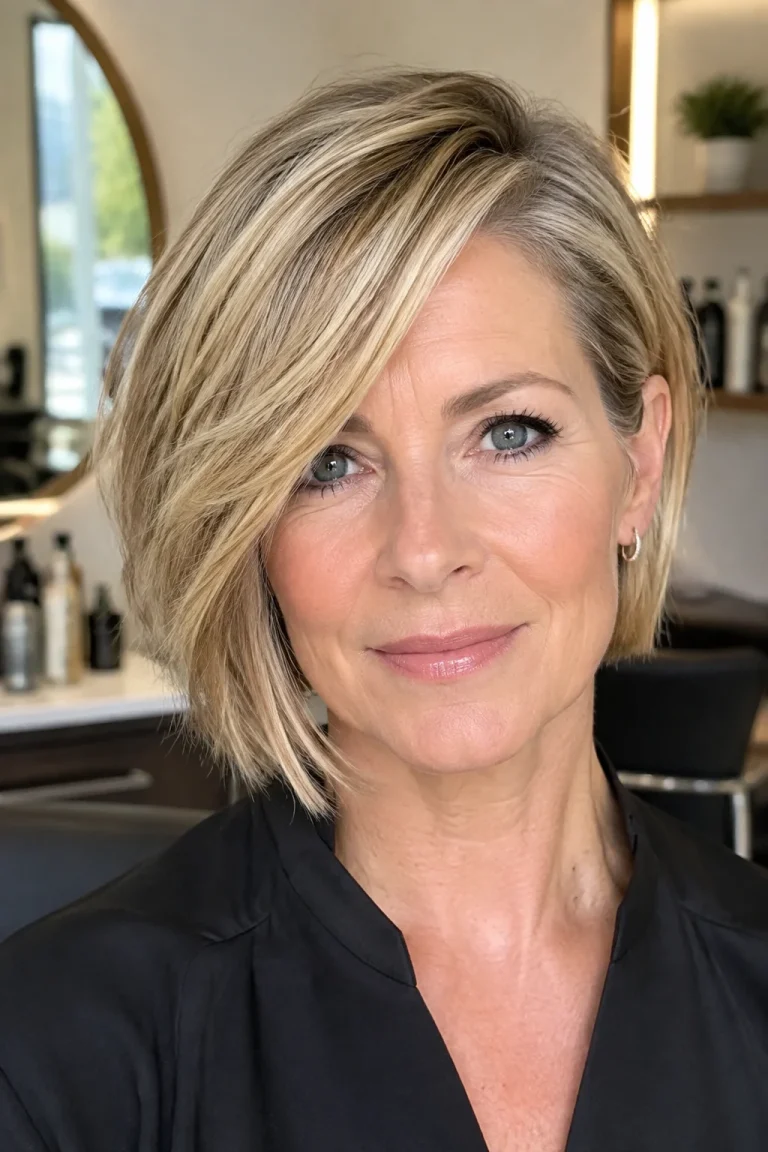
An asymmetrical bob adds personality through uneven front lengths. One side falls longer toward the collarbone while the shorter side exposes more of the cheek and neck. The deep side part gives the crown extra height and makes the whole style feel more dramatic, offering a flattering way to shift attention across the face. Have the longer side cut with enough weight to sit smoothly instead of flipping outward. This haircut can be worn sleek for a sharper finish or lightly tousled for something more relaxed, and regular shaping keeps the asymmetry clear as the hair grows out.
Blunt-Edged Geometric Inverted Bob
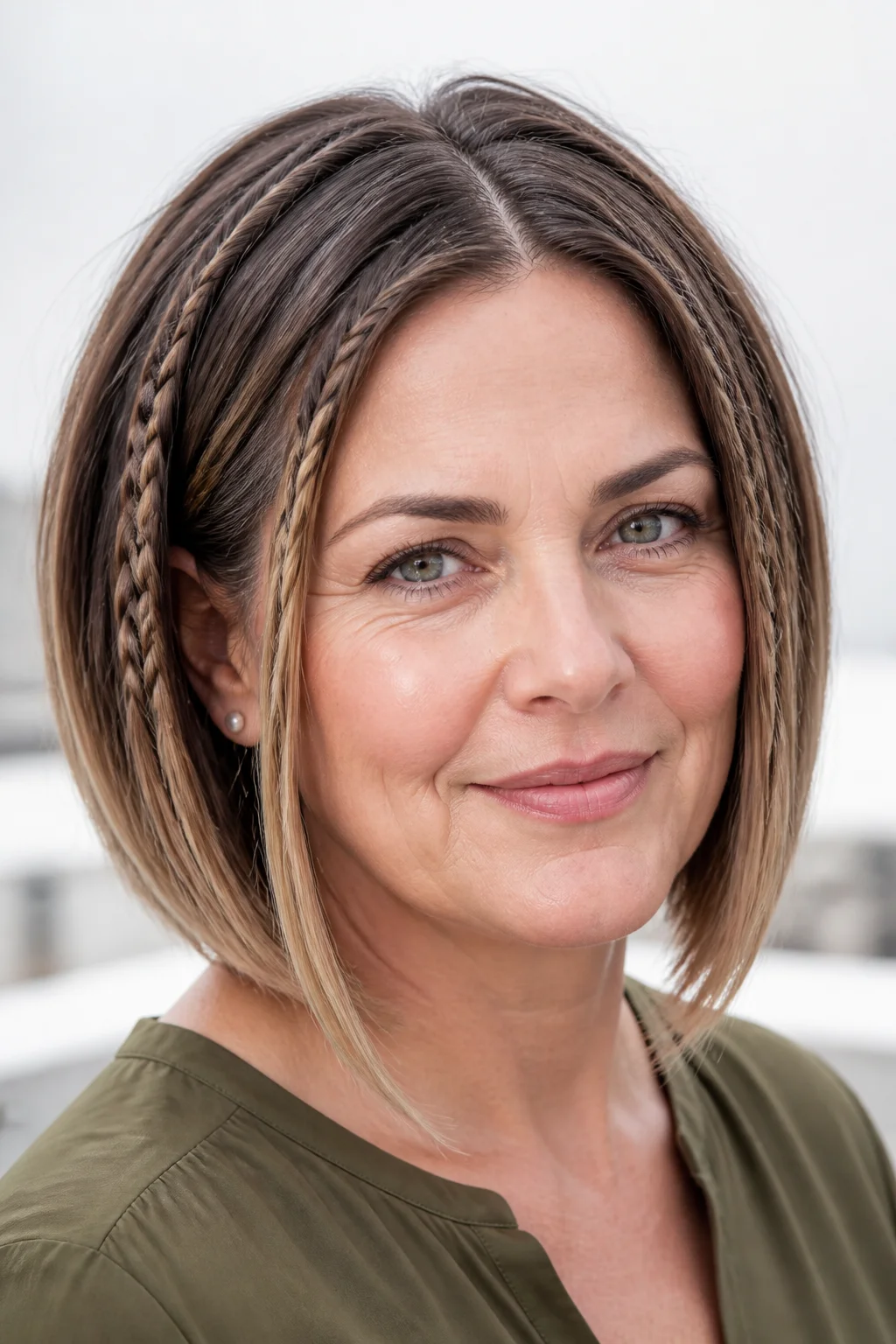
A blunt edge gives the inverted bob a bold, graphic outline. The back rises in a clean line while the front holds a strong, polished angle. This cut works best on straight or gently wavy hair that can show the edge clearly, and it creates visual thickness at the perimeter, which benefits hair that looks thin at the ends. Keep styling simple with a smooth blowout and a light shine spray. Heavy layering can weaken the geometric effect, so ask for precise shaping around the lower edge.
Airy Layered Inverted Bob for Fine Hair
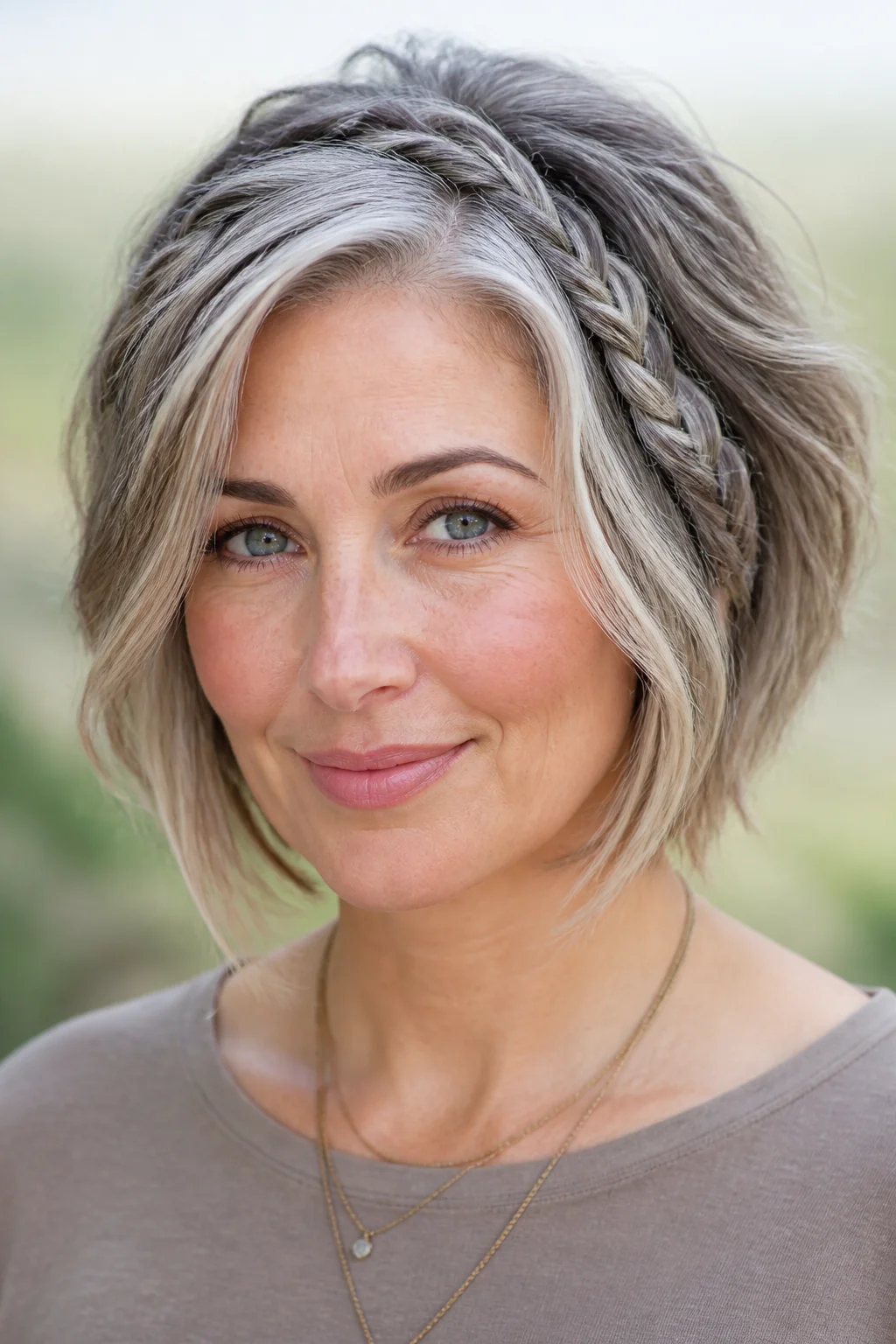
Fine hair often benefits from layers that add lift without stripping away too much weight. This airy inverted bob uses shorter pieces at the crown and soft graduation through the back. The result reminds me of a light, feathered shape that moves instead of sitting in one solid block. Longer front sections help keep a graceful outline around the face. Avoid very short layers if your hair is delicate or sparse near the crown, and ask your stylist to leave enough fullness at the ends so the haircut does not look wispy. A volumizing mousse can help the roots rise while a soft brush directs the front pieces into place, and keep the finish touchable rather than stiff for the most natural result.
Choppy Shag-Layered Inverted Bob
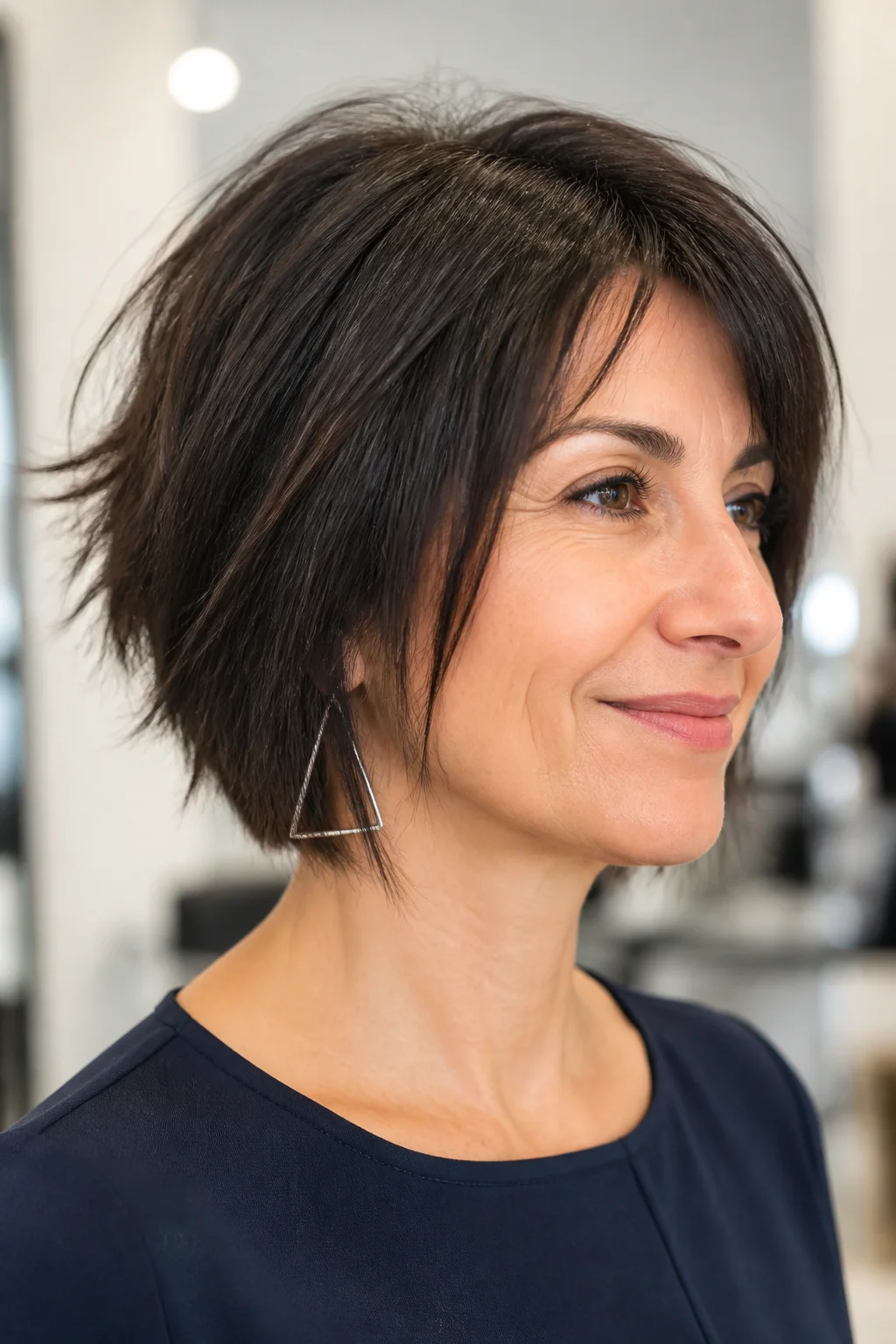
Choppy shag layers give the inverted bob a casual, broken-up texture. The back still holds a lifted shape, but the ends are softened so the haircut never looks too formal. This style suits medium to thick hair and can lighten the feeling of heaviness around the sides, growing out with a relaxed look along the way. Scrunch a small amount of mousse into damp hair and let the layers air-dry when possible. A few loose pieces around the face can make the haircut feel fresh without much effort.
French-Style Inverted Bob With Micro Bangs
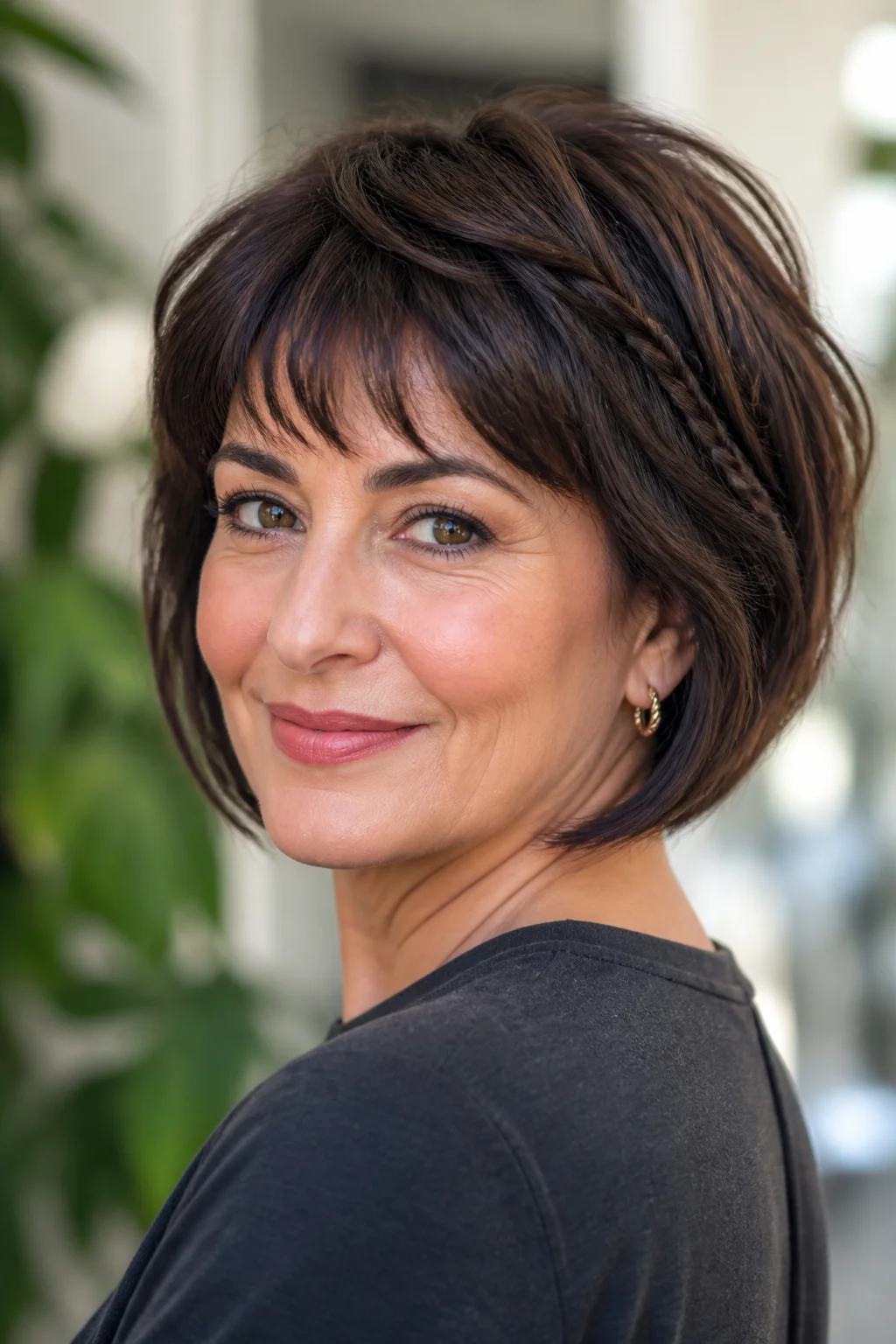
Micro bangs create a distinctive French-inspired finish when paired with a gently angled bob. The fringe sits above the brows, opening up the eye area and drawing attention to the cheekbones. The shorter back gives the cut a lifted profile while the front stays soft and rounded. This shape suits anyone who does not mind regular bang trims. Dry the bangs side to side with your fingers before the rest of the hair dries, which helps prevent a strong part from forming. A tiny amount of styling balm can keep the fringe smooth, and if you prefer less upkeep, ask for a slightly longer version that can grow into a soft brow-length fringe.
Inverted Bob With Long Side-Swept Bangs
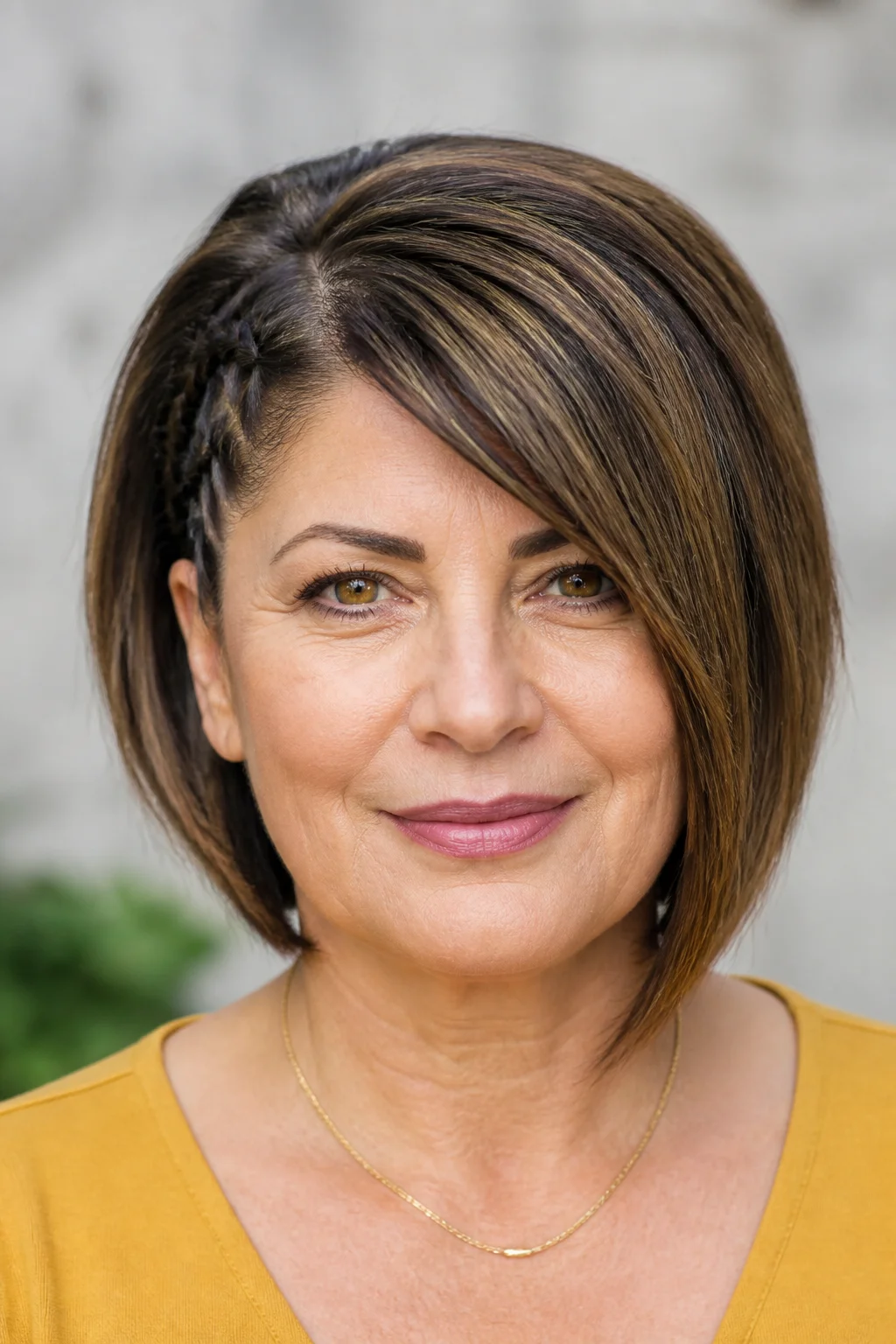
Long side-swept bangs blend easily into the longer front of this bob. They soften the forehead and can be moved from one side to the other as the hair grows. The style is similar to a classic side-parted bob, but the angled back gives it more lift and shape overall. It works well on straight, wavy, or lightly layered hair. Direct the bangs across the forehead while blow-drying, then curl the ends away from the face for more movement, keeping the fringe long enough to tuck behind the ear between trims.
Inverted Bob With Face-Framing Curtain Bangs
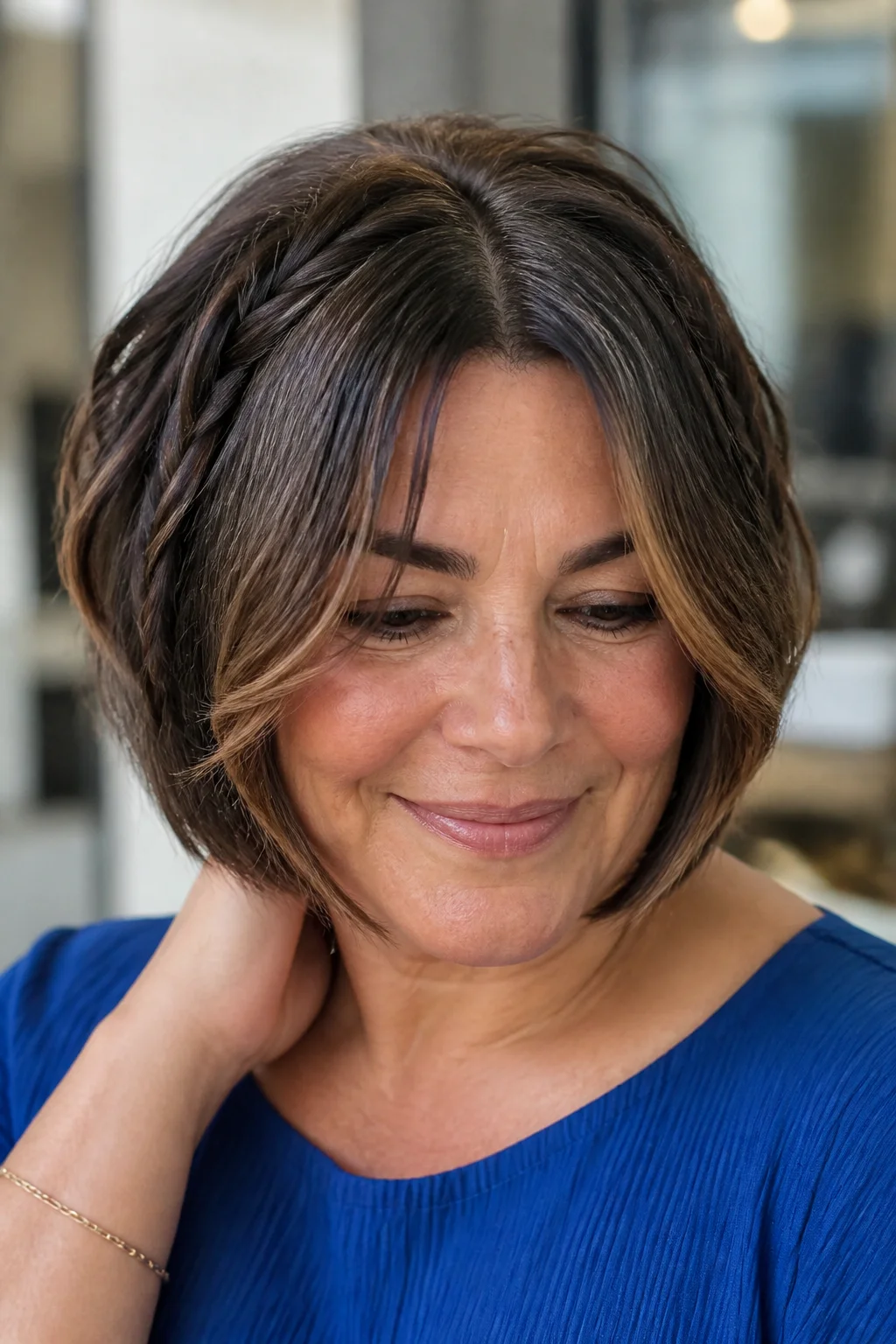
Curtain bangs split near the center and sweep toward the cheekbones. They create a soft transition between the shorter back and the longer front of the bob. The face-framing pieces can make the haircut feel lighter without removing much length, which suits anyone who wants bangs that blend into the rest of the style. Use a round brush to lift the bangs at the roots and guide each side away from the face. A center part highlights the curtain shape, while a slightly off-center part gives a fuller appearance. The layers near the cheeks should be blended carefully so they never look disconnected, and ask for enough length to tuck the pieces behind your ears for a light styling cream that can control flyaways while keeping the fringe flexible.
No-Fringe Inverted Bob With One-Ear Tuck
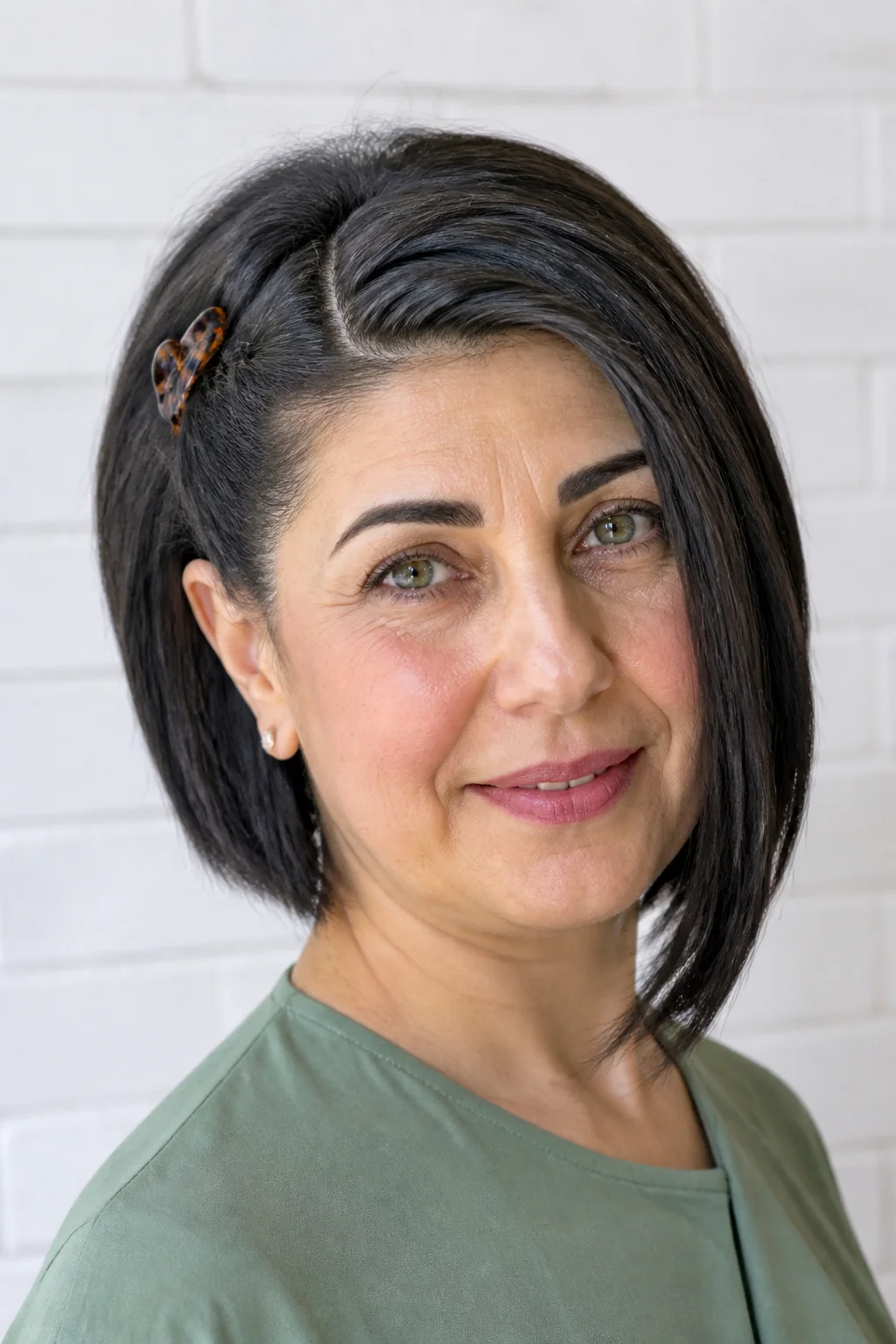
A no-fringe design keeps the forehead open and places attention on the cheek and jaw area. The angled front can be worn loose on both sides or tucked behind one ear for an easy change. The one-ear tuck adds asymmetry without requiring an uneven haircut, which makes it simple for anyone who does not want bangs. Apply a little smoothing lotion to the longer front pieces before drying. Tucking only one side creates a polished shape while leaving the other side loose for softness.
Soft Wavy Inverted Bob
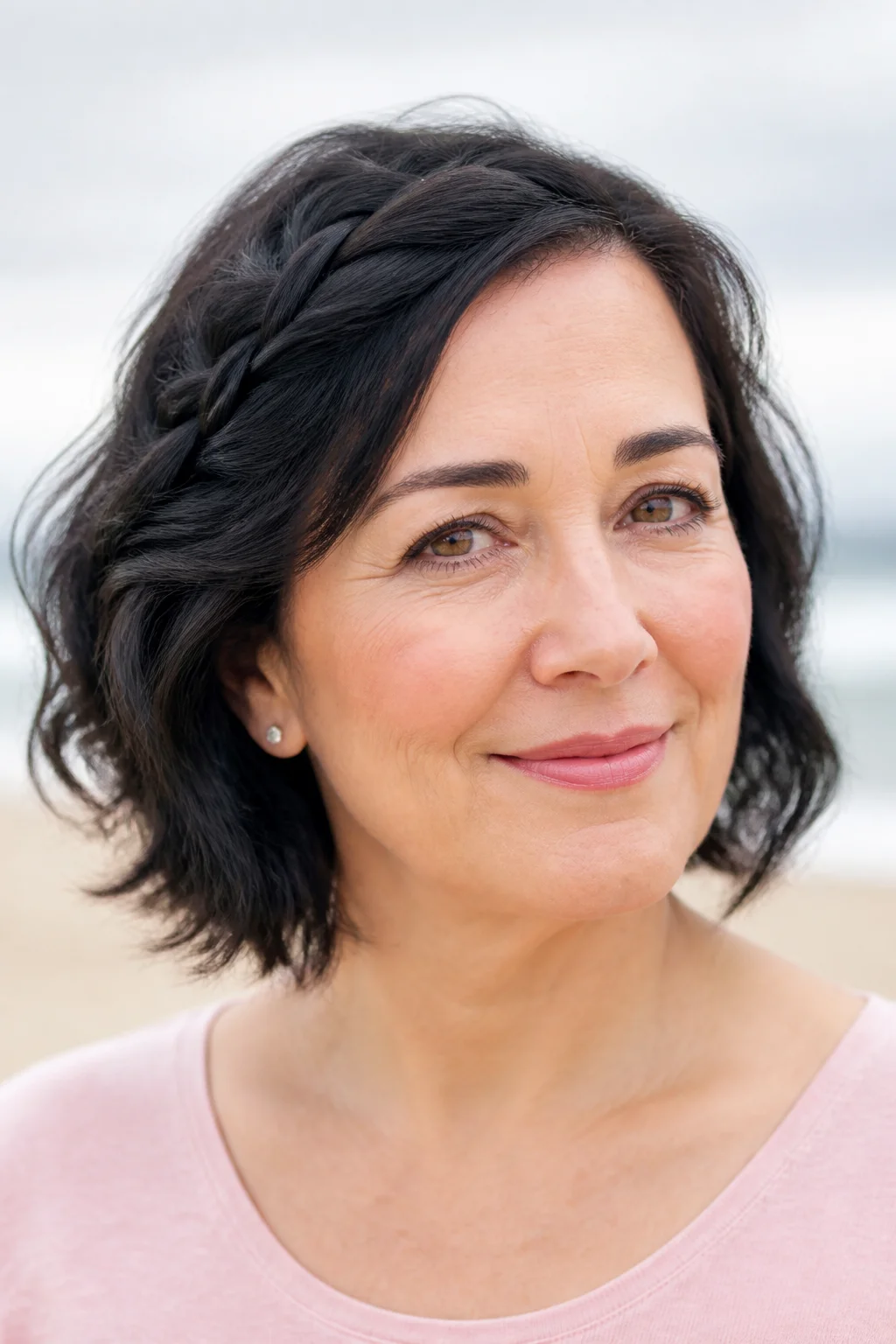
Soft waves bring movement to the graduated shape without making it look overly styled. The shorter back supports the waves while the longer front pieces fall around the jaw and neck. Compared to a straight finish, this version feels more relaxed and forgiving as it grows out, making it a good match for hair with a natural bend. Work curl cream through damp lengths, twist a few sections, and let the hair dry without brushing it afterward. If your waves tend to frizz, use a microfiber towel and avoid rubbing the hair, and a diffuser on low heat can add volume while protecting the shape and keeping the layers blended so the waves move as one soft pattern.
Naturally Curly Inverted Bob
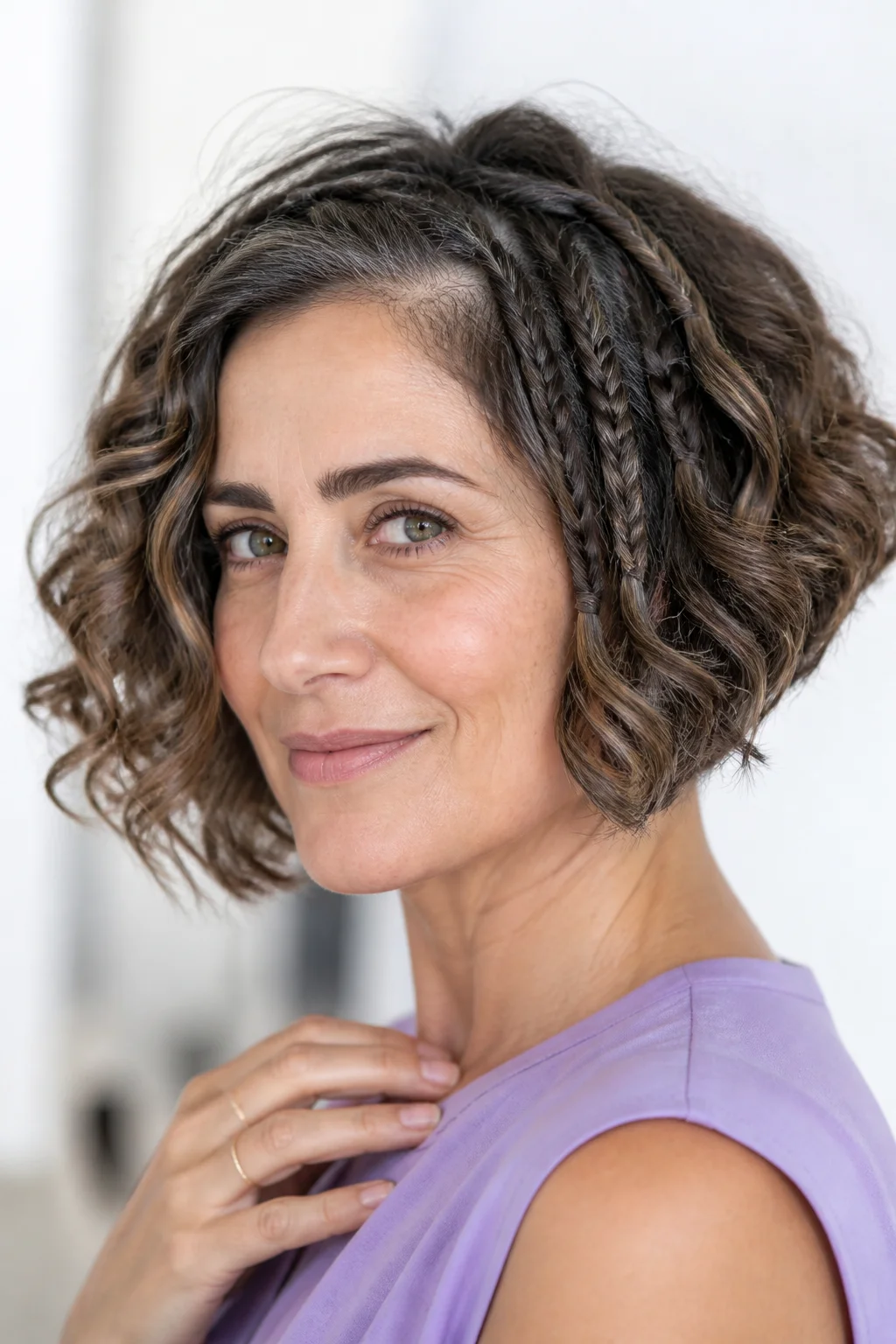
A naturally curly inverted bob creates a rounded shape with a lifted nape and longer curls near the face. Curl-by-curl shaping can help prevent the back from becoming too wide. The cut should account for shrinkage, since curls may look much shorter once fully dry. Ask for a stylist who is comfortable working with your curl pattern. Use a moisturizing leave-in product followed by a light gel to define the curls, and avoid brushing the hair when dry since that can disturb the curl groups and create unwanted volume. The front pieces can be left longer for a gentle frame around the cheeks, and a side part adds height at the crown while a center part creates balance; diffuse until mostly dry, then let the remaining moisture disappear on its own, refreshing the next day with water and a small amount of curl cream.
Inverted Bob With Flipped-Out Ends
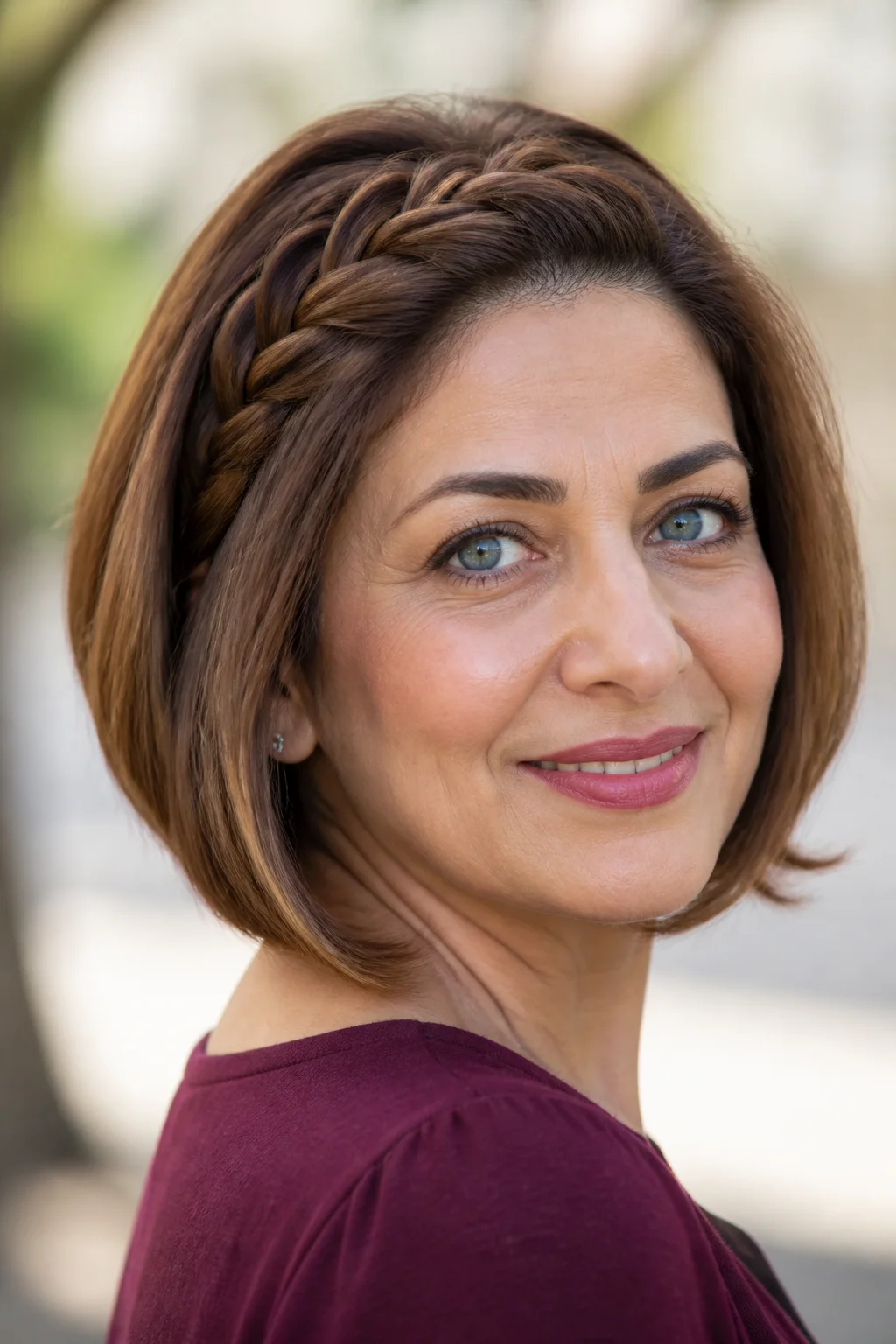
Flipped-out ends give this bob a playful retro touch. The graduated back keeps the silhouette compact while the longer front pieces turn away from the face. The flip can be subtle or more noticeable depending on your styling brush and hair texture. It works particularly well on straight hair with medium density. Dry the ends with a round brush, rolling them outward for a few seconds before letting them cool. A flat iron can sharpen the bend, but keep the movement loose rather than rigid, finishing with a flexible spray so the ends stay touchable.
Textured Piecey Inverted Bob
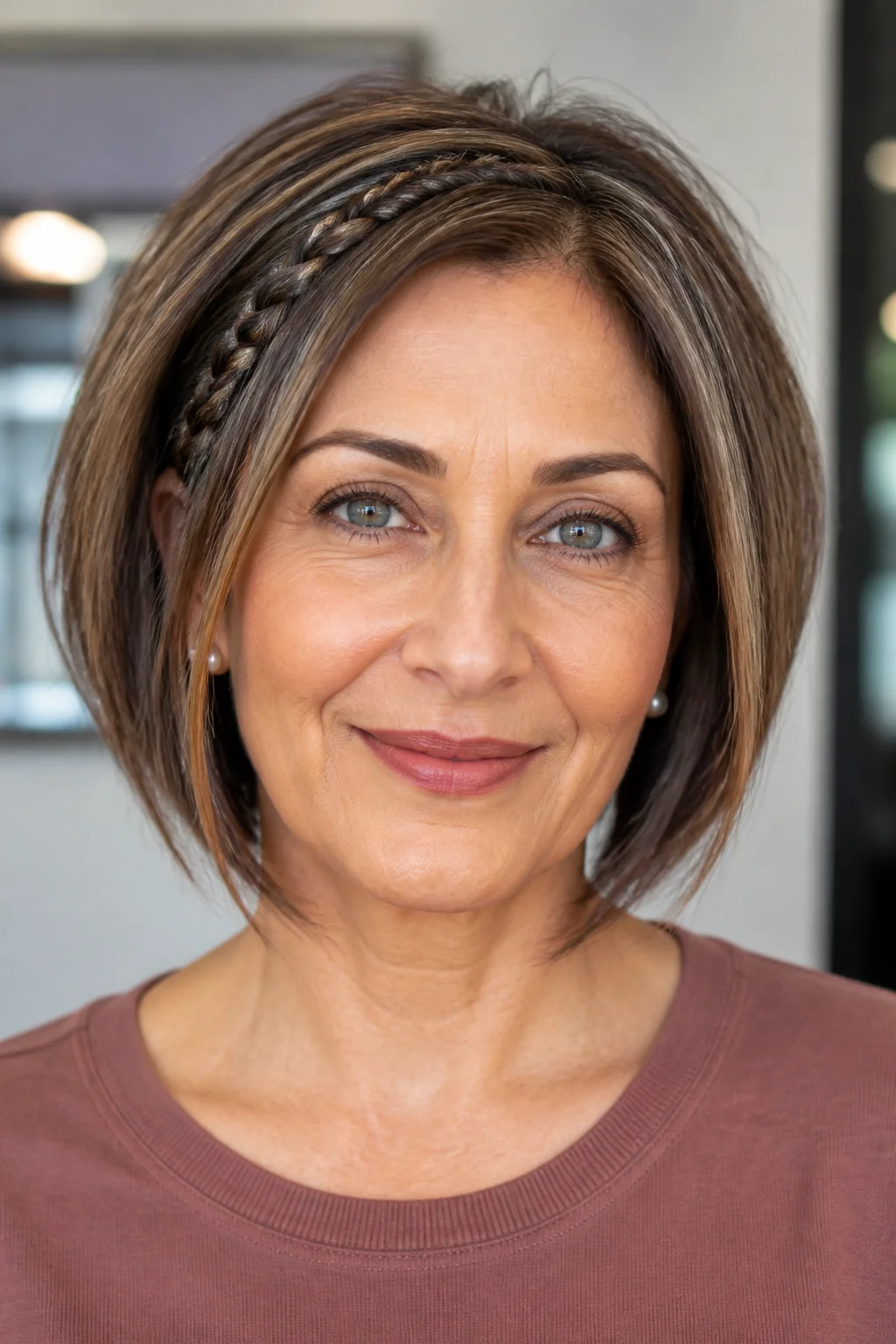
Piecey texture breaks up the shape and gives the bob a modern, casual finish. The graduated back adds structure while point-cut ends create separation through the sides. This cut can make thick hair feel lighter and give fine hair a more active outline. It feels almost like a softly tousled crop with enough length to frame the face. Work a pea-sized amount of texturizing paste through dry ends, starting at the back, and remember that too much product can make the hair look heavy, so add more only when needed. A side part brings out the uneven pieces, while a center part makes the shape feel more balanced, and ask for controlled texture rather than aggressive thinning if your ends are fragile.
Dimensional Silver Inverted Bob With Soft Lowlights
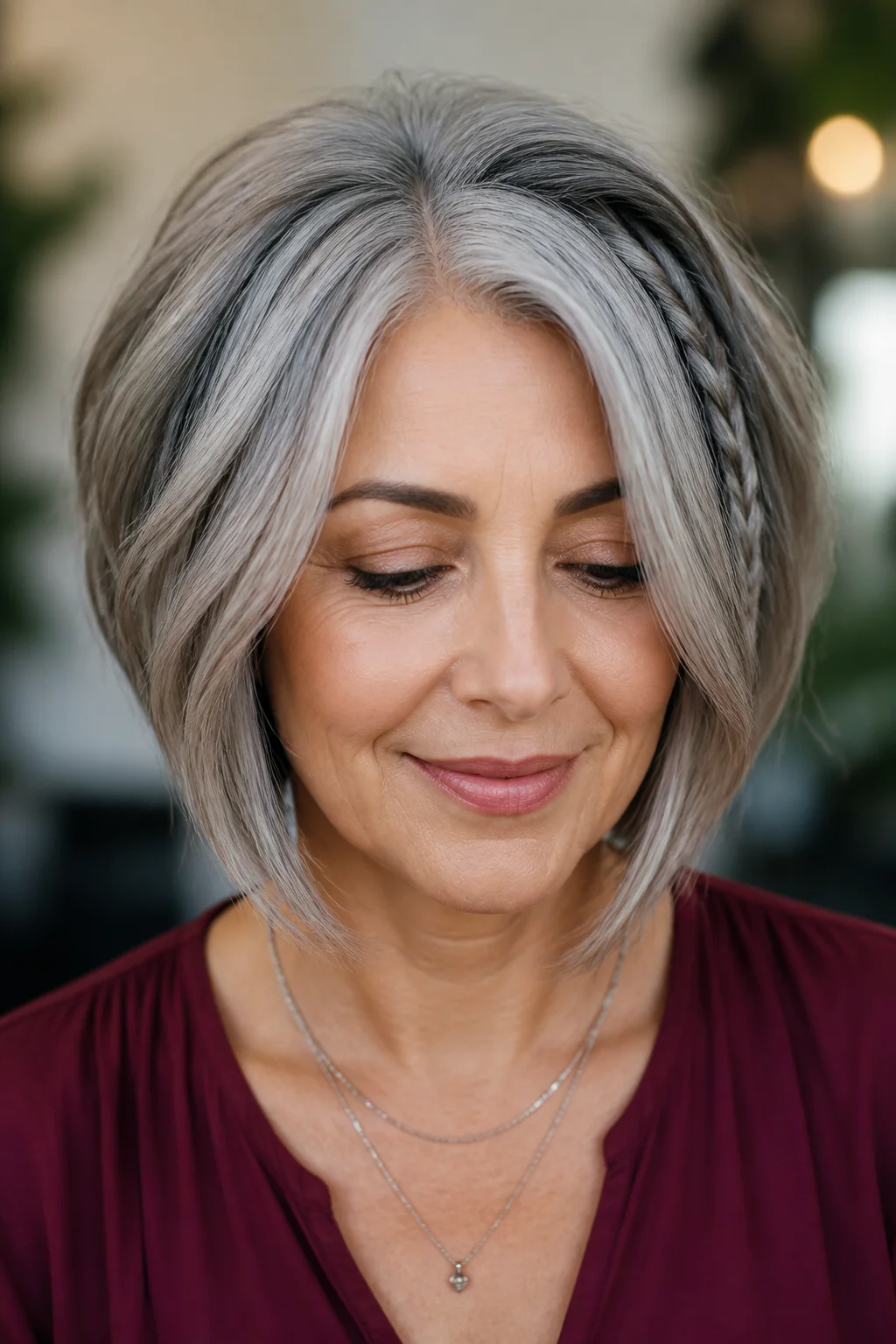
Silver hair looks rich when the cut has clear shape and gentle movement. This inverted bob keeps the nape lifted while soft lowlights add depth between the brighter strands. The contrast helps the graduation show without making the color feel harsh. It is a polished choice for natural gray hair or a silver color plan. Use a purple shampoo only as often as needed to reduce unwanted yellow tones, and a moisturizing conditioner can help keep silver hair smooth and reflective. The longer front pieces can be worn straight, softly waved, or tucked behind one ear, and ask for lowlights that sit close to your natural gray level for a blended result.
Rooted Balayage Inverted Lob With Sleek Finish
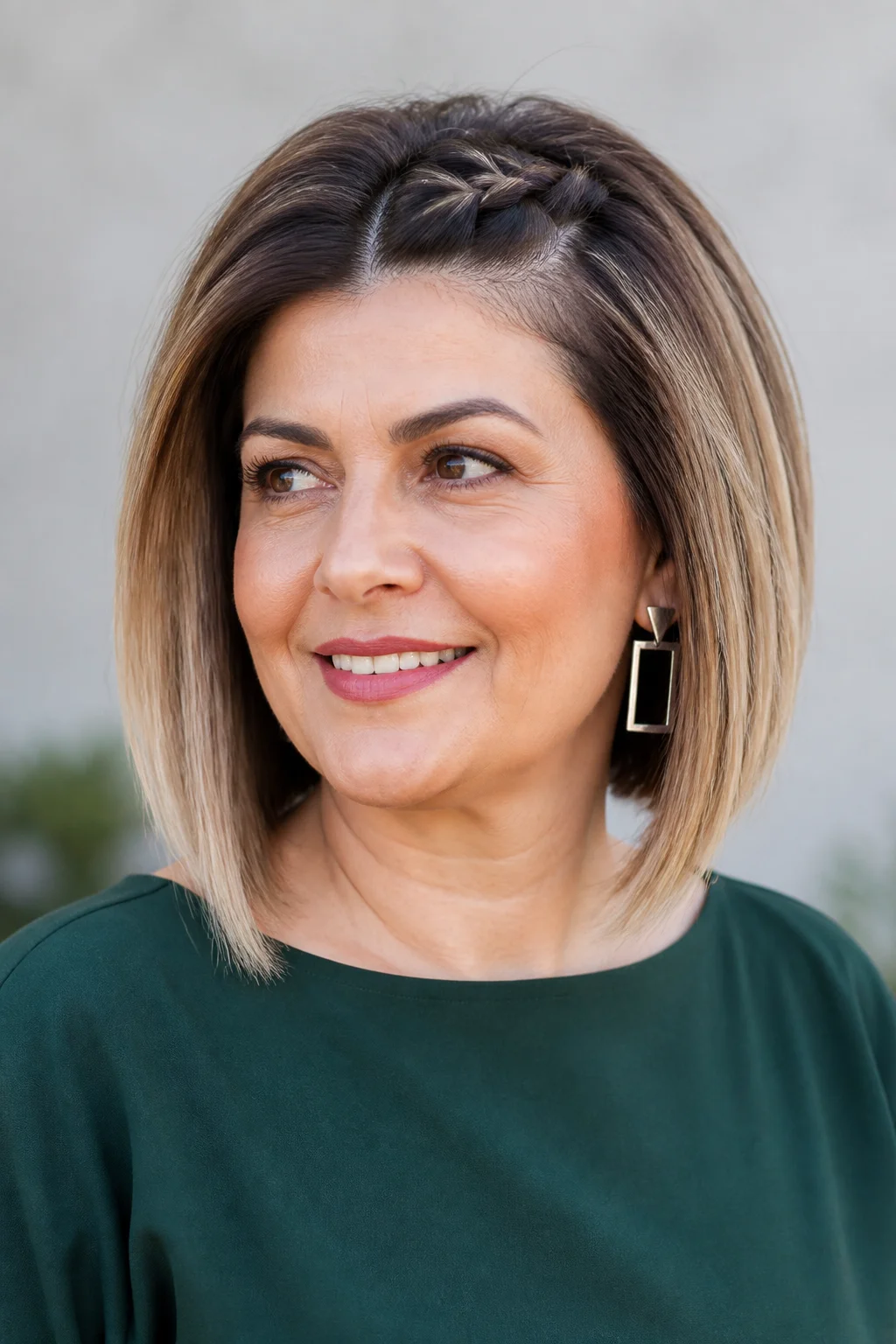
A rooted balayage inverted lob combines a darker root area with lighter pieces through the mid-lengths and ends. The collarbone length gives the style flexibility while the angled back keeps it from looking flat. The color placement can brighten the face without creating a harsh line as it grows out. This is a useful option for anyone who wants a longer, polished shape. Apply heat protectant before using a blow-dryer or flat iron, and smooth the roots first, then guide the longer ends slightly inward to show the angle. A center part makes the finish balanced, while a side part adds volume. Since the color already provides dimension, keep the haircut lines clean and skip extra layering. Women over 50 who want an inverted bob hairstyle that is genuinely easy to style often find that this cut and color combination supports the hair’s natural density with very little daily effort.
Bonus: Choosing the Right Inverted Bob for Your Hair
Select the Classic Smooth Chin-Length Inverted Bob or the Blunt-Edged Geometric Inverted Bob if you prefer a neat, polished finish that requires minimal styling time. The Airy Layered Inverted Bob for Fine Hair can add movement and dimension when your strands lack volume, while the Short Stacked Inverted Bob With Crown Volume creates stronger lift at the back without heavy teasing.
For a softer face frame that feels more approachable, consider the Inverted Bob With Long Side-Swept Bangs or the Inverted Bob With Face-Framing Curtain Bangs. The No-Fringe Inverted Bob With One-Ear Tuck is easier if you want an open forehead and simple styling options.
If your hair has natural texture, the Soft Wavy Inverted Bob and Naturally Curly Inverted Bob work with your curl pattern instead of against it. The Textured Piecey Inverted Bob offers a modern, lower-maintenance option for anyone who enjoys a casual, piece-oriented look. For color and dimension, the Dimensional Silver Inverted Bob With Soft Lowlights or the Rooted Balayage Inverted Lob With Sleek Finish can add richness and blend growing roots seamlessly. Match the cut to your styling habits and hair texture, not just your age, for the best long-term results.