Hair gets quieter as the years go on, but that doesn’t mean it has to look flat or forgotten. Fine strands, thinning crowns, and changes in texture call for cuts built with intention instead of leftover habits from decades ago. The good news is that short hair layered haircuts for black women over 70 can do more for your face, your volume, and your morning routine than almost any other style choice. Layers catch light, add lift where hair has gone sparse, and soften lines around the jaw and eyes in a way a blunt cut never will. This list walks through twenty options, from soft bobs to cropped curls to textured pixies, each one chosen for how it works with mature hair rather than against it. Bring any of these into your next appointment and talk through which fits your texture and face shape.
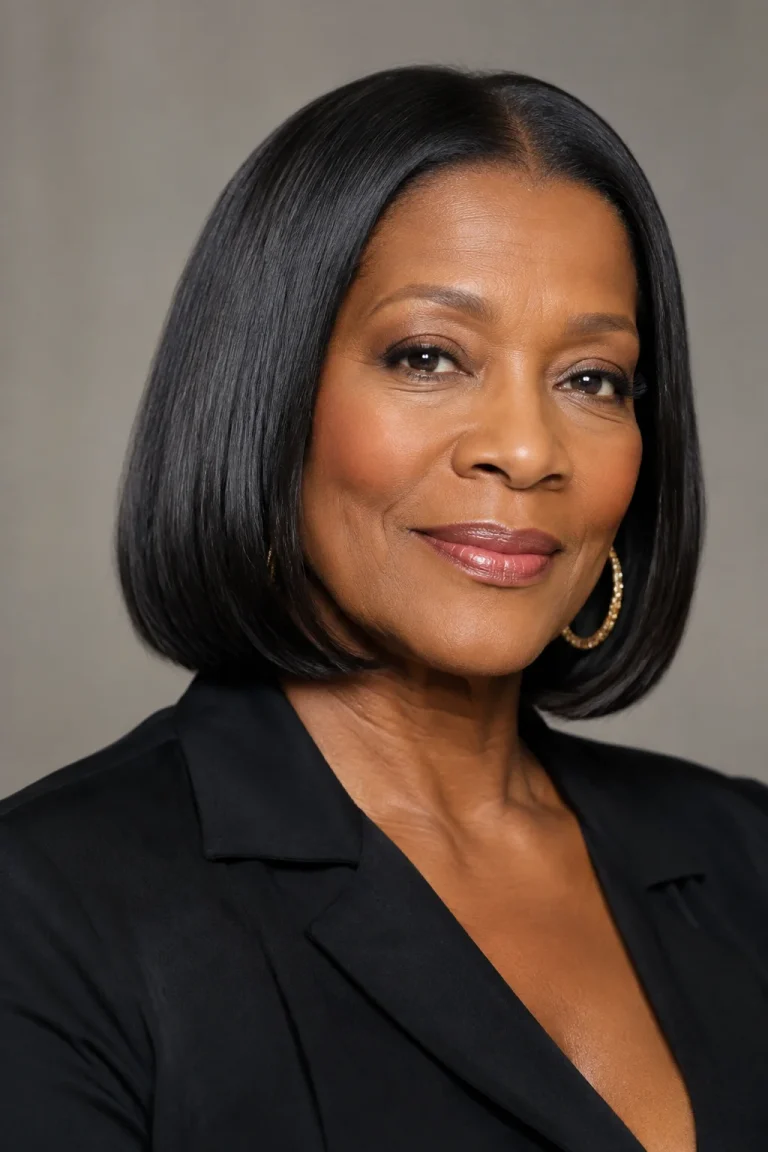
Short Layered Bob with Face-Framing Pieces
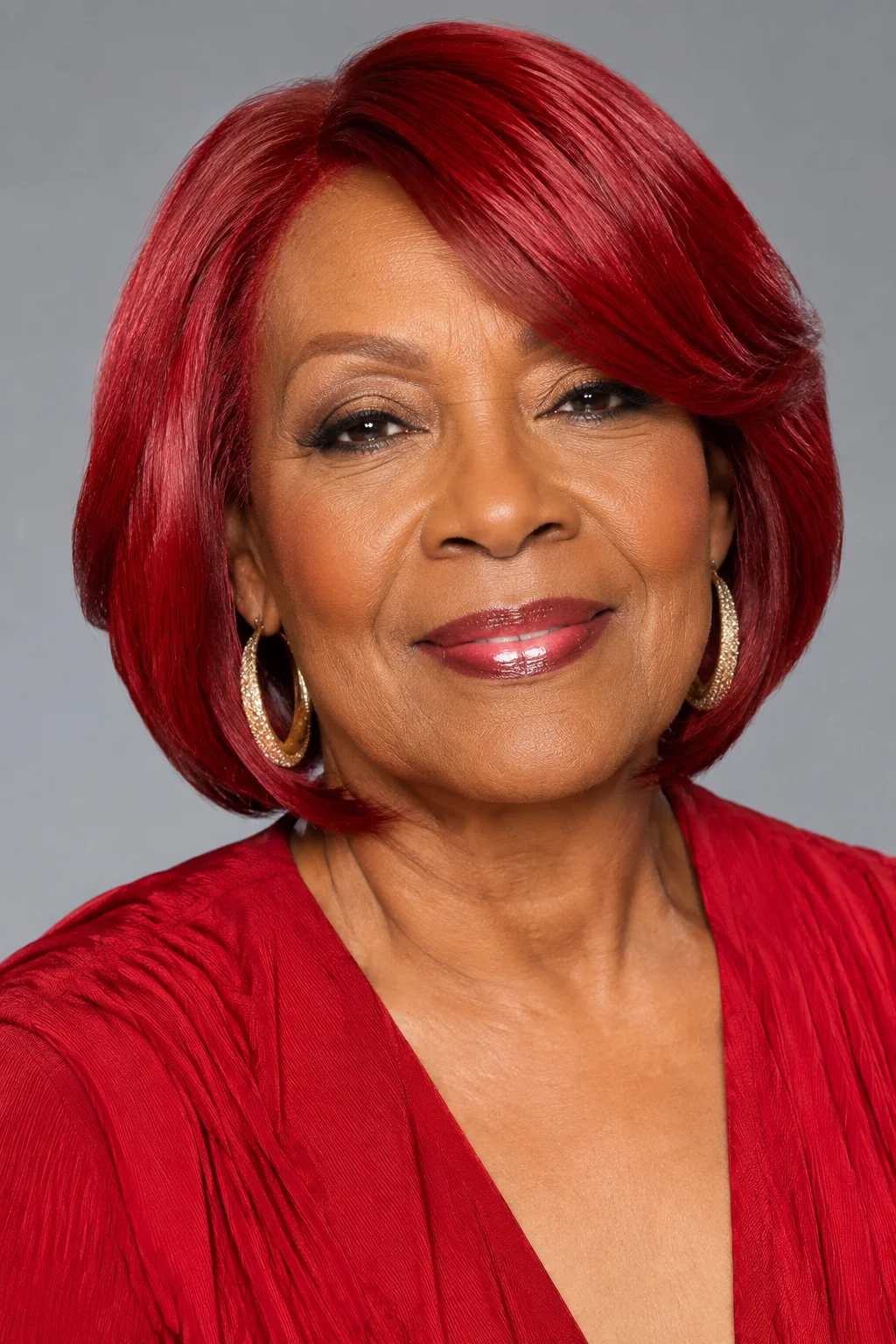
This bob keeps length around the chin while layers near the cheeks pull attention upward and soften heavier jowls or deep smile lines. It works on straight, wavy, or relaxed hair and holds its shape through humidity better than longer bobs do. The face-framing pieces can be cut blunt for more drama or feathered for a gentler finish. Stylists often recommend this one first because it flatters nearly every face shape without needing daily styling. Tip: ask for the layers to start at the cheekbone rather than the jaw so they frame rather than cut across your face. A light mist of heat protectant before styling helps the finish last.
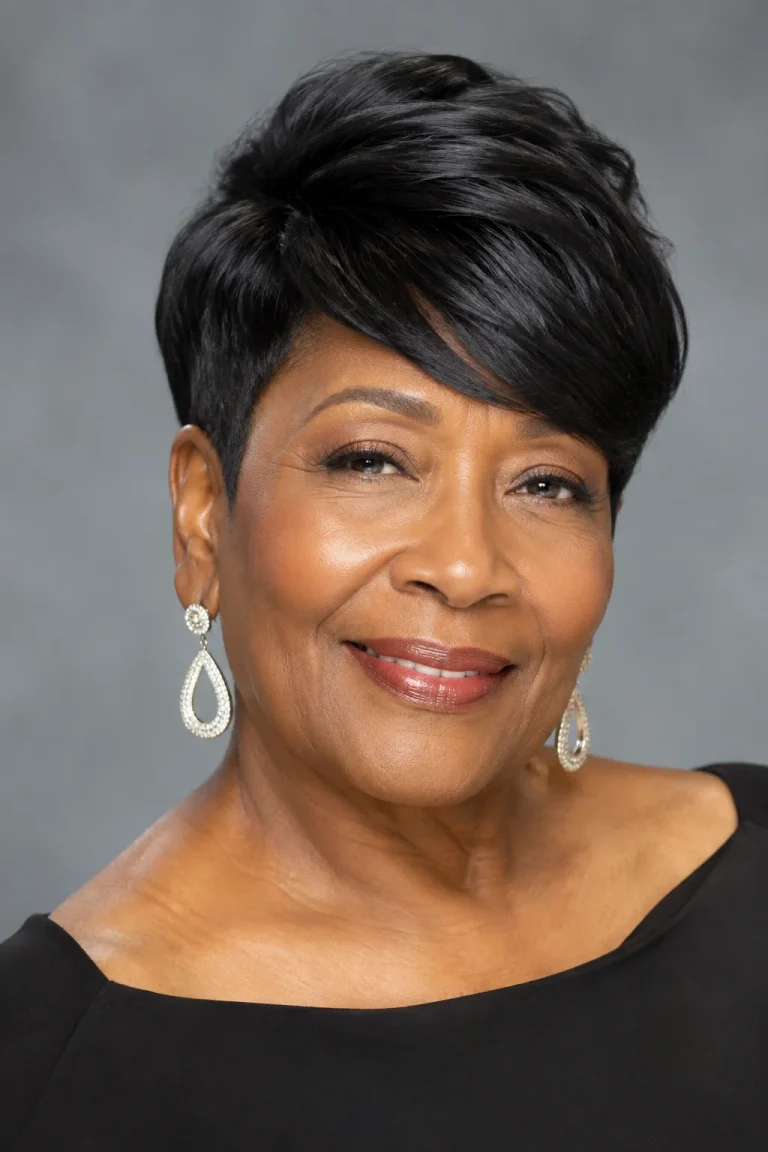
Tapered Pixie with Textured Crown Layers
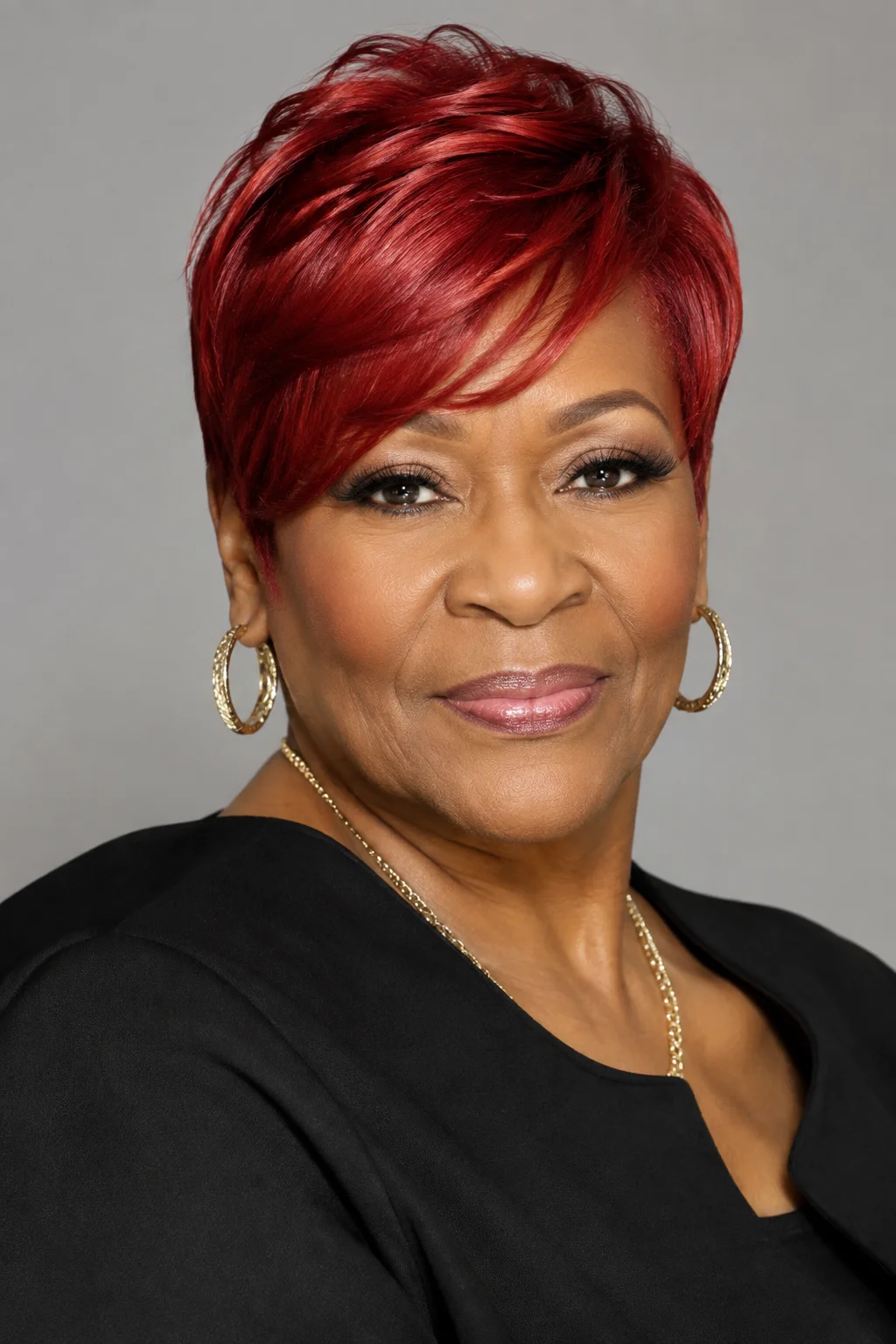
The sides and back taper close to the scalp while the top carries soft, choppy layers for lift. This shape suits thinning hair especially well because the short sides reduce visible scalp at the nape, and the textured crown creates the illusion of fuller hair up top. It needs trims every four to six weeks to keep the taper clean.
Stacked Short Bob for Fine or Thinning Hair
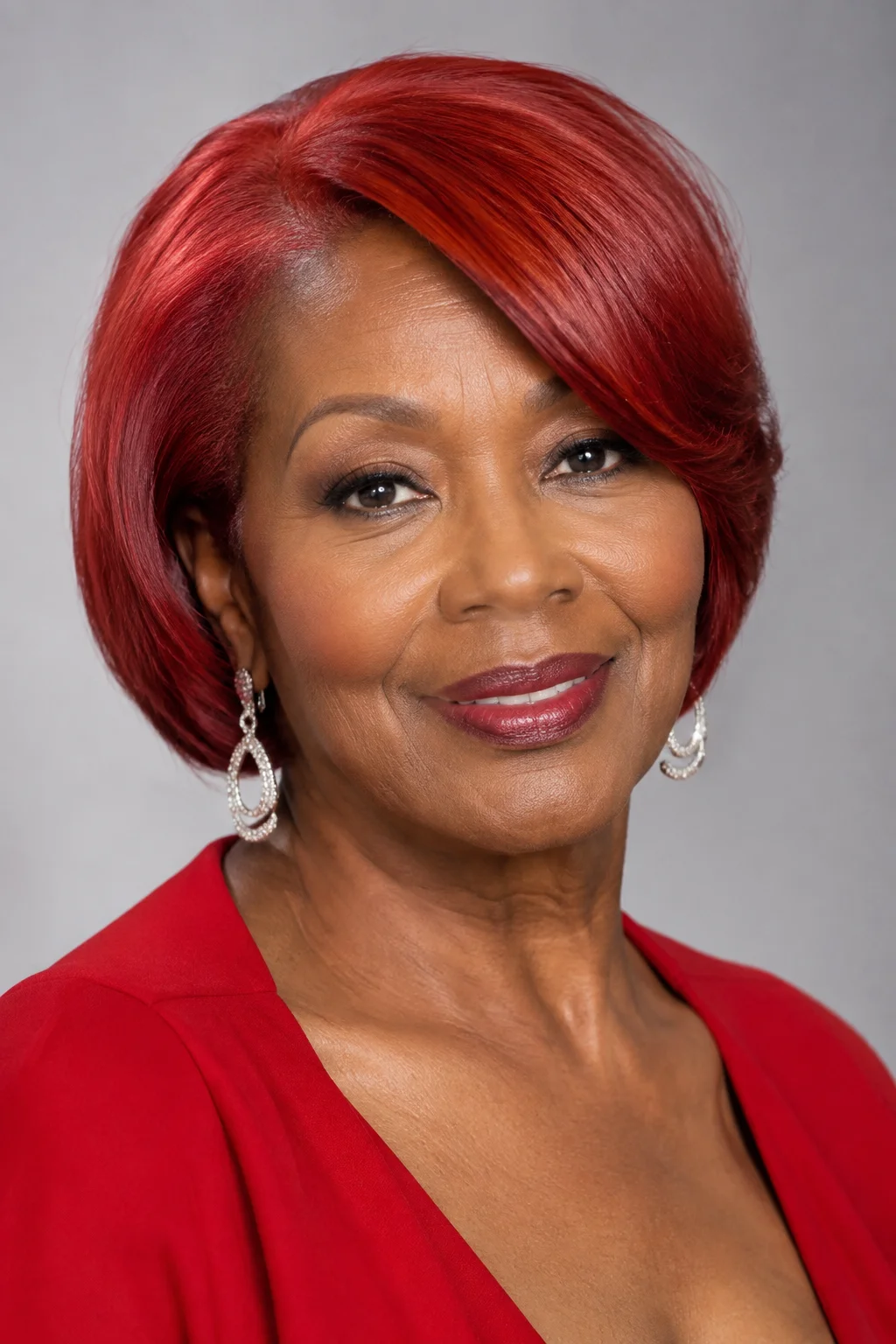
Stacking adds weight and layers at the back of the head, building a rounded shape that gives fine hair the appearance of thickness. The front stays slightly longer, which balances the fuller back without looking heavy. Many women over 70 find this cut easiest to style since the stacked layers hold their shape with just a light finishing product.
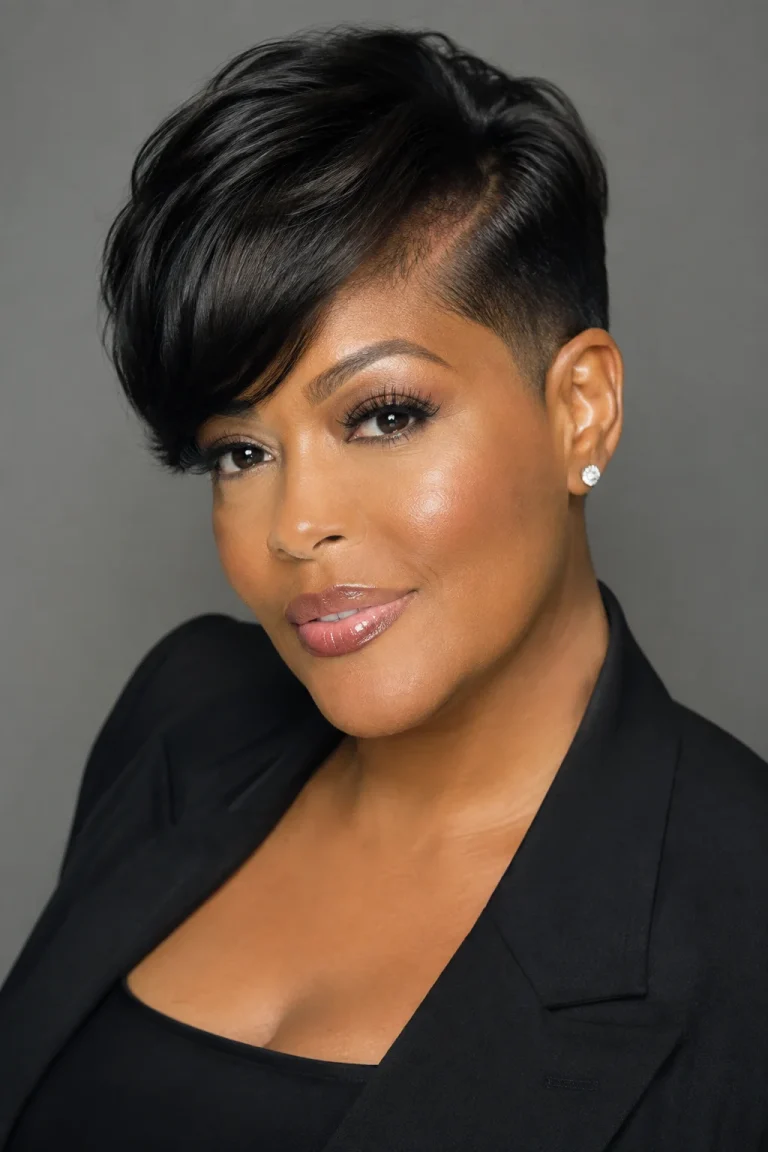
Cropped Fade with Textured Top Layers
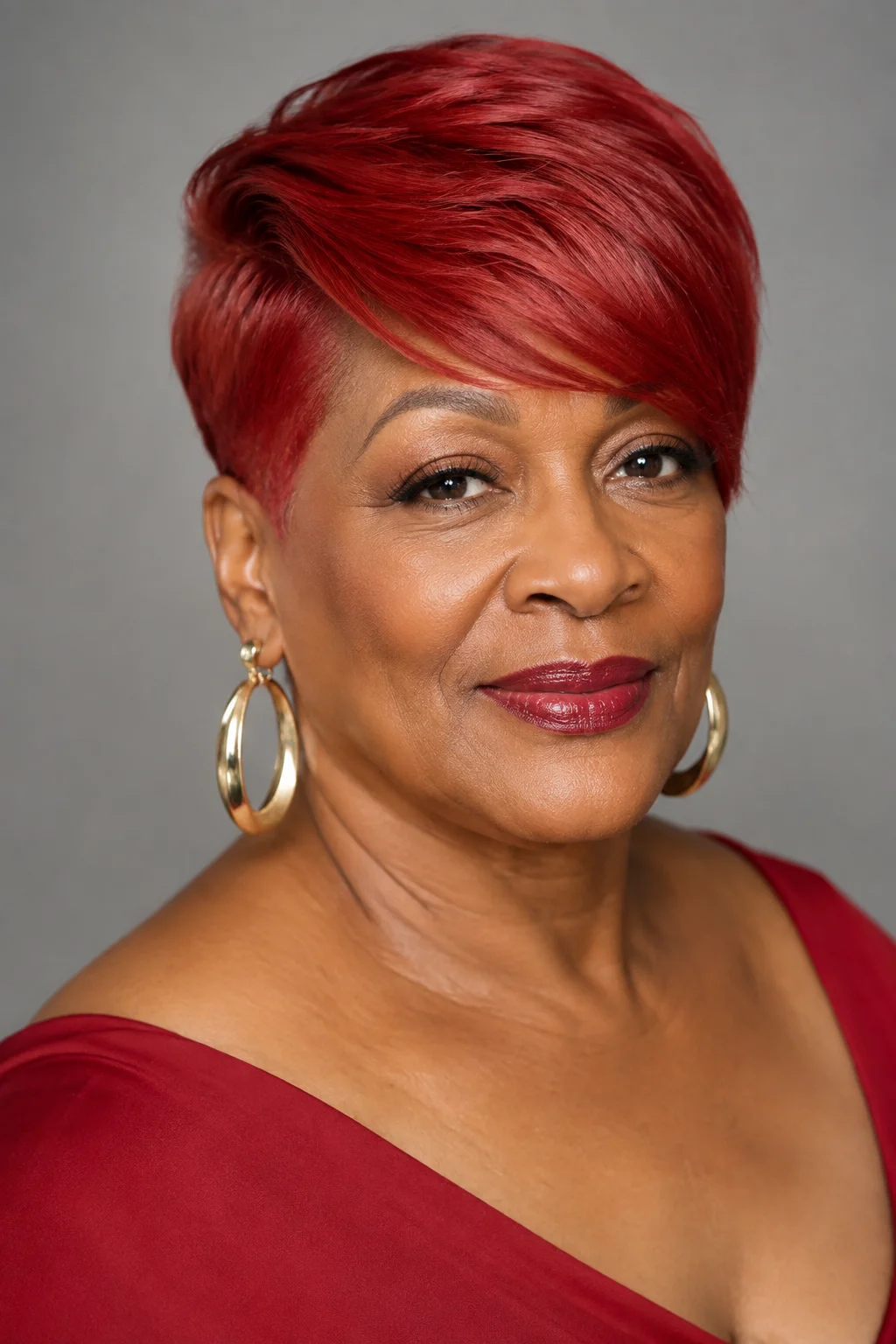
A low or mid fade at the sides pairs with longer, textured layers on top for a cut that feels modern without being high maintenance. The fade keeps the silhouette neat between salon visits, and the textured top can be brushed forward, back, or to the side depending on the day. This style suits women with natural or coily hair who want sharp lines paired with soft movement up top. It also photographs well, since the contrast between the close sides and the textured crown reads clearly even in low light. Ask your stylist to keep the fade subtle if you prefer less contrast against gray or silver hair. A light mist of heat protectant before styling helps the finish last.
Choppy Short Cut with Wispy Bangs
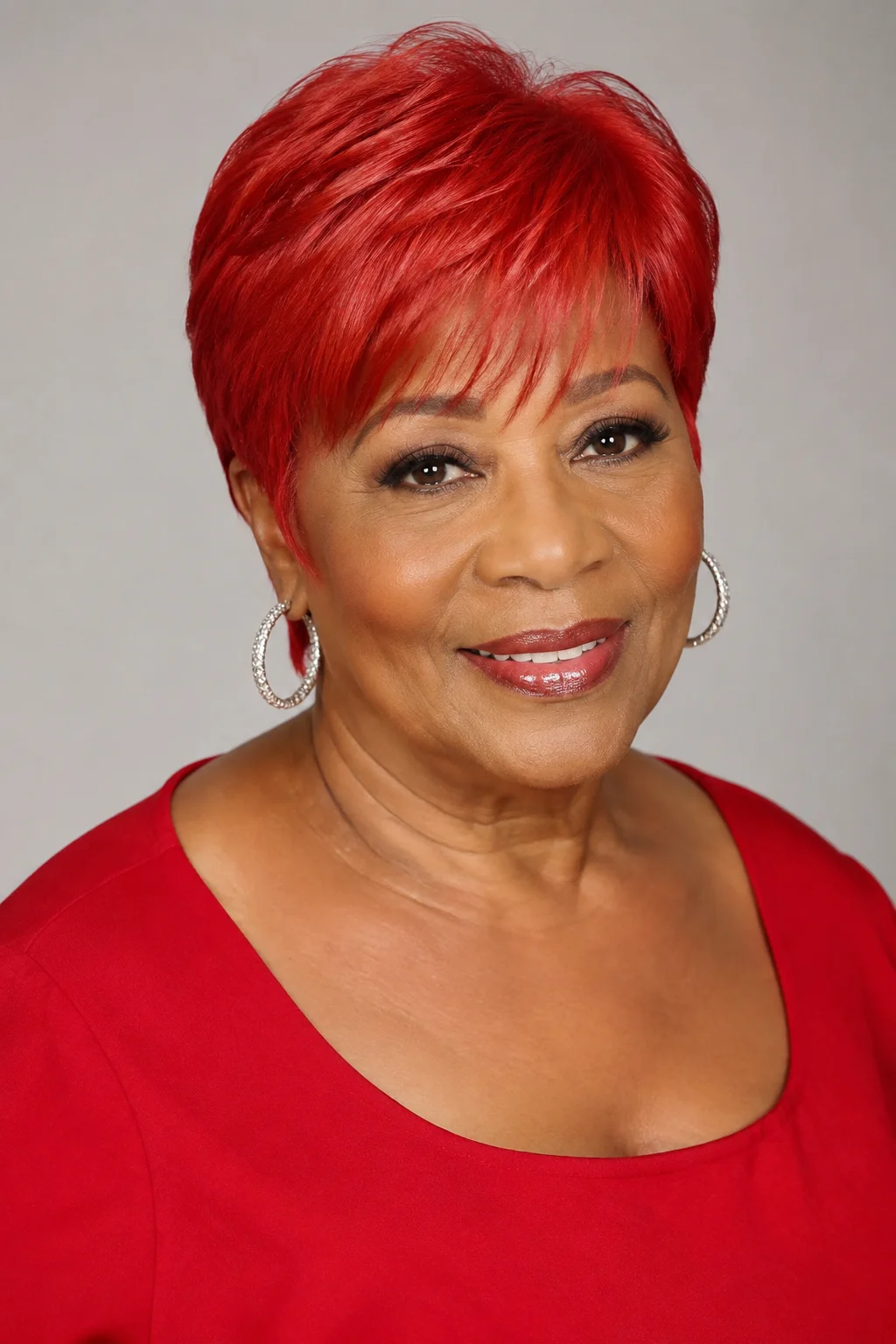
Short, piecey layers throughout the crown pair with wispy bangs that skim the brow instead of sitting heavy against it. The choppy texture hides thinning at the part line, and the bangs soften forehead wrinkles without looking like a wig. This cut suits round and oval faces best. Tip: have the bangs cut dry so your stylist can see exactly how they fall against your natural texture.
Layered Shag for Natural Texture
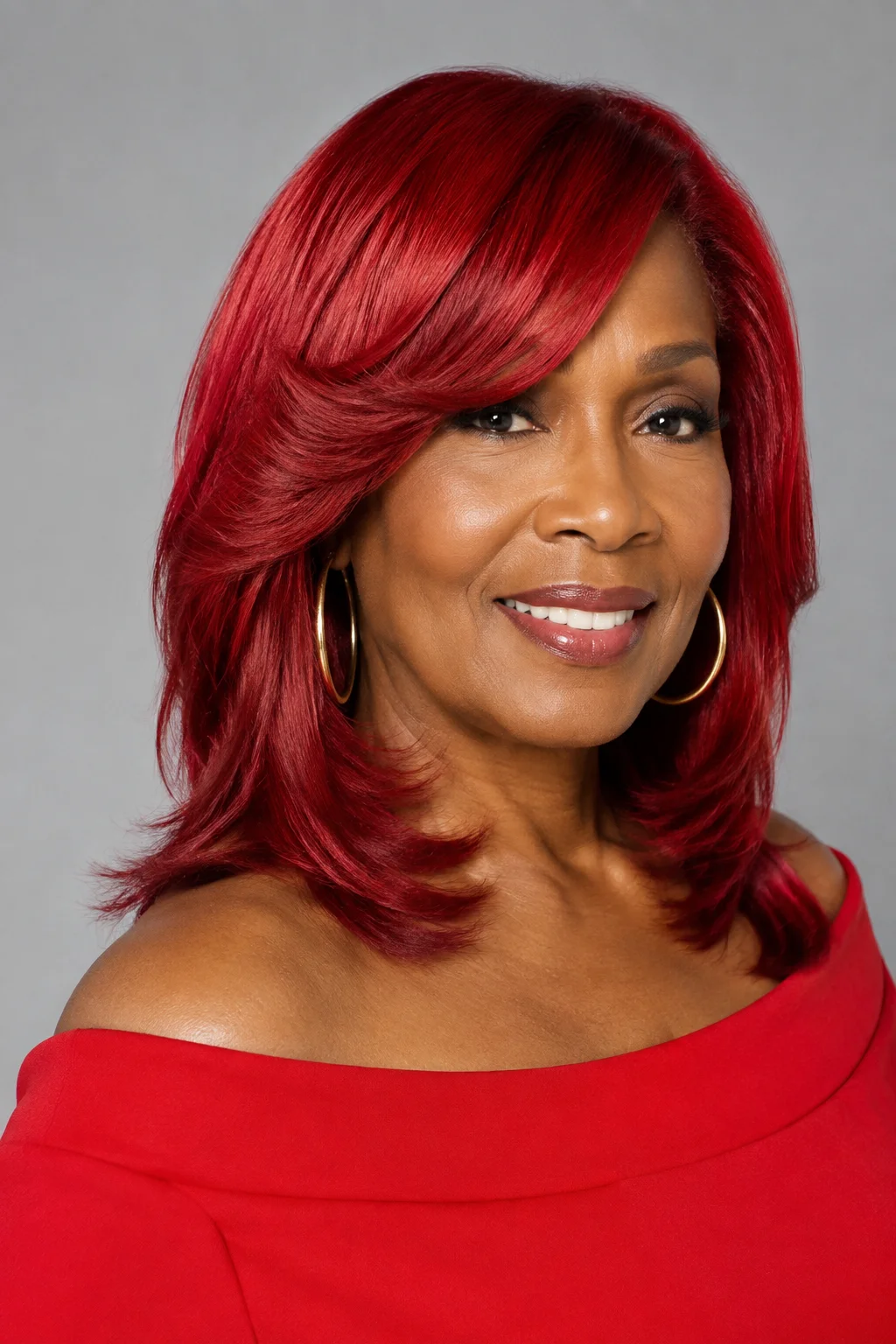
The shag brings back movement that many short cuts lose, with layers cut at varying lengths to let natural curl or coil patterns show. It’s a strong pick for women who want their natural texture to do the styling work instead of fighting it with heat or product. Because the layers are uneven by design, regrowth blends in smoothly between appointments.
Side-Swept Pixie Bob
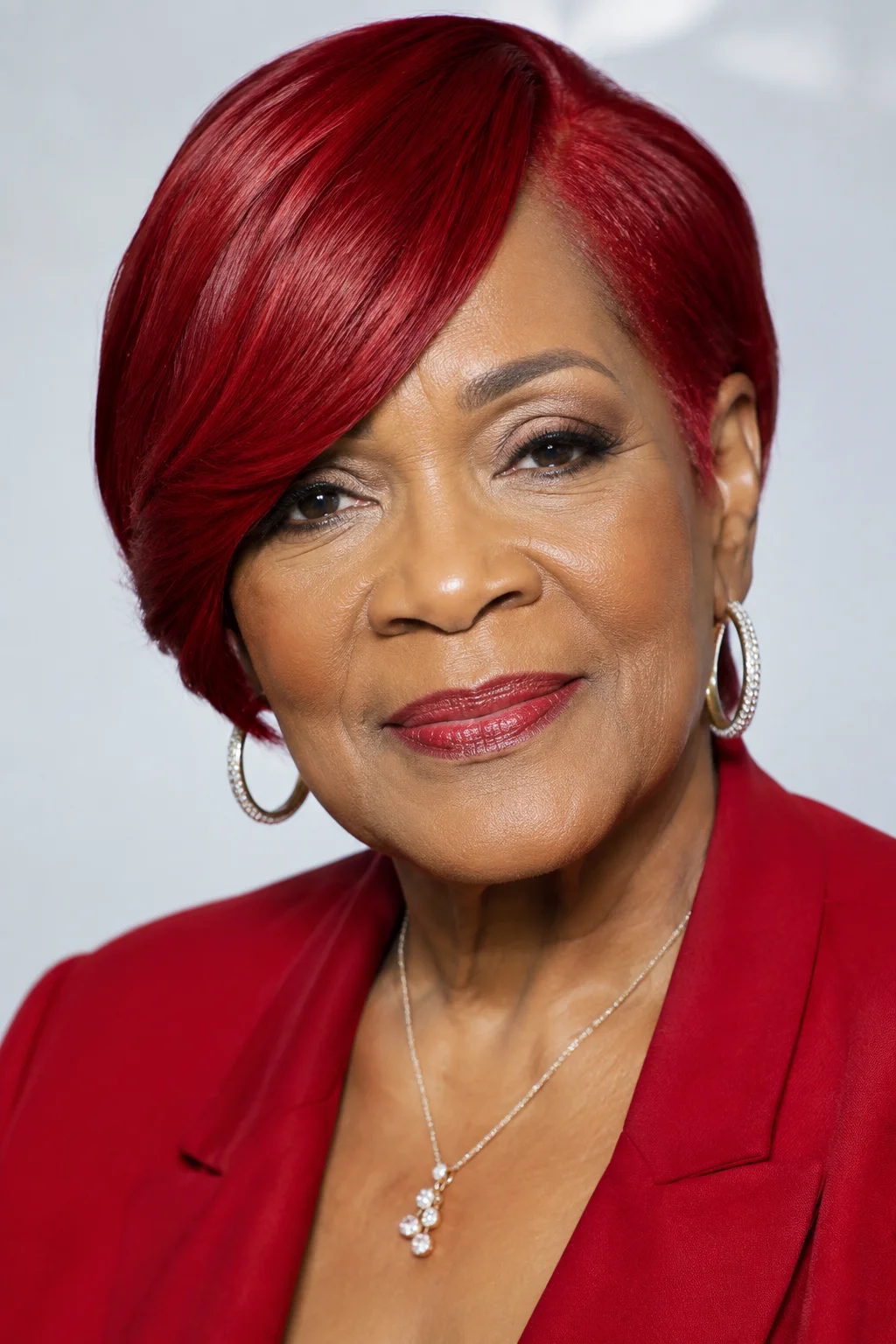
This hybrid takes the close-cropped sides of a pixie and combines them with the slightly longer top and sweep of a bob. The result lands somewhere between edgy and classic, with a side part that softens the whole face. It works especially well for women who used to wear bangs but want something lower maintenance now.
Short Layered Cut with Undercut Detail
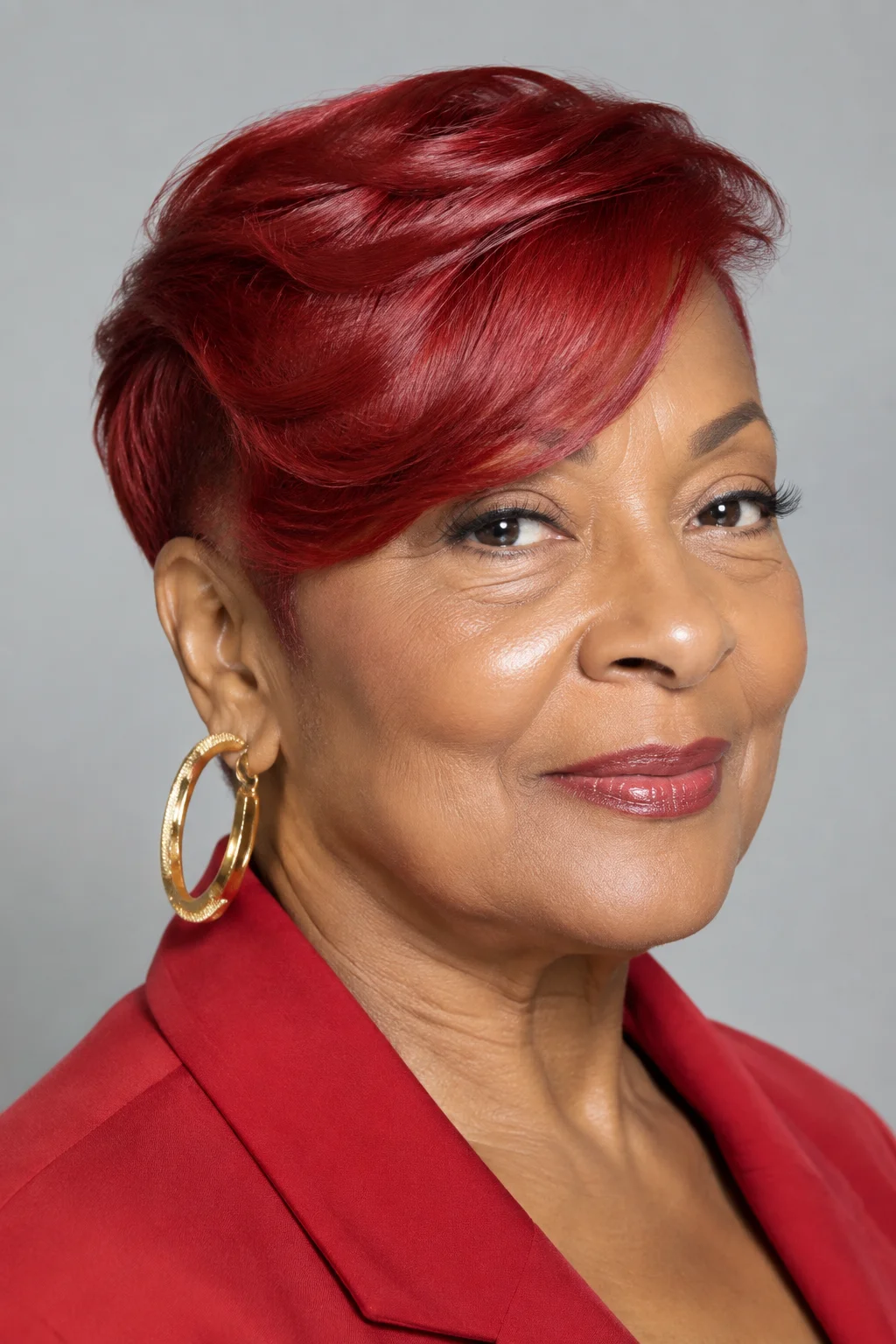
An undercut hidden beneath the top layer removes bulk at the nape without shortening the overall look from the front. This is one of the more practical short hair layered haircuts for black women over 70 who deal with heat or sweat discomfort at the neckline. The visible layers on top stay full and soft while the hidden undercut keeps things cool and light.
Rounded Layered Bob for Round Faces
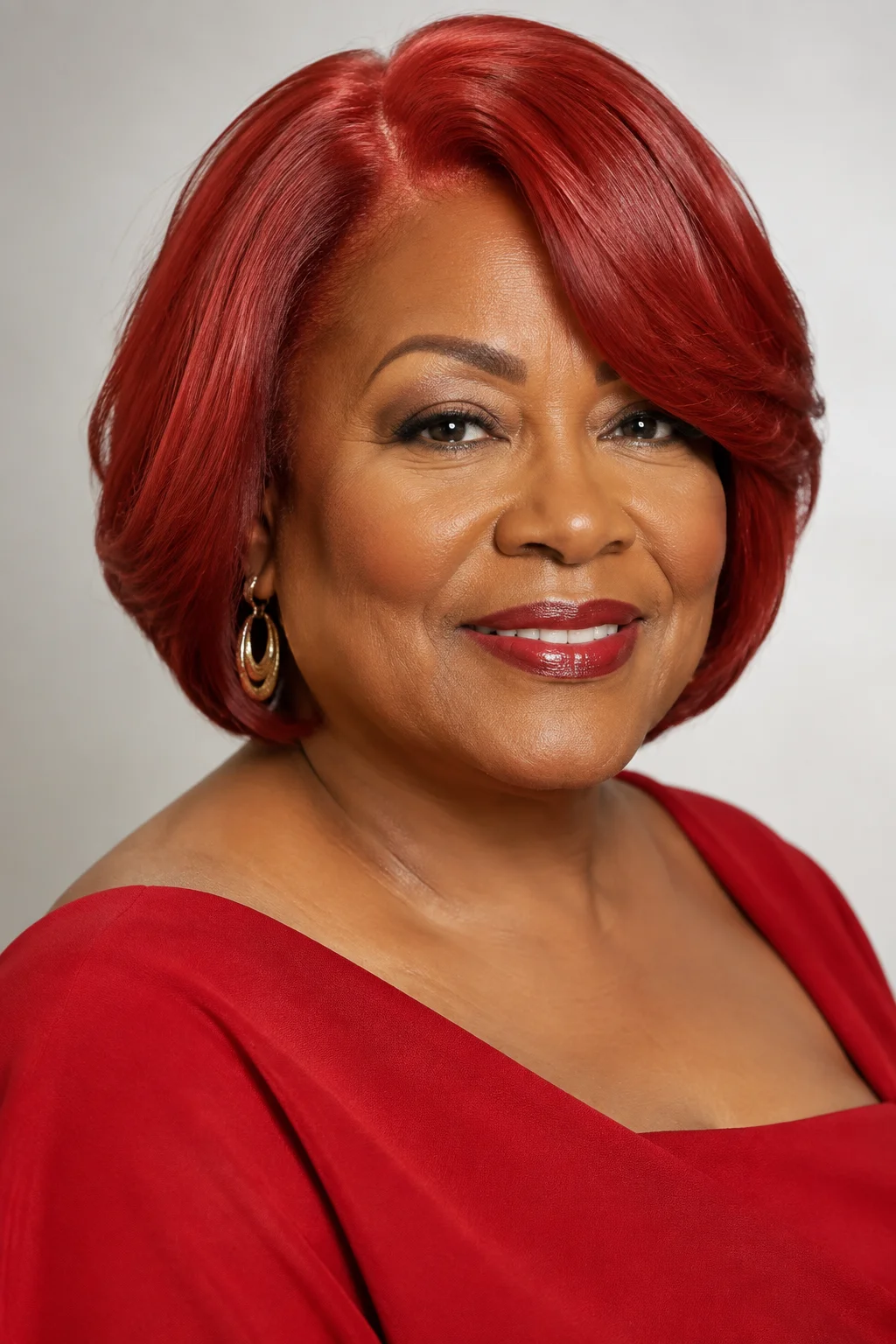
Layers that curve with the jawline rather than against it elongate round faces instead of widening them further. This bob avoids excess volume at the sides, which can make a round face look even rounder, and instead pushes fullness toward the crown. It’s a smart option for anyone whose face has softened and rounded with age and wants a cut that flatters that change rather than fighting it.
Cropped Curly Cut with Defined Coils
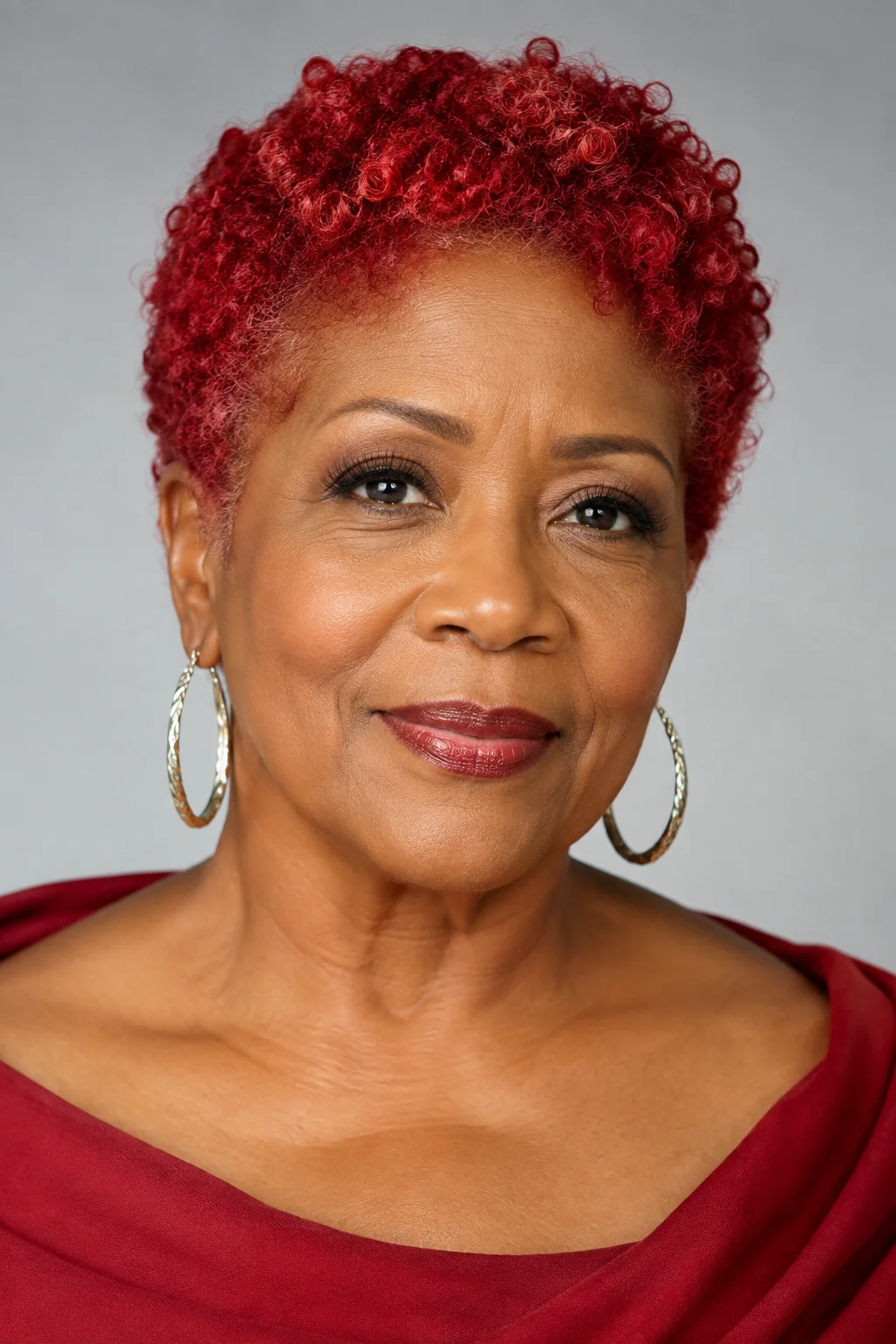
Cut close to the head, this style lets natural coils take center stage without the weight of longer hair pulling the curl pattern loose. Layers are added sparingly here since too much texture removal can leave curls looking thin or stringy. A light curl cream defines the coils without the extreme hold or shine some gels create. Tip: ask for a dry cut so your stylist can see the true shrinkage and coil pattern before trimming.
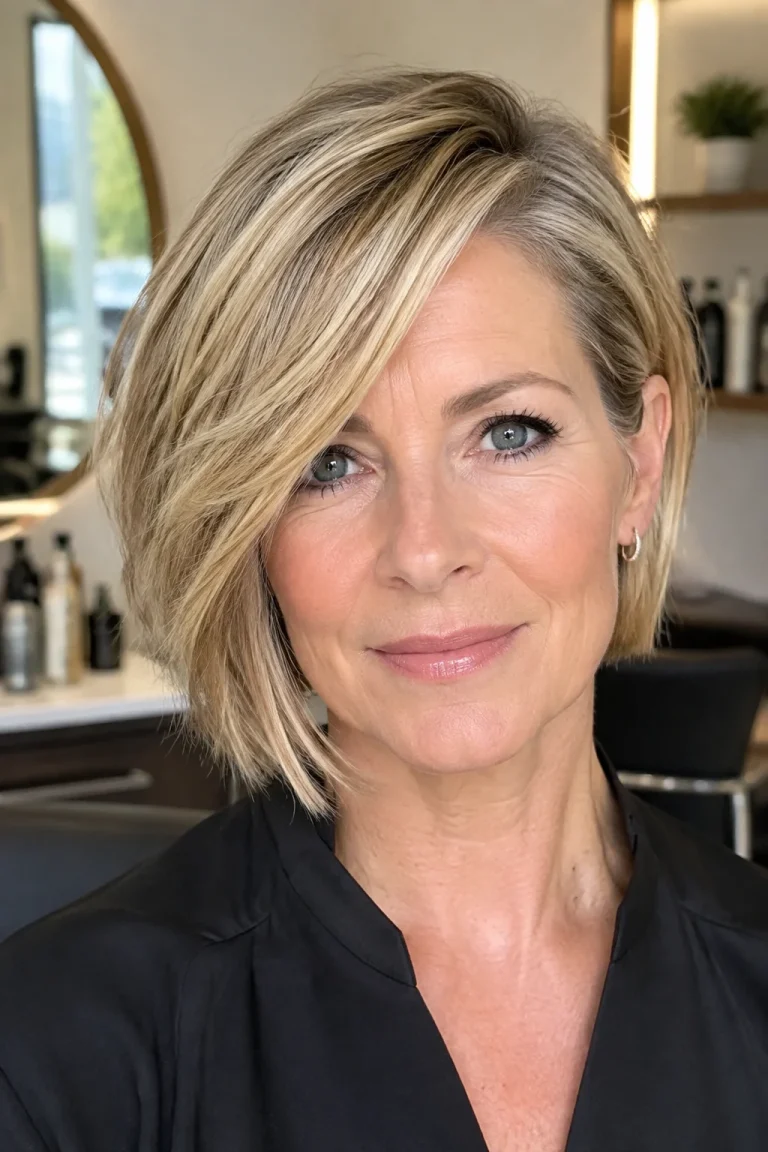
Short Textured Layers with Gray Blend
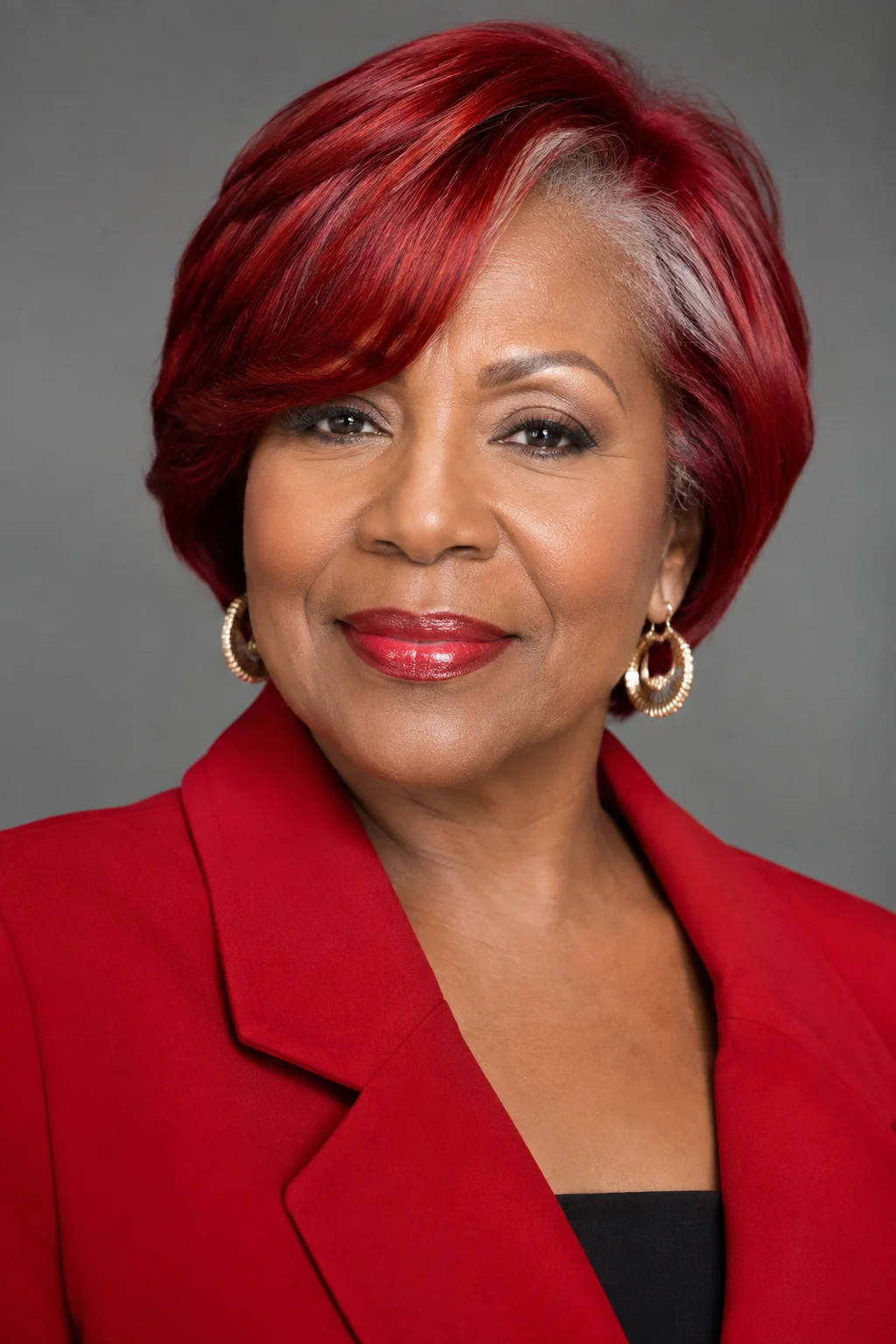
For women embracing natural gray or silver, textured layers break up solid color and add dimension that a single flat tone can’t. The cut works with the gray rather than trying to disguise it, using layers to create shadow and light throughout the crown. This approach tends to look more natural than heavy coloring and needs far less salon upkeep.
Feathered Short Bob
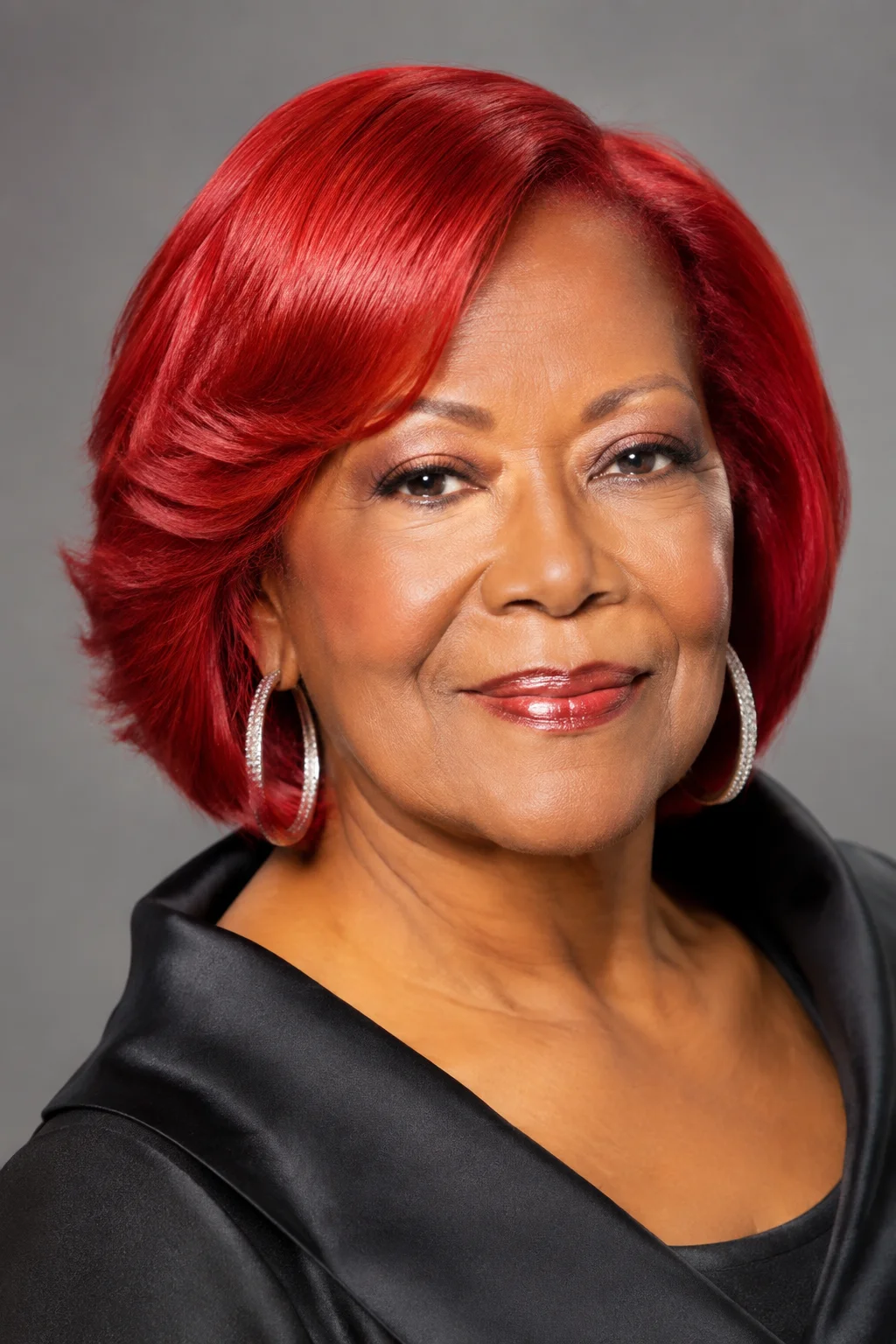
Feathering softens the ends of a bob so it moves instead of sitting stiff. This technique works well on fine hair that tends to look flat, since the feathered pieces create gentle texture without adding visible bulk. It’s a quiet, classic choice.
Layered Crop with Volume at Crown
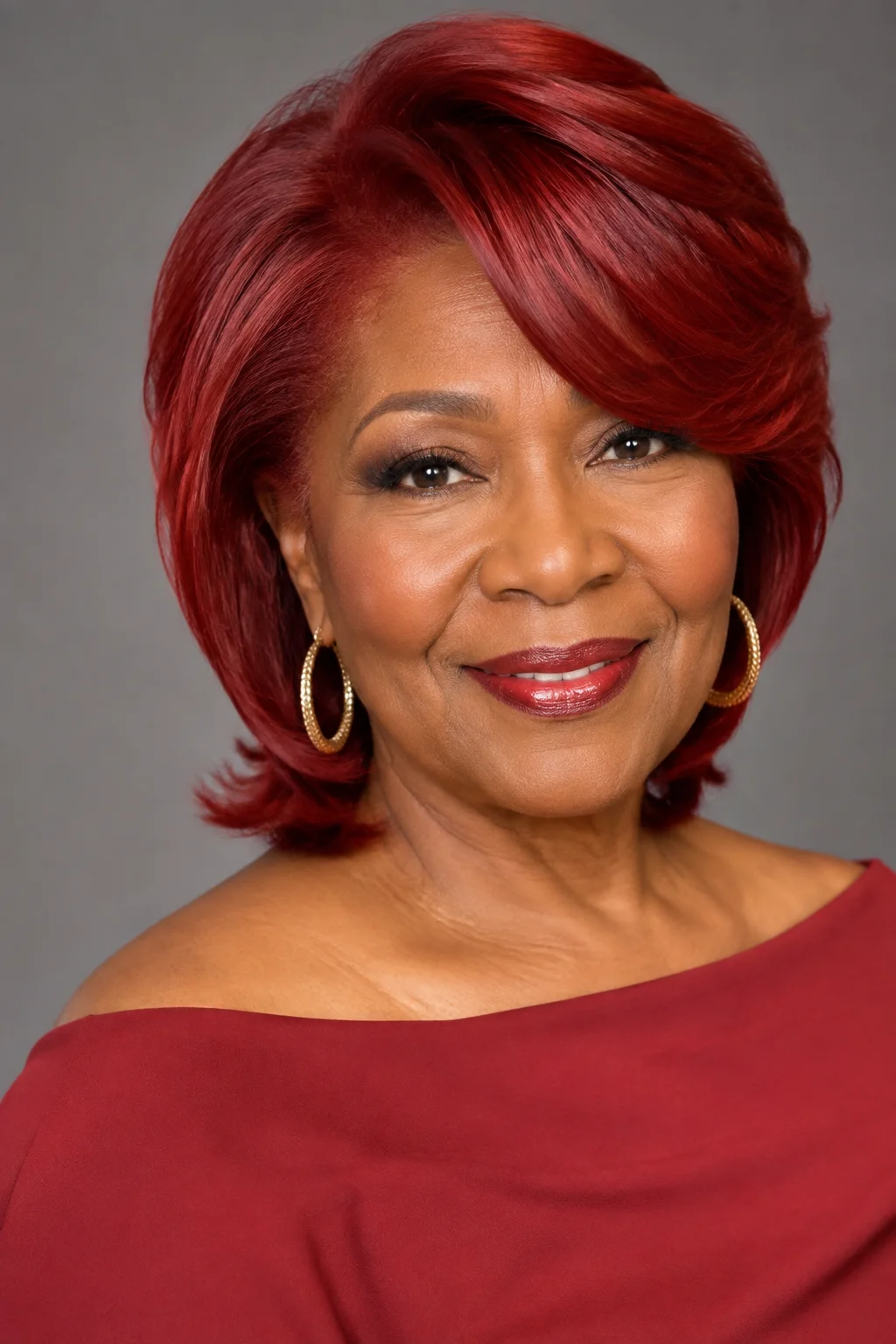
This crop focuses almost all of its layering at the crown, building height that lifts fine or flattened hair away from the scalp. The sides and back stay close and simple, which keeps the cut from feeling busy or overworked. It’s a strong pick for anyone whose hair has lost volume over time and wants a style that restores it without extensions or heavy products.
Short Layered Cut for Straight Hair
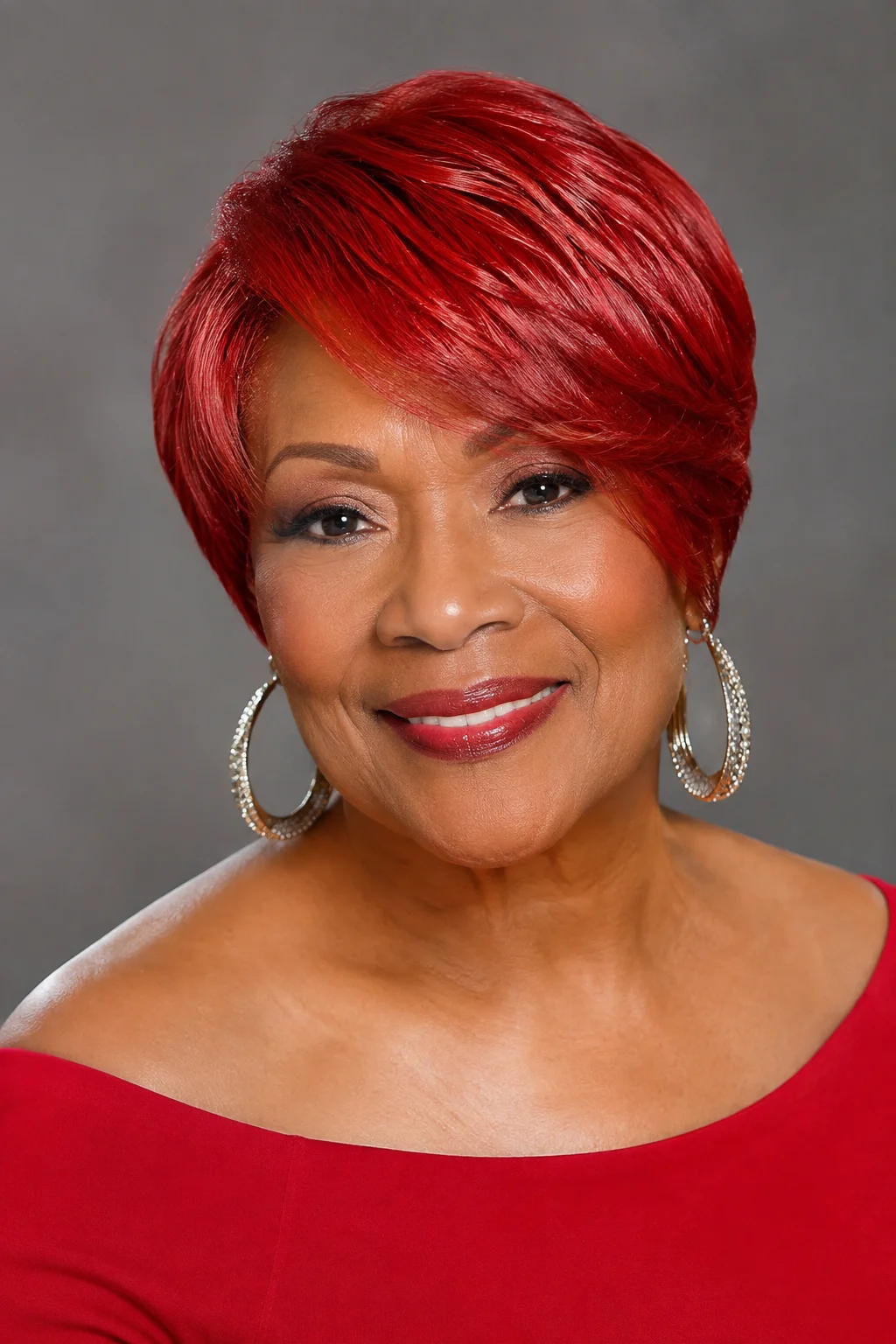
Straight hair shows every line in a haircut, so layers here need to be cut with precision rather than roughed in. This version uses longer layers through the crown and shorter ones near the nape to create soft movement instead of one flat sheet of hair. It holds a blowout well and air-dries into a similar shape, which makes it low effort for daily styling.
Choppy Pixie-Bob Hybrid
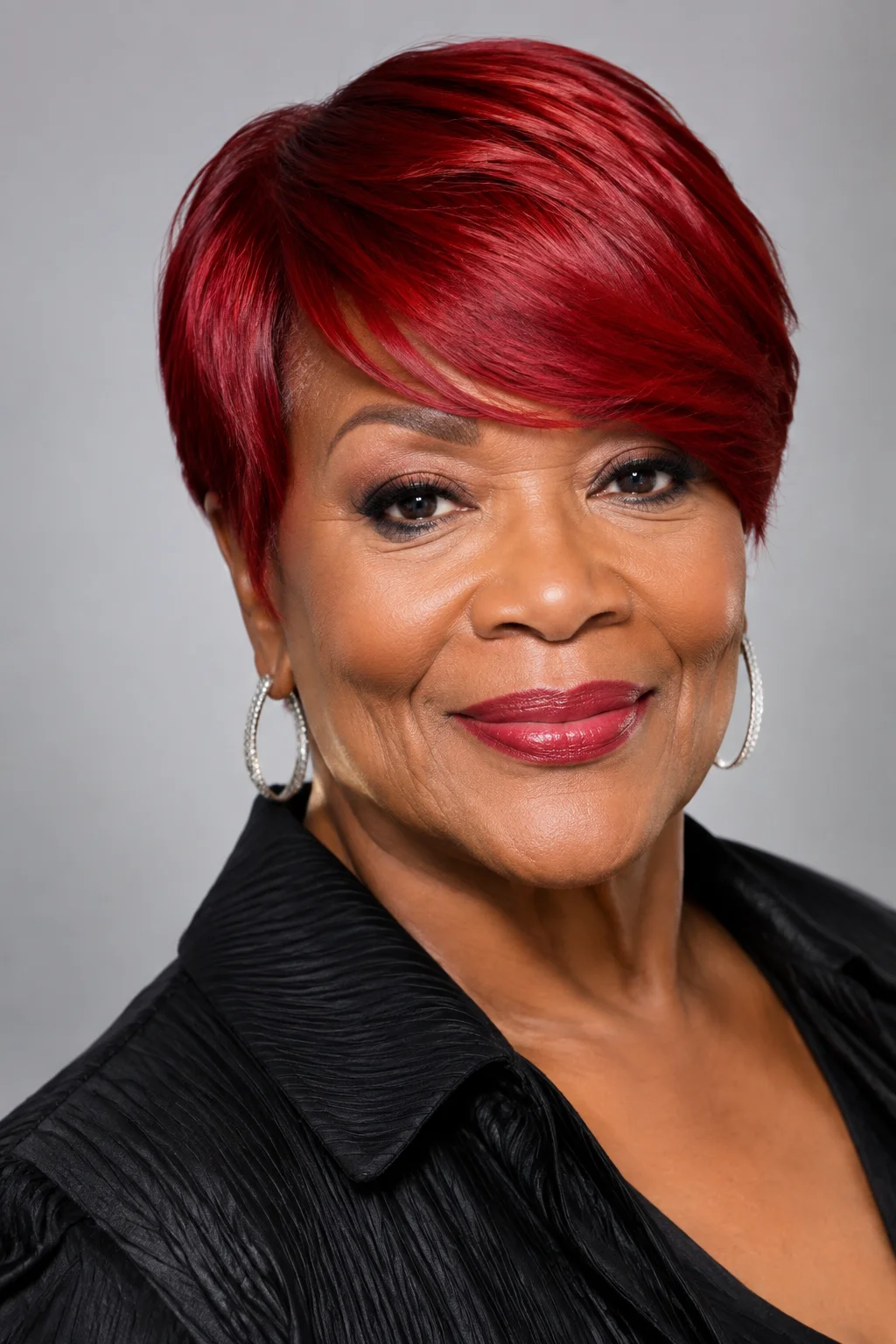
Part pixie, part bob, this cut keeps some length at the front while the back stays short and choppy. It suits women who want the ease of a pixie but aren’t ready to lose length entirely around the face. The choppy finish hides flyaways and works with both curly and straight textures.
Short Layers with Longer Nape
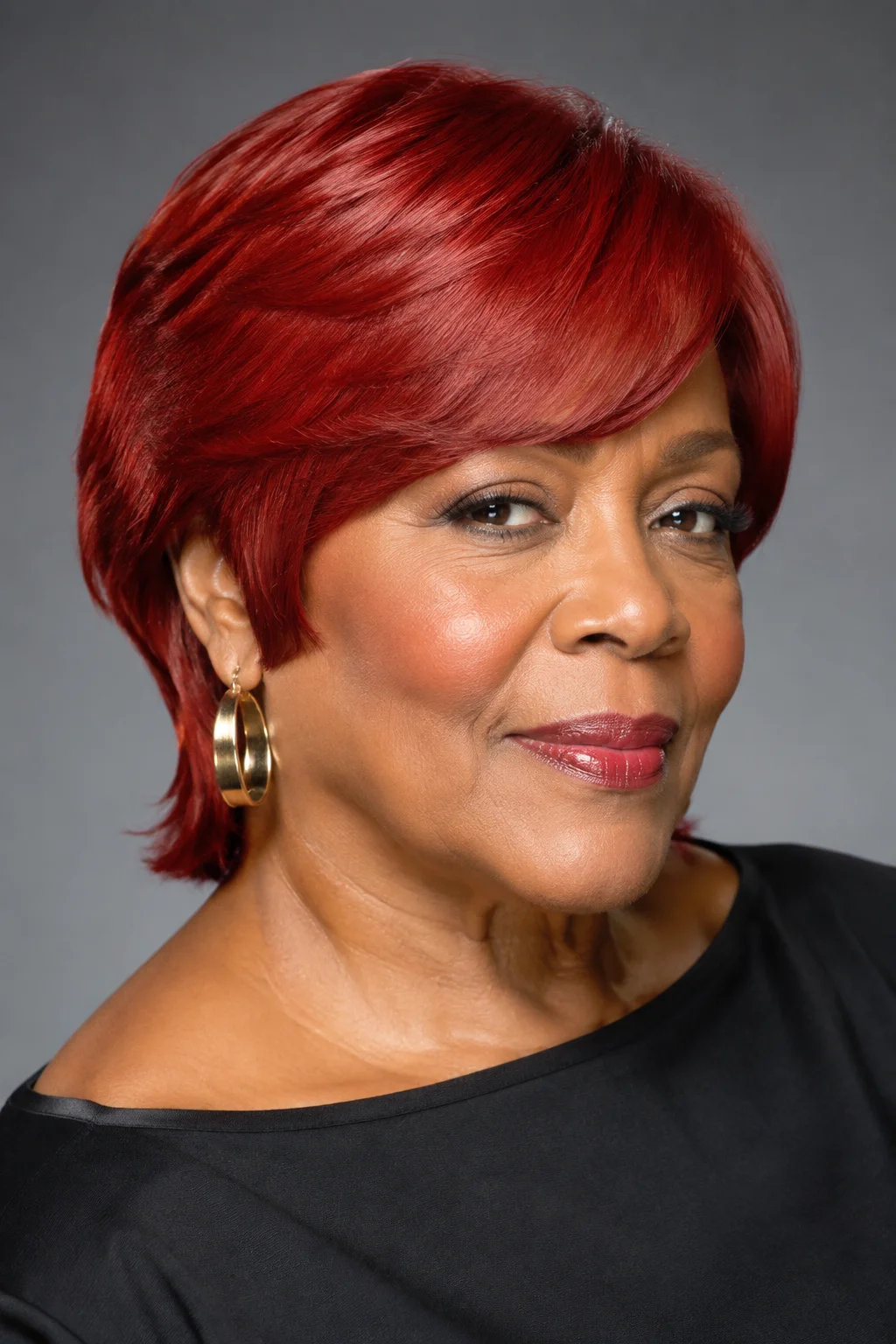
A slightly longer nape paired with short, layered sides and top gives this cut a soft silhouette from the back, almost like a gentle taper rather than a hard line. It suits women who want a short cut but still like having a bit of length to tuck behind the ears or sweep to one side. The layering throughout keeps it from looking like two separate lengths stitched together.
Textured Crop with Tapered Fade
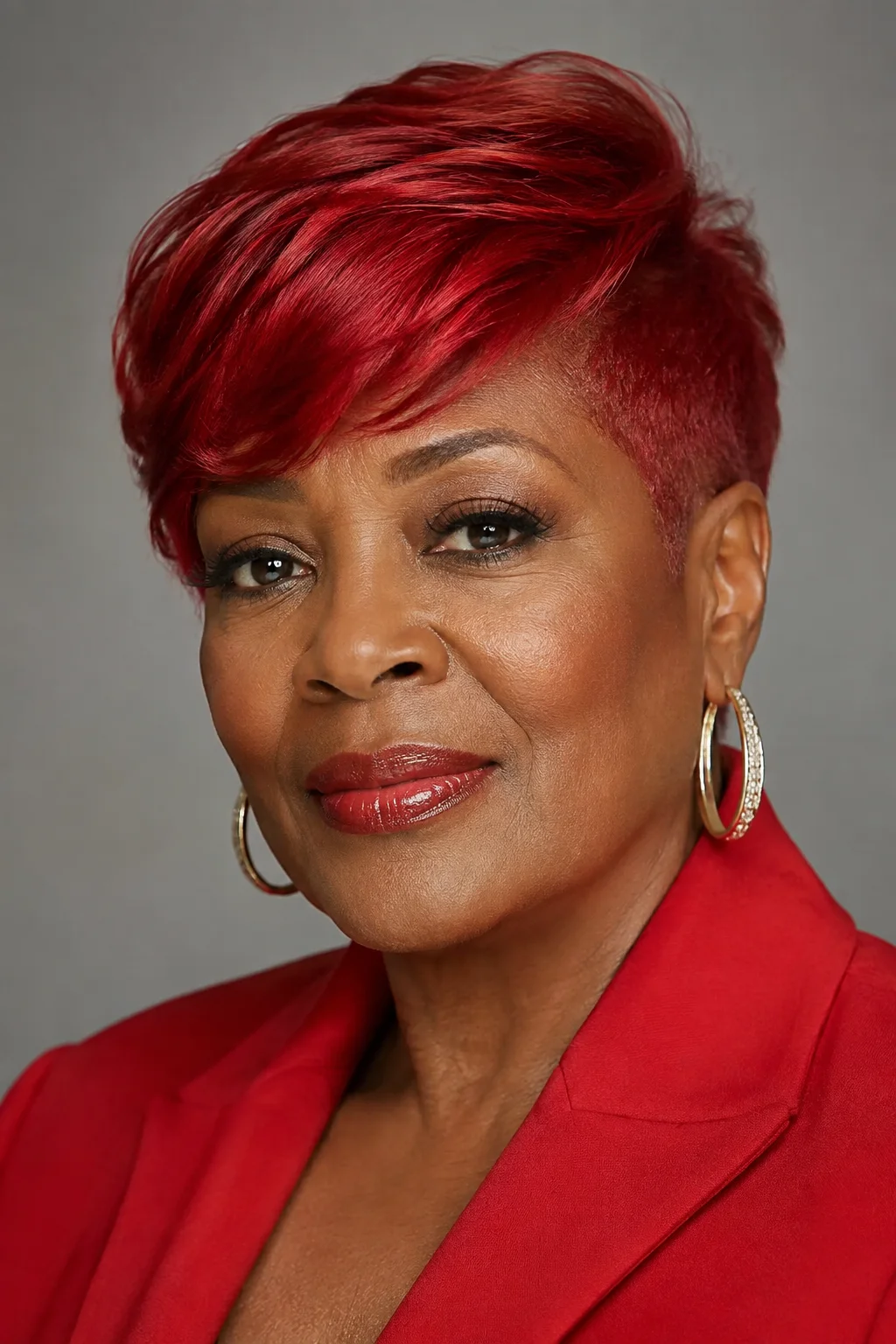
Similar to the cropped fade but with heavier texture through the top, this version leans more casual and lived-in. The fade tapers gradually instead of sharply, which some women over 70 prefer for a softer transition at the hairline. It’s a solid choice for low maintenance styling since the texture does most of the visual work on its own.
Layered Bob with Disconnected Undercut
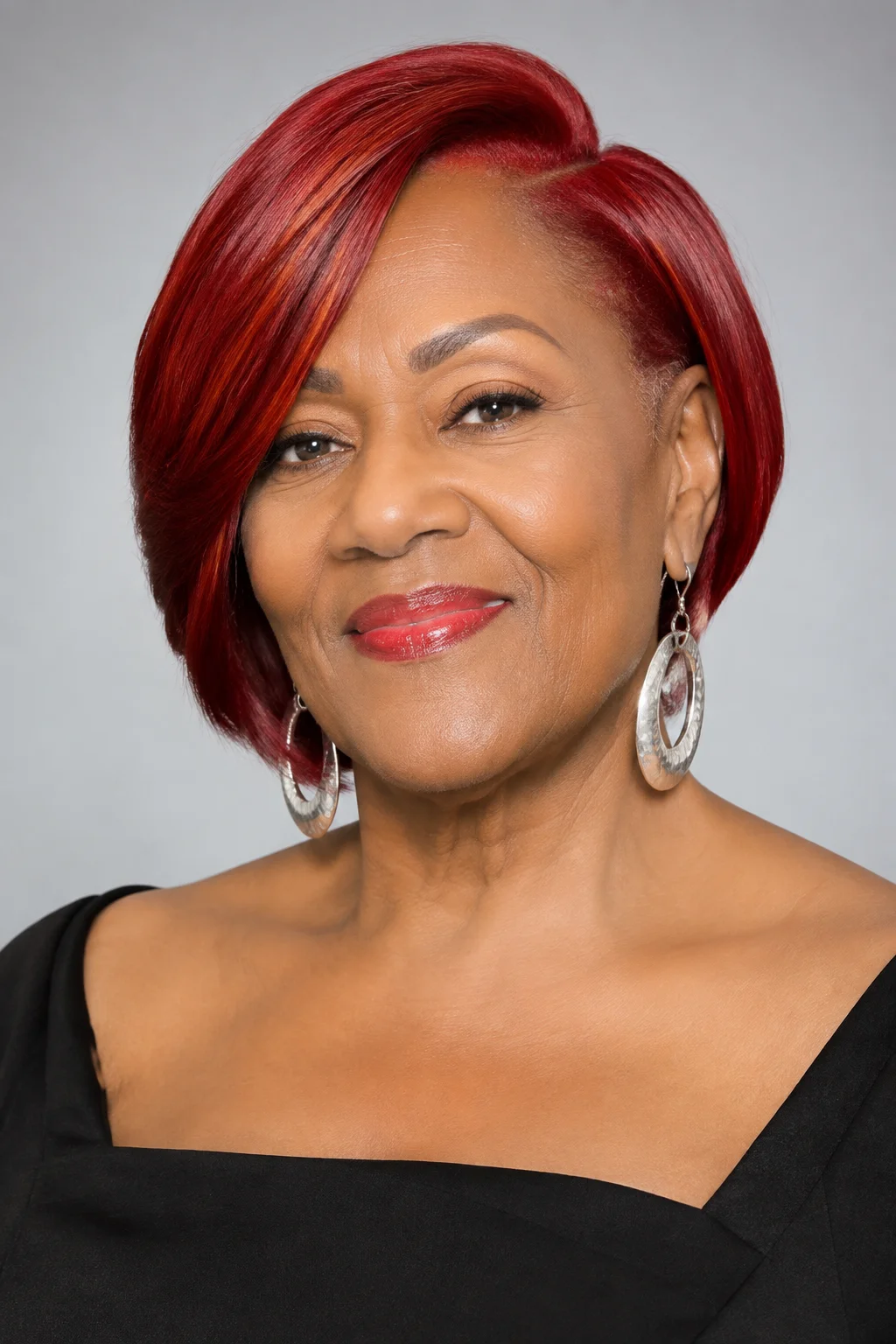
A disconnected undercut creates a visible contrast between the longer top layers and the closely shaved underside, giving the bob a more graphic, modern edge. It’s not the most traditional option on this list, but it suits women who want something a little bolder without committing to a full pixie. The disconnection can be hidden or shown depending on how you part and style the top.
Short Layered Cut for Thick Hair
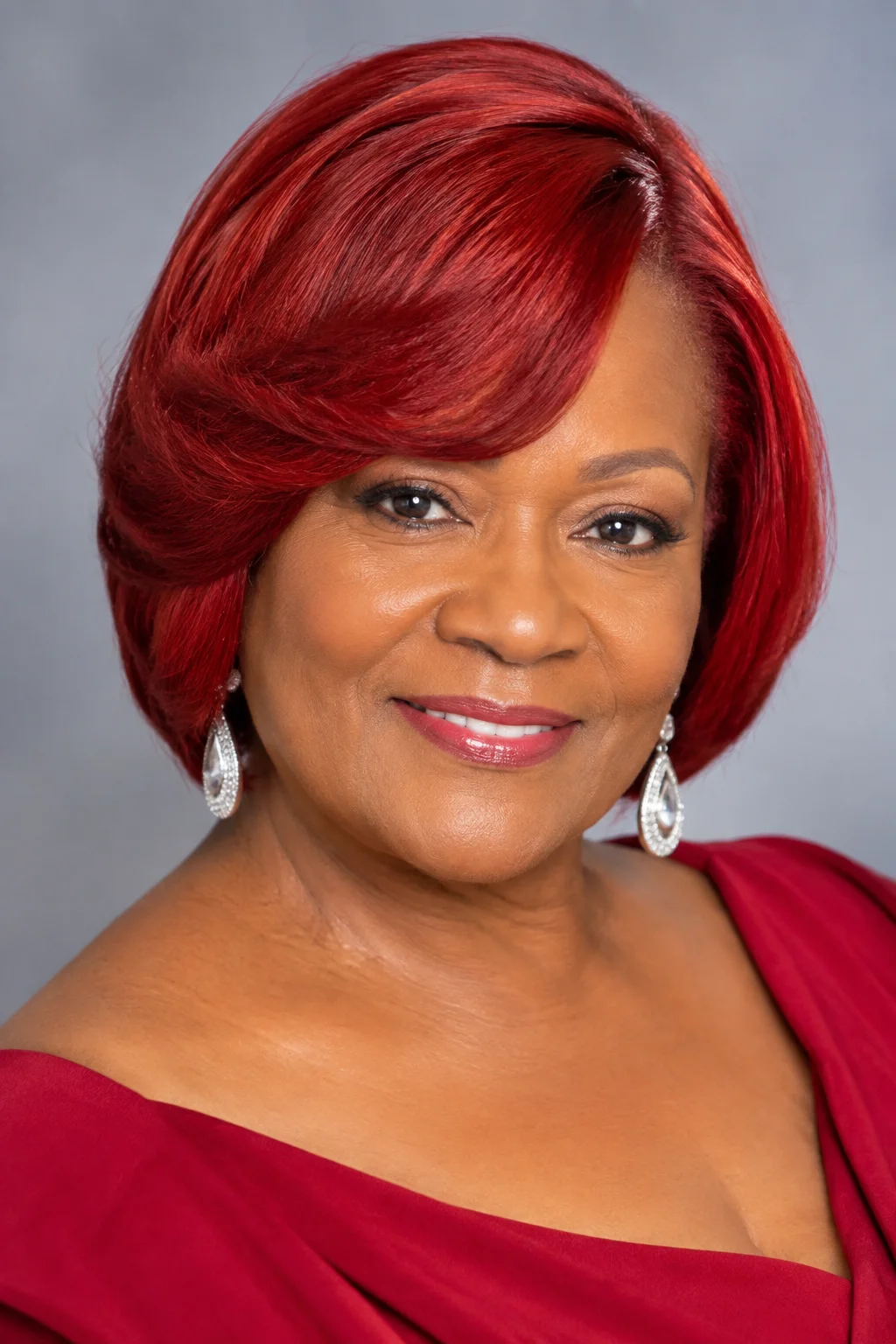
Thick hair needs layers that remove weight, not just length, and this cut does both by thinning out bulk through the mid-lengths while keeping the perimeter strong. Without this kind of layering, thick short hair can look like a solid helmet rather than a shaped style. The result moves more naturally and takes less time to dry and style each morning.
Refined Pixie with Soft Layers
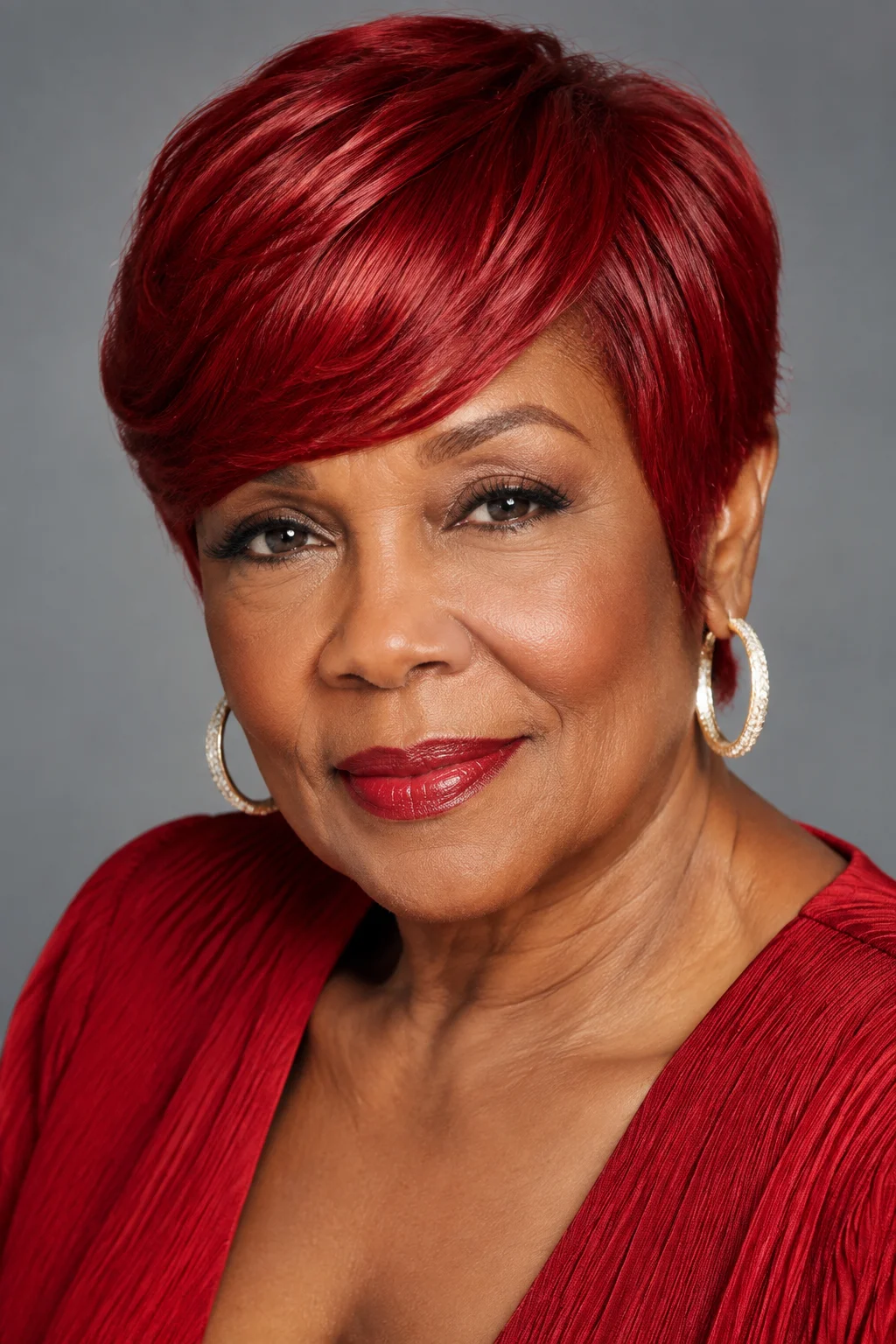
This pixie keeps things gentle, with soft layers instead of sharp, choppy texture throughout. It’s a dependable, elegant option for women who want a classic short cut that doesn’t need much styling beyond a bit of smoothing cream. The layers are cut to lie close to the head, which keeps the shape neat from the first day after a trim to the last.
How to Choose the Right Cut for You
With twenty options on the table, picking one comes down to your hair texture, your face shape, and how much time you want to spend styling. If your hair has thinned significantly, the stacked short bob for fine or thinning hair or the layered crop with volume at crown will do more for fullness than anything with heavy, long layers. If you have natural curls or coils, skip the straight-hair-focused cuts and look instead at the cropped curly cut with defined coils or the layered shag for natural texture, both built to work with your pattern instead of against it.
For round faces, the rounded layered bob for round faces and the choppy short cut with wispy bangs both elongate rather than widen. If you want something lower maintenance with sharper lines, the cropped fade with textured top layers or the textured crop with tapered fade need the least daily work between trims.
A common mistake is choosing a cut because it looks good in a photo without considering texture. A feathered short bob photographed on fine straight hair won’t behave the same way on thick, coily hair. Bring a photo to your appointment, but let your stylist adjust the layering to match what your hair actually does, not just what it looks like on someone else.
Final Thoughts
Any of these twenty cuts can work well past 70, but the right one depends on your texture, your face shape, and how much styling time you’re willing to give it each morning. I recommend starting with a consultation rather than walking in with a fixed idea, since small adjustments in layering can make a big difference in how a cut actually sits on your head. A good stylist will look at your hair’s density and growth pattern before cutting a single piece, and that conversation is worth having before you commit to anything new.