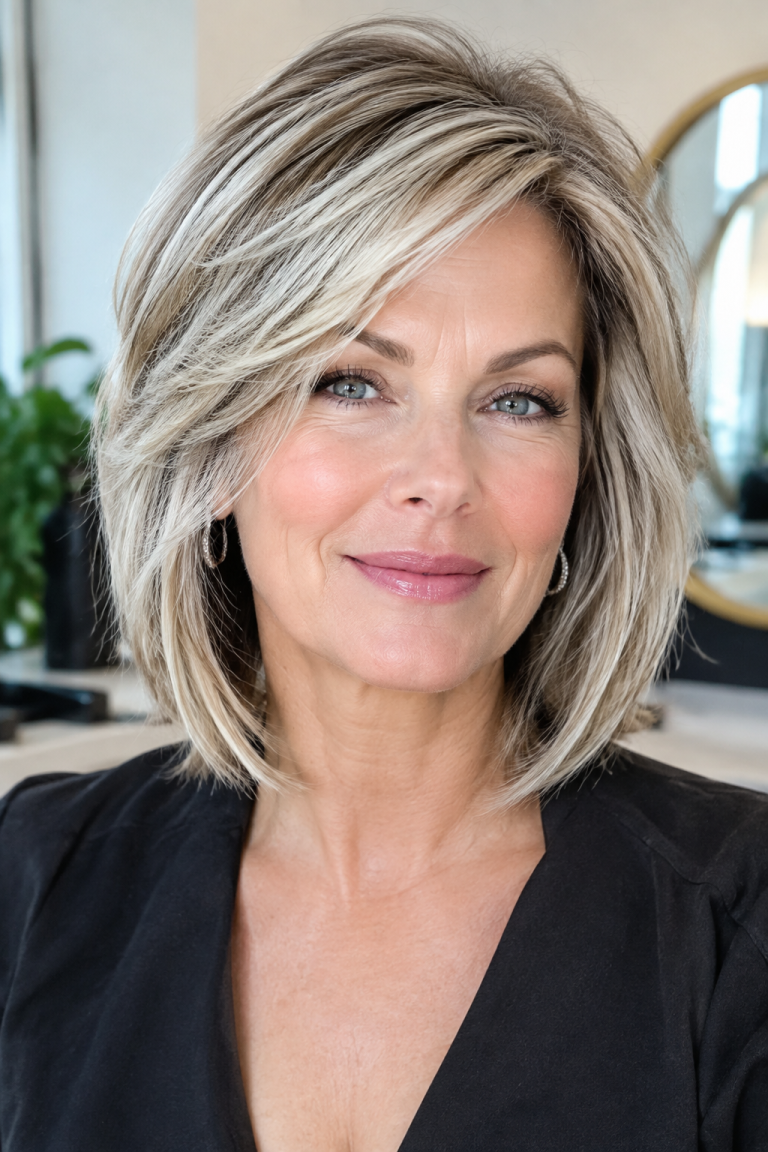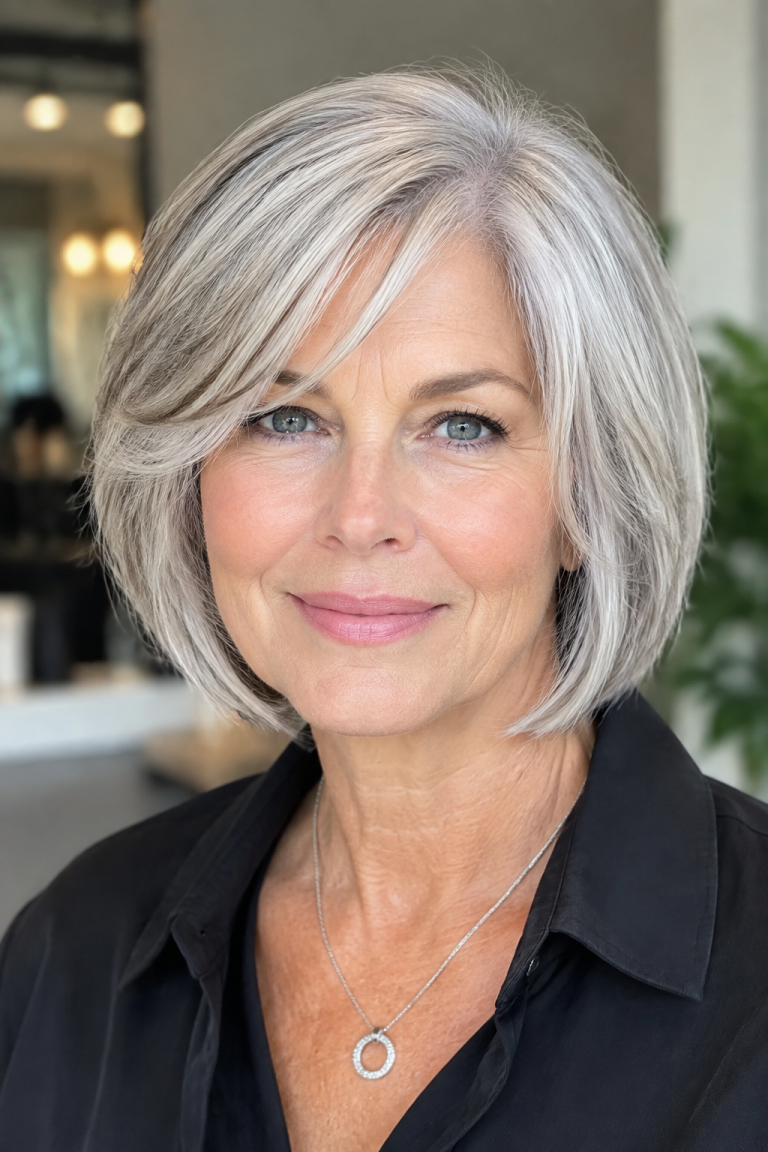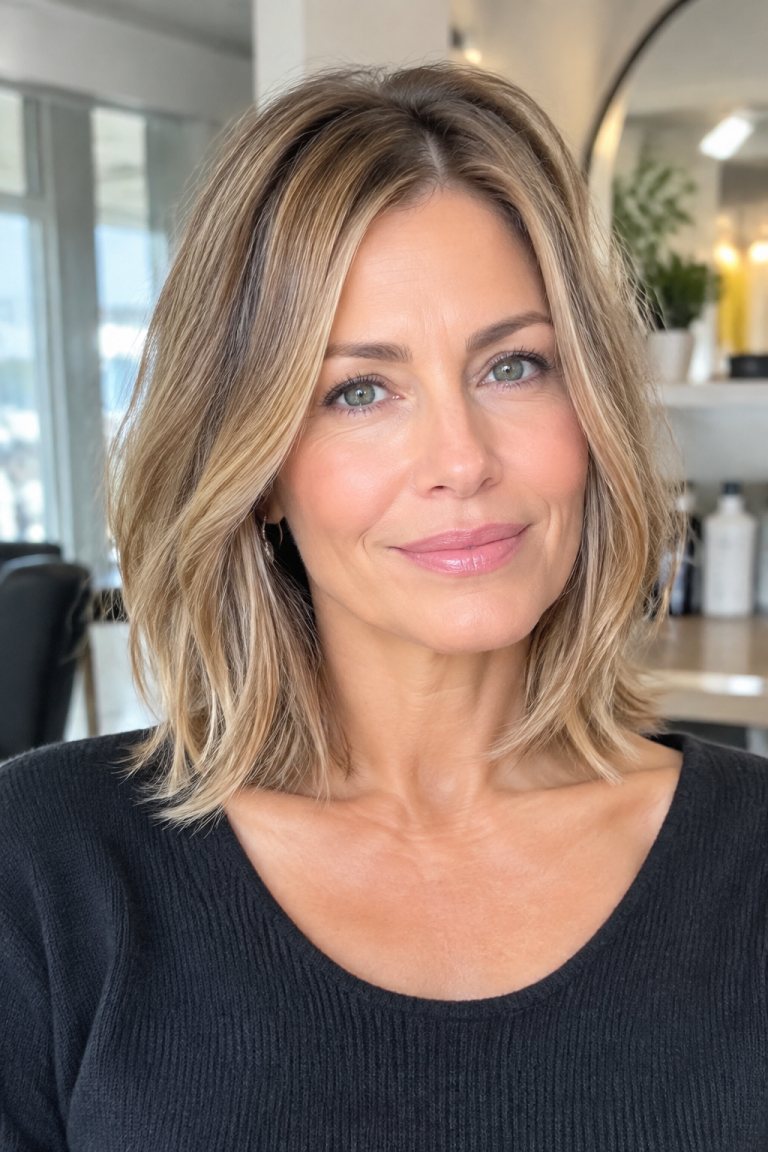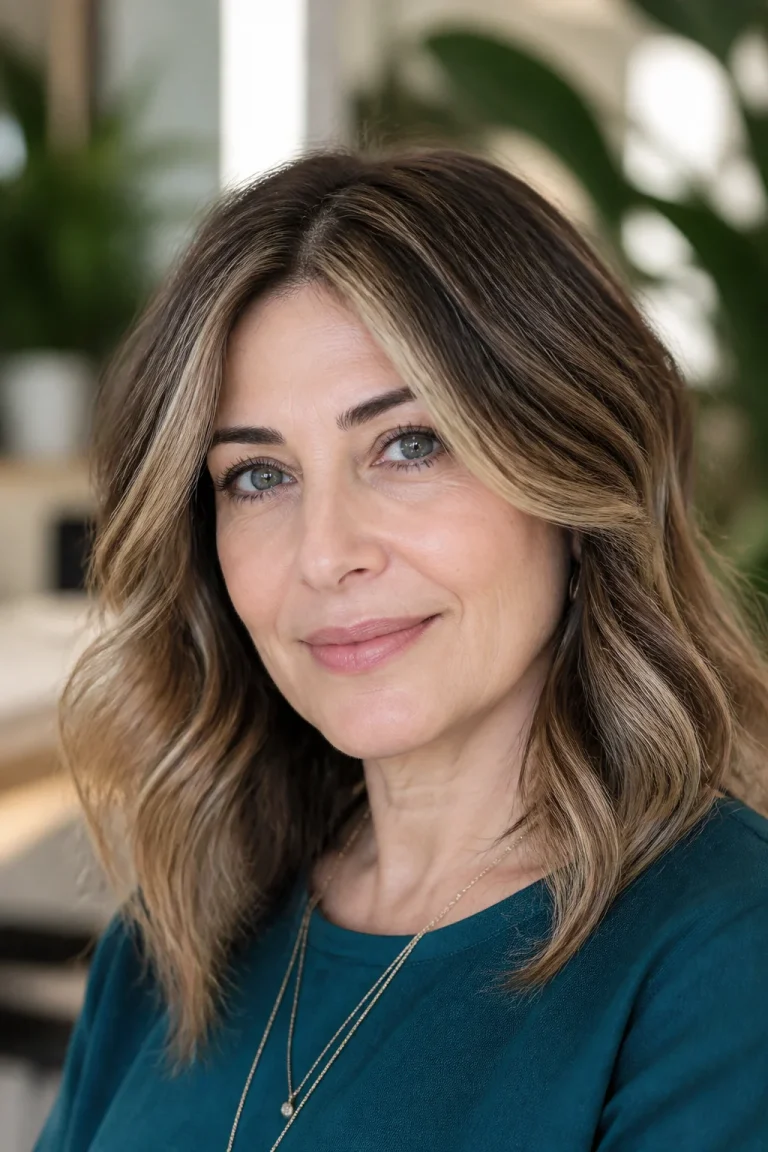
Color-treated hair after 60 dries out at the ends and still shows oil at the scalp if you wash it like you did at 40. The color is not the whole problem. The strand is finer, the scalp makes less oil on some days and too much on others, and a daily wash pulls moisture out of hair that already lost it in the color process. One plain week is easier to follow than a new product every month.
Two washes, not seven
Pick two wash days. Tuesday and Saturday works for a lot of women. More than that, and the color fades and the ends roughen. Fewer than that, and the scalp itches or the roots look flat and separate. On wash day, shampoo the scalp once. A second lather is only for the day you used a heavy spray and can still feel it.
Condition from the ears down, or from the nape down if the cut is short. Leave it on while you do the rest of the shower, then rinse with water that is warm, not hot. Hot water swells the cuticle and lets the color slip. Cold rinses are not required. Comfortably warm is enough.
One mask, on the lengths
Once on the weekend, swap the conditioner for a mask on the mid-lengths and ends. Ten minutes is plenty. Do not put it on the scalp unless the mask says it is for the scalp and your scalp is actually dry and flaking. Most masks on a normal scalp just make the roots heavy, and then you wash again sooner, which defeats the week.
If the ends still feel like straw the morning after, add a pea of leave-in while the hair is damp. One pea. Rub it between your palms and skim the last two inches. A handful makes color-treated hair look greasy even when it is thirsty.

The days you do not wash
Sleep on a smooth pillowcase if the ends catch on cotton and wake up fuzzy. In the morning, mist the lengths with water if you want the style to reset, and leave the roots alone unless they are lank. Dry shampoo is for oil you can see, not for a daily stretch. On a dry scalp it builds up and makes the itch worse, which sends you back to the shower.
Heat on a non-wash day should be low and short. The color is already porous. A full round-brush blow-dry every morning is what shortens the time between color appointments.
Color appointment versus a dry spell
Faded ends are not always a reason to recolor the whole head. If the roots are a soft gray or a close match and the ends are just dull, a gloss or a conditioning treatment may be the visit, not another full dye. If the line of regrowth bothers you at three weeks, that is a schedule question. Ask the colorist for a root touch-up and leave the ends until they need it. Overlapping dye on already colored ends is how hair in your 60s and 70s starts breaking off at the same place.
Tell them you wash twice a week and that the ends feel dry by day three. The formula should match that week, not a wash-every-day routine you no longer use.