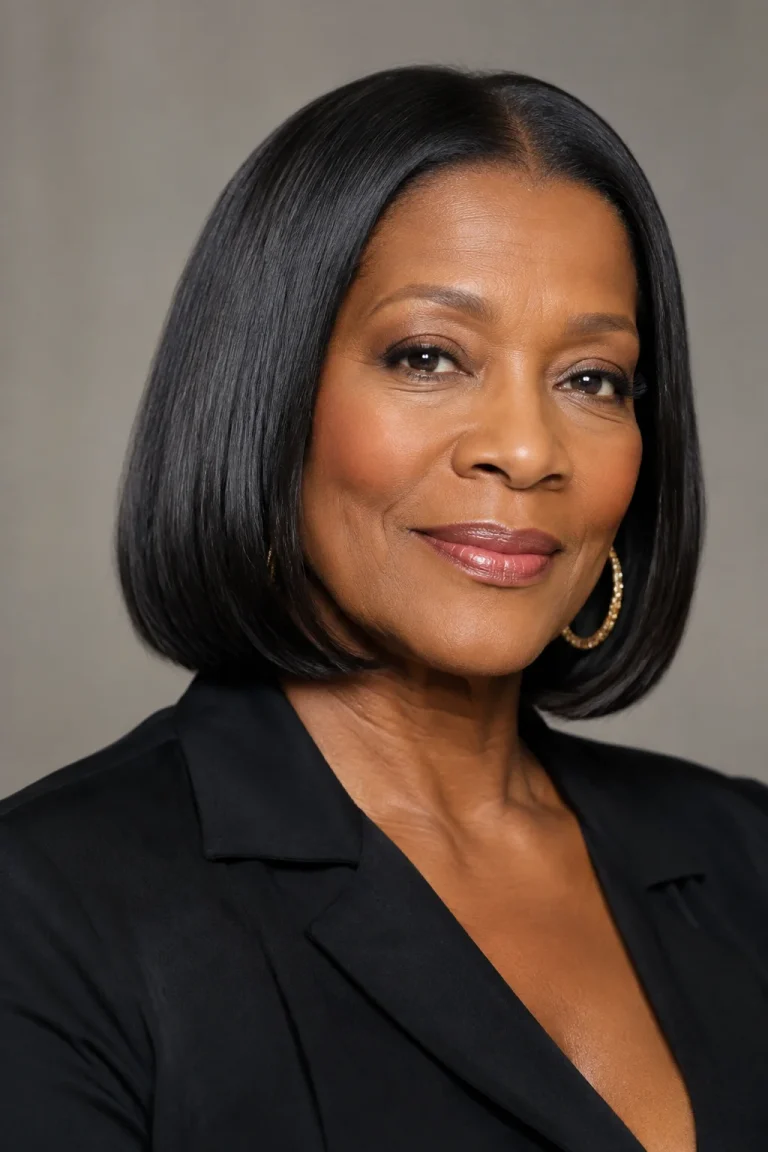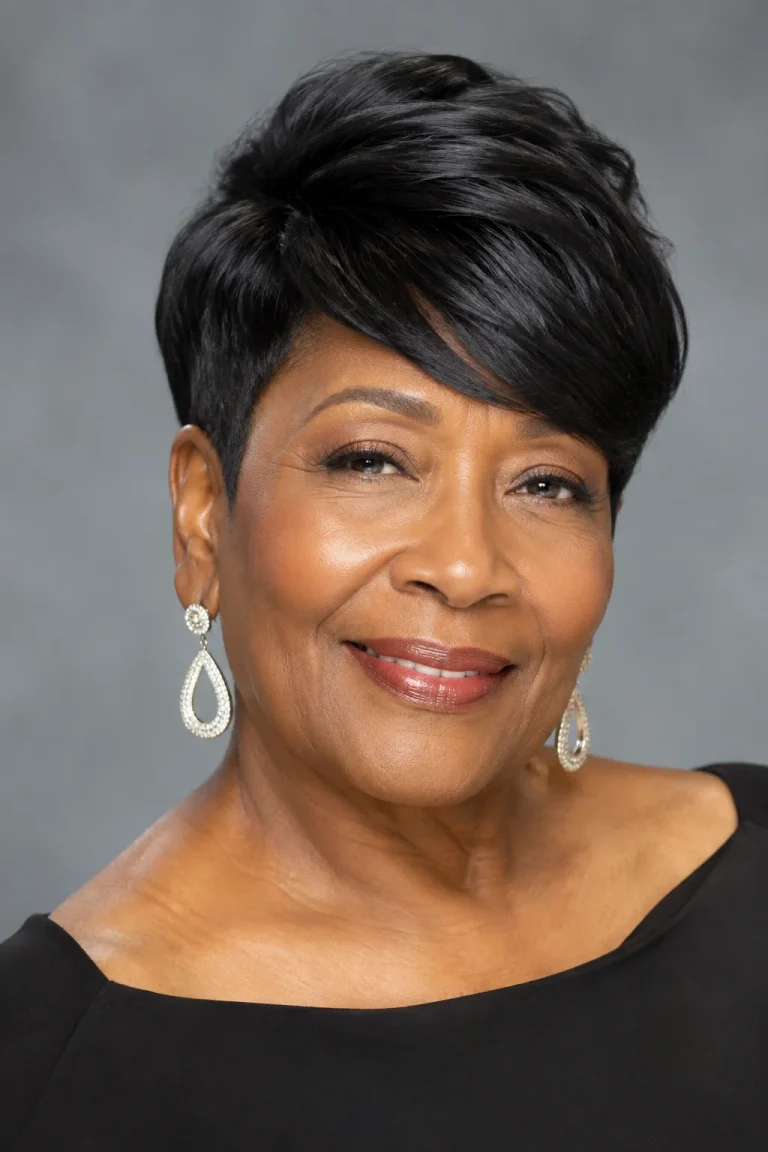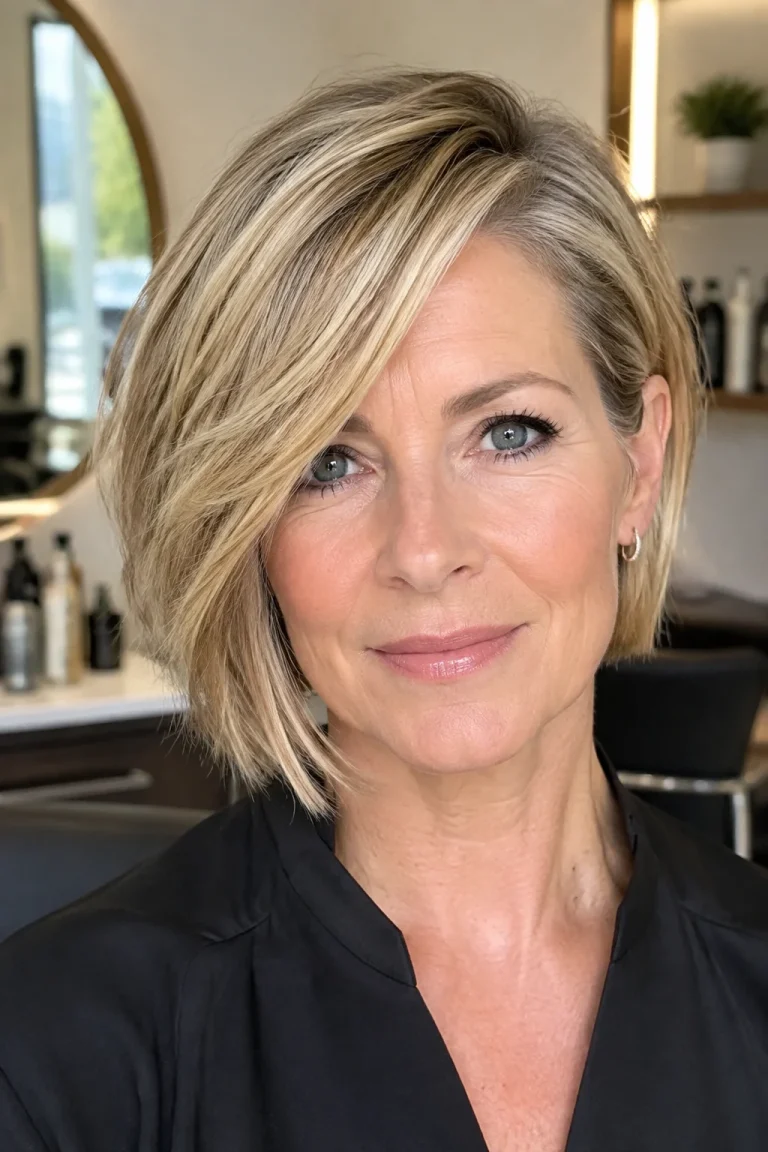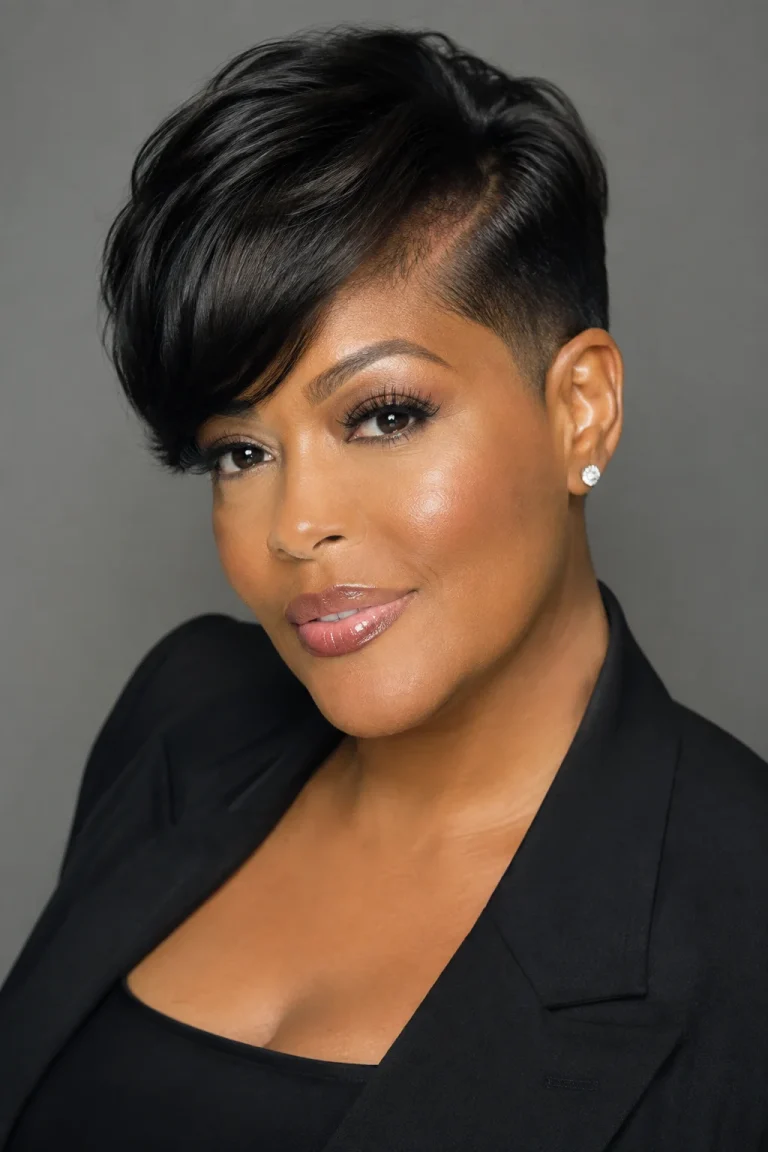
Growing out a relaxer or just tired of styles that fight your curl pattern instead of working with it? A short cut can feel risky when you don’t know which shape will actually flatter your texture. That’s the real problem most women run into: they pick a bob from a magazine that was styled for straight hair, then wonder why it looks nothing like the photo once their curls dry. Natural texture bob hairstyles for black women solve this because they’re built around coils, kinks, and waves from the start, not adjusted after the fact. Some sit right at the chin for a bold, blunt line. Others taper into the neck or add an undercut for extra edge. A few lean into twist-outs and Bantu knot patterns for definition without heat. Below are nineteen ways to wear this cut, each one chosen to highlight what your curls already do well.
Shoulder-Length Coil Bob with Defined Curl Pattern
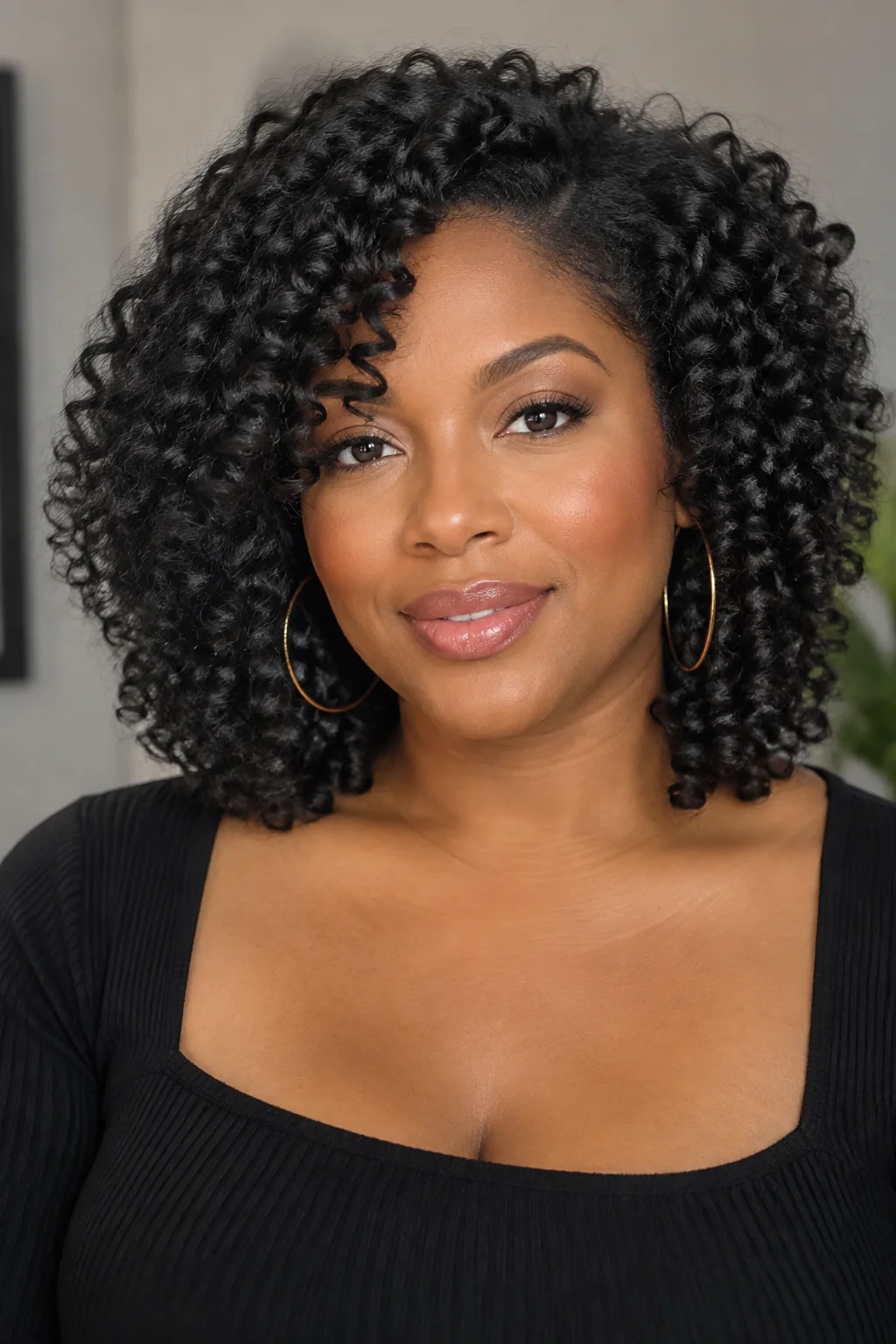
This length hits right above the shoulder and gives tighter coils room to spring up without looking boxy. The cut works because a stylist shapes it dry, curl by curl, so the ends land where they actually fall instead of where a wet cut predicts. You get a rounded silhouette that moves when you turn your head, with no flat spots at the crown. It suits medium to high density hair best, since finer strands can look thin at this length once the shrinkage sets in. Ask your stylist to layer the interior slightly so the coils stack instead of clumping into one heavy mass. Tip: use a curl cream on soaking wet hair and avoid touching it until it’s fully dry to keep the pattern crisp.
Chin-Length Blunt Bob for Tight Coils
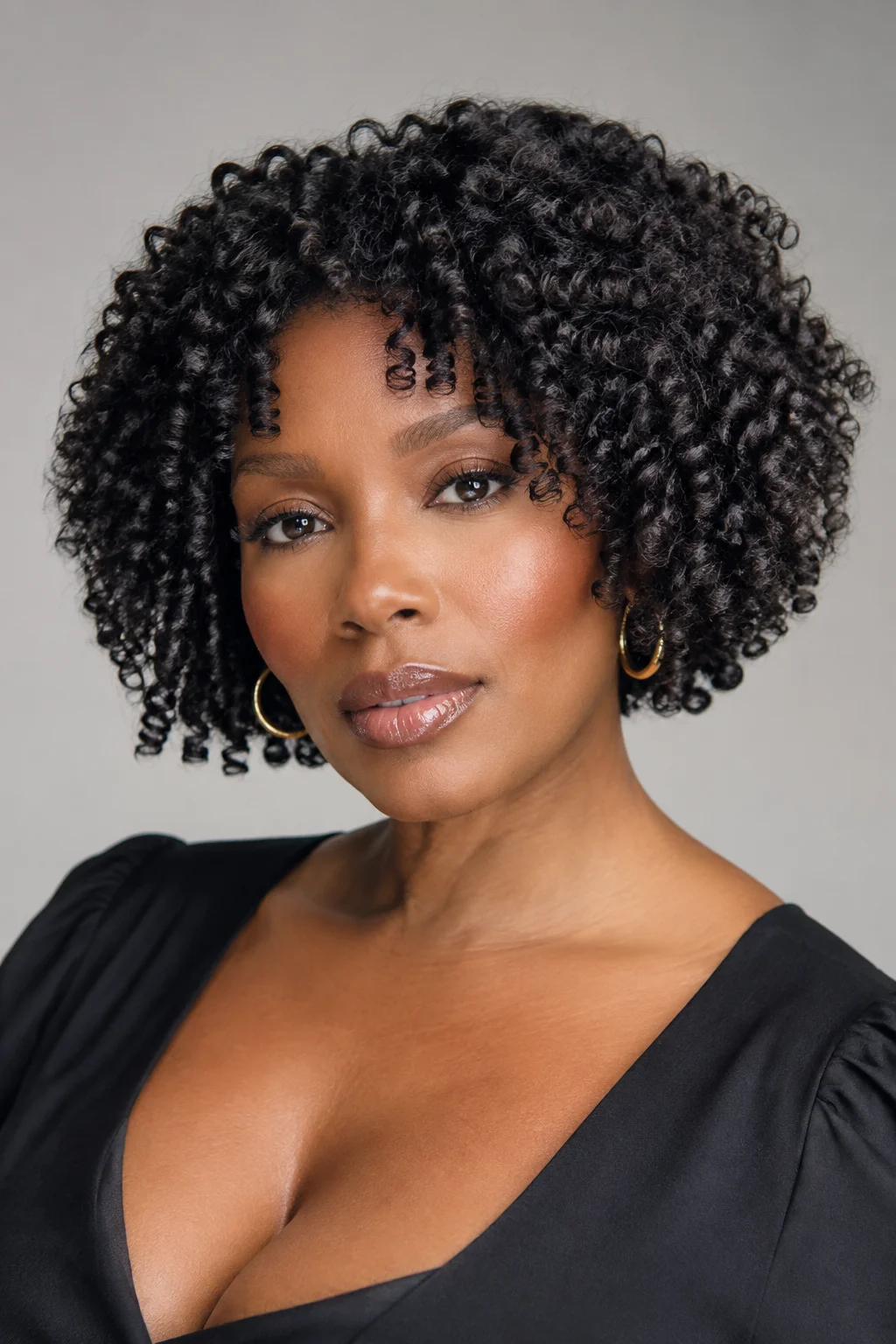
Tight coils hold a blunt line beautifully because the density fills in any gaps at the ends. This bob sits right at the chin and reads sharp and graphic when the curls are fresh, then softens as the day goes on. It’s a low maintenance option for anyone who wants structure without a lot of daily styling.
Textured Bob with Longer Front Pieces
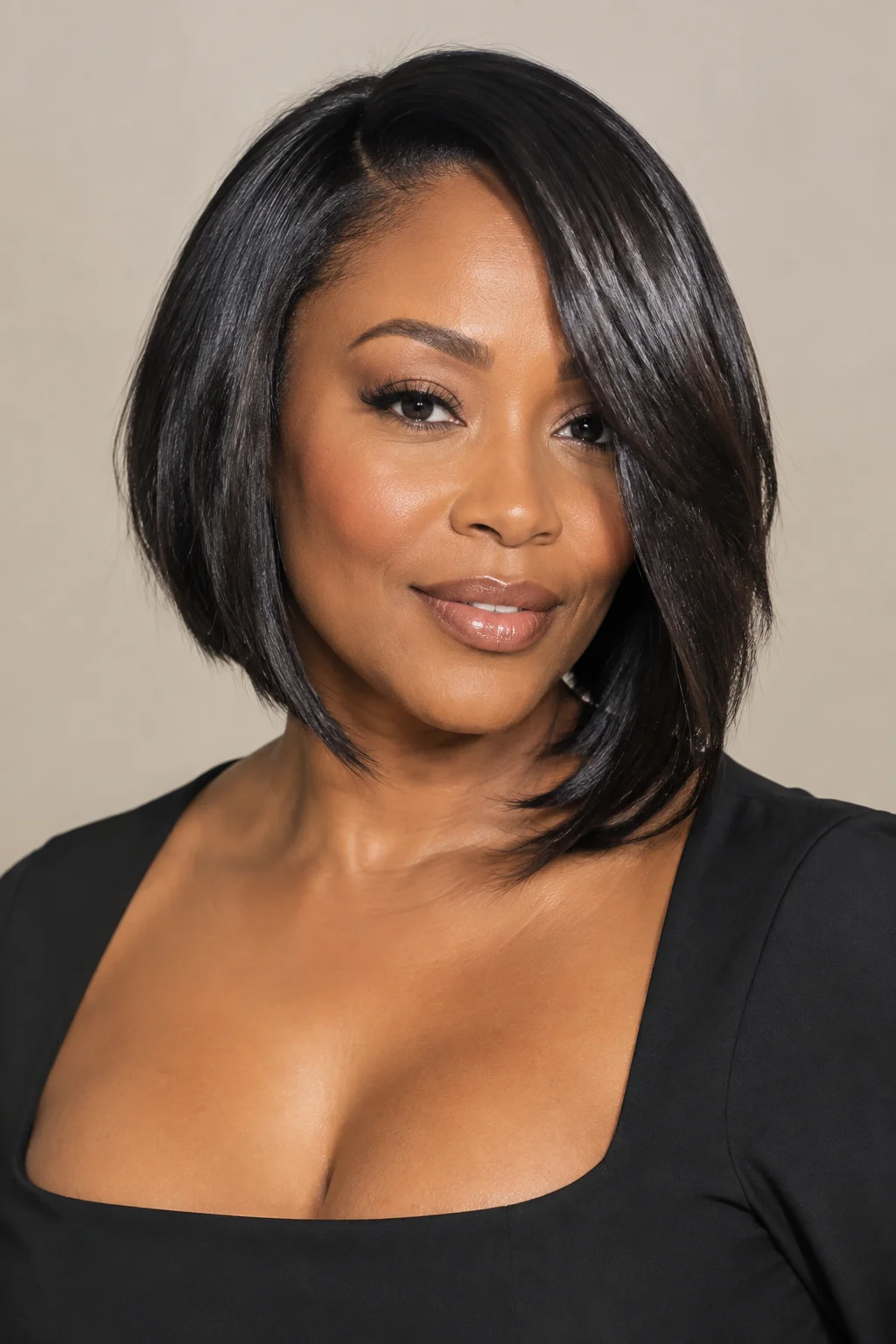
Front pieces that graze the collarbone while the back stays shorter create a face-framing effect that works on almost every face shape. The longer strands pull attention downward and soften a square or angular jawline. Because the back is cropped closer, this style also feels lighter on the neck during warmer months. Stylists usually cut the front in a slight curve rather than a straight line, so it blends into the shorter layers instead of looking like an obvious step. Curl definition products help these front sections hang with a bit of separation instead of clumping into one thick strand. This cut also grows out gracefully, since the length difference between front and back gives you more time before a trim is urgent.
Tapered Bob with Undercut Sides
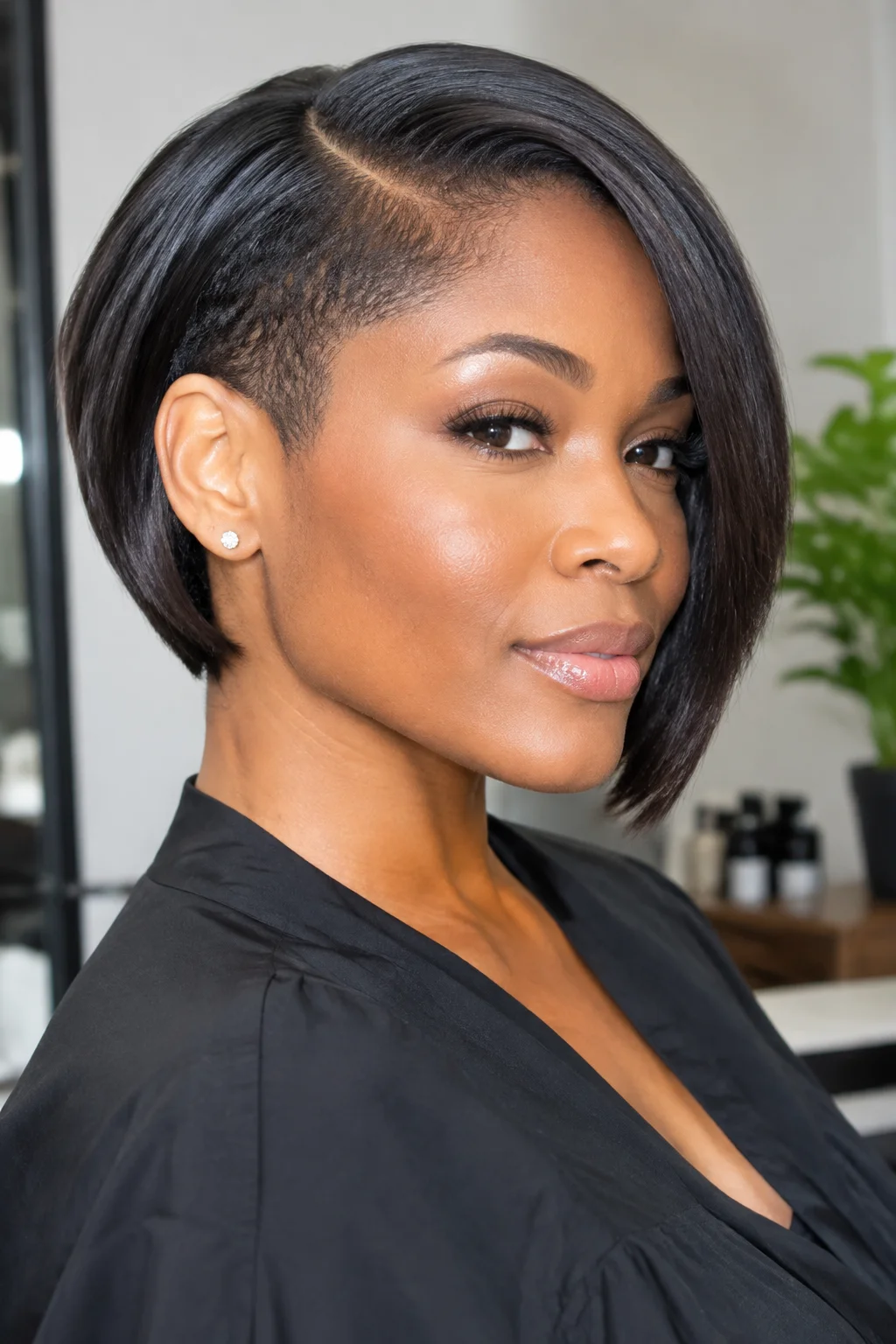
The top stays fuller and rounded while the sides get buzzed down close to the scalp, creating real contrast between texture and skin. This is one of the more dramatic entries on this list, and it rewards anyone who wants a bob that reads as edgy rather than soft. The tapered sides also mean less bulk to manage, which cuts down on daily detangling time. Maintenance does require more frequent visits, since the undercut needs a refresh every few weeks to stay sharp against the curlier top.
Voluminous Crown Bob with Faded Nape
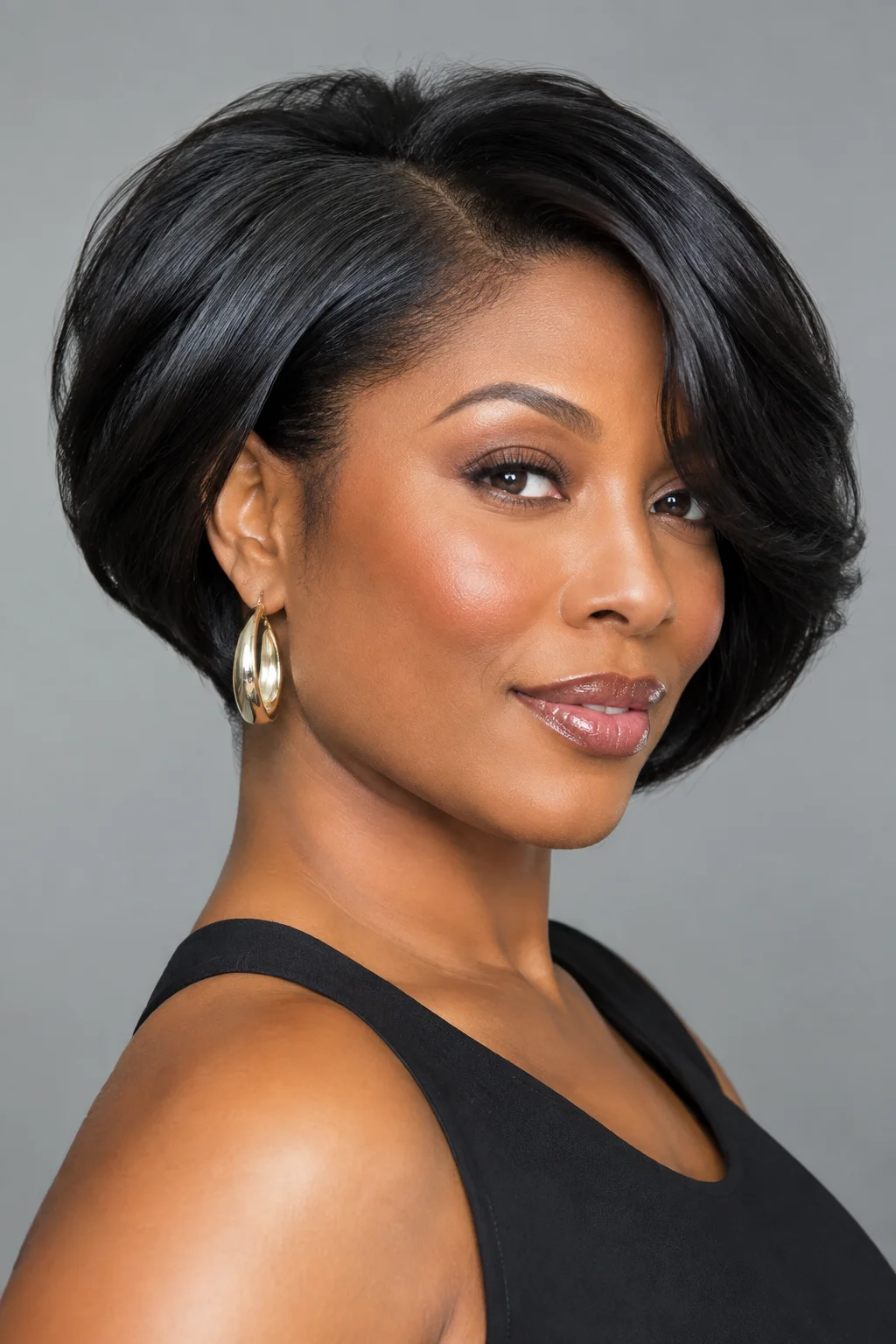
A rounded, full crown paired with a faded nape gives you height on top without the weight running all the way down to your neckline. The fade is subtle rather than sharp, blending into shorter natural hair instead of skin. This combination works particularly well on curl patterns that already have good volume, since the cut simply frames what your hair does naturally. The nape fade also keeps things neat in humid weather when the crown tends to expand.
Layered Curl Bob for Enhanced Movement
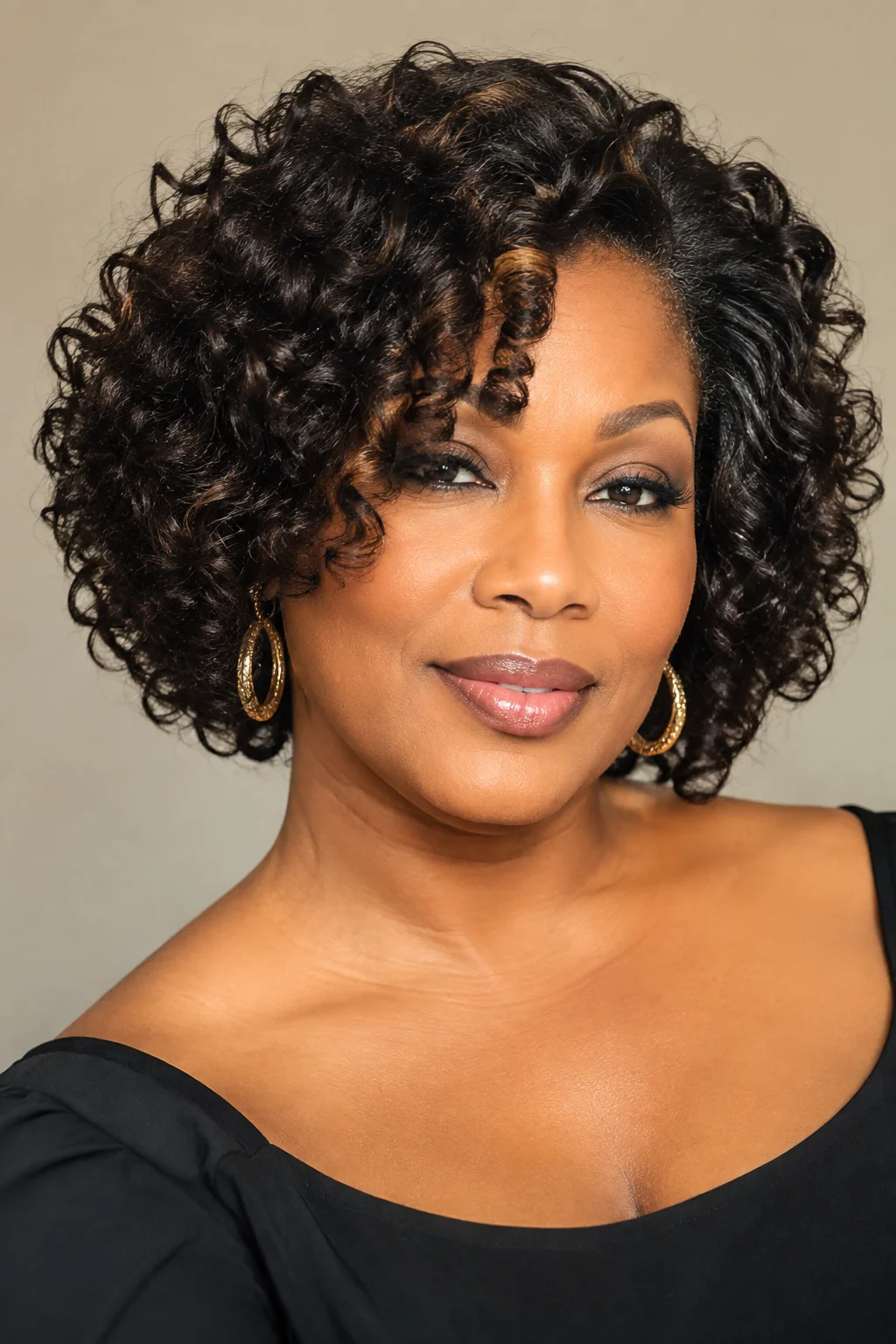
Layers cut through a curly bob add bounce that a one-length cut can’t give you. Shorter interior layers let shorter curls spring up while the perimeter stays a bit longer, so the whole shape feels lively instead of static. This is a strong pick for looser curl patterns, like 3A to 3C, where movement is easy to see. Denser 4A to 4C patterns can wear this too, though the layering effect will be more subtle since shrinkage compresses the visual length difference. A diffuser on low heat brings out the layered movement better than air drying alone.
Angled Bob with Longer Layers
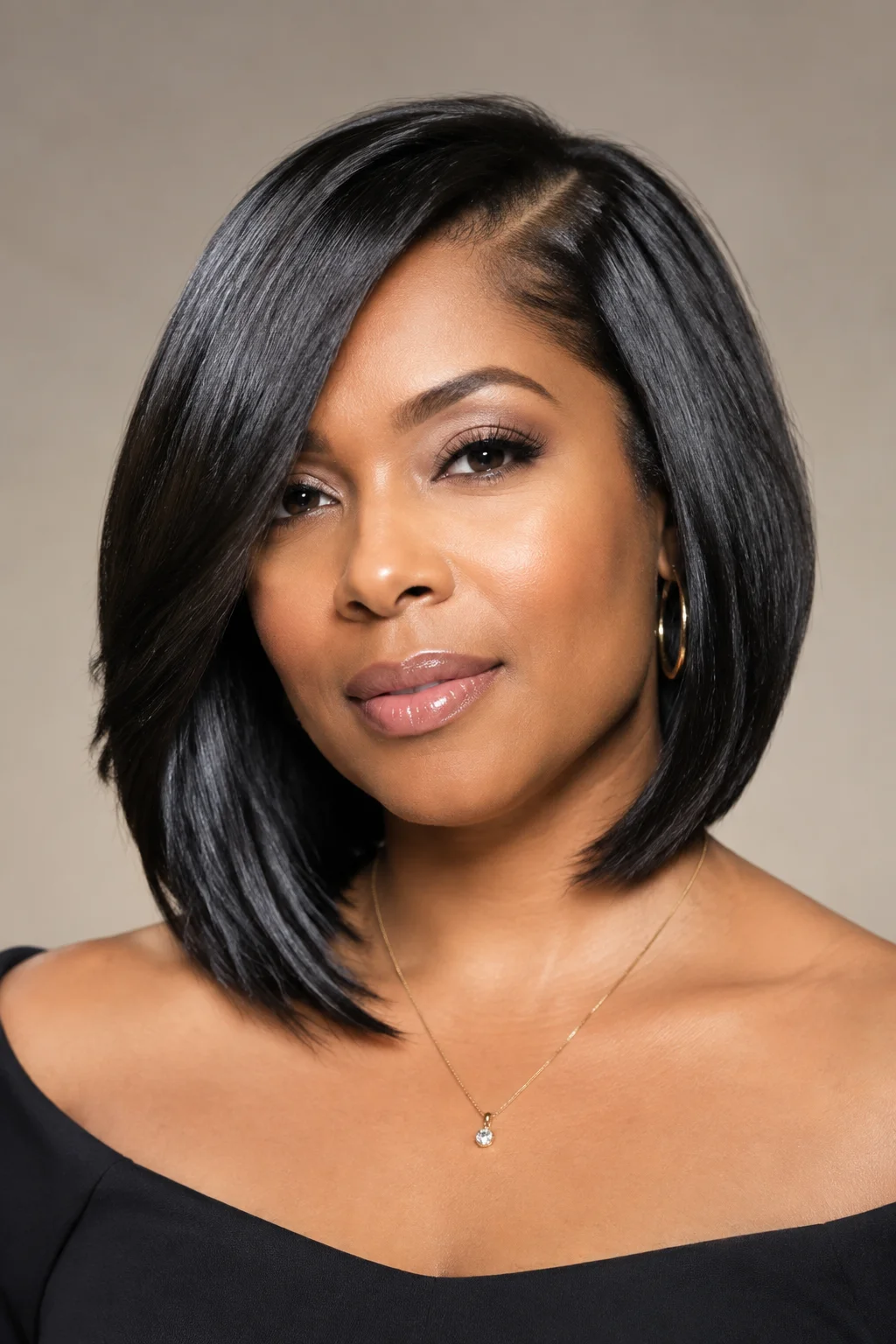
An angled bob slopes from shorter in the back to longer in the front, and on natural texture that diagonal line still reads clearly even after shrinkage pulls things up. Longer layers through the front soften the angle so it doesn’t look severe. Compared to a straight-across blunt cut, this shape gives more flexibility for parting your hair on either side. Curl clumps naturally emphasize the angle, so you don’t need much product to see the line the cut is built on.
Twisted-Out Texture Bob
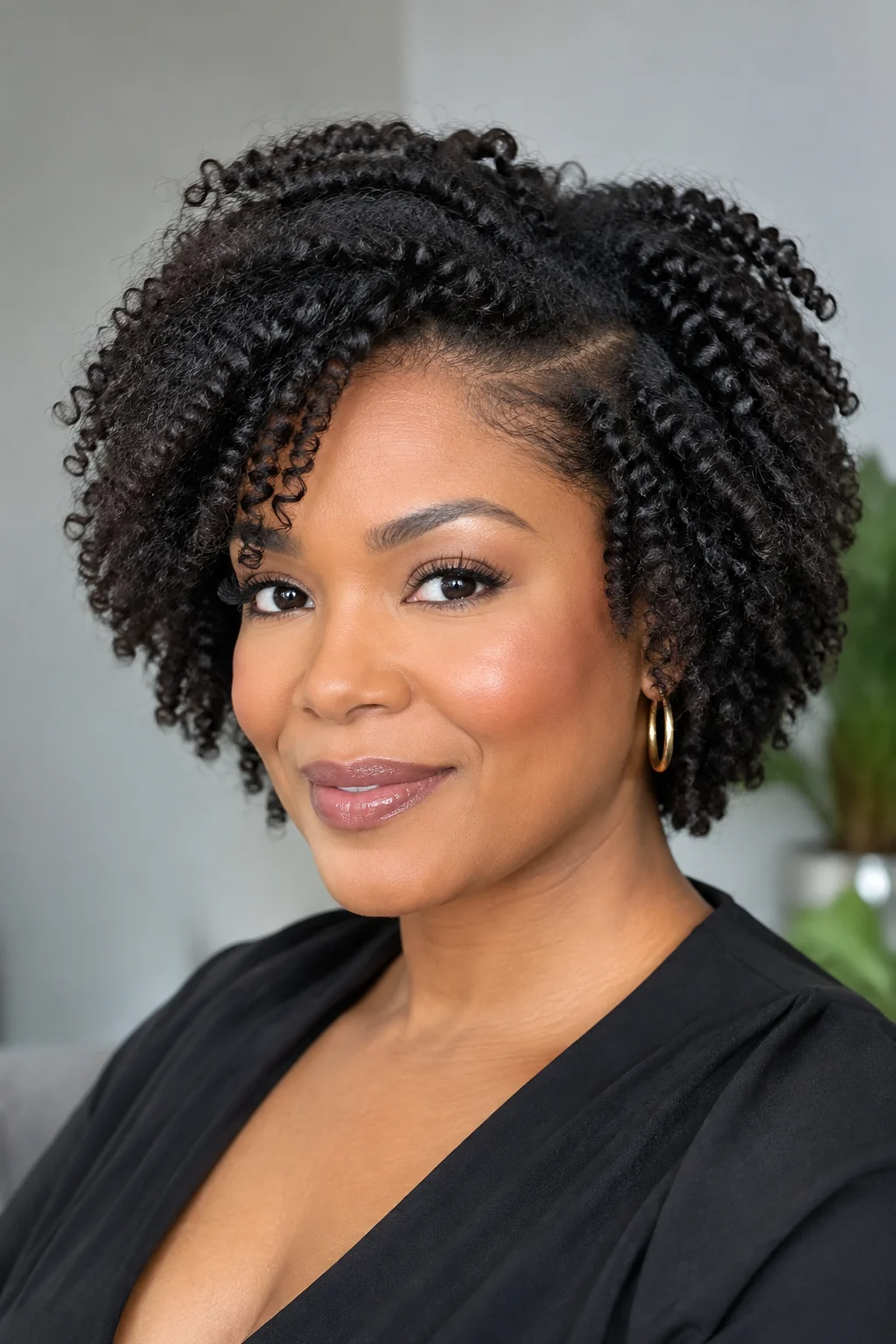
Twist-outs on a bob-length cut give you defined, rope-like waves without any heat tool involved. You twist damp hair in sections overnight or during the day, then unravel once fully dry for a soft, piecey finish. It’s one of the most affordable ways to change your bob’s texture from tight coils to loose waves temporarily.
Bantu Knot-Out Bob Style
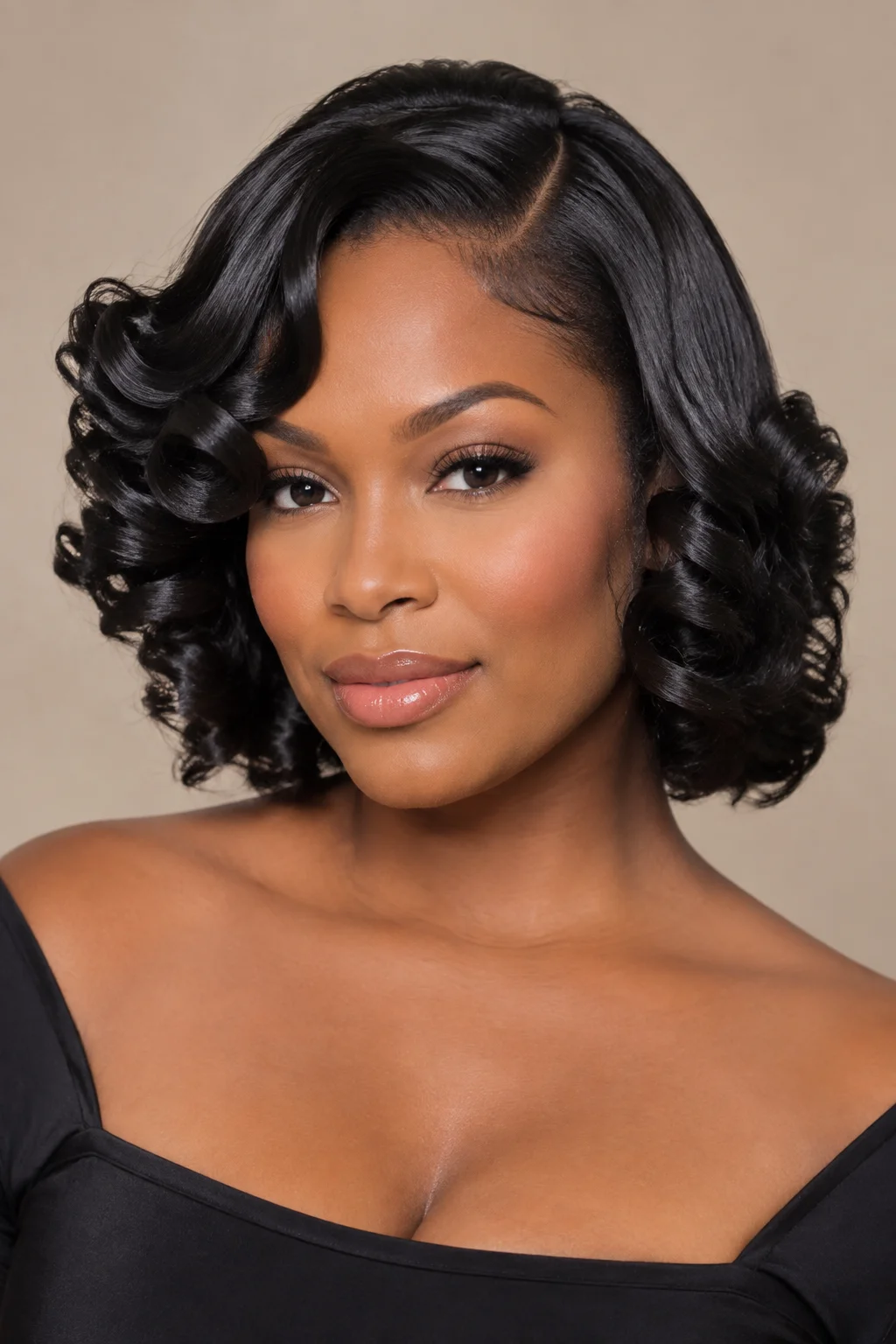
Bantu knots wrapped into small coils overnight produce tighter, more springy curls than a standard twist-out once you take them down. On a bob, the knot-out pattern tends to sit close to the head with volume concentrated at the ends, almost like a curl that’s been given extra bounce and lift. This style holds up well through humidity, which makes it a smart pick before a beach trip or a summer event. The knots do take practice to size evenly, so smaller sections give more consistent curls across the whole head. Tip: apply a leave-in conditioner before knotting so the hair stays moisturized while it sets.
Textured Pixie-Bob Hybrid
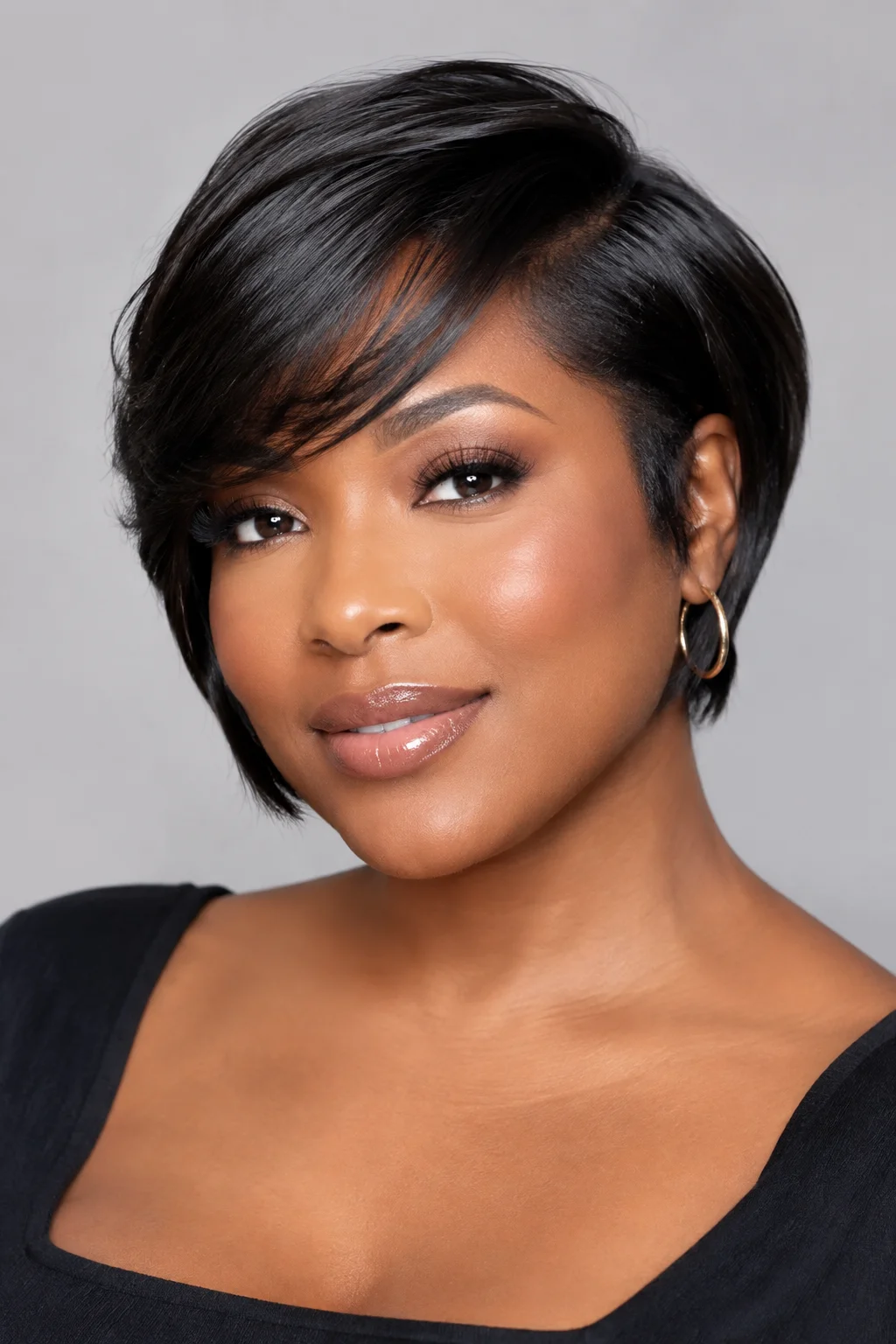
This cut splits the difference between a pixie and a bob, with cropped sides and back that lengthen gradually into a slightly longer top and crown. It gives you the low maintenance feel of a pixie with a bit more length to style on top. Curl definition products worked through just the crown section keep the longer pieces from looking flat against the shorter sides.
Side-Swept Curl Bob
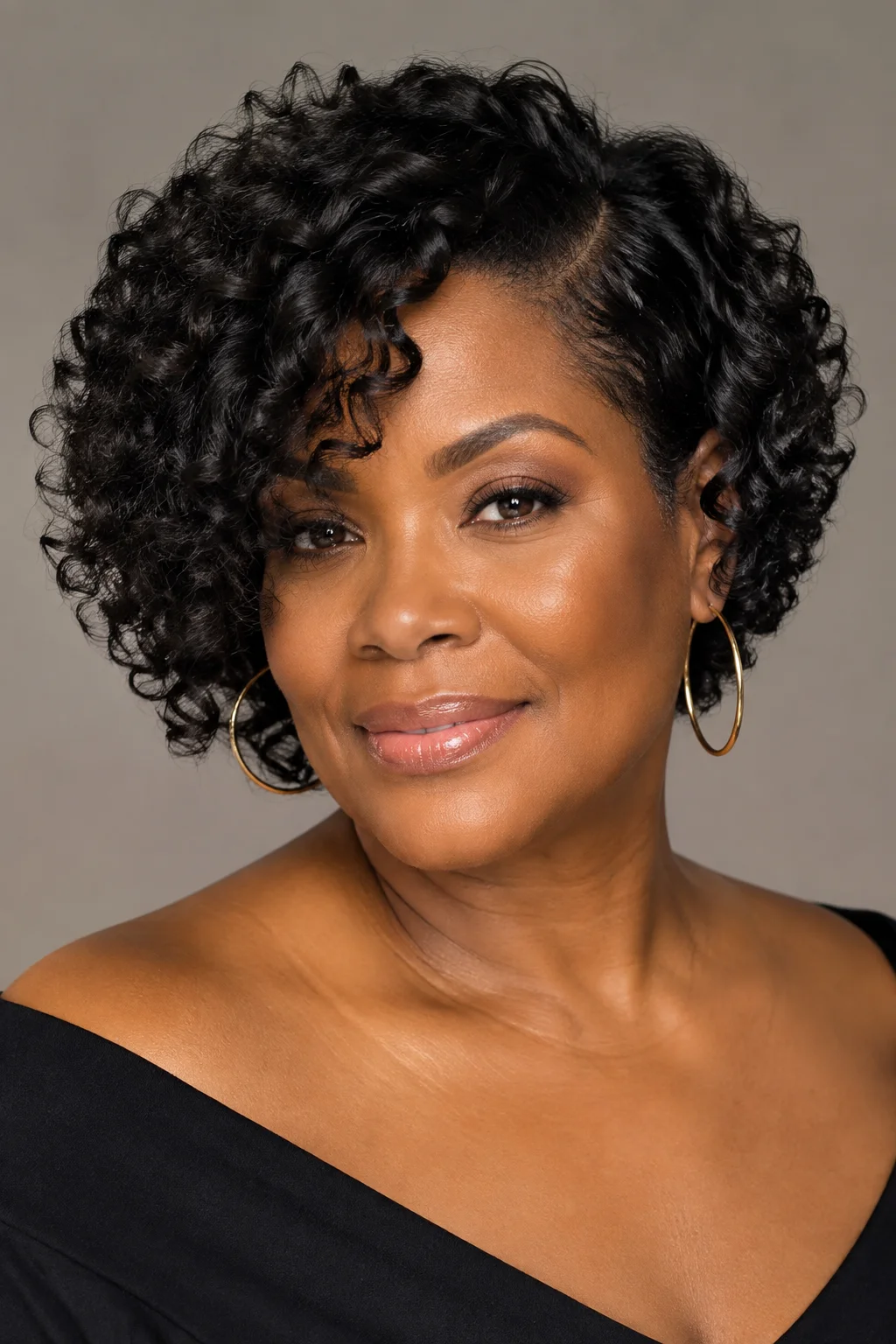
A deep side part pushes more volume to one side, which naturally draws the eye and can balance an asymmetrical face shape. On curly texture, the swept side tends to clump into larger, looser sections while the opposite side stays closer to the head. This asymmetry gives the whole style more visual interest than a centered part would. It photographs well too, since the swept volume creates a clear focal point.
Stacked Texture Bob for Density
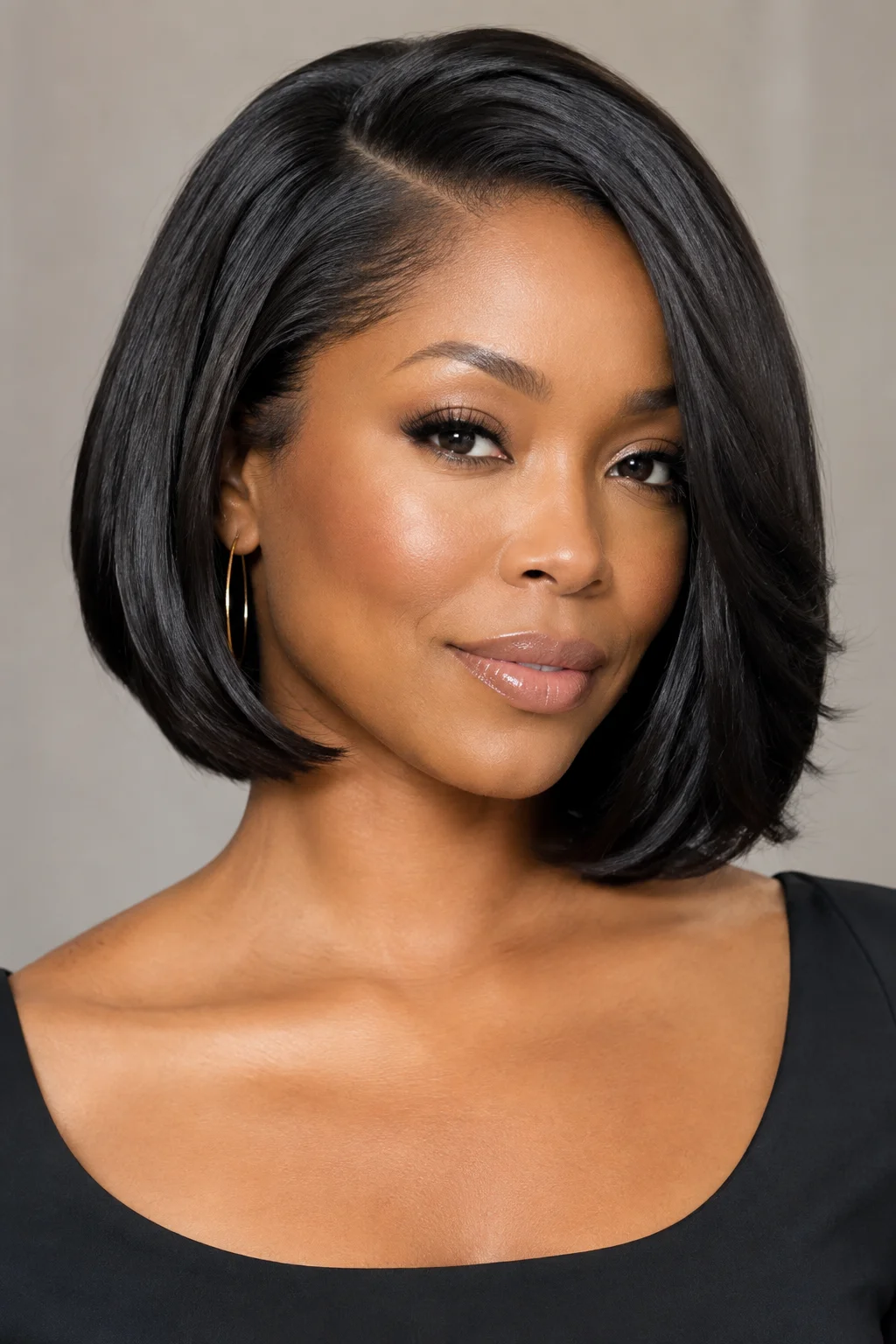
Stacking refers to how the back layers are cut to build density and rounded shape at the nape, and it’s especially useful for anyone whose hair is thinner at the ends than at the root. This technique adds the appearance of thickness exactly where a natural bob often loses volume first. Stylists usually stack tighter at the very back and let it loosen slightly toward the sides.
Flat-Twist Detail Bob
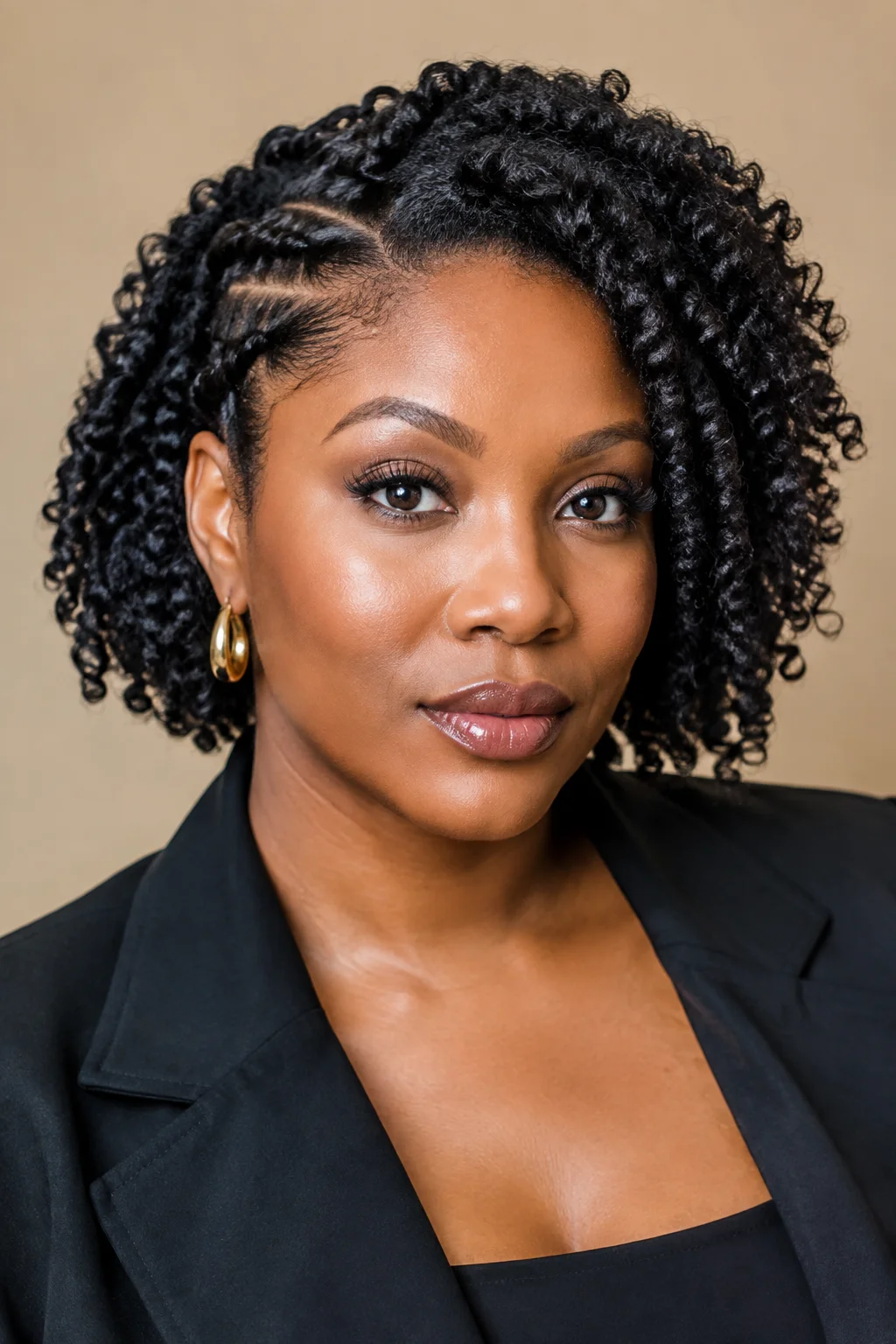
Flat twists worked along the hairline or through the crown add a defined, sculpted detail to an otherwise loose textured bob. They work well as a protective style for the front section while the rest of the hair stays out and curly. This combination gives you two textures in one style, which keeps things visually interesting without needing extra length. It also buys you a few extra days between wash days since the flat-twisted section holds up better than loose curls against friction from pillows and hats.
Wash-and-Go Textured Bob
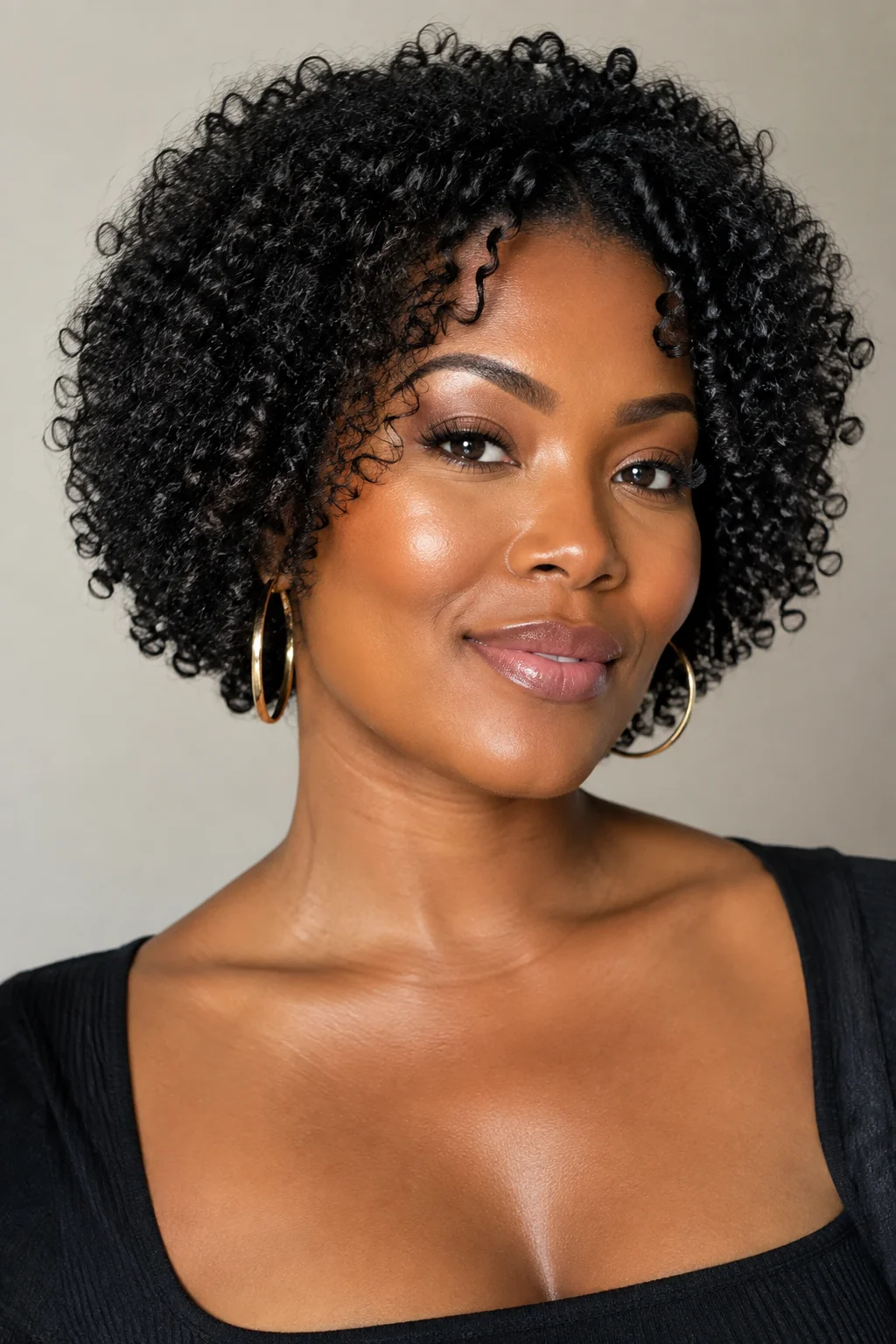
The wash-and-go is exactly what it sounds like: cleanse, apply your styling product, and let the curls do their thing without twisting, knotting, or heat styling. On a bob, this method keeps things fast, which matters if your morning routine is already tight. The tradeoff is less definition than a twist-out, since the curls clump based on however they naturally group during drying rather than a set pattern. Tip: apply product in sections while hair is still dripping wet for the most even curl clumping.
High-Fade Bob with Textured Crown
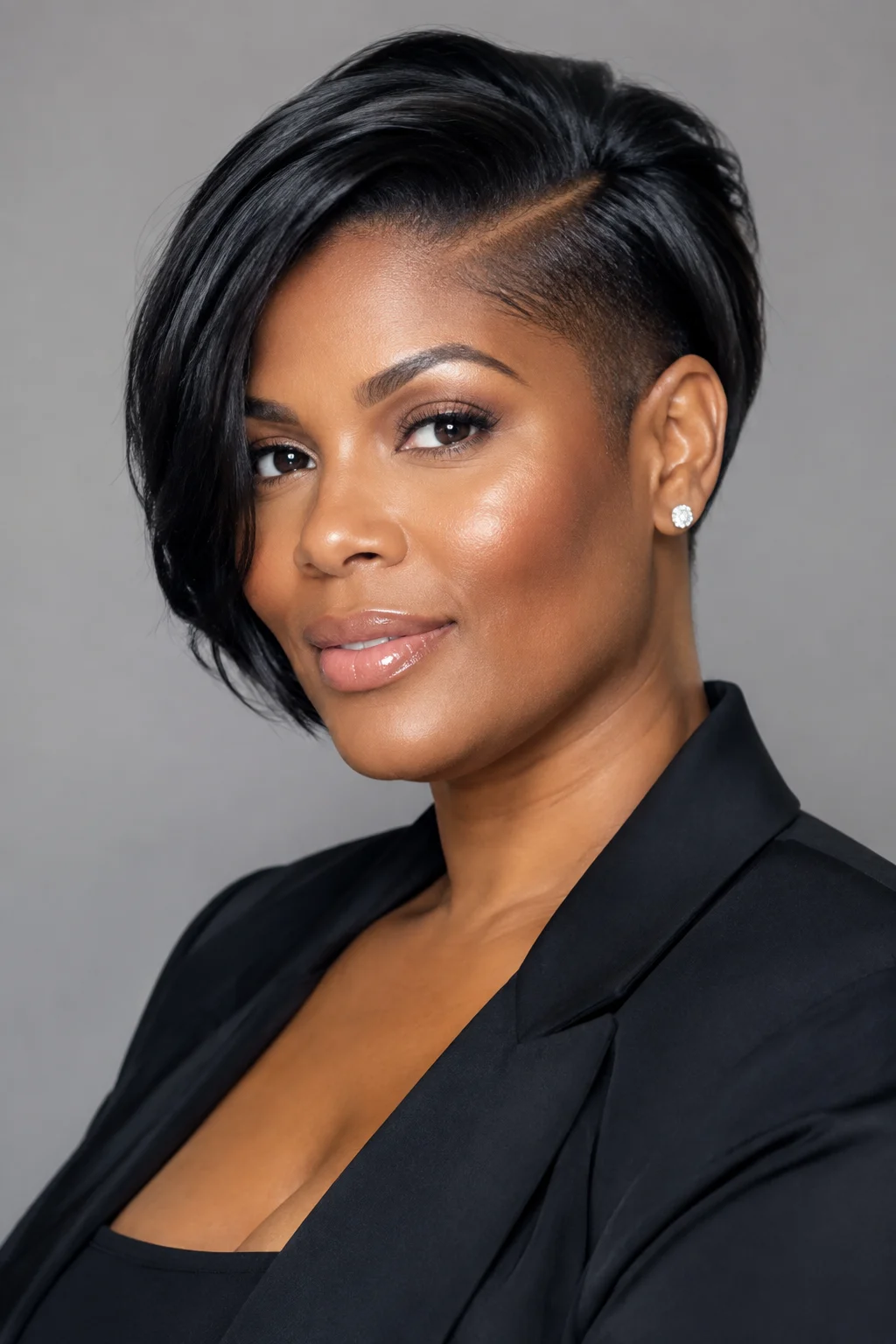
A high fade on the sides paired with a fuller, textured crown creates one of the boldest contrasts on this list. The skin-close fade means frequent barber visits to maintain the sharp line, but the payoff is a style that looks intentional and polished even as the crown curls grow out unevenly between cuts.
Mohawk-Inspired Textured Bob
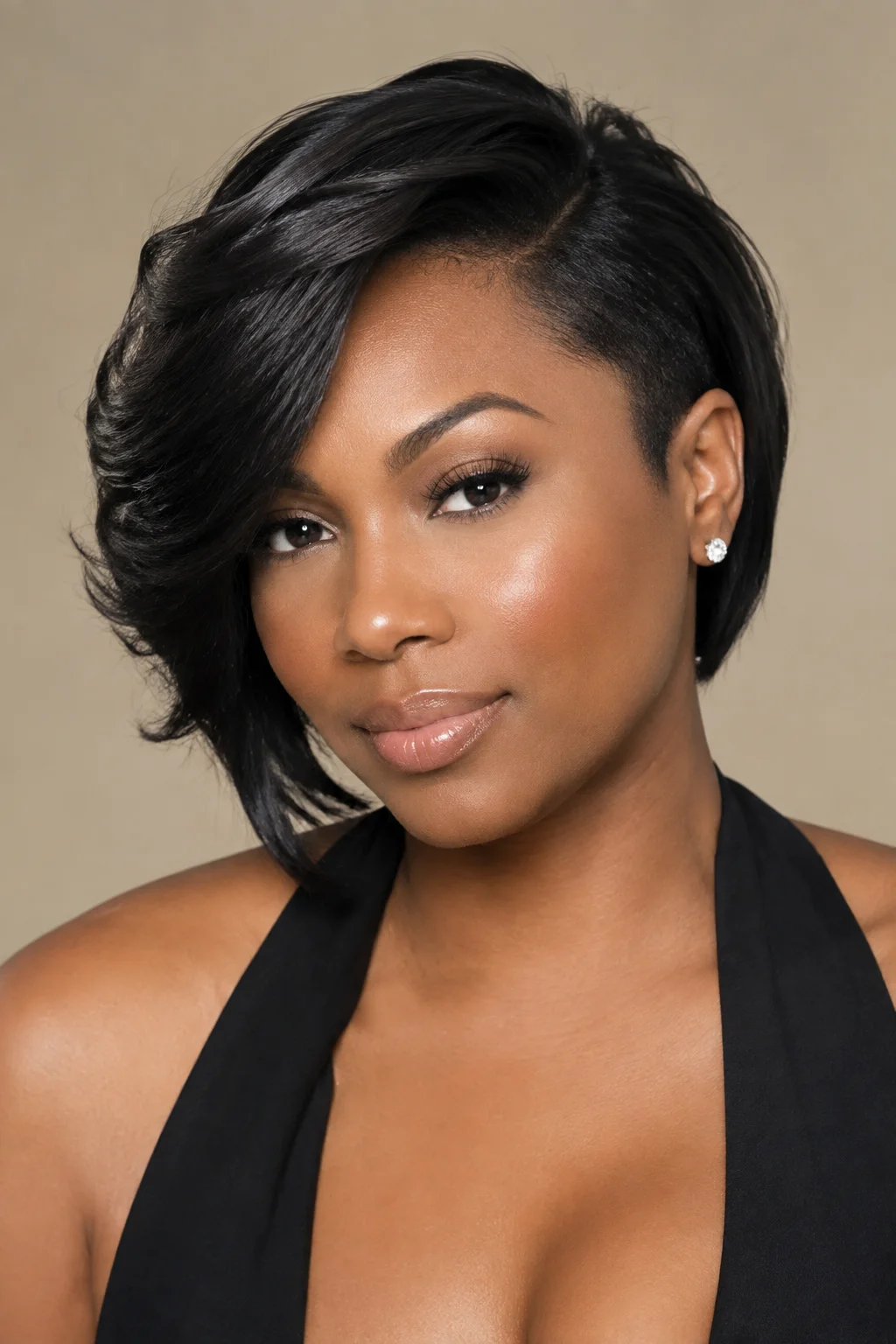
This style borrows the concept of a mohawk, shaved or closely cropped sides with a strip of fuller hair down the center, but keeps the center section at bob length rather than styled upright. The result is a style that reads edgy from the side and softer and rounded from the front. It works best on thicker curl patterns that can hold shape through the center strip without collapsing flat.
Coily Bob with Defined Edges
Sharp, laid edges around the hairline give this bob a finished, polished look even when the rest of the curls are left loose and full. The contrast between the smooth edges and the voluminous coils on top is part of what makes this style pop. A boar bristle brush and a light-hold gel are usually all you need to lay the edges without leaving flakes behind once it dries.
Curl-Gel Textured Bob
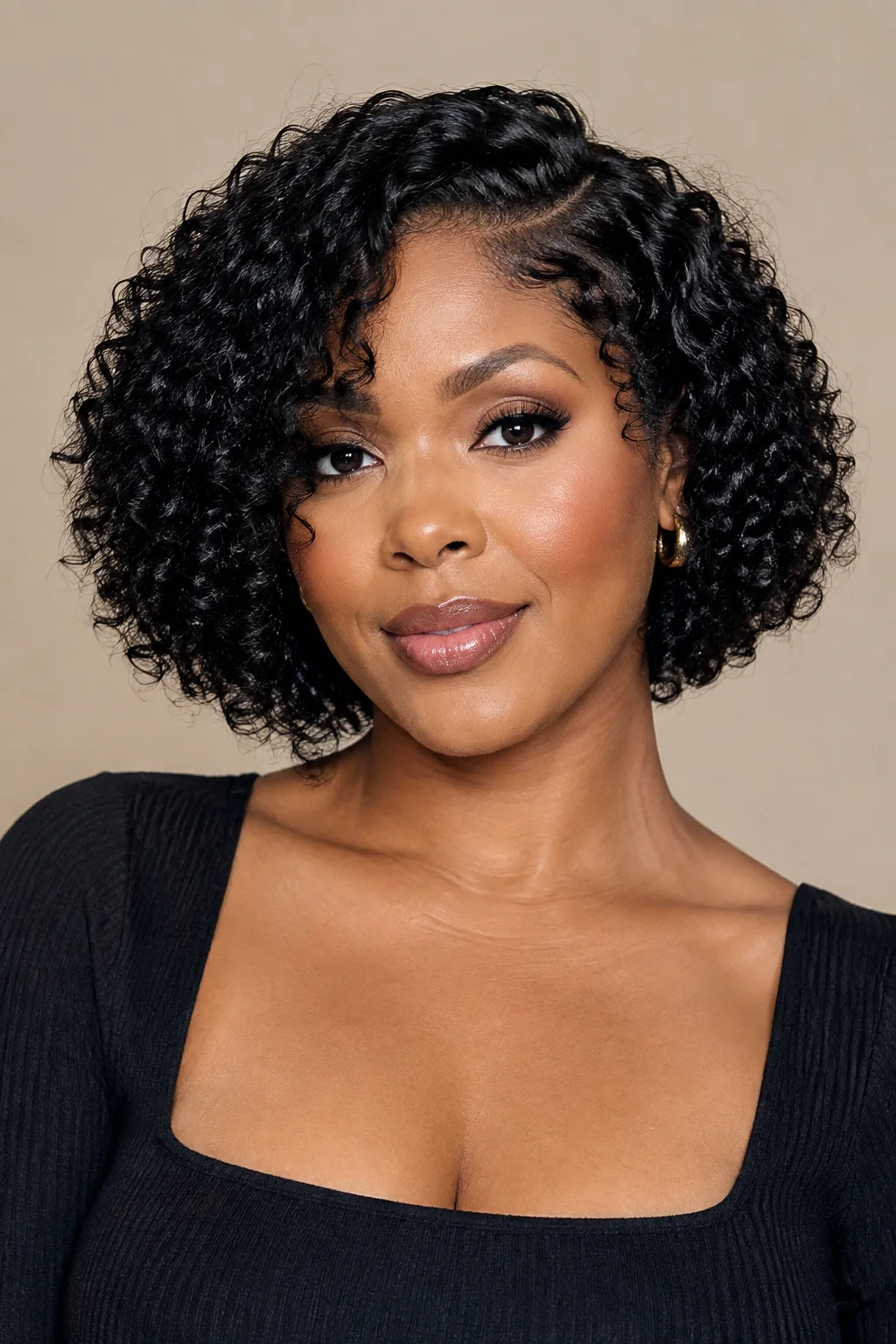
Gel-defined curls give you a wet-look finish that dries down with strong hold and clear separation between each curl. This approach suits shorter, denser bobs particularly well since the gel keeps every curl visible instead of letting them merge into one shape. It’s a look that holds through a full day of activity, though you’ll want to avoid touching your hair too much while it sets or you risk disrupting the pattern before it locks in.
Choppy Textured Bob for Thick Coils
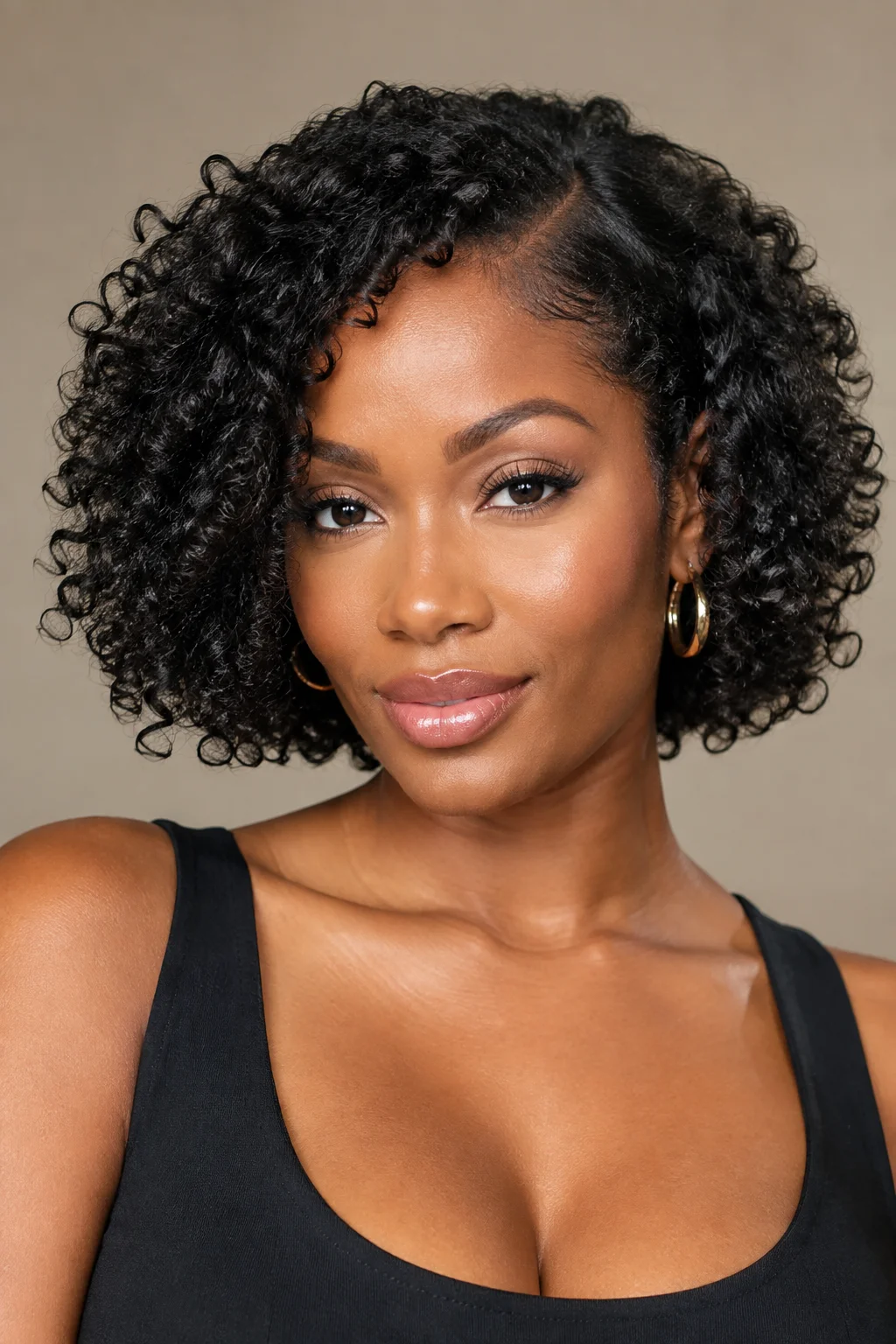
Thick, dense coils can look heavy without the right cutting technique, and this choppy approach removes bulk through point cutting so the ends look softer rather than blunt. The uneven, textured ends mean less visible weight without sacrificing length. This is a solid option if your hair tends to look triangular or bottom-heavy in a standard blunt bob, since the choppy ends break up that shape.
Choosing the Right Bob for Your Curl Pattern and Lifestyle
Picking between these styles comes down to two things: how much time you want to spend styling, and how your curl pattern naturally behaves. If you have looser waves, the layered curl bob or the angled bob with longer layers will show off movement better than a blunt cut, which tends to look flatter on looser textures. If your coils are tighter and denser, the chin-length blunt bob or the choppy textured bob for thick coils will give you cleaner shape since dense curls fill in a blunt line instead of looking sparse.
For anyone short on time, the wash-and-go textured bob beats the twisted-out texture bob and the Bantu knot-out bob style hands down, since those two require overnight prep for definition. But if you want the most defined, longest-lasting curl pattern and don’t mind the extra step, a knot-out or twist-out gives you more control over the final shape than letting curls clump on their own.
A common mistake is choosing a style like the high-fade bob with textured crown or the tapered bob with undercut sides without planning for upkeep. These shaved and faded sections grow out fast and need touch-ups every few weeks, unlike the stacked texture bob or the coily bob with defined edges, which can go longer between salon visits. Match the style to how often you’re realistically willing to sit in a chair.
Final Thoughts
A great bob works with your hair instead of against it. Whether you want soft movement, sharp lines, or a mix of both, there’s a version on this list that fits your curl pattern and your daily routine. Bring a few of these names to your next appointment and talk through which shape and maintenance level makes the most sense for you.