Fine straight hair tends to fall flat by midday, and gravity only gets more stubborn with age as strands naturally thin. The good news is that a smart cut does most of the work for you. You don’t need a perm or heavy products to fake density. What you need is a shape that’s built to catch air at the roots and break up the smooth, flat line that fine strands fall into on their own. These fine straight hair hairstyles for women over 60 focus on cutting techniques that create the illusion of thickness rather than relying on styling tricks that fade by noon. From cropped pixies to longer shags, each one below is chosen because the layering pattern actually suits thin, straight strands instead of fighting them. Find the length and shape that fits your routine, then take it to your stylist as a starting point.
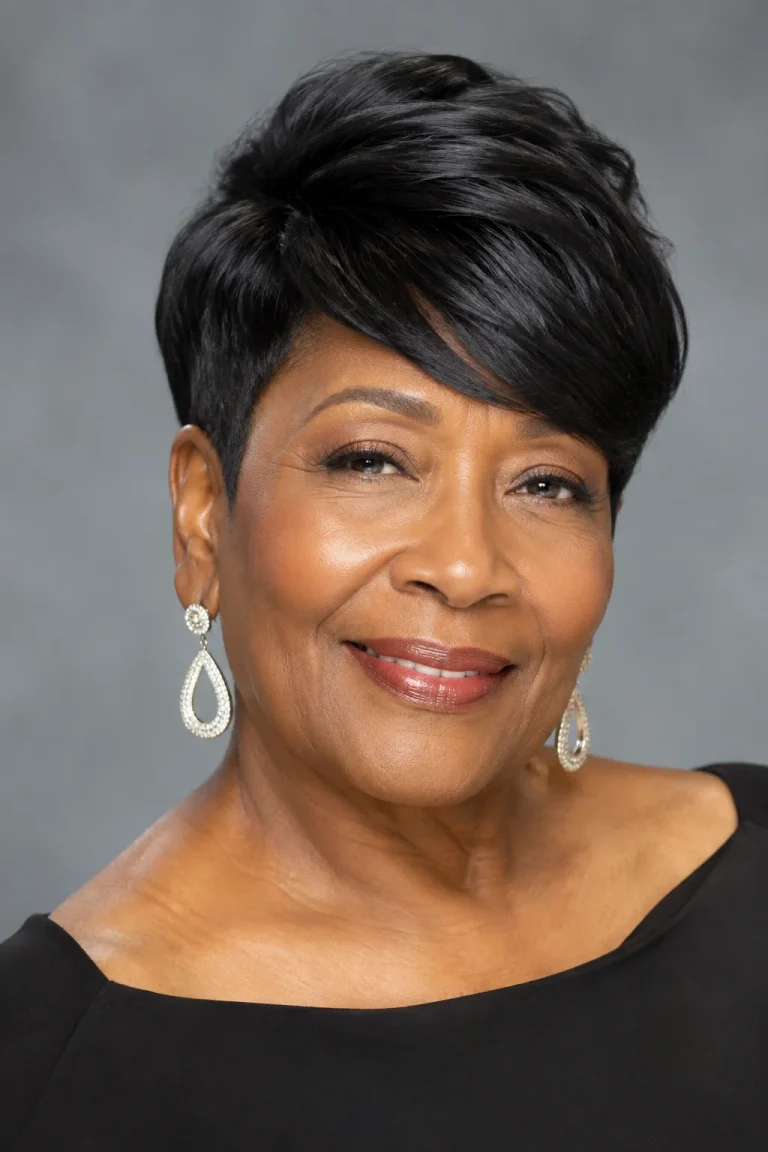
1. Textured Pixie with Choppy Layers
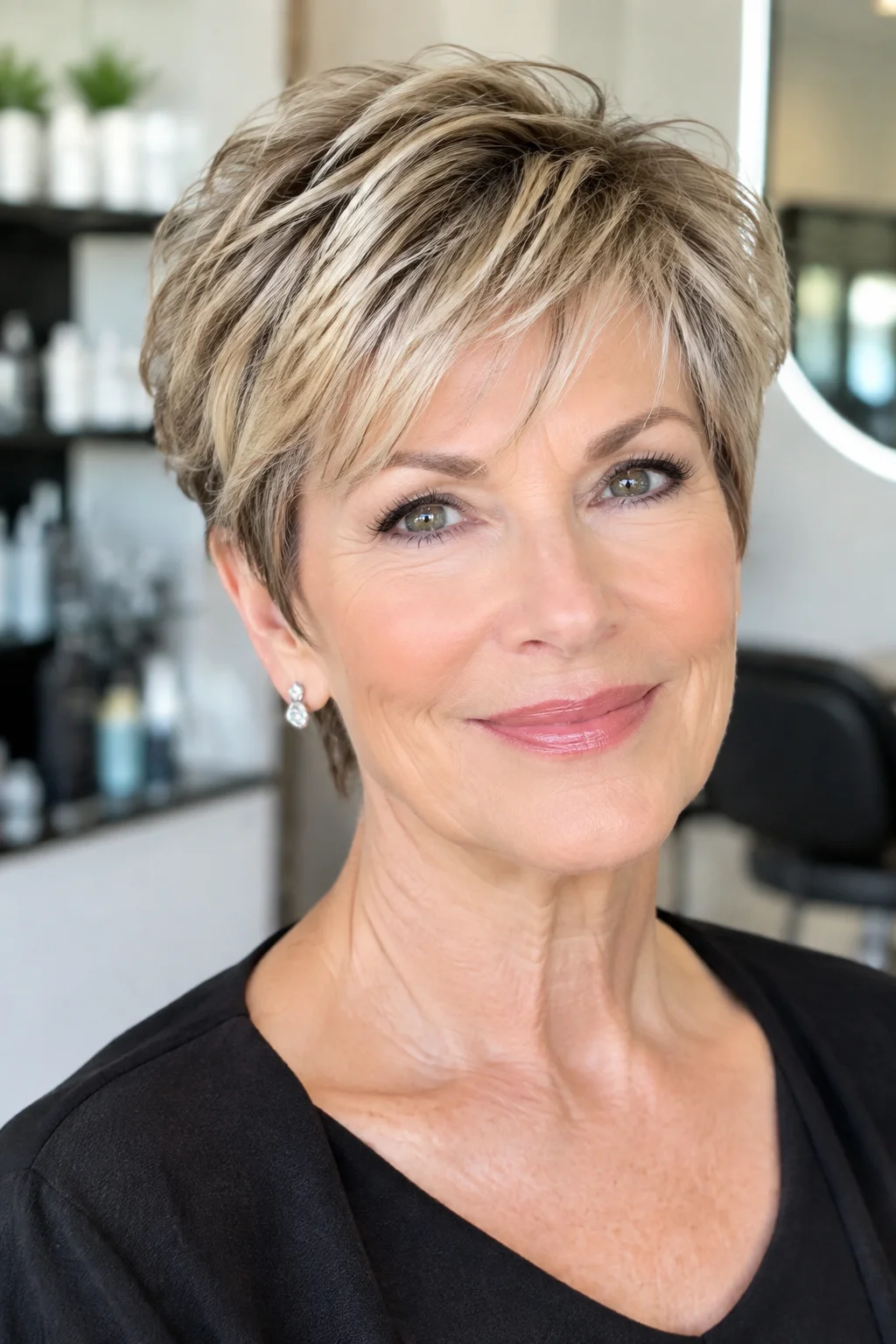
A short pixie with choppy, irregular layers gives fine hair the one thing it usually lacks: texture that holds. The choppy ends catch light differently than a blunt cut would, so the hair reads as fuller even though nothing has actually been added. This works especially well for women over 60 because it keeps hair off the face and away from the neck, which tends to look more youthful than length that drags everything downward. Ask your stylist to point cut the ends rather than blunt them straight across. Tip: a small amount of texture paste worked into dry hair at the crown keeps the choppy pieces separated instead of clumping together. A light mist of heat protectant before styling helps the finish last.
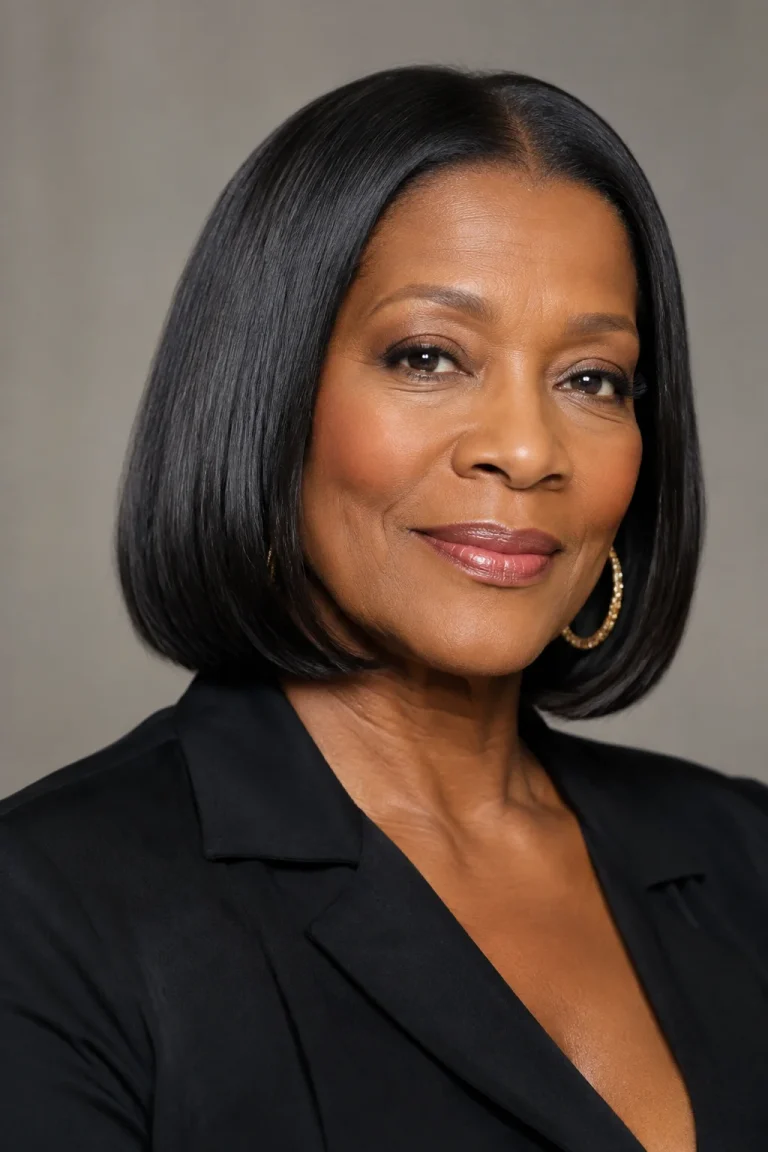
2. Blunt Chin-Length Bob with Razored Texture
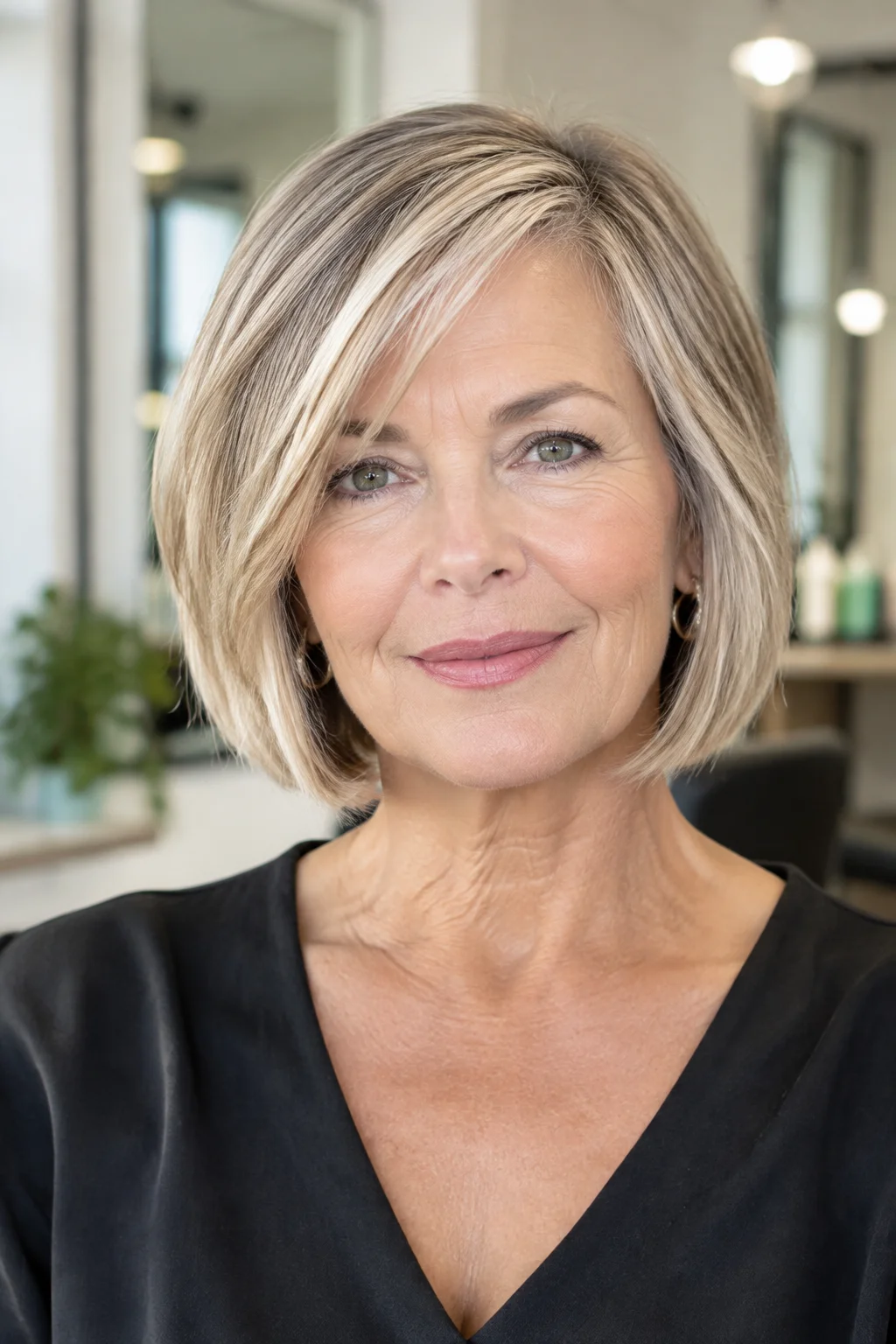
The blunt line at the bottom gives this bob visual weight, while razoring through the mid-lengths keeps it from looking heavy or stiff. Fine strands need that contrast. A completely blunt cut with no texture work can look thin and stringy, but razoring breaks up the surface just enough to fake thickness without sacrificing the crisp shape. This length sits right at the chin, which flatters most face shapes and keeps the style easy to maintain with just a blow dryer and round brush. A light mist of heat protectant before styling helps the finish last. A light mist of heat protectant before styling helps the finish last.
3. Stacked Nape Bob with Volume at Crown
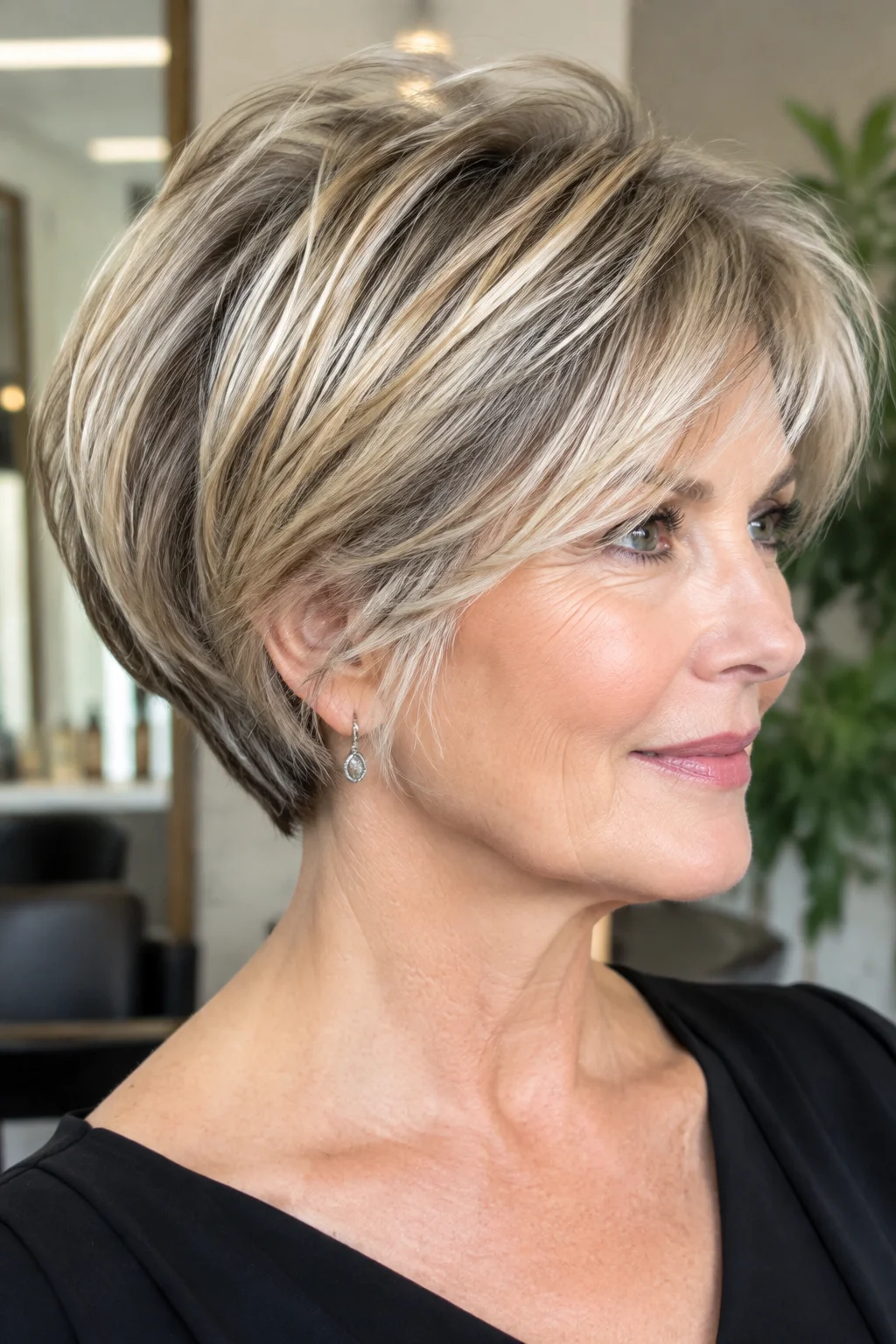
Stacking at the nape builds actual structure into the back of the hair, so it doesn’t collapse flat against the neck the way one-length bobs often do on fine strands. Combined with layers at the crown, this cut creates lift right where most women lose volume first.
Tip: ask for graduated layers in the back specifically, not just an overall trim, since stacking requires a deliberate angle change from the stylist.
4. Side-Swept Bangs with Layered Mid-Length
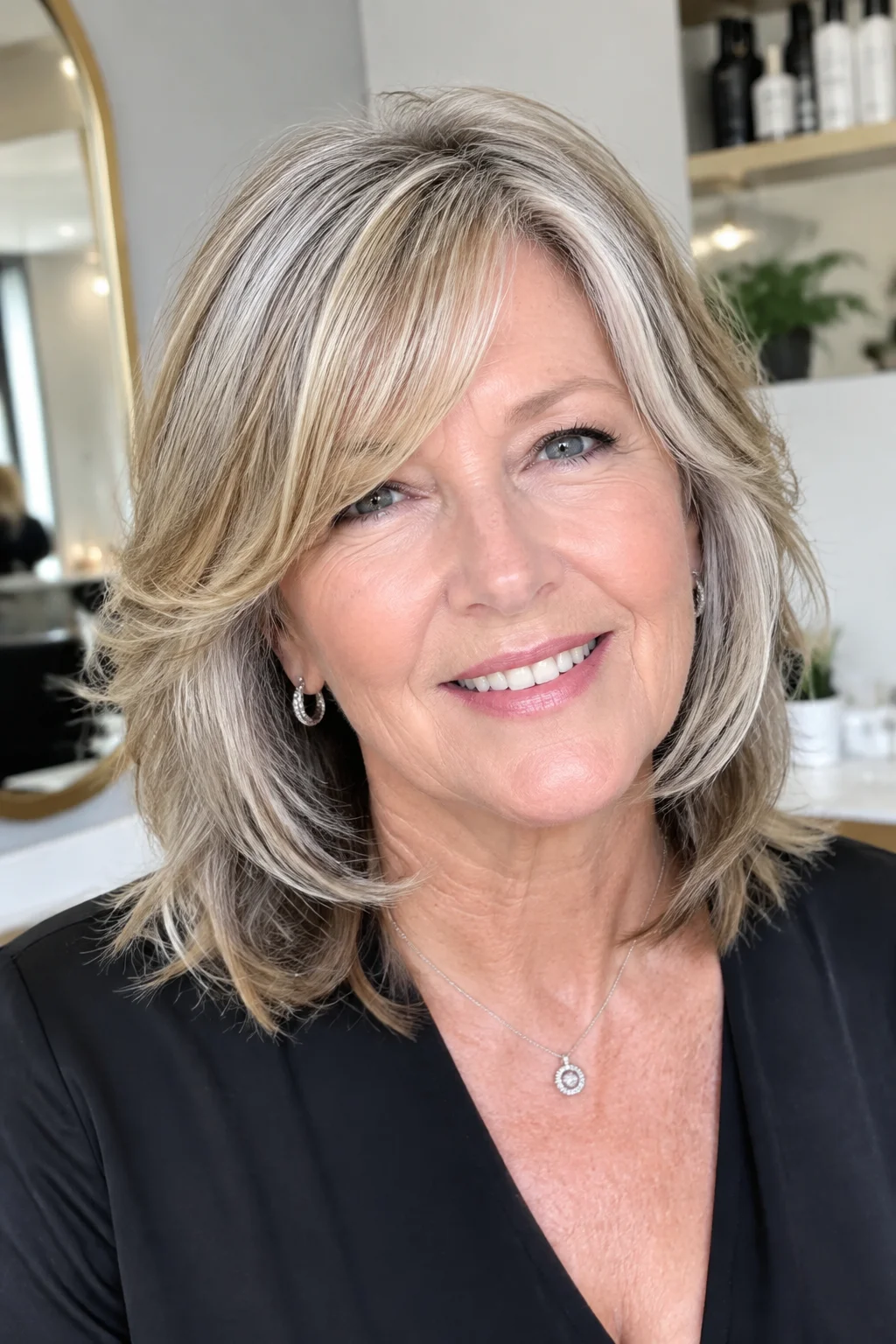
Side-swept bangs soften the forehead and cheekbones without the commitment of a full fringe, and they pair naturally with layers through the mid-lengths that keep hair from looking like one flat sheet. This is a solid pick if you’re not ready to go short but still want shape doing the heavy lifting. The angle of the bangs also draws the eye up and across the face, which works well as skin and features change over time.
5. Shaggy Layered Cut Shoulder-Length
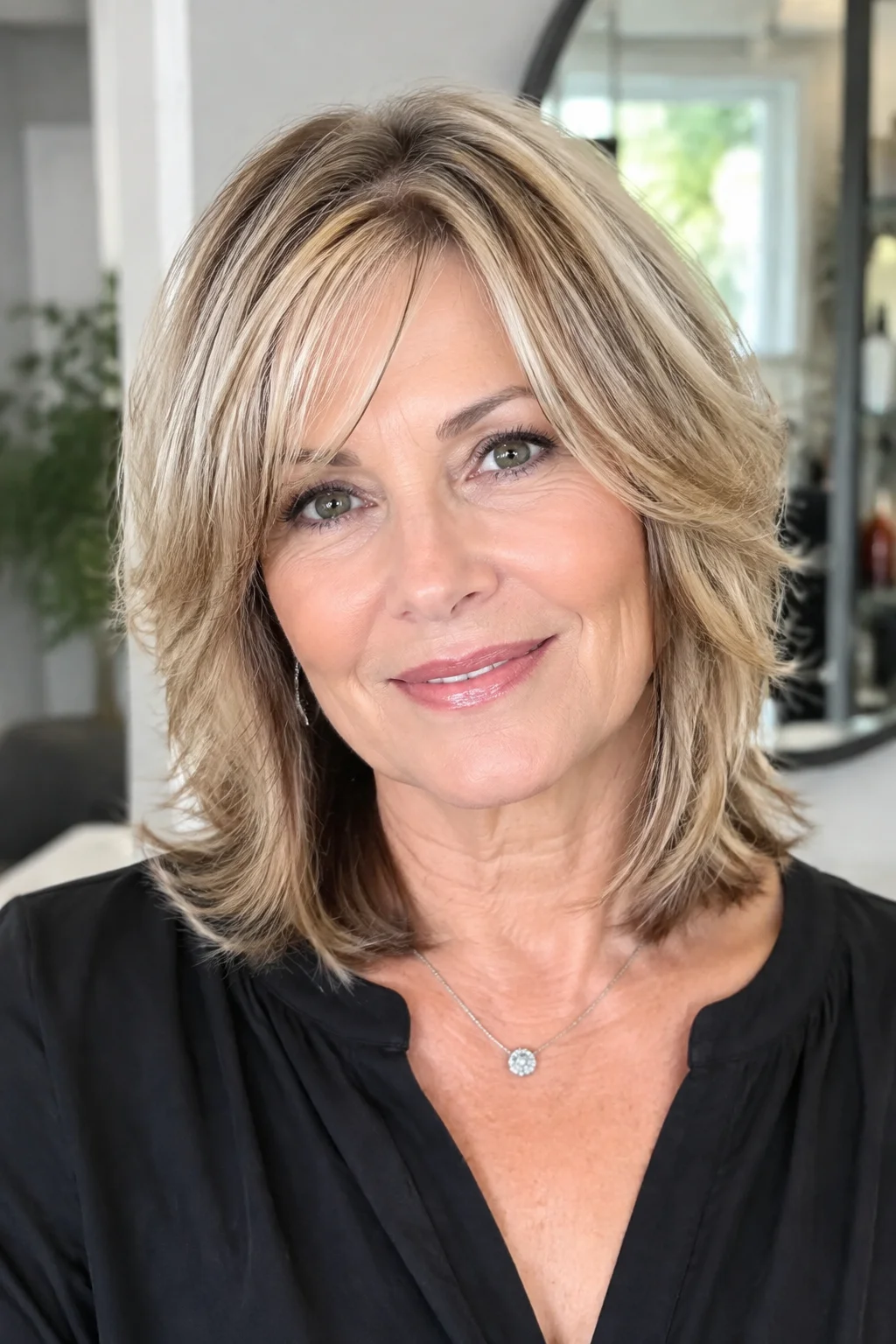
Shag cuts get a bad reputation for looking messy, but on fine straight hair the layering actually creates the appearance of movement and thickness that a blunt shoulder-length cut can’t offer. The layers are cut throughout the length, not just at the ends, so the hair has multiple points where it can bend and separate instead of hanging in one heavy curtain. This length also keeps enough weight to prevent the ends from looking wispy or thin, which is a common complaint with shorter shag versions. Styling is fairly low maintenance since the layers do most of the work once you rough dry the hair with your fingers. A light mousse applied to damp hair helps hold the separation between layers through the day.
6. Feathered Pixie-Bob Hybrid
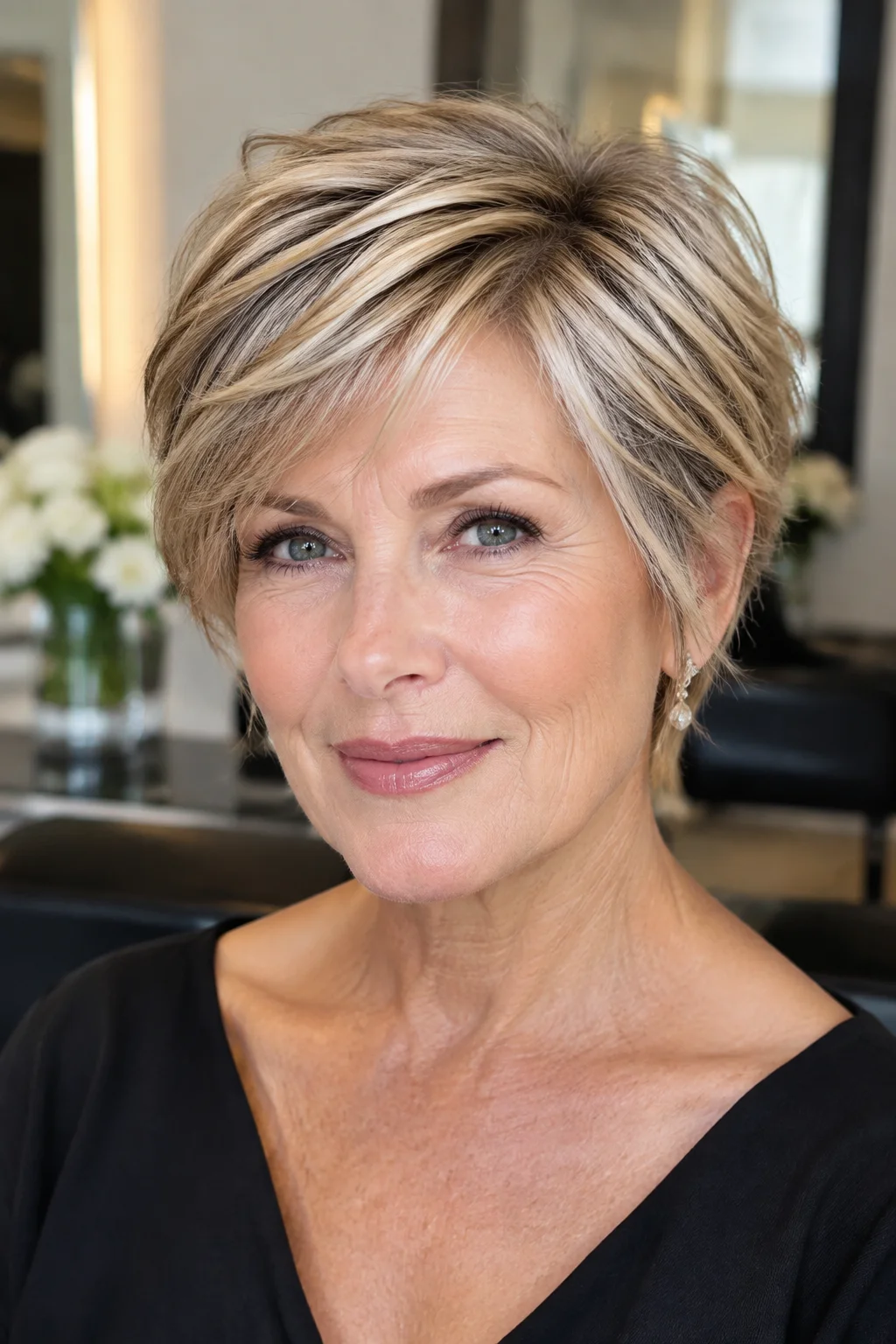
This cut splits the difference between a pixie and a bob, with feathered ends that flick outward instead of lying flat. It’s a good option if you want short hair but aren’t ready for a full crop, and the feathering adds noticeable texture without much daily effort.
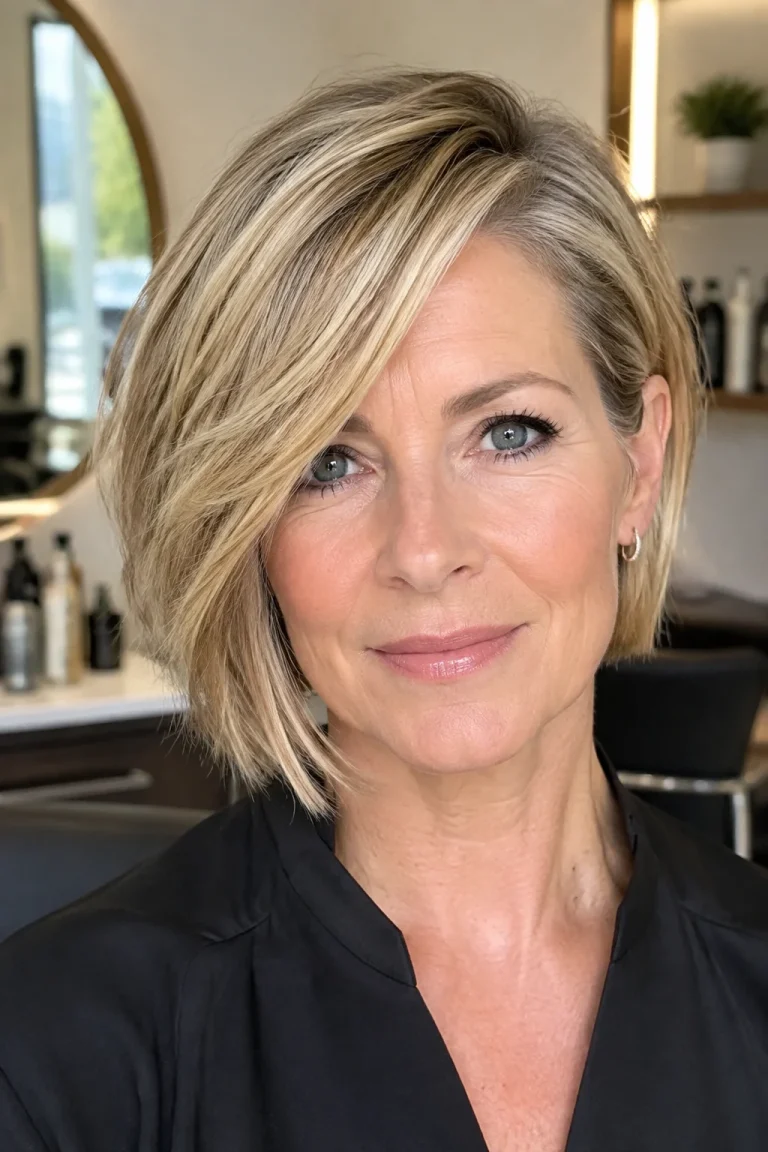
7. Layered Bob with Wispy Bangs
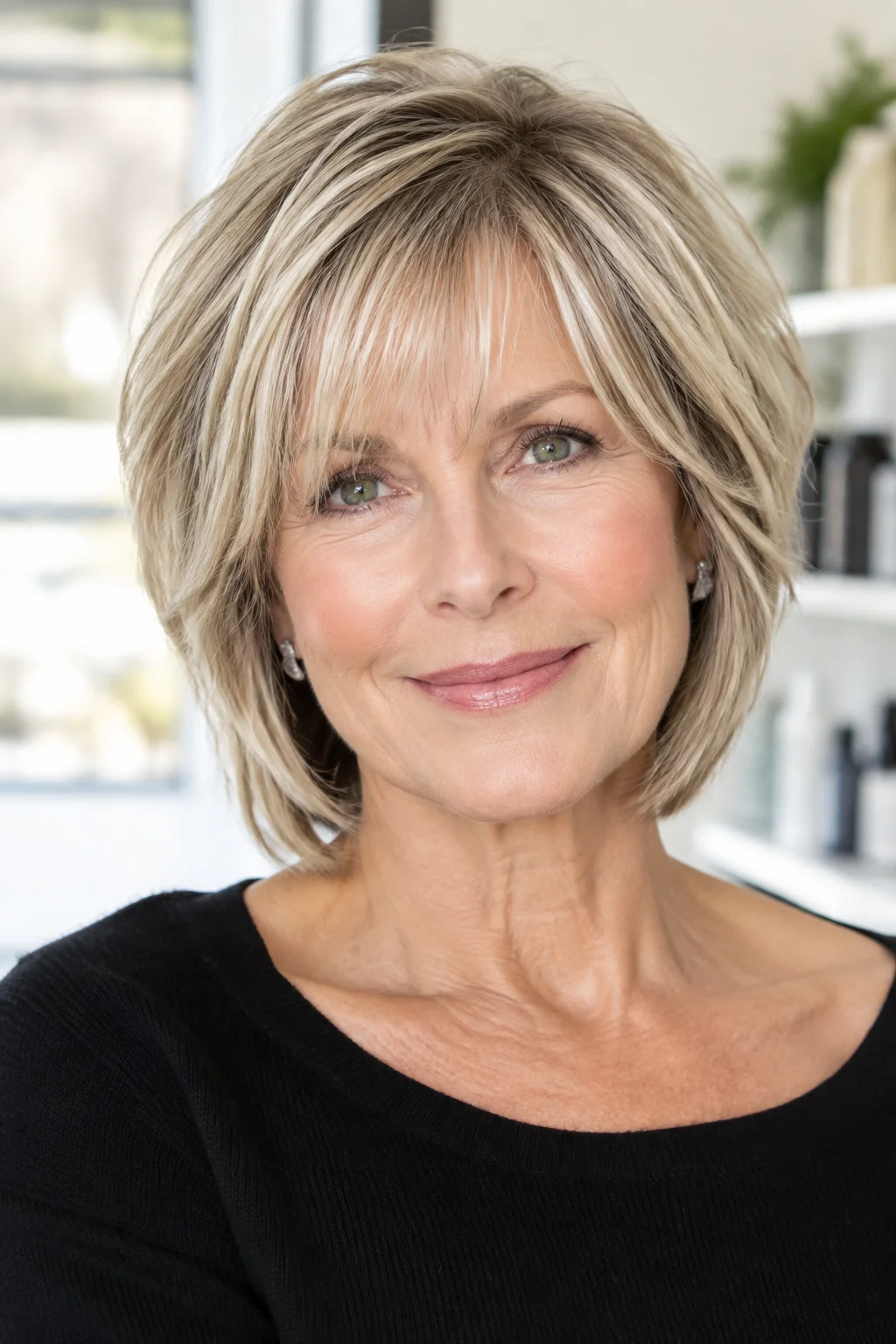
Wispy bangs, cut with a soft and slightly uneven edge, keep this bob from looking too structured or severe. The layers through the rest of the cut are subtle but enough to add lift at the crown, which is often where fine hair needs the most help. This combination reads as soft and approachable rather than sharp, and it grows out without a hard line to maintain.
8. Tapered Nape with Longer Crown Layers
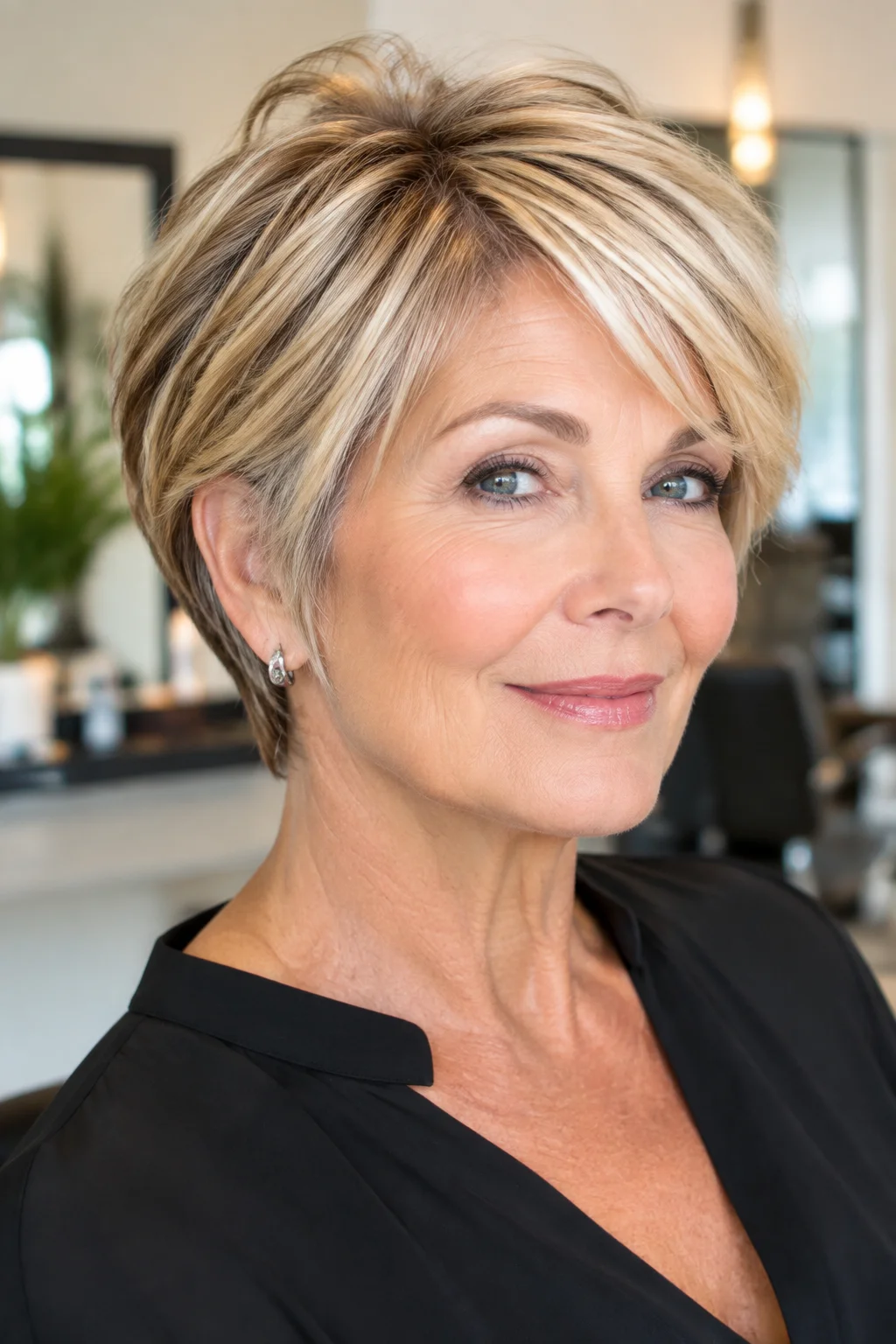
Tapering the nape short while leaving more length on top creates contrast that makes fine hair look thicker by comparison. The shorter back also eliminates the stringy look that fine hair often gets at the neckline when it’s left longer. Tip: request the taper be blended gradually rather than clipped short all at once, so the transition into the crown layers looks intentional.
9. Choppy Textured Lob for Fine Hair
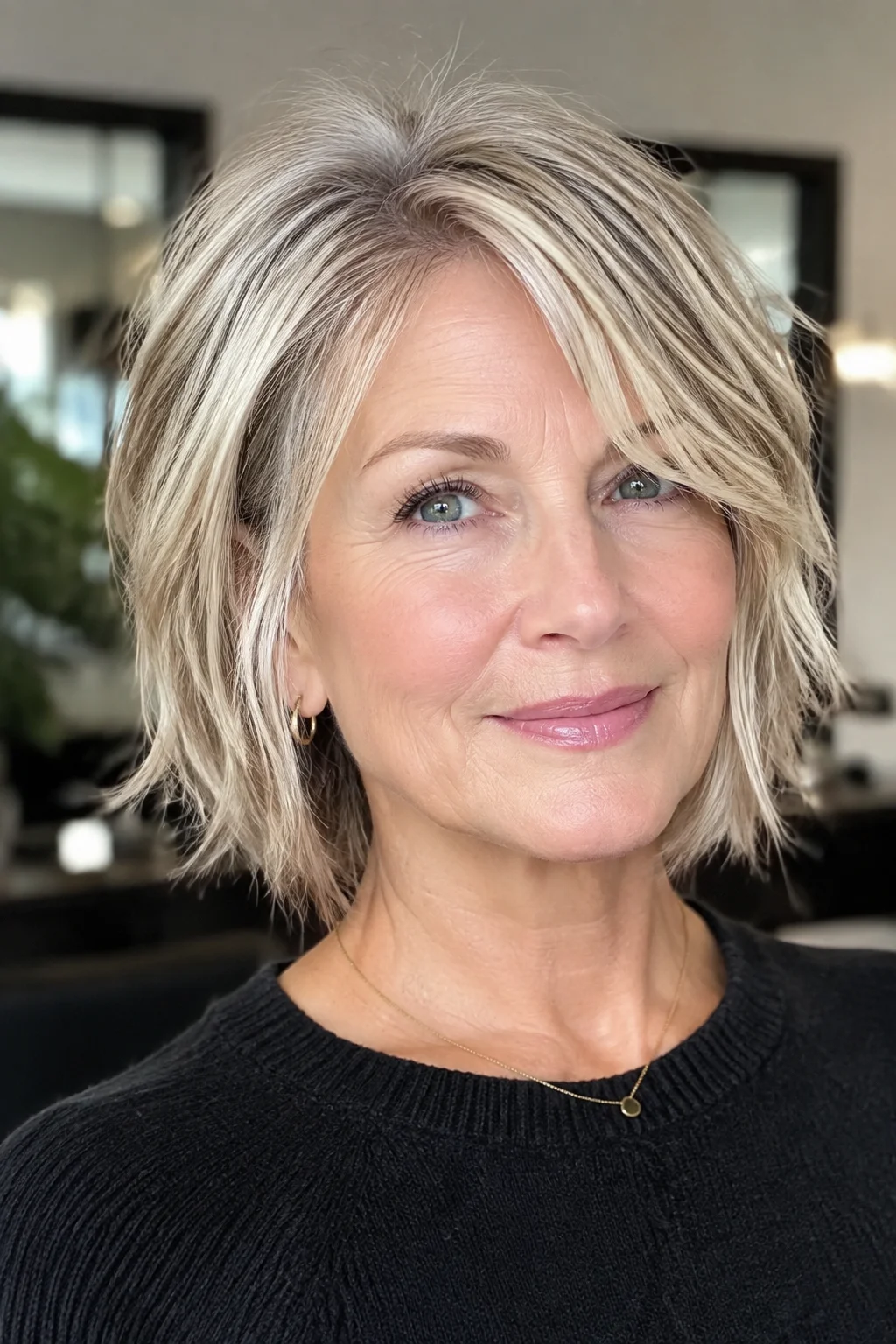
A long bob, or lob, gives you more length to work with while the choppy texture keeps it from falling flat. Fine straight hair hairstyles for women over 60 often skip longer lengths because they can look thin, but the texturing here solves that problem directly. This is a good middle ground if you’re not ready to cut short but want more shape than a plain long cut provides.
10. Wavy Textured Pixie with Longer Top
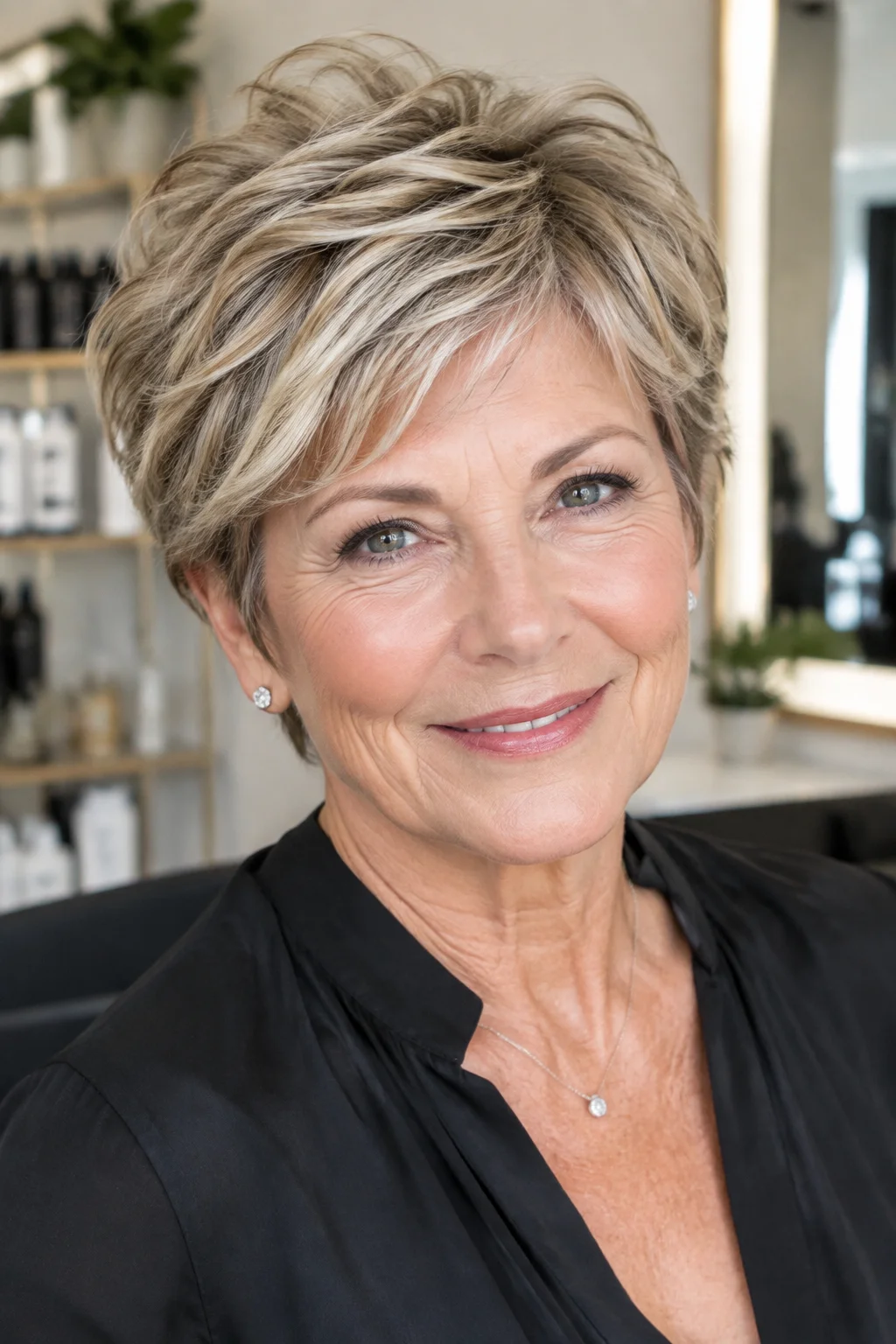
This pixie keeps sides and back short while leaving enough length on top to add a soft wave with a curling iron or texturizing spray. The longer top piece gives you styling flexibility that a uniform pixie doesn’t offer, and the slight wave adds dimension that straight fine hair usually lacks on its own.
11. Layered Shag with Blunt Ends
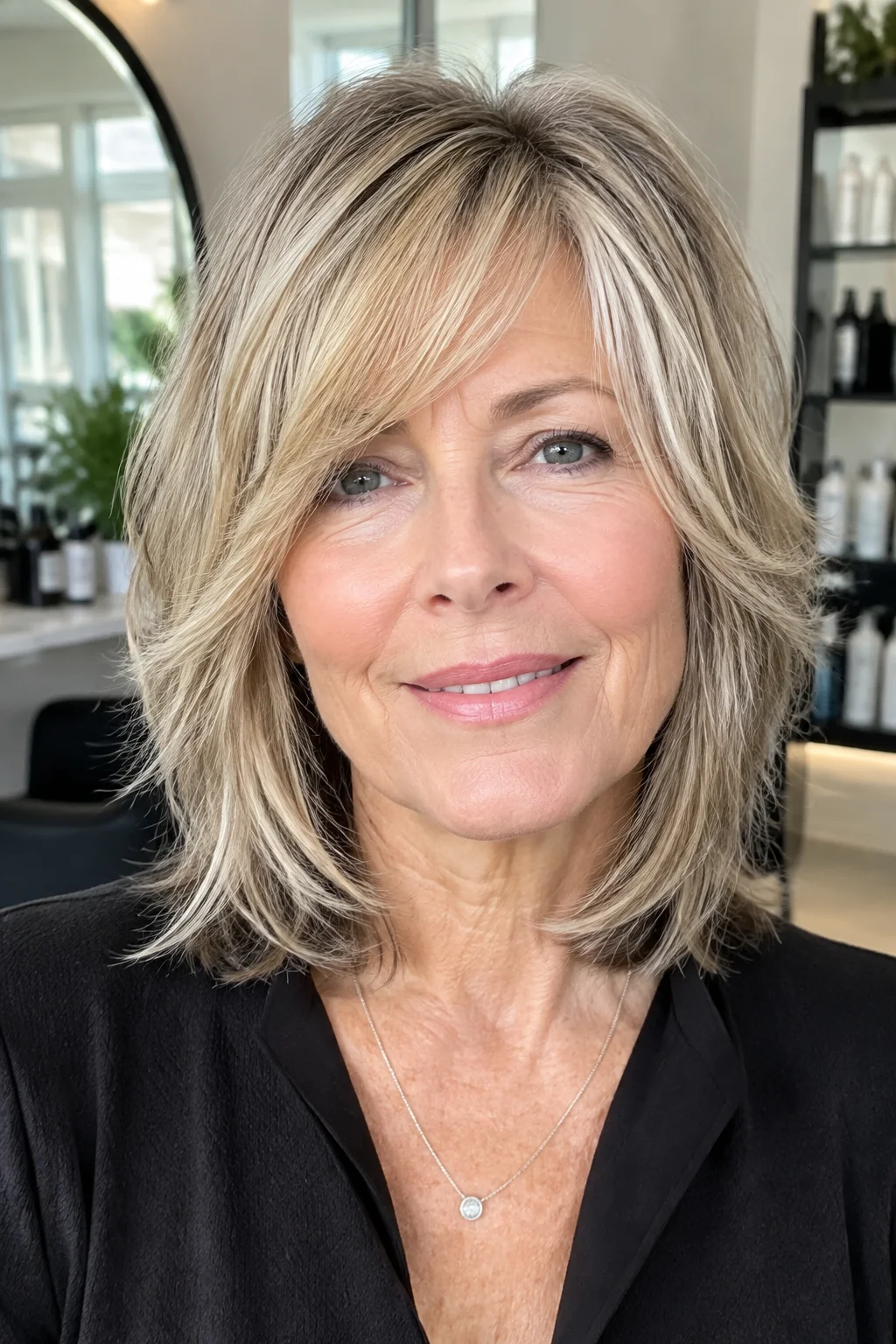
Layers throughout the crown and mid-lengths build movement, while keeping the very ends blunt anchors the style so it doesn’t look wispy or thin at the bottom. This balance is worth asking for specifically, since a shag with tapered ends can read as stringy on fine hair.
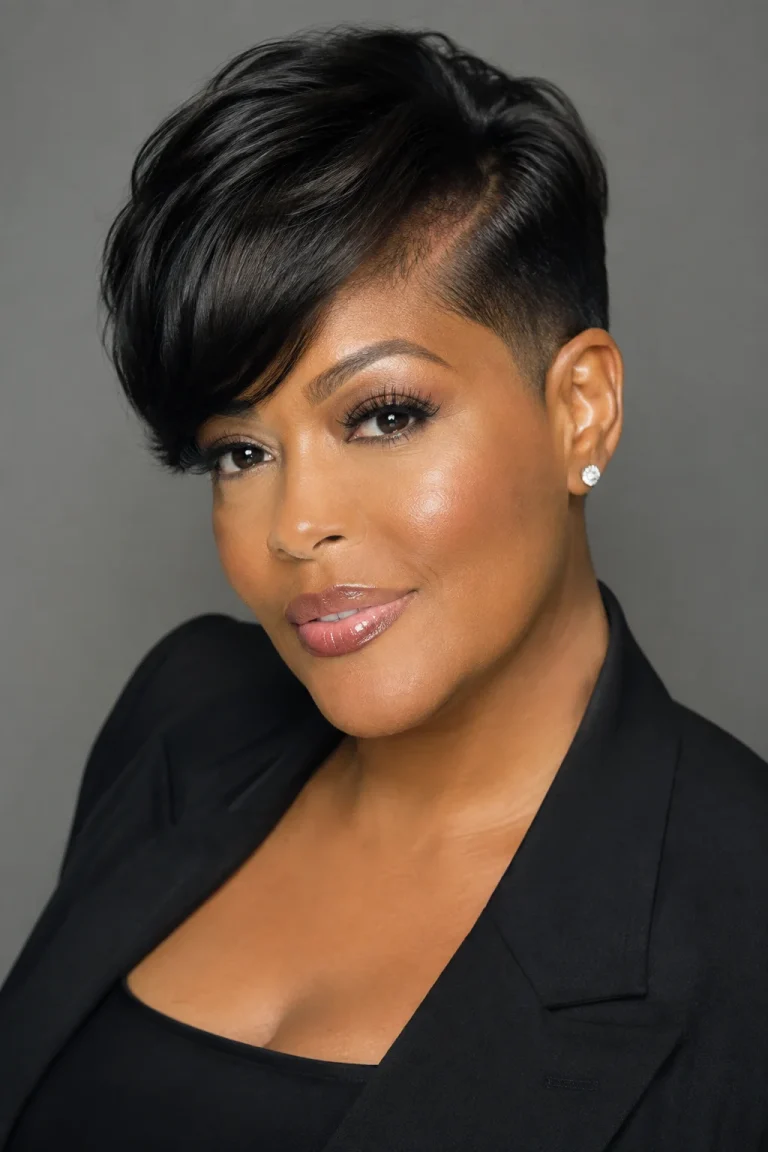
12. Disconnected Undercut Bob
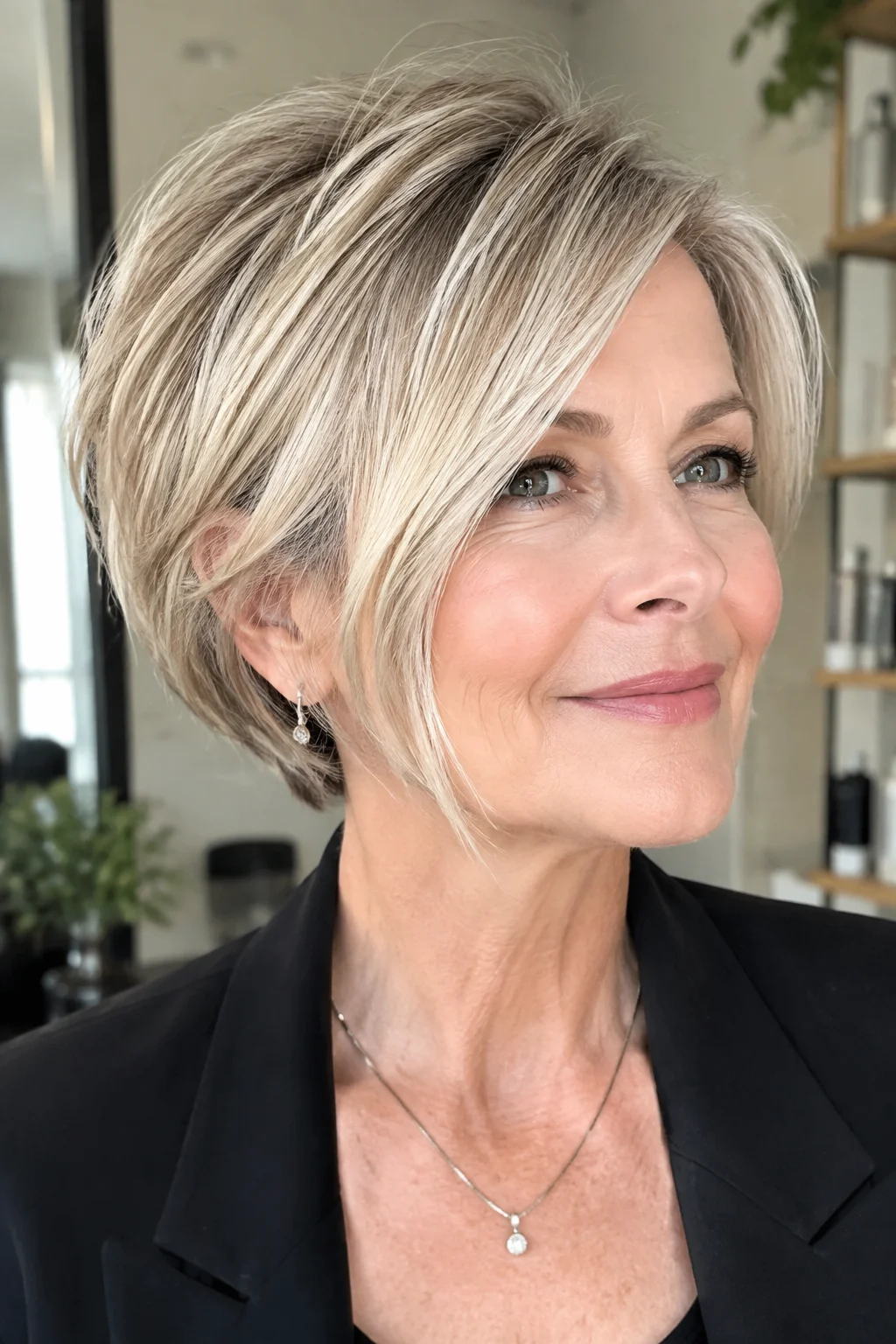
An undercut at the nape, left disconnected from the longer top layer, creates a strong shape that reads as edgier than a standard bob. The shorter underlayer also removes bulk and weight that can otherwise drag fine hair down flat against the head. This isn’t the most conservative option on this list, but it suits women who want a cut with a bit more personality and don’t mind the shorter maintenance cycle that undercuts require. The visible layering at the top still gives you plenty of styling options for softer, more polished days.
13. Face-Framing Layers with Straight Length
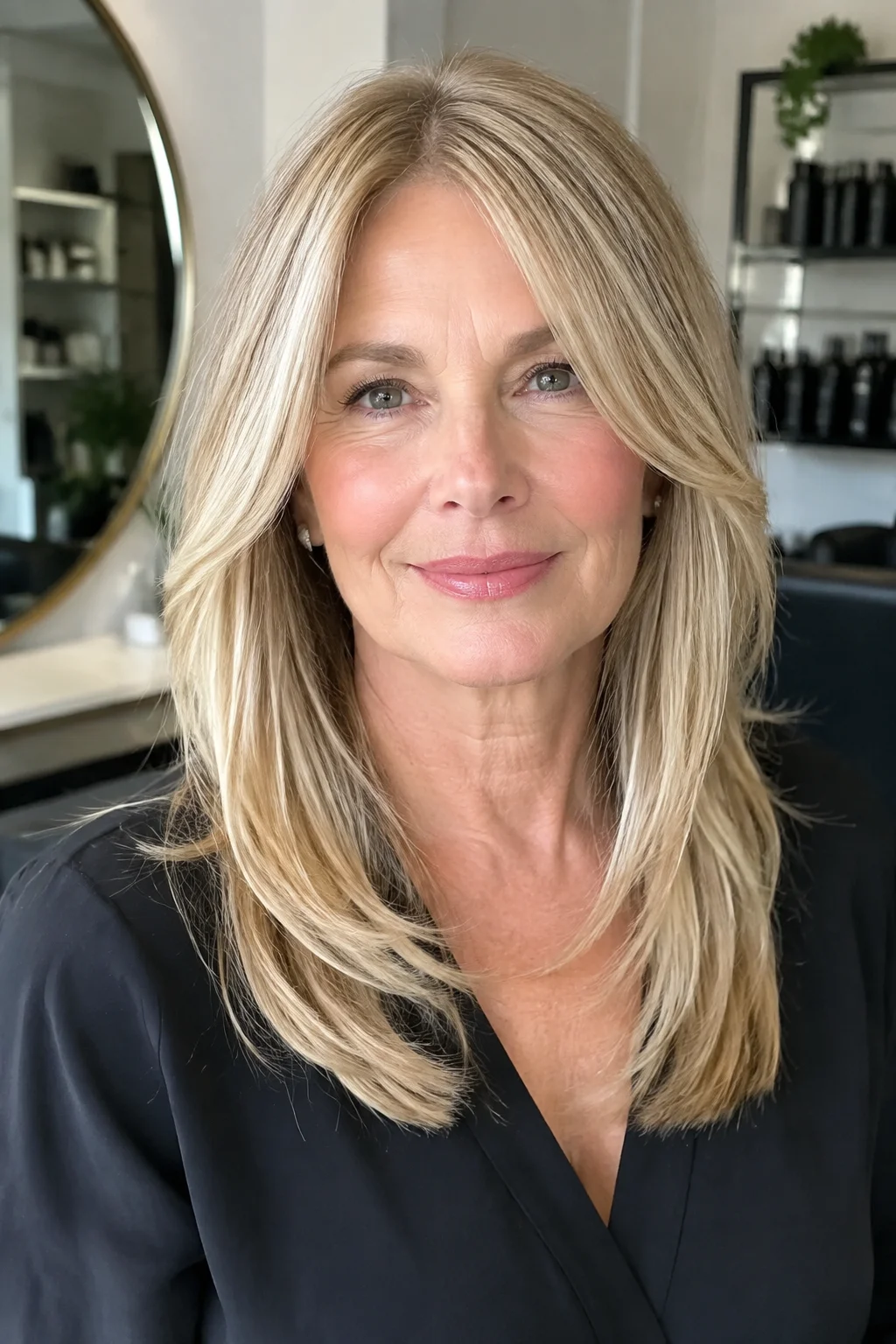
Keeping the overall length straight and adding layers only around the face gives you shape without cutting into the body of the hair everywhere else. This works well if you like length but want a little lift and movement near your features. It’s a low-commitment way to update a straight cut you already like.
14. Textured Crop with Longer Bangs
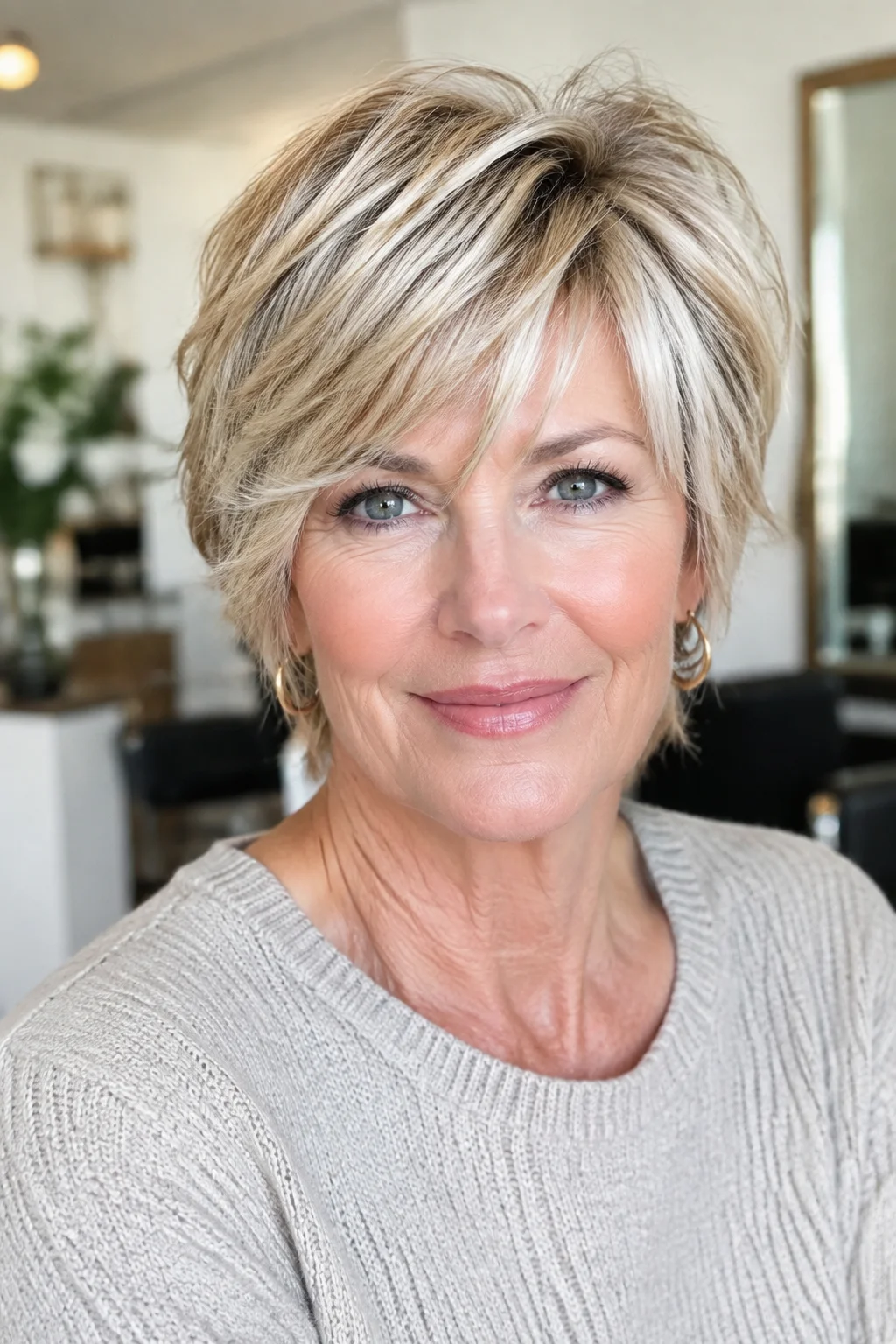
A cropped cut with longer, textured bangs sweeping across the forehead gives short hair a softer edge. The bangs balance the shortness of the crop and keep the whole style from looking too severe, which matters for a rounder or more mature face. Tip: have your stylist point cut into the bang line so it blends rather than sits as a heavy block.
15. Graduated Bob with Razored Layers
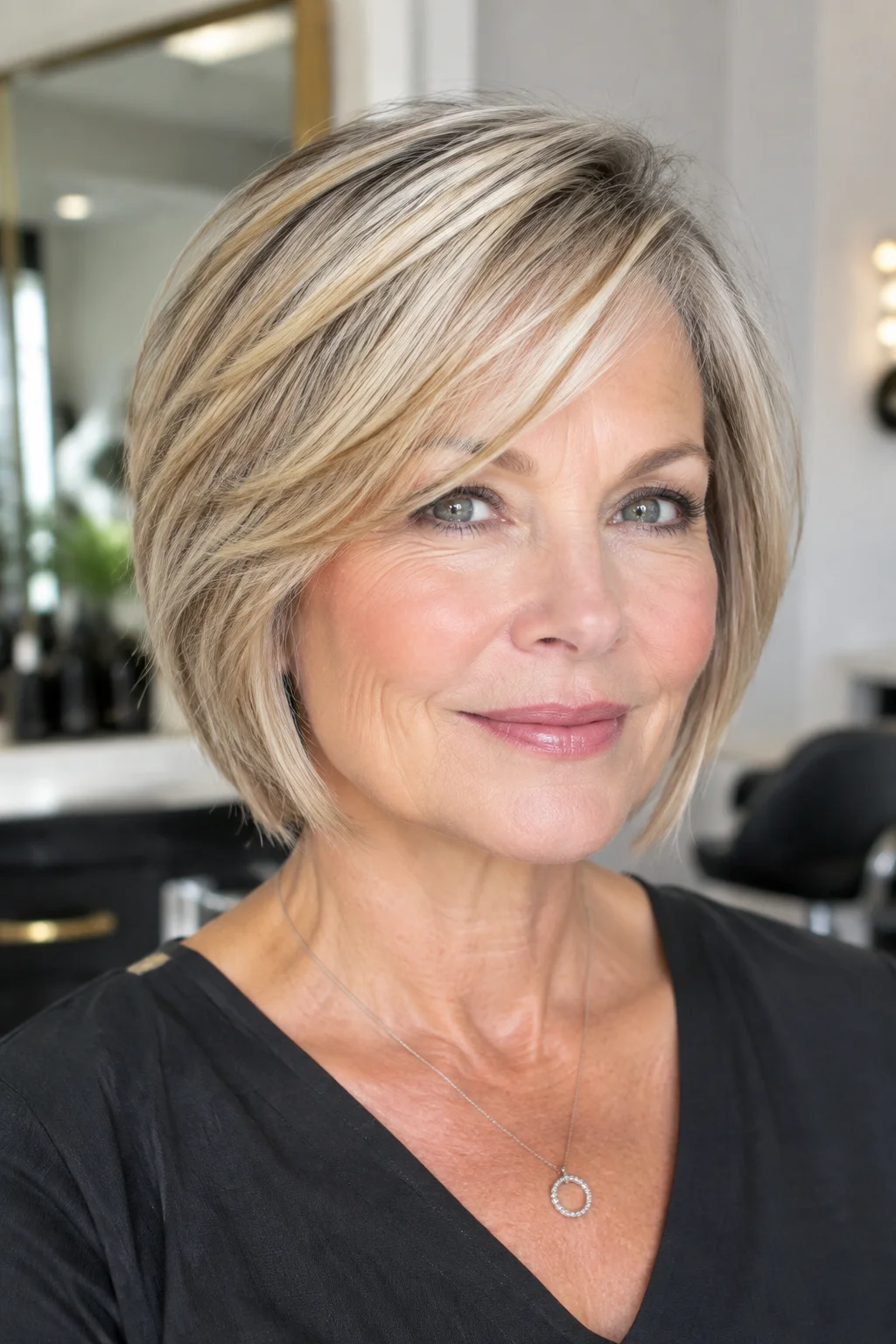
Graduation builds length gradually from the nape to the front, and razored layers throughout add the texture fine hair needs to avoid looking flat. This is one of the more classic shapes on this list, similar to the graduated cuts stylists have relied on for decades because they simply work on thin strands.
16. Tousled Shag with Piece-y Texture
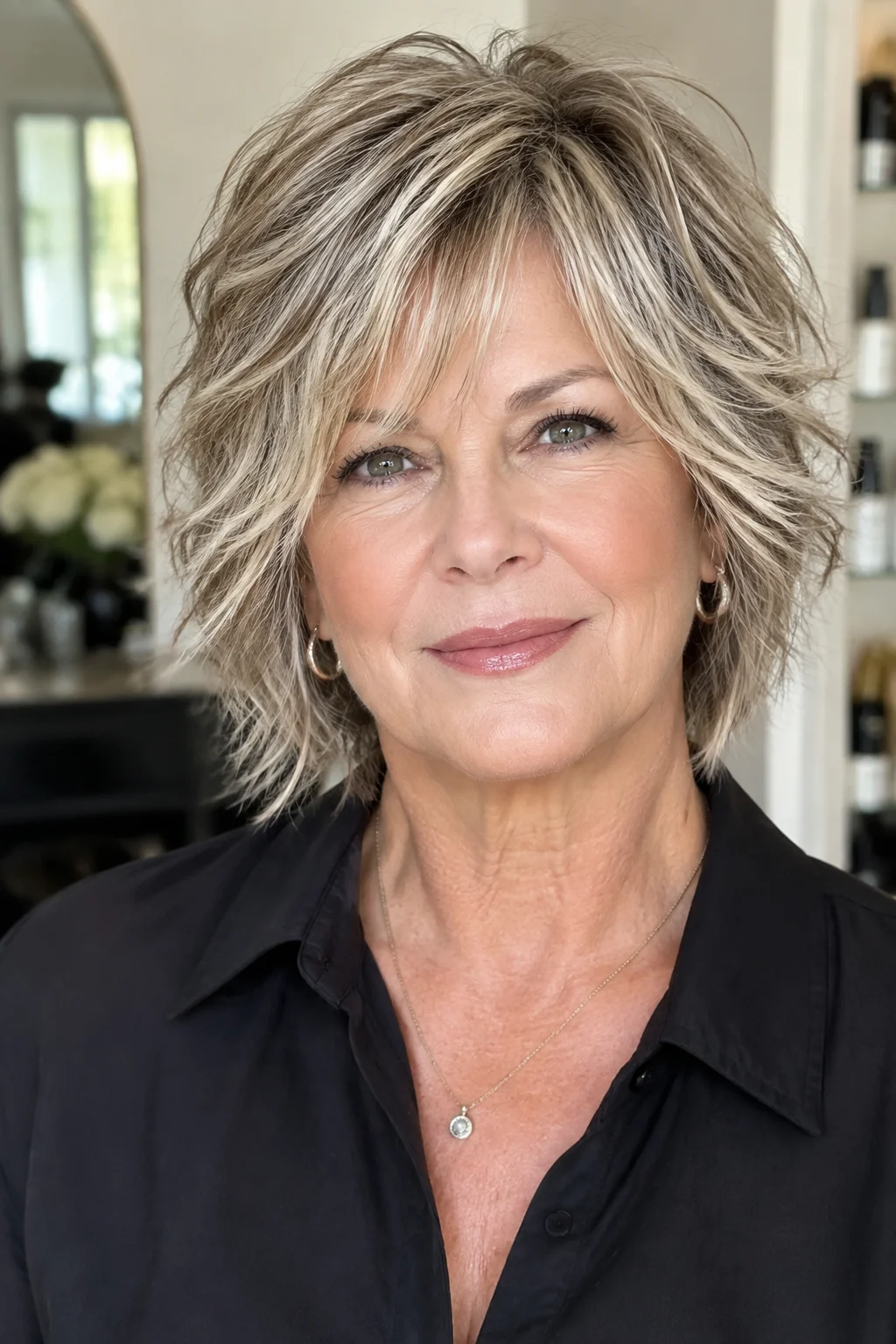
This shag leans into a deliberately undone, piece-y finish rather than a smooth blowout look. Heavy layering throughout creates natural separation, and a bit of texturizing product on damp hair helps those pieces hold their shape as it dries. It reminds me of the kind of low-effort styling that still looks put together, which is exactly what busy mornings call for.
17. Angled Bob Longer at Front with Choppy Layers
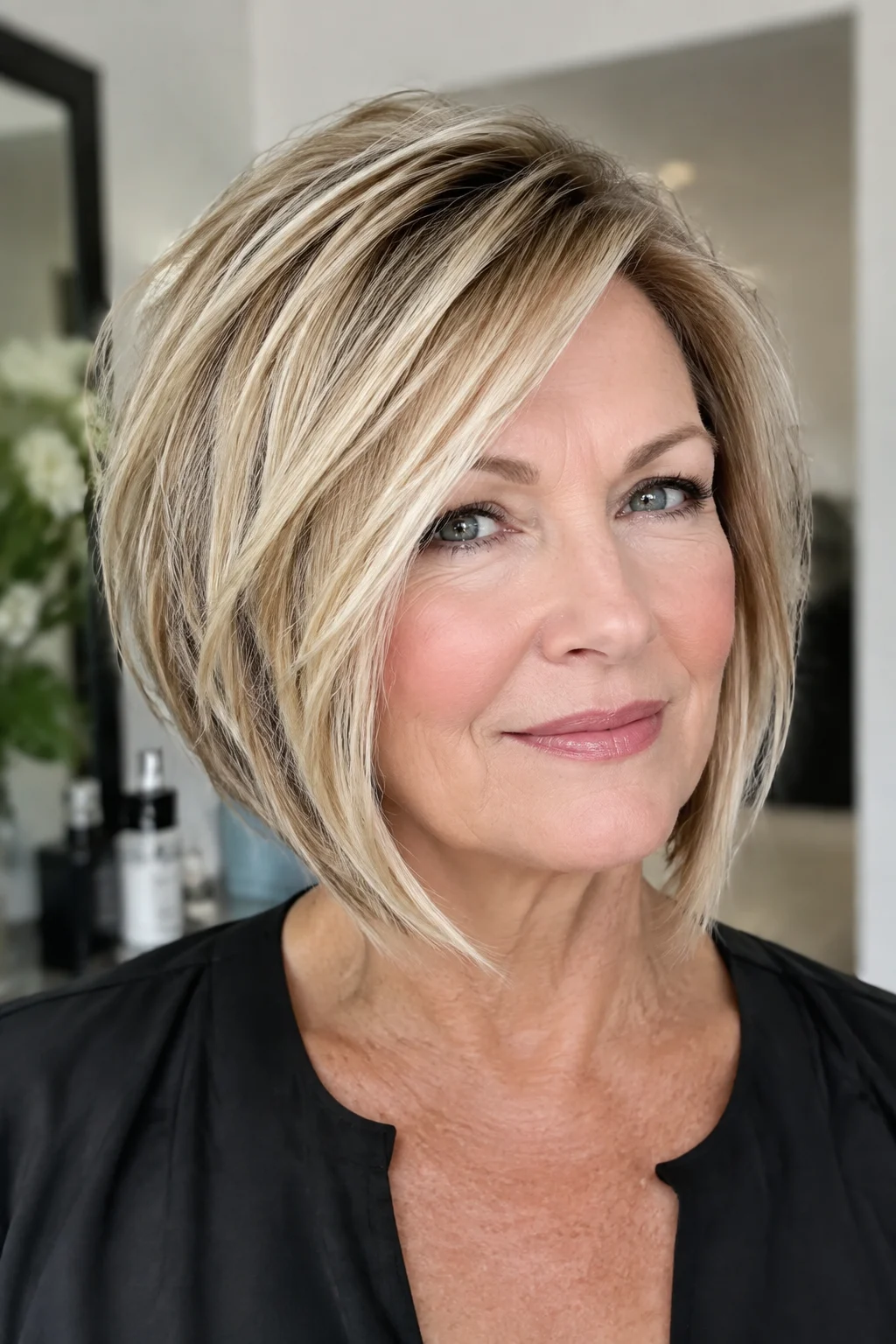
An angled bob that’s longer at the front and shorter in back adds visual interest through asymmetry, and choppy layers keep the longer front pieces from looking heavy. This shape flatters most face types and gives fine hair a defined silhouette instead of one flat length all around.
18. Short Feathered Cut with Wispy Crown
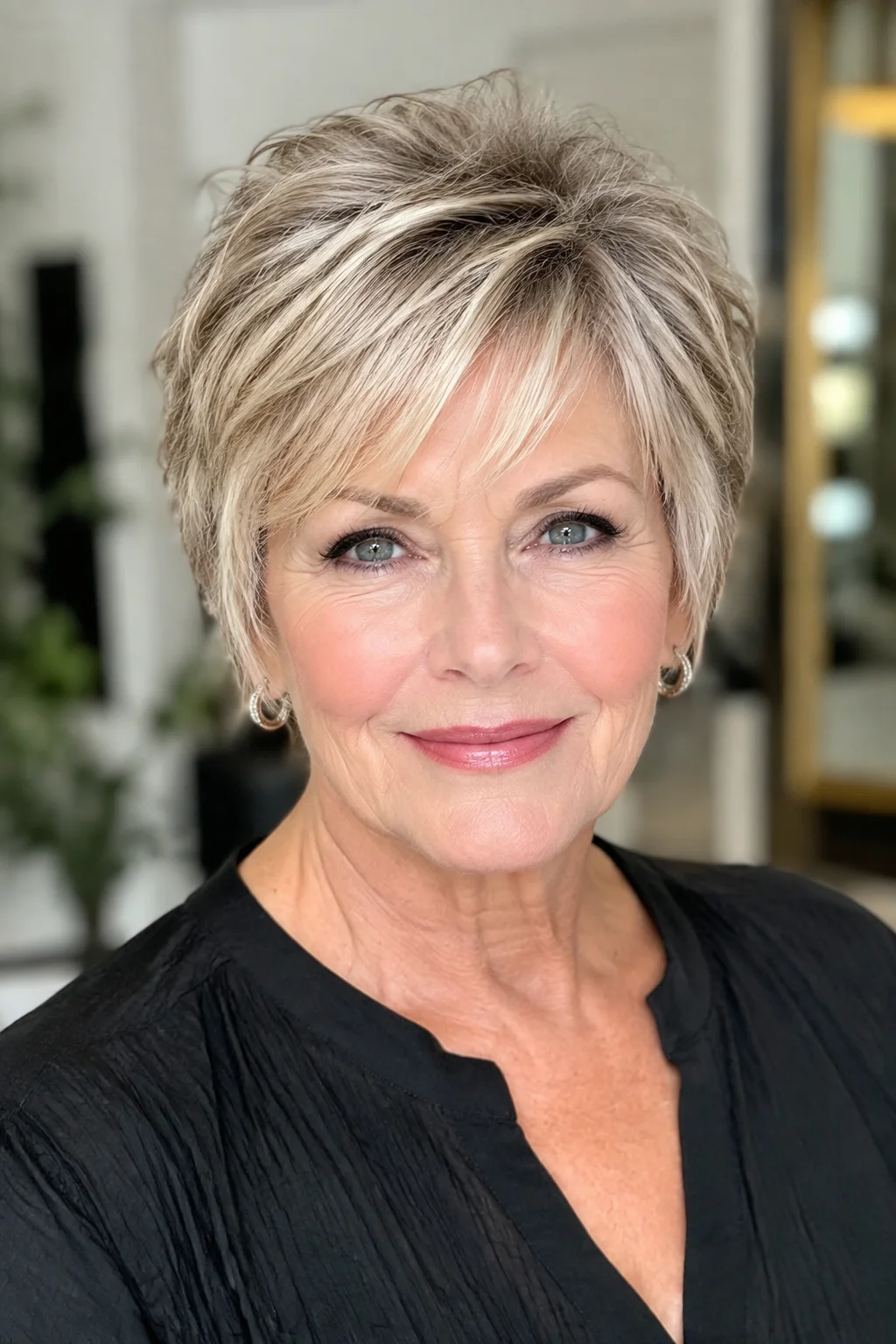
Feathering throughout a short cut, paired with extra texture at the crown, builds height right where fine hair falls flattest. This is a solid choice for anyone who wants short hair that still looks lifted without constant touch-ups through the day.
19. Layered Pixie-Bob with Textured Bangs
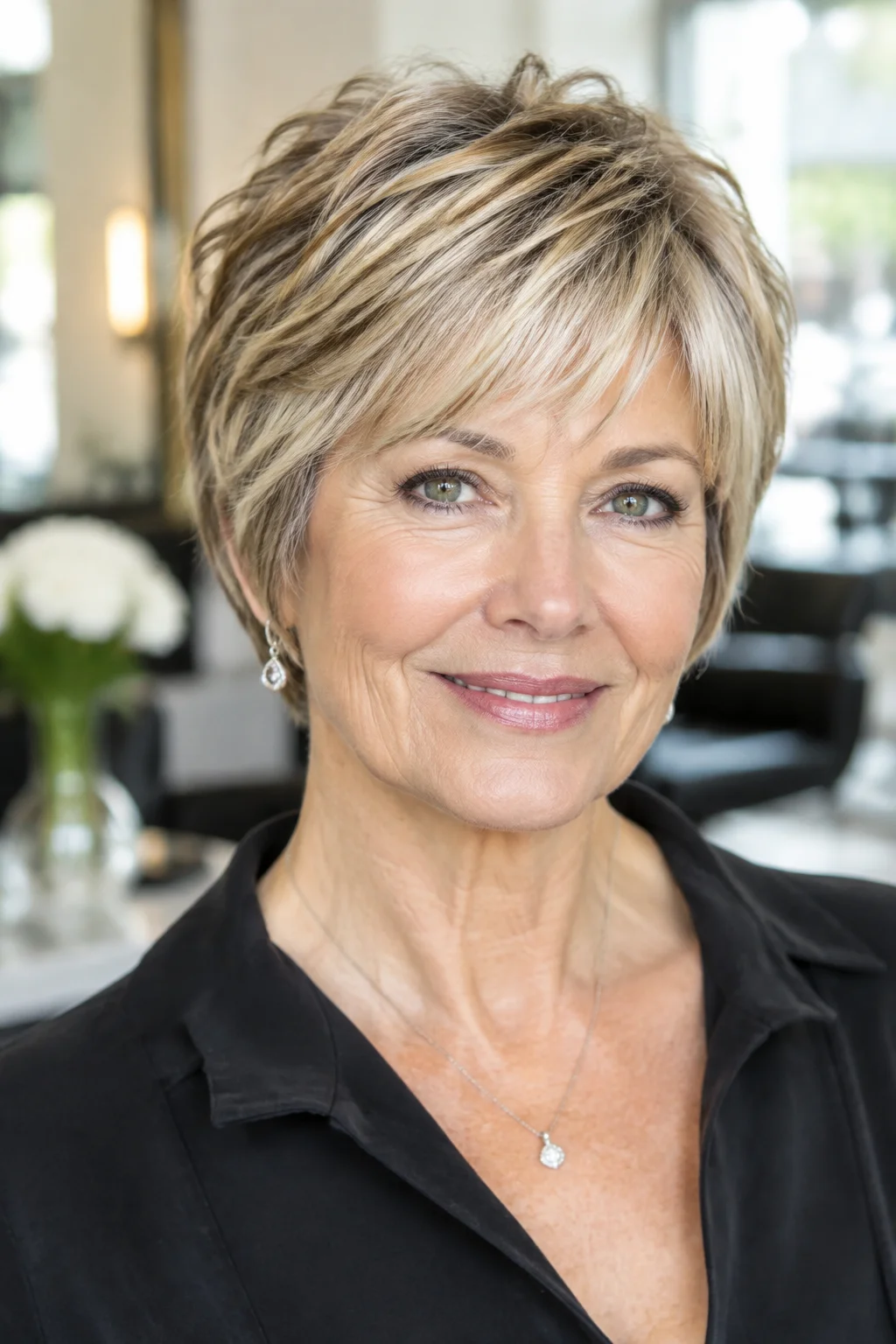
Combining pixie shortness at the sides with slightly longer, textured bangs in front gives this cut a soft, easy shape. The layering through the crown adds lift, and the textured bang line keeps the whole style from looking too uniform or plain.
20. Shaggy Layers with Shorter Nape Detail
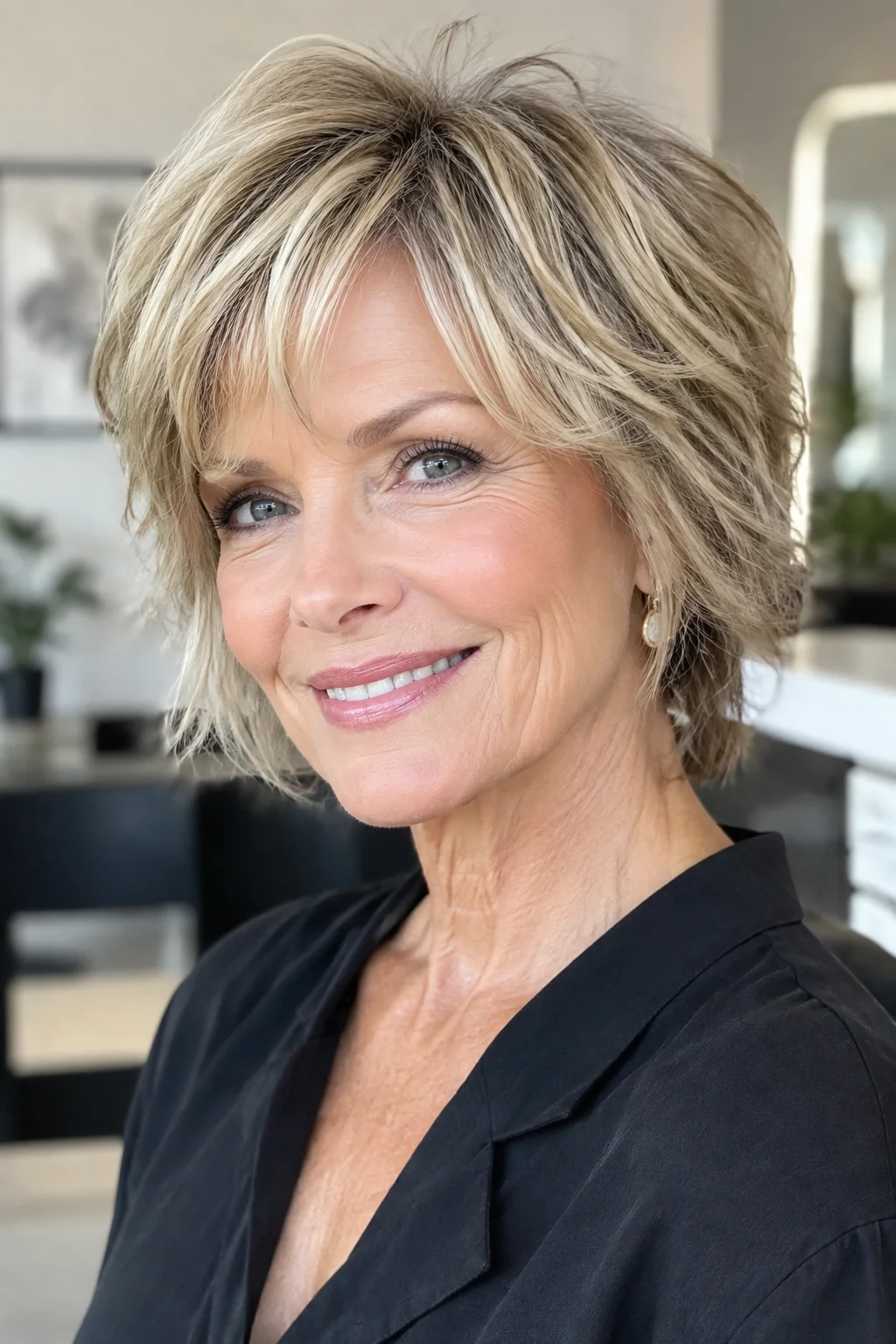
A shag cut with a deliberately shorter, cleaner nape gives you the movement of longer layers up top with a neater finish at the back. This detail keeps the style from looking overgrown while still delivering the texture and body that fine straight hair needs.
How to Choose the Right Cut for Your Hair
Picking between these styles comes down to how much length you’re willing to give up and how much daily styling you want to do. If you want the lowest maintenance option, look at the textured pixie with choppy layers or the short feathered cut with wispy crown. Both rely on the cut itself for shape, so you can get away with minimal product and a quick finger dry.
If you’re not ready to go short, the choppy textured lob for fine hair and the shaggy layered cut shoulder-length give you more length while still fighting flatness through layering. These take a little more time with a round brush but hold their shape well between salon visits.
For anyone who wants a defined, structured look rather than something soft and tousled, the graduated bob with razored layers or the angled bob longer at front with choppy layers deliver a cleaner silhouette. The most common mistake is choosing a longer cut without asking for texture work throughout, since length alone on fine hair almost always looks thin. Whatever style you pick, tell your stylist you have fine straight hair specifically, so they adjust the layering angles instead of using a generic approach.
Final Thoughts
Fine straight hair responds best to cuts that create texture through the technique itself, not through heavy products or daily styling marathons. Whether you land on a cropped pixie, a stacked bob, or a longer shag, the goal stays the same: layers and texture that build the appearance of body your hair doesn’t naturally hold onto. Bring a photo of your favorite option from this list to your next appointment and talk through which details, like a razored edge or a tapered nape, will work best for your face shape and how much time you want to spend styling each morning.