Straight hair after 60 can look sharp and put together without much fuss, but only if the cut works with your face shape, your hair density, and the amount of time you actually want to spend on it each morning. A lot of women get stuck styling the same shape they wore at 40, and it ends up looking flat or dated instead of polished. The right professional straight hair hairstyles for women over 60 give you clean lines, a bit of movement near the face, and enough structure that you don’t need a full styling routine before work. Some of these cuts are short and low maintenance, others keep length for versatility, and a few sit in between with layers or a soft fringe. Below are twenty options worth bringing to your stylist, along with notes on who each one suits and how to keep it looking sharp between salon visits.
Classic Blunt Bob at Chin Length
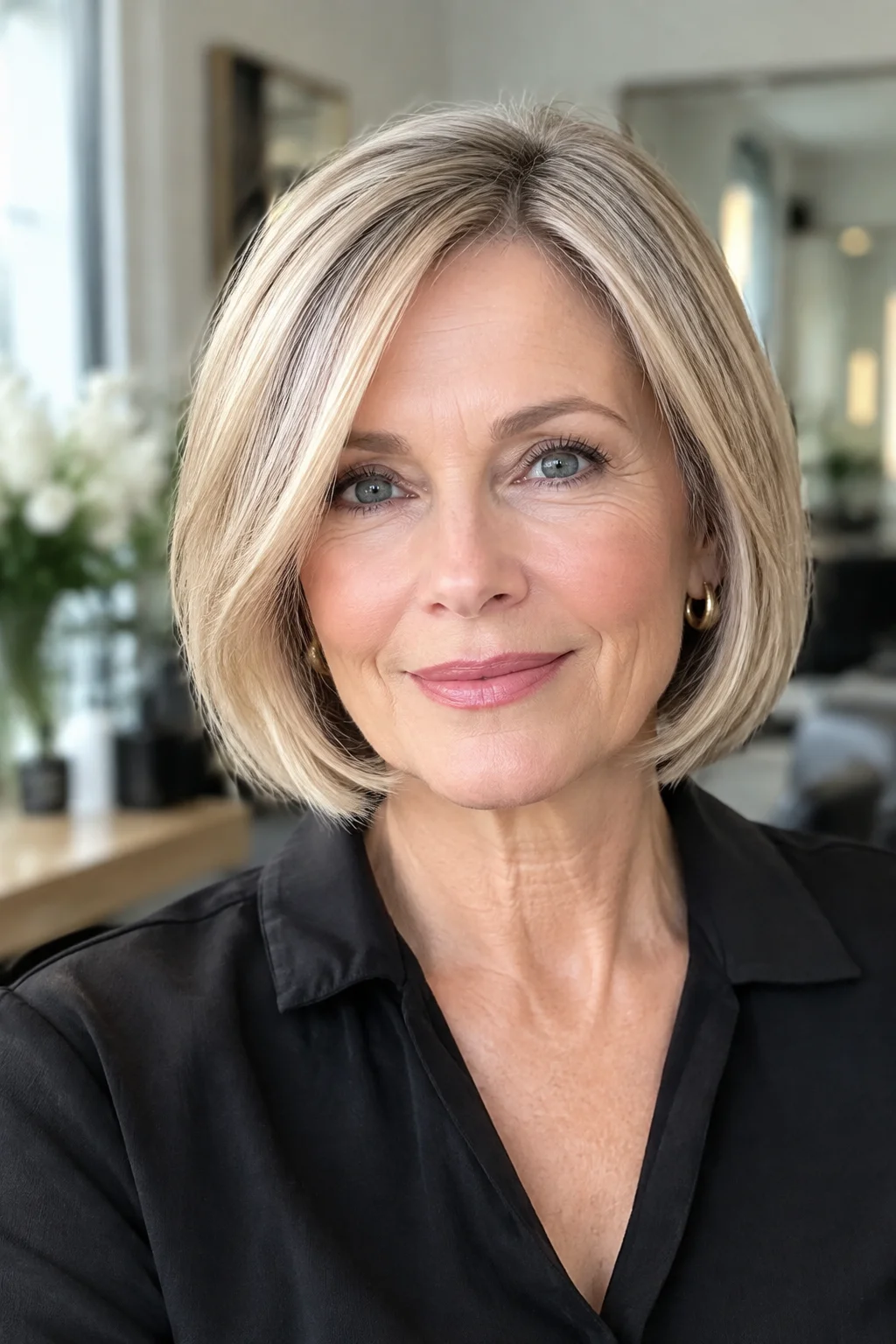
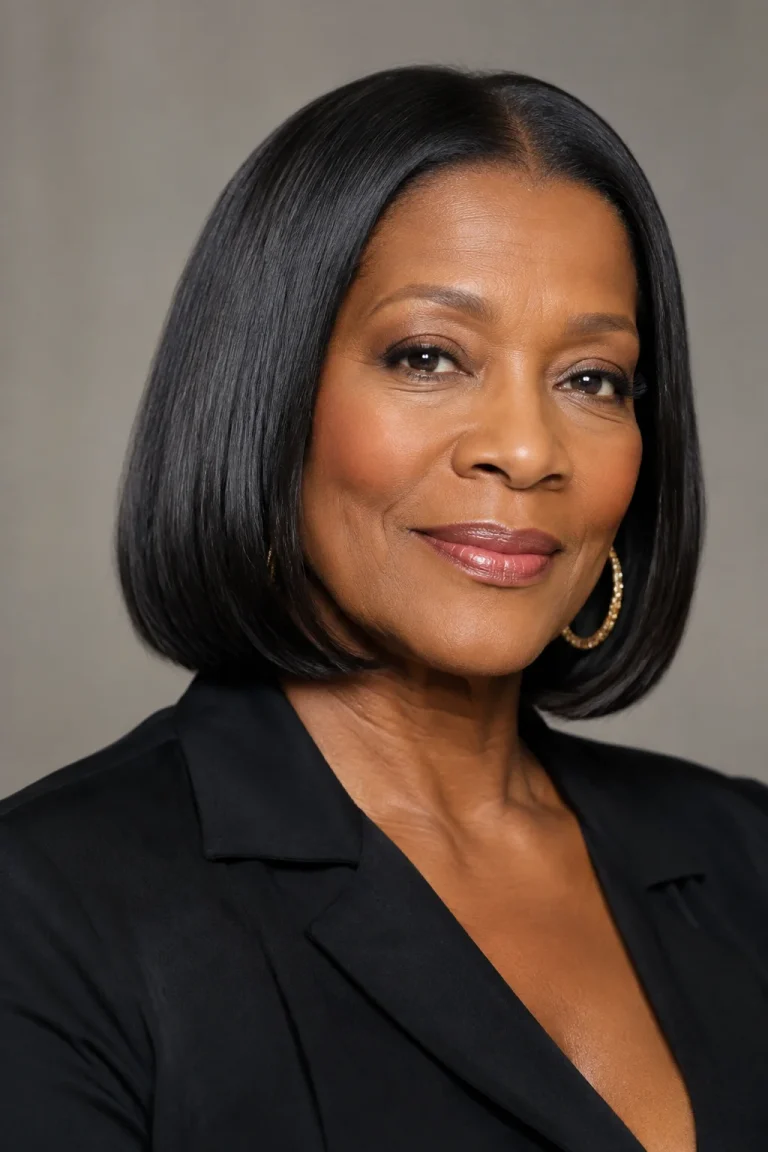
A blunt bob at chin length is about as clean as a haircut gets. The line sits straight across with no layering, which gives it a graphic, finished look that reads as professional the moment you walk into a meeting. It works well on straight hair because there’s no texture to fight against the shape. Fine hair especially benefits, since the blunt edge makes strands look thicker than they are. Tip: ask your stylist to keep the length hitting right at or just below the chin, since even a half inch lower can soften the effect you’re going for. A light mist of heat protectant before styling helps the finish last.
Long Layered Straight with Face-Framing Pieces
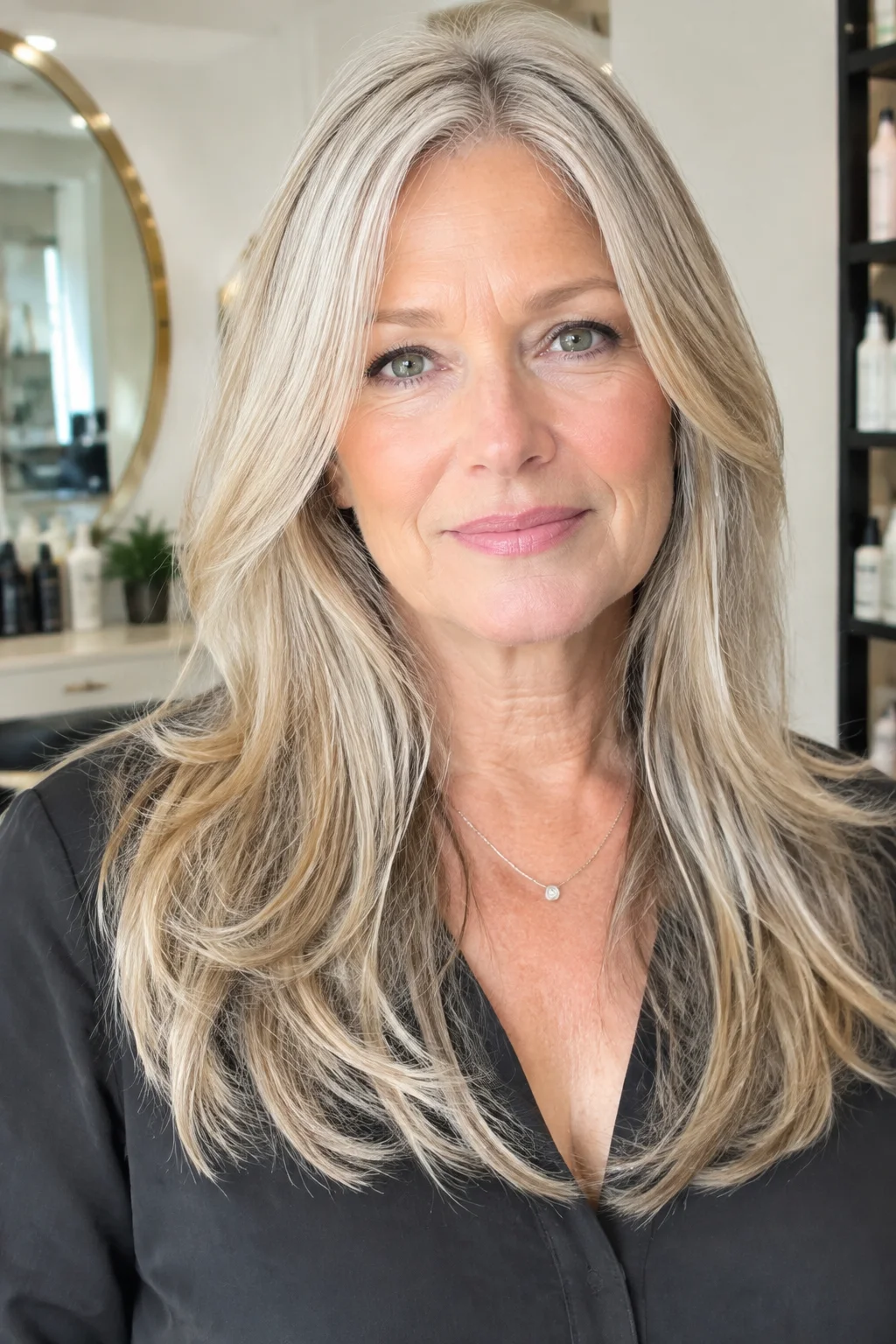
This one keeps length past the shoulders but breaks it up with layers around the face. The layers move when you talk or turn your head, which keeps long hair from looking heavy or aging on a mature face. It suits women who don’t want to give up length but still want some lift and movement near the jawline. A round brush blowout brings out the layering best. A light mist of heat protectant before styling helps the finish last. A light mist of heat protectant before styling helps the finish last.
Sleek Low Ponytail with Tucked Sides
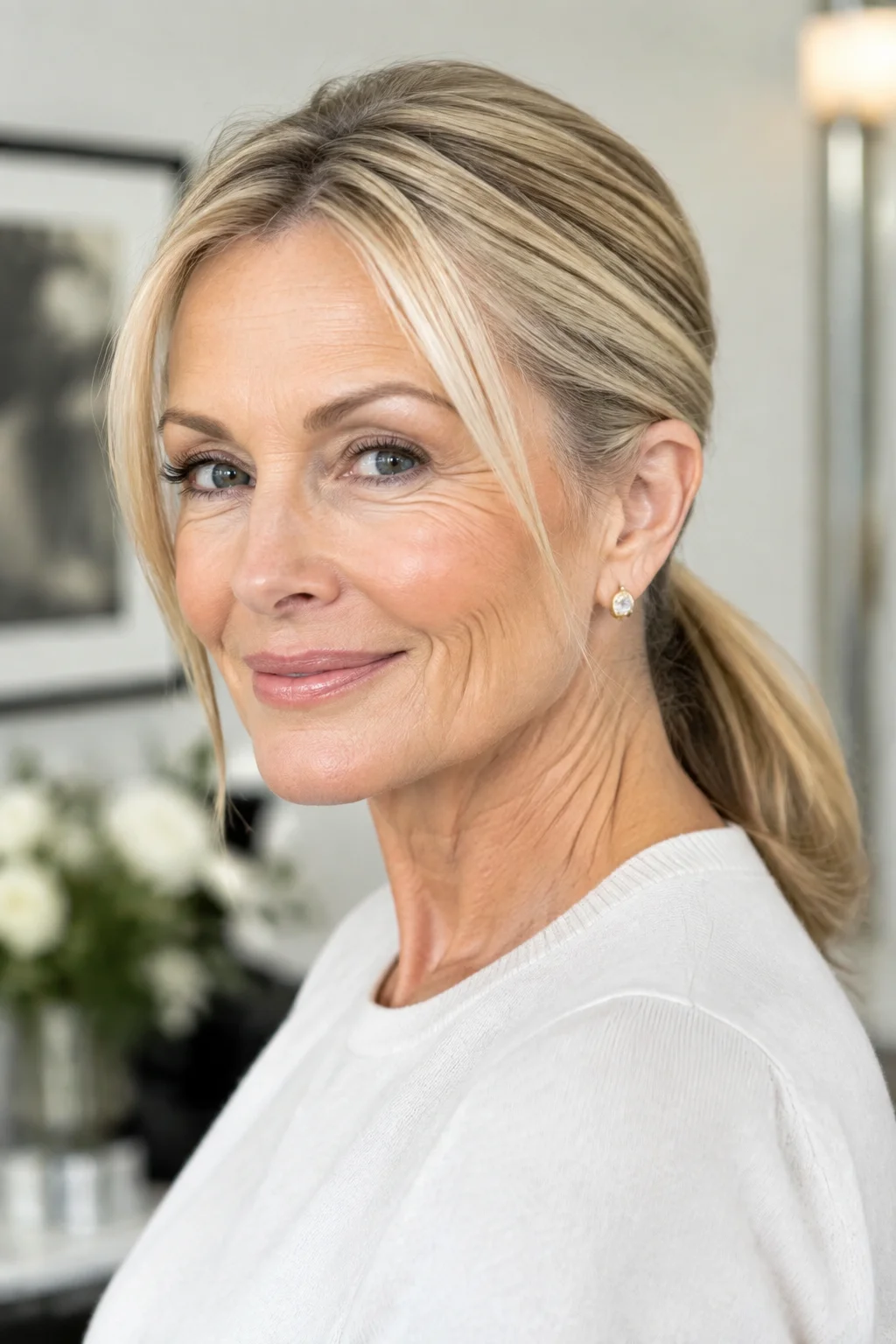
A low ponytail pulled sleek at the nape reads instantly professional, especially with the sides smoothed down rather than left loose. Straight hair holds this style well because there’s no frizz to smooth away before you gather it. Use a fine-tooth comb to get the top flat, then wrap a small section of hair around the elastic to hide it. This is a fast option for a day when you need to look finished in under five minutes.
Shoulder-Length Straight with Center Part
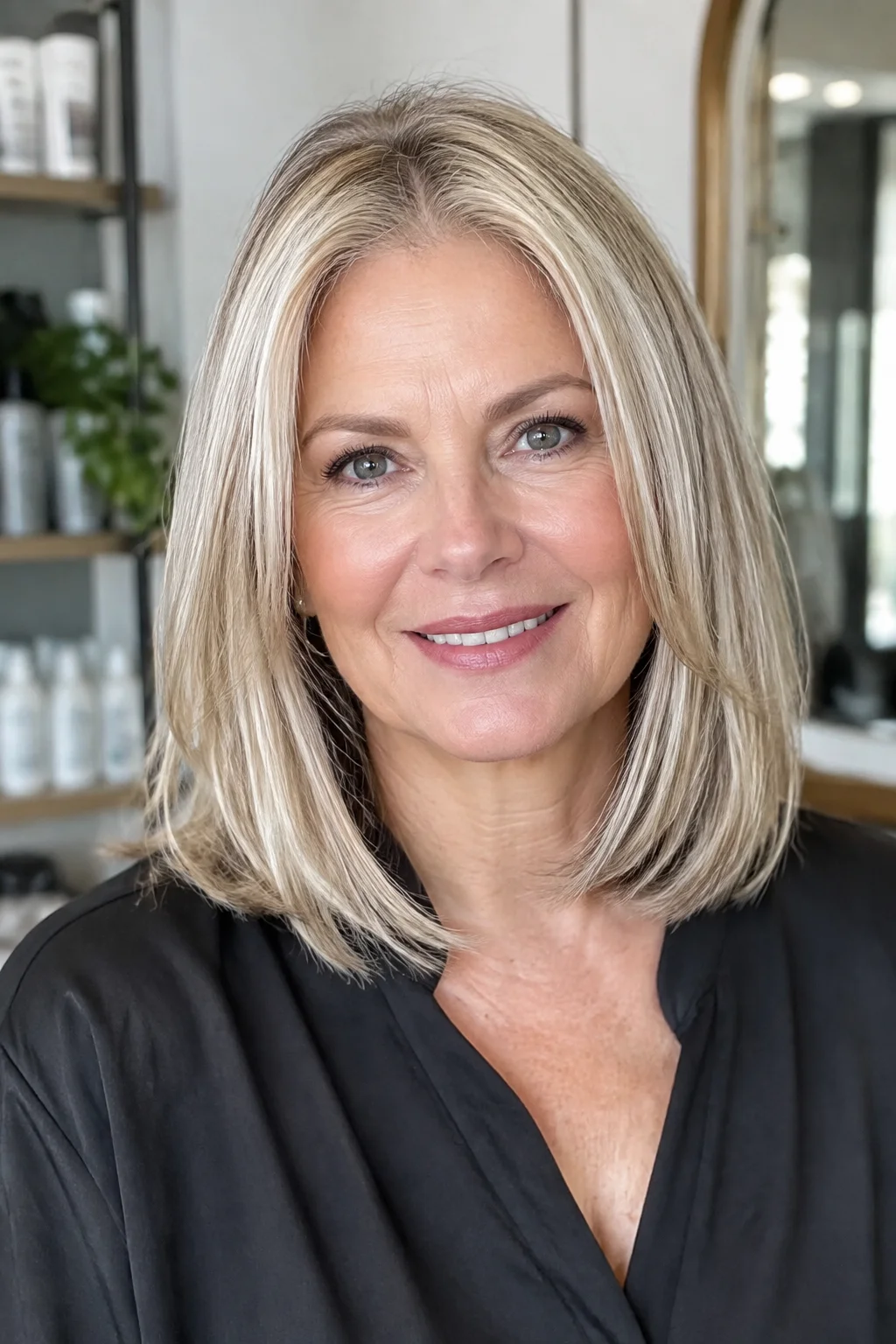
Shoulder-length hair with a center part is one of the easiest cuts to maintain because it grows out evenly and doesn’t require much shaping day to day. The center part gives the face symmetry, which tends to look more polished than a heavy side part on straight hair. It works on most face shapes and pairs well with reading glasses or office wear that already has clean lines. Blow-dry it straight down with a flat brush and you’re done.
Straight Pixie with Longer Crown for Volume
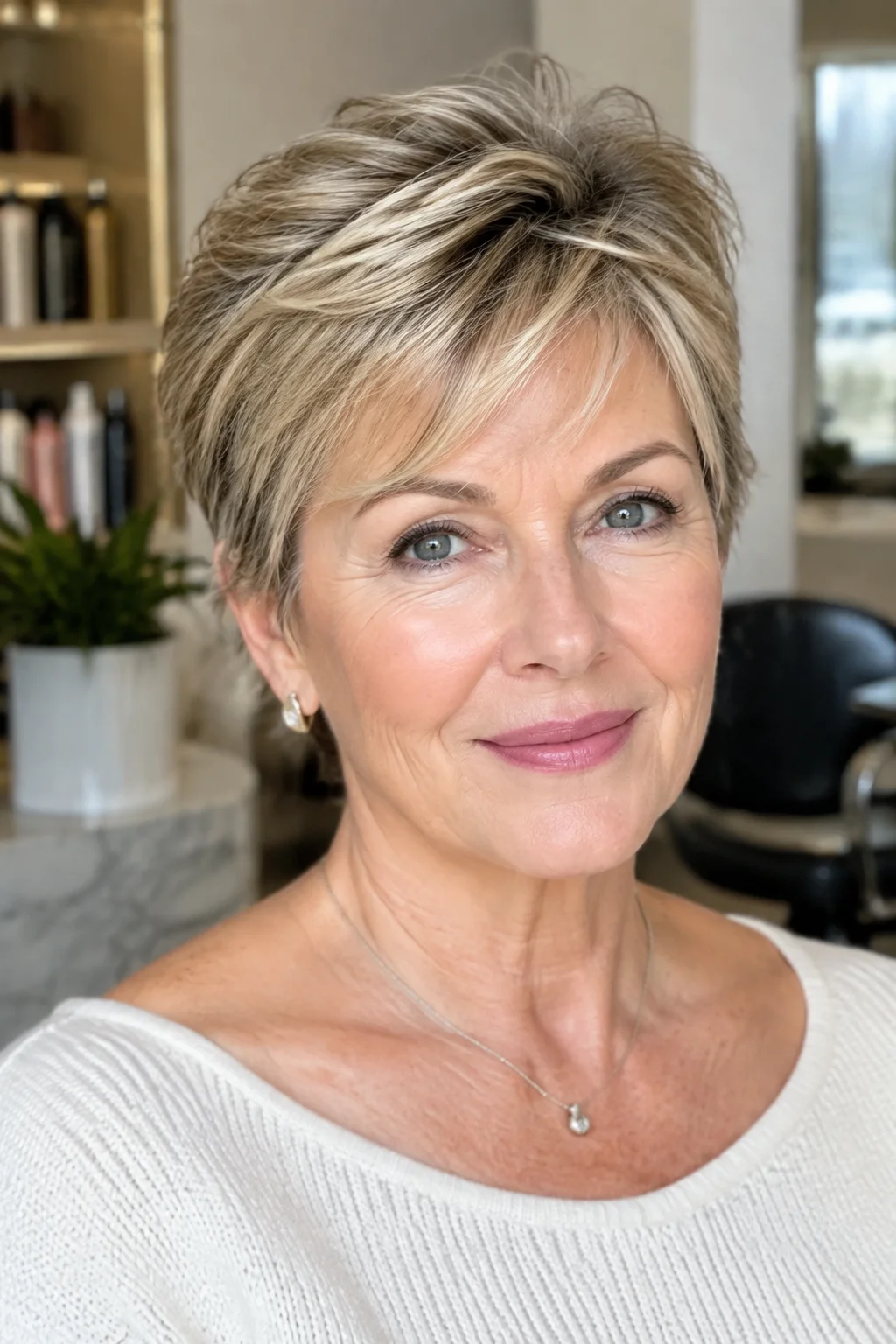
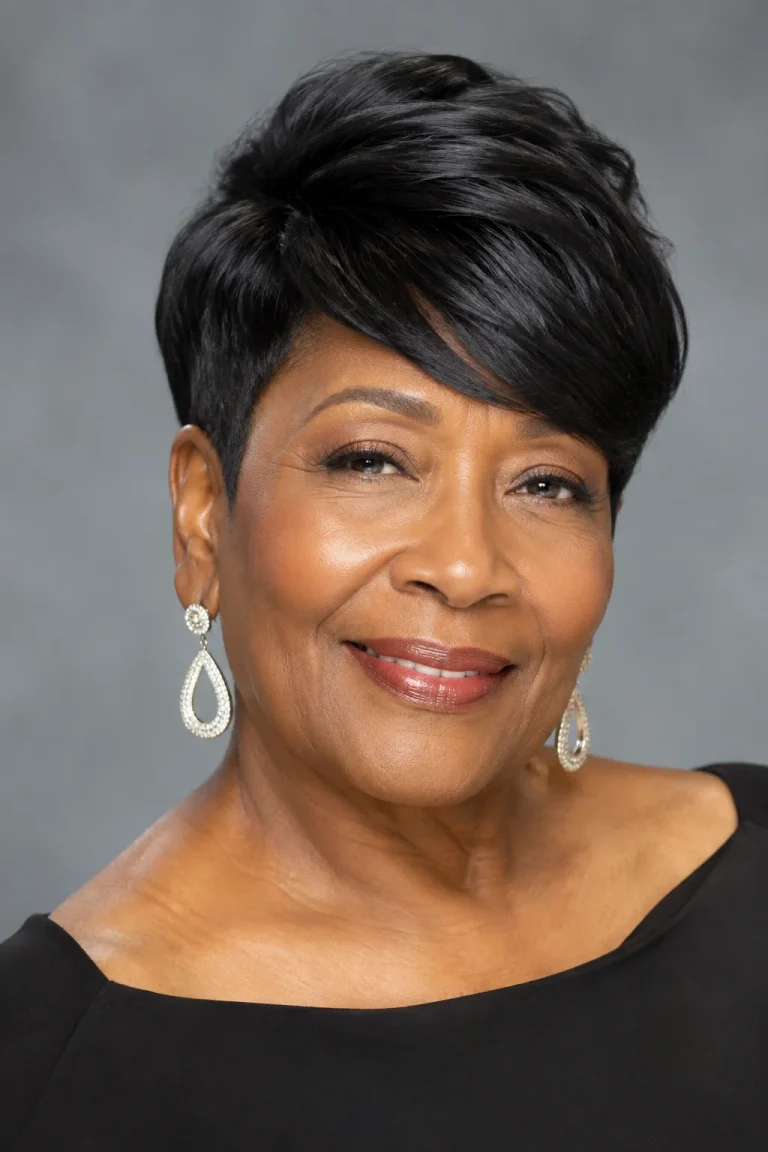
A pixie cut with extra length at the crown avoids the flat, helmet-like look that short straight hair can sometimes fall into. The added height gives the style shape without needing a full round of teasing or heavy product. This cut suits women with fine to medium hair who want something low maintenance but not severe. Tip: a small amount of texturizing paste worked into just the crown keeps the volume without making the rest look greasy.
Angled Bob (Longer Back, Shorter Front)
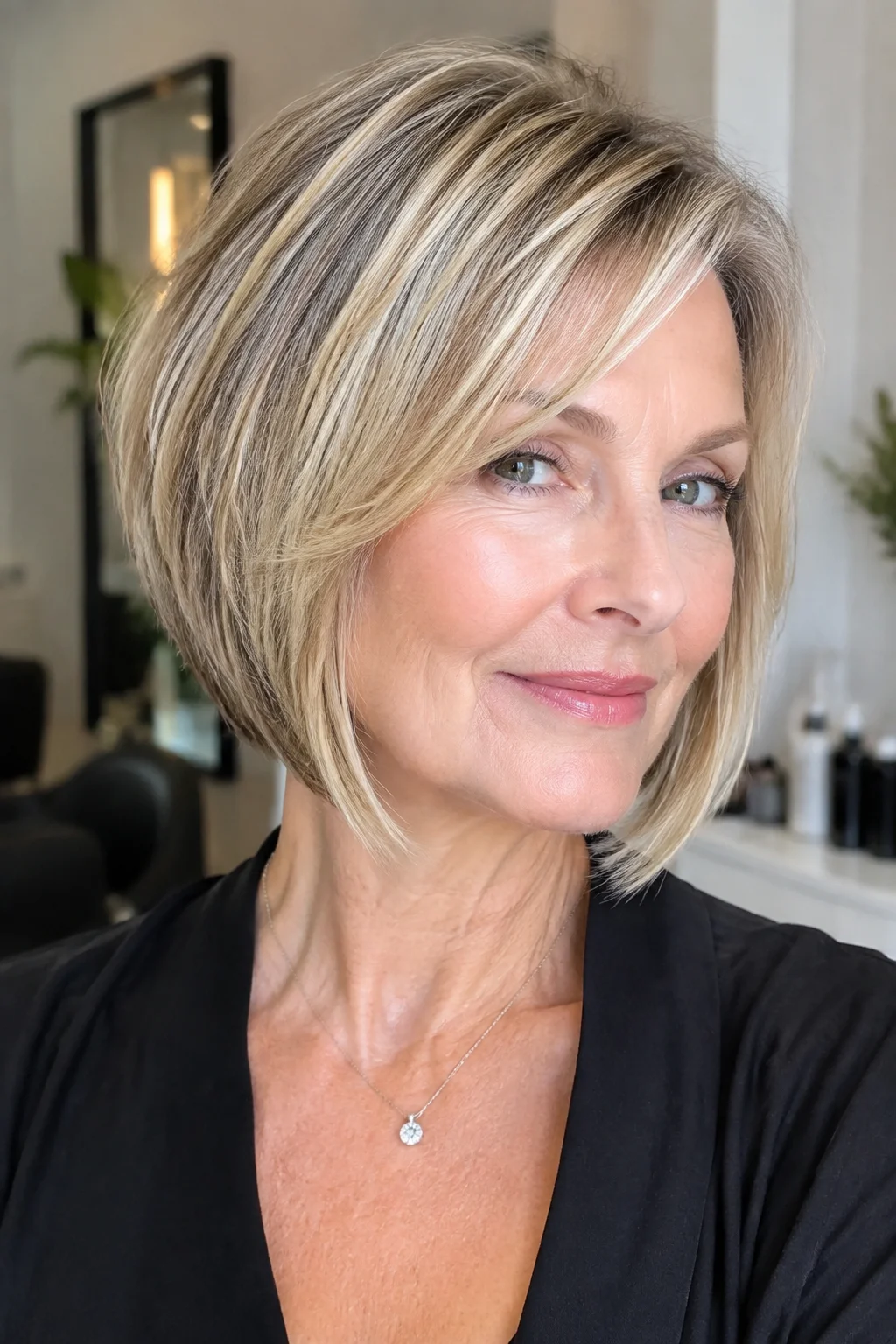
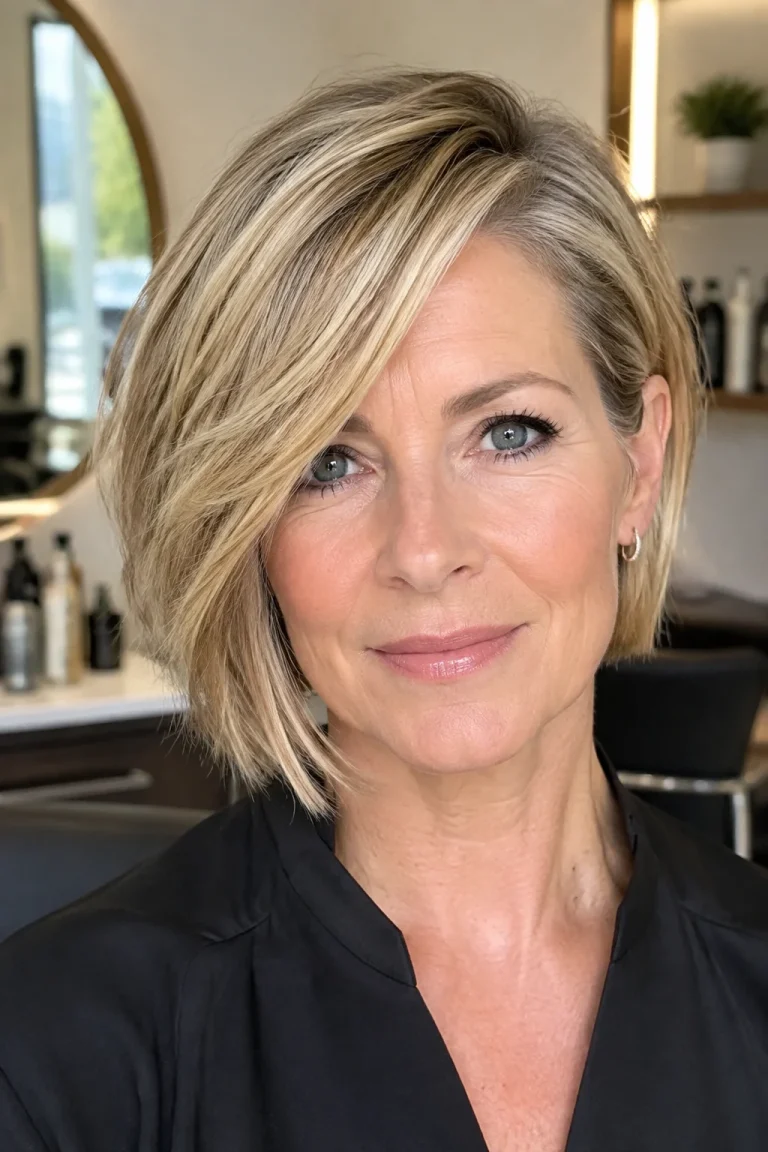
The angled bob slopes from a longer length in the back to a shorter point near the chin in front. It’s a strong shape for straight hair because the angle does the styling work for you, no curling or flipping required. This cut flatters women who want the jaw to look more defined, since the shorter front pieces draw the eye upward. It also grows out gracefully, so you’re not stuck going back to the salon every four weeks.
Half-Up Half-Down with Straight Layers
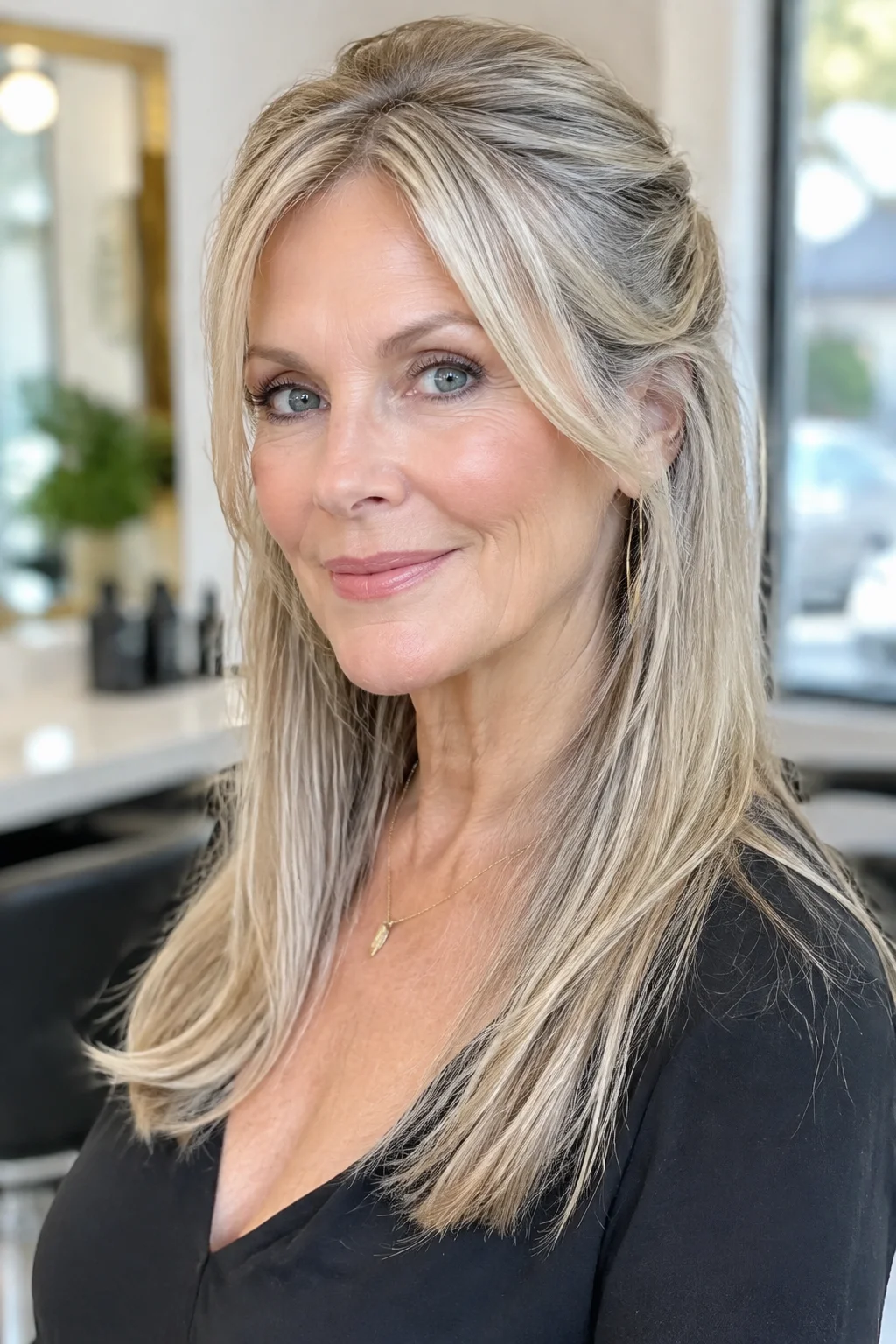
Pulling the top section back while leaving the rest down keeps hair out of your face during a busy workday without committing to a full updo. Straight layers help the pulled-back section sit smooth instead of bumpy. Secure it with a small clip or a covered elastic rather than anything decorative, since the goal here is function first. This style works especially well on longer straight cuts that need a break from constant brushing throughout the day.
Sleek Straight Lob (Long Bob) Below Shoulders
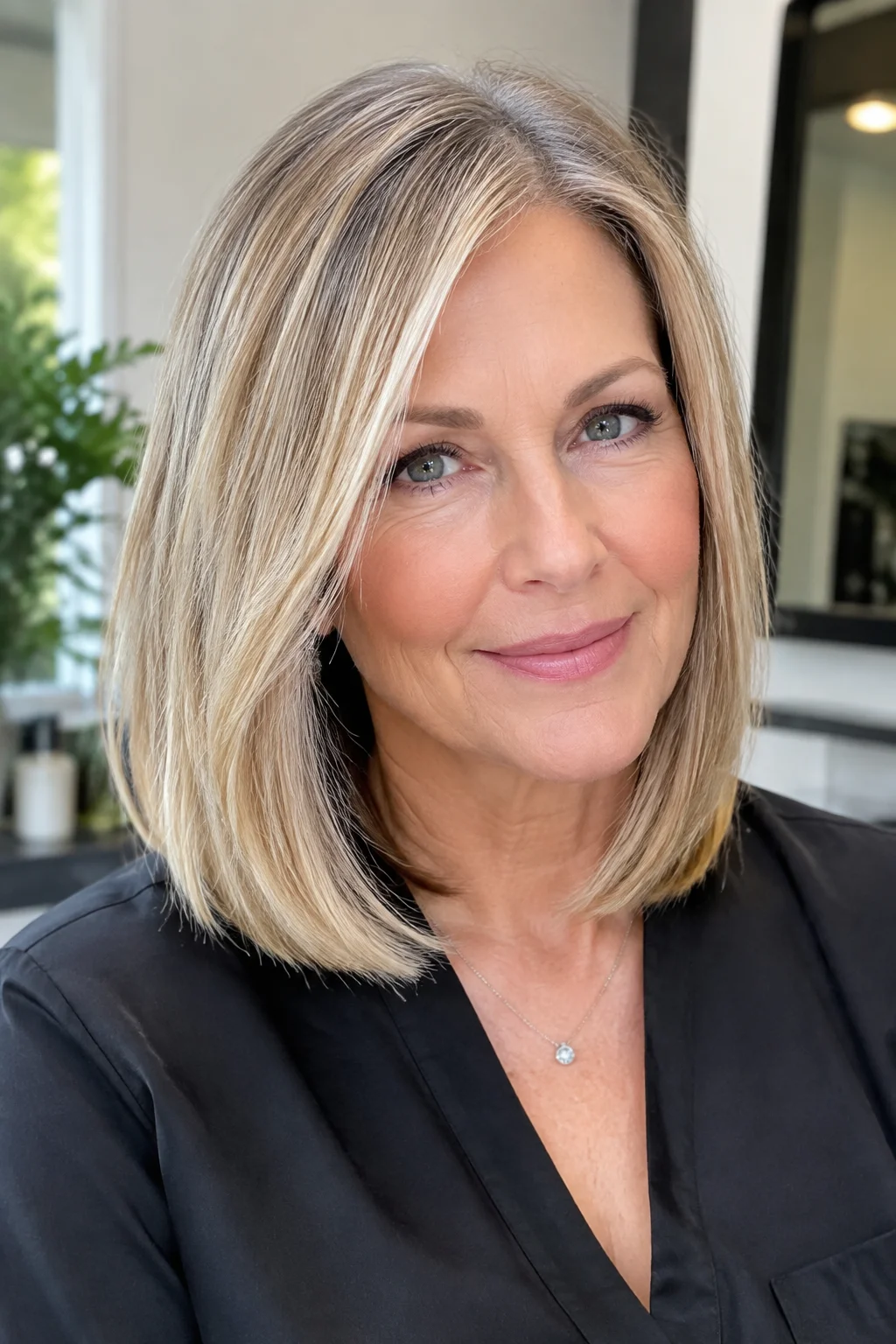
The lob sits in a sweet spot between short and long, landing just below the shoulders where it grazes the collarbone. It keeps some length for versatility but is short enough to stay sleek without a lot of product. This shape flatters nearly every face shape and hair texture, which is part of why it’s stayed popular for years. It’s a low-drama, high-payoff cut for anyone who wants professional polish without extremes.
Straight Shag with Subtle Texture at Ends
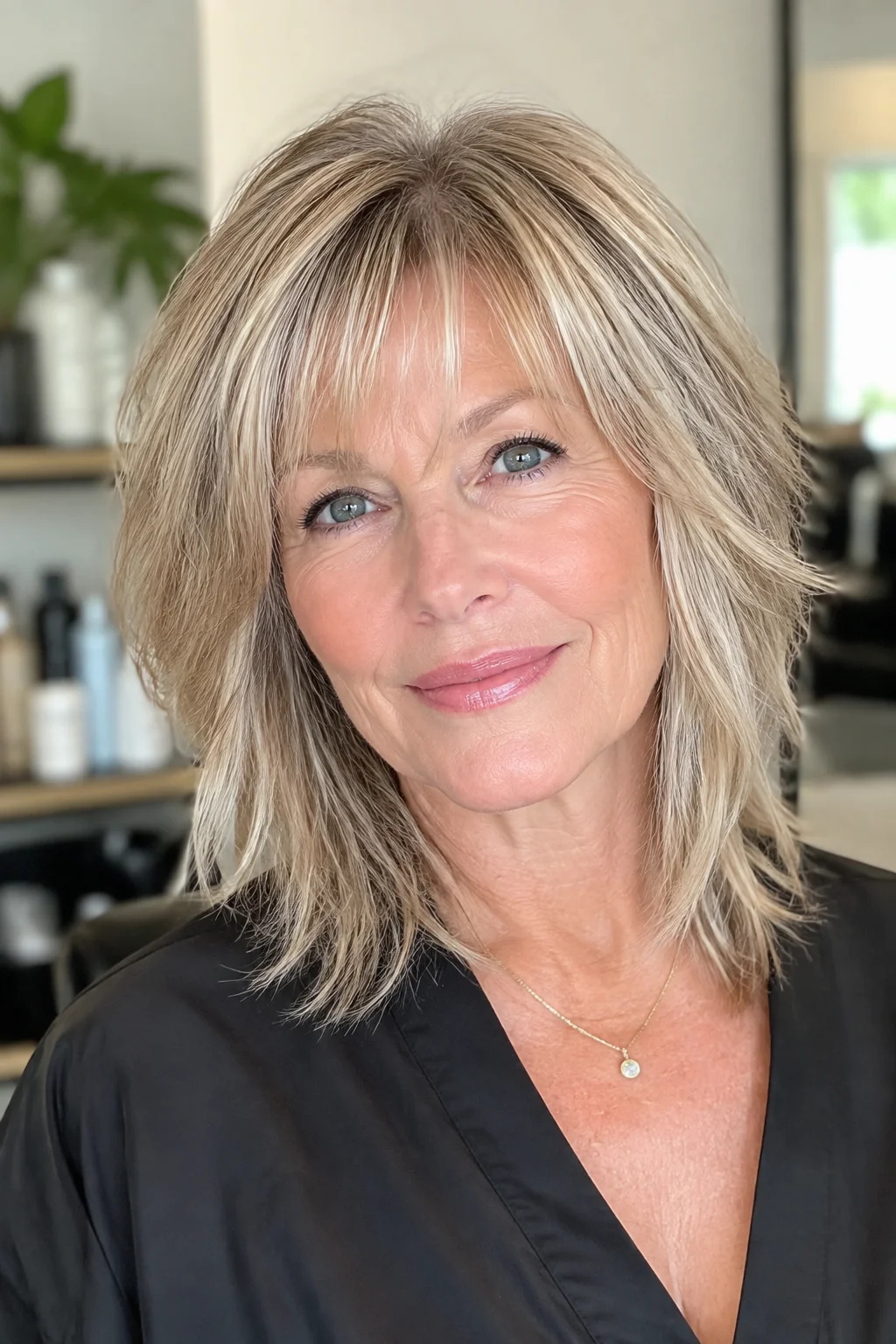
A shag brings texture into an otherwise sleek style through choppy, layered ends rather than heavy curls or waves. On straight hair, the texture stays subtle and controlled instead of wild, which keeps it appropriate for an office setting. This cut adds a bit of personality to a straight style without sacrificing the polished look you want for work. It suits women who find a completely blunt cut too severe for their taste.
Tucked-Behind-Ears Bob with Deep Side Part
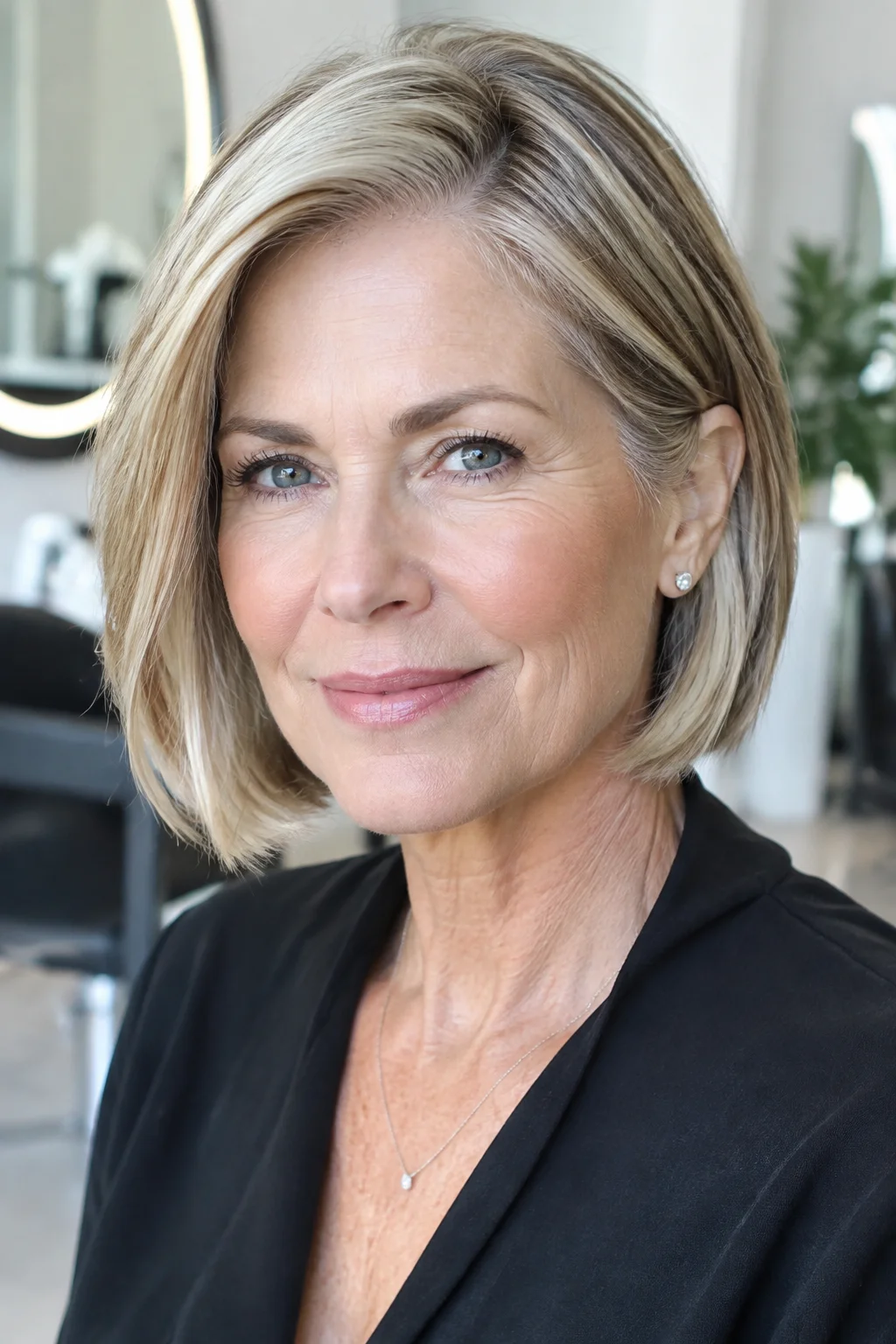
This bob is cut to sit comfortably tucked behind the ears, with a deep side part that adds a little drama to an otherwise simple shape. Straight hair holds the tuck well throughout the day without needing pins. The deep part also gives some lift at the root, which helps if your hair tends to sit flat. It’s a strong choice for video calls, since the open face and clean line photograph well.
Straight Hair in Low Bun with Face-Framing Strands
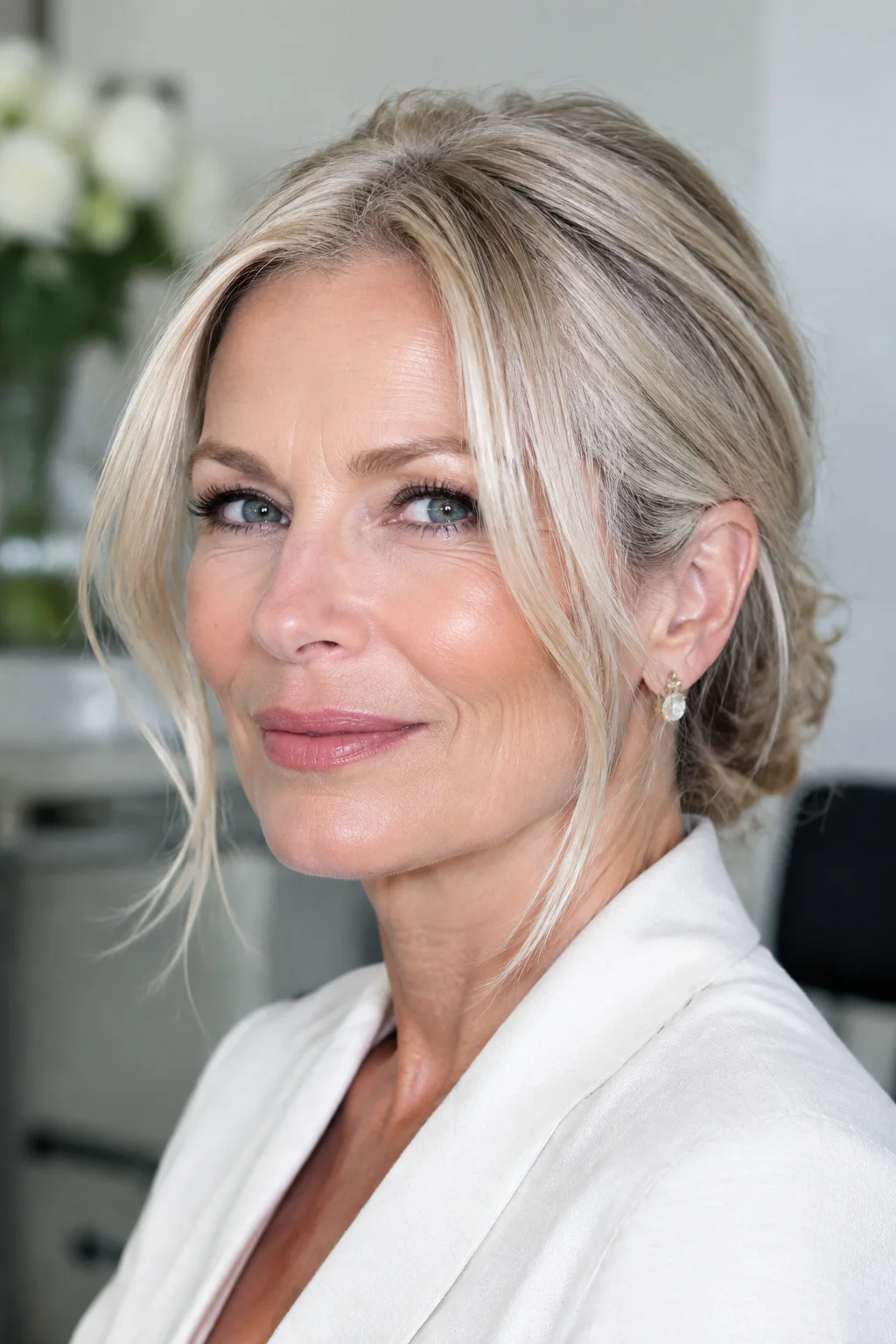
A low bun with a few strands left loose around the face softens what could otherwise look severe. This works well for longer straight hair that needs to be off the neck for a full workday. Smooth the bun tight against the head rather than letting it sit loose, and pull just two thin pieces free near the temples. It’s polished enough for a formal meeting but comfortable enough to wear for hours.
Blunt Bangs with Straight Shoulder-Length Hair
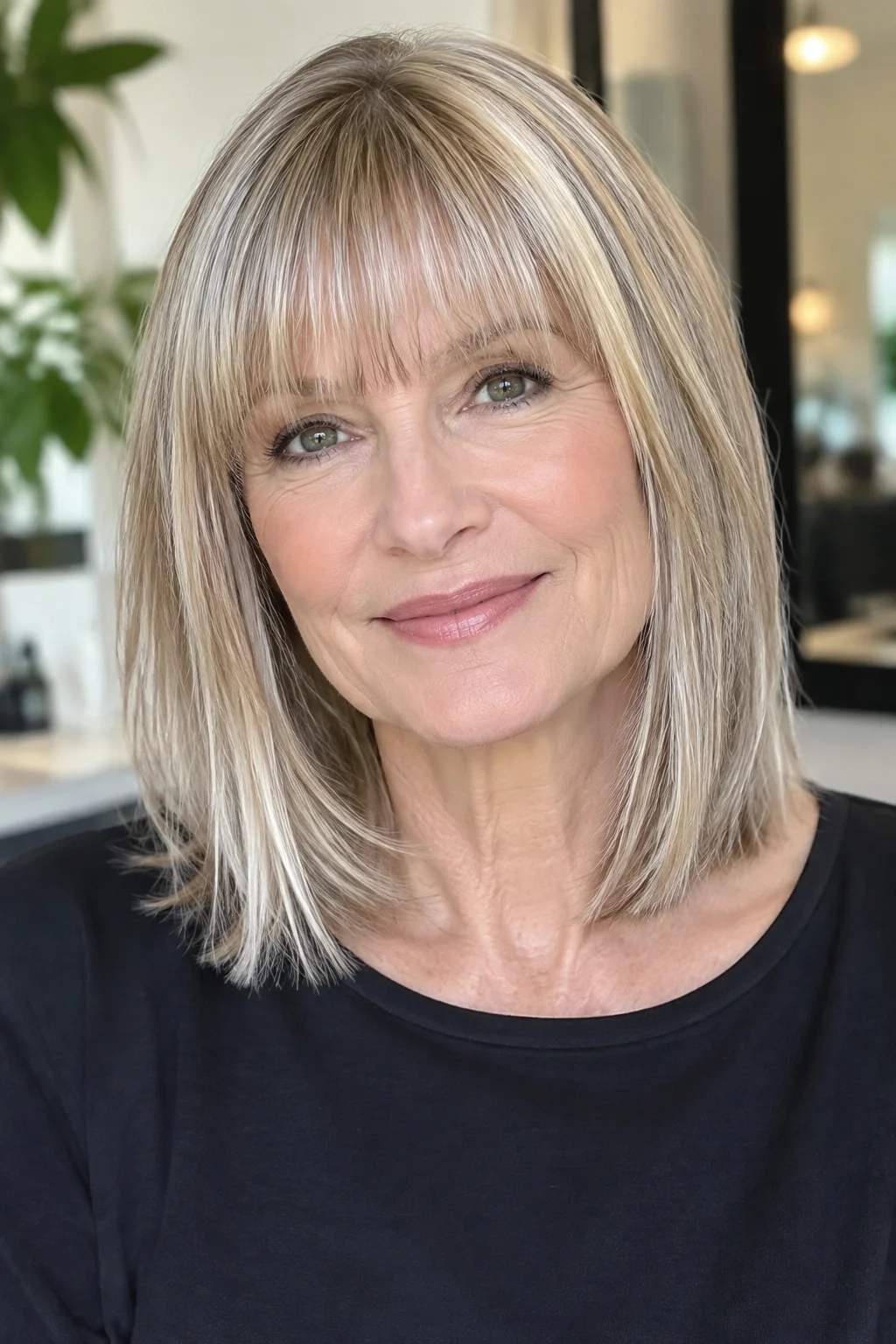
Blunt bangs cut straight across the forehead pair naturally with a straight shoulder-length cut, since neither one has texture that fights the other. This combination gives a strong, graphic finish that looks intentional rather than accidental. Bangs also draw attention up and away from the neck, something many women over 60 appreciate. Tip: keep bangs trimmed every three to four weeks so they don’t grow into the eyes and lose their shape.
Tapered Straight Pixie with Longer Fringe
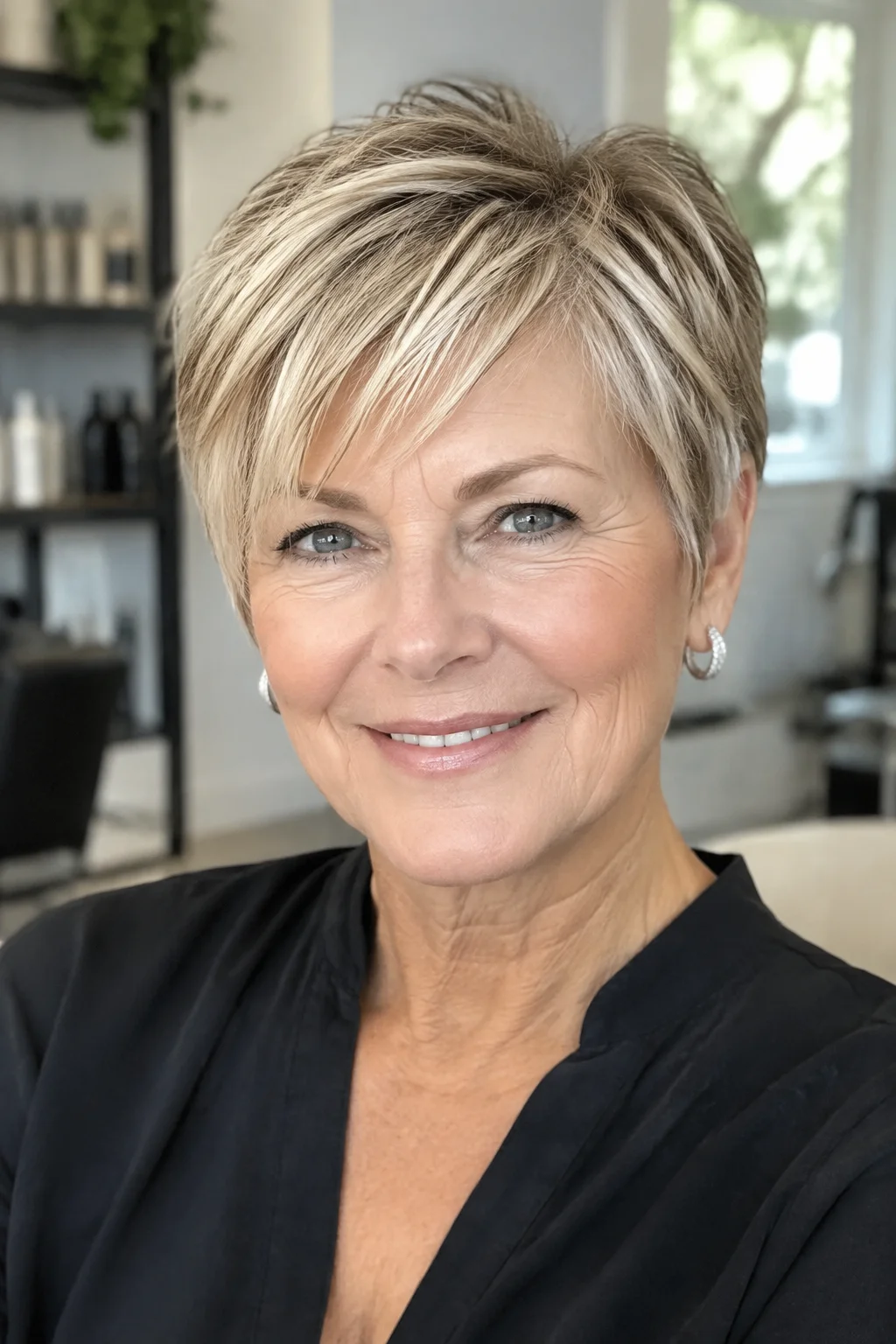
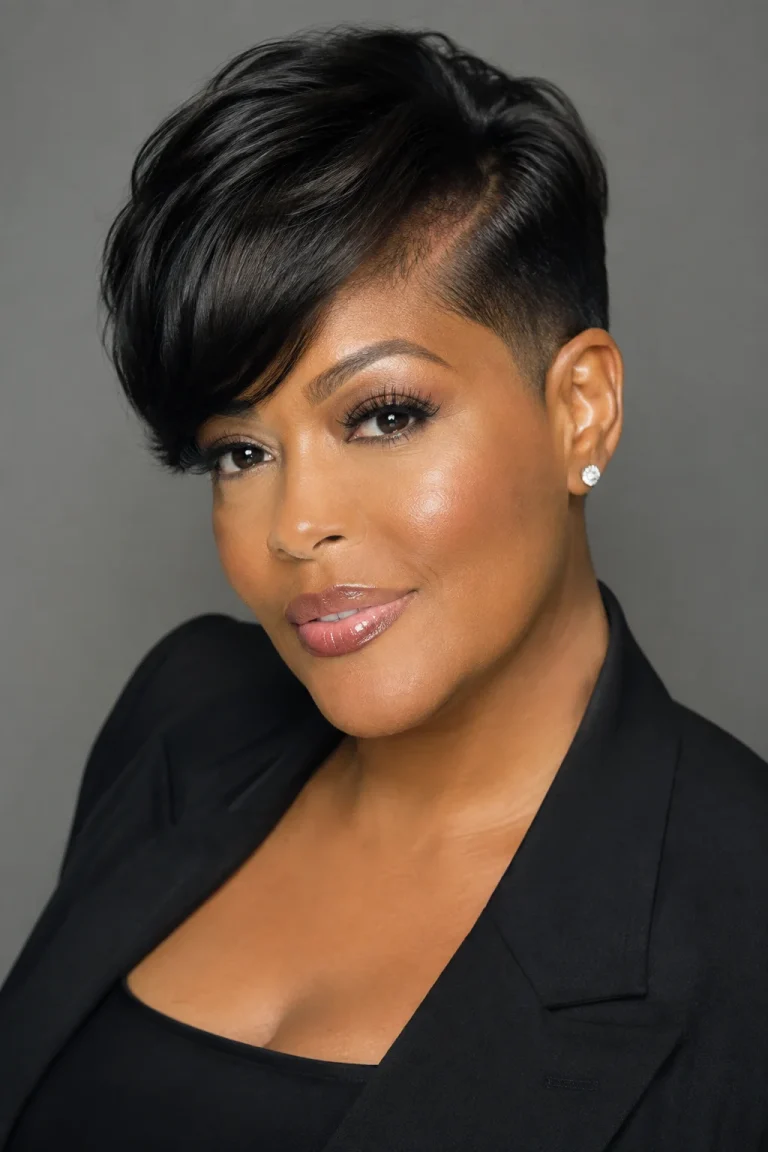
This pixie tapers close at the sides and back but keeps a longer fringe up front that can be swept to one side or worn straight down. It gives you the low maintenance of a short cut with a little more styling flexibility than a fully cropped pixie. The longer fringe also softens the forehead, which some women prefer over a fully exposed hairline. It’s a good middle ground for anyone who wants short hair without going too severe.
Straight Asymmetrical Bob (One Side Longer)
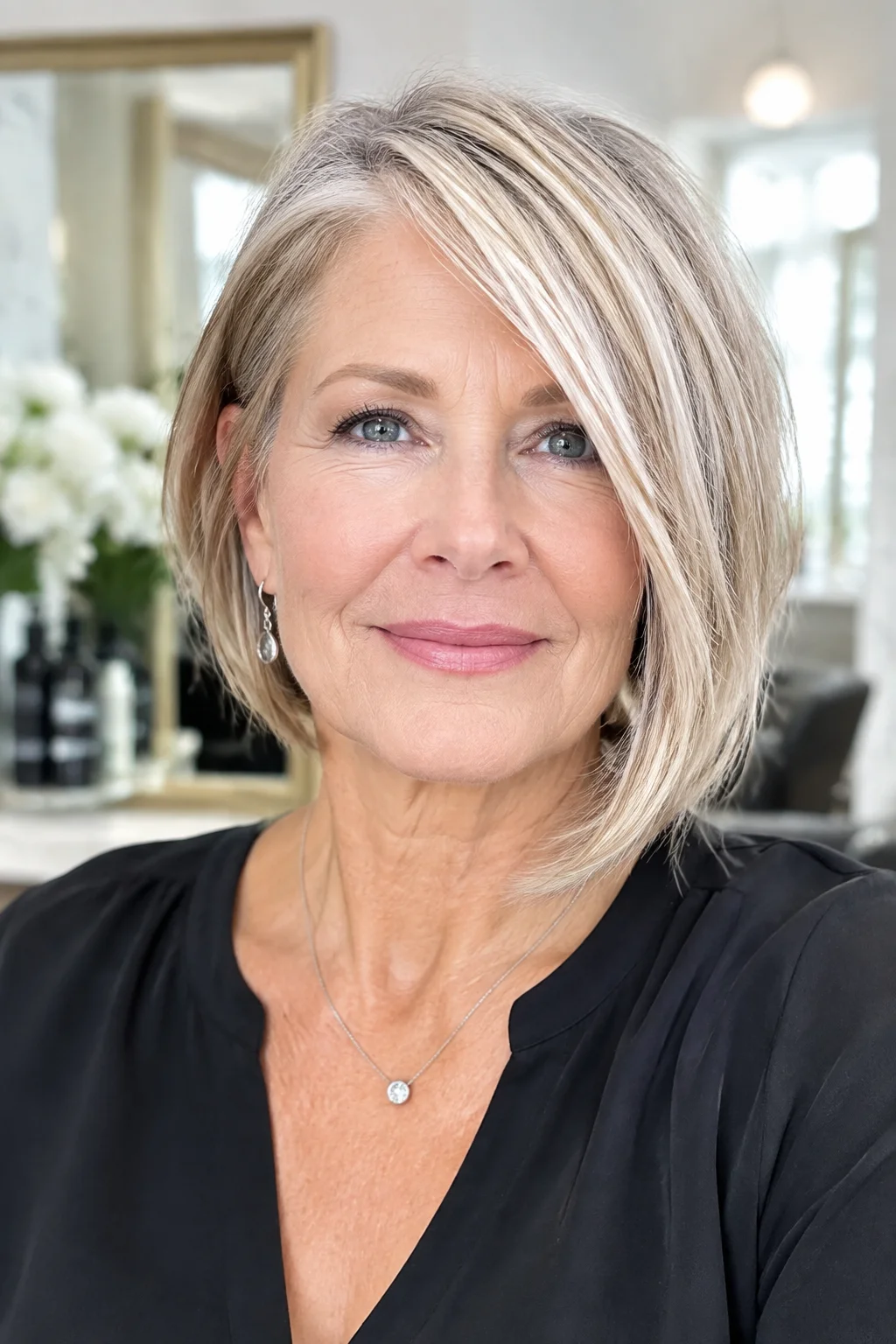
An asymmetrical bob has one side cut noticeably longer than the other, which creates visual interest without adding curls or layers. Straight hair shows off the asymmetry clearly since there’s nothing to blur the line. This cut works well for women who want something with a bit more edge for their workday look, and it’s easier to maintain than it looks. A flat iron touch-up in the morning keeps both sides crisp.
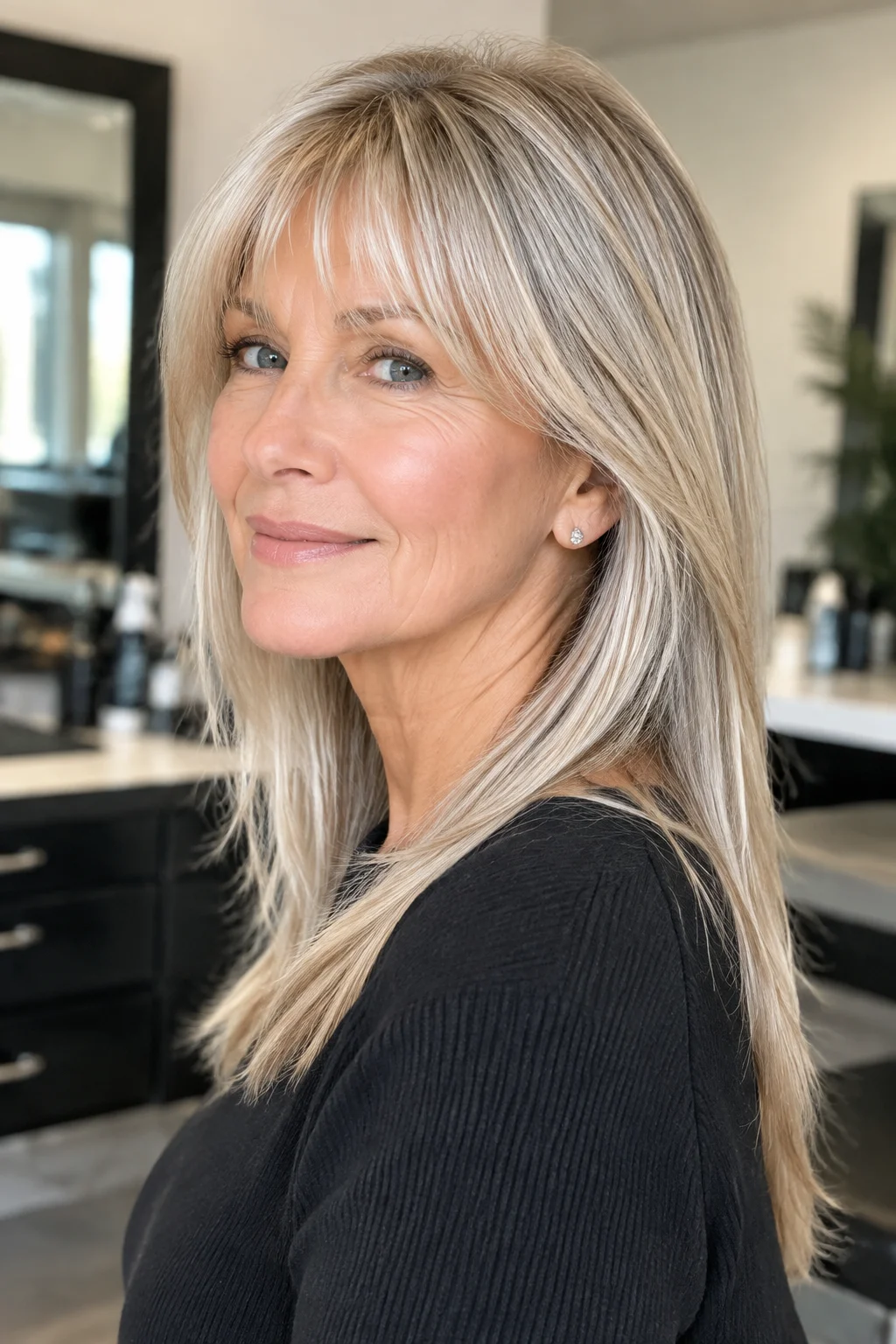
Long Straight Hair with Minimal Layers and Side Sweep

Keeping hair long with only minimal layering and a soft side sweep near the face gives you a look that’s simple to maintain and always presentable. The minimal layering keeps the ends looking thick and healthy rather than wispy. A side sweep adds a small amount of movement without requiring daily styling effort. This option suits women who have kept long hair for years and don’t want to lose the length, just refine it.
Straight Crops with Ear Definition and Back Length
This cut is short around the ears, showing them off clearly, while keeping a bit more length through the back. It’s a modern take on a short cut that avoids looking too plain or boxy. The ear definition gives the style a clean, shaped appearance that suits office environments. It requires trims every few weeks to keep the shape sharp, but daily styling takes only a couple of minutes.
Sleek Straight Bob with Tucked Flip at Ends
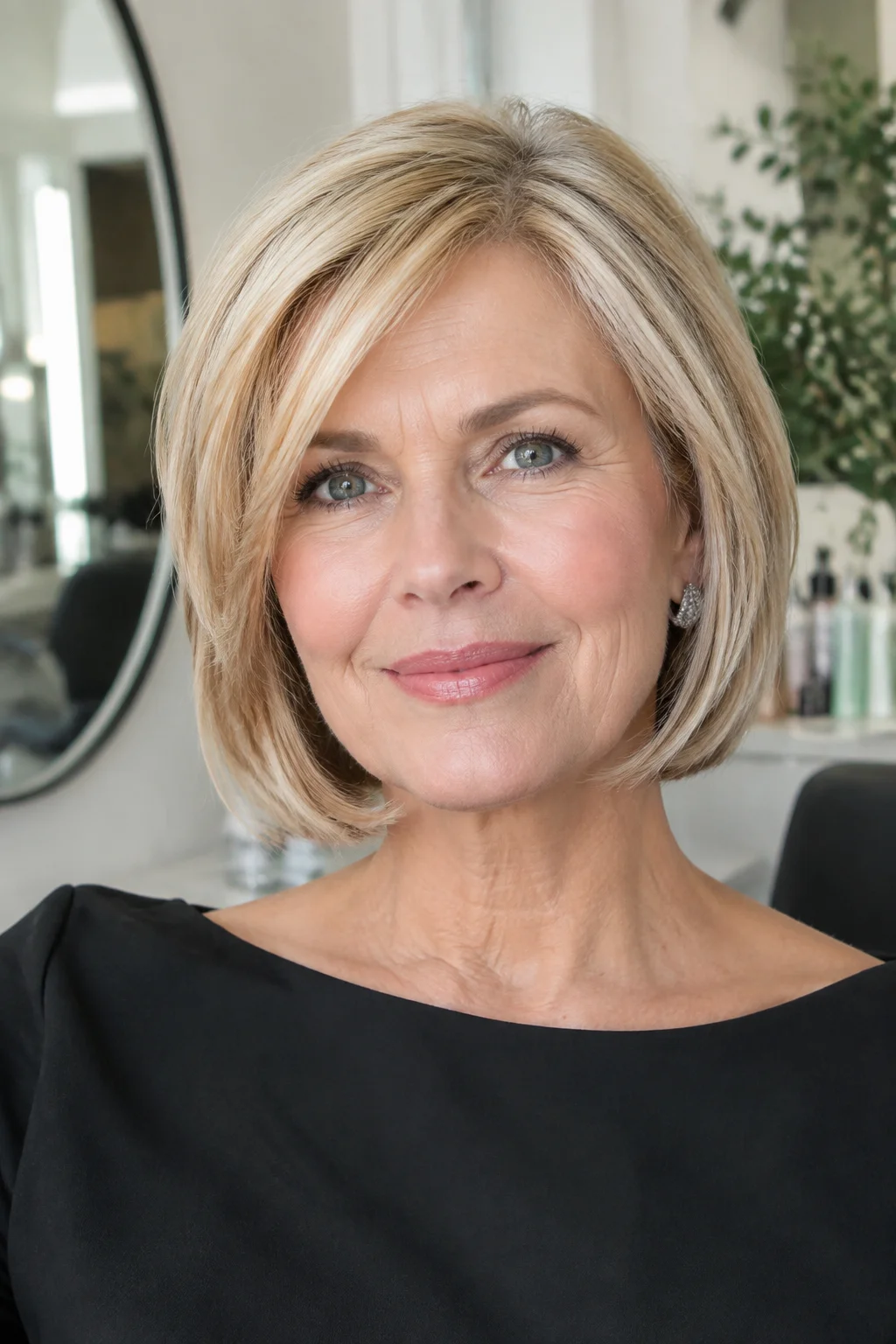
The ends of this bob are styled to flip inward slightly, creating a soft curve at the jawline instead of a blunt straight edge. It gives the appearance of fuller, rounder hair without adding volume through product. This style works especially well for women whose face could use a little softening near the chin. A round brush and blow dryer are all you need to get the flip without a curling iron.
Straight Hair in Twisted Side Bun
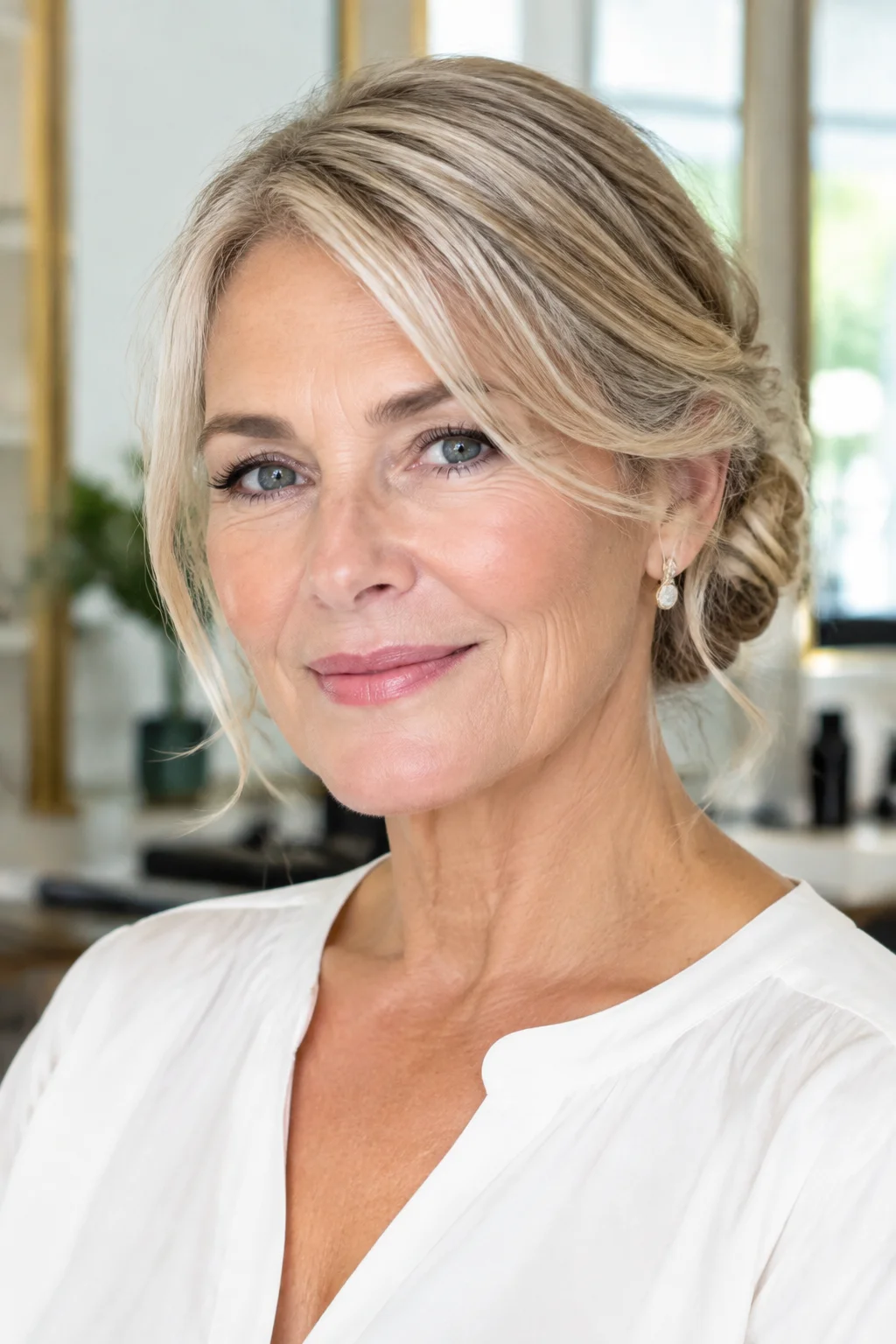
A side bun with a simple twist gives a slightly more polished, formal look than a standard low bun. It sits off-center, near one ear, which adds a bit of asymmetry to balance out a professional outfit. Straight hair twists cleanly without frizzing, so the bun stays neat through a full day of meetings.
Straight Mid-Length with Wispy Layers and Volume at Crown
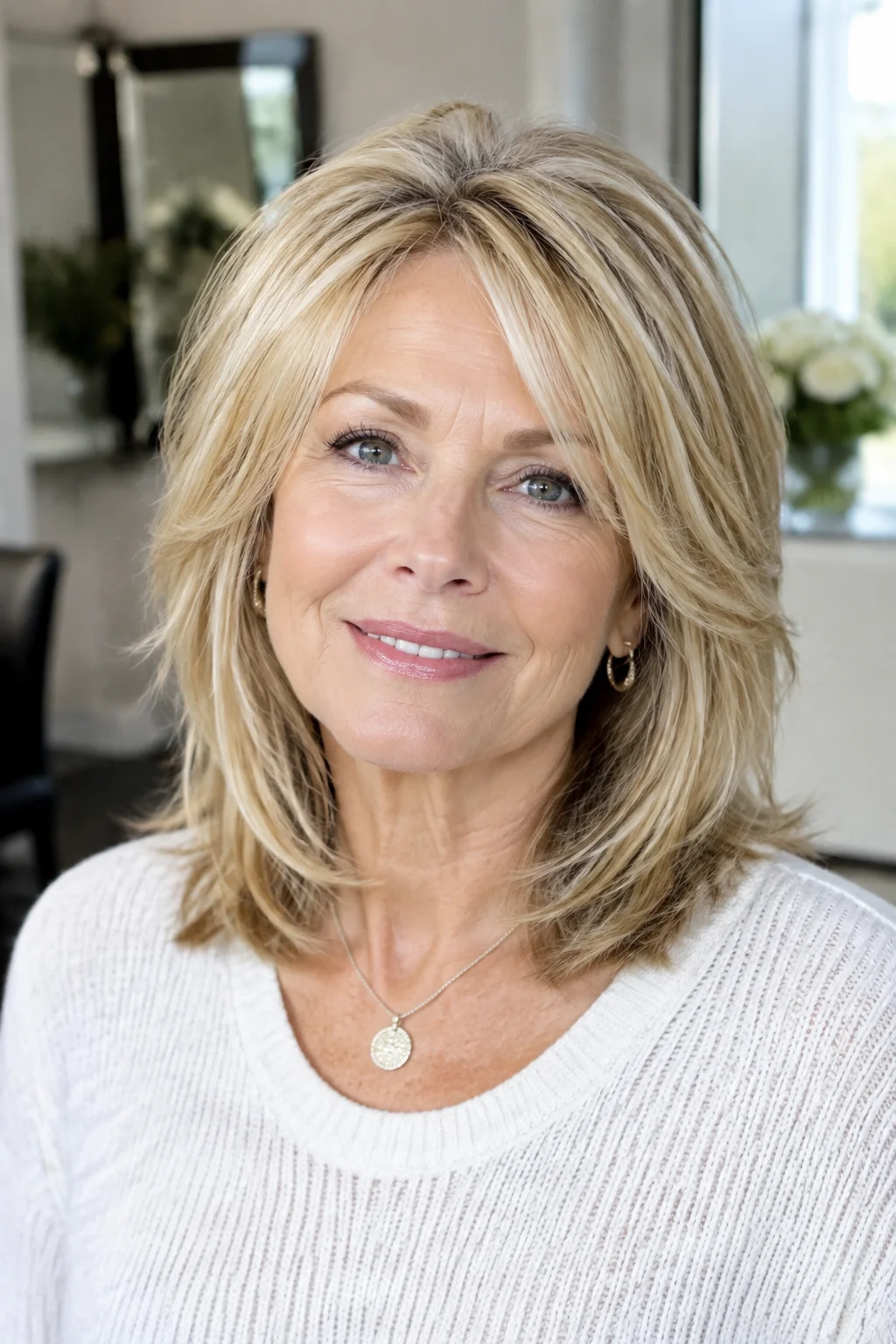
Mid-length hair styled with wispy layers throughout and extra volume built at the crown avoids the flat look that straight hair can sometimes have after 60. The wispy layers keep the ends light instead of heavy, and the volume at the top balances out a fuller face or a longer neck. This cut takes a little more time with a round brush, but the payoff is a fuller, more youthful shape.
Straight Blunt Lob with Barely-Visible Layers
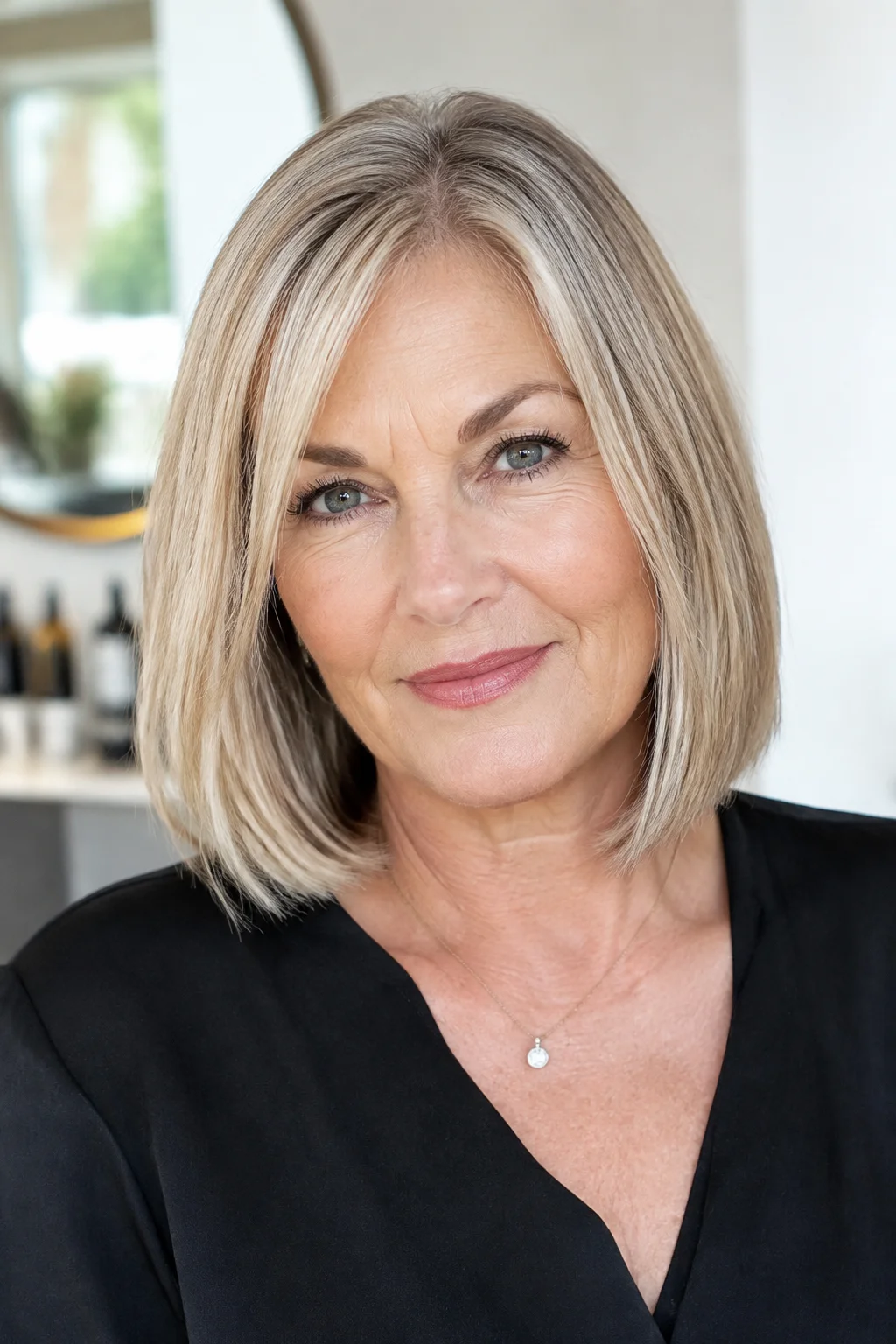
This lob keeps a mostly blunt line with only the faintest layering worked in near the ends, just enough to keep the hair from looking like one solid block. It reads clean and professional from across a room but has a bit of movement up close. This is one of the easiest professional straight hair hairstyles for women over 60 to maintain, since the barely-there layers grow out without leaving an awkward line. It suits nearly any hair density and face shape, which is why so many stylists recommend it as a safe, polished default.
Choosing the Right Cut for Your Hair and Schedule
Picking between these styles usually comes down to two things: how much time you want to spend styling each morning, and how much length you’re willing to keep or cut. If mornings are rushed, shorter options like the straight pixie with longer crown for volume or the tapered straight pixie with longer fringe need almost no daily effort beyond a quick comb and maybe a little paste. If you want length but still need something fast, the sleek straight lob below shoulders or the straight blunt lob with barely-visible layers both air-dry reasonably well and hold their shape without heavy styling.
For women who sit in a lot of video calls or in-person meetings, cuts with more structure near the face, like the classic blunt bob at chin length or the tucked-behind-ears bob with deep side part, tend to photograph and present better than looser, layered shapes. A common mistake is choosing a heavily layered style for very fine hair, which can make it look thin and stringy instead of full. If your hair is fine, lean toward blunter shapes like the straight blunt lob or the angled bob instead. Thicker hair has more room to handle layers, like in the straight shag with subtle texture at ends or the straight mid-length with wispy layers and volume at crown, without losing shape by the afternoon.
Any of these cuts can look sharp for work, but the right one depends on matching the shape to your hair’s natural behavior rather than picking based on looks alone. Bring a photo to your appointment, mention your daily styling routine honestly, and let your stylist adjust the length or layering to fit how your hair actually falls. That conversation matters more than the style name itself.