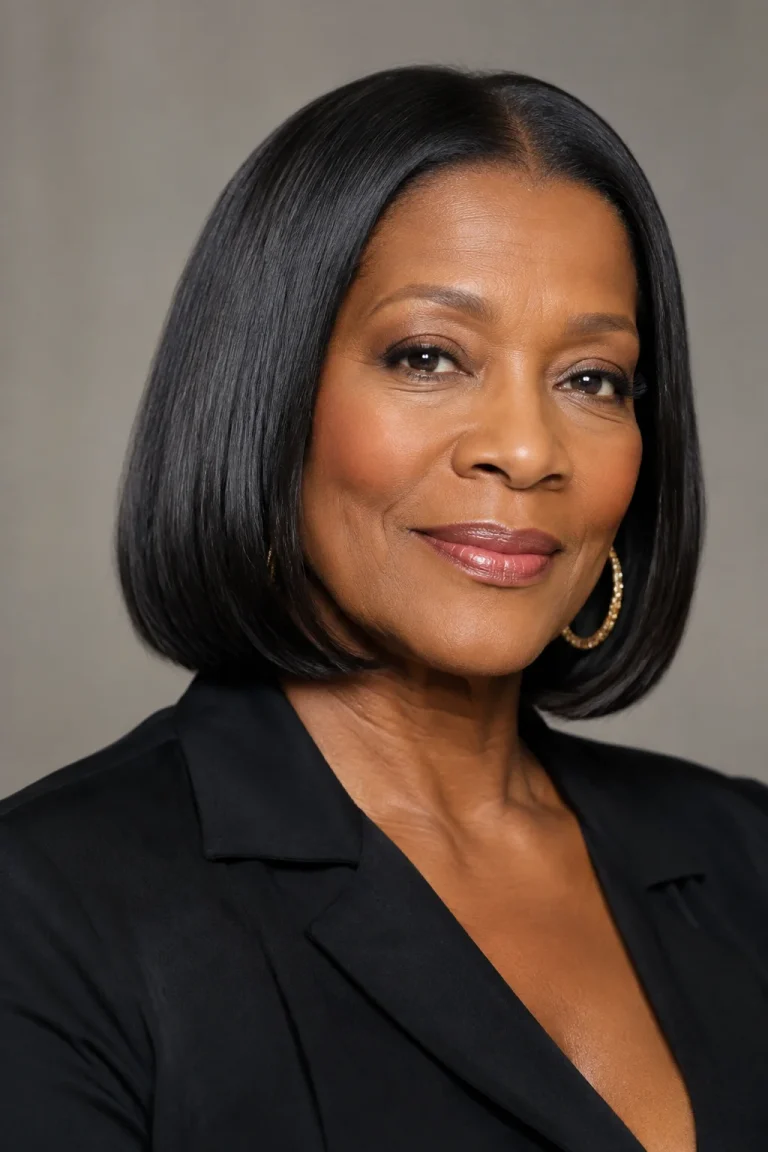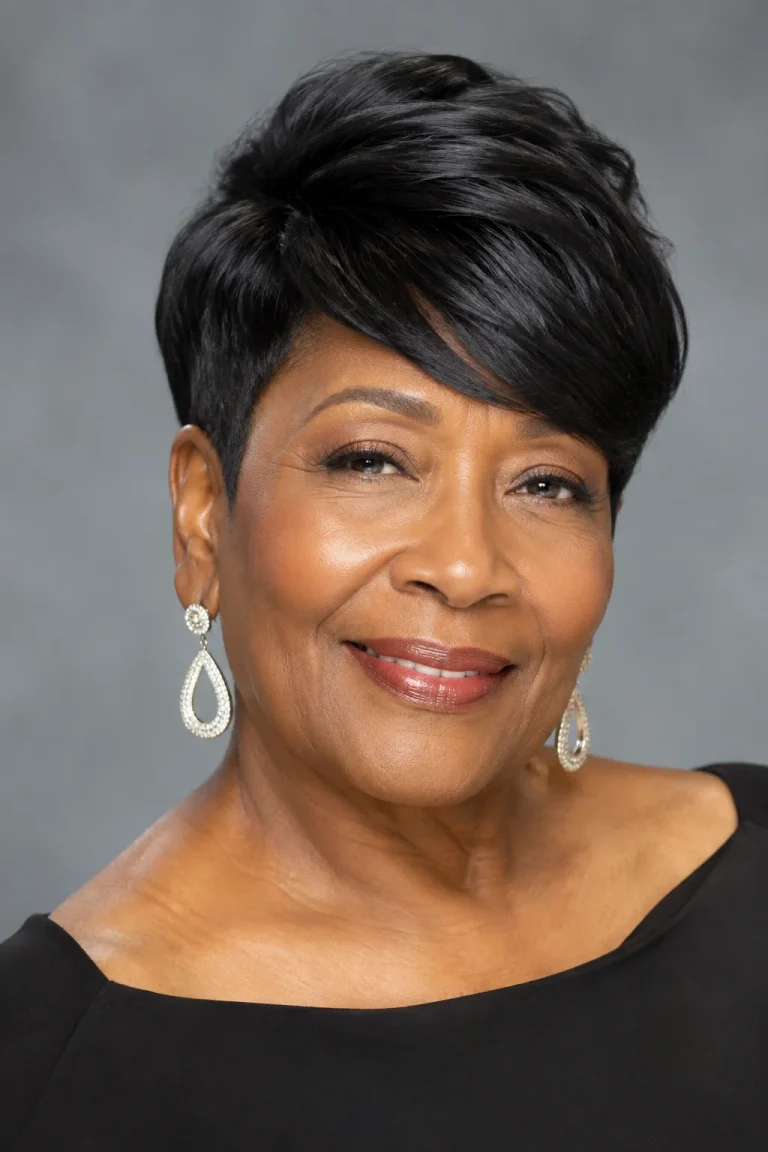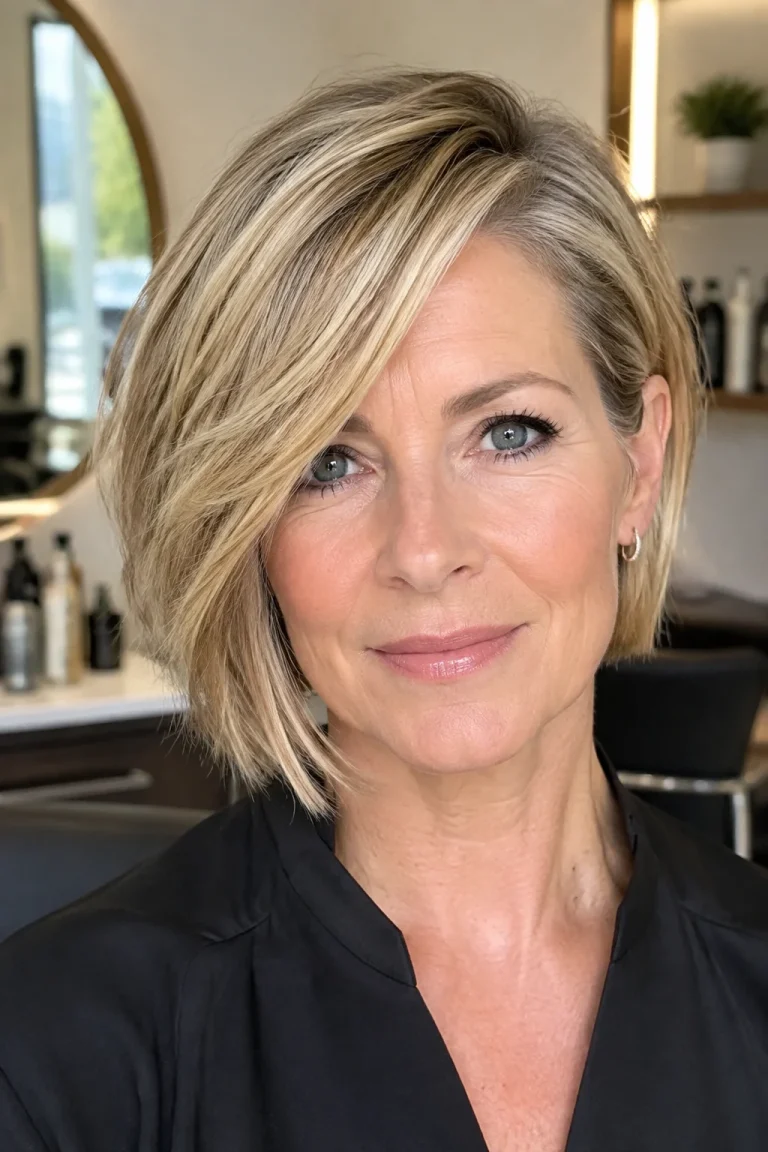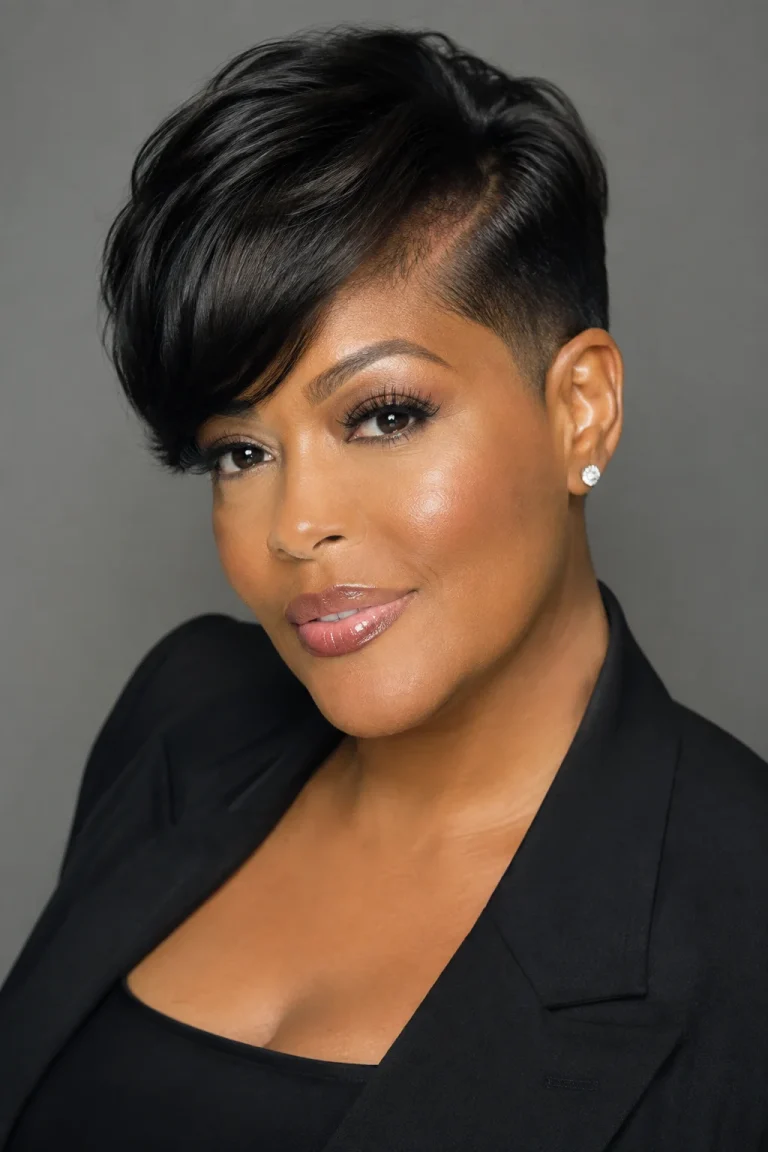
Long hair after 50 can look flat, thin, or tired if the cut doesn’t work with what your hair is actually doing. Waves need a little help staying lively, and length without shape tends to droop by afternoon. The good news is that wavy long hair over 50 older women can absolutely keep is not about chopping everything off. It comes down to layers placed in the right spots, movement built into the ends, and a shape that holds volume near the crown instead of weighing it down. Below are nineteen ways to wear long waves that look full, current, and easy to manage. Each one takes a different approach to layering, parting, and texture so you can find the version that matches your hair type and how much styling time you actually want to spend.
Long Wavy with Feathered Layers Throughout
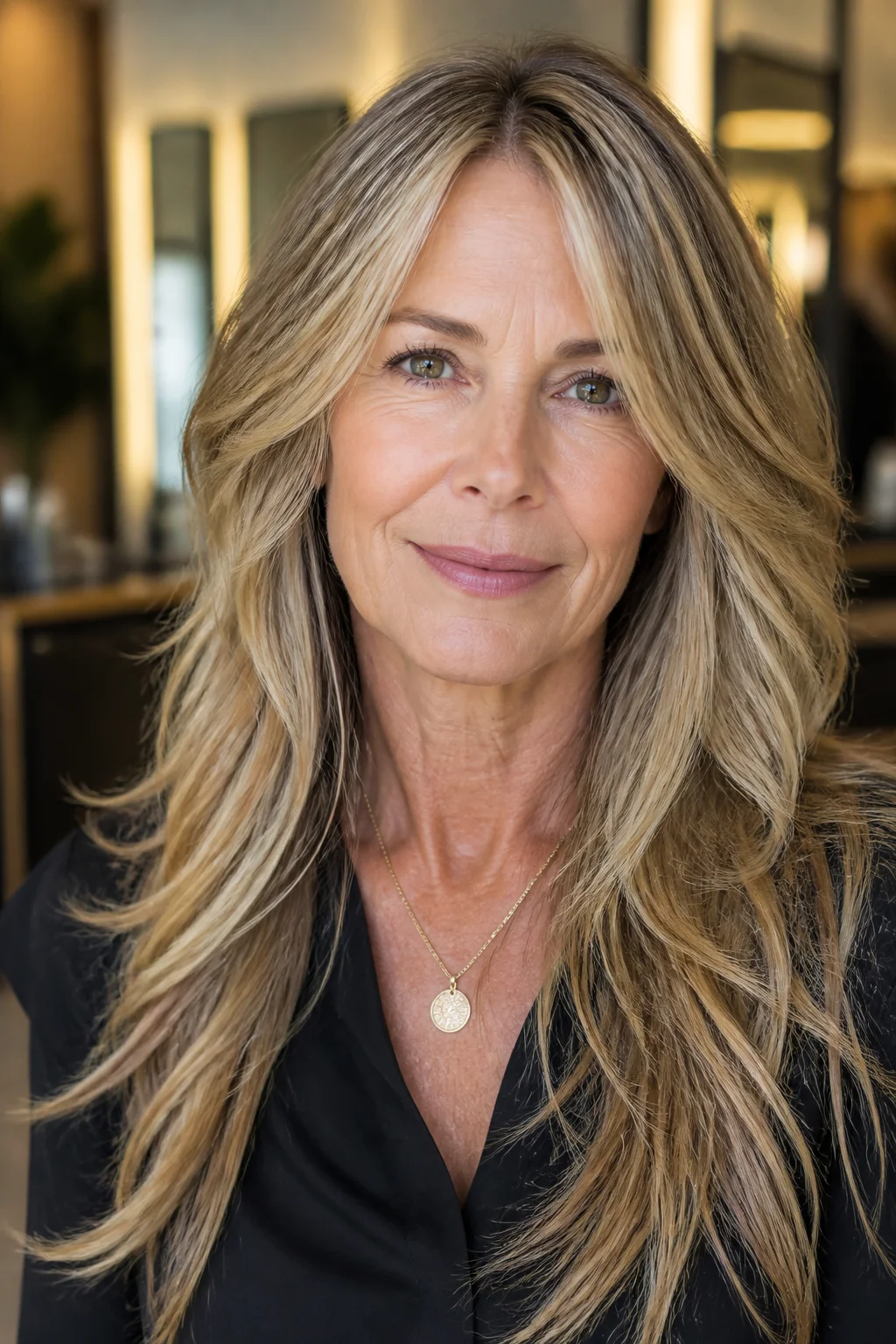
Feathered layers cut through the whole length break up heavy, flat sections and let each wave move on its own. This works especially well on hair that’s grown thicker at the ends over the years, since the feathering removes bulk without shortening the overall length. The layers catch air as you walk, which keeps the shape from looking stiff. Tip: ask your stylist to point-cut the ends rather than blunt-cut them, so the feathering stays soft instead of choppy. A light mist of heat protectant before styling helps the finish last. A light mist of heat protectant before styling helps the finish last.
Loose Waves with Face-Framing Length
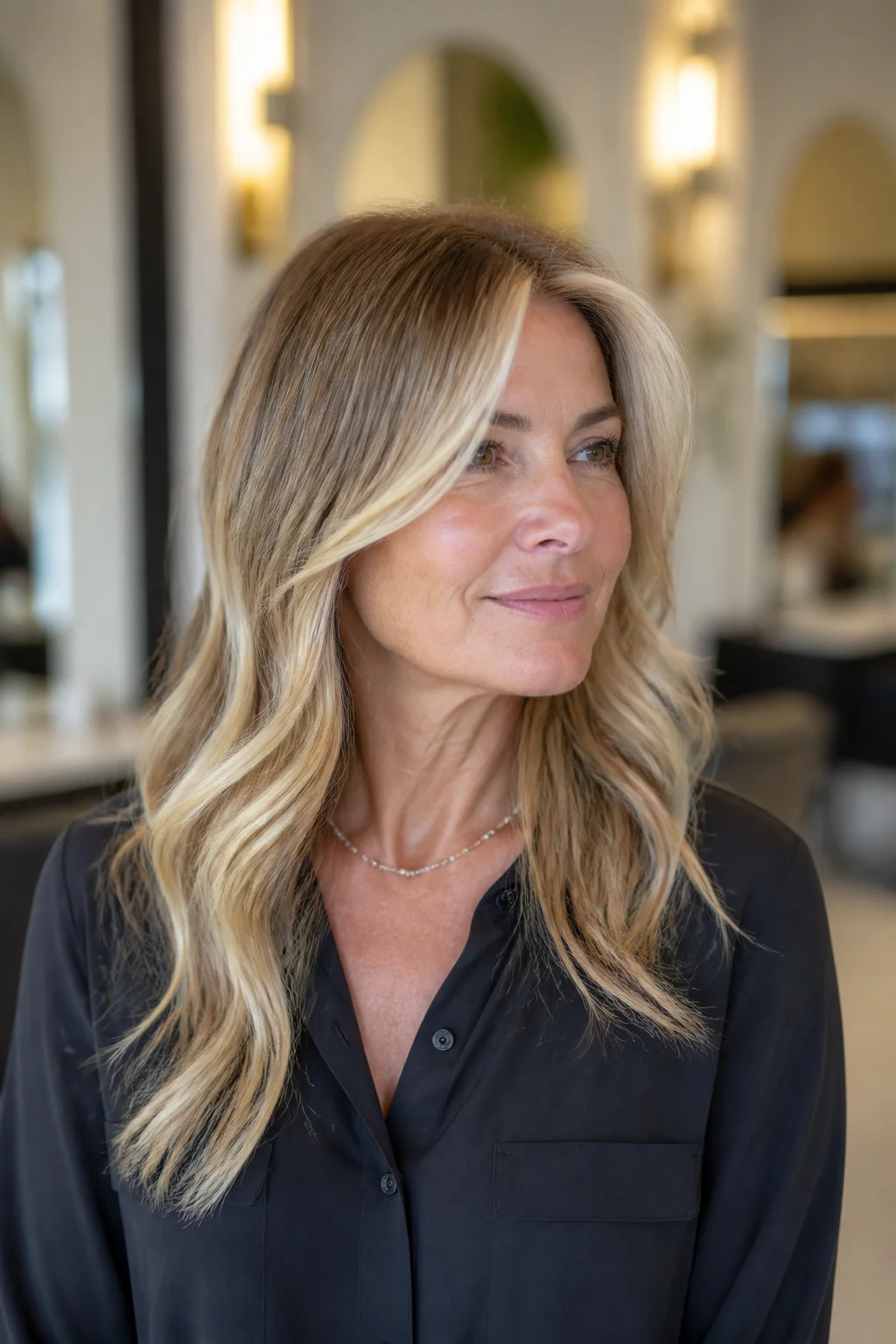
Face-framing pieces cut a few inches shorter than the rest draw attention up toward the eyes and cheekbones. This is a flattering trick for anyone who wants softness around the face without touching the length elsewhere. The rest of the hair stays long and mostly one length, which keeps the overall look simple and low maintenance.
Textured Waves with Choppy Mid-Length Layers
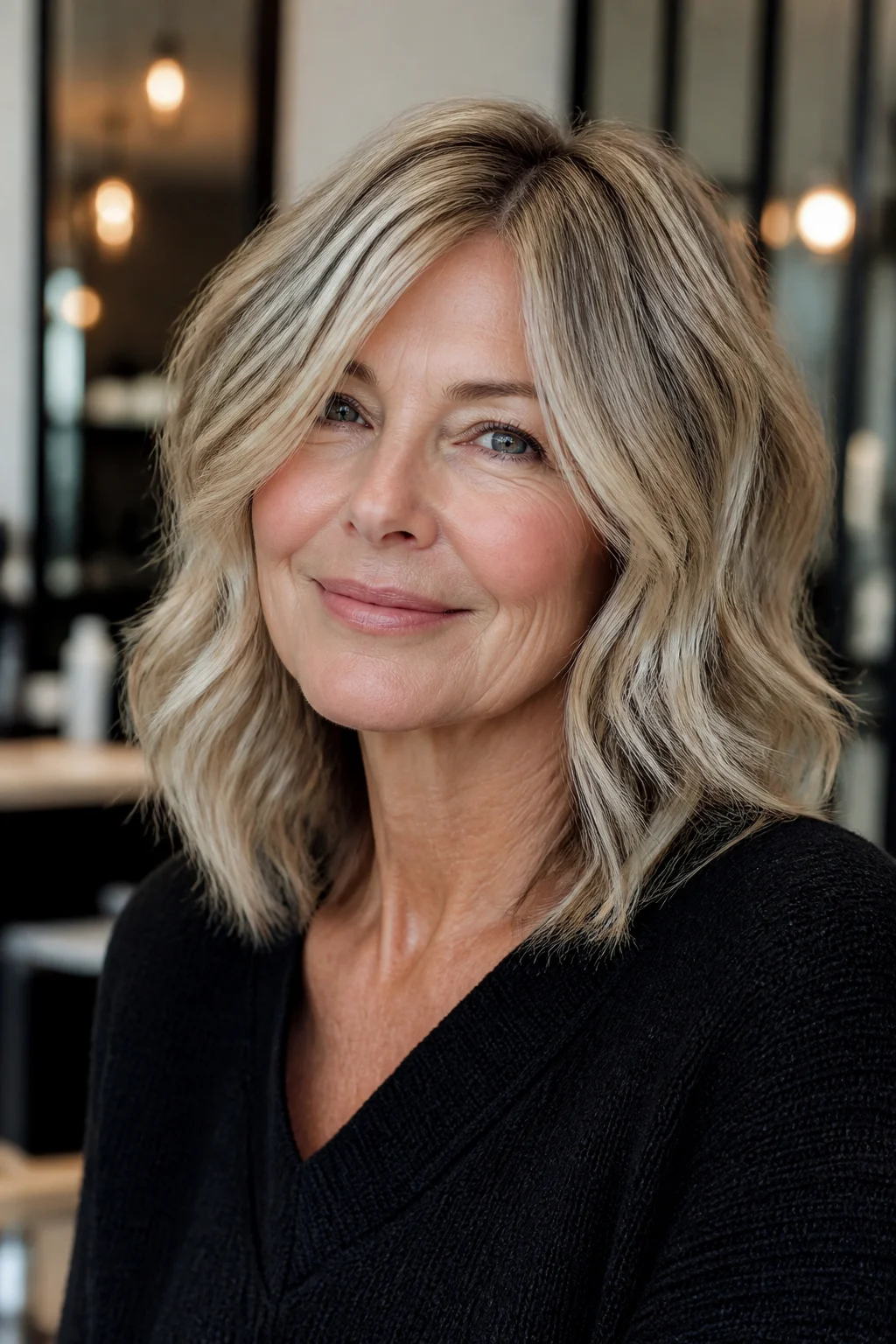
Choppy layers placed in the middle of the hair shaft, rather than at the ends, give waves a reason to bend and separate instead of clumping into one heavy mass. This layering style suits medium to thick hair that tends to look like a solid sheet when left one length. The choppiness adds grit and texture, similar to how beachy hair looks after a day outside. It’s a good pick if you want your waves to look undone rather than curled and set. Stylists often recommend this cut for women who blow-dry with a diffuser, since the layers respond well to that kind of airy drying. A light mist of heat protectant before styling helps the finish last.
Longer Waves with Minimal Layers and Side Part
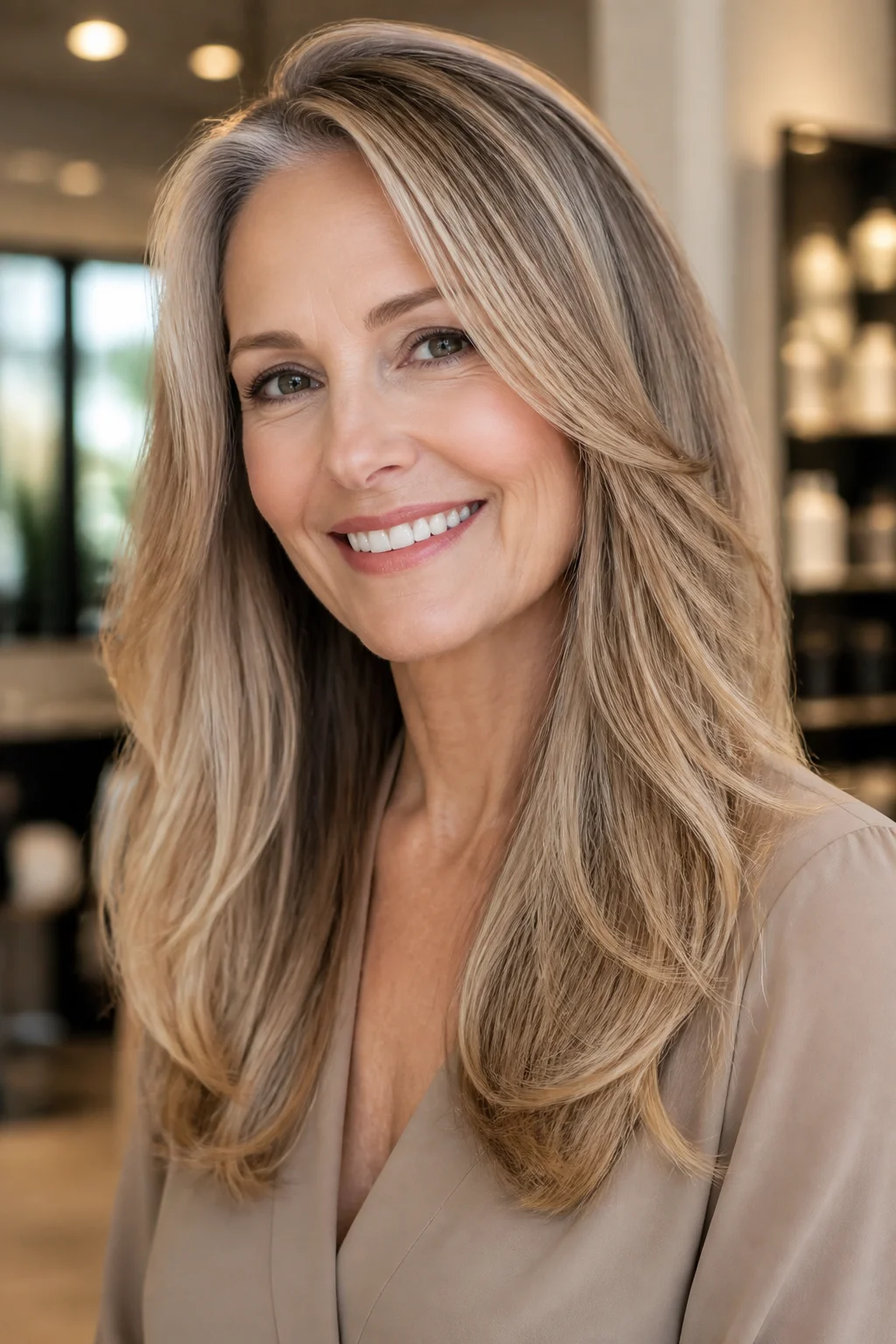
Sometimes the best move is restraint. Minimal layering keeps the hair’s natural weight, which actually helps waves hang in a smooth, connected pattern instead of springing apart into separate pieces. A deep side part adds instant lift at the root without needing a single extra layer cut into the hair. This is a solid option for anyone who wants long hair that still reads as polished.
Wavy Bob-to-Long Hybrid with Graduated Layers
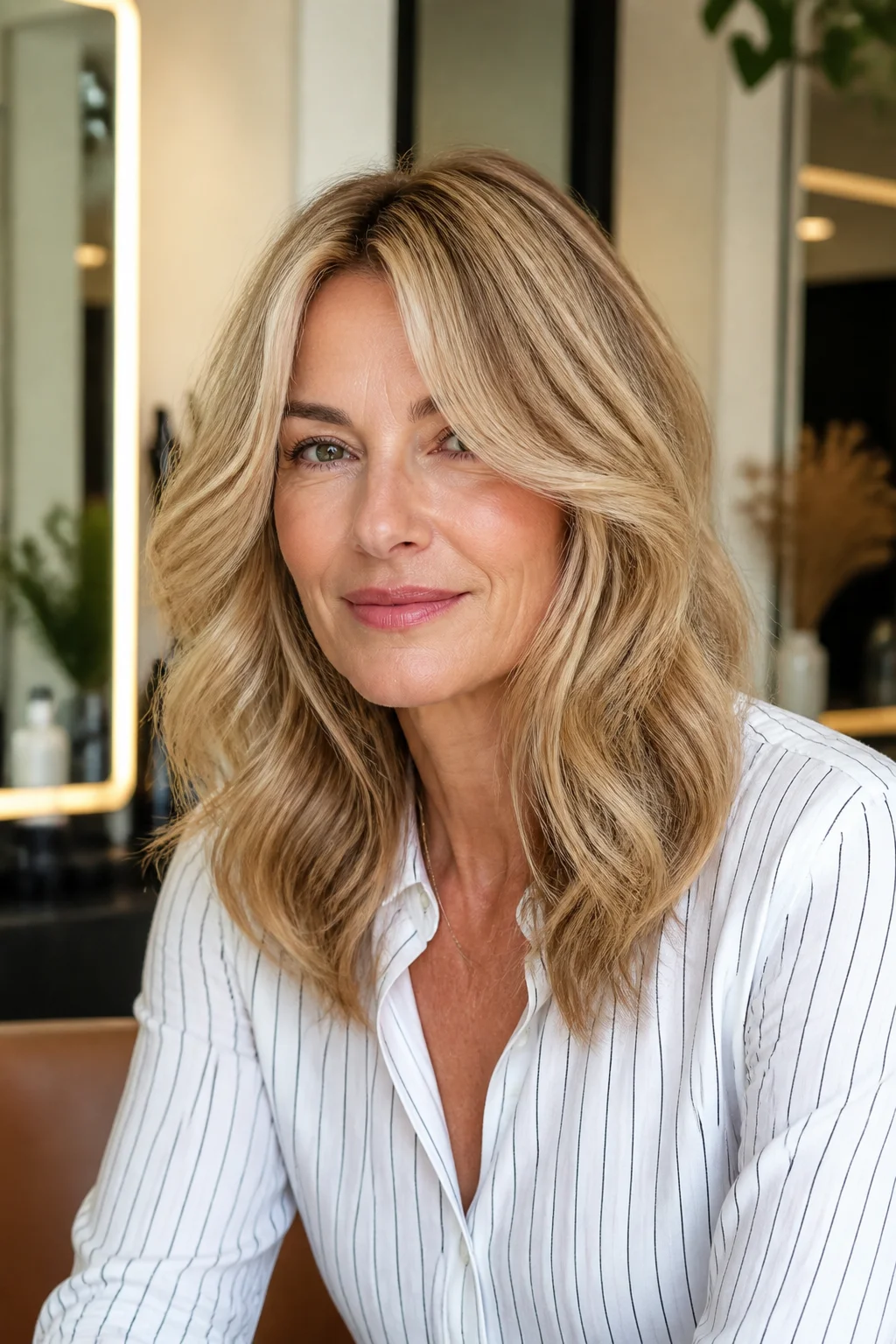
Graduated layers that build gradually from short near the face to long at the back give this style its shape. It’s not a bob and it’s not one-length long hair. It sits in between, offering the fullness of a bob near the crown with the versatility of longer length you can still pull into a ponytail. Graduation like this tends to flatter round or square face shapes because it narrows the visual width near the jaw.
Longer Textured Waves with Wispy Bangs
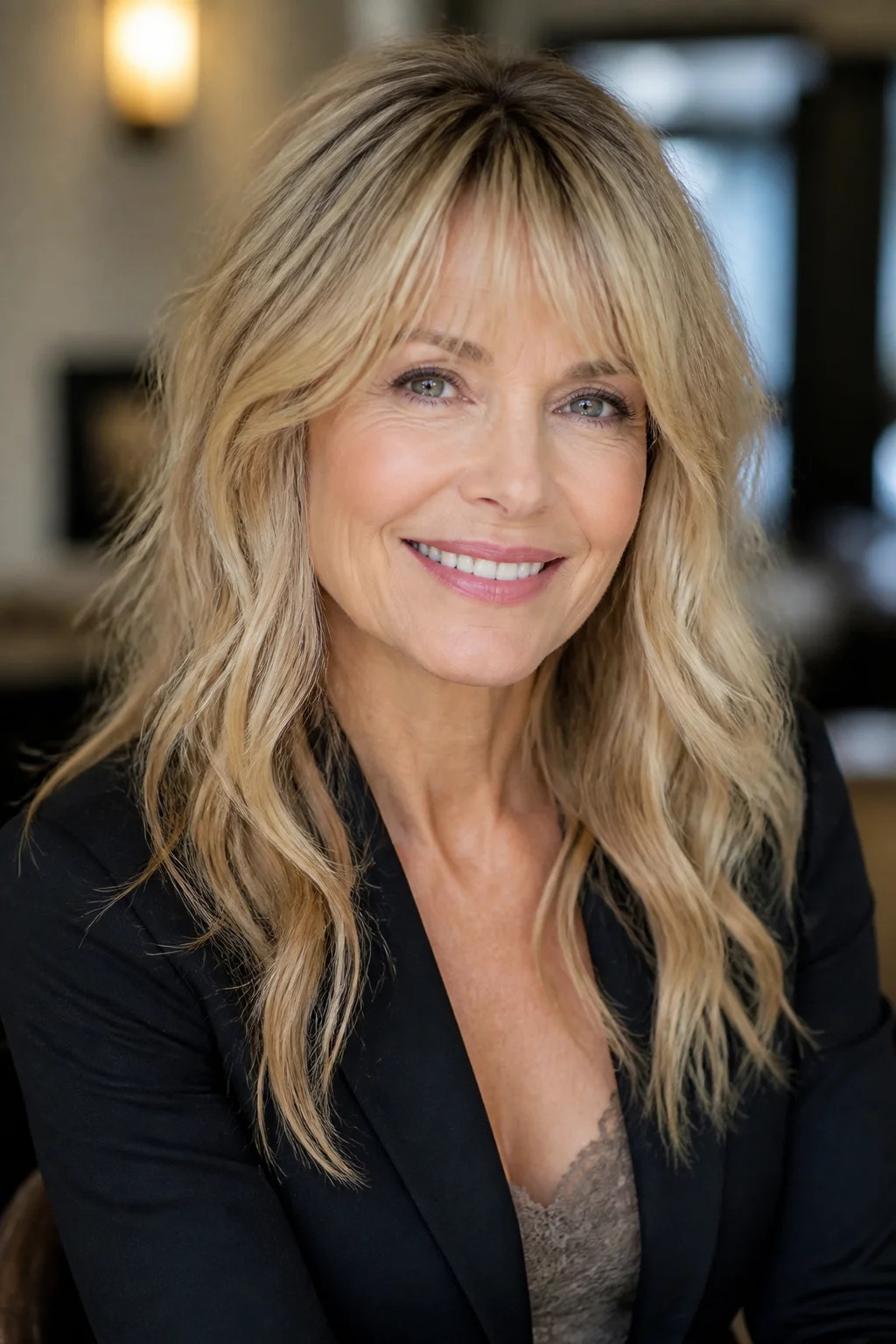
Wispy bangs cut with a razor or thinning shears soften the whole face without the commitment of a full fringe. They blend into the rest of the layers rather than standing apart, so they still work if you’re not ready for daily bang maintenance. The texture in the rest of the hair keeps the bangs from looking too separate or planned. This combination reads younger and more relaxed than a heavy, blunt fringe.
Shoulder-Grazing Waves with Shaggy Texture
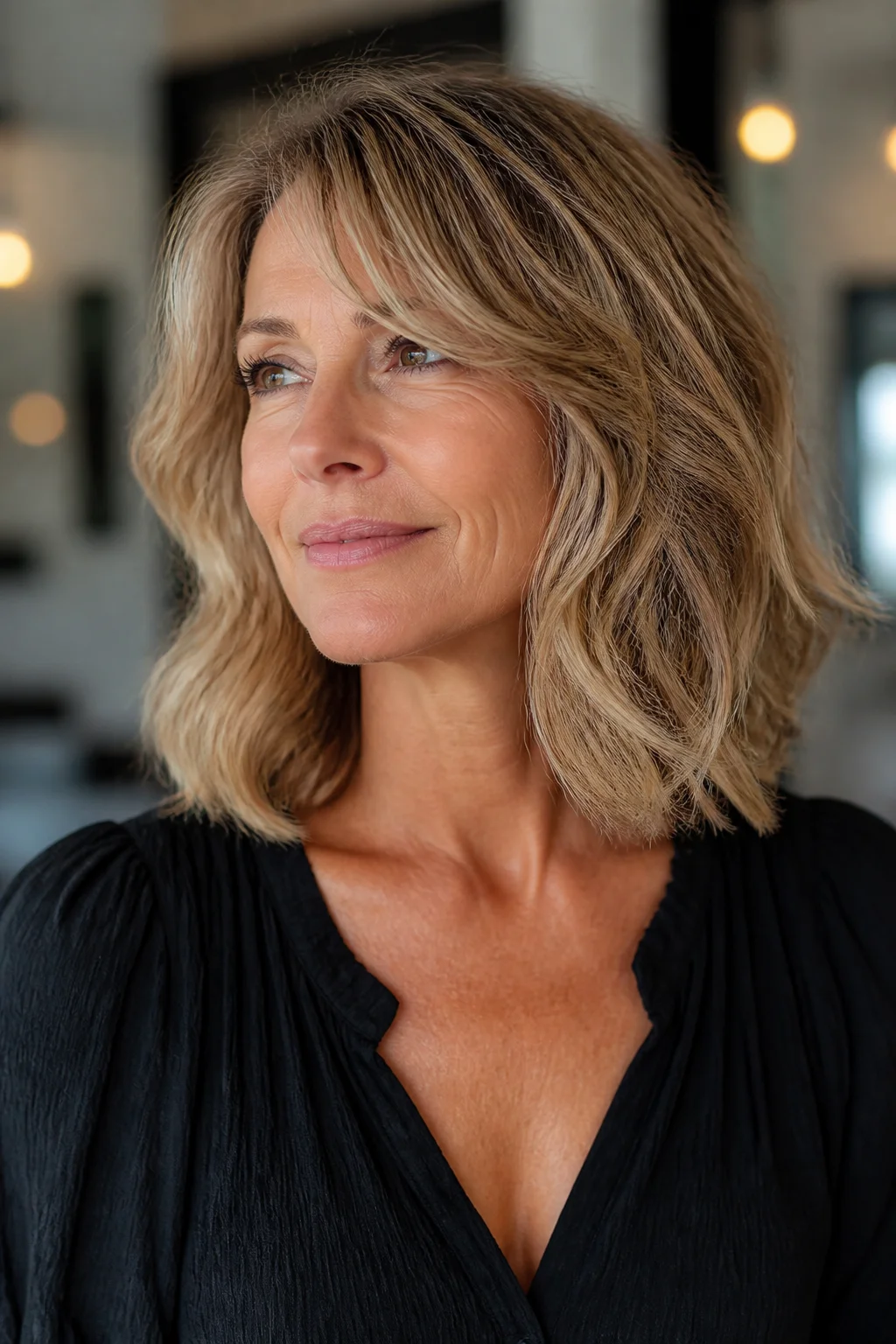
Shag layering, cut short and choppy throughout the top with longer pieces underneath, gives this shoulder-length wave serious volume at the crown. It’s one of the lower-maintenance options on this list because the layers are designed to look slightly messy on purpose. Air-drying works fine here. Tip: scrunch in a light mousse while hair is still damp to help the shag layers curl inward instead of flying out.
Long Waves with Volumized Crown and Tapered Ends
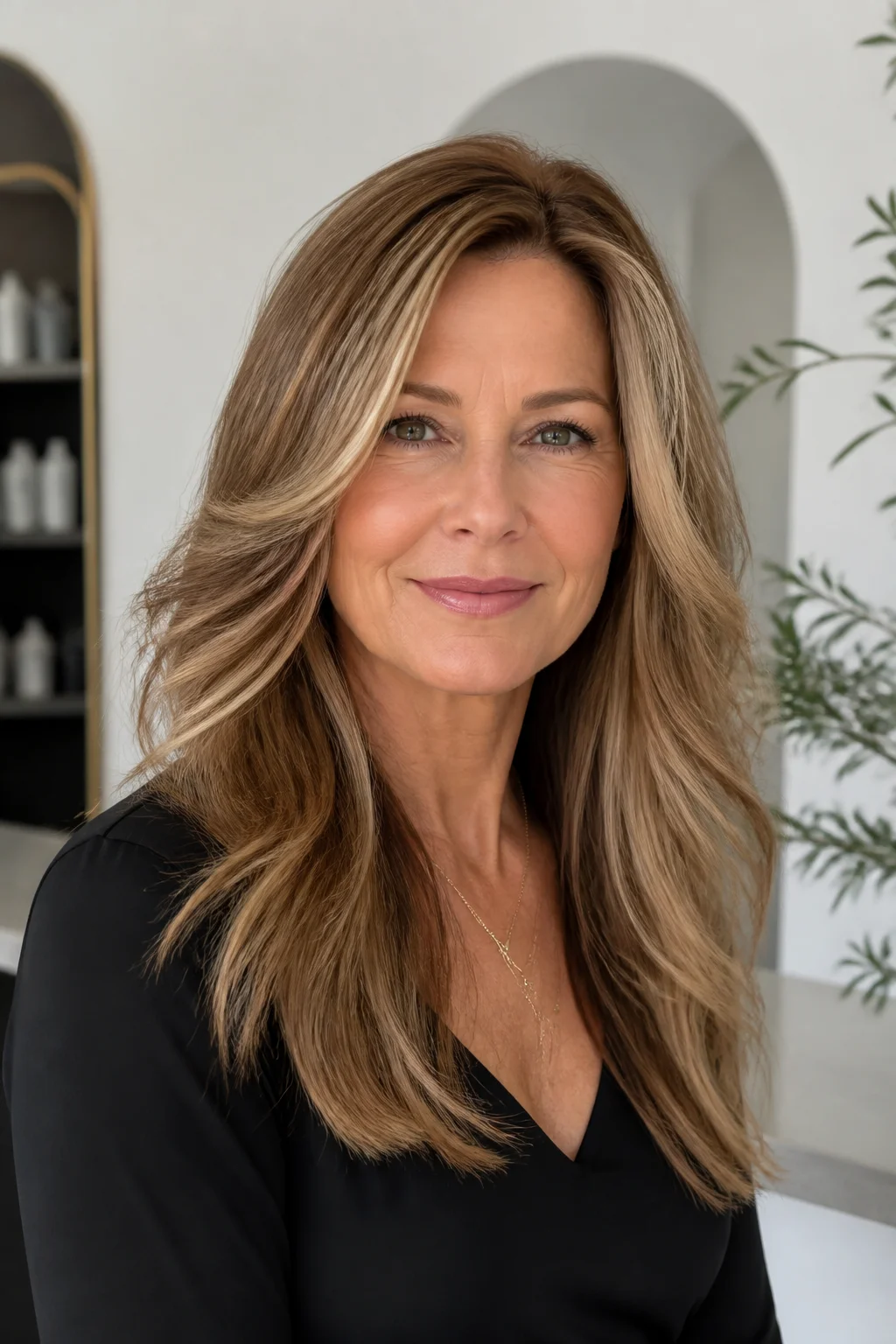
This cut keeps most of its length but tapers the ends gradually so they don’t end in a thick, blunt line. The volume comes from layers concentrated near the crown, which lifts the root and keeps the rest of the hair from pulling it flat. It’s a strong choice for finer hair that needs help looking fuller without added length being removed.
Mid-Back Waves with Face-Framing Pieces and Texture
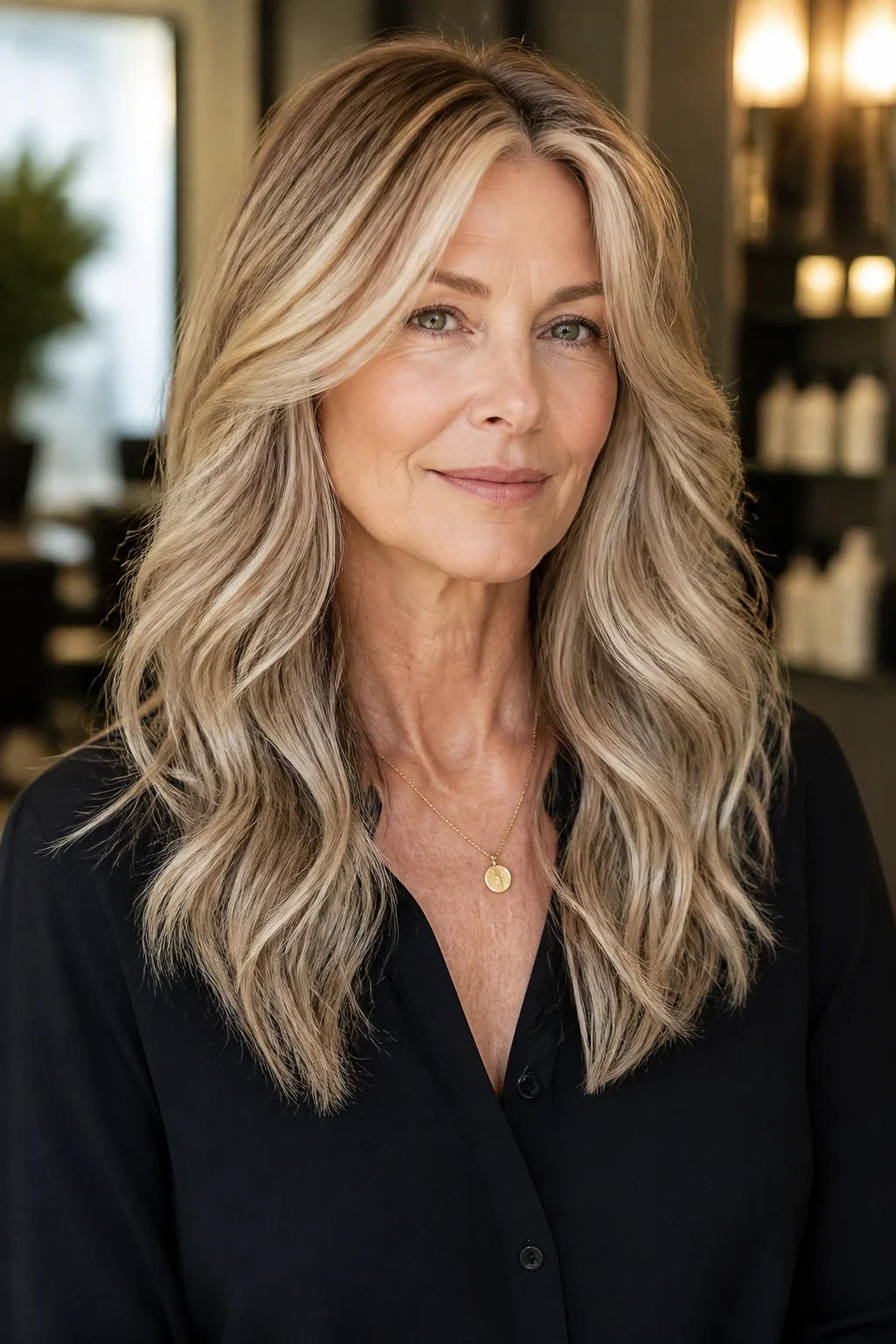
Long layers reaching mid-back keep the drama of very long hair while face-framing pieces and texture throughout prevent it from looking heavy or dated. The combination works because the face-framing sections are cut to hit at different points, usually collarbone and chin, so they move independently. Texturizing throughout the rest keeps the ends from looking overly thick compared to the softer pieces up front.
Wavy Length with Subtle Layers and Curved Ends
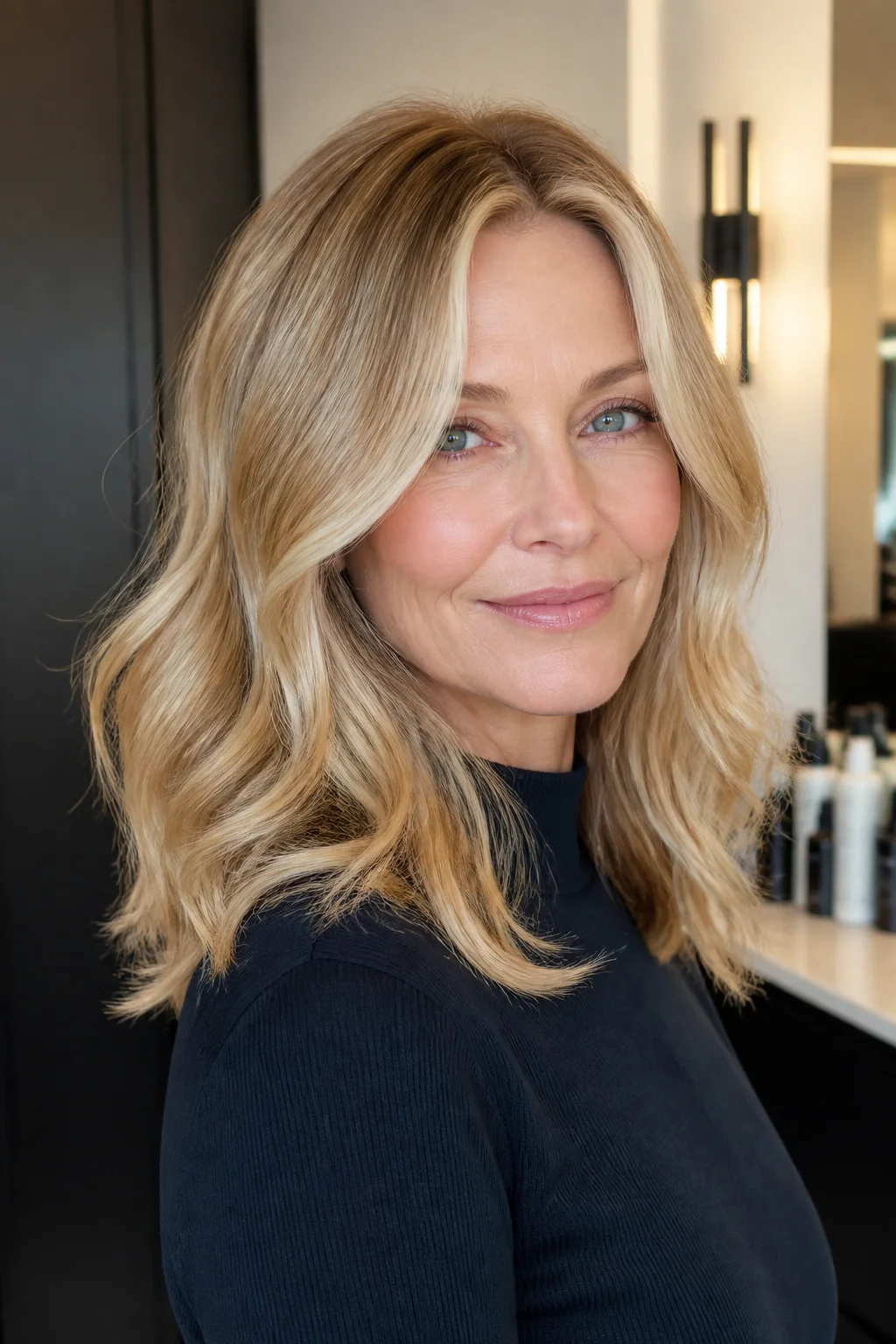
Curved, rounded ends give long wavy hair a finished look without heavy layering underneath. The curve is usually created with a flat iron or curling wand passed loosely through the ends, but the cut itself sets up the shape so styling takes less effort. Subtle layers near the top keep things from looking too uniform.
Long Waves with Movement-Focused Choppy Layers
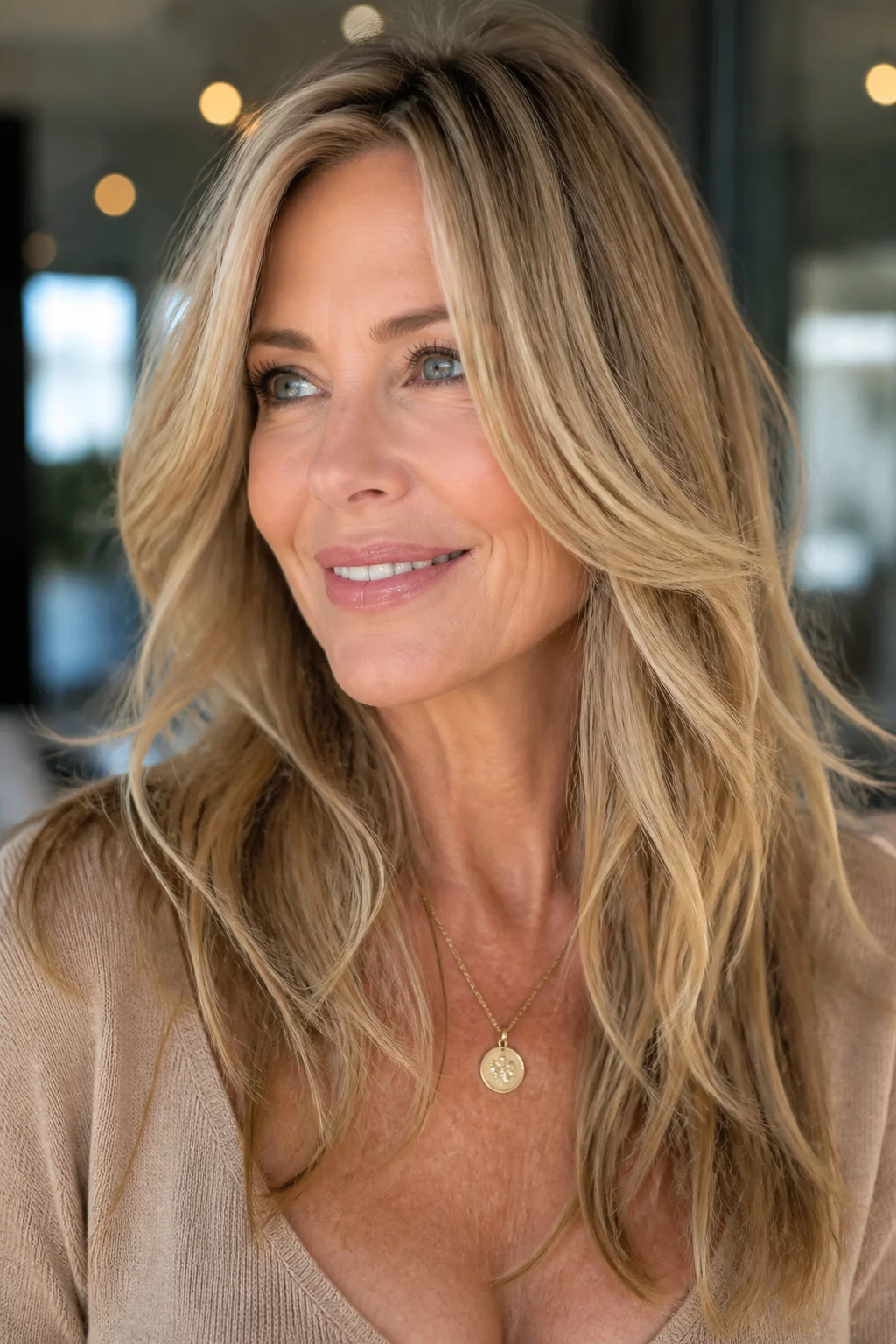
Every layer in this cut exists to create movement rather than remove bulk. The choppy layering is aggressive near the ends and lighter near the roots, so the hair keeps its density at the crown while still swinging freely below the shoulders. This suits women who want waves that look intentional even without much styling. It photographs well because the layers catch light differently at every angle. Thick or coarse hair tends to hold this shape longer between washes than fine hair does.
Wavy Length with Deep Side Sweep and Softness
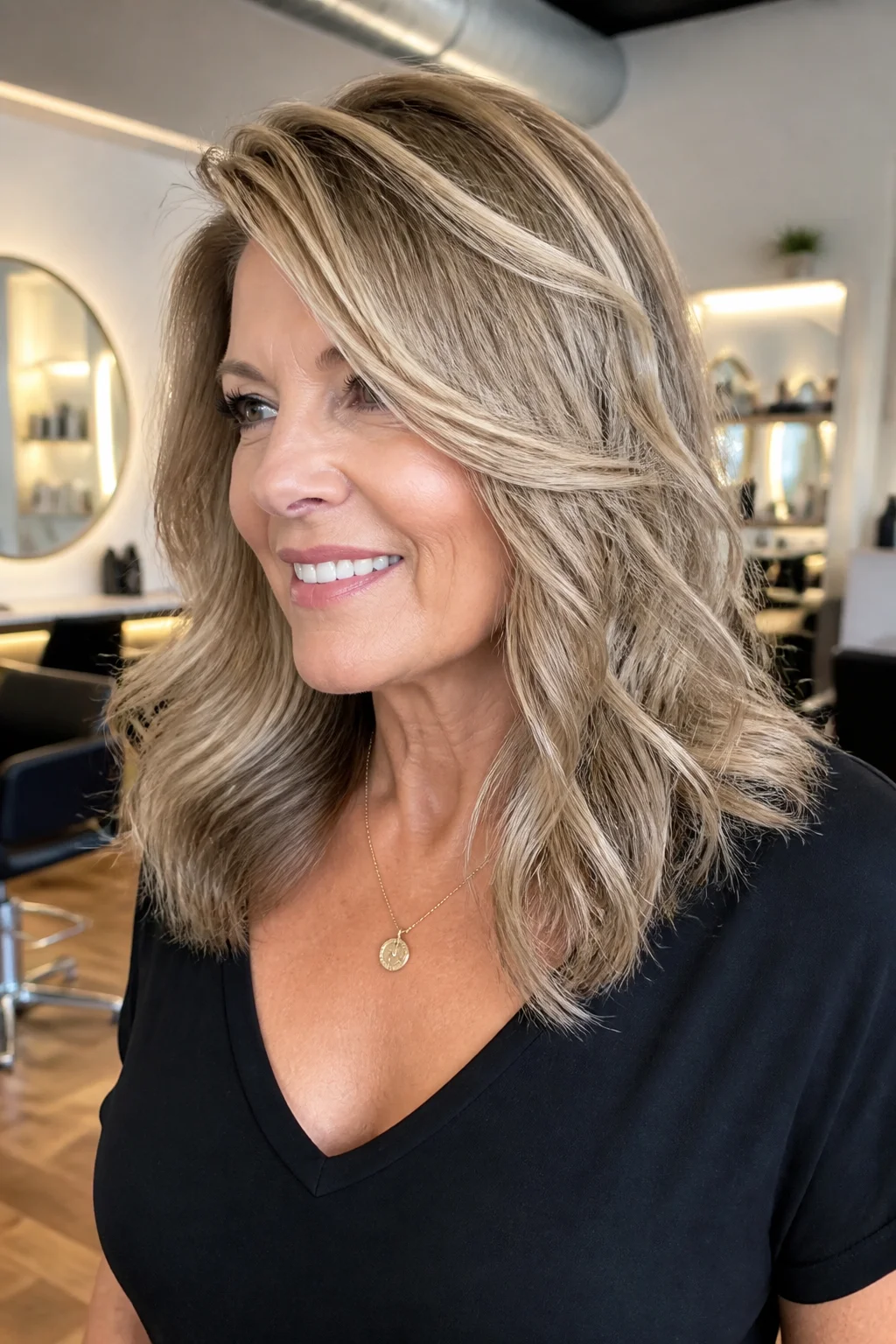
A deep side sweep pulls the bulk of the hair to one side, which naturally softens the whole face and adds the look of volume on the fuller side. Long layers throughout keep the sweep from feeling stiff. This is a quiet, easy style that works well for second-day hair since the side part hides roots longer than a center part does.
Longer Textured Waves with Shorter Underside Layers
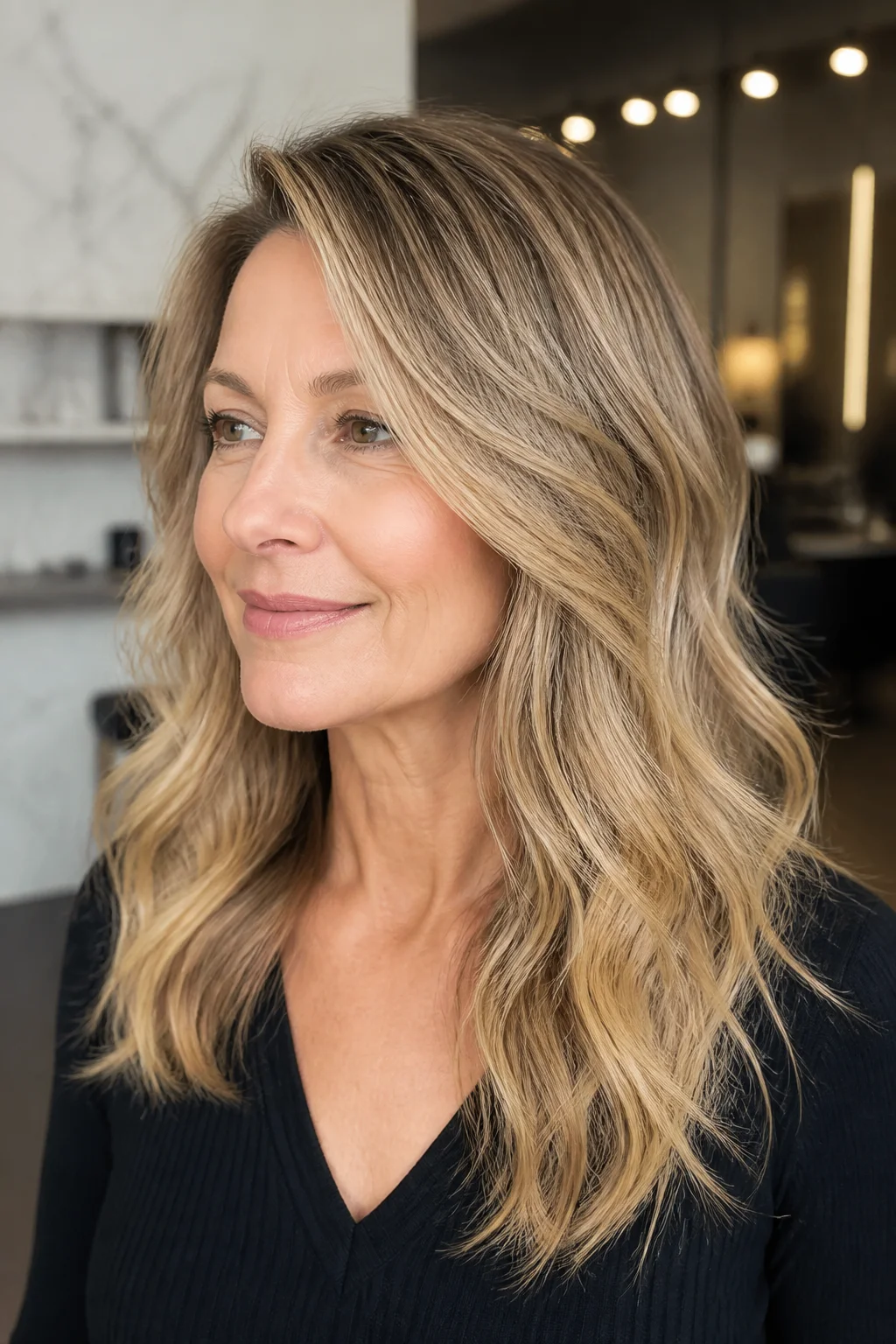
Shorter layers cut into the underside, hidden beneath the longer top layer, remove weight from underneath without shortening the visible length. This technique, sometimes called internal layering, gives the hair a lighter feel and encourages the waves underneath to spring up rather than hang flat. Tip: this works especially well for thick, heavy hair that feels like it’s dragging the whole head down by midday.
Wavy Past-Shoulder with Feathered Bangs and Layers
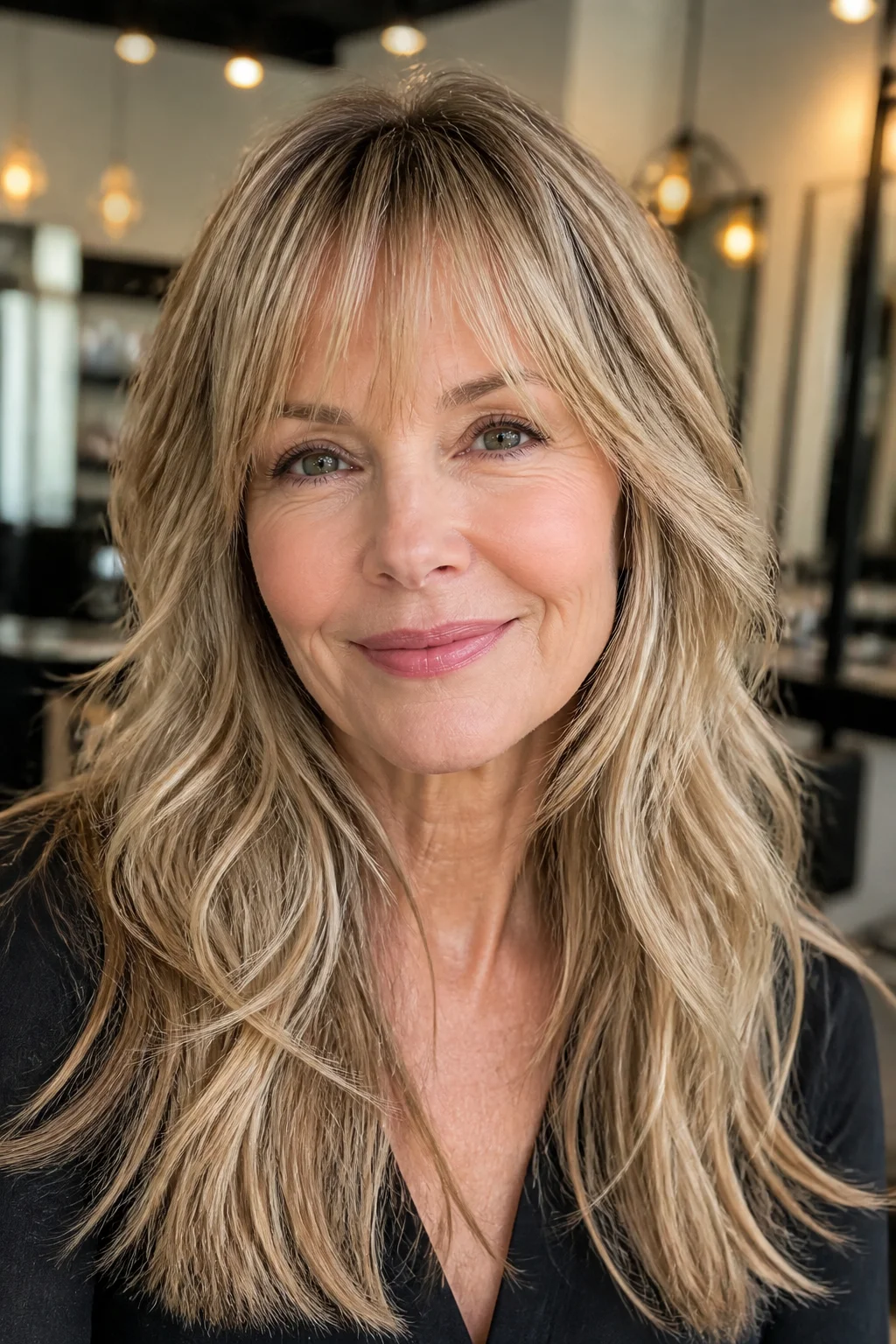
Feathered bangs paired with layers through the rest of the hair create one continuous, soft shape from front to back. The bangs blend rather than stand out as a separate section, which keeps the style low-fuss day to day. Past-shoulder length here strikes a middle ground between short and very long, giving you options for updos while keeping the everyday wash-and-wear routine simple.
Long Waves with Stacked Layers at Crown for Lift
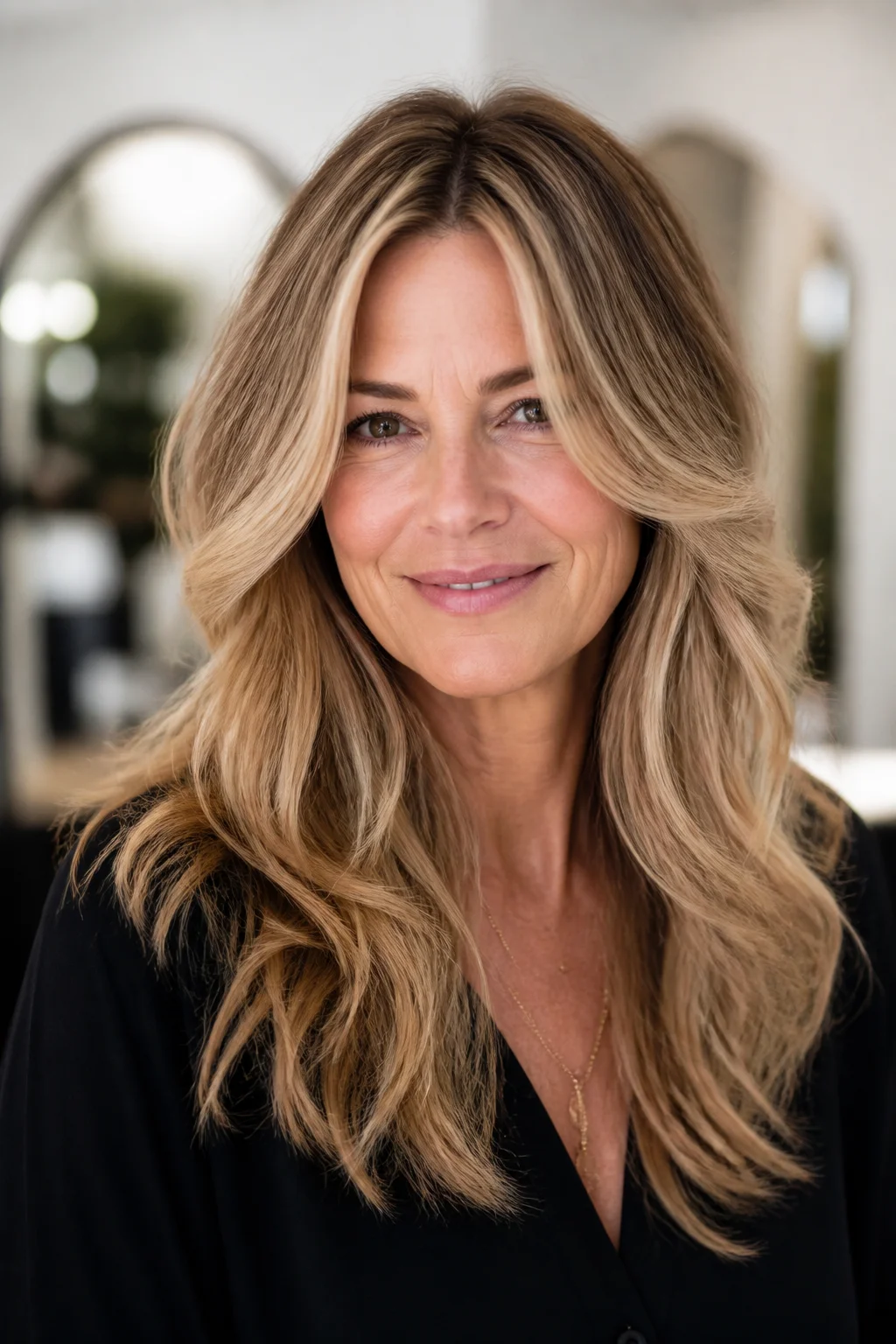
Stacking layers at the crown, cutting them shorter and closer together right at the top of the head, is one of the most reliable ways to add lift without a haircut that shortens the overall length. The rest of the hair stays long and layered more loosely. This approach is worth asking for if your main complaint is flatness at the root rather than anything about the ends.
Shoulder-Length Waves with Piece-y Texture and Dimension
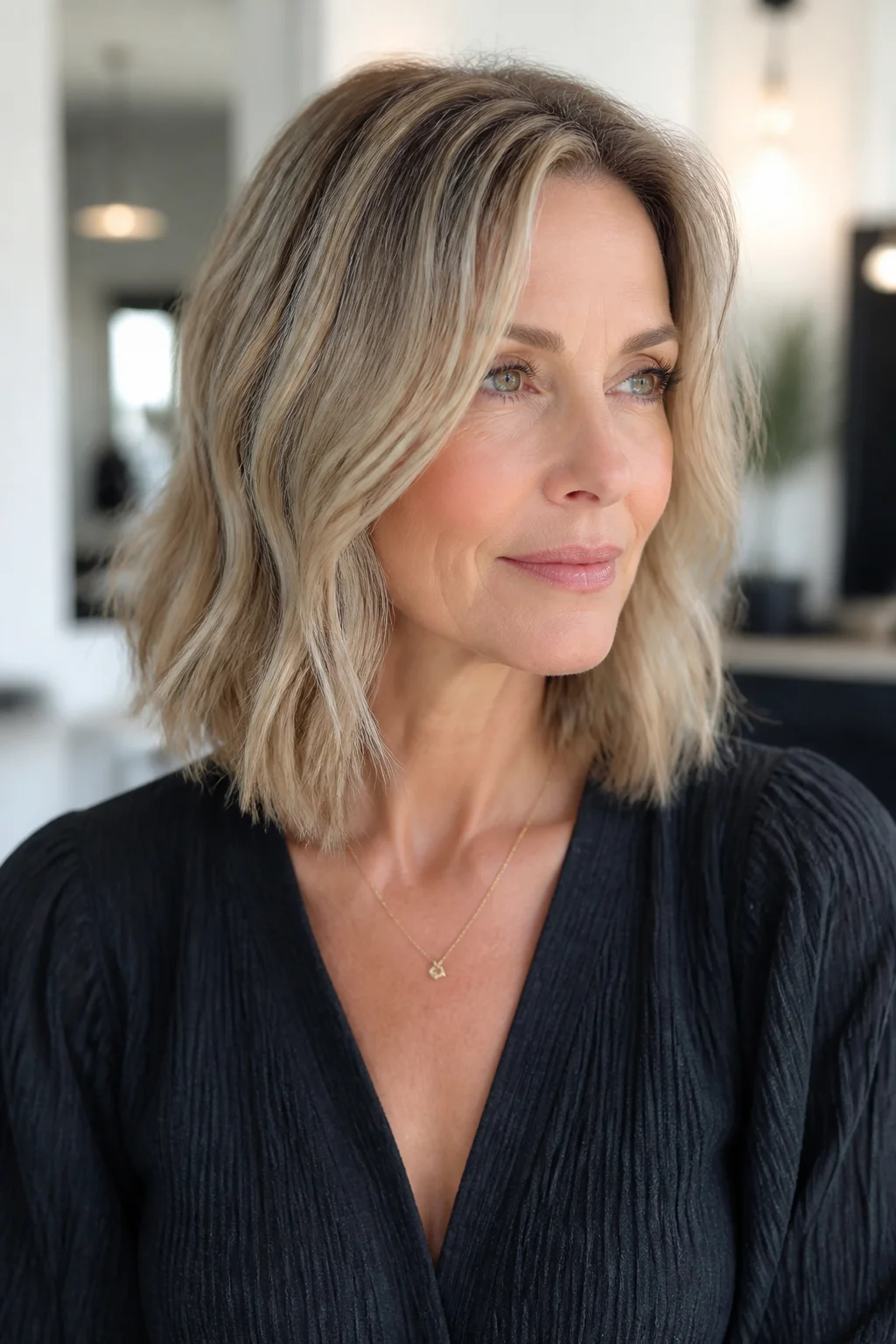
Piece-y texture, usually created with a razor or heavy texturizing shears, breaks the hair into visible sections rather than one smooth curtain. Shoulder length keeps the waves bouncy since there’s less weight pulling them straight. Dimension from color highlights or lowlights makes the piece-y texture even more visible, since each section catches a slightly different tone.
Wavy Length with Subtle Angle and Face-Framing Softness
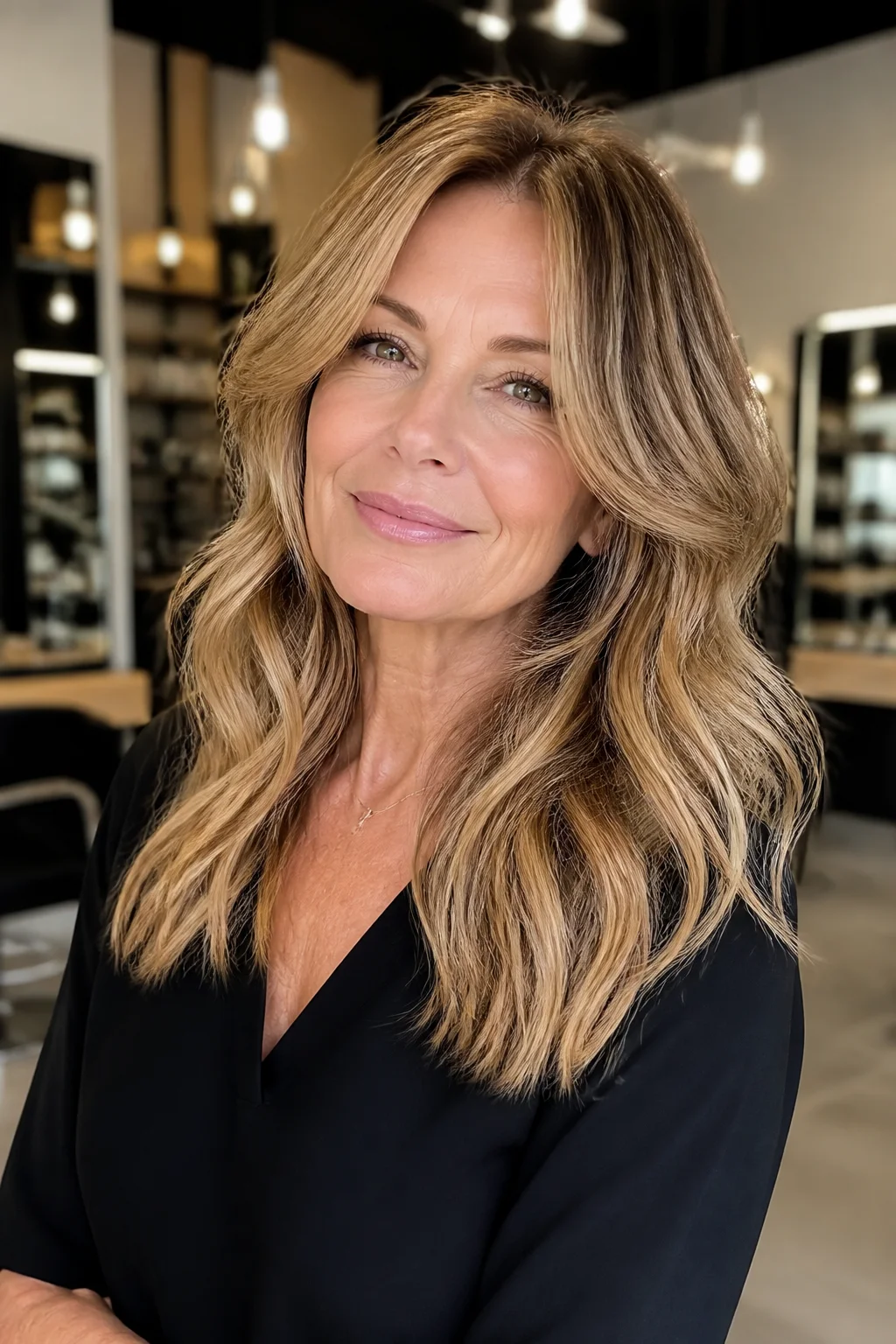
A subtle angle, longer in the back and slightly shorter in the front, adds shape without the drama of a dramatic A-line cut. Face-framing softness comes from lightly layering the front pieces so they blend into the angle rather than standing apart. It’s a forgiving cut that grows out slowly and evenly.
Long Textured Waves with Blunt-Wavy Ends and Layers
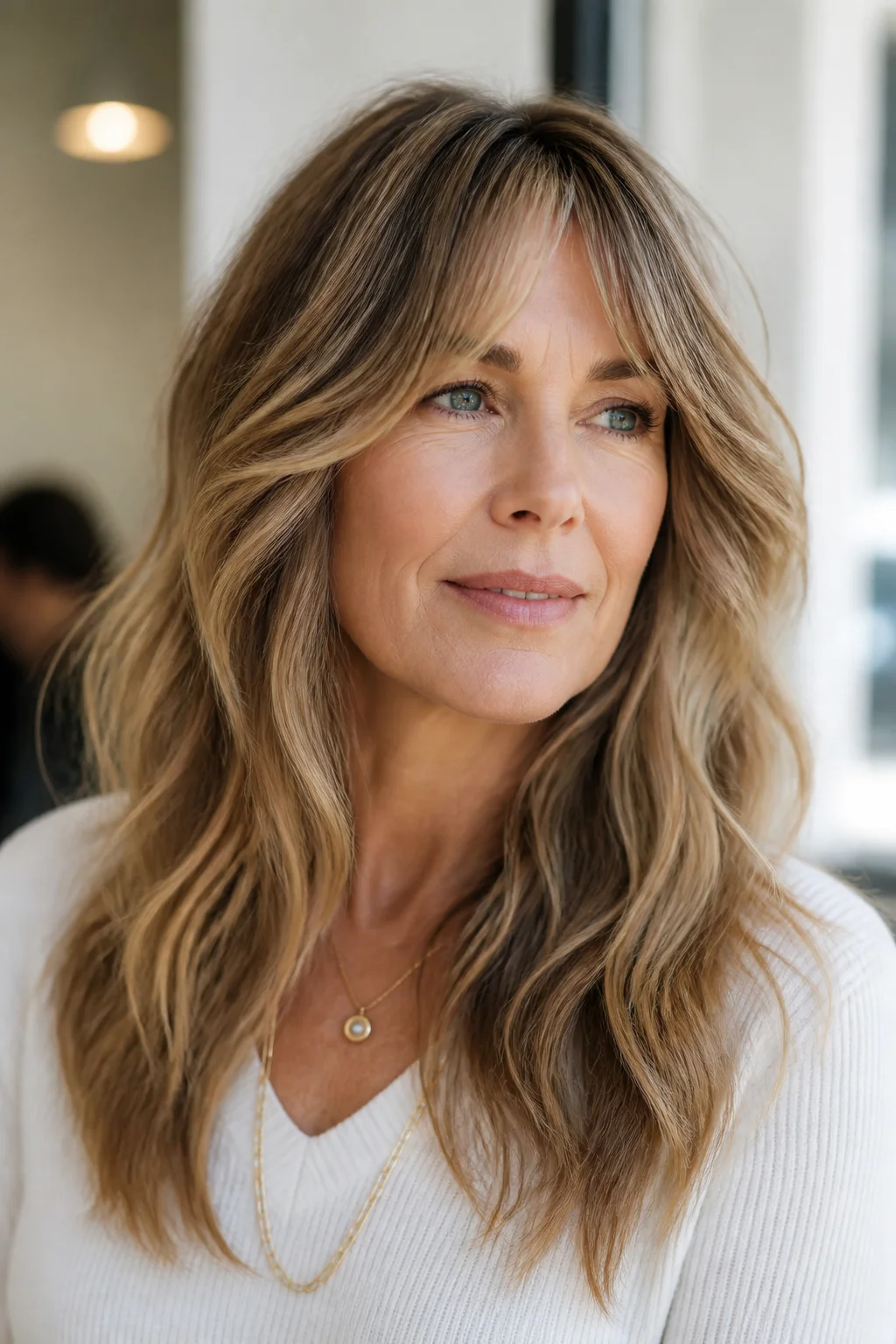
Blunt ends might sound like the opposite of texture, but paired with layers higher up the shaft, they give the hair a strong, defined line to end on while everything above still moves freely. This works well for waves that are looser and less defined, since the blunt edge visually thickens the ends. It’s a nice option if you like the look of layers but don’t want your length to appear thin at the bottom.
Wavy Mid-Back with Low-Maintenance Choppy Layers
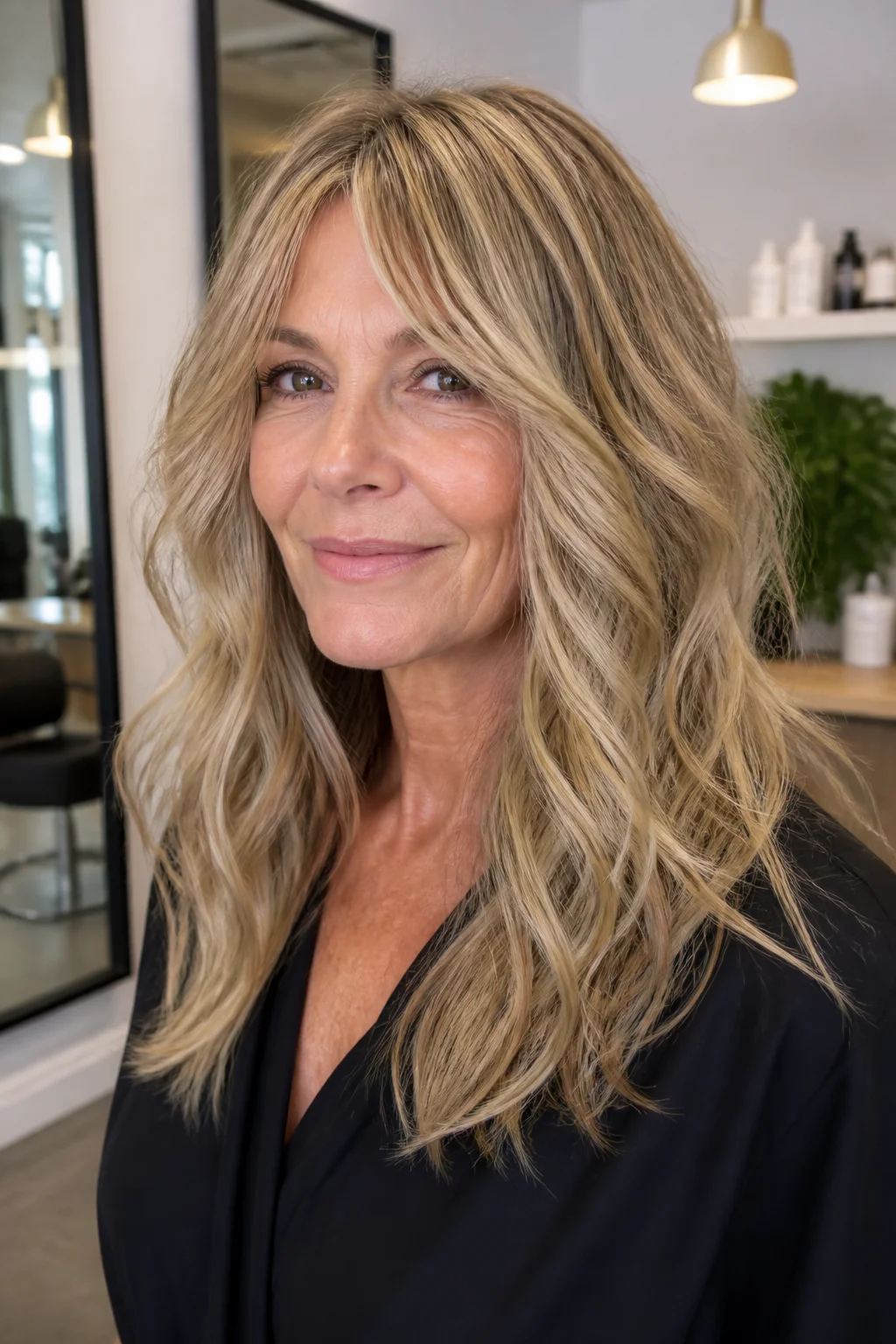
Choppy layers cut for ease rather than precision make this one of the most forgiving long styles on the list. Grow-out looks intentional instead of messy, and touch-ups can happen every few months instead of every few weeks. Mid-back length paired with this kind of layering gives you serious length while keeping the ends from looking like dead weight.
Choosing the Right Long Wavy Cut for You
Picking between these styles comes down to two things: how much volume you need and how much time you want to spend styling. If flatness at the root is your main issue, look at the long waves with volumized crown and tapered ends or the long waves with stacked layers at crown for lift, since both are built specifically to lift the root. If your hair is thick and feels heavy, the longer textured waves with shorter underside layers removes bulk without losing length, and the wavy mid-back with low-maintenance choppy layers keeps upkeep minimal between salon visits.
For softness around the face without a big commitment, the loose waves with face-framing length or the longer textured waves with wispy bangs both frame the face gently and grow out without leaving an awkward line. Avoid choosing one-length blunt cuts if your hair is naturally wavy and fine, since blunt ends tend to make thin waves look stringy rather than full. A common mistake is asking for heavy layering all over when what you actually need is targeted layering at the crown or underside. Talk to your stylist about where your hair falls flat before deciding how much length to remove.
Final Thoughts
Long hair and natural waves can absolutely work in your favor after 50, provided the cut supports the texture you already have. Layers placed with intention, whether at the crown, underneath, or just around the face, make the difference between hair that looks tired and hair that looks alive. Bring a few of these names to your next appointment and talk through which layering pattern fits your thickness and your routine.