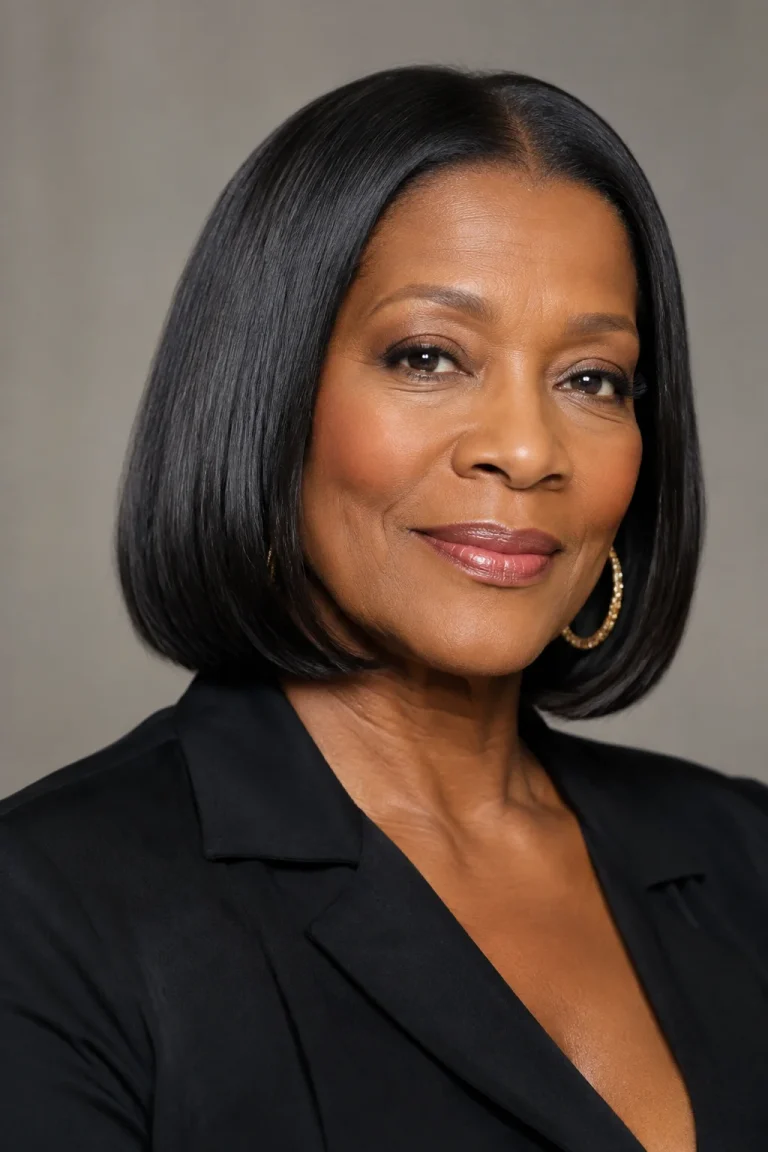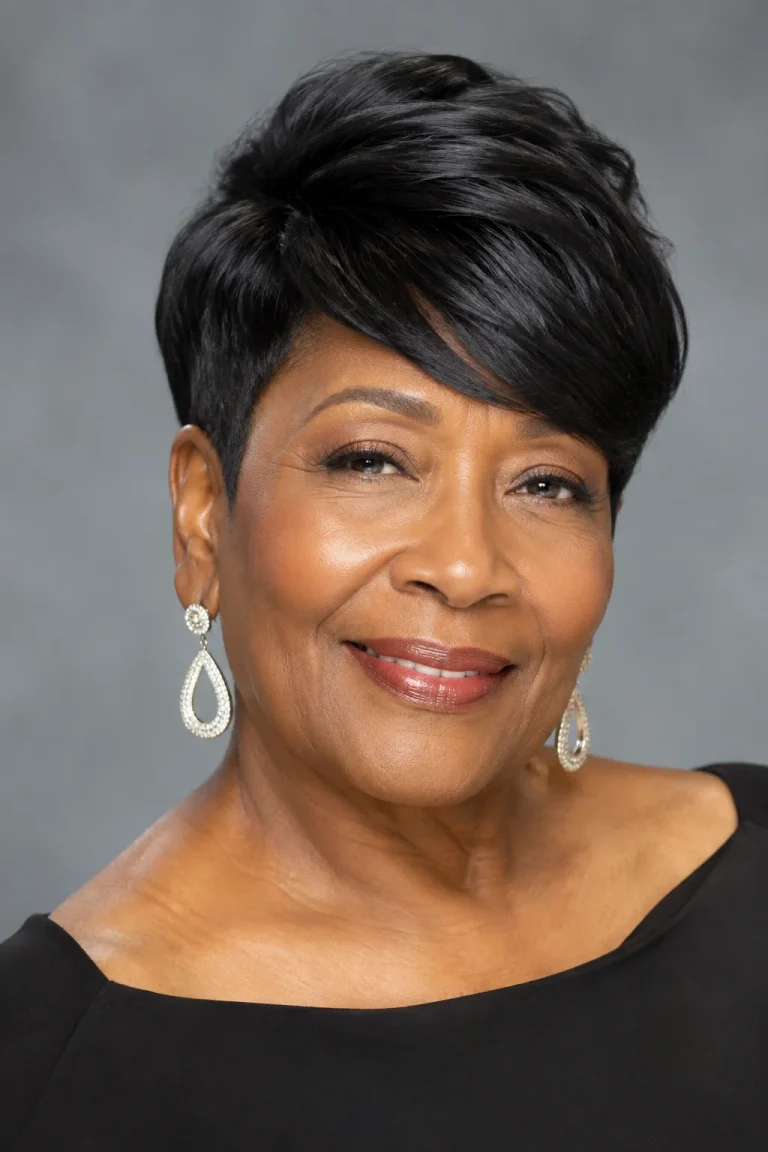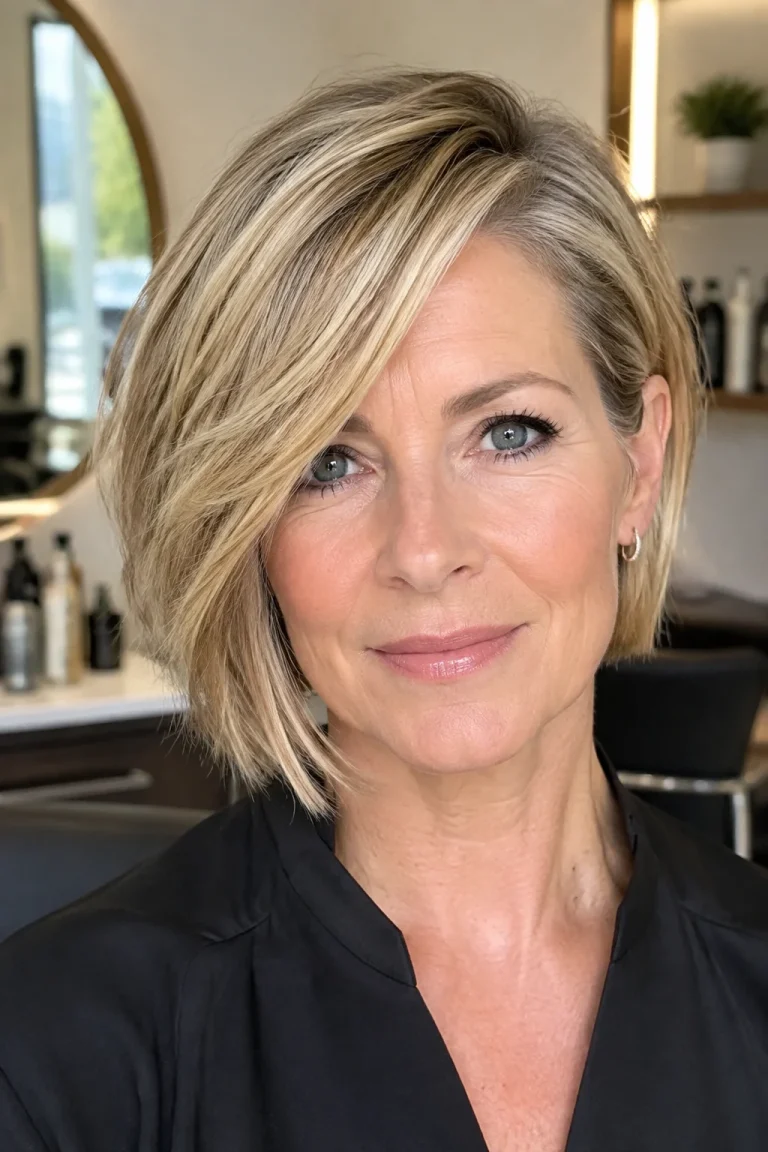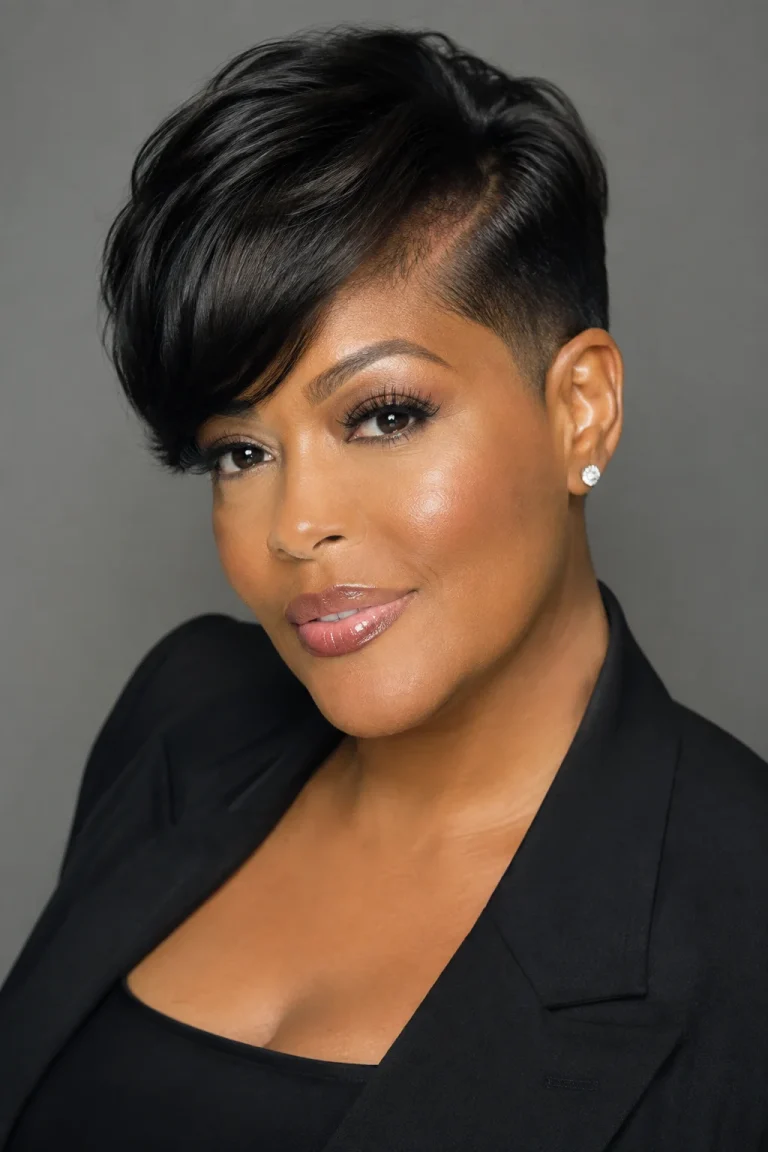
Long hair after 50 can look flat or heavy if the cut doesn’t work with your texture and face shape. The good news is that layered long hair over 50 older women can wear looks softer, moves better, and takes years off without cutting off length. Layers add lift at the crown, frame the face, and keep thick hair from feeling like a helmet or fine hair from looking stringy. The trick is picking the right layer style for your hair type, whether that’s straight, wavy, or curly. Below are 23 layered long looks that give shape and bounce while keeping the length you love. Each one solves a different problem, from too much bulk to not enough volume, so you can find the cut that actually fits your hair instead of fighting it every morning.
1. Long Layers on Straight Fine Hair with Face-Framing Pieces
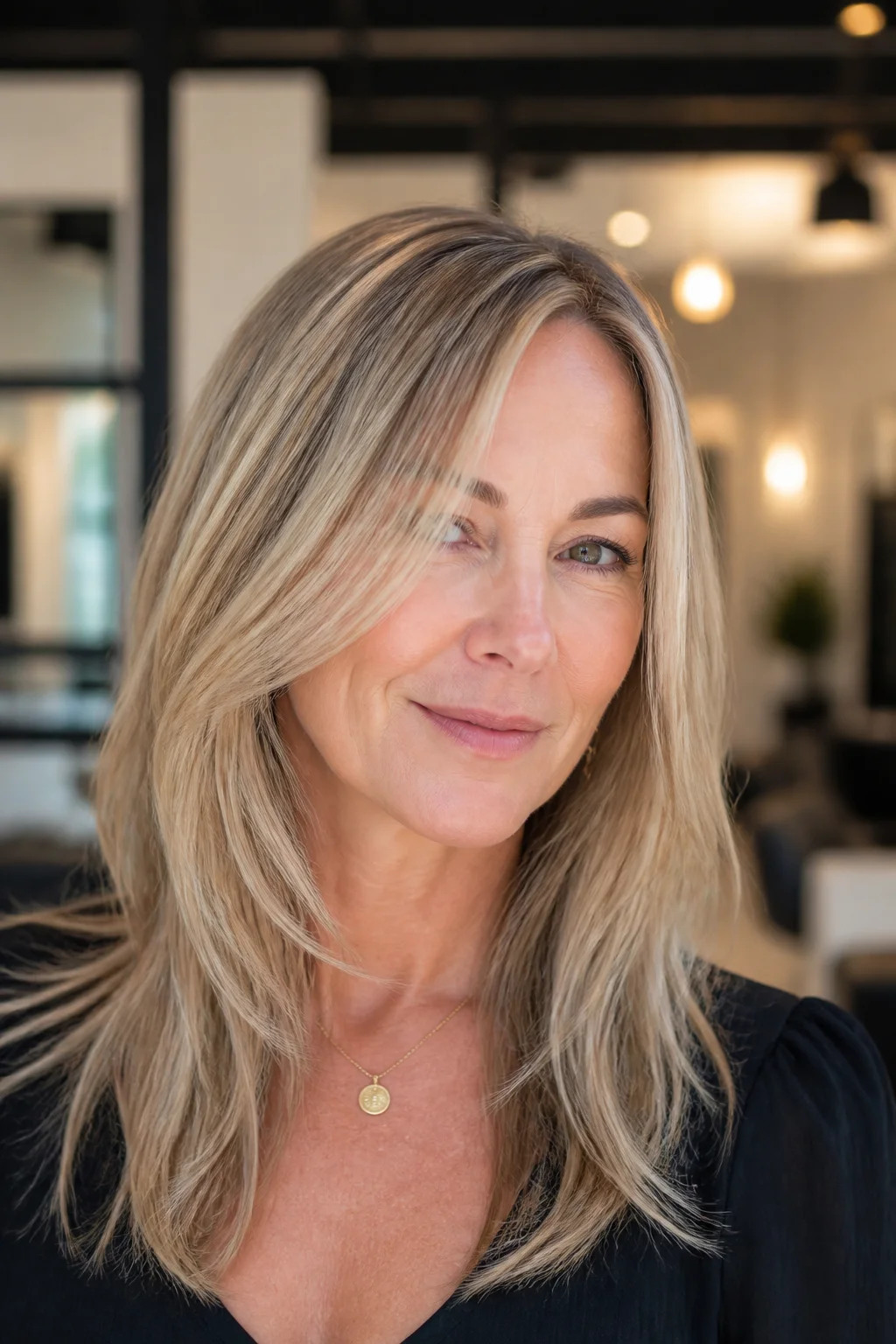
Fine straight hair often falls flat around the face, which can make features look tired. Adding long layers that start at the cheekbone gives soft movement right where you need it most. These face-framing pieces catch the light and draw the eye up rather than down. Tip: ask your stylist to cut the layers with a razor for a softer, less blunt edge that blends into fine strands. A light mist of heat protectant before styling helps the finish last. A light mist of heat protectant before styling helps the finish last.
2. Thick Long Hair with Deep Choppy Layers Throughout
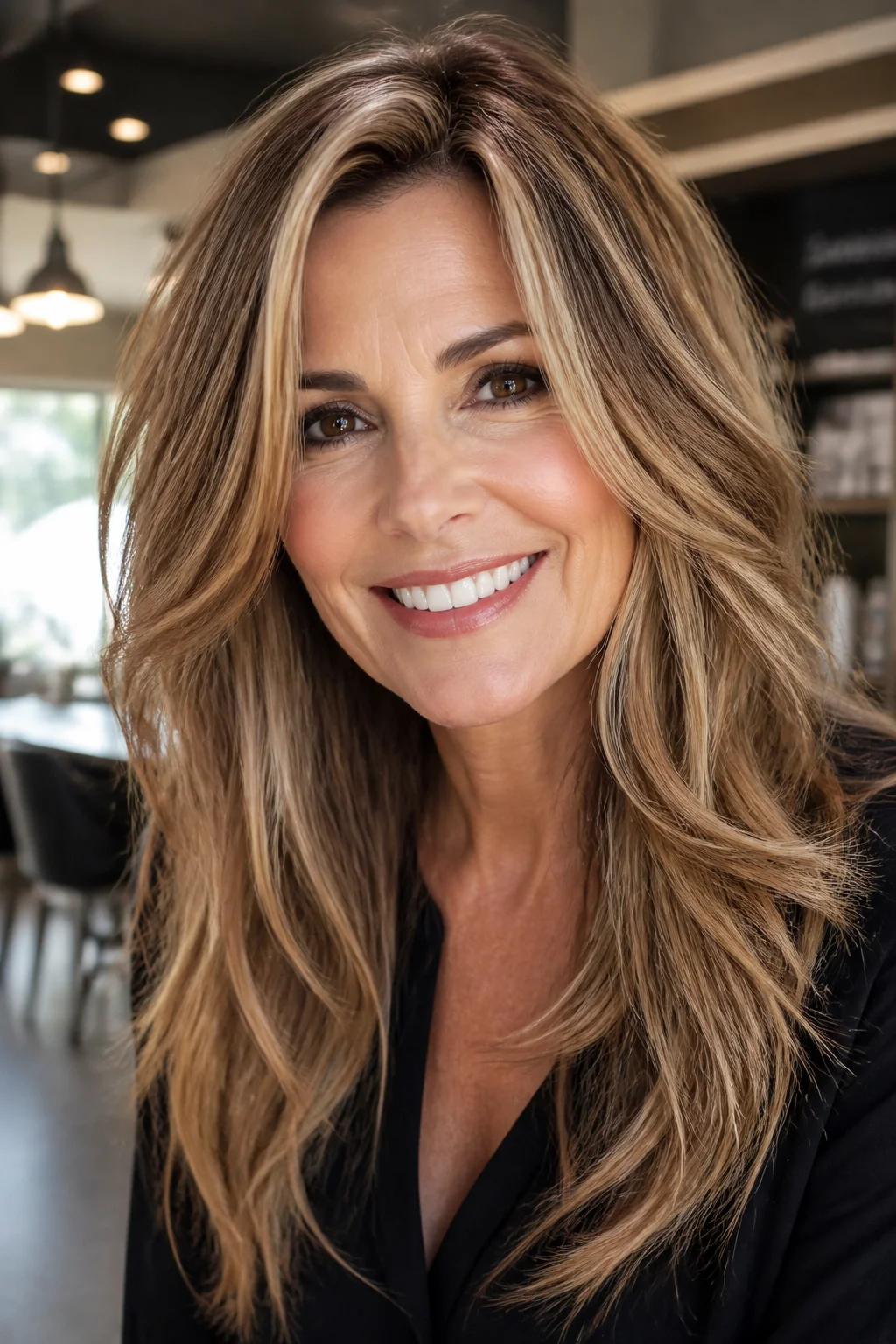
Thick hair carries weight that can feel exhausting to style every day. Deep choppy layers cut throughout the length remove bulk without shortening the overall shape. This approach breaks up the density so hair swings instead of sitting like a solid mass. You’ll notice less time blow-drying since there’s simply less hair to push around, and the choppy ends give a lived-in texture that hides regrowth lines between salon visits. It also lightens the ends so ponytails and buns don’t feel so heavy. A light mist of heat protectant before styling helps the finish last.
3. Long Wavy Hair with Feathered Layers and Wispy Edges
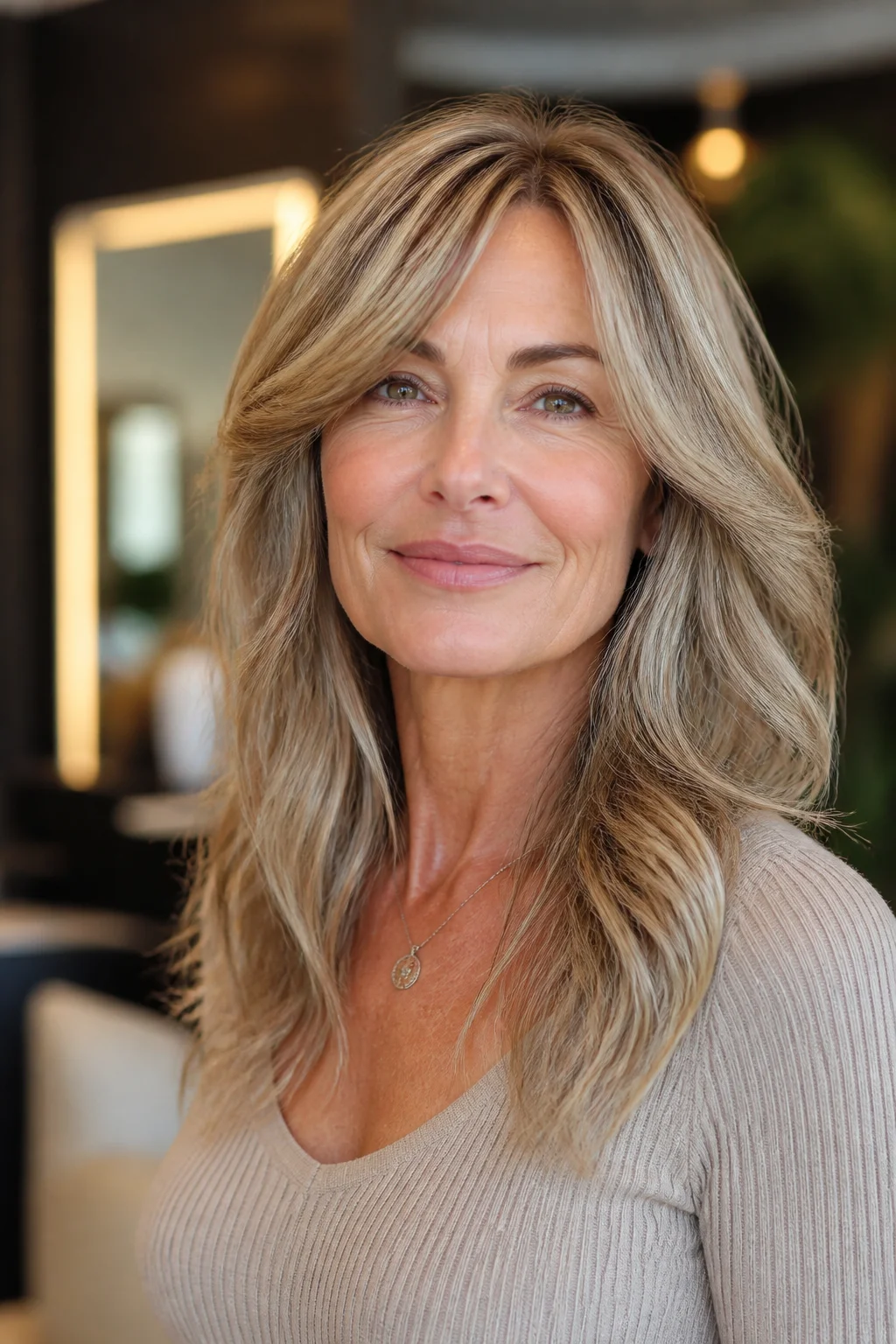
Waves need layers that enhance the bend rather than fight it. Feathered layers, cut with soft, wispy edges, let each wave move independently instead of clumping into one shape. The result looks like hair that’s been styled by wind rather than a flat iron. This works especially well for shoulder-to-mid-back lengths where waves tend to lose their pattern under heavy ends.
4. Curly Long Hair with Defined Layers for Volume Control
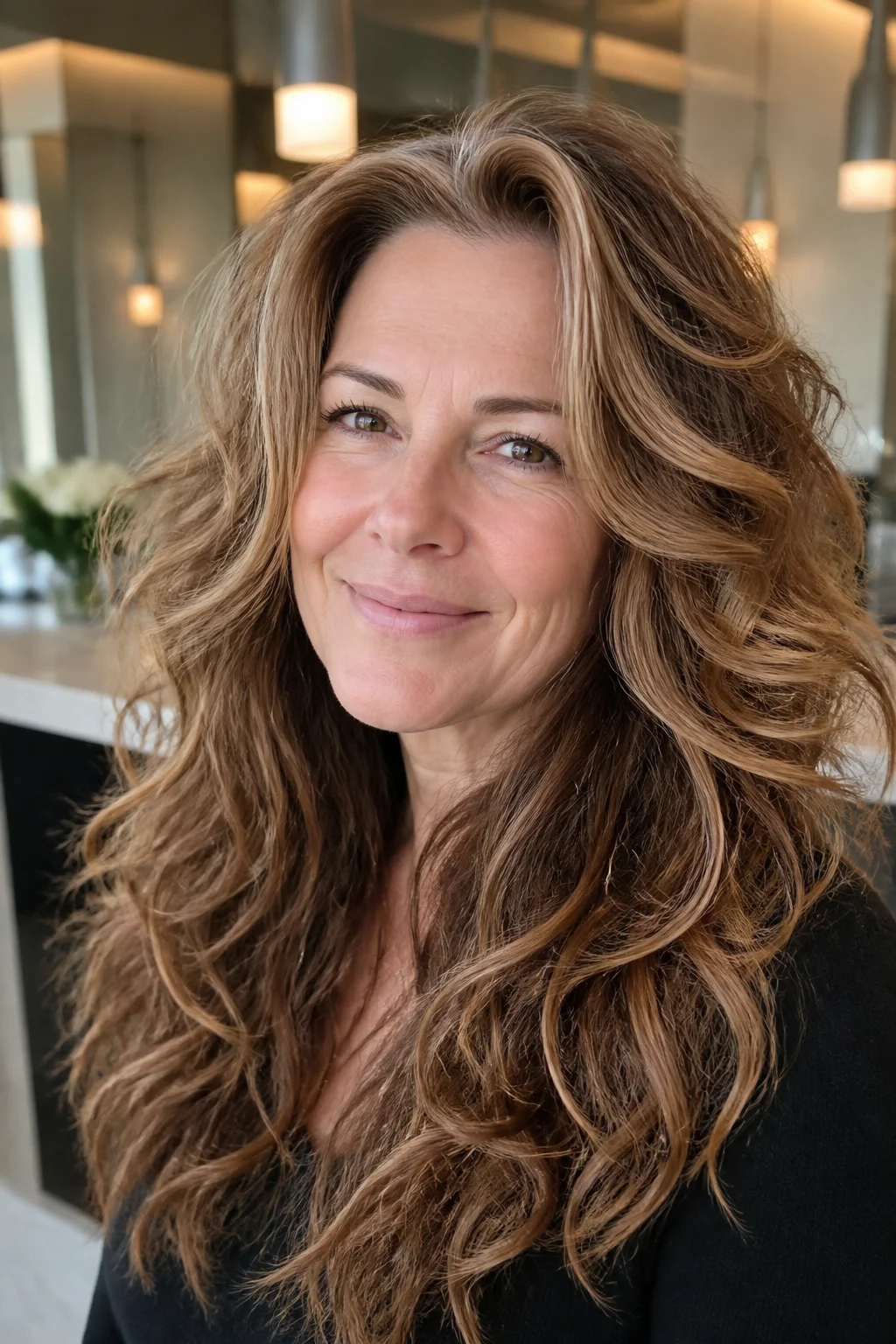
Curls stack width when they’re all one length, which can make hair look wider than it is. Defined layers cut specifically to control volume push the fullness up and narrow the silhouette at the sides. This keeps the curl pattern intact while giving shape instead of a triangle effect. Ask for layers that are cut dry, since curls react differently once they spring up from a wet cut.
5. Long Straight Hair with Longer Underlayers and Shorter Top Layers
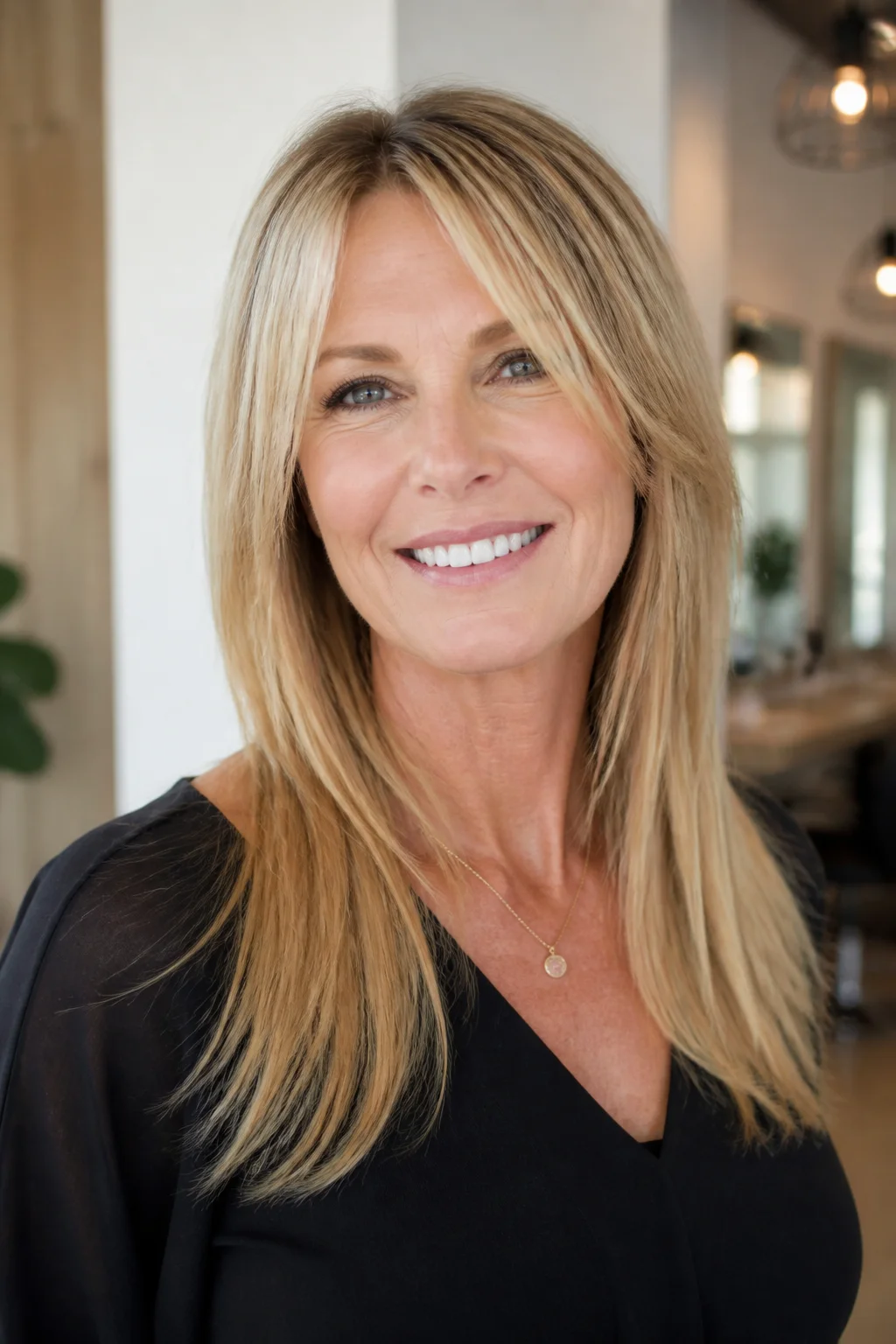
This cut flips the usual layering order. Instead of shorter layers on top, the shorter pieces sit underneath and the longer layers stay visible on the surface, which gives a smoother, more polished look for straight hair that doesn’t have much natural texture to hide seams. It works well for women who want layers but don’t want the choppy or piecey look up top.
6. Long Hair with Textured Layers and Tousled Styling
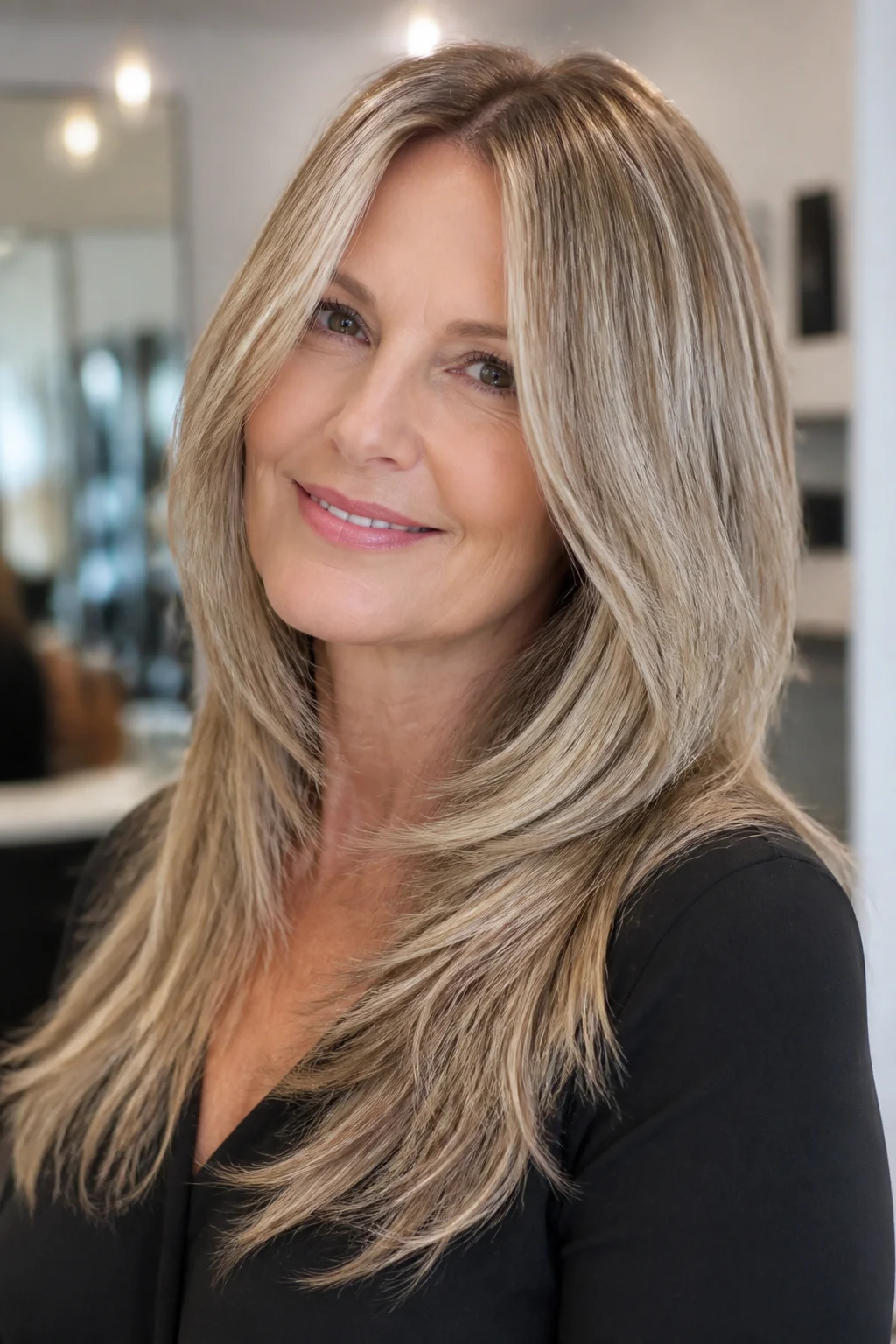
Textured layers paired with a tousled finish give hair a relaxed, effortless feel without much daily effort. The layers are cut at varying lengths to create natural separation, so you don’t need heavy product to get movement. Tip: scrunch in a light mousse while hair is damp and let it air dry partway before finishing with a diffuser for soft, undone texture.
7. Long Fine Hair with Micro-Layers for Fullness Without Weight
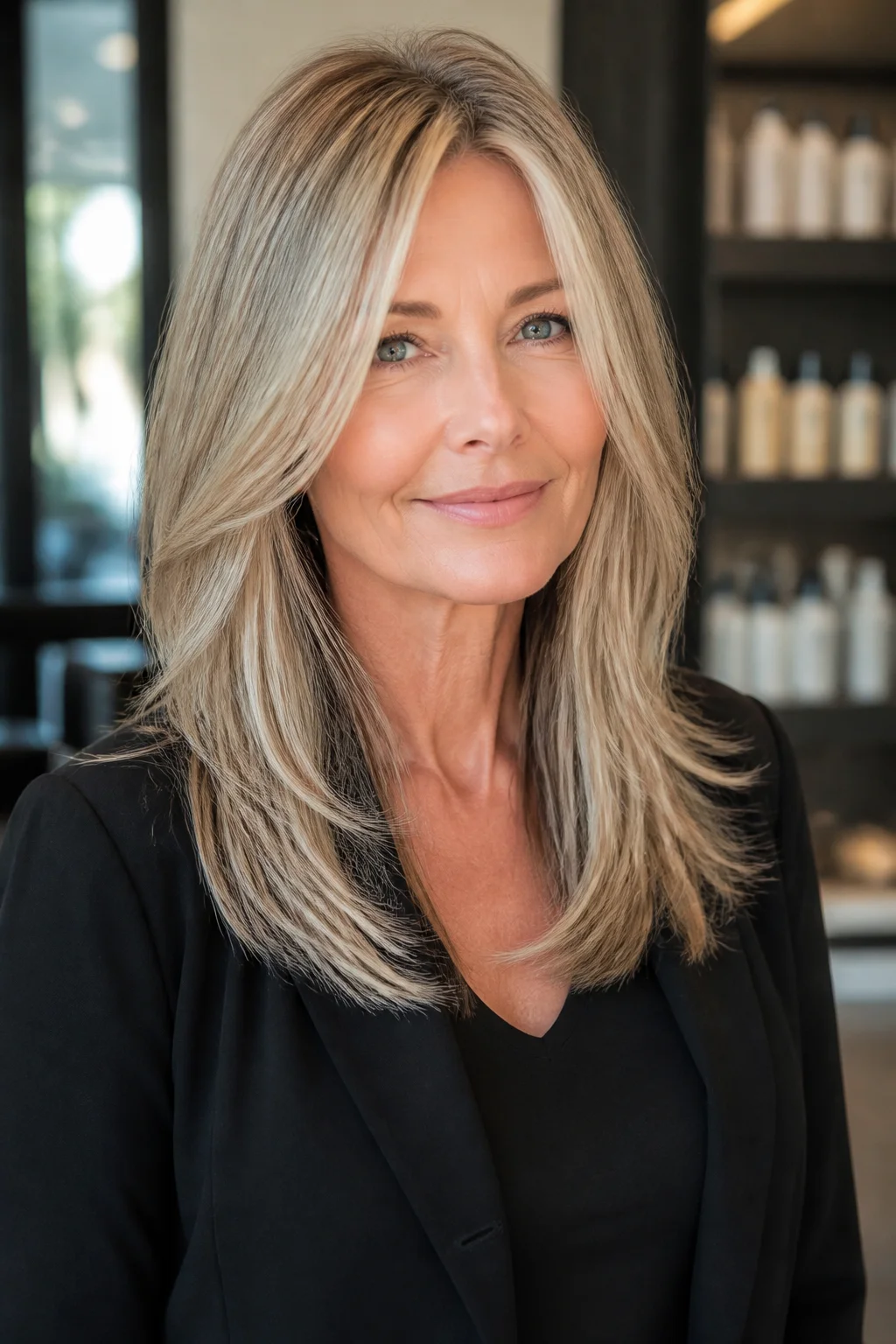
Fine hair loses fullness fast when layers are cut too heavy. Micro-layers, which are short, subtle cuts spaced closely together, build fullness at the roots and mid-lengths without removing so much hair that ends look thin. This technique gives the illusion of thicker hair while keeping the overall length intact. It’s a good option for anyone who has tried layers before and felt like they made hair look sparse instead of full.
8. Long Curly Hair with Rounded Layers and Defined Texture
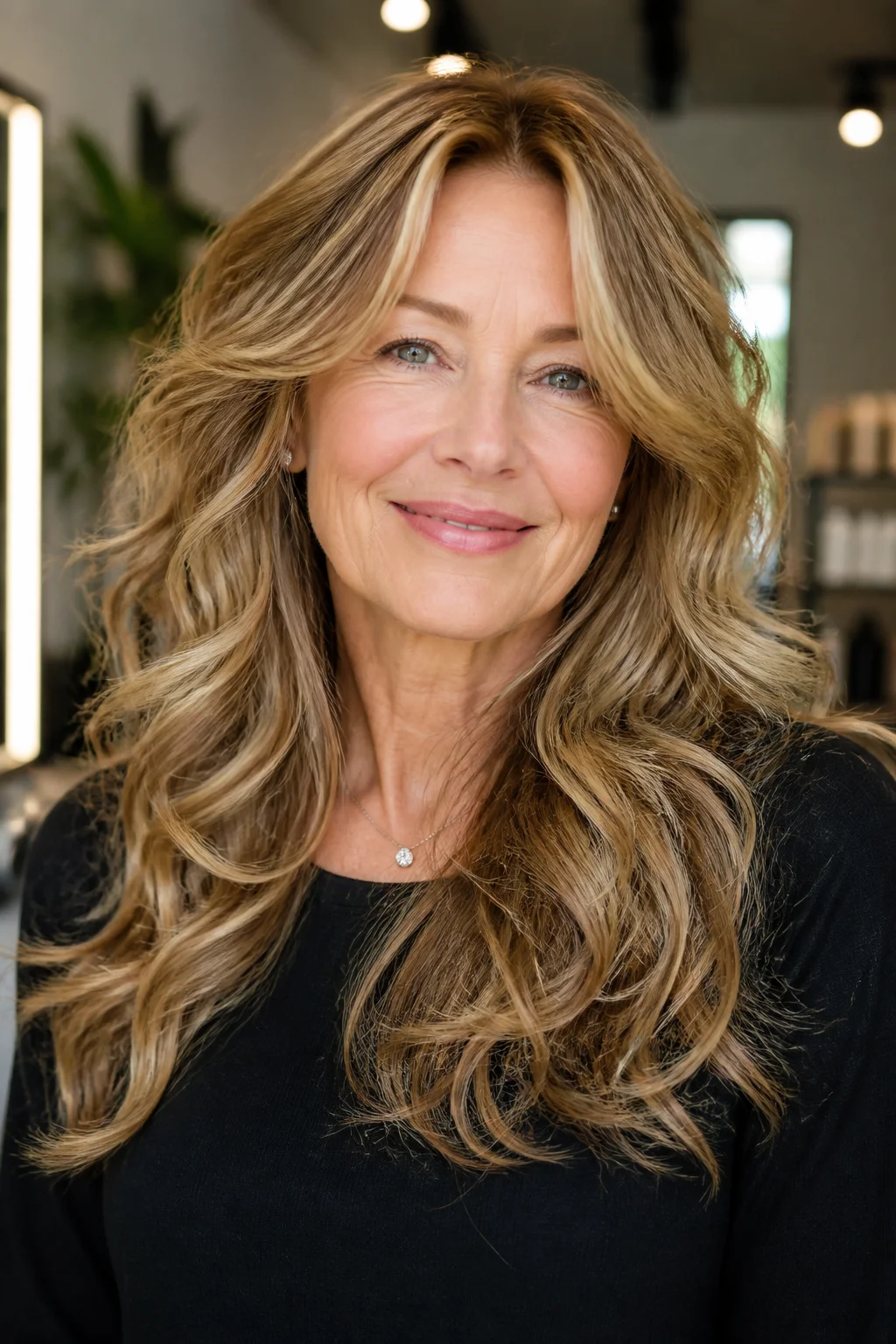
Rounded layers follow the natural curve of curly hair, cut to create a soft, rounded shape rather than sharp angles. This keeps curls bouncy and defined instead of pointy at the ends. The technique suits curls that are dense and springy, since the rounded shape controls where the width sits on the head.
9. Long Thick Hair with Face-Framing Layers Only
Not every thick-haired client wants layers throughout, and that’s fine. Keeping layers limited to the face-framing area removes bulk near the cheeks and jaw while leaving the rest of the length thick and full. This is a smart choice if you like the weight and swing of long thick hair but want a softer frame around your features. Tip: request layers that stop around the chin to collarbone area so the effect stays subtle instead of choppy.
10. Long Hair with Gentle Layers and Bangs for Fuller Faces
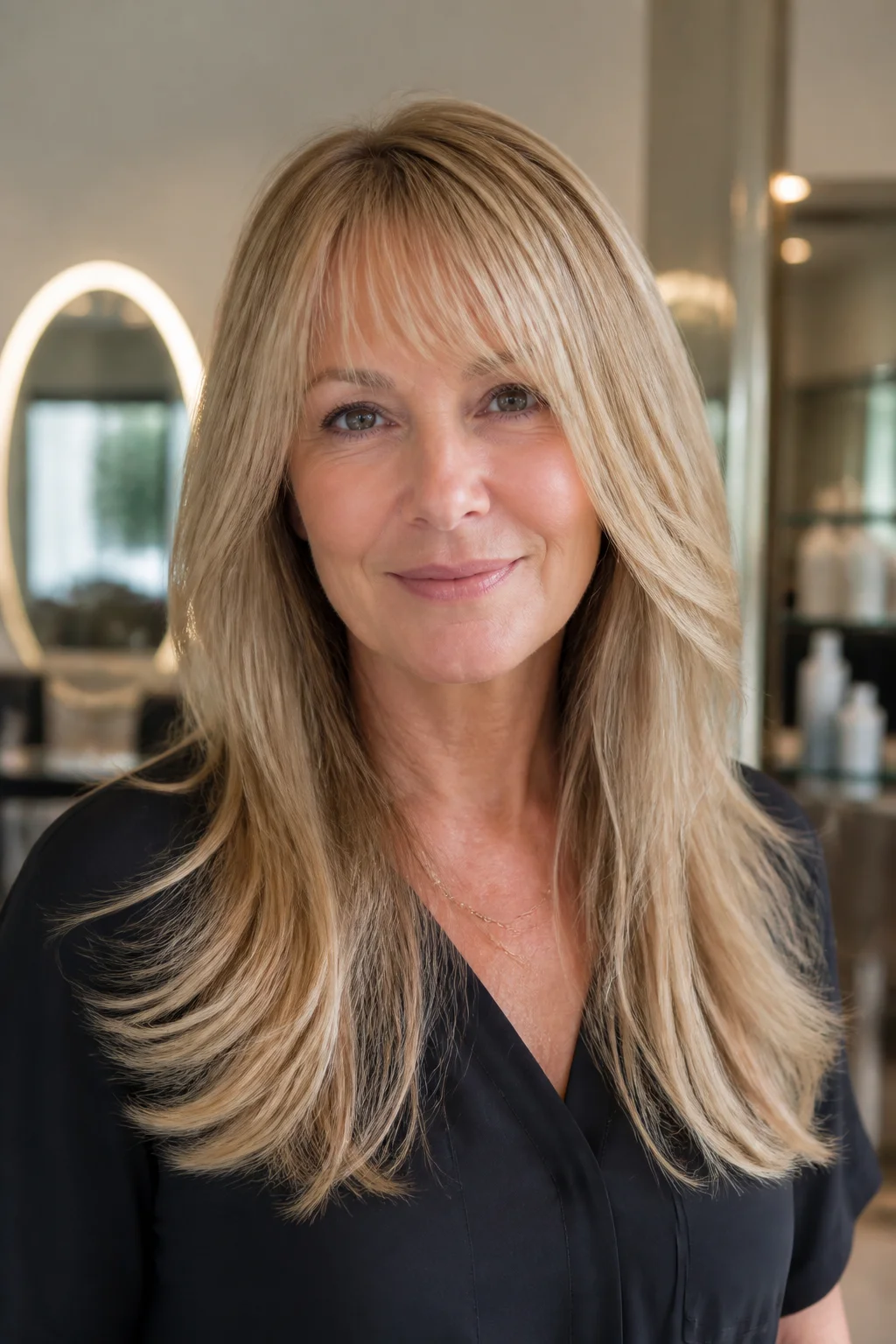
Gentle, soft layers combined with bangs can balance a fuller face shape by breaking up width and adding vertical lines. The layers should be blended rather than choppy so they don’t add extra bulk at the cheeks. Side-swept bangs work especially well here since they angle across the forehead instead of cutting straight across, which softens the whole look.
11. Long Straight Hair with Razor-Sharp Layers for Modern Edge
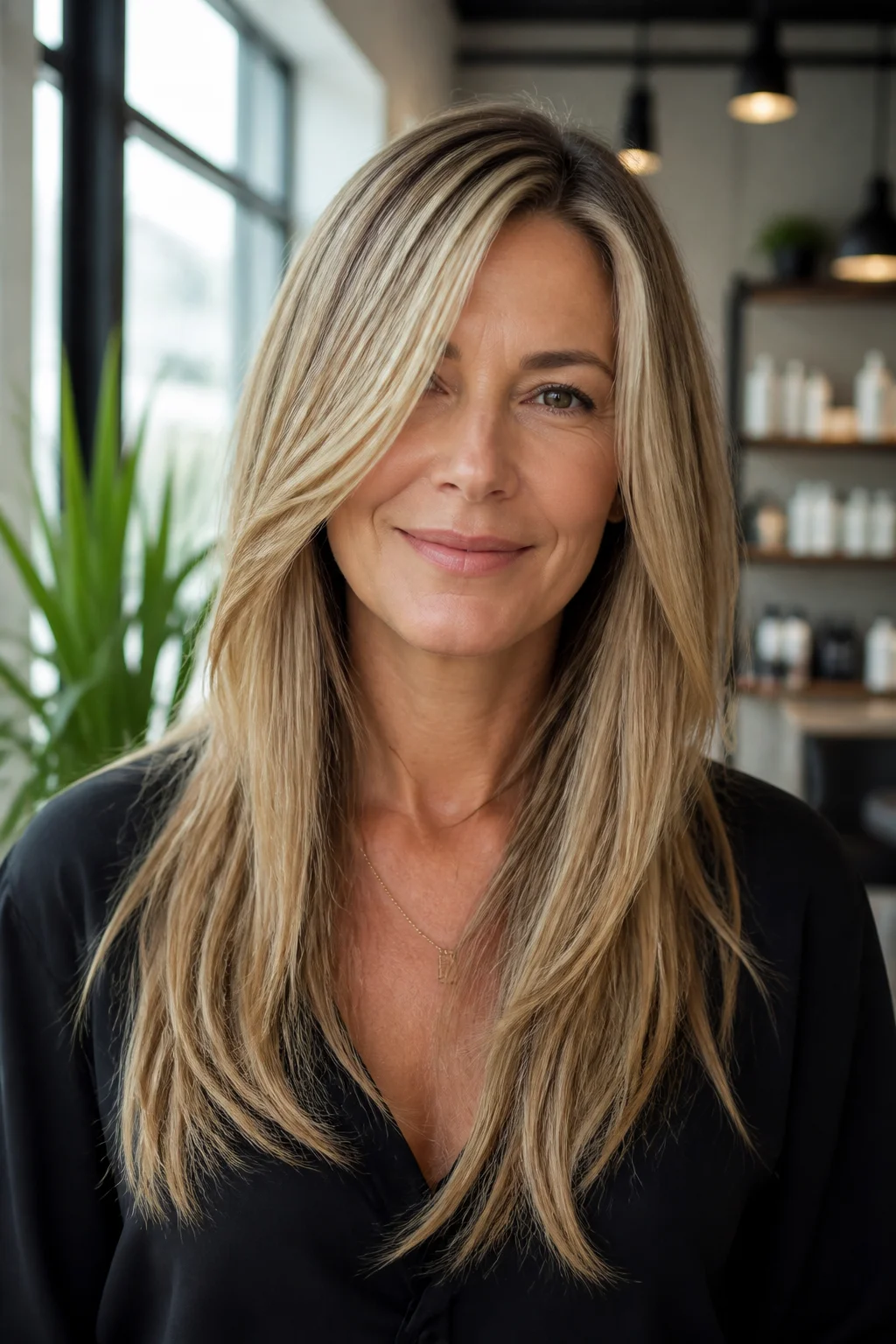
Razor-cut layers give straight hair a sharper, more graphic edge than traditional scissor-cut layers. The razor creates thin, feathered tips that catch light differently and give movement even without curl or wave. This look reads modern and a little edgy, which makes it a good fit for women who want long hair that still feels current rather than safe.
12. Long Wavy Hair with Longer Layers Starting Below Shoulders
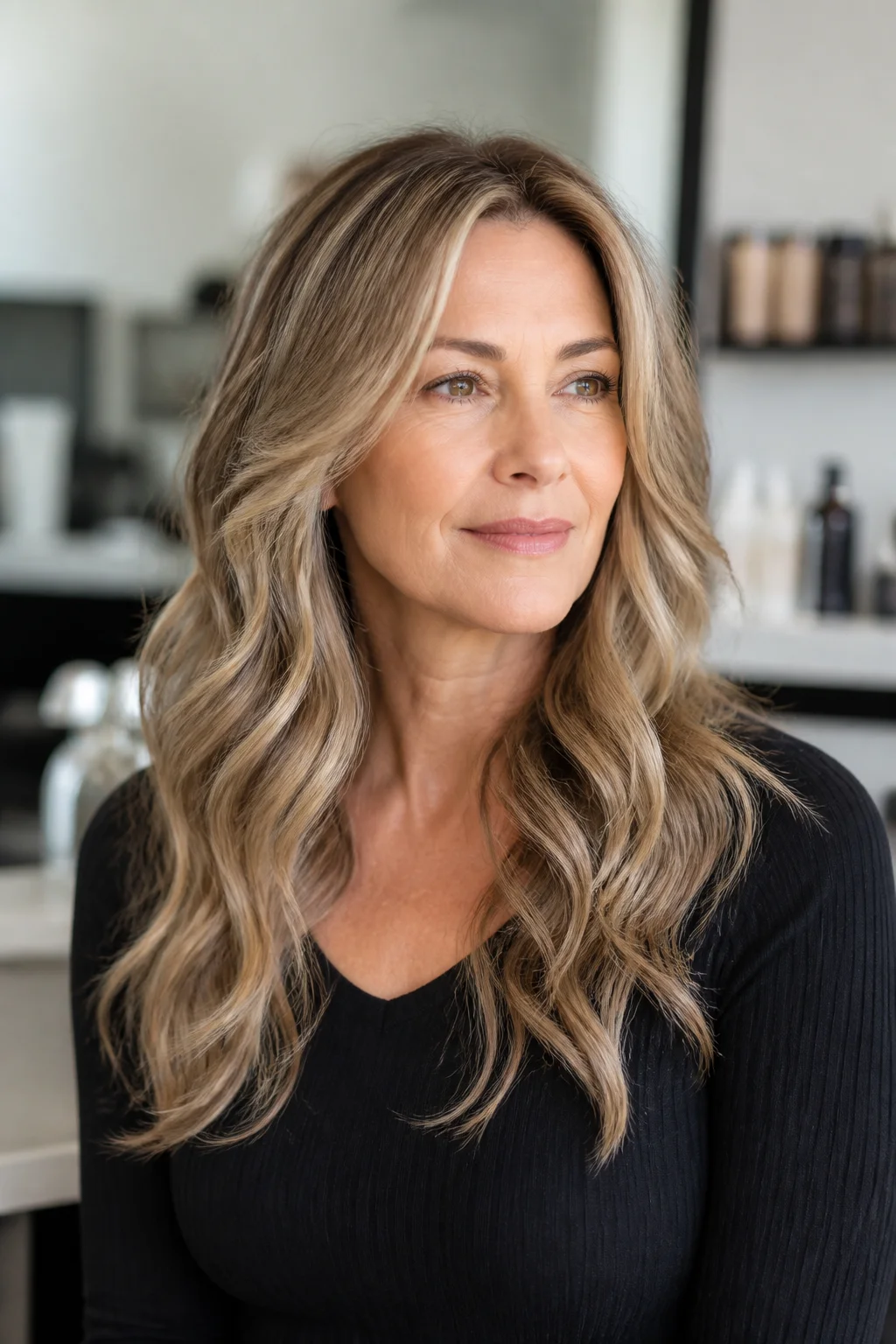
Keeping layers low, starting below the shoulders, preserves length and weight up top while still adding movement toward the ends. This is ideal for wavy hair that already has decent shape but needs help at the bottom where waves tend to get weighed down and lose their bounce. The result is a cut that looks long and full at the crown with soft motion below.
13. Long Fine Hair with Blunt Ends and Subtle Interior Layers
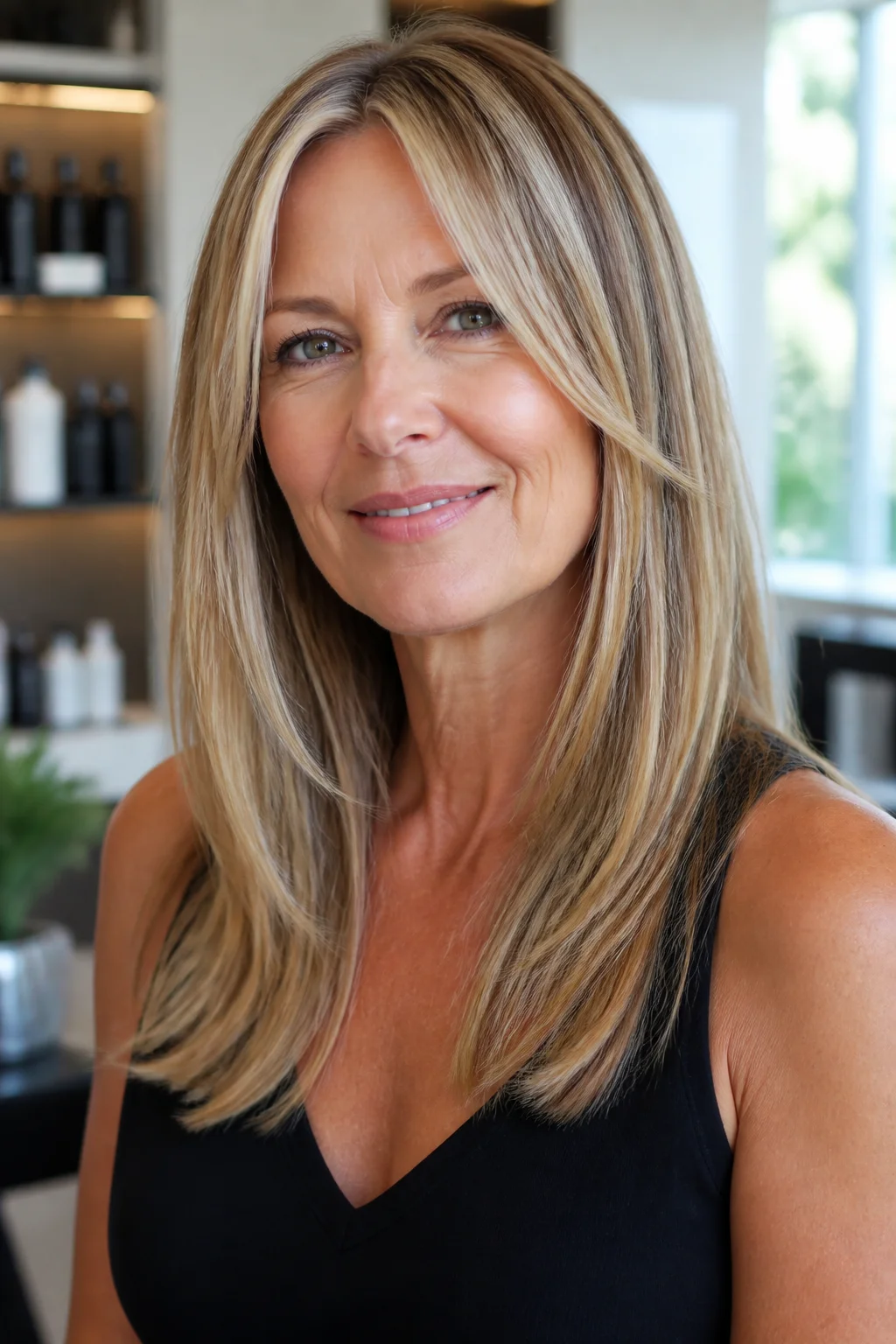
Fine hair often looks fuller with blunt ends since blunt cuts create the appearance of thickness. Adding subtle interior layers underneath the blunt line gives some movement without sacrificing that fuller look at the perimeter. It’s a smart middle ground for anyone who wants layers but worries about ends looking thin or wispy.
14. Long Curly Hair with Elongated Layers for Stretched-Out Curls
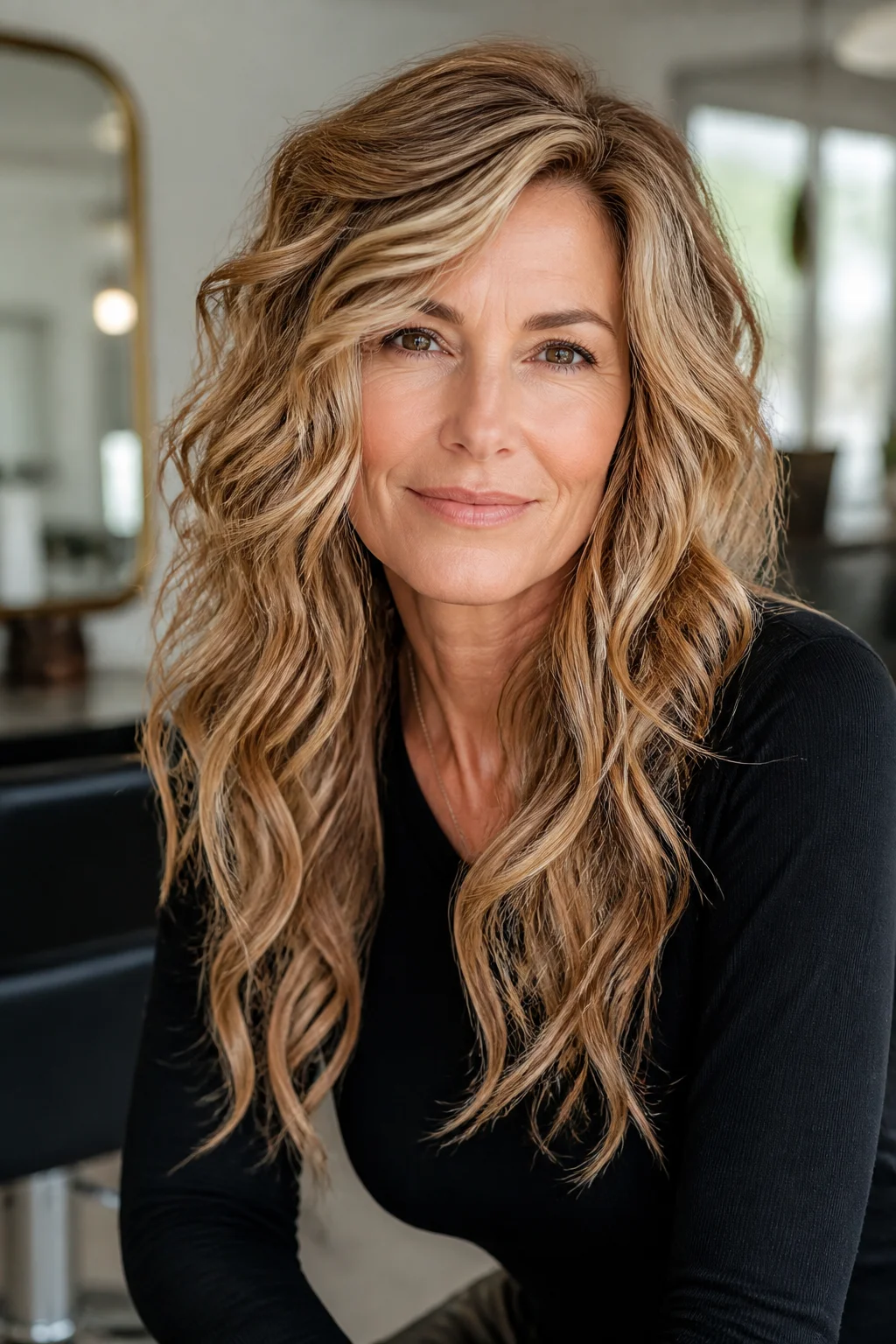
Elongated layers are cut longer than typical curl-shaping layers, which stretches out the curl pattern and reduces shrinkage. This gives the appearance of longer hair since curls hang with less bounce-back. It suits looser curl patterns better than tight coils, since tighter curls may not stretch as much even with this layering approach.
15. Long Hair with Shaggy Mid-Length Layers and Tapered Ends
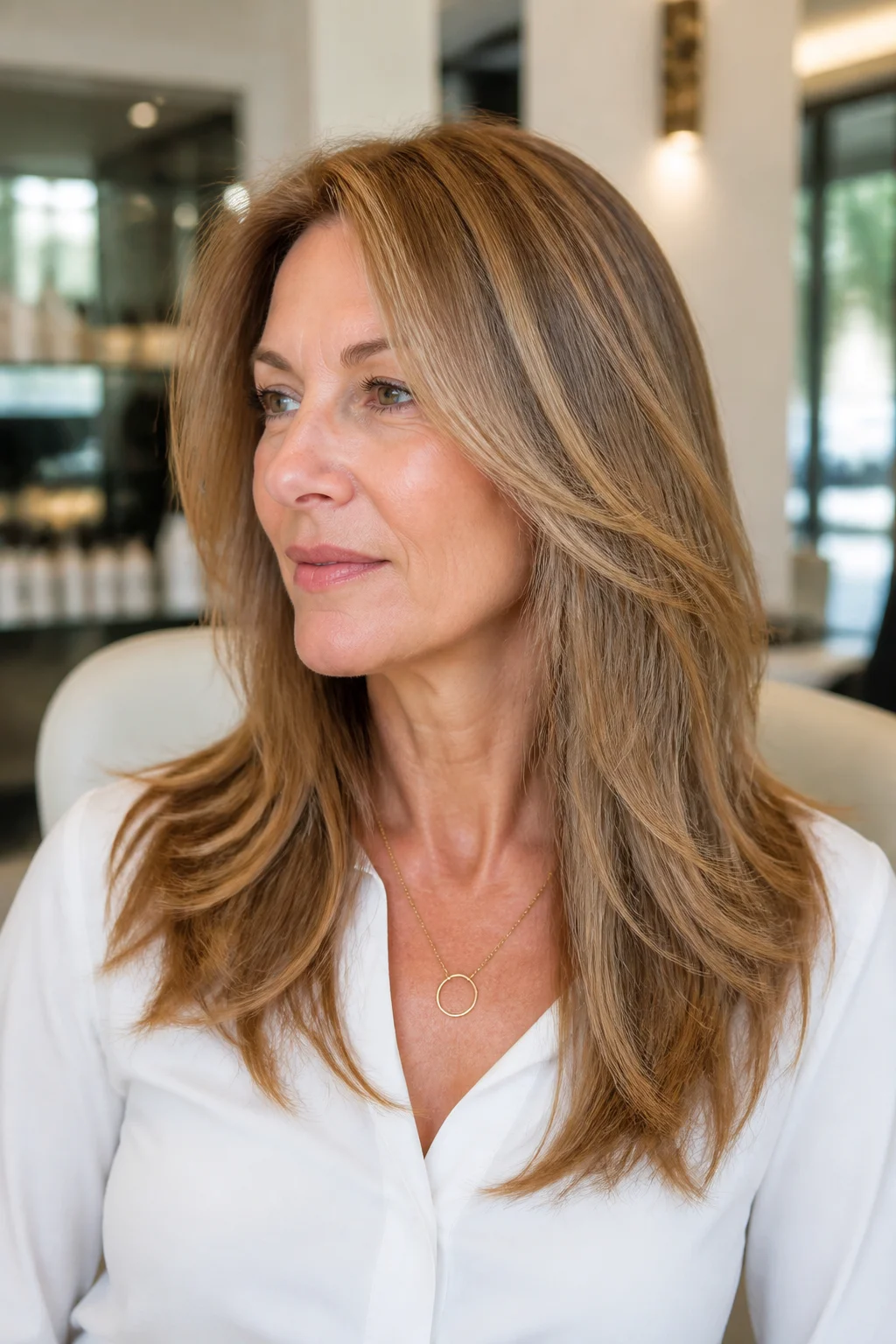
The shag has made a comeback, and this version brings it to long hair with layers concentrated in the mid-lengths and tapered, feathery ends. It gives a rock-and-roll edge without going short. Compared to a traditional layered cut, the shag feels looser and less structured, which makes it forgiving for second and third day hair. Tip: use a texturizing spray on dry hair to enhance the piecey, tousled effect this cut is known for.
16. Long Thick Hair with Graduated Longer Layers for Silhouette
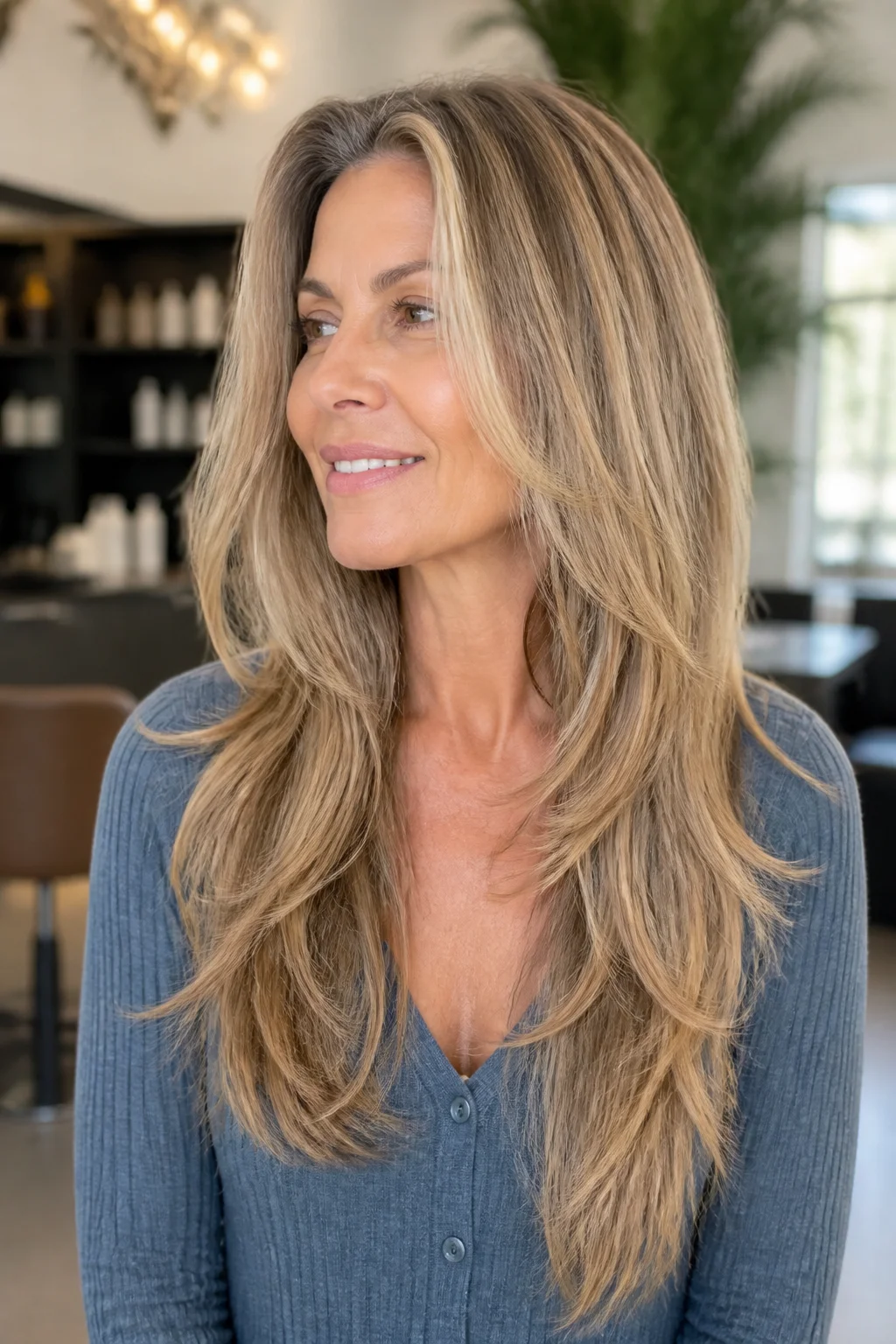
Graduated layers build gradually from short to long, shaping the overall silhouette rather than creating obvious steps. For thick hair, this technique removes weight evenly across the head so the shape stays smooth and rounded instead of blocky. It works well when you want a controlled, shaped appearance rather than choppy texture.
17. Long Straight Fine Hair with Stacked Interior Layers at Crown
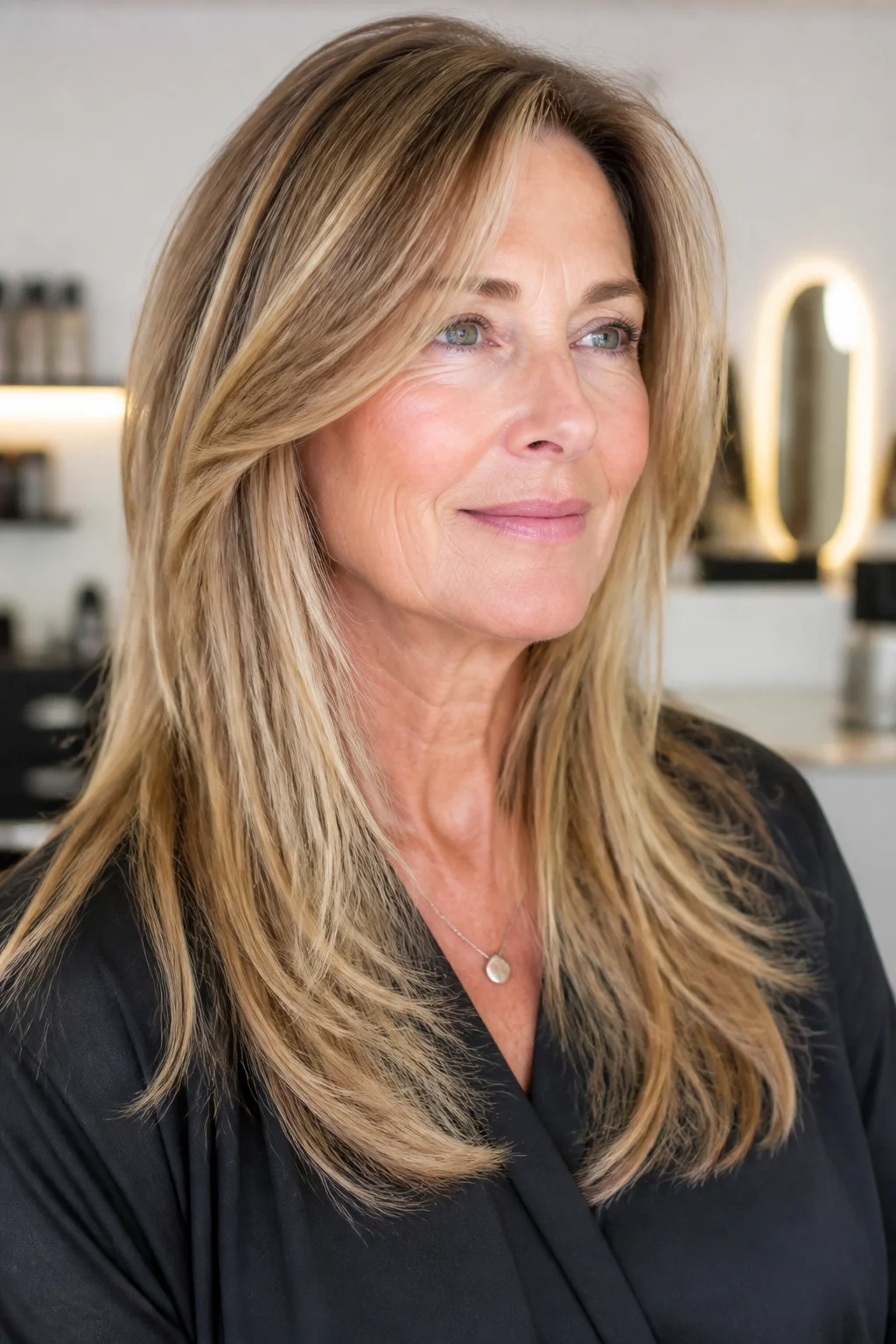
Stacking layers at the crown builds height right at the root, which helps fine straight hair avoid looking pancake flat. The stacking is done on the interior so the surface still looks smooth, but there’s lift underneath doing the work. This is one of the more targeted fixes on this list, solving flatness at the root specifically rather than adding movement throughout.
18. Long Curly Hair with Side-Swept Layers and Off-Center Part
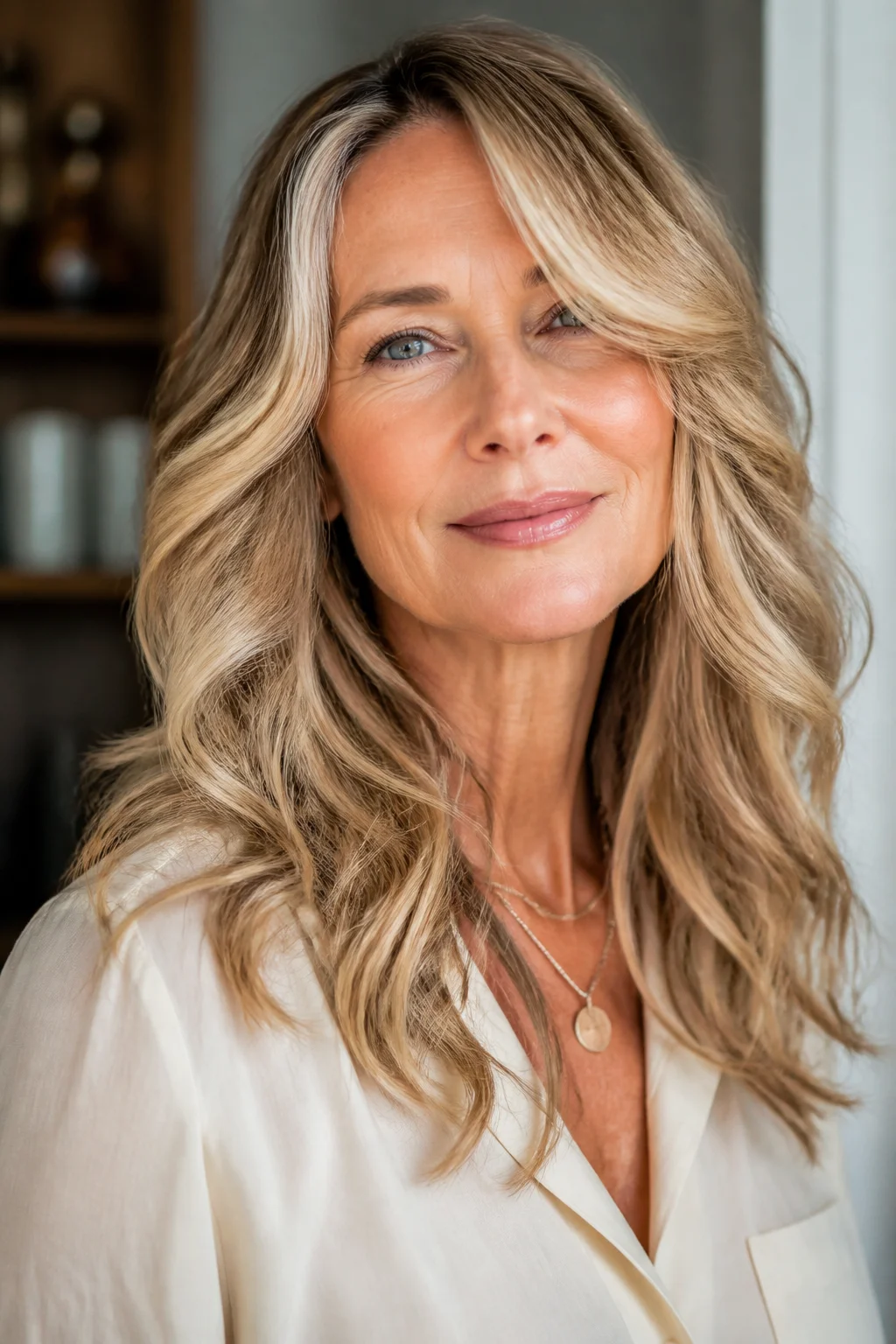
An off-center part paired with side-swept layers gives curly hair asymmetry that looks intentional rather than messy. The layers are cut to fall toward one side, which balances a deep part and keeps curls from bunching up on one side more than the other.
19. Long Wavy Hair with smooth Blended Layers Throughout
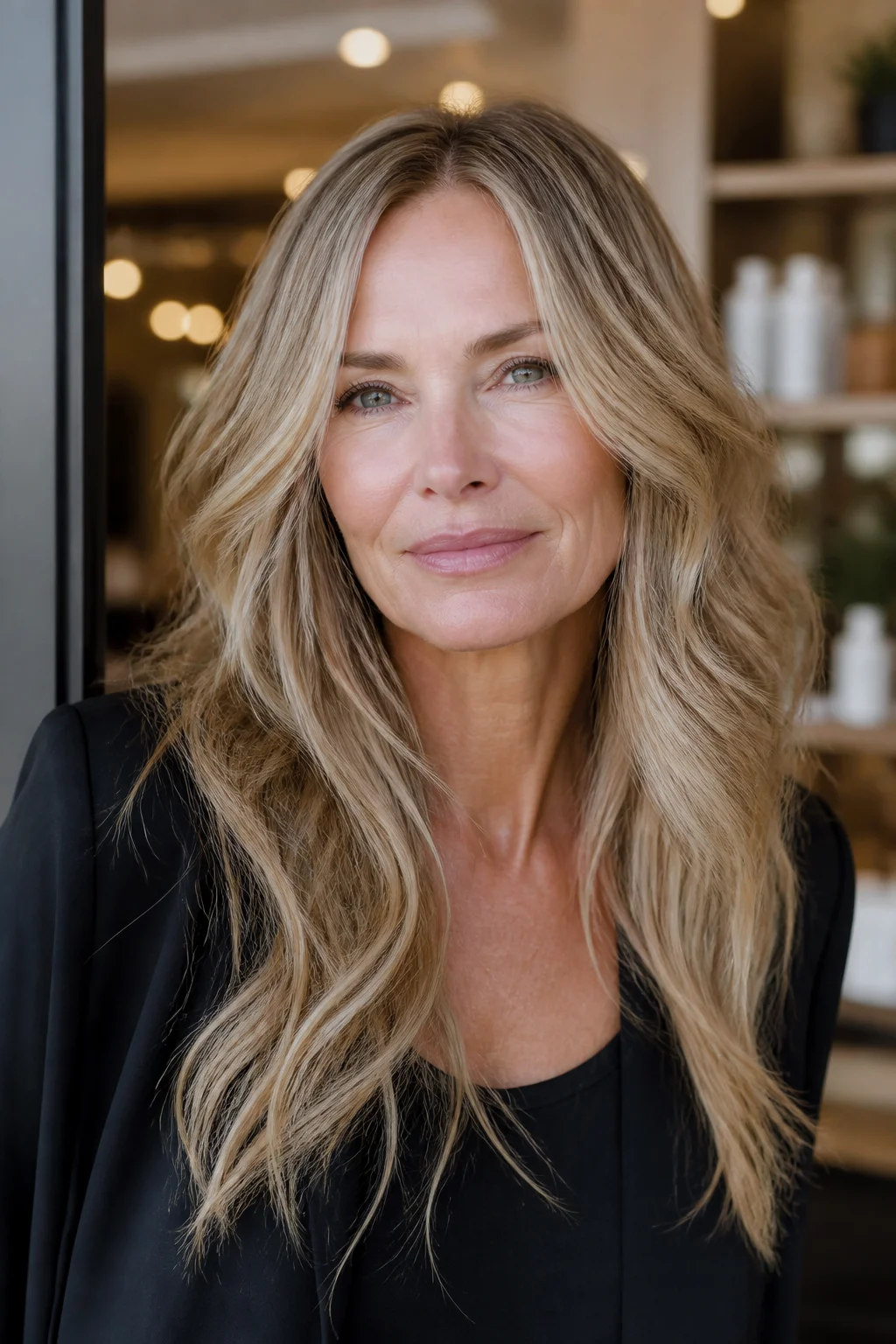
Blended layers are cut so there’s no visible line between one length and the next, which gives wavy hair a smooth, smooth flow from root to end. This suits women who want layers for movement but don’t want the choppy or piece-y look some layering techniques create. It’s a safe, classic choice that ages well between cuts.
20. Long Hair with Layers Only at Ends for Minimal Maintenance
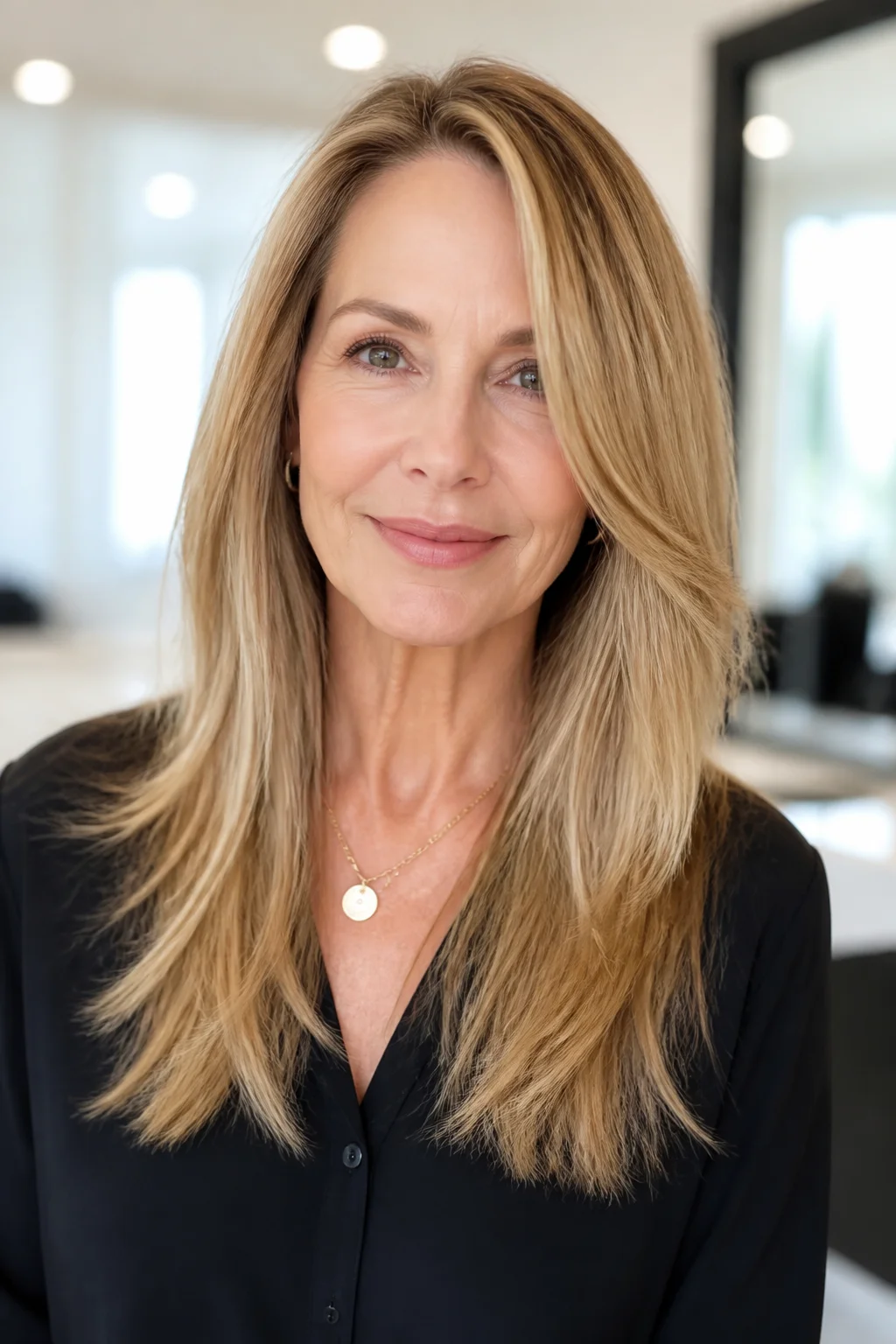
If you want the lowest-maintenance option on this list, layers cut only at the ends give a little shape without needing much styling effort. Tip: this works well if you’re growing out a shorter cut and want to soften the ends while everything else grows out evenly.
21. Long Curly Hair with Face-Framing Shorter Layers and Long Back
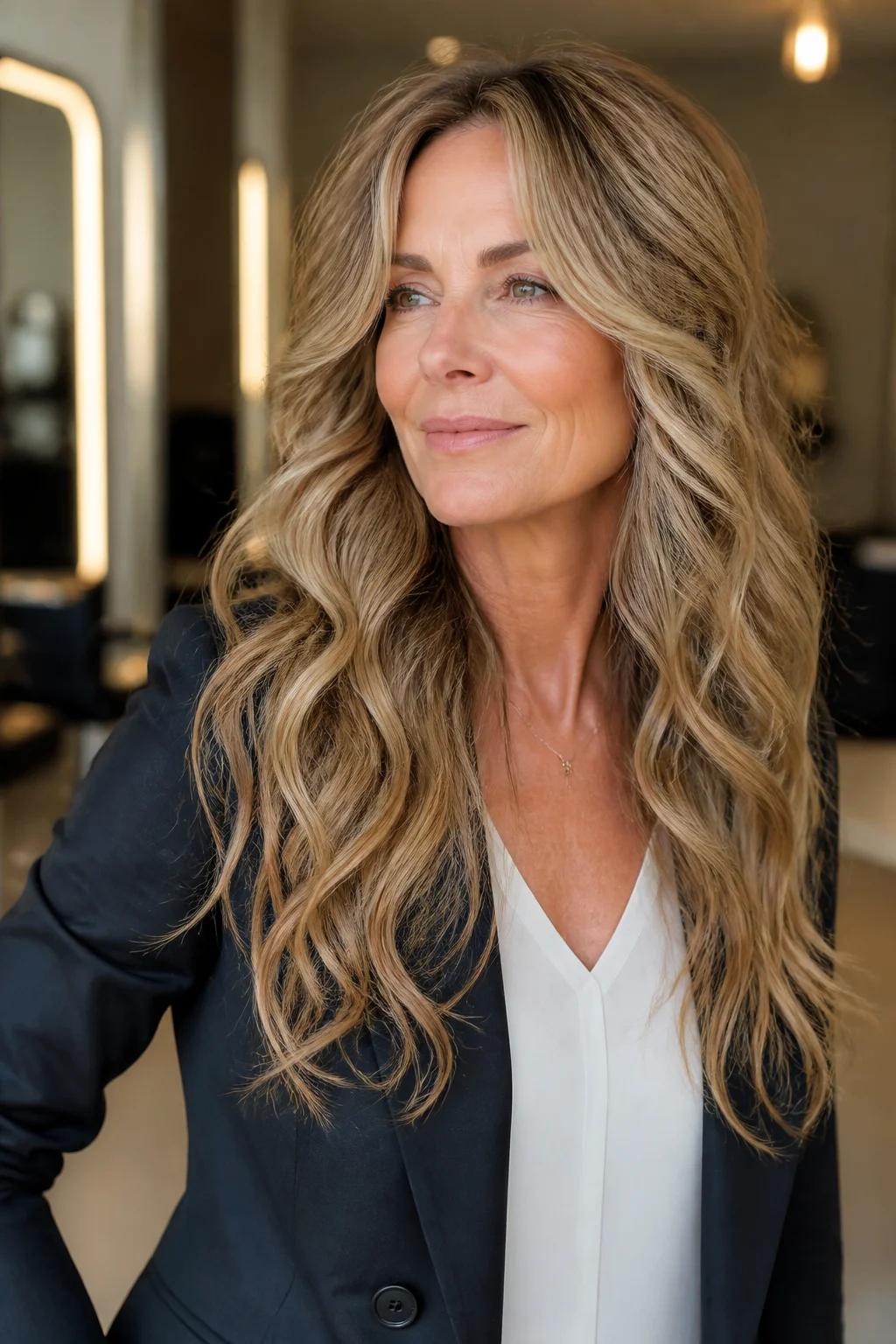
This cut keeps the back long and mostly untouched while adding shorter, face-framing layers up front. Curly hair benefits here because the front layers spring up shorter than they’re cut, framing the face, while the back stays long and full for length and weight. It’s a good option if you love long hair but want more shape around your face specifically.
22. Long Straight Hair with Choppy Layers for Piece-y Movement
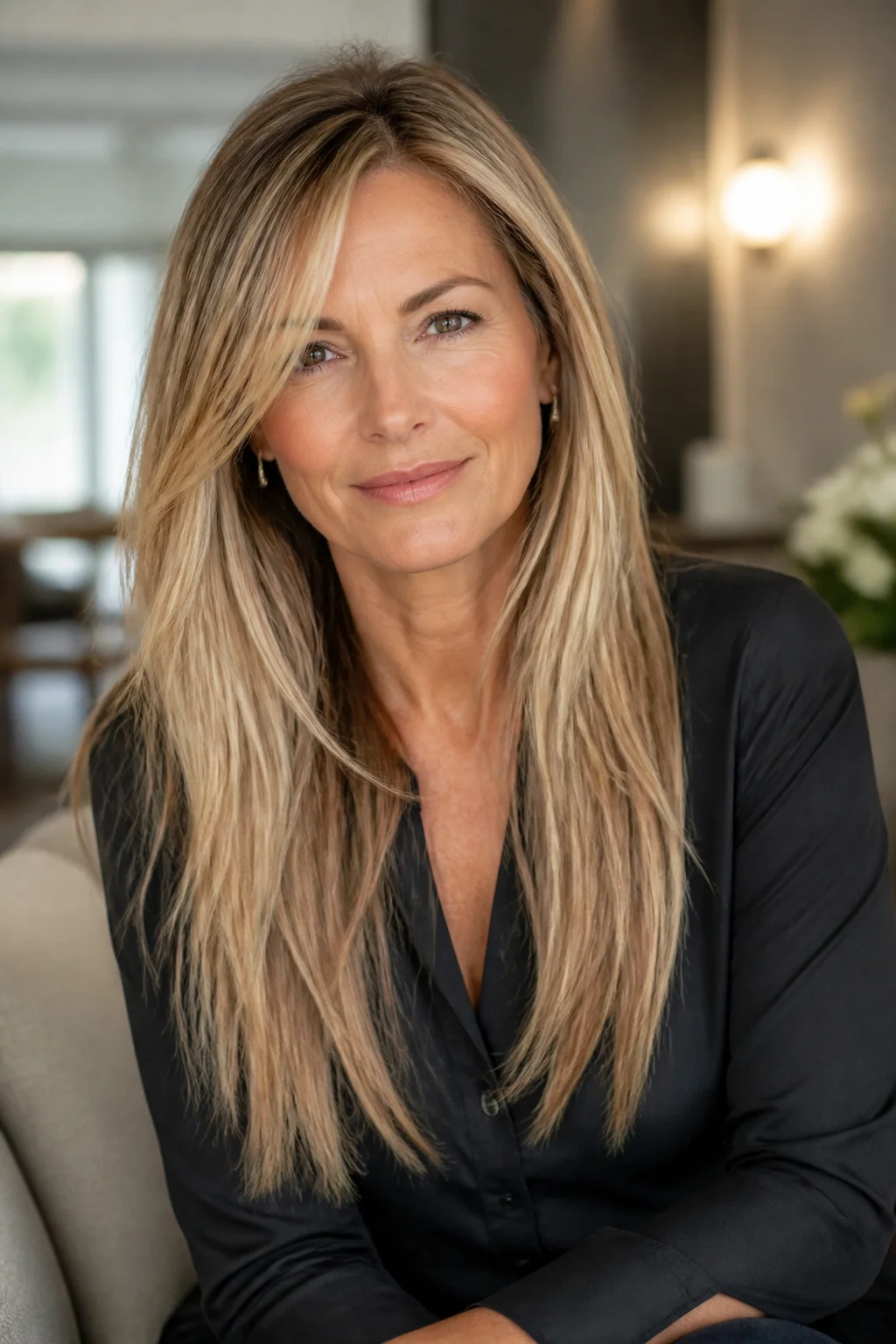
Choppy layers cut with blunt, textured tips give straight hair a piece-y, undone movement that looks good with minimal styling. This is a more casual option, less polished than blended layers, and it works especially well with a texturizing product scrunched through damp hair.
23. Long Thick Hair with Deep Layers and Textured Styling Routine
Thick hair with deep layers cut throughout needs a styling routine that supports the texture rather than fighting it. This look pairs long, heavily layered hair with a daily routine built around lightweight products, like a texturizing spray or light-hold mousse, rather than heavy creams that weigh curls or waves down. The deep layers remove significant bulk, so hair dries faster and feels lighter on the head. Because there’s less density per section, diffusing or air-drying takes less time than with one-length thick hair. Over time, this combination of deep layering and a consistent light-product routine keeps thick hair looking shaped instead of bulky, even as it grows between appointments.
Which Layered Look Fits Your Hair Type
Picking the right layer style comes down to your hair’s texture and how much volume you actually want. If your hair is fine and straight, look toward micro-layers or stacked interior layers at the crown rather than deep choppy layers, since heavy layering on fine hair can leave ends looking thin. Thick hair benefits most from deep choppy layers or graduated longer layers, both of which remove bulk without sacrificing length. Curly hair does best with rounded layers or elongated layers, depending on whether you want to control volume or stretch out the curl pattern.
A common mistake is asking for the same layering technique regardless of hair type. Deep choppy layers that look great on thick hair can leave fine hair looking sparse and see-through. Similarly, blunt ends with subtle interior layers work beautifully for fine hair but can make thick hair feel heavier than it needs to be. If you’re unsure, start conservative. You can always ask for more layers at your next appointment, but you cannot put hair back once it’s cut. Bring a photo of the specific look you want, whether that’s the shaggy mid-length layers or the smooth blended layers throughout, so your stylist can adjust the technique to your texture instead of copying the photo exactly.
Layered long hair over 50 gives you options that work with your natural texture instead of against it. Whether you choose subtle face-framing pieces or deep layers throughout, the right cut should feel lighter, move better, and still let you keep the length you’ve grown out. Talk with your stylist about your hair type and daily routine before committing to a technique, since the best layered cut is the one that fits how you actually live, not just how it looks in a photo.