Long hair past seventy gets a bad reputation it doesn’t deserve. Plenty of women keep length well into their eighties, and the right cut makes hair look thicker, softer around the face, and easier to manage than a lot of short styles ever do. The trick is choosing shapes that work with thinning patterns, finer texture, and gray or silver tones instead of fighting them. These long haircuts for women over 70 focus on layers that build movement, bangs that soften the face, and finishing touches that keep ends from looking stringy or flat. None of this requires giving up length you love. A good stylist can trim, texturize, and reshape long hair so it still feels like you, just lighter and more alive. Below are two dozen ways to keep your hair long without letting it look tired or dated.
Soft Layers Throughout
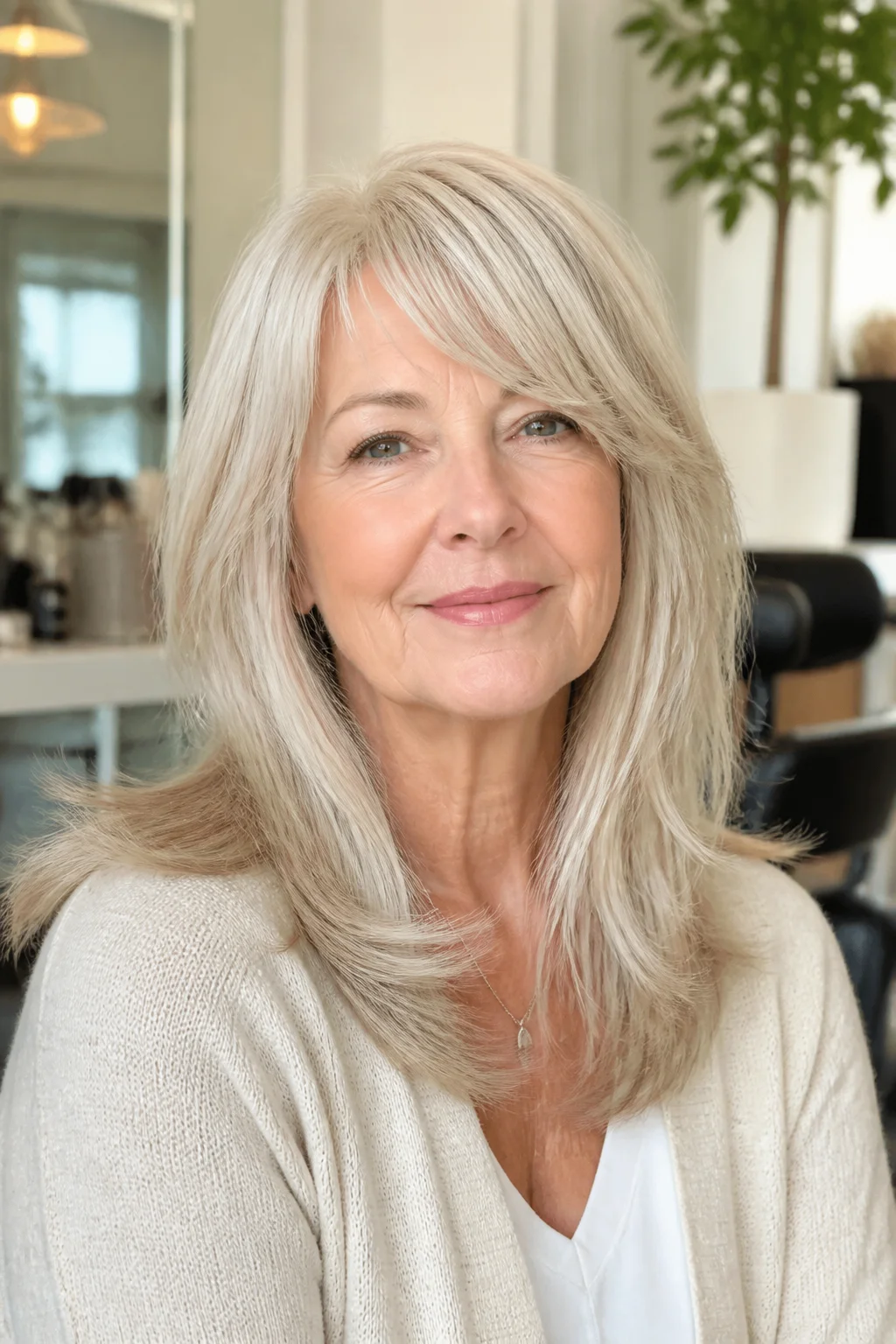
Layers cut evenly through the length lift hair away from the scalp and give it a rounder, fuller shape. This works especially well on fine or thinning hair because it removes the heavy, flat bottom that drags hair down. The layers start around cheekbone height and continue to the ends, so movement builds gradually instead of all at once. Ask your stylist to keep the layers long rather than short and choppy, since shorter pieces near the crown can make thin hair look sparse. Tip: request a diffuser-friendly blow dry demonstration so you can recreate the volume at home without extra tools. A light mist of heat protectant before styling helps the finish last.
Long Textured Bob with Movement
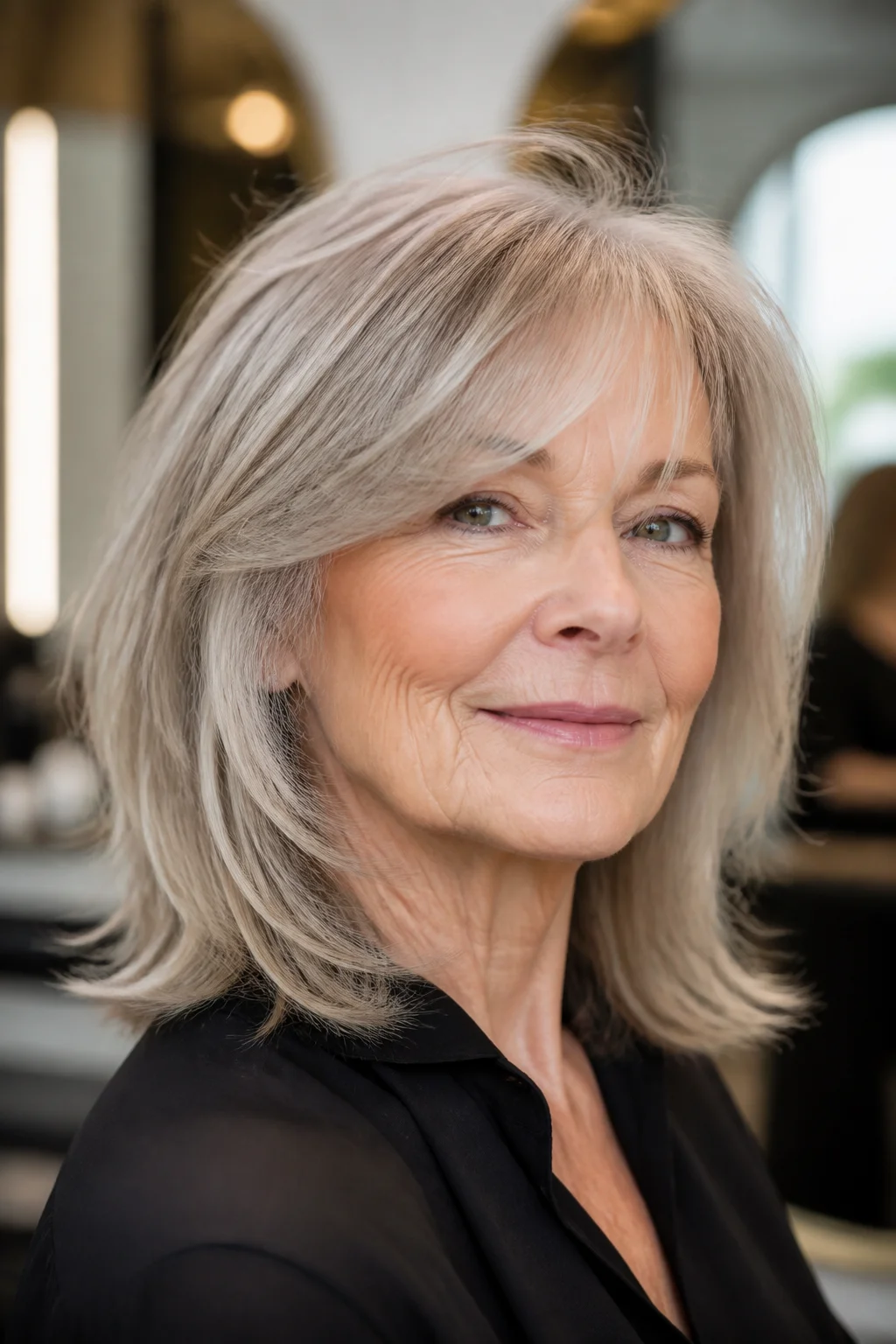
This shoulder-grazing shape trades a few inches of length for a lot of body. Texturizing scissors remove weight from the ends so hair moves instead of hanging stiff.
It suits straight or wavy hair equally well and needs very little styling beyond a quick blow dry. Tip: ask for point-cutting rather than thinning shears, since point-cutting keeps ends soft without creating fly-aways. A light mist of heat protectant before styling helps the finish last. A light mist of heat protectant before styling helps the finish last.
Sleek Center Part with Subtle Waves
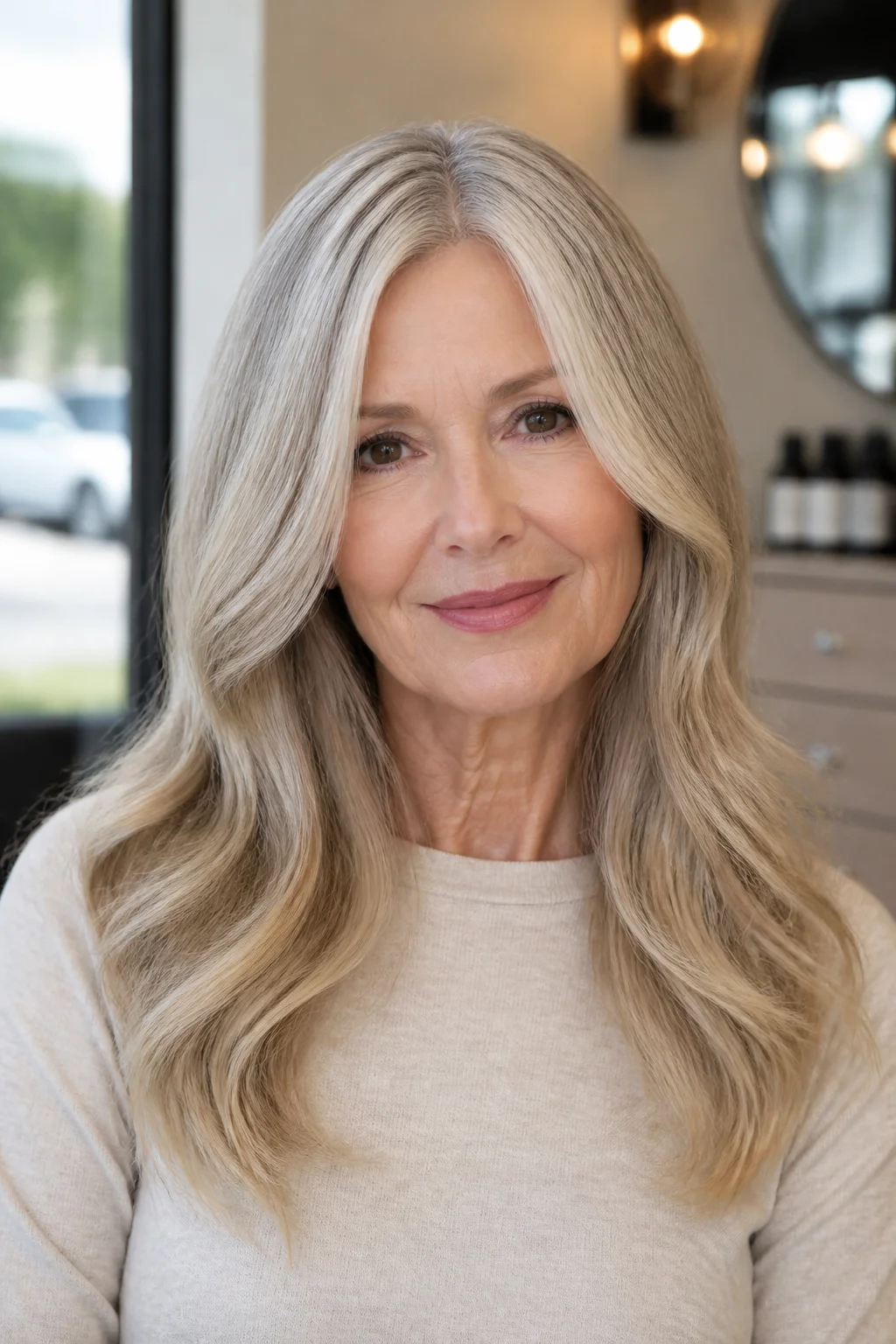
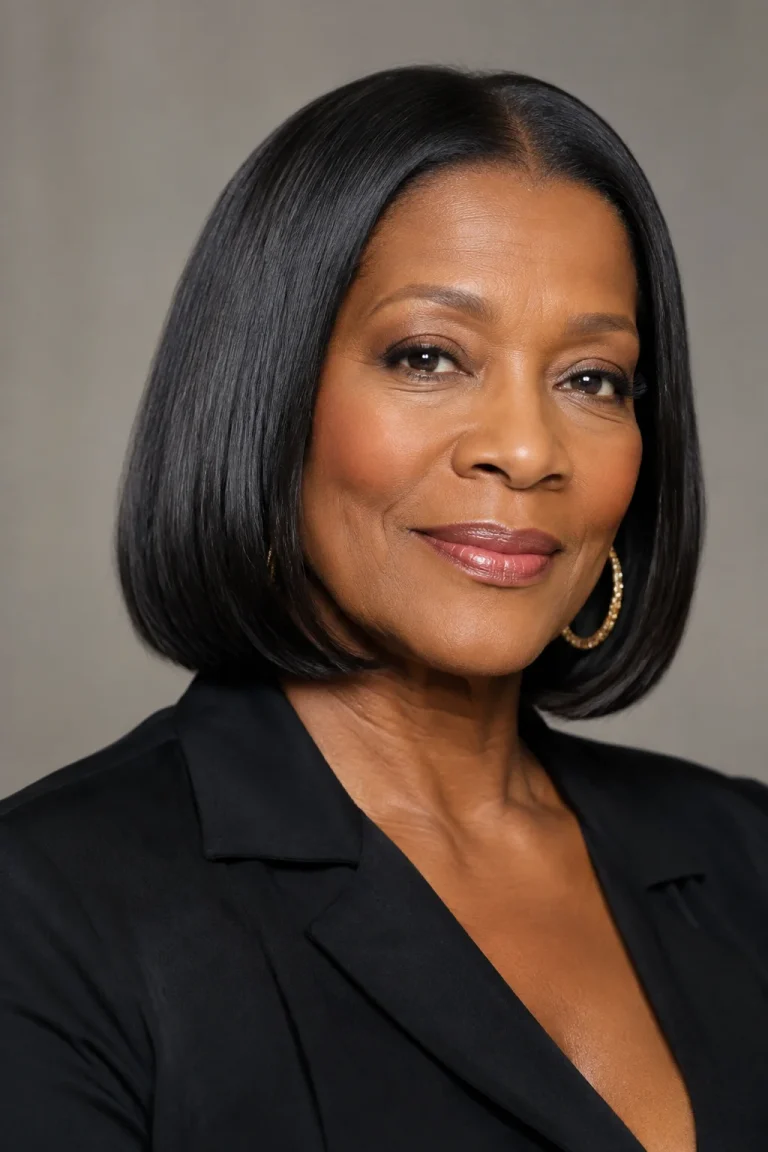
A center part reads calm and put-together, and it flatters most face shapes once you hit your seventies because it doesn’t pull attention to any one feature. Loose waves added through the mid-lengths keep the style from looking severe. The part itself should sit exactly between the eyebrows for the most balanced effect. This cut works on hair of almost any density, though it looks fullest when the ends are blunt rather than heavily layered.
Shaggy Mullet Long Cut
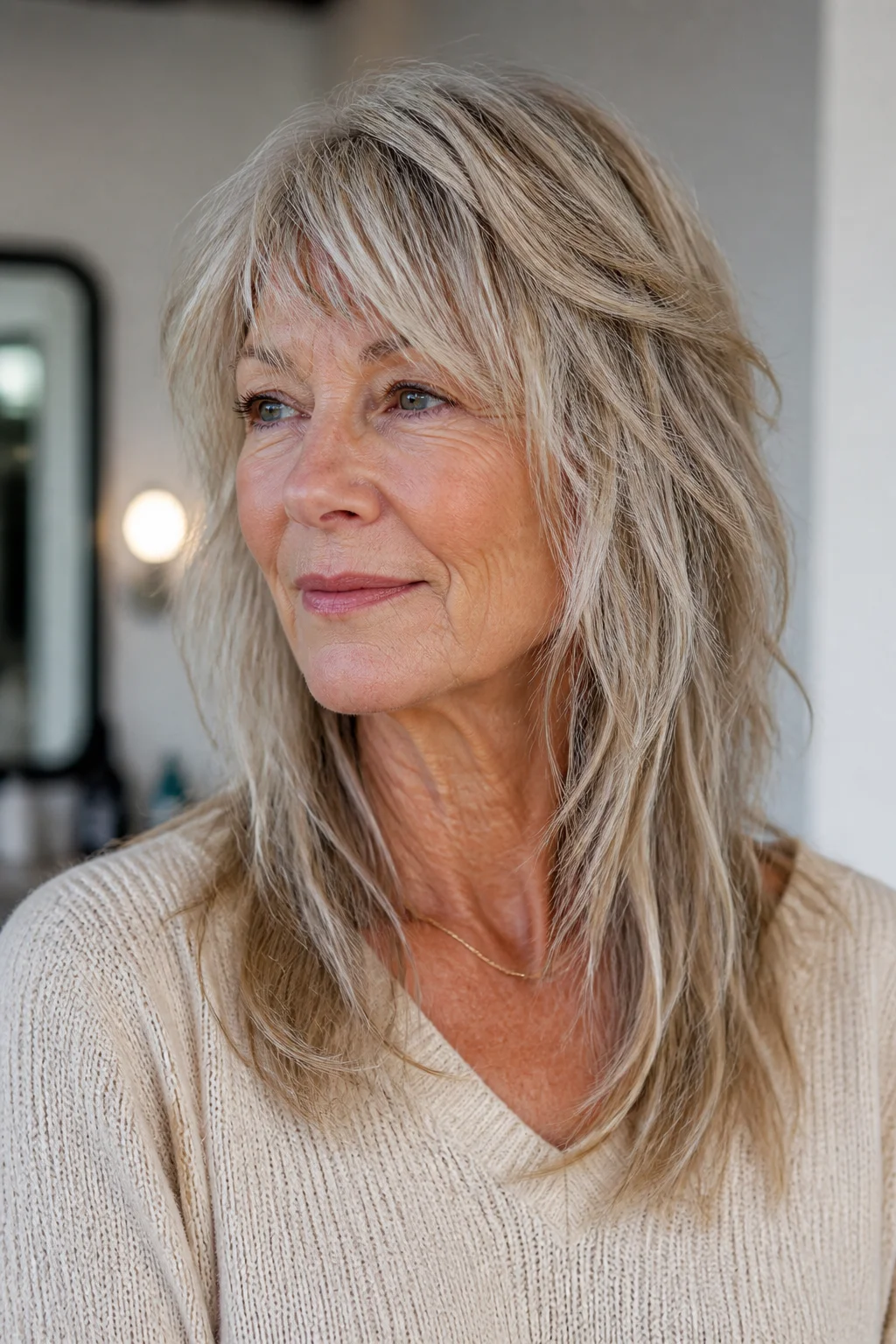
Shorter layers around the crown and longer pieces down the back give this cut serious texture without sacrificing length. It’s a bolder pick, and it rewards women who want their hair to look a little undone on purpose. The shorter top layers create lift right at the root, which helps fine hair especially. Compared to a traditional layered cut, the mullet shape puts more contrast between short and long sections, so the overall silhouette feels edgier and less predictable.
Straight and Blunt with Wispy Bangs
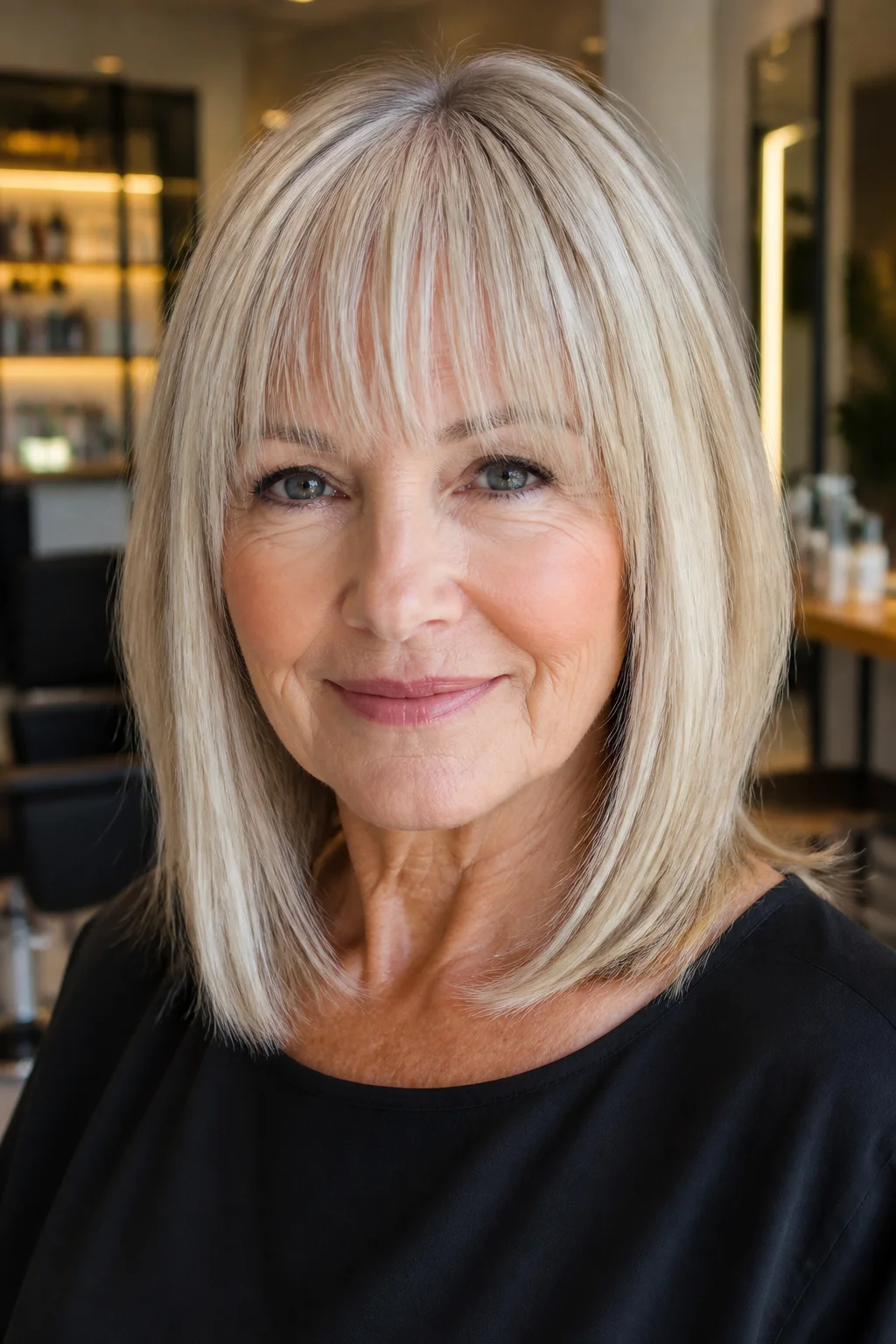
Keeping the length straight and blunt at the bottom gives hair a clean, strong line, and wispy bangs soften that line right at the forehead. The bangs are cut with a razor or thinning shears so they never look like a heavy curtain. This pairing works best on hair with decent thickness since blunt ends show off density. Tip: have your stylist point-cut the very bottom edge so the blunt line doesn’t look too severe under bright light.
Curly Long Layers with Bounce
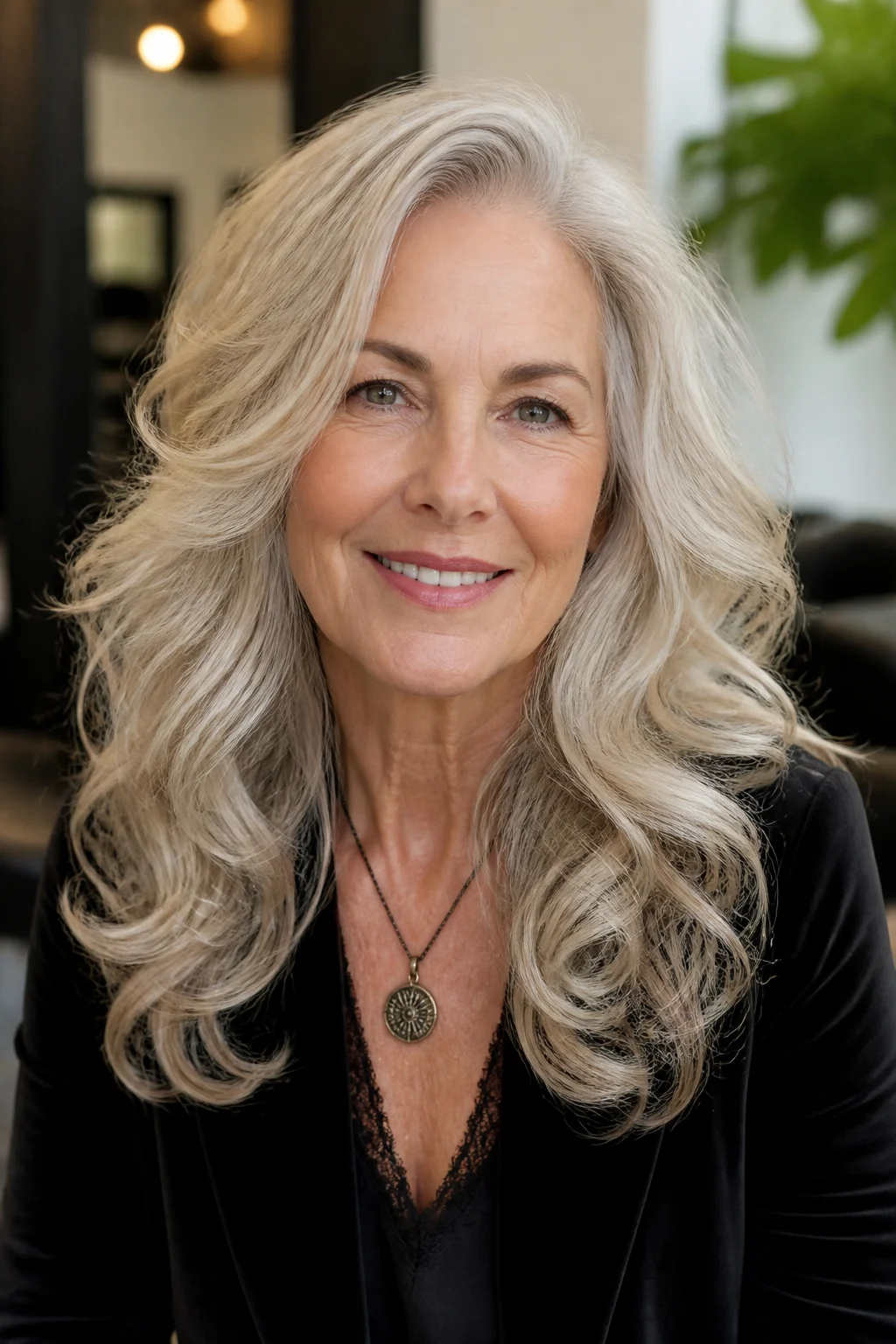
Curls need layers cut dry, curl by curl, so each ring falls where it actually wants to sit. Long layers remove bulk without cutting off the spirals that give curly hair its shape. This approach keeps the bottom from looking triangular, which is the most common complaint with long curly cuts. Add a leave-in cream after washing and scrunch gently rather than rubbing, since rubbing breaks up the curl pattern and leads to frizz.
Long Hair with Undercut Sides
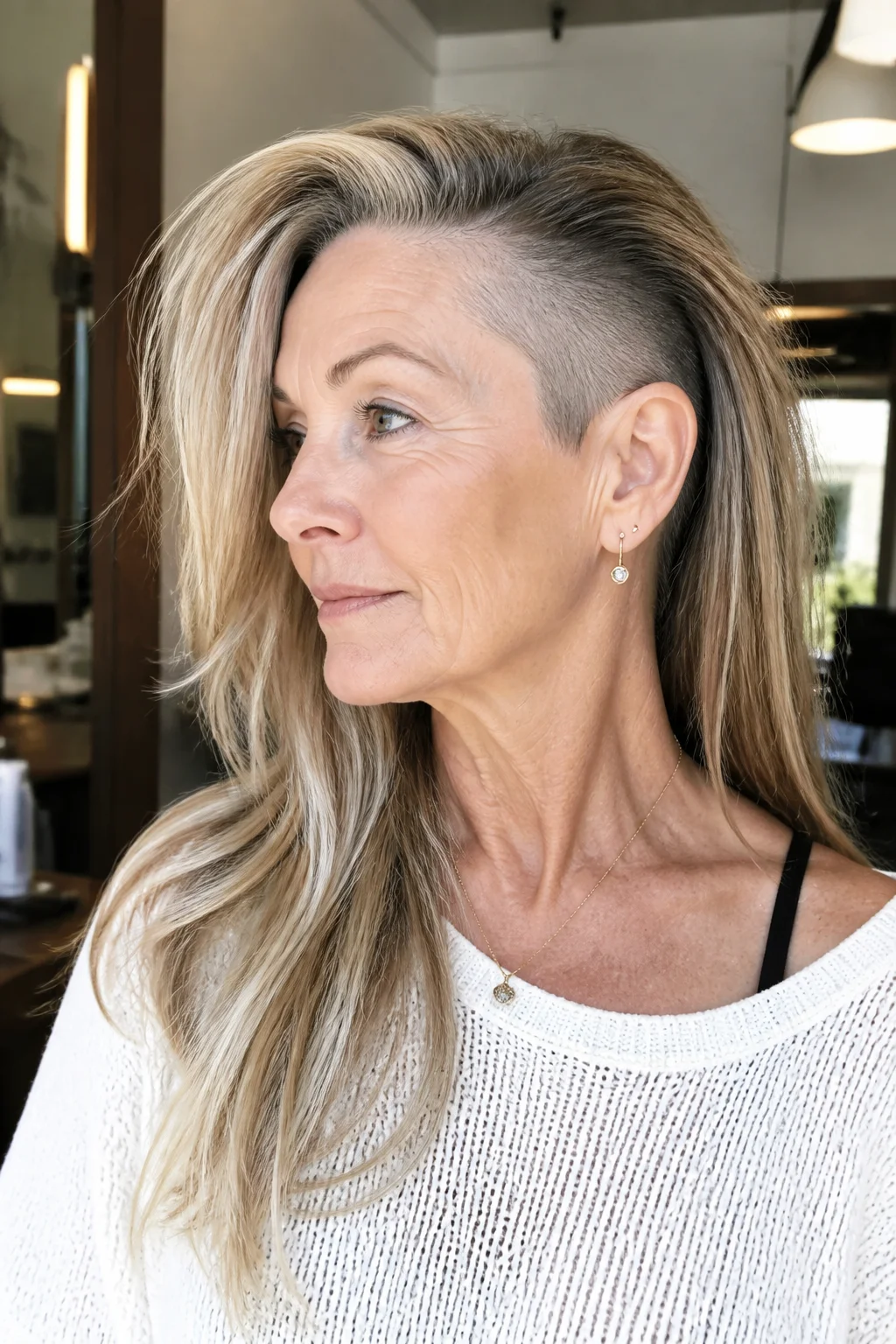
Shaving or closely cropping the hair underneath the top layer creates hidden texture and takes weight off a thick head of hair. From the front and top, the length looks completely normal and long. It’s a good option if your hair feels too heavy at the nape or if summer heat makes long hair uncomfortable. The undercut stays hidden when the top hair is down, so it works even in more conservative settings.
Wavy Shoulder-Length Extension
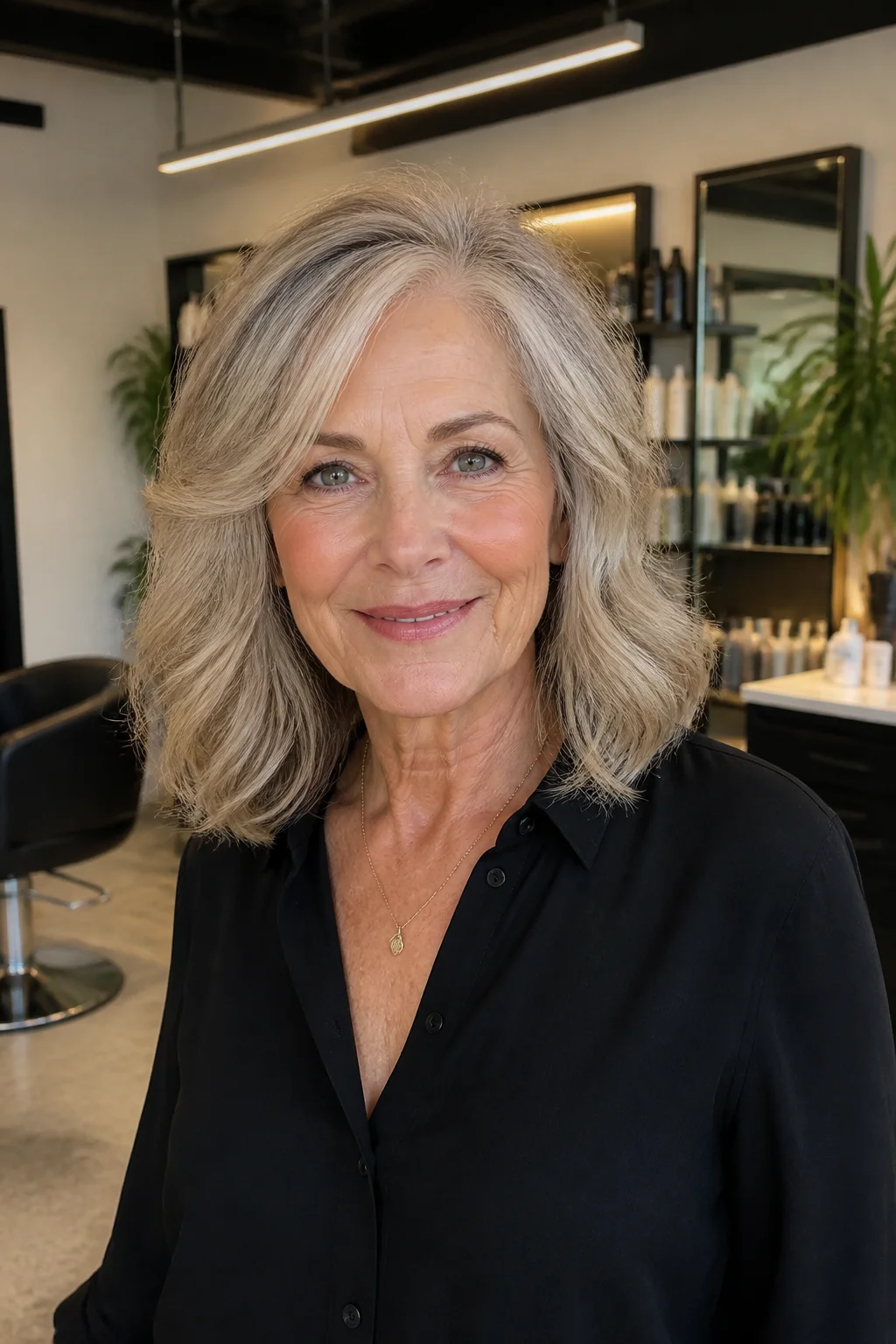
This is long hair pushed just past the shoulder, cut with soft waves woven through with a curling iron or wand. It sits at a length that’s easy to sleep on without tangling too much overnight. The waves add width at the jaw and chin, which balances out narrower face shapes. Tip: use a large barrel iron and only curl the mid-lengths and ends, skipping the roots so the wave looks natural instead of set.
Graduated Long Layers for Fine Hair
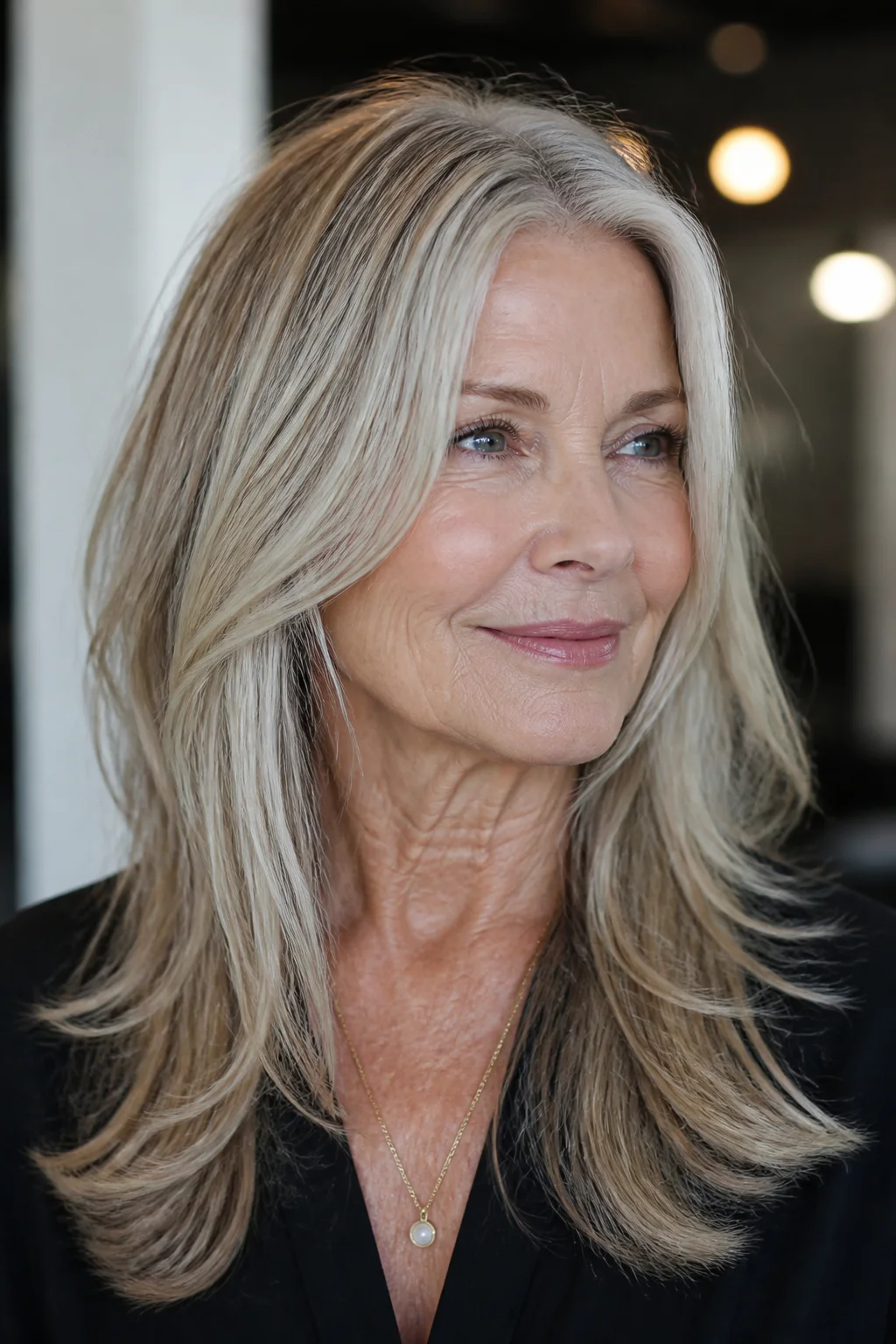
Graduated layers are cut at an angle so the underneath sections are shorter than the top ones, building volume from the inside out. This technique is one of the best fixes for fine hair that tends to look see-through at the ends. The graduation happens gradually, so there’s no visible line where one layer stops and another begins. It also helps hair hold a curl or wave longer since the layered sections have less weight pulling them straight.
Asymmetrical Long Cut with Side Sweep
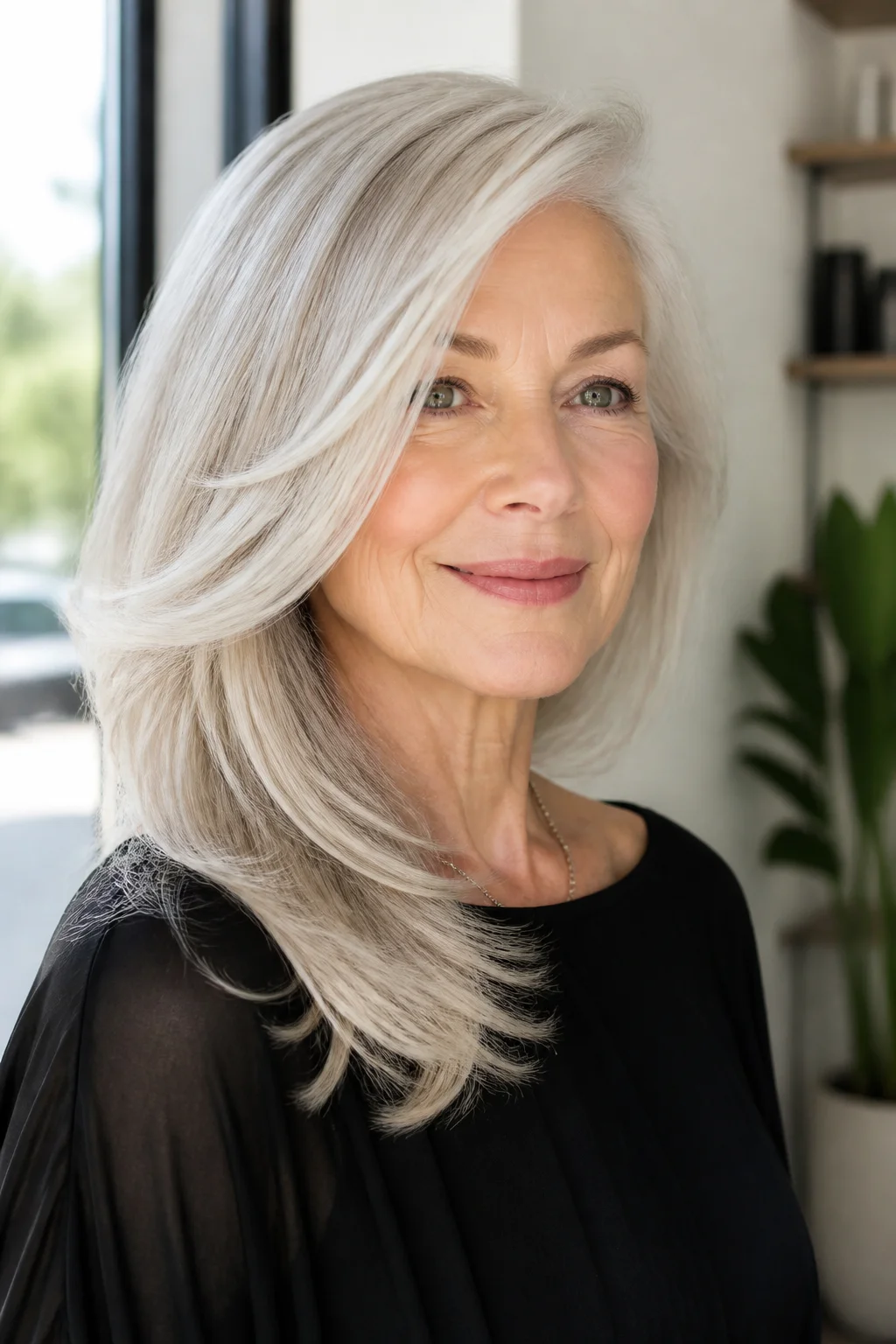
One side falls slightly longer than the other, and the front pieces sweep across the forehead instead of sitting straight down. This asymmetry draws the eye diagonally, which tends to slim and soften the whole face. It works with straight or wavy textures and needs a strong side part to look intentional rather than accidental.
Long Shag with Tousled Texture
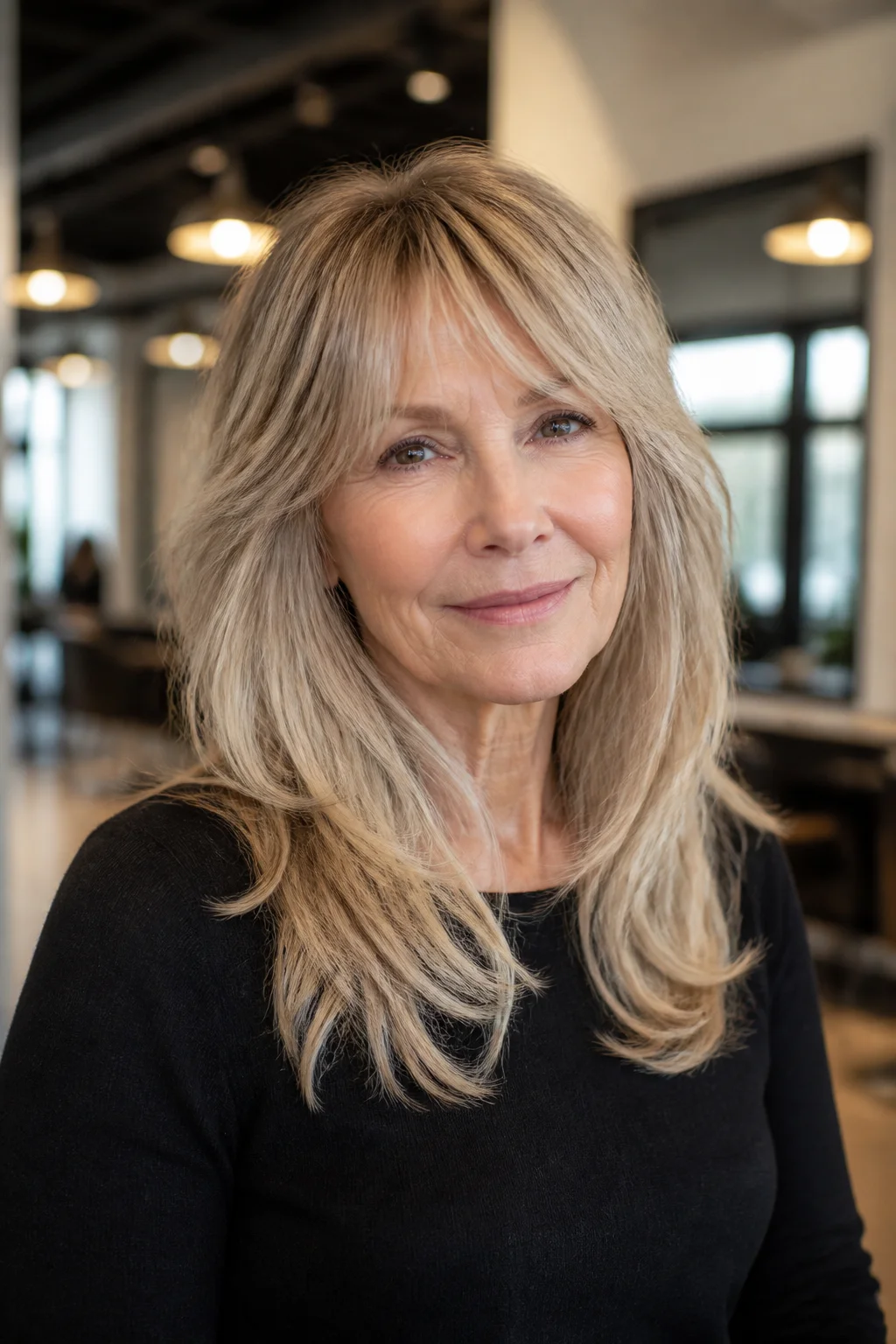
Shags built for long hair use layers cut all over, not just at the ends, so texture shows up from root to tip. The result looks a little wild in the best way, almost like hair that’s spent the day at the beach. Fine hair benefits most since the shag layers create the illusion of thickness. A texturizing spray or dry shampoo worked through damp hair before it air dries helps the tousled effect show up without heat styling. This cut also grows out gracefully, so trims can stretch a little longer between salon visits.
Straight Long Hair with Face-Framing Pieces
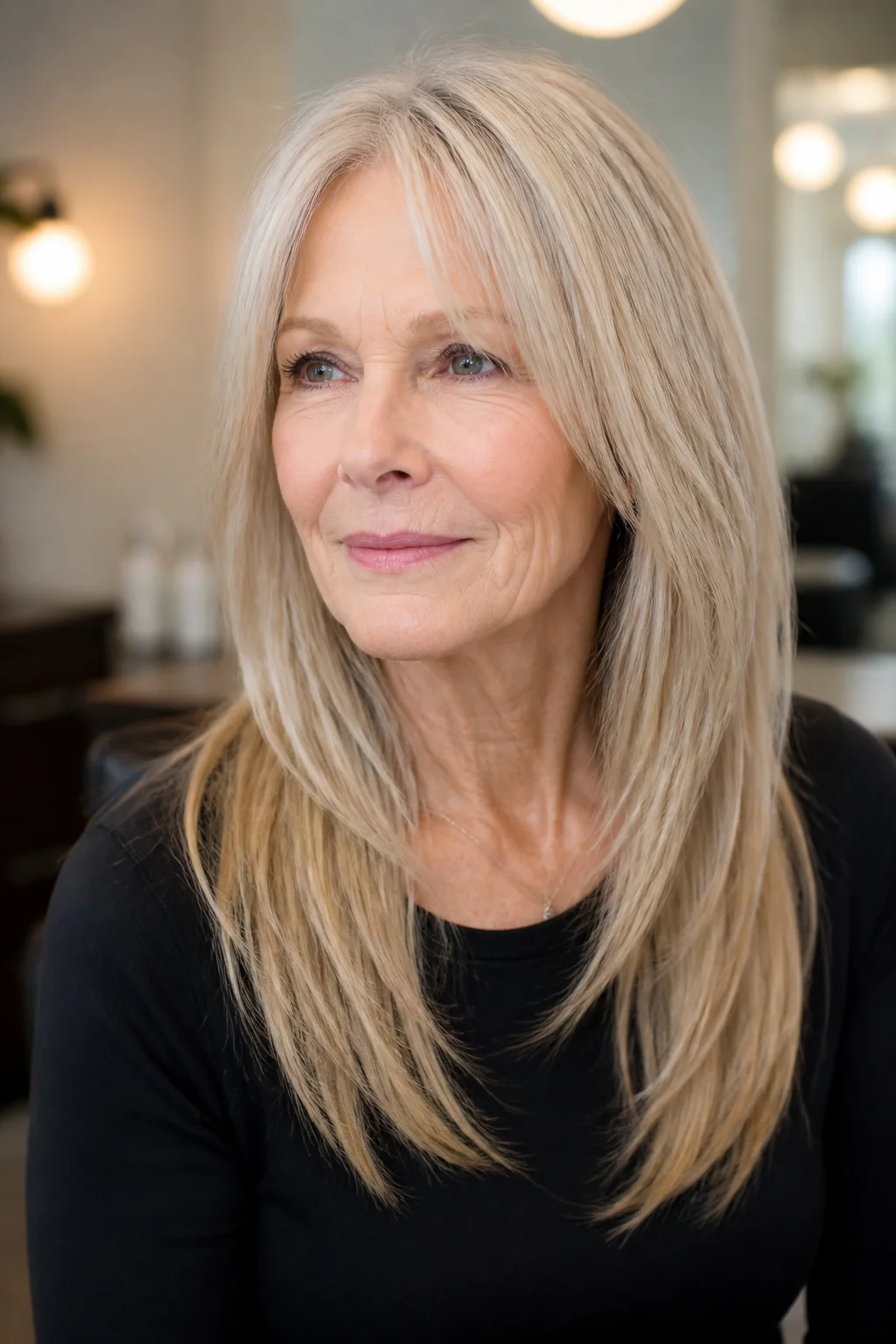
Keeping most of the length straight and uncut while adding a few face-framing pieces around the cheeks gives long hair a softer front without touching the overall shape. The framing pieces are usually cut a few inches shorter than the rest and can be curled separately for extra emphasis. This is a low-commitment way to update long hair that you don’t want to cut much.
Long Layers with Texture and Volume
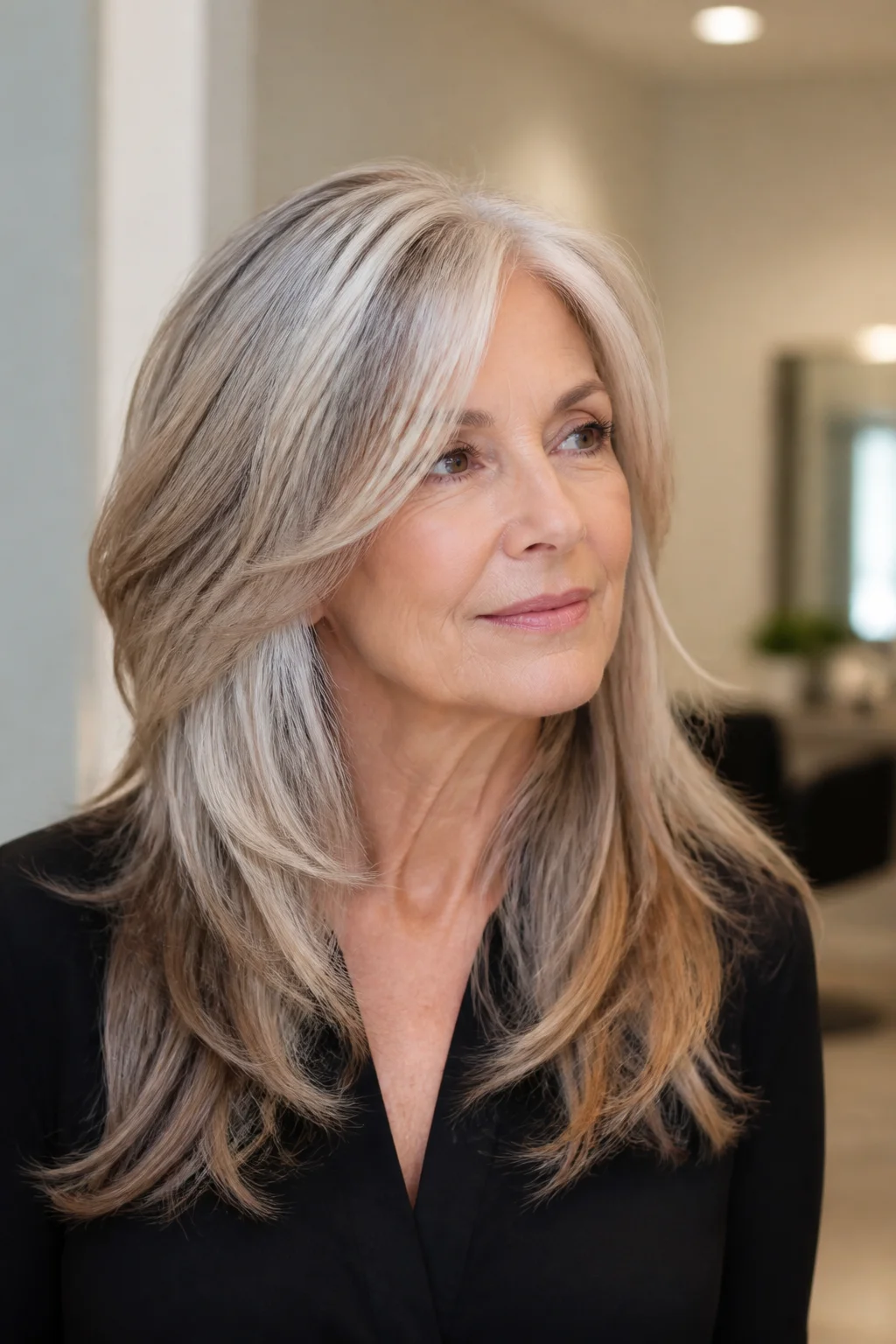
Layers here are cut with a mix of lengths, some ending at the collarbone and others reaching further down, to build volume through the crown and mid-lengths. The variation in layer length is what creates the fuller look, rather than any single dramatic layer. This cut suits medium to thick hair particularly well since there’s enough density to support the layering without looking thin at the ends. Blow drying with a round brush at the roots gives the layers extra lift that lasts through the day.
Side-Parted Long Waves
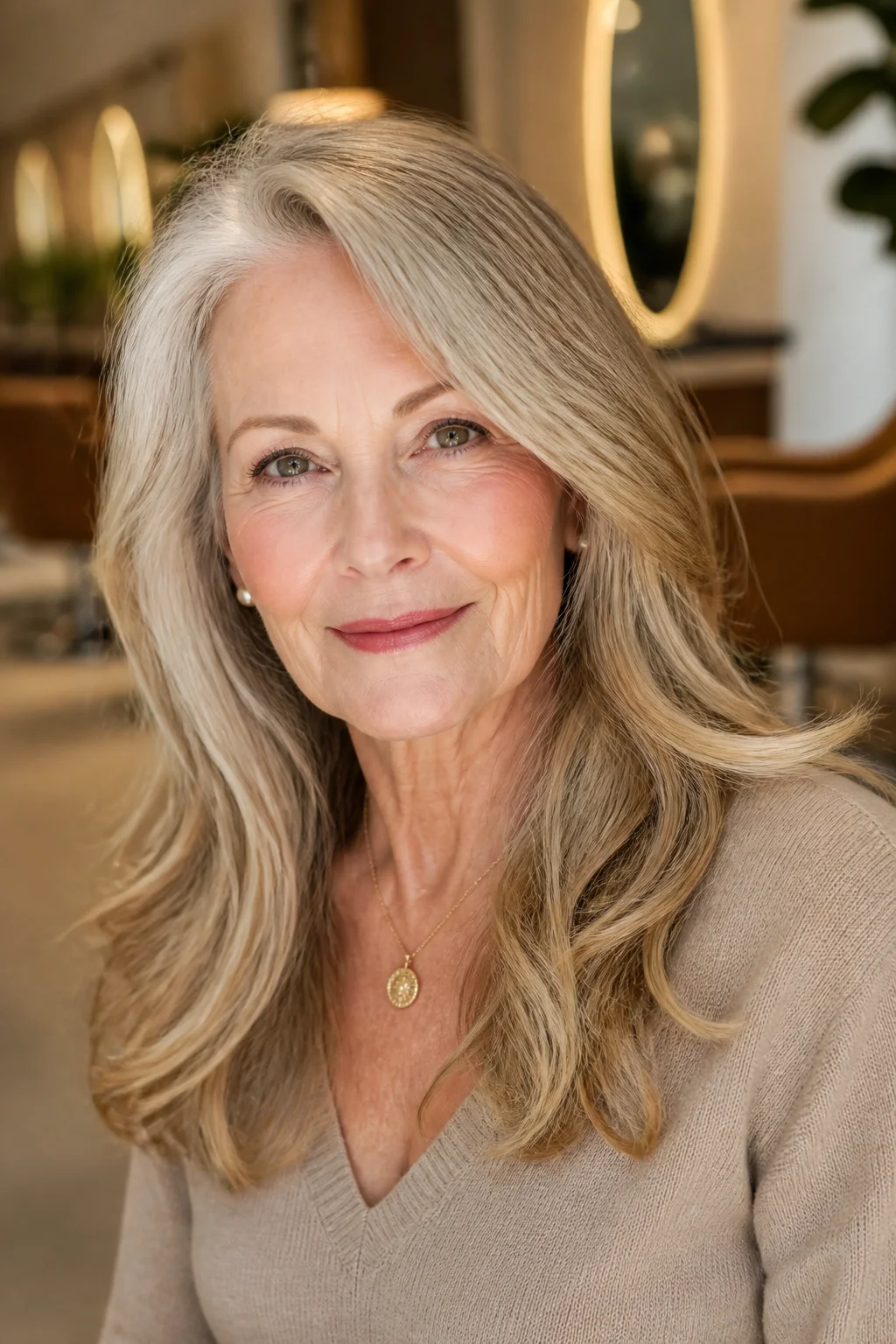
A deep side part changes the whole geometry of a long haircut, since more hair falls on one side than the other. Waves through the length keep the heavier side from looking flat against the head. Tip: switch which side you part your hair on every few washes so the roots don’t develop a permanent flat spot from always parting the same direction.
Long Curly Hair with Defined Layers
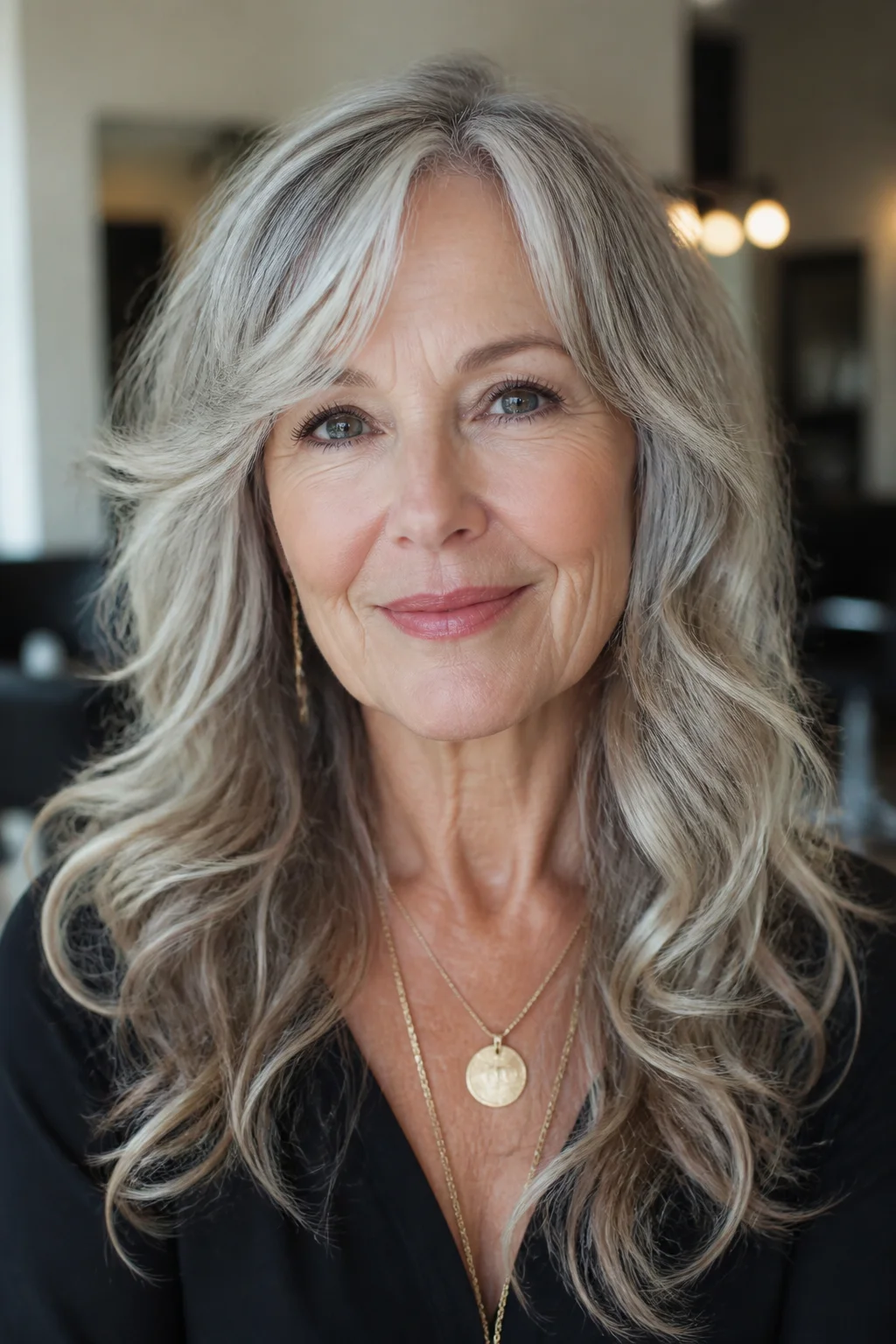
Defined layers cut specifically for curl clusters help each section of curls sit separately instead of clumping into one solid mass. This keeps long curly hair from looking heavy or shapeless at the bottom. The layers are usually cut while the hair is dry and in its natural curl state, since curls shrink and shift when wet. This approach also makes the hair easier to detangle, since defined sections don’t twist around each other as much as undifferentiated curl.
Blunt Long Bob with Minimal Layers
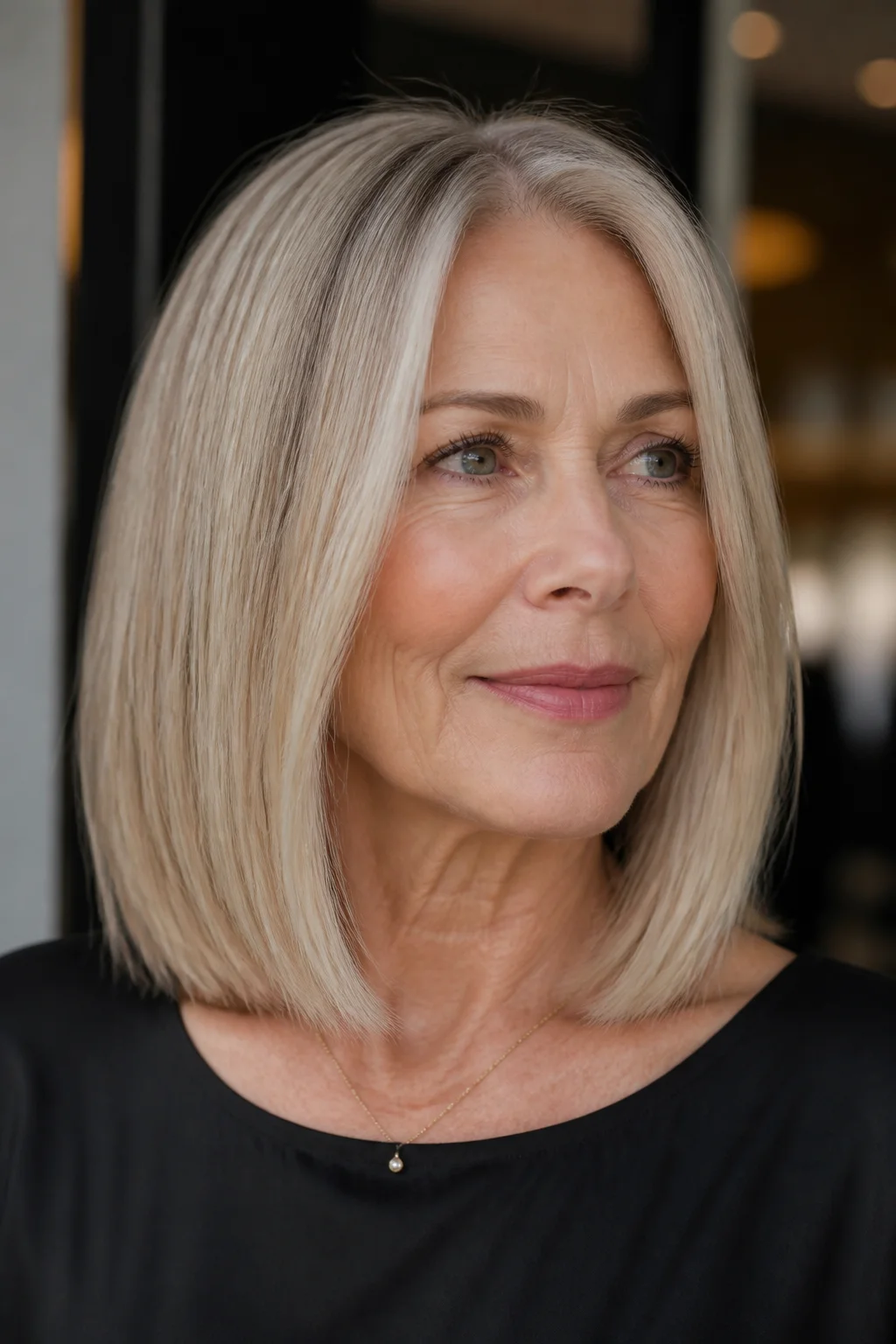
This cut keeps nearly all one length, landing right around the collarbone with barely any layering at the ends. It reads polished and modern, similar to the sharp lines you see on younger women, but the length still falls in a flattering spot for older faces and necks.
Long Hair with Choppy Bangs
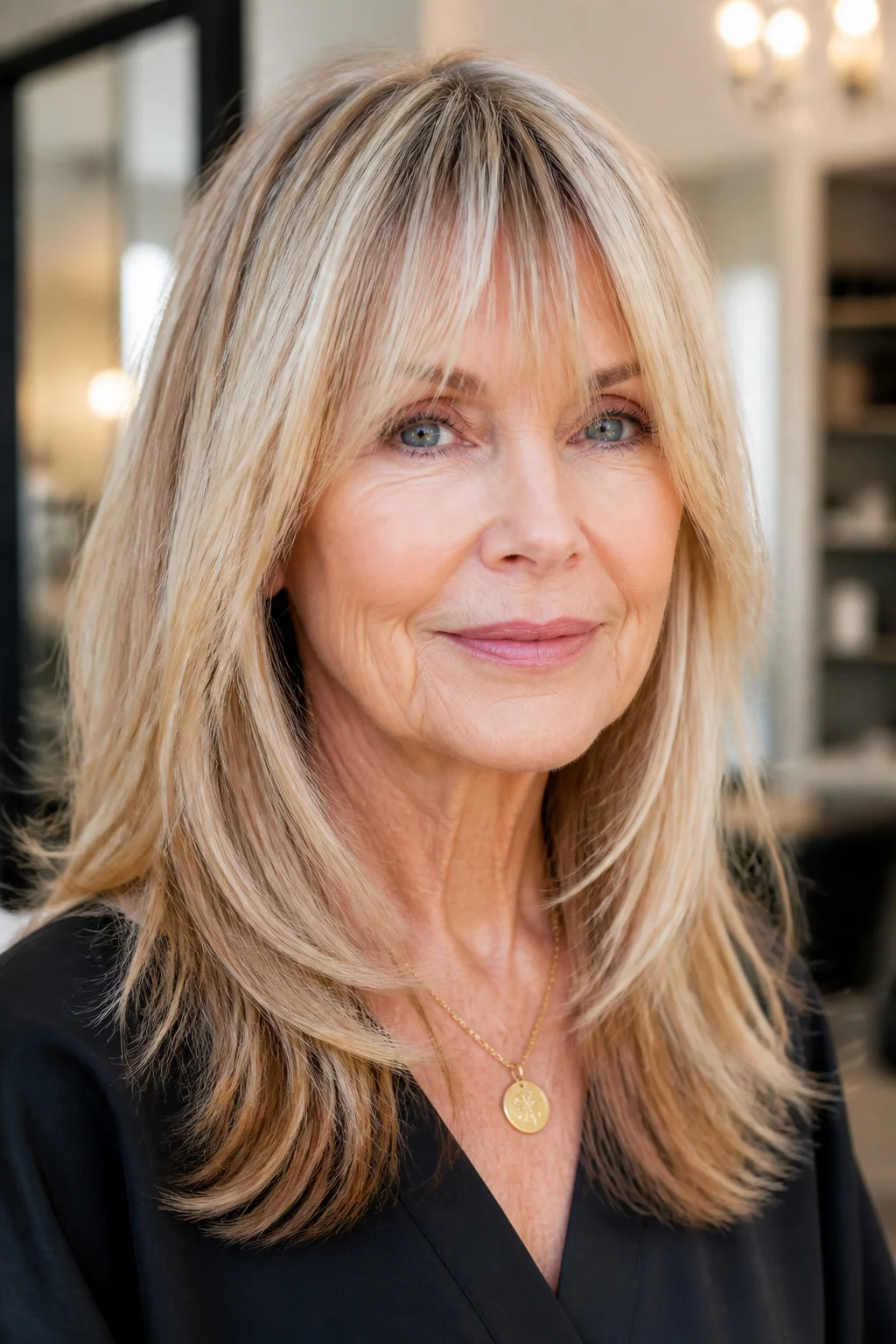
Choppy bangs are cut with a razor for a jagged, textured edge rather than a smooth blunt line. They sit just above the eyebrows and work with any long hair length behind them. This bang style hides forehead lines well since the choppy pieces fall unevenly rather than sitting in one flat row. Tip: trim your own bangs every two to three weeks between salon visits using small scissors and cutting only the very tips.
Long Layers with Feathered Ends
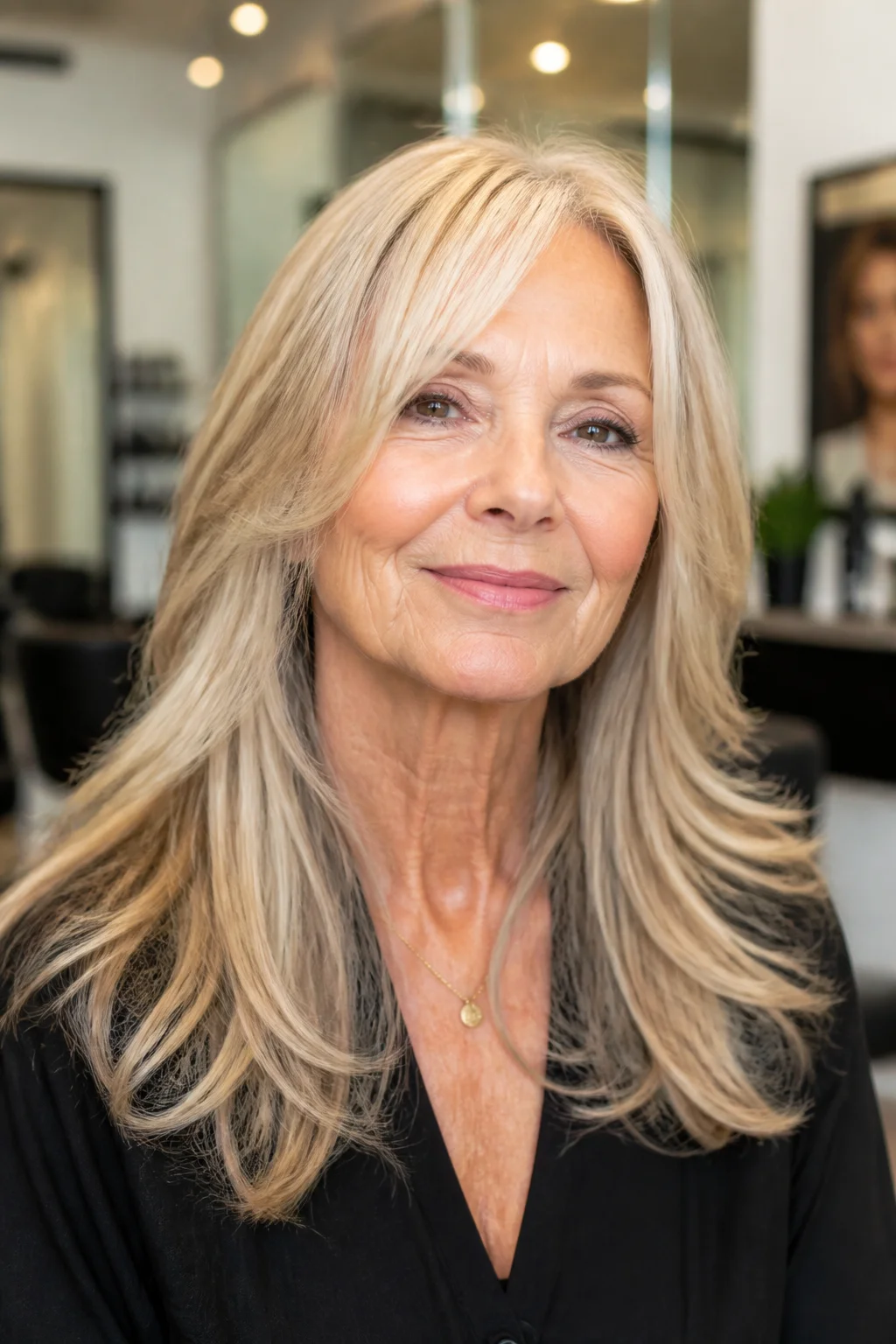
Feathering removes weight right at the ends using a razor or point-cutting technique, so the very bottom of the hair looks soft and slightly wispy instead of thick and blunt. It’s a subtle change that makes long hair feel lighter without shortening it much. This works on almost every hair type and is often the easiest way to update long hair that hasn’t been trimmed in a while.
Wavy Long Hair with Texture Spray
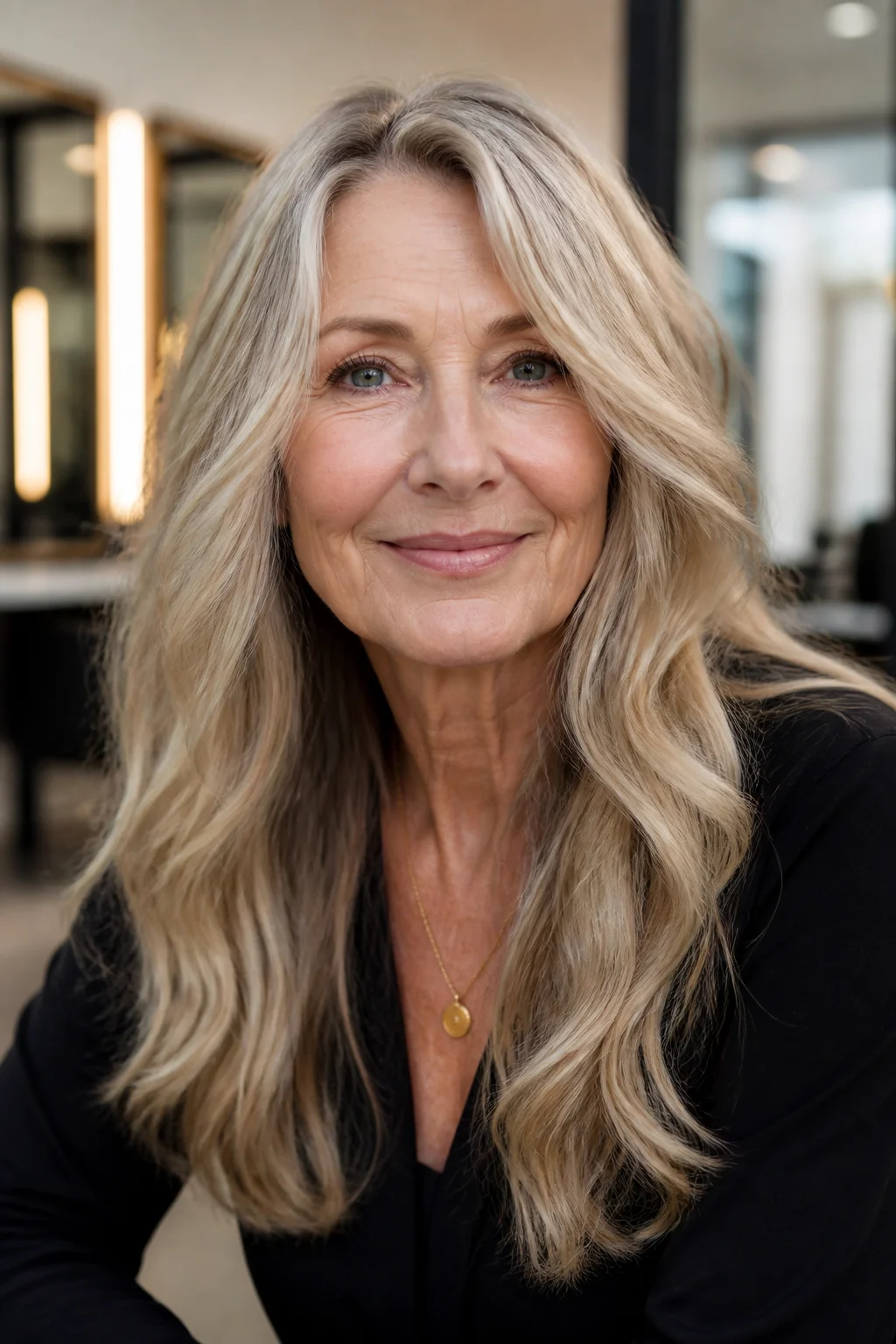
Natural waves get an extra boost from a texture spray applied to damp hair before air drying or diffusing. The spray adds grip so waves hold their shape longer and look less limp by midday. This isn’t really a haircut change so much as a styling habit, but it changes how any long layered cut looks day to day. Pair it with layers cut specifically to encourage wave movement for the best results.
Long Hair with Subtle Highlights and Layers
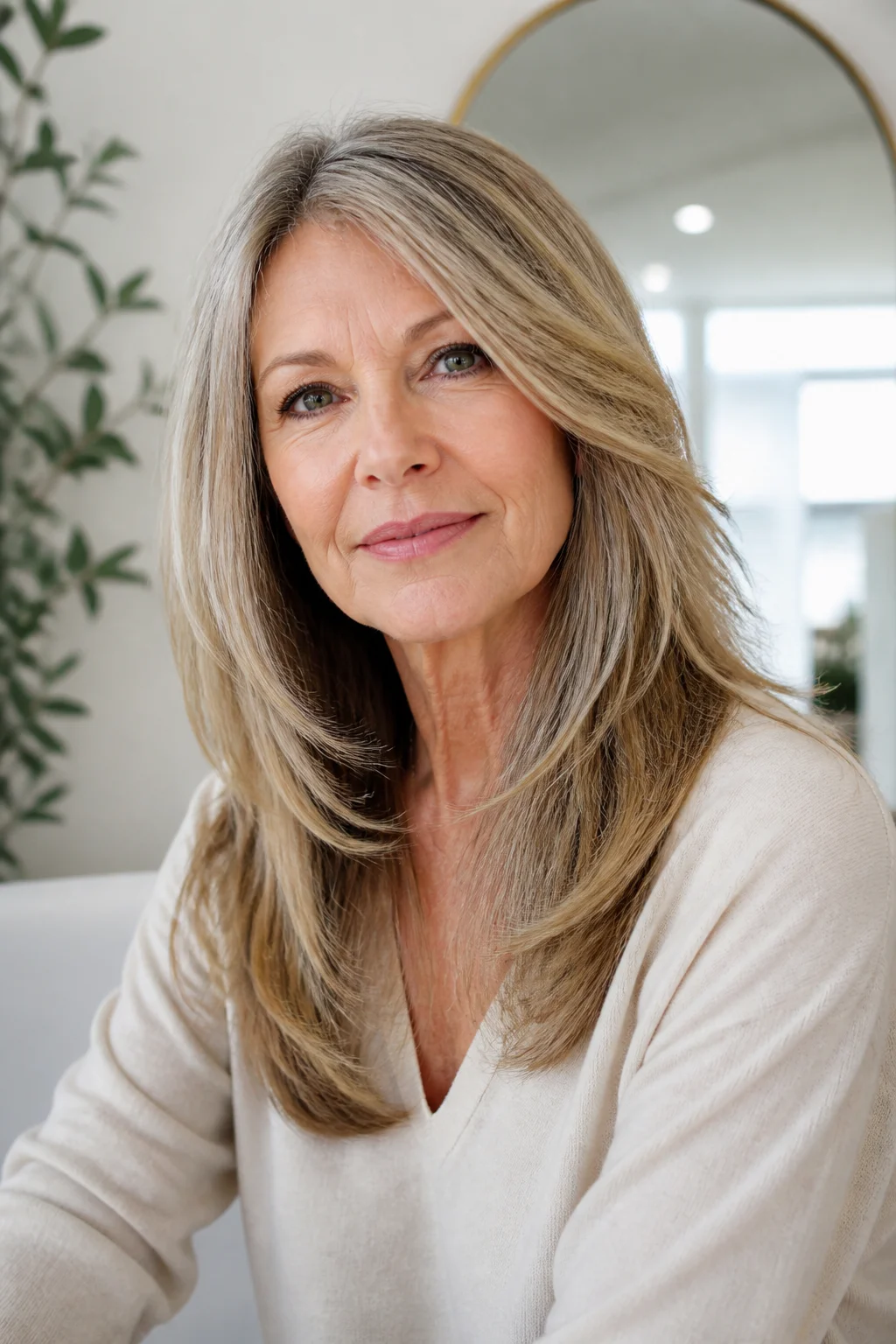
Soft highlights placed around the face and through the top layers catch the light and add dimension that solid color can’t match. Paired with long layers, the highlights follow the movement of the cut instead of sitting in flat, obvious stripes. This combination works particularly well on gray or silver hair, where subtle lighter pieces can brighten the whole style without looking like a drastic color change.
Straight Long Hair with Micro-Bangs
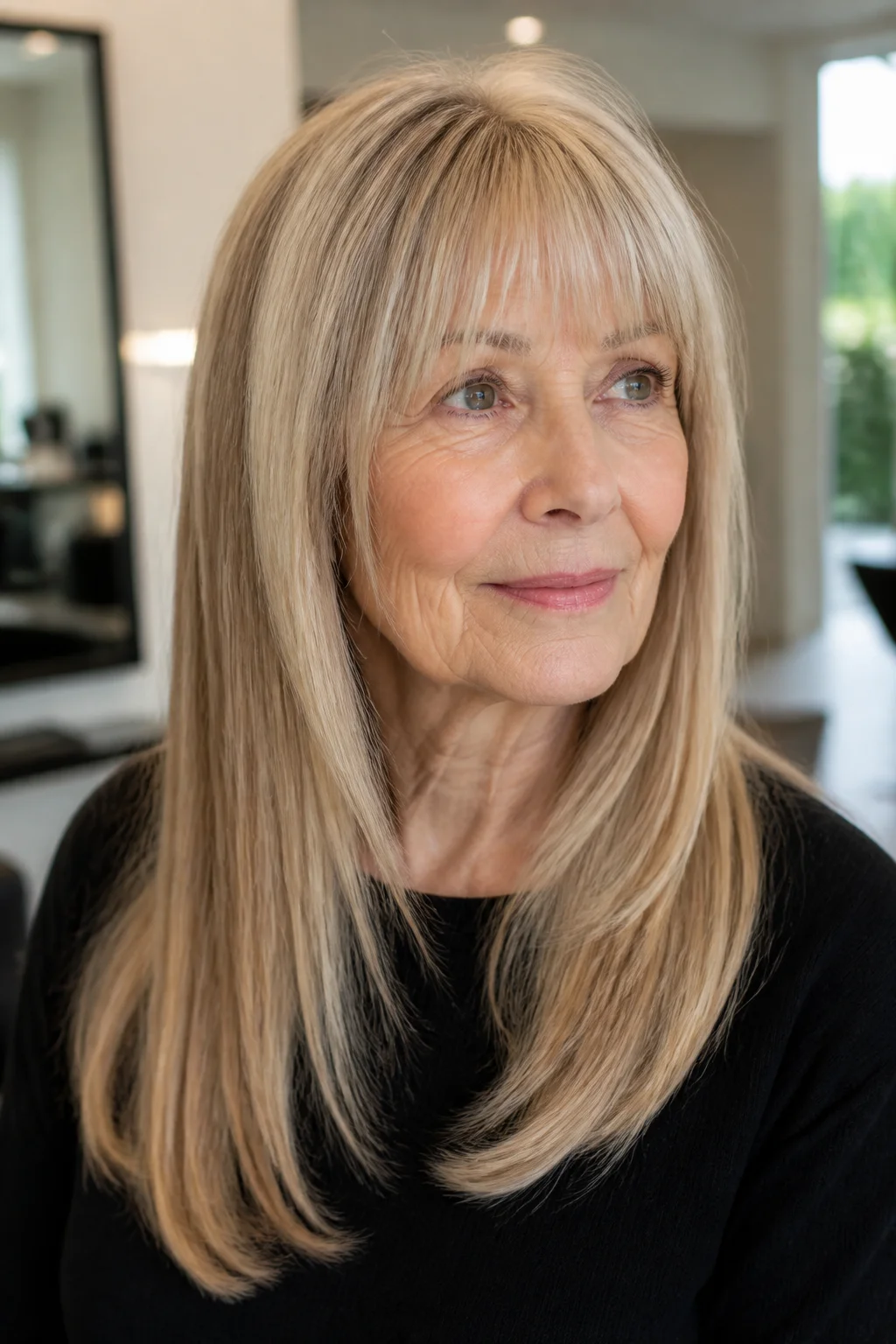
Micro-bangs sit high on the forehead, well above the eyebrows, and pair with straight long hair for a striking contrast between short and long. This is a bold choice and works best on women with strong, even foreheads and confidence to match. The rest of the hair stays straight and long, letting the bangs do all the visual work.
Long Shag with Shorter Crown Layers
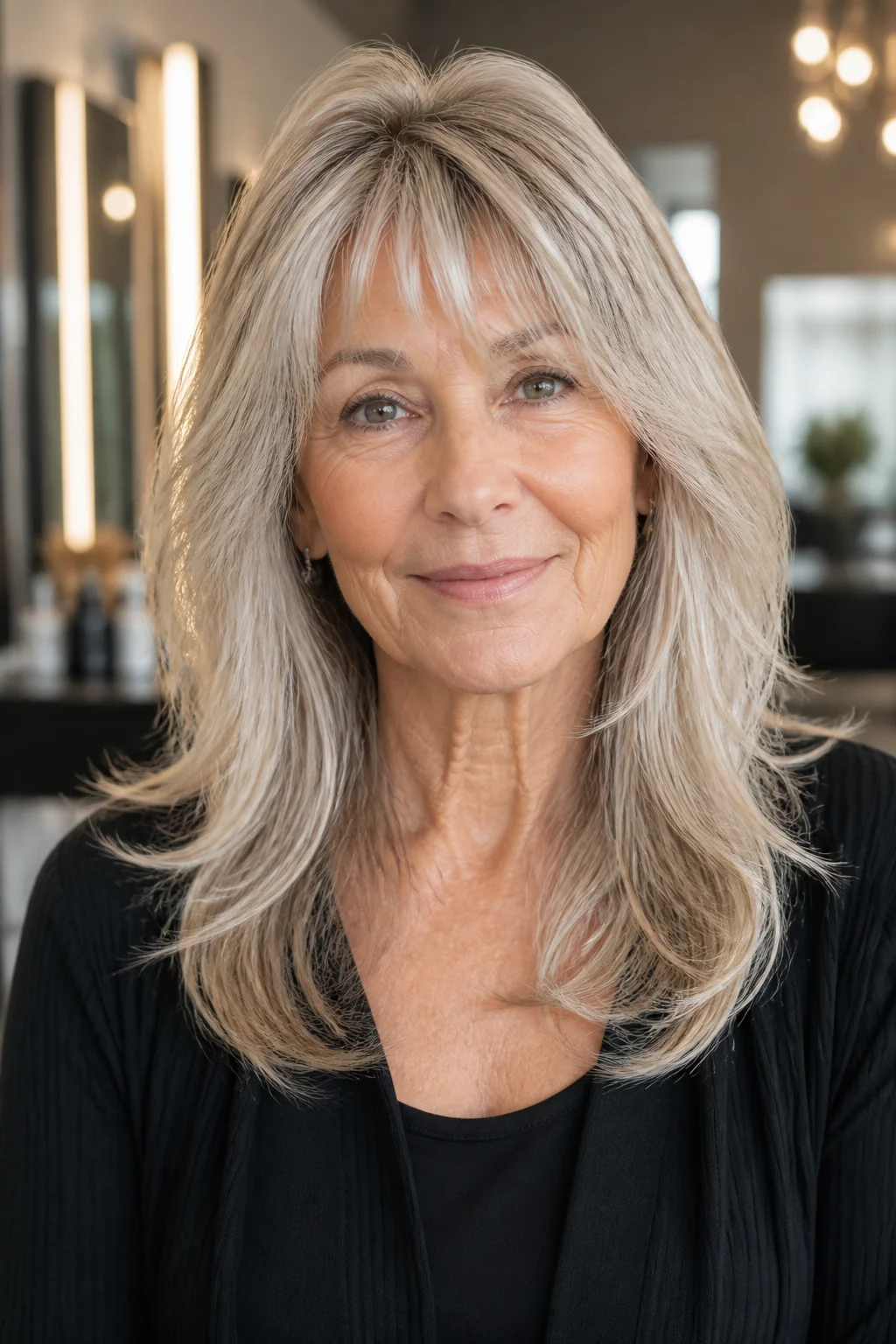
This shag variation concentrates the shortest layers right at the crown, which lifts hair at the root more aggressively than a shag layered evenly throughout. The longer perimeter length stays mostly intact, so the overall silhouette still reads long from a distance. It’s a strong option for very fine or thinning hair on top, since the crown layers create the appearance of thickness exactly where it’s needed most. Regular trims every eight to ten weeks keep the shorter layers from growing out and losing their shape too quickly.
Long Layers with Side Composition
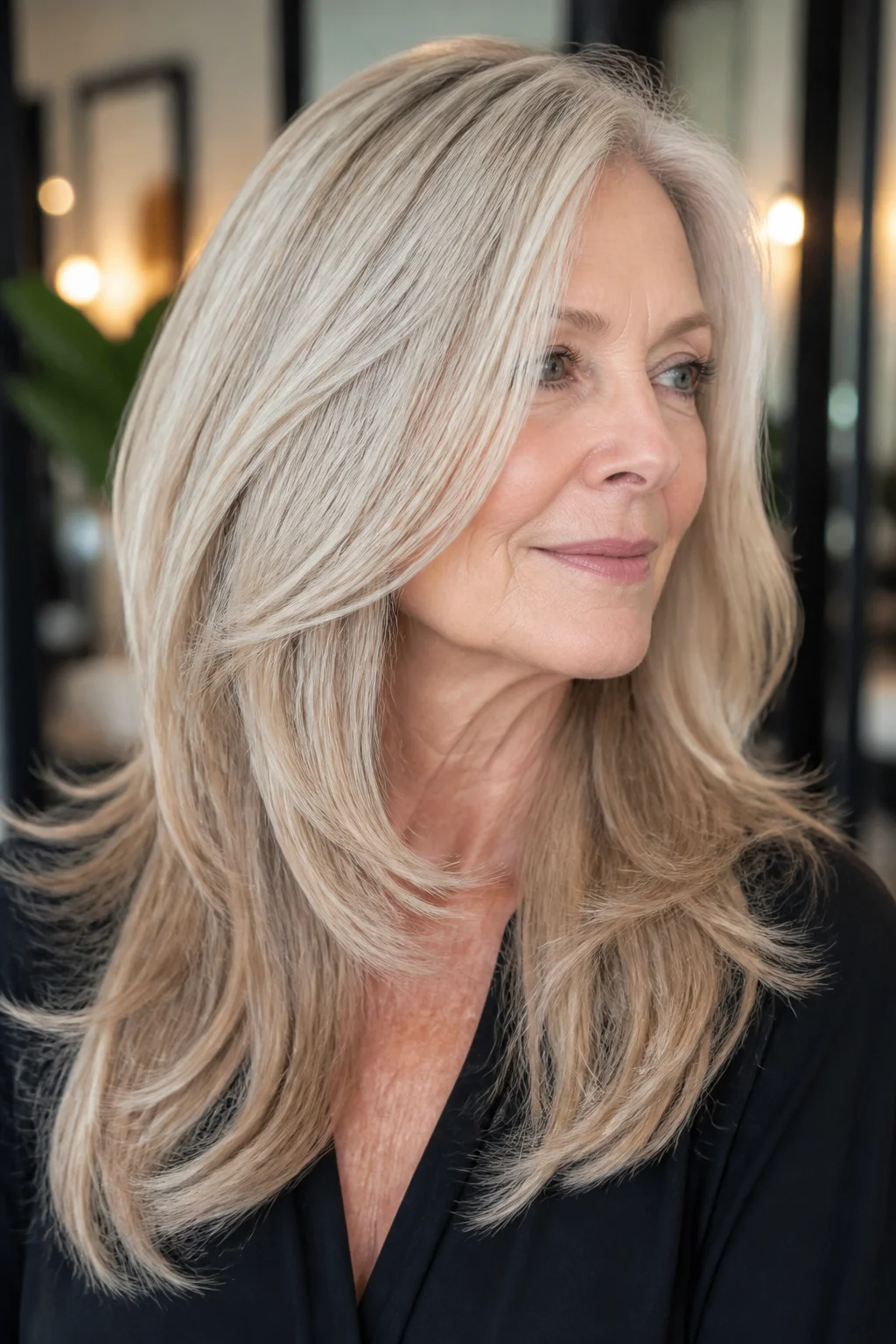
Layers here are arranged to build more volume and length on one side, creating an off-center composition rather than a symmetrical shape. It gives long hair a more sculptural, styled appearance without requiring a dramatic cut. This suits women who already part their hair deeply to one side and want the layering to match that habit.
Long Curly Hair with Loose Waves
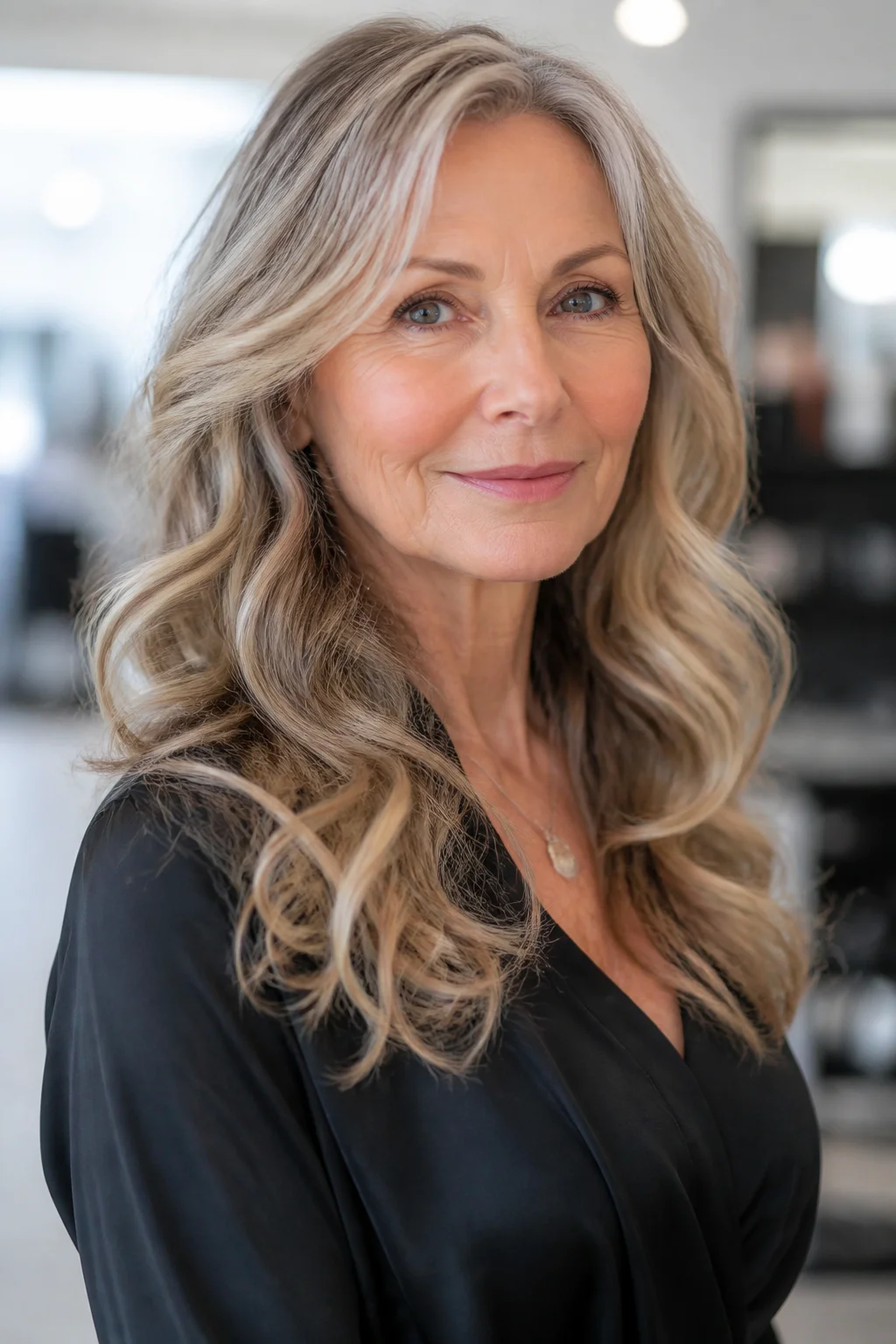
Loose, larger curls or waves keep long curly hair from looking too tight or springy, which can sometimes read as aging the hair rather than flattering it. A larger curling wand or looser roller set stretches the curl pattern gently. This style pairs well with long layers cut specifically to support looser movement, and it tends to hold up better in humidity than tightly set curls.
Choosing the Right Long Cut for You
With this many options, picking one comes down to your hair’s texture and how much styling time you actually want to spend. If your hair is fine or thinning, lean toward cuts built for volume, like the graduated long layers for fine hair or the long shag with shorter crown layers, since both add lift exactly where fine hair needs it most. If you have natural curl, skip anything cut blunt straight across and choose the curly long layers with bounce or the long curly hair with defined layers instead, since curl-specific cutting prevents the triangle shape that plagues one-length curly cuts.
Women who want low maintenance should consider the blunt long bob with minimal layers or the straight long hair with face-framing pieces, both of which need little more than a blow dry to look finished. If you’re bored with your current long hair but not ready for a dramatic change, the long layers with feathered ends or long hair with subtle highlights and layers offer a lighter, updated feel without cutting off length. And if you want something with real personality, the shaggy mullet long cut and long hair with undercut sides bring texture and edge that most long cuts don’t offer. Bring a photo of whichever style catches your eye to your next appointment and talk through your hair’s natural texture before committing, since the same cut can look completely different depending on how thick or fine your hair actually is.
Long hair over seventy doesn’t need to look one certain way. The right layers, the right bangs, and a stylist willing to work with your texture instead of against it make all the difference. Any of these long haircuts for women over 70 can be adjusted to fit your face shape, your hair density, and how much time you want to spend styling it each morning.