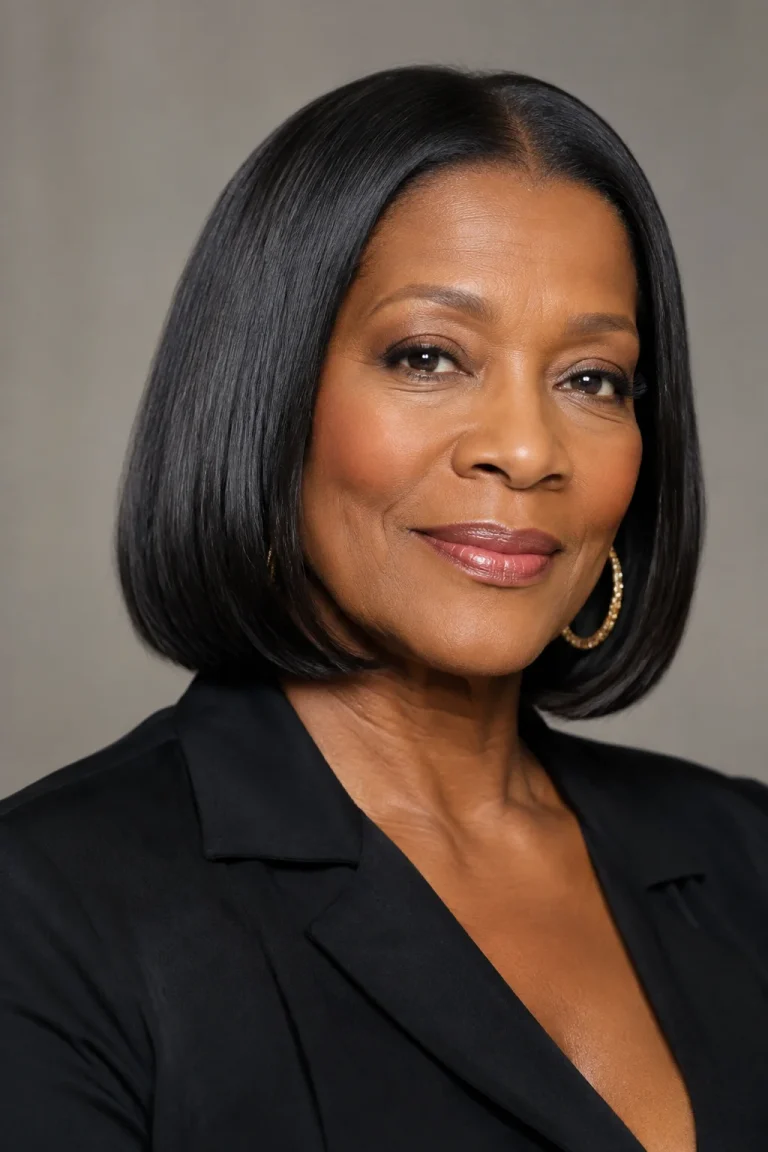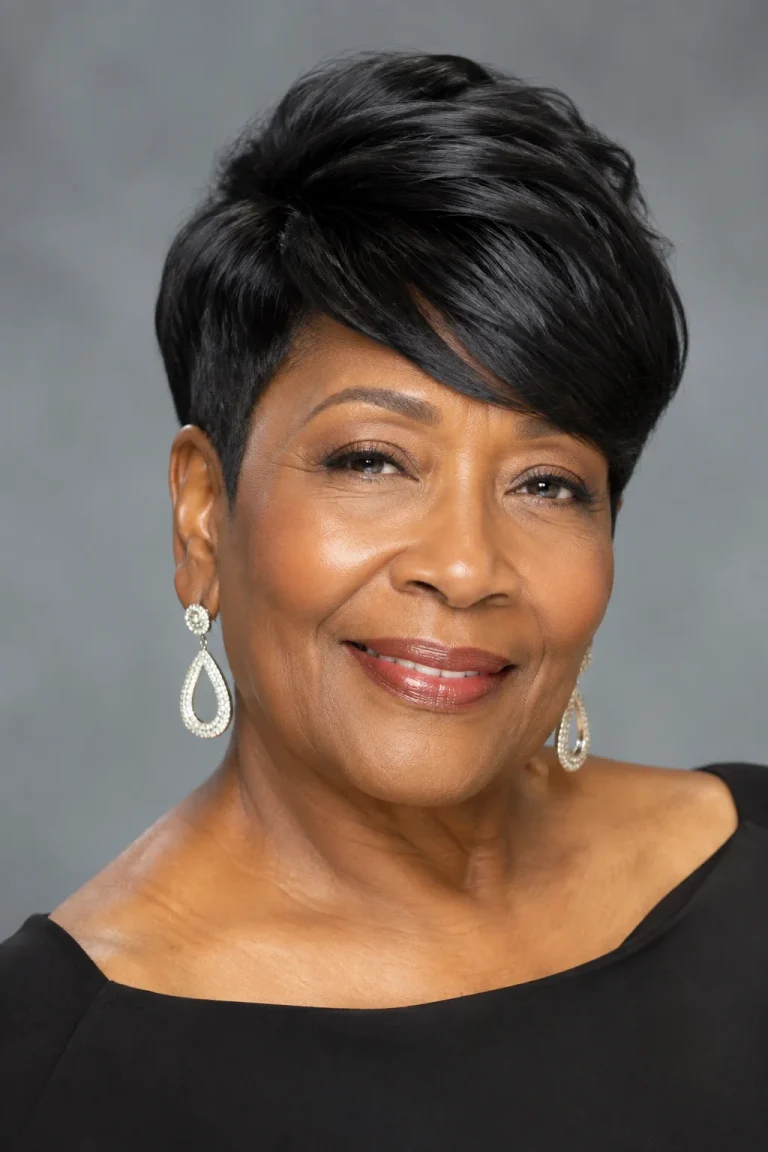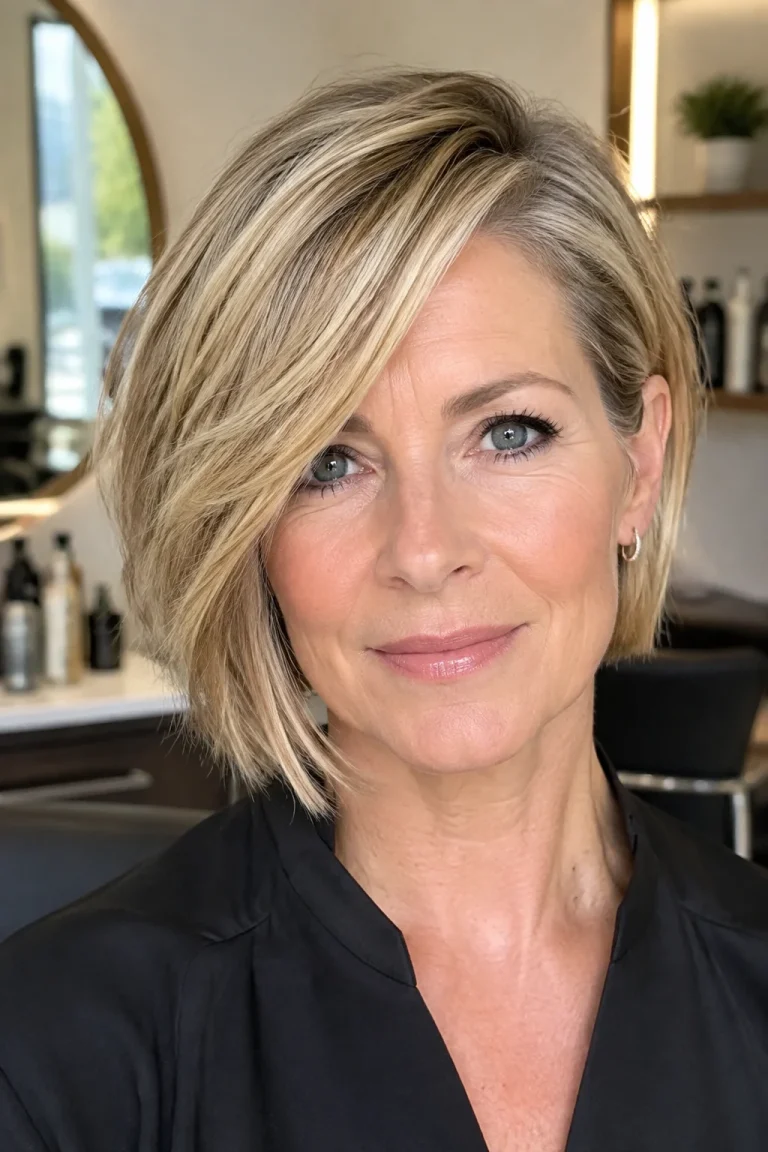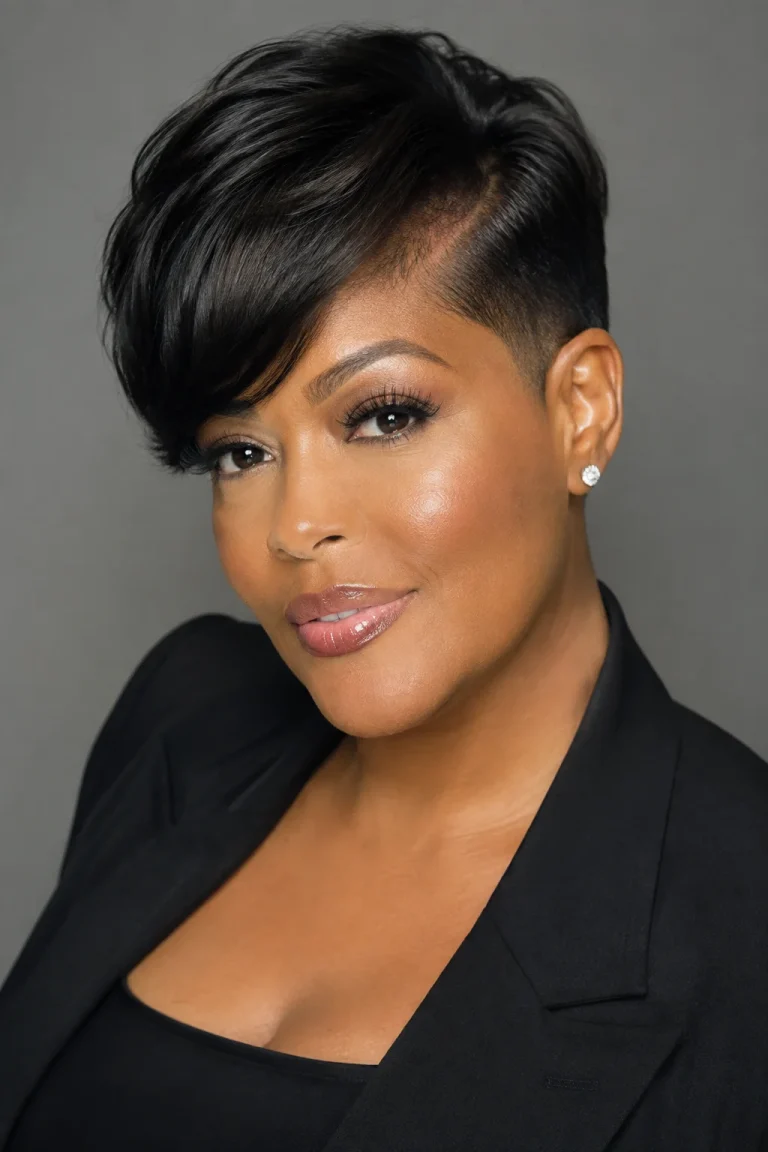
Curly hair gets a bad reputation for being hard to manage, but short styles change that story fast. A well-cut pixie works with your natural texture instead of fighting it, which means less time with a diffuser and more time out the door. Many low-maintenance curly pixie haircuts for women over 70 are built around the curl pattern itself, so the shape holds even after a quick wash and scrunch. The right cut also lifts thinning areas, frames the face, and softens features without looking fussy or overdone. Below you’ll find twenty-two ways to wear curls short, from tight coils to loose waves, each one chosen because it grows out gracefully and doesn’t demand a stylist visit every three weeks. Whether your curls are tight and springy or soft and loose, there’s a version here that fits your texture and your routine.
Classic Tapered Curly Pixie
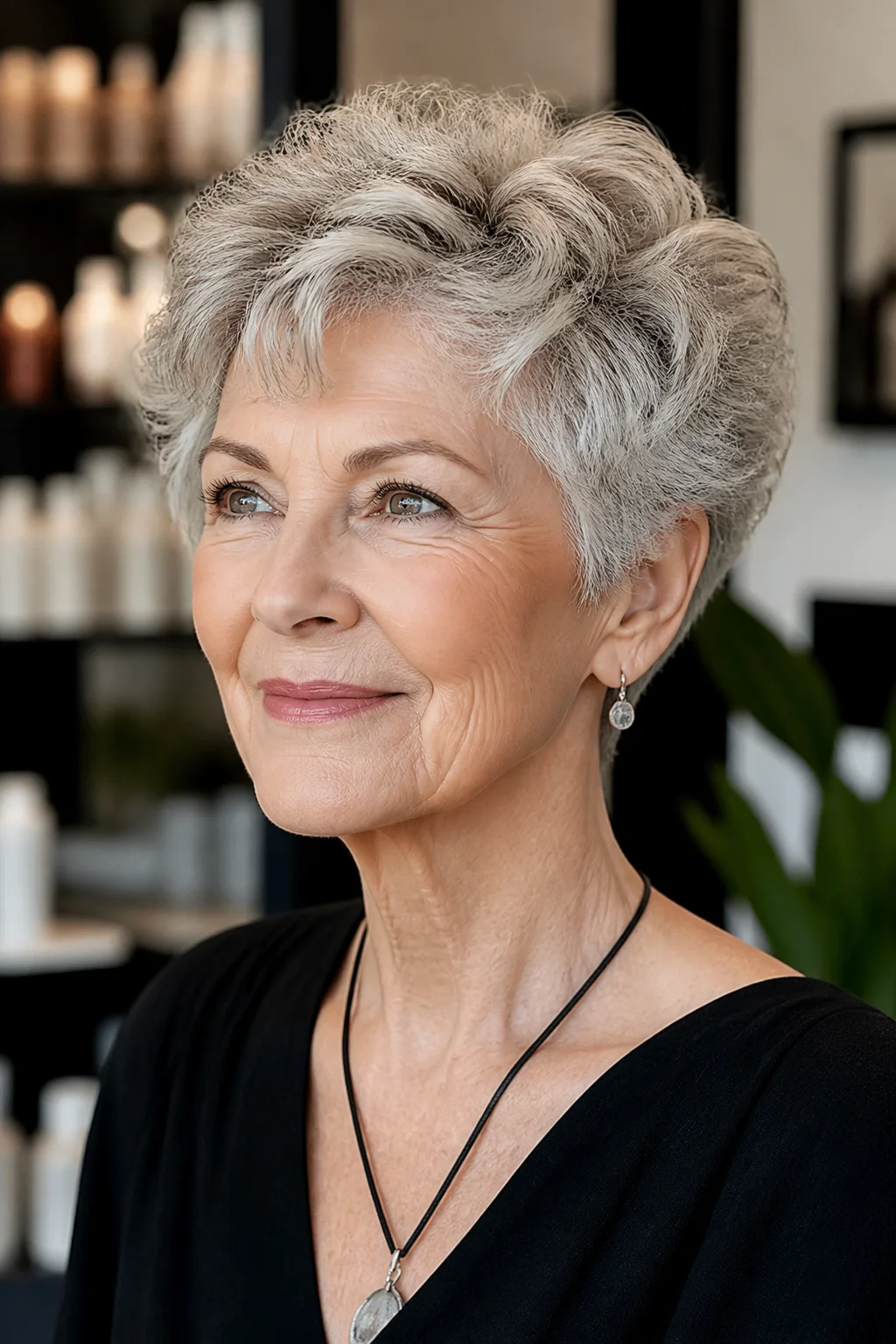
This is the style most women picture when they think of a curly pixie, and for good reason. The sides and back taper close to the head while the top stays fuller, letting natural curls stack and bounce without getting weighed down. It suits fine and medium curl patterns equally well because the shorter length keeps frizz in check. Growth comes in evenly too, so you won’t get that awkward halfway stage between cuts. Tip: ask your stylist to leave slightly more length at the crown so the curls have room to coil instead of frizzing flat. A light mist of heat protectant before styling helps the finish last.
Textured Crop Pixie
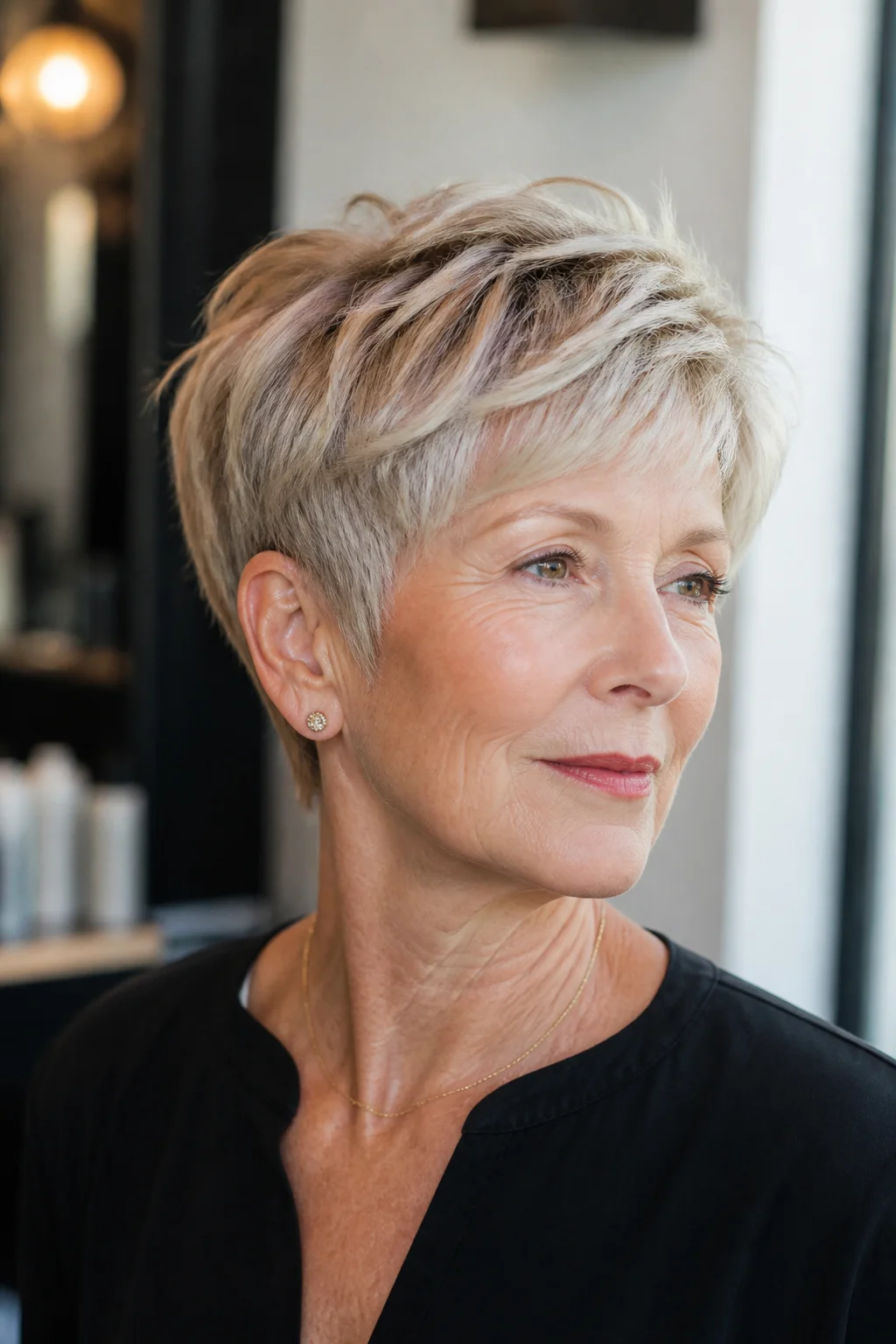
Short layers throughout give this cut a piecey, tousled finish that hides thinning spots well. It works best on curls that are loose to medium, since tighter coils can shrink up more than expected once cut this short. A little curl cream scrunched through damp hair is really all it needs.
Face-Framing Curl Pixie
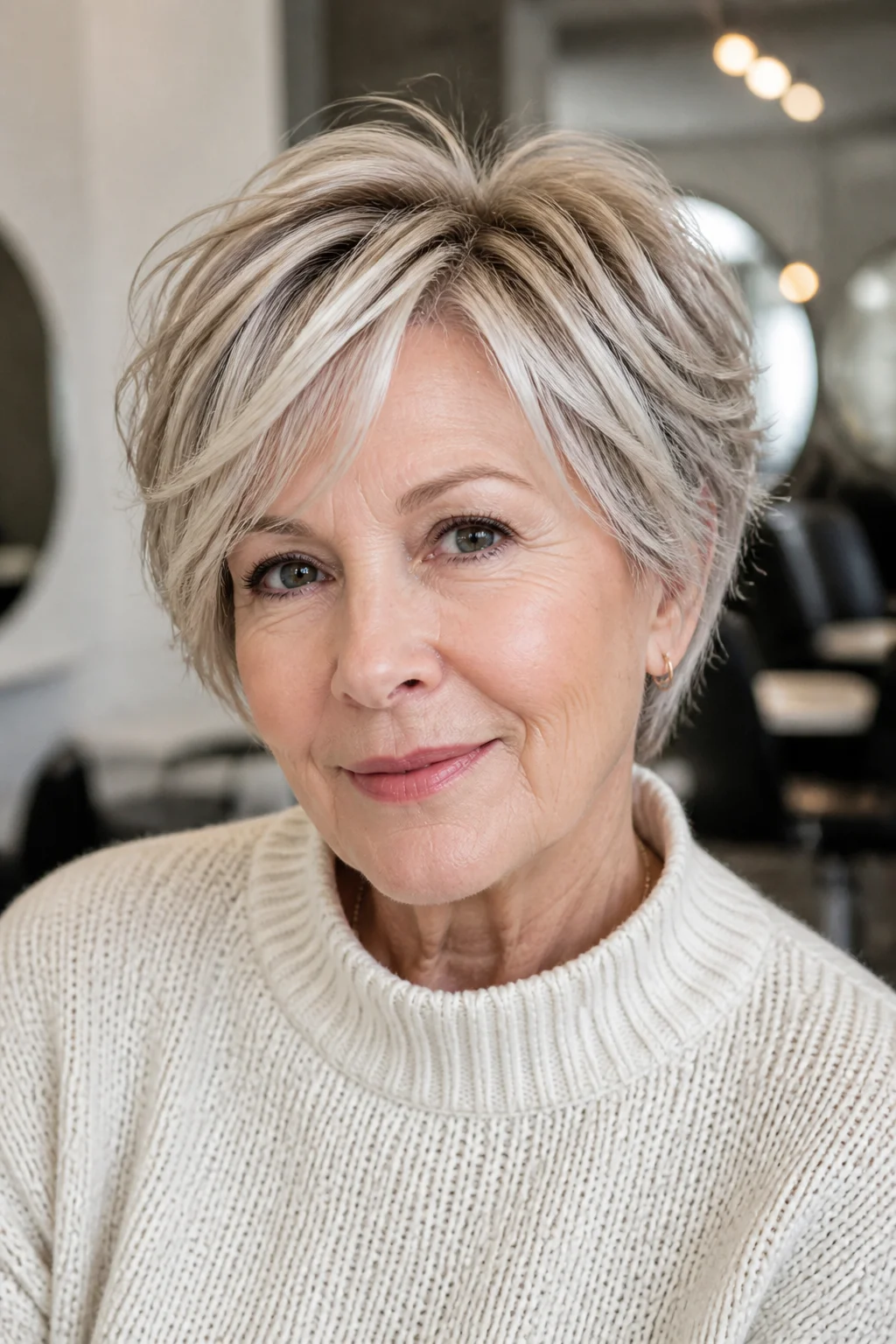
Longer pieces near the cheeks and jaw soften the whole face, which makes this a smart pick if you want a bit more shape near the front without adding length everywhere. The back and sides stay short and tidy, so most of the styling attention goes toward those framing curls. It’s a forgiving cut for square or angular face shapes because the curls break up hard lines naturally. Many women find this version photographs better too, since the soft frame catches light nicely around the eyes.
Feathered Pixie with Volume
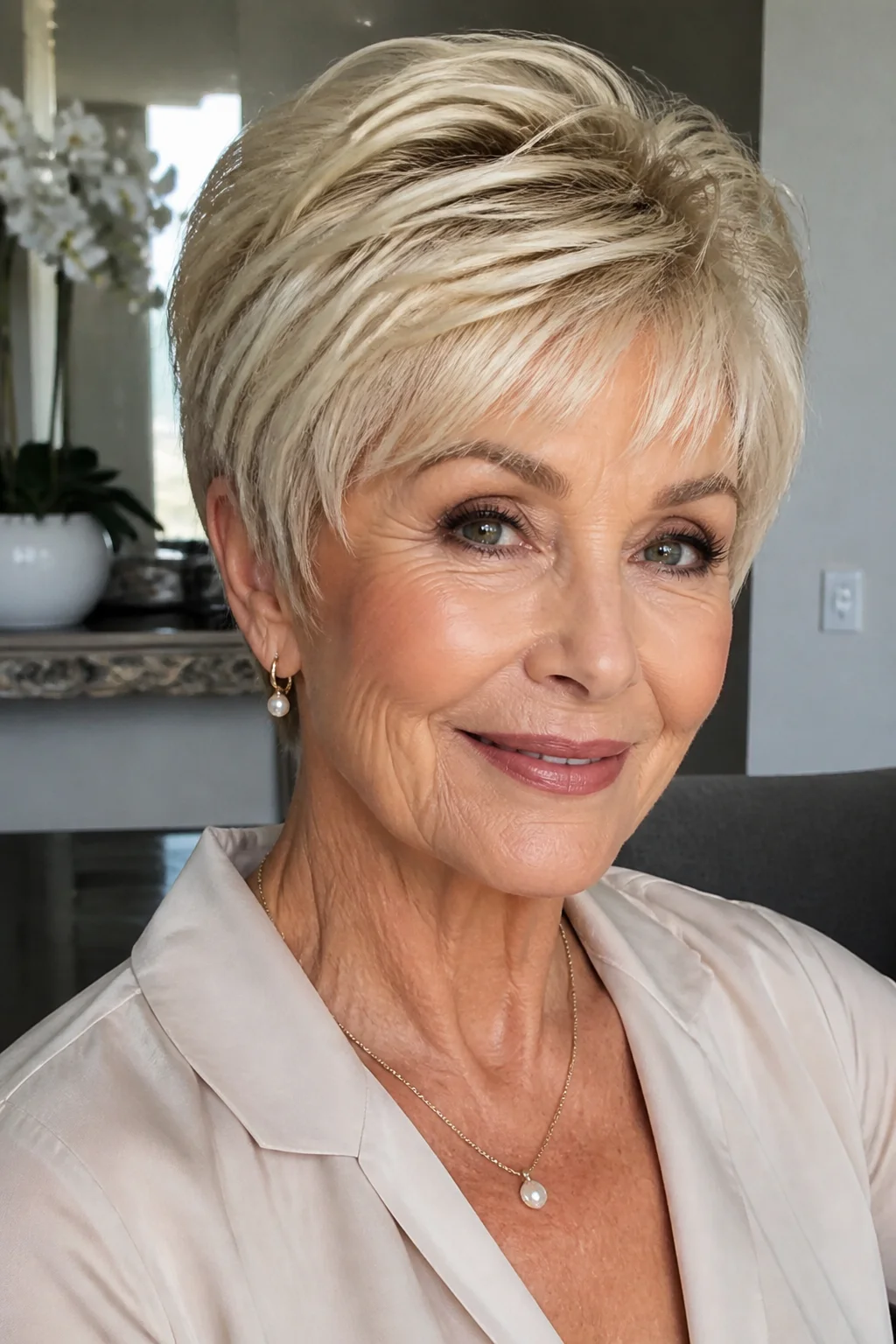
Feathered ends add lift right where hair tends to go flat, especially at the crown. This cut leans on layering more than length, so the curls fan out instead of clumping together. It gives noticeable fullness without needing back combing or heavy product, which makes mornings quick. Tip: a light mousse applied at the roots before diffusing keeps that lift through the day.
Tousled Curl Pixie
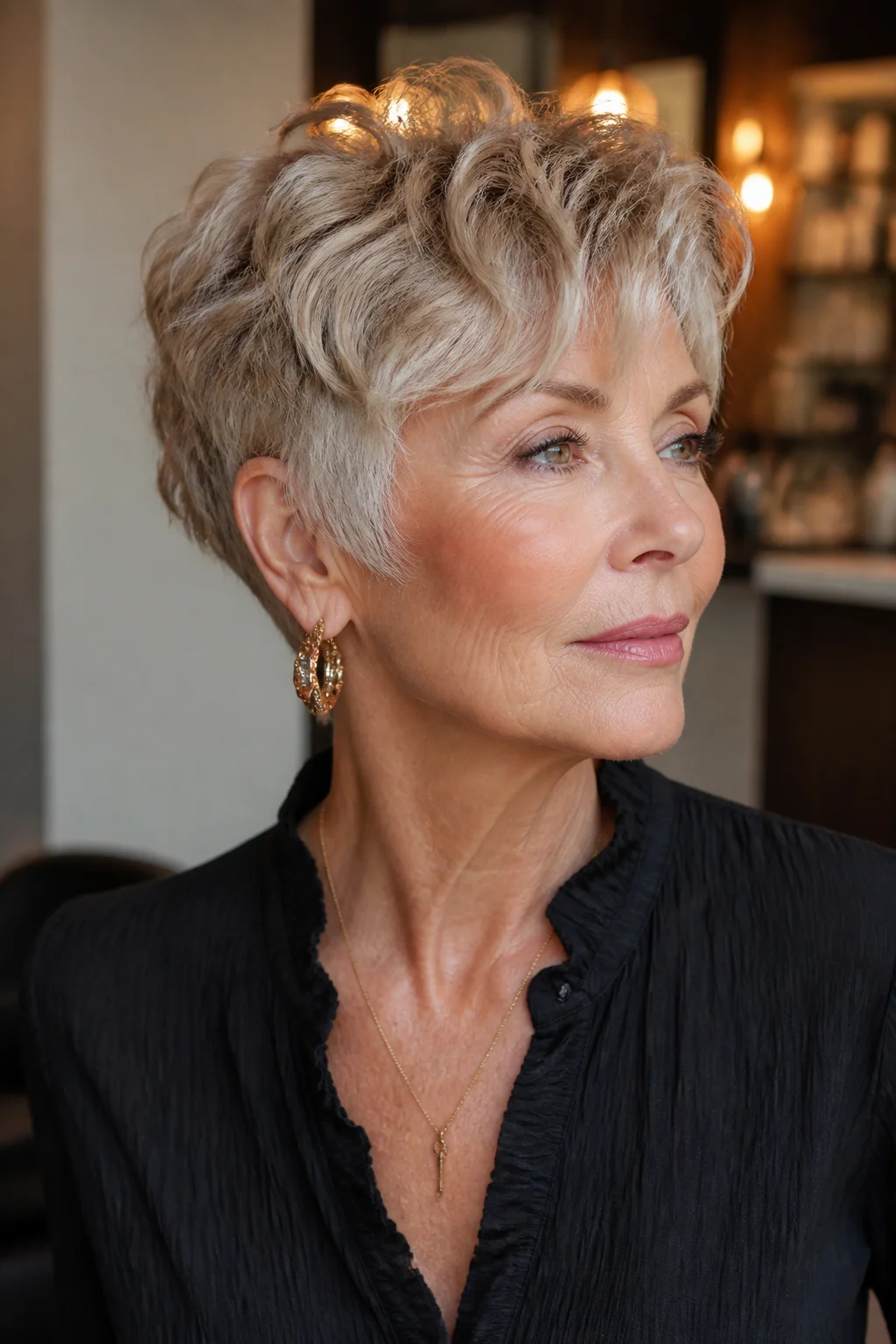
Nothing about this cut asks for precision styling. You scrunch, you go. The layers are cut with texture in mind from the start, so a slightly undone look is actually the intended finish rather than a mistake to fix.
Textured Undercut Pixie
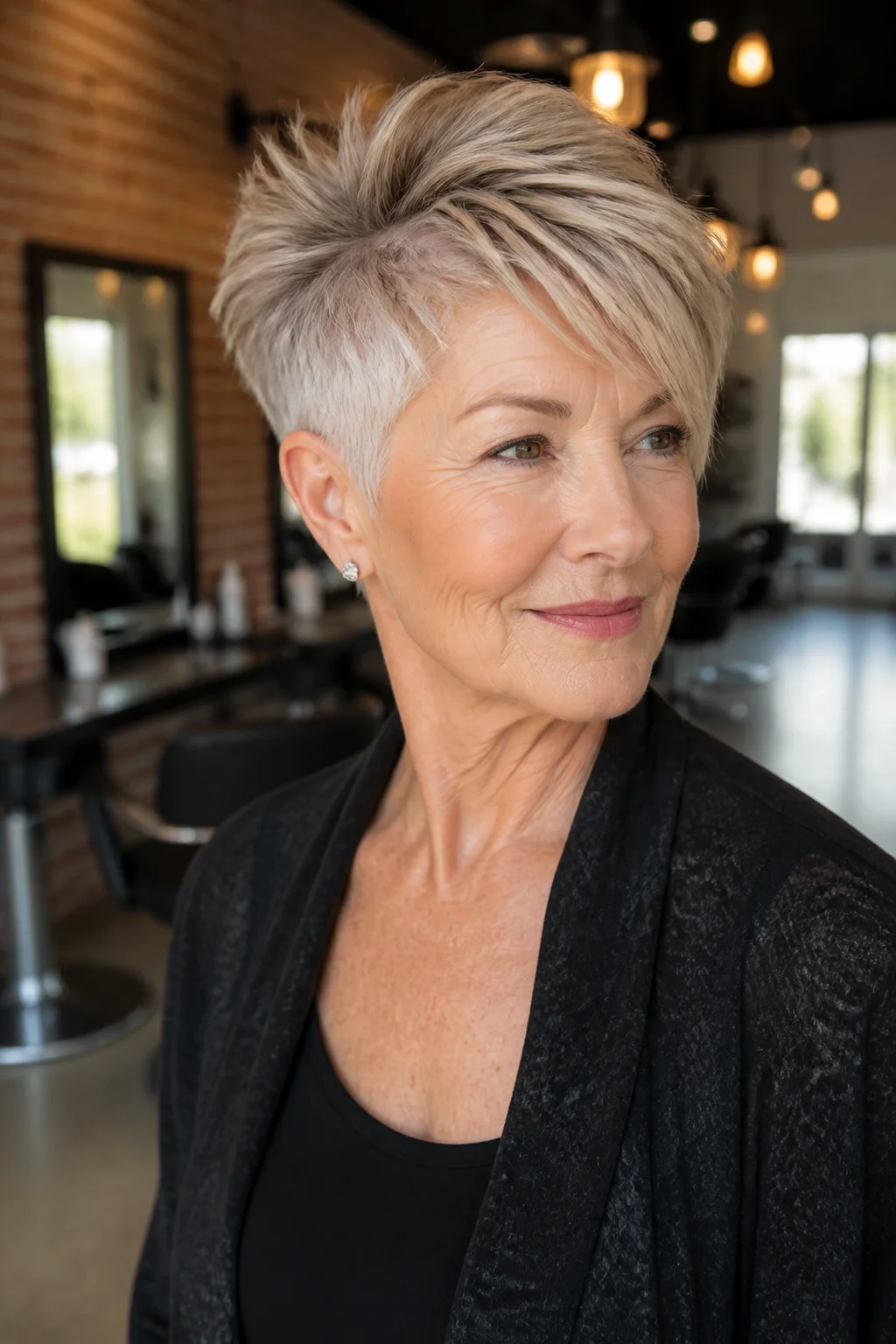
An undercut shaves the sides close while leaving the top long enough for curls to move freely, creating real contrast between smooth and textured sections. This works especially well for thicker curl patterns that tend to add bulk at the sides. Keeping the sides short also means less heat and less maintenance overall, since only the top needs real attention. The cut reads modern without feeling like it’s trying too hard, and it holds its shape for weeks between trims. It’s a strong option if you want something with a bit more edge than a rounded pixie offers. A light mist of heat protectant before styling helps the finish last.
Soft Rounded Pixie
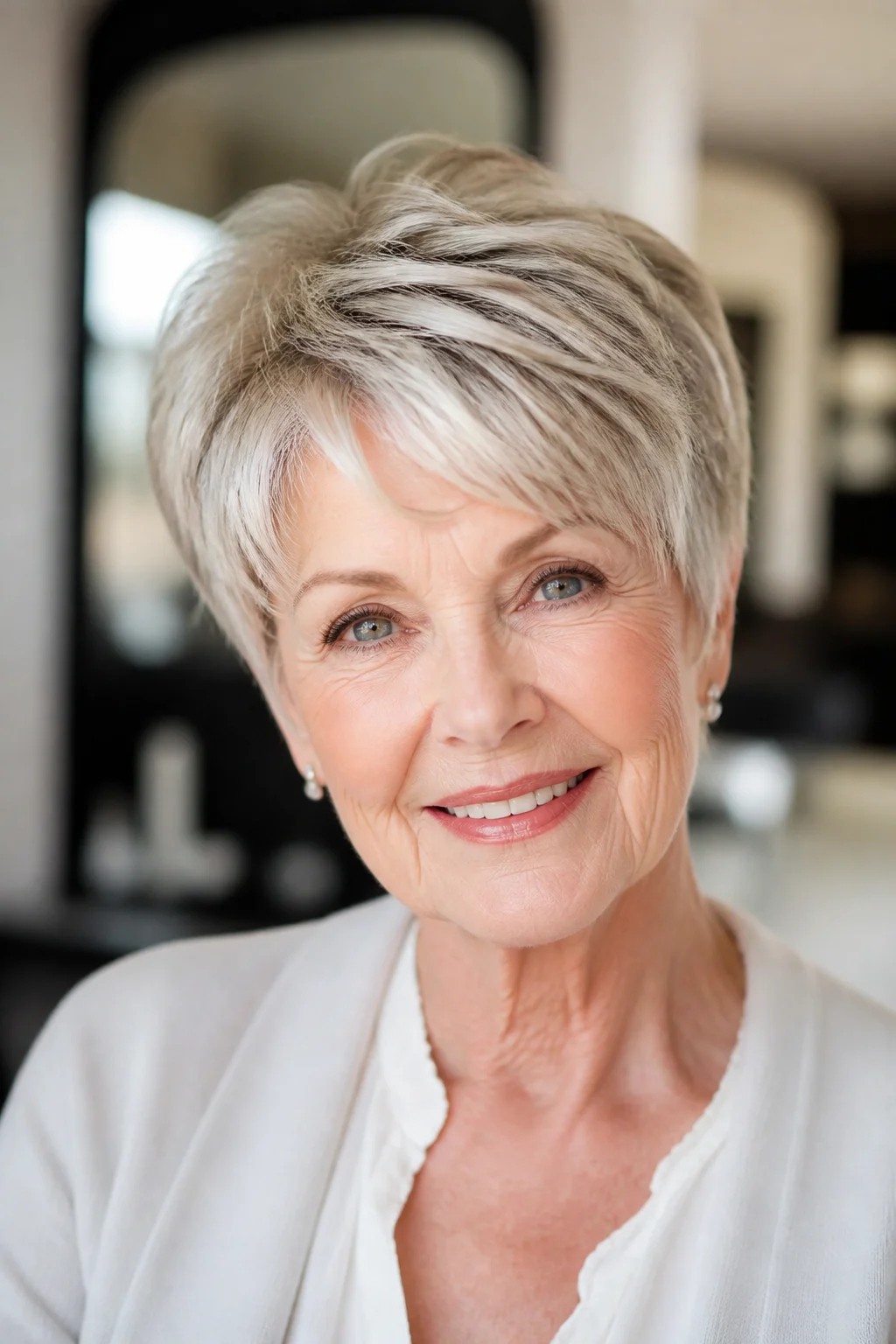
This shape hugs the head in a gentle curve, with no hard angles anywhere. It flatters most face shapes because the roundness balances sharper jawlines and adds softness around the temples. Curls here are usually kept a bit shorter on top than the tapered version, which keeps the silhouette compact and neat. Tip: rounded shapes grow out the most gracefully of any pixie style, so this is a solid choice if you tend to stretch time between salon visits.
Coily Crown Pixie
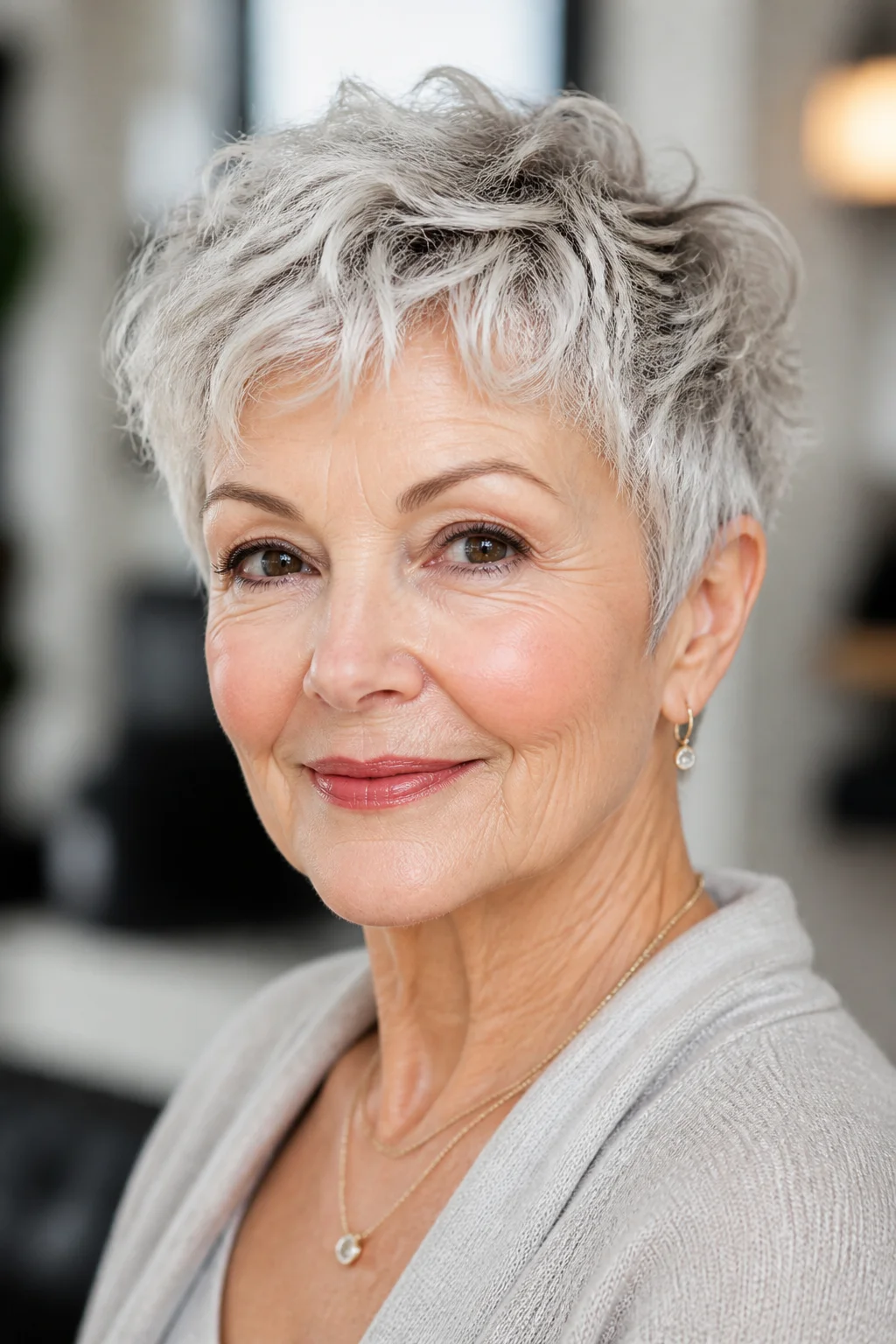
Built specifically for tighter coil patterns, this cut leaves extra length right at the crown so the coils can stack up and create height. The sides stay short and controlled. It’s one of the lowest-maintenance options on this list because tight coils naturally hold their shape with almost no styling effort, and a bit of leave-in conditioner is often all that’s needed.
Layered Curl Pixie with Depth
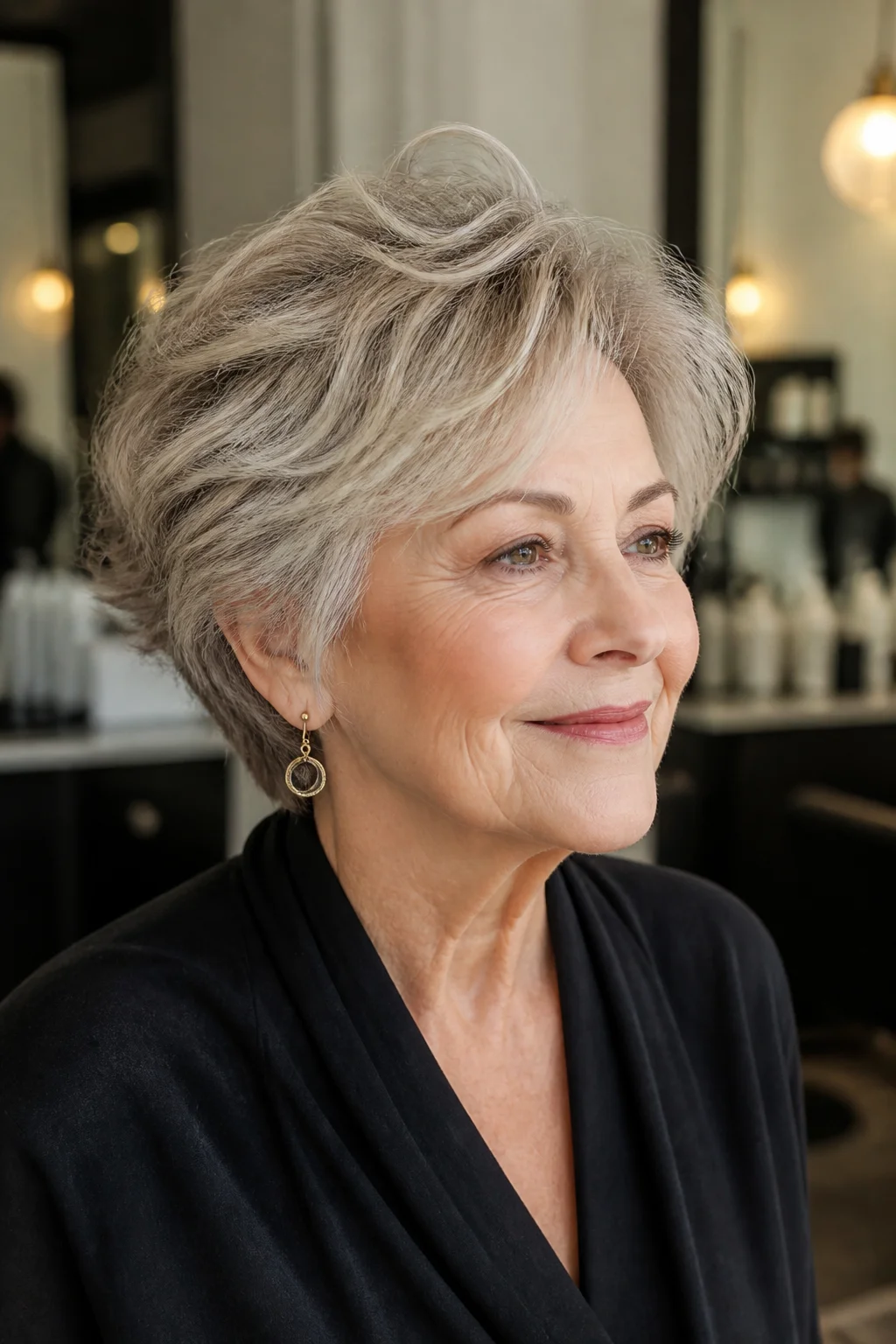
Multiple layers cut at different lengths give this pixie real dimension, especially on curls with a mix of textures throughout one head of hair. The layering helps distribute weight so no single section looks bulkier than another. This version takes a bit more skill from the stylist to get right, but once it’s cut correctly, it holds its shape through several growth cycles. It works well for women who want movement and interest without going for anything asymmetrical or edgy. The depth also helps hide any thinning at the crown, since the layers create the illusion of fuller coverage.
Asymmetrical Curly Pixie
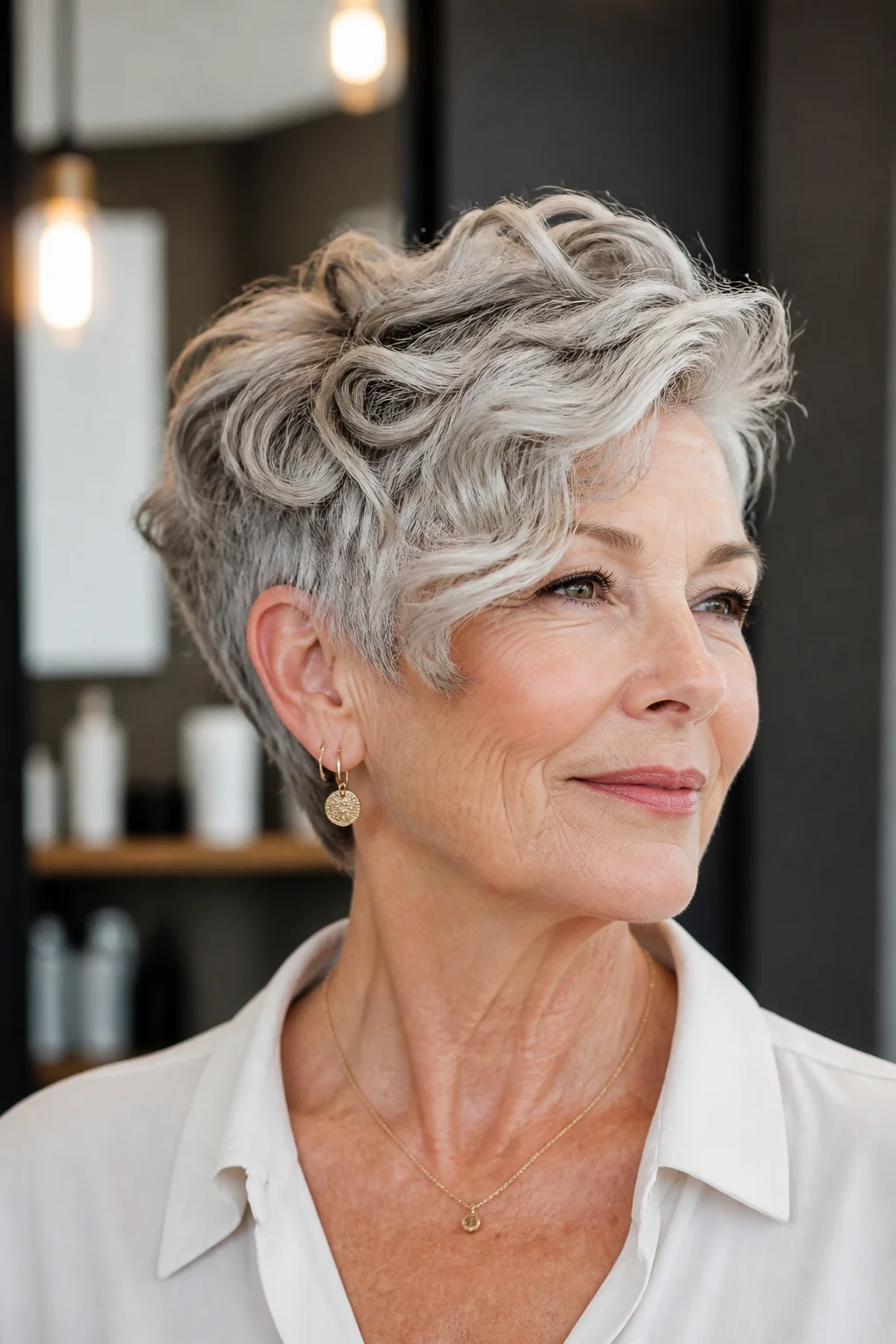
One side sits longer than the other in this cut, giving it a slightly edgier feel compared to the more symmetrical options on this list. The uneven lengths work surprisingly well with curls because the natural texture softens what would otherwise be a sharp, graphic line on straight hair.
Fluffy Pixie Crop
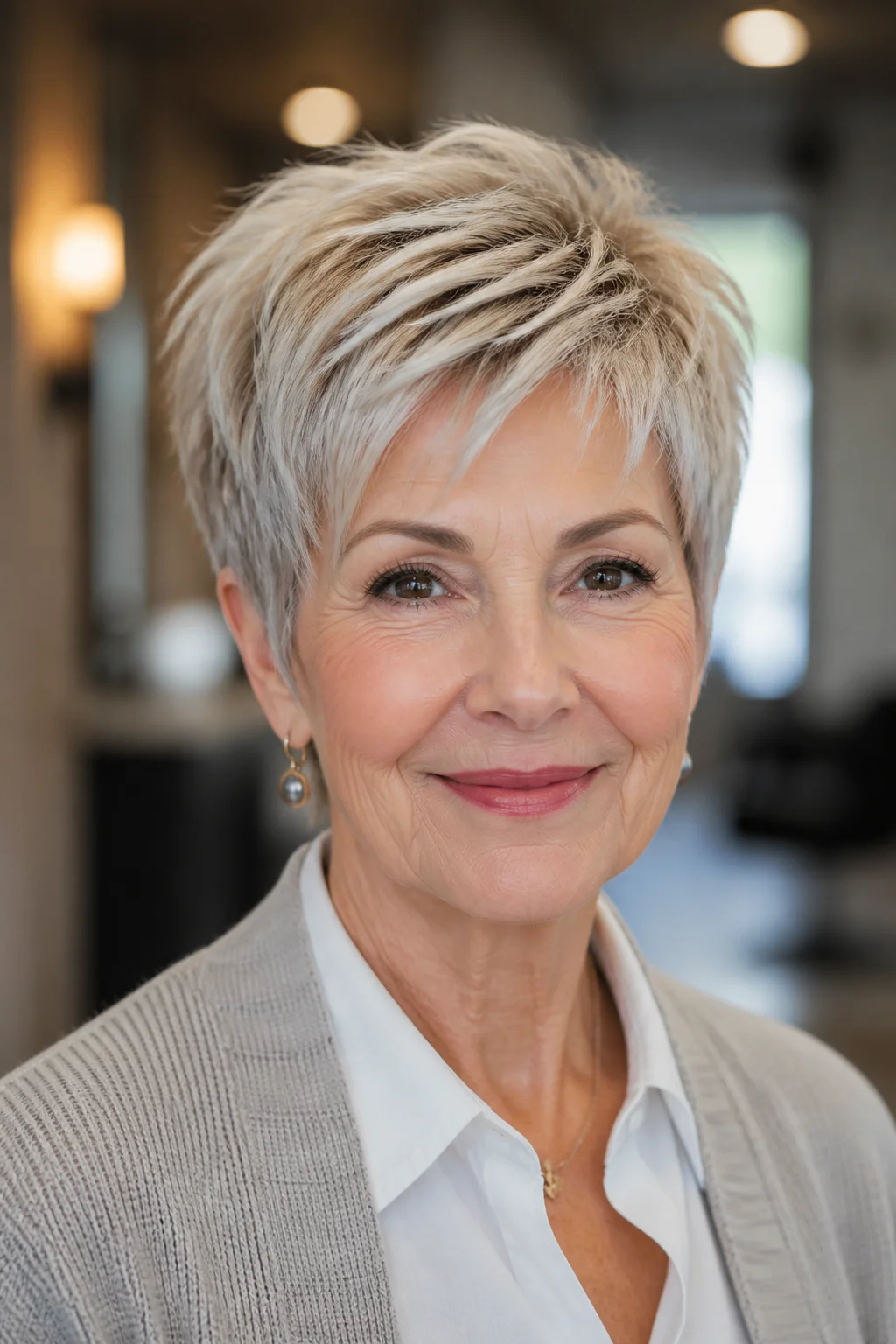
This one is all about softness and volume. The layers are cut short and blunt underneath with longer curls left on top, creating a rounded, fluffy silhouette. It reminds a lot of women of their curls in their younger years, just shorter and easier to manage now. Product needs are minimal, usually just a curl-defining cream worked through damp hair.
Textured Pixie Bob Hybrid
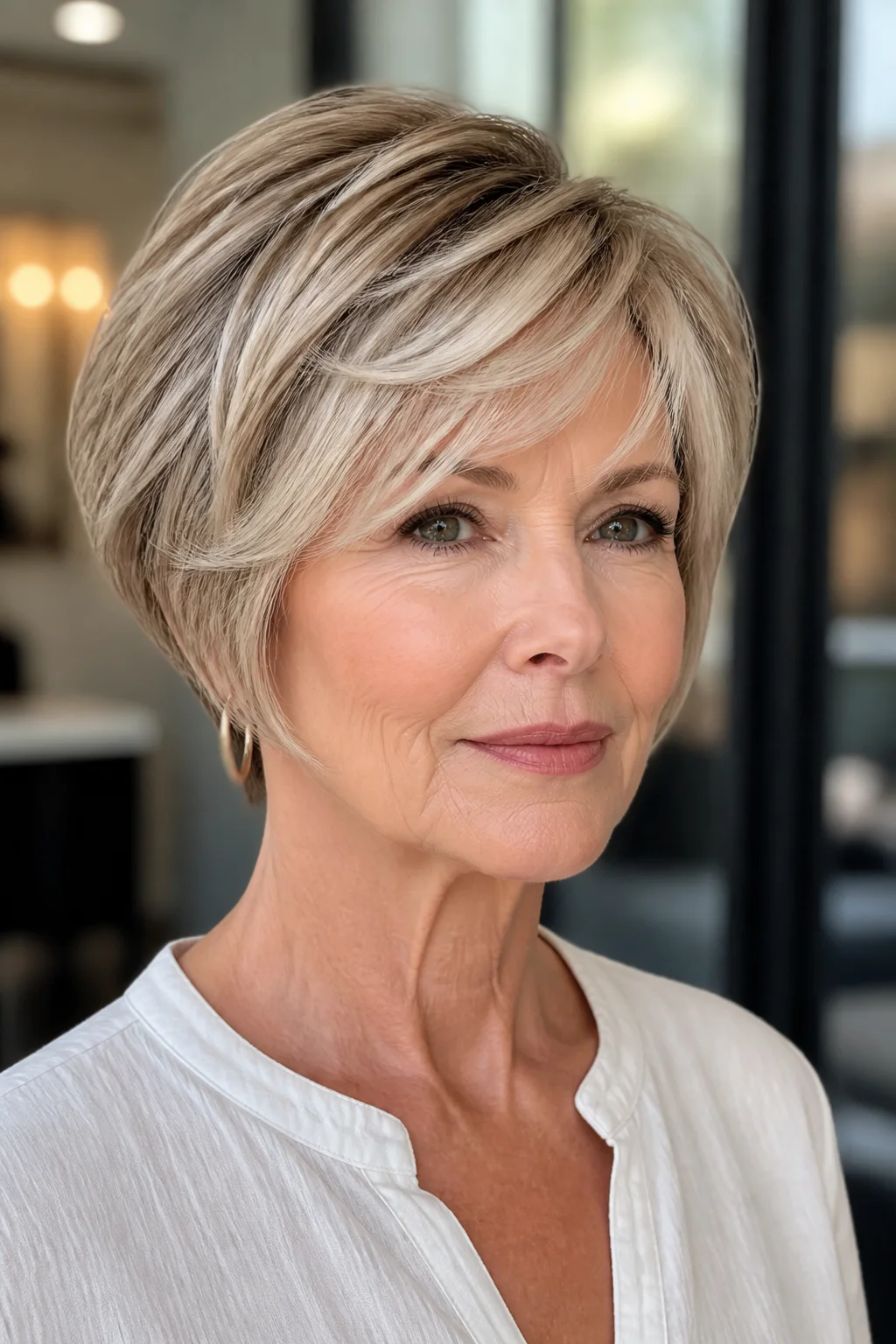
Part pixie, part bob, this cut keeps a bit more length at the nape and sides while staying short on top. It’s a good middle-ground option if you’re not ready to go fully short but want the low upkeep of a pixie. Curls at this in-between length tend to have more visible shape, since there’s just enough hair for the pattern to show its full curl before bouncing back up.
Angled Curl Pixie
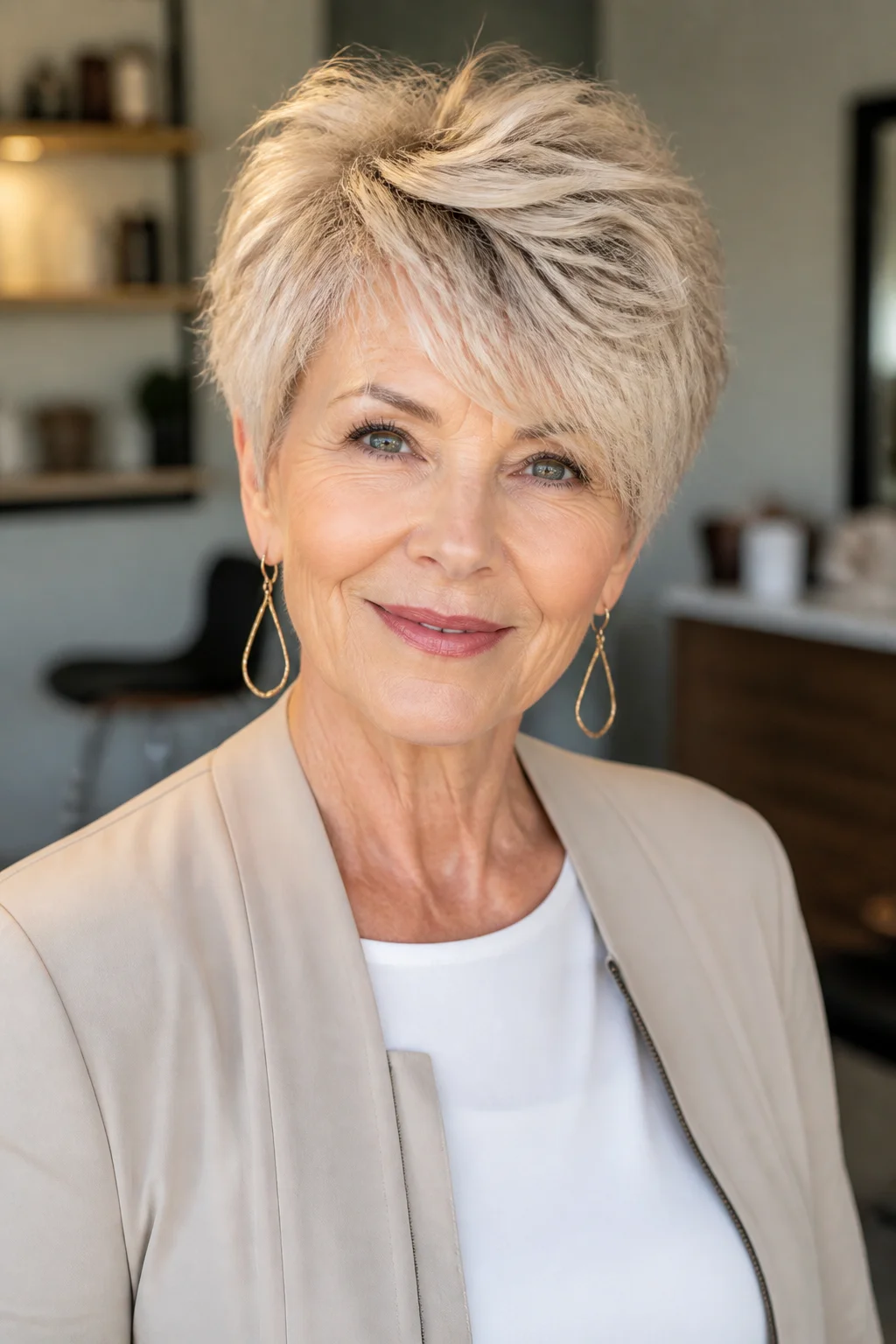
Sharp angles cut into the front sections give this pixie some structure that curls then soften naturally. It’s a nice option for anyone who wants a bit more definition without losing the easy, wash-and-go quality that makes curly pixies appealing in the first place.
Wispy Pixie with Waves
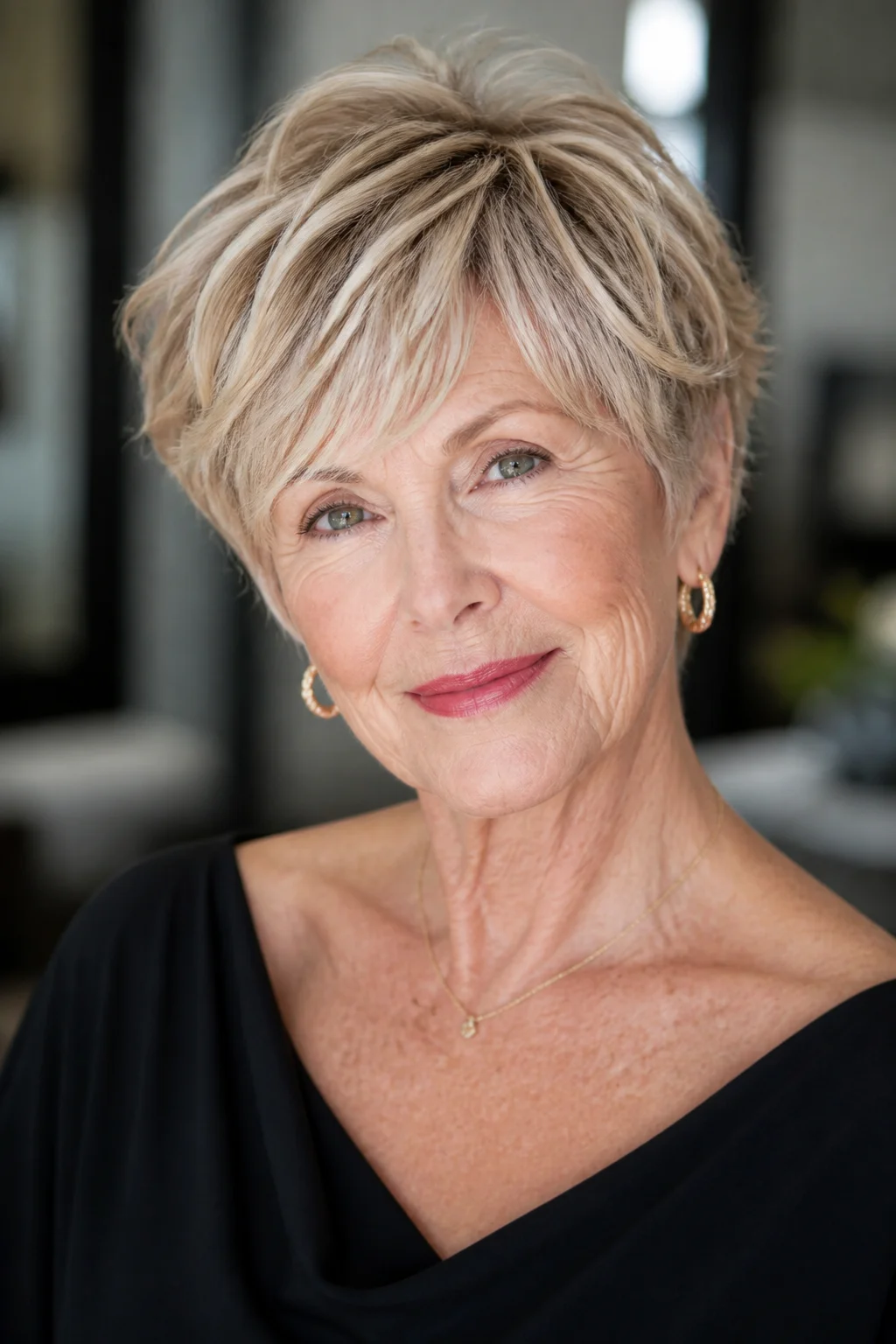
Fine, wispy ends give this cut a delicate look that suits looser wave patterns particularly well. It doesn’t hold up quite as well on very tight coils, since the wispy ends can shrink and disappear into the curl. For loose curls and waves though, this style adds a soft, airy quality that feels lighter than a fuller pixie.
Full Crown Pixie
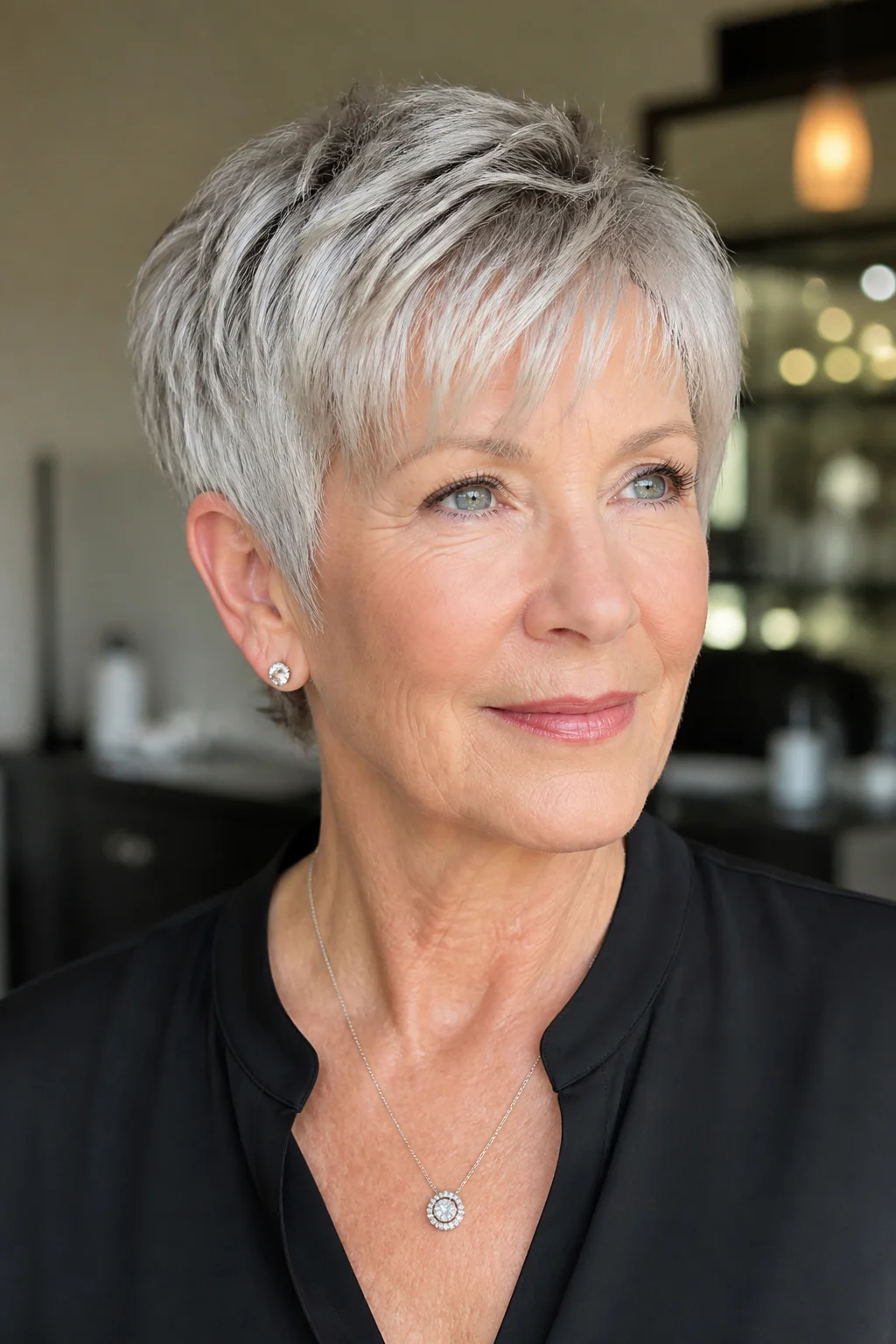
Extra length and layering right at the crown builds noticeable height, which works well for anyone dealing with fine or thinning hair on top. The rest of the cut stays close to the head, keeping the overall silhouette from feeling top-heavy. A light-hold mousse applied at the root before styling helps keep that lift going through the day without weighing curls down.
Choppy Texture Pixie
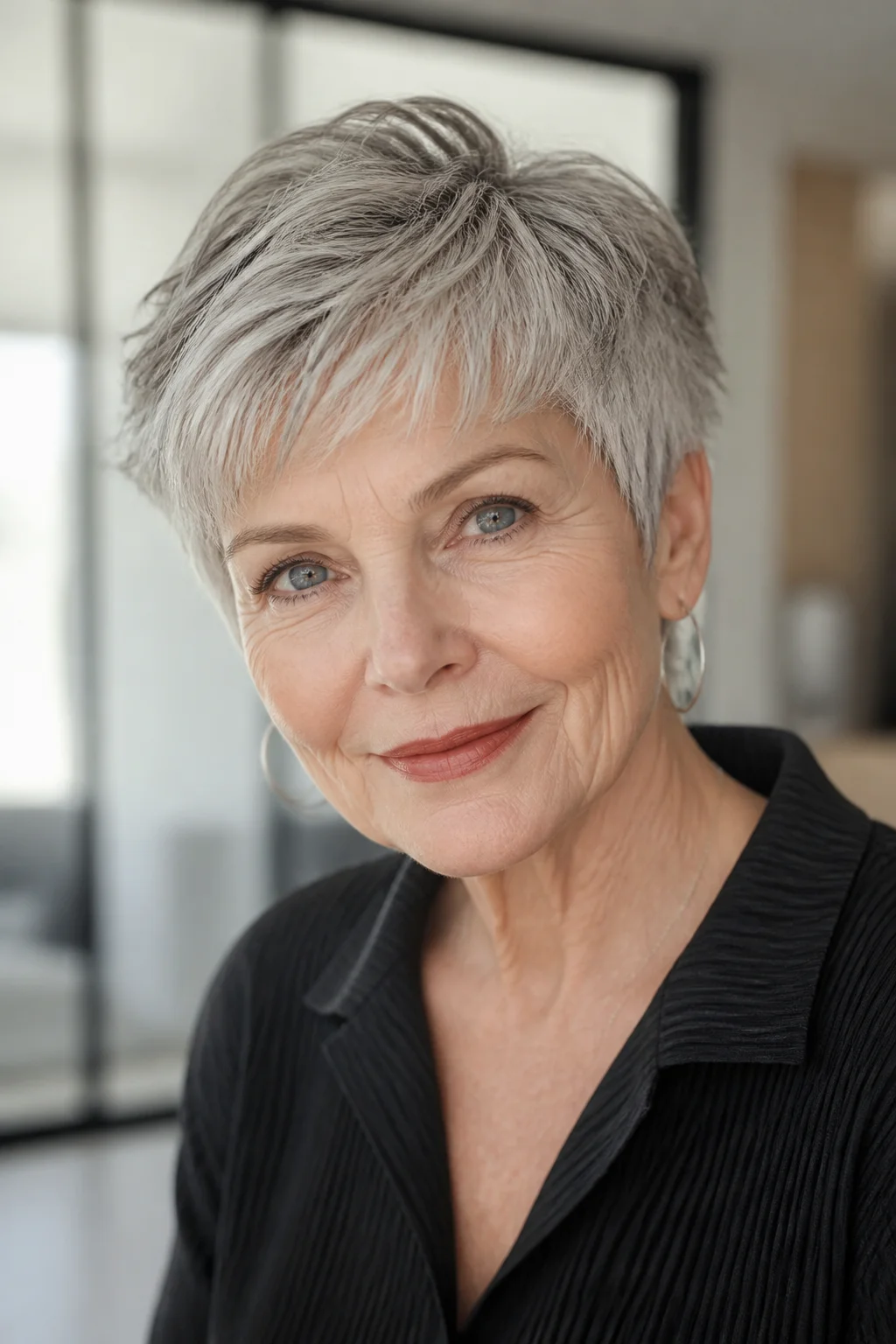
Choppy, uneven ends give this cut a deliberately undone quality that pairs naturally with curls. It’s one of the more forgiving styles on this list since small inconsistencies in the cut just read as texture rather than mistakes, and it needs almost no styling beyond finger-scrunching some product through.
Sleek Tapered Curly Pixie
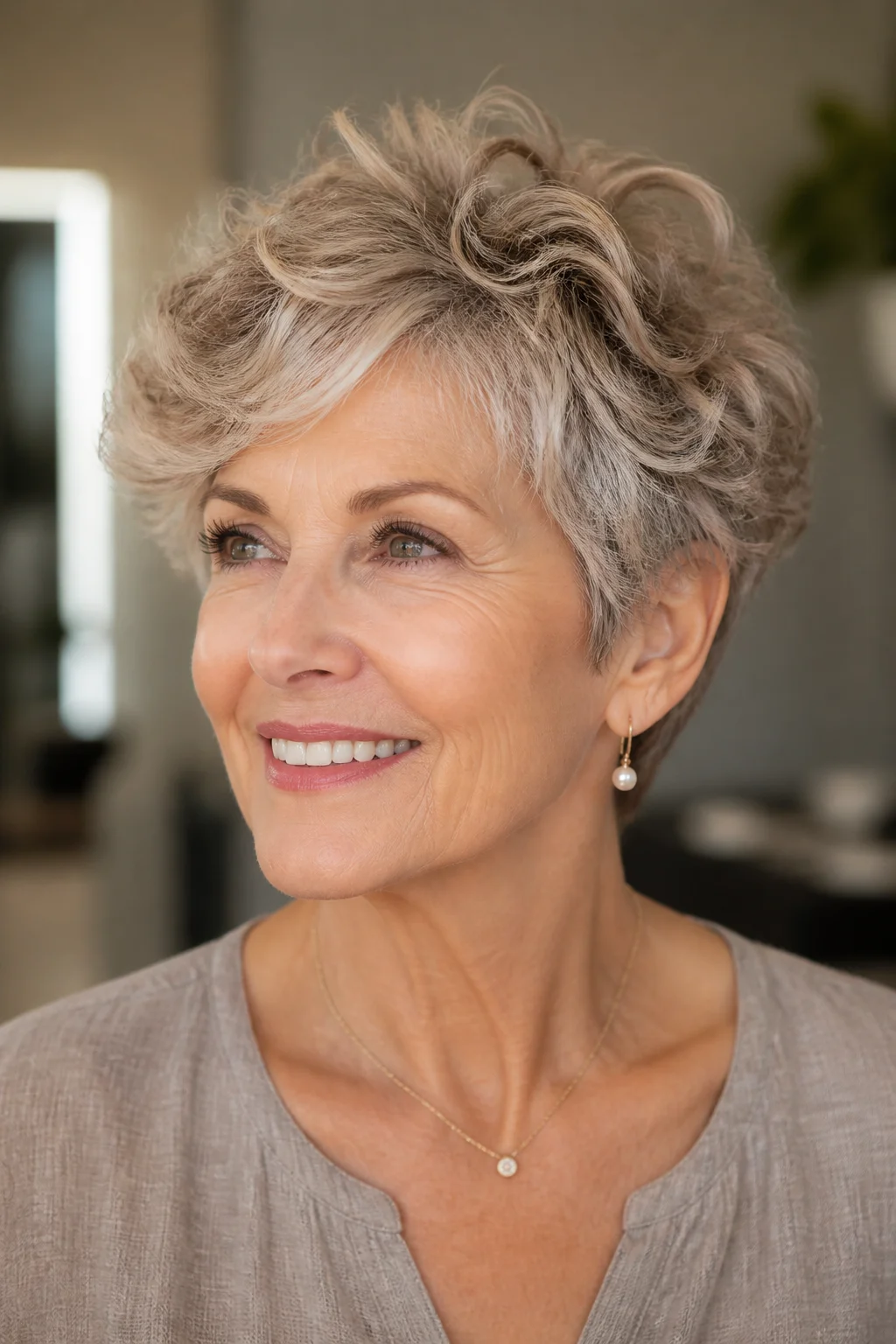
A tighter, more polished version of the classic taper, this cut keeps curls closer to the head throughout, creating a neater overall shape. It suits women who like the look of curls but prefer a more controlled, put-together finish over a looser, fluffier style. The taper still allows curls to show their pattern, just in a more compact way. This is a great option before a big event or photo, since it holds its sleek shape especially well with a bit of gel.
Rolled Curl Pixie
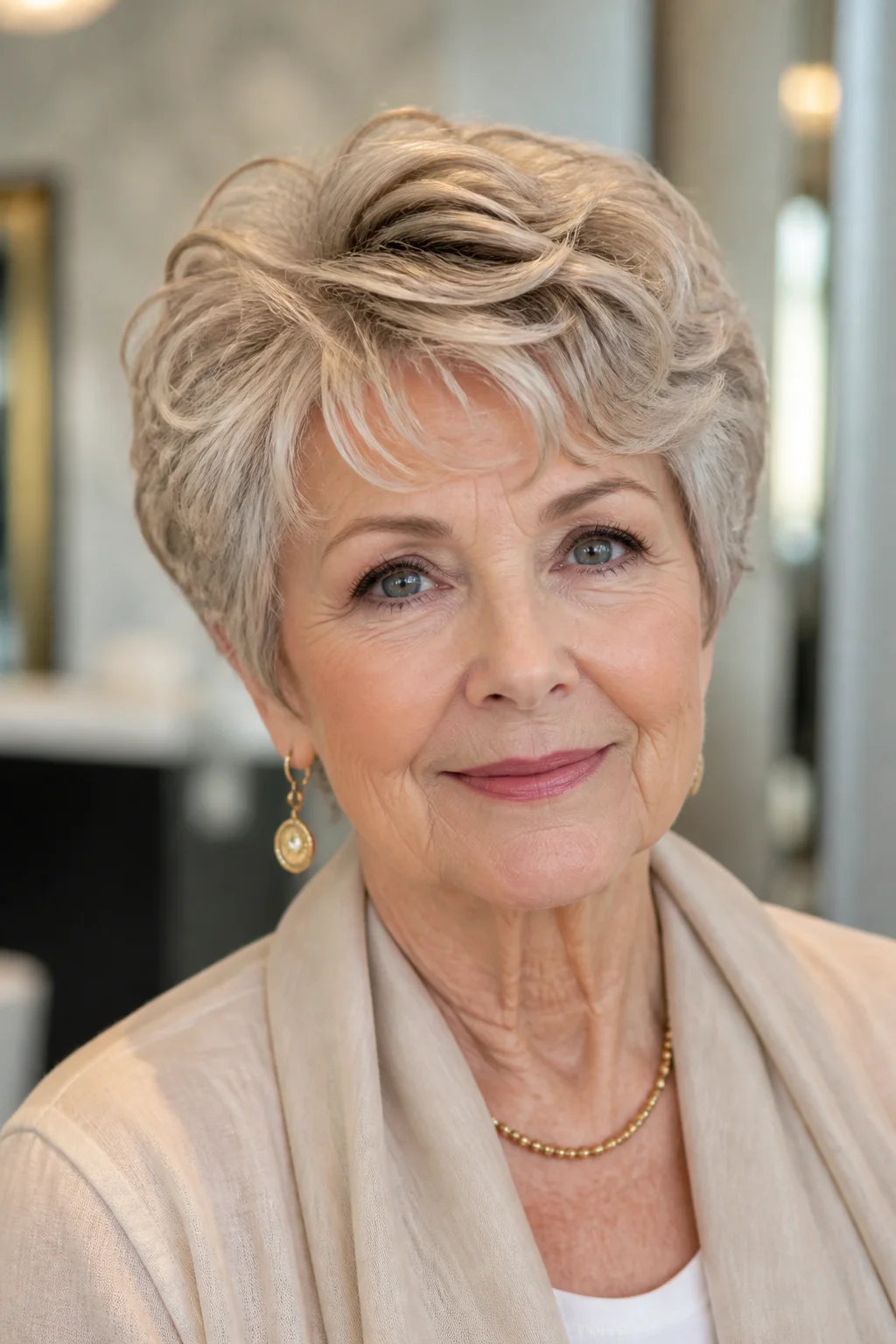
This style uses the natural curl to create soft, rolled sections that sit close to the scalp, almost like pin curls that never got taken out. It gives a retro feel without requiring any actual pin curling or heat styling, since the cut itself encourages the curls to roll that way on their own.
Soft Fade Curly Pixie
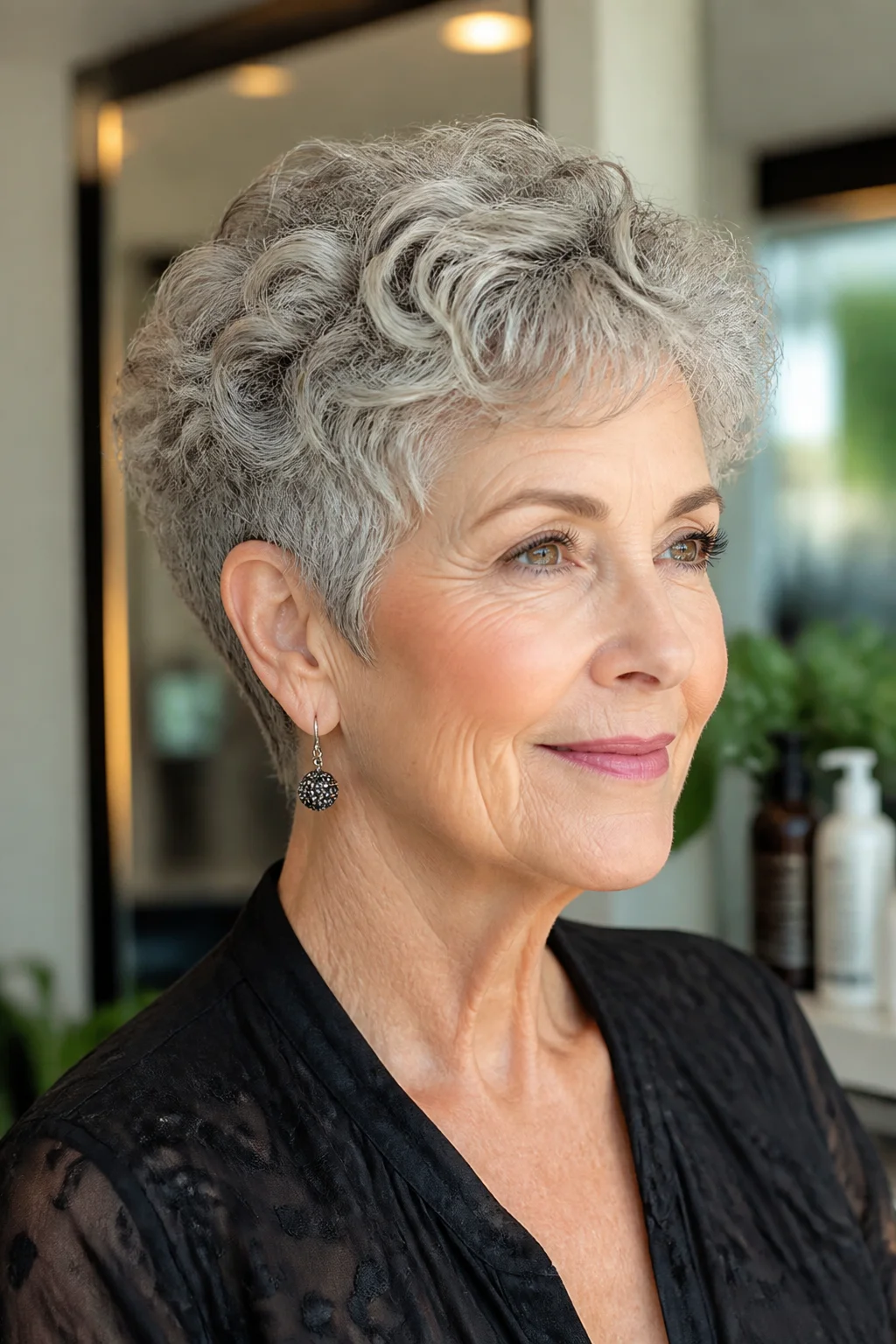
A gradual fade at the sides blends smoothly into longer curls on top, creating a soft transition rather than a hard line. This is a good option if you want a bit of an undercut feel without the stark contrast, since the fade eases into the curls gradually. Maintenance mostly involves keeping the fade fresh every few weeks while the top can go longer between trims.
Tousled Texture Pixie
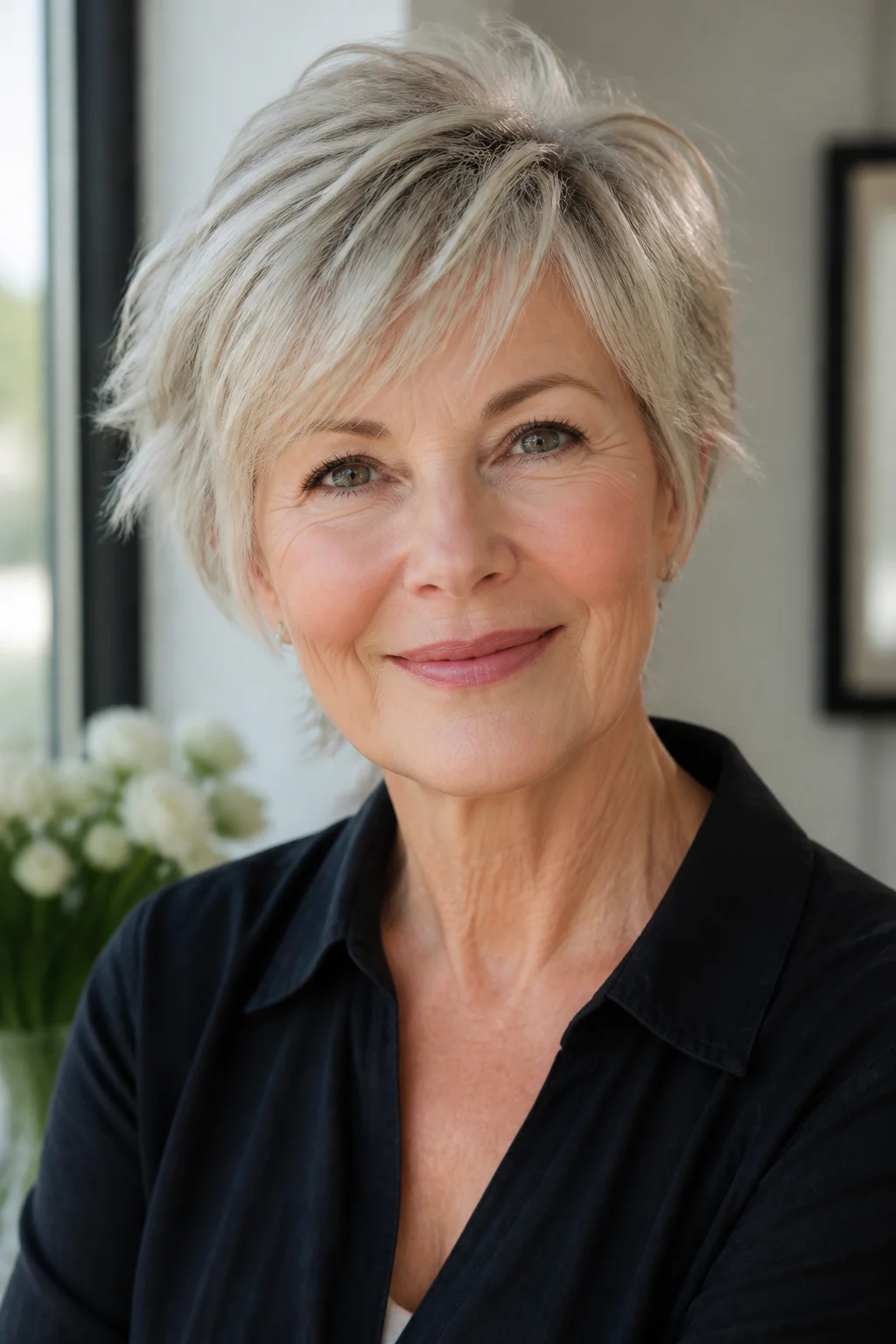
Similar to the tousled curl pixie but with more emphasis on choppy texture throughout, this version leans into a slightly messier, lived-in look. It suits curls of almost any pattern, though looser waves tend to show the tousled effect most clearly. Scrunching in a curl cream while hair is still damp gives the best results here.
Natural Coil Pixie
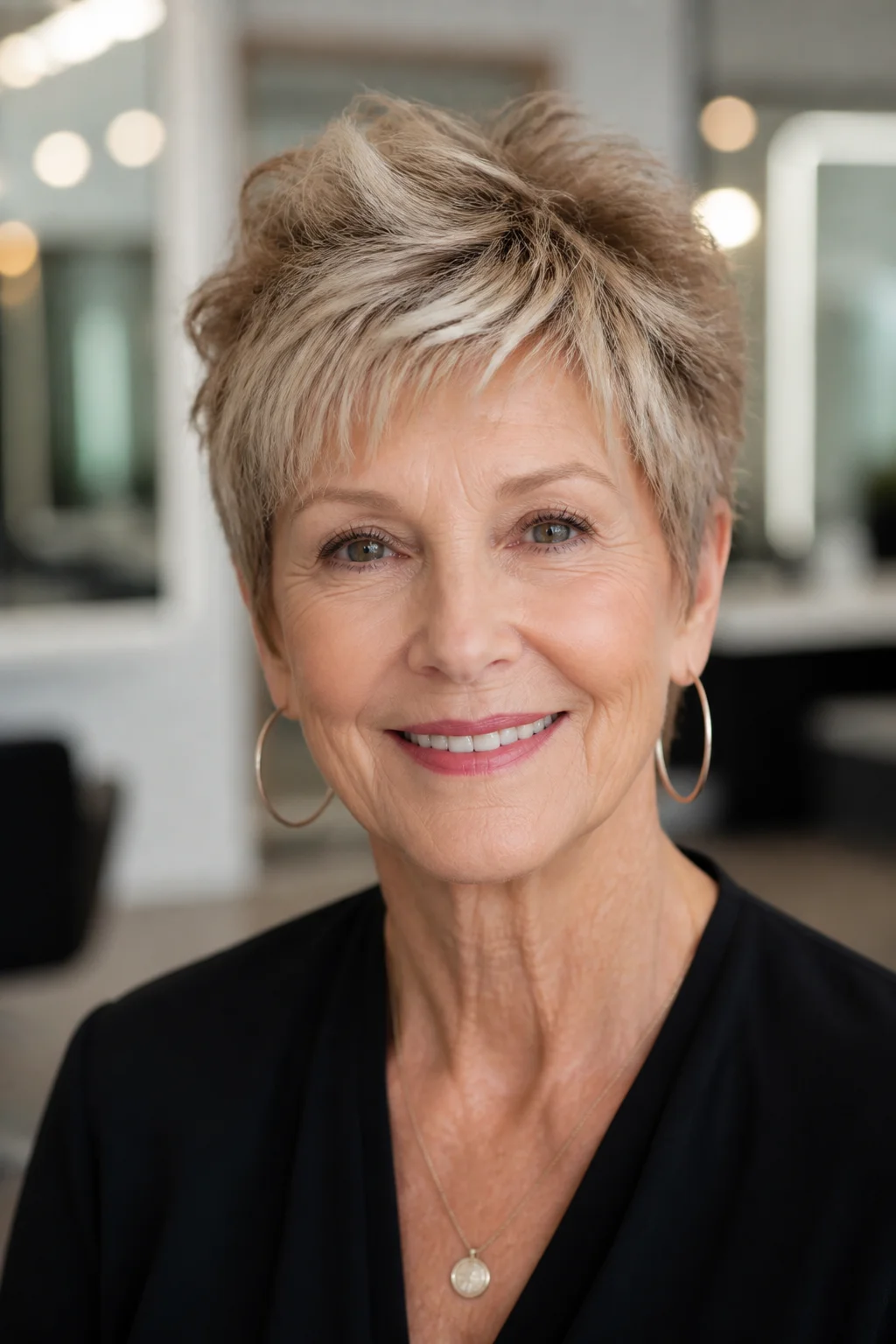
Cut to work directly with tight, natural coils, this style keeps length even throughout so the coils can spring up uniformly instead of unevenly. It respects the natural coil pattern rather than trying to loosen or stretch it, which keeps styling time down to almost nothing. This is a solid pick for anyone who wants their natural texture to do most of the work.
Graduated Pixie Cut
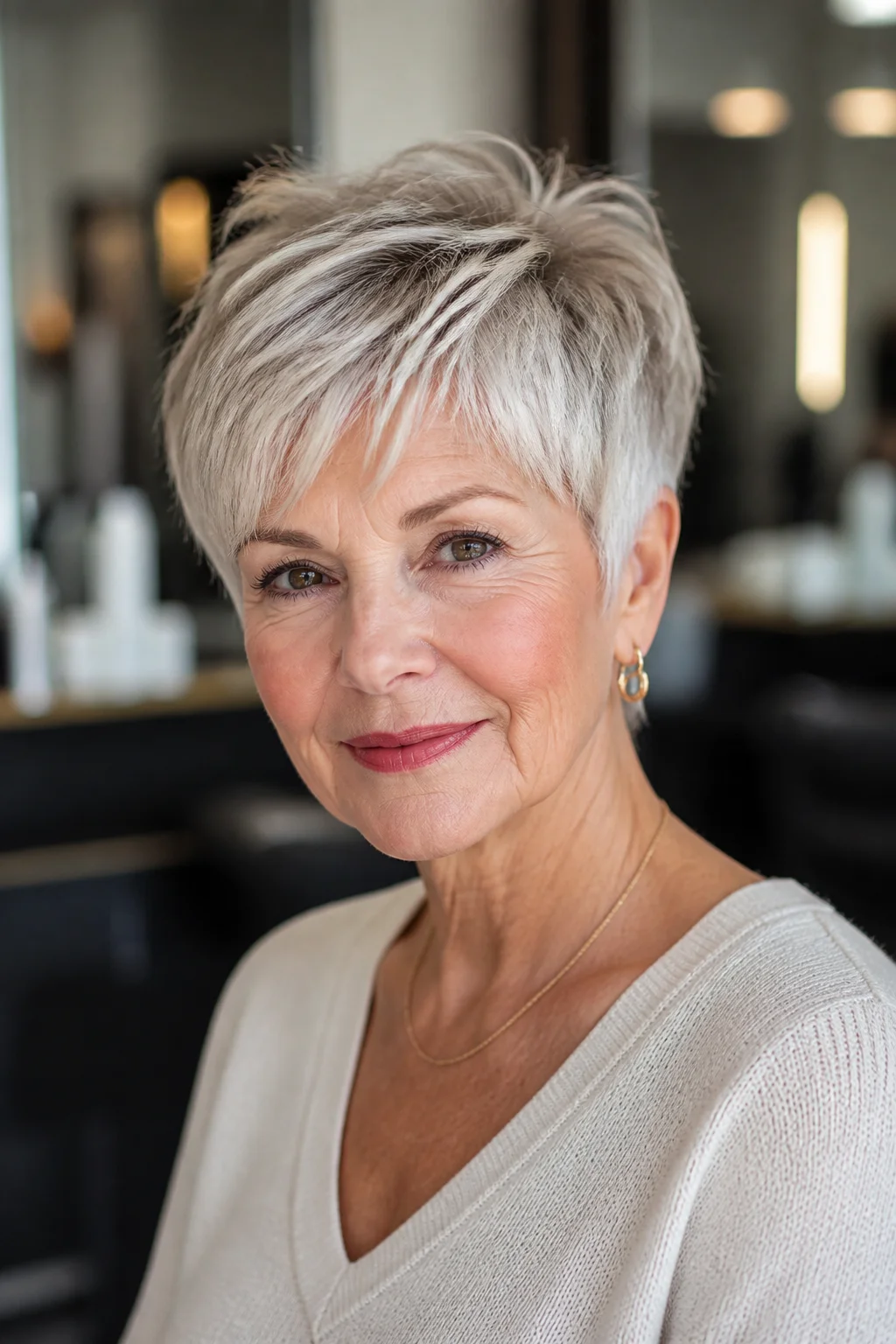
Graduated layers build gradually from short at the nape to longer at the crown, creating a soft, blended shape rather than sharp steps. Curls fill in the graduation nicely, softening what could otherwise look like a stacked bob on straight hair. It’s a flattering option for rounder face shapes since the graduation adds length visually through the back of the head.
How to Choose the Right Curly Pixie for You
Picking between these styles comes down to your curl pattern, your face shape, and how much time you actually want to spend in front of a mirror each morning. If your curls are tight and springy, the coily crown pixie or the natural coil pixie will hold their shape with the least effort, since tight coils naturally resist falling flat. Looser waves do better with the wispy pixie with waves or the fluffy pixie crop, where there’s enough length for the wave pattern to show clearly.
For anyone dealing with thinning hair, the full crown pixie and the feathered pixie with volume both add lift exactly where it’s needed most. If you want something with a bit more edge, look at the textured undercut pixie or the soft fade curly pixie rather than the softer, rounded shapes. A common mistake is choosing an asymmetrical curly pixie or angled curl pixie without asking how it will grow out. Sharp lines and uneven lengths need more frequent trims to stay sharp, while rounded and tapered shapes like the soft rounded pixie or classic tapered curly pixie grow out with barely a visible line. Match the cut to your texture first, then worry about the finer style details.
Final Thoughts
Short curly styles reward you with less daily effort and more consistent results than longer cuts ever will. Any of these options can work well past seventy, since the real deciding factor is curl pattern and face shape rather than age. I recommend bringing a few photos from this list to your next appointment and asking your stylist which shape fits your natural texture best. A good cut, paired with your curls’ own pattern, does most of the styling work for you.